
Cars are more than just machines; they often become part of people’s lives, serving as trusted companions through countless journeys. However, what happens when a car is abandoned and left untouched for years? One might expect that the vehicle would quickly succumb to time, rust, and decay, rendering it completely inoperable.
Surprisingly, there are numerous stories of cars that, despite years, sometimes even decades of abandonment, are found and still able to run. This phenomenon raises many questions about the durability and resilience of vehicles. It speaks to the quality of engineering, the materials used, and even environmental factors that influence how long a car can survive without maintenance or use.
Typically, when a car is abandoned, a series of mechanical and environmental challenges threatens its functionality. Tires deflate and crack, fluids degrade and leak, electrical components corrode, and engines seize due to lack of lubrication or moisture intrusion. In many cases, animals may take refuge in the vehicle, further damaging wiring and upholstery.
Despite these challenges, some cars manage to defy the odds and return to life when rediscovered. Their survival is often a combination of mechanical simplicity, robust engineering, protective storage conditions, and sometimes pure luck. These vehicles serve as fascinating case studies, demonstrating how some cars can retain their core integrity and functionality even after prolonged periods of neglect.
Furthermore, the stories behind these abandoned vehicles add a layer of intrigue and nostalgia. Often, cars are left behind due to changes in ownership, family circumstances, or shifting priorities, and then forgotten. Rediscovering these cars can be a thrilling experience, connecting past and present, and sometimes leading to restoration projects that bring these machines back onto the road.
This process also reveals how the evolution of automotive technology influences a vehicle’s ability to withstand time. Older cars with simpler mechanical systems sometimes have an advantage because they lack complex electronics that are prone to failure.
Meanwhile, newer cars benefit from improved materials and corrosion resistance, which also help their longevity. The following sections introduce ten remarkable cars that were abandoned for years but could still be made to run again, each one highlighting different factors that contributed to their survival.
Also read: 8 Biggest Mistakes That Kill a Dodge Durango Fast
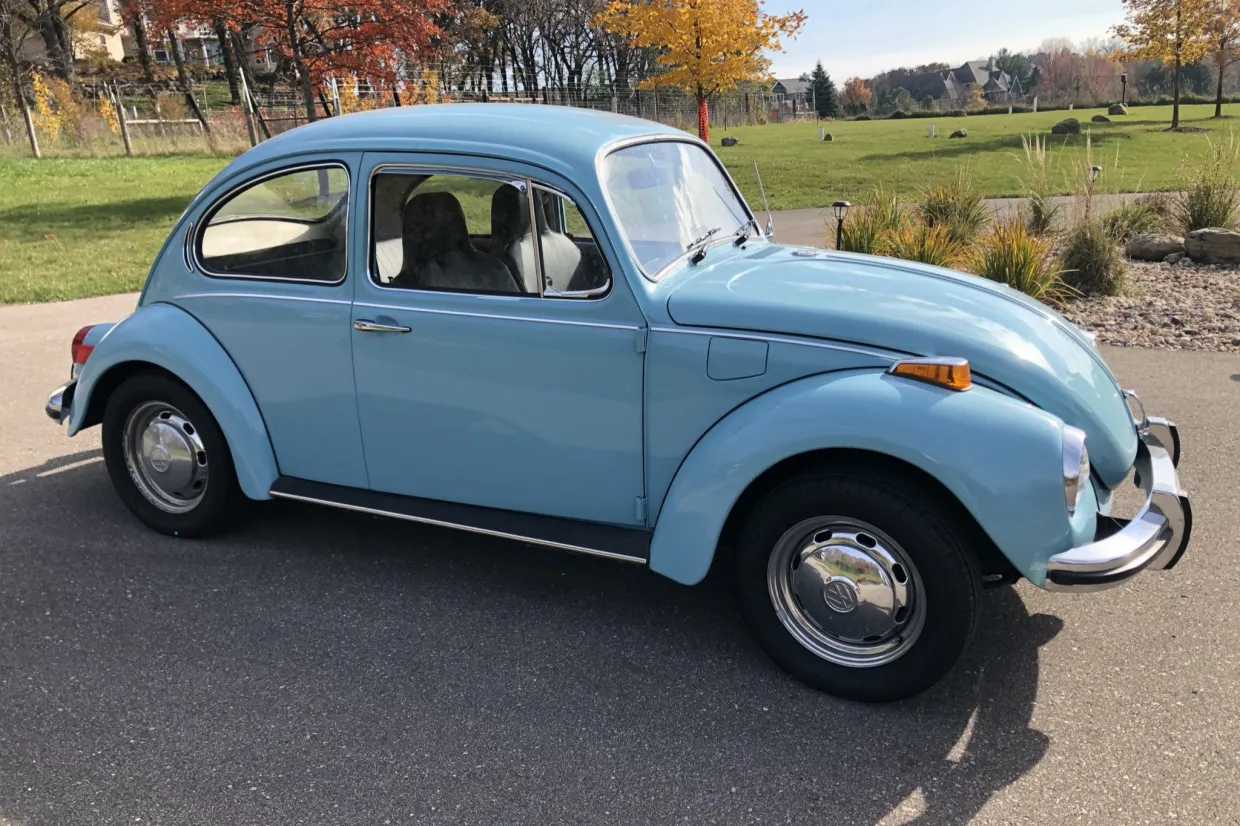
1. 1971 Volkswagen Beetle – Forgotten in a Barn for 30 Years
The Volkswagen Beetle has long been celebrated for its simplicity and mechanical reliability. In one case, a 1971 Beetle was found in an old barn after sitting unused for 30 years. Covered in a thick layer of dust and cobwebs, the car appeared neglected, but its compact design and air-cooled engine proved to be the secret behind its endurance.
Unlike most cars that depend on water-cooled engines, the Beetle’s engine design eliminated the risk of radiator failure or coolant leaks, which often cause major engine problems after long periods of inactivity. This robust air-cooled flat-four engine could survive harsh conditions better than many other powertrains.
The barn’s dry environment played a crucial role in preserving the car. Moisture is one of the most damaging elements for vehicles, promoting rust and corrosion, especially in steel body panels and the undercarriage. The relatively dry atmosphere in the barn meant that, although the car was dusty and showed some surface rust, it avoided deep structural damage.
The tires were flat, and the brake system was seized, but these are parts that can be replaced or serviced relatively easily compared to the engine or transmission. What amazed restorers was the condition of the wiring and ignition components, which, despite some corrosion, were largely intact.
After a careful cleaning, fluid replacement, and battery recharge, the Beetle’s engine fired up with surprising smoothness. This event was celebrated by enthusiasts who see the classic Beetle as a symbol of mechanical endurance.
The electrical system’s resilience was unexpected, given the time the car spent dormant. This story highlights that a car with a simple, air-cooled engine and stored in a favorable environment has a much better chance of surviving long-term abandonment and still being operable.
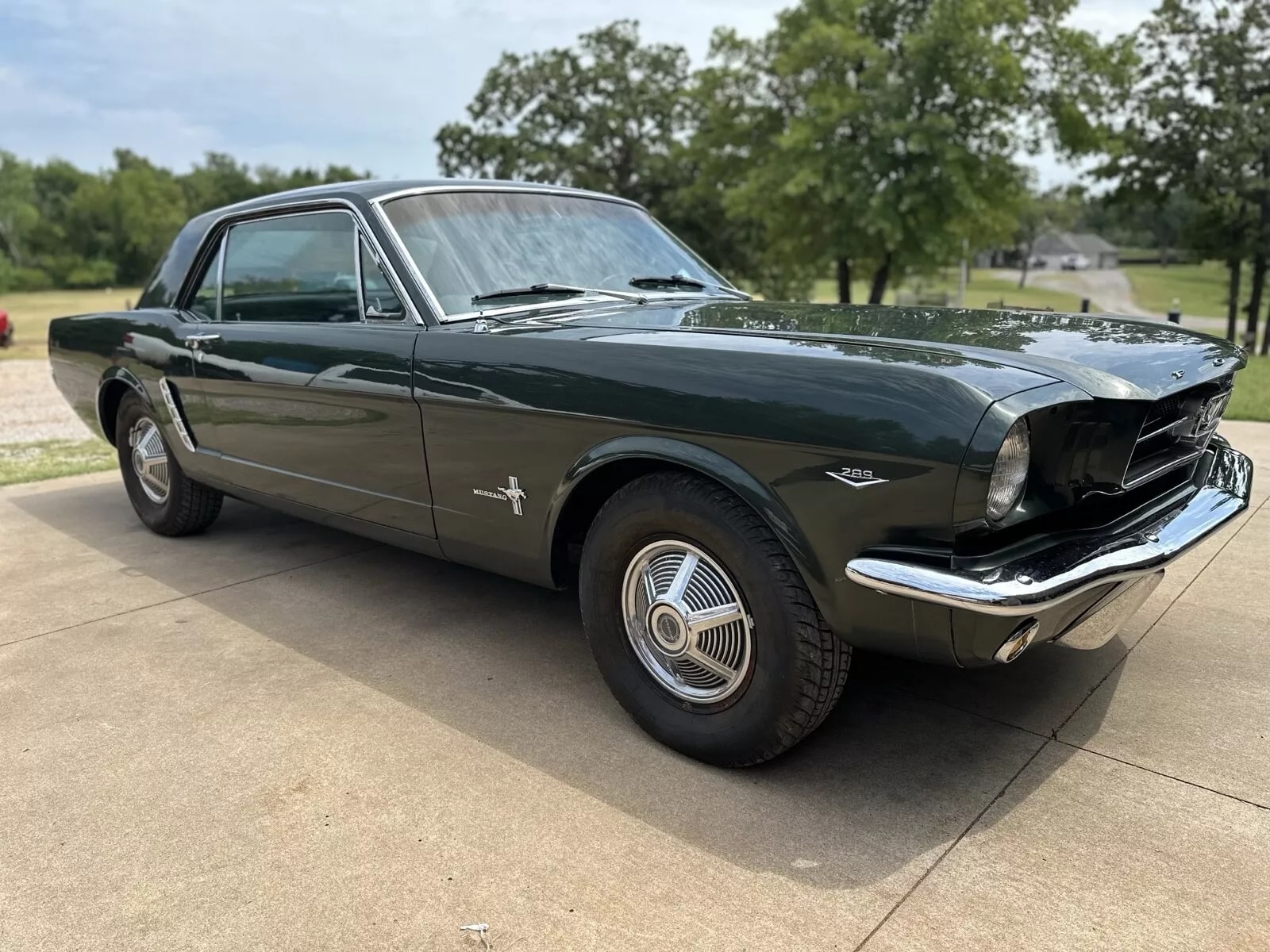
2. 1965 Ford Mustang – Left in a Garage for 25 Years
The Ford Mustang is a muscle car icon, known for its performance and stylish design. A 1965 Mustang was discovered tucked away in a family garage, where it had been parked and forgotten for 25 years. Unlike cars left outdoors, this Mustang benefited from indoor storage, which shielded it from harsh weather conditions.
While the exterior had accumulated dust and showed minor rust spots, the bodywork and interior remained relatively preserved. The V8 engine inside was a key reason why this Mustang was still able to run despite years of disuse.
Muscle car engines, especially V8s like those found in the Mustang, are known for their mechanical toughness and straightforward design. After replacing the battery and draining the old gasoline, which tends to gum up fuel systems after prolonged storage, mechanics cleaned the carburetor and fuel lines.
The engine turned over after a few attempts, and with a bit more coaxing, it roared to life. This was a testament to the Mustang’s reputation for durability. The ignition system and spark plugs, which are often vulnerable in old cars, showed signs of minor corrosion but remained functional.
The garage environment was critical for the preservation of this Mustang. Indoor storage prevents damage caused by rain, sun, and temperature swings. The dry, controlled environment minimized rust on the frame, suspension, and brake lines, though all these components still required servicing.
The story of this Mustang demonstrates how classic muscle cars, when stored indoors and kept away from the elements, can survive long-term abandonment and still be driven again. It also reveals how proper maintenance before storage, even if incomplete, can extend a vehicle’s life significantly.

3. 1983 Toyota Land Cruiser – Desert Deserted for 20 Years
The Toyota Land Cruiser is often regarded as one of the toughest vehicles ever made, designed to handle some of the world’s most challenging terrains.
One 1983 Land Cruiser was found abandoned in a desert after 20 years of inactivity. The dry desert environment, while extreme in temperature, proved beneficial in preserving this vehicle. Unlike areas with high humidity or heavy rainfall, the desert air limited rust and corrosion, allowing the Land Cruiser to retain much of its mechanical integrity.
The Land Cruiser’s inline six-cylinder engine is famed for its durability and simple mechanical layout. These characteristics meant that even after two decades of desert exposure, the engine’s core components, such as the block, pistons, and valves, remained in good shape.
The four-wheel-drive system, crucial for the vehicle’s off-road capabilities, also remained functional, albeit requiring lubrication and servicing. Tires and rubber parts were completely dried out and unusable, but these are expected in such conditions.
Getting the Land Cruiser running again involved replacing all fluids, cleaning the fuel system, and installing a new battery. Once these were in place, the engine started reliably, impressing those who worked on it. This case underlines how the combination of rugged vehicle design and an arid environment can preserve a vehicle for many years. It also reflects Toyota’s reputation for manufacturing long-lasting vehicles that can survive conditions that would easily cripple lesser machines.

4. 1990 BMW 3 Series – Locked in a Shed for 18 Years
A 1990 BMW 3 Series was discovered locked inside a shed after nearly two decades of abandonment. Stored indoors, this car avoided much of the environmental damage typically associated with outdoor neglect. The BMW’s reputation for engineering precision was reinforced when its engine and transmission were found in surprisingly good condition. While some rubber hoses had hardened and seals showed signs of wear, the core mechanical components were intact.
The inline six-cylinder engine that powered this BMW was built with a focus on performance and longevity. Unlike many cars that suffer from corrosion in the cylinder head or block after long periods of inactivity, this engine appeared well-preserved.
The electrical system, often vulnerable in older cars, was mostly operational after a bit of cleaning and replacing some fuses. The car’s transmission also functioned correctly, though fluid replacement was necessary to ensure smooth operation.
Getting this BMW started required the removal of old fuel, battery replacement, and a thorough check of the ignition system. Once these tasks were completed, the engine cranked on the first attempt and ran smoothly. This discovery highlights how proper storage and build quality play vital roles in a vehicle’s ability to survive years of abandonment. It also reflects the solid engineering of German cars from the late 20th century.
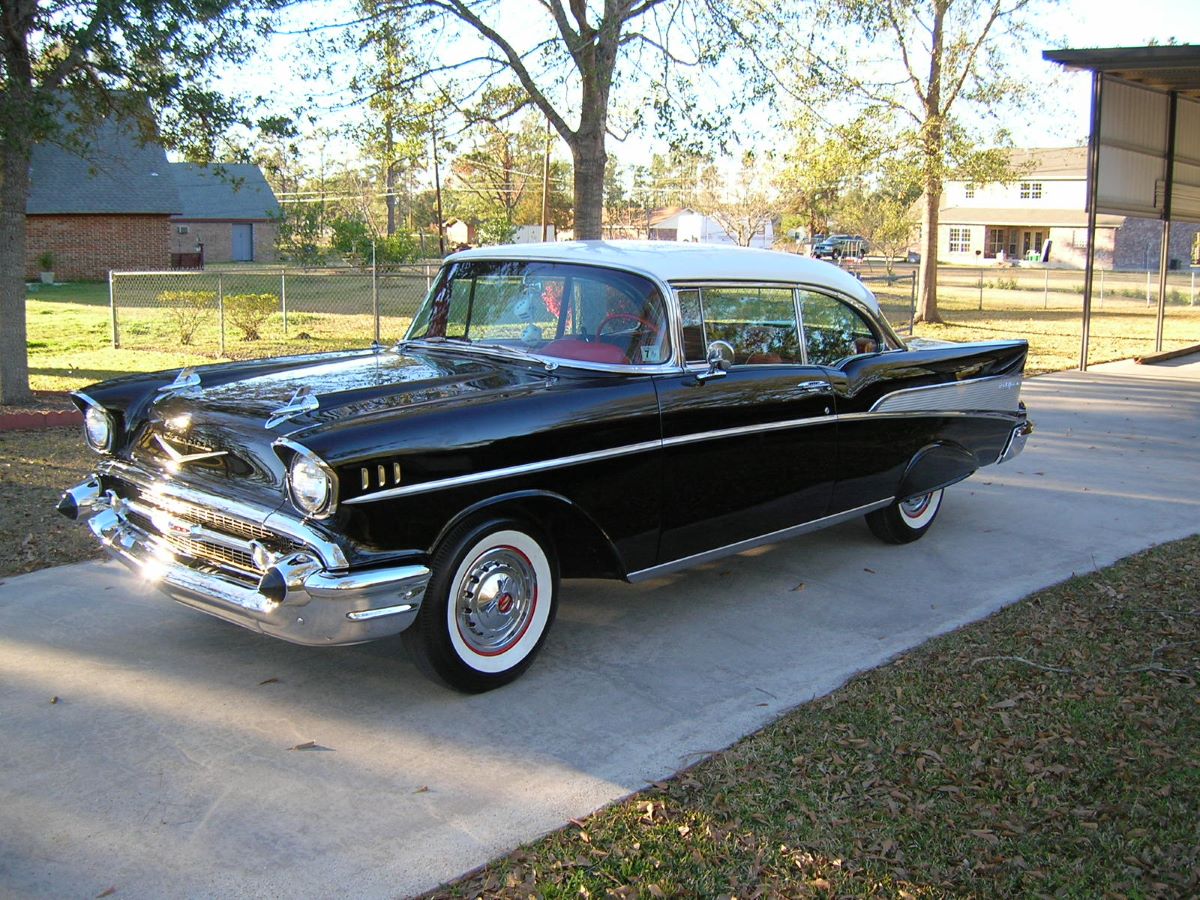
5. 1957 Chevrolet Bel Air – Left in a Field for 40 Years
The Chevrolet Bel Air of the 1950s is a symbol of classic American automotive culture, known for its style and powerful V8 engine. One such Bel Air was found abandoned in a rural field, untouched for 40 years. The car’s exterior showed extensive surface rust, and the interior had been damaged by weather and wildlife. Despite these harsh conditions, the vehicle’s engine block and key mechanical systems were surprisingly well-preserved.
The Bel Air’s V8 engine design is straightforward and robust. While many peripheral components, such as the carburetor, fuel lines, and electrical wiring, suffered damage, the core engine structure was sound. Restoration specialists were able to clean the engine, replace deteriorated parts, and flush out years of old fuel and fluids. With some work, the engine fired up, revealing the strength of Chevrolet’s 1950s engineering.
This case shows that while outdoor exposure accelerates degradation, some vehicles, particularly those with solid, heavy-duty engines and simple mechanical systems, can endure remarkable lengths of time abandoned. The Bel Air also illustrates how classic cars carry value beyond operation; they embody cultural history and automotive heritage worth preserving.
Also read: 9 Maintenance Oversights That Kill a Dodge Viper’s Longevity

6. 2001 Jeep Wrangler – Forgotten in a Forest for 15 Years
A 2001 Jeep Wrangler was discovered deep in a forest after being left untouched for 15 years. The vehicle was surrounded by vegetation, and the forest floor had grown around it. Despite exposure to the elements and wildlife, the Wrangler’s engine started after basic maintenance, which was surprising given its challenging surroundings.
The Jeep Wrangler is designed as an off-road vehicle, built to endure tough conditions and rough terrain. This ruggedness extended to its mechanical systems, allowing it to survive the forest environment for over a decade. The four-cylinder engine and drivetrain components showed resilience, even though many rubber parts like tires and seals had dried and cracked.
After replacing fluids, the battery, and cleaning the fuel system, the engine turned over and started running. The chassis and frame were also in decent condition, considering the exposure to moisture and plant growth. This story highlights the Wrangler’s durability and the advantages of mechanical simplicity combined with tough construction when facing long-term abandonment in harsh natural settings.
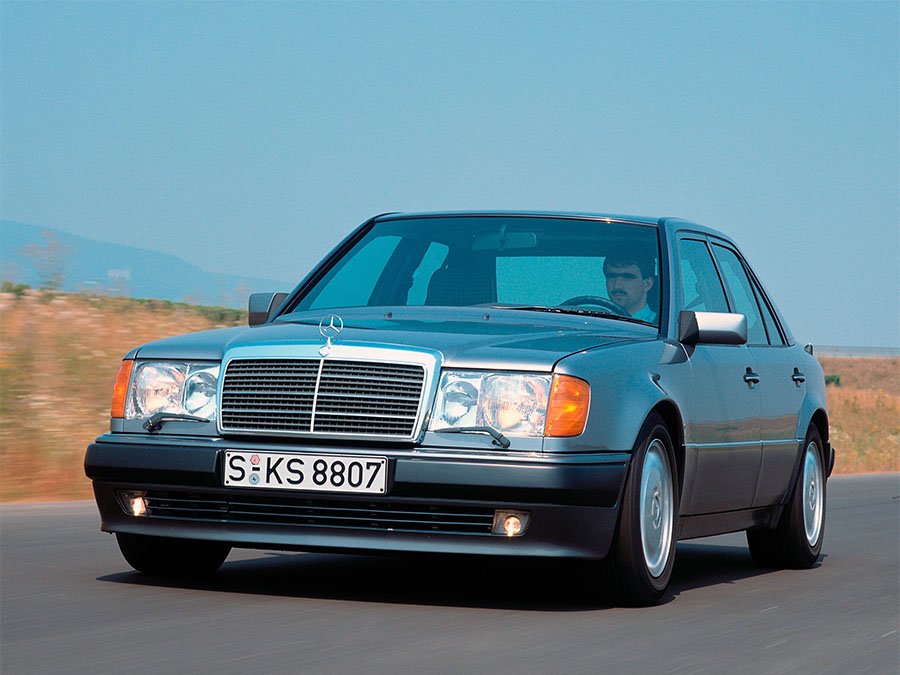
7. 1988 Mercedes-Benz W124 – Stored in a Warehouse for 22 Years
The Mercedes-Benz W124 is often hailed as one of the most reliable cars ever made. A 1988 W124 was found in a warehouse after 22 years of inactivity. Thanks to its indoor storage, the car was free from severe rust or environmental damage, helping preserve both its mechanical systems and body.
The W124’s inline six-cylinder engine is known for its durability and longevity. This car started almost immediately after replacing the battery and refreshing fluids. The engine ran smoothly, and most of the electronics worked after replacing some corroded fuses and cleaning electrical contacts. The transmission also shifted without issues, showcasing the solid engineering of this model.
Although the suspension and brakes needed servicing due to age-related seizing, the main mechanical components were intact. This example illustrates how storage conditions are critical to a car’s survival, with protected environments significantly extending the lifespan of vehicles left unused for decades.

8. 1978 Land Rover Series III – Deserted on a Farm for 35 Years
A 1978 Land Rover Series III was found abandoned on a farm after 35 years. While exposed to weather and seasonal changes, the Land Rover’s rugged construction helped preserve the engine and mechanical parts. Its simple four-cylinder engine and sturdy frame meant that, after cleaning and maintenance, it was able to start again.
The Land Rover’s design emphasizes durability and ease of repair. Despite decades of exposure, the vehicle’s engine block was still solid, and while rubber parts were degraded, replacing them made the vehicle operational once more. The chassis resisted corrosion, thanks to the vehicle’s utilitarian build and farm environment, which was drier than a typical outdoor setting.
This discovery highlights the advantages of straightforward mechanical design for vehicles meant to operate in tough, rural conditions. The Land Rover’s ability to function after 35 years of abandonment shows how utility vehicles are often built to outlast many of their surroundings and owners.
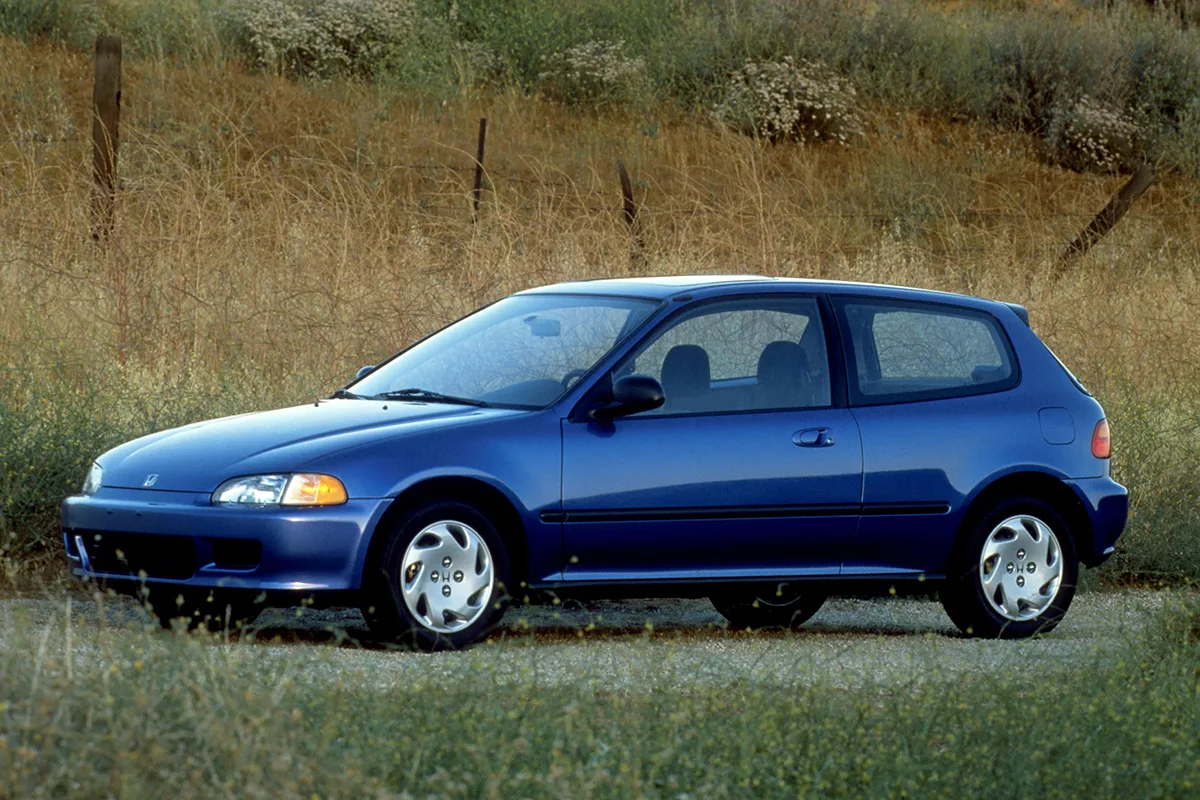
9. 1995 Honda Civic – Locked in a Garage for 20 Years
A 1995 Honda Civic was found locked in a residential garage after 20 years. Despite showing signs of neglect, the car’s engine was able to run again after basic maintenance. The Civic’s reputation for reliability and efficient engineering was evident as its four-cylinder engine responded well after fluid replacement and a battery change.
The car’s fuel system and ignition components required cleaning due to corrosion and buildup, but none of the issues were beyond repair. The interior was mostly intact, and the car’s electronic systems were functional after reconnecting some corroded wiring. The Civic’s design emphasized durability and fuel efficiency, making it easier for the engine to survive long periods without use.
This case illustrates how reliable design and protected storage conditions can allow a car to remain operable even after being forgotten for two decades. The Honda Civic’s continued operation after abandonment is a testament to Japanese engineering in the 1990s, which prioritized longevity and minimal maintenance.
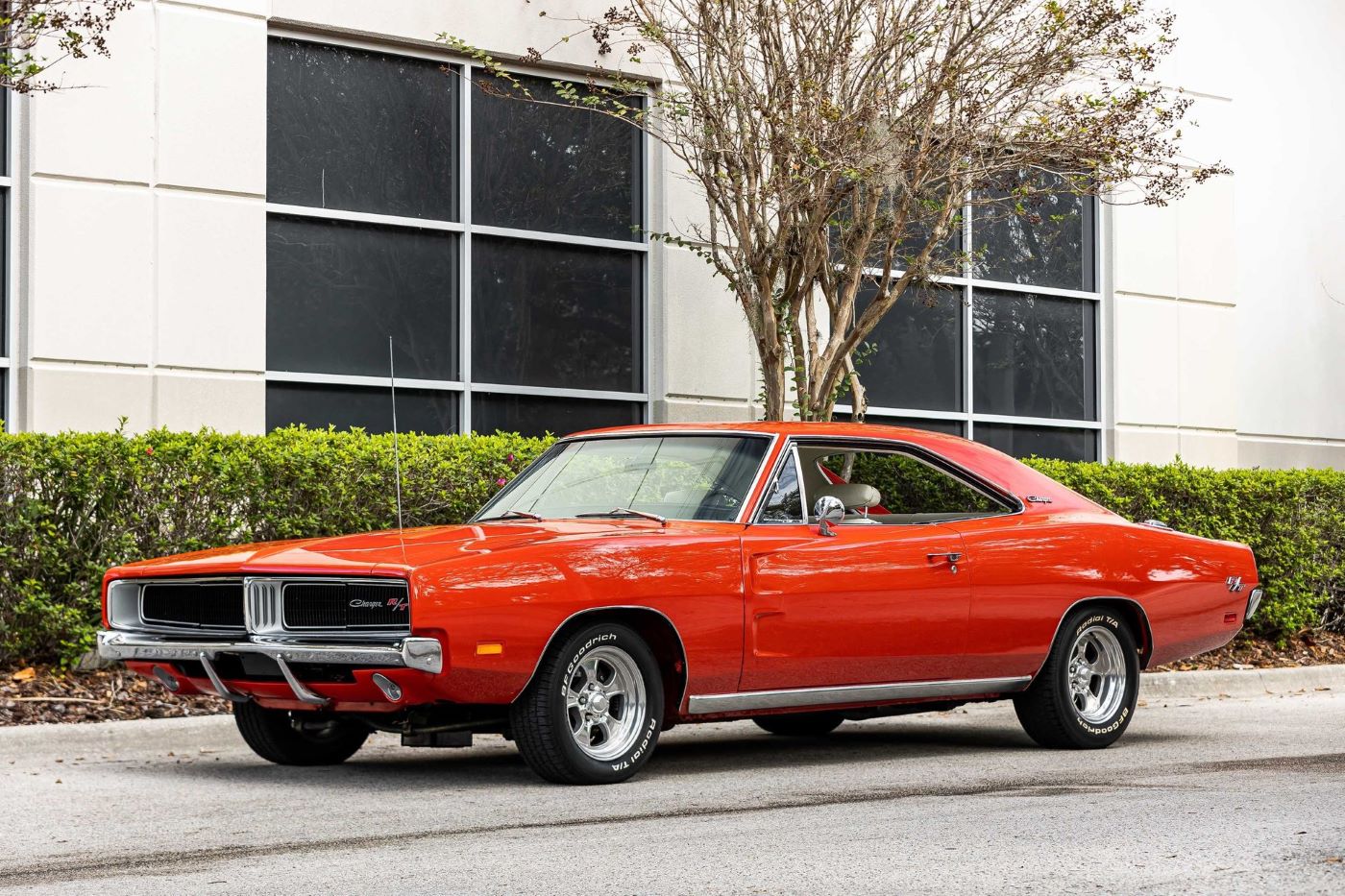
10. 1969 Dodge Charger – Left in a Garage for 27 Years
The Dodge Charger, a muscle car icon from the late 1960s, was found in a garage after 27 years of abandonment. Despite the passage of time, its powerful V8 engine was capable of running again after some fuel system cleaning and electrical repairs. This discovery thrilled muscle car enthusiasts who saw the vehicle as a symbol of American performance heritage.
The Charger’s V8 engine and transmission were known for their robust construction, which helped them survive years of inactivity with minimal internal corrosion. The car’s metal frame and body were structurally sound, with only minor surface rust. After replacing the battery and fluids, the engine fired up and ran smoothly, proving that muscle cars from this era could endure long periods of dormancy if stored indoors.
This story exemplifies how a combination of powerful engineering and protective storage conditions can extend a vehicle’s life far beyond typical expectations. It also showcases the cultural significance of muscle cars as machines built to perform, even after decades of neglect.
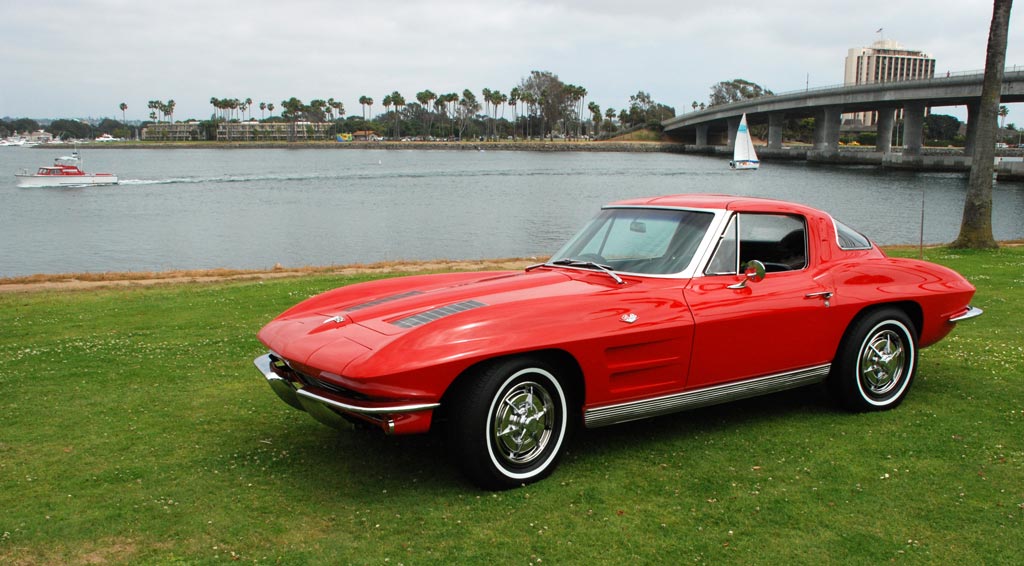
11. 1963 Chevrolet Corvette – Forgotten in a Garage for 28 Years
The 1963 Chevrolet Corvette, often hailed as America’s first true sports car, was found in a private garage after 28 years of abandonment. The Corvette’s fiberglass body resisted rust in a way that many steel-bodied cars cannot, which gave it a significant advantage in preservation. Although the interior showed signs of wear and mildew, the engine bay told a different story. The small-block V8 under the hood, renowned for its high performance and simplicity, remained largely intact despite decades of inactivity.
Fiberglass bodies are naturally immune to rust, one of the primary killers of old cars, especially those left unused in humid environments. This unique feature meant that the Corvette’s exterior retained much of its shape and structural integrity.
Mechanically, the engine suffered typical issues such as stale fuel and dry seals, but after a full fluid change, carburetor cleaning, and replacement of ignition components, the Corvette fired up with a powerful growl. The electrical system, known to be somewhat delicate in older Corvettes, was surprisingly intact after minor repairs.
This discovery underlines the benefit of fiberglass construction combined with robust American V8 engineering. The Corvette’s survival was also aided by being indoors, which helped shield it from sun damage and moisture.
For enthusiasts, the revival of a ’63 Corvette is particularly exciting because it combines vintage sports car styling with a testament to engineering longevity. The ability to start and run after nearly three decades of neglect emphasizes how design choices impact long-term preservation.

12. 1987 Subaru Outback – Left in a Garage for 21 Years
The 1987 Subaru Outback, one of the earliest crossover SUVs, was discovered in a suburban garage after sitting unused for 21 years. Known for its all-wheel-drive system and boxer engine layout, the Outback is designed to be rugged and reliable. This particular car’s engine still turned over with minimal effort, a remarkable feat considering the length of its dormancy.
Subaru’s horizontally opposed “boxer” engines distribute weight evenly and are known for their smooth operation and durability. The symmetrical all-wheel-drive system, standard in Outbacks, adds mechanical complexity but also helps maintain traction and balance over rough terrain.
After replacing the old gasoline and performing routine maintenance like changing oil and coolant, the engine started and idled steadily. The car’s AWD drivetrain, though seized in places, was serviceable enough to allow the car to move under its own power.
One major challenge with long-term abandonment in cars like this is electrical degradation, but the Outback’s simple electronics from the late 1980s were resilient enough to function after basic cleaning and repairs. Indoor garage storage prevented excessive corrosion on the body and chassis. This case illustrates how vehicles designed for practical utility and everyday reliability can often weather long periods of neglect and still function when brought back to life.

13. 1950 Ford F-1 Pickup – Abandoned on a Farm for 40 Years
A 1950 Ford F-1 pickup truck was found abandoned on a farm after 40 years. The truck, built for rugged work, had spent decades exposed to the elements but still possessed a strong frame and a well-preserved engine block. The F-1 was a pioneering model in the Ford F-Series, known for its sturdy construction and reliable inline six-cylinder engine.
Farm environments are challenging for vehicles due to exposure to moisture, mud, and dust. However, the F-1’s simple mechanical design allowed it to survive longer than many other vehicles in similar conditions.
While many rubber parts like tires, hoses, and belts had decayed, the steel chassis remained solid with only surface rust. After a thorough mechanical overhaul, including replacing old fuel, oil, and spark plugs, the engine fired up, surprising the restoration team.
This example highlights the importance of mechanical simplicity and heavy-duty design for longevity. The Ford F-1 was built as a workhorse, and its ability to run after four decades of abandonment is a testament to the durable engineering of trucks from that era. It also shows how utility vehicles can often outlast passenger cars, especially when exposed to tough conditions.
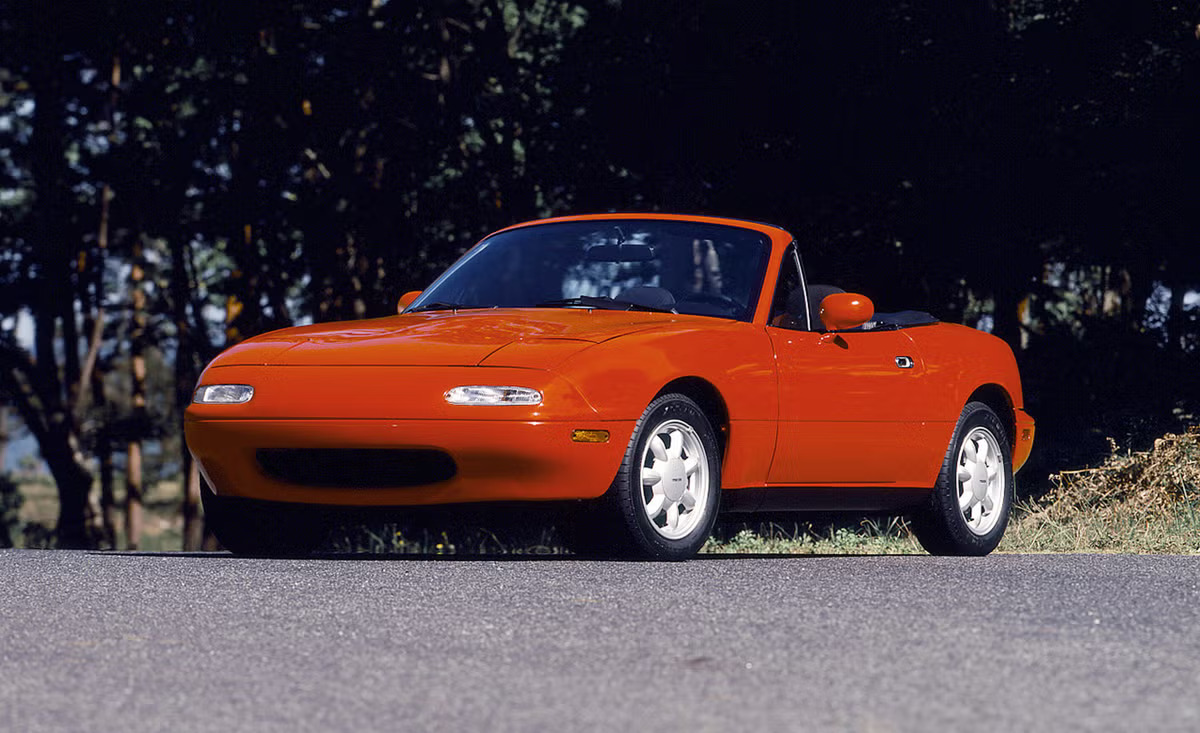
14. 1998 Mazda Miata – Stored in a Garage for 19 Years
The 1998 Mazda Miata is a beloved lightweight roadster known for its fun driving dynamics and reliable engineering. One particular Miata was found stored in a garage for 19 years, mostly forgotten but remarkably well-preserved. Despite the time that had passed, the car was able to start and drive after some routine servicing.
The Miata’s 1.8-liter four-cylinder engine is relatively simple and efficient, with a reputation for lasting hundreds of thousands of miles. After 19 years, the major challenge was stale fuel and degraded fluids, which were replaced. The ignition system and starter motor also required attention but were largely salvageable.
The Miata’s lightweight construction and minimal electronics contributed to fewer failure points, making restoration easier compared to more complex vehicles.
Garage storage prevented rust damage to the body and undercarriage, preserving the car’s structural integrity. The car’s classic design and mechanical reliability made it a perfect candidate for revival. This case demonstrates how small, sporty cars built with a focus on reliability and simplicity can endure long periods without use and still be brought back to life with relative ease.
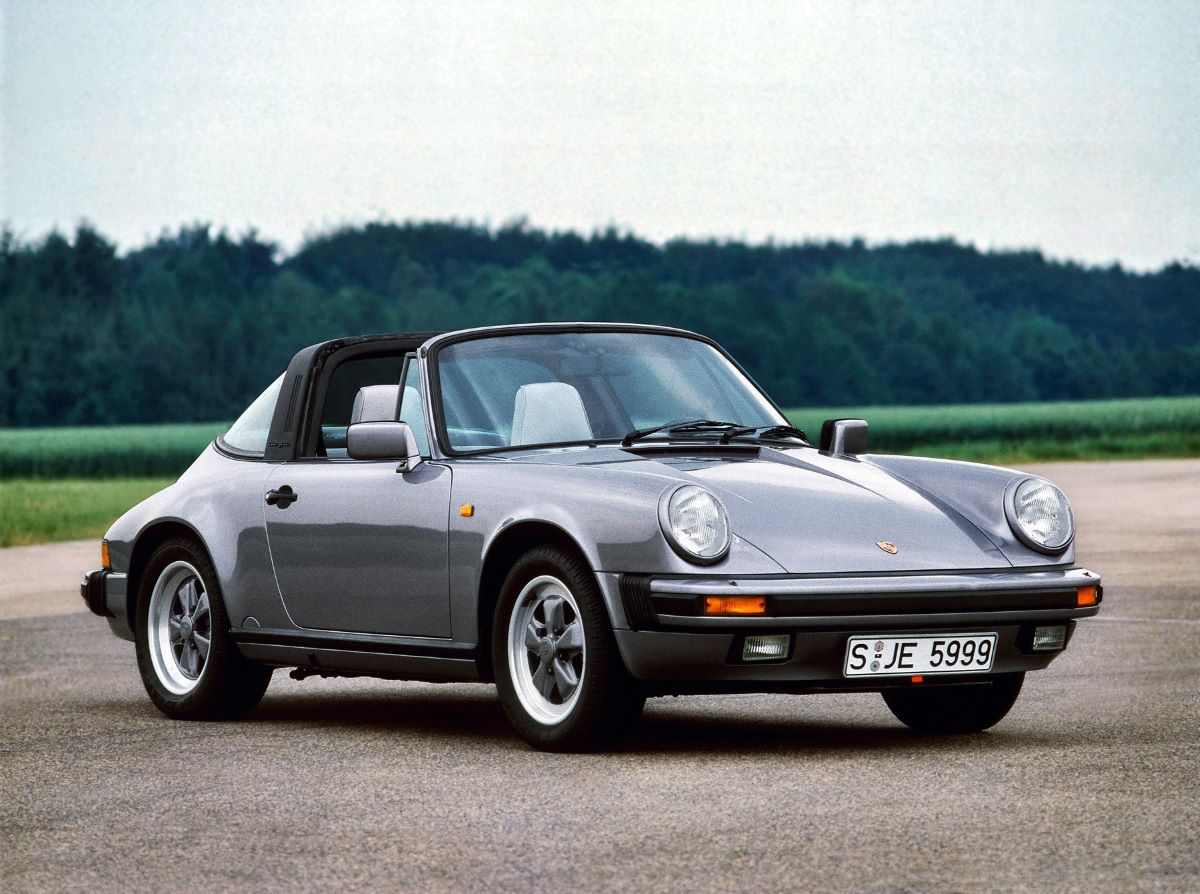
15. 1974 Porsche 911 – Locked in a Storage Unit for 26 Years
A 1974 Porsche 911 was found locked away in a storage unit for 26 years, untouched and surprisingly well-preserved. The Porsche 911, with its rear-mounted flat-six engine, is famous for precision engineering and motorsport heritage. Despite the long period of dormancy, the car’s engine and transmission were largely intact and capable of running again after some maintenance.
The 911’s air-cooled flat-six engine is celebrated for its durability and distinct sound. Its relatively simple cooling system (without a radiator) reduces failure points during long storage. The car’s mechanical systems, including the engine, transmission, and suspension, showed only minor corrosion. The electrical system, often a weak point in older cars, was revived with careful cleaning of contacts and replacement of the battery.
The Porsche’s aluminum components and rust-resistant body panels also contributed to its good condition after years of inactivity. Once fluids were changed and the fuel system cleaned, the car started smoothly. This story highlights the resilience of classic European sports cars when stored in dry, secure environments. It also reflects how precision engineering and quality materials can help a car survive decades of neglect.
Also read: 9 Maintenance Oversights That Kill a Dodge Viper’s Longevity
The remarkable stories of these 15 cars, ranging from classic American muscle cars and vintage European sports cars to rugged off-roaders and reliable everyday vehicles, demonstrate a fascinating truth about automotive engineering and preservation.
Despite years, and sometimes decades, of neglect and abandonment, many cars can still be revived to run again. This resilience is a testament to the quality of design, the materials used, and the conditions in which these vehicles were stored. Whether hidden away in a dry barn, locked inside a garage, or even left exposed in the harsh desert or a forest, these vehicles have shown an impressive ability to endure the passage of time.
A key takeaway from these examples is that a car’s longevity after abandonment often depends heavily on its storage environment. Indoor storage environments such as garages, barns, and warehouses greatly reduce exposure to moisture, sunlight, and temperature fluctuations, which are primary contributors to rust, corrosion, and degradation.
Cars kept in such protective conditions are more likely to have intact bodies, wiring, and mechanical components even after decades of inactivity. Conversely, vehicles left outdoors in wet or humid climates face accelerated deterioration, making their revival more challenging, though not impossible with the right mechanical knowledge and restoration effort.
Another important factor is the vehicle’s engineering simplicity and build quality. Cars with straightforward mechanical systems, such as air-cooled engines or simple carbureted fuel delivery, are often easier to restart after long periods of dormancy because there are fewer complex parts susceptible to failure.
Likewise, vehicles built with corrosion-resistant materials, like fiberglass bodies or aluminum components, show better resistance to the harsh effects of time. Rugged utility vehicles designed for tough environments, such as the Toyota Land Cruiser and Land Rover Series III, also benefit from robust construction that helps them withstand years of neglect.
These stories are not only about mechanical endurance but also about the cultural and emotional value cars carry. Each abandoned car has its own history, memories, and significance tied to past owners and the eras in which they were built. Bringing these vehicles back to life connects the past with the present, preserving automotive heritage while celebrating craftsmanship that transcends time.
The fact that these cars can still run after years of abandonment serves as an inspiring reminder of the durability and lasting impact of well-made machines. It encourages automotive enthusiasts, restorers, and casual observers alike to appreciate the resilience inherent in great car design and to recognize the potential in even the most forgotten vehicles.
These stories highlight that, with patience, knowledge, and care, the spirit of a car can endure far beyond its last journey.
