
The Toyota Land Cruiser has built a reputation over decades as one of the most reliable and durable vehicles on the planet. It’s more than just a luxury SUV; it’s a name synonymous with longevity, strength, and dependability.
Whether navigating tough off-road terrains, enduring the challenges of long-distance travel, or simply providing years of trouble-free ownership, the Land Cruiser has managed to gain a loyal following in nearly every part of the world.
From rural farmers to diplomats and desert explorers, the Land Cruiser is the go-to choice for those who need a vehicle that just won’t quit. There’s a reason why so many are still running strong after hundreds of thousands of miles.
Toyota didn’t earn this reputation overnight. The Land Cruiser’s journey started way back in the 1950s, and each decade saw improvements that added to its reputation for being nearly indestructible. Through consistent engineering quality, Toyota has maintained high standards that contribute to the vehicle’s longevity.
But not all model years are created equal. Some years stand out more than others due to build quality, simplicity, or just proven real-world reliability. These are the years that have stood the test of time, many still seen on the roads today with minimal maintenance histories. For drivers looking to invest in a used Land Cruiser that will go the distance, knowing which years to focus on is incredibly valuable.
What makes some years better than others comes down to a combination of things. Some had bulletproof drivetrains. Others were less burdened by electronics, making them easier and cheaper to repair. A few hit the perfect balance between comfort, simplicity, and performance.
Owners have sung their praises in forums, enthusiast circles, and long-term reviews. Mechanics often refer to these models as “old-school Toyota tough,” a quality not always found in more modern SUVs. So while the Land Cruiser name itself carries a certain weight, certain years truly represent the best Toyota had to offer.
Below is a closer look at nine standout Toyota Land Cruiser years that are widely regarded as lasting forever. Whether you’re a collector, off-road enthusiast, or someone looking for a dependable vehicle that might just outlive you, these models represent the gold standard in longevity.
Also Read: 12 Muscle Cars Still Burning Rubber After Decades
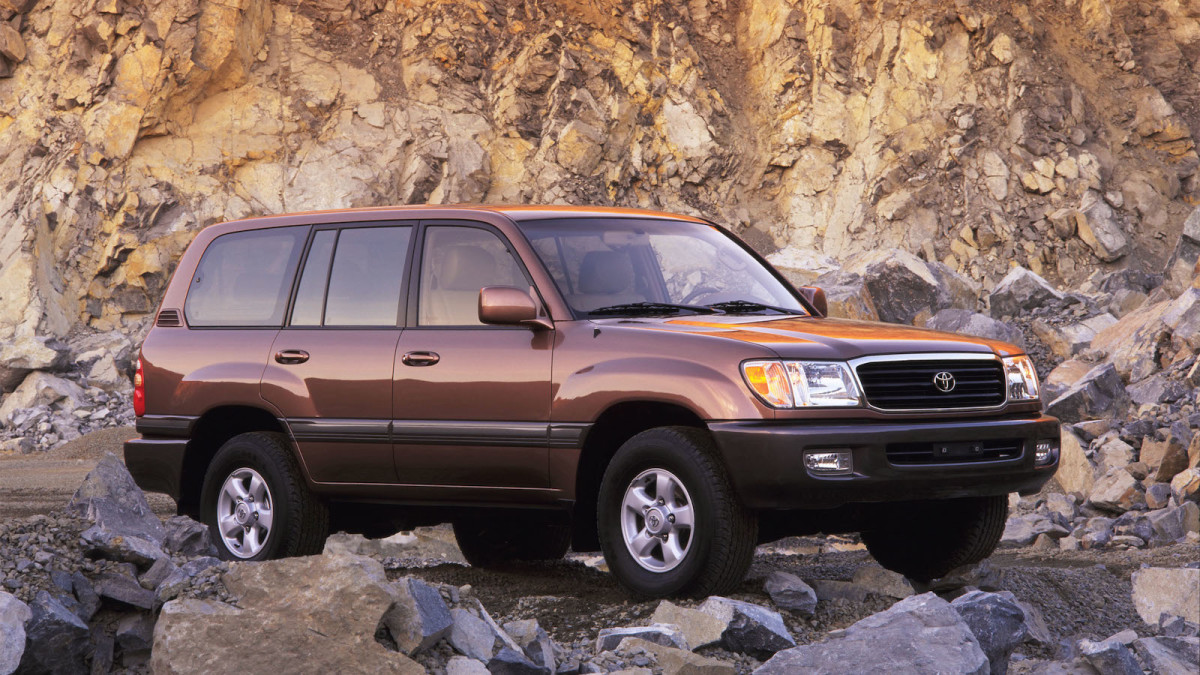
1. 1984 Toyota Land Cruiser FJ60
The 1984 FJ60 is often viewed as one of the purest representations of what a Land Cruiser should be. It carried the rugged build Toyota had been refining for decades and combined it with a design that still resonates with enthusiasts today.
The FJ60 was equipped with a carbureted 4.2-liter inline-6 engine, and while it wasn’t particularly fast, it was nearly unbreakable. What made the 1984 model stand out was the way it balanced bare-bones mechanicals with just enough creature comforts to keep drivers happy on long journeys.
One of the strongest selling points of the 1984 FJ60 was its simplicity. With limited electronics and straightforward mechanical components, it was the kind of vehicle that could be repaired in remote locations using basic tools. This reliability made it a favorite for overland travel and expeditions.
The leaf-spring suspension may not have delivered a luxurious ride, but it was durable and capable of carrying heavy loads without issue. These trucks were made to work hard, and they handled abuse with surprising grace.
The boxy design of the FJ60 may look dated to some, but for fans of classic SUVs, it’s iconic. The tall greenhouse windows provided excellent visibility, and the utilitarian interior was made with practicality in mind. Seating was spacious, and the rear cargo area could accommodate everything from camping gear to tools. Many FJ60s are still on the road today, especially in parts of Australia, Africa, and South America, where dependable transportation is a must.
Maintenance on the 1984 Land Cruiser is straightforward, and parts availability remains relatively strong due to the model’s enduring popularity. The engines can often reach well over 300,000 miles with regular oil changes and basic upkeep. For buyers looking to get into a classic Land Cruiser that still has a lot of life left, the 1984 FJ60 is a solid and proven choice.
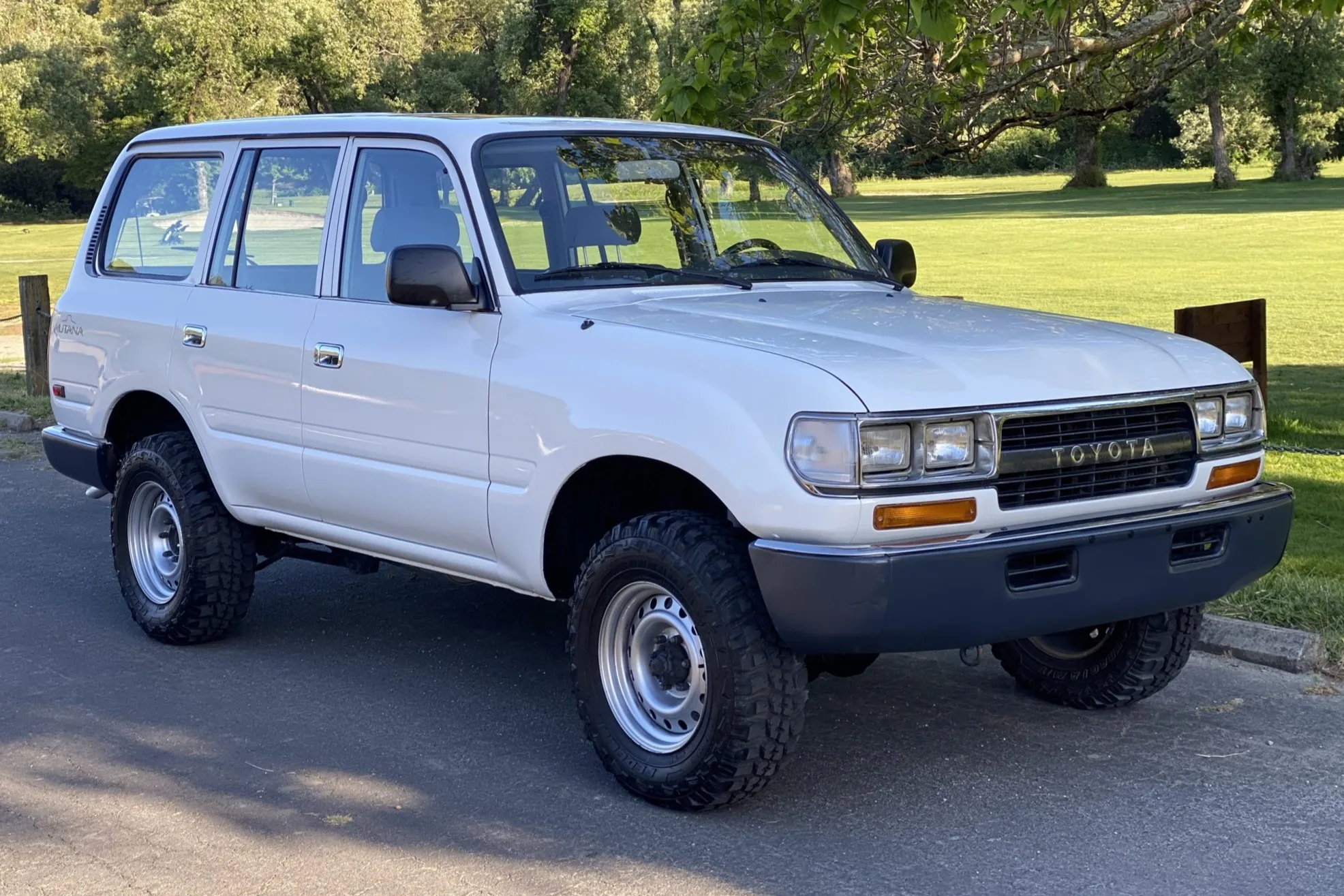
2. 1991 Toyota Land Cruiser FJ80
The 1991 model marked a significant turning point for the Land Cruiser, both in terms of design and engineering. The FJ80 series brought in full-time four-wheel drive, a major improvement in traction and handling over previous part-time systems.
It was also the first Land Cruiser to offer a more refined ride, with a shift toward more comfort-oriented suspension systems. Despite these upgrades, Toyota didn’t sacrifice the Land Cruiser’s well-known durability.
Under the hood, the 1991 FJ80 came equipped with the 3F-E 4.0-liter inline-6 engine. This engine was known for its smooth power delivery and reliability, though not necessarily for speed. What it lacked in acceleration, it made up for in sheer endurance.
The engine could routinely clock well over 250,000 miles with minimal mechanical issues. The body-on-frame construction and solid front and rear axles made the FJ80 a favorite among off-roaders and overlanders.
Another reason the 1991 model remains popular is the interior. Toyota made a clear effort to improve driver and passenger comfort, introducing a more ergonomic layout and softer materials. While still far from luxurious by modern standards, it was a big step up from earlier generations. The added comfort didn’t come at the cost of reliability, which remained the FJ80’s strongest trait.
A properly maintained 1991 Land Cruiser can be used as a daily driver, a trail rig, or a family hauler. Its mechanical simplicity means it’s often cheaper to maintain than newer vehicles loaded with electronics. Combined with its legendary toughness and available aftermarket support, the 1991 FJ80 continues to be a strong option for those who want a Land Cruiser that’s both comfortable and nearly indestructible.
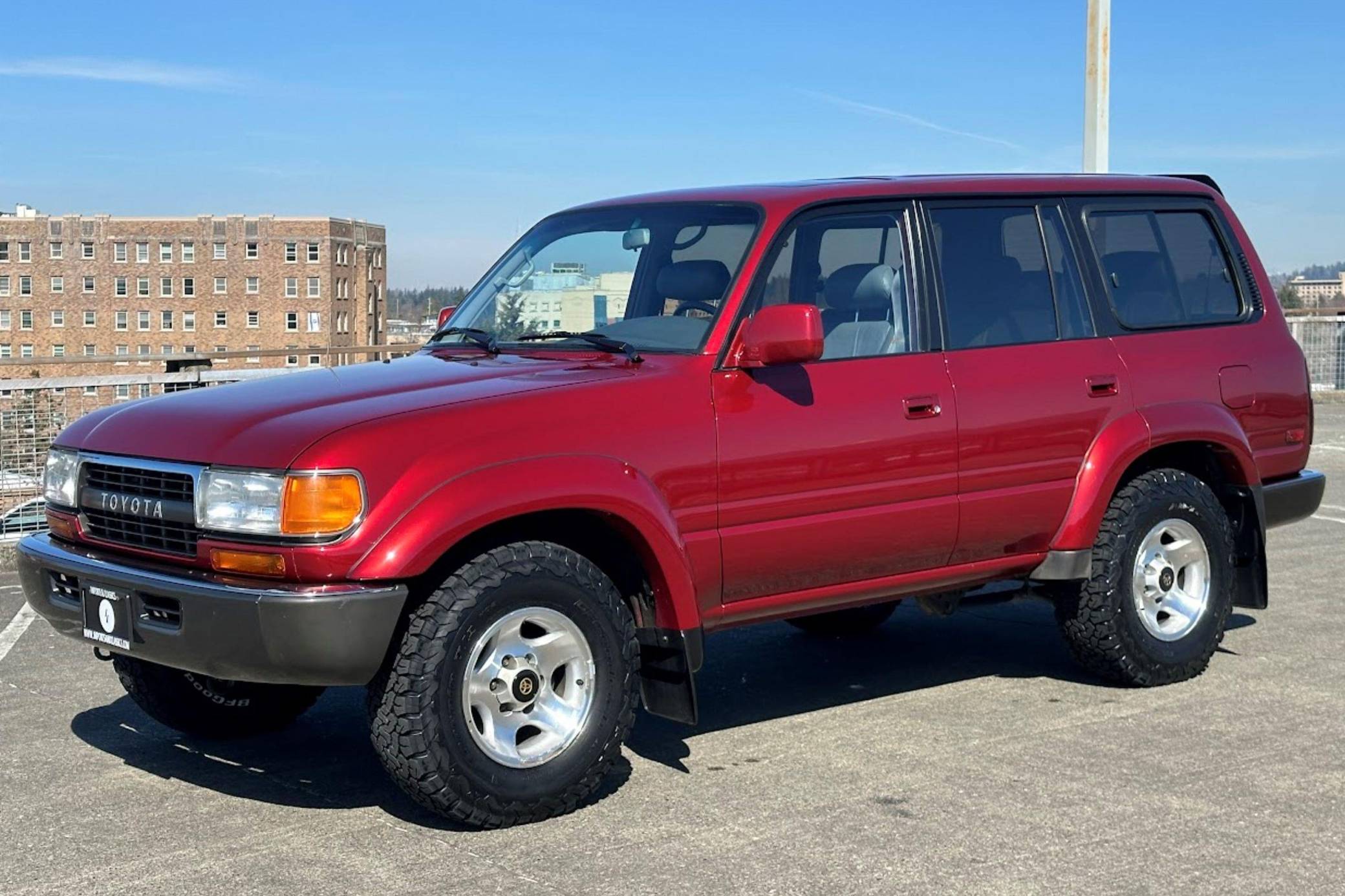
3. 1994 Toyota Land Cruiser FZJ80
By 1994, the FJ80 had evolved into the FZJ80, and this year brought one of the most important updates: the 1FZ-FE 4.5-liter inline-6 engine.
This engine replaced the older 3F-E and offered a noticeable increase in power while maintaining the same level of reliability Toyota was known for. The added performance made the 1994 model year especially attractive to buyers who wanted a capable SUV that didn’t feel sluggish under load.
The full-time four-wheel-drive system introduced earlier was now paired with optional locking differentials, making the 1994 model one of the most capable off-road vehicles of its time. With three locking diffs available, the FZJ80 could handle almost any terrain, from dunes to snowy mountain passes. This setup gave the Land Cruiser near-unmatched traction and versatility for both recreational and professional use.
Toyota continued to improve the comfort and functionality of the Land Cruiser’s cabin during this year. The seats were supportive and durable, the dashboard layout was logical, and the controls were within easy reach. Leather seats and other upscale features were available, adding to the vehicle’s appeal without compromising its mechanical simplicity. Many consider the 1994 version a perfect blend of old-school toughness and modern usability.
Today, the 1994 FZJ80 is considered a sweet spot in the Land Cruiser lineup. It has a more powerful engine, advanced off-road features, and still maintains the durability of earlier models. Enthusiasts often hunt for this specific year because of its combination of power, reliability, and potential for modification. Whether kept stock or turned into a full expedition rig, the 1994 model continues to win fans with its bulletproof reputation.
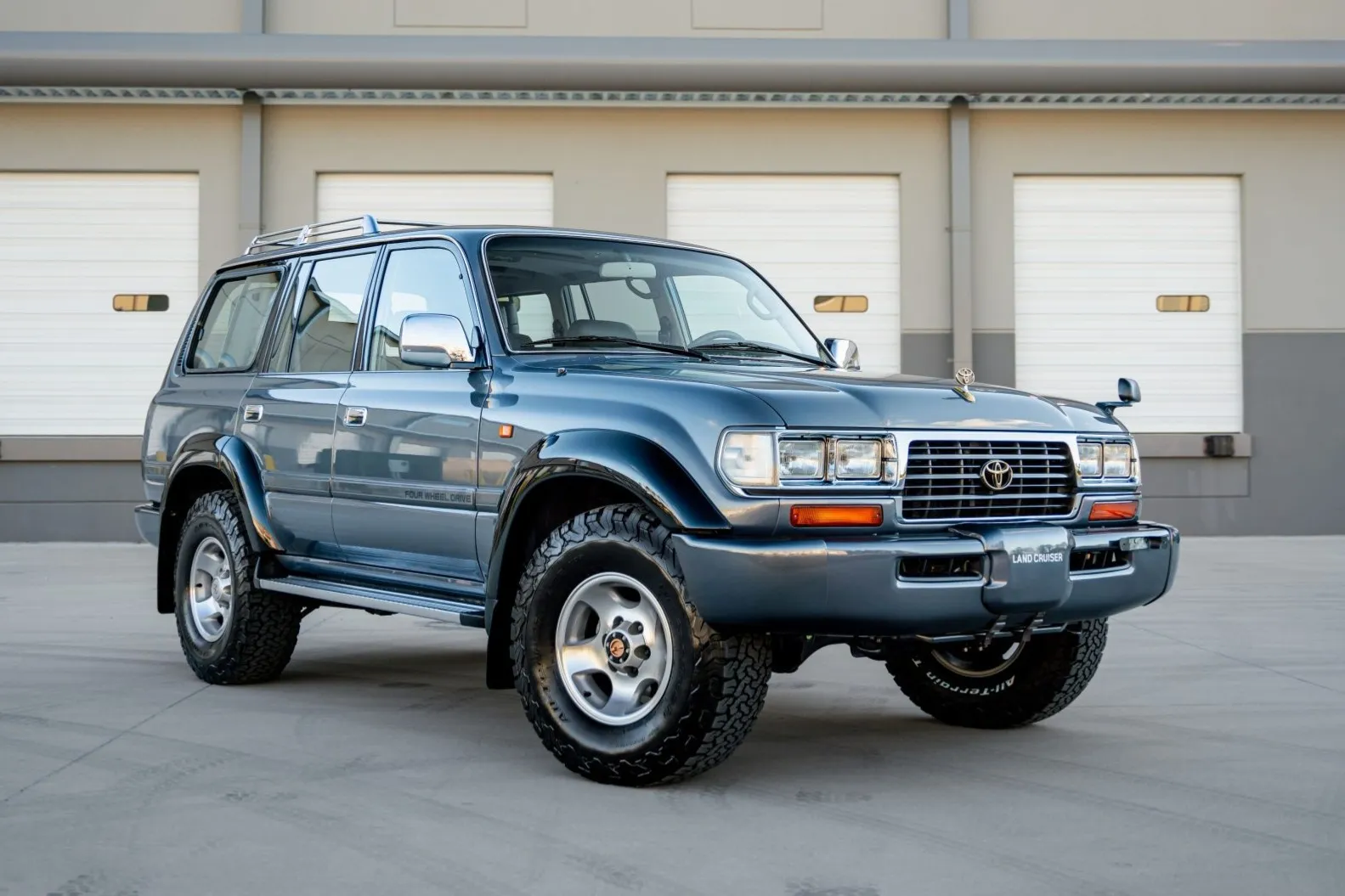
4. 1997 Toyota Land Cruiser FZJ80
The 1997 Land Cruiser was the final year of the FZJ80 and is often considered the most refined version of this generation. By this point, Toyota had ironed out many of the small issues found in earlier models, making the ’97 version a sort of “greatest hits” edition of the 80 Series. It still featured the rugged body-on-frame construction and solid axles, but with better materials and build quality throughout.
This model year retained the highly-regarded 1FZ-FE engine, which offered a smooth yet reliable power band. Owners report these engines easily surpassing 300,000 miles with only routine maintenance. The optional factory triple-locking differential setup also remained available, giving the 1997 Land Cruiser incredible off-road ability. Unlike many vehicles that lost capability as they became more comfortable, the Land Cruiser managed to hold on to both.
Interior improvements in 1997 were noticeable. Toyota focused on better sound insulation, improved seat materials, and upgraded climate controls. The result was a driving experience that felt significantly more upscale, without straying too far from the vehicle’s utilitarian roots. It was this balance of comfort and strength that kept the Land Cruiser relevant for a wide range of drivers.
Today, the 1997 model is one of the most sought-after used Land Cruisers. Its reputation for lasting forever is well-earned, and many units are still running in extreme conditions around the globe. Whether used as a long-distance hauler, an overlanding base, or just a dependable daily driver, the 1997 FZJ80 continues to prove that good engineering never goes out of style.
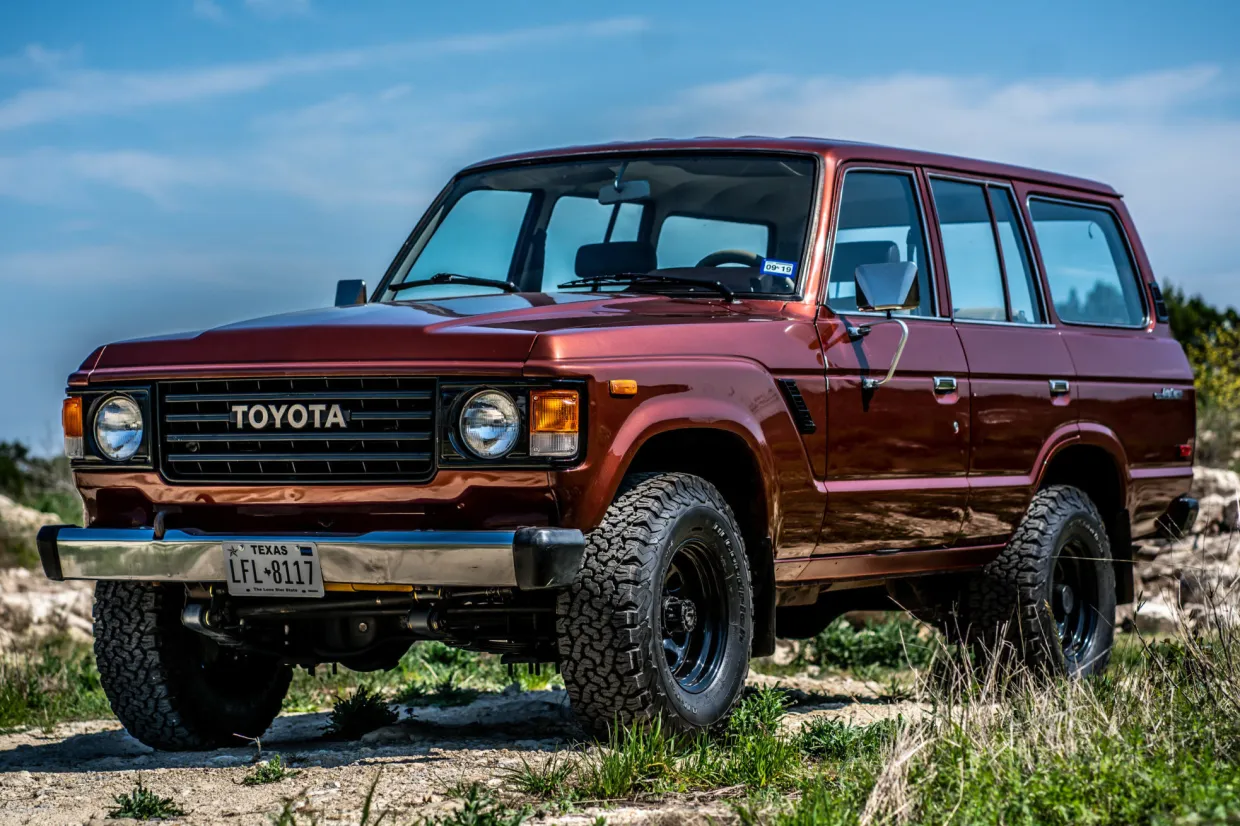
5. 2001 Toyota Land Cruiser UZJ100
The 2001 Toyota Land Cruiser marked a new era, introducing more refined features and a modern design, while still maintaining the strong mechanical bones that made earlier models so durable. This year was part of the 100 Series generation, which replaced the solid front axle with an independent front suspension.
While this change sparked debate among off-road purists, the 2001 model proved that Toyota was able to add comfort without sacrificing core dependability. The frame remained tough, the body structure was solid, and the suspension design, although different, was engineered to last for decades under normal use.
Under the hood, the 2001 model was equipped with the 4.7-liter V8 engine known as the 2UZ-FE. This engine is still talked about today as one of Toyota’s most dependable powerplants. It delivered smooth and consistent power, had an excellent reputation for longevity, and could easily push past 300,000 miles with proper maintenance.
It also came mated to a reliable 4-speed automatic transmission that prioritized longevity over quick shifts or aggressive performance. For families and overlanders alike, this drivetrain offered a near-perfect blend of reliability and usability.
Inside, the 2001 Land Cruiser took comfort to a new level. Leather seats, wood trim accents, and a more refined dashboard gave the vehicle a near-luxury feel. But unlike other premium SUVs of the time, this one didn’t rely on gimmicks or untested tech.
Everything inside served a purpose and was built to a standard, not a price point. It had seating for up to eight passengers, a powerful climate control system, and fold-flat third-row seats that enhanced cargo flexibility. These practical features made the 2001 model suitable for both family road trips and extended off-road expeditions.
From a maintenance and ownership perspective, the 2001 Land Cruiser hits a sweet spot. It’s modern enough to be comfortable and capable on highways, but still mechanical enough that it avoids many of the complex systems that cause problems in newer SUVs.
Many owners today still use their 2001 Land Cruisers as daily drivers, proving that Toyota’s engineering during this period truly focused on longevity. The availability of replacement parts and community support further solidify the 2001 model’s place among the longest-lasting Land Cruisers ever built.
Also Read: 12 Muscle Cars Still Burning Rubber After Decades
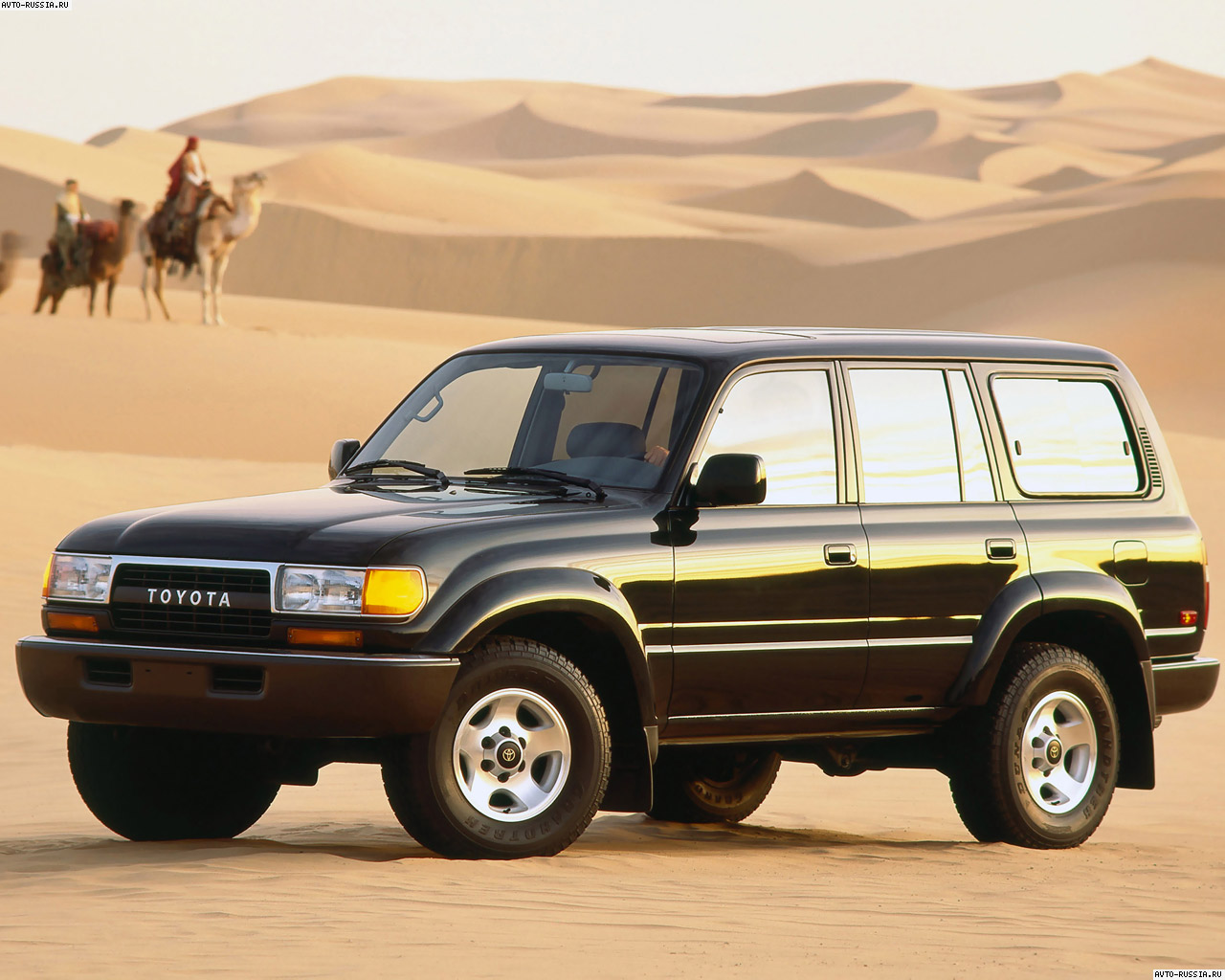
6. 2003 Toyota Land Cruiser UZJ100
The 2003 model refined the 100 Series formula even further, introducing subtle improvements that made a big difference in long-term ownership. This year brought the introduction of a five-speed automatic transmission, replacing the previous four-speed.
This change improved highway fuel economy and provided smoother gear transitions, adding to the SUV’s ease of use on long drives. While Toyota stayed true to its philosophy of dependable over flashy, the 2003 Land Cruiser began to carry more of the premium SUV image, but without compromising the mechanical reliability that had defined the brand for decades.
The 2UZ-FE V8 remained the powerhouse for this model, and Toyota’s attention to detail in engine manufacturing paid off. This engine continued to show a remarkable ability to run for several hundred thousand miles with basic maintenance. Its cast-iron block and non-interference design made it more forgiving than many modern engines.
When issues did occur, they were often small and easy to repair, such as oxygen sensors or aging radiators, rather than catastrophic mechanical failures. This ease of service contributed to the reputation of the 2003 model as being nearly impossible to kill.
Inside the cabin, Toyota made subtle refinements that improved comfort without adding unnecessary complexity. The dashboard controls were laid out logically, and materials used were built to last, not to impress on first touch alone.
Many owners from the early 2000s report that even after two decades, their leather seats and dashboard materials remain intact, with minimal fading or cracking. This level of quality is rare, especially in a world where many vehicles start to fall apart after a decade. The Land Cruiser continued to prove that it was built with long-term use in mind.
The 2003 Land Cruiser also benefited from Toyota’s ongoing improvements in rust prevention, better paint durability, and longer-lasting suspension components. Combined with its proven drivetrain and strong off-road capability, the 2003 model is often listed by enthusiasts and mechanics as one of the best used Land Cruiser models money can buy.
It’s comfortable enough to be driven daily and rugged enough to tackle years of harsh treatment. That dual-purpose capability makes it a standout year in the Land Cruiser’s long history.
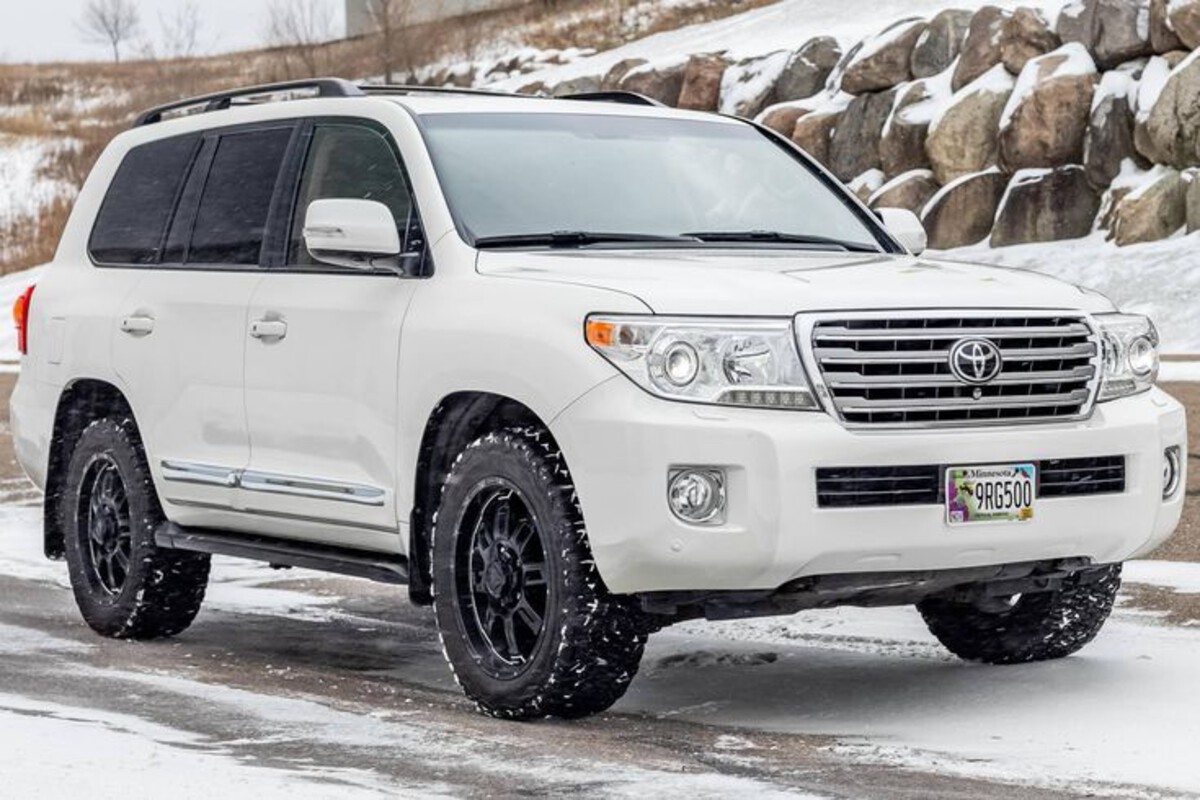
7. 2006 Toyota Land Cruiser UZJ100
By 2006, the Land Cruiser had achieved a rare balance between mechanical simplicity and refined usability. This model year is often remembered for being one of the most mature versions of the 100 Series before the switch to the 200 Series two years later.
Toyota had fine-tuned the powertrain, electronics, and suspension to a level that made the 2006 model exceptionally reliable. If previous years were about experimentation and gradual upgrades, the 2006 model represented Toyota’s final word on what a premium, long-lasting SUV should be before embracing more complex technology in the following generation.
The engine remained the same tried-and-true 2UZ-FE V8, but by 2006, it had been optimized with minor updates for emissions and performance without impacting reliability. The five-speed transmission had proven itself by this point and continued to deliver smooth shifts and long life.
Owners of the 2006 model often report minimal drivetrain issues even at high mileages. These vehicles are commonly found still running smoothly after 250,000 miles, with only routine maintenance items like timing belts, water pumps, and fluids being required.
Inside, the 2006 Land Cruiser was more than just rugged, it was comfortable. Toyota managed to include useful technology like navigation, a premium sound system, and improved climate controls, but the core of the vehicle remained refreshingly mechanical.
Buttons, switches, and other controls were simple to operate and built with longevity in mind. Unlike modern touchscreens and electronic interfaces, the systems in the 2006 Land Cruiser are still functional today without needing frequent updates or expensive replacements.
Perhaps one of the most telling signs of the 2006 model’s staying power is its current market value. Used 2006 Land Cruisers in good condition continue to hold high resale value, a testament to their quality and desirability.
Many buyers are willing to pay a premium for a well-maintained model because they know it’s a vehicle that can still provide many more years of service. In a world where most vehicles depreciate rapidly, the 2006 Land Cruiser continues to be a long-term investment rather than a short-term convenience.
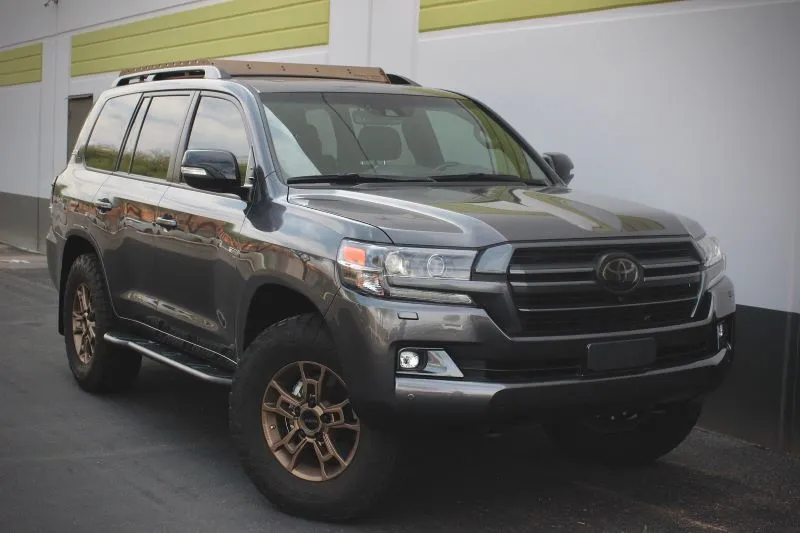
8. 2008 Toyota Land Cruiser UZJ200
The 2008 model year introduced the 200 Series, a more modern, refined, and technologically advanced version of the Land Cruiser. While this generation included more electronics and luxury features, it still held true to Toyota’s legacy of building vehicles that last seemingly forever.
The 2008 model year, in particular, is often regarded as one of the best-built early versions of the 200 Series. It marked the first time the Land Cruiser used the 5.7-liter 3UR-FE V8, an engine with a reputation for both power and longevity.
This new V8 brought a significant performance boost over the previous generation. With over 380 horsepower, the 3UR-FE allowed the heavy SUV to accelerate confidently, even when loaded with passengers or towing a trailer. Despite the increase in complexity and emissions equipment, the engine was built to Toyota’s high standards.
It features a timing chain instead of a belt, reducing maintenance costs and increasing reliability. Many examples of the 2008 Land Cruiser with over 200,000 miles on the original engine and transmission are still running with no major mechanical failures.
The 2008 model also saw significant upgrades in suspension and ride comfort. Toyota introduced a more advanced version of its Kinetic Dynamic Suspension System (KDSS), improving on-road manners without compromising off-road articulation.
This system remains one of the highlights of the 200 Series and is known for working reliably over the long term. Unlike air suspensions found in some luxury competitors, KDSS is a largely mechanical system and doesn’t suffer from the same kinds of failures or maintenance costs.
While the 2008 Land Cruiser introduced more modern electronics and luxury features, it did so in a way that avoided overcomplication.
The infotainment system, for instance, was functional but not overly complex. The quality of interior materials was excellent, and Toyota continued using proven components that were known to last. For those seeking a powerful, comfortable, and highly dependable SUV that could still handle tough terrain, the 2008 Land Cruiser remains one of the most appealing choices.
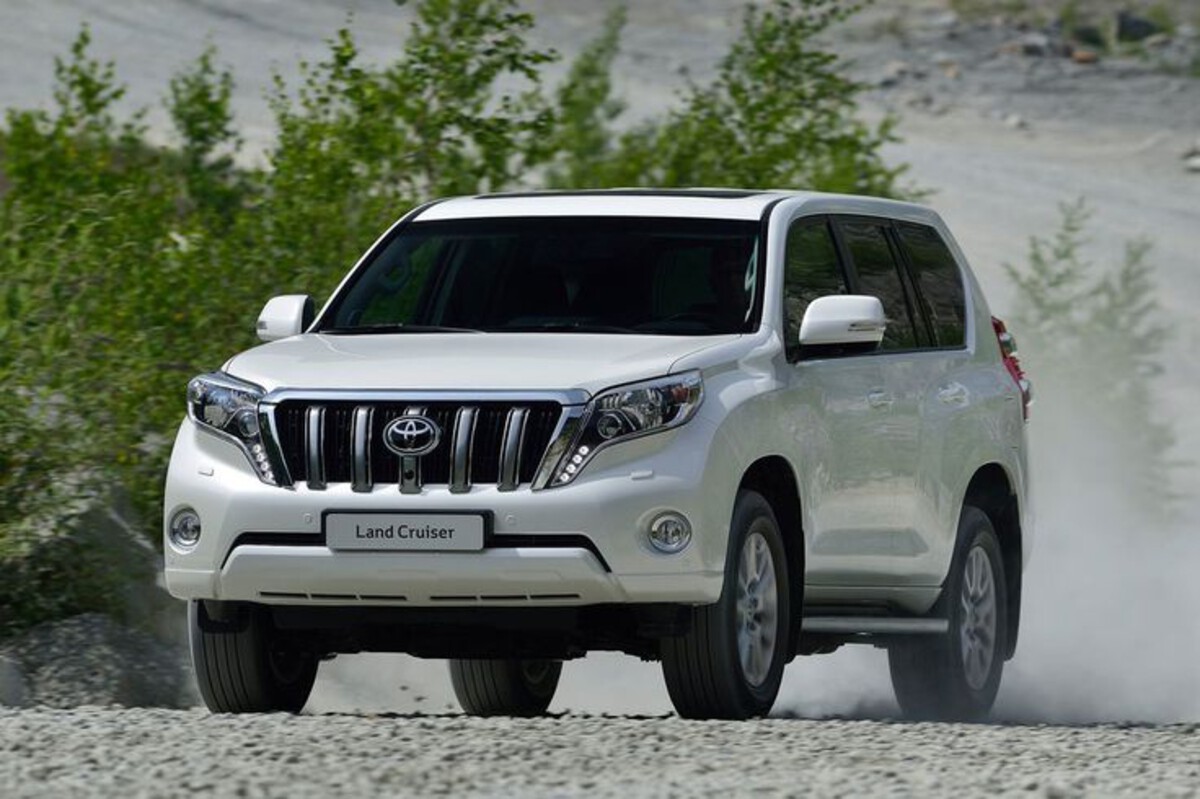
9. 2013 Toyota Land Cruiser URJ200
The 2013 model is one of the most refined and durable Land Cruisers of the modern era. It came deep into the lifecycle of the 200 Series, benefiting from all the improvements and lessons learned from earlier years.
Toyota didn’t redesign the platform for this year, but they made a series of updates that improved both the driving experience and the reliability of key systems. These small but meaningful changes helped make the 2013 model a long-lasting vehicle that remains popular on the used market today.
One of the key strengths of the 2013 Land Cruiser is the mature version of the 5.7-liter 3UR-FE engine. At this point, Toyota had addressed early quirks and had fine-tuned the software and calibration of the engine and transmission.
The six-speed automatic transmission in this model shifted more smoothly than in previous versions, and fuel efficiency, while not great, was consistent and predictable. This generation also maintained its solid towing capacity and off-road credibility, with most of the hardware proving to be extremely durable over time.
Inside, the 2013 model continued to impress with high-quality materials, a quiet cabin, and user-friendly controls. Although some features, like the infotainment screen, were starting to feel outdated even at the time, their simplicity helped them stand the test of time.
No over-complicated menus or delicate capacitive touch buttons, just solid, reliable controls that still work a decade later. The interior layout made sense, and even minor details like climate control knobs and seat adjusters were engineered to outlast heavy use.
Buyers who choose the 2013 Land Cruiser are often looking for a long-term vehicle they can rely on for daily driving, long trips, and even heavy-duty towing. With a high-quality build, a dependable V8, and excellent owner satisfaction ratings, it stands as one of the best late-model Land Cruisers ever made.
While it carries a higher initial price tag than some older models, the 2013 Land Cruiser earns its value by being a vehicle that, once purchased, may not need replacing for many years.
