
Some vehicles come and go, often fading away with the trends that brought them to popularity. Others, however, carve a place for themselves that lasts far beyond their production years. SUVs in particular have always had a strong presence in the automotive world, but only a select few manage to maintain a solid reputation after decades of changes in engineering, technology, design, and customer expectations.
These are the models that not only hold their value, but also continue to be mentioned in conversations about dependability, performance, and character long after they’ve left the showroom floor.
The SUV category has seen explosive growth over the years, with manufacturers constantly introducing new models to meet the demand. But while many of these new options catch temporary attention with flashy features or aggressive styling, only a handful achieve the kind of long-lasting legacy that keeps them in the hearts and minds of drivers.
These SUVs often earned their place through consistent reliability, off-road capability, solid engineering, or sometimes simply by being the right vehicle at the right time. It’s not just nostalgia that keeps their names alive; it’s a proven track record.
Car culture changes, and priorities shift, but for these vehicles, the perception of value and dependability stays rooted. Whether used for rugged outdoor adventures, as family haulers, or as daily drivers, the SUVs on this list have shown that longevity in reputation comes from a combination of performance, durability, and cultural impact.
For some, it’s their unbeatable reliability. For others, it’s the way they became woven into the fabric of outdoor lifestyle, work life, or even pop culture. And while many of these models have gone through numerous redesigns and updates, the core traits that made them popular in the first place remain evident even today.
Let’s look at 8 SUVs that continue to be respected decades later, not because of marketing campaigns or flashy redesigns, but because they earned their place on the road and in people’s memories. Each one has its own story, and each continues to stand as a benchmark for what long-term reputation really means in the automotive world.
Also Read: 12 Muscle Cars Still Burning Rubber After Decades
1. Toyota Land Cruiser
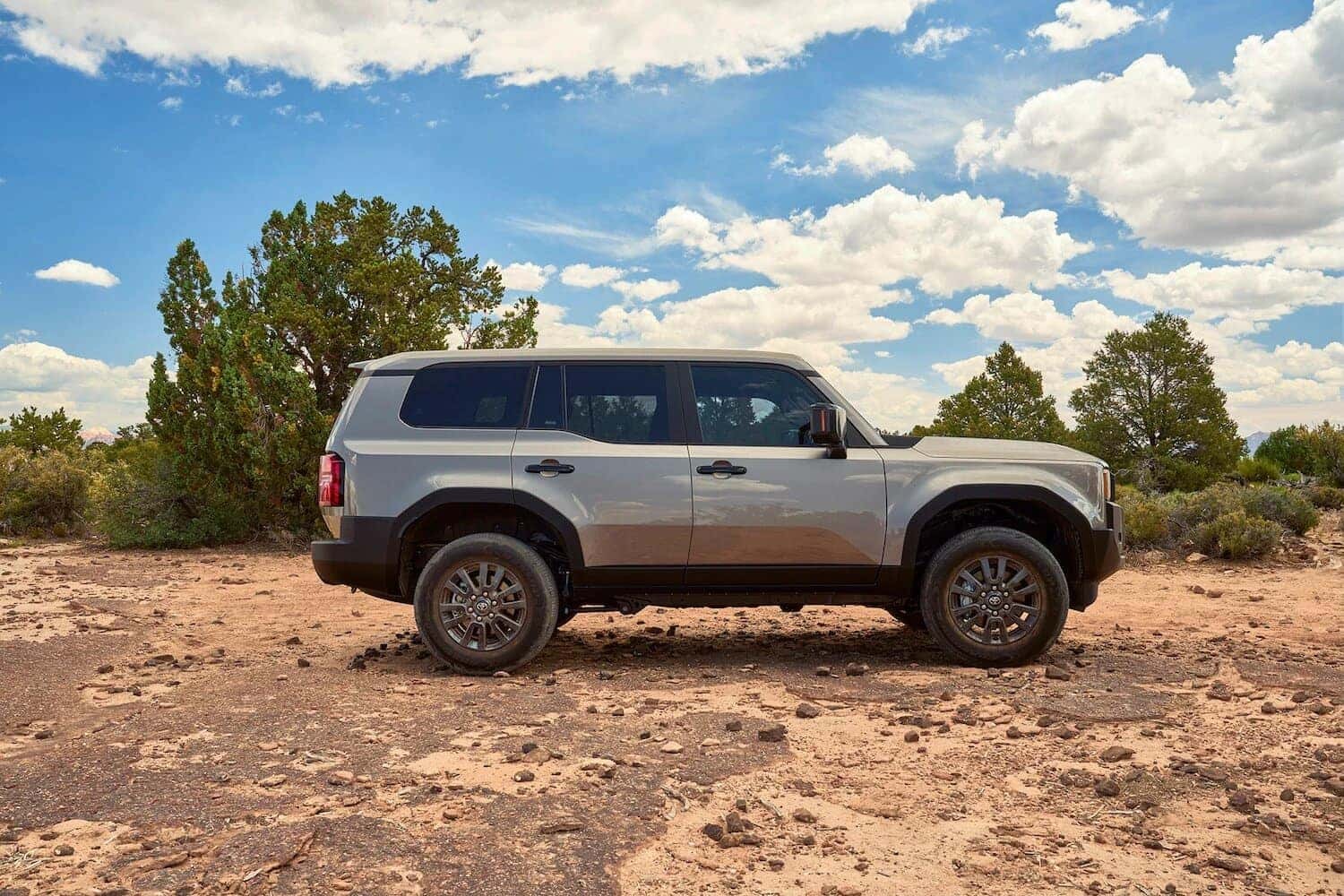
The Toyota Land Cruiser is often the first SUV that comes to mind when discussing long-term durability and reputation. Originally developed as a military vehicle in the early 1950s, the Land Cruiser quickly evolved into a consumer vehicle known for its unmatched off-road capability and solid engineering.
Over the years, it’s been adopted by farmers, explorers, humanitarian workers, and anyone needing a vehicle that could be trusted in the harshest environments. Its reputation wasn’t just built on comfort or design, but on a real-world track record of going wherever it was asked to go and coming back in one piece.
The Land Cruiser managed to strike a rare balance between rugged utility and long-distance comfort. While some models leaned more heavily into luxury over the decades, the core mechanical integrity remained a focus.
Whether tackling deep sand in the Middle East or navigating rocky terrain in rural Australia, the Land Cruiser earned the confidence of those who couldn’t afford to break down in the middle of nowhere. Owners often describe them as overbuilt, which is a compliment to the quality of materials and engineering that went into their design.
What also sets the Land Cruiser apart is the loyalty of its owners. It’s not uncommon to see older models with hundreds of thousands of miles still running strong. Communities dedicated to restoring or maintaining old Land Cruisers thrive online and in person, and parts for even decades-old models are still widely available.
Toyota’s decision to discontinue the model in some markets sparked strong reactions, a testament to the emotional connection many people have with the vehicle.
Even after being phased out in several countries, the Land Cruiser’s name still carries weight. Newer generations keep the spirit alive while updating the tech and comfort features. Still, it’s the older models, from the FJ40 to the 100 Series, that truly define why the Land Cruiser continues to command respect. It’s a reputation earned not just from engineering, but from proving itself over and over again in real-life conditions.
2. Jeep Wrangler
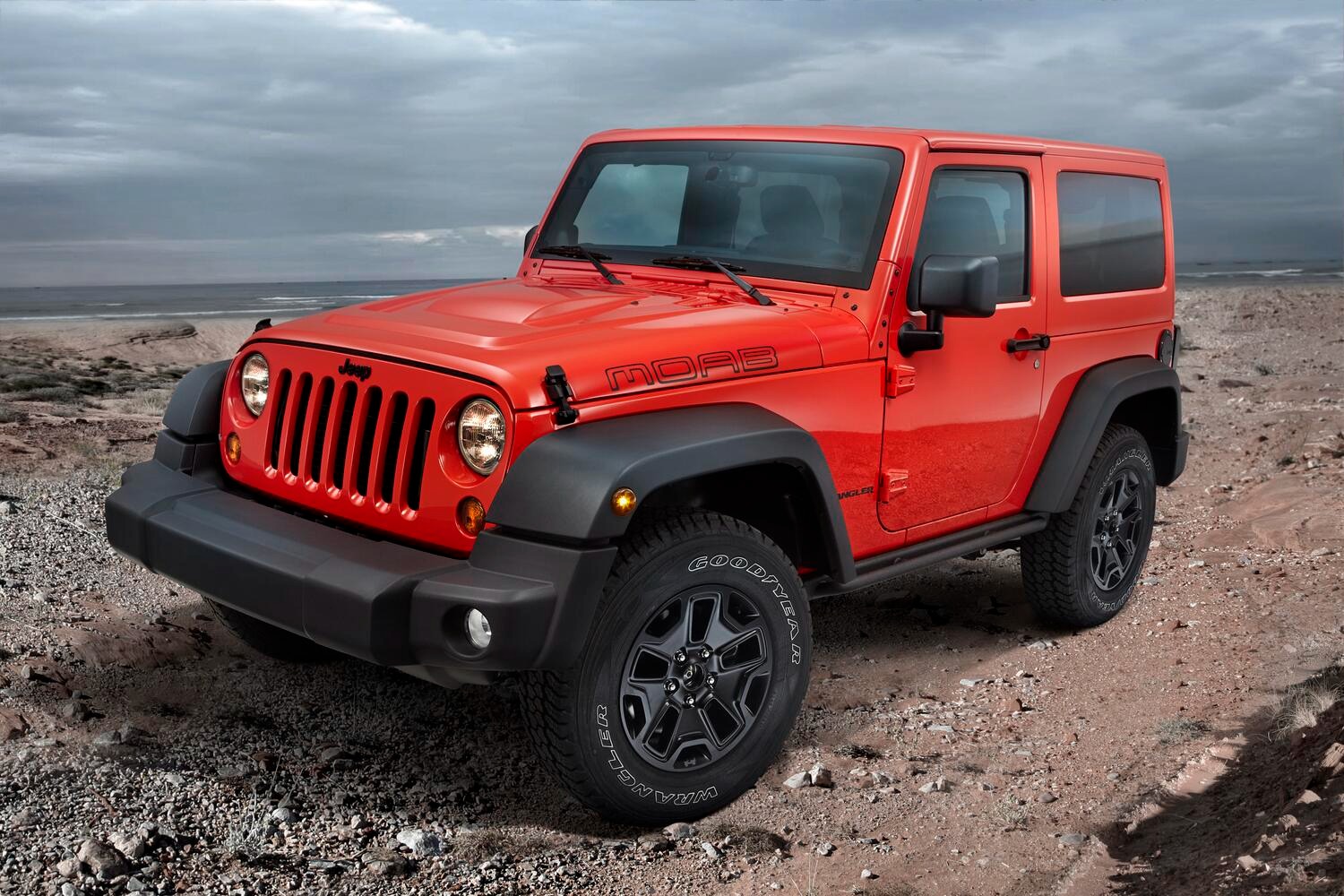
The Jeep Wrangler is one of the few vehicles whose appearance and design philosophy have remained mostly consistent over the decades. Born from the legendary Willys MB of World War II, the Wrangler has always stayed close to its roots.
Known for its ruggedness, simple mechanics, and off-road prowess, the Wrangler is a favorite for those who seek adventure off the beaten path. Its boxy shape, removable doors, and folding windshield make it instantly recognizable, and these unique features have played a big role in its long-standing reputation.
What makes the Wrangler unique is that it embraces function over form, yet manages to look iconic doing it. While many SUVs have shifted toward being more car-like with softer styling and plush interiors, the Wrangler has stuck with its formula. It’s not the smoothest ride on the road, nor the quietest, but that’s not the point.
It’s built for trails, mud, and mountains, and it performs these tasks exceptionally well. Owners often modify their Wranglers with lift kits, tires, and accessories, making each one a personal expression of their lifestyle and driving needs.
Reliability and community also contribute to the Wrangler’s strong image. While earlier models sometimes had issues with build quality or electrical quirks, the core mechanical parts, particularly the inline-six engines and solid axles, have stood the test of time.
The aftermarket support is massive, and the sense of community among Wrangler owners is unmatched. From Jeep jamborees to informal trail meetups, owning a Wrangler often feels like joining a club. That sense of belonging adds to the vehicle’s long-standing status.
The Wrangler continues to be popular because it never strayed far from what made it great. Jeep has added modern touches like better suspension systems, more efficient engines, and even hybrid options, but the heart of the Wrangler remains rooted in its history.
Few vehicles carry such a strong identity from generation to generation. Its reputation is not a product of marketing alone, it’s the result of decades of being put through tough conditions and coming out with its character intact.
3. Ford Bronco (Classic)
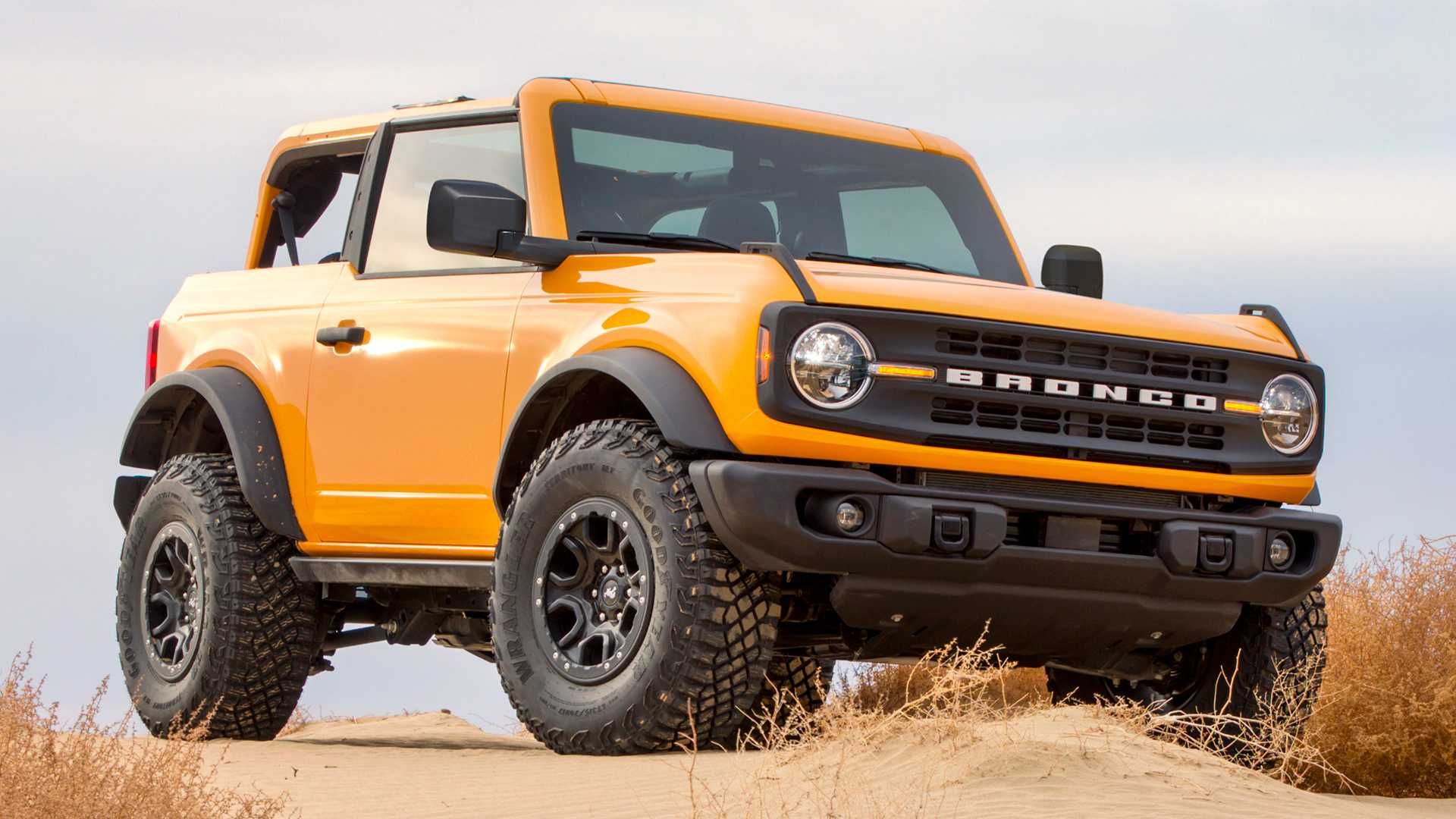
Long before its recent reintroduction, the original Ford Bronco had already secured a place in automotive history. Launched in 1966, the first-generation Bronco was designed to compete with the Jeep CJ and International Harvester Scout. It quickly found a following among outdoor enthusiasts, ranchers, and adventurers.
With its compact size, solid front axle, and body-on-frame construction, the Bronco was capable, durable, and easy to maintain. Over the years, its reputation only grew, helped in part by its rugged styling and solid off-road credentials.
The Bronco’s appeal comes from its versatility. Whether being used as a recreational off-roader or a daily driver, it could do both with relative ease. Its short wheelbase and simple drivetrain made it ideal for navigating tight trails, while the removable roof offered an open-air experience that appealed to a wide range of drivers.
As the model evolved through the decades, it maintained that go-anywhere attitude, and even the later full-size versions kept that rugged personality alive. Unlike some SUVs that softened over time, the Bronco stayed true to its roots.
Cultural impact also played a role in solidifying the Broncos’ image. While the model was discontinued in 1996, its legacy didn’t fade. Classic Broncos became collector’s items, often restored and customized with great care.
The scarcity of well-maintained original models drove up prices, and entire businesses sprang up around restoration and modification. This kind of aftermarket support and collector interest usually only comes when a vehicle has real staying power in the minds of drivers.
The Bronco’s comeback in 2021 brought the model back into the spotlight, but it didn’t happen in a vacuum. The decision to revive the Bronco was fueled by decades of love for the original. Newer models pay homage to the styling and rugged capability that made the original so respected.
For many, the Bronco never stopped being a symbol of freedom, toughness, and old-school utility. Its place among legendary SUVs was already secure before the reboot ever hit the streets.
4. Toyota 4Runner
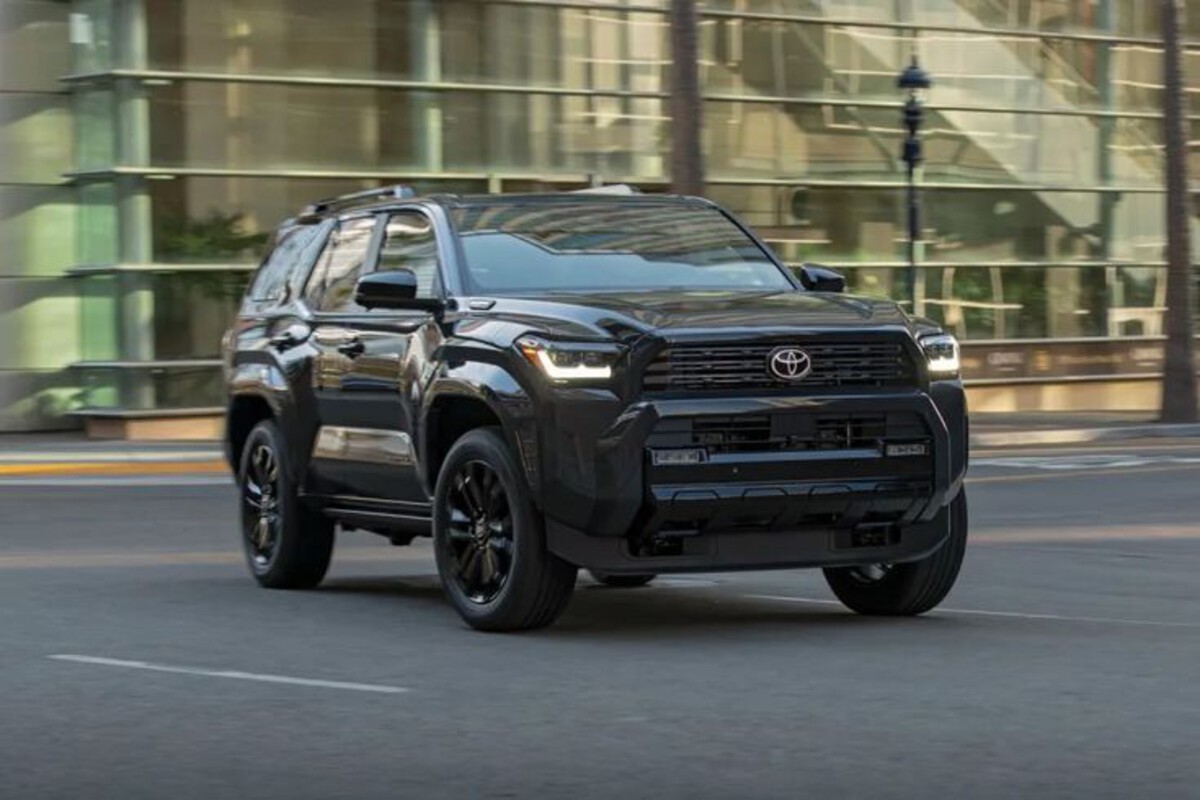
The Toyota 4Runner is one of the few midsize SUVs that still maintains a truck-based platform in a world increasingly dominated by unibody crossovers. This structural decision contributes significantly to its lasting appeal.
Since its debut in 1984, the 4Runner has steadily built a reputation for reliability, off-road capability, and long-term value. While not the flashiest vehicle on the market, the 4Runner continues to win over buyers who prioritize function, toughness, and dependability above trend-driven styling.
What sets the 4Runner apart is its consistent identity. While other models chase trends and reinvent themselves every few years, the 4Runner has stayed largely the same in terms of purpose and design. It’s still the kind of vehicle you’d want to take on a mountain trail, across a desert, or down an unpaved road.
The body-on-frame construction, available locking rear differential, and robust suspension systems all add up to a vehicle that takes punishment well. Owners often praise the 4Runner for handling high mileage with minimal drama.
The resale value of the 4Runner is also evidence of its long-lasting appeal. Even high-mileage units command strong prices in the used market, a fact that speaks volumes about the confidence people have in their reliability. You’ll often find old 4Runners with 200,000 or even 300,000 miles still on the road, sometimes being used for overlanding, towing, or as daily drivers.
It’s not unusual to see one pulling a trailer through mountain passes or being used by small business owners who rely on it for transportation in remote areas. The 4Runner is a workhorse that doesn’t advertise itself as one; it just gets the job done.
There’s also something to be said for how the 4Runner has cultivated a specific type of owner community. It tends to attract those who value experience over appearance, those who want a vehicle that they can trust in difficult conditions rather than just look good in.
From weekend trail rides to long-distance camping trips, the 4Runner has become a fixture in the world of outdoor adventure. While it may not offer the plush ride of a crossover or the luxury appointments of a high-end SUV, it delivers where it matters most: dependability, capability, and long-term usefulness.
Despite newer models being equipped with more modern comforts, the basic appeal of the 4Runner hasn’t changed. It remains one of the last remaining mid-size SUVs that truly feels like a traditional SUV, and that authenticity keeps its reputation intact.
In a market where so many vehicles blur the line between car and utility vehicle, the 4Runner stands firm in what it is and what it has always been. It may not change often, but that’s precisely why people continue to trust and respect it year after year.
5. Land Rover Defender (Classic)
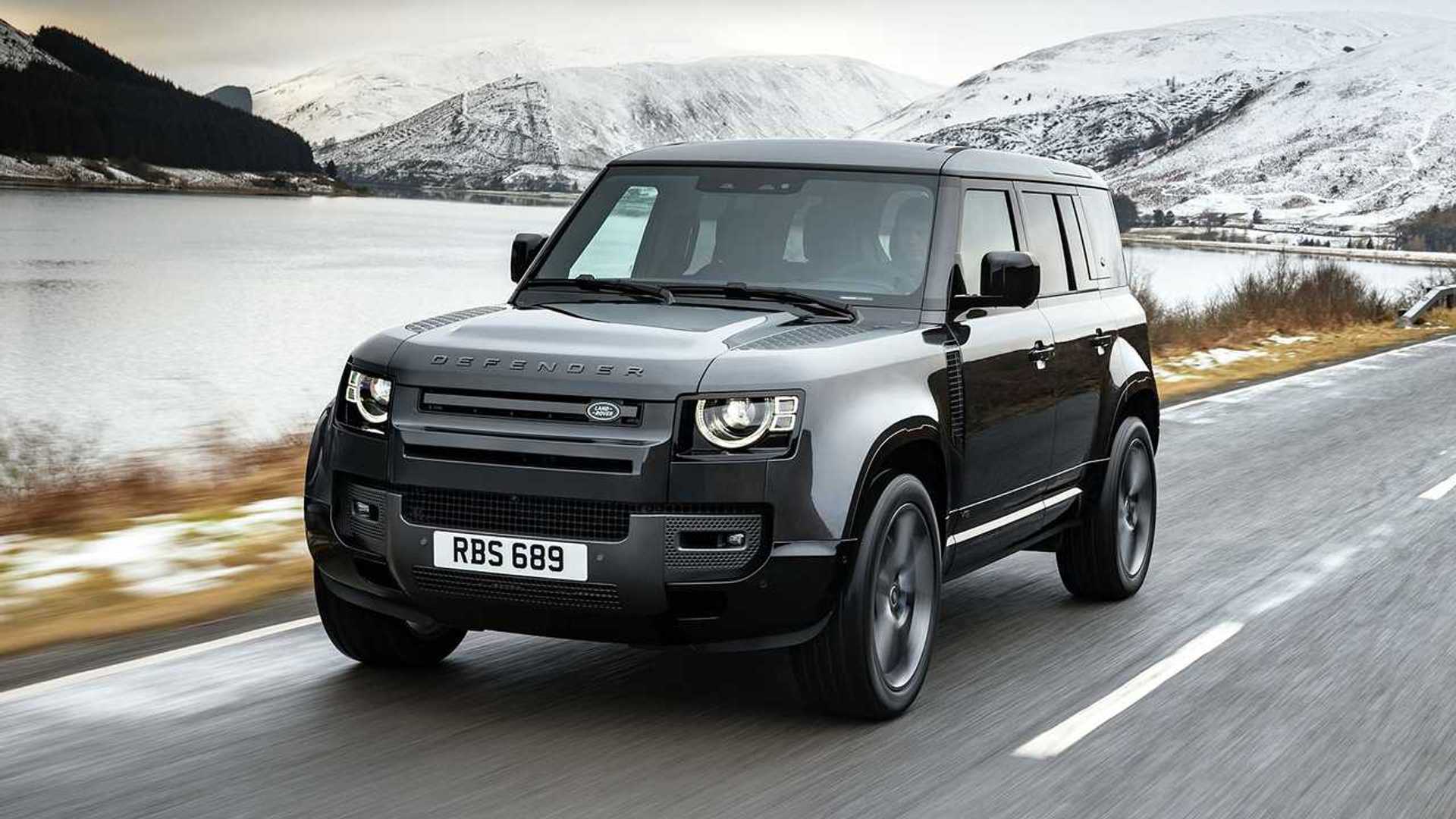
The classic Land Rover Defender is one of the most iconic SUVs ever built, not just in looks but in what it has represented for decades: a tool built to survive in the most unforgiving conditions on earth. Originally designed as a British agricultural vehicle in the aftermath of World War II, the early versions of what became the Defender were basic, tough, and purely functional.
Over time, they evolved but always retained the utilitarian charm that made them suitable for both farm fields and jungle trails. Its aluminum body panels, simple mechanical layout, and legendary four-wheel drive system made it the vehicle of choice for explorers, military forces, and humanitarian missions around the globe.
Unlike most vehicles, the Defender’s reputation grew not through polish or refinement but through hard-earned credibility in extreme conditions. It was famously capable of crossing deserts, climbing mountain passes, and slogging through swamps.
There was a time when images of the Defender were nearly synonymous with overlanding, wildlife safaris, and UN field missions. In remote parts of Africa, Asia, and South America, the Defender was often the only vehicle seen for miles. People trusted it because it didn’t try to be anything other than a functional, capable machine that would get you where you needed to go, no matter how rough the road.
However, the same qualities that made it a legend also made it uncomfortable by modern standards. Driving a classic Defender was often described as an experience that required patience, physicality, and a willingness to put up with quirks. The ride could be bumpy, the cabin was noisy, and the ergonomics were dated even during its production years.
But owners didn’t care. The Defender wasn’t about comfort, it was about reliability, simplicity, and being able to fix things yourself with a handful of tools. That character and honesty earned it respect that persists today.
Even after production ended in 2016, the classic Defender continues to maintain a cult following. Restored and modified versions fetch high prices, and companies still build custom re-creations with modern powertrains and features while retaining the old-world charm.
The new generation of Defenders is a complete reimagining, designed for modern tastes, but the legacy of the original hasn’t faded. If anything, the reintroduction of the Defender has reignited interest in the older models. And that lasting reverence speaks volumes about how the original Defender continues to be respected decades after its prime.
Also Read: 12 Muscle Cars Still Burning Rubber After Decades
6. Chevrolet Suburban
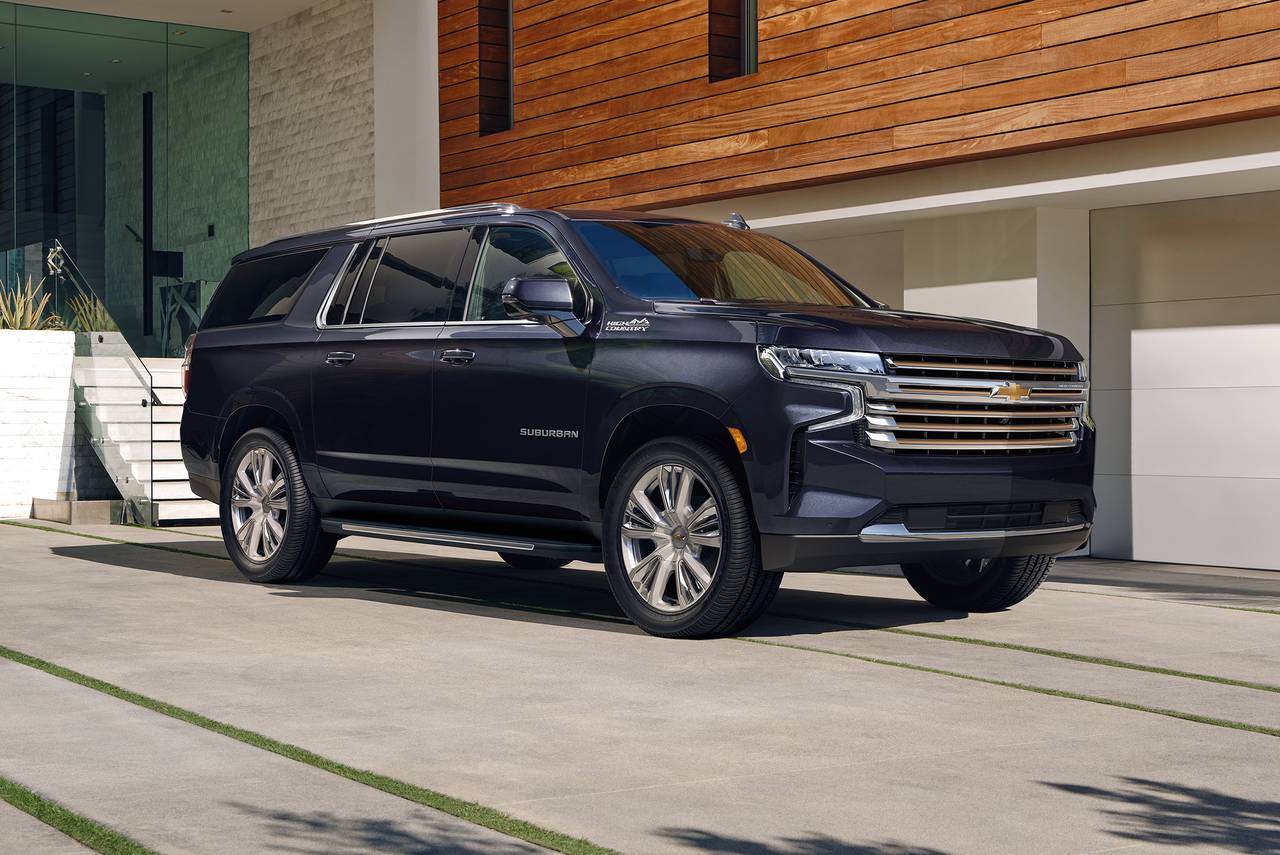
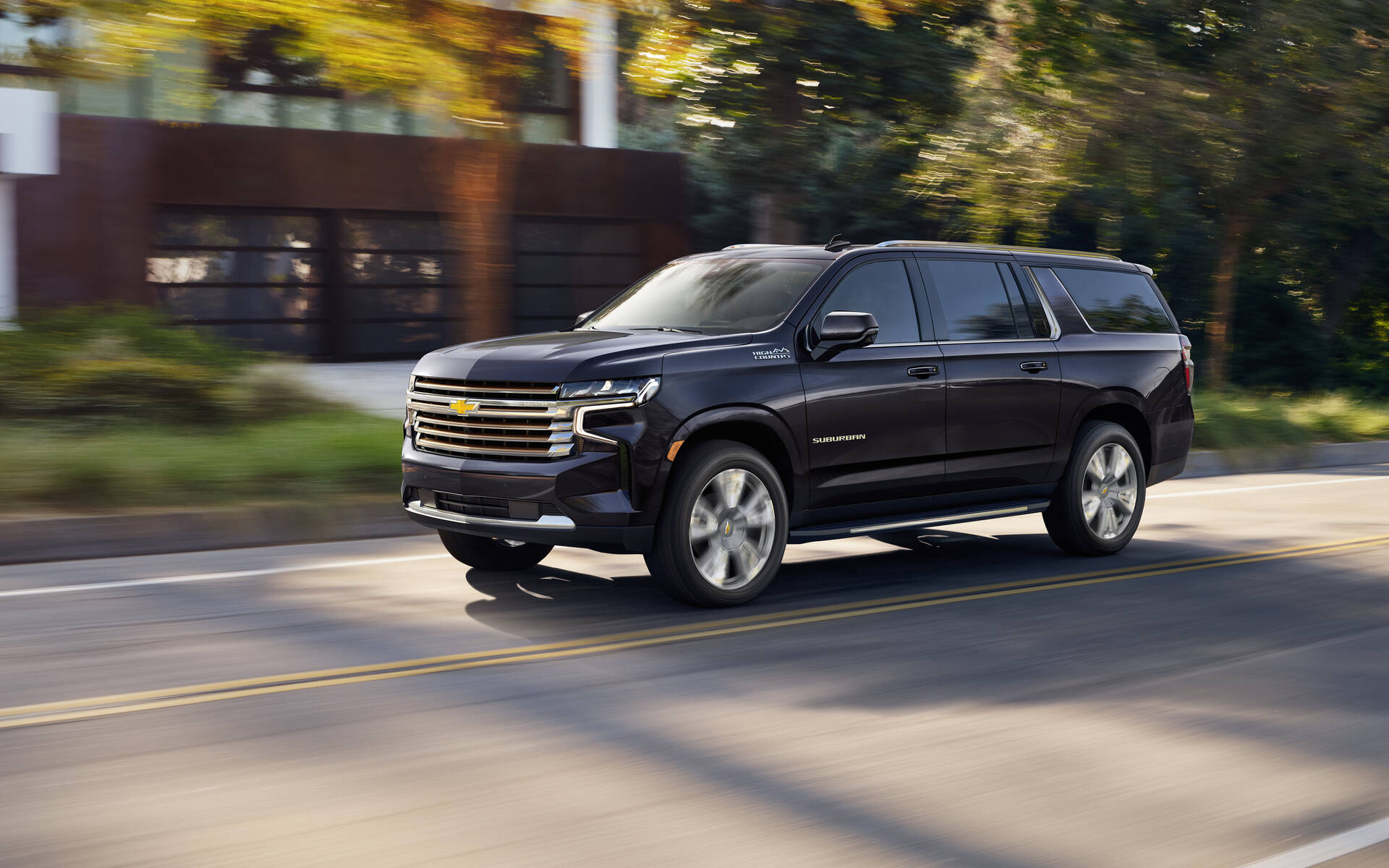
The Chevrolet Suburban holds the distinction of being the longest continuously produced nameplate in automotive history, dating back to 1935. That alone should tell you something about the staying power of this full-size SUV.
Built originally to transport people and cargo efficiently, the Suburban has evolved alongside the American family, the commercial sector, and even the armed forces. It’s big, heavy, and unapologetically spacious. Its reputation isn’t built on trail-conquering toughness but rather on being a reliable workhorse that can do a little bit of everything.
For decades, the Suburban has been the go-to vehicle for large families, government fleets, and those needing serious towing capacity. It’s not a glamorous vehicle, but it has a commanding presence. It offers an immense amount of interior space, durable body-on-frame construction, and the kind of road comfort that comes with long wheelbases and heavy curb weights.
Whether it’s shuttling a full load of kids to school, hauling trailers, or serving as a mobile command unit for emergency services, the Suburban has handled it all. And it does it with a kind of quiet confidence that doesn’t need to be advertised.
What gives the Suburban its lasting reputation is how well it performs under heavy usage. With proper maintenance, many of these SUVs reach very high mileage. Mechanics are often familiar with them, parts are widely available, and the engines, particularly the small-block V8s, have a history of being long-lasting and dependable.
Even older models from the 1990s and early 2000s are still regularly seen on the road today. Many have been passed down within families or kept around as utility vehicles long after they were replaced as daily drivers.
Culturally, the Suburban has also maintained a specific image, especially in North America. It’s seen as a symbol of large-scale mobility, often used by law enforcement, film crews, and VIP transport services.
That consistent presence in public life helps keep its name familiar and respected. It doesn’t change too much from generation to generation because it doesn’t need to. The Suburban works because it’s built for practicality, and that kind of honest utility tends to last longer in the public’s mind than fleeting design trends or short-term performance specs.
7. Nissan Patrol
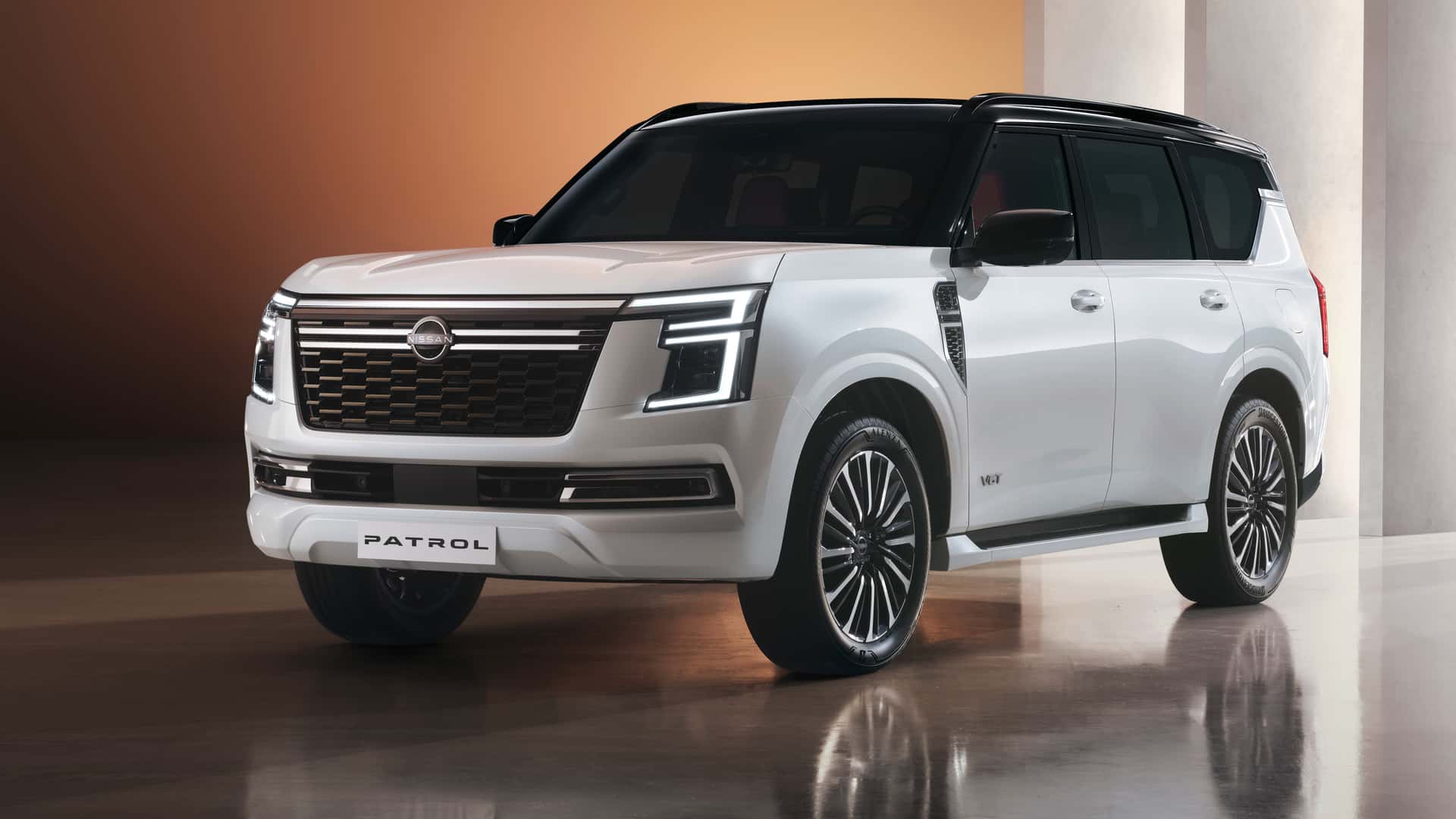
The Nissan Patrol is one of the most respected SUVs globally, particularly in regions like the Middle East, Australia, and parts of Africa and Asia. While it doesn’t have the same brand recognition in North America, internationally, it stands shoulder to shoulder with the likes of the Land Cruiser.
Known for its robust construction, impressive off-road performance, and ability to handle harsh environments, the Patrol has earned a legacy that stretches back to the 1950s. It began as a utilitarian vehicle, but like many others on this list, its reputation was forged in the field rather than in marketing material.
One of the reasons the Patrol has kept its strong reputation is its ability to evolve while maintaining its rugged nature. Early generations were basic, mechanically simple machines that prioritized strength and durability. Later models became more refined without losing that essence.
The Patrol gained stronger engines, more comfortable interiors, and better ride quality, but underneath it all remained a serious off-roader. Many versions still came with locking differentials, heavy-duty suspensions, and high ground clearance. In places where temperatures soar and roads are scarce, the Patrol is still a trusted companion.
The Patrol is also renowned for its long-distance endurance. It’s a favorite among long-haul drivers in desert regions who need a vehicle that can handle extreme heat, sand, and isolation. Stories of Patrols running flawlessly for hundreds of thousands of kilometers are common.
They’re also often used in motorsport and rally racing, including events like the Dakar Rally, which is a brutal test of any vehicle’s durability. That kind of real-world torture testing reinforces the Patrol’s image as a no-nonsense SUV that won’t let you down when things get difficult.
Collectors and enthusiasts continue to value older Patrols, and there is strong aftermarket support for modifications. In regions where it’s more common, it’s treated with a level of respect reserved for only a few SUVs.
While it may not have the same fame in the U.S., globally, it enjoys legendary status. Its consistent performance in challenging conditions over decades has helped it secure a reputation that doesn’t fade. When someone in a remote corner of the world needs to go somewhere tough and far away, the Patrol is often one of the first vehicles considered.
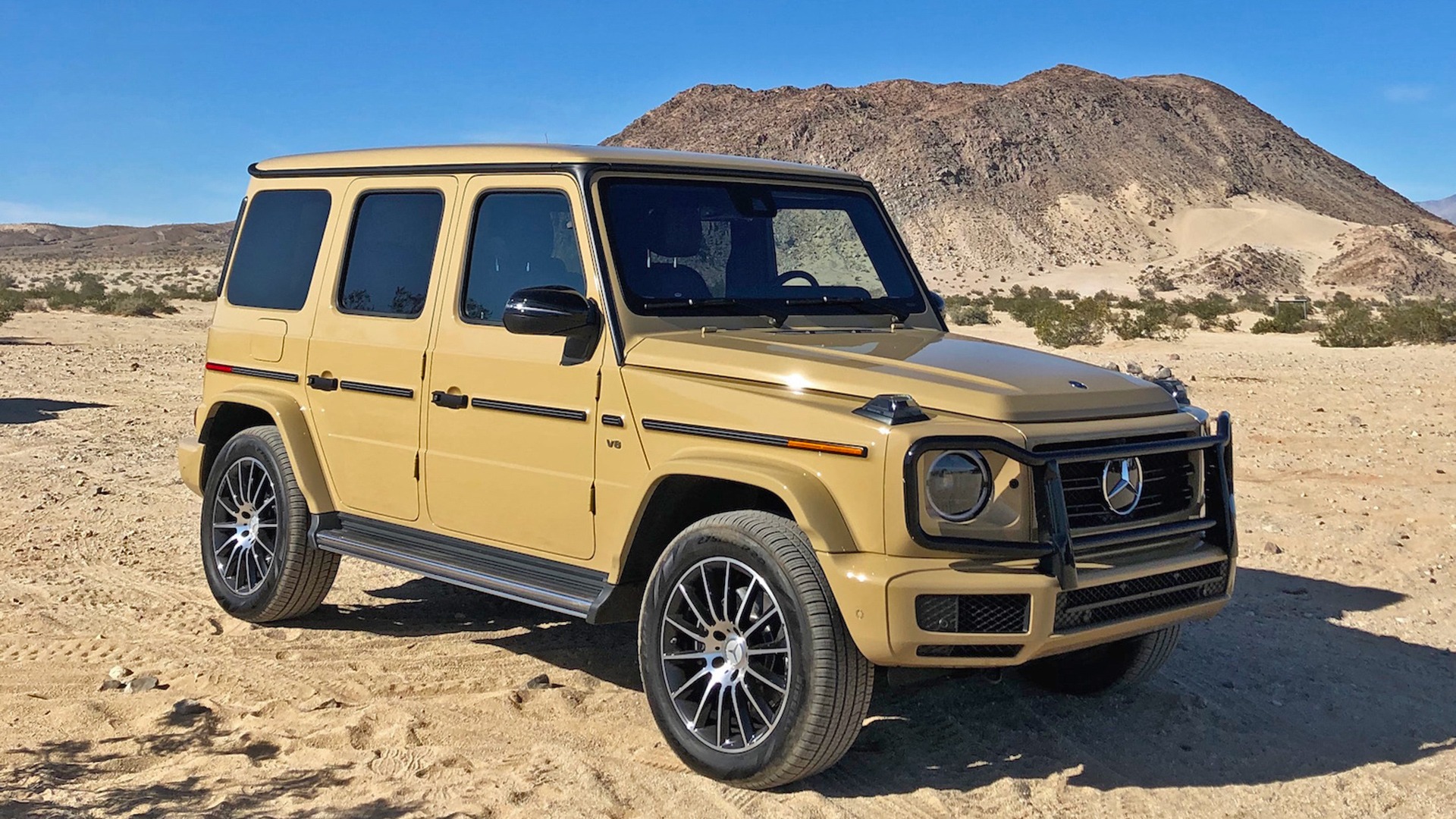
8. Mercedes-Benz G-Class
The Mercedes-Benz G-Class, or G-Wagen, is a rare example of a luxury SUV that also retains deep roots in military and utility use. Originally developed in the 1970s as a rugged off-road vehicle for military applications, it eventually made its way into the civilian market.
Over the years, it gained luxury features, a high price tag, and a place in popular culture, but underneath the premium styling remained a vehicle engineered for serious terrain. Its reputation today is a mixture of old-world toughness and modern prestige, a balance few other SUVs have managed to maintain for such a long time.
The G-Class built its early legacy on its mechanical honesty. It used a ladder-frame chassis, three locking differentials, and a boxy body that prioritized visibility and durability. Its off-road capability was never in question; it could climb, crawl, and ford with the best of them.
Even as it entered the luxury market, Mercedes kept the core mechanics intact. That decision allowed the G-Class to maintain credibility among both off-road enthusiasts and luxury buyers. In remote regions, older G-Wagens are still used as farm trucks and expedition vehicles, while in cities, newer models are prized for their status and timeless design.
One of the most impressive things about the G-Class is how little its external design has changed over the decades. While the interior and technology have evolved significantly, the silhouette remains nearly identical to early versions. That consistency contributes to its lasting identity.
It’s instantly recognizable and carries a weight of history that few vehicles can match. The fact that Mercedes continued producing the same basic model for so many years, even while adding high-performance AMG versions, shows how much confidence they had in the original platform.
Even today, the G-Class is a benchmark for combining utility with luxury. It’s just as comfortable on a mountain trail as it is parked in front of a high-end hotel. That dual identity keeps it desirable across a wide audience, and its longevity is no accident.
It’s rare for a vehicle to maintain respect from both serious off-roaders and high-end consumers, but the G-Class manages to do it. Its reputation wasn’t handed to it, it was earned through decades of solid performance, distinctive design, and a refusal to compromise on its original purpose.
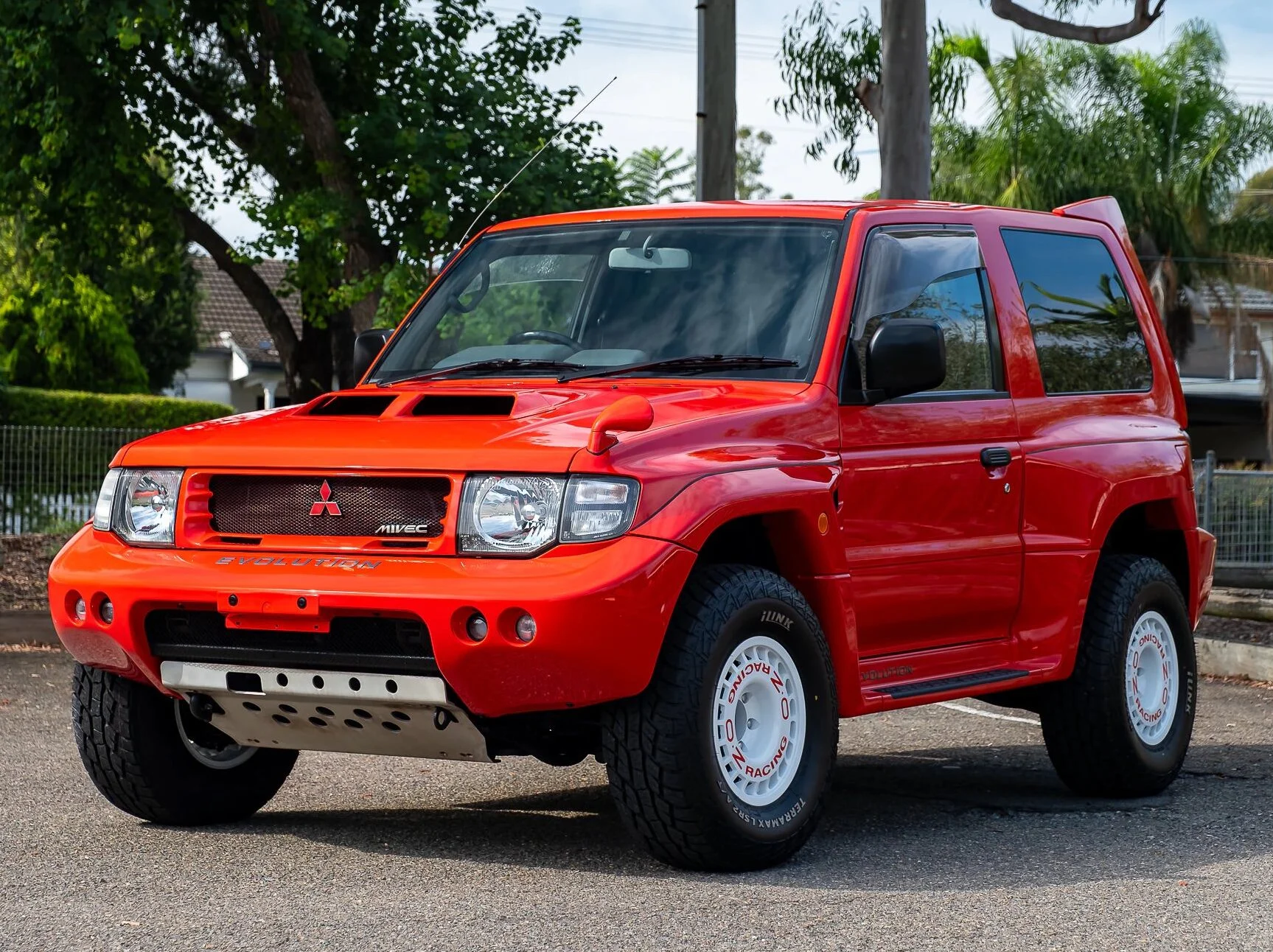
9. Mitsubishi Pajero / Montero
The Mitsubishi Pajero, known as the Montero in some markets, has long been a staple of serious off-road travel, especially in parts of Asia, Africa, South America, and the Middle East. Though not as flashy or well-known in North America as some of its rivals, the Pajero built a solid reputation over decades for being a tough, durable, and versatile SUV.
It wasn’t just an off-roader for the weekend; it was a vehicle used by militaries, humanitarian groups, and rally teams alike. From city streets to the dunes of the Sahara, the Pajero earned a reputation not through marketing hype but through real-world use across a wide variety of demanding conditions.
One of the key reasons the Pajero remains respected is its proven performance in motorsport. It dominated the Dakar Rally, one of the most grueling races in the world, winning it an astonishing 12 times, including seven consecutive wins. That kind of success doesn’t happen by chance.
It comes from engineering that focuses on mechanical strength, suspension geometry, and reliability under extreme stress. Those same principles found their way into the production models, making the Pajero one of the few SUVs with legitimate rally-bred DNA. For buyers in developing countries or remote regions, the Pajero became a trusted vehicle because it was known to survive the same punishment as the racing versions.
Another strength of the Pajero lies in its balance between comfort and capability. Unlike some purpose-built off-road vehicles that sacrifice interior quality or road manners, the Pajero offered a more refined ride while still maintaining its core strengths.
It had advanced suspension systems, a reliable 4WD system with a proper low-range gearbox, and an interior that, especially in later generations, offered genuine comfort on long drives. This made it an appealing choice for families and professionals who wanted a dependable SUV that didn’t feel punishing on paved roads but could still tackle serious terrain when required.
Although Mitsubishi has phased out the Pajero in many markets, the vehicle’s legacy continues in the used market and among off-road communities. Owners frequently speak of their vehicles crossing the 200,000-mile mark with minimal issues. There are entire groups dedicated to restoring and modifying older Pajeros, and the name still commands respect wherever serious off-roading is discussed.
It may not have the same global fame as the Land Cruiser or Wrangler, but those who know the Pajero understand exactly why it deserves to be included on any list of SUVs that have kept their reputation intact over time. It did everything it promised, and it did so for decades.
