
Electric vehicles (EVs) have become increasingly popular as the automotive industry shifts towards sustainable transportation. Many people associate modern EVs with complex technology, advanced software, and cutting-edge features.
While this innovation brings many benefits, it also introduces challenges, such as higher repair costs, software glitches, and parts that may become obsolete quickly.
However, some EV manufacturers have taken a different approach by focusing on simpler, more robust designs. These vehicles prioritize reliability, ease of maintenance, and longevity over intricate electronics and flashy features.
By stripping down to essential functions and emphasizing durability, these EVs are built to last longer and often provide a better ownership experience for drivers who want dependability without constant updates or unexpected expenses.
This approach harkens back to an era when cars were less complicated mechanically and easier to repair, which many traditional enthusiasts admire.
For EVs, this means focusing on straightforward battery management, durable motors, and minimalistic user interfaces, avoiding overreliance on software that could degrade over time or require costly replacements.
This philosophy benefits not just the owners but also the environment by reducing waste and encouraging vehicles to remain on the road longer.
The following twelve electric vehicles demonstrate this principle, each showing how simpler design choices can lead to greater longevity, less hassle, and often better value in the long run.
These vehicles offer a glimpse into a sustainable future where technology supports, but does not overwhelm, the fundamental goal of transportation: getting from point A to point B reliably and efficiently.
Also Read: 10 Cars That Survive Extreme Weather With Ease
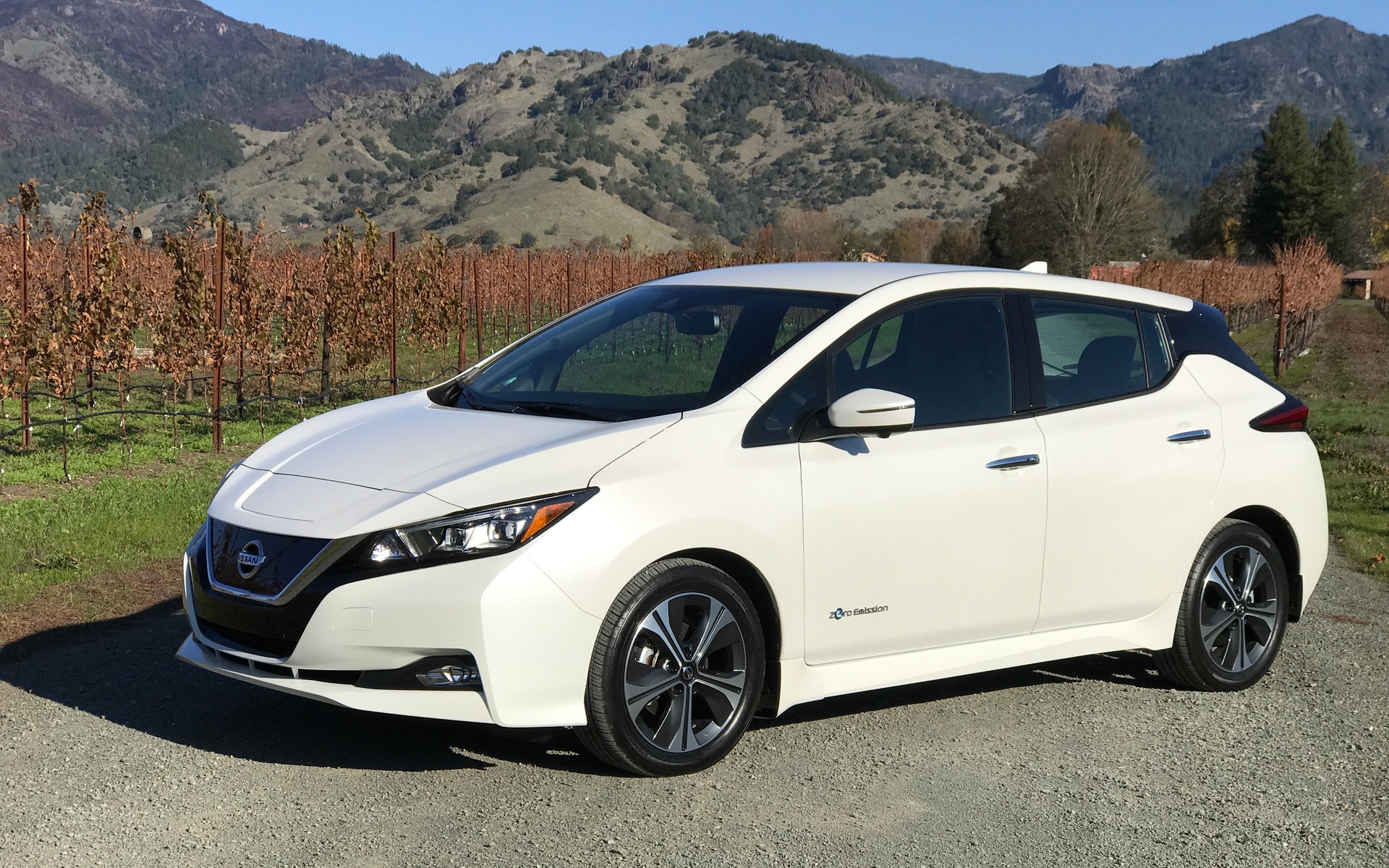
1. Nissan Leaf
The Nissan Leaf has been one of the pioneering mass-market electric vehicles since its debut in 2010. One of its defining characteristics is its relatively simple design compared to newer, feature-packed EVs.
The Leaf’s battery and motor systems are straightforward, making it easier for technicians to service and maintain.
Its modular battery pack can be replaced or repaired without needing to replace the entire vehicle’s electrical system, which contributes to its longevity. The absence of excessive software complexity also reduces the risk of glitches or failures that can plague more tech-heavy EVs.
Additionally, the Leaf employs an uncomplicated cooling system for its battery, relying on passive air cooling rather than liquid cooling systems used in some other EVs.
While this choice limits the car’s performance under extreme conditions, it also simplifies the vehicle’s maintenance and increases reliability by eliminating potential points of failure. This balance of simplicity and functionality has helped the Leaf gain a reputation as a dependable and affordable EV that suits daily commuting needs.
The interior and user interface of the Nissan Leaf also reflect this philosophy. Rather than packing the dashboard with complicated touchscreens and controls, Nissan focuses on a user-friendly experience that doesn’t rely heavily on constant software updates or connectivity.
This reduces the chance that the system becomes obsolete or frustrating to use over time. Many Leaf owners report that their vehicles continue to operate smoothly even after several years of use, with minimal maintenance costs beyond the usual wear and tear.
The Nissan Leaf demonstrates how a simpler design can serve as a practical foundation for an electric vehicle that lasts longer.
Its focus on durability, ease of maintenance, and straightforward technology makes it a favorite among drivers who want reliable transportation without unnecessary complexity.
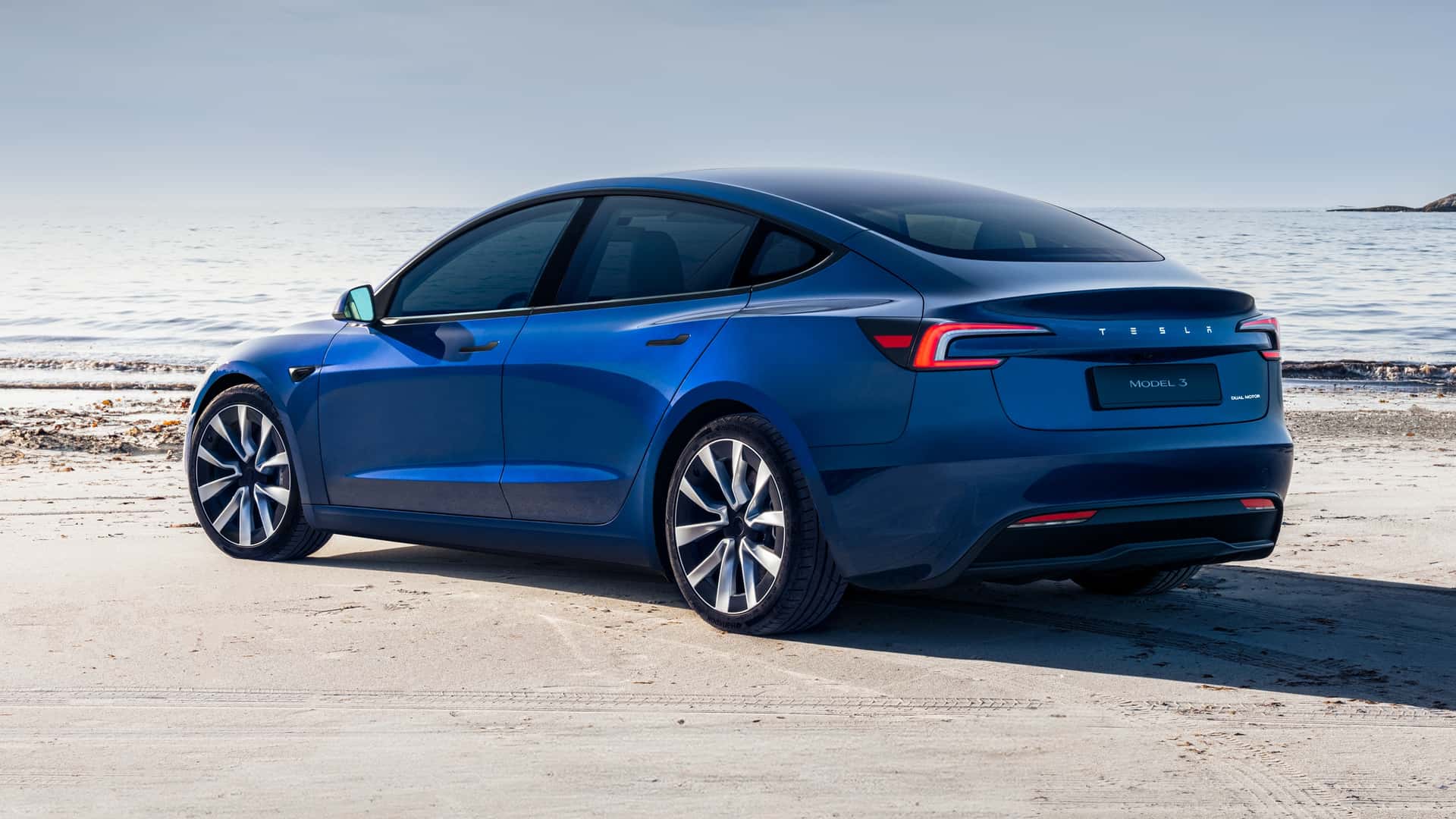
2. Tesla Model 3 Standard Range
While Tesla vehicles are often associated with high-tech features and software-driven experiences, the Model 3 Standard Range offers a more simplified approach compared to its more expensive siblings.
Tesla’s design philosophy for the Model 3 was to create an affordable, mass-market EV with fewer moving parts and a clean, minimalist interior. The Standard Range trim strips away some of the more elaborate options and focuses on the essentials needed for reliable electric driving.
The battery pack in the Model 3 Standard Range is designed with longevity in mind. Tesla uses high-quality lithium-ion cells and an efficient thermal management system to maintain battery health. The company’s approach emphasizes keeping the battery within optimal temperature ranges, preventing rapid degradation.
This focus on battery care is crucial because the battery is the most expensive and critical component of an electric vehicle. Tesla’s design avoids unnecessary complexity in the motor and power electronics, which contributes to the vehicle’s overall reliability.
Tesla’s software is a significant part of its identity, but the Model 3 Standard Range also benefits from a simpler software configuration compared to the more expensive versions that include full self-driving capabilities or advanced autopilot features.
This reduction in software complexity helps avoid some of the bugs and issues that more sophisticated versions sometimes experience. The minimalist interior design, with a single central touchscreen and limited physical controls, contributes to a more durable cabin environment that can stand the test of time.
Furthermore, the Model 3 Standard Range’s chassis and construction emphasize durability. Tesla uses a rigid battery pack integrated into the floor, which enhances structural integrity and lowers the center of gravity, improving safety and driving dynamics.
This design choice reduces wear and tear on suspension components, contributing to the vehicle’s ability to maintain performance over time. Overall, Tesla’s Model 3 Standard Range exemplifies how a combination of smart design and purposeful simplicity can yield an EV built to last.
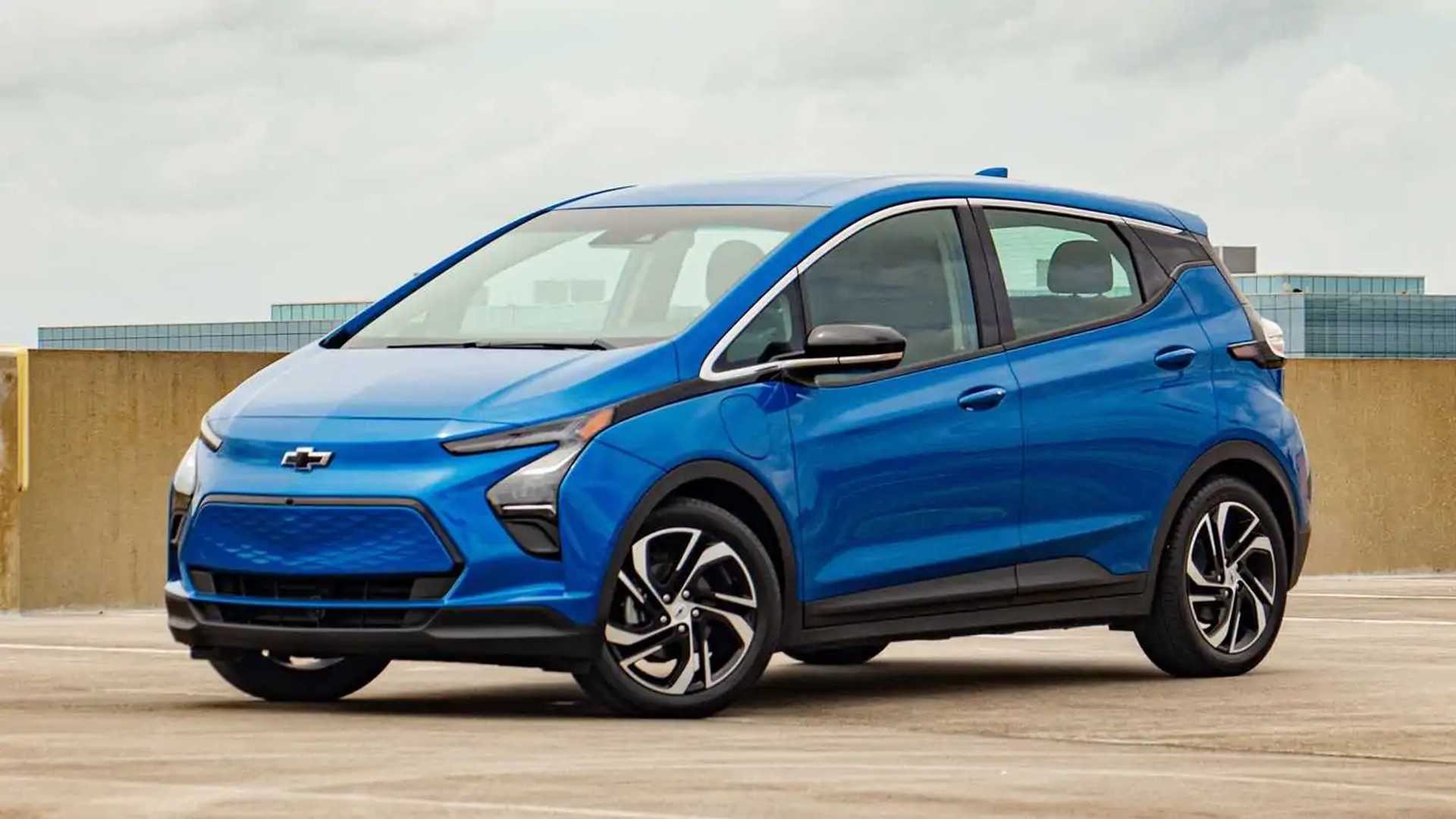
3. Chevrolet Bolt EV
Chevrolet’s Bolt EV is another example of an electric vehicle designed with simplicity and longevity in mind. Introduced in 2016, the Bolt was one of the first affordable EVs with a respectable range, and its design reflects a focus on practicality rather than flashy features.
The Bolt’s battery pack is straightforward and accessible, making repairs or replacements easier and more affordable. General Motors designed the Bolt to be efficient and reliable with fewer complicated systems that might fail over time.
One of the key factors contributing to the Bolt’s durability is its use of a single motor and a simple transmission system, which reduces the number of components that require maintenance.
Unlike some electric vehicles that utilize dual motors or complex drive configurations, the Bolt keeps the drivetrain uncomplicated. This simplicity reduces the likelihood of mechanical issues and extends the life of the vehicle.
The Bolt’s interior design is also functional, with a clean layout and user-friendly controls. Although it features a modern infotainment system, it avoids excessive reliance on connected services or software that could degrade with age.
Chevrolet’s approach aims for a balance between technology and ease of use, ensuring that drivers can operate the vehicle without facing frustrating tech failures down the line.
Moreover, Chevrolet has invested in quality materials and build quality for the Bolt, helping it resist wear and tear even in daily use.
The vehicle’s suspension and chassis components are designed for longevity, offering a comfortable ride without sacrificing durability. These design choices contribute to the Bolt’s reputation as a dependable EV that can serve drivers well over many years.
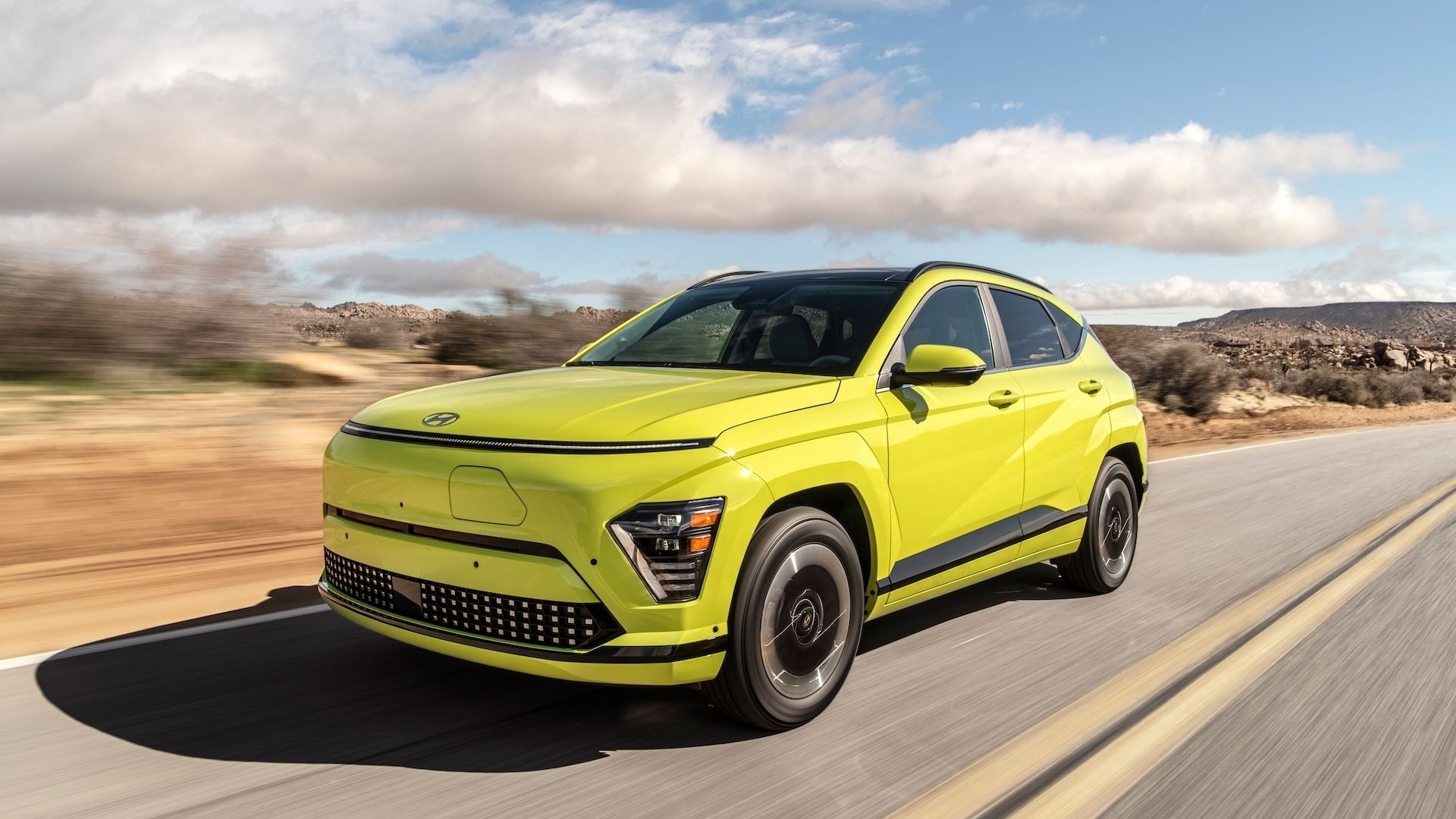
4. Hyundai Kona Electric
The Hyundai Kona Electric stands out as an electric vehicle that combines practicality with a simpler approach to design, focusing on long-term reliability. Hyundai engineered the Kona Electric with components that balance performance and durability.
Its battery pack is liquid-cooled, but the system is designed with straightforward engineering to minimize maintenance issues. This attention to reliability helps ensure the vehicle’s battery health over extended periods.
Hyundai also chose a single electric motor setup for the Kona Electric, avoiding the complexities of all-wheel-drive configurations found in some EVs.
This design choice simplifies the drivetrain and reduces potential points of failure, contributing to better long-term durability. The motor and associated electronics are designed with proven technology, avoiding unnecessary experimentation that could compromise reliability.
Inside, the Kona Electric offers a clean and intuitive user interface. While it includes modern features such as a touchscreen infotainment system and digital displays, the vehicle avoids overwhelming drivers with excessive options or complicated software updates.
This approach minimizes the risk of technical issues and helps maintain a smooth user experience as the vehicle ages. Hyundai also pays attention to build quality and material selection to ensure the Kona Electric remains comfortable and functional over time.
The chassis and suspension are designed for everyday use, offering a reliable and smooth ride. These choices reflect Hyundai’s goal of creating an electric vehicle that delivers solid performance without sacrificing the qualities that make it last longer.
5. BMW i3
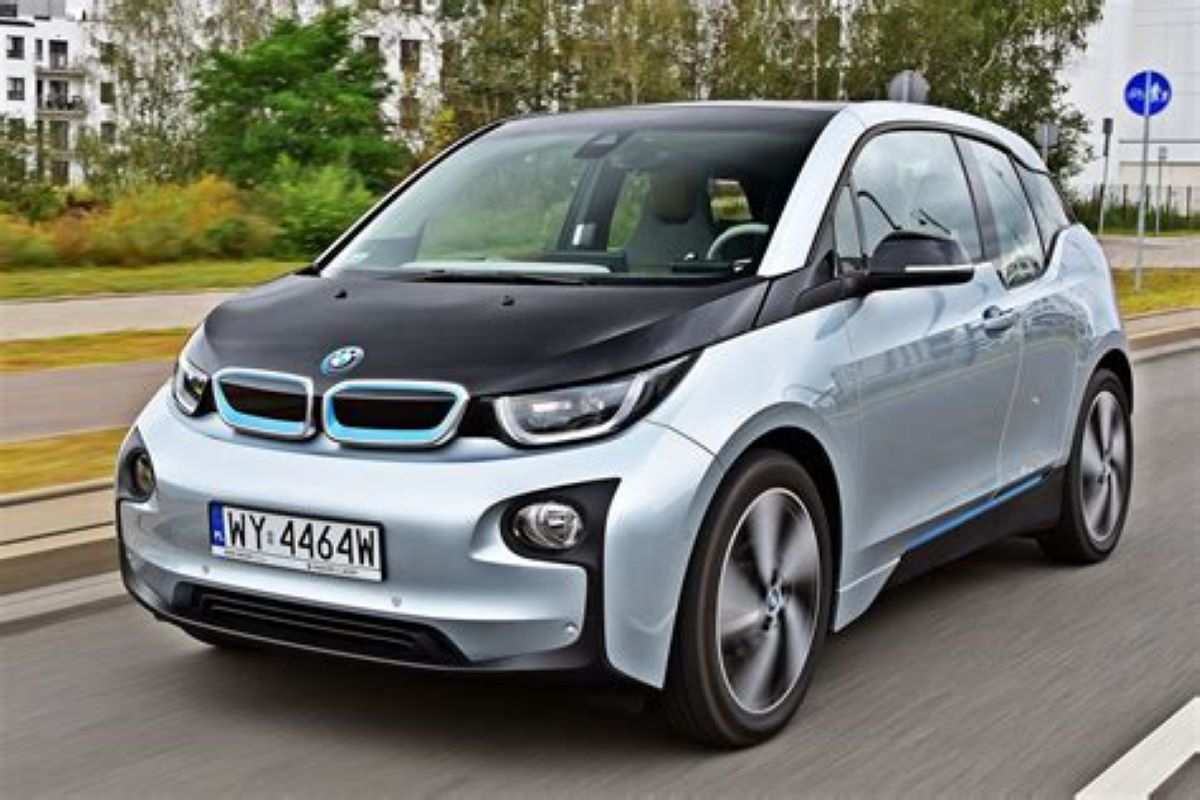
The BMW i3 represents a unique approach in the EV industry, with its compact size and distinct design that focuses heavily on simplicity and sustainability. From the beginning, BMW designed the i3 to be as straightforward as possible while still offering a premium experience.
The electric motor and battery pack are efficiently integrated, with a design that avoids unnecessary complexity.
One of the i3’s defining features is its use of lightweight materials like carbon fiber reinforced plastic, which reduces wear on the drivetrain and helps preserve battery life by enhancing efficiency.
The choice of materials also plays a role in the vehicle’s longevity, as carbon fiber resists corrosion and maintains structural integrity over many years. This combination of efficient engineering and durable materials ensures the i3 remains reliable well into extended use.
BMW opted for a rear-wheel-drive layout powered by a single electric motor, which simplifies maintenance compared to dual-motor or all-wheel-drive systems found in other EVs. The simplicity of the drivetrain means fewer mechanical parts are subject to wear, which lowers repair costs and the chance of mechanical failure.
Additionally, the i3’s battery system uses active thermal management but remains relatively uncomplicated, relying on proven cooling technology to prevent rapid degradation and maintain capacity over time.
Owners of the i3 often report that battery performance remains consistent for years, underscoring the effectiveness of BMW’s balanced approach to battery design.
The interior of the BMW i3 is minimalist but functional, designed to reduce electronic complexity without compromising driver comfort or experience. It includes a digital display and a central control knob, avoiding touchscreen overload or complex menus that can age poorly.
This focus on usability over flashy technology means that the car’s user interface remains intuitive and dependable throughout its lifespan.
Moreover, BMW built the i3 with sustainable materials such as recycled plastics and natural fibers, which not only support environmental goals but also hold up well under everyday wear.
Maintenance-wise, the i3 benefits from BMW’s extensive experience with electric drivetrains, offering a vehicle that doesn’t require frequent servicing beyond basic upkeep.
The combination of a straightforward motor, durable materials, and a focus on sustainability allows the BMW i3 to maintain its performance and structural quality over time. This makes it an attractive option for buyers looking for an EV that blends simplicity with premium features while lasting many years on the road.
6. Volkswagen ID.3
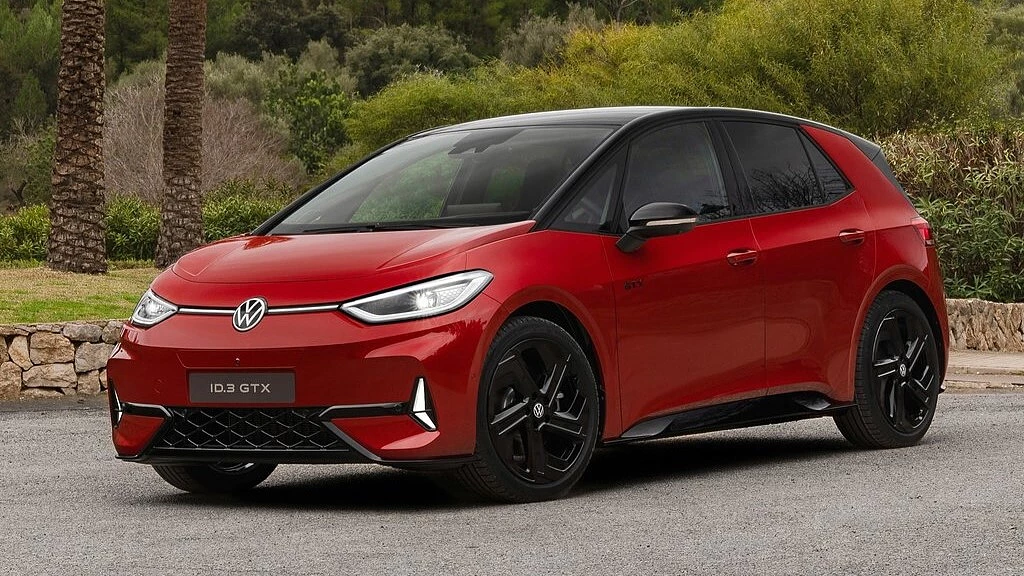
Volkswagen’s ID.3 was created as a part of the company’s push toward electrification with a clear focus on simplicity and durability. The ID.3 is designed around Volkswagen’s MEB platform, which is engineered to support electric vehicles with a modular and efficient structure.
This platform emphasizes straightforward engineering, with a battery pack and motor setup that avoids excessive complexity.
By keeping the electric drive system and battery management relatively simple, Volkswagen ensures that the ID.3 is both affordable to maintain and resilient in everyday use.
One of the strengths of the ID.3’s design is its use of a single motor powering the rear wheels, a configuration that limits the number of mechanical components prone to failure.
The vehicle’s battery system is liquid-cooled, but the cooling system is carefully designed to minimize potential breakdowns, offering consistent battery performance over time.
Volkswagen’s strategy includes a focus on battery longevity, using quality cells and smart thermal management to prevent degradation. This combination means the ID.3 can maintain a strong driving range even after several years of ownership, an important consideration for long-term EV users.
The interior of the ID.3 balances technology and simplicity, offering digital screens and connectivity features without overwhelming the user.
Volkswagen avoids packing the cabin with too many buttons or complex software, instead choosing a layout that emphasizes ease of use and durability.
This helps ensure the car remains user-friendly and reliable throughout its life. The ID.3 also features a solid build quality with materials chosen to withstand daily wear, reinforcing the car’s reputation for being a practical, no-nonsense electric vehicle.
Beyond the technical details, Volkswagen has also focused on making the ID.3 repair-friendly. The modular platform allows for easier replacement of parts, which can extend the vehicle’s useful life and reduce repair costs.
This design philosophy aligns with the company’s broader goal to create EVs that serve as practical transportation solutions without the headaches sometimes associated with complex electronics or difficult-to-service components.
7. Renault Zoe
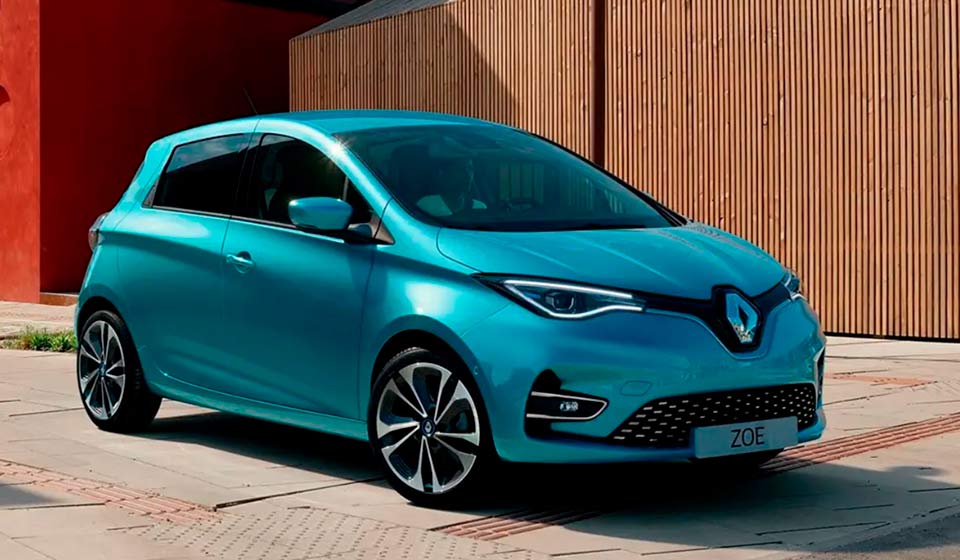
Renault’s Zoe is one of Europe’s most popular electric cars, built around the idea of practicality and simplicity. The Zoe’s design prioritizes an uncomplicated electric drivetrain that helps keep maintenance low and reliability high. The vehicle uses a single electric motor paired with a relatively small but efficient battery pack.
This setup minimizes the number of components that could potentially fail and reduces the complexity of the overall system. Renault’s approach helps keep repair costs reasonable and allows the Zoe to serve as an accessible option for many drivers seeking dependable electric transportation.
The battery in the Zoe has evolved, but the key to its longevity lies in the straightforward battery management system. Rather than adding layers of complex software or multiple cooling techniques, Renault opted for a liquid-cooled battery pack with proven technology that avoids overheating and extends battery life.
This measured approach prevents many of the common issues seen in more complicated systems and allows owners to enjoy a consistent driving range over many years.
The Zoe’s interior features a simple yet functional layout, designed to provide drivers with the necessary information without overloading them with features.
While it includes a touchscreen and some connectivity, Renault keeps the interface clear and easy to navigate, minimizing the potential for software bugs or outdated technology to become a burden. This simplicity also helps keep the car’s electrical systems robust and less prone to failures caused by software glitches.
Renault’s commitment to sustainability also shows in the Zoe’s design, with materials and components chosen to maximize durability.
The suspension and chassis are engineered to withstand urban and suburban driving conditions, offering a comfortable yet sturdy ride.
This contributes to the vehicle’s reputation for lasting well beyond the average lifespan expected of many small city cars, making it an excellent choice for buyers who value longevity alongside efficiency.
8. Hyundai Ioniq Electric
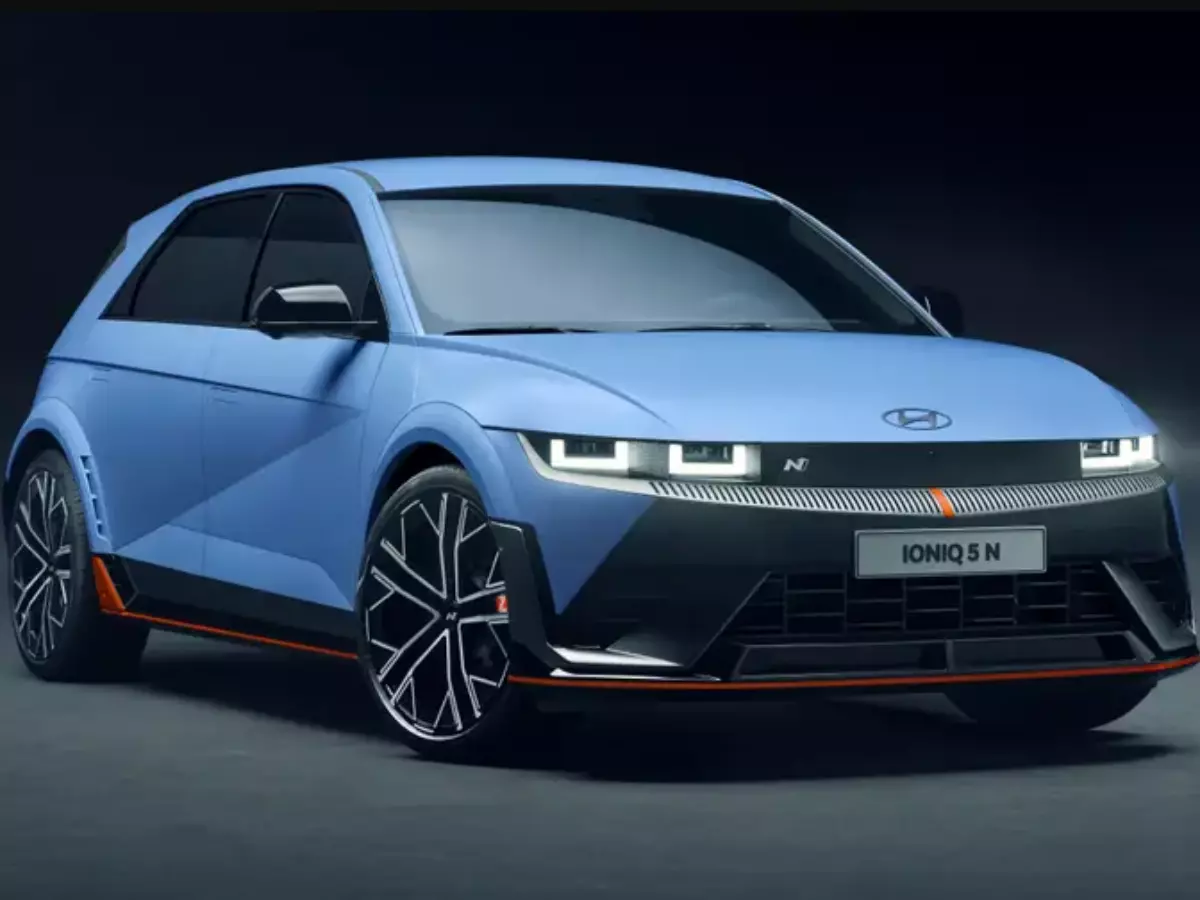
The Hyundai Ioniq Electric shares many design principles with its sibling, the Kona Electric, emphasizing simplicity, reliability, and durability. Hyundai has approached the Ioniq with a focus on creating a practical electric vehicle that prioritizes ease of ownership over flashy features.
The Ioniq’s battery pack and electric motor are designed to be straightforward and reliable, using established technologies that minimize potential maintenance headaches. This approach results in a vehicle that offers good range and performance while maintaining longevity.
One of the key features of the Ioniq Electric’s design is its use of an efficient thermal management system that protects the battery from overheating.
Hyundai chose a liquid-cooled system, but it is engineered to be simple and reliable, avoiding the pitfalls of overly complicated mechanisms that can fail unexpectedly. This design helps extend the life of the battery, keeping capacity stable even after many charge cycles.
The electric drivetrain is based on a single motor and a direct-drive transmission, a setup that reduces the number of moving parts and the likelihood of mechanical failure.
Hyundai has focused on proven components to ensure the vehicle can withstand years of daily use. The car’s overall architecture is designed with repairability in mind, making it easier and more affordable to service if necessary.
Inside, the Ioniq Electric features a clean and modern cabin that avoids overcomplicating the user experience. Hyundai equips the vehicle with essential technology that enhances comfort and convenience without overwhelming drivers with constant software updates or complex menus.
This design philosophy helps maintain the vehicle’s usability and reliability, making the Ioniq Electric a solid choice for drivers who want an electric vehicle that will last without excessive fuss.
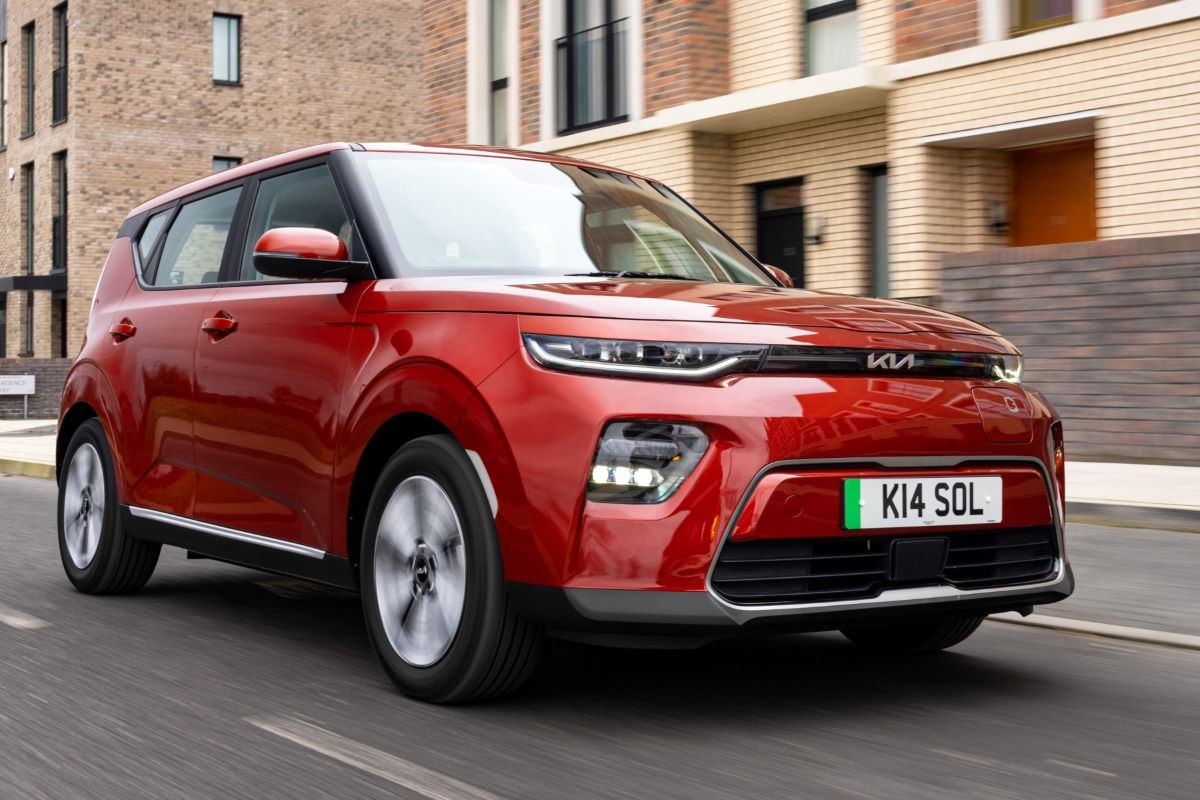
9. Kia Soul EV
Kia’s Soul EV is known for its boxy design and practical nature, but it also embodies a commitment to simplicity and durability. The Soul EV’s design focuses on straightforward engineering principles, particularly in its electric drivetrain and battery systems.
The single motor powering the front wheels simplifies maintenance and reduces potential mechanical issues, making it easier for owners to keep the vehicle running smoothly over time.
Kia uses a liquid-cooled battery pack for the Soul EV, but the system is engineered with reliability as a priority rather than chasing maximum performance. This balance ensures the battery remains healthy and functional after years of regular use.
The company has also worked to make battery replacement or repair as accessible as possible, recognizing that the longevity of the battery pack is critical to the vehicle’s overall lifespan.
The Soul EV’s interior is designed to be comfortable and functional without unnecessary complications. It includes modern conveniences such as touchscreen infotainment and smartphone integration, but avoids the kind of overly complex systems that can frustrate users as software ages.
Kia’s choice to keep the interface straightforward and user-friendly contributes to the vehicle’s ability to remain dependable and easy to operate.
Durability is also a strong point for the Soul EV’s suspension and chassis. Designed for urban and suburban driving, these components withstand the rigors of daily use without significant degradation.
This durability contributes to the Soul EV’s reputation as a long-lasting, practical electric vehicle suitable for a variety of driving environments.
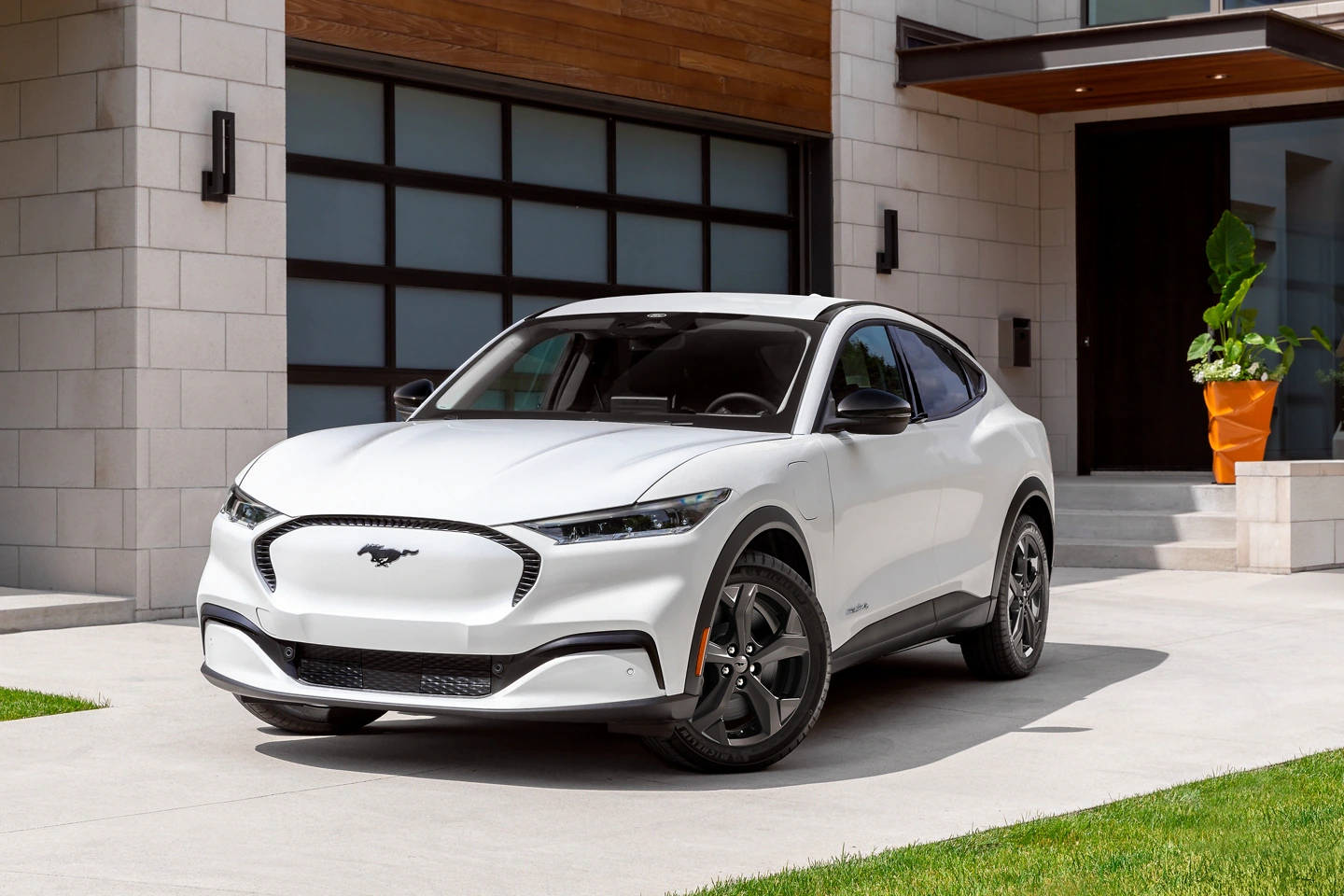
10. Ford Mustang Mach-E (Standard Range)
The Ford Mustang Mach-E Standard Range model reflects a simpler approach compared to the higher-end versions, emphasizing durability and ease of maintenance.
Ford designed the Mach-E platform with modularity and simplicity in mind, which helps reduce the complexity of the vehicle’s electrical and mechanical systems. The Standard Range model, in particular, strips away some advanced features to focus on reliable performance and longevity.
The battery pack in this version of the Mach-E is designed with efficiency and durability as primary goals. Ford employs a liquid-cooled battery management system, but it is engineered to be robust and low maintenance.
This system helps maintain battery health over many charge cycles, supporting long-term ownership without significant loss of range. The electric motor and drivetrain are designed to be sturdy and straightforward, minimizing the number of components prone to failure.
In terms of software and user interface, the Standard Range Mach-E features a less complex setup than its more expensive counterparts.
While still offering modern infotainment and connectivity, Ford limits the number of software-dependent features that could introduce bugs or require frequent updates. This approach makes the vehicle easier to keep running smoothly over the years and reduces the chance of costly repairs tied to electronic systems.
Structurally, the Mach-E benefits from a rigid platform that improves vehicle stability and safety. This foundation not only enhances driving dynamics but also reduces wear on suspension and chassis components.
By focusing on simplicity and robustness, the Standard Range Mustang Mach-E offers an electric SUV that can last longer and provide a satisfying driving experience without the hassle of overly complex technology.
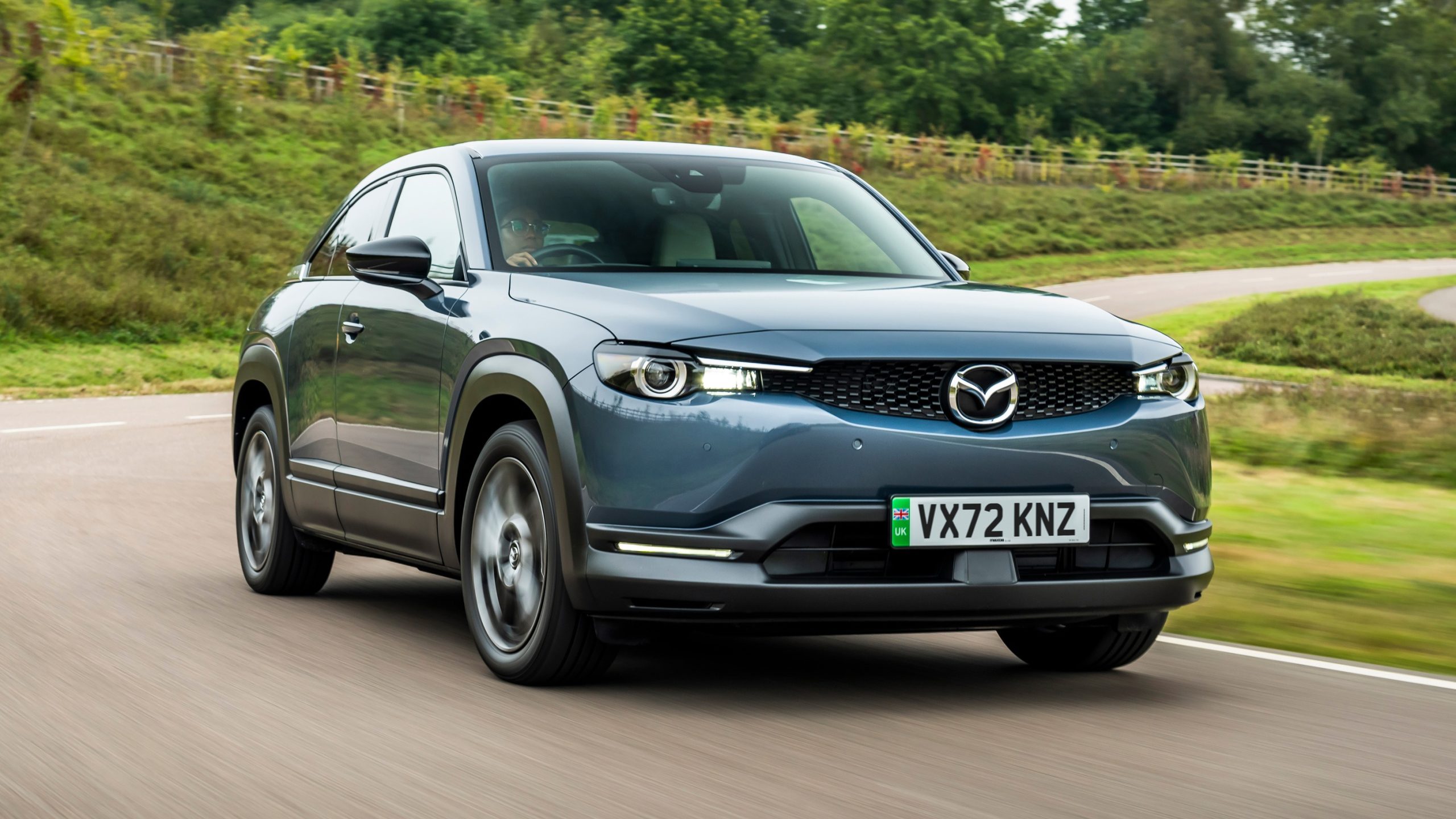
11. Mazda MX-30
Mazda’s MX-30 represents the company’s first fully electric vehicle, and it embraces simplicity and sustainability as core values.
The MX-30’s electric drivetrain uses a single motor paired with a modest battery pack, focusing on efficiency and durability rather than outright range or power. This choice helps keep the vehicle’s design simple, reducing potential mechanical issues and making maintenance easier for owners over time.
The battery system in the MX-30 employs a liquid cooling system, but with an emphasis on reliability and minimal maintenance. Mazda avoids overly complex battery management technologies, favoring tried-and-tested engineering that extends battery life and ensures stable performance through many charging cycles.
This approach means the MX-30 remains a practical vehicle for daily use with predictable and steady range retention.
Mazda’s interior design in the MX-30 favors simplicity and driver engagement over complex infotainment systems. The cabin features straightforward controls and an uncluttered dashboard, reducing reliance on software updates or connected services that might deteriorate with age.
This user-friendly approach contributes to the vehicle’s long-term reliability and appeal to drivers who value an uncomplicated driving experience.
Moreover, Mazda incorporates eco-friendly materials and thoughtful craftsmanship to create a durable, comfortable cabin environment.
The suspension and chassis are tuned for comfort and durability, able to withstand regular use without excessive wear. The MX-30 stands as an example of how a simpler, well-engineered electric vehicle can meet modern expectations without sacrificing longevity.
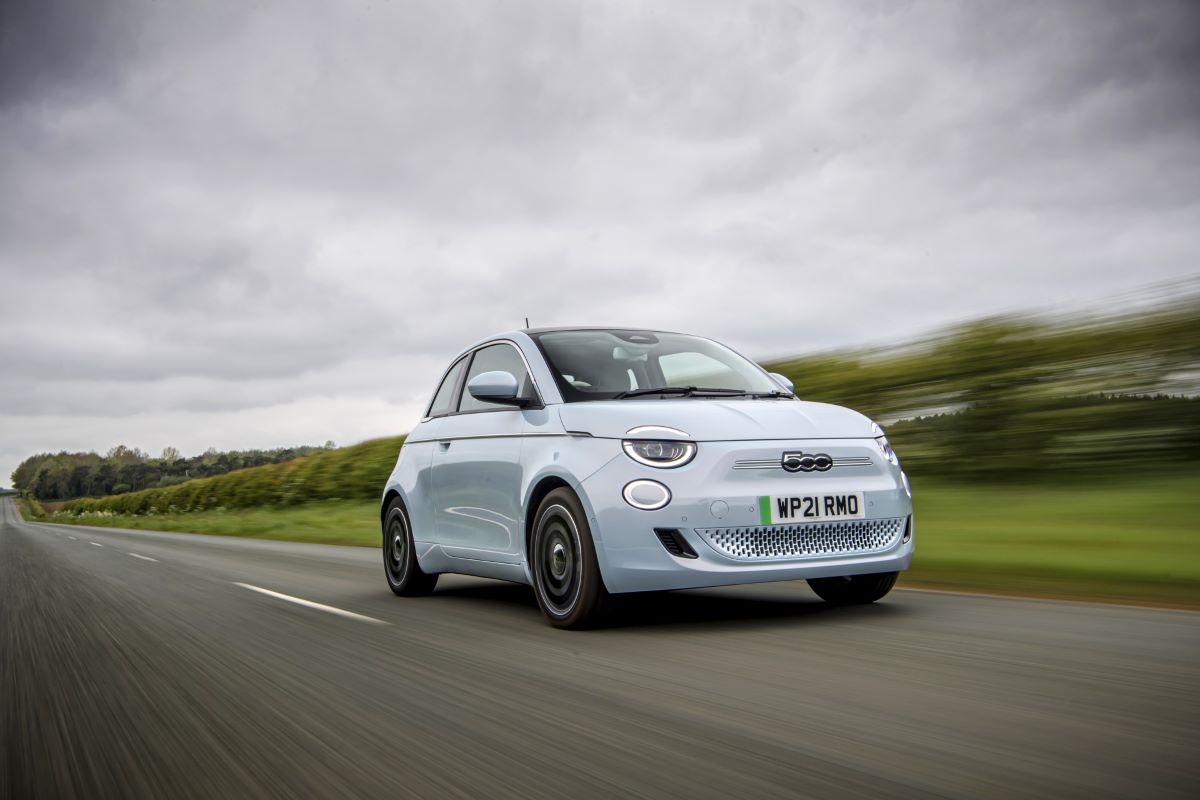
12. Fiat 500 Electric
The Fiat 500 Electric, a compact city car, embraces minimalism in its electric vehicle design to maximize longevity and reliability. The vehicle uses a straightforward electric motor and a small battery pack optimized for urban driving rather than long-distance travel.
This simplicity in the drivetrain reduces potential mechanical issues and helps keep maintenance straightforward and affordable.
Fiat uses a liquid-cooled battery system in the 500 Electric but avoids complicated temperature management strategies that might increase the risk of failure.
The company focuses on stable battery chemistry and basic thermal control to ensure the battery remains healthy throughout its life. This choice aligns with the car’s purpose as a city runabout designed for short trips and regular use rather than high-performance driving.
Inside, the Fiat 500 Electric’s interior combines retro styling with modern simplicity. The dashboard and controls avoid complexity, with a clear focus on essential driving functions and user-friendly infotainment.
This design philosophy helps the vehicle maintain its functionality and appeal even as technology evolves and software updates become less frequent or unsupported.
The compact size and durable construction of the Fiat 500 Electric contribute to its ability to handle the demands of city driving without excessive wear. Its suspension and chassis are built to absorb urban road conditions effectively, reducing stress on the vehicle’s components.
As a result, the Fiat 500 Electric offers a reliable, long-lasting option for those seeking a straightforward electric vehicle in a small package.
