
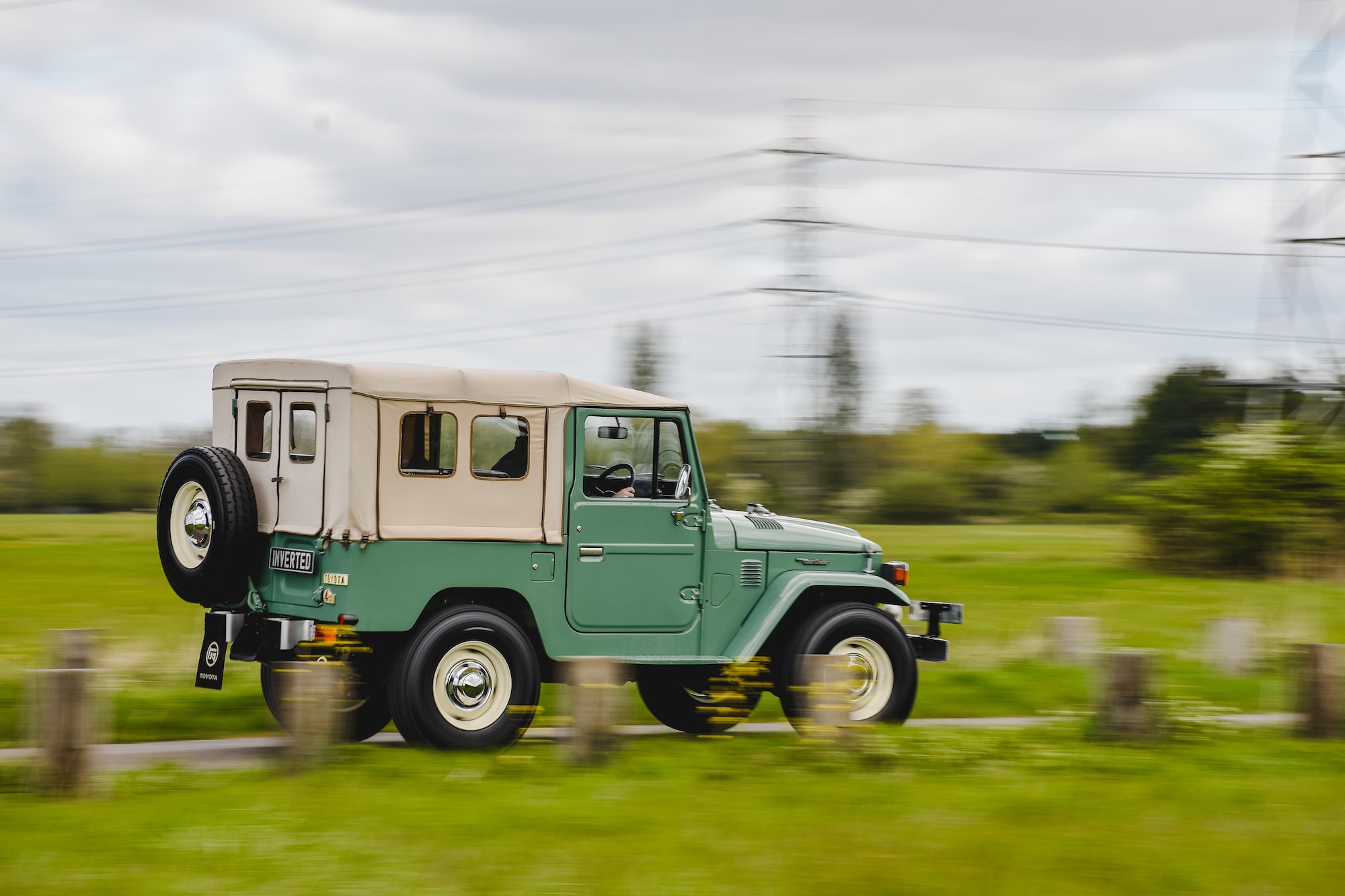
The 1970s were a remarkable decade in automotive history. It was a period where muscle cars roared, designs shifted from the sharp lines of the ’60s to more aerodynamic and sometimes bulky shapes, and technology slowly began integrating into the driving experience.
Despite challenges like the oil crisis and increasing emissions regulations, manufacturers produced vehicles that have stood the test of time in both performance and durability. Many of these cars were built to last, featuring solid engineering and mechanical simplicity that today’s highly computerized vehicles sometimes lack. It’s fascinating to consider how these cars, some nearly 50 years old, continue to function reliably, with many still on the road or cherished as classic collectibles.
One reason these ’70s cars remain popular and operational is their straightforward mechanical design. Unlike modern vehicles, which rely heavily on computers and sensors, these cars were primarily mechanical, making them easier to maintain and repair for enthusiasts and owners alike.
Many classic car fans appreciate that they can work on their vehicles with basic tools and mechanical knowledge. Additionally, the parts for these cars, while sometimes rare, are still available through specialized suppliers or salvage yards, ensuring continued operation for many decades. The engines, transmissions, and chassis were often overbuilt compared to today’s standards, contributing to their longevity.
Another factor contributing to their enduring strength is the passionate community of collectors and hobbyists who have taken these cars under their wing. From restoration projects to daily drivers, owners dedicate time and resources to keeping their vehicles in prime condition.
Classic car clubs and forums offer advice, parts sources, and encouragement, helping to maintain the culture and knowledge around these ’70s automobiles. Many of these cars are no longer just transportation; they serve as time capsules and symbols of a different automotive era.
This article will explore 10 cars from the ’70s that still run strong today. Each car reflects different aspects of the decade’s automotive industry, from muscle cars and sports cars to reliable family sedans and durable trucks. Their longevity is a testament to solid engineering, simple mechanics, and the enduring appeal of vintage vehicles.
Whether you’re a car enthusiast, a history buff, or someone simply curious about why these vehicles continue to operate well after their prime manufacturing years, the stories behind these cars provide insight into automotive resilience and legacy.
Also Read: 10 Cars That Survive Extreme Weather With Ease
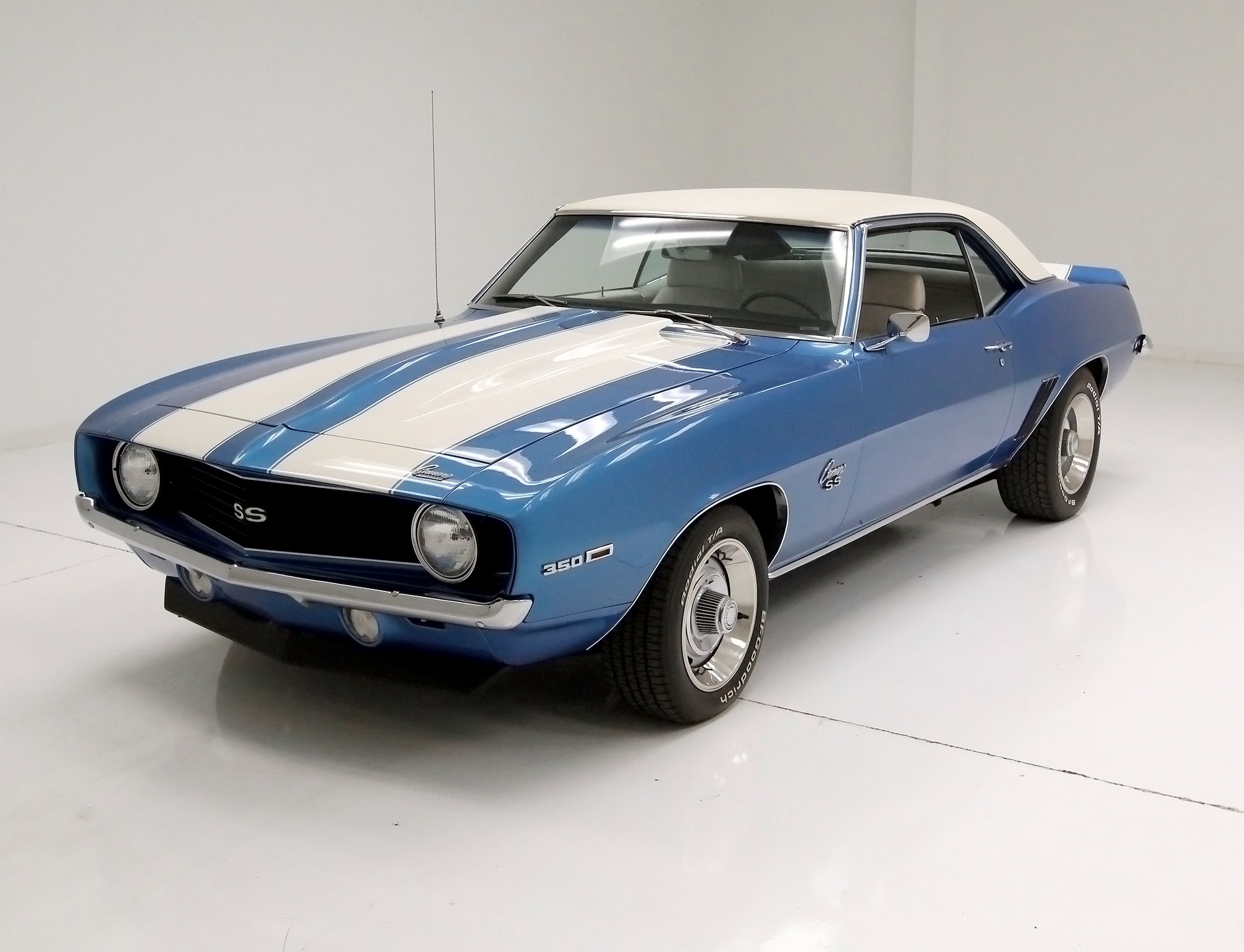
1. Chevrolet Camaro (Second Generation, 1970–1981)
The Chevrolet Camaro’s second generation represented a significant evolution from the original model introduced in the late 1960s. Produced from 1970 to 1981, this iteration of the Camaro was known for its distinctive style, powerful engine options, and solid build quality.
Many of these cars still run strong today, partly because Chevrolet built them with durable V8 engines and robust components that could withstand wear over decades. The second-generation Camaro grew larger and heavier compared to its predecessor but maintained its status as a symbol of American muscle and performance.
This Camaro generation offered a variety of engines, including the small-block V8s that became legendary for their balance of power and reliability. While emissions regulations began to reduce horsepower output in the mid-’70s, the engineering quality of the engines ensured they were dependable.
Many owners have been able to rebuild or maintain their engines with relative ease due to the availability of parts and the straightforward mechanical design. The chassis and suspension also contributed to the car’s durability, providing a strong platform that has aged well over time.
Aside from mechanical strength, the Camaro’s design has helped it retain its appeal. The aggressive yet sleek body lines and the sporty interior made it a desirable car for enthusiasts who continue to maintain and restore these vehicles.
Many have been preserved with original parts, while others have received modern upgrades to improve drivability without compromising their classic feel. The car’s cultural significance has helped keep it relevant, with many vintage Camaro owners proudly showing off their vehicles at car shows and rallies.
Finally, the second-generation Camaro stands as an example of how American muscle cars of the ’70s can remain practical and enjoyable today. They offer a blend of classic style and raw performance that appeals to both nostalgic drivers and new enthusiasts.
Their reputation for durability, combined with a passionate owner base, has ensured that many of these Camaros are still on the road or carefully preserved as functional collector cars.
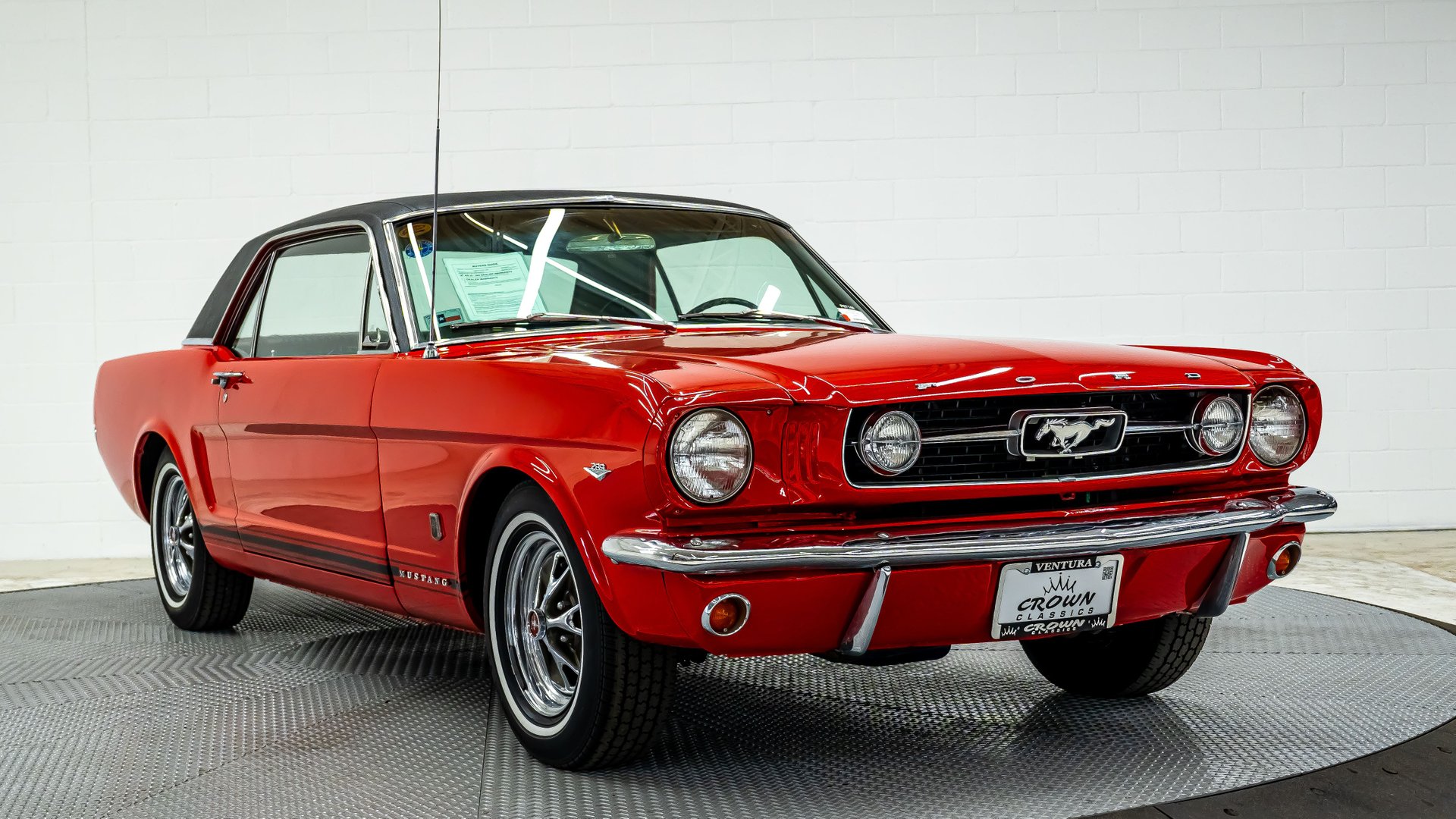
2. Ford Mustang (1971–1973)
The early 1970s Mustangs represented a transitional period for the iconic pony car. While the original 1960s Mustangs had set a high standard for style and performance, the ’71–’73 models introduced a slightly larger and heavier body to meet new safety and emissions requirements.
Despite this, many of these Mustangs continue to operate reliably today, thanks to Ford’s proven V8 engines and solid construction. The 1971–1973 Mustangs are often favored by collectors for their unique styling and strong mechanical foundations.
Ford offered several engine options during this period, including the popular 302 and 351 cubic inch V8s, which were known for their dependability. These engines were designed with simplicity in mind, making them easier to maintain and rebuild even decades later.
Many enthusiasts appreciate that the engines do not rely on complex electronics, which means repairs and tuning can be done with basic tools and mechanical knowledge. The Mustang’s suspension and drivetrain components were also designed to be durable and robust, contributing to the longevity of the vehicle.
Stylistically, the 71–’73 Mustang featured more aggressive front-end styling and larger dimensions compared to earlier models.
This design shift gave it a commanding road presence, which remains appealing to many collectors today. The interior also reflected a more modern approach, with improved comfort features while retaining the sporty character. Many of these Mustangs are restored to their original specifications or modified carefully to enhance performance while preserving the classic look.
The Ford Mustang’s place in automotive history is significant, and the early ’70s models continue to be popular due to their blend of style, performance, and durability. Their continued use today is a testament to their engineering and the strong community of Mustang enthusiasts who have kept these cars alive and well-maintained for generations.
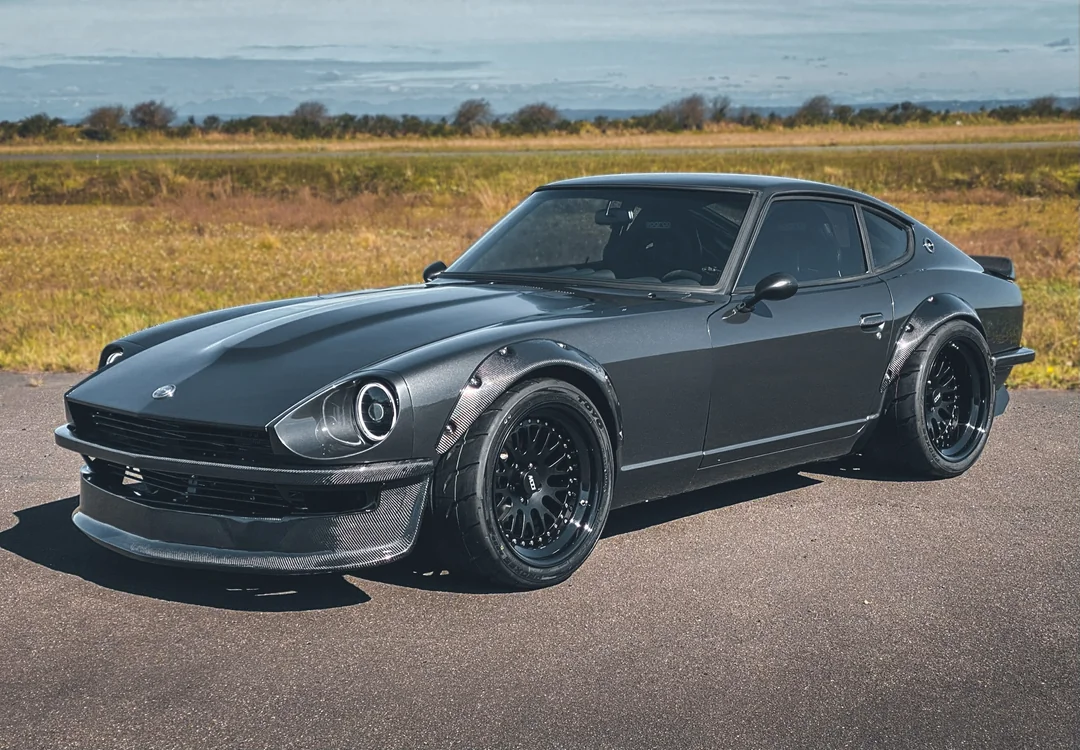
3. Datsun 240Z (1970–1973)
The Datsun 240Z was a game-changer in the sports car market when it was introduced in the early ’70s. With sleek styling, a lightweight body, and a reliable inline-six engine, the 240Z offered performance and style at a more affordable price compared to European sports cars of the time.
Its simplicity and solid engineering have allowed many of these cars to remain in excellent running condition decades later. Enthusiasts often praise the 240Z for being one of the first Japanese sports cars to gain widespread acceptance in the United States and beyond.
The heart of the 240Z was its 2.4-liter inline-six engine, which was not only powerful for its displacement but also remarkably durable. The engine’s simplicity, combined with quality manufacturing, has allowed many 240Zs to run reliably well into their fourth or fifth decade. The mechanical fuel injection system was straightforward to maintain, while the car’s lightweight design meant the engine was not overworked. These factors contribute significantly to the car’s longevity on the road.
In addition to its mechanical strengths, the 240Z’s chassis and suspension were designed to deliver an engaging driving experience with excellent handling.
The front independent suspension and rear semi-trailing arms provided balance and responsiveness, making it a favorite among driving enthusiasts. Many 240Z owners have upgraded or restored their suspensions over time, further enhancing the car’s driveability and safety for modern use.
Finally, the Datsun 240Z’s enduring popularity is supported by a passionate community that has preserved these vehicles and kept them running. Their relatively affordable price point during production, combined with strong engineering, means many are still on the road today or fully restored. This car remains a symbol of the era when Japanese manufacturers began to challenge the dominance of American and European sports cars in global markets.
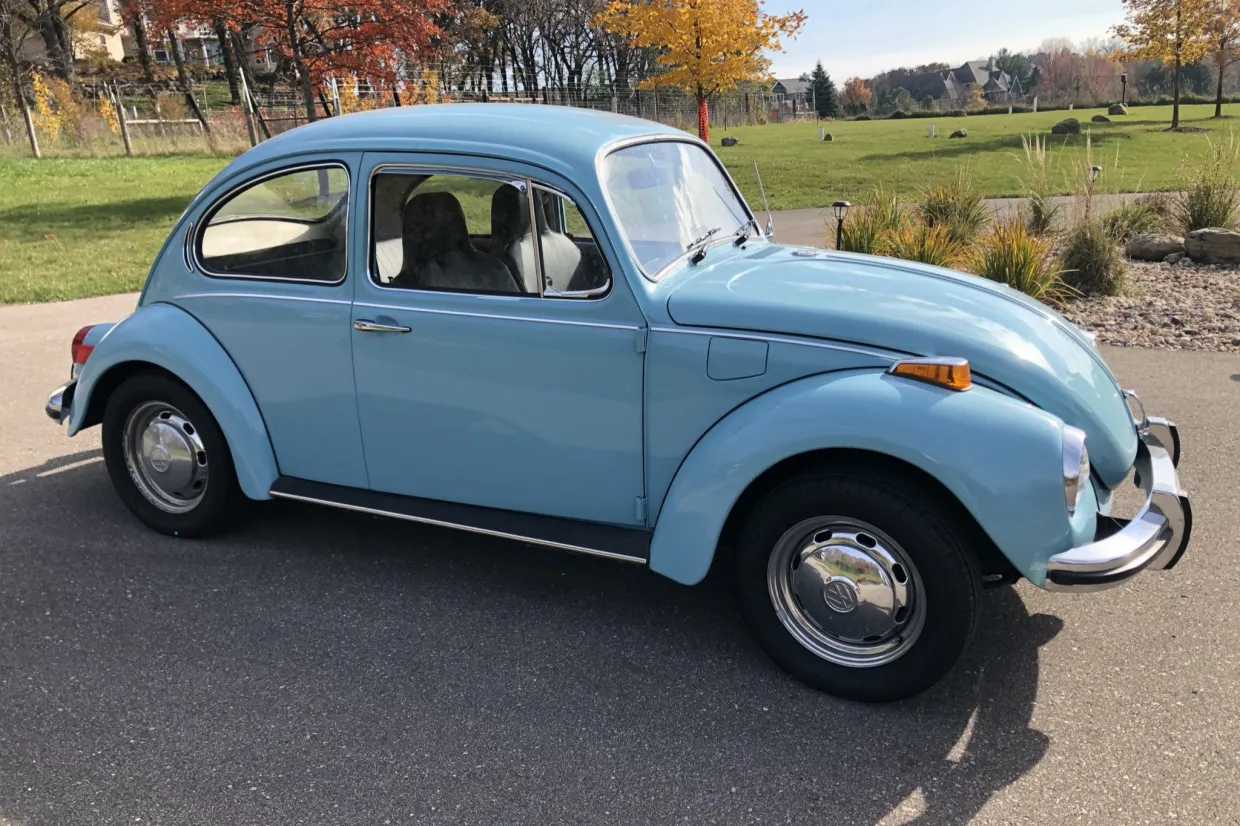
4. Volkswagen Beetle (1970s Models)
The Volkswagen Beetle was a cultural icon well before the 1970s, but cars from this decade continued to demonstrate the model’s legendary reliability and simplicity. Known for its air-cooled rear engine and minimalist design, the Beetle was easy to maintain and repair, which helped many of these cars stay on the road long after their production years.
Its charm, combined with robust engineering, ensured that the Beetle remained a practical choice for drivers looking for dependable transportation.
The air-cooled flat-four engine was one of the Beetle’s most features, characterized by its simple mechanical design and ease of service. Unlike water-cooled engines, the air-cooled design eliminates the risk of radiator failures or coolant leaks, which can often lead to engine damage.
This simplicity translated to fewer breakdowns and a longer lifespan for many Beetle engines. Additionally, the car’s mechanical components were built to last, with durable transmissions and chassis.
In terms of maintenance, the Beetle’s parts were widely available worldwide, making repairs relatively easy and inexpensive. The car’s straightforward engineering meant that owners could perform many repairs themselves, from engine tune-ups to brake work, using basic tools. This accessibility has helped many Beetles survive in running condition, with some still used as daily drivers even today.
The Volkswagen Beetle’s cultural significance also contributed to its longevity. It was beloved by a diverse group of drivers and became a symbol of affordability, reliability, and fun. Many ’70s Beetles have been preserved as classic cars, while others have been modified for performance or style. The car’s simple mechanics and robust design continue to inspire loyalty and ensure that many of these vehicles still run strong.
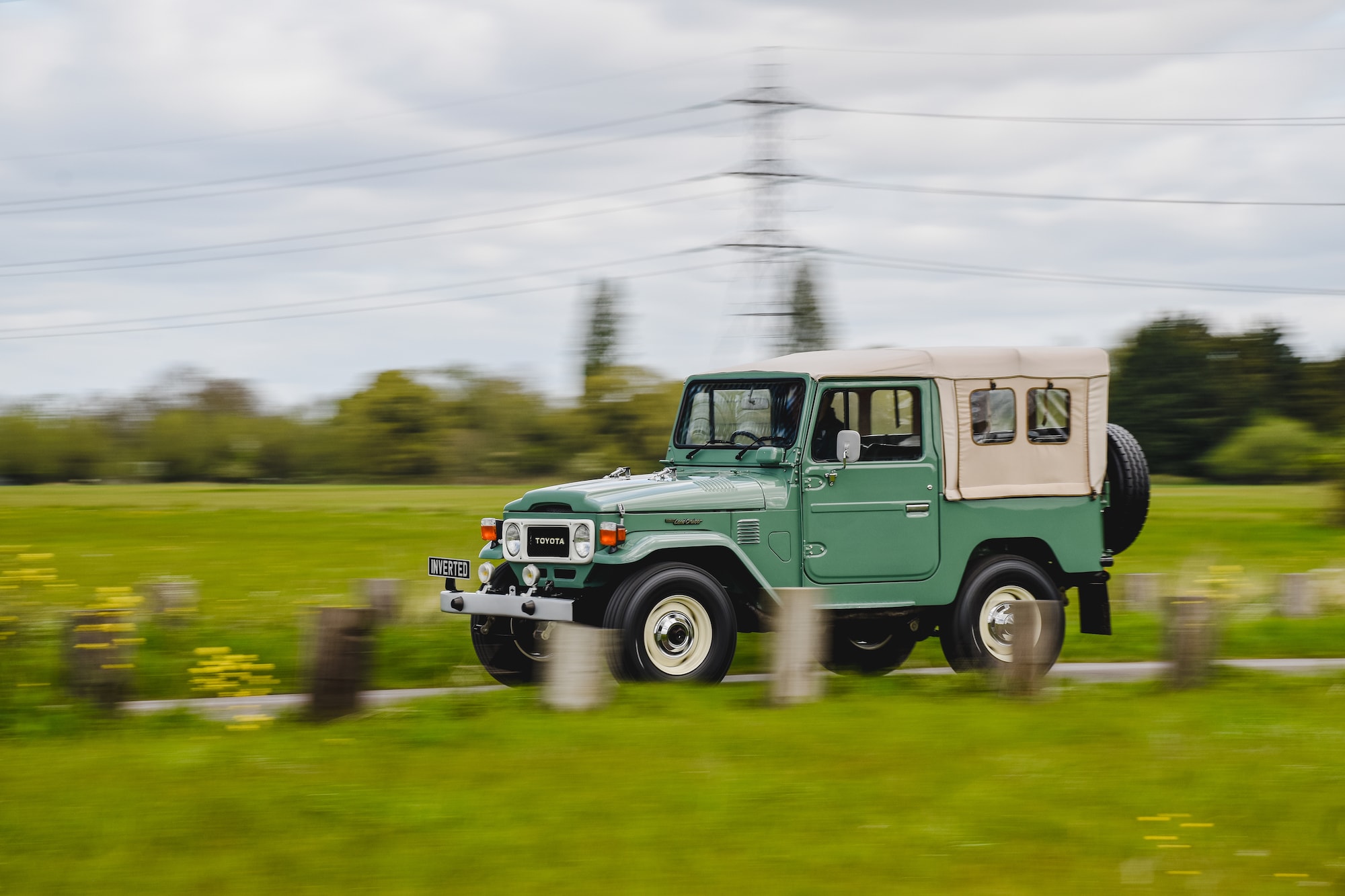
5. Toyota Land Cruiser FJ40 (1970s Models)
The Toyota Land Cruiser FJ40 is widely recognized for its toughness and ability to endure harsh conditions. This rugged off-road vehicle from the ’70s is known for its durability, reliability, and mechanical simplicity. Its strong frame, solid axles, and powerful engine have allowed many FJ40s to remain operational after decades of use, often in demanding environments. This reputation has made it a favorite among off-road enthusiasts and collectors alike.
The FJ40’s inline six-cylinder engine was designed to be simple yet robust, capable of handling tough terrain and heavy use without frequent repairs. Many of these engines have run reliably for hundreds of thousands of miles with routine maintenance.
The vehicle’s mechanical components, including its manual transmission and drivetrain, are also known for their ruggedness and ease of repair. The FJ40 was built to be field-serviceable, which contributed to its longevity.
The vehicle’s construction emphasizes durability over luxury or speed. The body-on-frame design, heavy-duty suspension, and solid axles make it ideal for off-road use, but these features also contribute to its longevity in general use. The simple interior and straightforward controls mean fewer electronic parts to fail, which adds to the ease of maintenance. Many owners have kept their FJ40s in service for decades, using them for everything from daily driving to adventure travel.
Finally, the Land Cruiser FJ40’s legacy is maintained by a dedicated community of enthusiasts who restore and maintain these vehicles. Their popularity in regions with rough terrain and harsh climates underscores their reputation as reliable, long-lasting vehicles. The FJ40’s combination of simplicity, ruggedness, and iconic design ensures that many of these trucks remain strong and functional today.
Also Read: 10 Best SUVs That Can Handle 20 Years of Abuse
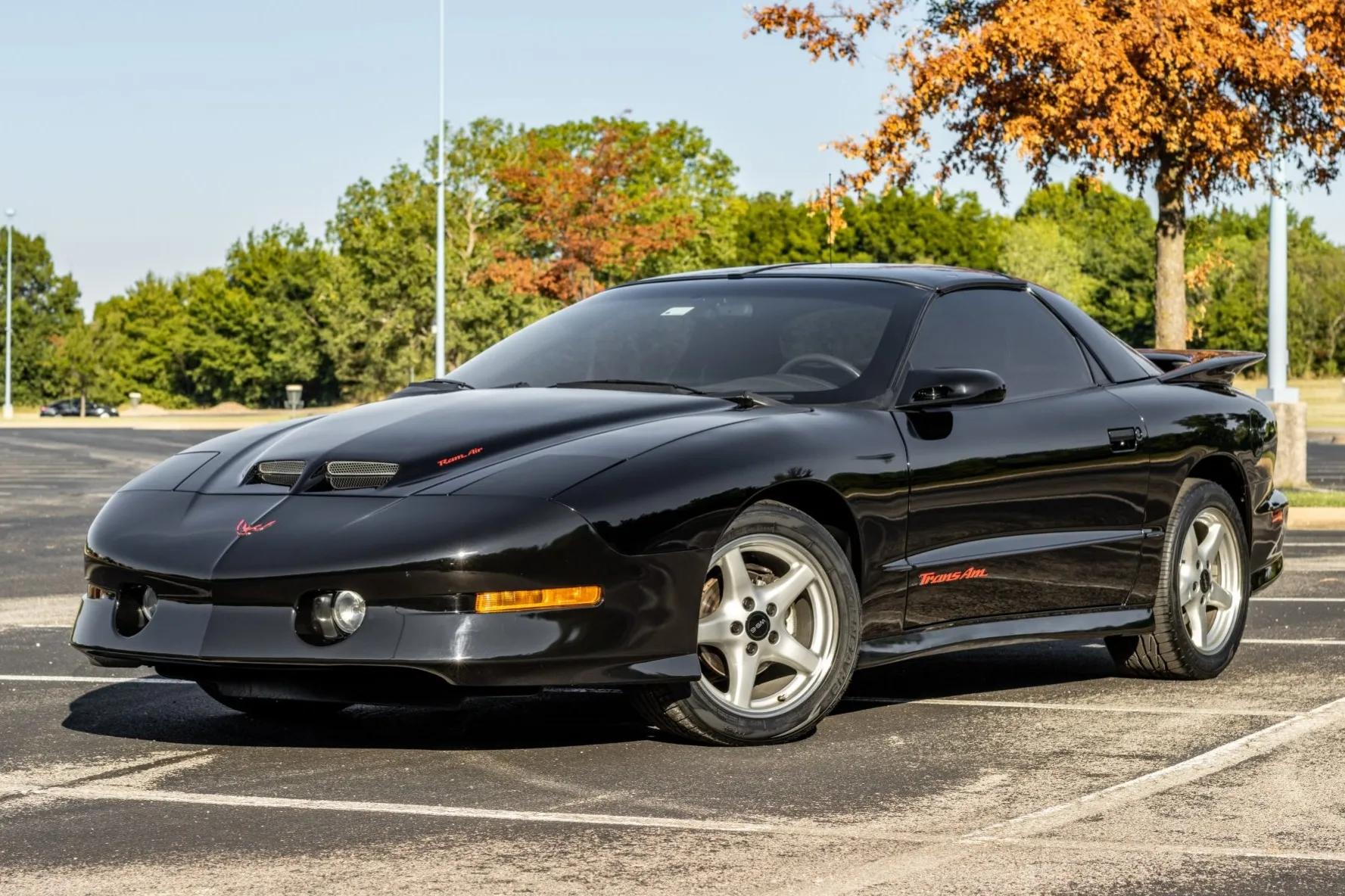
6. Pontiac Firebird (1970–1973)
The Pontiac Firebird, particularly the early ’70s models, is another muscle car that has maintained a strong presence both on the road and among collectors. Known for its aggressive styling and powerful engine options, the Firebird embodied the muscle car spirit during a time when performance began to be challenged by new regulations.
Despite this, many Firebirds from this period continue to run well, thanks to solid mechanical foundations and a loyal owner base.
The Firebird was equipped with a range of V8 engines, including the famous 400 cubic inch and 455 cubic inch options, which were noted for their torque and power delivery. While fuel economy was not a priority, these engines were robust and relatively easy to maintain compared to today’s more complex powertrains. Many Firebird owners have been able to rebuild or modify these engines to extend their lifespan and maintain performance.
From a mechanical standpoint, the Firebird shared much of its platform with the Chevrolet Camaro, benefiting from similar suspension and chassis designs.
The unibody construction and performance-tuned suspension made the car a joy to drive, while its solid engineering allowed for long-term durability. Routine maintenance, such as suspension rebuilds, brake upgrades, and engine tune-ups, has helped many of these vehicles stay in peak running condition.
Styling played a significant role in the Firebird’s appeal, with its signature split grille and aggressive lines becoming iconic. Many early ’70s Firebirds have been preserved or restored to reflect their original muscle car heritage. This combination of style, power, and mechanical strength has ensured that the Firebird remains a beloved classic that continues to run strong decades after it first hit the road.
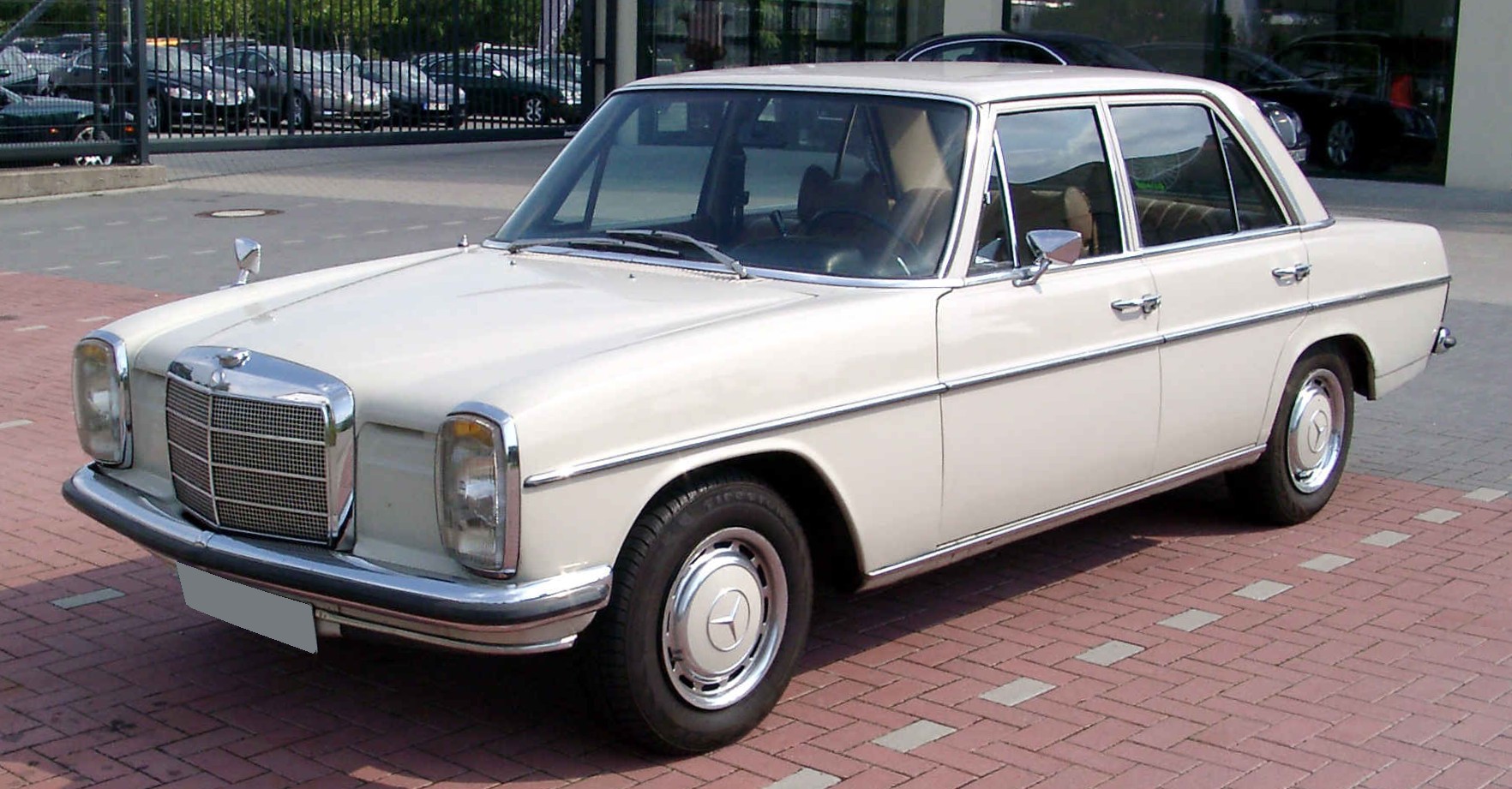
7. Mercedes-Benz W114/W115 (1970–1976)
The Mercedes-Benz W114 and W115 models, produced in the early to mid-1970s, are known for their engineering excellence and durability. These mid-sized luxury sedans were built with high-quality materials and featured solid mechanical systems that have helped many examples remain reliable and operational today. Their reputation for longevity is a hallmark of Mercedes-Benz’s commitment to build quality during this era.
Under the hood, these models often featured inline-four and inline-six engines that were designed for smooth performance and longevity. Mercedes engines of this period were known for their robust construction, with durable components such as forged crankshafts and reliable fuel injection systems. This engineering allowed these cars to reach very high mileage with proper maintenance, and many W114 and W115 models are still driven daily around the world.
The chassis and suspension of these models were also built for comfort and durability. The use of independent front suspension and a rigid rear axle helped provide a smooth ride while maintaining structural integrity over time.
The cars’ braking and steering systems were also designed for reliability, contributing to their longevity. Mercedes-Benz’s attention to detail and conservative engineering approach meant that these cars aged well, with many examples still on the road after 40 or more years.
Finally, the W114 and W115’s appeal lies in their combination of classic styling, engineering quality, and mechanical simplicity relative to modern cars. They are often restored or kept in service by enthusiasts who appreciate their historical significance and long-lasting design. The cars are a testament to the era’s focus on quality and reliability, proving that well-built vehicles from the ’70s can still run strong today.
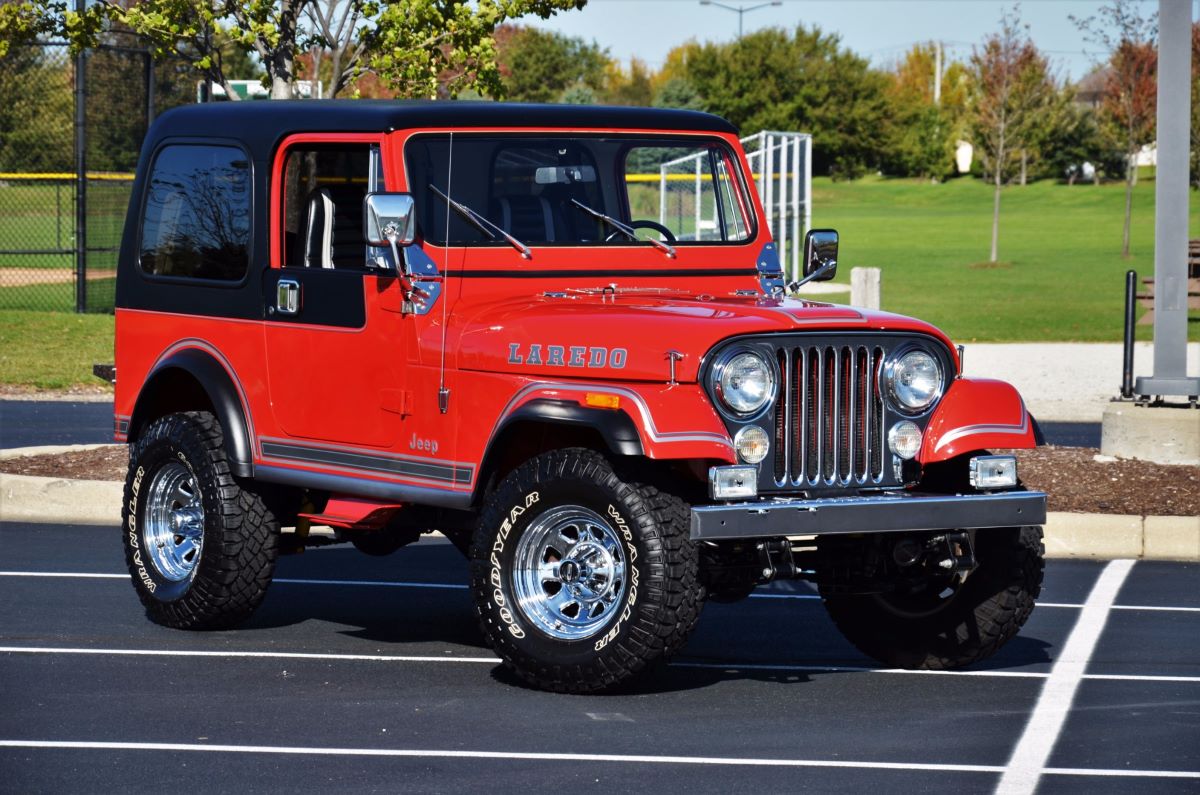
8. Jeep CJ Series (CJ5 and CJ7, 1970s Models)
The Jeep CJ series, especially the CJ5 and CJ7 models from the ’70s, are known for their ruggedness and off-road capabilities. These vehicles were designed to handle tough terrain, and their mechanical simplicity has contributed to their longevity. Many CJ series Jeeps remain in use today, prized by off-roaders and collectors for their durability and ease of maintenance.
The CJ5 and CJ7 models featured simple yet effective powertrains, often including inline-four and inline-six engines, as well as V8 options in some models. These engines were designed to be easy to work on and durable enough to withstand hard use. The manual transmissions and transfer cases were robust and straightforward, allowing owners to perform repairs in the field. This mechanical simplicity has been a key factor in the CJ’s lasting presence.
The rugged construction of the Jeep CJ, including its solid axles and body-on-frame design, made it highly durable in off-road conditions. This durability has also translated to longevity on paved roads, with many CJ Jeeps still operational after decades. The vehicles’ versatility as both workhorses and recreational vehicles has helped maintain their popularity over the years.
Finally, the Jeep CJ series has a passionate following that helps keep these vehicles running. Restoration projects, aftermarket parts availability, and community knowledge have ensured that many CJ5 and CJ7 models remain roadworthy or trail-ready. Their reputation for toughness and mechanical simplicity has cemented their place among the ’70s vehicles that continue to run strong.
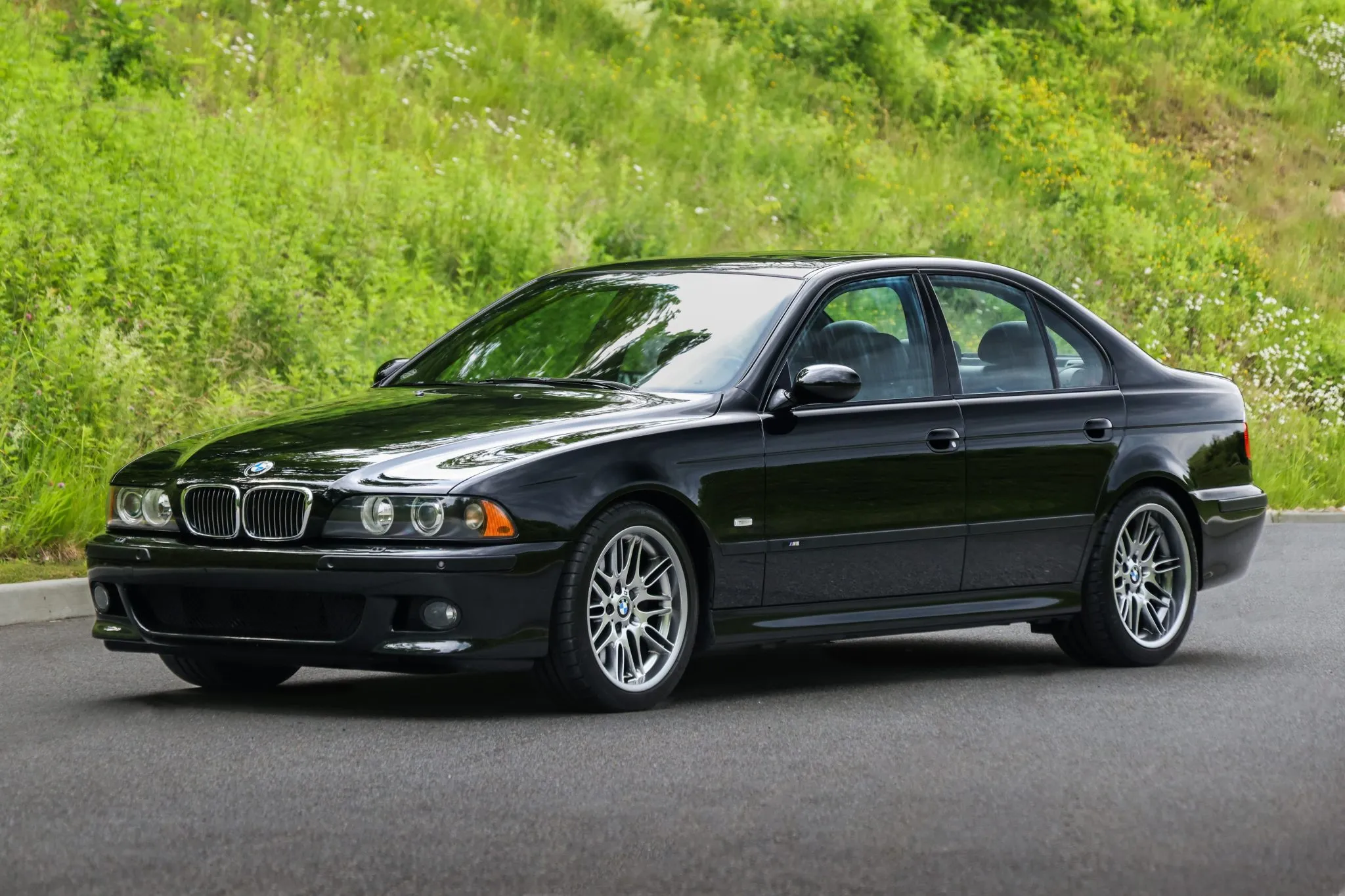
9. BMW 2002 (1970–1976)
The BMW 2002, produced in the early ’70s, is considered one of the cars that helped establish BMW’s reputation for sporty, driver-focused vehicles. Known for its lively performance, precise handling, and straightforward engineering, the 2002 has proven to be durable and reliable for decades. Many examples remain in excellent running condition, cherished by enthusiasts worldwide.
The 2002 was powered by a four-cylinder engine that was advanced for its time but mechanically simple enough to allow easy maintenance. Its fuel injection and carburetor options were designed for efficiency and performance, with engines that responded well to regular servicing and tuning. The engine’s balanced design contributed to its longevity, enabling many BMW 2002s to rack up high mileage without major issues.
In addition to its mechanical strengths, the 2002 featured a lightweight and well-balanced chassis that enhanced its driving dynamics. The suspension and brakes were designed to provide responsive and safe handling, and these components have aged well with routine maintenance. The car’s relatively simple electrical system and mechanical controls also contribute to its reliability.
The BMW 2002’s enduring appeal comes from its combination of sporty performance and practicality. It remains a popular classic for those seeking a vintage driving experience that still feels lively and engaging. The availability of parts and the dedicated community of enthusiasts have ensured that many 2002s continue to run strong decades after their production.
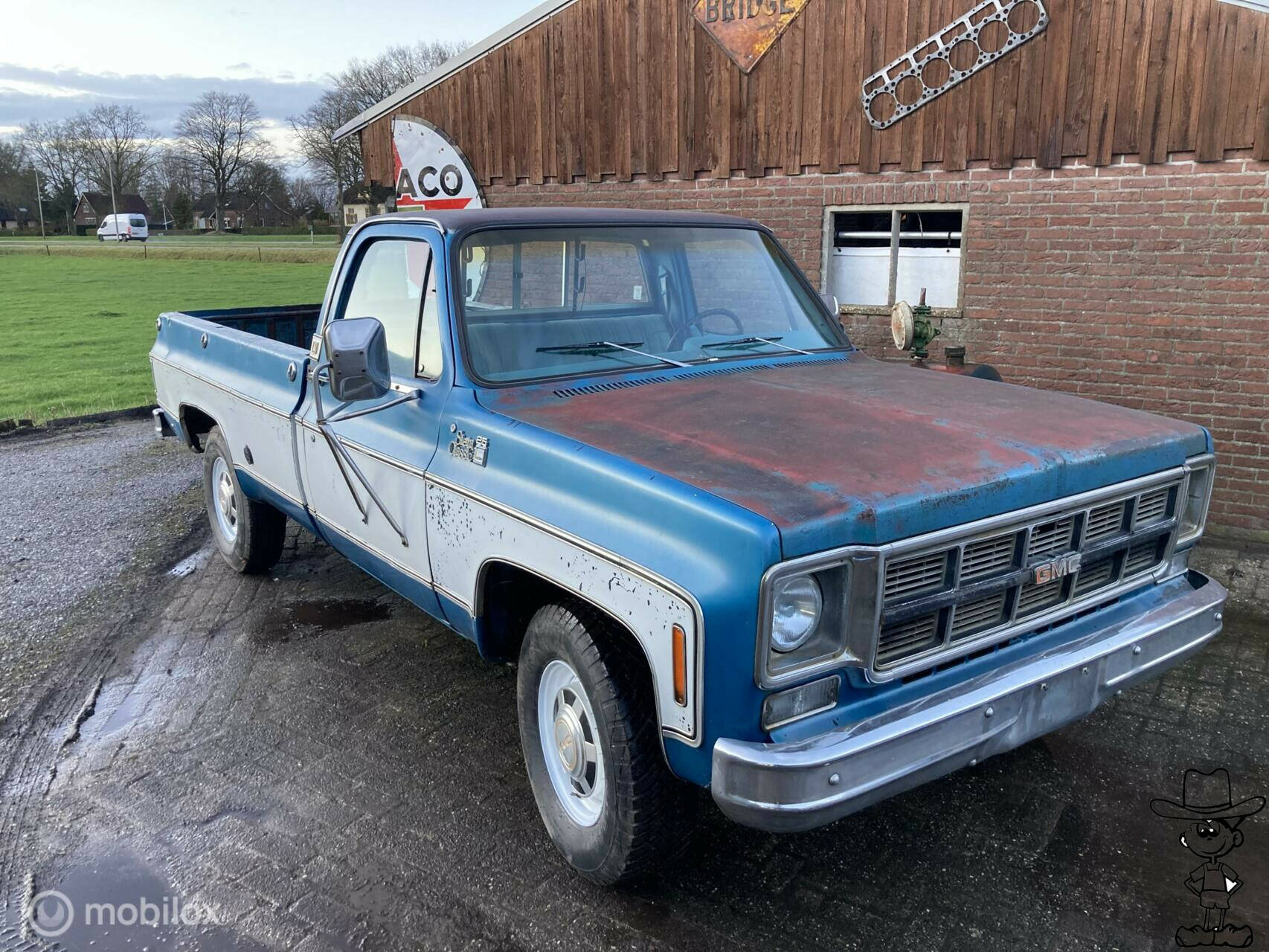
10. Chevrolet C/K Series Pickup (1973–1987 Models)
The Chevrolet C/K series pickups, especially those from the mid-’70s, are known for their durability and versatility. These trucks were built to be workhorses, with robust frames and simple mechanical systems that have allowed many of them to continue running strong today. Their reputation for toughness and ease of maintenance has made them popular both as daily drivers and classic trucks.
Under the hood, the C/K pickups offered a range of engines, including reliable inline-sixes and V8s known for their longevity. These engines were built with simplicity and durability in mind, making them easy to service and rebuild. The trucks’ manual transmissions and heavy-duty drivetrains were designed to withstand hard use, contributing to their long service lives.
The rugged construction of the C/K series, including a body-on-frame design and heavy-duty suspension, helped these trucks endure years of demanding use. Their mechanical simplicity means fewer electronic components to fail, which often extends their lifespan compared to modern trucks. Many of these pickups are still used for work, off-road driving, or restored as classics.
Finally, the C/K series pickups have a loyal following that supports their continued use. Enthusiasts restore and maintain these trucks, and a strong aftermarket parts network exists to keep them running. Their practical design, mechanical durability, and classic styling have ensured that Chevrolet C/K pickups from the ’70s remain on the road and in strong working condition.
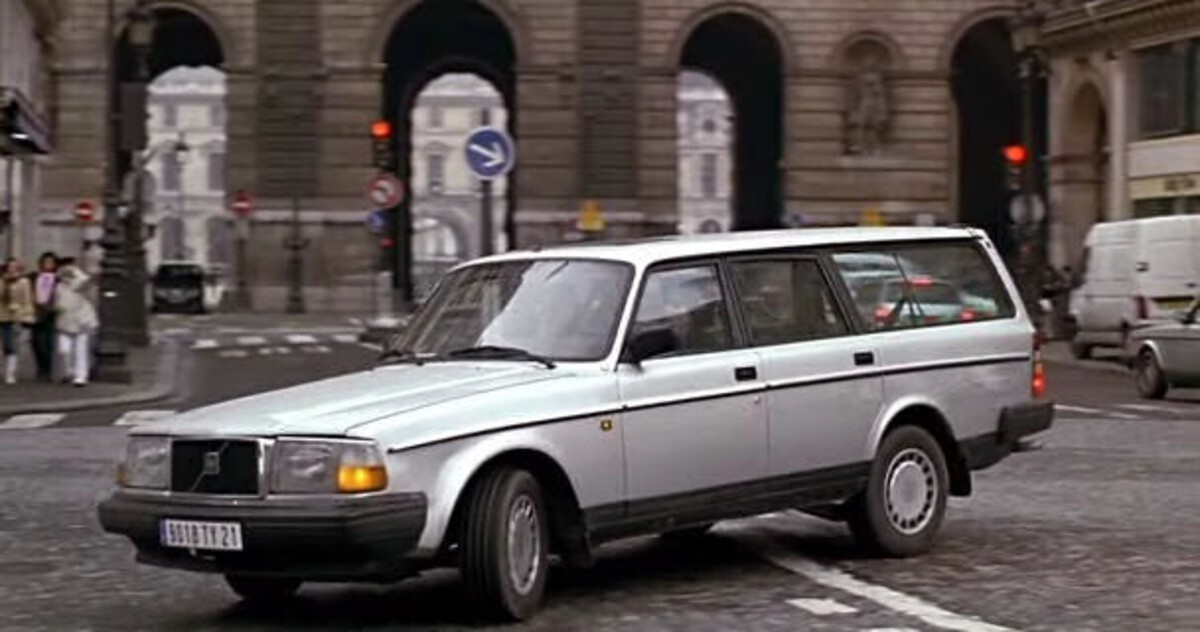
11. Volvo 240 Series (1974–1993)
The Volvo 240 series, introduced in the mid-1970s, quickly became known for its exceptional durability, safety, and simplicity. This boxy, utilitarian sedan and wagon was designed with reliability in mind, and many examples from the ’70s are still seen on roads today. The 240’s reputation for longevity is backed by its solid construction and straightforward mechanical design, which have helped it weather the challenges of time and changing automotive trends.
One of the standout features of the Volvo 240 is its robust inline-four engine, particularly the B21 and later B23 engines, which were engineered for long-term durability.
These engines are simple to work on and have proven to be very reliable, with many running well past the 200,000-mile mark with proper maintenance. The mechanical fuel injection system and durable components contributed to the longevity of these engines, and replacement parts remain widely available for restoration or repairs.
In addition to the engine, the Volvo 240’s chassis and suspension were designed with safety and durability in mind. The car’s body-on-frame construction and heavy-duty suspension components offered excellent stability and strength, which helped many survive harsh weather conditions and long-term use without major structural issues. The simple yet effective design made it easier for owners and mechanics to maintain and repair the vehicle over time.
The Volvo 240 series gained a loyal following among drivers who valued safety, practicality, and longevity. Its reputation for being a dependable daily driver and a low-maintenance vehicle has kept many on the road for decades. The 240 remains a symbol of the practical, no-nonsense approach to car manufacturing that was prevalent during the ’70s, and many continue to appreciate its classic styling and dependable performance.
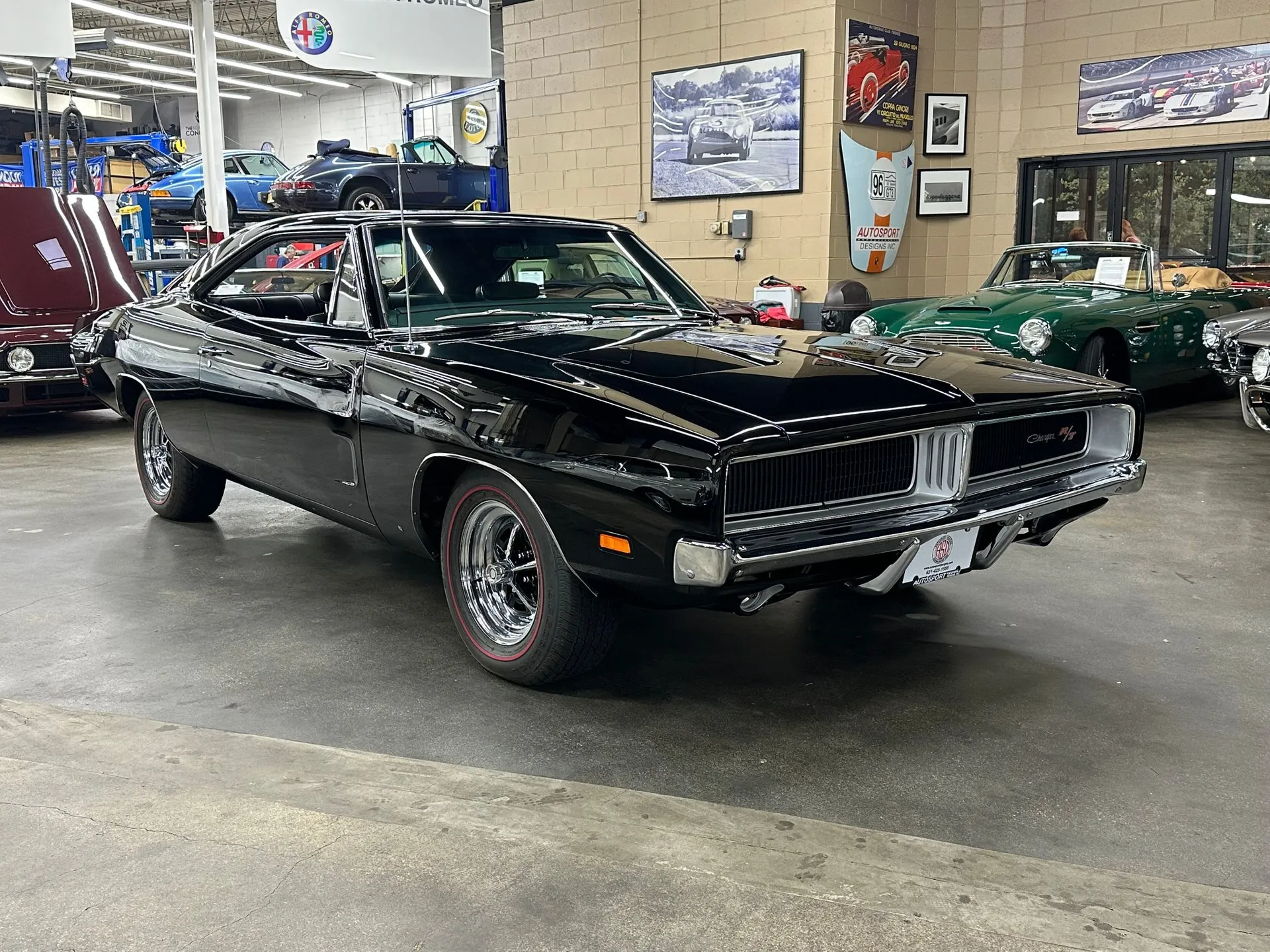
12. Dodge Charger (1970–1974)
The Dodge Charger from the early 1970s is one of the most recognizable muscle cars of the decade. Known for its bold styling, powerful engines, and commanding presence on the road, the Charger embodied the muscle car era’s spirit even as stricter emissions standards began to impact performance. Despite these challenges, many Chargers from this period continue to run strong, thanks to their rugged mechanical design and loyal enthusiasts.
The heart of the Charger was its range of V8 engines, including the legendary 383 cubic inch and the mighty 440 Magnum engines. These power plants were built with durability in mind and could deliver significant power with proper maintenance. The relatively simple mechanical fuel delivery and ignition systems meant that many owners could keep these engines running well for decades, often restoring or upgrading them to maintain performance.
The Charger’s chassis and suspension were designed to support high horsepower and aggressive driving styles. Its rear-wheel-drive layout and heavy-duty suspension components helped provide a balanced driving experience while contributing to the car’s longevity.
The solid frame and well-built body panels also allowed many Chargers to withstand years of use and even some degree of abuse without falling apart.
Beyond its mechanical strengths, the Dodge Charger remains a cultural icon with a passionate owner base. Restorations and modifications have helped preserve many Chargers, allowing them to stay on the road and in showrooms across the country. The car’s combination of muscle car power, classic styling, and mechanical simplicity has ensured that the Charger remains a strong-running symbol of the ’70s muscle car era.
