
Plug-in hybrid vehicles (PHEVs) have become a major part of the automotive landscape, especially for drivers who want the best of both worlds: the electric range of a battery-powered car and the long-distance flexibility of a gasoline engine.
While PHEVs promise better fuel economy and lower emissions, not all of them are created equal in terms of reliability. Some plug-in hybrids are plagued by software issues, battery degradation, or drivetrain inconsistencies. Others, however, stand out for their durability, low maintenance costs, and trouble-free ownership experiences.
When evaluating reliability, it’s not just about how often a car ends up in the shop. It also includes how well the car’s systems age over time, how few recalls or software bugs have been reported, and how the components, especially the complex hybrid systems, hold up under regular use.
A reliable plug-in hybrid should be able to handle city traffic, long-distance trips, and stop-and-go commutes without hiccups. Drivers should feel confident that their vehicle won’t suddenly lose electric range, flash warning lights without reason, or suffer major mechanical failures before reaching 100,000 miles.
This list focuses on plug-in hybrids that have built strong reputations for being dependable over the long haul. Most of these vehicles come from manufacturers known for quality engineering and consistent service records. Importantly, these models are also ones that have been on the market long enough to prove themselves.
Newer entries often sound promising on paper but haven’t had enough time in real-world conditions to demonstrate long-term dependability. Instead, the following ten cars have real-world history to back them up. They are often chosen by those who want advanced technology but don’t want to sacrifice peace of mind.
Each model on this list has earned its place by consistently showing fewer issues related to powertrain, electronics, and general build quality. These cars are recommended by both owners and technicians who have worked on them for years. If you’re looking for a plug-in hybrid that doesn’t give you headaches, these ten models are worth considering.
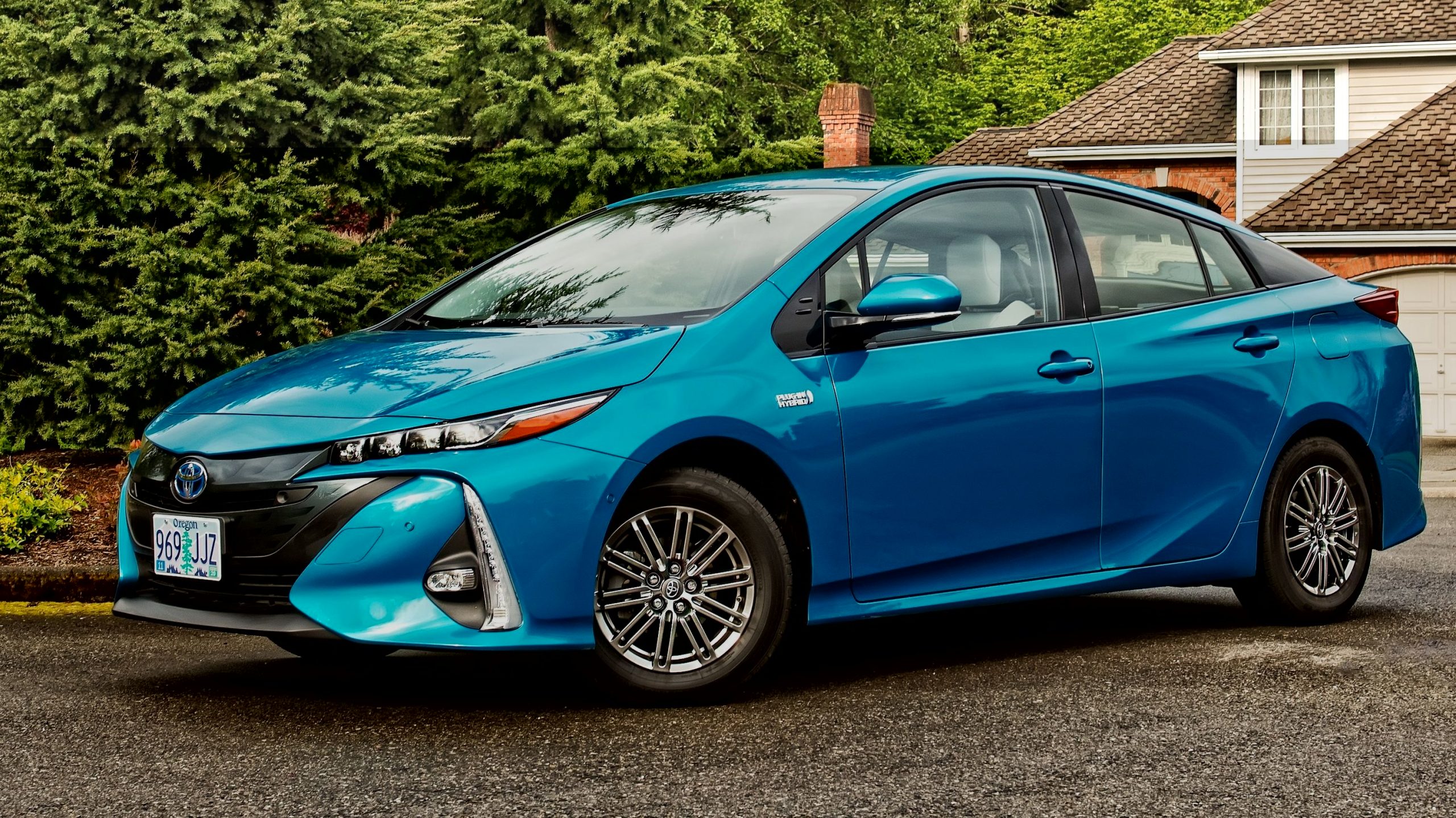
1. Toyota Prius Prime
The Toyota Prius Prime has long been a favorite among plug-in hybrid buyers, and reliability is a big reason why. It takes the already dependable foundation of the regular Prius and adds plug-in capability. This means drivers can cover short daily commutes on electric power alone but still have the security of a gasoline engine for longer trips.
One of the reasons the Prius Prime stands out is that it uses a powertrain that has been refined over two decades. Toyota hasn’t rushed the technology, and that slow, methodical approach has paid off in terms of long-term durability.
Owners often report minimal issues, even after years of daily driving. Battery degradation is rare, and the electric motor integrates smoothly with the gasoline engine. Software updates are seldom needed, and when they are, Toyota tends to release them quickly and efficiently.
It also helps that the hybrid control system has seen few changes over the years, which keeps the risk of new bugs low. Even when problems do occur, they’re usually minor and don’t prevent the car from running. Things like infotainment glitches or tire pressure sensor failures are more common than any real drivetrain problems.
Another advantage is the relatively simple design of the hybrid system compared to other plug-in models. Toyota’s engineers didn’t overcomplicate things, which means fewer parts to break down or require maintenance. The car doesn’t rely on dual-clutch transmissions or complex multi-motor setups.
Instead, it uses a proven continuously variable transmission (CVT) that’s known for lasting well over 150,000 miles. Maintenance costs are also low, and you won’t need to replace the brake pads often due to regenerative braking doing most of the slowing.
Even mechanics tend to speak positively about the Prius Prime. It’s not a car that spends much time in the shop, aside from routine maintenance. The electric-only range may be modest compared to newer competitors, but what it lacks in range it more than makes up for in dependability. If you want a worry-free plug-in hybrid, it’s tough to beat the Prius Prime.
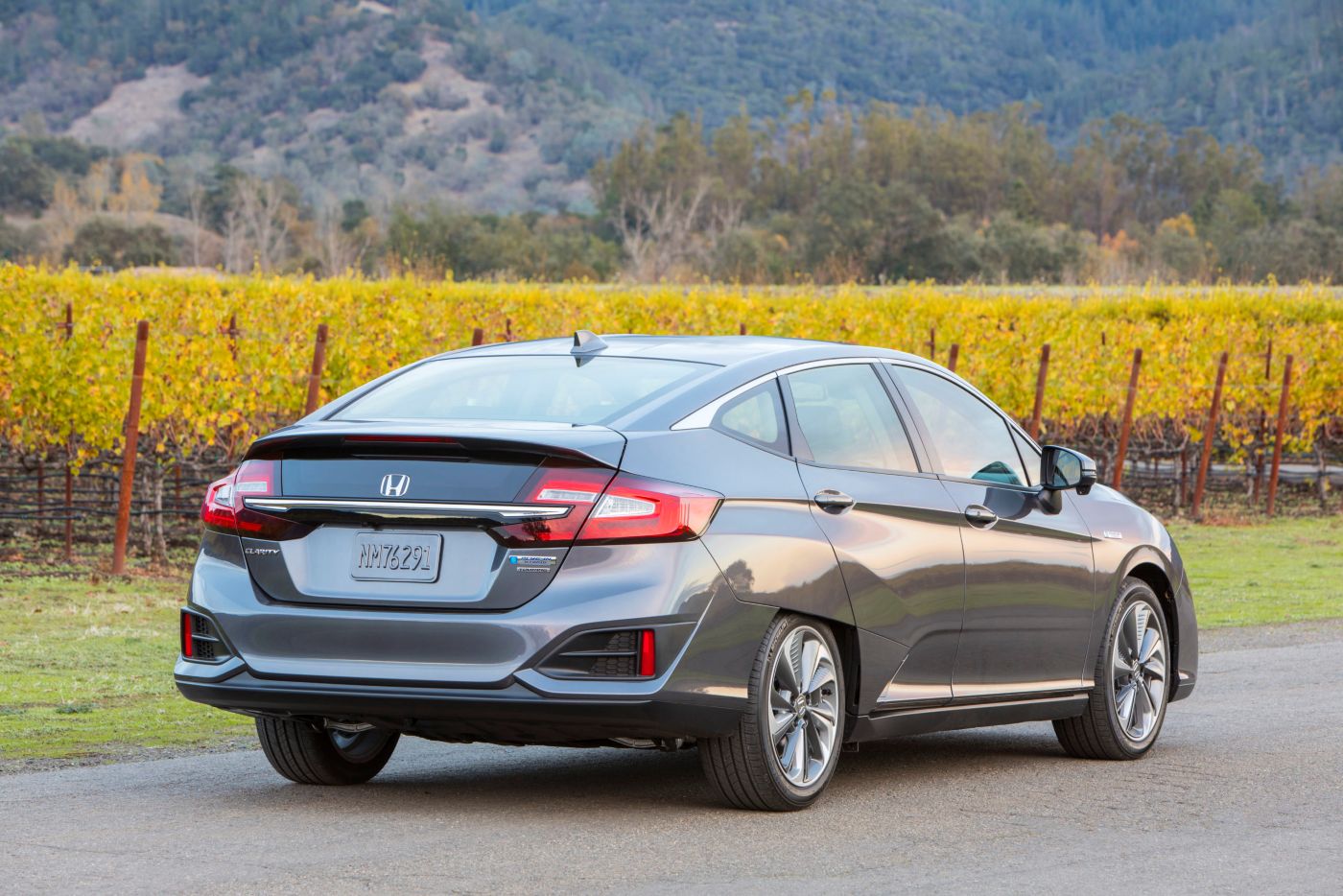
2. Honda Clarity Plug-In Hybrid
The Honda Clarity Plug-In Hybrid quietly earned a loyal following thanks to its smooth ride, generous electric range, and above-average reliability. Though no longer in production after 2021, it remains one of the most solid plug-in hybrids you can buy on the used market.
The Clarity uses a well-tuned hybrid system that allows for about 47 miles of electric-only range, which was among the highest in its class during its time. Owners have reported that this electric range remains relatively consistent even after years of use.
One key reason for Clarity’s reliability is Honda’s approach to engineering. The hybrid system is less complex than some competitors and does not rely heavily on turbocharging or overly aggressive software controls. Instead, the vehicle transitions seamlessly between gas and electric power with few complaints from drivers.
The internal combustion engine used in the Clarity is based on proven Honda architecture, and it rarely suffers from oil leaks or timing chain issues. Battery performance is another strong point, with few reports of sudden range loss or charging problems.
Inside the cabin, Honda chose materials and components that resist wear and tear. Buttons and switches hold up over time, and infotainment issues are surprisingly rare. The Clarity’s interior is not flashy, but it is solid and designed to last. This matters when you’re evaluating long-term ownership.
Moreover, Honda included some thoughtful engineering touches, like active thermal management for the battery, which helps extend its life. While other plug-in hybrids see battery performance fall off after 80,000 miles, the Clarity tends to hold steady well past that mark.
Mechanics often note how straightforward the car is to service. There’s no overly complicated exhaust after-treatment system, and the hybrid components are well-integrated with the rest of the drivetrain.
The car’s recall history is also minimal, and there have been no major software or battery-related scandals tied to the model. For those who can find one, the Clarity Plug-In Hybrid remains a reliable, efficient option with a record that many newer vehicles still haven’t matched.
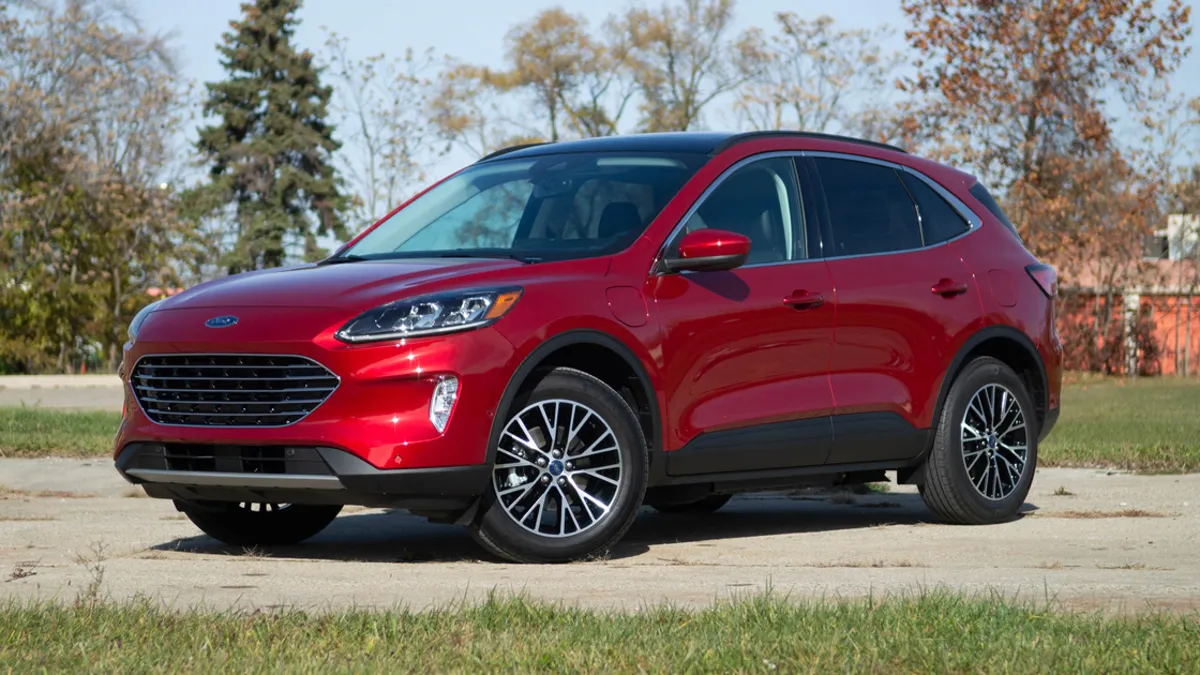
3. Ford Escape Plug-In Hybrid
Ford has had mixed results with hybrid systems in the past, but the Escape Plug-In Hybrid is a rare success story. Introduced in recent years, it combines Ford’s latest hybrid technology with the practicality of a small SUV.
Owners of the Escape Plug-In report few issues with the powertrain, and Ford’s recent efforts to improve battery longevity seem to be paying off. The electric range of around 37 miles is enough for many drivers to go days without using gasoline, and the transition between electric and gas modes is mostly seamless.
One standout feature of the Escape Plug-In Hybrid is its use of a naturally aspirated engine rather than a turbocharged one. This keeps the engine simple, reducing the chance of overheating or fuel system complications that turbocharged engines sometimes suffer from. The electronic controls and software behind the hybrid system are also less glitch-prone than those found in some earlier Ford hybrids. This improved stability means fewer warning lights, fewer system resets, and less frequent dealer visits.
From a service standpoint, the Escape Plug-In Hybrid has a good reputation. Ford dealerships are better equipped than they were a decade ago when hybrid vehicles were more of a niche.
Now, technicians are trained to handle plug-in systems, and parts are generally available without long wait times. The hybrid battery is liquid-cooled and shows slow degradation even after years of daily commuting. Maintenance costs are also manageable, especially since the regenerative braking system preserves brake pad life.
Inside, the Escape offers a functional interior that holds up well to regular use. There’s less emphasis on soft-touch materials and more focus on durable plastics and fabrics, which has helped reduce long-term wear complaints.
The infotainment system is relatively glitch-free, and most updates happen over-the-air without issue. The car’s build quality reflects Ford’s effort to make this model stand out from past missteps. While it may not have the brand cachet of a Toyota or Honda, it performs well where it matters.
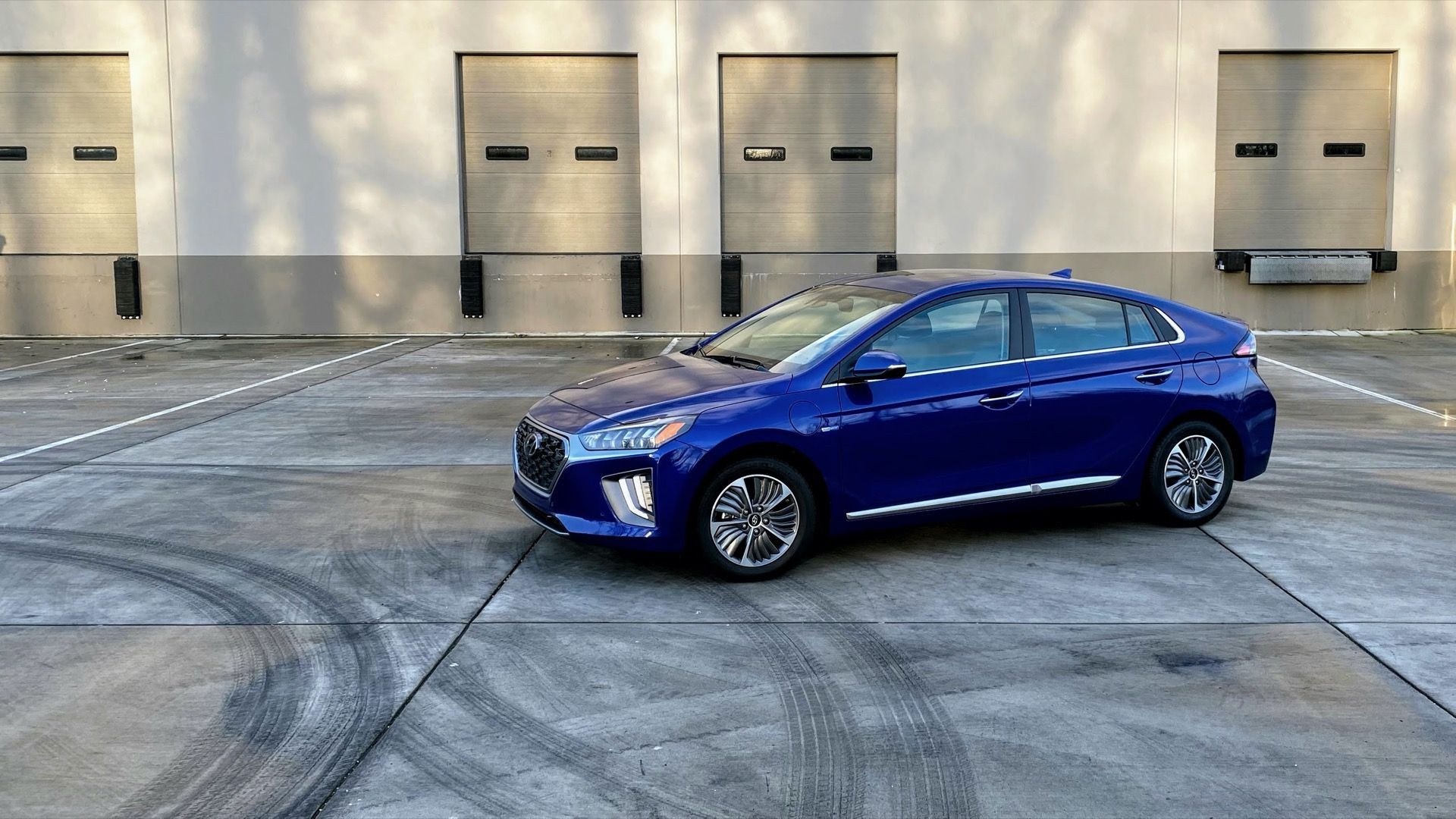
4. Hyundai Ioniq Plug-In Hybrid
Hyundai’s Ioniq Plug-In Hybrid is one of the most efficient and least problematic cars in its class. It shares its architecture with the standard Ioniq hybrid and electric models, which means it benefits from a well-tested platform.
Drivers who choose the plug-in version get an electric range of about 29 miles, which may not seem impressive on paper but is often enough for typical daily errands. More importantly, the car manages to avoid many of the software and battery issues that other compact plug-ins struggle with.
One of the reasons the Ioniq PHEV rarely causes problems is its conservative engineering. Hyundai didn’t push the limits of battery output or electric motor strength. Instead, it focused on balance and efficiency. The result is a car that feels consistent and predictable. Battery degradation is slow, and charging times remain reasonable even after years of use. Owners frequently report getting over 100,000 miles with no major issues to the powertrain or hybrid system.
From a design standpoint, the Ioniq is also smartly built. Its regenerative braking system is adjustable and works well to preserve the life of the traditional braking components.
The gasoline engine used is naturally aspirated and known for its reliability in other Hyundai models. It’s not a high-performance vehicle, but it excels in delivering dependable service with minimal hiccups. Service intervals are spaced out, and even hybrid-specific components tend to last longer than average.
Inside, the Ioniq features a clean and practical layout. Materials are solid, and controls are logically placed, which helps reduce driver distraction and minimizes wear on touchpoints. The infotainment system, while not cutting-edge, is reliable and rarely crashes or requires resets.
That might not sound impressive, but in a class of vehicles where touchscreen glitches and software freezes are more common than they should be, it stands out as a strength. Hyundai also avoids excessive complexity with driver assistance features, offering useful aids without overloading the vehicle with finicky sensors or erratic lane-keeping behavior.
A aspect of the Ioniq PHEV’s durability is how well the hybrid system manages heat. High temperatures can shorten the life of battery packs, but Hyundai’s battery cooling and management systems work efficiently to regulate thermal load. As a result, the Ioniq suffers fewer issues related to battery swelling, voltage drops, or cell imbalance over time. This contributes directly to a longer-lasting powertrain, and it also reduces the need for out-of-warranty repairs that can become expensive.
Another factor that contributes to the Ioniq Plug-In Hybrid’s strong track record is its relatively light weight compared to other plug-in hybrids. The Ioniq is more aerodynamic and less bulky, which places less strain on the electric motor and gasoline engine.
This means the entire system has to work less hard under normal driving conditions. Lighter weight also helps reduce brake wear and improves tire longevity. All of these factors add up to make the Ioniq a more cost-effective car to own over the long run, with fewer mechanical failures.
Also Read: 5 Cars That Stay Reliable Beyond 300K vs 5 That Fall Apart Early
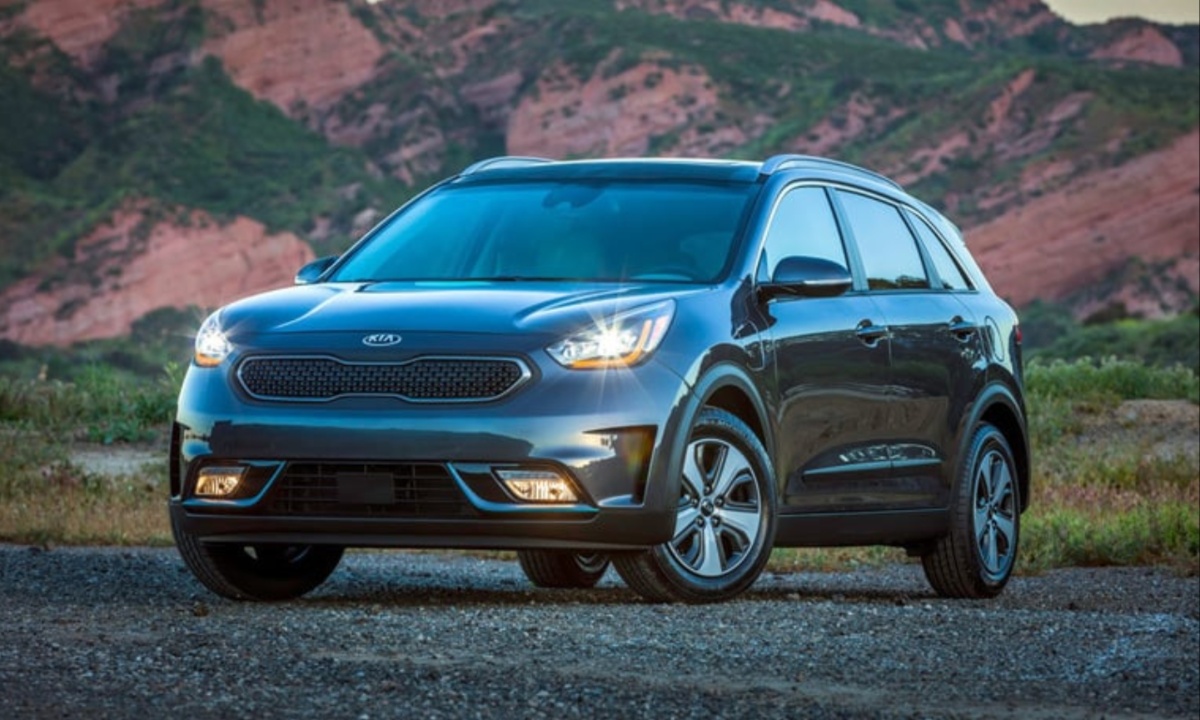
5. Kia Niro Plug-In Hybrid
The Kia Niro Plug-In Hybrid shares many of its components with the Hyundai Ioniq, including the hybrid system, yet it distinguishes itself by offering a slightly taller stance and more crossover-like practicality.
This setup appeals to drivers who want a more spacious cabin or a higher driving position without moving to a full SUV. The hybrid system, battery pack, and electric motor configuration have proven to be robust over time. Like its Hyundai cousin, the Niro avoids complexity in favor of long-term dependability.
What helps the Niro stand out is how well the hybrid components integrate with traditional mechanical systems. The gasoline engine operates quietly and efficiently, while the electric motor fills in power gaps smoothly without the jarring transitions that can plague less refined hybrids.
Battery degradation is slow, and many early-model owners report minimal range loss even after several years of daily use. The regenerative braking system is also well-tuned and does not feel artificial or overly sensitive. This consistent driving behavior builds confidence and reinforces the sense of mechanical stability.
Kia’s interior materials have improved significantly in recent years, and the Niro Plug-In Hybrid benefits from these changes. Buttons, knobs, and touchscreen systems hold up under frequent use, and the software used to control hybrid functions is stable and easy to navigate.
While not luxurious, the interior is comfortable and intelligently laid out, which reduces long-term wear and frustration. Owners rarely report issues with climate controls, infotainment glitches, or battery management warnings. For a vehicle that juggles two power sources, this level of stability is impressive.
Another key point is the support infrastructure behind the Niro Plug-In. Kia has worked hard to improve dealer service and training for hybrid systems. In the past, Korean automakers sometimes struggled with parts availability and repair knowledge. That’s no longer the case, at least for the Niro.
Most issues that do arise are relatively minor, such as occasional sensor replacements or software updates, and they don’t affect the car’s ability to operate. For drivers who want a plug-in hybrid that combines utility and reliability without straining their budget, the Niro is a strong and dependable choice.
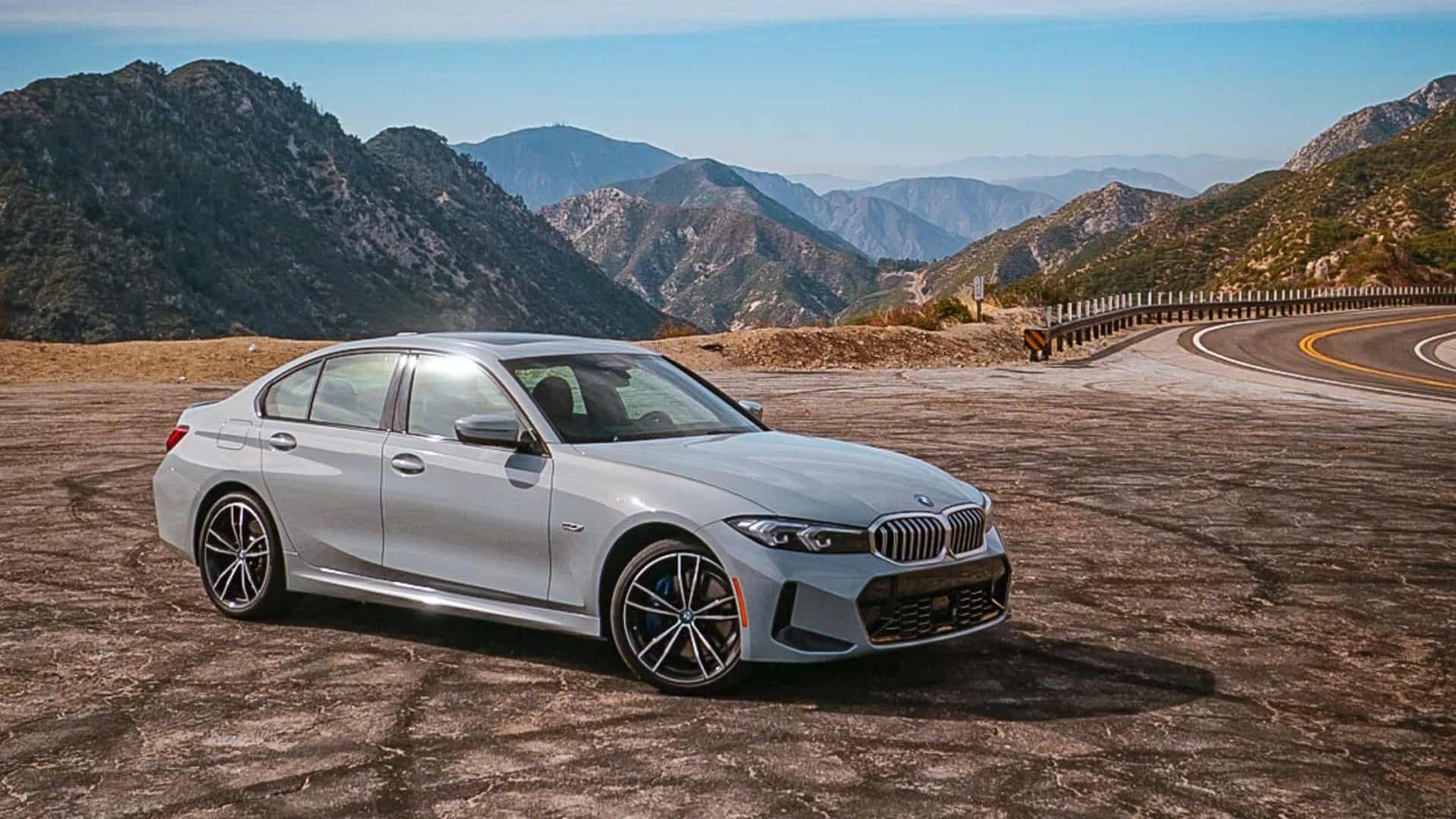
6. BMW 330e
While German automakers are sometimes criticized for complexity and high maintenance costs, the BMW 330e defies expectations by offering a relatively dependable plug-in hybrid setup. Built on the foundation of the 3 Series, one of BMW’s most refined and balanced platforms, the 330e adds an electric motor and battery system that enhances efficiency without compromising performance. Owners of the 330e often find that the hybrid system integrates surprisingly well with the driving dynamics BMW is known for.
Unlike some of BMW’s earlier attempts at electrification, the 330e shows clear improvement in long-term reliability. The electric motor and battery system have fewer reported issues than many assumed when the model was first released. Software management has matured, reducing the kinds of bugs or warning lights that plagued earlier BMW hybrids.
Perhaps most importantly, the car can operate effectively even if the electric system experiences a minor issue. It won’t shut down or leave drivers stranded unless a critical fault occurs, which is an important safeguard.
Mechanically, the 330e uses a turbocharged engine, but it’s one of BMW’s more proven designs. With proper maintenance, it rarely suffers from oil consumption or timing chain problems that can occur in other turbocharged models.
In the 330e, the combination of hybrid boost and turbocharged performance also means the engine doesn’t need to work as hard during most driving conditions. This can actually reduce engine stress and extend longevity, especially if the car is used for short trips where the electric motor does most of the work.
BMW also supports the 330e with decent warranty coverage and widespread service knowledge, at least within the dealership network. While independent shops may charge more for diagnosing hybrid-specific systems, the vehicle’s reputation for avoiding major failures keeps total ownership costs lower than expected. For buyers who want European luxury and sportiness without worrying about breakdowns or electrical failures, the 330e proves to be more reliable than its badge might suggest.
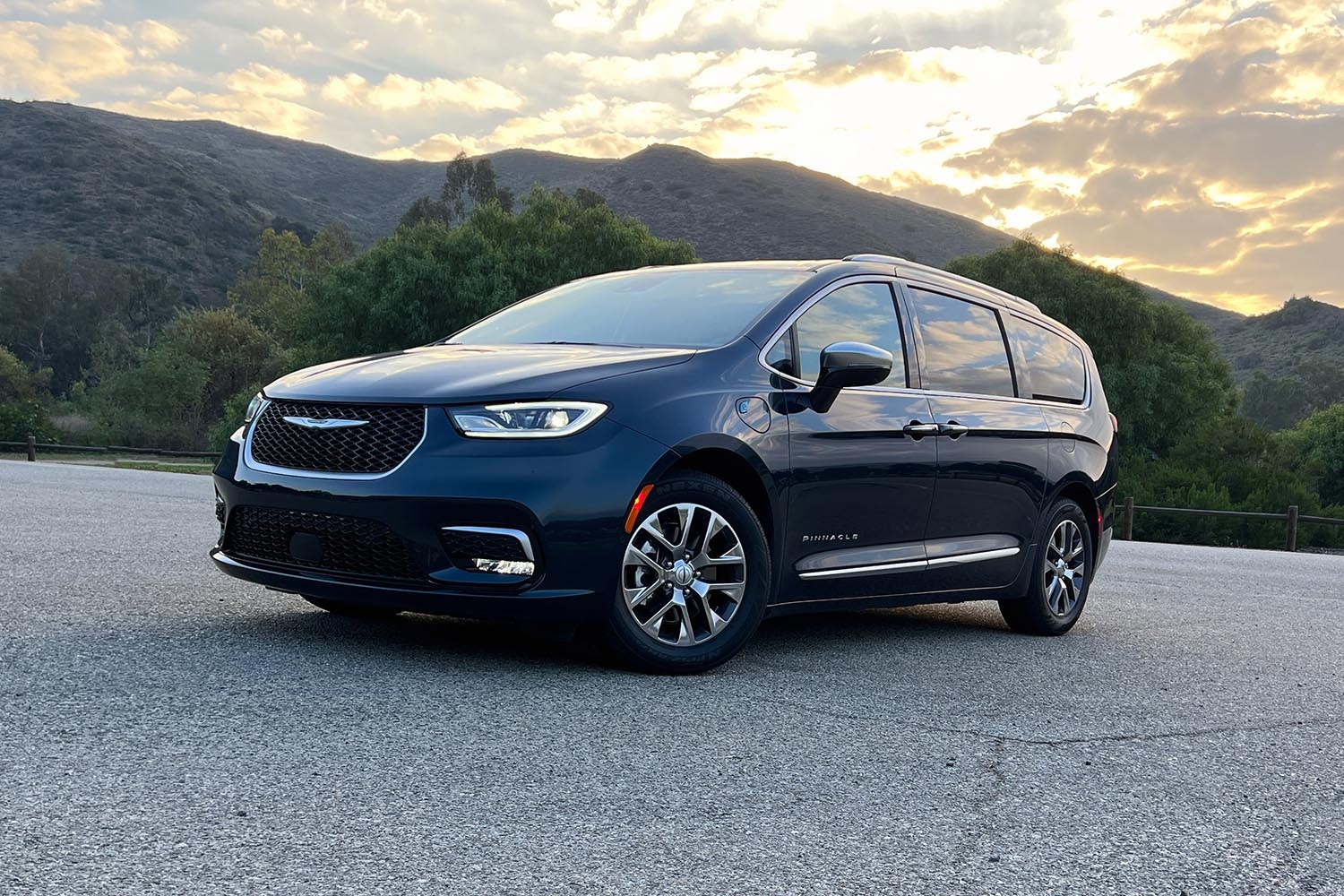
7. Chrysler Pacifica Hybrid
The Chrysler Pacifica Hybrid is one of the only plug-in minivans on the market, and despite its size and complexity, it has built a reputation for dependability. It uses a unique hybrid system that combines a naturally aspirated V6 engine with dual electric motors and a large battery pack capable of delivering about 32 miles of electric-only range. For families who need space but also want better fuel economy, the Pacifica Hybrid offers a practical and reliable solution.
Chrysler’s engineering team took a different approach with the Pacifica Hybrid. Rather than bolt hybrid components onto an existing minivan, they built the system from the ground up.
The result is a vehicle where the hybrid components are better integrated and less prone to system failures. Battery and motor issues are rare, and even the software has proven relatively stable over the years. It also helps that the Pacifica’s hybrid transmission is designed without a traditional gearset, reducing wear and mechanical complexity.
Interior durability is another strong point. The Pacifica Hybrid’s seats, climate system, and infotainment hardware have improved with each model year. Earlier models had some teething issues, particularly with software freezes and touchscreen responsiveness, but Chrysler addressed many of these problems through over-the-air updates and revised hardware.
The sliding doors, which are often a concern on minivans due to their motors and tracks, have also shown good long-term durability on the hybrid model.
Owners and fleet users alike have reported consistent performance from the Pacifica Hybrid, even when the vehicle is used for rideshare services or high-mileage commutes. While Chrysler’s brand reputation may not match Toyota’s or Honda’s, this particular model defies expectations.
Provided it receives regular service and software updates, the Pacifica Hybrid can be one of the most dependable family vehicles available today, combining the functionality of a minivan with the cost savings and reliability of a well-executed hybrid system.
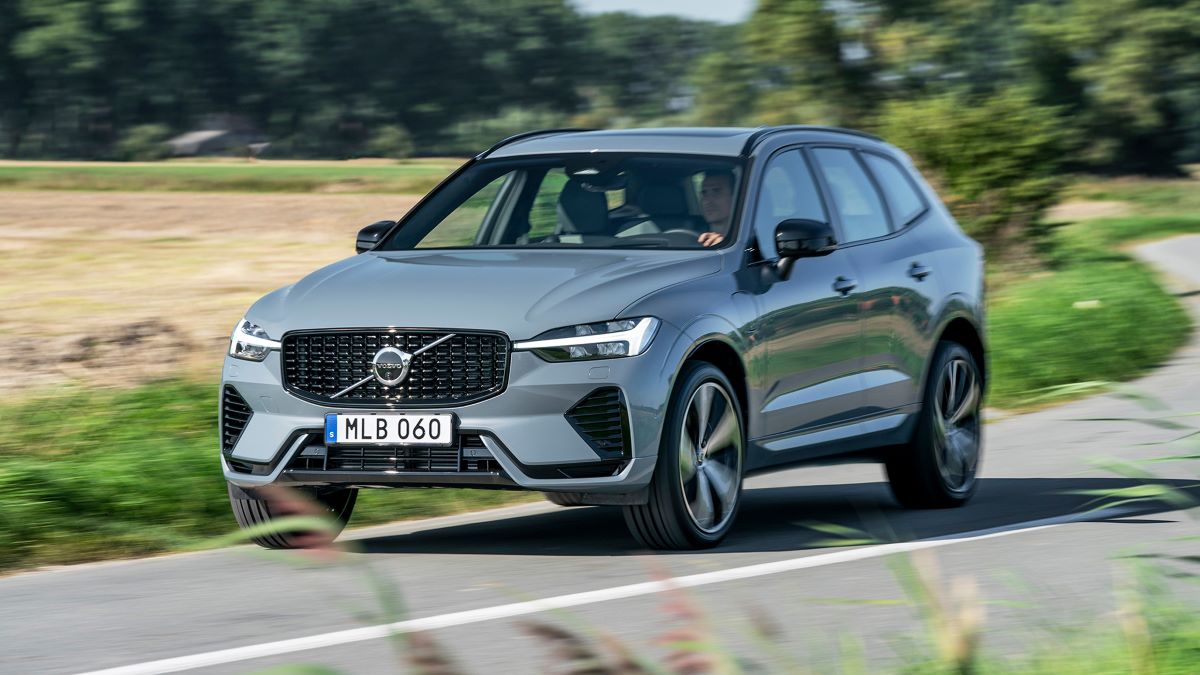
8. Volvo XC60 Recharge
The Volvo XC60 Recharge brings together Scandinavian design, plug-in hybrid technology, and a surprising degree of mechanical dependability. Although European plug-in hybrids are often seen as riskier in terms of long-term reliability, the XC60 Recharge sets itself apart.
Volvo has refined its T8 twin-engine setup over several years, combining a turbocharged and supercharged gasoline engine with an electric motor and a sizeable battery pack. Despite this complex arrangement, reliability ratings for the XC60 Recharge have improved steadily, and real-world owner reports support those improvements.
One reason for this success is that Volvo has invested heavily in quality control and hybrid system integration. Earlier iterations of the T8 powertrain had some software bugs and charging inconsistencies, but later model years have addressed most of those concerns.
The battery management system now operates more smoothly, and transitions between electric and gasoline modes are seamless. Drivers report that the car rarely hesitates or displays faults, even after years of regular commuting in mixed driving conditions. The cooling system, which is crucial for both the engine and battery, has proven durable and capable of handling a range of climates.
Interior durability also plays a role in the XC60 Recharge’s strong reliability record. Volvo’s minimalist approach avoids excessive touchscreen dependence, and most controls offer tactile feedback through buttons or knobs. This has helped reduce long-term failures in infotainment hardware.
The seats, often a highlight in any Volvo, remain comfortable and supportive even after tens of thousands of miles. Materials hold up well under use, and the cabin is generally free of the creaks and rattles that sometimes develop in luxury vehicles over time.
Routine service needs for the XC60 Recharge are modest. Because the hybrid system reduces strain on the gasoline engine, maintenance intervals are generous, and the braking system benefits from regenerative deceleration.
Volvo’s dealer network is better trained in hybrid repair than many would assume, especially in regions where plug-in models are popular. For drivers seeking a comfortable, stylish, and mechanically reliable plug-in SUV, the XC60 Recharge offers a balanced mix of features without frequent trips to the shop.
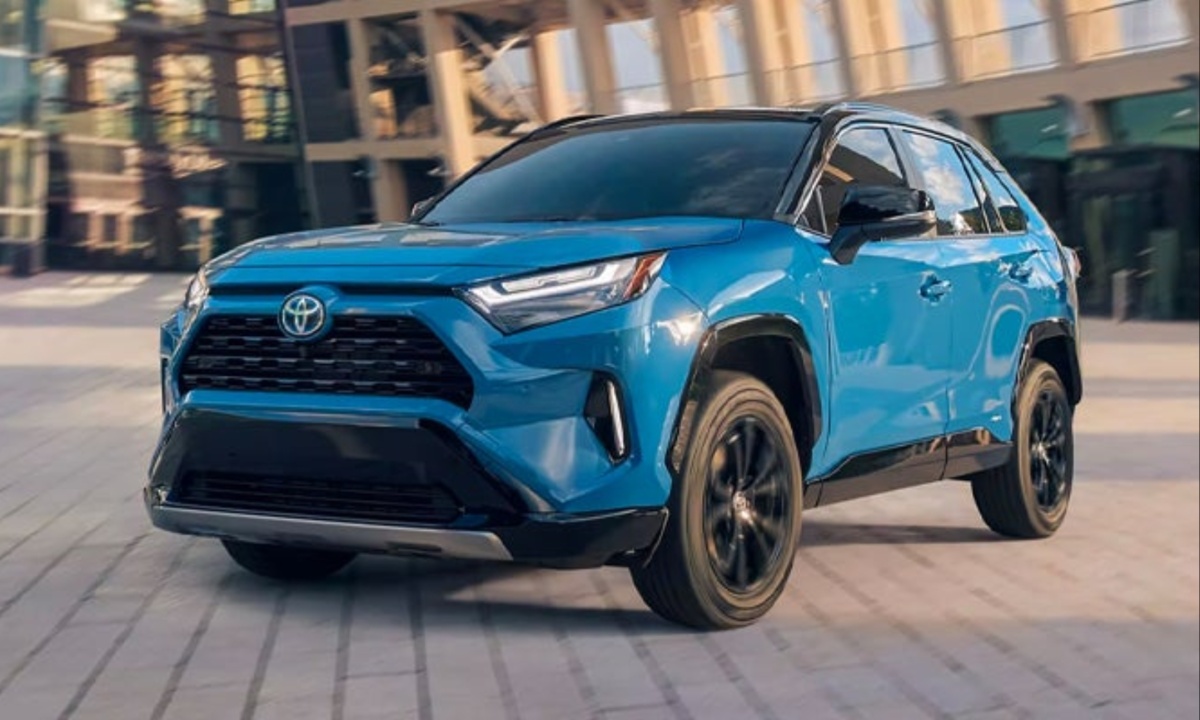
9. Toyota RAV4 Prime
The Toyota RAV4 Prime is widely considered one of the most reliable plug-in hybrids available today. Built on Toyota’s proven TNGA platform, it shares much of its core engineering with the regular RAV4 Hybrid but adds a larger battery and more powerful electric motors.
With around 42 miles of all-electric range and excellent fuel economy in hybrid mode, the RAV4 Prime has found an audience with commuters, families, and even outdoor enthusiasts who want electric capability without sacrificing range or durability.
Much like the Prius Prime, the RAV4 Prime benefits from Toyota’s conservative and methodical engineering philosophy. The hybrid system is nearly bulletproof and shows minimal signs of wear over time.
The electric motors are robust, and the battery pack is well managed with active cooling, which helps extend its life. Even with frequent charging and discharging, the system retains its performance, and battery-related complaints are rare. When problems do occur, they are usually minor and don’t affect the drivability of the vehicle.
The RAV4 Prime also excels in build quality. Its cabin is practical and finished with hard-wearing materials that resist scratches, stains, and wear.
The infotainment system is intuitive and seldom suffers from freezing or bugs. Key mechanical systems, like the all-wheel-drive unit and suspension, are shared with other Toyota models and have proven to be resilient even when used in more rugged environments. Many owners have reported clocking over 100,000 miles with almost no unscheduled repairs, which is a testament to Toyota’s engineering consistency.
What further enhances the RAV4 Prime’s standing is Toyota’s expansive support network and reputation for long-term ownership value. Parts are widely available, and technicians at most dealerships are familiar with the hybrid systems thanks to decades of experience with Prius and other hybrid models.
This ensures quick diagnostics and affordable repairs, should they be necessary. All things considered, the RAV4 Prime is a standout plug-in hybrid that offers performance, practicality, and a reputation for lasting well beyond the warranty period.
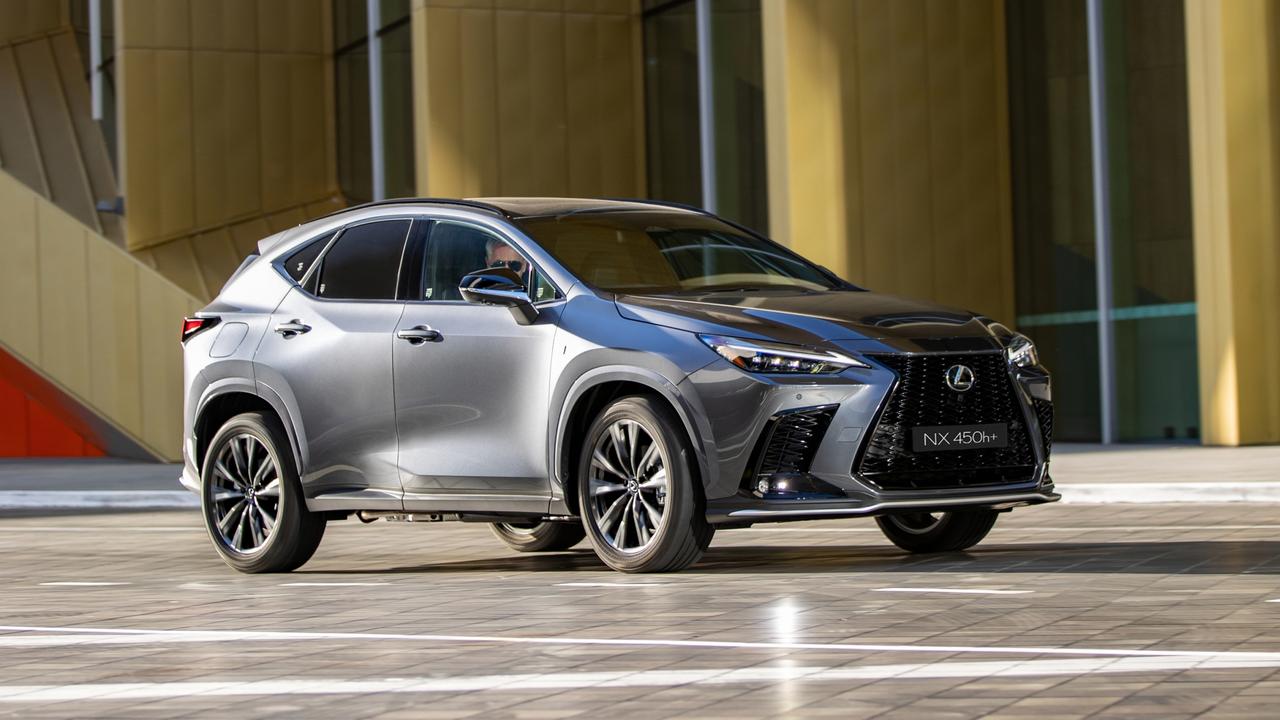
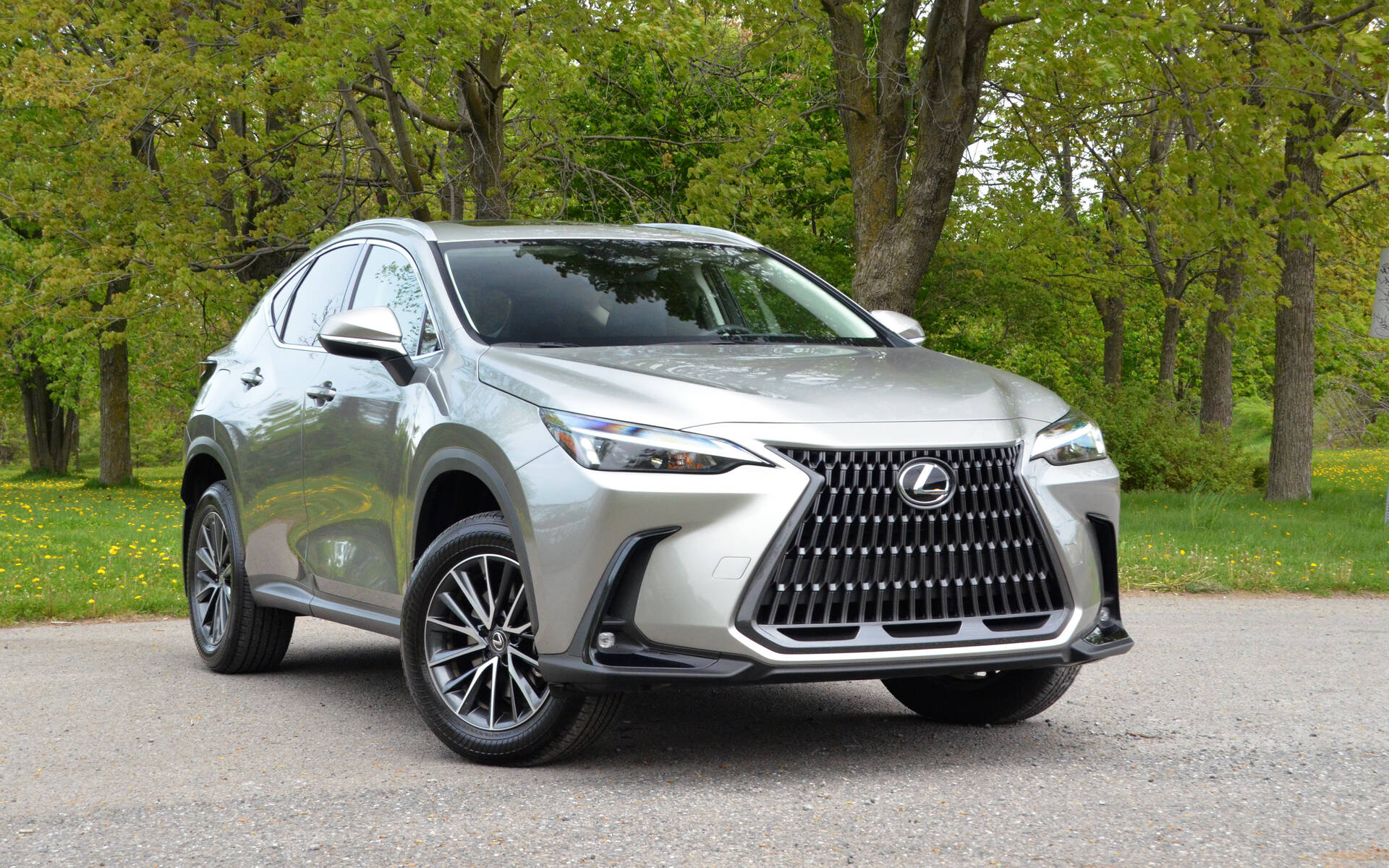
10. Lexus NX 450h+
The Lexus NX 450h+ represents the luxury arm of Toyota’s plug-in hybrid efforts and inherits much of the proven hardware found in the RAV4 Prime. While it offers a more premium experience in terms of materials, sound insulation, and comfort, the mechanical systems underneath are nearly identical, and that’s a good thing.
Lexus is known for building vehicles that last far longer than the industry average, and the NX 450h+ continues that tradition with one of the most refined and reliable plug-in hybrid packages on the market.
What separates the NX 450h+ from many other luxury plug-in SUVs is how effortlessly it balances performance with longevity. The hybrid system provides over 300 horsepower, yet the drivetrain remains quiet, efficient, and low-stress. This means that neither the electric motors nor the gasoline engine are frequently pushed to their limits.
The transitions between electric and hybrid modes are almost imperceptible, and the system rarely exhibits the hesitation or jerkiness that can affect less polished hybrids. The battery system is actively cooled and very stable, even after years of regular charging.
Inside the cabin, Lexus delivers a level of refinement that enhances long-term satisfaction. Materials are soft-touch but durable, and controls feel solid and tactile. Unlike some luxury competitors that prioritize touchscreen interfaces at the expense of usability, Lexus maintains a thoughtful balance between digital and physical controls.
This results in fewer tech-related complaints over time. Additionally, the seats and interior trim are built to resist premature wear, meaning the vehicle looks and feels newer, even after years of ownership.
Service intervals for the NX 450h+ are reasonable, and the brand’s dealership experience is often praised for its professionalism and efficiency. Since the hybrid powertrain shares components with the RAV4 Prime, parts are generally available, and repair costs are not as high as one might expect for a luxury SUV.
Reliability surveys and long-term owner experiences consistently place the NX 450h+ at the top of the plug-in hybrid class. If you’re looking for a luxury vehicle with proven engineering and a track record of dependability, this model delivers in a quiet but confident way.
