
The Chevy Impala has earned a place in automotive history because it combines comfort, style, and mechanical resilience. Drivers across decades have counted on Impalas that last far beyond typical expectations. Many versions have solid build quality, accessible parts, and enough power to perform reliably without overly complex systems.
People who maintain them well can clock high mileage with minimal major issues. Some year models stand out more than others because of their blend of engine longevity, transmission performance, body durability, and parts availability. This article presents ten specific model years of the Chevy Impala that still perform well for owners today.
Each year has merits that contribute to its ability to keep running strong. The reasons include engine design, simplicity, known durability, and community support. These models also tend to avoid certain chronic weaknesses that plague lesser years. In reviewing them one will see that regular maintenance matters just as much as inherent design strengths.
Whether one fixes oil leaks, follows service schedules, or replaces consumables before failure, each of these years rewards careful ownership.
The next sections describe what makes each of ten model years stand out. Each section focuses on engine and drivetrain strengths, common problem areas, things to watch out for, and what makes them a good candidate for long term reliability. Readers who want a dependable used Impala or want to understand what to expect from an older model will find this useful.
Also Read: 5 Cars That Rarely Need Cooling System Work vs 5 That Always Overheat
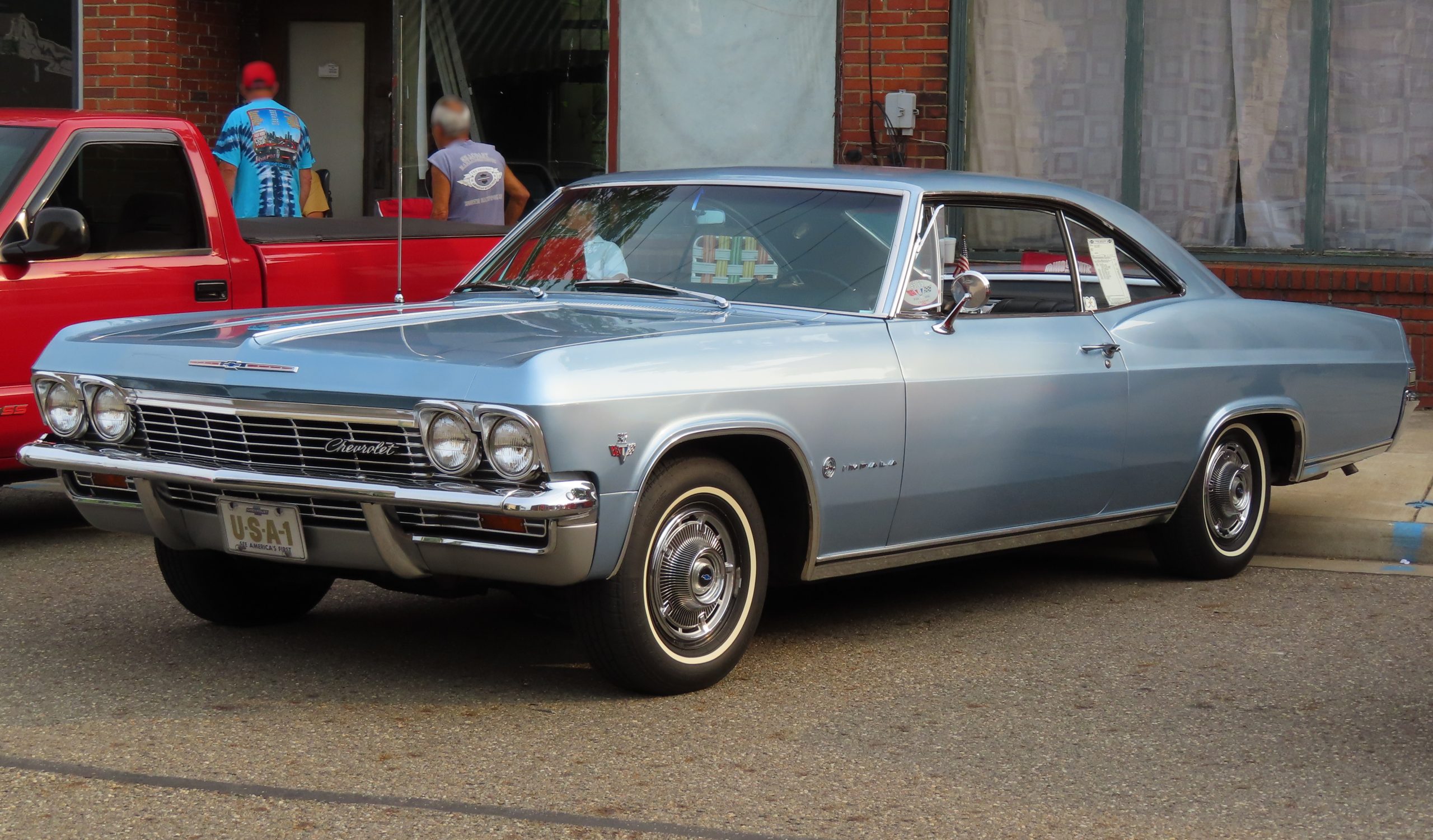
1965 Impala
The 1965 Chevy Impala is remembered for its sturdiness, especially in its big block V8 and robust chassis structure. Many examples have running 327 or 396 cubic inch engines which were built with thick castings and simple mechanical fuel and ignition systems.
Those systems are easier to service using basic tools and parts that are still obtainable. The transmission options of the period such as the Turbo Hydramatic are mechanical rather than electronic which reduces the number of failure points.
The body panels were heavier gauge steel, meaning that rust is a more likely issue but those that were stored well or restored carefully still present well today. The simplicity of the cooling, electrical, and fuel systems helps engines avoid overheating or failure from modern aftermarket complexity.
Owners report that parts such as carburetor rebuild kits, head gaskets, and ignition components are still made for the 1965 variant. That supply helps restorers and drivers keep these cars running. Fuel economy is modest compared to later years but that is expected in a full‑size, heavy body with large displacement.
Maintenance costs can be higher because labor and repairs require care, but many enthusiasts see that as part of the ownership experience. The steering and suspension are less precise than modern cars but their simplicity means fewer sensors or electronics to fail. Shock absorbers, bushings, and ball joints are usually the items needing attention, rather than complex modules.
Some weak spots to watch include rust around wheel wells, rocker panels, floor pans and trunk. Also the original wiring harness may degrade over time, causing shorts or voltage drop. Cooling system leaks or overheating can occur if radiators are not updated or hoses are not replaced. Brake systems on original drum‑brake models require more frequent adjustment and maintenance. Despite that, many 1965 Impalas have reached 200,000 to 300,000 miles when owners commit to upkeep.
For those who appreciate antique design and mechanical simplicity, the 1965 Impala remains a strong candidate. It offers classic looks, a commanding road presence, and mechanical pieces that one can learn to work on. The rewarding part is driving a piece of history that if cared for can surprise with its continued performance and longevity.
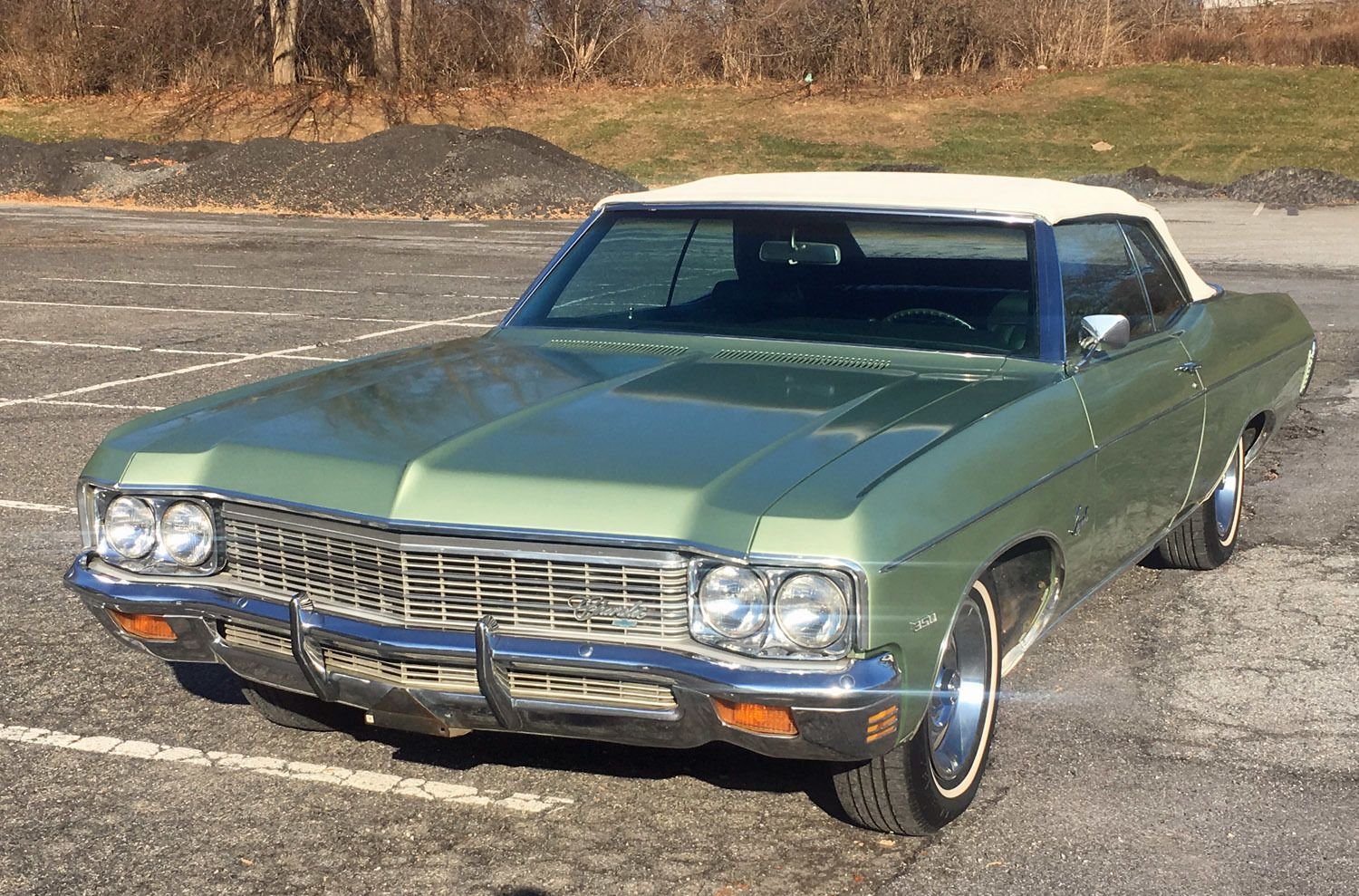
1970 Impala
The 1970 model year made improvements in ride comfort and engine options while retaining reliability. Chevy offered powerful V8 engines, including the 396 and 454 cubic inch motors depending on trim and specs. These large engines are known for torque and durability when not pushed beyond limits.
The cooling systems in 1970 benefited from better radiator design and improved belts and hoses compared to earlier models. Mechanical fuel pumps and carburetors remain simpler to adjust and repair. Transmission choices like the three‑speed automatic provide strong service life when fluid changes are kept regular.
Body and frame design that year allowed for more robust mounting points and thicker steel in key stress areas. That quality helps many surviving examples avoid frame rusting or sagging. Interior components such as seats and panels used heavier materials and are often still intact or restorable.
Suspension geometry and springs were built to handle weight of the long body, which means ride stability on highways remains acceptable. Steering systems are larger and slower but tend to last because they are less complex and fewer moving small parts that degrade quickly.
Maintenance issues common with the 1970 Impala include cooling system corrosion, worn belts and hoses, and susceptibility to rust in lower body sections. Electrical system degradation is expected with age because of original cloth wiring insulation breaking down, connectors corroding, and grounding issues.
Brake systems, especially drum brakes, require inspection and upgrading for safety. Yet many owners upgrade to disc brakes up front without compromising originality much, and this resolves many stopping performance concerns.
Regular tune‑ups, oil changes, periodic chassis lubrication, and paying attention to these weak spots make 1970 Impala models remain dependable for long distances. Many have traveled well over 200,000 miles and still cruise comfortably. For lovers of classic full‑size American cars this year remains a popular and strong choice for restoration or daily driver with soul.
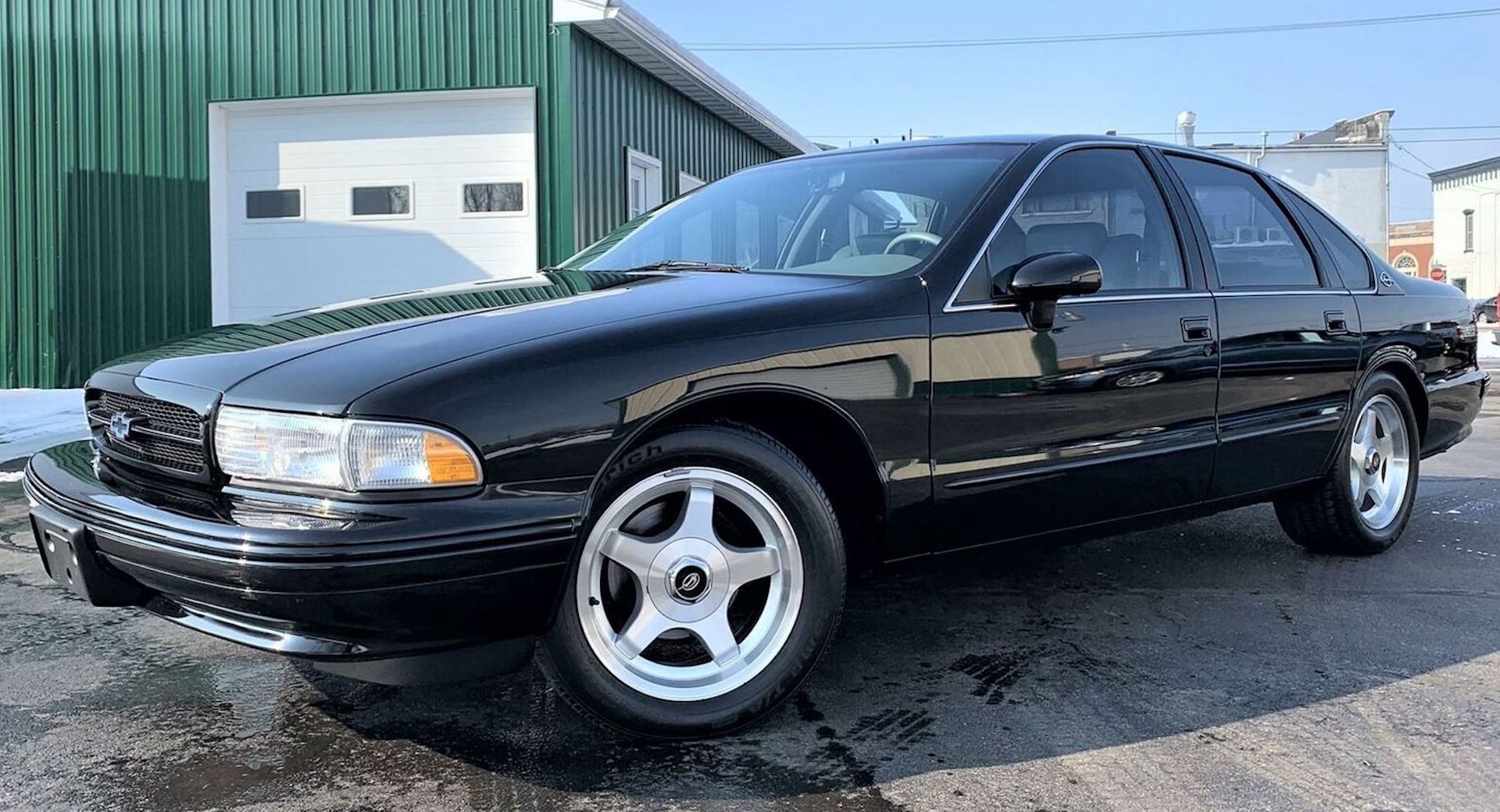
1994 Impala SS
The 1994 Impala SS adds performance focused elements to the sedan format and benefits that version carried forward in durability. It features the LT1 V8 engine, which appeared in Corvettes and Camaros of similar era. That engine has solid architecture, good parts availability, and has earned respect for its ability to reach high mileage with minimal major engine failures if maintained.
The transmission, usually a 4‑speed automatic, is fairly simple in its design relative to modern electronically controlled boxes. Cooling and fuel systems are more modern than earlier decades but still manageable for owners familiar with older vehicles.
Chassis and suspension in the 1994 SS were tuned for performance with stiffer springs and better sway bars. That means better control at speed and more confidence on sweeping curves. Ride quality remains acceptable because of balanced damping and the car’s weight being distributed well.
Interior components in the SS trim were upgraded‑ cloth and leather options, upgraded sound and other comfort features that are still usable today. Some of those features may have aged but spares are common among enthusiast groups.
Weaknesses include aging rubber components such as bushings, mounts, belts, hoses, and cooling system parts. Electrical glitches are possible after decades of use: sensors, switches, and wiring insulation may degrade. The head gaskets and intake gaskets need inspection, especially under high mileage.
Transmission slip or wear can occur, particularly if maintenance has been neglected. Still the 1994 SS is known for being able to do many highway miles without collapse when looked after well.
When one considers cost versus reward the Impala SS of 1994 offers a strong value for performance and long term ownership. Parts are abundant in junkyards, aftermarket upgrades are available, mechanics know how to work on them. Enthusiasts still drive them regularly, showing that they remain alive and capable decades after first leaving showroom floors.
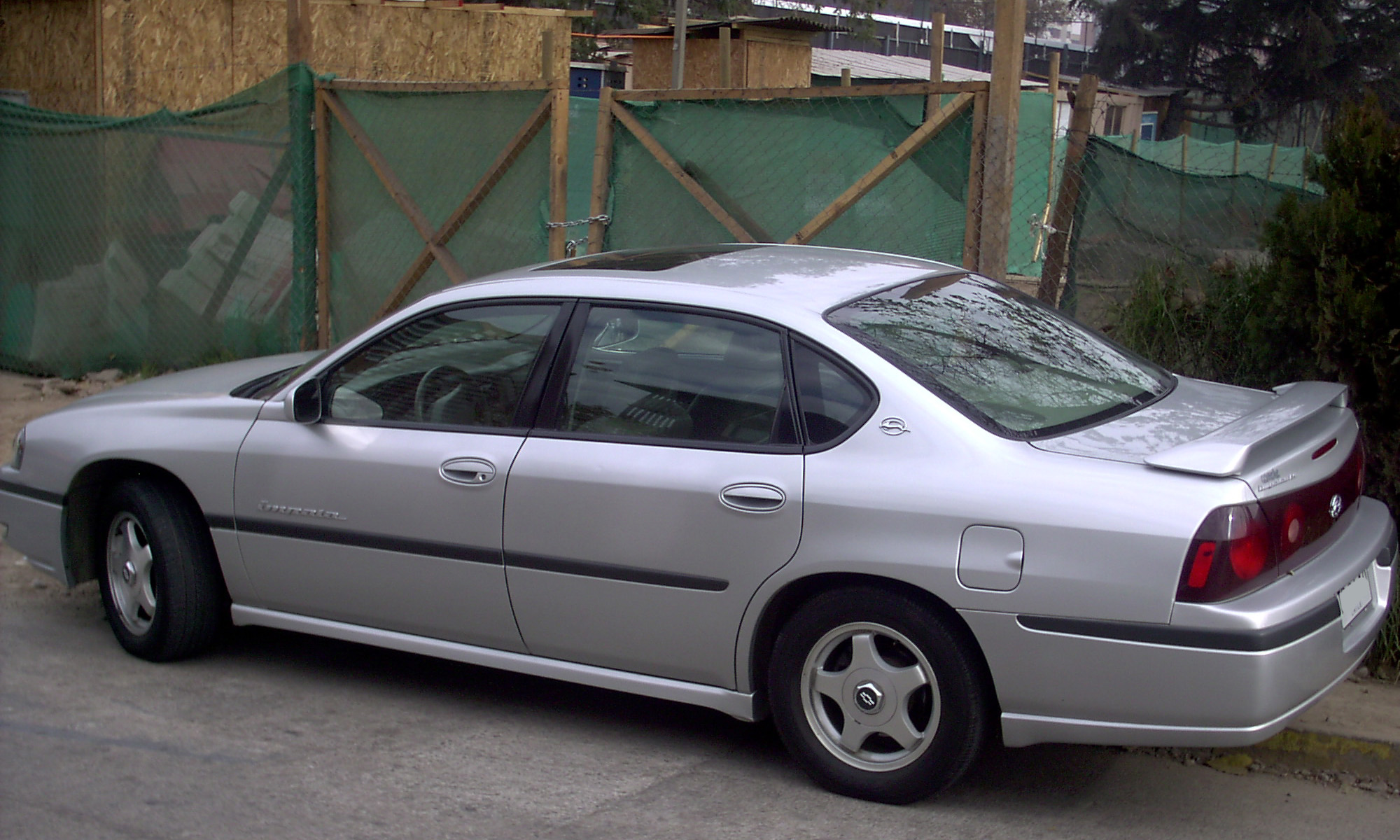
2000 Impala
The 2000 Chevy Impala introduced improved safety and more modern comfort features while retaining many reliable mechanical parts. The LS and LT trims offered V6 engines such as the 3.8 liter V6. That engine design is known to be smooth-running and relatively forgiving of neglect compared to some high-stress engines.
The intake manifold, fuel injection, ignition coil packs are simpler than systems in newer performance cars. Transmission units in that year are automatic with overdrive and are durable when fluid service is kept up. The body structure got better corrosion protection than models of earlier decades.
Interior comfort and amenities improved significantly that year. Power windows, power locks, better stereo systems, and climate control became more reliable components. The interior materials were chosen for durability: seat fabrics that resist wear, plastics that hold up in sun, and dashboard components less prone to cracking. The ride quality is cushioned, isolation from road noise is reasonable. Suspension parts such as struts, shocks, and control arms tend to wear but are easily serviced or replaced with aftermarket parts.
Some weak spots for the 2000 Impala include the fuel pump failure under high mileage, occasional leaks from intake gaskets, and aging of automatic transmission bands or clutches. Rust can still be a problem in places like undercarriage, door bottoms, floor pans if drainage is blocked.
Problems with climate control actuators and blower motors are common over time. Electrical gremlins may appear especially in central locking or power window regulators. Even so many of those issues are manageable and do not prevent long term use.
Drivers who seek daily reliability find the 2000 Impala to still serve well. With proper maintenance, replacing aging parts proactively, treating rust early, many owners report reaching over 250,000 miles with little more than routine servicing. It offers a blend of classic full size comfort and simpler mechanics that invite owner involvement.
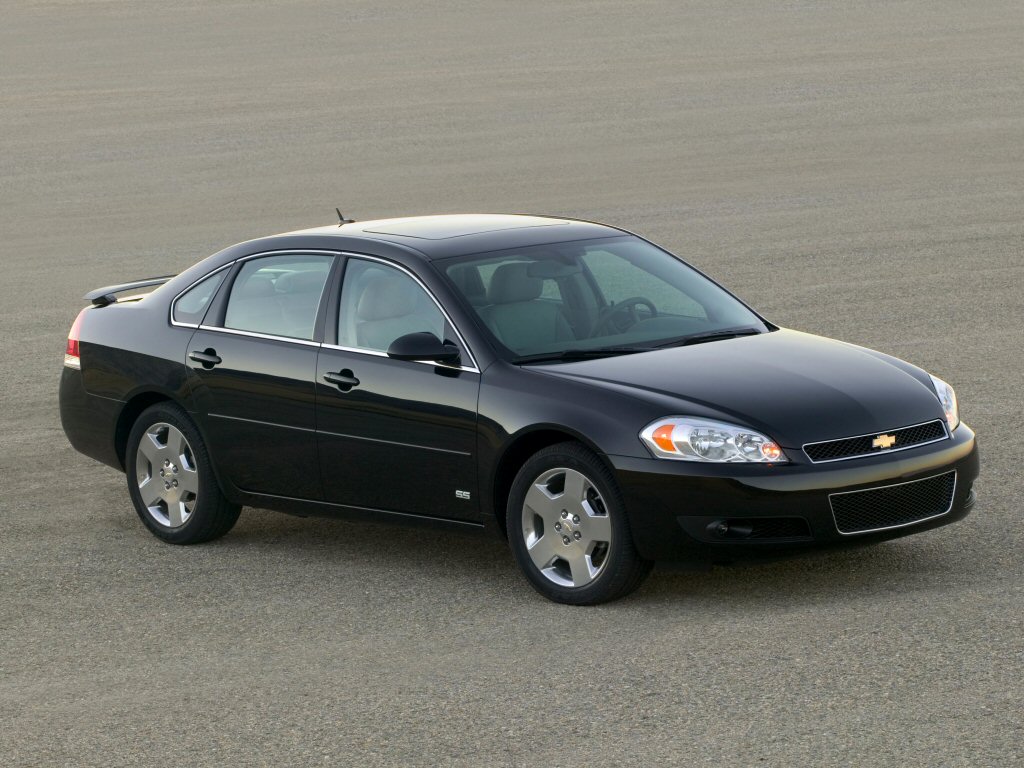
2006 Impala
The 2006 Impala carried on with upgrades in performance and safety without overly complicating the mechanical design. That year offered strong V6 engines as well as optional V8 in certain trims.
The engine cooling and fuel injection systems were more refined but not so cutting-edge that failures are from over‑complexity. Transmission options included automatic with reasonably proven components. The braking system also benefited from improvements in disc brakes front and rear, and ABS systems that are fairly reliable.
Body design and structure in 2006 improved rust prevention in comparison with older Impalas. Undercoating, galvanized steel in panels, better paint finishes helped many survive in harsher environments.
Interior layout saw more modern conveniences like improved infotainment, better sound insulation, and more ergonomic seating surfaces. Suspension tuning struck a balance between comfort and control. Steering systems became more responsive and electrical systems though more abundant were built with better quality connectors and modules.
Common weaknesses include plastic cooling components which may become brittle over time, thermostat housings that leak, sensors that fail, especially oxygen sensors and mass airflow sensors. Transmission shift concerns sometimes arise with aging seals or degraded fluid.
Interior wear is visible in seat cushioning, trim pieces, and upholstery especially with sun exposure. Electrical issues involve things like power window regulators, door lock actuators, sometimes ignition key switch wear.
Many owners report 2006 Impalas still offering comfortable highway driving with few surprises. With regular oil changes, cooling system service, attention to transmission fluid, and some upgrades for aging components one can expect long term reliability. It remains a car that is easy to maintain and parts remain easy to find.
Also Read: 5 Vehicles That Last a Lifetime With Regular Oil Changes vs 5 That Don’t
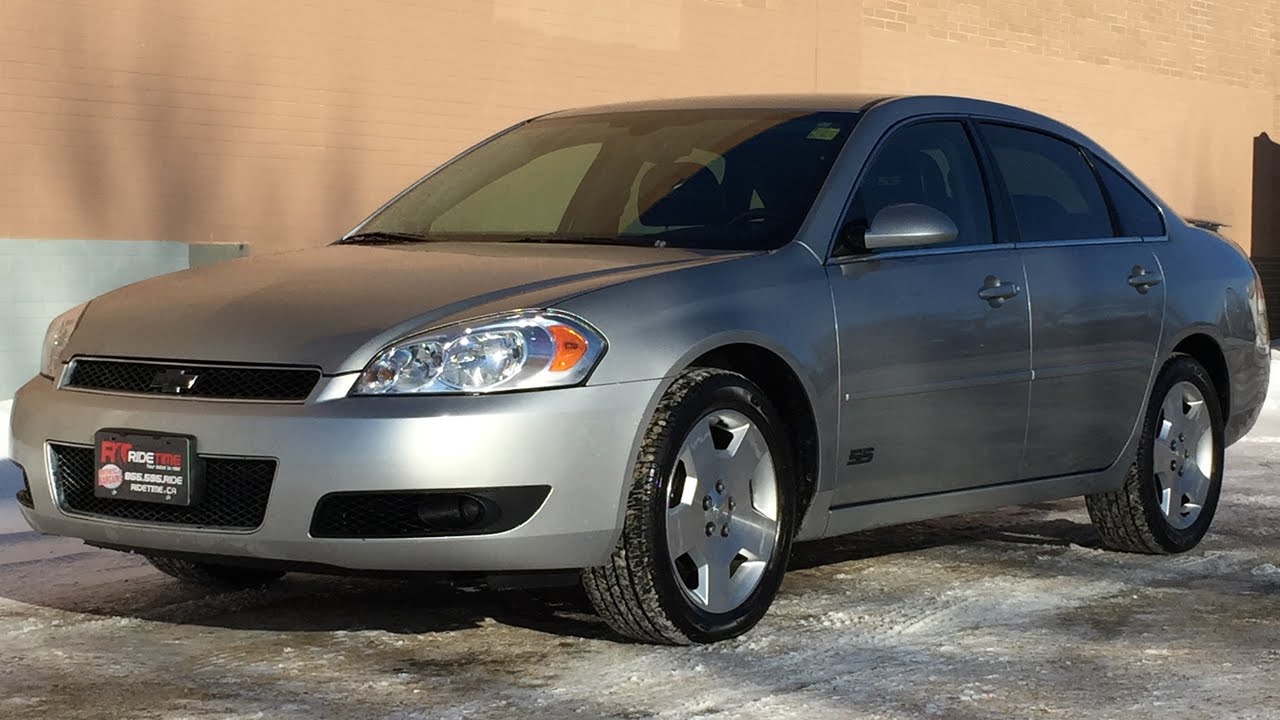
2008 Impala
The 2008 model year brought more safety, improved engine management, and better stability. Engines such as the 3.9 liter V6 and 5.3 liter V8 in certain trims are known for longevity when they are not subjected to extreme abuse.
Fuel injection systems were more precise, emission controls stricter but often built to last. The automatic transmissions used that year are improved from earlier decades in shifting logic and durability under moderate loads. Cooling systems are more effective, radiator cores better made, hoses and belts of improved materials.
Ride and comfort in 2008 saw enhancements in cabin insulation, seat design, and chassis stability. Suspension arms and bushings are more durable materials.
Steering feels more composed. Interior layout includes modern conveniences that may age but if maintained can add to the driving pleasure. The body design is more resistant to rust especially in climates that treat roads in winter. Underbody plating, better paint and sealing contribute to longevity of body panels.
Some persistent concerns include throttle body and sensor failures, cooling fan module issues, thermostat housing leaks, occasional transmission slipping under heavy load if service intervals are neglected. Electrical components such as window motors and lock actuators can fail. Interior trim may fade, cloth seats may stain or wear. Still many of those failures are minor and repairable without replacing entire systems.
For owners who ensure regular maintenance, 2008 Impala models often reach high mileage with comfortable ride and dependable performance. Owners report reliable starts, solid acceleration, modest fuel consumption for its size, and durable build quality when key components are serviced. It remains a popular used car choice in many regions because it balances features with reliability.
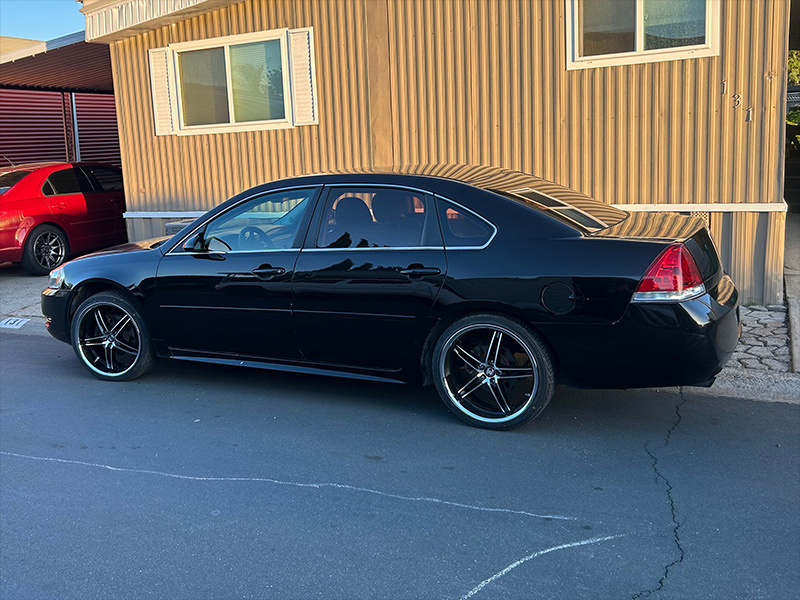
2012 Impala
The 2012 version of the Impala brought modern styling, safety features, and engine refinement while retaining proven mechanical roots. It offered direct injection and flex fuel options in some trims. Engines such as the 3.6 liter V6 are reasonably powerful and built to offer longevity when oil changes and timing chain or belt issues are attended.
Automatic transmissions with more gears than earlier models are more efficient and reliable than many of their contemporaries if service schedules are followed. Brakes, steering, and suspension were improved for ride comfort without sacrificing durability.
Interior materials in 2012 improved significantly. Dashboard plastics resist sun damage better, seat cushions hold shape longer, fabrics and leather options showed less premature wear. Infotainment and electrical systems got more features.
Because of that there are more electronic modules but many are well designed and serviceable. Body panels have better corrosion protection. Welds, joints, drainage points in doors and trunk are better sealed compared to older models making rust less likely when water entry is prevented.
Weak spots include potential of water leaks around sunroof or door seals, failure of sensors and modules controlling emissions equipment, occasional transmission control module glitches. The active fuel management system in some models may need maintenance.
Interior electronics such as navigation, audio system, sensors for parking or blind spot may degrade with time. Cooling system hoses and thermostat components need periodic checks. Even with those issues many 2012 Impalas survive with good drivability if serviced conscientiously.
Those who purchase a 2012 Impala often find they get comfortable transport, modern safety, and strong reliability. If fluids are kept clean, belts and chains replaced when due, and rust addressed early this model still gives years of service. It strikes a balance between modern features and mechanical simplicity in many respects.
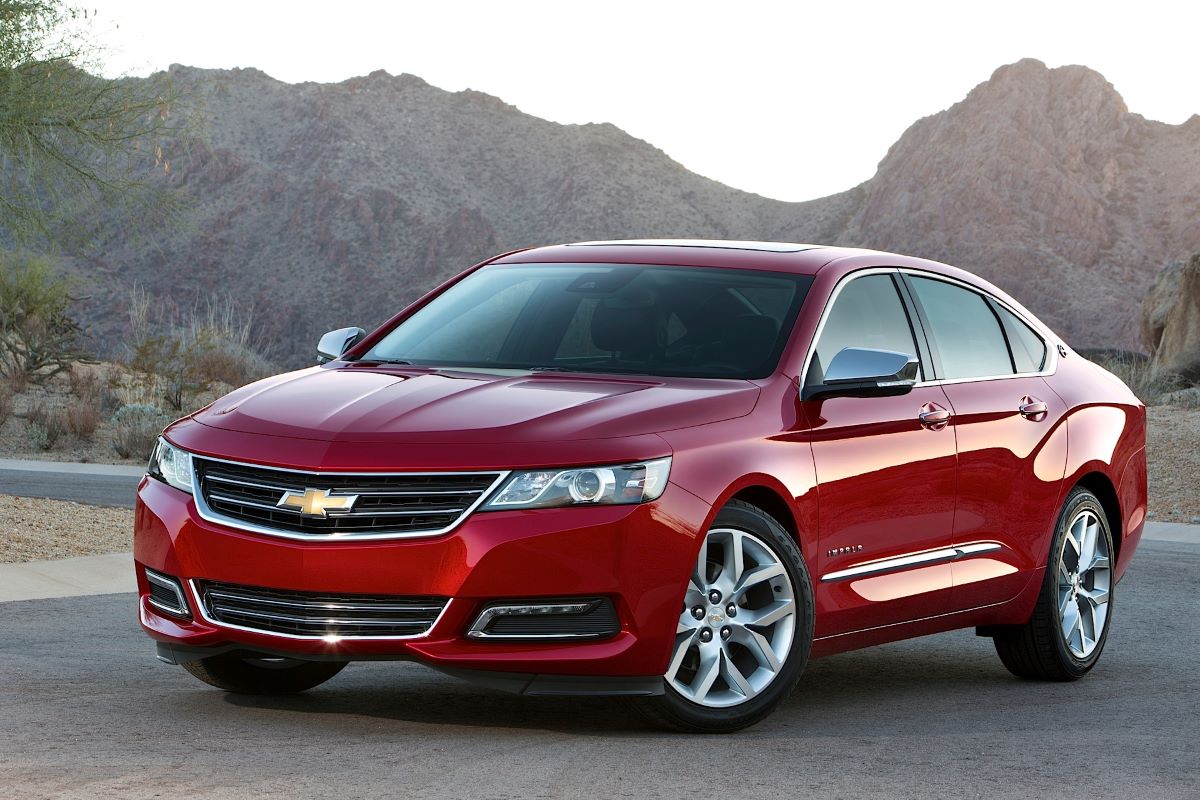
2014 Impala
The 2014 Impala built upon what worked well in earlier years but added more refinement. The design improved in aerodynamics, cabin quietness, and level of onboard technology. Engines include the 3.6 liter V6 which delivers decent power and uses materials that handle heat well when cooling is maintained.
Transmissions are smoother, shifting more refined. Electrical system has more sensors and modules but many parts share design with other GM vehicles so parts sourcing remains easier than for rare specialty models.
Ride comfort improved through better suspension tuning, improved bushings, shock absorbers that dampen better, steering systems that are more precise. Interior comfort increased with better sound insulation, more supportive seating, modern conveniences such as updated infotainment, safety sensor suites.
Vehicle occupants notice fewer vibrations, smoother ride at highway speeds. Body structure further improved in corrosion protection measures, with more use of high strength steel in critical zones, better sealants, and improved paint quality.
Some downsides are potential of sensor failures for emissions or safety systems, wear of interior trim around doors and seats, possibility of water ingress at weatherstrip or seal points, and the aging of electronic control modules. Transmission service remains important, especially fluid changes. Cooling system upkeep, thermostat, and radiator maintenance remain key. Tires and alignment need attention because weight and size can stressthe suspension when worn.
Many drivers report 2014 Impalas offer a modern driving experience without the expense of a luxury car. Comfort, style and dependability come together. With proper care, many of these cars surpass 150,000 to 200,000 miles with few major issues. It remains a strong contender for someone wanting features plus reliability.
2017 Impala
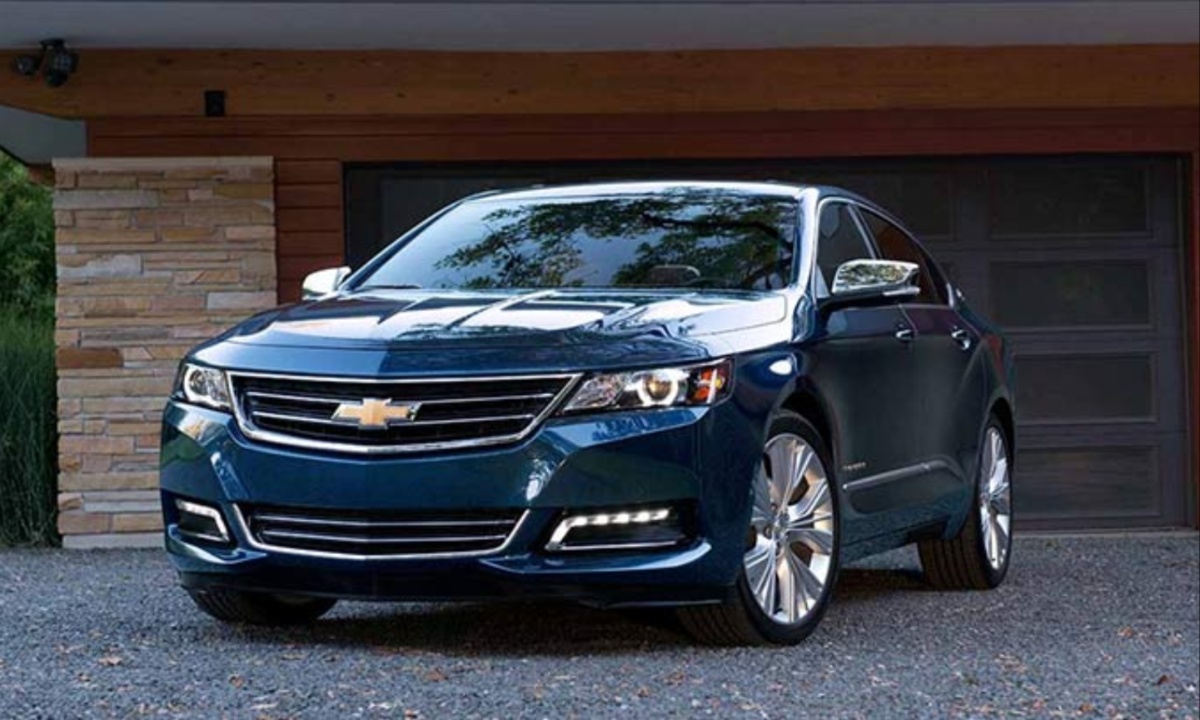
The 2017 Impala deepened the path toward modern styling, safety, and convenience while striving to keep reliability. That model year included an updated chassis, improved suspension components, better ride tuning, and more refined engines. The 2.5-liter four-cylinder and 3.6 liter V6 options are well-engineered this year.
The 3.6 liter especially has reputation for power and durability when oil and cooling system are properly maintained. Fuel injection, electronic controls, emissions systems are more complex than earlier decades but engineering maturity means many potential failure points have been addressed or improved.
Safety features increased, including more airbags, better crash structures, new driver assistance features. Interior materials improved further. Seats provide good support, cabin quietness rose due to better insulation, sound deadening, and aerodynamic improvements.
Entertainment and infotainment features expanded. Body panels have improved corrosion protection. Paint and metal used are more resilient to weather and road conditions. These improvements help many examples survive in climates with harsh winters or heavy road salt.
Some problems arise from aging of electronic systems, sensors, modules. The automatic transmission may show signs of wear in shift solenoids or sensors controlling shifting. Infotainment screens may dim or fail, backup camera or parking sensor failure may arise.
The heat exchanger or cooling fan systems may require replacement after many years. Suspension components like control arm bushings or strut mounts may degrade. Yet many of these are not catastrophic failures; replacement parts are often available and mechanics are familiar with them.
Owners who maintain fluids timely, replace wear items, have cooling and electrical systems inspected, get rust treated, often report 2017 Impalas performing well beyond 150,000 miles. Many feel that driving them still feels fresh and reliable. They offer strong comfort and modern features along with mechanical solidity that rewards attention.
2020 Impala
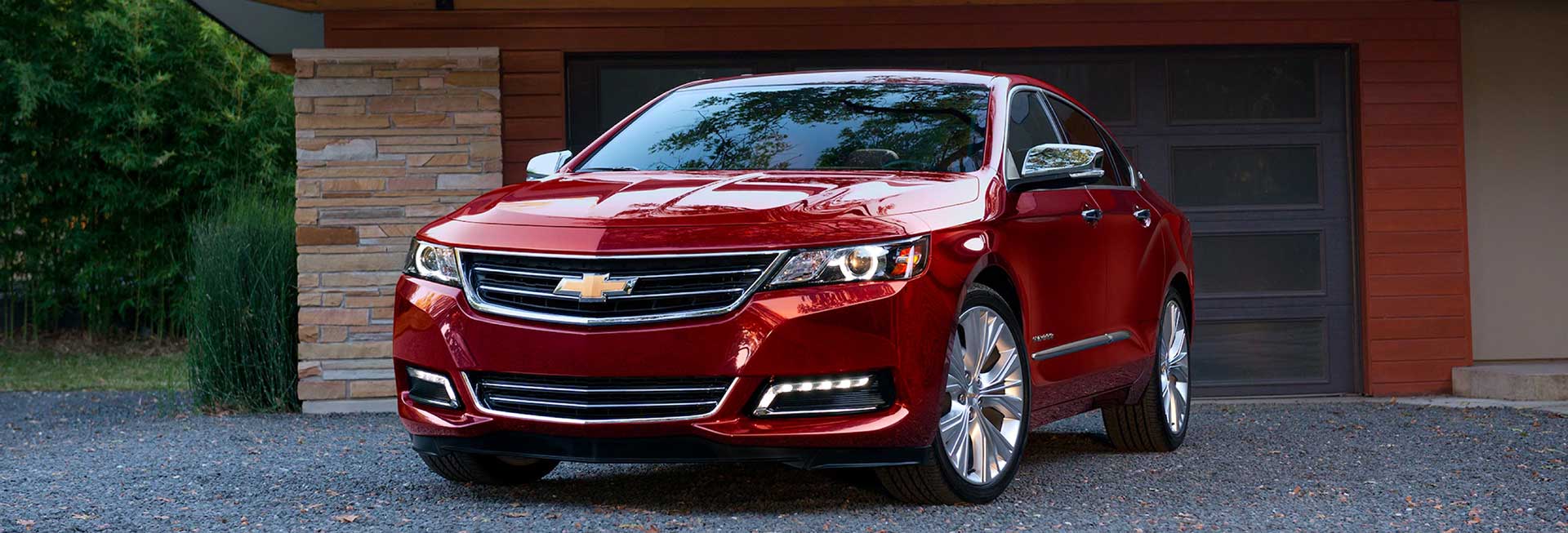
The 2020 Impala is among the last of its line so it carries many years of refinement and improvements in materials, safety, comfort and mechanical durability. The standard engine options include the 3.6-liter V6 which has matured in many respects, along with modern transmissions with more gears and refined control.
Engine management systems are more efficient, cooling systems are better designed with stricter standards, and fuel systems are durable when filters and fluids are changed as required. Safety structure, crash protection, and electronic driver aids are more advanced and better engineered for longevity.
Comfort upgrades in 2020 are many. Cabin insulation, sound dampening, quieter operation are noticeably improved from earlier models. Seats are more ergonomic, and the materials chosen for resistance to wear and fading are better than older versions.
Infotainment systems have more features but also more robust hardware. Body design uses more corrosion-resistant materials, better sealing around doors and windows, improved paint formulations. Underbody protection is better, drainage and sealing in critical joints are more refined.
Possible weak areas include advanced electronics, which may fail as vehicles age, such as advanced sensors, driver assistance modules, and infotainment screens. Transmission control units may require reprogramming or service, cooling components such as radiator, water pump or hoses still need attention.
Brake systems, especially when subject to heavy use may need component renewals. Tires, alignment, and suspension wear are important. Despite increased complexity, maintainability remains easier in many respects because diagnostics are better and parts availability is usually good for recent models.
Drivers who treat the 2020 Impala with regular service, attention to fluid changes, and seasonal care often find many years of use ahead. It offers modern safety comforts along with engine and structure that show improved longevity. Owners report feeling secure in reliability and enjoying driving dynamics even with age.
2011 Impala
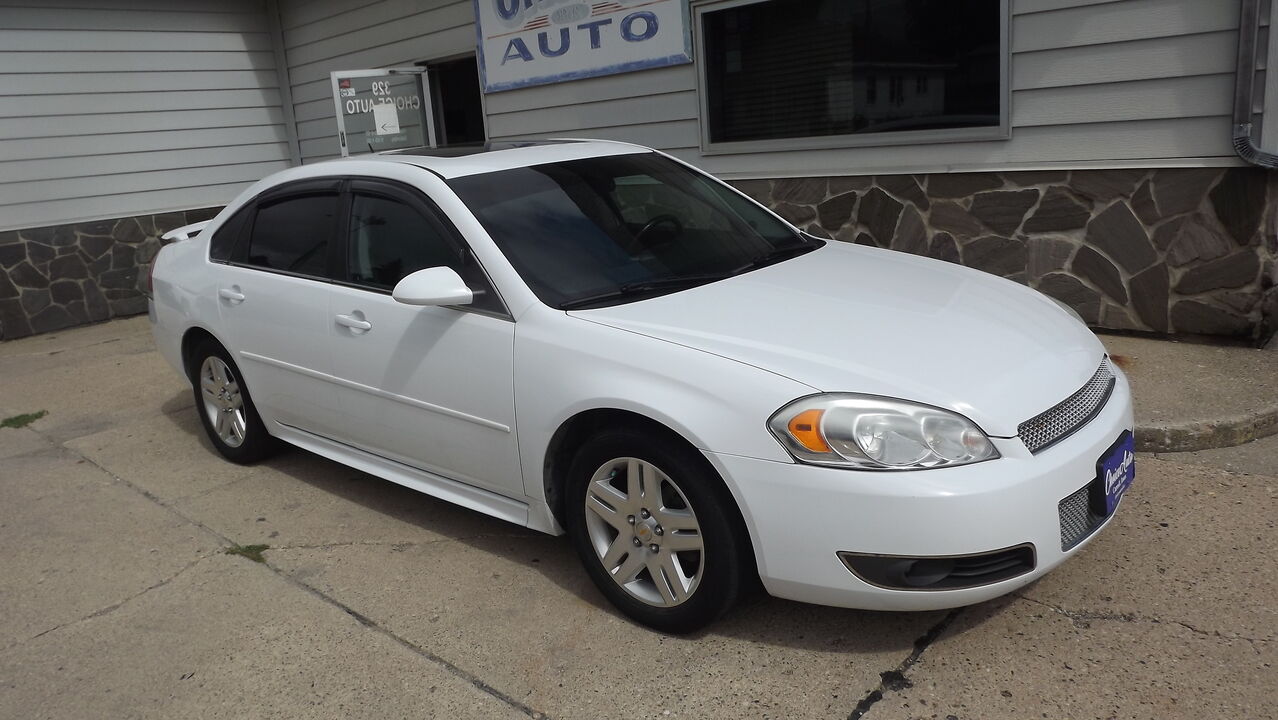
The 2011 Chevy Impala is a practical and durable model that stood out for its combination of affordability, mechanical simplicity, and long-term dependability. It came equipped with the tried-and-true 3.5-liter and 3.9-liter V6 engines in most trims, both of which are known for being sturdy, smooth, and relatively easy to maintain.
These engines use a conventional timing chain design and are not prone to catastrophic failures when basic maintenance is followed. The transmission used in this model, the 4T65-E 4-speed automatic, had been in use for years and had most of its earlier issues resolved by 2011, making it one of the more reliable versions of that transmission.
This model year also retained a straightforward interior layout with fewer complicated electronics compared to newer vehicles, which helps reduce the number of potential failure points. The heating and air conditioning system, while not luxurious, is dependable and does not typically suffer from premature failure.
The suspension system is soft but durable, capable of handling rough roads and long highway trips with ease. Parts for this model are widely available and affordable due to the high production volume, and many mechanics are familiar with servicing it, which keeps ownership costs relatively low.
That said, common issues in the 2011 model tend to include early wear in front-end suspension components like tie rods and control arm bushings. Some units may experience faulty blend door actuators in the climate control system, resulting in noise or inconsistent temperature output.
The power steering pump can become noisy with age, especially if fluid changes have been neglected. The car’s body panels are prone to rust in areas with salted winter roads, especially around the wheel wells and trunk seams, so rust prevention and inspection are necessary.
Still, many 2011 Impalas remain on the road today with mileage well over 200,000. They are popular as fleet vehicles and family sedans because they are comfortable, easy to repair, and deliver solid reliability for the price. With regular fluid changes, attention to suspension wear, and some rust prevention, the 2011 Impala can continue to provide reliable transportation for many years beyond its original life expectancy.
2015 Impala
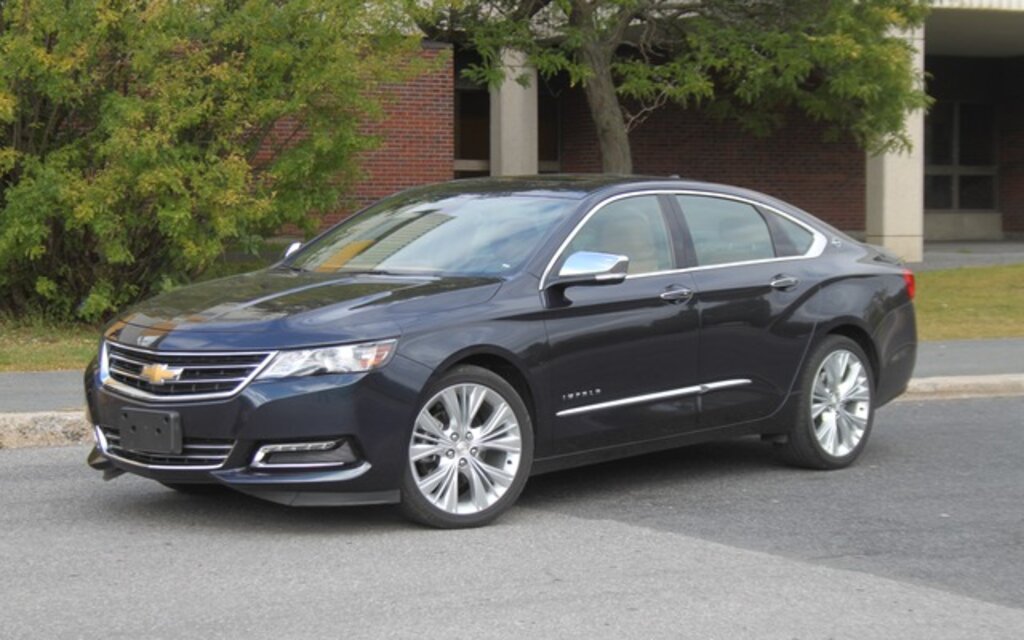
The 2015 Chevy Impala marked a major leap in refinement while maintaining the durability traits that drivers had come to appreciate in earlier years. This model year received praise for its balance of style, ride quality, interior comfort, and mechanical reliability.
The most commonly found engine in this year is the 3.6-liter V6, which is the same engine found in many other GM vehicles of the era. It’s well-regarded for its balance of power and fuel efficiency, as well as its ability to withstand high mileage when serviced on schedule. The engine uses a timing chain instead of a belt, and while the chain can stretch if oil changes are missed, it typically lasts well beyond 150,000 miles without issue in well-maintained vehicles.
One standout feature of the 2015 Impala is its chassis and suspension setup, which provides a smooth, composed ride while still offering some road feedback. It uses MacPherson struts in the front and a multi-link independent rear suspension, both of which are relatively robust and capable of lasting a long time when not subjected to hard abuse.
The steering system is electric power-assisted and has proven to be fairly reliable in this generation, unlike earlier systems that were more prone to failures. Braking performance is strong, and the components are durable and reasonably priced to maintain or replace.
Problems that may arise in this model year include minor electronic glitches, such as intermittent infotainment issues or sensor malfunctions. The MyLink infotainment system is modern but can become slow or unresponsive in some units, though software updates and occasional reboots typically fix the issue.
As with other Impalas of this generation, some owners report issues with interior trim quality over time, such as creaks or fading in direct sunlight. Transmission problems are rare but can occur if fluid changes are ignored, especially under heavy use or frequent stop-and-go traffic.
The 2015 Impala is often praised by owners for its quiet ride, roomy interior, and long-distance reliability. With good crash test ratings, strong mechanical components, and an attractive design, it continues to be a solid choice for used car buyers who want a reliable, full-size sedan with modern comforts.
Many examples have crossed 200,000 miles with few serious repairs beyond routine maintenance, confirming its place among the stronger years for the Impala nameplate.
