
Ford has been one of the most iconic car manufacturers in automotive history, known for producing a wide range of vehicles that have touched many lives across decades. While many cars, regardless of brand, tend to lose their charm and value as they age, certain Ford models defy this norm.
These vehicles not only maintain their appeal but often become more desirable with time. From classic muscle cars to reliable trucks and well-crafted sedans, Ford has produced models that age gracefully, showcasing timeless design, enduring performance, and robust build quality. This article highlights nine Ford vehicles that surprisingly age well, proving that great engineering and thoughtful design can stand the test of time.
The automotive industry is fast-paced, with new models emerging every year packed with the latest technology and design trends. However, the longevity of a vehicle’s value and appeal is not just about the latest features but about how well the car’s character, performance, and craftsmanship hold up over time.
Many Fords from past decades have not only survived but thrived, becoming classics, sought-after collector’s items, or beloved daily drivers decades later. Their aging well is attributed to factors like solid mechanical foundations, timeless styling cues, cultural significance, and a loyal fan base that keeps them on the road and in the spotlight.
Throughout Ford’s history, some models have stood out in unexpected ways. The company’s muscle cars, for instance, helped define American performance in the 1960s and 70s and have become icons of that era. Similarly, Ford’s trucks have earned reputations for toughness and reliability that make them a staple for enthusiasts and workers alike.
Even more mainstream models have shown remarkable staying power, aging gracefully both in terms of design and functionality. These nine Fords demonstrate that aging doesn’t necessarily mean losing relevance or charm. Instead, it can mean gaining respect and admiration for how well they hold up in changing times.
In this article, each Ford model is examined for its qualities that contribute to its longevity. We will look at factors such as design, performance, engineering, and cultural impact to understand why these cars have maintained their appeal. Whether you are a car enthusiast, a collector, or someone interested in vehicles that combine style and substance over time, these nine Fords offer a great look into what makes certain cars age well.
Also Read: 5 Cars That Rarely Need Cooling System Work vs 5 That Always Overheat
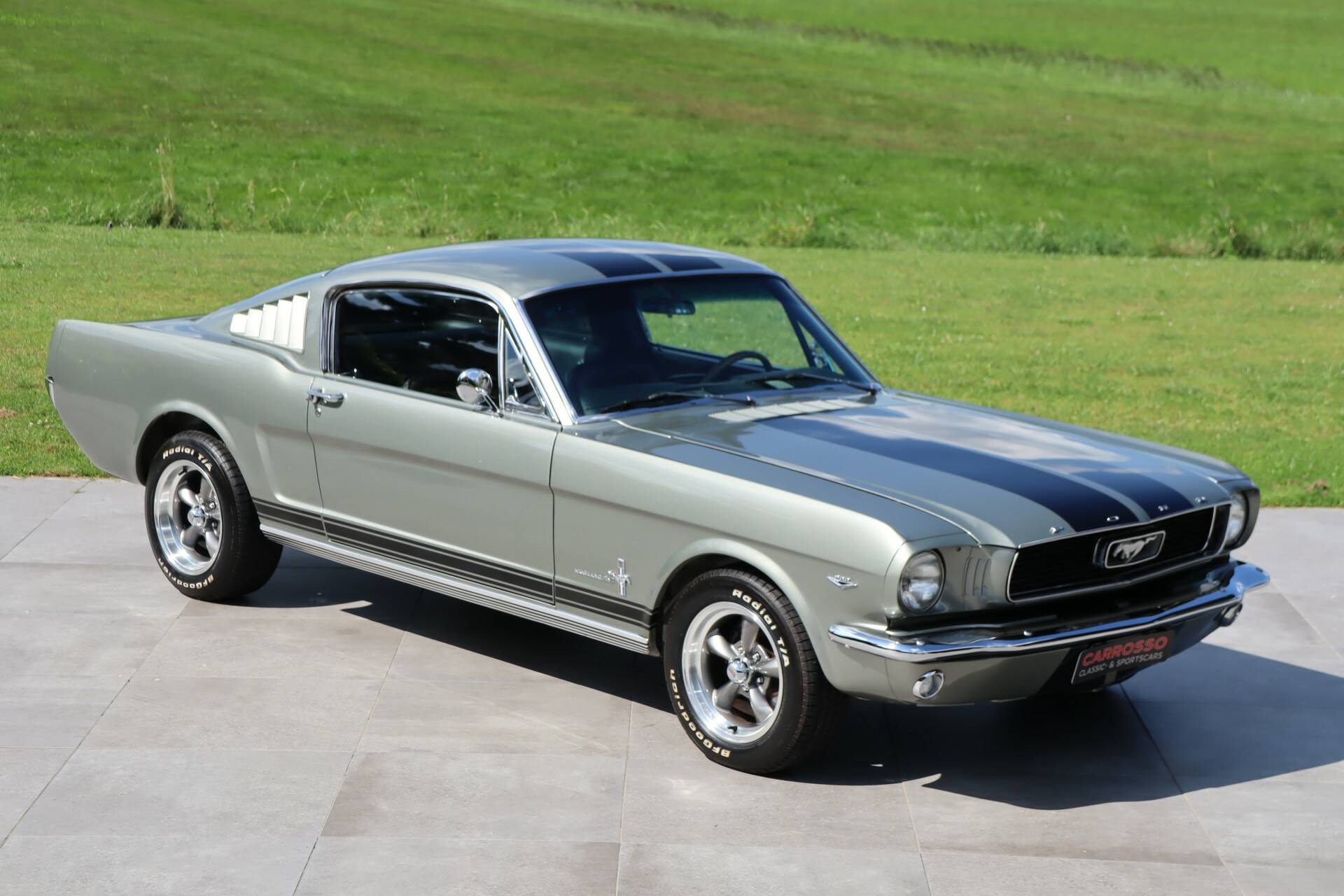
1. Ford Mustang (First Generation, 1964-1973)
The Ford Mustang is perhaps one of the most iconic cars in American automotive history, and its first generation holds a special place for aging well. Introduced in 1964, the Mustang sparked the pony car craze and immediately captured the imagination of car enthusiasts.
What makes this generation stand out in terms of aging well is its design and cultural significance. The car’s sleek lines, sporty stance, and distinct long hood-short deck proportions have become a classic look that remains attractive even decades later.
Mechanically, the first-generation Mustang offered a variety of powertrains, from inline six-cylinders to powerful V8s, allowing for a range of performance levels that still impress today. The robustness of the engine options, combined with a relatively simple mechanical setup, means many of these cars can be restored or maintained with relative ease. This mechanical simplicity has helped keep many early Mustangs on the road and desirable among collectors.
The cultural impact of the first Mustang also plays a role in its appeal. It became a symbol of freedom and youth, often associated with movies, music, and the American spirit of the 1960s. This emotional connection continues to keep these cars relevant and sought after.
Restoration communities and enthusiast groups have thrived around the Mustang, preserving its legacy and ensuring it remains well-maintained and appreciated.
Finally, the first-generation Mustang’s price point, when new, made it accessible to many, which resulted in a large number of these vehicles being produced. This high production volume has translated into a strong presence in the classic car market, helping the Mustang maintain good values and widespread recognition. Its ability to balance affordability, performance, and timeless styling contributes significantly to why it ages so well.
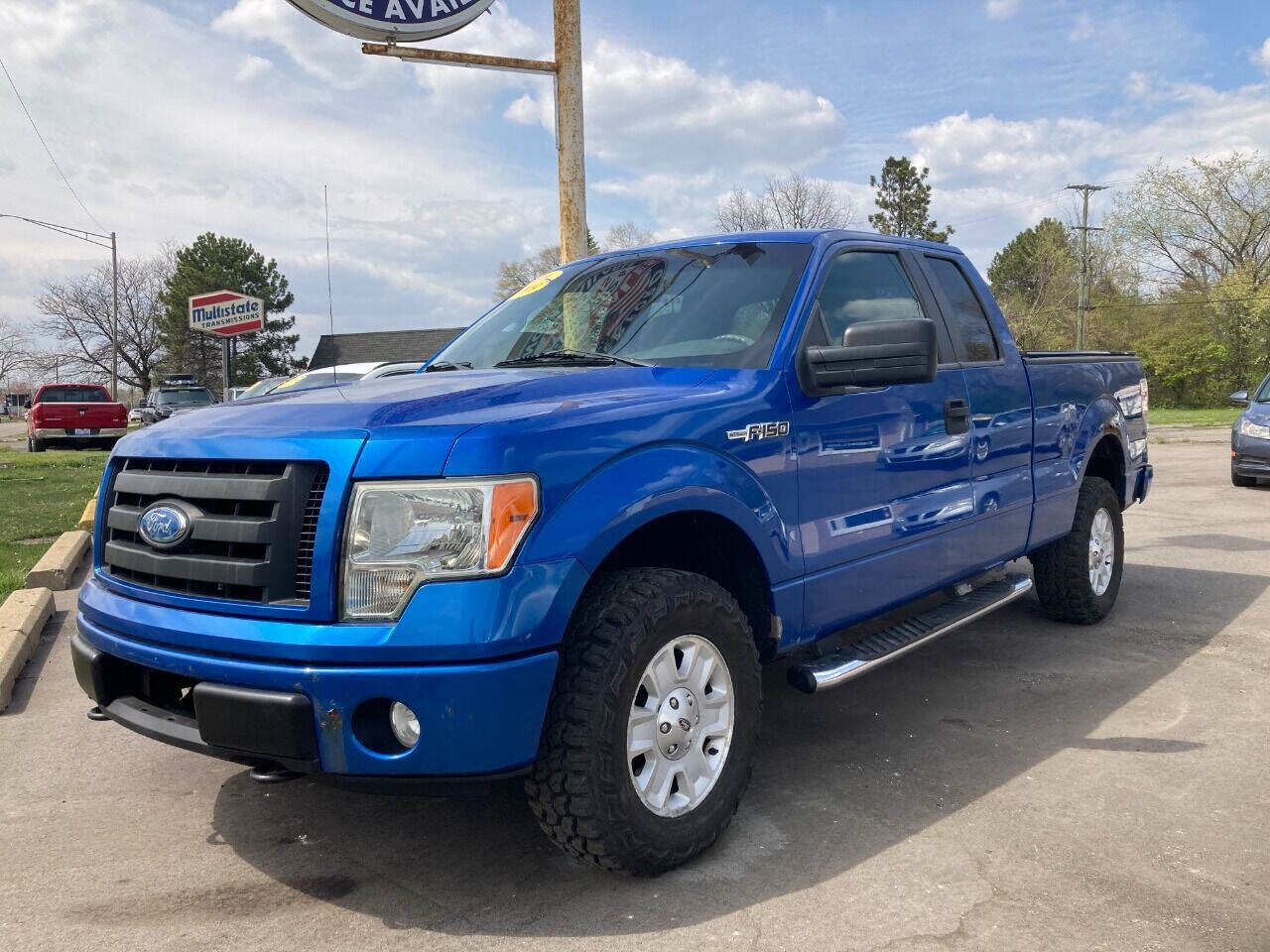
2. Ford F-150 (Twelfth Generation, 2009-2014)
The Ford F-150 is one of the most recognizable and best-selling vehicles in the United States, and the twelfth generation particularly stands out for aging well. Released in 2009, this generation introduced more modern design elements while maintaining the ruggedness and reliability that truck buyers expect from the F-Series. The balance between contemporary features and traditional toughness is a major reason this generation remains relevant today.
One of the key reasons the 2009-2014 F-150 ages well is its engineering. The trucks were built on a strong platform with quality materials that offer durability, making them capable of high mileage and heavy-duty use. The use of advanced engines such as the 5.0L V8 and the EcoBoost 3.5L V6 provided a good mix of power and fuel efficiency for their time, helping these trucks hold their ground well compared to newer models.
Aesthetically, the twelfth-generation F-150 features bold yet timeless styling. The broad front grille, muscular fenders, and strong stance make it look modern enough to remain stylish without appearing outdated.
This design manages to blend function with form, as the truck still looks purposeful whether on the job site or in a suburban driveway. The interior quality also improved compared to earlier models, adding comfort without sacrificing ruggedness.
Furthermore, this generation of F-150 is supported by a large community of owners and aftermarket suppliers, making repairs and modifications accessible and relatively affordable. The availability of parts and knowledgeable mechanics helps keep these trucks on the road longer. As a result, many owners find that these models not only hold their value well but also continue to perform reliably and look good years after their initial release.
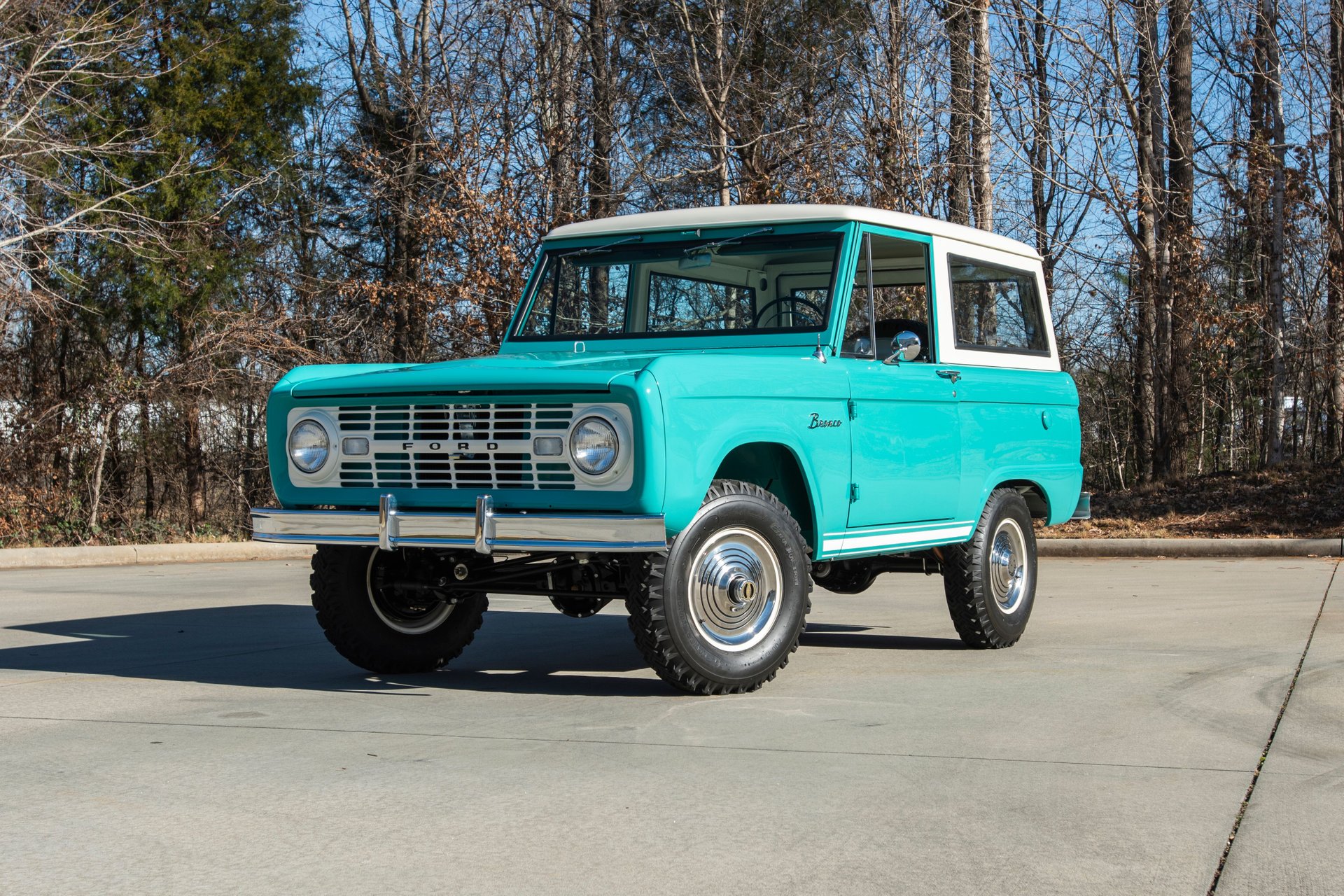
3. Ford Bronco (First Generation, 1966-1977)
The first-generation Ford Bronco was originally designed to compete with Jeep’s CJ models and quickly developed a reputation for off-road capability combined with street-friendly handling. Its simple, boxy design has aged remarkably well, evoking a rugged charm that still resonates with enthusiasts today. Unlike many off-road vehicles from that era, the Bronco has a clean, functional design that avoids excess ornamentation, giving it a timeless look.
This generation Bronco is known for its durability and straightforward mechanics, which contribute heavily to its longevity. The truck’s solid axle suspension and simple drivetrain allow it to withstand harsh conditions and remain serviceable with basic mechanical knowledge. Many original Broncos are still in use, often lovingly restored and customized, which speaks volumes about their staying power.
The Bronco’s cultural cachet has only grown over time, partly due to its association with outdoor adventure and exploration. It was featured in numerous films and TV shows, cementing its image as a symbol of freedom and rugged individualism. Enthusiasts’ passion and the rise of vintage SUV collecting have propelled the Bronco into classic status.
Lastly, the first-generation Bronco’s compact size and utilitarian nature make it a versatile vehicle that fits into various lifestyles, from weekend off-roading to everyday driving. This flexibility, combined with strong aftermarket support, means the Bronco continues to be relevant and appreciated even decades after production ended.
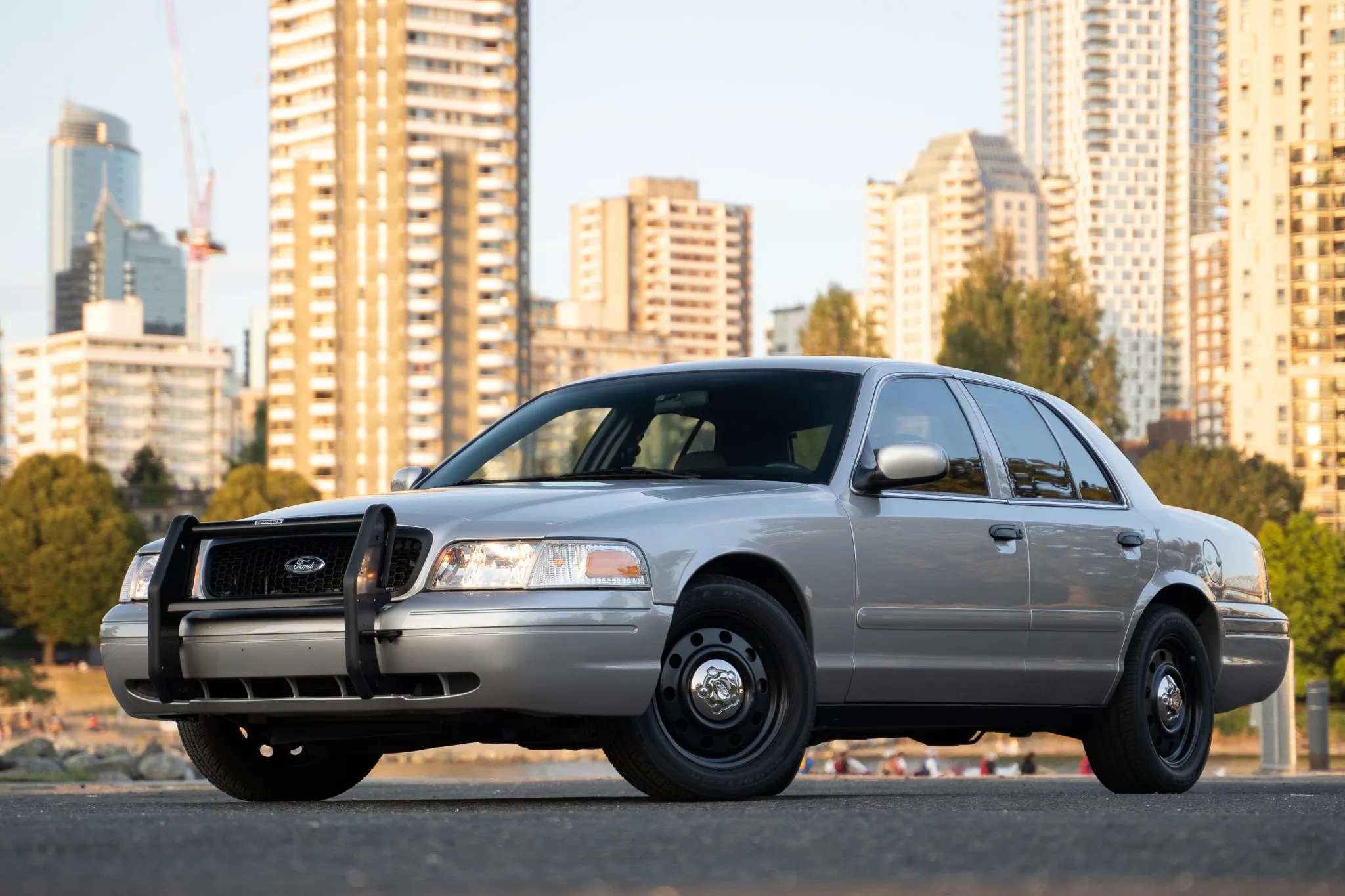
4. Ford Crown Victoria (1992-2011)
The Ford Crown Victoria was once the go-to car for police departments, taxis, and fleets across North America. Despite its reputation as a fleet vehicle, this model has aged surprisingly well, largely because of its reliability, spaciousness, and ease of maintenance. The Crown Victoria’s body-on-frame construction gave it an edge in durability over many unibody cars, making it a favorite for high-mileage users.
From a mechanical standpoint, the Crown Victoria was built for endurance. The 4.6L V8 engine is known for being bulletproof when properly maintained. Its suspension setup and simple drivetrain made the car easy and affordable to fix, keeping many Crown Victorias on the road long after their typical lifespan. This mechanical simplicity has earned it a cult following among enthusiasts who appreciate a no-nonsense approach to automotive engineering.
In terms of design, the Crown Victoria might not win awards for flashiness, but its clean and functional lines have helped it avoid the dated look many other cars from the 1990s developed. The spacious interior and large trunk also add to its practicality and appeal for those who need room and comfort in an affordable package.
Its use as a fleet car means many Crown Victorias were produced, creating a large second-hand market that helped it maintain value. Over time, they have become popular for modifications, restorations, and even conversions, with some collectors seeking out well-maintained examples as affordable classics that can still deliver reliable transportation.
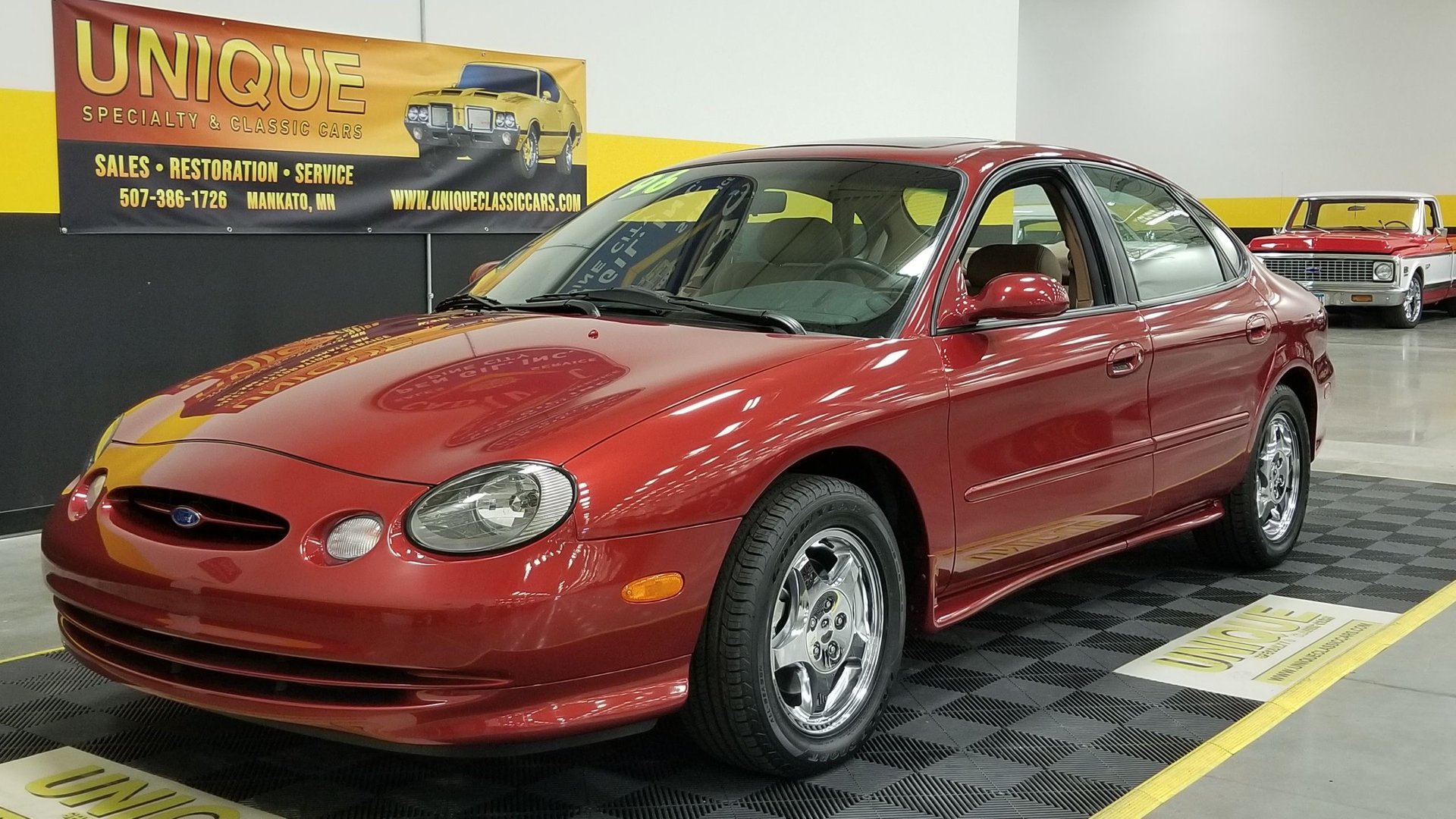
5. Ford Taurus (Third Generation, 1996-1999)
The third-generation Ford Taurus often receives mixed reviews, but it deserves recognition for aging well in certain respects. This generation brought a more aerodynamic and modern design compared to its predecessors, giving it a sleeker profile that hasn’t aged as badly as some other cars from the late 90s. The smooth lines and rounded edges give it a distinct appearance that still looks contemporary enough for everyday use.
Mechanically, the third-gen Taurus was built with longevity in mind. It featured reliable engines like the 3.0L Vulcan V6 and the more powerful 3.0L SHO V8 in sportier trims, offering a solid balance of performance and durability. The car’s front-wheel-drive layout, while standard for its class, was well-executed, contributing to predictable handling and decent fuel efficiency for its time.
The Taurus was a family sedan designed to be practical and comfortable, and many of these cars remain in service as dependable used vehicles. The interior design of this generation was simple but functional, with materials that have held up well compared to other vehicles from the same era, which often suffered from cheap plastics and fast wear.
Finally, the Taurus’s significant production numbers mean there are still plenty on the road, which supports the availability of parts and knowledgeable mechanics. This practical aspect ensures the Taurus remains a viable vehicle well beyond what might be expected for a car of its class and price range.
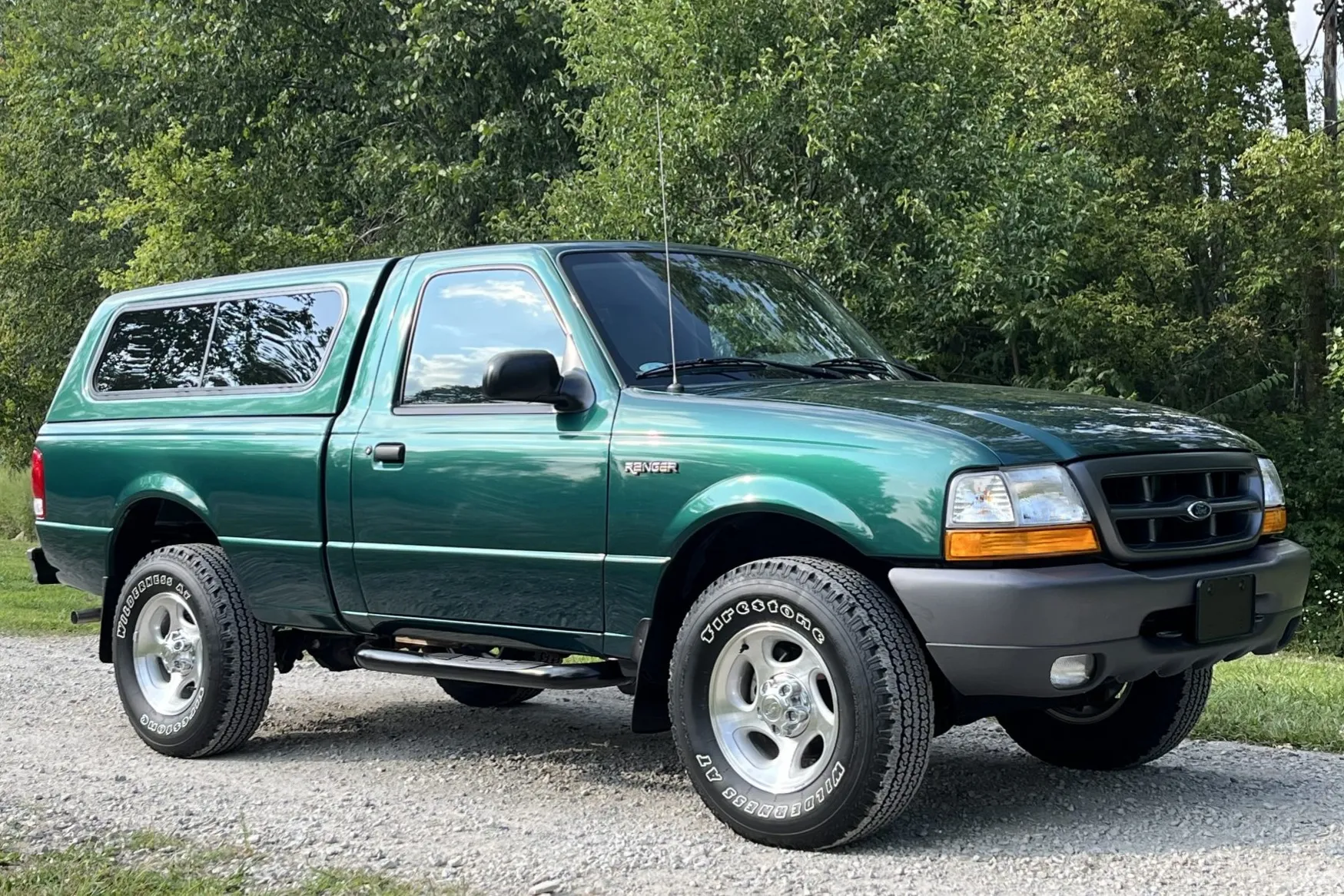
6. Ford Ranger (Third Generation, 1998-2011)
The Ford Ranger has long been recognized as a reliable compact pickup, and the third generation is no exception when it comes to aging well. These trucks offered a blend of durability, simplicity, and utility that has kept them relevant for decades. Unlike larger trucks, the Ranger’s smaller size made it easier to maneuver and park while still delivering respectable payload and towing capacities.
One reason this generation of Ranger ages well is its mechanical robustness. The engines, such as the 2.3L inline-four and the 3.0L V6, were designed to last and are relatively easy to maintain. The simple rear-wheel-drive or four-wheel-drive layouts also contribute to the truck’s durability and off-road capability. Many Rangers have crossed 200,000 miles and remain dependable workhorses.
Styling-wise, the late 90s and early 2000s Ranger adopted a clean and straightforward look that hasn’t become overly dated. The design is practical, with a boxy shape that emphasizes utility, but the subtle curves and grille details prevent it from looking outdated. This has helped the Ranger maintain appeal among buyers seeking a functional yet attractive compact pickup.
Additionally, the Ranger enjoys a strong enthusiast community and aftermarket support, making restoration and customization accessible. This has helped the truck retain value and desirability, particularly as compact trucks have gained popularity again in recent years.
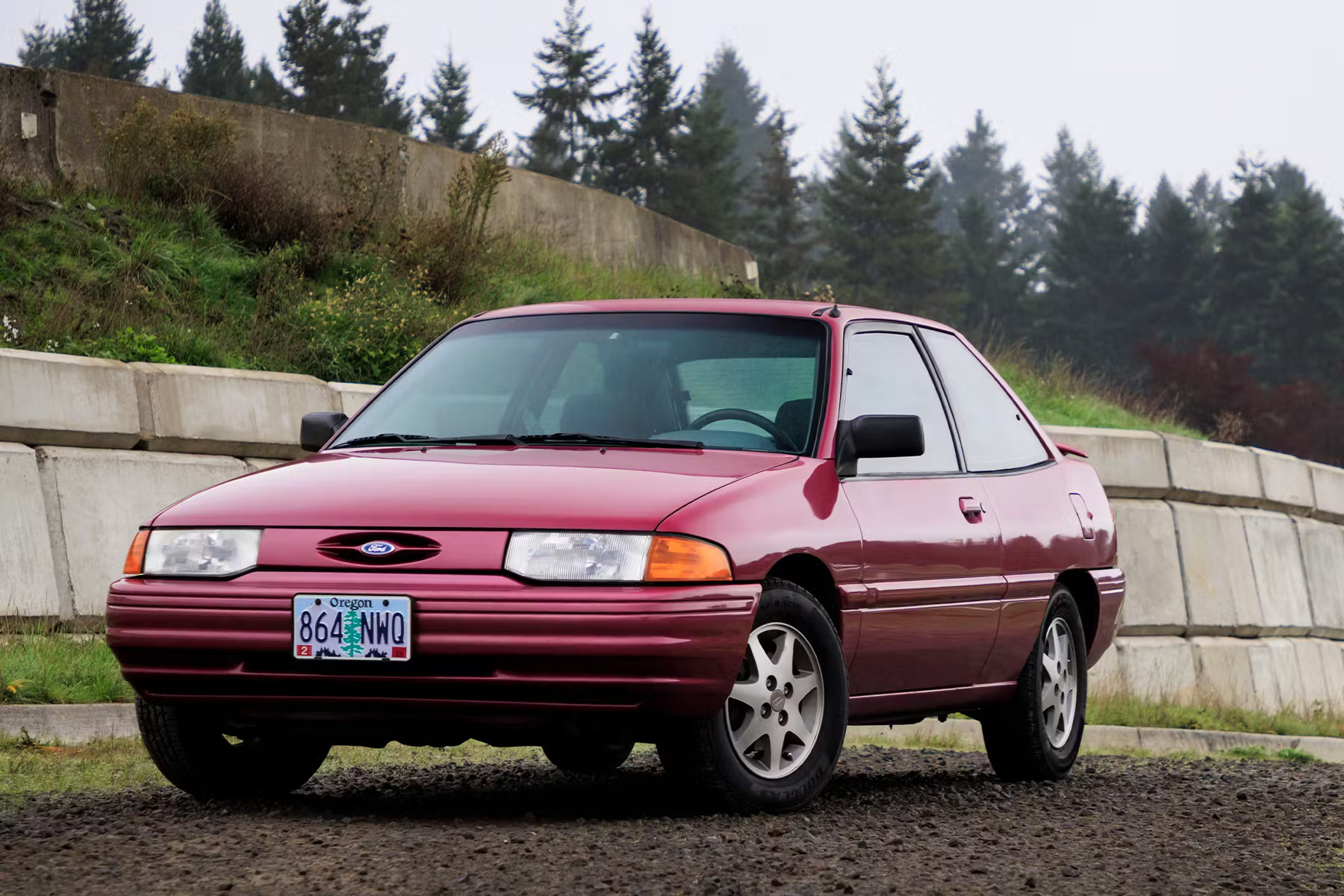
7. Ford Escort (Fourth Generation, 1997-2002)
The fourth-generation Ford Escort is often overlooked in discussions of vehicles that age well, but it deserves credit for its combination of practicality, affordability, and reliability. This compact car was designed as an economical daily driver, and many examples have lasted far beyond their expected lifespan thanks to solid engineering and simplicity.
Mechanically, the Escort offered modest but dependable engines, primarily inline-four units that were easy to service and maintain. This straightforward setup means fewer costly repairs, contributing to the car’s longevity. The Escort was never a performance car, but its reliability has made it a popular choice among budget-conscious drivers for years.
The design of the fourth-gen Escort was plain but clean, with simple lines that avoid the overly trendy looks that age poorly. The hatchback and sedan versions offered practical solutions for different types of buyers, with enough interior space for a small family or commuter. The understated styling has allowed the Escort to blend in well over time, rather than standing out as outdated.
Finally, the Escort’s large production numbers and parts availability make it easy to keep running, even decades after its production ended. For those looking for an affordable, reliable used car, the Escort still fits the bill and represents a vehicle that ages gracefully through practicality rather than flashiness.
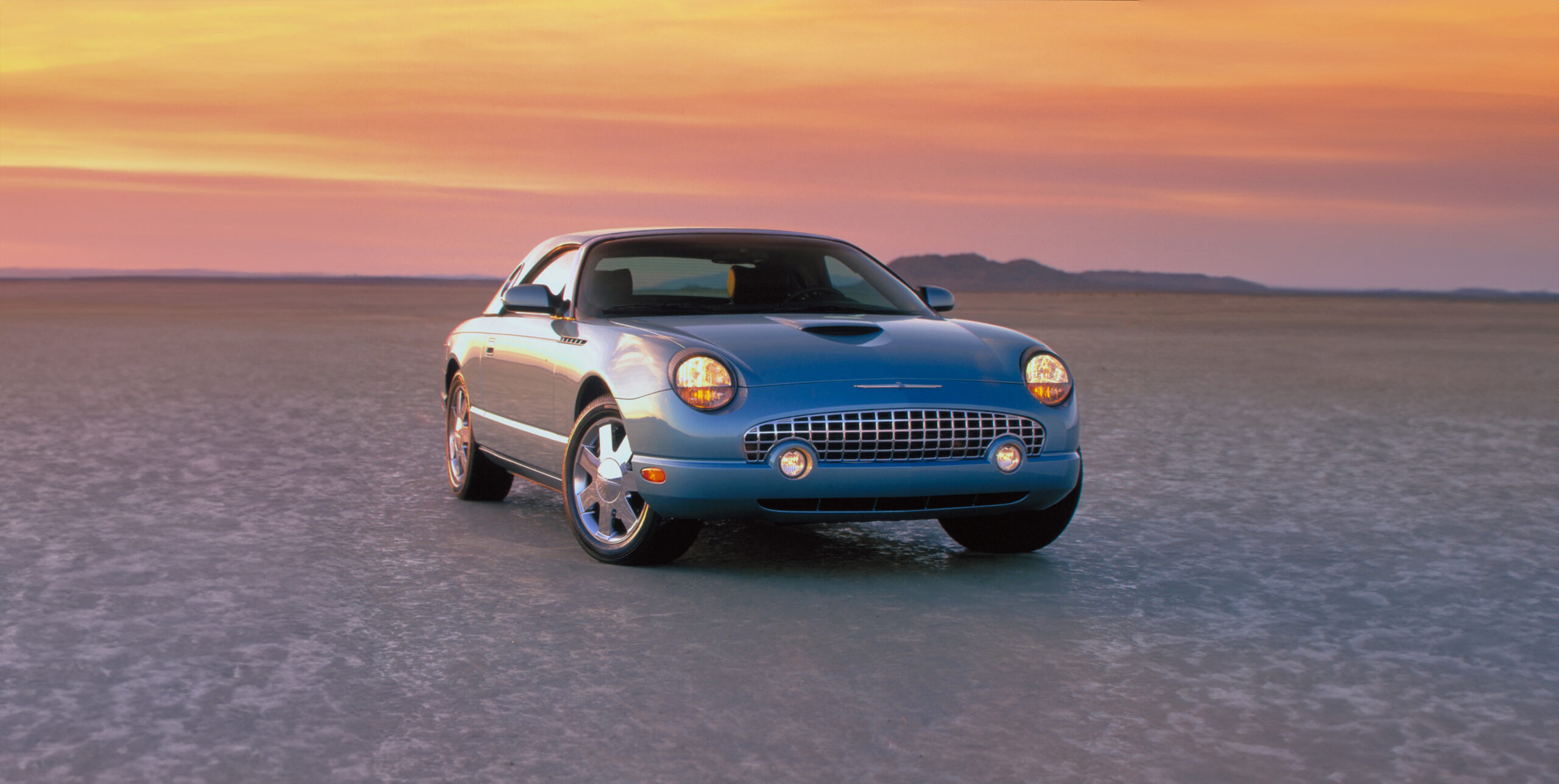
8. Ford Thunderbird (Ninth Generation, 2002-2005)
The ninth-generation Ford Thunderbird marked a return of the iconic nameplate with a retro-inspired design that took cues from the original 1950s models. While it was only produced for a few years, this generation of Thunderbird has aged well thanks to its unique styling, comfortable driving experience, and limited production run.
The design features smooth, rounded body lines and classic details like porthole windows and chrome accents, which give it a distinctive look that stands apart from other cars of its time. This throwback style appeals to collectors and enthusiasts who appreciate the nod to automotive history combined with modern comfort.
Under the hood, the Thunderbird came with a powerful 3.9L V8 engine that delivered solid performance while maintaining refinement. The mechanical components were robust and designed for a comfortable cruiser rather than an aggressive sports car, which helped maintain the car’s appeal for those seeking a stylish, smooth ride.
Because of its short production span and limited numbers, the ninth-generation Thunderbird has become a sought-after collector’s item. Its combination of retro style and modern reliability means it continues to be appreciated well beyond its years, making it a standout example of a Ford that ages well.
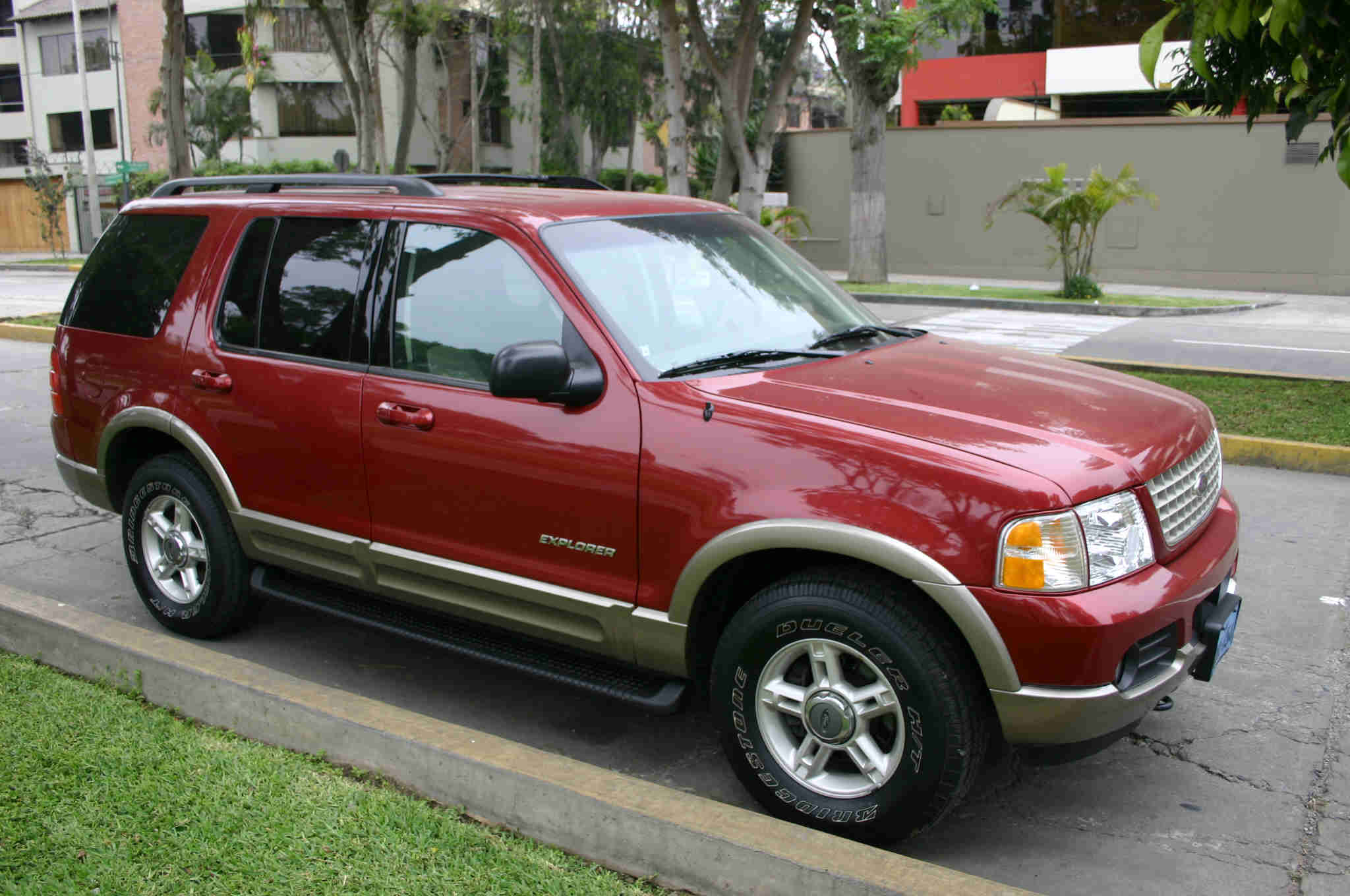
9. Ford Explorer (Second Generation, 1995-2001)
The second-generation Ford Explorer played a pivotal role in popularizing the SUV segment during the 1990s and early 2000s. Its boxy yet refined design helped it stand out among early SUVs, and it has aged better than many vehicles from the same period. The Explorer offered a balance of rugged capability and family-friendly features that kept it relevant long after its production.
Mechanically, the Explorer was known for its strong V6 engines and body-on-frame construction, which contributed to its durability. This generation introduced improved suspension and safety features compared to the first generation, making it more comfortable and secure for daily driving and off-road use. Many examples have proven capable of high mileage and continue to serve as reliable family vehicles.
The design of the second-gen Explorer incorporates both utility and style. The upright grille, angular headlights, and squared-off body panels give it a purposeful appearance that still looks good decades later. The interior was spacious and well-appointed for its time, with comfortable seating and practical storage options.
Finally, the Explorer’s success in the SUV market has ensured a large pool of replacement parts and aftermarket accessories, helping owners maintain and restore these vehicles. Its blend of utility, comfort, and enduring style make the second-generation Explorer a vehicle that continues to age well.
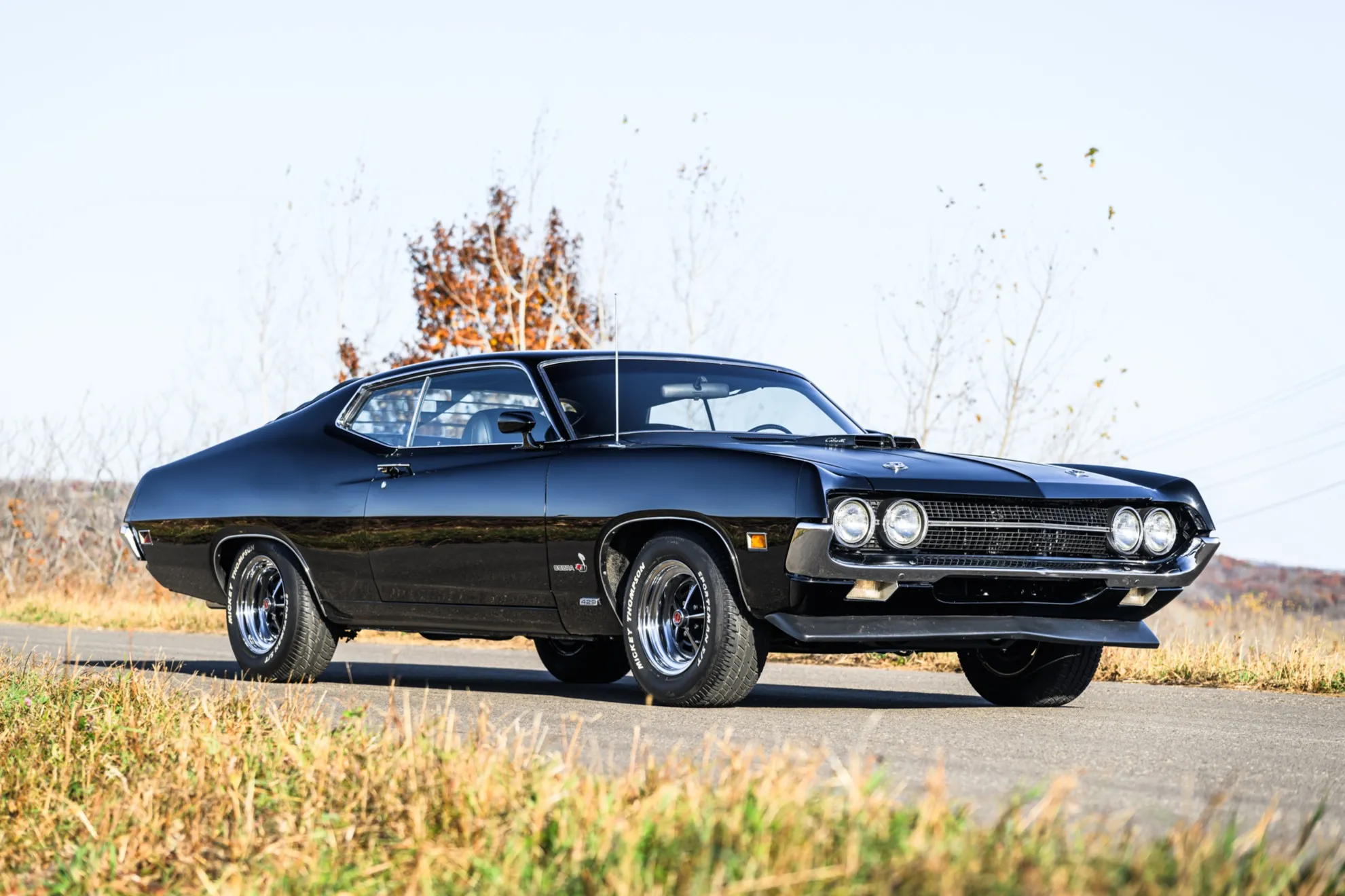
10. Ford Torino (1968-1976)
The Ford Torino, produced primarily in the late 1960s and early 1970s, is often overshadowed by the Mustang and other muscle cars, but it holds its own in terms of aging well. Initially introduced as a mid-sized car, the Torino quickly gained muscle car status with powerful V8 engine options and a bold, aggressive design. Its broad appeal during its production years has helped it endure as a classic that many enthusiasts respect and seek out today.
The Torino’s design features clean, muscular lines with a long hood and broad stance that give it a timeless presence on the road. Whether in its fastback, coupe, or sedan form, the Torino carries an understated elegance mixed with muscle car attitude.
Its styling choices, such as the prominent grille and streamlined profile, help the car avoid the “dated” look many other cars from this era suffer from, allowing it to still look attractive in modern contexts.
Under the hood, the Torino was offered with several powerful engines, including the famed 429 Cobra Jet V8, which made it a true performer.
The mechanical setup was robust, built to withstand spirited driving and long-term use, and its engineering simplicity means that restoration and maintenance remain accessible. This durability has allowed many Torinos to survive and even thrive in the classic car scene.
The Torino’s cultural significance, partly fueled by appearances in movies and the car’s role in the muscle car wars, adds to its appeal today. Collectors and enthusiasts appreciate the Torino for combining muscle power with a more refined, mid-sized package, making it a classic that’s respected and well-preserved. Its balance of style, performance, and practicality contributes to why it ages so well.
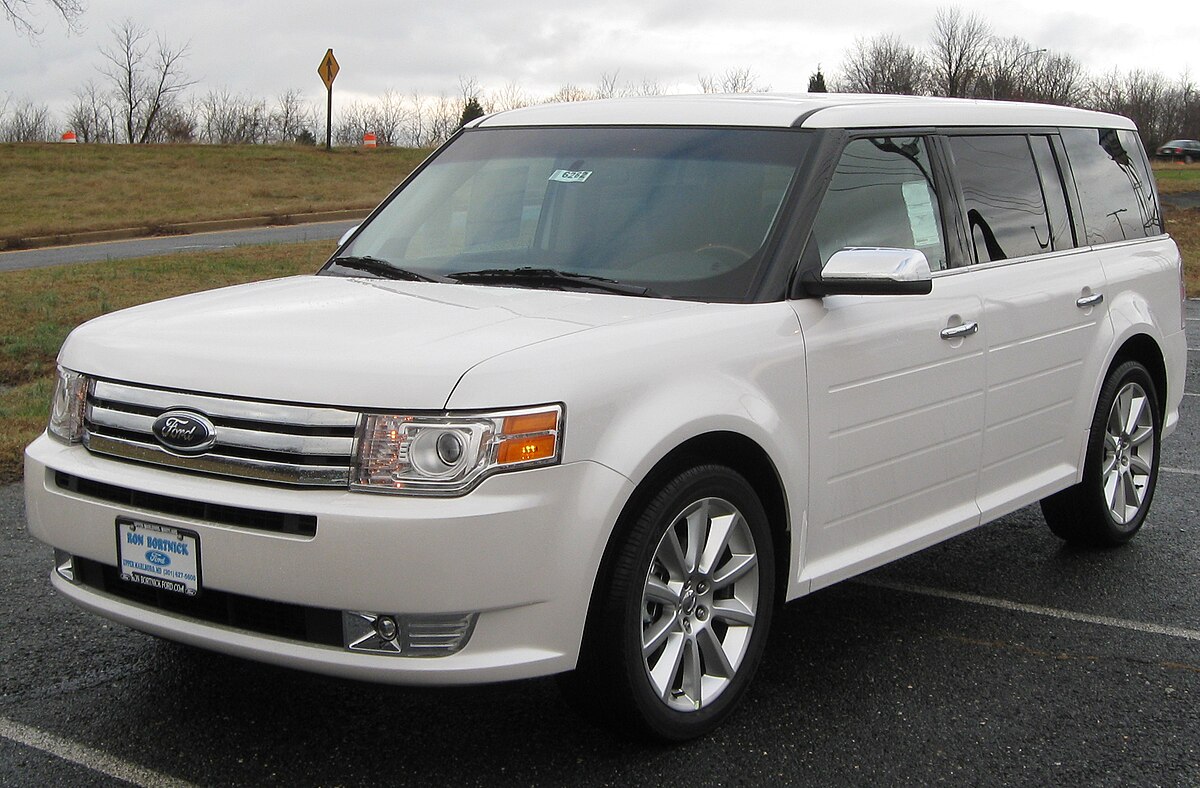
11. Ford Flex (2009-2019)
The Ford Flex is one of Ford’s more unconventional vehicles and has aged surprisingly well despite its polarizing looks when new. This three-row crossover was introduced with a boxy, retro-modern design that stood out in a market dominated by more traditional SUVs. Over time, its unique styling has gained appreciation for its distinctiveness and practicality, helping it age better than many other vehicles from the late 2000s.
The Flex’s design focuses on maximizing interior space and comfort, featuring a wide, flat roofline and large windows that create a roomy and airy cabin experience. The boxy exterior, often criticized at launch, now has a cult following that values its stand-out character and practical dimensions. Its simple yet functional styling avoids excessive embellishments, making it age gracefully in a sea of more generic SUVs.
Performance-wise, the Flex came with a choice of engines, including a turbocharged EcoBoost V6 that provided ample power and refinement. Its ride quality balanced comfort with stability, and the availability of all-wheel drive made it versatile in different driving conditions.
The Flex was built with solid engineering and modern features, allowing it to remain relevant and functional long after its initial release.
Another factor that contributes to the Flex’s positive aging is the well-thought-out interior design. High-quality materials and user-friendly tech features, combined with flexible seating arrangements, made it a favorite for families and those needing versatile transportation. As a result, the Ford Flex continues to hold its value and appeal, aging well both in form and function.
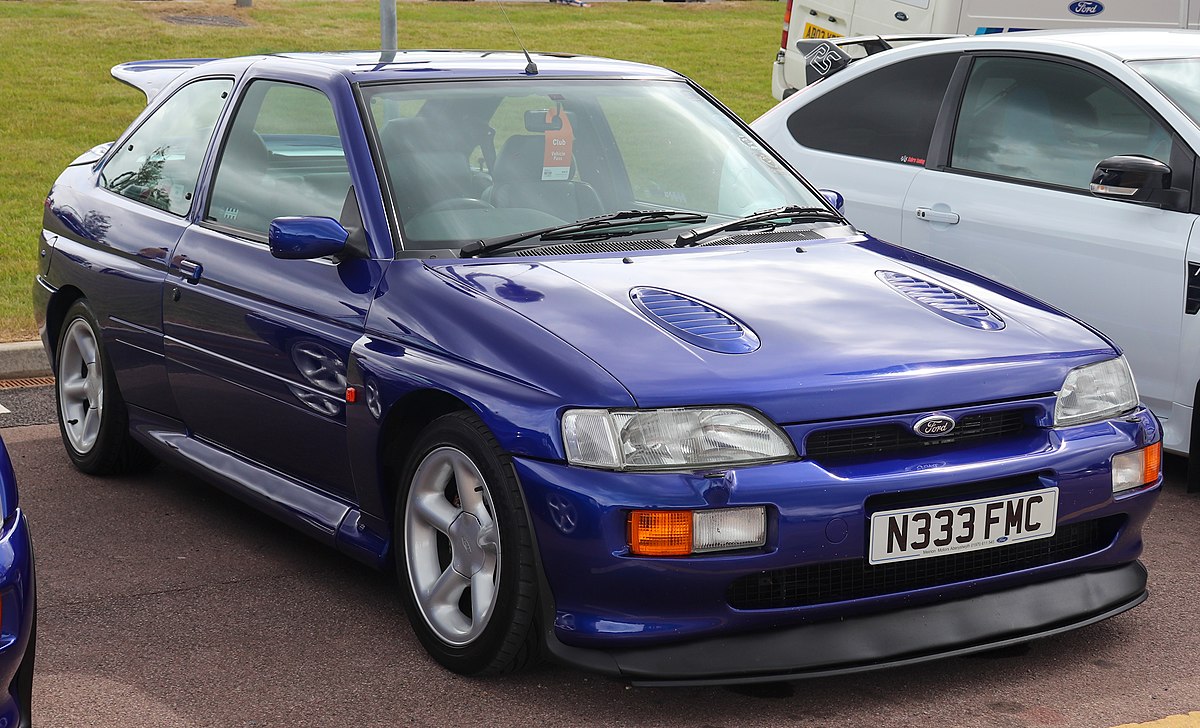
12. Ford Escort RS Cosworth (1992-1996)
The Ford Escort RS Cosworth is a legendary hot hatch that has not only held its value but also increased in desirability over the years. Developed as a homologation special for rally racing, this model was designed with performance and handling in mind. Its aggressive styling and motorsport pedigree give it a lasting appeal that transcends its age.
From a design standpoint, the RS Cosworth sports a wide-body kit, large rear wing, and aerodynamic enhancements that clearly set it apart from the standard Escort. This purposeful styling remains striking and distinctive decades later, embodying the performance ethos of the early 90s without looking overly flashy. Its look still commands respect on both roads and car shows.
Mechanically, the Escort RS Cosworth is powered by a turbocharged 2.0L inline-four engine paired with an all-wheel-drive system that provides excellent grip and acceleration. The car’s suspension and braking systems were also tuned for sharp handling, making it a driver’s favorite. The solid engineering and robust components mean that, with proper care, these cars continue to deliver impressive performance and reliability.
Collectors highly prize the Escort RS Cosworth, partly because of its motorsport history and partly because of its rarity. Limited production numbers and strong enthusiast support help maintain its value and ensure that the model remains a standout example of Ford’s performance heritage aging exceptionally well.
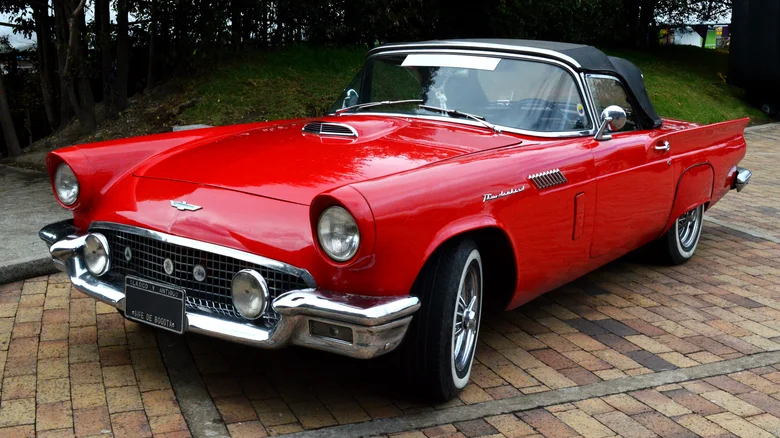
13. Ford Thunderbird (Fourth Generation, 1964-1966)
The fourth-generation Ford Thunderbird represents a significant chapter in Ford’s luxury coupe history. During this period, the Thunderbird evolved from its early personal luxury car roots into a more sophisticated and comfortable grand tourer. The styling and build quality of these years have aged well, making this generation highly collectible and admired.
This Thunderbird generation featured a sleek, low-slung design with subtle chrome accents and smooth body lines that evoke a classic elegance. Its proportions and details give it a timeless appearance, avoiding the excesses common in some luxury cars of the 1960s. Even after decades, its design still commands attention and admiration.
Underneath the classic exterior, the Thunderbird offered powerful V8 engines that balanced performance with comfort. The car was engineered to provide a smooth ride with adequate power for cruising, making it an appealing choice for those who value refinement as much as style. Its build quality was also a factor, with solid materials and craftsmanship contributing to its durability.
The cultural impact of this Thunderbird generation, often seen as a symbol of American luxury and style during the mid-60s, adds to its lasting appeal. It remains a favorite among classic car enthusiasts and collectors who appreciate its blend of luxury, performance, and classic design. Its enduring charm and mechanical robustness help explain why it ages so well.
Also Read: 5 Vehicles That Last a Lifetime With Regular Oil Changes vs 5 That Don’t
Over the years, many Ford vehicles have demonstrated remarkable staying power, proving that great design, solid engineering, and cultural significance can help a car age gracefully. From classic muscle cars like the Mustang and Torino to rugged trucks such as the F-150 and Ranger, these models have maintained their appeal well beyond their original production years.
Their ability to age well is often tied to a combination of timeless styling, mechanical reliability, and a dedicated community of enthusiasts who continue to value and preserve them.
What stands out among these Fords is how their simplicity and thoughtful construction contribute to their longevity. Whether it’s the straightforward mechanics of the Crown Victoria or the robust performance of the Escort RS Cosworth, these cars were built to last.
This durability not only makes them practical choices for daily driving years after production but also helps them retain value as collectible classics. Their designs manage to avoid becoming dated or overly flashy, instead showcasing lines and features that still resonate today.
Moreover, many of these vehicles carry cultural significance that strengthens their appeal. The Bronco’s rugged outdoor spirit, the Thunderbird’s luxury and elegance, and the Flex’s unique design all contribute to stories that extend beyond the cars themselves. These narratives create emotional connections that inspire restoration, care, and continued enthusiasm from owners and fans.
The Fords that age well are more than just transportation; they are pieces of automotive history that continue to deliver enjoyment, reliability, and style. Their ongoing popularity shows that when a vehicle is built with quality, character, and purpose, it can transcend generations and remain relevant long after it first hits the road.
