
Jeep has long been synonymous with toughness, reliability, and ruggedness, qualities that have defined the brand for nearly a century. Throughout its history, Jeep has built vehicles designed to conquer challenging terrains and endure harsh conditions, creating an aura of durability that continues to attract enthusiasts worldwide.
Even as automotive technology advances and modern features become the norm, the core principles of Jeep’s design philosophy remain rooted in resilience and strength. This article highlights ten Jeep models that exemplify the enduring durability of the brand, each representing a unique chapter in the story of toughness on wheels.
The legacy of Jeep began during World War II with the Willys MB, a vehicle that set the standard for ruggedness and dependability in extreme environments. Since then, Jeep has evolved with changing demands, transitioning from purely military use to becoming a versatile brand that balances everyday usability with off-road capability.
The vehicles discussed here not only survived the test of time but also demonstrated that durability is not just a feature of the past but a living attribute embodied in each model. These Jeeps have earned reputations for lasting through countless adventures, rough trails, and adverse conditions, proving that durability remains a key aspect of their design and performance.
In this list, each Jeep model is examined in terms of its construction, design features, and historical significance related to toughness and longevity. The diversity among the vehicles, ranging from the classic CJ series to modern Wranglers and beyond, showcases how Jeep continues to prioritize robustness while integrating modern advancements.
These models serve as proof that, despite changes in automotive trends, durability remains central to the Jeep identity. The following descriptions provide insight into why these ten Jeeps stand out as symbols of unwavering resilience, continuing to inspire drivers who demand vehicles that can withstand the rigors of real-world use.
Whether it is through a legendary engine, a reinforced frame, or advanced four-wheel-drive systems, these Jeeps have earned their place as icons of durability. Each one has a story rooted in challenging terrains, tough missions, or decades of faithful service, proving that when it comes to long-lasting strength and reliability, Jeep still leads the way.
Now, let’s examine the ten Jeep models that best embody the spirit of durability, showing that this vital quality is very much alive and well in the world of off-road and everyday driving.
Also Read: 12 Cars That Keep Their Value at High Mileage
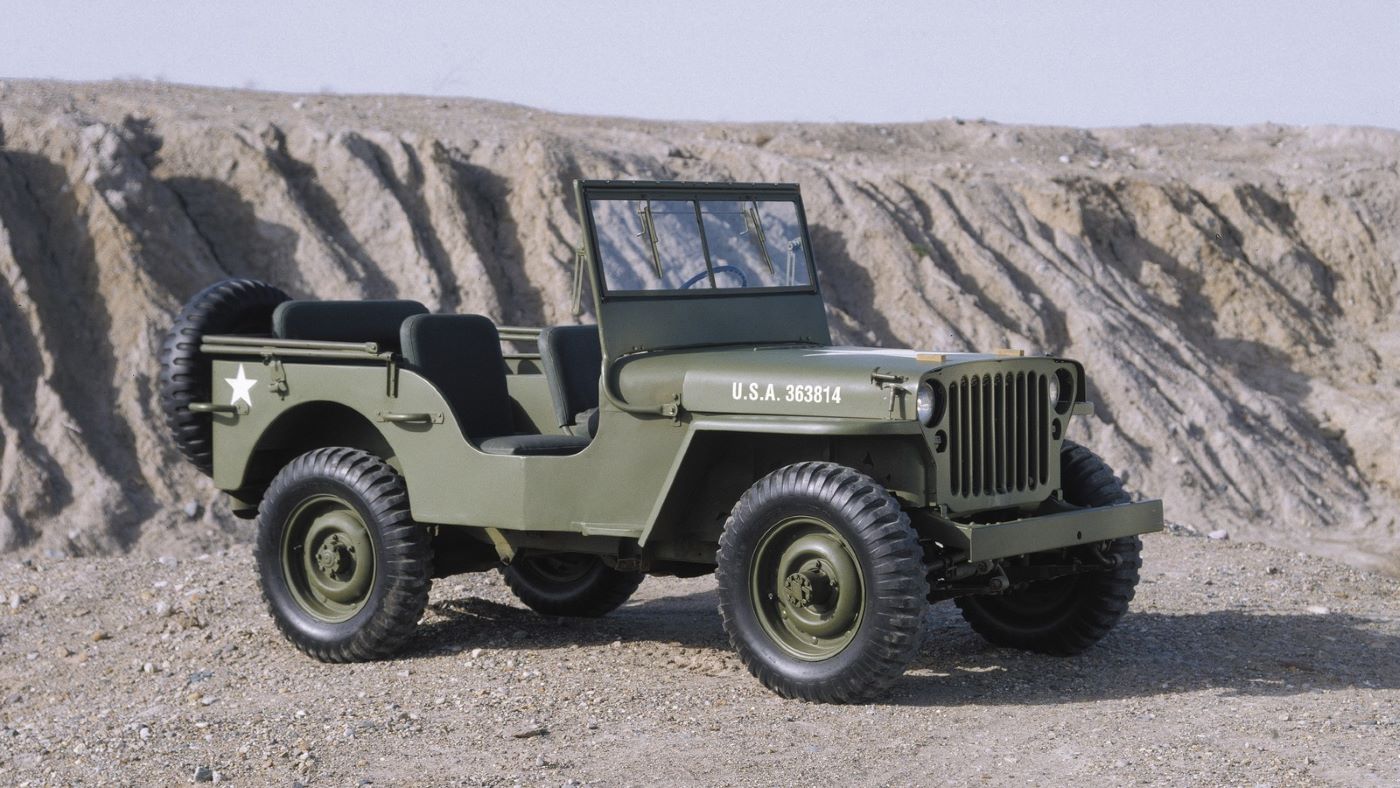
1. Willys MB (1941-1945)
The Willys MB is perhaps the most iconic Jeep in history, the original vehicle that set the stage for the brand’s reputation for toughness. Developed in the early 1940s as a military vehicle for World War II, the Willys MB was designed to be simple, lightweight, and rugged.
Its durable construction, with a reinforced steel frame and powerful four-cylinder engine, allowed it to withstand the harsh conditions of battlefields across Europe and the Pacific. The Willys MB’s ability to handle extreme terrain, carry heavy loads, and endure rough treatment without frequent breakdowns made it indispensable to the military effort and set the blueprint for future Jeep durability.
The simplicity of the Willys MB’s design contributed greatly to its reliability. Its mechanical components were easy to repair in the field, an essential quality for soldiers who relied on their Jeeps in remote locations with limited resources.
The vehicle’s solid axles and four-wheel-drive system were revolutionary for the time, giving it the traction needed to traverse mud, sand, rocks, and snow. The MB’s ruggedness was not only practical but vital to the success of missions that depended on mobility and quick maneuvering. Because of this, many Willys MBs remained operational long after the war ended, with some even serving in civilian roles for decades.
Beyond its military service, the Willys MB became the foundation for the civilian Jeep CJ line. Its durable architecture proved so effective that Jeep continued to use similar chassis designs for years. This legacy of resilience, beginning with the Willys MB, helped establish Jeep’s reputation as a maker of vehicles that could be trusted to handle tough environments.
The MB remains a symbol of rugged endurance, and original models are still cherished by collectors and off-road enthusiasts who value the vehicle’s historical significance and lasting toughness.
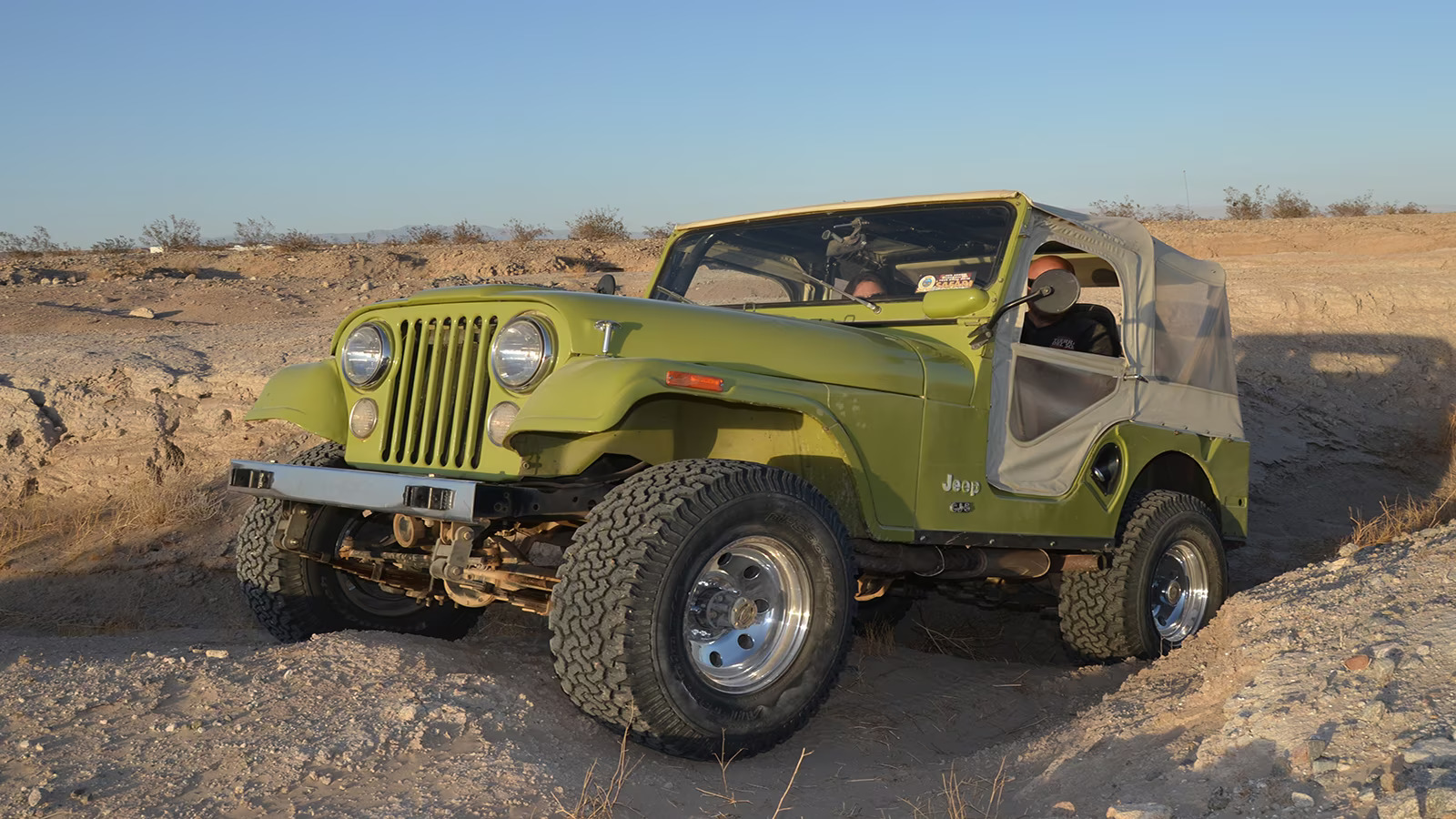
2. Jeep CJ-5 (1954-1983)
The Jeep CJ-5 took the durability standards set by its predecessor and adapted them for civilian use, becoming one of the most popular and long-lasting models in Jeep’s history. Introduced in the mid-1950s, the CJ-5 featured a wider body and improved suspension that enhanced stability without sacrificing the toughness that Jeep was known for.
Its robust frame and simple mechanical components made it a favorite among farmers, hunters, and outdoor adventurers who needed a vehicle capable of handling rough terrain and heavy workloads without breaking down.
One of the key reasons the CJ-5 earned a reputation for durability was its reliable engine options, particularly the Hurricane inline-four and the AMC inline-six engines.
These powertrains were known for their longevity and ease of maintenance. The CJ-5’s rugged solid axles, leaf springs, and manual transmissions were designed to endure punishment and keep going even when faced with harsh off-road conditions. Many CJ-5s were modified and used for decades, a testament to their tough build and dependable performance.
The CJ-5’s versatility further enhanced its reputation for durability. It could be found on farms, in mining operations, and on trails across the country, performing a variety of tasks with minimal mechanical issues. The simplicity of its design allowed owners to easily maintain and repair their vehicles, which contributed to the CJ-5’s remarkable lifespan.
Its long production run, lasting nearly three decades, is evidence of the model’s enduring appeal and toughness. Even today, many CJ-5s are still active in off-road communities, proving that the model’s strength has truly stood the test of time.
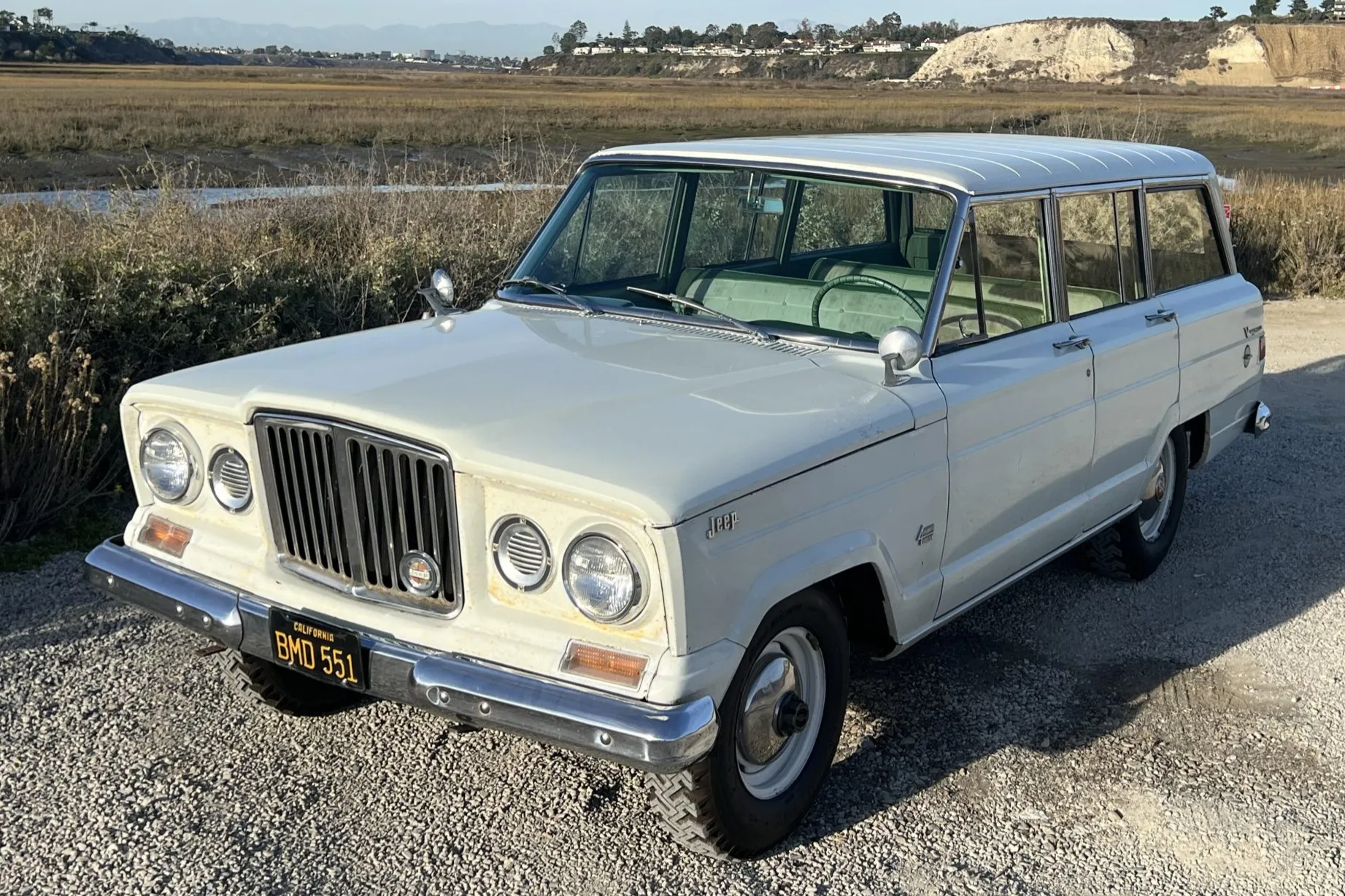
3. Jeep Wagoneer (1963-1991)
The Jeep Wagoneer marked a significant shift in the brand’s lineup by combining durability with comfort and style. Introduced in the early 1960s, the Wagoneer was among the first sport utility vehicles (SUVs) to offer the ruggedness Jeep was known for alongside more refined features suited for family use.
Built on a sturdy frame and equipped with a powerful inline-six or V8 engine, the Wagoneer was engineered to deliver reliable performance on and off the road, making it a durable choice for those who needed both capability and comfort.
One of the highlights of the Wagoneer’s design was its advanced four-wheel-drive system, which provided excellent traction in challenging conditions.
The vehicle’s suspension and chassis were built to handle heavy loads, rough roads, and long-distance driving without sacrificing reliability. Its durable construction made the Wagoneer a favorite for outdoor enthusiasts, hunters, and families who wanted a vehicle that could endure tough environments while offering a smooth ride.
The Wagoneer’s long production run of nearly three decades reflects its success as a durable SUV. Many models from the 1960s and 1970s are still on the road today, with some serving as daily drivers or restored classics.
Its ability to last for so long while maintaining strong mechanical performance speaks to the quality of engineering and materials used in its construction. The Wagoneer remains a symbol of Jeep’s commitment to building vehicles that balance toughness with practicality, showing that durability can coexist with comfort and versatility.
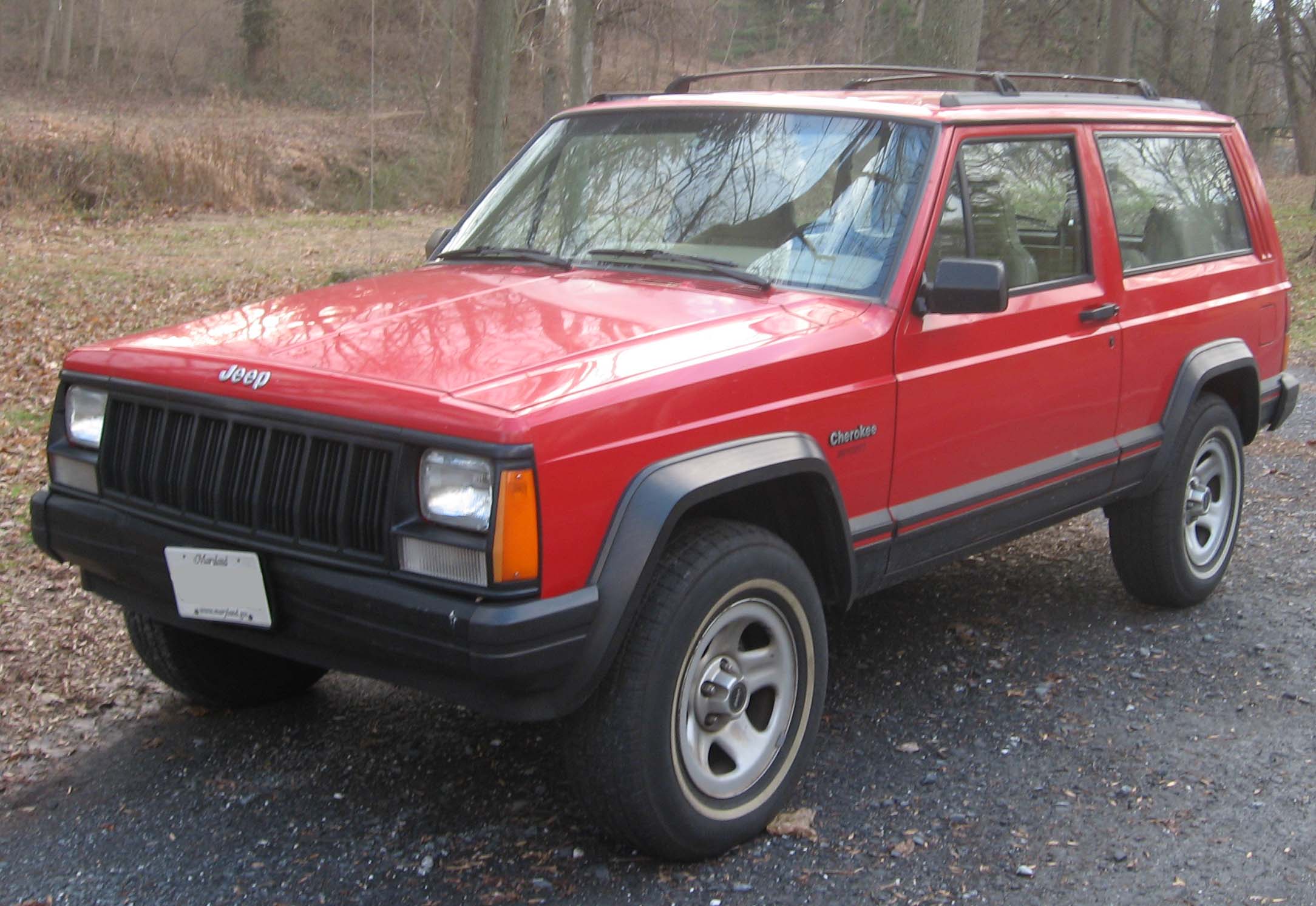
4. Jeep Cherokee XJ (1984-2001)
The Jeep Cherokee XJ redefined durability for a new generation by introducing a unibody design that was both strong and lightweight. Launched in the mid-1980s, the XJ was praised for its innovative construction, which offered improved rigidity and resistance to twisting forces while reducing weight. This combination made the Cherokee XJ highly durable and capable of enduring rough terrains, heavy usage, and the daily wear and tear of both on-road and off-road driving.
One of the key factors behind the XJ’s durability was its powertrain options, including the reliable 4.0-liter inline-six engine, which became famous for its longevity and robust performance. The XJ also featured solid front and rear axles that provided excellent durability and traction.
Its simple yet effective mechanical design made it easy to maintain and repair, contributing to a reputation for vehicles that could last hundreds of thousands of miles with proper care.
The Cherokee XJ became a favorite among off-road enthusiasts and practical drivers alike, known for its ability to handle tough conditions without compromising comfort or reliability. Its success was reflected in its long production run and the number of XJs still in use today.
The model’s ability to combine modern design features with rugged durability showed that Jeep could innovate without losing sight of what made its vehicles dependable. The Cherokee XJ remains an enduring example of strength and resilience in a compact SUV format.
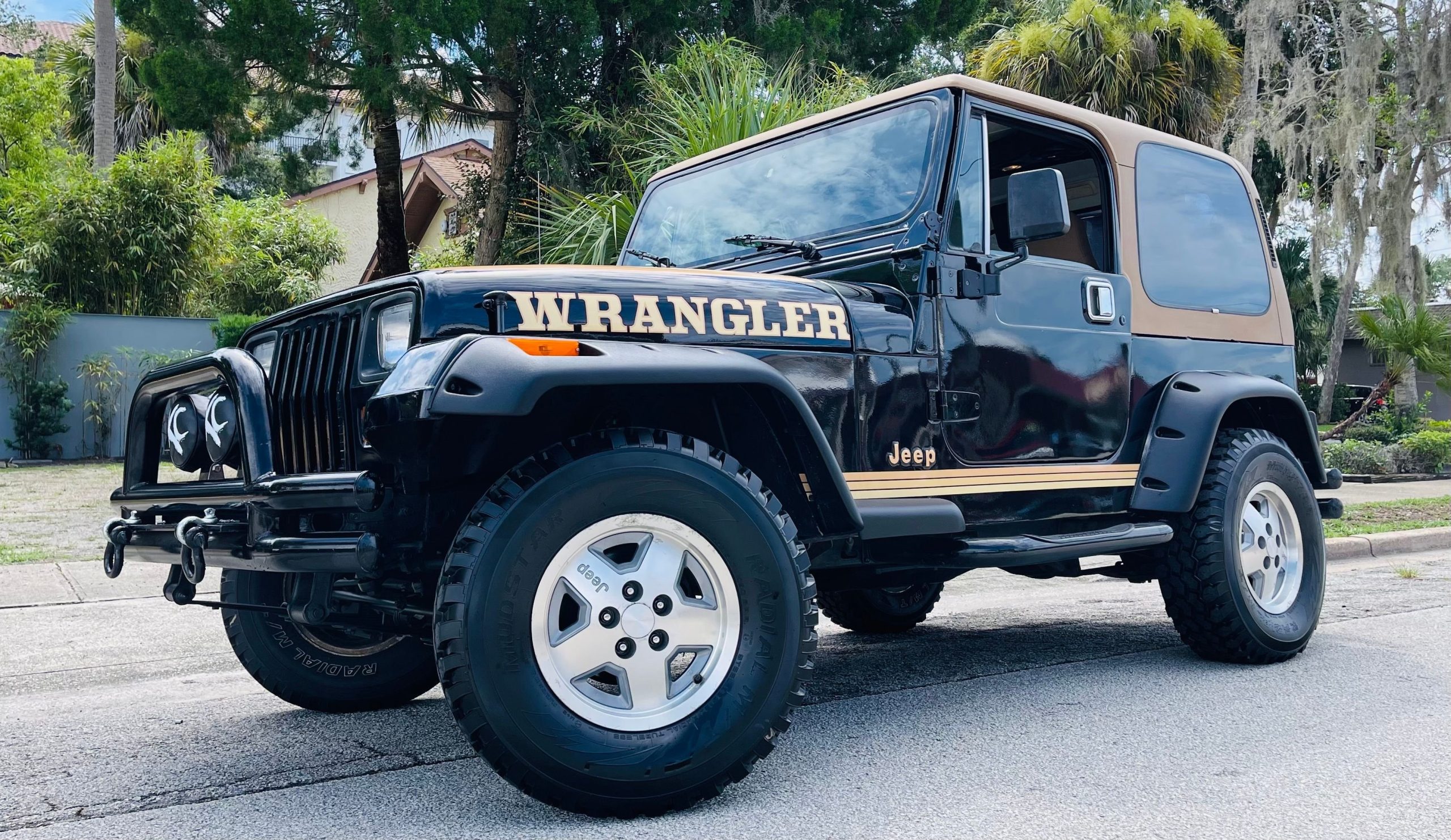
5. Jeep Wrangler YJ (1987-1995)
The Wrangler YJ brought a new face to the Jeep lineup while holding onto the brand’s core durability traits. Launched in the late 1980s, the YJ was designed to offer improved on-road comfort compared to its predecessors without sacrificing off-road toughness. It featured square headlights and a more refined interior, but under the surface, it retained many of the rugged components that made Jeeps reliable in harsh conditions.
Durability was a priority in the YJ’s engineering. It used a strong frame and solid axles, and its suspension was designed to absorb shocks from rough terrain. The YJ’s 4.2-liter inline-six engine was known for its torque and dependability, powering the vehicle through challenging trails and difficult environments. Maintenance was straightforward, and the simplicity of its design meant that repairs could often be performed without specialized tools or facilities.
The Wrangler YJ appealed to a broad audience, from dedicated off-roaders to those seeking a durable yet practical vehicle for everyday use.
Its ability to withstand rough conditions, combined with a build quality that endured the rigors of trail use and urban driving alike, cemented its place as a durable Jeep model. Many YJs remain active today, driven by enthusiasts who appreciate the balance of comfort and toughness that this Jeep offers.
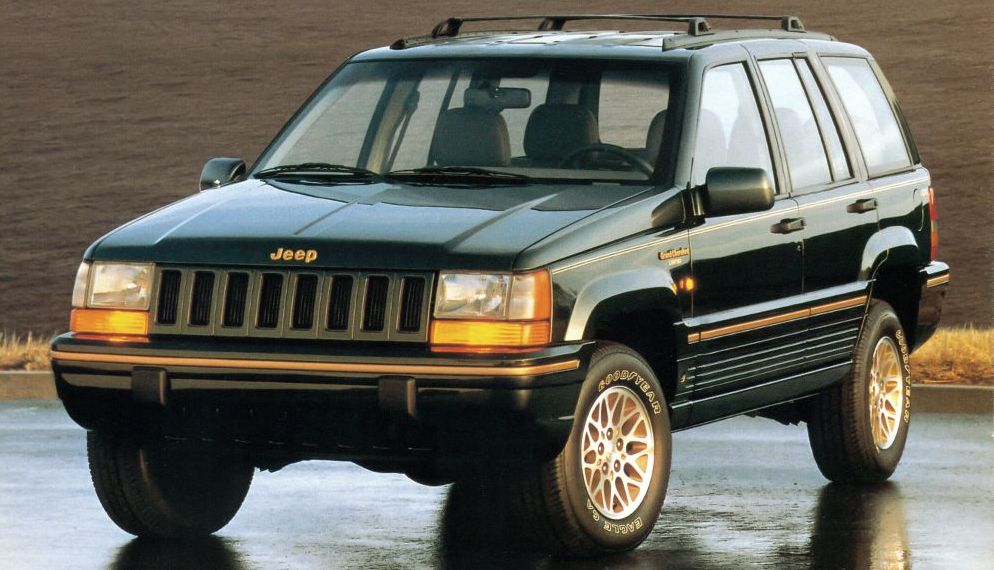
6. Jeep Grand Cherokee ZJ (1993-1998)
The Grand Cherokee ZJ was Jeep’s entry into the luxury SUV market without abandoning the brand’s commitment to durability. Released in the early 1990s, the ZJ combined rugged off-road capabilities with upscale features that broadened its appeal. The vehicle was built on a strong frame and equipped with powerful engine options, including the well-regarded 5.2-liter V8, which provided both performance and longevity.
The ZJ’s suspension and drivetrain components were designed to withstand heavy use and rough terrain, offering drivers a durable vehicle that could handle towing, off-road excursions, and daily commuting with equal ease.
The Grand Cherokee’s four-wheel-drive system was advanced for its time, delivering reliable traction in adverse conditions. This combination of luxury and toughness was a defining feature that made the ZJ stand out as a durable and versatile SUV.
Many ZJs have remained on the road well past their expected lifespan, supported by a strong aftermarket community and a reputation for mechanical resilience. The model’s balance of strength, comfort, and capability helped redefine what durability meant in a luxury SUV context. Its long-term reliability, even under demanding conditions, proves that Jeep’s commitment to durability extended into newer, more refined vehicles without compromise.
Also Read: 12 Vehicles That Outlasted the Companies That Built Them
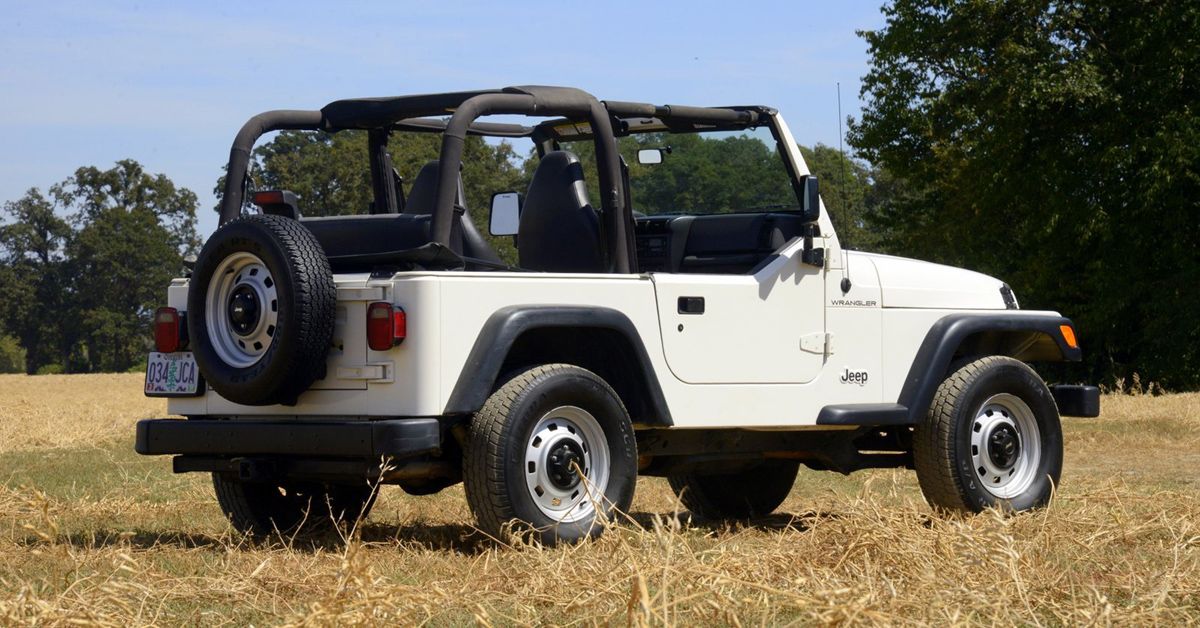
7. Jeep Wrangler TJ (1997-2006)
The Wrangler TJ reintroduced round headlights and brought several improvements that enhanced durability and performance. This generation featured coil spring suspension, which improved ride quality and articulation without sacrificing the toughness that Jeep owners expected. The TJ’s design focused on making the vehicle more durable in real-world driving conditions, especially off-road.
The TJ’s engines, particularly the 4.0-liter inline-six, were renowned for their strength and longevity. This engine became a favorite among Jeep enthusiasts for its ability to run reliably for hundreds of thousands of miles with proper maintenance. The solid axle setup and rugged frame provided a strong foundation that could withstand the most demanding trails and harsh weather conditions.
The Wrangler TJ also benefited from advances in materials and manufacturing techniques that enhanced corrosion resistance and durability. Its ability to perform reliably in a variety of conditions, from desert dunes to snowy mountains, reinforced its status as a tough and enduring vehicle. The TJ continues to be celebrated by off-road communities and remains one of the most durable Jeeps ever produced.
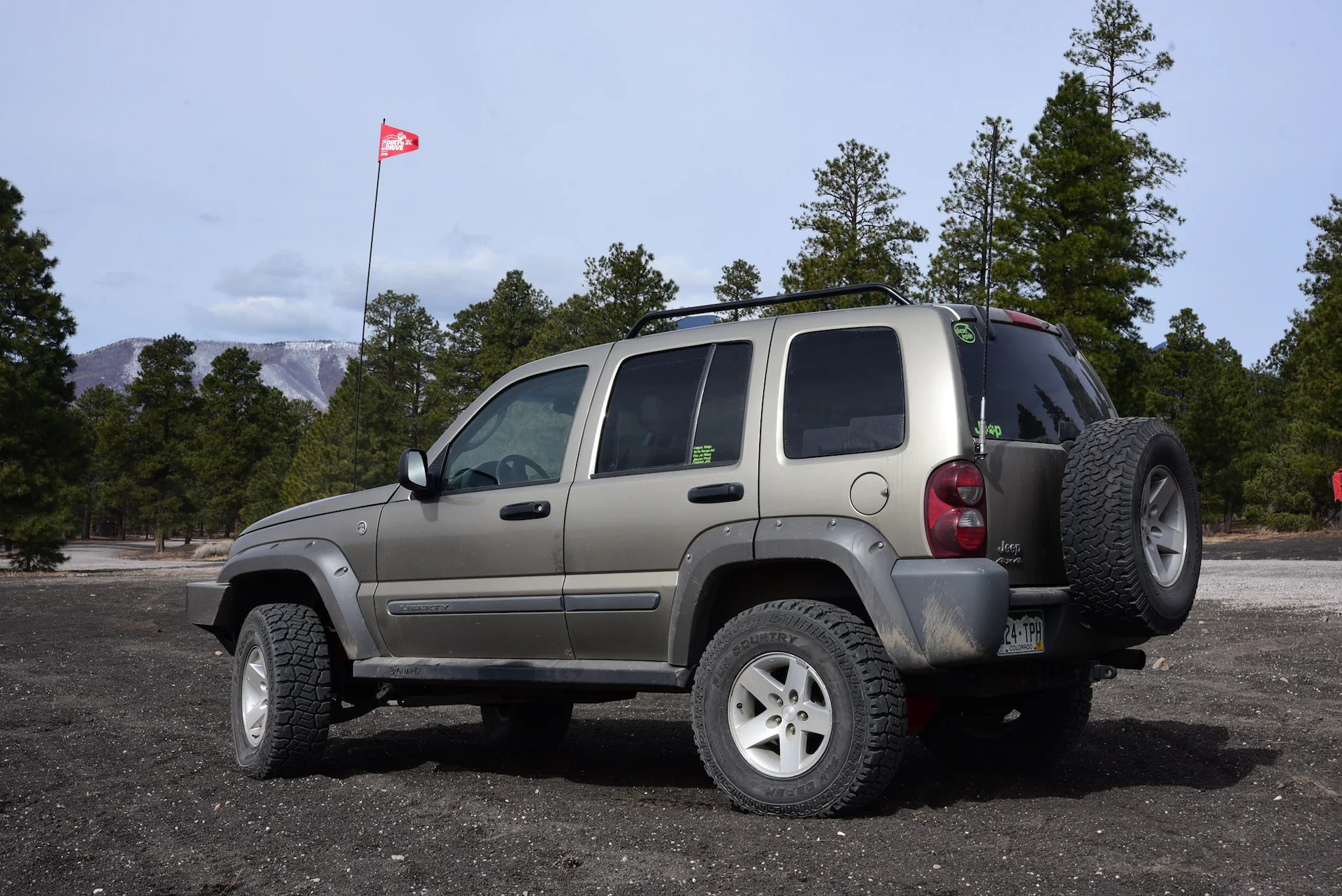
8. Jeep Liberty KJ (2002-2007)
The Jeep Liberty KJ represented Jeep’s attempt to create a more compact and maneuverable SUV while maintaining the durability associated with the brand. Though it was sometimes seen as less rugged than other models, the Liberty still demonstrated significant toughness through its construction and off-road capabilities.
Its reinforced frame, strong suspension components, and available four-wheel-drive systems made it a reliable choice for drivers seeking durability in a smaller package.
The Liberty’s 3.7-liter V6 engine provided adequate power and durability for a variety of conditions. While not as legendary as the inline-sixes found in other Jeeps, it was designed to offer dependable performance with regular maintenance. The KJ’s ability to handle rough trails, steep inclines, and inclement weather proved that durability was still a focus, even in a more modern, urban-oriented vehicle.
Owners often praised the Liberty for its combination of practicality and toughness. It could be used for daily driving, weekend adventures, or light off-road work without frequent mechanical issues. Although it did not have the same hardcore reputation as some other Jeeps, the Liberty KJ still contributed to the legacy of durability in the Jeep lineup, proving that toughness could be adapted to meet evolving market demands.
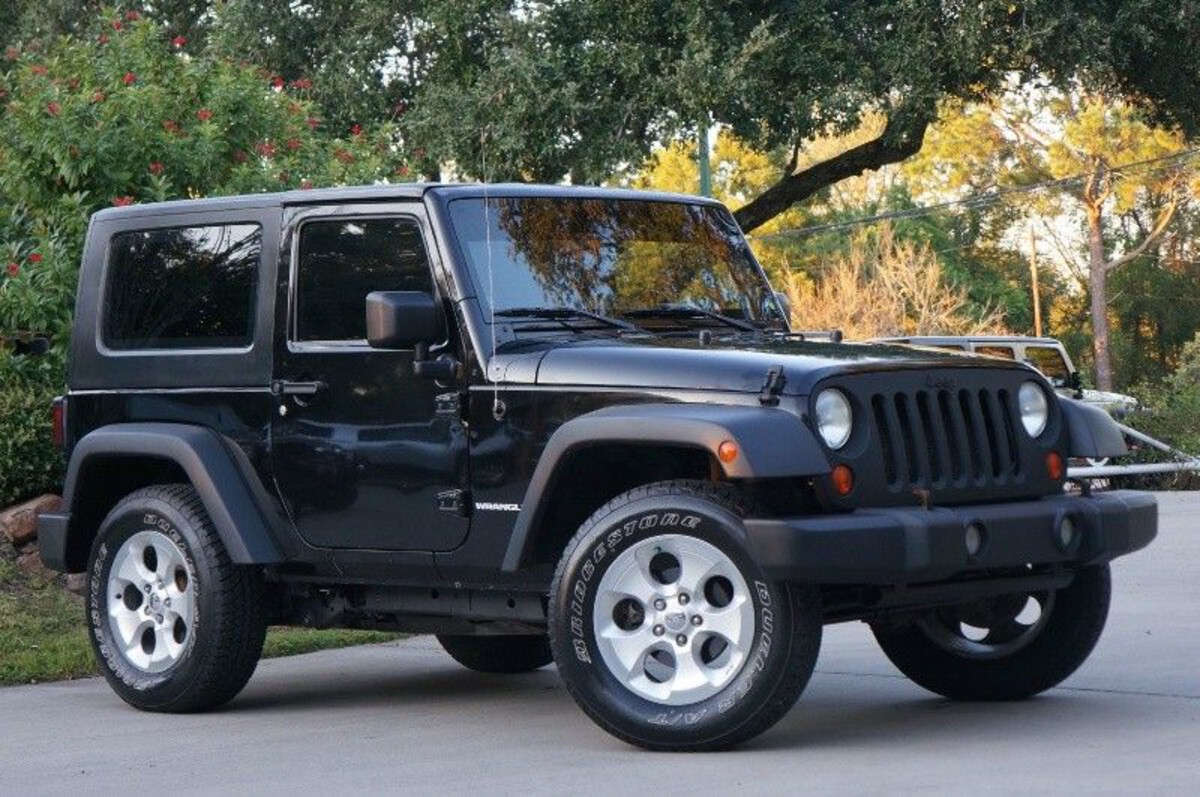
9. Jeep Wrangler JK (2007-2018)
The Wrangler JK marked a significant evolution in Jeep’s durability story, offering a larger and more modern vehicle without sacrificing the brand’s core ruggedness. The JK featured an updated frame and suspension system designed to improve strength and off-road capability. Its increased size allowed for more passenger and cargo space, making it a more versatile vehicle while maintaining the durability Jeep fans expect.
One of the key elements of the JK’s durability was its advanced drivetrain options, including powerful V6 engines and improved four-wheel-drive systems.
The solid axles and heavy-duty suspension components contributed to the vehicle’s ability to handle demanding off-road environments and rough daily use. The JK also introduced more modern materials and corrosion-resistant treatments, which extended its lifespan even further.
The Wrangler JK quickly gained popularity among off-road enthusiasts and everyday drivers alike, thanks to its balance of toughness, comfort, and modern features. Many JK models have proven to be extremely durable, with owners reporting high mileage and reliable performance under various conditions. The JK exemplifies how Jeep has managed to evolve while preserving the brand’s legacy of resilience and strength.
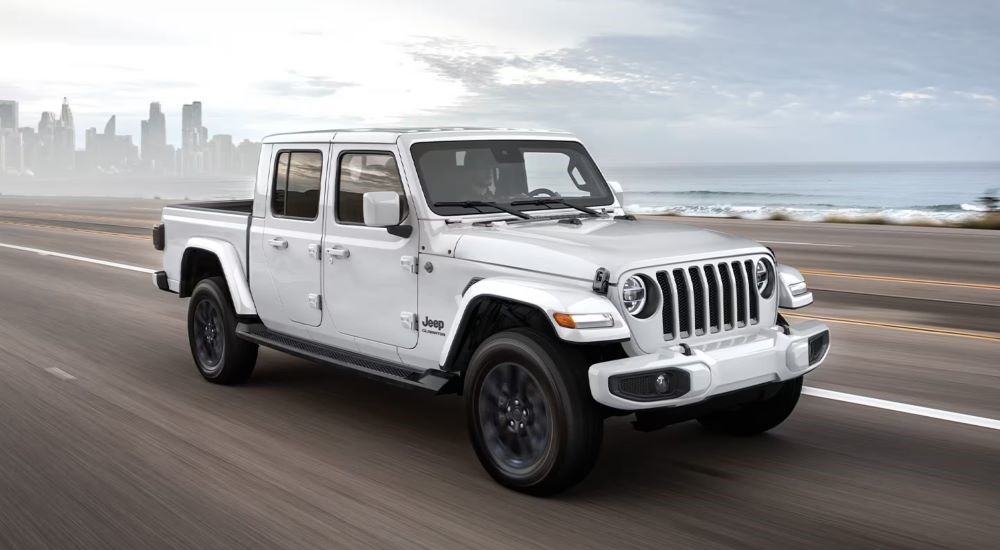
10. Jeep Gladiator JT (2019-Present)
The Jeep Gladiator JT is a modern take on Jeep’s durability heritage, combining the ruggedness of a pickup truck with the off-road capability Jeep is famous for.
Introduced in 2019, the Gladiator is built on a reinforced frame that shares many components with the Wrangler JL, ensuring that durability remains a priority. Its heavy-duty suspension and powerful engine options make it capable of handling tough jobs and challenging trails alike.
The Gladiator’s design reflects decades of Jeep experience with rugged vehicles. Its trail-rated features include skid plates, locking differentials, and high ground clearance, all contributing to its ability to endure rough terrain and heavy workloads.
The truck bed adds functionality without compromising the toughness that defines Jeep’s off-road vehicles. Owners can rely on the Gladiator to perform in demanding environments, whether hauling gear or navigating difficult trails.
With modern engineering enhancements, corrosion resistance, and advanced drivetrain technologies, the Gladiator JT carries Jeep’s durability into the present day. It appeals to those who need a vehicle that can serve both as a workhorse and an off-road adventurer. The Gladiator stands as a strong reminder that durability is alive and well in the latest generation of Jeep vehicles, continuing the brand’s tradition of building tough, long-lasting machines.
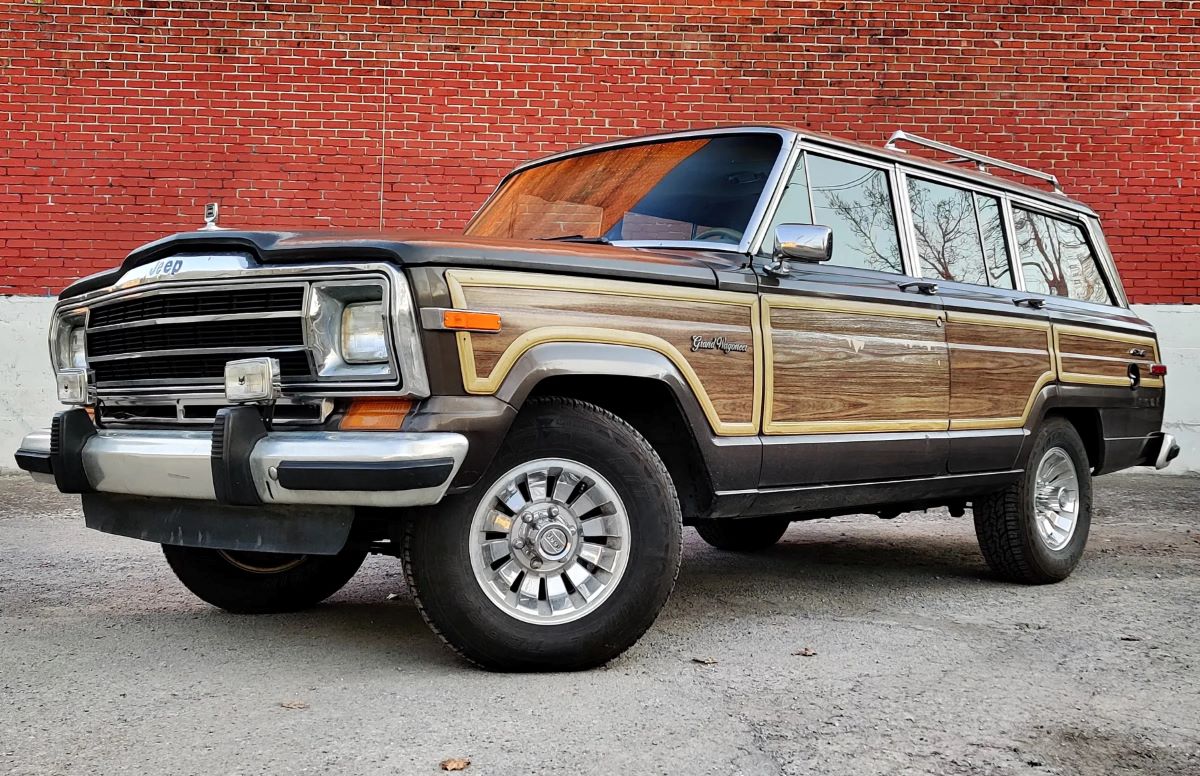
11. Jeep Wagoneer SJ (1963-1991)
The Jeep Wagoneer SJ is a classic example of durability combined with luxury before the term SUV was even popular. This model was among the first to blend a rugged off-road capability with the comfort features of a family car.
Built on a strong, ladder-type frame, the SJ Wagoneer was engineered to endure tough terrains and heavy use without compromising its structural integrity. Its durability was proven over its long production span, during which it became a favorite for those needing a dependable vehicle capable of hauling heavy loads, towing trailers, and navigating rough backroads.
Powertrains like the AMC 360 V8 and the inline-six engines were well-regarded for their robustness and longevity, often running reliably for hundreds of thousands of miles. The Wagoneer’s four-wheel-drive system was advanced for its era, providing confident traction in mud, snow, and rocky terrain.
Beyond mechanical durability, the Wagoneer’s body panels and undercarriage were known for resisting rust better than many competitors of the time, extending the life of these vehicles far beyond typical expectations.
Owners appreciated the SJ Wagoneer for its blend of strength and versatility, able to serve as a family hauler during the week and a rugged off-road vehicle on weekends. Many original Wagoneers still run today, often lovingly restored or maintained for use on tough trails and in daily driving. This model’s lasting presence on roads and trails worldwide reinforces the idea that Jeep durability has deep roots.
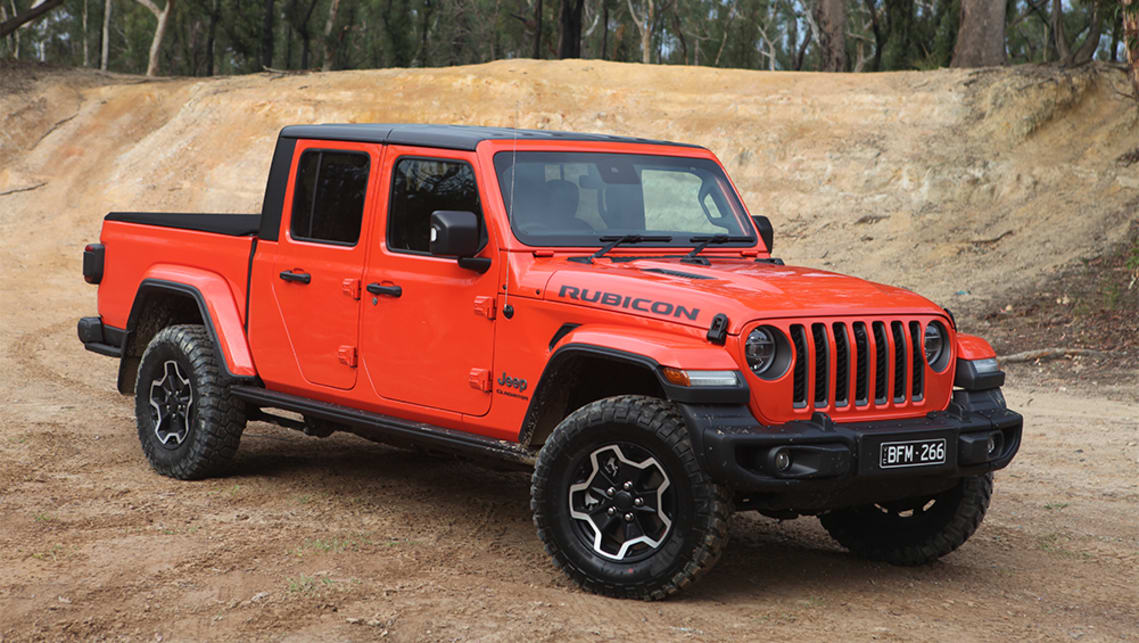
12. Jeep Gladiator (JT) Mojave Edition (2020-Present)
The Gladiator Mojave Edition builds on the already durable JT platform with specific upgrades designed to tackle desert conditions and extreme off-road environments. With reinforced suspension components, a beefed-up frame, and specialized Fox shocks, the Mojave Edition delivers durability focused on high-speed desert driving and rough terrain endurance.
These enhancements allow it to absorb heavy impacts while maintaining structural integrity, reinforcing Jeep’s reputation for building vehicles that withstand punishing environments.
The Mojave’s powerful 3.6-liter V6 engine with eTorque mild-hybrid technology adds torque and fuel efficiency without sacrificing reliability. The drivetrain components, including locking differentials and a robust transfer case, are built for resilience and long-term use in harsh off-road scenarios.
Its skid plates and reinforced underbody protection also help defend against damage from rocks and debris, a crucial feature for maintaining durability on challenging trails.
In addition to its mechanical toughness, the Gladiator Mojave Edition’s body and frame materials have been treated to resist corrosion and wear, ensuring the vehicle remains dependable over many years and miles. This model is a clear example of how Jeep continues to push the boundaries of durability in modern vehicles, proving that even specialized trims retain the brand’s core toughness.
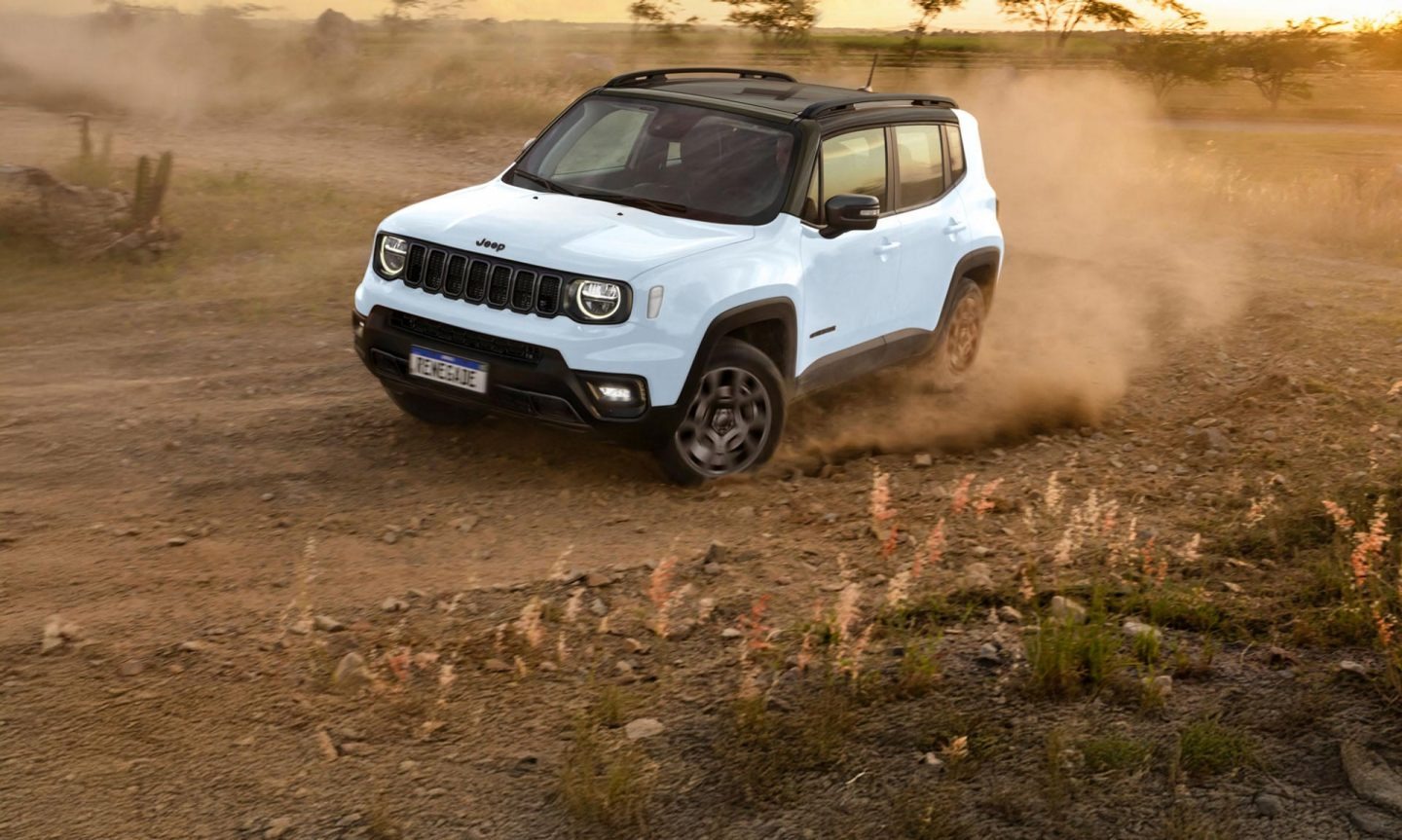
13. Jeep Renegade (2015-Present)
While smaller and more urban-focused than many other Jeep models, the Renegade still reflects the brand’s emphasis on durability, especially in its Trailhawk trim. The Renegade Trailhawk is designed with reinforced underbody skid plates, tow hooks, and enhanced ground clearance, allowing it to tackle off-road obstacles that challenge vehicles much larger in size. Its rugged suspension components and all-wheel-drive system contribute to a durable platform suitable for both city driving and weekend adventures.
The turbocharged 1.3-liter engine offers a balance of power and fuel economy, with reliability supported by modern engineering standards and regular maintenance. While the Renegade doesn’t have the same heavy-duty construction as larger Jeeps, its durable materials and build quality enable it to endure the stresses of varied driving conditions, from gravel roads to mountain trails.
Despite being a compact crossover, the Renegade’s design incorporates many durability features typical of Jeep’s heritage, making it a capable and lasting vehicle for drivers who want the Jeep experience in a smaller footprint. Its continued updates and improvements demonstrate Jeep’s commitment to blending modernity with the ruggedness that built the brand.
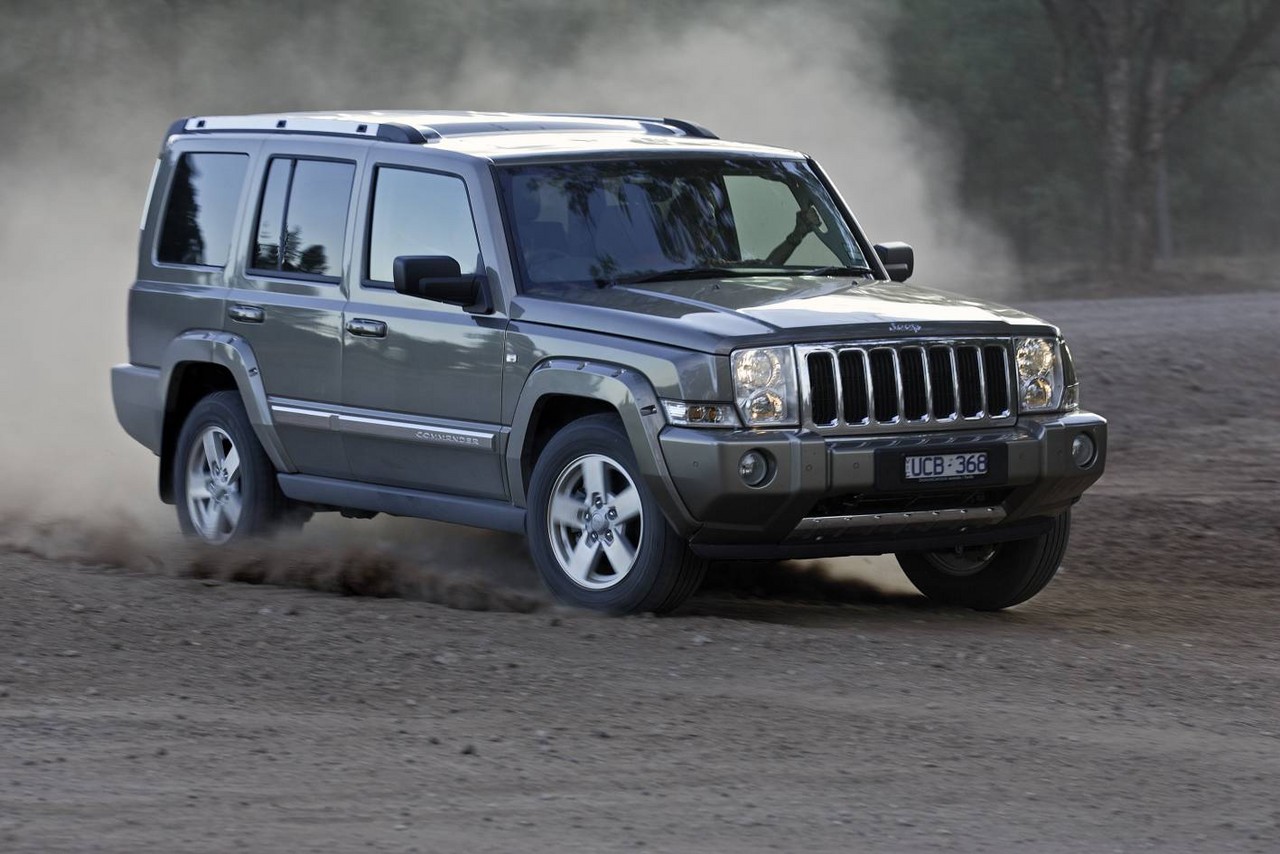
14. Jeep Commander XH (2006-2010)
The Jeep Commander XH was a unique midsize SUV that aimed to combine Jeep’s signature durability with a more spacious interior and three-row seating.
Built on a strong unibody platform with reinforced structural components, the Commander was designed to withstand off-road challenges while providing family-friendly features. Its solid frame, robust suspension, and four-wheel-drive system contributed to its reputation as a tough, reliable vehicle for various driving conditions.
Under the hood, the Commander often featured the 4.7-liter V8 engine, praised for its power and durability when properly maintained. The drivetrain and chassis components were engineered to handle towing and rugged terrain, allowing the Commander to serve as both a daily driver and an off-road capable SUV. The vehicle’s durability also extended to its body, with materials and finishes designed to resist corrosion and wear over time.
Though not as widely popular as some other Jeep models, the Commander has developed a following among enthusiasts who appreciate its combination of toughness and practicality. It stands as proof that Jeep’s dedication to building durable vehicles extended even to their larger, more family-oriented offerings.
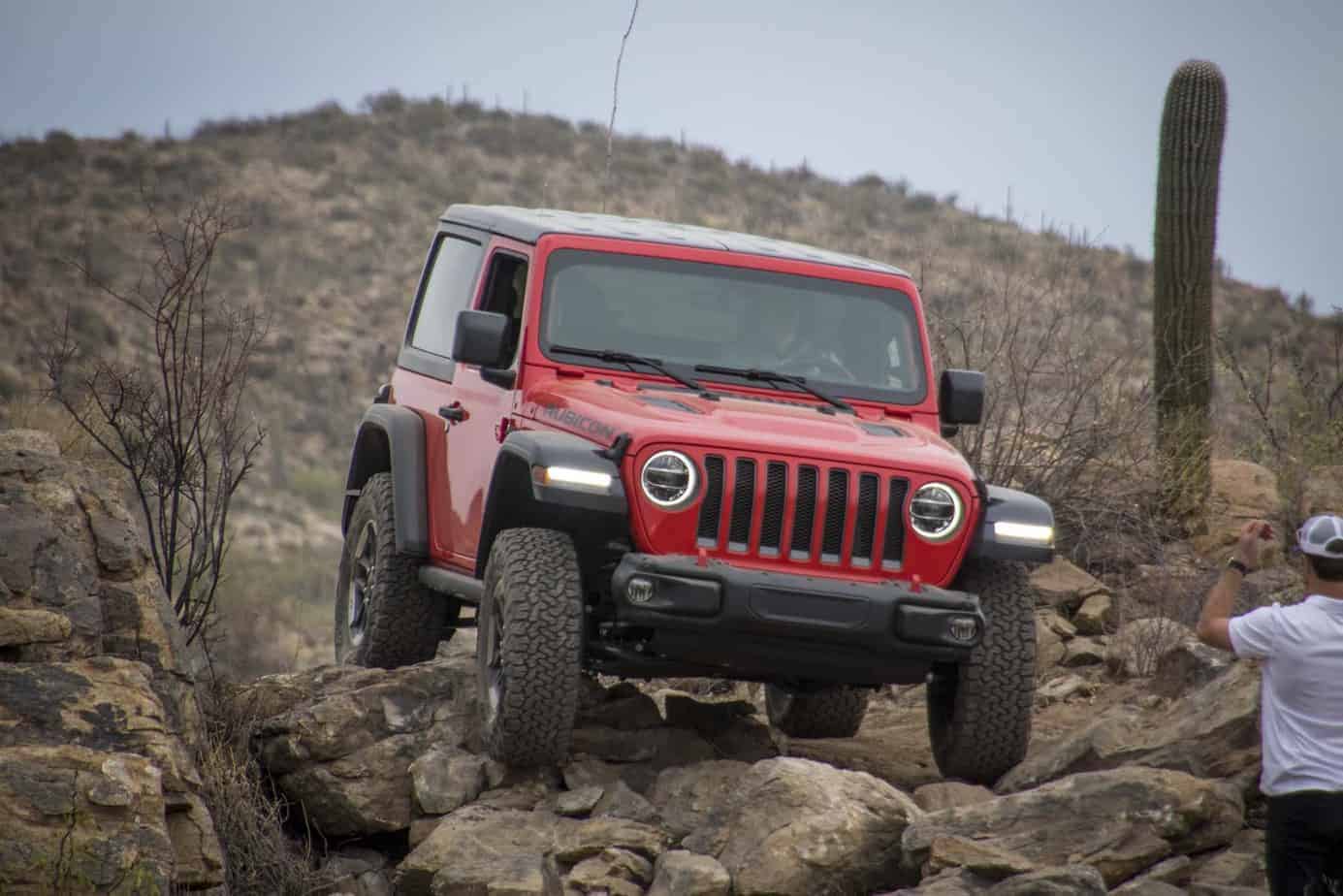
15. Jeep Wrangler JL (2018-Present)
The Wrangler JL represents the latest generation of Jeep’s legendary off-road durability, featuring improvements in materials, engineering, and technology that enhance toughness without compromising traditional Jeep character.
Built on a reinforced frame with high-strength steel components, the JL offers superior resistance to bending and twisting forces encountered during extreme off-road use. Its advanced suspension system balances ride comfort with durability, using modern materials designed to withstand the wear of rough trails and harsh environments.
Under the hood, the JL offers a range of engines, including the reliable 2.0-liter turbocharged four-cylinder and the 3.6-liter V6, both engineered for longevity and robust performance.
The drivetrain includes enhanced transfer cases and locking differentials that improve traction and reduce mechanical strain, contributing to the vehicle’s durability. Additional features like modular bumpers and replaceable body panels make repairs easier and more cost-effective, extending the vehicle’s usable life.
The Wrangler JL’s corrosion resistance has been improved through better coatings and materials, helping it endure in climates that cause rust and deterioration. Its continued popularity among off-roaders and daily drivers alike reflects the success of Jeep’s efforts to maintain and improve durability in a modern package. The JL stands as a testament to the fact that Jeep’s commitment to building long-lasting, rugged vehicles remains strong in the present day.
