
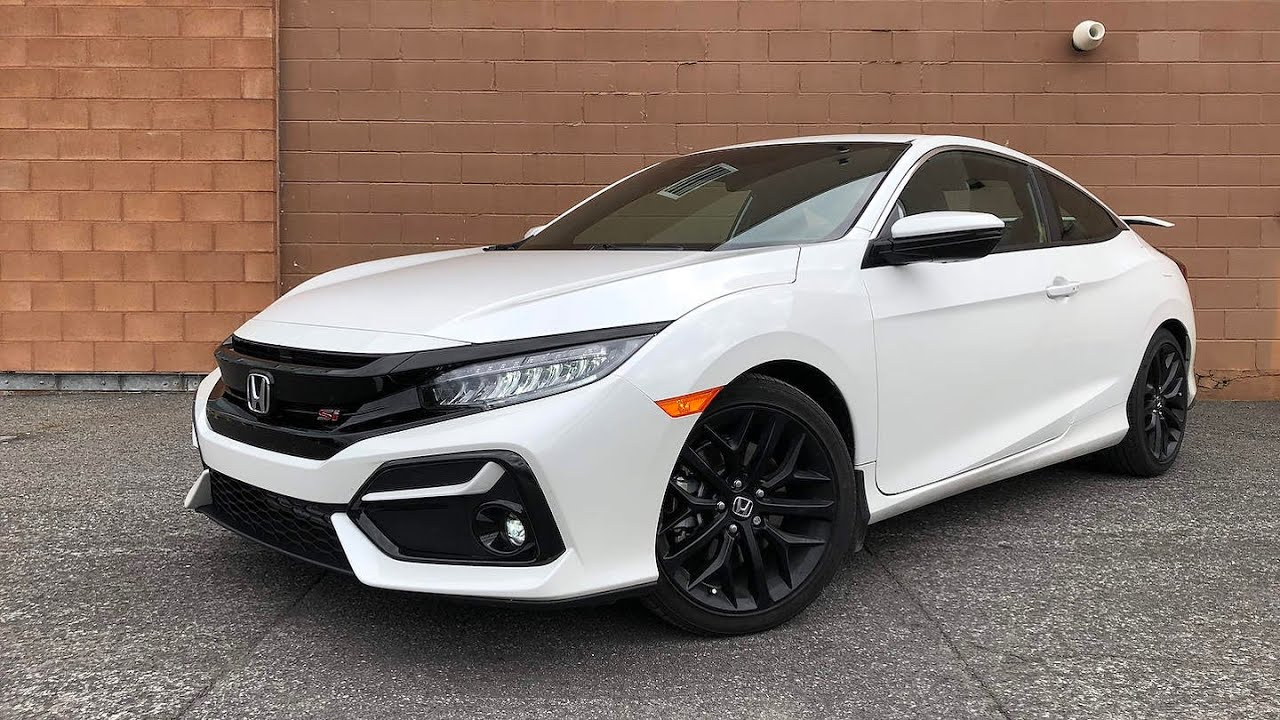
Honda is known for its reputation of building reliable, durable, and affordable cars. For many years, the brand has been synonymous with engineering excellence and long-lasting performance. Among the many vehicles Honda has produced, certain models stand out for their exceptional reliability, often spending more time on the road than in the garage.
This article highlights ten Honda models known for their minimal need for repairs and exceptional mechanical dependability. These vehicles not only save owners money on maintenance and repairs but also provide peace of mind that they won’t break down unexpectedly. The combination of well-designed engines, sturdy components, and efficient manufacturing processes contributes to why these Hondas are trusted by millions worldwide.
Choosing a vehicle that rarely needs the attention of a mechanic is a smart investment, especially for those who depend on their cars for daily commuting or long road trips. Honda’s focus on quality control and continual improvement has made many of its models stand out in terms of durability.
This longevity is not just about the engine; it also includes the transmission, suspension, electrical systems, and other crucial components. The cars on this list have proven to be dependable over decades and across different generations, often boasting hundreds of thousands of miles with only routine maintenance required. Their ability to remain functional and efficient for long periods contributes significantly to their popularity among used car buyers and enthusiasts.
When discussing reliability, it’s important to consider the cost of ownership over time. Vehicles that frequently break down or require costly repairs quickly become financial burdens. Honda’s approach to designing simple yet robust mechanical systems reduces the likelihood of complicated and expensive issues.
Additionally, the widespread availability of parts and a large community of knowledgeable mechanics who specialize in Hondas further enhances their reliability. Many owners report that routine maintenance, such as oil changes and brake servicing, is often all that’s necessary to keep these vehicles running smoothly for years. This article identifies ten such models that have a history of rarely leaving mechanics busy, making them ideal choices for anyone seeking long-term reliability.
This list covers a mix of compact cars, sedans, and even a few sportier models, showcasing Honda’s ability to produce reliable vehicles across different segments. From the ever-popular Civic to the rugged CR-V, these Hondas have earned their places through consistent performance and minimal mechanical troubles.
Understanding what makes these vehicles stand out can help potential buyers make informed decisions and appreciate the value Honda has brought to the automotive industry in terms of reliability and owner satisfaction. Let’s explore the ten Hondas that have established themselves as champions of mechanical dependability.
Also Read: 12 Cars That Keep Their Value at High Mileage
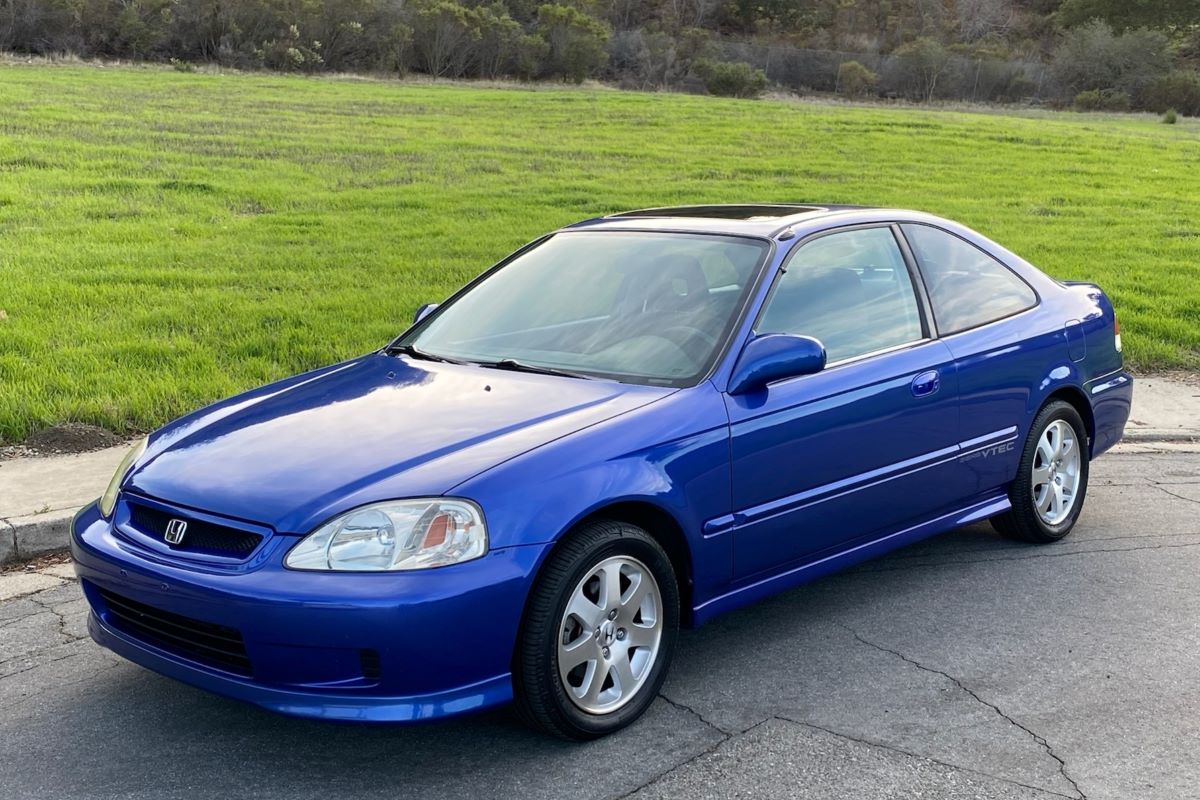
1. Honda Civic (especially models from the late 1990s to mid-2000s)
The Honda Civic is arguably the most iconic model from Honda when it comes to reliability. Models produced in the late 1990s through the mid-2000s are known for their bulletproof engines and simple, efficient designs.
These Civics tend to run for hundreds of thousands of miles with very few serious issues, making them a favorite among budget-conscious buyers and car enthusiasts alike. The D-series engines in these generations are widely praised for their durability and fuel efficiency, rarely experiencing major mechanical failures if maintained properly.
One of the reasons for the Civic’s longevity is the absence of overly complicated electronic components in older models. While newer vehicles are packed with technology that can sometimes lead to issues, these Civics relied on tried-and-true mechanical systems.
This simplicity translates into fewer things that can go wrong, and when repairs are necessary, they tend to be straightforward and inexpensive. Additionally, parts are widely available and affordable, which helps keep maintenance costs low. Owners have reported that routine oil changes and timing belt replacements are usually all the work needed to keep these Civics on the road for years.
Another factor contributing to the Civic’s mechanical reliability is its reputation for consistent manufacturing quality. Honda engineers focused on building engines and transmissions that could withstand the wear and tear of everyday driving, including stop-and-go city traffic and long highway cruises.
The Civic’s chassis and suspension components are designed to be robust and easy to maintain, further reducing visits to the mechanic. This model also has a strong aftermarket support community, offering many affordable replacement parts and upgrades that keep these cars performing well beyond their expected lifespan.
In terms of performance, the Civic offers a balance of power and efficiency, with engines that provide sufficient power for most drivers without sacrificing reliability. The manual transmissions, especially in the sportier trims, are known to be very durable, with many examples running smoothly well past 200,000 miles.
For those looking for a dependable daily driver that can withstand the rigors of modern driving while demanding little from mechanics, the late ’90s to mid-2000s Civic remains one of the best choices.

2. Honda Accord (1998-2007)
The Honda Accord has been a staple in the midsize sedan market for decades, and models from 1998 to 2007 stand out for their exceptional reliability. Known for their smooth V6 and four-cylinder engines, these Accords offer a blend of power, comfort, and mechanical simplicity that keeps them running with minimal issues.
Many owners have reported hitting well over 200,000 miles without any major engine or transmission repairs, which is a testament to Honda’s engineering prowess during this era.
One reason these Accords rarely burden mechanics is the quality of the engine components and the robustness of the transmission. The automatic transmissions from this period, particularly the five-speed automatics, are known for their smooth operation and longevity.
Likewise, the K-series and J-series engines found in these models have a reputation for withstanding high mileage without excessive oil consumption or mechanical wear. Routine maintenance like fluid changes and belt replacements are key, but beyond that, these cars tend to need little intervention.
Beyond the engine and transmission, the Accord’s suspension and braking systems contribute to its reputation for reliability. The suspension components are designed for comfort and durability, often requiring only occasional replacement of wear items like bushings and shocks.
The braking system also remains dependable, with many owners reporting minimal issues related to brake wear beyond normal maintenance. This reliability means the Accord spends more time on the road and less in the shop, which appeals to drivers who want a hassle-free experience.
Another important aspect is the build quality of the interior and exterior components. While some cars show signs of wear quickly, these Accords tend to maintain their structural integrity and cabin comfort for years. This means fewer mechanical complaints related to door latches, window regulators, or other small but annoying problems.
When combined with the reliable powertrain, the 1998-2007 Accord offers an excellent package for those seeking a midsize sedan that won’t keep mechanics busy.
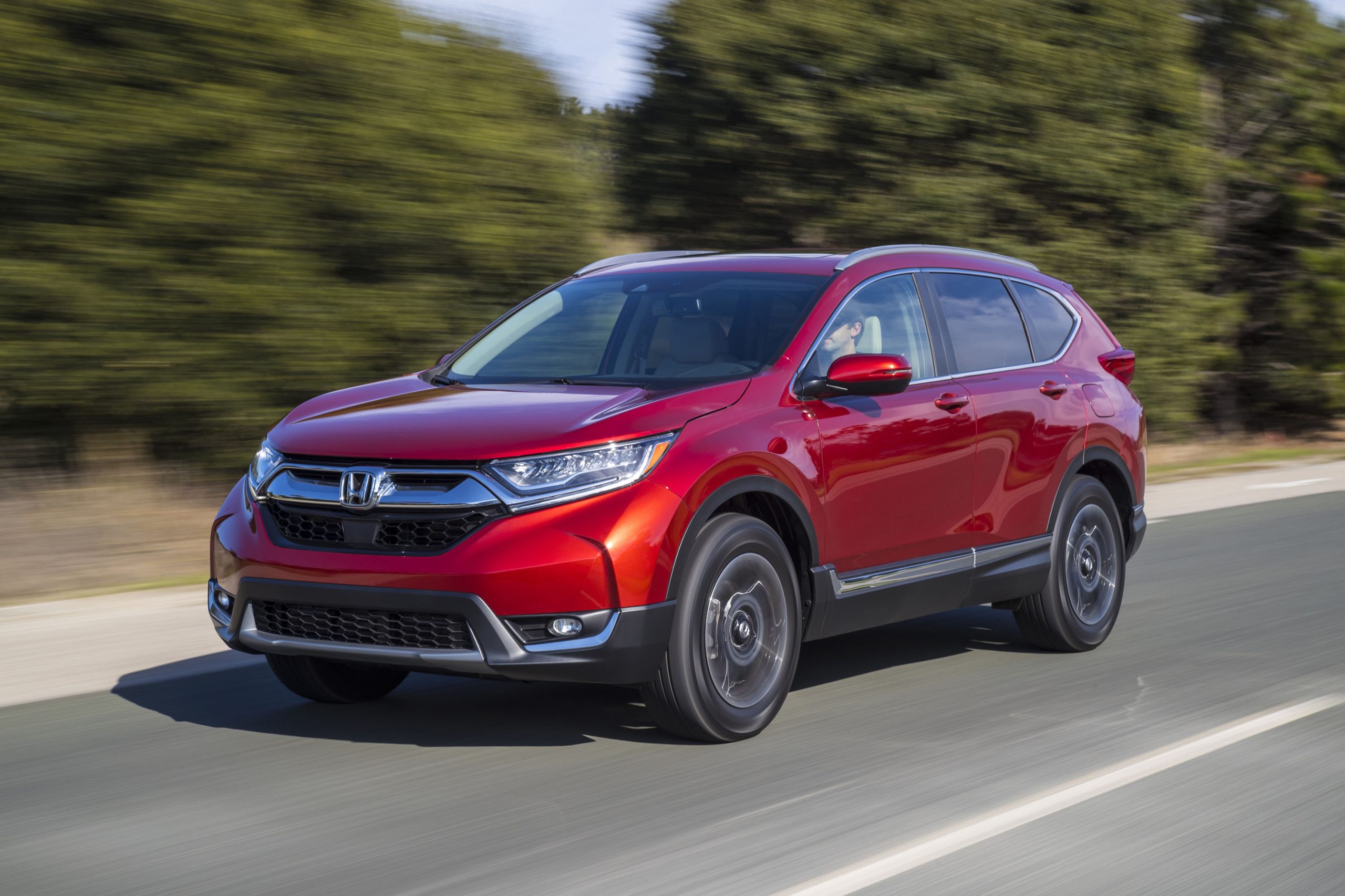
3. Honda CR-V (2002-2010)
The Honda CR-V is one of the best-selling compact SUVs and for good reason. The 2002-2010 generation is especially recognized for its durability and low maintenance requirements. Featuring reliable four-cylinder engines paired with either manual or automatic transmissions, these CR-Vs deliver solid performance with minimal mechanical concerns. Many owners report that these vehicles can comfortably reach 200,000 miles or more without needing major repairs.
One major factor behind the CR-V’s mechanical reliability is its engine design. The K-series engines used in these years are known for their solid construction and efficiency. Unlike some SUVs that may suffer from transmission issues or engine overheating, these CR-Vs maintain steady performance and dependability over time. Routine oil changes, transmission fluid replacements, and timing belt services usually cover most maintenance needs.
The CR-V’s suspension and drivetrain systems also contribute to its dependable reputation. The all-wheel-drive system, when equipped, is simple and durable, often requiring only standard service. The suspension setup balances ride comfort with ruggedness, able to handle a variety of road conditions without excessive wear. Brake components are generally long-lasting, adding to the low-maintenance profile.
In addition to mechanical robustness, the CR-V’s body and frame resist corrosion and structural issues better than many competitors. This means fewer rust-related repairs and longer-lasting vehicle integrity. The combination of a reliable engine, durable suspension, and solid build quality makes the 2002-2010 CR-V a standout choice for drivers looking for an SUV that rarely leaves mechanics busy.
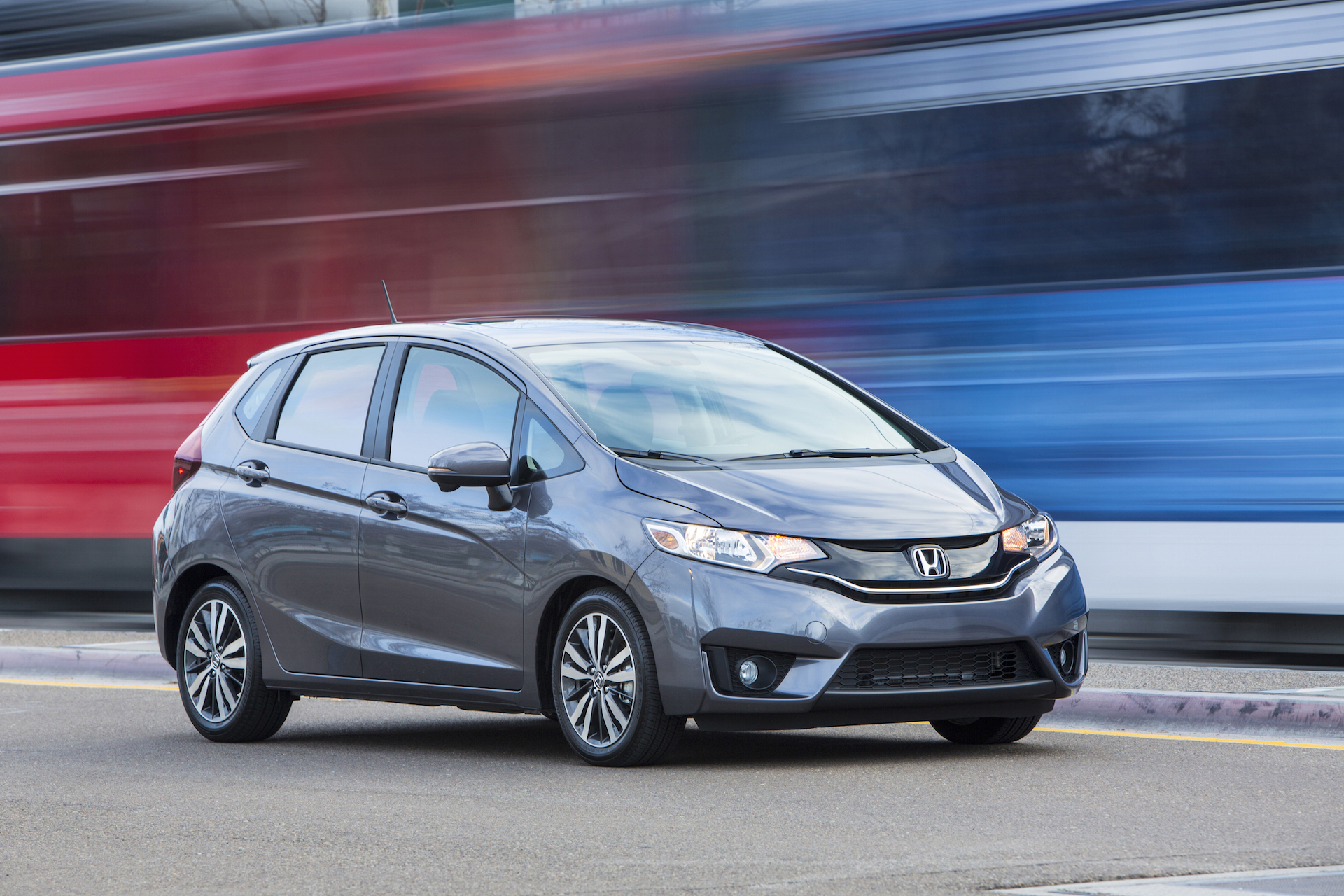
4. Honda Fit (2007-2014)
The Honda Fit, though compact and often underestimated, is another model praised for its mechanical reliability. The first and second generations (2007-2014) deliver surprisingly robust performance for a small hatchback. Its efficient yet durable engines and straightforward mechanical design ensure that the Fit remains a favorite among urban drivers who want a low-maintenance vehicle.
One of the main reasons the Fit rarely troubles mechanics is its simple engine layout. The 1.5-liter four-cylinder engine, found in these models, is both fuel-efficient and resilient. Honda’s attention to detail in ensuring proper cooling, lubrication, and combustion helps prevent common engine problems like overheating or premature wear. Additionally, the transmission, whether manual or CVT, is designed to last with routine maintenance.
The Fit’s chassis and suspension are built for urban agility but don’t sacrifice durability. Suspension components are typically long-lasting, even when navigating potholes or rough city streets. The braking system is straightforward and reliable, often requiring only routine pad replacements. These factors combine to create a driving experience that demands little attention from mechanics.
Another reason for the Fit’s reliability is its lightweight and compact design, which reduces strain on the engine and suspension. This efficient use of materials and design translates into fewer breakdowns and easier maintenance. The vehicle’s simplicity also means fewer electronic components that could malfunction. For those seeking an affordable, dependable small car, the 2007-2014 Honda Fit remains an excellent choice.
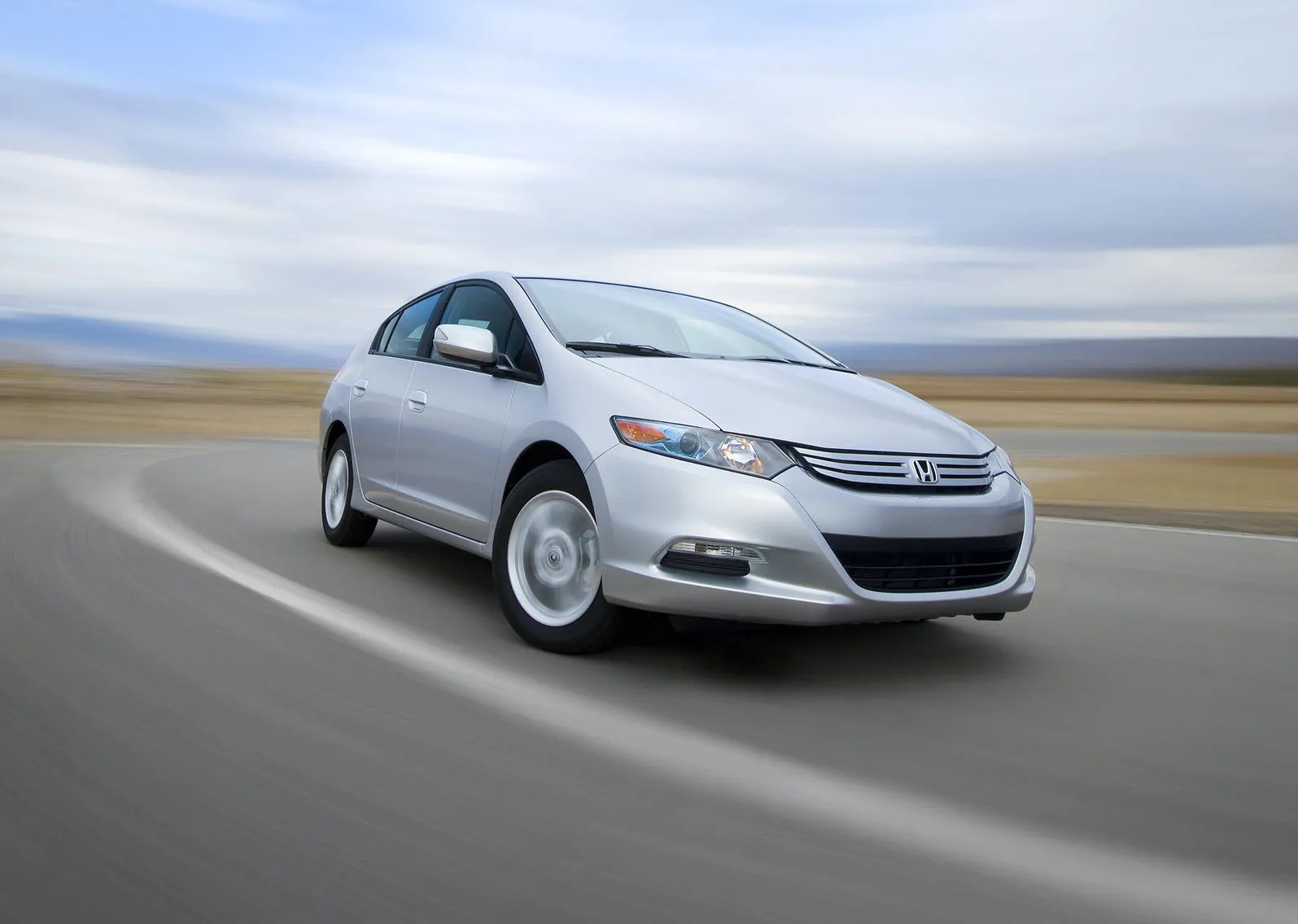
5. Honda Insight (First Generation: 1999-2006)
The first-generation Honda Insight was Honda’s initial venture into hybrid technology and it remains one of the most mechanically reliable hybrids ever produced. While hybrids generally add complexity due to their combination of internal combustion engines and electric systems, the Insight’s early design was remarkably straightforward, emphasizing durability and efficiency.
The Insight’s lightweight aluminum body, combined with a small but efficient 1.0-liter three-cylinder engine paired with an electric motor, created a hybrid system that rarely caused trouble for mechanics. Many owners have reported that the Insight’s hybrid battery pack maintains good capacity over the years, a testament to Honda’s early commitment to battery longevity and thermal management.
Mechanically, the Insight features a CVT transmission paired with the Integrated Motor Assist system, which delivers seamless power with minimal wear on traditional components. Unlike more complicated hybrid systems, the Insight’s setup avoids many of the issues associated with modern hybrid powertrains, such as expensive inverter or motor failures.
This simplicity means fewer trips to the shop, and when routine maintenance is needed, it is often straightforward and affordable. Common servicing includes typical oil changes, brake system checks, and battery conditioning, which can be done without requiring a specialist mechanic.
In addition to its efficient powertrain, the Insight’s chassis and suspension components are built with longevity in mind. The suspension is tuned for comfort and durability, with common wear parts such as bushings and shock absorbers lasting longer than average.
The braking system benefits from regenerative braking, which reduces wear on traditional brake pads and discs, further decreasing maintenance costs. Inside the cabin, the controls and electronics are minimal and proven reliable, with few reports of electrical gremlins that plague many older vehicles.
Beyond its engineering, the Insight’s reliability is reinforced by its owners’ dedication to proper upkeep. Despite being a niche vehicle at the time, many drivers prioritized regular maintenance due to its innovative technology, which has paid off in terms of longevity. The Insight remains a standout model in Honda’s history for combining early hybrid innovation with legendary reliability, often surprising mechanics with how little attention it requires even after many years of service.
Also Read: 12 Vehicles That Outlasted the Companies That Built Them
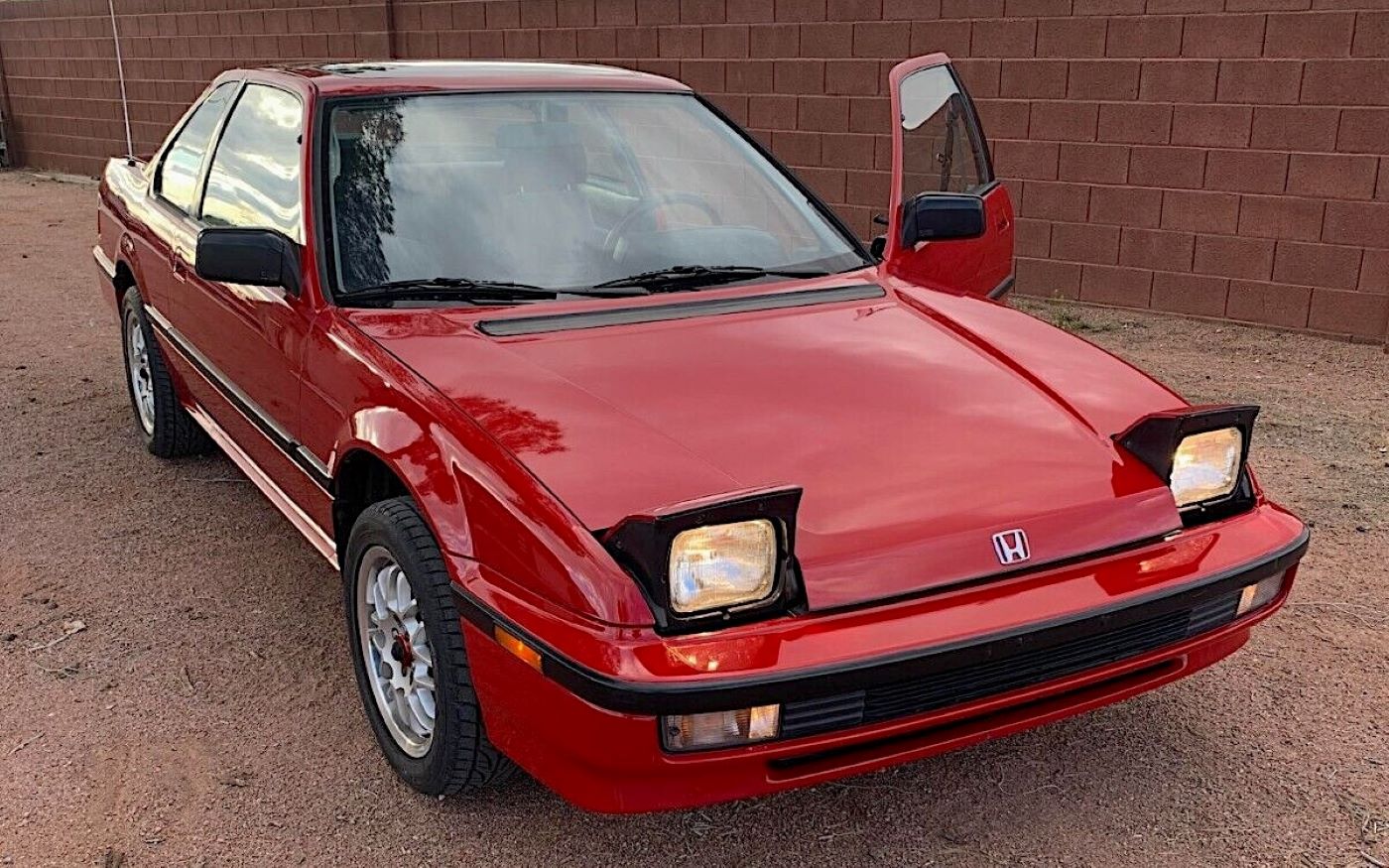
6. Honda Prelude (1997-2001)
The Honda Prelude has long been known as a sporty coupe that combines performance with solid build quality, but the 1997 to 2001 models also hold a reputation for mechanical reliability. These Preludes feature the H-series four-cylinder engines, well-regarded for their robustness and smooth power delivery. While they offer sporty driving dynamics, these vehicles do not compromise on reliability, making them a favorite among enthusiasts who want spirited driving without constant visits to the mechanic.
One of the key elements that contribute to the Prelude’s reliability is its engine design. The H22 engine in many of these models is known for its strong internal components and ability to handle high RPMs without failure. This is largely due to Honda’s engineering standards, which emphasize quality materials and precise manufacturing tolerances.
Unlike some sports coupes that sacrifice reliability for performance, the Prelude’s engine tends to thrive with proper oil changes and timing belt replacements, with many examples easily surpassing 150,000 miles without major repairs.
The Prelude’s transmission systems, both manual and automatic, are designed to handle the power output without undue strain. The manual gearboxes, in particular, are praised for their precise shifts and durability, often requiring little more than clutch replacements to keep running smoothly.
The automatic transmissions also offer solid longevity when serviced regularly, with fluid changes and inspections helping avoid premature wear or failure. This balance between performance and durability is a defining characteristic of the Prelude.
Beyond the powertrain, the Prelude’s suspension and chassis are engineered to provide both agility and reliability. The double-wishbone suspension setup, a Honda specialty, not only enhances handling but also tends to be durable, requiring minimal repairs except for typical wear items like bushings or shocks.
Brake components are similarly robust, often lasting longer than average with routine servicing. Interior features and electrical systems are generally dependable, contributing to the car’s reputation for requiring minimal mechanical attention over its lifetime.
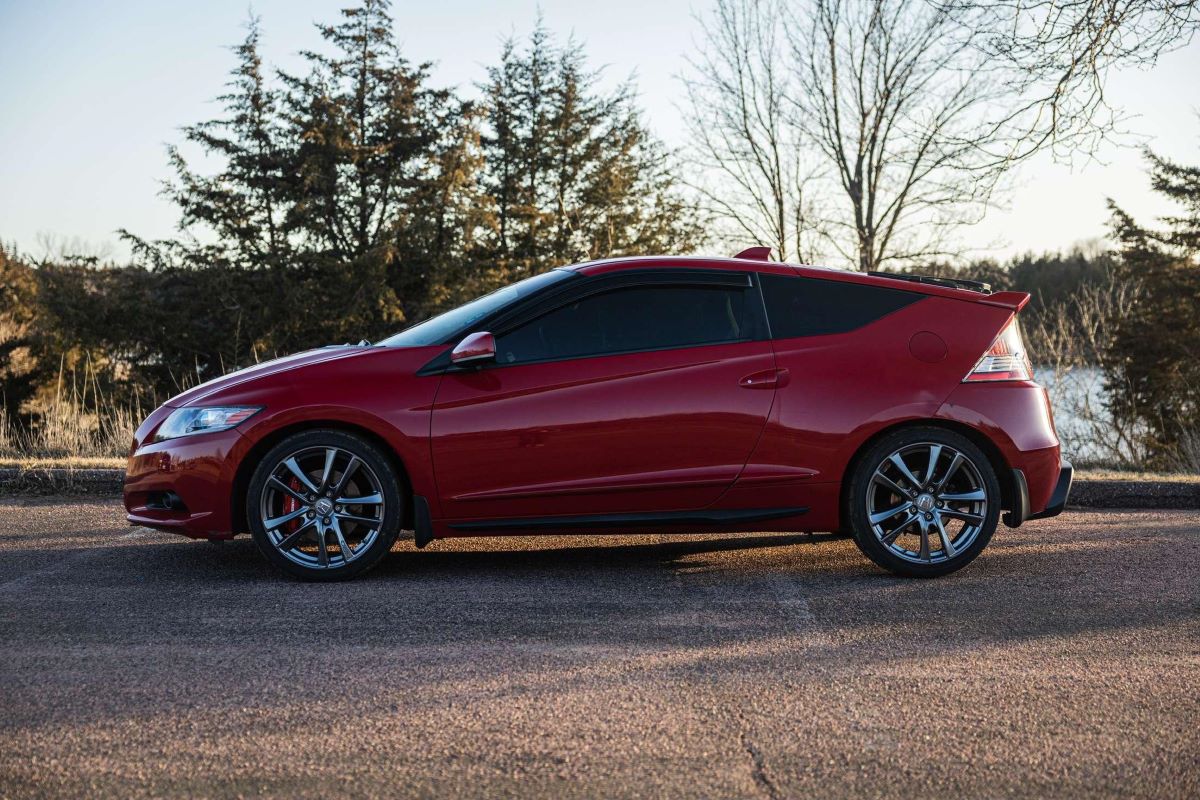
7. Honda CR-Z (2010-2016)
The Honda CR-Z stands out as an innovative hybrid coupe that blends sporty design with hybrid efficiency. Despite its relatively recent introduction, the CR-Z has built a solid reputation for mechanical reliability, particularly in terms of its hybrid powertrain.
While hybrids can sometimes be associated with costly repairs and battery degradation, the CR-Z’s system is engineered with simplicity and durability in mind. Owners often report low maintenance costs and minimal visits to mechanics even after several years of ownership.
The CR-Z combines a 1.5-liter four-cylinder engine with Honda’s Integrated Motor Assist hybrid system, creating a powertrain that is designed for efficiency and reliability. Unlike some hybrids that use complex battery cooling systems or elaborate power electronics, the CR-Z keeps things straightforward, reducing the potential for mechanical issues.
The battery pack is relatively small and well-managed by the car’s control systems, which contributes to a long service life. Routine maintenance such as oil changes, brake servicing, and cooling system checks are typically all that’s needed to keep the car running reliably.
From a mechanical standpoint, the CR-Z’s transmission options include both a traditional manual and a CVT, both of which have proven to be durable when maintained properly. The CVT, often a point of concern in many vehicles, is well-engineered in this case, with many owners experiencing trouble-free operation.
The manual transmission models benefit from Honda’s precise engineering, offering a reliable and engaging driving experience with minimal mechanical fuss.
Suspension and braking systems on the CR-Z also contribute to its reliability. The car’s suspension is tuned to provide a sporty yet comfortable ride, with components that tend to wear slowly and predictably. The braking system benefits from regenerative braking, which reduces wear on the brake pads and discs, lowering maintenance frequency. Interior electronics, while more modern than older Honda models, are generally trouble-free, helping to keep the car on the road longer and away from costly repairs.
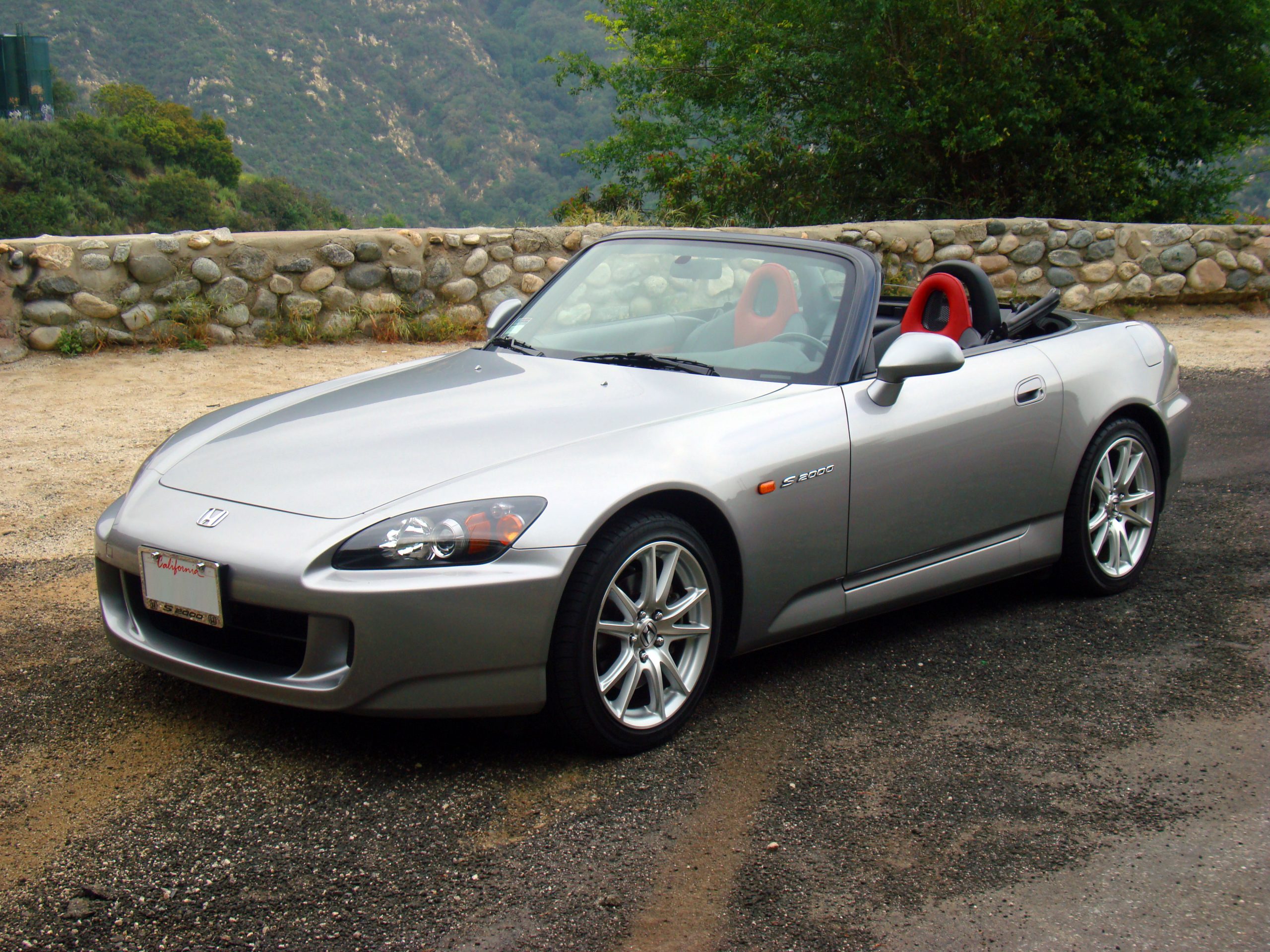
8. Honda S2000 (1999-2009)
The Honda S2000 is often celebrated for its exhilarating performance and legendary high-revving engine, but it also deserves recognition for its impressive mechanical reliability. Produced from 1999 to 2009, the S2000 is powered by Honda’s F-series engines, which are renowned for their engineering precision and durability. Despite being a sports car designed for spirited driving, the S2000 often surprises mechanics with how little maintenance it demands beyond standard servicing.
One feature of the S2000 is its high-revving 2.0- or 2.2-liter inline-four engine, which is built to withstand significant stress and extended operation at high RPMs. This engine benefits from forged internals, high-quality materials, and careful assembly, which together contribute to a very durable powertrain.
Unlike many sports cars that can suffer from reliability issues due to aggressive tuning, the S2000’s engine is designed with longevity in mind. Owners regularly report engines running smoothly past 150,000 miles, often with only regular oil changes and timing chain inspections.
The S2000’s transmission is another highlight, with its six-speed manual gearbox praised for precise shifts and robustness. The clutch system, while requiring occasional replacement as expected in a sports car, is generally reliable and easy to service. Unlike many high-performance cars, the S2000’s drivetrain rarely presents significant issues, which helps keep repair costs low and minimizes downtime in the shop.
Suspension components on the S2000 are designed to handle aggressive driving without compromising durability. The double-wishbone setup offers excellent handling and tends to hold up well over time, with common wear parts like bushings and shocks requiring replacement only after many miles.
Braking systems are similarly well-built, often lasting longer than average under normal use. The combination of a robust engine, strong transmission, and durable chassis makes the S2000 a sports car that rarely leaves mechanics busy, allowing owners to focus on the joy of driving.
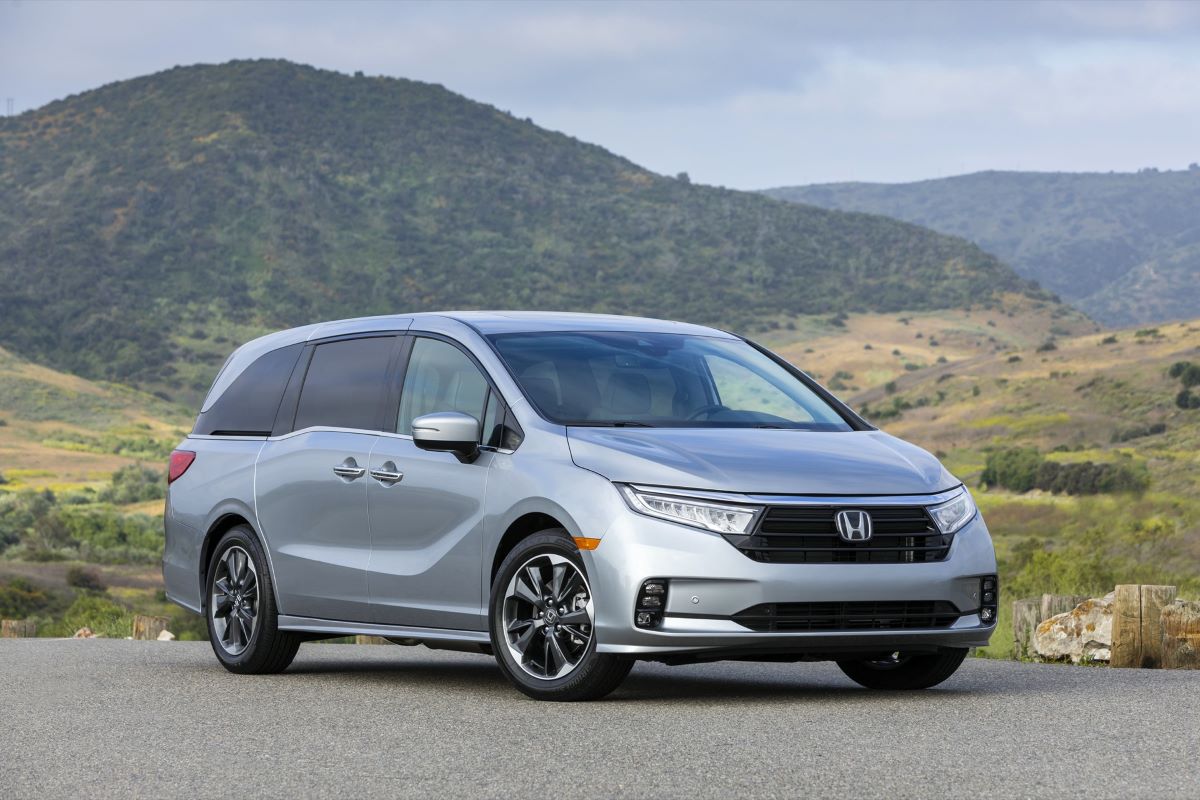
9. Honda Odyssey (2005-2010)
The Honda Odyssey minivan, especially models produced between 2005 and 2010, is another example of a vehicle known for mechanical reliability. This family-oriented vehicle features a strong V6 engine and a well-engineered transmission system that provides smooth, dependable performance even under the stress of carrying multiple passengers and cargo. These Odysseys are frequently praised for their ability to rack up high mileage with minimal engine or transmission failures.
One major factor behind the Odyssey’s reliability is its robust J-series V6 engine, which is engineered to deliver strong torque and consistent power while maintaining durability.
Many owners report that this engine continues to run smoothly well past 200,000 miles with nothing more than standard maintenance such as oil changes, spark plug replacements, and timing belt services. This reliability extends to the vehicle’s transmission, where the five-speed automatic has proven to be durable and trouble-free when properly maintained.
The Odyssey’s suspension and braking systems are designed to accommodate the demands of family use, with components that hold up well to heavy loads and frequent stop-and-go driving. Suspension parts such as control arms, bushings, and shocks typically last longer than average, contributing to fewer repairs and visits to the mechanic. The braking system benefits from robust hardware and well-designed electronics that monitor wear and ensure safe stopping performance.
Interior electronics and comfort systems in the Odyssey are generally dependable, with few reports of major failures. Features like power sliding doors and climate control tend to operate reliably with regular maintenance. This combination of mechanical durability and reliable amenities makes the 2005-2010 Odyssey a top choice for families seeking a vehicle that will spend more time on the road and less time in the repair shop.
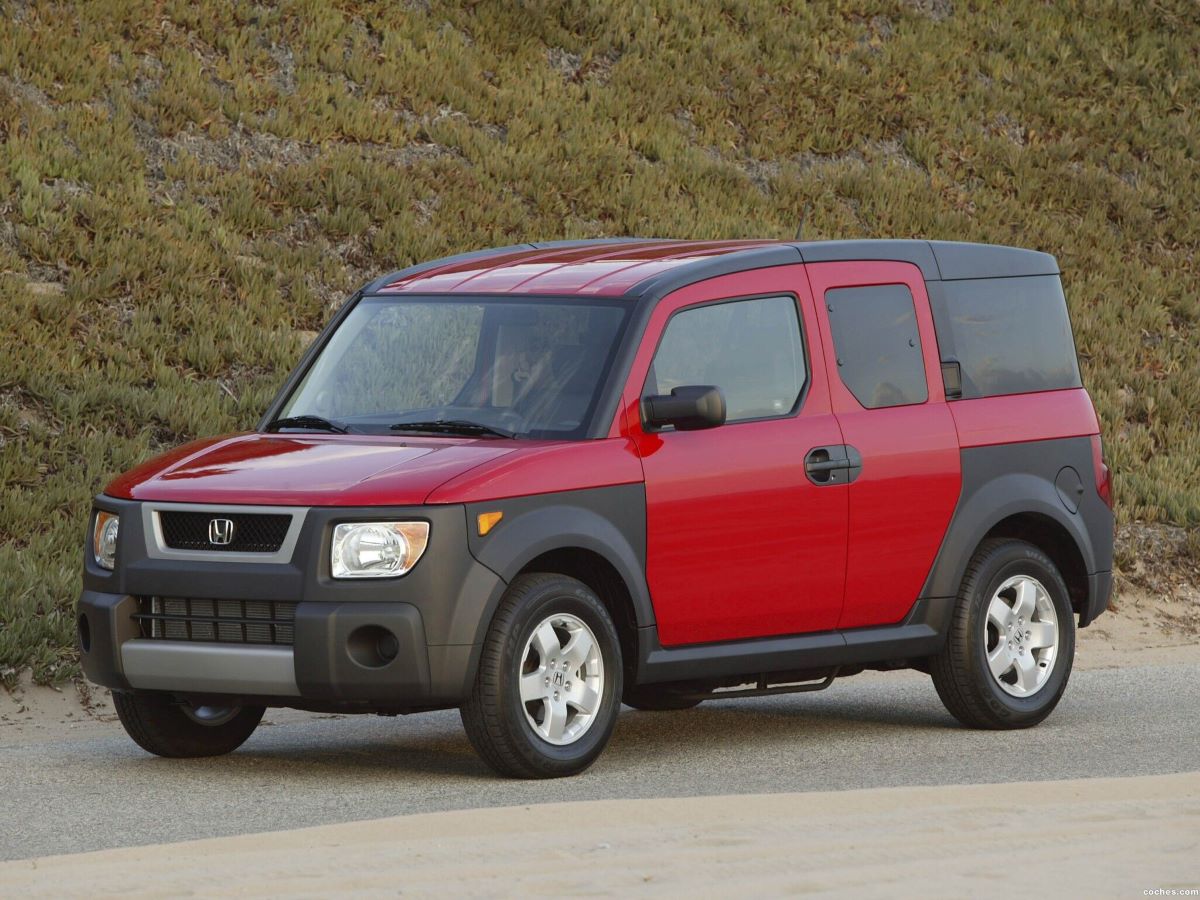
10. Honda Element (2003-2011)
The Honda Element is a unique compact SUV that has earned a reputation for mechanical reliability and versatility. Produced from 2003 to 2011, the Element features a boxy design with a spacious interior and practical features that appeal to outdoor enthusiasts and urban drivers alike.
Underneath its unconventional appearance lies a mechanical package known for its toughness and longevity, making it a vehicle that rarely burdens mechanics with major repairs.
The Element is powered by Honda’s reliable K24 four-cylinder engine, which delivers a good balance of power and efficiency. This engine is well-regarded for its solid construction and longevity, with many examples reaching high mileage with minimal engine problems. The Element’s transmission options, including both manual and automatic variants, are known for their durability when serviced properly. Regular oil changes and transmission fluid maintenance help these vehicles avoid common drivetrain issues.
Suspension and drivetrain components on the Element are built to handle a variety of driving conditions, from city streets to light off-road adventures. The vehicle’s all-wheel-drive system, when equipped, is relatively simple and durable, requiring little beyond routine service to keep functioning well.
Suspension parts tend to last long, with typical replacements needed only for wear items such as shocks or bushings after significant mileage. Braking systems also hold up well under normal use, contributing to the vehicle’s low maintenance profile.
Beyond mechanical reliability, the Element’s unique design includes easy-to-clean interiors and a simple electrical system that tends to be trouble-free. This reduces potential headaches for owners and mechanics alike. The Honda Element is a versatile and dependable choice for those looking for an SUV that rarely leaves the mechanic’s bay.
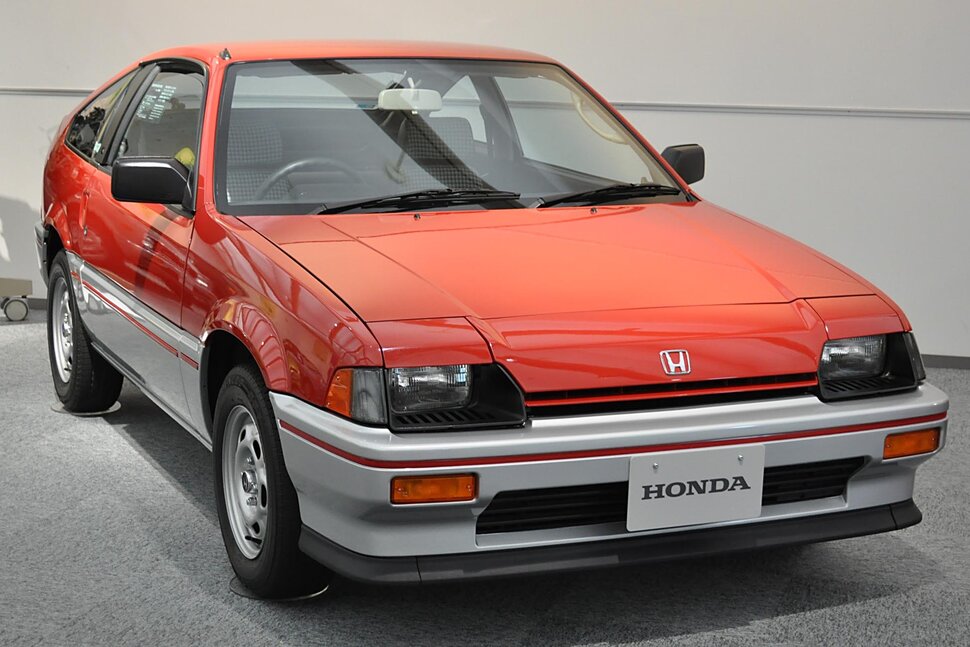
11. Honda CR-X (1984-1991)
The Honda CR-X, produced primarily during the mid-1980s through the early 1990s, is a compact sporty hatchback that earned a strong reputation for both performance and exceptional reliability. It was designed to be lightweight, economical, and fun to drive, yet it maintained Honda’s hallmark of mechanical dependability.
Despite being a relatively small vehicle, the CR-X proved that even a sporty compact could avoid frequent trips to the mechanic if properly maintained, making it a popular choice among drivers who wanted reliability without sacrificing driving enjoyment.
At the heart of the CR-X’s reliability is its range of four-cylinder engines, the D-series and the B-series in later models. These power plants are known for their solid engineering and simplicity, avoiding unnecessary complexity that could lead to frequent repairs.
The naturally aspirated engines offer a balanced combination of fuel efficiency and dependable performance. Owners of CR-X models frequently report that the engines run smoothly well past 200,000 miles, often requiring nothing more than routine maintenance like oil changes, valve adjustments, and timing belt replacements.
Transmission options included both five-speed manuals and three- or four-speed automatics, with the manual gearboxes in particular gaining praise for their durability and precise shifting. These transmissions are known to handle the power output without common failures, making the driving experience engaging yet trouble-free. When paired with the light chassis, the drivetrains provide a responsive yet reliable setup that minimizes mechanical strain and maximizes longevity.
The CR-X’s suspension system was designed with simplicity and efficiency, utilizing MacPherson struts in the front and a torsion beam at the rear, which contributed to both a nimble ride and long-term durability.
The suspension components rarely require major repairs, with normal wear parts such as shocks or bushings being the only common replacements over the car’s life. The braking system is equally straightforward, offering reliable stopping power that ages well with routine servicing. All these factors make the Honda CR-X a vehicle that rarely left mechanics busy, cementing its status as a beloved classic with legendary reliability.
