
For most car owners, one of the biggest concerns over the long term is the reliability of the engine. It’s the heart of the vehicle, and once it starts having serious issues, the costs can escalate quickly.
Repairs like head gasket replacements, timing chain rebuilds, or complete overhauls are not just expensive; they also take your car out of commission for long periods.
That’s why engines with a reputation for lasting a long time without requiring major service have developed strong followings. Some owners swear by certain engines that seem to run forever, needing nothing more than oil changes and occasional minor maintenance.
When automakers design an engine, they balance performance, emissions, weight, and cost. But in some cases, they manage to create engines that just work year after year, mile after mile. These engines are often over-engineered for their time, running with wide tolerances, strong internal components, and simple, reliable systems.
While no engine is truly maintenance-free, the ones on this list have consistently shown that they can surpass 200,000 or even 300,000 miles with only basic upkeep. That’s a claim few other parts of a car can make.
What makes these engines stand out isn’t just durability, it’s predictability. Owners don’t worry about sudden failures or nagging problems. Instead, these engines earn their reputation by starting every morning, idling smoothly, and pulling their vehicles along with steady power year after year. Some are known for running in taxis or delivery vehicles that rack up extreme mileage.
Others power daily commuter cars that get driven hard but still avoid the mechanic’s lift. In every case, it’s the consistency that sets them apart.
The engines listed here represent a mix of Japanese, American, and European engineering. Some are four-cylinder workhorses, others are inline-sixes or even V8s. What unites them is a track record of reliability that’s hard to ignore. Whether you’re looking to buy a used car or just appreciate good engineering, these engines are worth knowing about.
Also Read: 10 V6 Motors That Feel Immortal With Proper Care
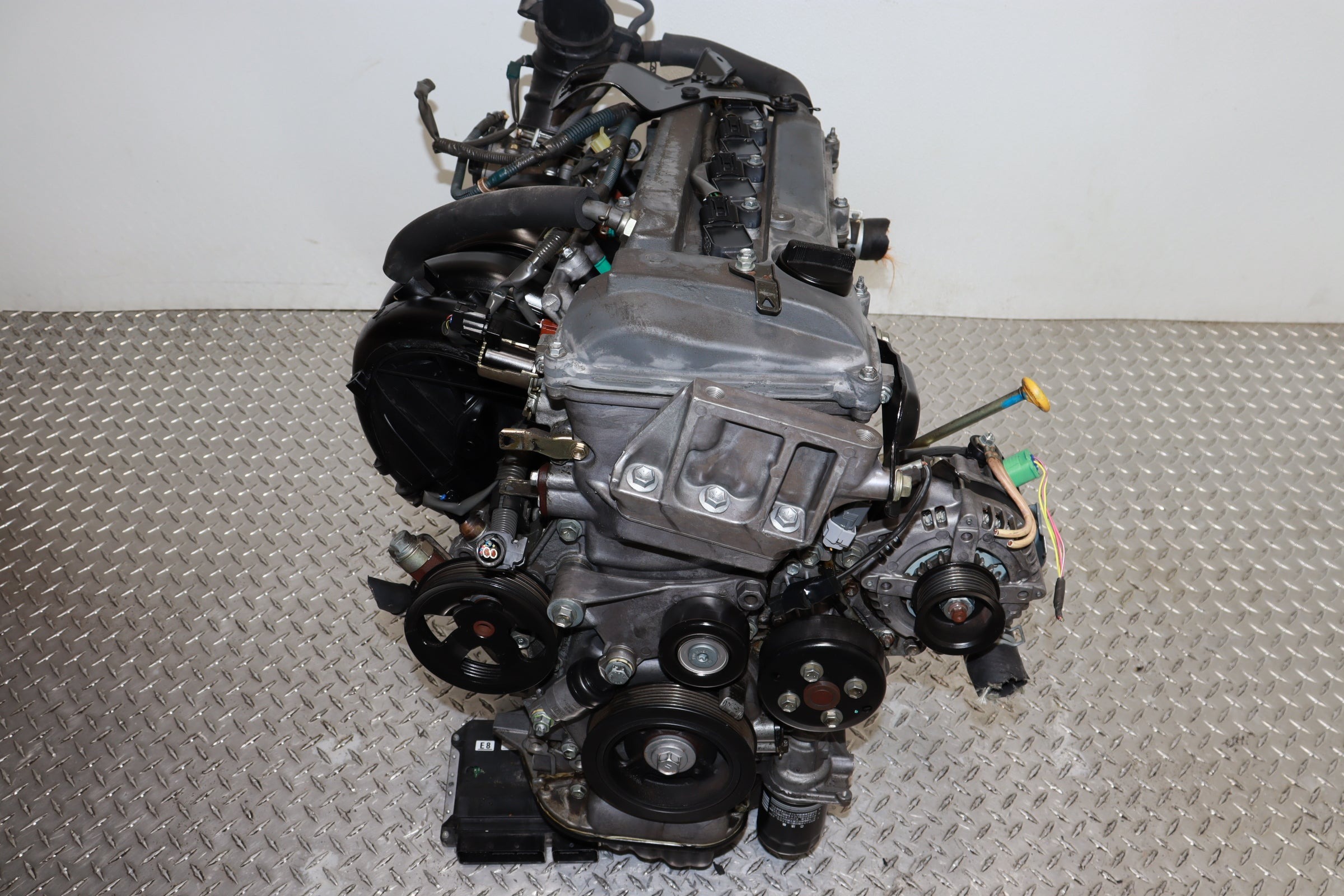
1. Toyota 2.4L 2AZ-FE (Four-Cylinder)
The 2AZ-FE engine powered millions of Toyota vehicles throughout the 2000s and early 2010s. Found in models like the Camry, RAV4, and Scion tC, it’s a naturally aspirated four-cylinder with a reputation for durability. It uses an aluminum block with cast-iron liners, making it lightweight but still strong enough to handle high-mileage use.
Toyota designed it for efficiency and longevity, not for high performance. That design philosophy shows in its simple architecture and ease of maintenance.
One of the major benefits of the 2AZ-FE is that it avoids timing belts entirely. It uses a timing chain that doesn’t need regular replacement. This reduces long-term service costs and eliminates one of the most common failure points in older engines.
Valve adjustments are also rare, and the engine doesn’t suffer from common head gasket issues like some other four-cylinders from the same era. The power output is modest, but it’s perfectly adequate for the kinds of vehicles it powers.
Many owners report reaching over 250,000 miles with nothing more than regular oil changes and basic fluid upkeep. Toyota designed the engine to run efficiently on regular gasoline, and it doesn’t burn oil excessively under normal conditions.
It’s not without faults; early versions had a small issue with head bolt threads loosening over time, but Toyota quietly fixed this in later revisions. The problem is rare enough not to damage the engine’s reputation.
Because the engine was used in so many vehicles, replacement parts are cheap and widely available. Even independent mechanics are familiar with it, so labor costs tend to be lower than for more exotic engines.
It’s also worth noting that this engine holds up well under heavy use, such as in fleet vehicles or daily delivery cars. If you’re looking for something low-fuss and consistent, the 2AZ-FE is one of the safest bets out there.
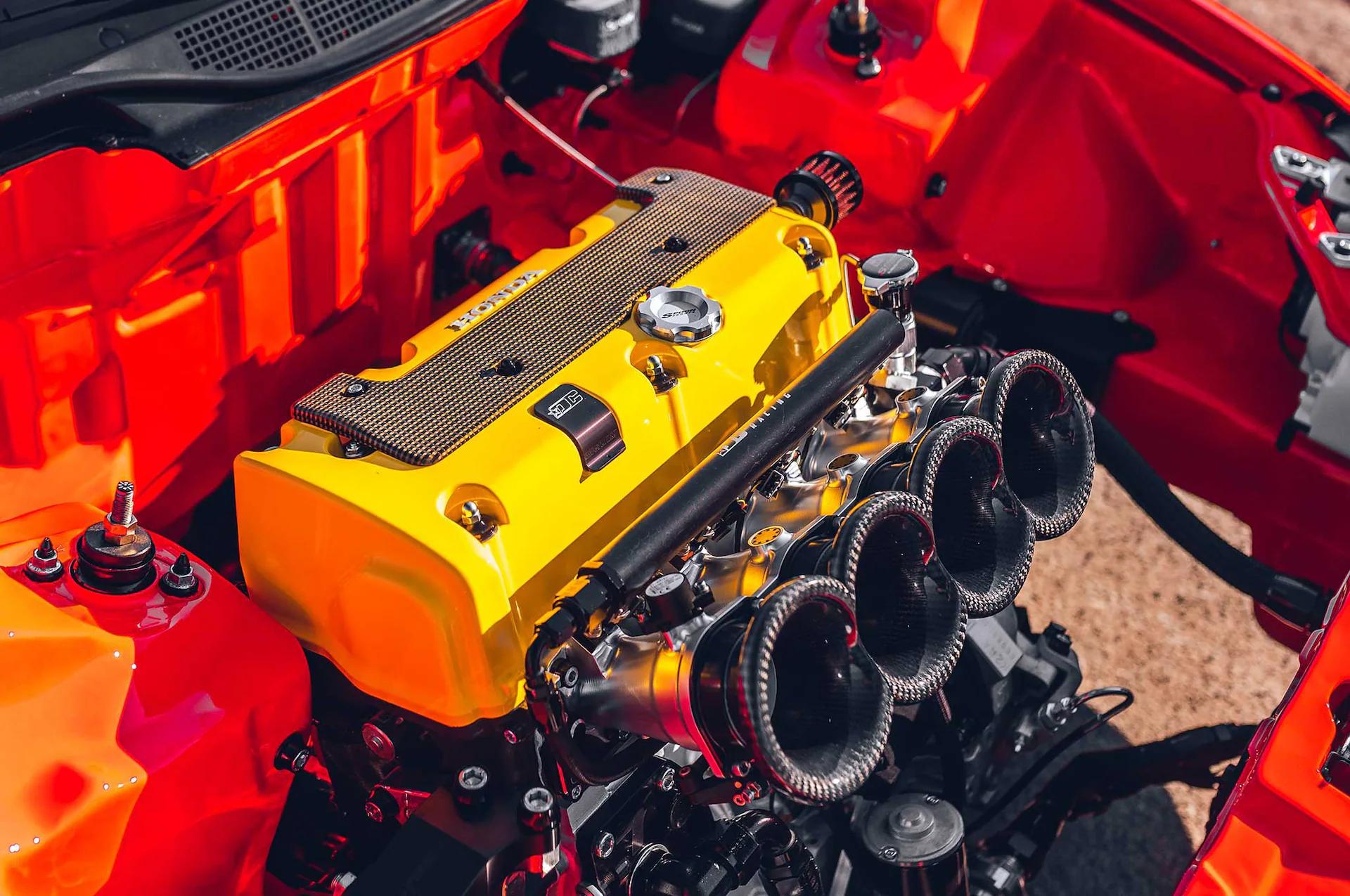
2. Honda 2.4L K24 (Four-Cylinder)
Honda’s K24 engine is a staple in both the performance and commuter world, and for good reason. Found in vehicles like the Honda Accord, CR-V, and Element, this engine is known for being nearly bulletproof when maintained properly.
It’s a DOHC design with variable valve timing (VTEC), offering a nice balance of power and efficiency. Even with the added complexity of VTEC, the K24 remains one of Honda’s most reliable modern engines.
One reason the K24 lasts so long is its strong internal construction. The forged steel crankshaft, robust pistons, and high-flow cylinder head allow it to withstand high RPMs without damage.
Yet most owners don’t drive these cars aggressively, meaning the engine rarely sees the stress it was built to handle. This leaves a wide margin for longevity. Timing chains also help avoid costly belt replacements, adding another layer of convenience for long-term owners.
Another aspect of the K24’s reliability comes from Honda’s conservative tuning. While the engine is capable of high performance, the factory settings favor smooth power delivery and lower stress on components.
It’s not uncommon to see K24-powered vehicles reach over 300,000 miles with no engine rebuilds. Problems like oil consumption or misfires are rare unless the car is severely neglected. It’s also forgiving to newer drivers who may not be very mechanically inclined.
Maintenance is simple and parts are affordable. Most basic services can be done with standard tools, and there’s a vast community of enthusiasts and mechanics who are familiar with this engine.
Whether you’re using it in a stock commuter car or swapping it into a performance build, the K24 rarely lets people down. Its combination of low maintenance needs and long lifespan make it one of Honda’s most trusted engines.
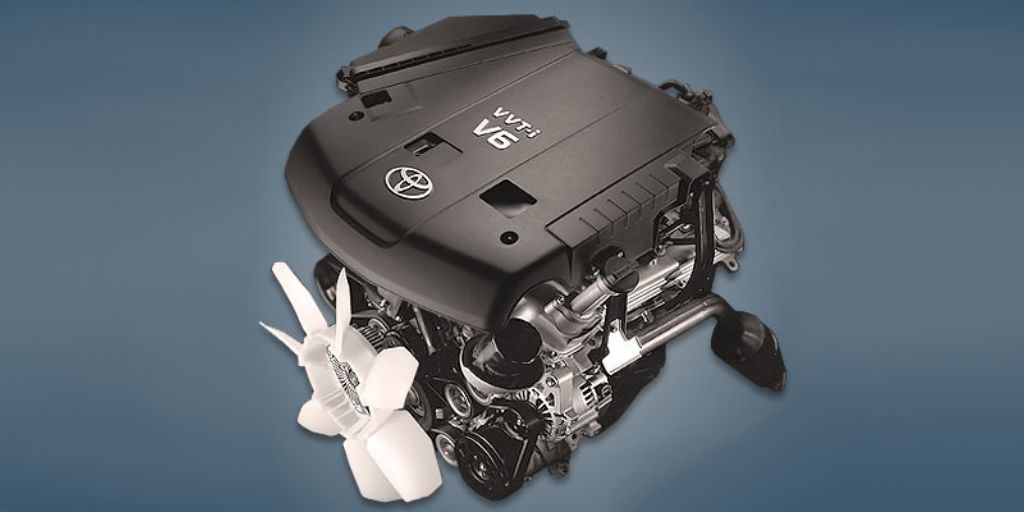
3. Toyota 4.0L 1GR-FE (V6)
The 1GR-FE V6 engine is a powerhouse of reliability, commonly found in the Toyota Tacoma, 4Runner, and FJ Cruiser. This 4.0-liter engine was built with rugged use in mind.
It thrives in off-road conditions, handles towing with ease, and keeps going even when subjected to heavy loads. Its design favors longevity over performance, and it excels in that area with few recurring issues reported by long-term owners.
Constructed with a strong aluminum block and cast iron liners, the 1GR-FE resists wear and overheating. The early versions used a single VVT system on the intake camshaft, which was later upgraded to dual VVT-i for better efficiency.
Both setups have proven to be reliable over time. It uses a timing chain instead of a belt, which helps eliminate one of the most expensive maintenance tasks typically associated with larger engines.
The real magic of the 1GR-FE is in how it performs under tough conditions. Whether it’s crawling over rocks or hauling cargo up a steep grade, the engine maintains smooth power delivery and rarely breaks down.
Many owners report driving these trucks well past 300,000 miles without experiencing engine failure. Its simplicity and toughness make it a favorite among mechanics who work on older Toyota trucks.
Another strength is how well it handles neglect. While regular maintenance is always best, the 1GR-FE tends to tolerate longer oil change intervals or cheap gasoline better than more sensitive engines.
The systems are overbuilt, and component failure is rare. If a part does wear out, it’s usually accessible and affordable. For anyone needing a reliable engine in a vehicle that may face rough treatment, this V6 holds up extremely well.
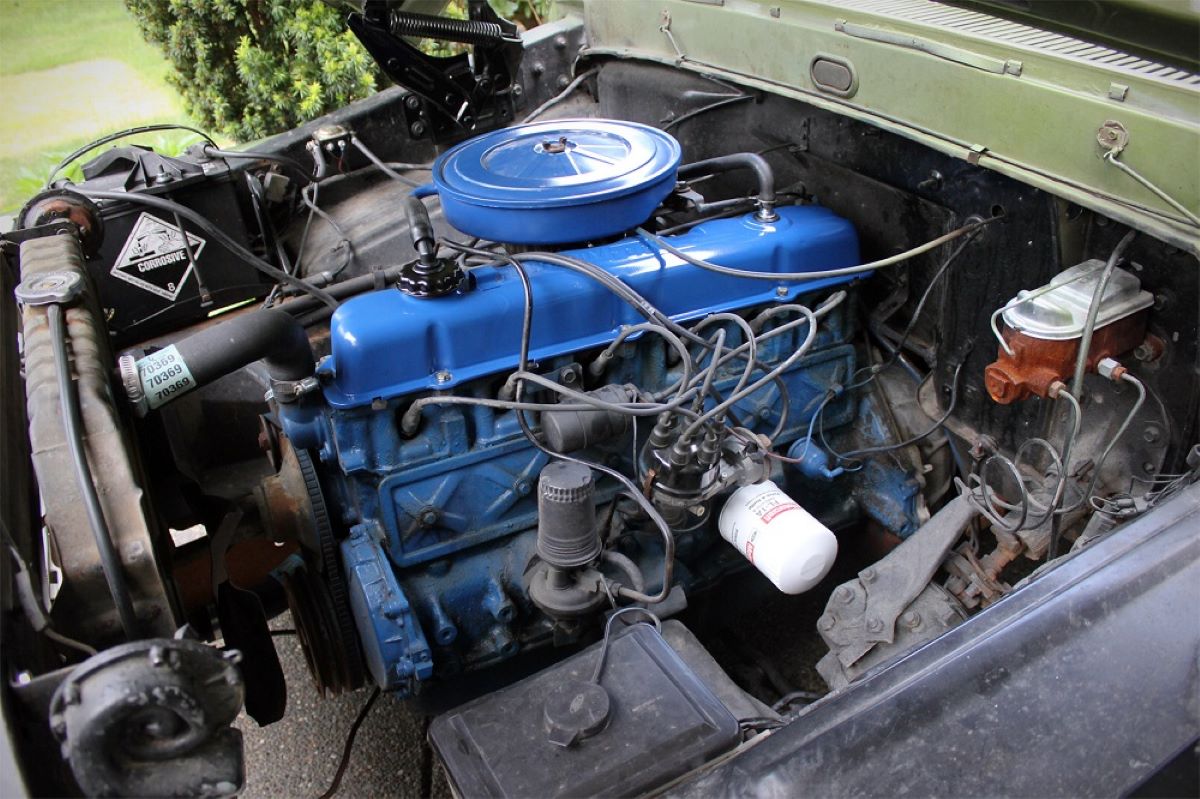
4. Ford 4.9L Inline-6 (300 I6)
Ford’s 4.9L inline-6, also known as the 300 I6, is one of the most respected engines in American truck history. It powered generations of F-Series pickups and E-Series vans from the 1960s all the way through the mid-1990s.
The engine is incredibly simple in design, with very few moving parts compared to modern engines. That simplicity is the core reason why it has such a reputation for reliability and durability.
The engine features a cast-iron block and head, which adds weight but also enhances durability. The long-stroke design produces lots of low-end torque, making it ideal for hauling, towing, and working under load.
It’s a naturally aspirated engine with no turbo or complex electronics to fail. The carbureted versions are especially easy to maintain, though the later fuel-injected models also have a strong following for their improved efficiency.
These engines are known to last for hundreds of thousands of miles with minimal maintenance. Farmers, contractors, and tradespeople used these engines in some of the harshest conditions imaginable.
Cold starts, long idling, dusty environments, they could handle it all. Even when oil changes were skipped or cooling systems failed, the 300 I6 often kept running. That kind of resilience is rare, even in large-displacement engines.
Today, they are still sought after by people restoring older Ford trucks or building custom off-roaders. Their popularity among collectors and enthusiasts is a testament to their legacy.
With parts still widely available and a massive knowledge base among older mechanics, the 300 I6 continues to be a symbol of old-school reliability. If you’re looking for an engine that laughs in the face of abuse, this one should be near the top of your list.
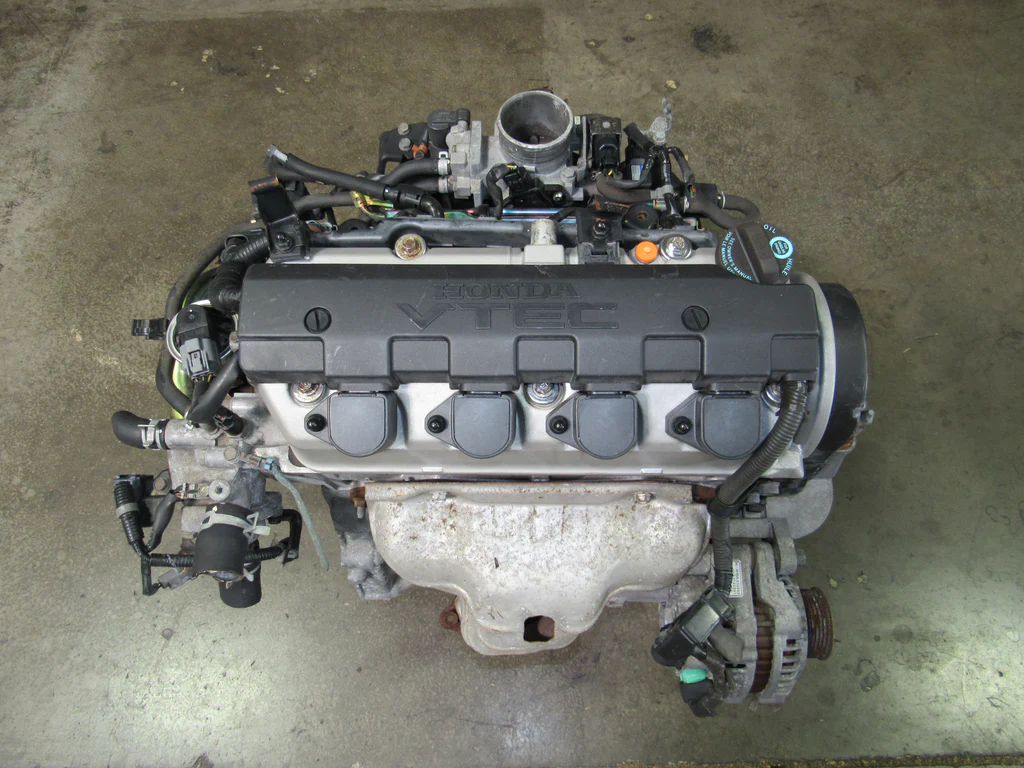
5. Honda 1.5L D15B (Four-Cylinder)
The Honda D15B is a 1.5-liter four-cylinder engine that became popular in the late 1980s and 1990s, especially in models like the Civic and CRX. It’s not a high-performance engine, nor was it ever intended to be.
What it does offer, however, is one of the most impressively reliable experiences in a small, fuel-efficient package. The engine is known for its simple construction, light weight, and ease of maintenance, all of which contribute to its long lifespan.
One key trait of the D15B is its wide tolerances and low-stress operation. Honda tuned it to operate efficiently rather than aggressively, which means it rarely encounters the sort of high thermal or mechanical loads that can wear down engine components prematurely.
With a low compression ratio and non-aggressive timing, the D15B rarely encounters detonation or valve issues, even when neglected. Its use of a timing belt may seem like a downside, but belt replacements are easy and inexpensive on this engine.
Owners of vehicles with the D15B often note that it keeps going long after the rest of the car begins to fall apart. It’s not unusual for these engines to surpass 300,000 miles without internal repairs, especially when regular oil changes and basic service intervals are respected.
Valve adjustments are easy to perform, and replacement parts, both OEM and aftermarket, are affordable and readily available. Despite its age, the D15B remains popular among DIY mechanics and Honda enthusiasts alike.
Even more impressive is how forgiving the D15B is to less-than-perfect maintenance. Some engines will suffer immediately from missed oil changes or cheap filters, but this little powerplant takes a beating and keeps running.
It’s also highly adaptable; some variants even featured VTEC, giving it a bit more character without compromising reliability. Whether found in a rusted-out daily driver or a clean enthusiast project, the D15B earns its reputation as a long-lasting and nearly indestructible small engine.
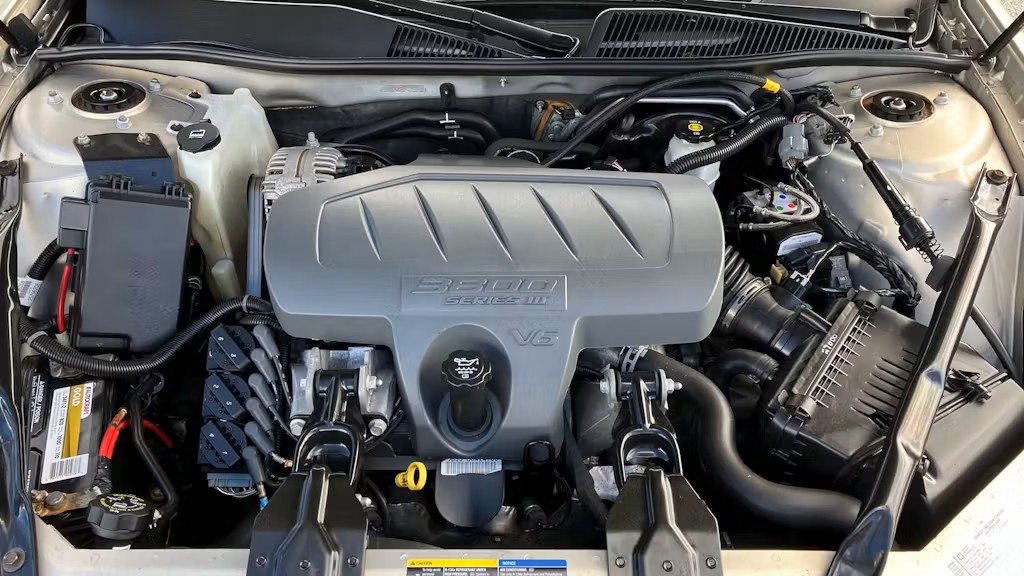
6. GM 3.8L V6 (3800 Series II)
The GM 3.8L V6, especially the Series II version, is one of the most durable and low-maintenance American engines ever produced. Found in a variety of vehicles across the Buick, Pontiac, Chevrolet, and Oldsmobile brands, this engine developed a loyal following for its sheer reliability.
It offers a strong mix of power and fuel economy, but what really makes it special is how rarely it requires major repairs. Many mechanics will tell you they’ve seen these engines exceed 300,000 miles with only basic maintenance.
The 3800 uses a pushrod design rather than overhead cams, which reduces complexity and cost. Despite being somewhat old-fashioned, this layout contributes to the engine’s long life.
Fewer moving parts mean fewer things to break or wear out. It’s also a naturally balanced engine that runs smoothly without the need for balance shafts or complex vibration dampening. The block and heads are cast iron, making the engine quite heavy but incredibly durable under a wide range of conditions.
One area where the 3800 Series II shines is in its adaptability. It was used in everything from full-size sedans to minivans and even some sports coupes. Despite that range, it maintained a strong reliability record across the board.
While it did have some minor known issues, like plastic intake manifold gaskets on earlier models, these were easy to fix and rarely led to catastrophic failures. Once those components were updated, the engine became one of the most dependable in GM’s lineup.
Because the engine was produced in such high numbers, replacement parts are cheap and easy to find. There’s also a large number of mechanics familiar with its inner workings, which helps reduce labor costs when service is needed.
Whether in a high-mileage Buick LeSabre or a sporty Pontiac Grand Prix, the 3800 V6 remains one of the most service-light engines in American automotive history. It’s a solid choice for anyone looking to avoid unexpected trips to the mechanic.
Also Read: 10 Most Desirable Cars That Enthusiasts Keep Forever
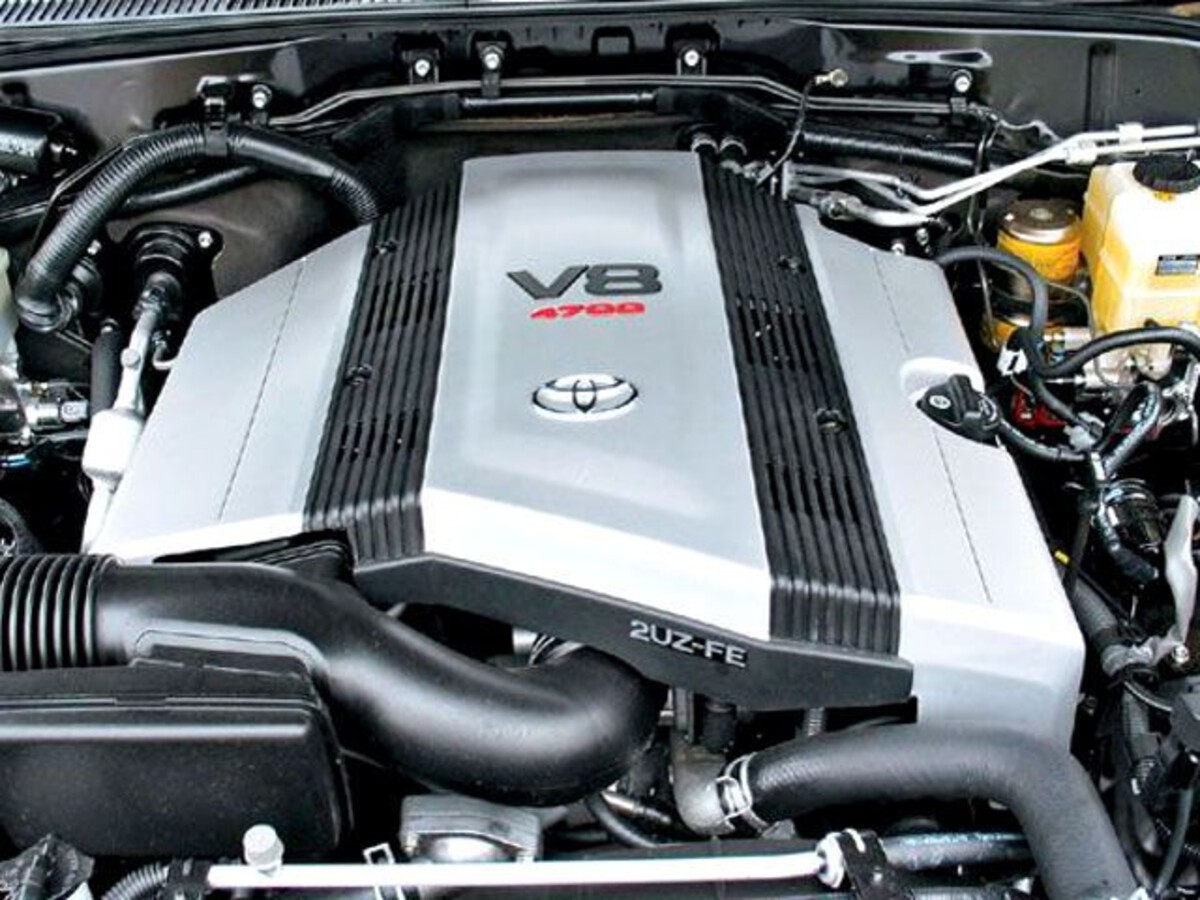
7. Toyota 4.7L 2UZ-FE (V8)
Toyota’s 2UZ-FE 4.7L V8 is one of those engines that quietly built a reputation for being nearly unstoppable. Used in the Land Cruiser, Sequoia, Tundra, and Lexus LX470 and GX470, this engine was built with longevity and toughness in mind.
Unlike many modern V8s that focus on performance and high-revving characteristics, the 2UZ-FE is designed to deliver smooth, consistent power with minimal effort. This low-stress design has helped it become a favorite among high-mileage truck owners and off-road enthusiasts.
The engine block is made of cast iron, which adds weight but improves long-term wear resistance. The heads are aluminum, which helps reduce weight where it matters most. Early models used a timing belt, which needs occasional replacement, but the rest of the engine is designed to go hundreds of thousands of miles with no major issues.
It has a conservative redline, low compression, and simple variable valve timing. All of these factors combine to create an engine that rarely feels strained, even under load.
One of the biggest advantages of the 2UZ-FE is its ability to operate in extreme conditions. Whether it’s towing in desert heat or crawling through snow and mud, the engine remains cool and composed.
Owners frequently report that the engine outlasts the transmissions and even the frames of the vehicles it powers. It’s not uncommon to see Land Cruisers and Tundras with over 400,000 miles on the original engine. When properly maintained, the 2UZ-FE seems nearly immune to fatigue.
Maintenance is straightforward, and parts are widely available. Though the engine may not be the most fuel-efficient V8 out there, its low cost of ownership over time more than makes up for it. With only basic upkeep, oil changes, timing belt every 90,000 miles, and occasional spark plugs, this engine just keeps running.
It’s the kind of engine you could take across a continent without a second thought. For long-term dependability, few V8s can match its track record.
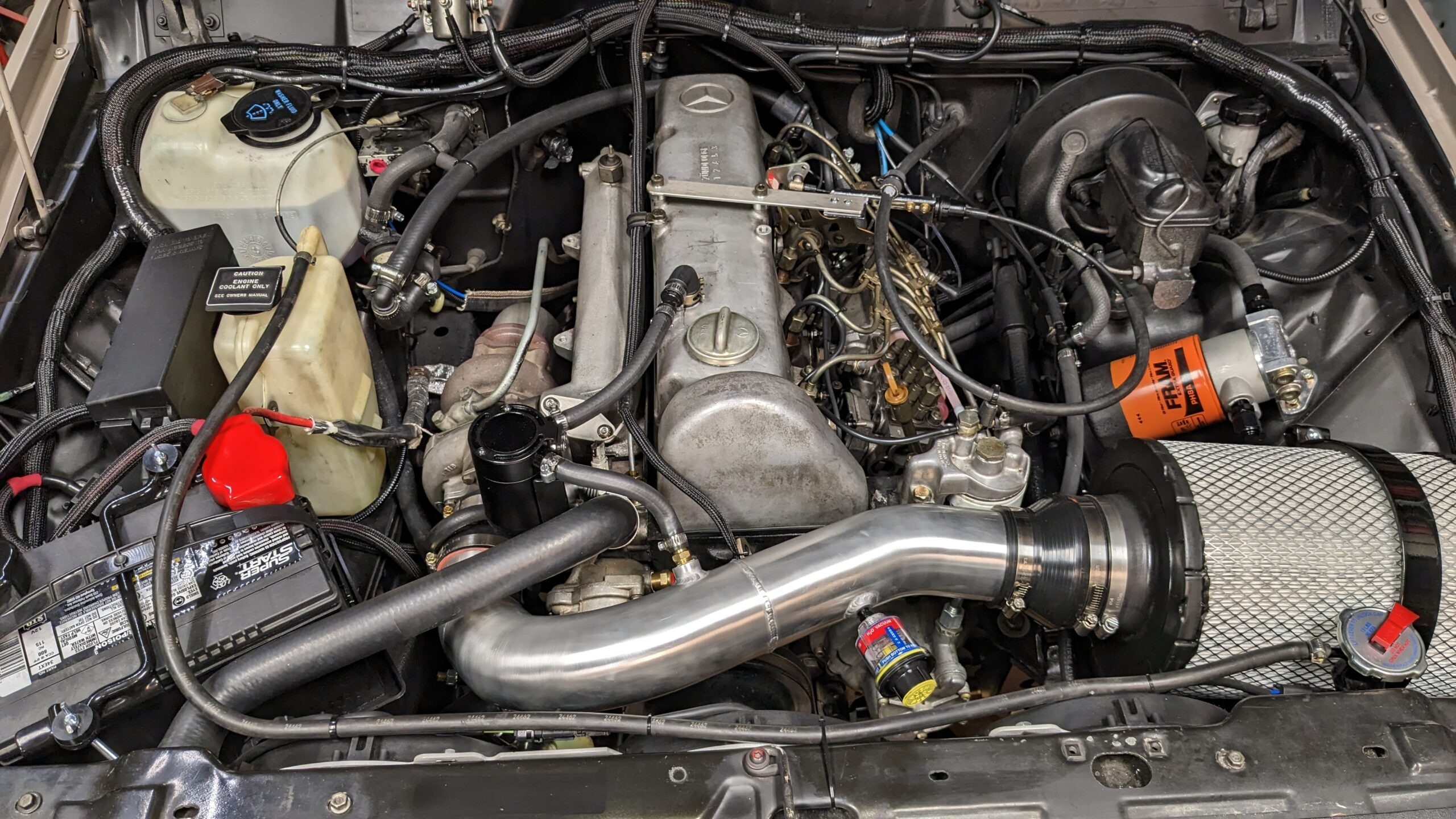
8. Mercedes-Benz OM617 (Diesel I5)
The OM617 diesel engine from Mercedes-Benz is one of the most overbuilt engines in automotive history. Found in cars like the 240D and 300D during the 1970s and 1980s, this five-cylinder diesel has earned a legendary status among those who value mechanical simplicity and long-term reliability.
While it’s not fast by any stretch, it more than makes up for that with unmatched durability and ease of service. Some units have been documented running well beyond 500,000 miles without internal repairs.
The OM617 uses a cast iron block and head, indirect fuel injection, and a mechanical fuel pump, all of which are designed for long-term reliability rather than efficiency or performance.
It doesn’t rely on complex electronics or sensors, which means fewer failure points. In fact, many of these engines can be run entirely without a functioning battery once started. Their self-contained fuel delivery and glow plug systems make them ideal for harsh environments and rural areas.
One reason this engine lasts so long is its low specific output. It doesn’t make much horsepower, and it runs at low RPMs. This greatly reduces internal stress and wear.
In addition, diesel fuel has natural lubricating properties, which help preserve the injectors, fuel pump, and cylinder walls. These engines were often used in taxis, export models, and military applications, all of which demanded long lifespans and minimal maintenance.
Maintenance on the OM617 is as simple as it gets: regular oil changes, air filters, and valve adjustments every 15,000 miles or so. Parts are still available, and there’s a strong enthusiast base that keeps the knowledge alive.
Despite being several decades old, many of these engines are still on the road, particularly in parts of Africa, the Middle East, and rural America. If you’re looking for a diesel engine that will outlast just about anything else, the OM617 remains the gold standard.
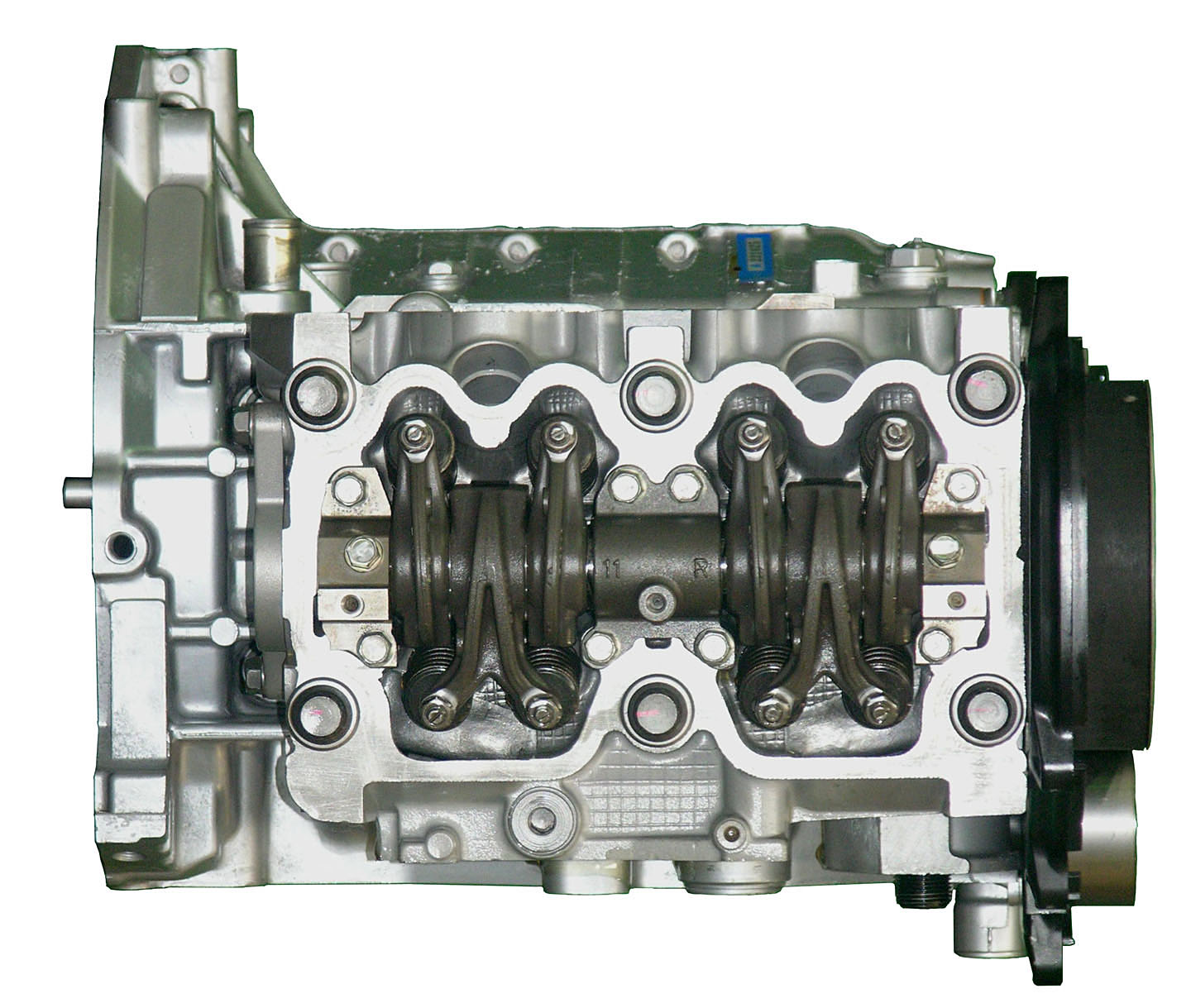
9. Subaru 2.2L EJ22 (Flat-Four)
The Subaru EJ22 engine, most used in the Subaru Legacy and Impreza throughout the 1990s, has become a benchmark for reliability within the Subaru engine family.
Unlike its more complicated turbocharged cousins, the naturally aspirated EJ22 is known for its simplicity and rugged construction. It doesn’t deliver thrilling performance, but it more than makes up for that with a long service life and a track record for minimal mechanical issues, especially in non-interference versions before 1997.
A key reason for the EJ22’s durability is its conservative design. It features a closed-deck block on early models, which provides excellent structural strength and helps resist cracking under thermal stress. It uses a timing belt, but in the early years, the engine was a non-interference design, meaning even if the belt breaks, the valves won’t crash into the pistons.
This alone helps prevent catastrophic damage in the event of neglected maintenance. The cylinder heads are aluminum but are designed in a way that resists warping and coolant loss, which has plagued later Subaru engines.
Another strong point is the engine’s simplicity in comparison to other flat-fours. It lacks turbochargers, variable valve timing, and other complexity-enhancing components, which reduces the chance of expensive failures. The fuel system is straightforward, and the engine tends to run smoothly even after years of use.
Common problems with other Subarus, such as head gasket failure, are far less likely with the EJ22, especially in earlier versions that used a more robust head gasket material. These engines are also remarkably tolerant of oil condition and coolant mix, meaning they won’t self-destruct easily under imperfect maintenance.
Owners who’ve driven Subarus with the EJ22 often report that the engine outlasted nearly every other component on the vehicle. It’s not unusual for these engines to reach 300,000 miles or more without any internal work.
They’re frequently used in off-road Subaru builds and are swapped into other Subaru chassis for their reliability. With basic care, the EJ22 is one of those engines you can practically forget about, until you realize it’s still quietly running after decades of use.
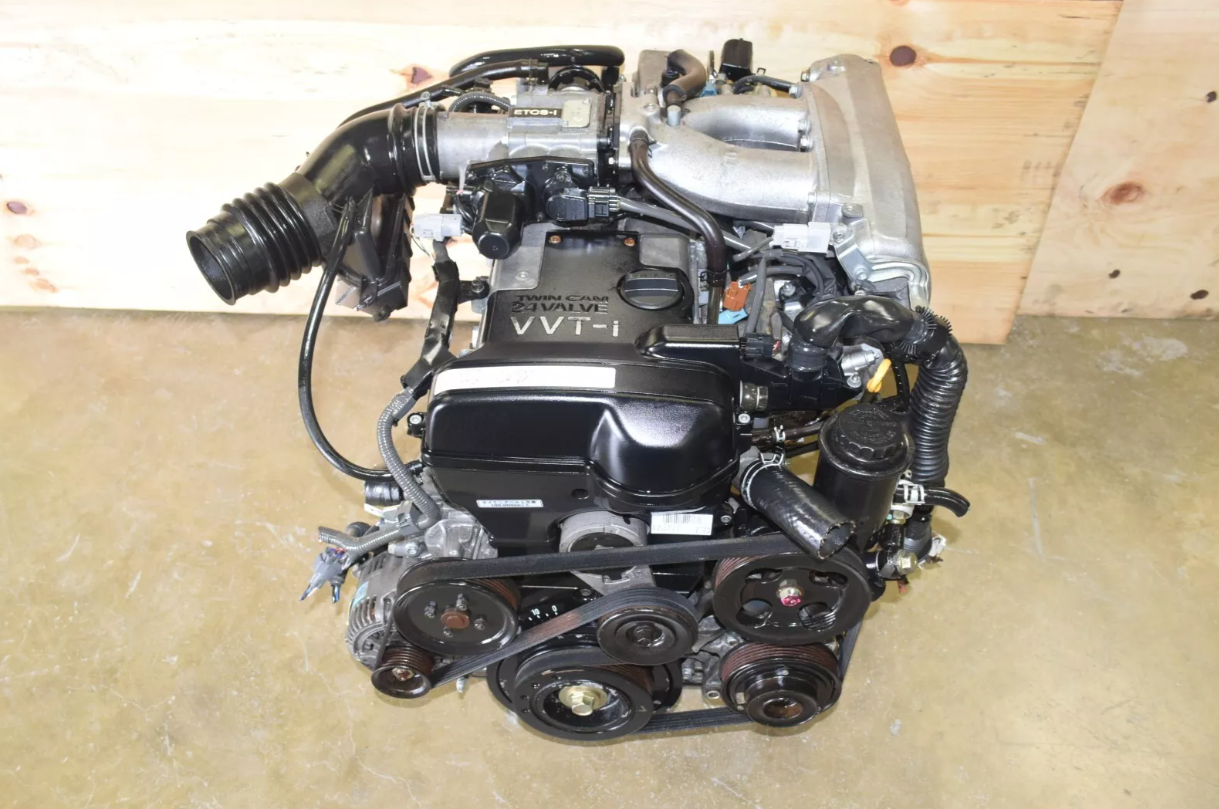
10. Lexus 3.0L 2JZ-GE (Inline-6)
The naturally aspirated 2JZ-GE engine, part of Toyota’s legendary JZ family, earned its reputation by being nearly as durable as its more famous sibling, the turbocharged 2JZ-GTE.
While the GTE gets most of the attention from performance circles, the GE deserves its own recognition for being one of the most service-free inline-six engines ever made. Found in vehicles like the Lexus GS300, SC300, and Toyota Supra (non-turbo models), this engine offers exceptional refinement and reliability with very few weaknesses.
Built with a cast iron block and aluminum head, the 2JZ-GE was engineered with long life in mind. The bottom end is extremely robust, capable of handling much more power than the engine produces in stock form.
The inline-six layout is inherently balanced, giving it smooth operation and reducing wear over time. Unlike many engines that are tuned to the edge of their mechanical limits, the 2JZ-GE runs at relatively low stress under normal driving, which helps extend its service intervals.
One of the most celebrated aspects of the 2JZ-GE is how well it holds up under poor maintenance. While that’s never recommended, it’s worth noting that many owners have reported neglecting oil changes or using lower-grade fuels without serious consequences.
The engine’s overengineering and generous tolerances make it extremely forgiving. Timing belts are required every 90,000 miles, but they’re not difficult to replace and don’t pose a huge threat if changed on schedule. Beyond that, the engine rarely demands attention.
With regular oil and coolant changes, it’s not unusual for 2JZ-GE engines to exceed 400,000 miles without any internal failures.
Some owners say the engine still feels smooth and responsive even at high mileages, which speaks volumes about its construction. It’s an engine that was made to last, and it shows. Whether you’re looking for a dependable luxury engine or just want something with a long service life and low stress, the 2JZ-GE is a clear standout.
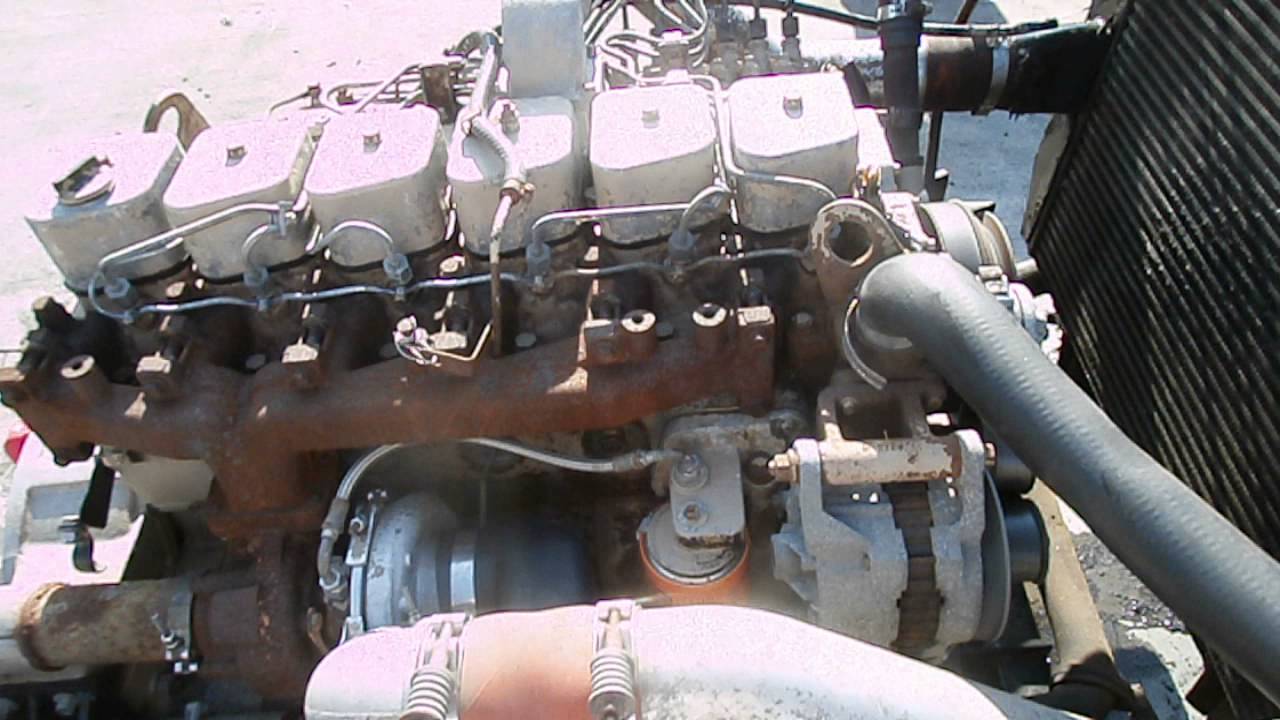
11. Cummins 5.9L 12-Valve (Diesel I6)
The 5.9L 12-valve Cummins diesel engine, particularly the version used in Dodge Ram pickups from the late 1980s through the mid-1990s, is widely regarded as one of the most reliable diesel engines ever made for light-duty trucks.
Its reputation is built on simplicity, raw mechanical strength, and an ability to operate under brutal conditions. Unlike modern diesels with emissions systems and complex computer controls, the early 5.9L Cummins is purely mechanical, which makes it especially desirable to those who want an engine that just runs.
At the heart of this engine’s durability is its cast iron block, forged internals, and gear-driven camshaft and injection pump. The Bosch VE rotary pump used on earlier versions is easy to maintain and very reliable when treated well.
The engine’s low-revving nature also helps reduce internal wear. It produces strong torque at low RPMs, which makes it ideal for towing, hauling, and off-road use. Despite its power, the engine never feels like it’s working too hard, which contributes to its longevity.
Another important factor is its resistance to abuse and poor maintenance. The 12-valve 5.9L can handle dirty fuel, long oil change intervals, and extreme temperature swings better than most engines of its kind.
Some owners report these engines running over 500,000 miles with only a couple of valve adjustments and routine fluid changes. Even when subjected to heavy workloads, such as hauling trailers or working in agriculture, the engine keeps performing with minimal drama. It’s a workhorse in the truest sense of the word.
Because of its simplicity, repairs are easy and affordable, especially when compared to modern diesels that require specialized diagnostic tools and emissions system maintenance. The aftermarket support for these engines is massive, and parts are easy to find.
Whether you’re restoring an old Dodge or building a project vehicle, the 5.9L 12-valve Cummins is one of the few engines that can be trusted to keep running no matter the conditions. It’s the kind of engine that gives people confidence in every turn of the key.
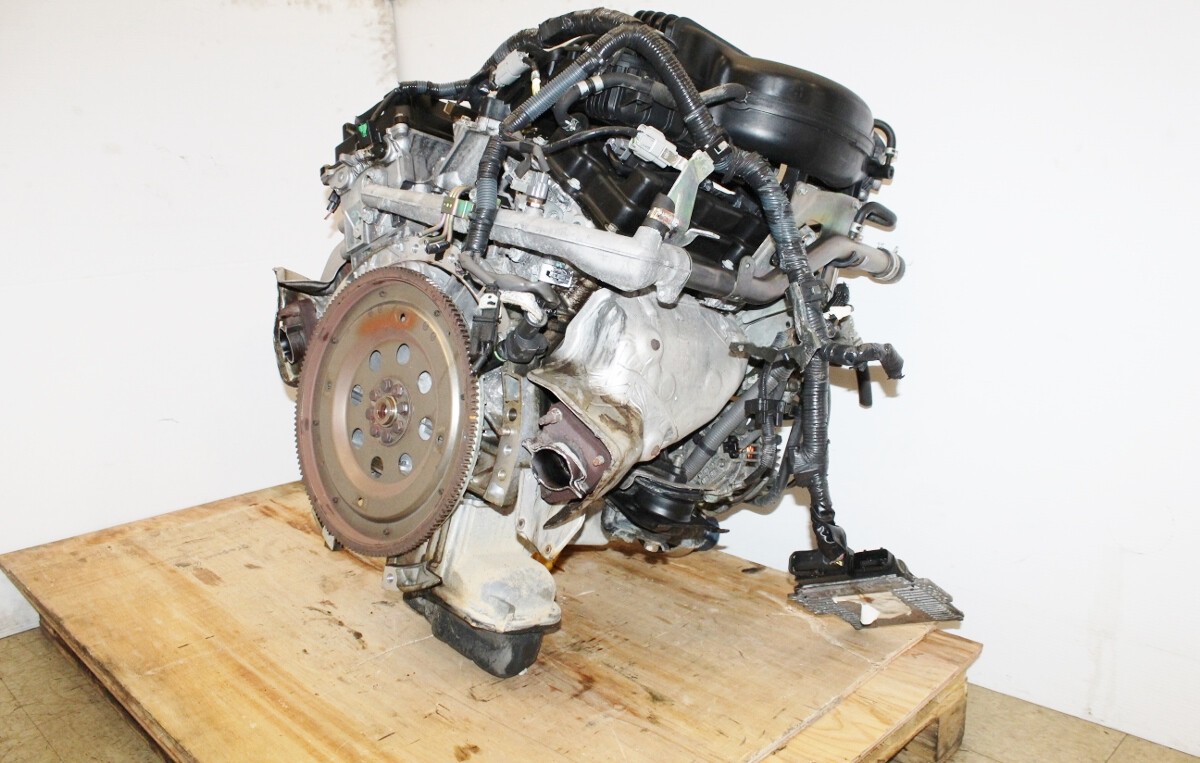
12. Nissan 4.0L VQ40DE (V6)
The VQ40DE is a 4.0L V6 engine that powers several Nissan and Infiniti trucks and SUVs, including the Frontier, Xterra, Pathfinder, and NV vans. It’s part of the larger VQ engine family, which has won numerous awards for its engineering and reliability.
While the earlier VQ30 and VQ35 engines are also well-regarded, the VQ40 stands out for its combination of strong torque, simple design, and long-term reliability, especially under rugged conditions.
The engine is built with an aluminum block and heads, and features dual overhead cams with variable valve timing. Despite the complexity of these systems, they rarely cause problems when maintained correctly.
It uses a timing chain instead of a belt, which removes a common maintenance concern. The engine also doesn’t suffer from significant oil burning or overheating issues, which have been problems in other V6 engines from the same era. It holds up exceptionally well in both work and recreational vehicles.
What really makes the VQ40DE impressive is how well it handles abuse. Many of the vehicles that use this engine are off-road capable or used commercially, meaning the engines often face long hours, heavy loads, and inconsistent maintenance.
Even so, failures are rare, and the engines often go well beyond 250,000 miles without internal repairs. Some minor issues like radiator transmission coolers leaking into the transmission system, were vehicle-specific, not engine-specific, and don’t affect the VQ40’s reliability directly.
Owners and mechanics alike appreciate how easy the engine is to service. Oil changes, spark plug replacements, and accessory belt servicing are all relatively straightforward.
And because Nissan used the VQ40 across a wide range of models, parts are widely available and affordable.
If you’re looking for a reliable V6 that doesn’t need much attention and can handle a wide variety of driving conditions, the VQ40DE is a strong candidate. It continues to power vehicles around the world with few complaints.
