
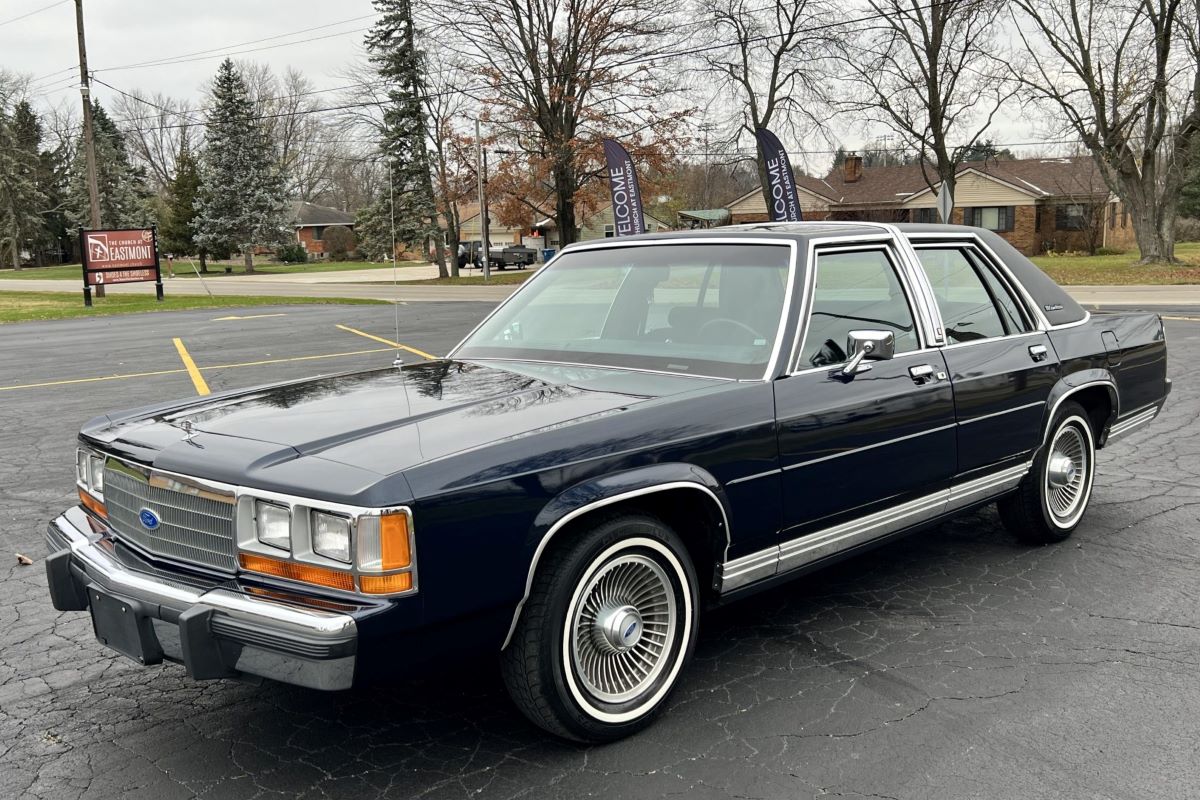
Automobiles often represent a blend of art and engineering. While performance and reliability are critical, design and aesthetics tend to receive a disproportionate amount of attention, especially in a market that’s increasingly driven by trends and visual appeal.
Sedans, once considered the staple of middle-class transport, have evolved and adapted through multiple decades.
Their bodies have been stretched, sharpened, rounded, and squared off to suit the changing tastes of the consumer base. Some designs are hailed as timeless, while others quickly fade into the background as the years pass.
Yet, every so often, some sedans outlive the era of their styling, vehicles that may no longer be visually fashionable but continue to function reliably and deliver solid value for their owners.
This is a specific kind of automotive resilience. It’s not just about a car lasting a long time mechanically, but about it continuing to serve its purpose long after its visual language has become outdated.
Sometimes the body shape, trim pieces, and lighting elements look like they belong to another decade, and in many cases, they do.
But the vehicle remains on the road, still commuting daily, still surviving winter after winter, still providing an undramatic but steady driving experience.
This phenomenon can be both amusing and admirable. These sedans might no longer turn heads, but their continued presence is a reminder that functionality often trumps form.
Not all of these sedans were necessarily unattractive when they first debuted. In fact, some were considered quite attractive for their time.
But styling is a temporary currency, one that gets devalued quickly. A body design that looked forward-thinking five years ago might appear dated today. That’s where these sedans stand out.
They may not score high in the fashion department anymore, but they have proven themselves in other ways.
Their reputations for reliability, ease of maintenance, and practical usability have allowed them to retain value even as their appearances became less relevant to modern buyers. Each of the ten sedans listed here has found a way to stay useful, even after its visual appeal faded.
Also Read: 10 V6 Motors That Feel Immortal With Proper Care
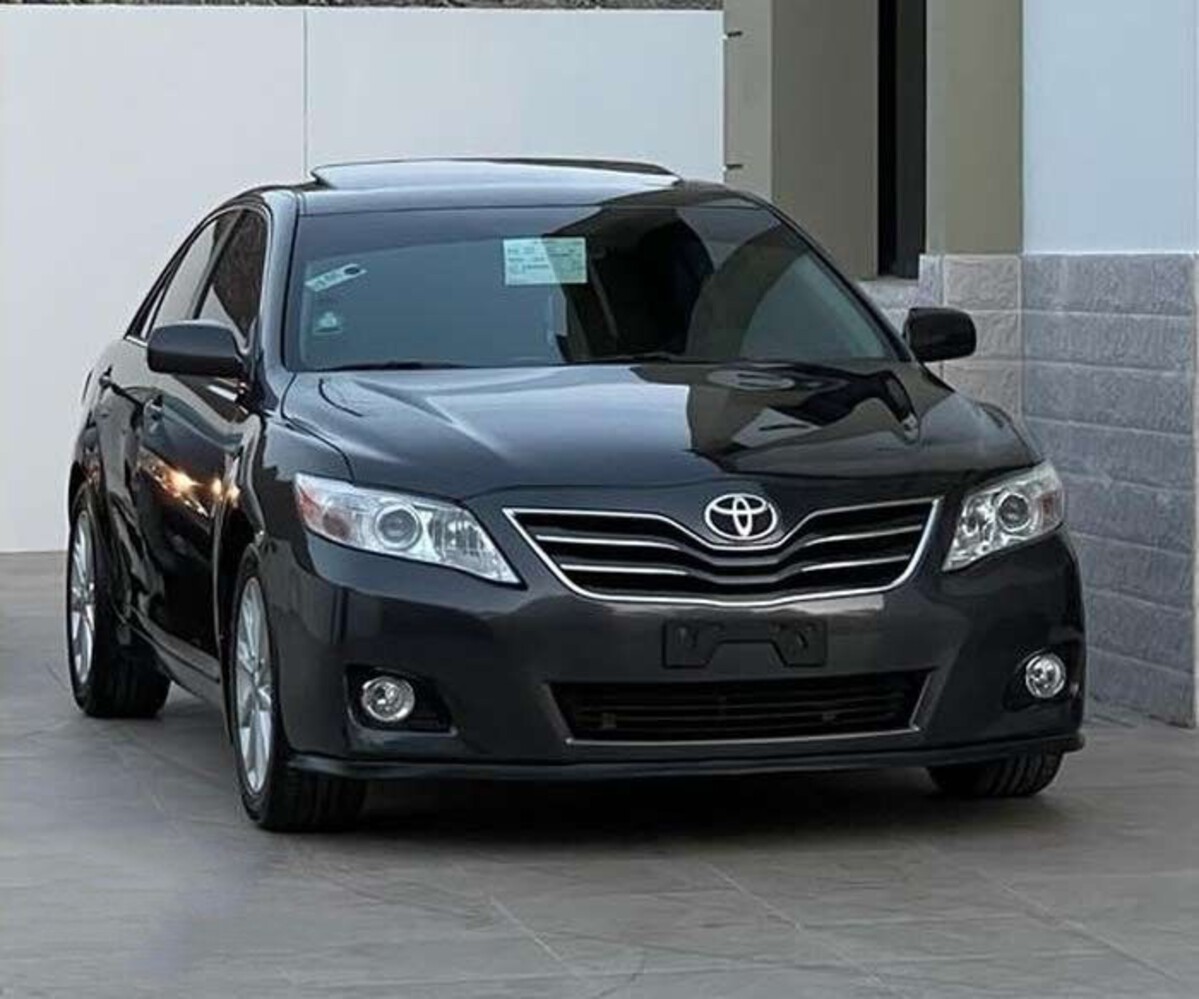
1. Toyota Camry (2002–2006)
The early 2000s Toyota Camry was never a design that aimed to stir emotions. It was built with sensibility in mind. Large, softly rounded panels, a simple front fascia, and little in the way of aggressive lines made it look reserved, even at launch. Over time, its neutral styling has aged into something that feels safe but dated.
Yet despite its subdued look, this generation of the Camry is still widely seen on roads, especially in suburban and rural areas where reliability is more valued than visual flair.
This version of the Camry is known for its remarkable engine options, particularly the four-cylinder 2.4L and the V6, both of which were tuned more for longevity than excitement.
Many owners report these vehicles reaching well beyond 200,000 miles with routine maintenance. The powertrain, combined with simple suspension geometry and forgiving driving dynamics, makes this car perfect for those who prioritize efficiency over anything else. Its simplicity is its strength.
Inside the cabin, it’s not any more visually interesting than the outside. Gray plastics, cloth seats, and a basic center console don’t scream luxury or even modernity, but they work.
Buttons and knobs still function after decades, and the layout is easy to navigate. The car was clearly made with long-term ownership in mind. There’s a straightforwardness to its interior that has helped it avoid the kinds of breakdowns that plague more complicated designs.
While newer Camrys have adopted bolder designs to keep up with market trends, this generation continues to earn its place on the road not because of how it looks, but because of how it lasts. It’s a car that doesn’t draw attention, and that might be exactly why it’s still here. It gets the job done, without pretending to be anything more than a dependable tool.
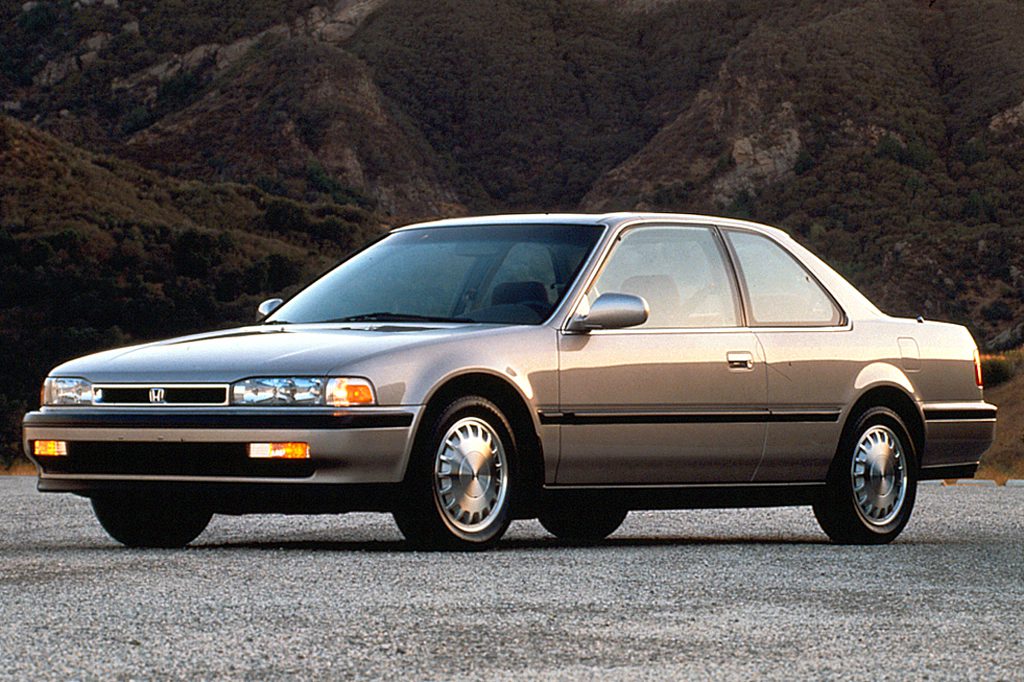
2. Honda Accord (1998–2002)
This generation of the Honda Accord represents peak practicality. It came in various trims, offering both four- and six-cylinder options, and featured a design that was clean but far from striking.
At the time, it fit in well with the understated aesthetic of the late 90s, but by today’s standards, it feels boxy and conservative. Yet this very unremarkable look has become part of its charm, it fades into the background, allowing the mechanical quality to take center stage.
One of the major reasons for this Accord’s lasting presence is Honda’s engineering during this era. The engines, especially the 2.3L inline-four, were known for their durability.
Paired with manual or automatic transmissions that held up well under normal driving conditions, these cars were built to be driven, not babied. Owners often mention that the car simply refuses to die, provided basic upkeep is done.
The interior matches the exterior in its simplicity. There’s nothing flashy, just durable materials, straightforward controls, and ergonomics that make sense.
Climate control dials still turn with a satisfying click. The radio still functions. The seats, while not plush, remain comfortable even after decades. There’s a functional honesty to the whole design that has helped it age gracefully, if not attractively.
While the styling may no longer be something to admire, the car’s legacy lies in its sheer usefulness.
Whether as a first car, a backup family vehicle, or a cheap commuter, this Accord continues to fill roles it wasn’t necessarily intended to perform this far down the road. And that speaks volumes about its construction, even if it no longer draws admiration in parking lots.
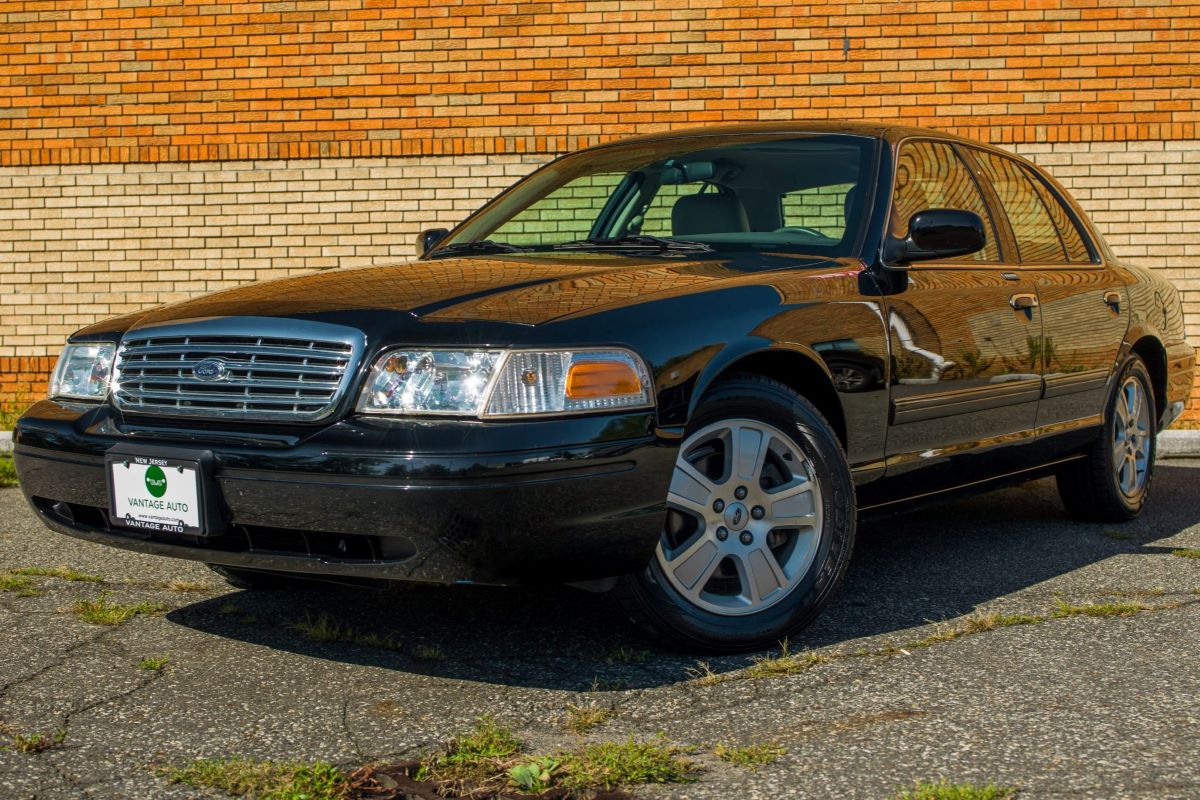
3. Ford Crown Victoria (1998–2011)
The Ford Crown Victoria might be one of the most recognizable sedans in North America, thanks in large part to its heavy use by police departments and taxi companies.
Its design, even at its release, looked traditional. With its squared-off body, chrome grille, and upright stance, it looked more like a car from the late 80s than something that entered the new millennium. That said, its visual outdatedness didn’t stop it from becoming a workhorse.
What made the Crown Victoria endure wasn’t its appearance, but its engineering. The body-on-frame construction, rear-wheel drive layout, and robust V8 engine gave it a level of toughness that most modern sedans can’t match.
This construction also made it incredibly easy to repair. When these cars were in active fleet service, parts were abundant and cheap, and labor was straightforward. That infrastructure is one of the key reasons why so many of these cars remain operational.
The interior design followed the same philosophy as the exterior: basic, roomy, and durable. Bench seats, large steering wheels, and oversized switchgear made it functional for people of all sizes and use cases.
There’s no modern tech here, but that lack of complexity is exactly what has helped the interior last. The dashboard doesn’t creak or crack easily, and the controls are more or less indestructible.
Even today, many Crown Victorias are still seen running strong with hundreds of thousands of miles. While the styling may look ancient next to modern sedans with sleek, aerodynamic lines, the Crown Victoria persists.
It was never about looking fresh. It was about doing the job every single day, regardless of weather, mileage, or maintenance neglect. That mission has kept it alive far past its fashion expiration date.
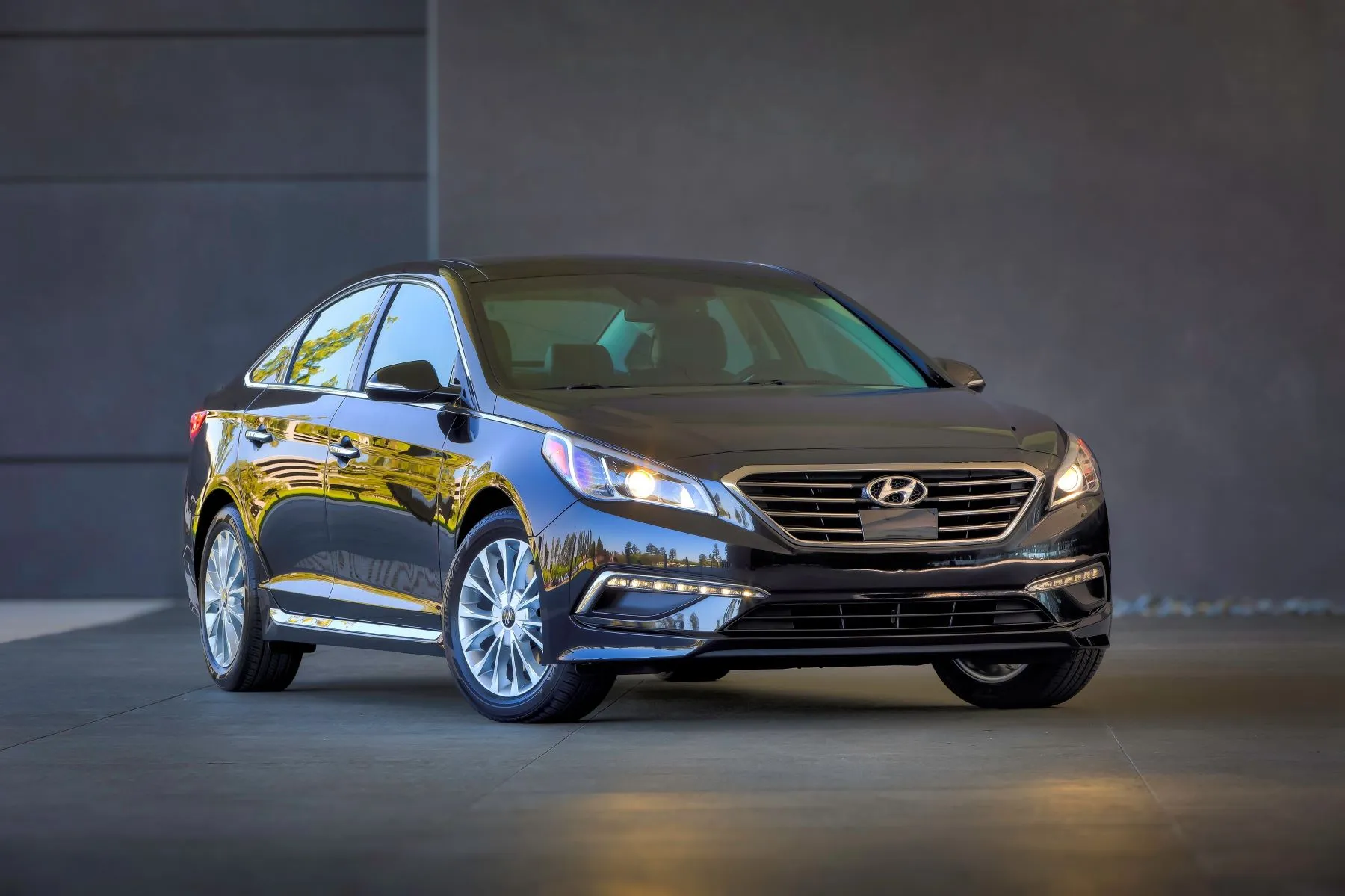
4. Hyundai Sonata (2006–2010)
When Hyundai released this generation of the Sonata, it marked a major shift for the brand in terms of refinement and value. It featured a more mature and subdued design than previous iterations, with a rounded nose, clean body lines, and relatively upscale lighting elements for its class.
However, time hasn’t been especially kind to its styling, which now appears dated and indistinct compared to the more sculpted designs that followed.
What this generation lacked in visual impact, it made up for in mechanical progress. Hyundai focused heavily on improving build quality, drivetrain reliability, and cabin quietness.
As a result, the Sonata from this era ended up being one of the most dependable vehicles in its segment. Owners who took care of their vehicles often found themselves with a solid car that kept running far beyond initial expectations.
Inside, the Sonata offered comfort and space, but not much personality. Gray tones, simple dash layouts, and analog gauges made it feel a bit lifeless.
But the materials aged well, and the features included, like heated seats and basic infotainment, were ahead of many competitors at the same price point. The car wasn’t trying to impress; it was trying to retain customers, and it succeeded in doing just that.
Today, this Sonata can still be found in use by students, retirees, and working-class families who appreciate its low maintenance costs and quiet road manners.
While no one would accuse it of looking modern, its quiet strength lies in doing its job reliably and without attention. For a brand still earning its reputation at the time, this model proved that you don’t need flash to earn long-term respect.
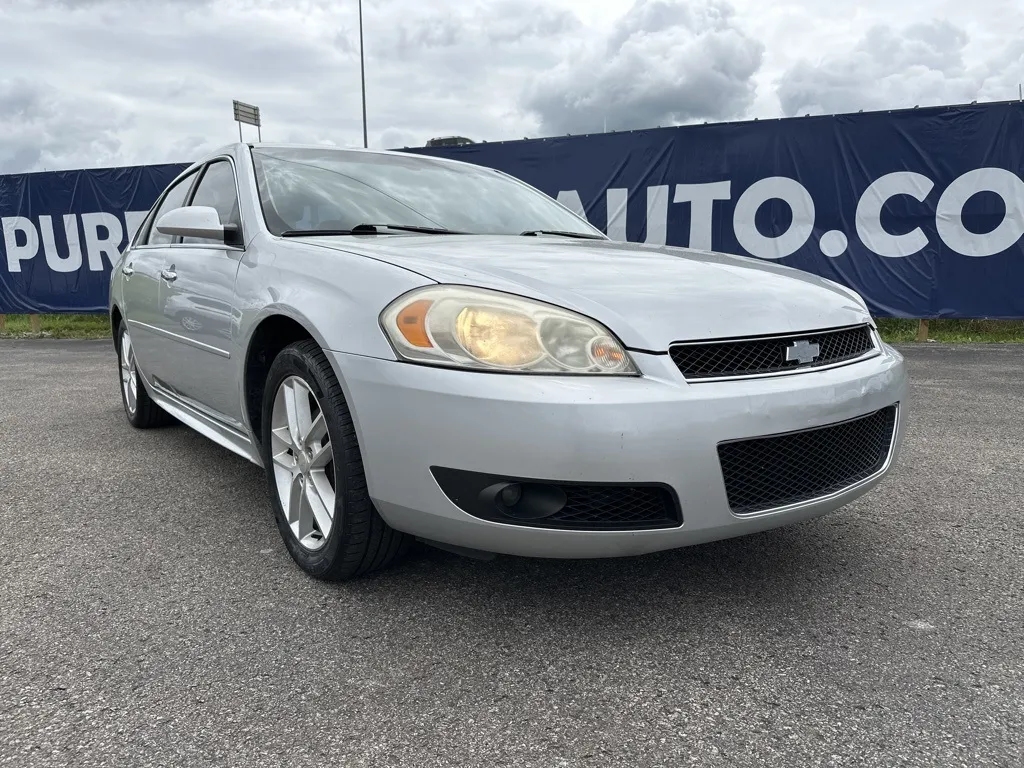
5. Chevrolet Impala (2006–2013)
The Chevrolet Impala of this era was a far cry from the classic muscle car heritage the name once implied. By the time the 2006 redesign came out, the Impala had become a front-wheel-drive, full-size sedan with a conservative design that prioritized function over excitement.
The styling was generic to a fault; it featured soft curves, minimal body creases, and an uninspired front end. While it was likely designed to appeal to the widest possible customer base, the result was a vehicle that blended in everywhere and stood out nowhere. Even in its prime, it was described by many as “plain” or “anonymous,” and in today’s streets, it looks even more removed from modern trends.
Despite the bland styling, the Impala found a loyal following due to its practical strengths. It offered ample interior space, a large trunk, and a ride quality tuned for comfort rather than precision.
Fleet buyers, rental companies, and even law enforcement agencies adopted the Impala in large numbers because it was cheap to run, easy to fix, and good enough to do the job without fuss.
The V6 engines, particularly the 3.5L and 3.9L options, were known for decent fuel economy and acceptable performance. The latter 3.6L V6 models brought more power and better refinement, helping the Impala stay relevant even as the styling continued to lag.
The cabin reflected the car’s mission perfectly. It was filled with durable plastics, straightforward controls, and broad, flat seats designed for long-distance comfort more than lateral support. Technologically, it was basic but sufficient, offering optional Bluetooth, satellite radio, and even a navigation system in higher trims.
These features, while outdated now, were considered luxuries for many of the car’s typical buyers at the time. The dashboard’s design hasn’t aged particularly well, but everything still works as intended, which counts for a lot more than appearances in the long term.
Although modern Impalas (and even the nameplate itself, which has been discontinued again) have come and gone, this generation continues to exist in the background of America’s automotive industry. You’ll find it at airport parking lots, grocery store runs, and high-mileage commuter routes.
It may not inspire admiration, but it commands respect for being reliable and undemanding. The styling was never ahead of its time, but the longevity of the car itself means it still has a presence today, often where newer, flashier sedans have already disappeared.

6. Nissan Altima (2007–2012)
The fourth-generation Nissan Altima marked a period of transition for the model, aiming to shed its budget car image and climb slightly upmarket.
When it launched, its design was considered clean and modern, with a low-slung profile, sweeping headlamps, and just enough aggression to appear sporty without scaring away traditional buyers.
However, within a few years, the styling aged poorly. The proportions started to look awkward, the headlights became too large for evolving trends, and the overall silhouette began to feel bloated compared to sleeker contemporaries.
What once passed as contemporary now sits awkwardly in the used car market, not old enough to be nostalgic and not new enough to be stylish.
Still, the Altima from this generation keeps showing up because of what lies beneath its now-dated sheet metal. The car offered solid performance, especially with the optional 3.5L V6 that produced more than 270 horsepower, an impressive figure for a midsize sedan at the time.
Even the base 2.5L four-cylinder was efficient and surprisingly punchy. Paired with Nissan’s early widespread use of continuously variable transmissions (CVTs), it delivered a smooth, if slightly numb, driving experience.
While CVTs of that era have received criticism for durability in other models, many Altimas with regular maintenance remain operational after 150,000 miles or more.
The cabin continued the theme of modest ambition. Nissan aimed to make the car feel more refined than previous generations, and the materials did improve. Soft-touch plastics, better sound insulation, and improved seat designs gave the interior a more comfortable and adult feel.
Yet, when viewed today, the dashboard design feels cluttered, and the center stack looks busy compared to the minimalist layouts of modern vehicles. Despite this, all the key features still work. The cabin might not win design awards today, but it functions reliably and offers surprising comfort for long trips or daily commutes.
More than a decade after production ended, the Altima from this generation remains a common sight on city streets and suburban driveways. Its design has faded into mediocrity, but its mechanical reliability, strong resale market, and low cost of ownership have ensured its continued presence. It’s not a head-turner, but it’s a workhorse.
And in many cases, that’s exactly what buyers want, a dependable, affordable car that will keep going long after its styling has become irrelevant.
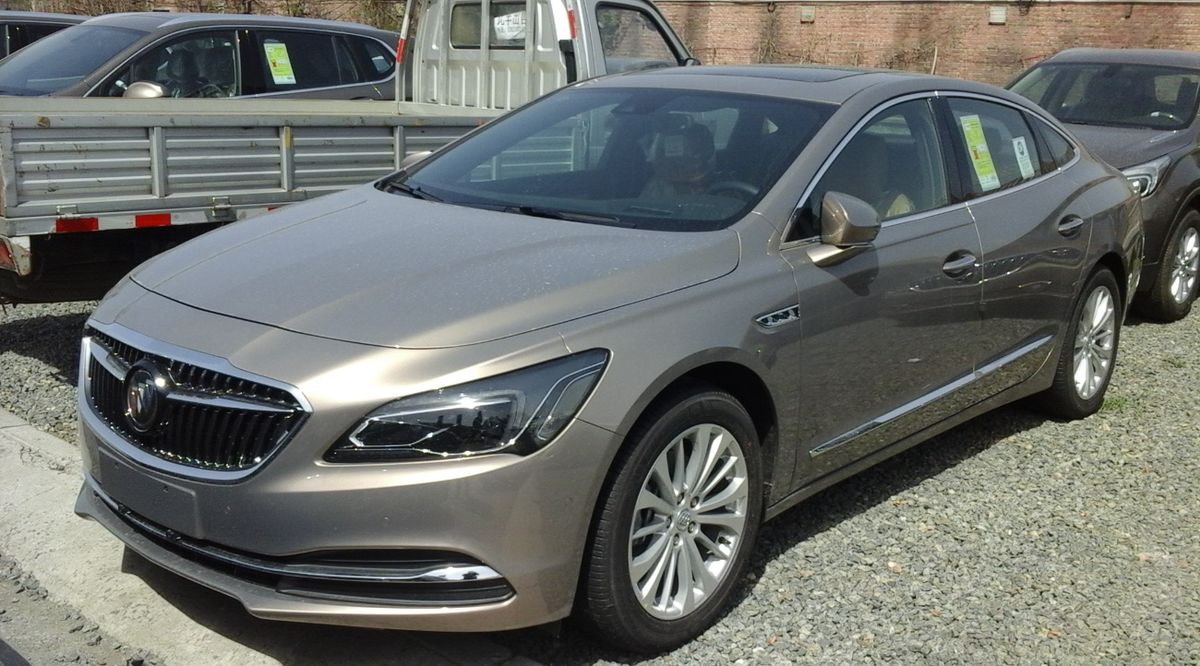
7. Buick LaCrosse (2005–2009)
The first-generation Buick LaCrosse was introduced during a time when the brand was trying to redefine itself. Buick was attempting to transition away from its reputation as an “old person’s car” without alienating its core customer base. As a result, the LaCrosse landed in an awkward space.
It retained a rounded, conservative body shape with a large front grille and soft headlights, but it also attempted to appear more youthful with details like larger wheels and chrome accents.
In hindsight, the design failed to accomplish either goal fully. It was neither classic enough to appeal to traditionalists nor modern enough to attract new buyers.
Despite its confused visual identity, the LaCrosse proved to be a solid, reliable vehicle for people who prioritized ride comfort, quiet operation, and minimal maintenance. The most engine option was the 3.8L V6, a powerplant with a long-standing reputation for bulletproof performance.
This engine, though not exciting, was incredibly reliable and could often reach 200,000 miles or more with only basic upkeep. The LaCrosse also had a smooth-shifting automatic transmission and a suspension setup that absorbed road imperfections with ease, making it an ideal choice for long highway drives.
Inside the cabin, the LaCrosse tried to project a sense of quiet luxury. The materials weren’t top-tier, but they were pleasant to the touch and held up well over time. The dashboard layout was wide and symmetrical, filled with easy-to-read gauges and controls that required no learning curve.
Some trims offered leather seating and wood-like trim, which added a layer of refinement even if the styling felt a bit behind its competitors. The vehicle excelled in areas that don’t age as quickly, such as legroom, seat comfort, and a serene cabin environment.
Years later, many of these vehicles are still on the road, often driven by original owners or passed down through families. While younger buyers rarely seek them out, the LaCrosse’s continued presence is a testament to Buick’s strategy of prioritizing comfort and dependability over flash and trend-chasing.
The styling might place it squarely in the mid-2000s, but its purpose was never to be fashionable; it was to be faithful. And in that regard, it has succeeded beyond expectation.
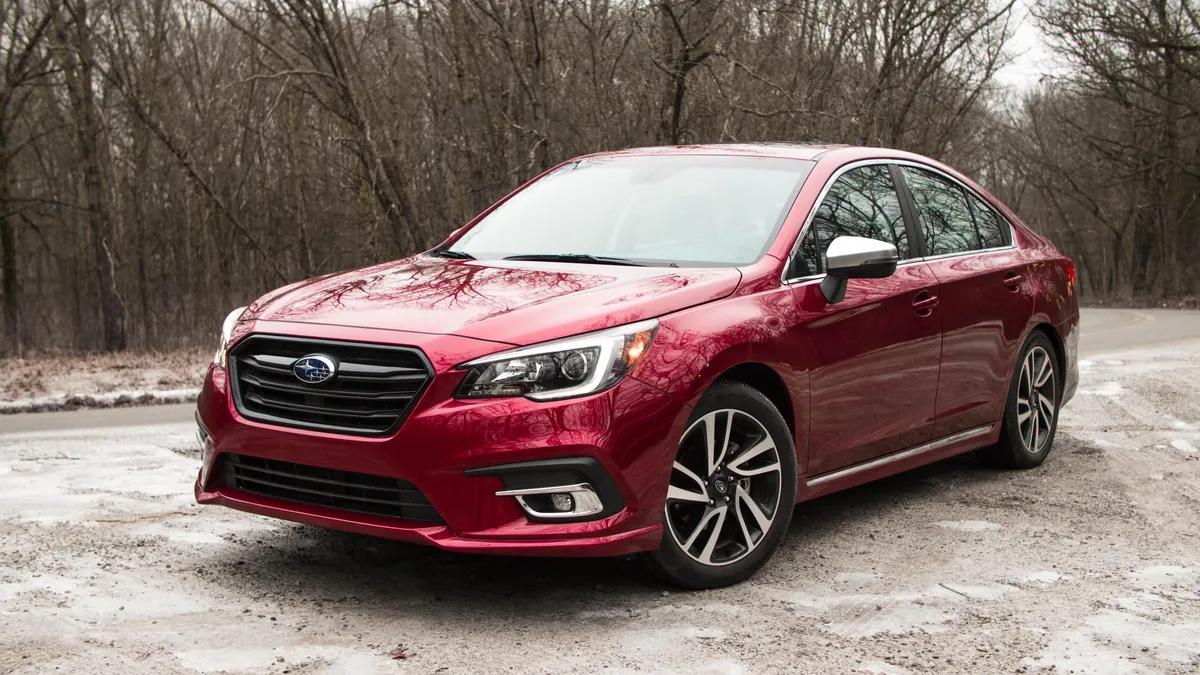
8. Subaru Legacy (2005–2009)
Subaru’s fourth-generation Legacy represents a unique point in the brand’s timeline. This version of the sedan came with understated design cues, featuring narrow headlights, a low grille, and simple body panels. It wasn’t ugly, but it lacked the visual aggression or flair that buyers began to demand later in the decade.
The styling was competent and reserved, designed to reflect the car’s all-weather capability and no-nonsense character. Today, it looks somewhat bland compared to Subaru’s newer, more muscular designs, yet it’s exactly this muted approach that allowed it to age without becoming an eyesore.
What made this Legacy truly enduring was the drivetrain. All models came standard with Subaru’s symmetrical all-wheel drive, a standout feature in a market where front-wheel drive was the norm for sedans.
Paired with a range of flat-four engines and even a turbocharged option in the GT model, the car offered good traction, decent power, and a sense of stability that appealed to drivers in cold climates and mountainous regions.
While the turbo models required more maintenance and care, the naturally aspirated engines, particularly the 2.5L four-cylinder, were dependable when maintained correctly.
Inside, the Legacy had a utilitarian but welcoming interior. The layout was simple, the controls were large and clearly labeled, and the seats provided adequate support for daily driving. Higher trims offered amenities such as heated seats, premium audio systems, and moonroofs, but the real strength of the interior was its durability.
Many examples still have original interiors that show minimal wear, a sign that Subaru chose materials for endurance rather than instant gratification. Cabin noise was well managed, and visibility was excellent thanks to thin pillars and large windows.
Even today, these Legacys are often spotted in snowy towns and hilly suburbs. Their appearance may not win admiration, but their reputation for getting through winter storms without drama is more valuable to many owners.
Styling may come and go, but usefulness and resilience tend to stick around. That’s why this particular generation of Legacy continues to survive long after its modest looks have fallen out of step with current design trends.
9. Chrysler 300 (2005–2010)
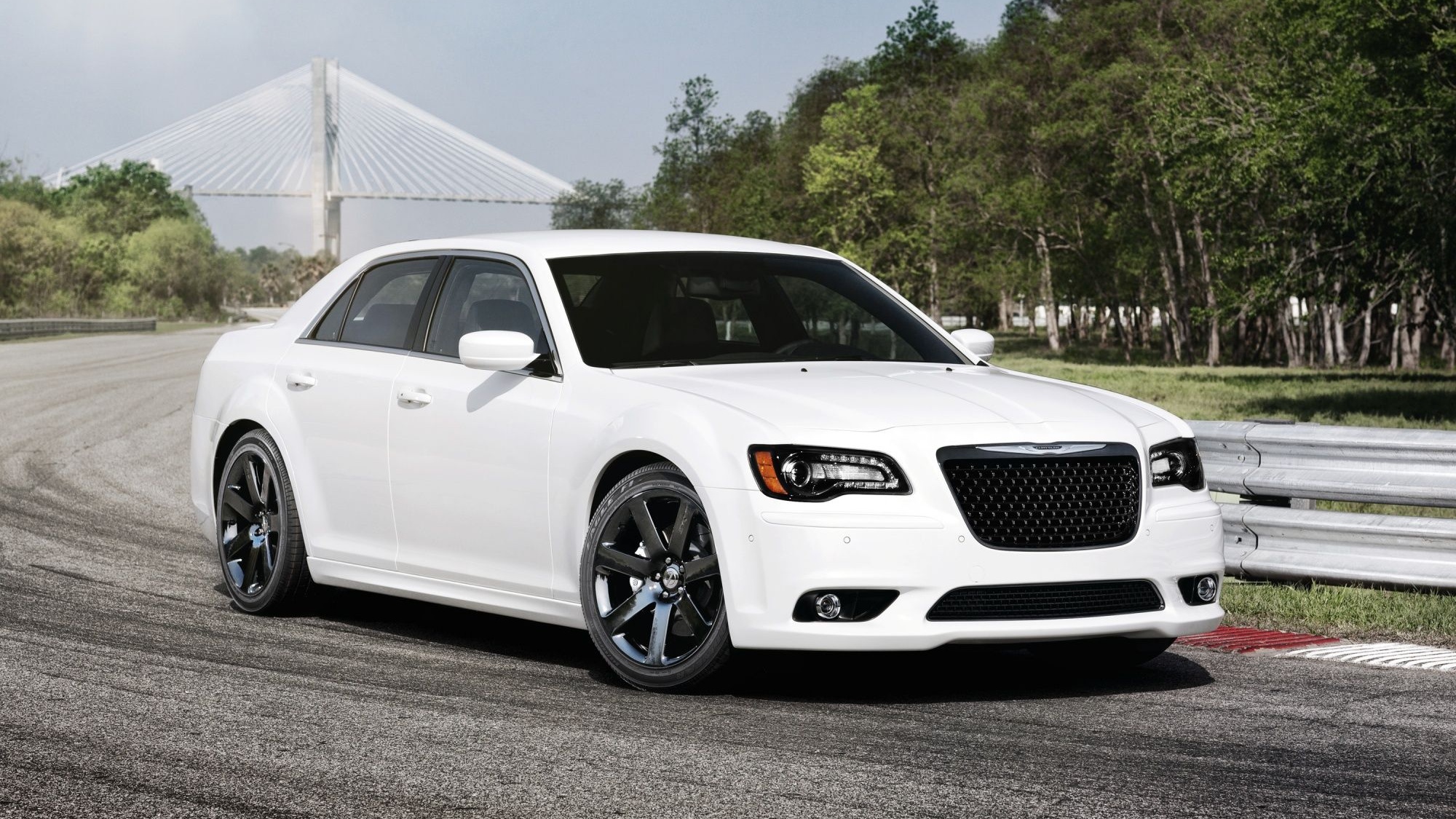
When the Chrysler 300 first hit the market in 2005, it made a strong impression with its bold, boxy design. At the time, it was praised for bringing a sort of “American muscle luxury” vibe back to the sedan world. With its high beltline, small windows, large grille, and prominent fenders, it looked like a gangster’s car reimagined for the modern era.
That initial shock value helped it become an instant success. But over time, that same visual aggression became less fashionable. As automotive design moved toward sleeker, more aerodynamic lines, the 300’s upright, squared-off profile began to feel stuck in a previous generation.
Despite its polarizing looks, the 300 was much more than just a bold design. It shared a platform with some of Mercedes-Benz’s older E-Class underpinnings, giving it a solid feel on the road and a level of chassis sophistication unusual for Chrysler at the time.
Buyers could choose from a variety of powertrains, including the sturdy 2.7L and 3.5L V6s, but the real star was the HEMI V8 in the 300C model.
That engine offered serious muscle in a family sedan, making it a favorite among enthusiasts and those looking for performance without stepping into luxury brands. The rear-wheel drive layout added to its appeal, giving it a true driving character in a sea of front-drive competitors.
The interior design was functional and roomy, although quality control was hit or miss in early production years. While it had a commanding driving position and decent feature content for the time, including navigation and optional leather upholstery, the materials didn’t always match the visual impact of the exterior.
However, the 300’s cabin held up over time because of its size and simplicity. Repairs were straightforward, parts were readily available, and the dashboard layout avoided the kind of complexity that leads to long-term electronic failures.
Though many other sedans from that era have faded into obscurity, the Chrysler 300 still soldiers on, often with its original owners or passed on to new drivers looking for affordable rear-wheel-drive power. Its bold design may no longer be fashionable, but it left a strong enough first impression that it still carries some personality even today.
More importantly, the platform and drivetrain have proven reliable enough to keep these cars in motion well past their visual expiration date. It may look like it belongs in a past decade, but it’s still doing what it was built to do: move people in comfort and with confidence.
10. Volkswagen Passat (2001–2005)
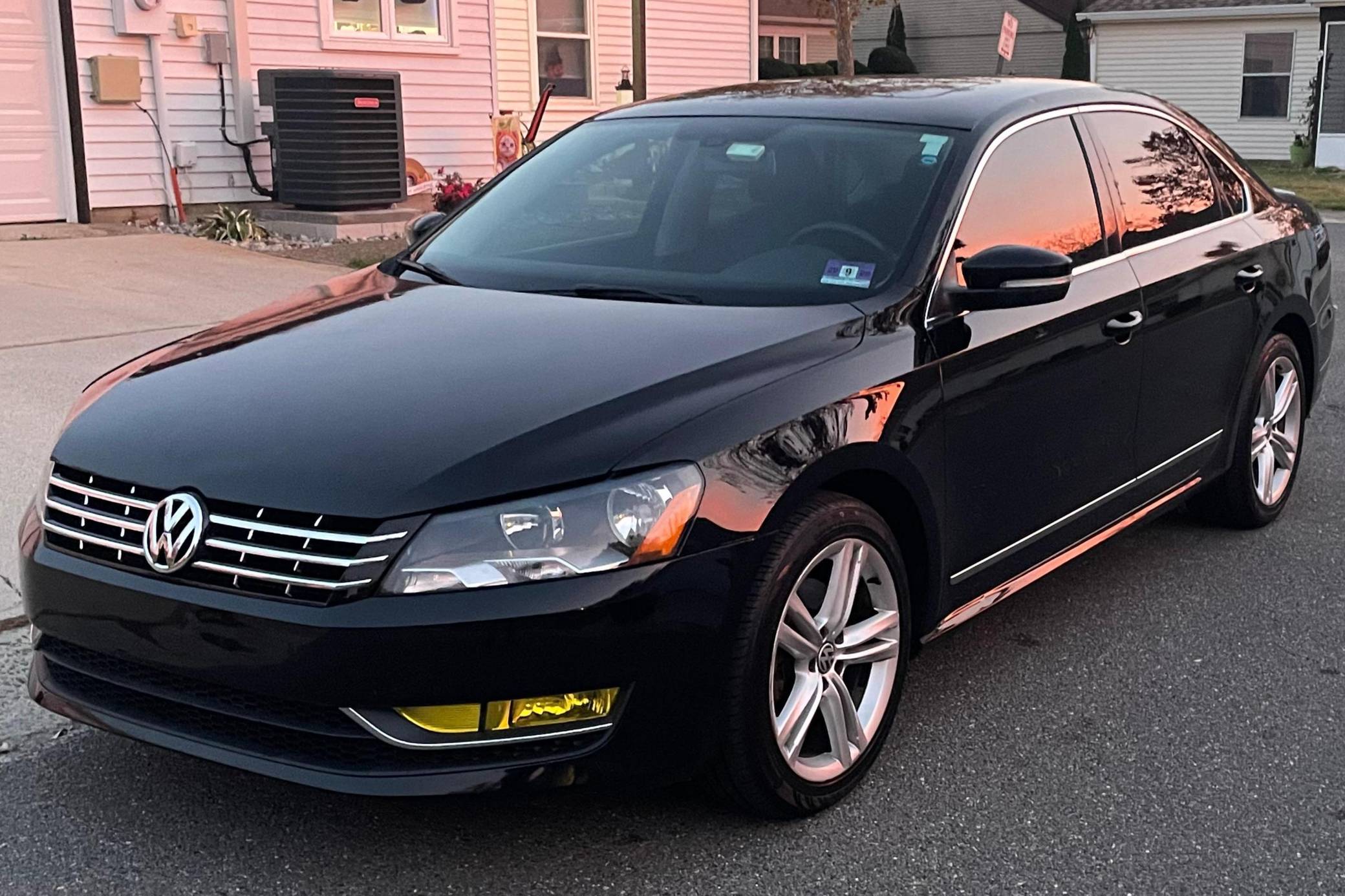
The early 2000s Volkswagen Passat was once viewed as a breath of fresh air in a segment dominated by American and Japanese sedans. With its understated European styling, smooth curves, and refined proportions, the B5 Passat had a certain quiet elegance.
However, what felt premium in the early 2000s now appears dated. The rounded headlights, soft front fascia, and almost featureless sides give it an anonymous look by today’s standards. Time has dulled the Passat’s aesthetic appeal, especially when newer models feature sharper lines, LED lighting, and bolder designs.
Yet beneath the aging exterior is a car that continues to be appreciated by those who value engineering over trends. The B5 Passat was built on a platform shared with the Audi A4, and it brought a level of refinement not commonly found in family sedans at that time.
It offered precise steering, a compliant suspension, and a cabin that felt more solid and quiet than many of its peers. Engine options included the efficient 1.8T turbocharged four-cylinder, the dependable 2.8L V6, and even a W8 in limited variants.
While the W8 models are notoriously complex and rare, the 1.8T versions, when maintained properly, are known to run well beyond 200,000 miles.
Inside the cabin, the Passat continued the theme of subdued sophistication. It used soft-touch plastics, brushed aluminum trim, and supportive seats that still feel modern in layout even if the materials have aged. The switchgear, while minimalist, is intuitive and generally robust.
Many of these interiors have held up surprisingly well over two decades. While technology like the stereo and climate controls may seem primitive today, they are straightforward and dependable. One of the key advantages of this car is how timeless the ergonomics feel, even if the design is no longer in vogue.
Despite the challenges of aging European electronics and the need for attentive maintenance, the Passat remains a favorite among those who appreciate solid construction and driving dynamics over flash. It’s not uncommon to see one of these still commuting daily or being used as a reliable second car.
The exterior may not win any points for modern appeal, but its fundamental engineering and driving feel have allowed it to stay relevant in function, if not in form. It’s a car that rewards long-term ownership, even if it no longer looks the part of a modern family sedan.
