
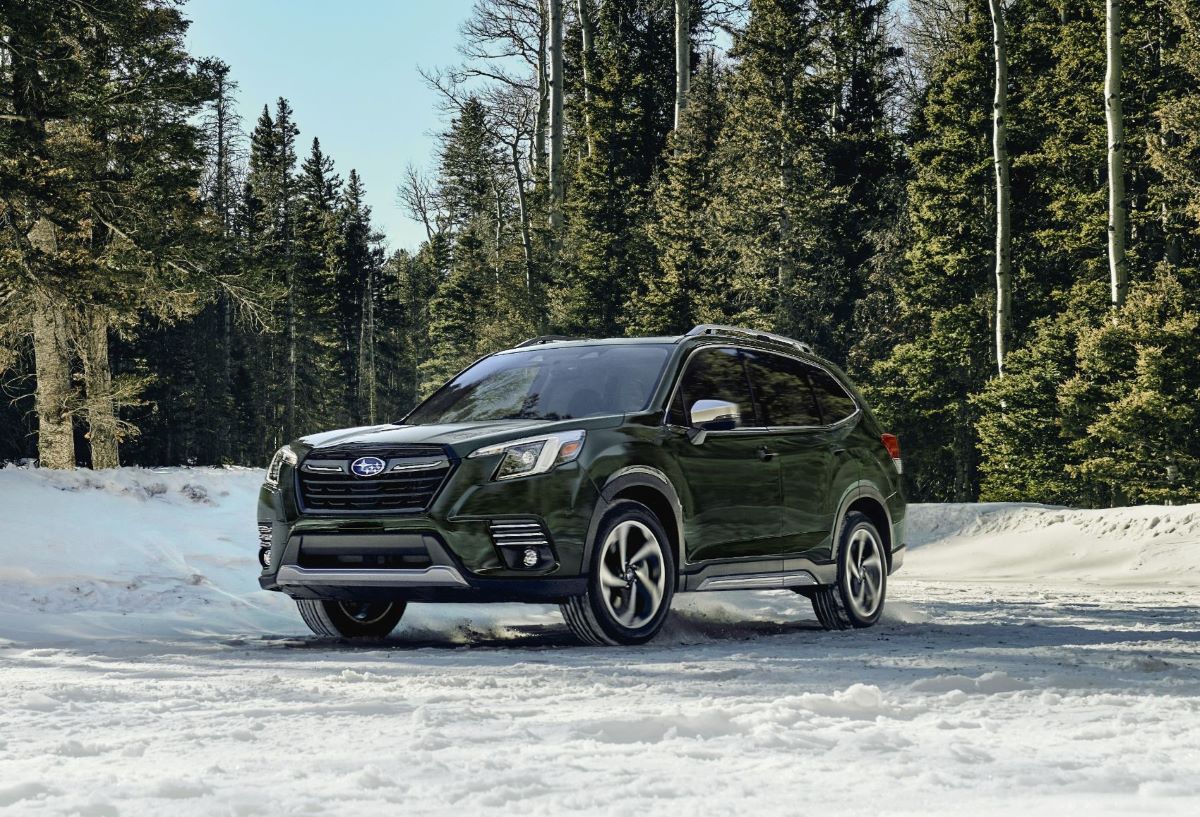
Rusting is a problem many SUV owners dread, especially in regions with heavy snowfall, salted roads, humid coastal air, or monsoon weather.
Once corrosion sets in, what started as a cosmetic issue can grow into something much more serious deteriorating structural parts, compromised safety, and expensive repair bills.
But not all SUVs are equally vulnerable. Some models, because of their design, materials, coatings, and build quality, tend to resist rust much better than others.
For someone shopping for a robust vehicle that endures moisture, mud, salt, and wear without showing rust spots, knowing which SUVs are less likely to rust gives enormous peace of mind.
In this article, you will find ten SUVs that stand out when it comes to rust resistance. The focus is on models that have built reputations over decades, where actual experience by thousands of owners and mechanics shows minimal rust issues.
That does not mean zero potential, no vehicle is completely immune to corrosion, but these SUVs have features, practices, or materials that make them much less prone to serious rust.
Some have more extensive use of corrosion‑resistant steel, galvanized components, superior under‑body coatings, or designs that keep moisture, salt, and debris away from critical spots. Others benefit from consistent maintenance, frequent wash‑down of undercarriage, or from being made by manufacturers who take rust prevention seriously.
With these ten SUVs, you’ll learn what makes each one durable, and what aspects of their structure or maintenance practices contribute to their resistance to rust. Understanding these helps when comparing similar vehicles, deciding which trim might be safer, or what preventive steps to take.
If you live somewhere with harsh winters or salty roads, or near the ocean, making a rust‑resistant choice can save thousands down the line.
Below are ten SUVs that have earned praise over the years for their clean, rust‑free underbodies, resistant body panels, well‑sealed joints, and long lifespans with minimal corrosion problems.
Also Read: 5 Cars That Rarely Need Cooling System Work vs 5 That Always Overheat
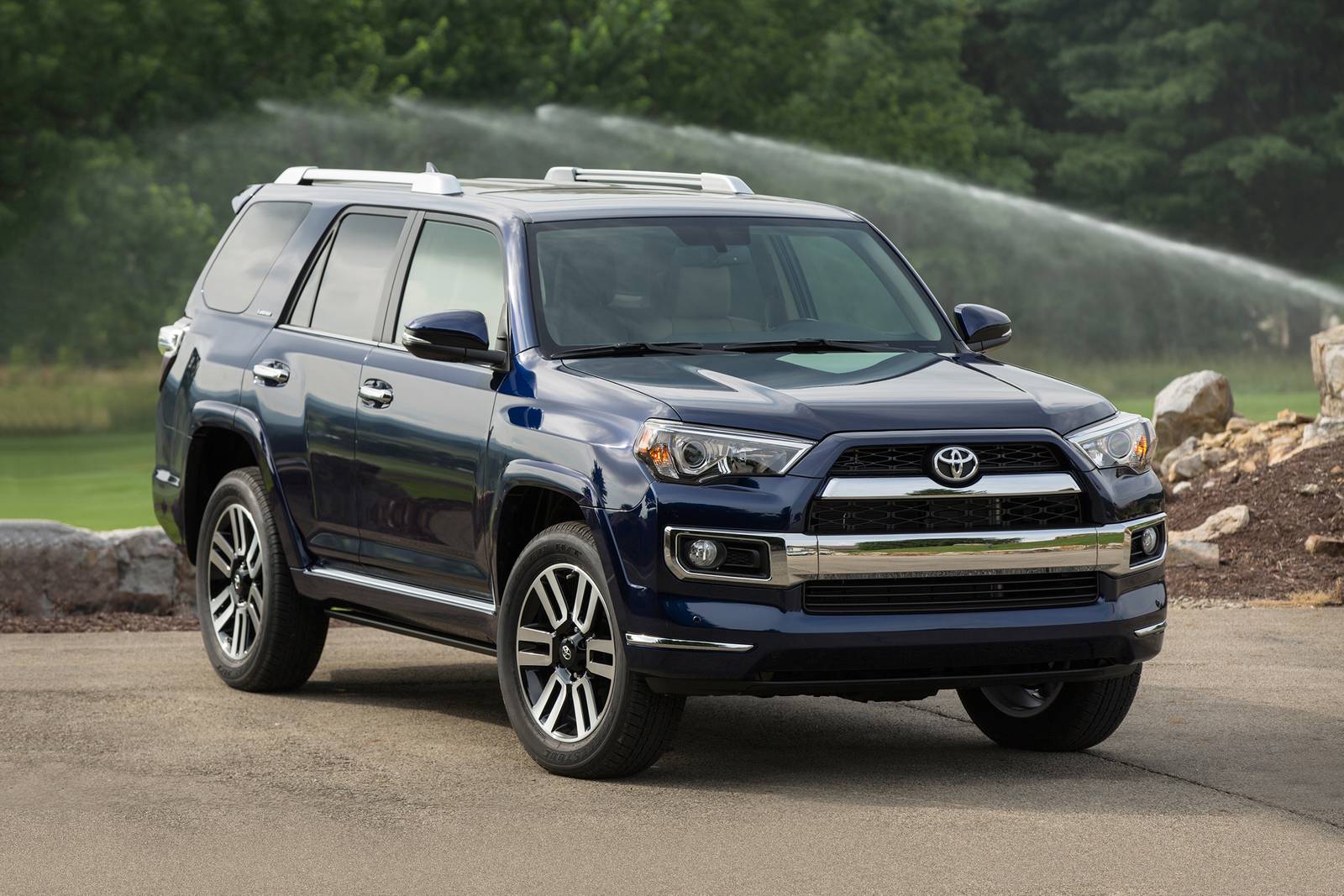
1. Toyota 4Runner
The Toyota 4Runner is known for its rugged build, high ground clearance, and body‑on‑frame construction. A body‑on‑frame SUV generally allows for better rust performance because the frame can be treated separately, and damage to the underbody from road salts does less to compromise the very pillars and body joints.
Toyota has historically used galvanized steel in many places, and many of the 4Runner’s components are well protected with rubber boots, coatings, and well sealed welds. This helps prevent water, grit, and salt from accumulating in seams or crevices where rust often starts.
Another factor is that 4Runners are often kept longer by owners who care for them. Owner communities tend to wash off salt, inspect undercarriage, and apply rust preventative treatments.
Since the SUV is popular where off‑road use is typical, many 4Runners are built with skid plates, underbody shields, and high mounted exhausts that reduce exposure to moisture. The design reduces splash from water and mud, and the underbody shields also protect vulnerable parts like fuel lines, brake lines, and joints.
The 4Runner’s paint and finish also hold up well. Paint chips can be an entry point for rust, especially on edges and wheel wells. Toyota’s paint and primer systems tend to be layered, and many 4Runners come with protective sealers inside doors, around wheel arches, and in rocker panels.
These spots are sealed at factory and many owners supplement with additional protective sprays. Factory welds are tight, seams are sealed, and drainage points are well thought out.
Finally, parts replacement is relatively straightforward, and many replacement panels and braces are available in aftermarket or from Toyota that are made with durable materials.
Since the 4Runner has a long production history, those who spot early signs of rust often can find good quality replacement parts, and thus stop rust before it spreads. Thus the 4Runner is one of the top picks when rust resistance matters.
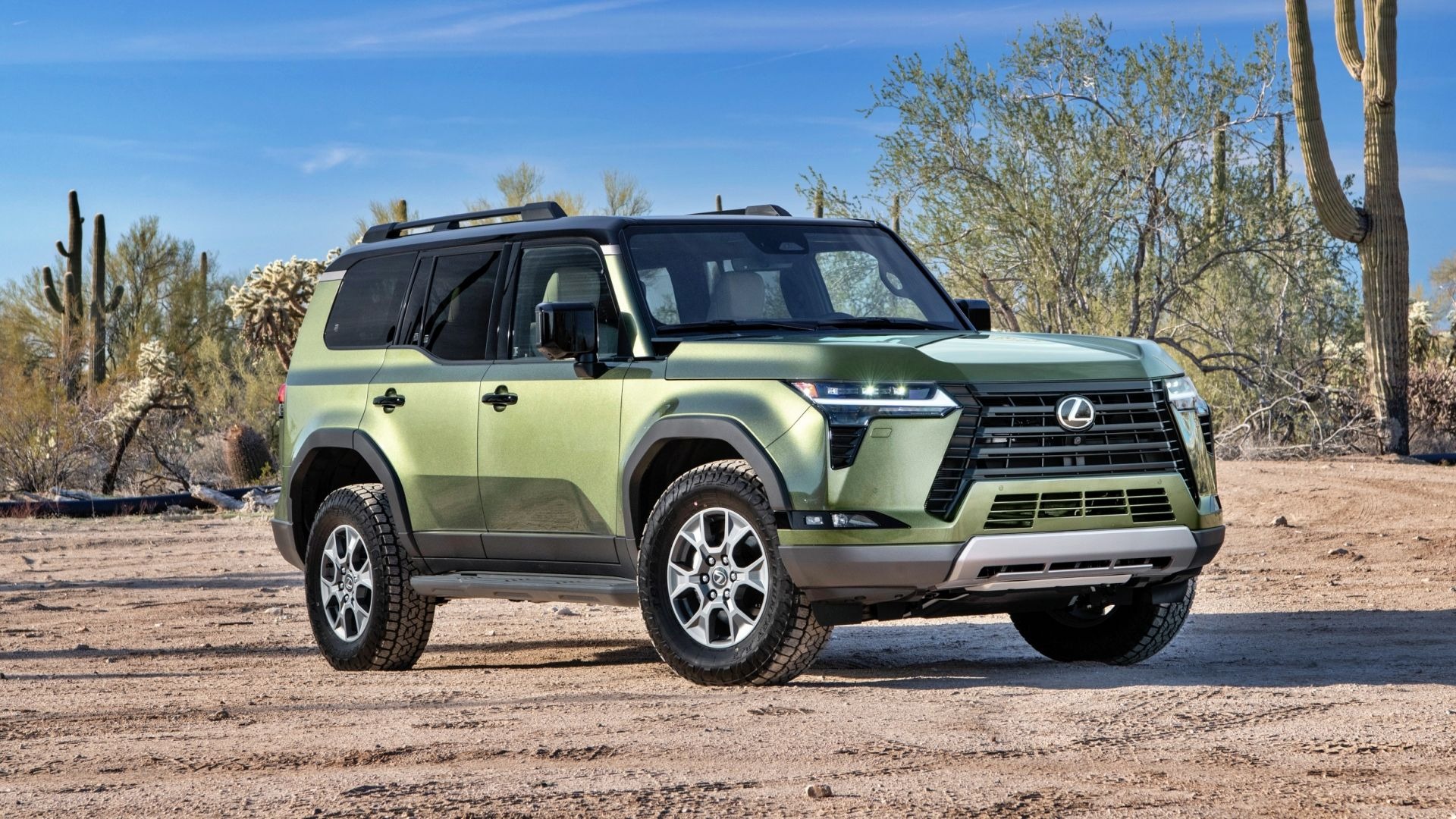
2. Lexus GX
The Lexus GX shares much of its underpinnings with the Toyota Land Cruiser Prado, but adds luxury touches, better sound insulation, and slightly more refined finishes. Underneath, the GX benefits from robust frame construction, well protected wheel arches, and high quality underbody coatings.
Lexus tends to pay attention to preventing rust from a luxury standpoint, since buyers expect that a high‑end SUV stays looking good over many years. Seals around doors, tight panel gaps, and drainage are all engineered to reduce water trapping.
Lexus corrosion protection often includes more comprehensive use of galvanized steel, and in many markets enhanced wax or sealant coatings in hidden cavities.
The GX, especially in higher trim levels, may come with additional protection for underbody parts, exhaust hangers, and components that sit low to the road. These are critical because moisture accumulation and road salt lead to rust first in exhaust systems, brackets, and joints.
Owner reports over years show that GXs maintain clean rocker panels, frame rails, and undercarriage with fewer rust issues than many peers.
Dealers and service centers usually inspect suspension components and body mounts regularly, and Lexus parts are precise so there are fewer gaps where water or debris can collect. Also, the design tends not to have many complex seams in critical areas, which simplifies sealing and reduces evolution of rust.
Finally, maintenance plays a role. Lexus owners are more likely to follow strict maintenance schedules, including washing underbody, cleaning drainage holes, treating chips, and replacing damaged rubber components.
Combined with the quality of materials and factory protection, this habit helps the GX remain rust‑resistant over long periods, even in snowy or coastal environments.
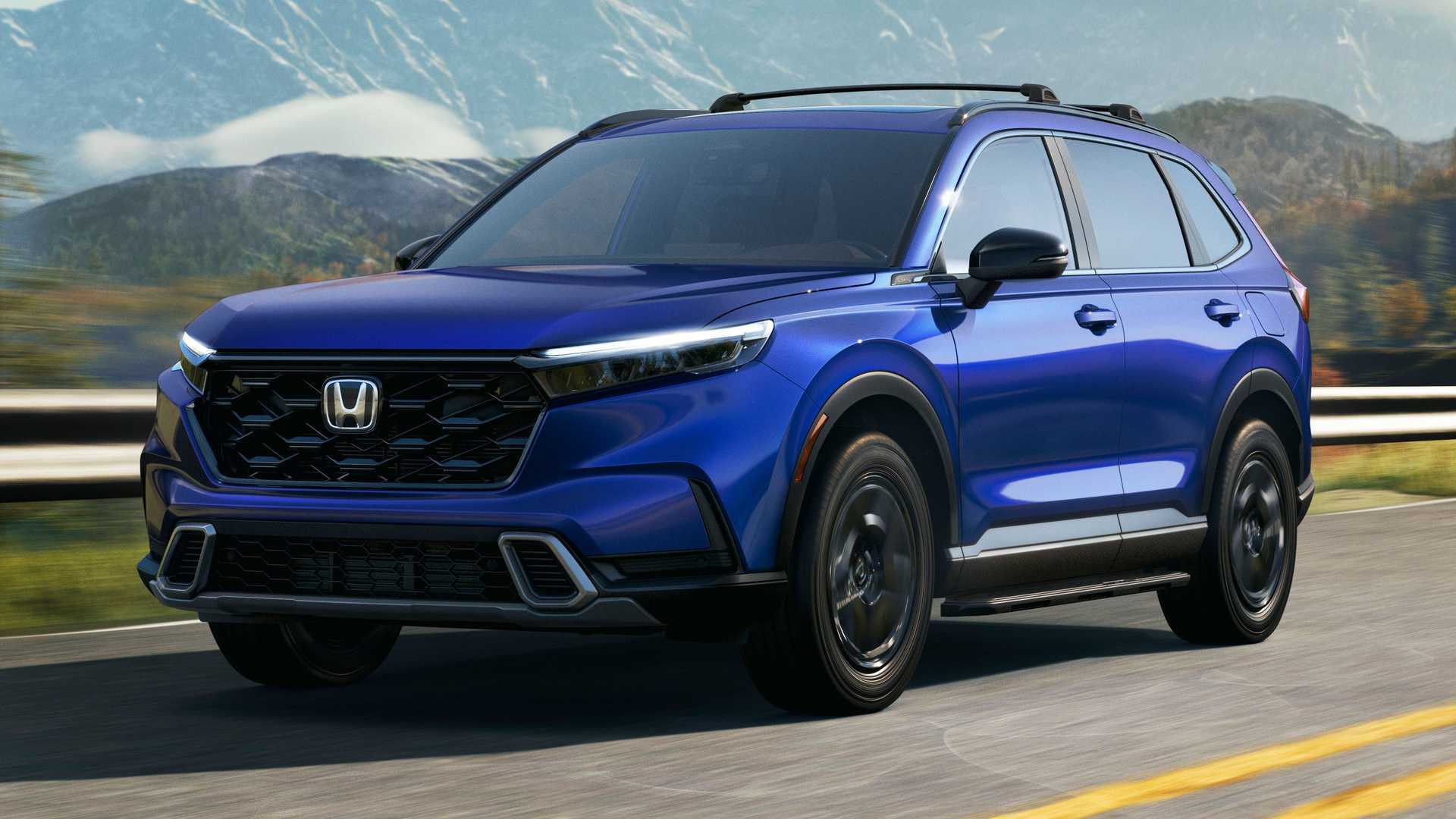
3. Honda CR‑V
The Honda CR‑V is not an off‑road monster, but for everyday SUVs it has a strong reputation for durability and less corrosion.
Honda typically uses high quality steel, well sealed doors, and good paints. CR‑Vs often have fewer exposed seams and minimal body attachments that are prone to trapping moisture. Critical undersides like fuel tank skirts, exhaust shielding, and underbody drains are designed to avoid puddling.
Another asset is lighter-weight and less aggressive underbody components. Because the CR‑V sits lower to the ground and doesn’t usually have the heavy-duty skid plates or large off‑road suspension arms, there is less metal exposed to harsh impact or debris.
Something that accelerates rust is constant stone or gravel strikes, which can chip paint and expose bare metal. The CR‑V’s design tends to reduce that.
Panel mounting and sealing are also well done. Sealing in wheel wells, the use of plastic liners, and amiable wheel arch geometry reduce splash back.
The paint systems in CR‑Vs are often layered with anti‑oxidation primers, the outer enamel, and a clear coat. These layers protect the steel beneath from exposure. Edges of panels are often folded, hemmed, or treated to minimize vulnerable raw edges.
Finally, many CR‑Vs are daily drivers rather than off‑roaders. So owners often maintain them carefully for comfort, wash them regularly, especially in winter, clean underneath, and keep up with rust prevention sprays or coatings.
In less extreme climates, this helps a lot. Even in tougher environments the CR‑V tends to outperform many rivals in rust durability simply because of its build quality and lower exposure to messy conditions.
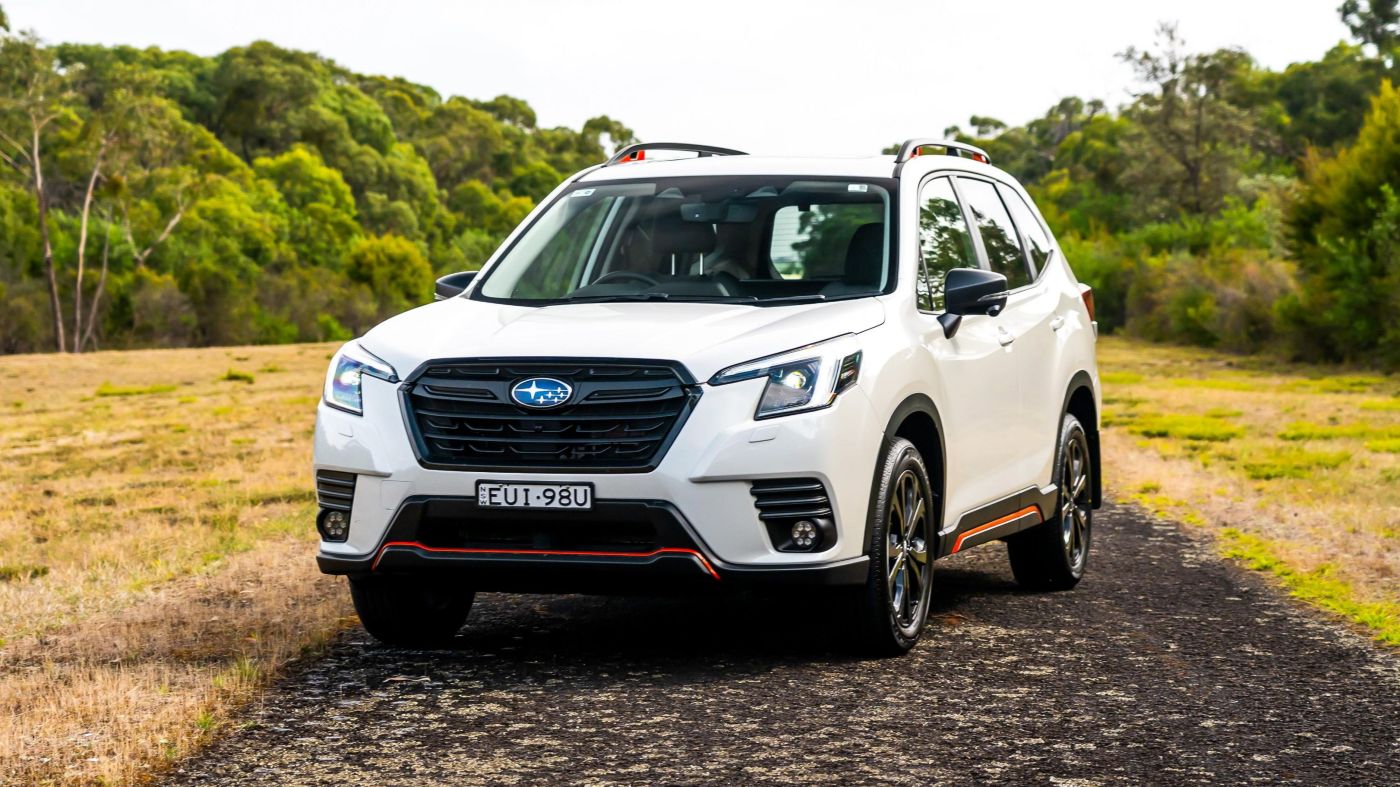
4. Subaru Forester
Subaru Foresters are often seen in snowy regions, where road salt is used liberally. Despite that, they acquire rust less frequently than many competitors in similar use cases.
One reason is that Subaru’s rust protection methods improved significantly over the years; later generations use more galvanized steel, better undercoating, and more robust protective coatings in wheel arch areas. Drainage channels are better designed so water does not pool in cavities.
Also, the Forester’s body design often has plastic liners, mud flaps, and good splash guards behind wheels that reduce stone chip damage and reduce projectiles hitting the body.
The engine bay and underside are well shielded against road debris. These protections help maintain paint and primer integrity longer, thus delaying or avoiding corrosion at vulnerable spots.
The roof rails, if present, often are sealed well; door bottoms and sills are also well treated, preventing water intrusion. Seams are welded tightly, and gaps where water might enter are sealed with seam sealer.
Rubber seals around doors and weather stripping are durable. These limit moisture penetration, which is one of the main contributors of interior rust in door panels and sills.
Owners frequently report that routine maintenance, such as washing underneath, using rust inhibitors annually, and cleaning seams, helps the Forester remain rust‐free.
Also, available replacement parts for weather seals, liners, and underbody shields are often reasonably priced, making it practical to fix small damage before it spreads. All this combined gives the Forester a strong track record for resisting rust in many climates.
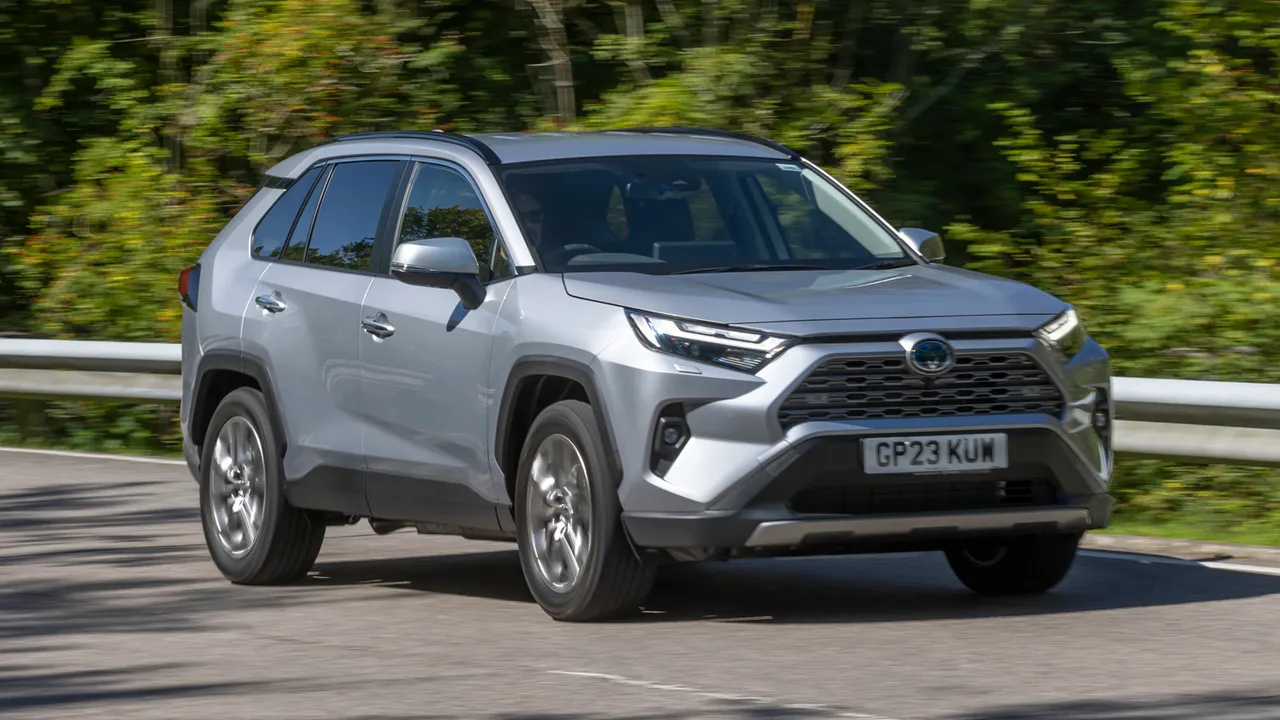
5. Toyota RAV4
The Toyota RAV4 is a compact to mid‑size SUV that many households rely on, and it tends to last long without major rust issues.
Toyota uses corrosion‑resistant steel and protective coatings on the underbody. The design includes plastic fender liners, splash guards, and protective undercoating in key areas such as rocker panels. These guard against stone chips and salt spray.
Edges that are vulnerable to rust, such as doors, sills, wheel wells, are designed with folded or hemmed metal edges, reducing the raw cut edges that rust begins on.
Paint finishes, primers, and sealers are of high quality; transitions between panels are tight, reducing places where water or moisture can accumulate. Drainage holes and seam sealers are applied in hidden areas to stop moisture ingress.
Maintenance is also a strong factor. RAV4 owners often clean their vehicles regularly, wash undercarriage after salted roads, and replace damaged plastic liners or metal guards.
As spare parts are widely available, it’s easier to repair chips promptly. Toyota’s dealer network often checks for corrosion during services, which catches early signs of rust before it becomes a problem.
Though variations exist among model years and regions, the RAV4 generally shows better rust resistance than many rivals in its class. For people looking for a reliable compact SUV in a cold or wet climate, it is often recommended precisely because of its durability and low incidence of rust.
Also Read: 5 Vehicles That Last a Lifetime With Regular Oil Changes vs 5 That Don’t
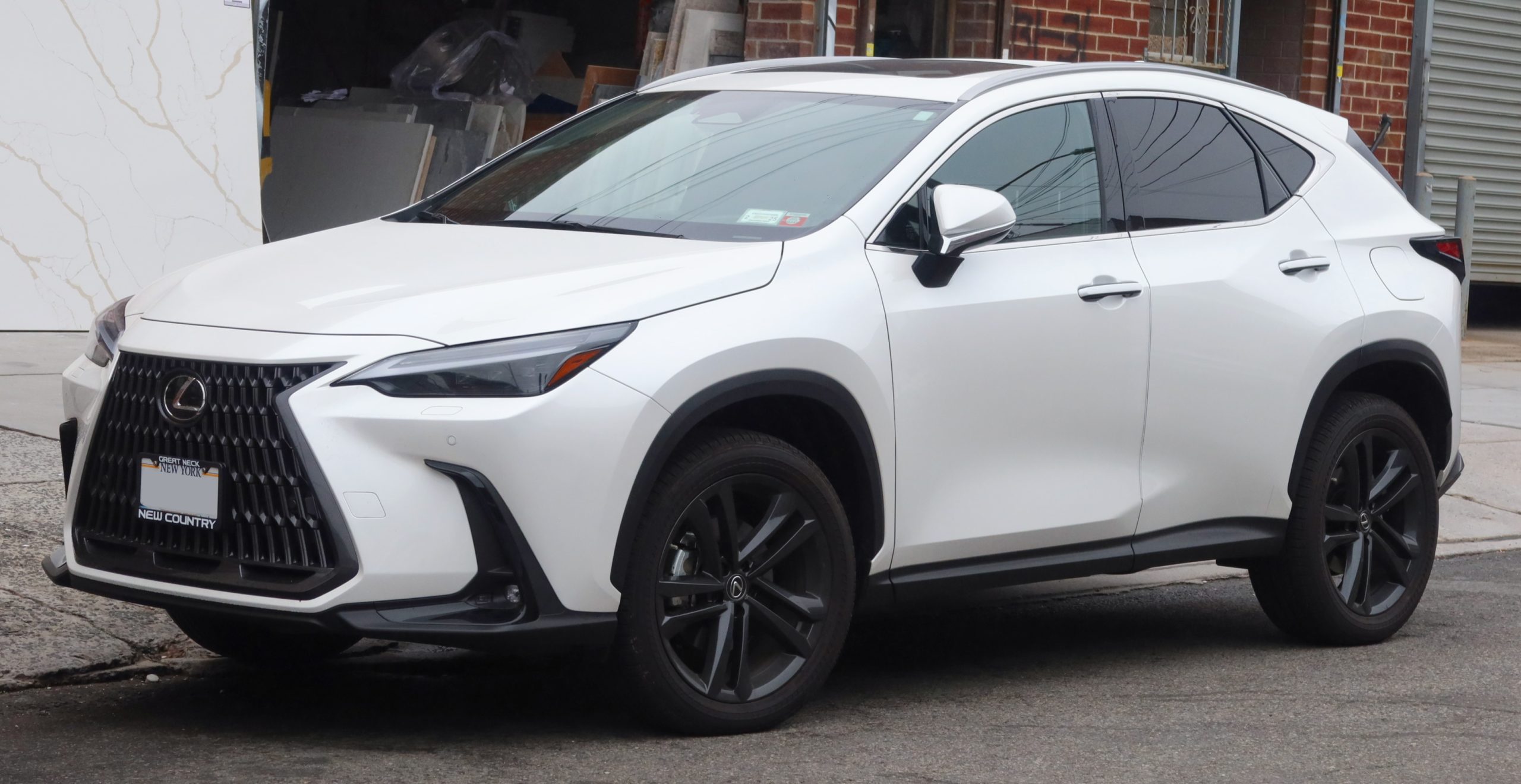
6. Lexus NX
Lexus NX is a luxury compact crossover that benefits from Toyota/Lexus engineering with high corrosion protection standards.
High quality paints and coatings, good seam sealing, and strong underbody protection are hallmark traits. The NX often has plastic shields, precise panel gaps, and treated steel that helps resist rust in commonly exposed regions.
Suspension components, exhaust hangers, and brackets in NX models are often more robust, with better quality steel and protective coatings.
Rubber boots, protective guards, and rust‐resistant fasteners are used to prevent corrosion in joints and undercarriage. Roof rails, if fitted, are well sealed. These features contribute to less rust incidence.
Another factor is that NX owners typically treat the vehicle more carefully. Luxury SUV users often maintain coatings, clean the underside, address paint chips, and inspect wheel arches; even small corrosive damage is often repaired early. T
he attention to detail by both manufacturer and owners combined means that rust remains less of an issue.
Finally, resale values of NX models remain strong in part because the body and underside do not often show rust early. This encourages good maintenance practices, and manufacturers are motivated to build with durability in mind. As such, the NX is a good pick if you want a stylish, compact luxury crossover that resists rust over many years.
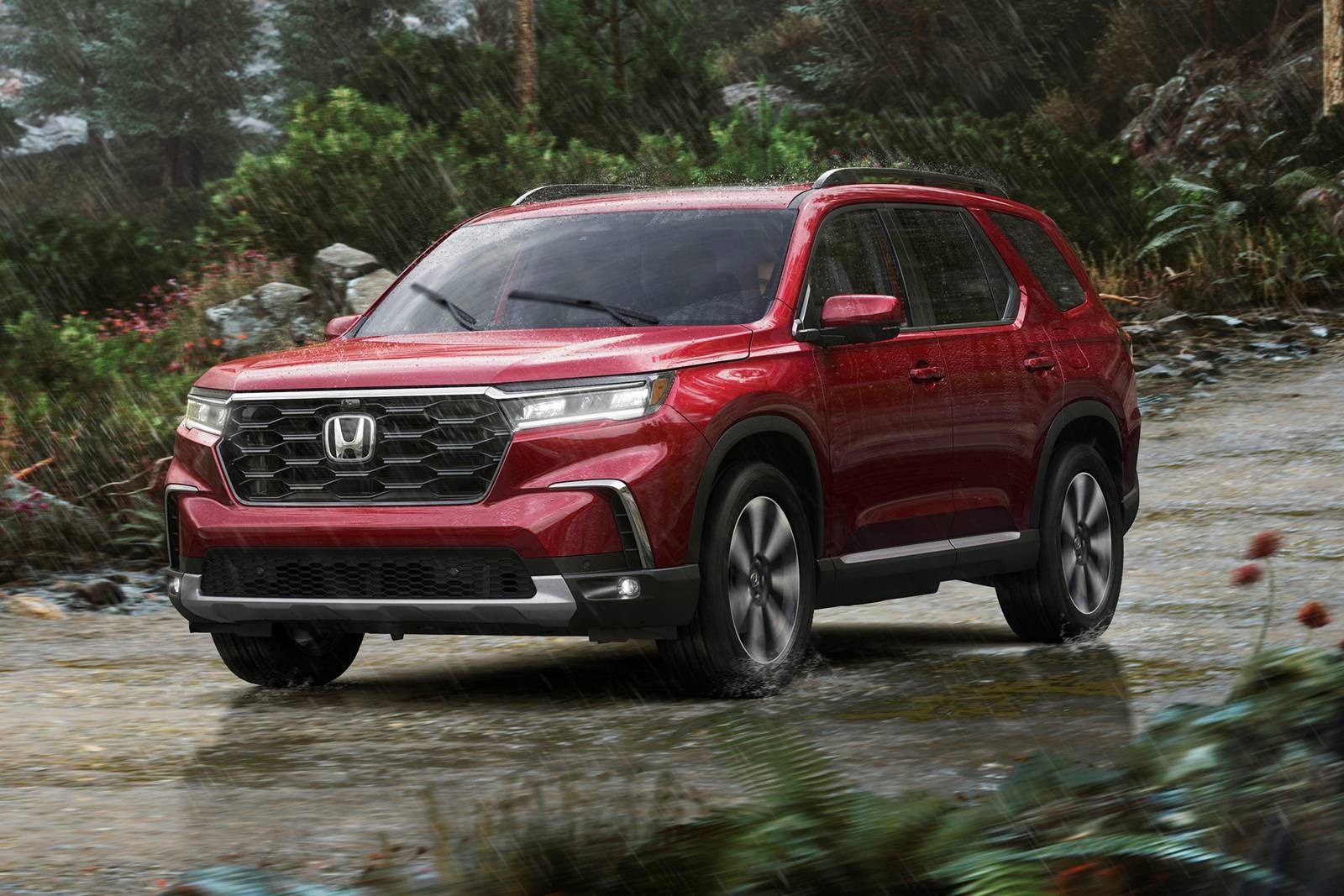
7. Honda Pilot
The Honda Pilot is a mid‑size SUV designed for families, long road trips, and sometimes tougher climates. It tends to perform well in resisting rust due to its use of good-quality steel, well sealed joints, protective undercoating, and generally conservative body design. Rocker panels and wheel wells are lined well, and metal beneath often has rust proofing or primer layers.
The exhaust system on the Pilot is arranged high enough in many models to reduce exposure to road splash. Brackets and hangers are often coated.
Underbody shields to cover the oil pan, fuel lines, and undercarriage are common in many trims. These reduce impact from stones, salt, and wet debris, which are frequent triggers for corrosion.
Owners report that door seals, weather stripping, and drainage holes are well engineered on the Pilot. Water tends to drain cleanly, and doors do not accumulate water in sills or pockets.
Paint chips are less common because of fewer complex seam joints and because panel edges are folded or finished smoothly. Trim parts are less likely to trap moisture or debris.
Also, maintenance is accessible. Parts for rockers, liners, underbody shields, and seals are available, often at reasonable cost.
Owners tend to keep Pilots for many years, and those long‑term users who wash undercarriages, address small damage early, and use rust inhibitors find that rust is minimal. All these factors make the Pilot a strong candidate for minimal rust problems.
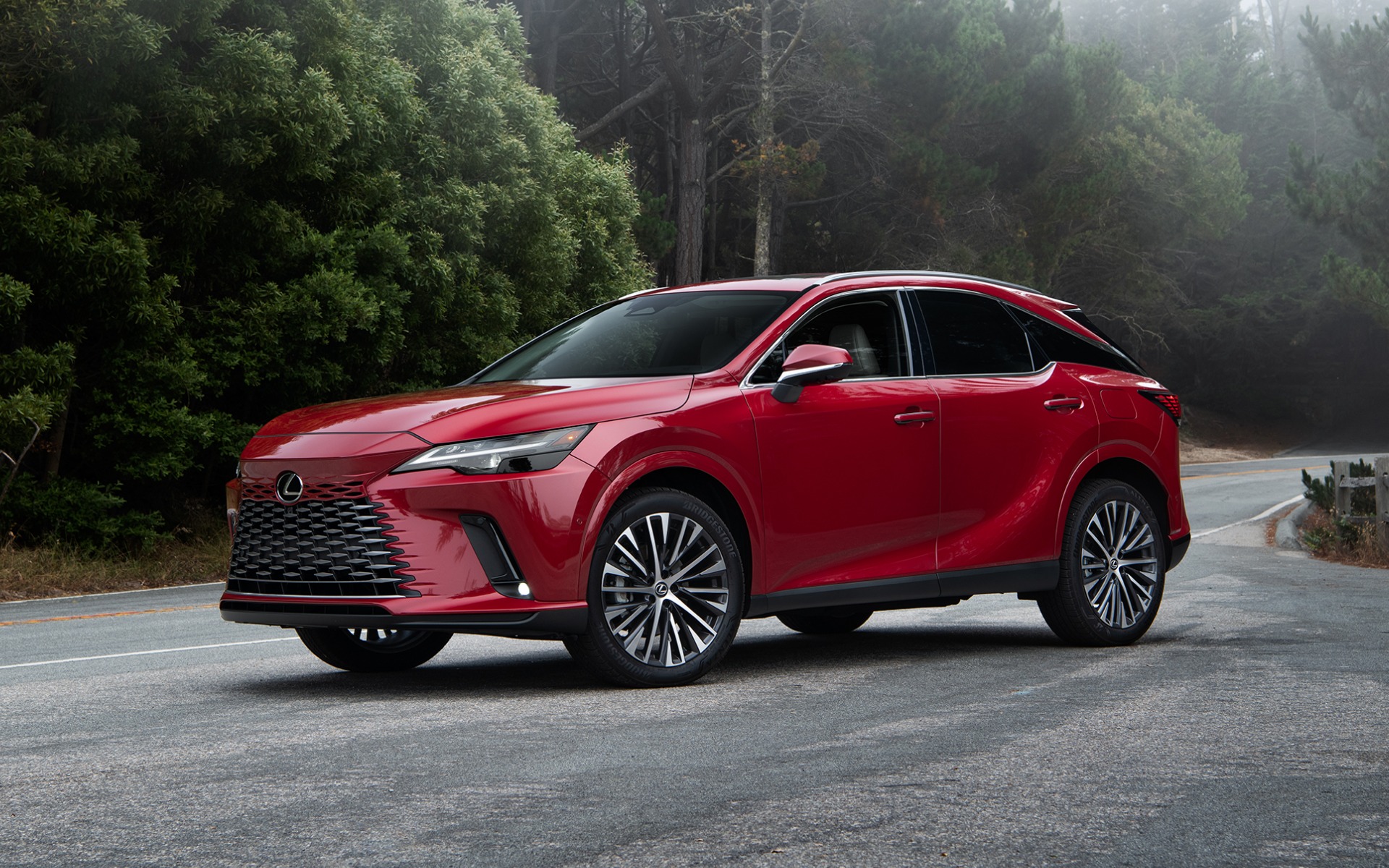
8. Lexus RX
The Lexus RX is another luxury mid‑size crossover known for its comfort and durability. Lexus ensures that corrosion resistance is a priority. Use of galvanized components, protective coatings, tight panel gaps, and careful sealing all help prevent water, salt, and debris from finding places to start rust.
The wheel wells in the RX are nicely lined. Plastic liners, splash guards, and well designed drainage mitigate paint chips and moisture exposure.
Panel edges, door bottoms, sills are sealed or folded. Weatherstripping is durable, doors close tightly, and rubber seals along joints resist deterioration that would allow moisture in.
Rust in exhaust or bracketry is a common issue on many SUVs, but on the RX these components are better shielded or made from more corrosion‑resistant materials.
Hangers are coated; exhaust pipes and catalytic converter housings are designed and placed to reduce exposure to road salt and water splash. Underbody shields protect sensitive components.
Ownership habits also matter. RX owners often emphasize aesthetic upkeep; scratches, chips, and stone damage are repaired quickly.
Underbody washes, rust proofing sprays at regular service intervals, checkups of protective shields are common. Combined with the vehicle’s built‑in protections, that tends to lead to long lifespans without visible rust spots or structural corrosion.
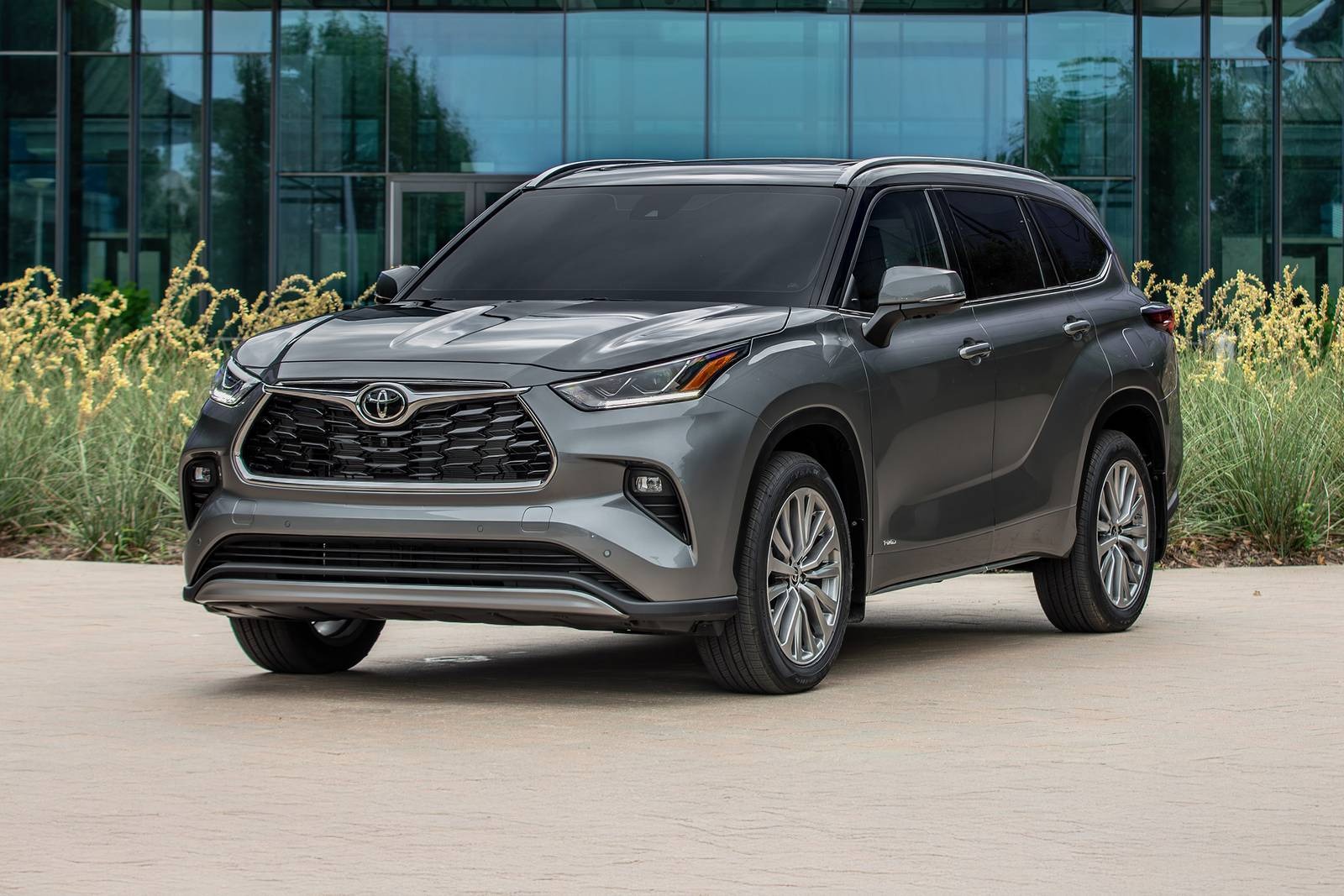
9. Toyota Highlander
The Toyota Highlander is a popular mid‑size SUV that balances utility with comfort, and generally fares well when it comes to rust longevity.
Toyota applies protective coatings, uses rust-resistant steels in body panels, and designs the undercarriage with shielding for parts exposed to road spray. The rocker panels, fuel tank areas, and lower doors often have reinforced coatings or materials.
Panels are typically designed with smooth edges, minimal sharp seams, and good sealing around joints. Areas like behind wheel wells, around doors, and under sills are less likely to trap moisture because drainage and seam sealer are well handled. Paint systems include oxide or anti‑rust primer layers, durable enamel, and clear coats that resist chipping.
Exhaust systems are elevated as much as feasible, with hangers that isolate vibrations and reduce water intrusion or splash damage. Protective guards shield critical components.
Many Highlander owners note that the underbody shields remain intact for years, helping to protect chassis components from direct contact with salted roads or water puddles.
Maintenance is simple and accessible. Replacement liners, seals, and body panels are plentiful, often inexpensive, and many service centers offer rust prevention sprays or undercoating services.
Owners who perform regular underbody washes, clean out debris in wheel wells, and address paint chips early generally report minimal rust, even in harsh environments.
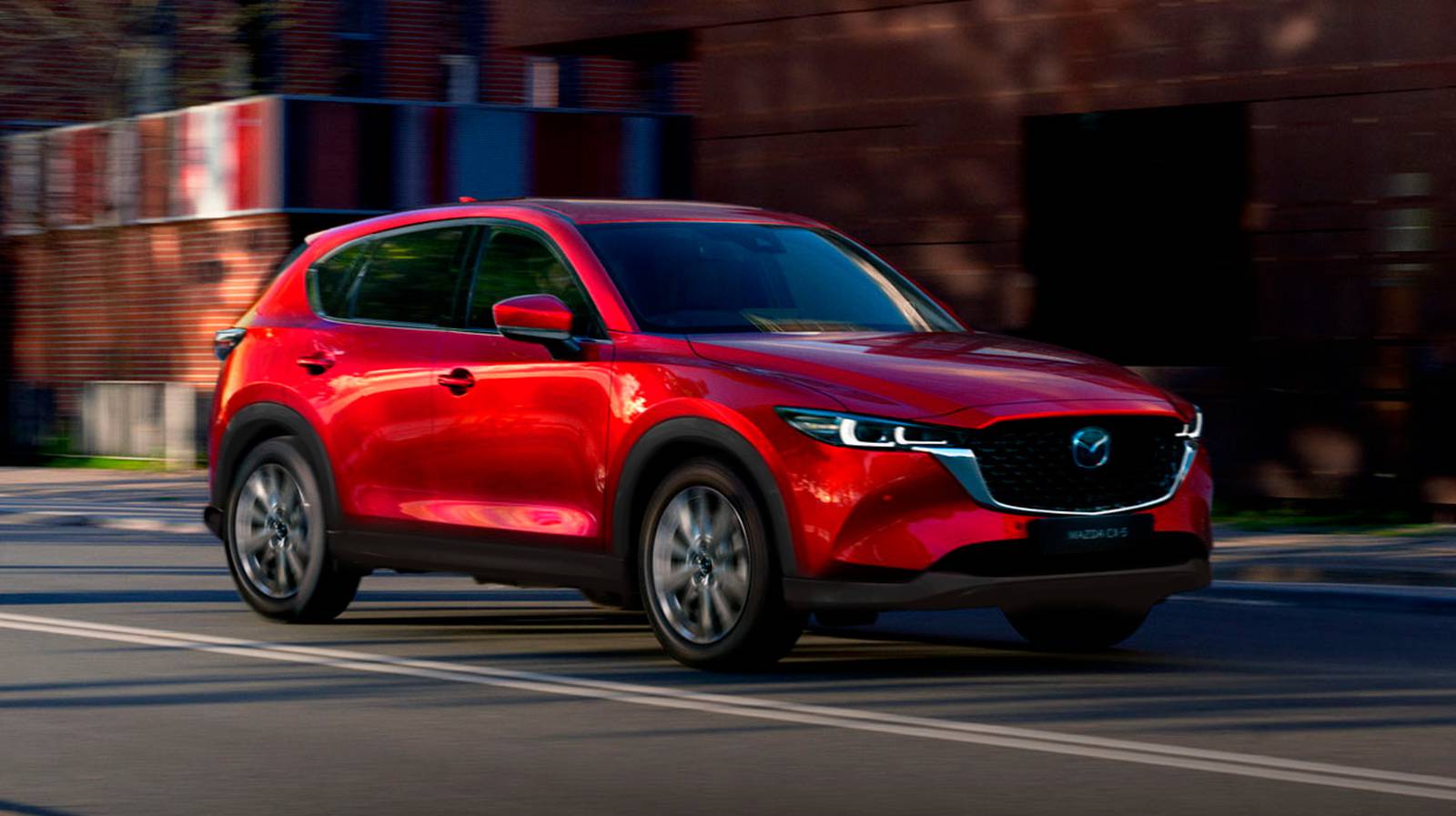
10. Mazda CX‑5
The Mazda CX‑5 is a compact crossover well-liked for its styling, driving dynamics, and build quality. But on top of those qualities, it holds up well to rust.
Mazda tends to use rust-resistant steel alloys and good coatings. Underbody protection is decent and components vulnerable to salt spray or moisture are often shielded or coated.
Panel edge finishing on the CX‑5 is usually good. Doors, sills, and wheel wells often have proper liners, splash guards, and painted or sealed edges. The paint itself uses multiple layers, primers, finishes, and top coatings that resist oxidation. Seam joints are well sealed at the factory, reducing water ingress.
Suspension components, exhaust hangers, and bracketry are less exposed. Mazda uses corrosion‑resistant fasteners and coatings, and undercarriage shields for fuel and brake lines are typically installed. The design avoids unnecessary exposed metal bits at low points, which is where rust tends to start first.
Many owners report that CX‑5s retain their visual appeal well over time. Regular cleaning, prompt repair of chips, keeping liners in place, and protecting the underside help. When treated well, the CX‑5 rarely shows rust in body panels or structural components even after many years in environments where rust is a real concern.
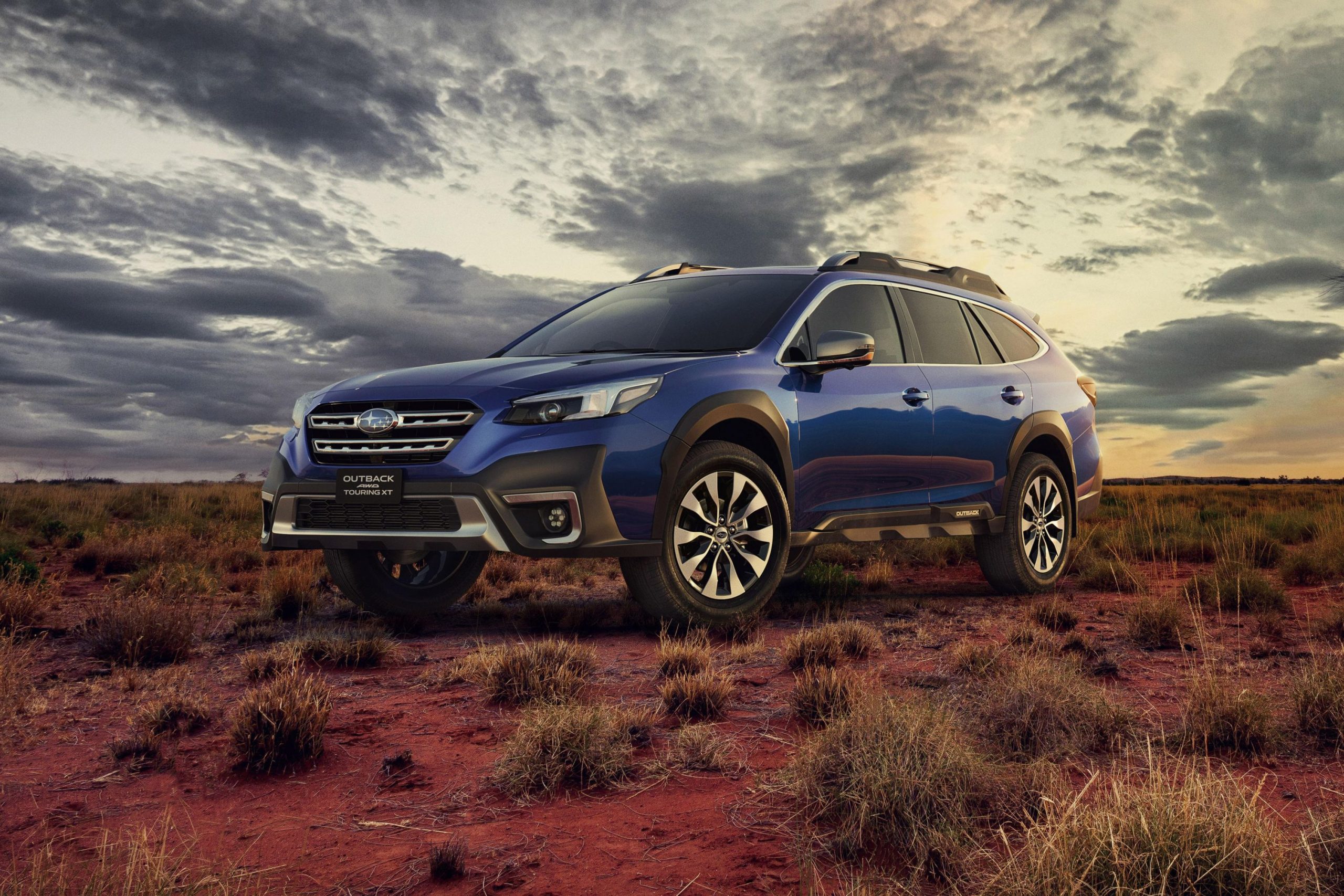
11. Subaru Outback
The Subaru Outback is often treated as a crossover with off‑road ability, and its build reflects an emphasis on durability and weather resistance. Its underbody has well‑protected skid plates, especially around the engine and the driveline regions, which shield vulnerable parts from rocks, water, and salt.
These guards act as the first line of defense, preventing chips or damage that could expose bare metal. The wheel wells are lined with sturdy plastic, reducing stone splash directly onto metal edges. The roof rails and top joints are sealed carefully, so water ingress at the upper seams is minimized.
The doors, sills, and weather‑sealing components in the Outback are usually built to tight tolerances. Rubber seals are durable, and drainage holes are positioned such that water doesn’t pool in door bottoms or around joints.
In addition, panel edges are often folded or hemmed rather than being sharply cut, which reduces exposed metal edges where rust tends to begin.
The paint system includes primer layers under the enamel, and frequently clear coat finishes that resist cracking or peeling under environmental stress. Those coatings protect against micro‑abrasions from grit and UV exposure, both of which can degrade surfaces and allow rust to initiate.
Owner maintenance practices also contribute heavily to the Outback’s resistance to corrosion. Many owners in snow belt or coastal regions wash the undercarriage often to remove salt residue. When small chips or scratches occur, they are typically repaired quickly because replacement or touch‑up parts are accessible.
The plastic liners and guards provided by Subaru tend to remain serviceable for quite some time, and when they don’t, replacements are available. That helps avoid long periods in which vulnerable metal is exposed.
Finally, Subaru has for many model years applied rust inhibiting treatments in hidden cavities, and uses a fair amount of galvanized steel in critical components.
The structural members of the chassis are often protected with sealants and coatings, and the manufacturing process attends to seam sealing. All these design, material, and user practice factors make the Outback a model that generally copes very well in wet, salty, or muddy driving conditions without developing serious corrosion.
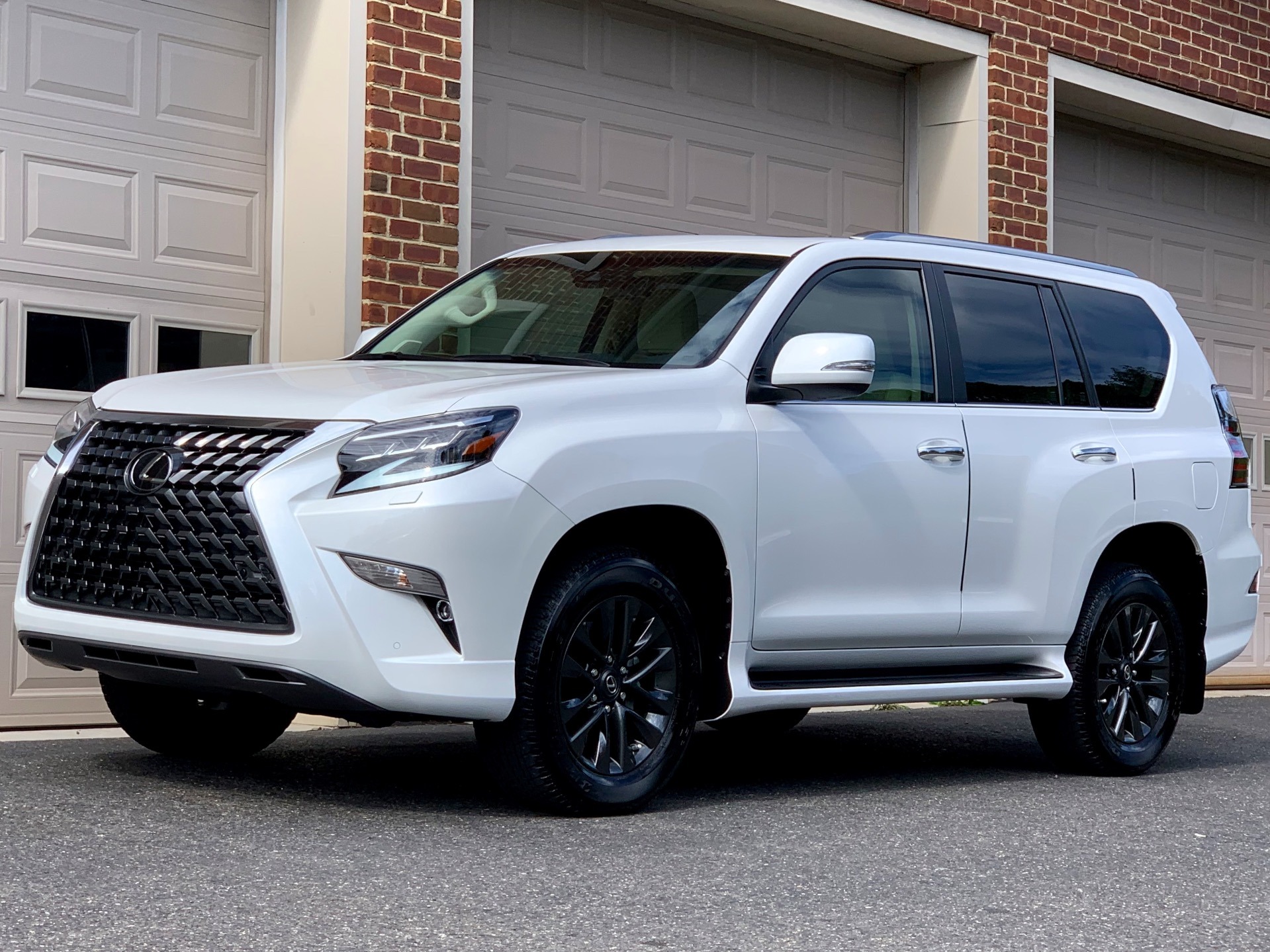
12. Lexus GX 460/ GX 400
(The “Lexus GX” already listed, but this refers to the specific GX 460 / GX 400 trim lines, especially known for long life in rust‑prone conditions.)
The GX 460 / 400 models are built on a body‑on‑frame platform, which gives them inherent resilience against corrosion in many circumstances.
Body‑on‑frame allows the frame rails to be treated independently, and often the frame is manufactured from higher corrosion‑resistant steel, treated with protective coatings, and is separated enough from the body that splash and salt residue do not easily reach key structural joints.
The undercarriage tends to be rugged, with large fender wells, protective shields, and components elevated away from water splash or road salt.
That model also tends to have high‑quality metal finishes and paint treatments. Panels are well sealed, with precise panel gap tolerances; door seals are robust, and rubber gaskets and weather stripping are designed to maintain tight closure over years.
The edges of doors and rocker panels are hemmed or sealed to reduce exposure of raw metal. The finish typically includes multiple primer and sealer layers before the top coat, which helps protect the steel beneath from oxidation.
The exhaust, suspension, and frame mounts are often built with thicker gauge steel and coated or plated brackets, which resist rusting better under harsh exposure.
Underbody shields and guards help reduce moisture accumulation on key structural points. Because GX models are often used in terrains where durability is valued, spare parts for liners, shields, and protective components are more readily available.
With consistent maintenance, washing off salt, checking for chips, cleaning behind guards, maintaining rubber components, and because of the inherently robust engineering, the GX 460 / 400 tends to show minimal rust even after heavy use in humid, cold, or salty environments. Owners often report that the body and frame remain solid and largely free of corrosion for many years.
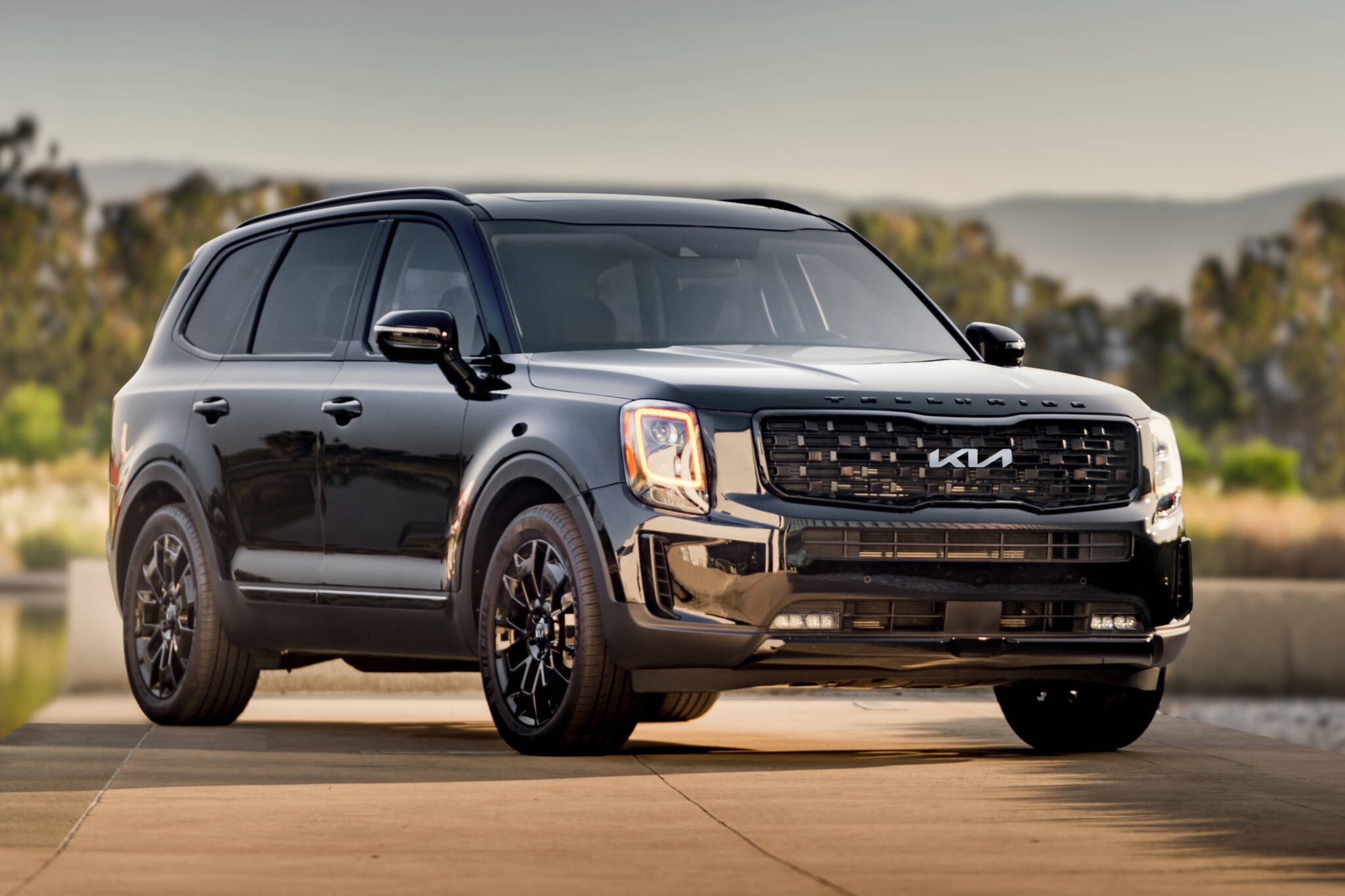
13. Kia Telluride
The Kia Telluride is a newer entrant among large three‑row SUVs, but its build quality and rust prevention have impressed many owners. From the underbody up, the Telluride has protective shields for fuel lines, brake lines, and other components that tend to lie low.
Wheel wells are well lined with durable materials; splash guards are solid and placed to reduce direct spray of salt or rock chips onto vulnerable body edges. The frame and major suspension attachment points are coated, and brackets are treated to resist corrosion.
Body panels are designed with good seam sealing, especially in roof joints, door joints, and rocker‑panel seams. The edges are finished in ways that reduce exposed metal.
Weather stripping around doors and glass is made to good quality standards so water seepage is kept minimal. Paint is applied in multiple layers, with base coat, sealer, and finish coat, and the clear coat tends to hold up well against chipping and minor abrasions.
Another plus is that Kia has in recent years increased use of higher strength and galvanized steel in key structural zones, which helps resist corrosion.
Combined with a fairly modern undercoating and rust proofing in factory or dealer service, the build tends to fare well in climates with salt‑used roads or heavy humidity.
Protective coatings of subframes, along with good drainage and design that avoids flat cavities where water can stagnate, help reduce the risk of rust starting in less visible regions.
Owners’ experience indicates that routine preventive care, washing off road salt, cleaning splashes, maintaining plastic liners, sealing chips, keeps the Telluride’s body and undercarriage in good shape without early rust. Even though it has fewer decades of history, its construction and materials make it one of the better bets for rust‑resistance in large SUVs.
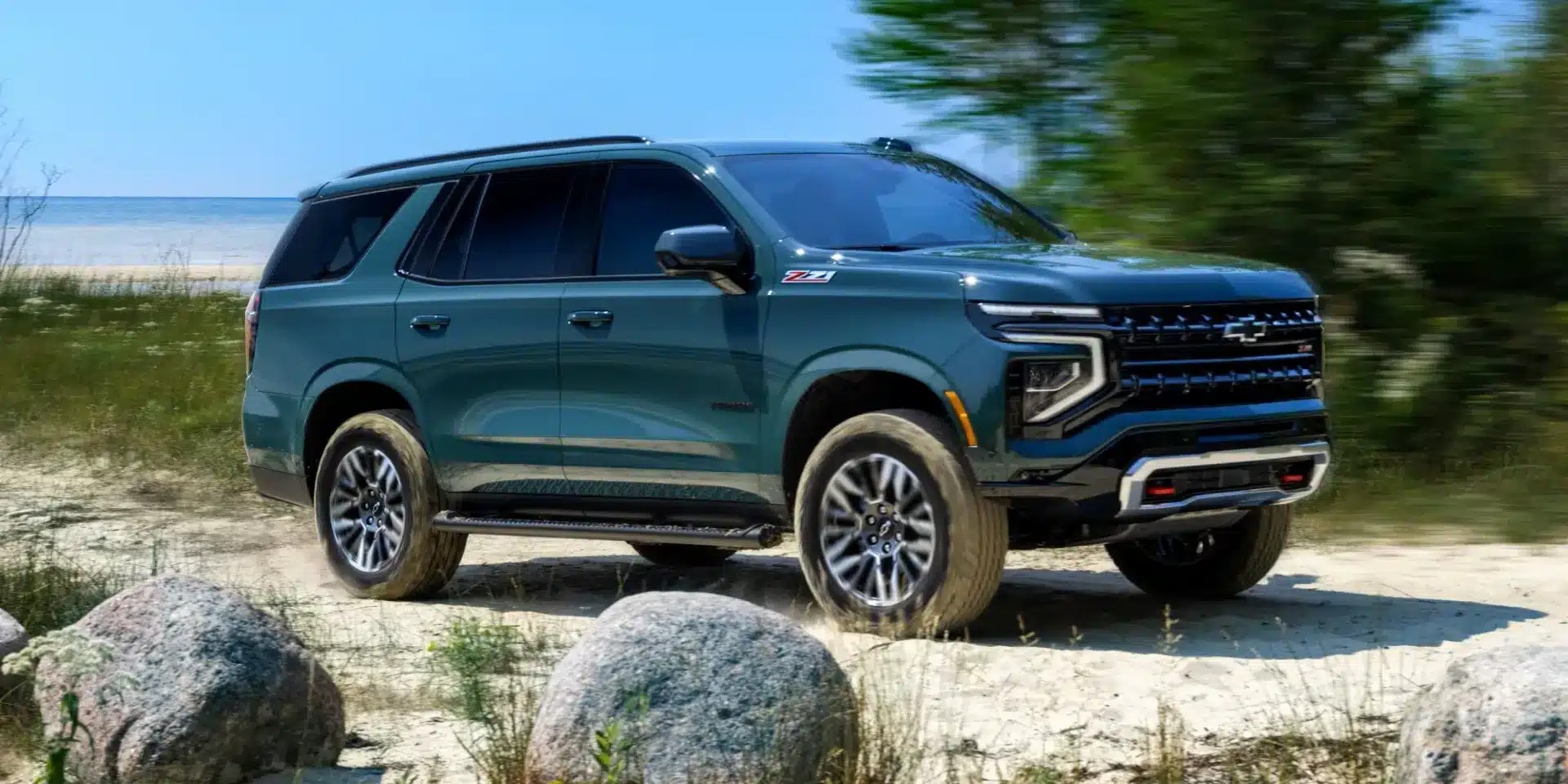
14. Chevrolet Tahoe / GMC Yukon
Large full‑size SUVs like the Chevrolet Tahoe and GMC Yukon have had mixed reputations, but some model years and with proper maintenance they show strong resistance to rust, especially in body‑on‑frame construction.
The frames themselves are often built of steel treated or plated against corrosion, and many parts under the body, fuel tank shields, brake lines, exhaust hangers, are protected or elevated so direct exposure to salt water or splashing is minimized.
The body panels tend to have simpler joints and less intricate seams in some of the lower trims, which reduces places where water and dirt can collect.
Paint and panel finishing on these vehicles is usually solid. Door sills and rocker panels are built with durability in mind, with thicker materials, proper sealing, and often inner cavities treated with sealants.
The wheel wells are large, and plastic liners are employed, which help reduce the amount of moisture contacting metal from wheels spraying mud or salt. Underbody shields are fairly common; these protect the under‑gearbox and other vulnerable parts.
Exhaust systems and brackets on the Tahoe/Yukon are built more robustly in many cases, with less thin metal that is prone to rust, and with protective coatings or treatments over the hangers and mount points. Rubber boots and protective covers over joints help reduce moisture ingress.
Also, because these SUVs often travel in varied terrain, parts for liners, underbody shields, and rust prevention are well supported in the aftermarket, aiding repair and maintenance.
When owners adhere to routine care, periodic wash‑downs of the undercarriage, treatment of chips, and ensuring that weather seals and drainage holes remain functional, the Tahoe / Yukon can stay relatively free of rust, even in harsh climates. Certain model years are especially praised for long‑lasting undercarriage integrity.
