
When it comes to vehicle reliability, most drivers just want something that won’t leave them stranded. For some, however, the goal is much loftier: pushing a car or truck past 300,000 miles without a major breakdown.
To do that, the key ingredient is a powertrain that’s built to take abuse, survive neglect, and keep turning over with minimal complaint.
While regular maintenance certainly plays a role, some engines and transmissions are simply engineered with more long-term durability in mind.
Whether it’s due to conservative design, robust components, or a proven record of dependability in harsh conditions, certain powertrains have built reputations for being nearly impossible to kill.
The powertrain includes the engine, transmission, and the systems that deliver power to the wheels. It’s the beating heart of any vehicle. When this system is overbuilt or under-stressed, it can result in longevity that surprises even the most skeptical owners.
Many of these powertrains come from brands known for reliability, such as Toyota and Honda, but a few others may surprise you. Diesel engines, in particular, feature prominently, but several gasoline-powered units have earned respect for their ability to rack up mileage with grace.
Some of the powertrains listed here are found in trucks that were made for commercial use and towing, while others appear in passenger sedans or SUVs. The diversity shows that longevity doesn’t belong to any one category or price bracket.
From inline-fours to big V8s, and from hybrids to diesels, some setups have just proven they can handle the long road ahead. Owners who perform oil changes on time, keep fluids fresh, and avoid constant hard driving have seen these machines last far beyond what most would consider the normal service life of a car.
This list doesn’t include every reliable engine or transmission ever made, but it highlights a dozen powertrains that consistently show up in stories of vehicles surpassing 300,000 miles. Whether you’re buying used or just curious about the mechanical legends on the road, here are twelve of the most durable powertrains ever bolted into a car or truck.
Also Read: 5 Cars That Rarely Need Cooling System Work vs 5 That Always Overheat
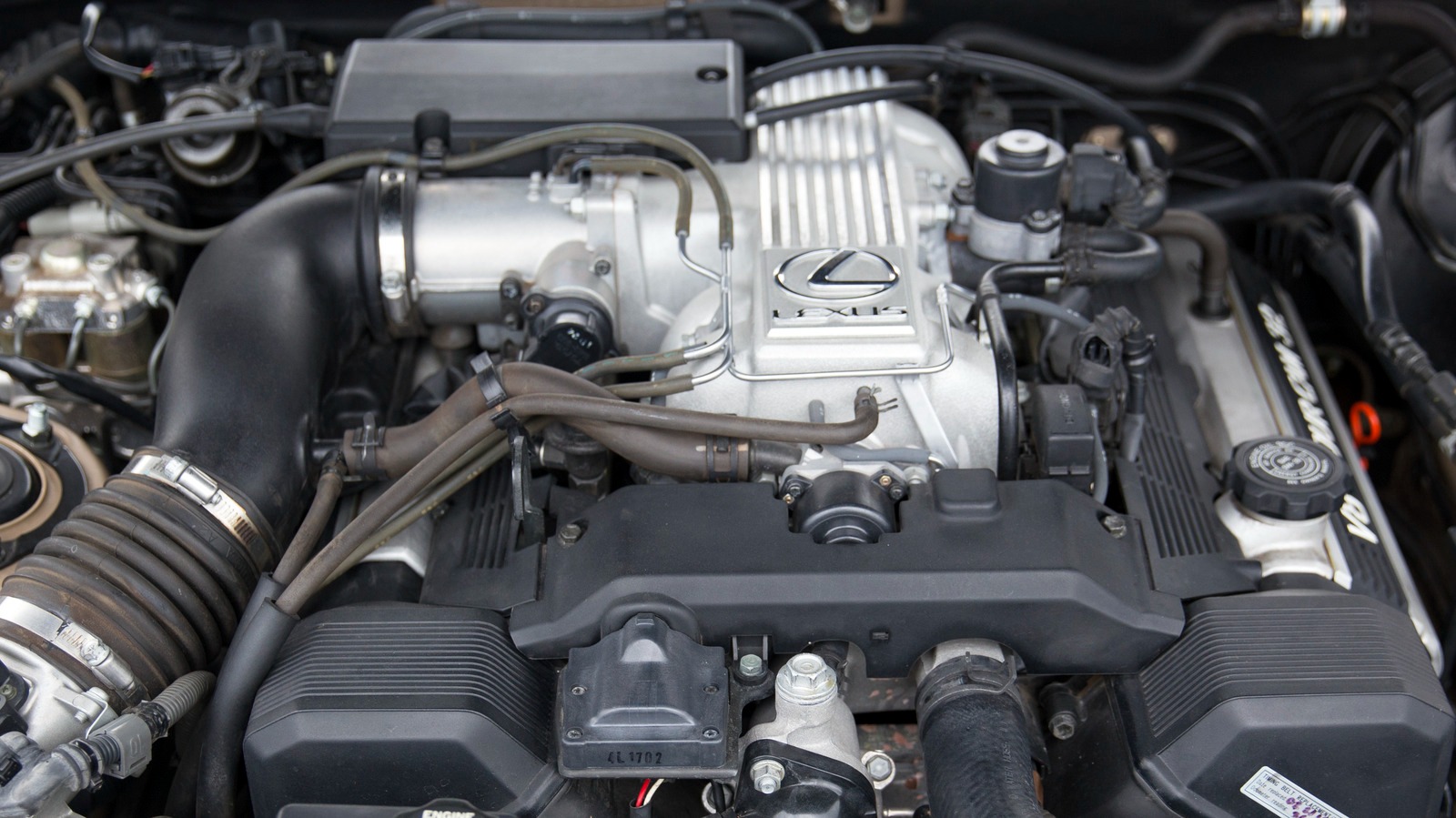
1. Toyota 2UZ-FE V8 (Land Cruiser, Sequoia, Tundra)
The Toyota 2UZ-FE is a 4.7-liter V8 engine known for its use in trucks and SUVs like the Land Cruiser, Sequoia, and early Tundras. It was engineered with longevity in mind, using a cast-iron block and an overbuilt bottom end.
While not focused on peak performance, it delivers consistent torque and a very smooth ride. Owners routinely report this engine crossing the 300,000-mile mark with minimal internal wear, a testament to Toyota’s conservative engineering philosophy at the time.
It’s not just the engine itself that deserves praise, but also the accompanying transmission systems, especially the A750F 5-speed automatic that was often paired with it.
These gearboxes have proven themselves capable of handling the V8’s output without wearing down prematurely. Together, the combination offers a powertrain that can take long distances, heavy loads, and off-road adventures without blinking. Many have been used for towing boats, campers, and trailers for years on end.
What adds to the 2UZ-FE’s reputation is the lack of critical failures. Timing belt replacements are routine, and oil consumption is rarely an issue. Even at high mileage, these engines tend not to develop the leaks or sludge problems seen in many others.
Regular maintenance goes a long way, but even when neglected for moderate periods, this engine tends to keep working. Its low-revving nature and durable construction make it a workhorse.
The platform also benefits from Toyota’s focus on rust protection and body integrity, so the rest of the vehicle often lasts just as long. With thousands of Land Cruisers and Tundras still running strong at high mileage, the 2UZ-FE has become a favorite among off-roaders, overlanders, and rural drivers who need something that just works, no matter the mileage.
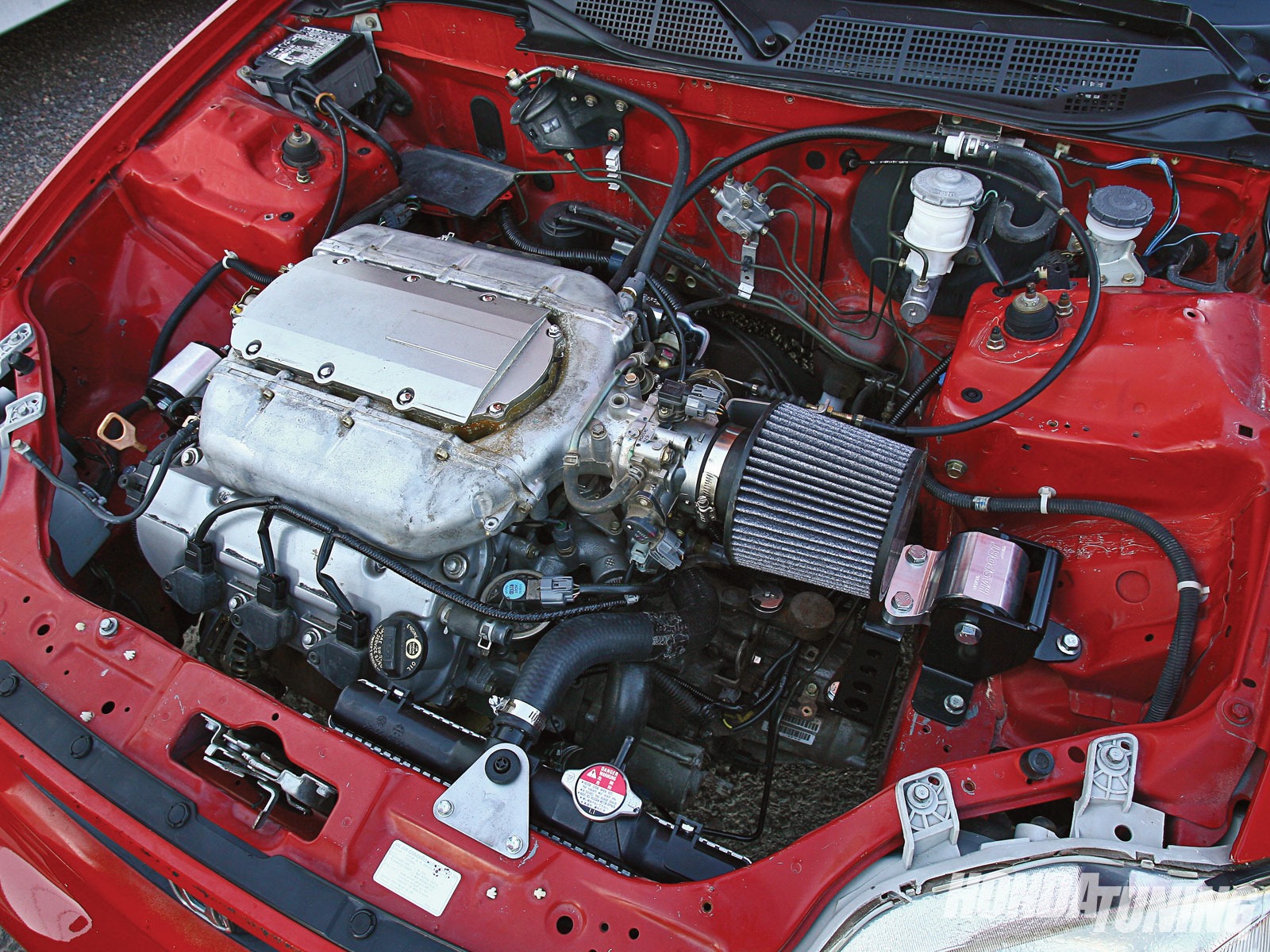
2. Honda J35 V6 (Odyssey, Accord, Pilot)
Honda’s J35 V6 engine has been around in various forms since the late 1990s, and it’s become one of the most proven six-cylinder powerplants ever made.
Found in a wide variety of Honda and Acura models, the J35 offers a balance of performance, fuel economy, and most importantly, durability. It’s not uncommon to see these engines running well past 300,000 miles with only basic maintenance and timing belt changes.
One key to its longevity is its refined engineering. Honda designed the J35 with smooth operation in mind, utilizing aluminum construction, VTEC variable valve timing, and a well-balanced crankshaft.
While some early versions had issues with motor mounts and oil consumption, later revisions smoothed out most of those problems. Even the early models can go the distance with proper care.
The transmissions paired with the J35, especially in the Odyssey and Pilot, have had mixed reviews. However, many of the later 6-speed automatics (post-2010) significantly improved durability.
When matched with a healthy transmission, the J35 becomes a solid long-hauler. Regular fluid changes are crucial to the automatic gearbox’s survival, and many owners who follow that schedule report excellent results.
Beyond reliability, this engine is also relatively easy to work on. Spark plugs, belts, and filters are accessible, which helps keep maintenance costs down over time.
The aftermarket support is also robust, so parts are readily available and affordable. Whether hauling kids around town in an Odyssey or taking a Pilot on long road trips, the J35 proves that a minivan or SUV can quietly cross the 300,000-mile line without drama.

3. Ford 4.6L Modular V8 (Crown Victoria, F-150, Mustang)
Ford’s 4.6L Modular V8, part of the broader Modular engine family, was used in everything from police cruisers to pickup trucks. Introduced in the early 1990s, it gained a reputation for being durable and easy to service.
While it may not have delivered exciting horsepower figures, the 4.6 was designed for longevity rather than flash. With a solid iron or aluminum block and SOHC layout, it was engineered to take abuse.
One reason for the 4.6’s longevity is its wide usage in fleet vehicles, particularly the Crown Victoria and its relatives. These cars were often used as taxis or police interceptors, regularly racking up massive mileage under harsh conditions.
Many of them crossed 300,000 miles before being retired, and even then, the engines often had plenty of life left. It became a favorite of mechanics and DIYers who appreciated its reliability and simplicity.
The transmission most commonly paired with the 4.6L in rear-wheel-drive applications was the 4R70W, a stout automatic that could easily handle daily driving, towing, and high-speed highway miles.
In many cases, both engine and transmission could last the life of the vehicle with minimal issues, aside from the occasional solenoid or gasket repair. Maintenance was key, but the powertrain package was designed to endure.
With decent power, a smooth idle, and a bulletproof bottom end, the 4.6L Modular V8 found its way into countless vehicles that are still seen on the road today.
Mechanics praise it for its ability to keep running with only basic upkeep. While more modern engines might offer better efficiency, few have the track record of the 4.6 when it comes to getting past the 300K mark without major internal work.
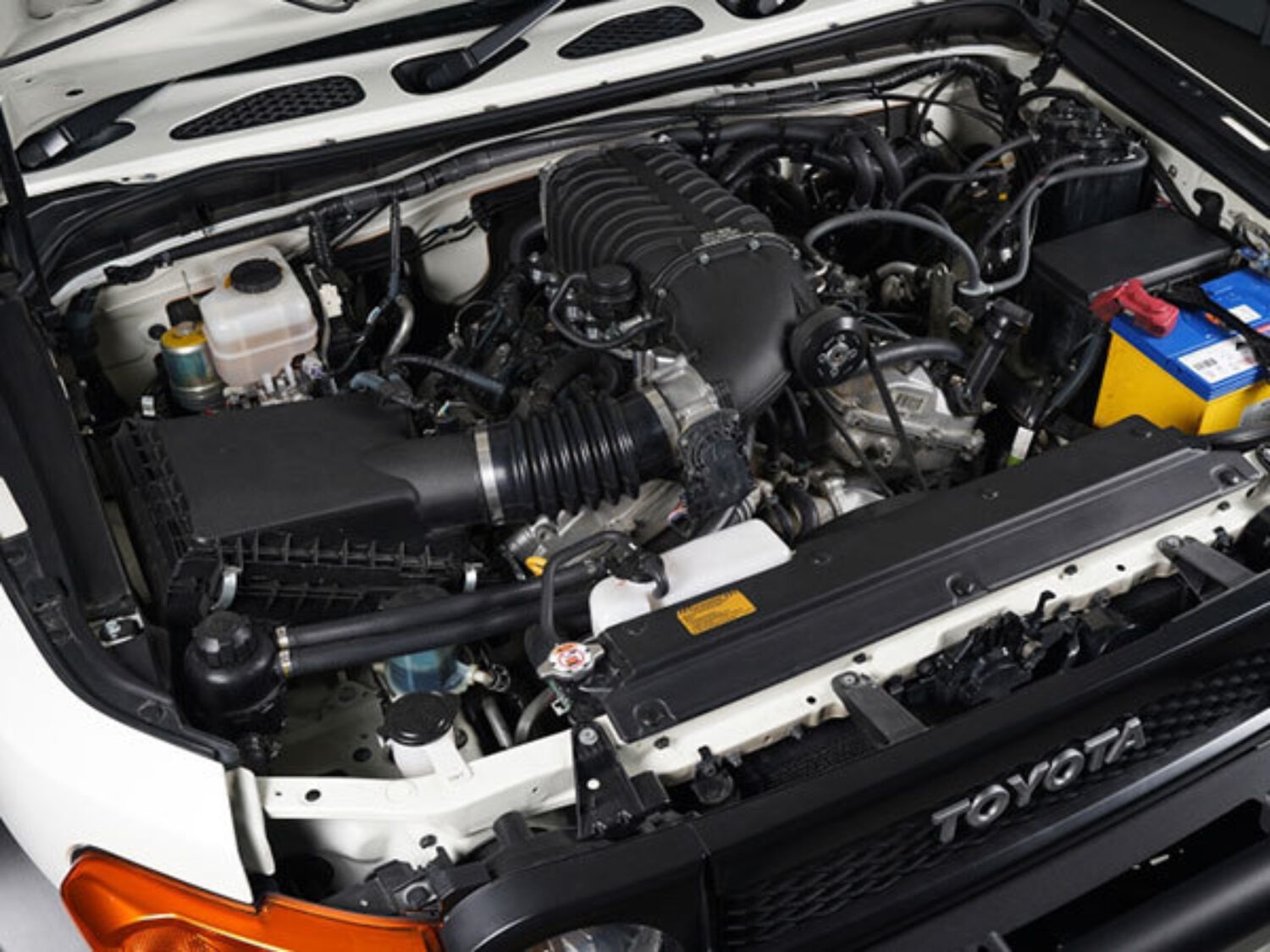
4. Toyota 1GR-FE V6 (Tacoma, 4Runner, FJ Cruiser)
The Toyota 1GR-FE is a 4.0-liter V6 that has been used in the Tacoma, 4Runner, FJ Cruiser, and other Toyota trucks and SUVs. Known for its strong torque, simple design, and durability, this engine has become a staple in Toyota’s lineup.
It’s particularly popular among those who prioritize reliability over cutting-edge technology, and it has a well-earned reputation for reaching very high mileage.
Part of what makes the 1GR-FE so reliable is its conservative tuning and timing chain-driven valvetrain. There’s no timing belt to replace, which reduces long-term maintenance needs. The engine was designed to tolerate off-road use, towing, and extreme weather.
As a result, it features components that can withstand heat, vibration, and load over long periods. Owners who tow with Tacomas or explore rough terrain in 4Runners often reach 300,000 miles without engine rebuilds.
Transmission reliability also supports the 1GR-FE’s reputation. The automatic gearboxes mated to these engines tend to be equally durable, especially when fluid is changed at reasonable intervals.
The combination results in a powertrain that feels solid year after year. Many of the older Tacomas with this engine are still being driven across rural areas, deserts, and mountain passes, often with original drivetrains intact.
This engine also benefits from Toyota’s global engineering strategy. It was designed for multiple markets, meaning it had to function reliably in a wide variety of conditions.
Cooling systems, oiling passages, and cylinder head tolerances were all tuned for long life. Whether running on rough roads in Australia or snowy highways in Canada, the 1GR-FE has stood the test of time. It’s a favorite of over
This engine also benefits from Toyota’s global engineering strategy. It was designed for multiple markets, meaning it had to function reliably in a wide variety of conditions. Cooling systems, oiling passages, and cylinder head tolerances were all tuned for long life.
Whether running on rough roads in Australia or snowy highways in Canada, the 1GR-FE has stood the test of time. It’s a favorite of overlanders, tradesmen, and long-distance travelers alike, partly because it performs equally well at 50,000 or 250,000 miles.
Many long-term owners have pushed these vehicles far past the 300,000-mile mark without experiencing major mechanical issues, which makes this powertrain a symbol of Toyota’s no-nonsense design ethos.
Another factor behind the 1GR-FE’s reputation is its forgiving nature. Even when maintenance intervals are stretched or skipped, it tends to keep running. Of course, no engine is completely immune to neglect, but this V6 has a high tolerance for less-than-perfect treatment.
For example, cases of timing chain stretch or head gasket failure are rare even in high-mileage examples. Oil leaks may begin to appear past 200,000 miles, often from valve cover gaskets or oil cooler hoses, but these are manageable and do not typically result in catastrophic failure.
Routine servicing like coolant flushes and spark plug changes help it stay in top form, but even those who’ve skimped have seen their trucks keep going strong.
It’s also worth mentioning the aftermarket and community support for this powertrain. The 1GR-FE is well understood by mechanics, with ample guides and parts availability for DIY repairs or full rebuilds. Even those who live far from a dealership can typically find the components they need without issue.
That makes high-mileage ownership more practical, as routine repairs don’t require exotic or hard-to-find parts. Owners in online forums often compare odometer readings like badges of honor, with many reporting 350,000 or more on original engines with nothing more than standard upkeep.
That kind of reliability builds confidence in a vehicle, and it’s a key reason why these Toyotas retain value even with very high mileage.
Also Read: 5 Vehicles That Last a Lifetime With Regular Oil Changes vs 5 That Don’t
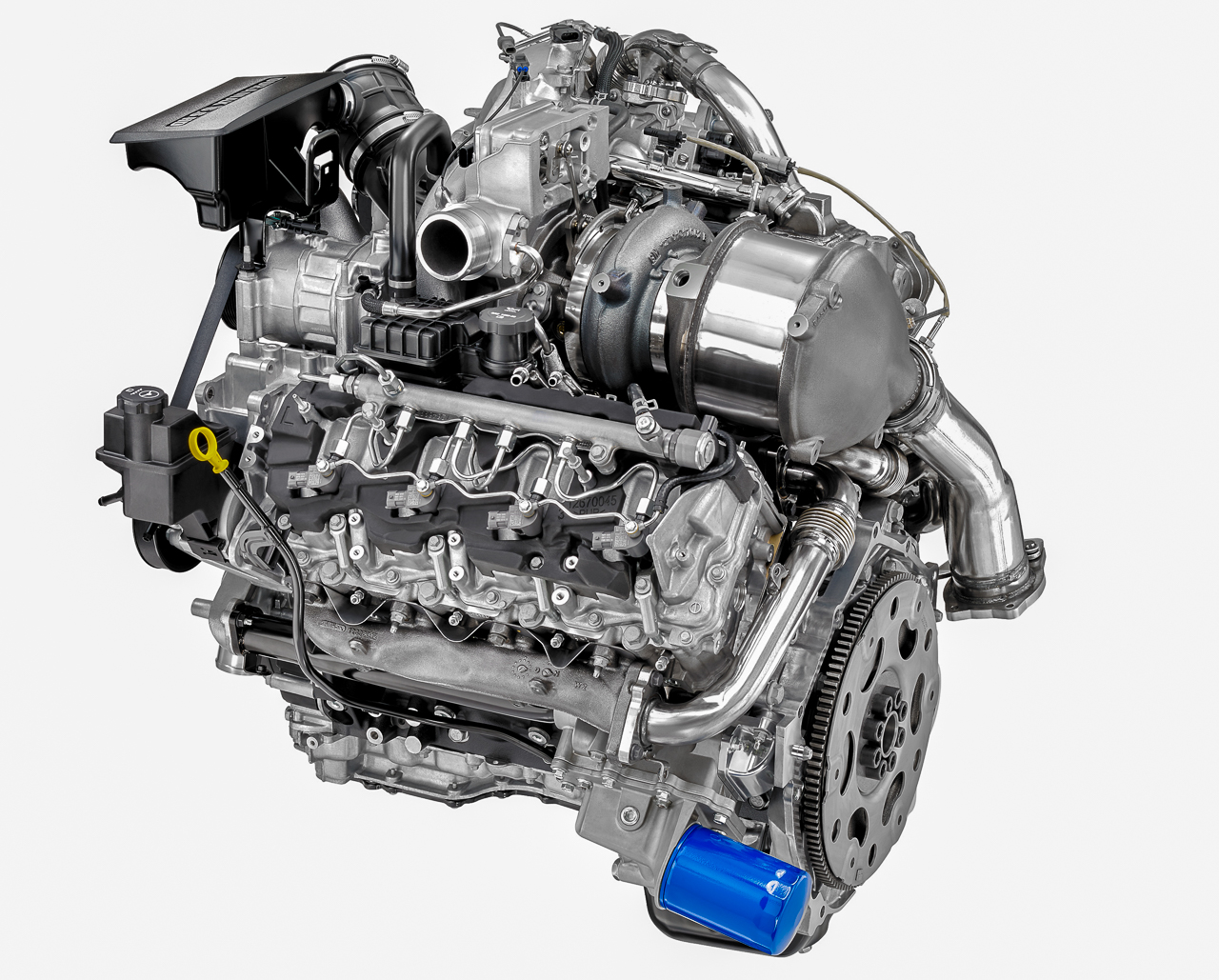
5. GM 6.6L Duramax Diesel (Chevy Silverado, GMC Sierra HD)
The Duramax 6.6L diesel engine, especially the LBZ and LLY variants, has become one of the most trusted heavy-duty diesel engines ever produced for pickup trucks. Originally developed as a joint venture between General Motors and Isuzu, the Duramax was created to compete with Cummins and Power Stroke engines in the diesel truck segment.
What emerged was an exceptionally robust and efficient platform that has earned the loyalty of both commercial and personal users. These engines are routinely found still running strong past the 300,000-mile mark, often while towing massive loads or operating under constant stress.
A big contributor to the Duramax’s durability is its strong construction. Forged steel internals, high-quality aluminum heads, and advanced fuel injection systems help the engine operate efficiently under heavy load without generating excess heat or wear.
The LBZ in particular, produced from 2006 to 2007, is often singled out as the most reliable of the bunch due to its lack of emissions equipment like the diesel particulate filter and EGR systems that became common in later models.
Without those restrictions, it runs cleaner internally and avoids many of the maintenance headaches seen in more modern diesels. This has made it especially popular among those looking for longevity without compromise.
Paired with the Allison 1000 transmission, the Duramax becomes part of a nearly indestructible duo. The Allison automatic is a commercial-grade gearbox with high torque capacity, advanced cooling, and a strong history of surviving long hauls with minimal wear.
Together, this engine and transmission setup is commonly found in trucks used for hauling trailers, construction equipment, and RVs across tens of thousands of miles at a time.
Reports of trucks with original engines and transmissions at 400,000 miles are not unusual, particularly when basic oil changes and filter replacements are performed at consistent intervals.
One of the reasons the Duramax has earned so much respect is its balance of power and efficiency. Unlike some diesels that sacrifice responsiveness for long-term reliability, the 6.6L manages to deliver both. Owners often comment on the engine’s strong pulling power and smooth acceleration, even when fully loaded.
At the same time, it remains relatively quiet and refined, making it a comfortable choice for long highway drives. For those who need a serious workhorse that doesn’t give up after 200,000 miles, the Duramax is one of the most proven platforms ever to roll out of an American truck factory.

6. Lexus 1UZ-FE V8 (LS400, SC400, GS400)
The Lexus 1UZ-FE is often regarded as one of the finest V8 engines ever made, thanks to its superb engineering and legendary reliability. Introduced in the 1989 Lexus LS400, the 1UZ-FE was Toyota’s flagship V8, and it reflected the company’s obsession with quality at the time.
With a 4.0-liter displacement, aluminum block and heads, and a 32-valve DOHC design, the engine was designed to compete with the best from Mercedes-Benz and BMW. However, in terms of longevity, the 1UZ-FE has outclassed most of its European rivals by a wide margin.
The engine’s strength lies in its conservative tuning and high-quality components. The forged steel crankshaft, robust connecting rods, and overbuilt cooling system help it stay smooth and reliable under all driving conditions. It also benefits from balanced internals that keep vibrations to a minimum, which reduces long-term wear.
Many LS400s and SC400s are still on the road today with over 300,000 miles, and some have gone beyond 500,000 with the original engine still running smoothly. Oil changes, timing belt replacements, and valve cover gaskets are about the only items most owners ever need to worry about.
Another reason this engine lasts so long is because of the vehicles it was placed in. Lexus models like the LS400 were not typically driven hard or modified, and their owners often maintained them well. That helped preserve the powertrain’s integrity. However, even poorly maintained 1UZs have been known to keep going strong.
The engine is also forgiving to work on, and the layout allows for reasonable access to spark plugs, belts, and other serviceable parts. It’s rare to find a luxury engine from the 1990s that has such a solid reputation for bulletproof performance.
The 1UZ-FE also spawned a loyal following in the performance and motorsport world. Tuners have used it for everything from drift cars to hot rods, praising its ability to handle boost and high RPMs when modified correctly.
But even in its factory state, the engine’s refinement and durability set it apart. For those looking for a long-term investment in a used luxury car, an LS400 with a healthy 1UZ-FE is still one of the most compelling options available. It may be over 30 years old, but it has aged better than many engines made decades later.

7. Cummins 5.9L Inline-6 Diesel (Ram 2500/3500)
The Cummins 5.9L inline-six turbo diesel engine, found in Ram heavy-duty pickups from the late 1980s through 2007, has built a reputation as one of the most robust and reliable diesel engines ever placed in a consumer vehicle.
Originally developed for industrial and agricultural use, the 5.9L Cummins was a natural fit for work trucks due to its long-stroke design, torque-rich powerband, and virtually indestructible internals.
Built with a cast-iron block and head, the 5.9 is often compared to commercial-grade powerplants used in buses and delivery trucks, and that’s not far from the truth. It’s common to find these engines powering Rams that have easily surpassed 400,000 or even 500,000 miles, particularly when properly maintained.
The simplicity of the engine is a large part of its charm. Unlike some modern diesels, the 5.9L lacks the extensive emissions systems and electronic controls that complicate servicing and shorten lifespan. This makes it easier to diagnose, easier to work on, and less likely to suffer catastrophic failure from sensor issues or emissions-related malfunctions.
The early mechanical P-pump models are especially prized for their reliability, as they require almost no electronics to operate. Even later common-rail versions maintained a good balance between performance and longevity, as long as injector maintenance was kept up.
Durability extends beyond the engine itself. These powertrains were often paired with stout manual transmissions like the NV4500 and NV5600, or with automatic gearboxes that, while sometimes requiring rebuilds, generally matched the engine’s capacity for hard work.
Many long-term owners have gone through multiple clutches or transmission rebuilds, but the engine just keeps going. It’s not unusual to see these trucks working daily in rural and industrial settings, sometimes with half a million miles and the original long block still holding compression.
While the trucks themselves can suffer from rust and other age-related wear, the powertrain usually outlasts the rest of the vehicle. That’s why many owners choose to rebuild the body or swap the Cummins engine into a newer truck when the chassis begins to fail.
It’s a testament to the long life of the 5.9L Cummins that it continues to be swapped, rebuilt, and reused decades after its introduction. Its combination of brute strength, mechanical simplicity, and real-world results makes it one of the most iconic long-life powertrains ever sold to the public.
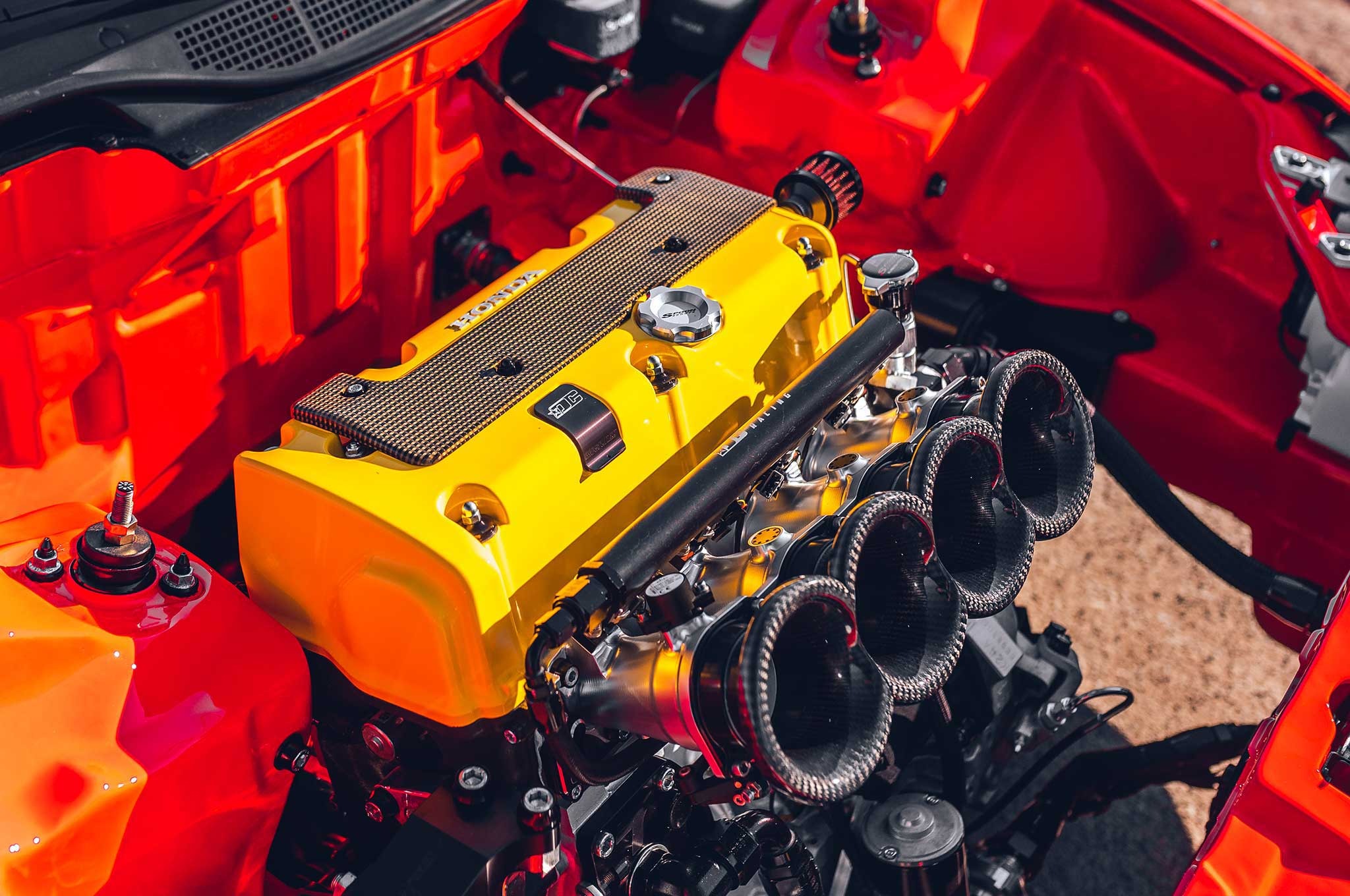
8. Honda K-Series Inline-4 (Accord, Civic Si, CR-V)
The Honda K-series inline-four engines are another standout in the world of long-lasting powertrains. Introduced in the early 2000s to replace the B-series, the K-series engines brought increased efficiency, power, and refinement while still retaining the legendary reliability that Honda engines were known for.
Found in a range of vehicles from the Accord and Civic Si to the CR-V and Element, the K20 and K24 variants have become known for their ability to run well past 300,000 miles with very few mechanical problems. In fact, many owners have seen half a million miles on these engines with only routine maintenance and occasional gasket replacements.
One of the most significant factors behind the K-series’ longevity is Honda’s use of high-quality materials and tight manufacturing tolerances. These engines are known for their clean-burning combustion chambers, excellent thermal management, and strong bottom ends.
Most use timing chains instead of belts, which eliminates one of the more costly and risky maintenance intervals. In daily driving conditions, the K-series tends to run cooler and cleaner than many of its competitors, which helps extend the life of internal components like piston rings, camshafts, and bearings. Even after years of use, oil consumption tends to be low if regular maintenance has been followed.
The transmission pairings for the K-series are equally strong, especially the 5-speed and 6-speed manuals found in sportier models. Even the automatics, which sometimes get overlooked, have proven themselves durable with fluid changes every 30,000–50,000 miles.
Many of the failures that do occur are linked to neglect or abuse rather than design flaws. Because of its widespread use, parts are readily available, and a large community exists around diagnosing, repairing, and even improving these engines.
That accessibility helps keep high-mileage K-series vehicles on the road, long after other models have made their way to the scrapyard.
It’s not just commuters who love these engines, enthusiasts and tuners have embraced the K-series for its performance potential. Yet despite being pushed hard on racetracks and in modified cars, these engines still often show remarkable durability.
Whether stock or boosted, the engine architecture holds up well under stress. This adaptability, combined with an unmatched reliability record, makes the K-series one of the most enduring four-cylinder engine families of the modern era.
For anyone looking at a used Accord or Civic with high miles, a well-maintained K-series under the hood is often a very safe bet.
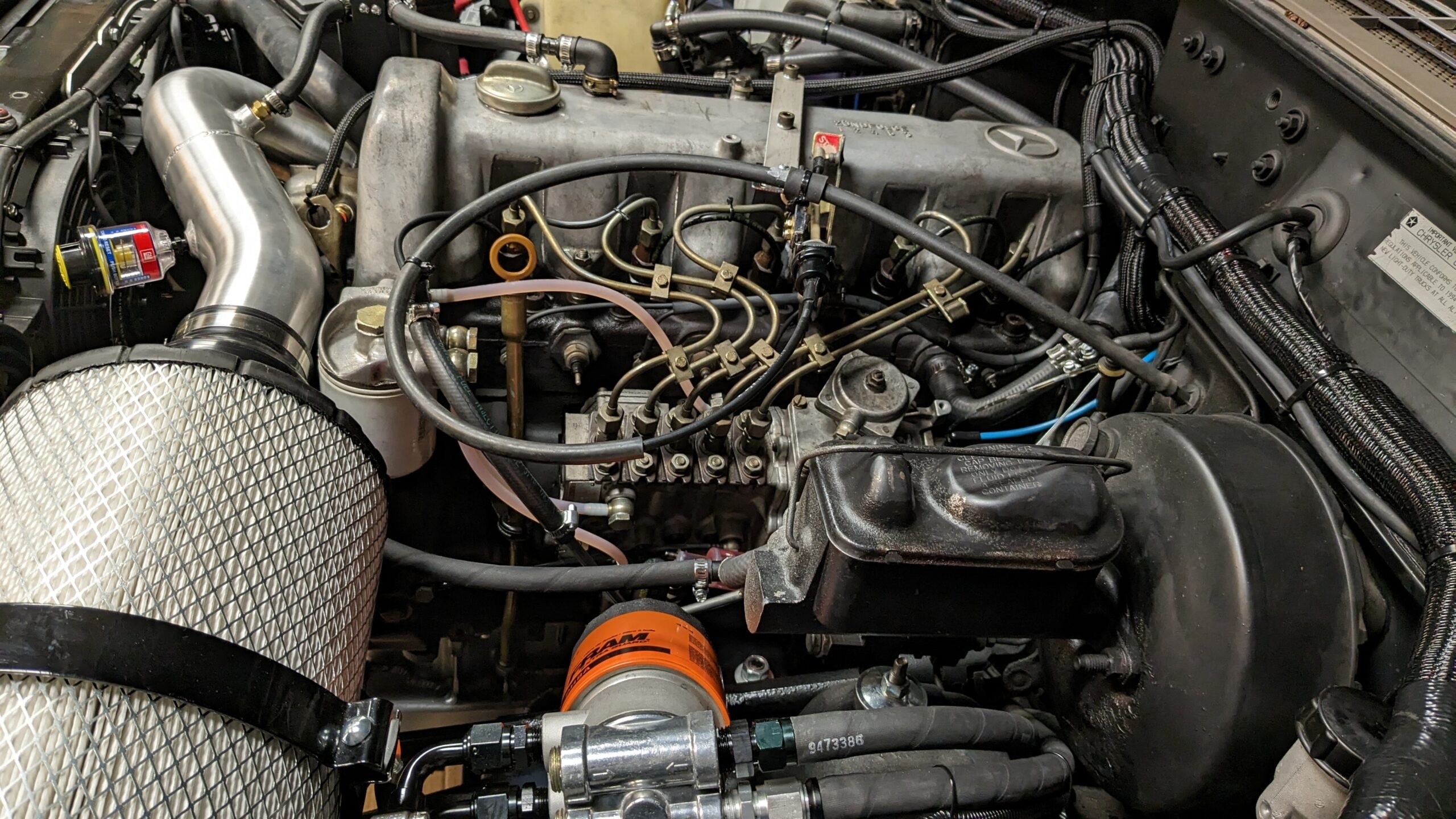
9. Mercedes-Benz OM617 Diesel Inline-5 (300D, 300SD)
The Mercedes-Benz OM617 engine is often regarded as one of the most indestructible engines ever put into a passenger vehicle. This 3.0L inline-five diesel engine powered the 300D, 300SD, and other Mercedes models throughout the 1970s and 1980s.
Known for its slow but steady performance, the OM617 wasn’t built for speed, it was built to last. With a cast-iron block and head, simple indirect fuel injection, and minimal electronics, it embodied a time when Mercedes built cars like industrial machines.
These engines are often seen still running well beyond 400,000 miles, with many examples reaching 600,000 or more before any major work is required.
The engine’s simplicity is one of its greatest strengths. There’s no turbo in the naturally aspirated versions, and even the turbocharged variants (OM617A) were relatively low-pressure setups that didn’t overstress the internals.
Oil changes, valve adjustments, and diesel fuel filter replacements are the only regular maintenance items, and even these can be spaced out without immediate consequences.
The engine runs cool, sips fuel by diesel standards, and is capable of operating under abusive conditions without breaking a sweat. Stories abound of OM617s being run with little to no oil pressure, neglected for years, or started in sub-zero weather with minimal issue.
Even when something does fail, repairs are usually straightforward. The engine bay layout on old Mercedes models is generous, and access to components like injectors, glow plugs, and belts is relatively simple. Parts are still available, both as OEM and aftermarket, thanks to a global community of diesel enthusiasts and classic car restorers.
Owners who invest in these cars tend to keep them for decades, and it’s not uncommon to find multi-generational families still using a 300D or 300SD as a daily driver. That says a lot about the quality of the engine and the cars built around it.
While performance is modest by today’s standards, the OM617 delivers steady, usable torque and is perfectly suited for daily driving, especially in low-speed urban or suburban settings.
The ride quality of the vehicles it powered, combined with the engine’s near-silent operation at cruise, makes it feel far more modern than its age would suggest.
It remains a favorite among those who want a mechanically simple, long-lasting diesel vehicle that doesn’t rely on electronics to function. There’s a reason many still call the OM617 the “million-mile motor.”
