
Off-roading isn’t just a hobby; for many drivers, it’s a lifestyle that demands more than a tough-looking SUV and a fancy set of tires. The essence of true off-road capability comes from a combination of engineering precision, durability, mechanical simplicity, and the ability to withstand harsh terrain.
While car manufacturers know that the rugged look sells, not every vehicle that wears a skid plate or rides high on its suspension is actually built to go off the pavement. There’s a big difference between a vehicle designed with serious off-road performance in mind and one that’s simply styled to look the part.
The rise of SUV popularity in the last two decades has made off-road aesthetics a common feature in many vehicles, even those with no business leaving a paved road. Plastic cladding, roof racks, and tall ground clearance give the illusion of adventure readiness, but those are often just window dressing.
Meanwhile, a select group of vehicles remains committed to the original spirit of off-roading, machines engineered to tackle rocks, mud, steep climbs, and river crossings with confidence. These vehicles come with locking differentials, real low-range gearboxes, body-on-frame construction, and suspension systems that can take a beating.
It’s easy for buyers to be misled by appearance. A badge that reads “Trail” or “Adventure” might sound convincing, but it doesn’t mean much if the drivetrain can’t handle deep ruts or the electronics freak out at the sight of a steep descent.
That’s why it’s important to look past the marketing and assess a vehicle based on its true off-road credentials. Whether it’s crawl ratios, approach and departure angles, or articulation capabilities, there are objective ways to measure whether a car is really built for adventure.
This article highlights seven vehicles that can genuinely back up their tough image with real off-road performance and compares them to seven that mainly rely on image. Both groups are popular in the market, but only one can be trusted to get you out of a remote trail alive. The rest might look good parked at a ski resort, but they’d be better off staying there.
Also Read: 9 Best Vehicles That Survive Multiple Generations of Owners
6 Cars Built for Off-Roading
1. Jeep Wrangler Rubicon
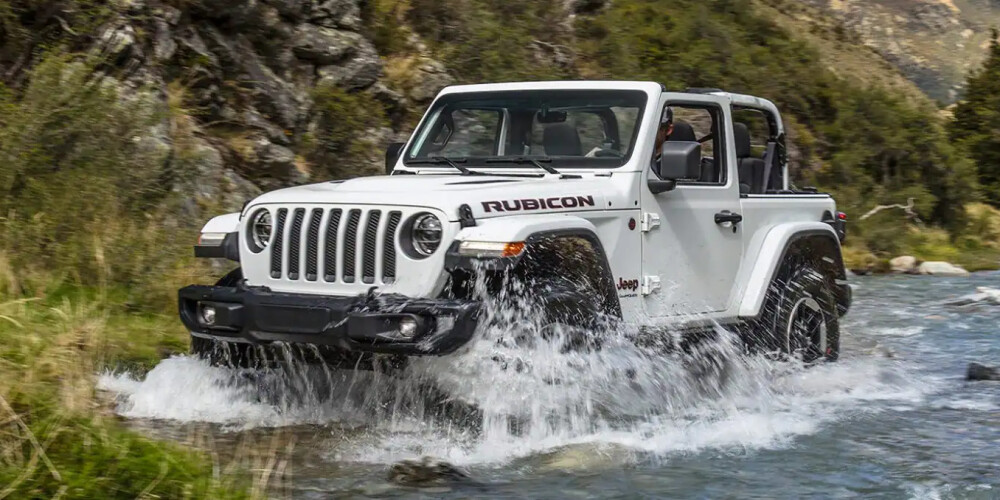
The Jeep Wrangler Rubicon is often seen as the benchmark for factory-ready off-road vehicles. This version of the Wrangler is engineered with purpose, not just appearance. The solid front and rear axles provide strength and durability over uneven terrain, and the standard 4:1 Rock-Trac transfer case gives it superior crawl ratios for technical climbs.
Unlike many modern vehicles that prioritize road comfort first, the Rubicon sacrifices a bit of refinement to deliver mechanical solutions for off-road challenges. It features front and rear locking differentials, a sway bar that can be disconnected electronically, and high ground clearance to help it maneuver over large obstacles with ease.
In terms of design, the Rubicon follows a formula that has evolved with decades of trail experience. Its iconic boxy shape allows for excellent outward visibility, and the short wheelbase on two-door models makes it especially nimble on tight trails.
Removable doors, roof panels, and even the windshield give it an edge in driver engagement and trail awareness, making it ideal for adventure-seekers who want to feel the environment around them. The fender flares and flat panels aren’t just for style—they help with articulation and clearance when climbing over rocks or traversing uneven paths.
The real-world performance of the Rubicon is what sets it apart from imitators. It’s not just about mechanical parts—it’s how they’re integrated. When you engage the lockers and disconnect the sway bar, the vehicle feels like it transforms into a true rock crawler.
It’s incredibly capable at low speeds, where precision matters more than power. It can handle steep ascents, deep ruts, mud holes, and loose gravel without hesitation. Trail systems like the Rubicon Trail in California or Hell’s Revenge in Utah are where this Jeep earns its reputation.
While its off-road credibility is unquestioned, the Wrangler Rubicon does have downsides on paved roads. The ride can be jittery due to the solid axles, the steering feels vague at highway speeds, and noise insulation is minimal. But this vehicle isn’t trying to be a crossover or luxury SUV. It’s designed for enthusiasts who value capability over comfort.
For those serious about off-roading, the Rubicon offers a factory-built platform that’s ready for the trail with minimal need for aftermarket upgrades.
2. Toyota Land Cruiser
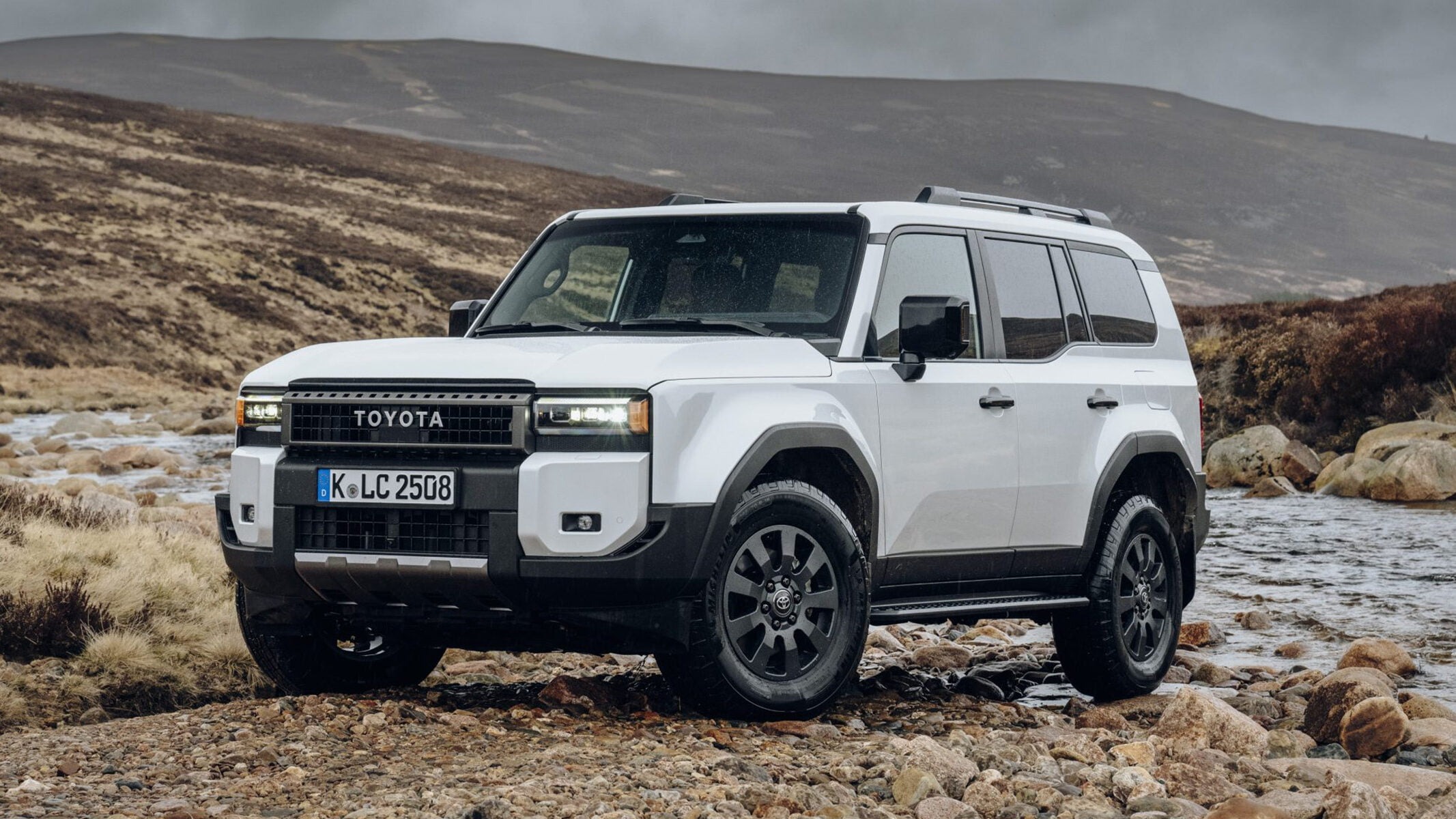
The Toyota Land Cruiser stands as one of the most trusted and proven off-road vehicles in automotive history. While it’s often seen as a luxury SUV in some markets, that image doesn’t reflect its true purpose. Underneath its refined interior and polished exterior lies a tough, go-anywhere platform.
It has full-time four-wheel drive, a locking center differential, and on many models, a locking rear differential as well. Unlike many SUVs, the Land Cruiser is built on a body-on-frame chassis, giving it the kind of durability needed for long-term use in extreme environments.
Its design doesn’t scream “aggressive,” but the Land Cruiser’s capability lies in its engineering, not its aesthetics. The suspension system is designed to flex and respond to rugged terrain, with hydraulic systems helping keep the body level even under stress.
It’s equipped with multi-terrain select modes and crawl control, which are electronically managed systems that adjust throttle, braking, and traction based on the surface underneath. The approach and departure angles are thoughtfully designed, and the undercarriage is reinforced to protect critical components from rocks and debris.
What sets the Land Cruiser apart is how it blends capability with reliability. It’s used by UN workers, remote medical teams, and military units across the world. In regions where breaking down isn’t an option, the Land Cruiser is often the only vehicle trusted to get the job done.
Its naturally aspirated V8 engine (in older models) and turbo-diesel options (globally) are known for being bulletproof, and its simple, serviceable components make it a favorite in remote areas where parts are scarce. It’s not flashy, but it performs when conditions are at their worst.
While it may come with a high sticker price, the Land Cruiser’s real value comes over time. These vehicles regularly reach 300,000 miles with only basic maintenance, and their resale value remains strong.
Even older models are sought after by off-roaders and overlanders who know that a Land Cruiser can handle cross-continent journeys with minimal issues. It’s not just a vehicle—it’s a long-term companion for those who depend on dependable mobility far from civilization.
3. Ford Bronco (Badlands/Sasquatch)
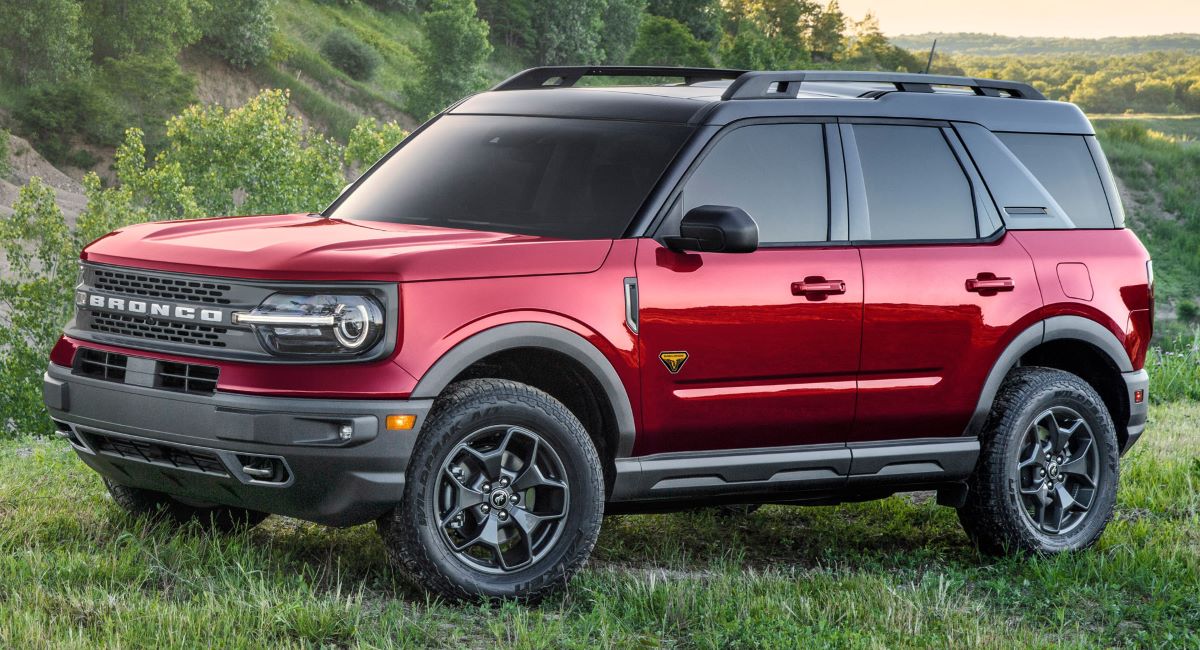
The modern Ford Bronco was reintroduced with one goal in mind: to challenge the Jeep Wrangler’s dominance in the off-road segment. In trims like the Badlands or those equipped with the Sasquatch package, the Bronco isn’t just a stylish throwback; it’s a fully capable off-road machine.
It features available front and rear locking differentials, a high ground clearance, a disconnecting sway bar, and a selection of durable engines, including a torquey EcoBoost V6. With features like trail turn assist and a manual transmission with a crawler gear, Ford made sure the Bronco would appeal to true enthusiasts.
The design language of the Bronco is both nostalgic and functional. The flat surfaces and squared-off body allow for excellent outward visibility, which is crucial on trails.
The two-door and four-door variants both feature removable doors and roof panels, similar to the Wrangler, but with one major improvement: the side mirrors stay attached to the frame, so they remain functional when the doors are off. The short front and rear overhangs help with approach and departure angles, and the Sasquatch package’s 35-inch tires give it serious ground clearance right out of the box.
In use, the Bronco is confident and composed on a variety of surfaces. The GOAT (Goes Over Any Terrain) drive modes allow the driver to select settings for sand, mud, rocks, snow, and more. Unlike many SUVs, the Bronco doesn’t just fake its versatility—it actually adapts.
The suspension is tuned for real trail work, with high articulation and solid damping. Whether rock crawling in Colorado or cruising across desert dunes, it performs with a level of control and poise that few factory vehicles can match.
Of course, this off-road prowess comes with compromises. The Bronco rides firm on pavement, especially with the bigger tires, and the fuel economy isn’t great. However, it offers a compelling mix of modern features and trail-readiness that’s hard to find elsewhere. It’s also highly modifiable, making it popular in the aftermarket scene.
For anyone looking for a daily driver that can switch to a full-blown adventurer on the weekends, the Bronco in its right trim is a real contender.
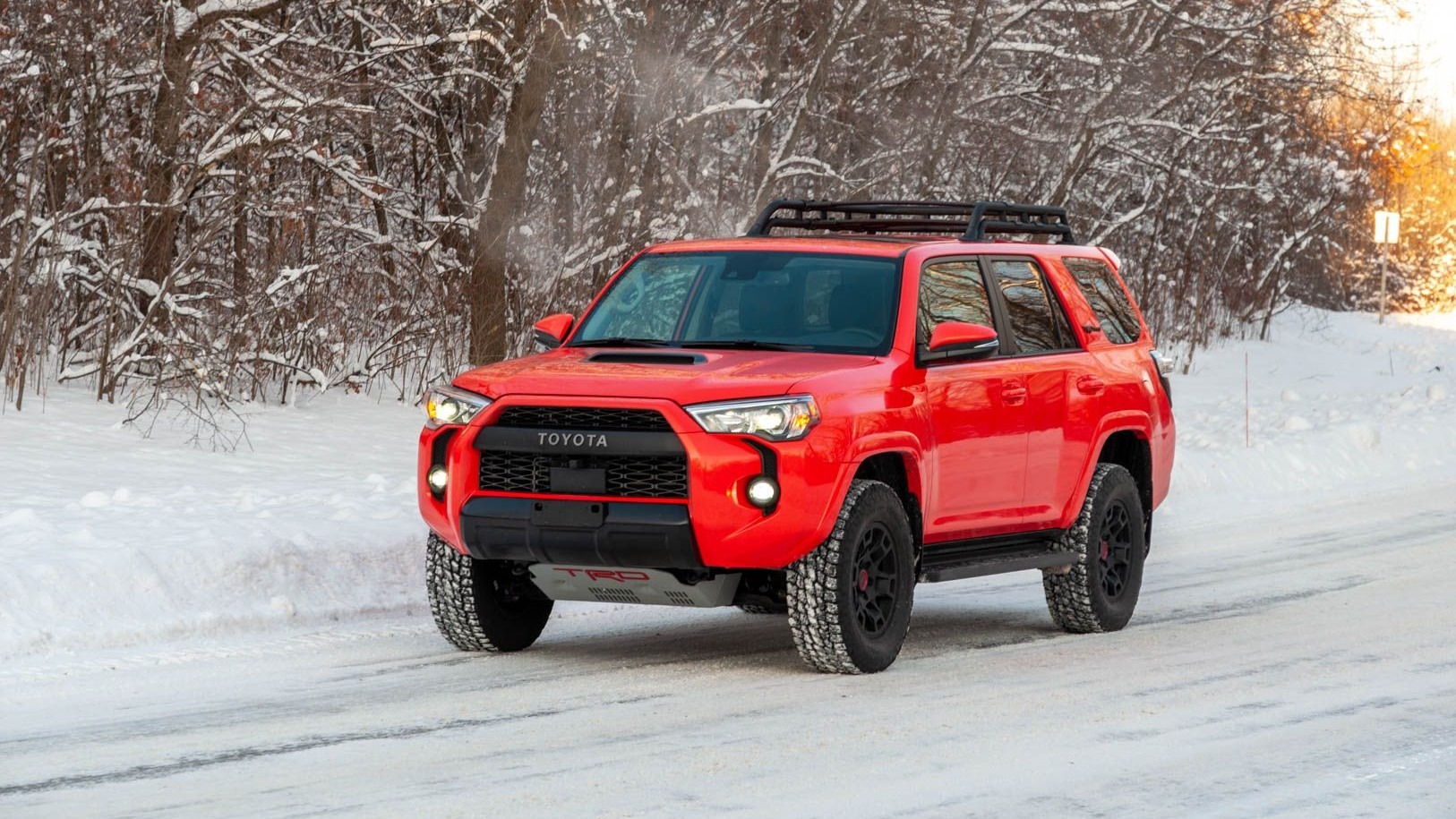
4. Toyota 4Runner TRD Pro
The Toyota 4Runner TRD Pro is one of the few midsize SUVs that still puts a strong emphasis on off-road performance. Unlike many of its peers that have moved to soft-road, car-like platforms, the 4Runner continues to use a rugged body-on-frame chassis.
The TRD Pro trim elevates this even further with FOX internal bypass shocks, a TRD skid plate, upgraded springs, and all-terrain tires. It also includes a locking rear differential and Toyota’s Multi-Terrain Select and Crawl Control systems, which help manage traction and throttle in tough terrain.
In terms of appearance, the 4Runner TRD Pro doesn’t just look the part—it backs it up. Its raised suspension, aggressive tires, and front-end design provide real benefits when trail riding. It’s not as flashy as some of its rivals, but it has the kind of presence that speaks to purpose rather than fashion.
Toyota has also maintained the boxy, upright proportions that benefit visibility, headroom, and cargo space—important factors for those going on long off-grid trips or hauling gear.
Driving the 4Runner off-road reveals how well the platform is tuned for unpaved paths. The suspension absorbs hits gracefully, and the long-travel design helps keep all four tires planted. While its naturally aspirated V6 engine isn’t the most powerful on paper, it’s smooth, predictable, and less prone to overheating or reliability issues.
The electronic aids are conservative, stepping in when needed but generally letting the driver maintain control. On loose, rocky trails, the 4Runner feels composed and solid, rarely skipping or spinning unnecessarily.
The 4Runner TRD Pro’s appeal lies in its simplicity and dependability. It may not have the latest infotainment systems or sleek dashboard designs, but it doesn’t need them. People buy this SUV for the long haul, knowing it will hold up under pressure and be easy to maintain. Whether for weekend trail rides or long-term overland builds, the 4Runner continues to offer one of the most balanced and practical platforms for real-world off-roading.
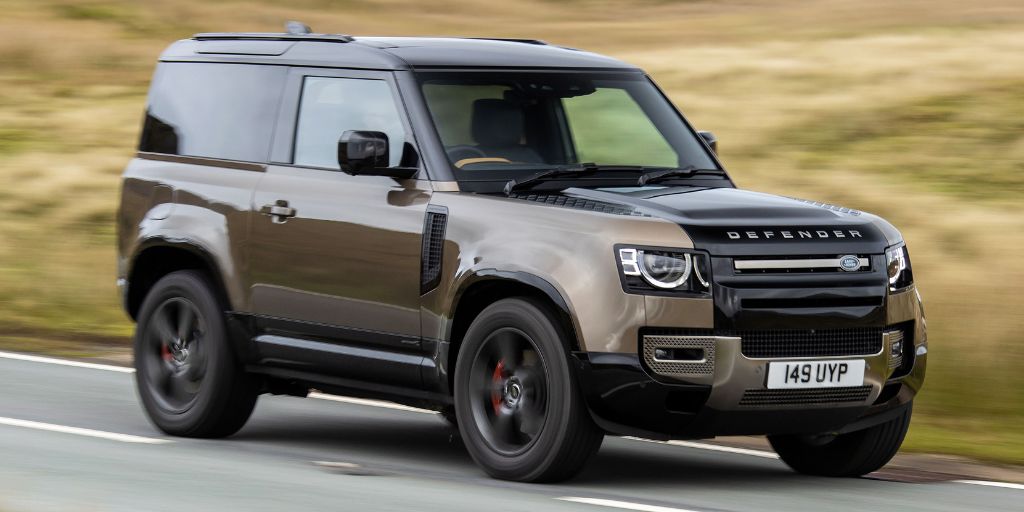
5. Land Rover Defender 90
The Land Rover Defender 90 carries a heritage that dates back to the 1940s, making it one of the most iconic off-road vehicles in the world. The modern iteration blends this rich legacy with advanced technology and contemporary design, yet it remains deeply rooted in its off-road purpose.
Its body-on-frame construction, permanent four-wheel drive, and sophisticated air suspension system allow it to tackle a wide variety of terrains with ease. The Defender 90, the shorter wheelbase model, is especially well-suited to tight trails where agility and clearance are essential.
Design-wise, the Defender 90 is a marriage of form and function. Its boxy silhouette maximizes interior space and visibility while ensuring approach and departure angles remain competitive. The short wheelbase allows the vehicle to navigate switchbacks and rocky paths that might stop longer vehicles.
Features like an aluminum monocoque chassis with enhanced rigidity improve handling both on and off the trail. Optional features such as the Terrain Response system automatically adjust the vehicle’s powertrain, suspension, and traction control to match the driving surface, whether it’s mud, sand, or snow.
Driving the Defender 90 off-road is an experience that combines modern comfort with serious capability. The coil-spring suspension and air ride system smooth out rough terrain while providing impressive wheel articulation, allowing each tire to maintain contact over uneven ground.
The powertrains, which include turbocharged six-cylinder options and a mild-hybrid system, offer strong torque that’s ideal for low-speed crawling and high-speed desert runs alike. Electronic aids provide confidence to both novices and experts, but the Defender also allows for manual control, keeping the driver connected to the terrain.
While the Defender 90 is packed with luxury appointments inside, these don’t detract from its rugged persona. The materials are designed to withstand dirt, water, and heavy use, while advanced navigation and camera systems aid in plotting difficult routes and spotting obstacles.
Though it comes with a premium price tag, the Defender 90 offers a blend of traditional off-road capability and contemporary refinement, making it a favorite for serious adventurers who want their vehicle to perform in the wild without sacrificing comfort on the road.
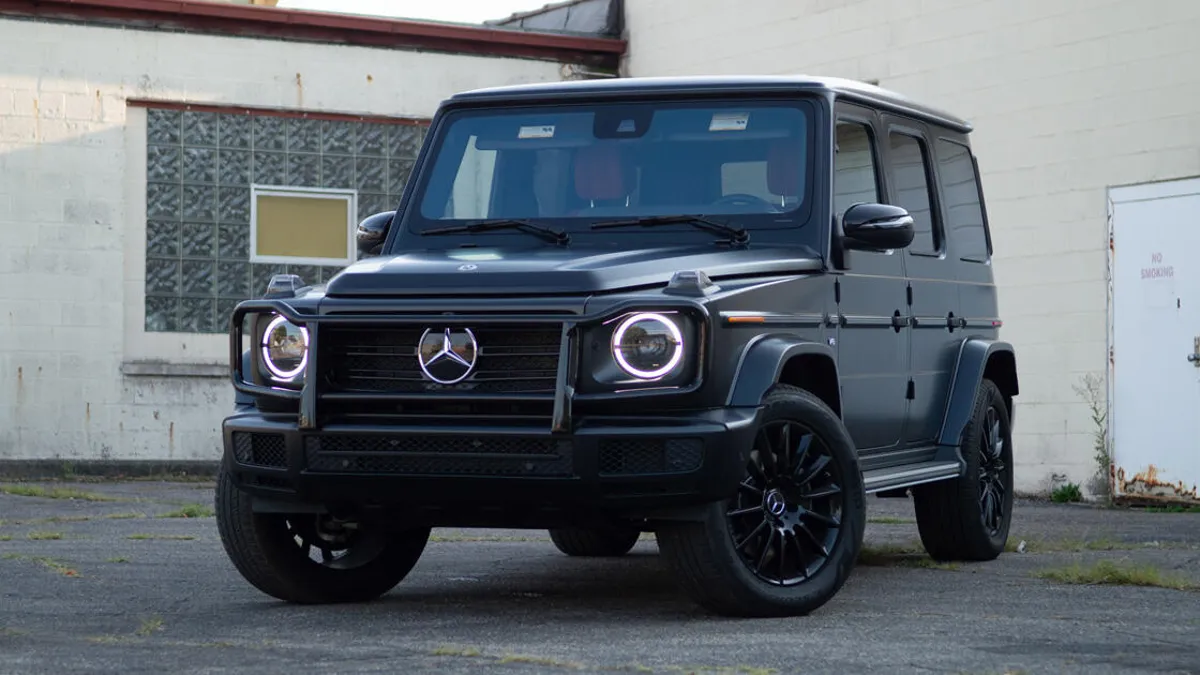
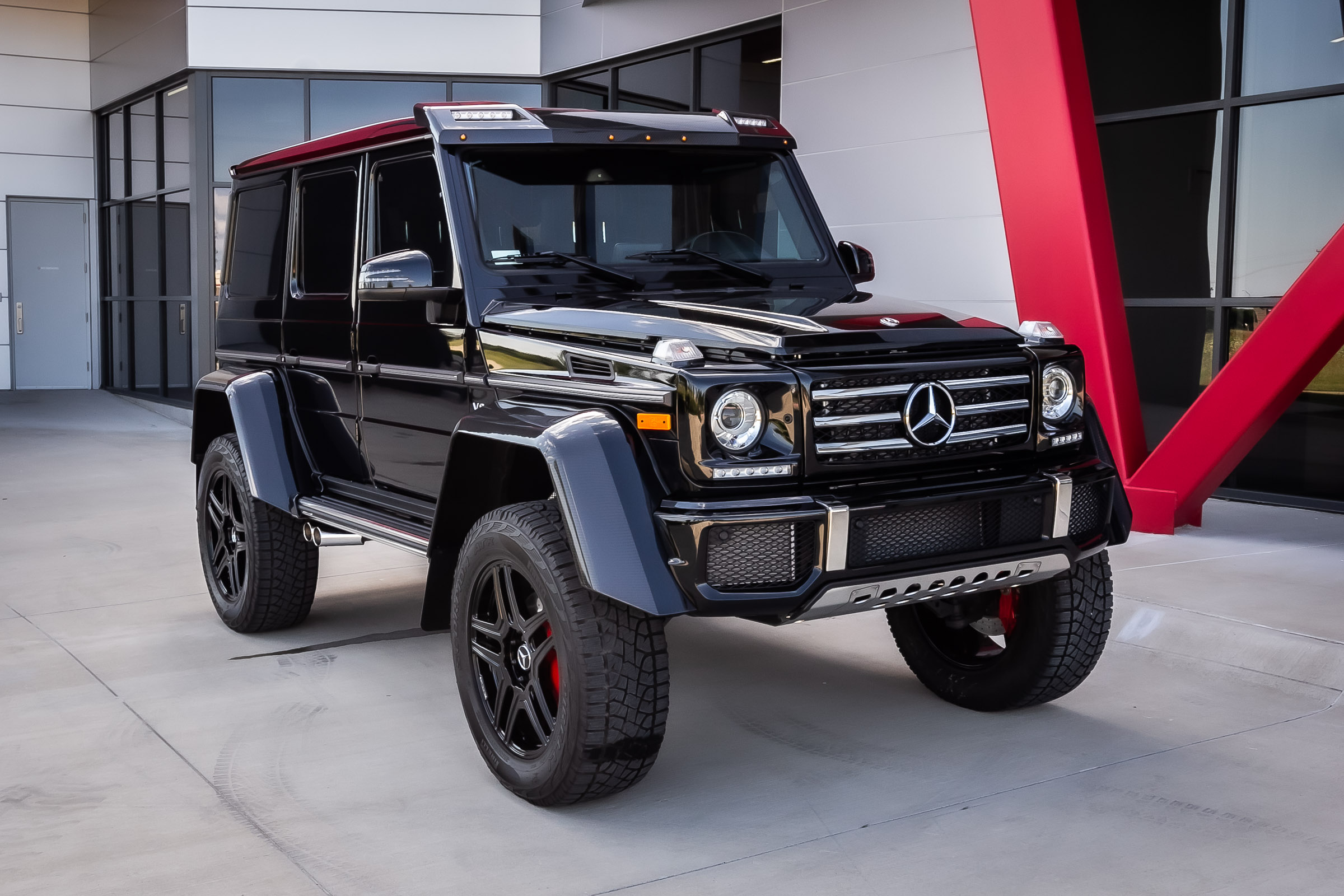
6. Mercedes-Benz G-Class (G550)
The Mercedes-Benz G-Class, often affectionately called the G-Wagon, is one of the few luxury SUVs with genuine off-road credentials. Originally developed as a military vehicle, its boxy design and ladder-frame chassis have remained remarkably consistent over decades.
The G550 variant carries a powerful V8 engine, permanent all-wheel drive, three fully locking differentials, and a low-range gearbox—all features that enable it to conquer terrain that most luxury SUVs only dream of. Its robust build quality and mechanical complexity mean that it is a serious contender in off-road scenarios despite its luxurious image.
The G-Class’s design is instantly recognizable with its angular lines, flat surfaces, and exposed door hinges. These features, while nostalgic, serve functional purposes: the flat sides provide excellent visibility and ease of repair, and the design allows for high approach and departure angles.
The underbody is heavily armored, and the frame is reinforced to handle impacts from rocks and debris. While the ride can be stiff on pavement, the suspension is highly capable when off the beaten path, with good articulation and control over difficult surfaces.
On the trail, the G550 combines brute force with advanced engineering. The three locking differentials provide unmatched traction in challenging conditions like deep mud, snow, or rocky terrain. The low-range transfer case allows for slow, controlled crawling, giving drivers the ability to tackle steep climbs or descents with confidence.
The powerful V8 engine delivers smooth and immediate torque, which is vital for maintaining momentum over obstacles. Despite its weight, the G-Class feels planted and balanced, capable of handling both tight trails and open wilderness roads.
Luxury and technology don’t take a backseat in the G-Class either. The interior features premium materials, advanced infotainment, and safety systems, but these don’t compromise its ruggedness.
Its customers often come from a lifestyle of both city driving and adventure, expecting a vehicle that can switch seamlessly between the two. For those who want an off-roader that also serves as a high-status daily driver, the G-Class is a rare and compelling choice that proves off-road performance and luxury can coexist.
Also Read: 9 Steps That Help a Dodge Ram 1500 Last Forever
6 Cars That Pretend They Are
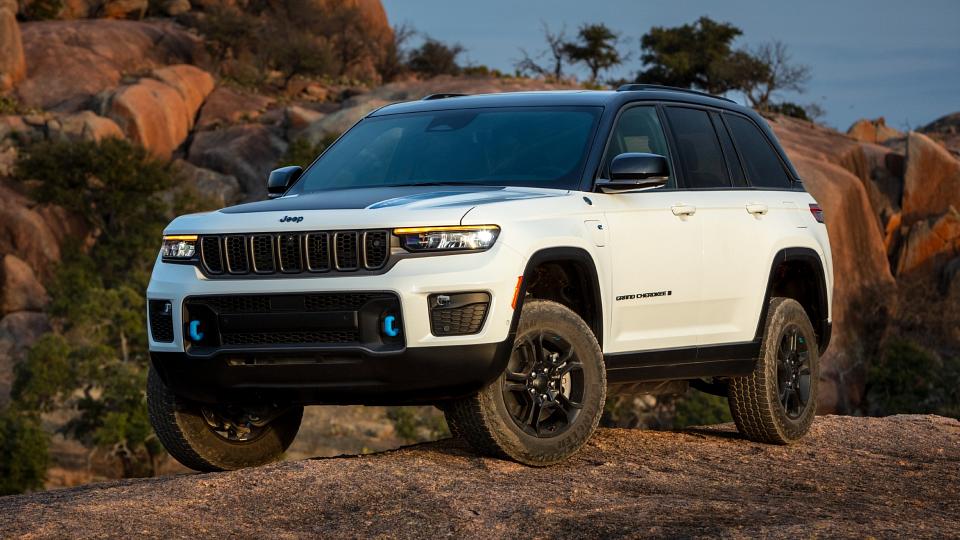
1. Jeep Grand Cherokee Trailhawk
The Jeep Grand Cherokee Trailhawk wears the Trailhawk badge proudly, implying serious off-road intent, but it’s a different beast compared to its Wrangler sibling.
While it offers some off-road features like adjustable air suspension, skid plates, and Jeep’s Selec-Terrain system with various modes, its design prioritizes on-road comfort and daily usability over hardcore trail performance. The Grand Cherokee’s unibody construction, as opposed to a body-on-frame, reduces its durability in rough conditions, and the independent suspension compromises articulation on uneven terrain.
Despite the Trailhawk trim’s visual cues — including aggressive bumpers and increased ground clearance — the Grand Cherokee struggles on the technical trails where solid axle vehicles thrive. The electronic systems can help mitigate traction loss, but they’re a band-aid for a lack of mechanical grip and rigidity.
While capable of handling dirt roads, snow, and moderate trails, this SUV isn’t designed to climb over rocks or ford deep streams like more specialized off-roaders. It’s a better fit for suburban drivers who want an adventurous look with occasional light off-pavement use.
Inside, the Grand Cherokee is focused on luxury and tech, featuring premium materials, advanced driver aids, and infotainment systems that rival high-end sedans. This setup suits buyers looking for an upscale daily driver rather than an expedition vehicle.
The ride quality on pavement is smooth, the cabin quiet, and the driving dynamics more akin to a family SUV than a trail rig. It appeals to people who want a “soft” off-road experience without compromising comfort, but this also means its off-road chops are limited.
In real-world use, the Trailhawk’s capabilities are often overestimated by casual buyers. Its advertised approach and departure angles look respectable on paper, but the independent suspension and unibody frame limit its true ground clearance and durability. While it can be a competent winter vehicle or a dirt-road cruiser, it’s not designed for serious rock crawling or deep mud. Its off-road features are more about confidence and convenience than true capability.
2. Toyota RAV4 Adventure
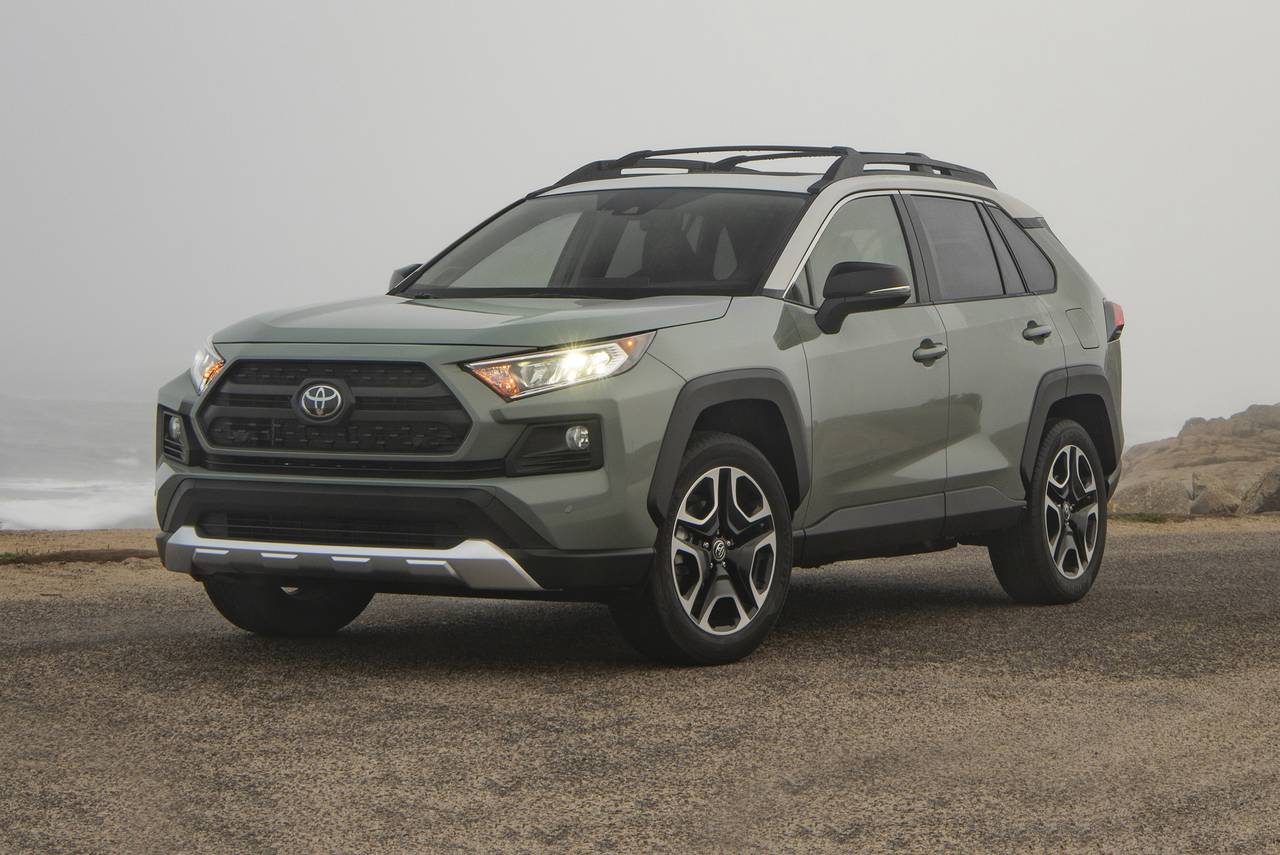
The Toyota RAV4 Adventure attempts to appeal to outdoorsy buyers with rugged styling, increased ground clearance, and an “Active Torque Vectoring AWD” system. However, the RAV4 remains fundamentally a crossover designed for pavement comfort and fuel efficiency.
Its front-wheel-drive-biased system and limited low-speed crawl control capabilities mean it is best suited to gravel roads and light snow rather than serious off-roading. The Adventure trim’s tougher-looking exterior is largely cosmetic, aimed at attracting buyers who want the look of capability without the bulk or complexity.
Its design includes plastic cladding, roof rails, and a higher stance compared to the base model, which helps in shallow water crossings and minor obstacles. However, the approach and departure angles are not suitable for rocky terrain or steep inclines.
The RAV4’s suspension is tuned for on-road handling rather than trail articulation, resulting in limited wheel travel and less traction on uneven ground. Drivers who take it off paved roads frequently will notice the limitations quickly.
The interior of the RAV4 Adventure balances practicality with comfort, featuring a spacious cabin, modern infotainment, and Toyota’s Safety Sense driver aids. It’s well-suited for daily commuting, family errands, and weekend trips to national parks or campgrounds with decent roads.
However, it does not offer the rugged interior finishes or easy-clean surfaces found in more dedicated off-roaders. The cabin materials and design prioritize convenience and style over durability against dirt and moisture.
In actual off-road conditions, the RAV4 Adventure is best viewed as a soft-roader. It can handle dirt trails and snowy roads better than many compact SUVs but falls short in demanding situations such as deep mud, dunes, or rocky passes. Its limited torque vectoring AWD system helps prevent wheel slip on slippery surfaces but cannot replace the mechanical locks or suspension articulation found on true off-road vehicles.
3. Honda Passport TrailSport
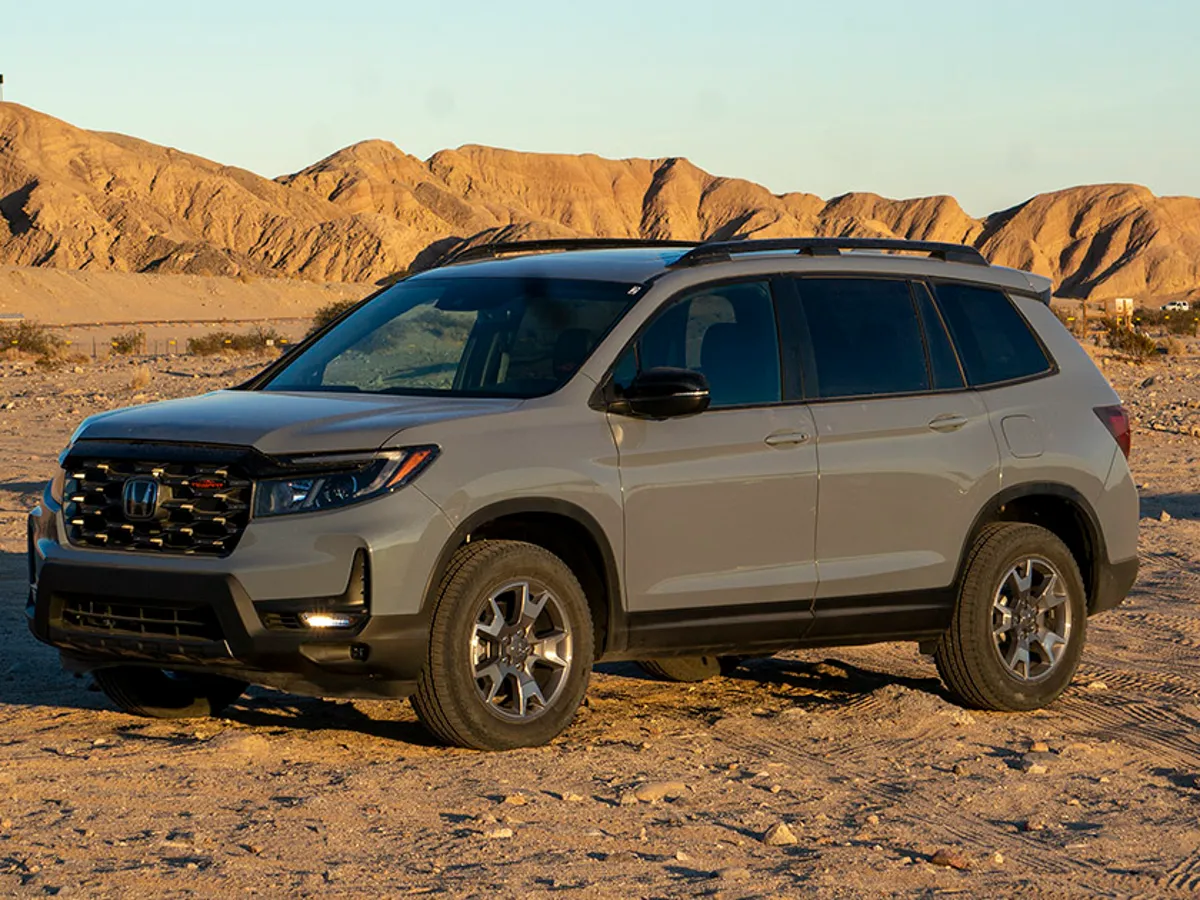
The Honda Passport TrailSport enters the market with bold styling and off-road cues, such as all-terrain tires, unique bumpers, and increased ground clearance. While it shares a platform with the Honda Pilot, the TrailSport package aims to position it as a rugged alternative.
However, despite its tougher look, the Passport TrailSport remains more street-oriented than trail-ready. Its independent rear suspension and lack of locking differentials mean it struggles with low-traction situations compared to dedicated off-roaders.
In terms of design, the TrailSport trim adds plastic skid plates, roof rails, and cladding that boost its adventurous image. The aggressive front fascia and unique badging attempt to set it apart visually from its more urban siblings. However, these features do not translate to serious capability.
The vehicle’s approach and departure angles are modest, and the suspension travel is limited, restricting its ability to tackle rocks or deep ruts effectively. Its 3.5-liter V6 engine provides adequate power but lacks the low-end torque desirable for crawling.
On the inside, the Passport TrailSport is a comfortable and spacious SUV, equipped with modern tech and safety features that appeal to families. The cabin is designed with some durable materials and water-resistant seat fabrics, suggesting an outdoor lifestyle, but it’s clear the vehicle is optimized for comfort over ruggedness. Its ride quality on pavement is smooth, and the cabin noise is well controlled, further reinforcing its crossover character.
When taken off the beaten path, the Passport TrailSport performs best on maintained dirt roads, gravel paths, and light trails. It’s capable of handling moderate snow and mud but is not equipped for technical rock crawling or deep water crossings.
The lack of mechanical locking differentials and limited suspension articulation prevents it from tackling extreme terrain, making it better suited for buyers who want a visually tough vehicle with some mild off-road ability rather than a true trail warrior.
4. Ford Edge ST-Line
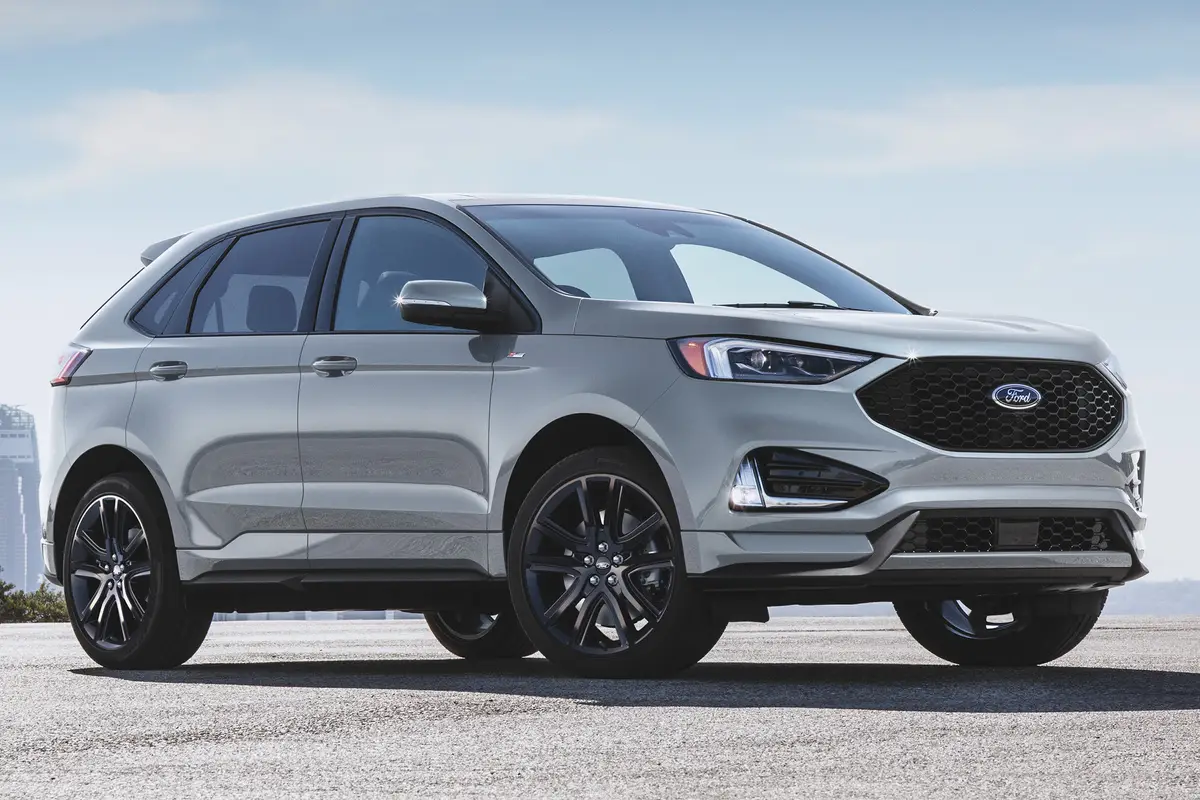
The Ford Edge ST-Line tries to combine sporty styling with a rugged look, but it remains firmly a front-wheel-drive-based crossover with limited off-road ability. Its all-wheel-drive system is designed primarily for traction in rain or snow, rather than tackling challenging trails. The suspension and chassis are tuned for responsive on-road handling and ride comfort, not for absorbing rough terrain or providing the ground clearance necessary for trail obstacles.
Visually, the Edge ST-Line sports blacked-out trim, unique wheels, and body cladding that give it an aggressive appearance. However, these cosmetic changes don’t contribute to enhanced off-road capability.
The vehicle’s approach and departure angles, ground clearance, and underbody protection are minimal, limiting its ability to navigate steep or rocky terrain. Drivers who expect serious off-road prowess will find this crossover falls short when the pavement ends.
Inside, the Ford Edge ST-Line offers a comfortable and tech-rich cabin, with features that appeal to daily drivers and commuters. The seating is supportive, and the infotainment system is intuitive, making it a pleasant vehicle for long drives. However, its interior design focuses on convenience and style rather than ruggedness. The cabin materials and finishes are not designed to endure the dirt and moisture often encountered in more challenging off-road situations.
When pushed off-road, the Edge ST-Line is best kept to easy dirt or gravel roads, where its AWD system can provide some grip. It lacks the low-speed crawl control, locking differentials, and suspension travel necessary for more demanding trails. It’s a crossover that plays at ruggedness but is really designed for drivers who want the look of toughness combined with on-road driving comfort.
5. Subaru Forester Wilderness
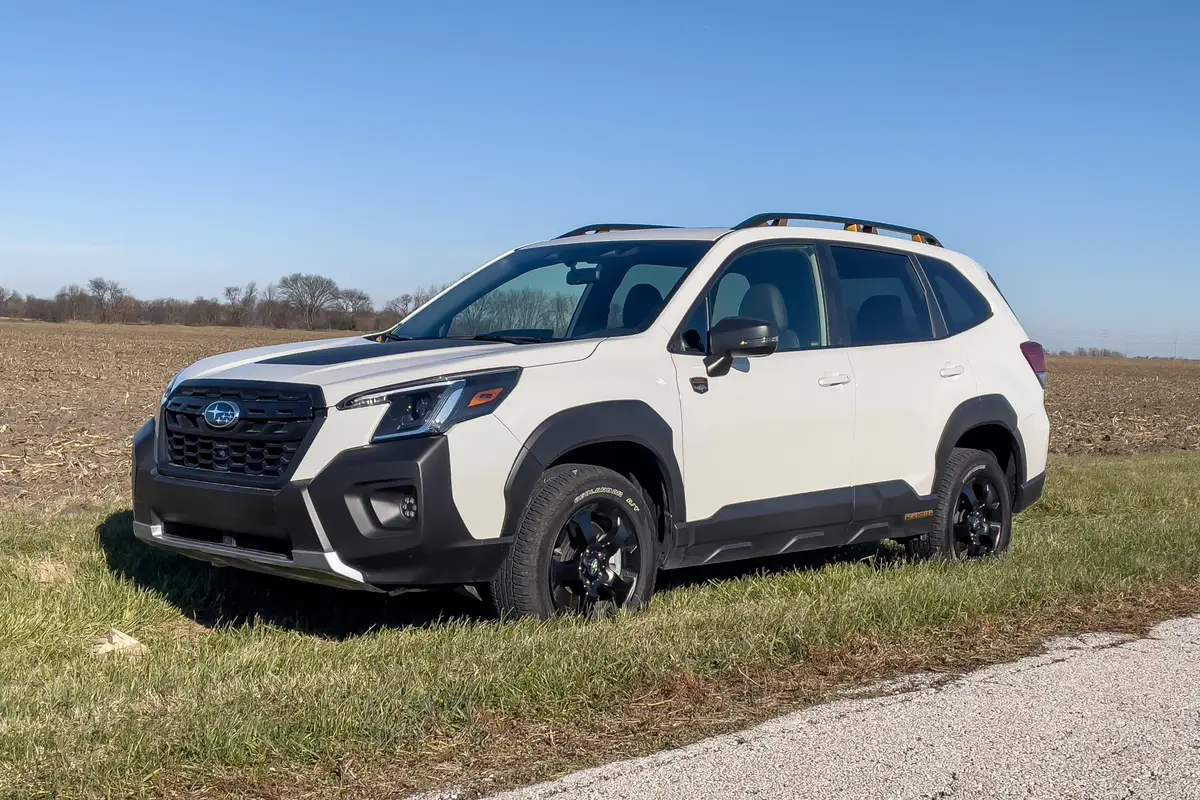
The Subaru Forester Wilderness trim presents itself as a wilderness-ready vehicle, with raised suspension, all-terrain tires, and rugged styling. Its symmetrical all-wheel-drive system and X-Mode terrain management help it perform better than standard Foresters on dirt, snow, and mud.
However, it remains a unibody crossover with independent suspension, limiting its articulation and durability compared to body-on-frame SUVs. It excels in light to moderate off-road conditions but falls short in serious rock crawling or deep water fording.
Design-wise, the Wilderness trim features additional plastic cladding, roof racks, and skid plates that add to its off-road image. The suspension is raised by about an inch compared to standard Foresters, improving ground clearance and approach angles slightly.
The interior adds water-repellent seat materials and all-weather floor mats, catering to buyers who spend time in outdoor activities. While these features enhance its usability in rough conditions, they do not fundamentally change its crossover roots.
In practical use, the Forester Wilderness is well-suited for gravel roads, forest trails, and snowy backroads. It handles well on these surfaces thanks to Subaru’s reliable AWD system and terrain-specific settings.
However, it lacks the mechanical locking differentials and robust suspension geometry of true off-road vehicles. Drivers seeking to tackle technical trails or extreme terrain will find the Forester limited in its capabilities, especially when compared to more rugged SUVs.
The Forester Wilderness is ideal for buyers who want an easy-to-drive SUV with enhanced off-road flair for occasional adventures. It strikes a balance between everyday usability and outdoor readiness, but doesn’t pretend to be a rock crawler or overlander. For most, it’s a dependable and versatile vehicle that performs well in light off-road scenarios without the complexity or expense of a dedicated 4×4.
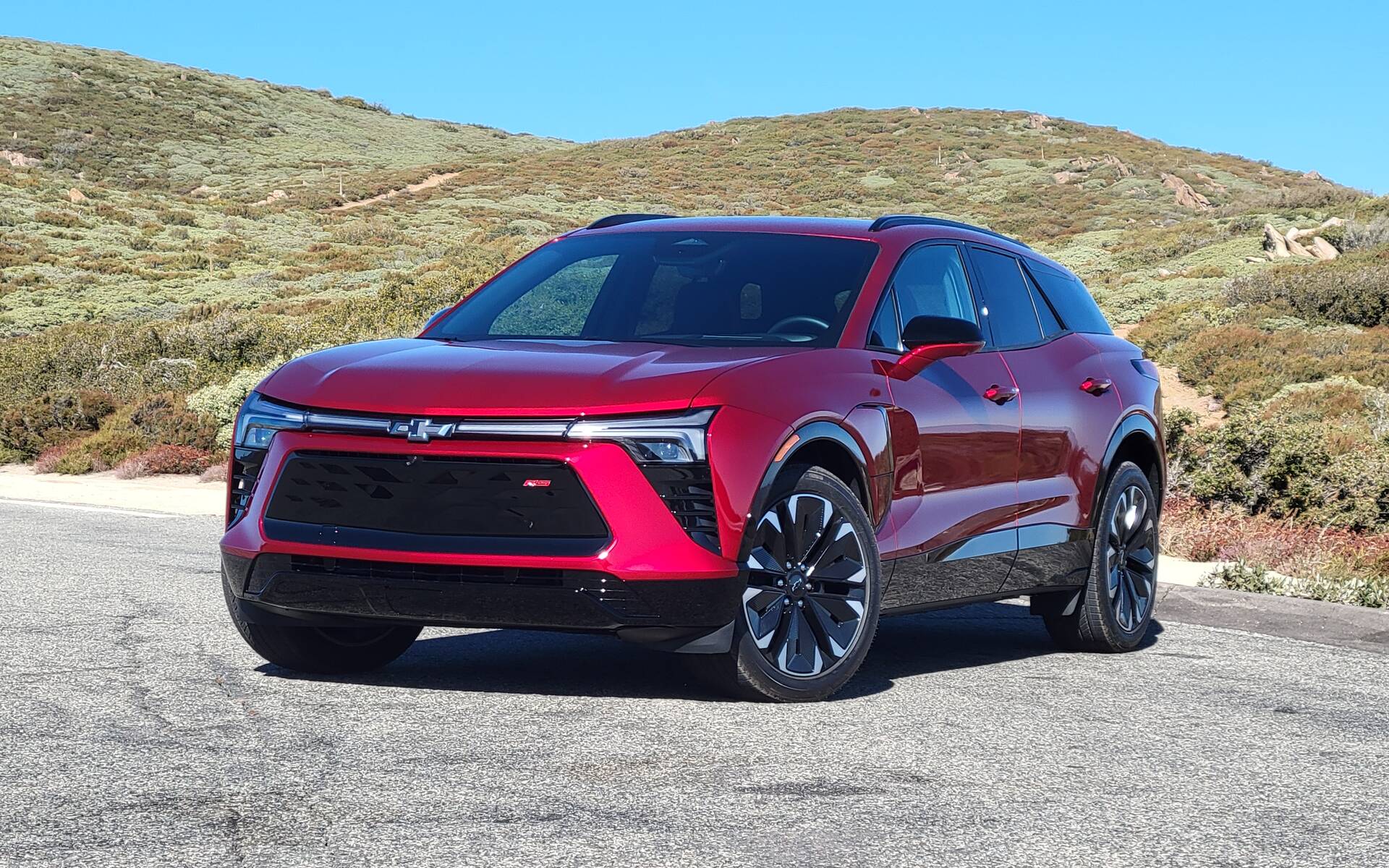
6. Chevrolet Blazer RS
The Chevrolet Blazer RS offers a sporty and aggressive appearance with off-road-inspired styling cues like black wheels, body cladding, and a raised stance in some trims.
Despite these visual signals, the Blazer is fundamentally a front-wheel-drive-based crossover with all-wheel drive available primarily for improved traction on pavement or light dirt roads. It lacks the mechanical components required for serious off-road work, such as locking differentials, skid plates, or enhanced suspension travel.
Styling elements on the Blazer RS give it a tough look, with bold front grilles, unique badging, and sporty bodywork. However, these design choices do little to enhance off-road capability.
The vehicle’s ground clearance is modest, and its approach and departure angles are shallow, preventing it from tackling rough terrain or steep inclines safely. While it can handle gravel or packed dirt roads, challenging trails are beyond its intended use.
Inside, the Blazer RS is focused on comfort and technology, with a driver-centric cockpit, premium materials, and advanced infotainment features. It is designed to appeal to buyers who want a stylish and fun-to-drive SUV for urban environments and highway cruising. The interior is comfortable and quiet, but not tailored to withstand harsh conditions or heavy dirt and moisture associated with off-roading.
On rough roads or light trails, the Blazer RS’s all-wheel-drive system helps maintain traction, but it is not engineered for low-speed crawling or extreme conditions. The lack of specialized off-road hardware limits its use to mild adventures and daily driving. For those looking for a rugged image without the expense or complexity of true off-road gear, the Blazer RS offers a visually aggressive package but doesn’t deliver in capability.
