
Cars today are more than just a means of transportation. Manufacturers continue to add features that are intended to improve comfort, safety, performance, and convenience.
Some of these features are subtle, hidden, and surprisingly useful, making everyday driving easier without drawing attention to themselves.
Others, however, seem to exist purely for show. They might look futuristic or grab attention in advertisements, but they often provide no real-world benefit or are so situational that most drivers never use them.
As technology advances and automakers compete to stand out, the line between innovation and gimmick can become blurred.
While it’s easy to appreciate big features like adaptive cruise control or all-wheel drive, it’s often the small, almost secret inclusions that genuinely impress people who spend a lot of time behind the wheel.
Things like windshield wipers that hide under the hood, hooks built into the cargo area for shopping bags, or built-in vacuum cleaners may not be mentioned on the showroom floor, but they end up becoming favorites of the people who use them.
These kinds of features show thoughtfulness in design and a focus on how people actually live with their cars.
On the flip side, some features look great in marketing materials but do little to make driving better. A retractable rear spoiler on a front-wheel drive car that never goes fast enough to need it, gesture controls that are less reliable than touching a button, or unnecessary lighting effects that add cost but not function, these are just a few examples.
While there’s nothing wrong with a little flair, the problem arises when it comes at the expense of cost, simplicity, or reliability.
In this article, we’ll go through five cars that include hidden practical features that genuinely improve the ownership experience. Then, we’ll shift gears and look at five cars that include features that serve no clear purpose or exist mainly as flashy distractions.
This isn’t just about bashing or praising; it’s about pointing out what works and what doesn’t, especially for everyday drivers. Whether you’re a car enthusiast or just someone trying to find a smarter ride, it’s useful to know what features actually contribute to a better driving experience.
Also Read: 9 Best Vehicles That Survive Multiple Generations of Owners
5 Cars With Hidden Practical Features
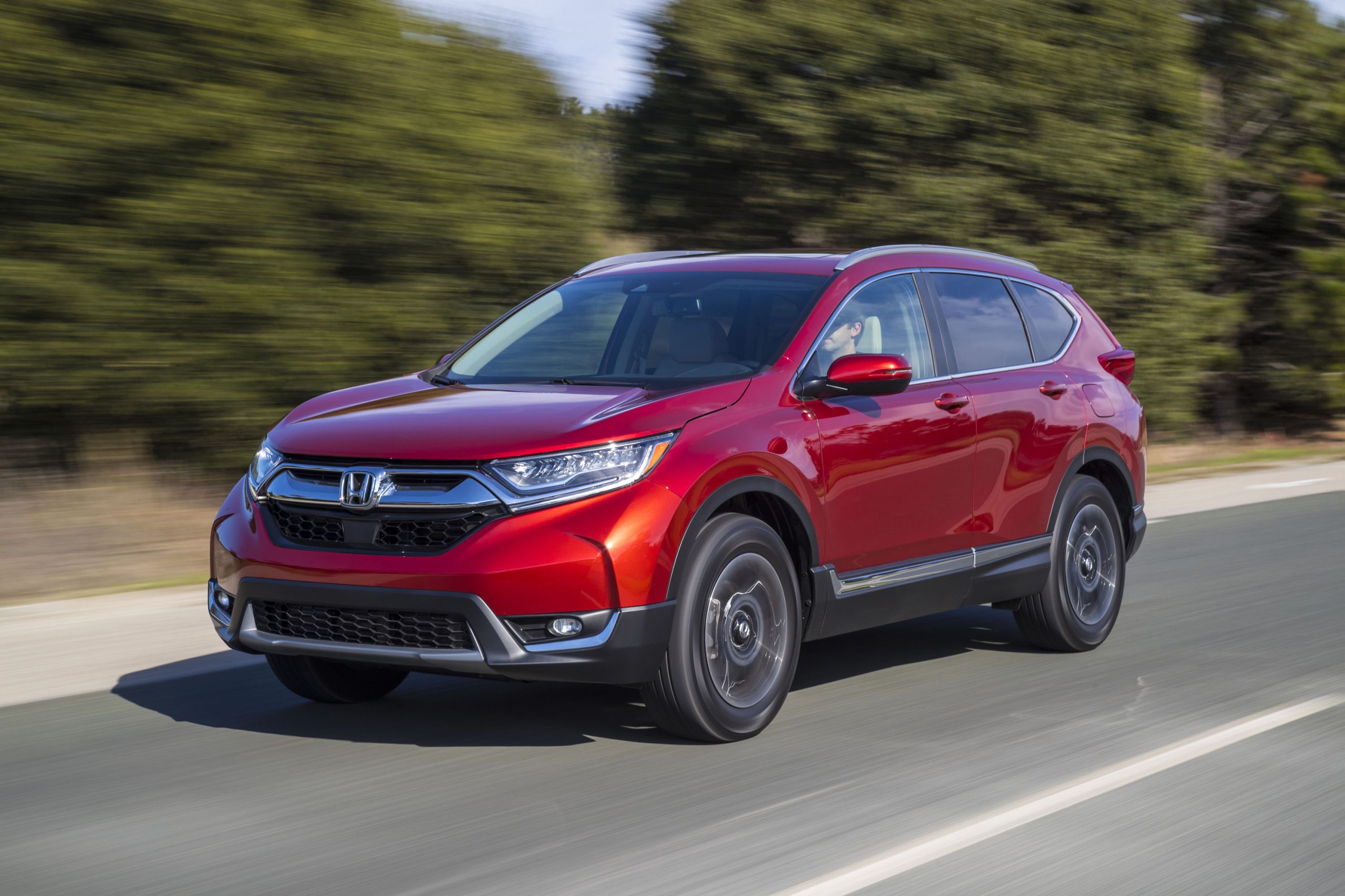
1. Honda CR-V
The Honda CR-V has long been known for its practicality and family-friendly design, but not every feature is advertised in bright lights.
One of the most underrated aspects of this SUV is the rear door pocket layout. Unlike many other cars that offer a single narrow pocket in the rear doors, the CR-V includes deep, wide compartments that can actually hold full-sized water bottles, toys, and small tablets.
For parents, this makes a surprising difference. The ability for children to reach their own belongings without needing assistance is a small feature that creates a smoother, more peaceful ride.
Another hidden practical addition in some CR-V models is a retractable tray table integrated into the rear cargo floor. While this feature might not be in every trim or generation, it’s an excellent example of thinking about how people actually use their vehicles. It’s ideal for camping, tailgating, or even quick roadside meals.
The fact that it’s built into the design and requires no separate tools or attachments makes it feel like a natural part of the car.
Honda has also taken the extra step to make the rear seats incredibly easy to fold. With just a pull of a handle in the cargo area, the back seats collapse nearly flat.
This may sound simple, but anyone who’s struggled with complicated seat-folding systems in other vehicles can appreciate how intuitive and fast this one is. It’s a small detail that makes a big impact during everyday errands or larger moving tasks.
Lastly, the attention to noise insulation in the CR-V isn’t something most buyers discover on the test drive, but it becomes noticeable over time. Honda used acoustic materials and clever sealing techniques to cut down on road noise, which makes long drives more relaxing and phone conversations easier.
It’s not flashy and it doesn’t have its own badge, but it’s the kind of feature that owners come to appreciate more the longer they own the car.
2. Subaru Outback
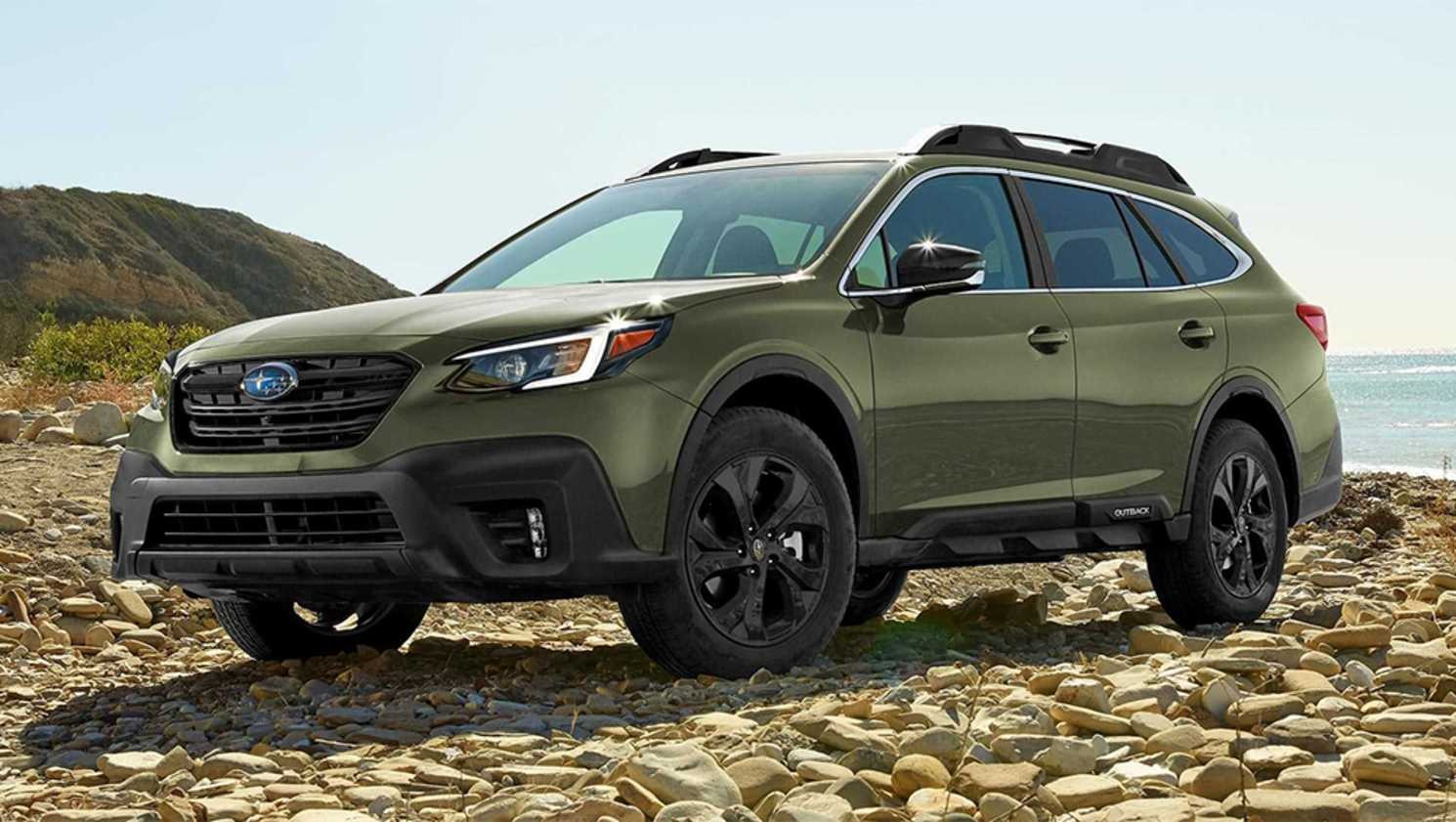
The Subaru Outback has carved out a reputation as a capable vehicle for people who enjoy the outdoors, and one of its smartest practical features is almost invisible until you need it. The roof rails on the Outback double as integrated crossbars.
When not in use, they fold neatly into the side rails, creating a clean appearance and reducing wind noise. But when it’s time to carry bikes, skis, or a rooftop cargo box, they simply swing across the roof and lock into place, no tools or aftermarket bars needed.
This is especially helpful for weekend adventurers who don’t want to deal with the hassle of storing bulky crossbars in the garage.
Many cars require you to purchase extra parts or go through frustrating installations. Subaru eliminates that issue with this built-in system. It’s also less likely to get lost, stolen, or damaged compared to separate attachments.
Another useful and often overlooked detail is the way the rear cargo area has been designed with multiple tie-down points, durable rubberized flooring, and a reversible cargo mat.
The mat has carpet on one side and rubber on the other, giving owners flexibility based on their needs for the day.
The rear seatbacks in the Outback also fold nearly flat, and the car includes levers near the tailgate to release them without having to walk around.
Combined with its wide opening and low load height, it becomes an extremely usable space. These kinds of thoughtful touches reflect real-world use cases that benefit owners daily.
Finally, the Outback’s windshield wiper de-icer is another clever inclusion. Hidden under the edge of the windshield are heating elements that warm the area where the wipers sit. In cold climates, this prevents the blades from freezing and makes it easier to clear snow or ice quickly.
It’s the kind of feature that might not be appreciated until the first freezing morning, but from then on, it becomes one of those “how did I live without this?” upgrades.
3. Toyota Sienna
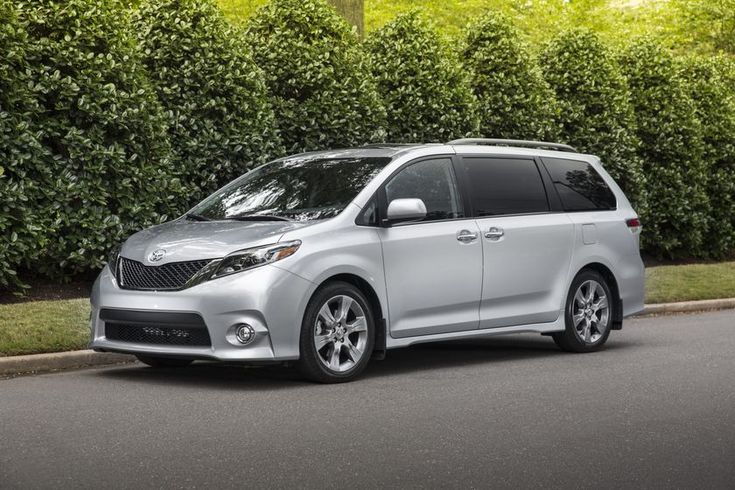
Minivans are designed to serve families, and the Toyota Sienna delivers with features that focus on the small but frequent needs of daily life.
One standout is the built-in vacuum cleaner, which was available in certain trims. Located in the rear cargo area, this vacuum can reach all areas of the cabin with an extendable hose, making it easy to clean up after snack spills, sandy feet, or messy road trips.
This feature might not be flashy, but it solves a real problem for families. Normally, cleaning the inside of a car involves dragging a vacuum out of the house or paying for one at a gas station.
Having one built right into the car, always ready to go, makes a big difference in how often and easily people keep their cars clean. It’s one of those rare convenience features that directly improves the experience of ownership.
Another subtle but smart feature in the Sienna is its conversation mirror. It’s a small convex mirror built into the overhead console, allowing the driver to see the back seats without turning around.
It helps parents keep an eye on their kids while staying focused on the road. This isn’t a high-tech innovation, but it’s a practical safety and convenience feature.
The rear sliding doors, standard in minivans, are improved in the Sienna with sensors that stop them from closing if they detect an object.
While common now, the Sienna’s version is finely tuned to prevent pinching and damage, making it safer for kids and pets. It’s the kind of detail that doesn’t make headlines, but earns appreciation from anyone who’s had to deal with minor accidents caused by less-sensitive systems.
Lastly, the rear seats fold completely into the floor, leaving a flat surface for carrying cargo. Many three-row SUVs can’t match the Sienna’s cargo usability because of their fixed third-row seats.
The ability to go from people hauler to cargo van in seconds is a practical feature that plays a major role in why minivans, for all their unfashionable reputation, remain some of the most functional vehicles on the road.
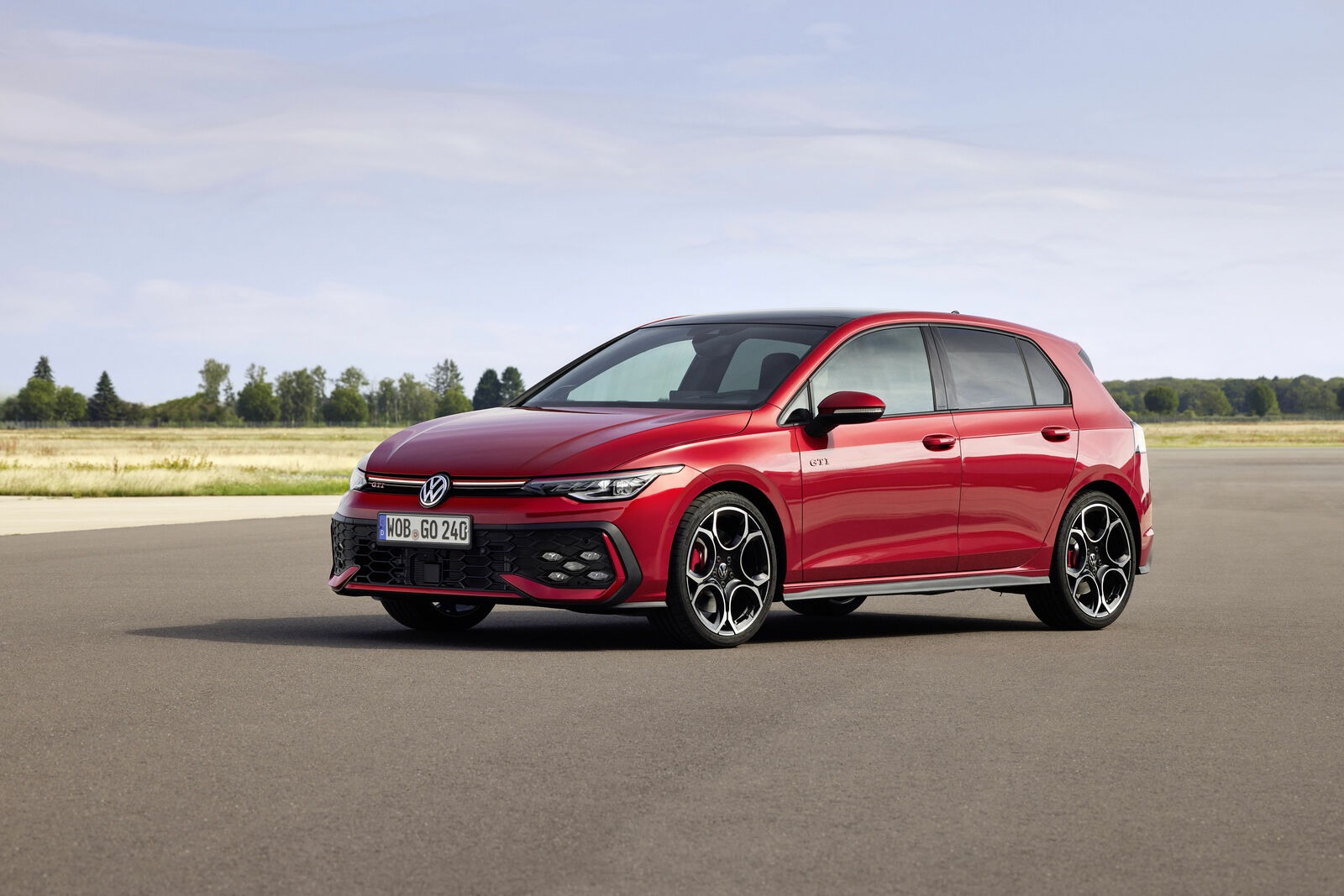
4. Volkswagen Golf
The Volkswagen Golf includes a clever solution to a common problem: keeping the rearview camera lens clean. In most cars, the camera is exposed and often gets dirty or covered in rain, snow, or road grime, leading to blurry or unusable images.
The Golf’s approach is to hide the camera behind the VW badge on the rear hatch. When the reverse gear is engaged, the badge flips open and the camera pops out.
This may sound like a small trick, but it makes a significant difference. Because the camera is hidden until needed, it stays clean most of the time, which improves safety and visibility.
It also protects the lens from minor damage and exposure to the elements. It’s a feature that you don’t notice until you see how much clearer the camera is compared to most other vehicles.
In addition to the camera design, the Golf includes practical door bins and seat-back pockets that are actually usable. Too often in compact cars, these spaces are too small or oddly shaped.
Volkswagen makes sure they are wide and deep enough to store common items like water bottles, umbrellas, or maps. These may seem like old-school needs, but they’re still relevant to drivers who want to keep their cabins organized.
Another clever inclusion is the cooled glove box. While not a major feature, it allows the driver to keep drinks or snacks cool by connecting to the air conditioning system. This is especially useful on long road trips or hot days, and it doesn’t add much cost or complexity to the car’s systems.
The Golf also includes an umbrella holder in the door panel in some versions, a feature borrowed from higher-end European cars. It’s not obvious, and many owners don’t discover it until they need it.
When it starts to rain and you find a dry umbrella tucked neatly into the door, you begin to appreciate just how thoughtful this kind of engineering can be.

5. Ford F-150
The Ford F-150 is well-known for its rugged utility and towing capability, but Ford has also added several hidden practical features aimed at people who use their truck as both a tool and a mobile workspace. One of the standout features is the tailgate work surface.
It’s not just a piece of flat metal; it’s been designed with built-in rulers, clamp pockets, and a flat workspace with indentations to hold small parts and tools. This turns the tailgate into a stable platform for jobsite work, weekend projects, or even makeshift meals during long drives.
This kind of detail shows that the designers considered how owners actually use their trucks. The surface is durable, easy to clean, and genuinely useful for anyone who’s working out of their vehicle. It doesn’t require any attachments or setups; it’s ready the moment you drop the tailgate.
Another smart inclusion is the under-seat storage system in the rear of the cab. When the back seats are lifted up, a hidden storage compartment is revealed. In newer models, this compartment includes a locking lid and dividers, making it ideal for securing tools, emergency gear, or valuables out of sight.
For contractors, hobbyists, and even families, this space adds peace of mind and organization without taking up room elsewhere.
The F-150 also offers a feature that many owners don’t notice at first: the interior cabin work surface. In some trims, the gear shifter folds flat, and a section of the center console unfolds to become a desk-like surface.
Whether you’re signing documents, working on a laptop, or just eating lunch out of the rain, it adds real-world functionality in a space that’s usually underutilized.
Lastly, the F-150 includes zone lighting, not just headlights and taillights, but perimeter lights around the bed, sides, and under the mirrors.
These can be controlled through the infotainment system or a smartphone app. It’s incredibly useful for lighting up a campsite, a dark jobsite, or even your driveway. Unlike many flashy light systems found on other vehicles, this one is purpose-built and focused on practical utility.
Also Read: 9 Steps That Help a Dodge Ram 1500 Last Forever
5 Cars With Useless Gimmicks
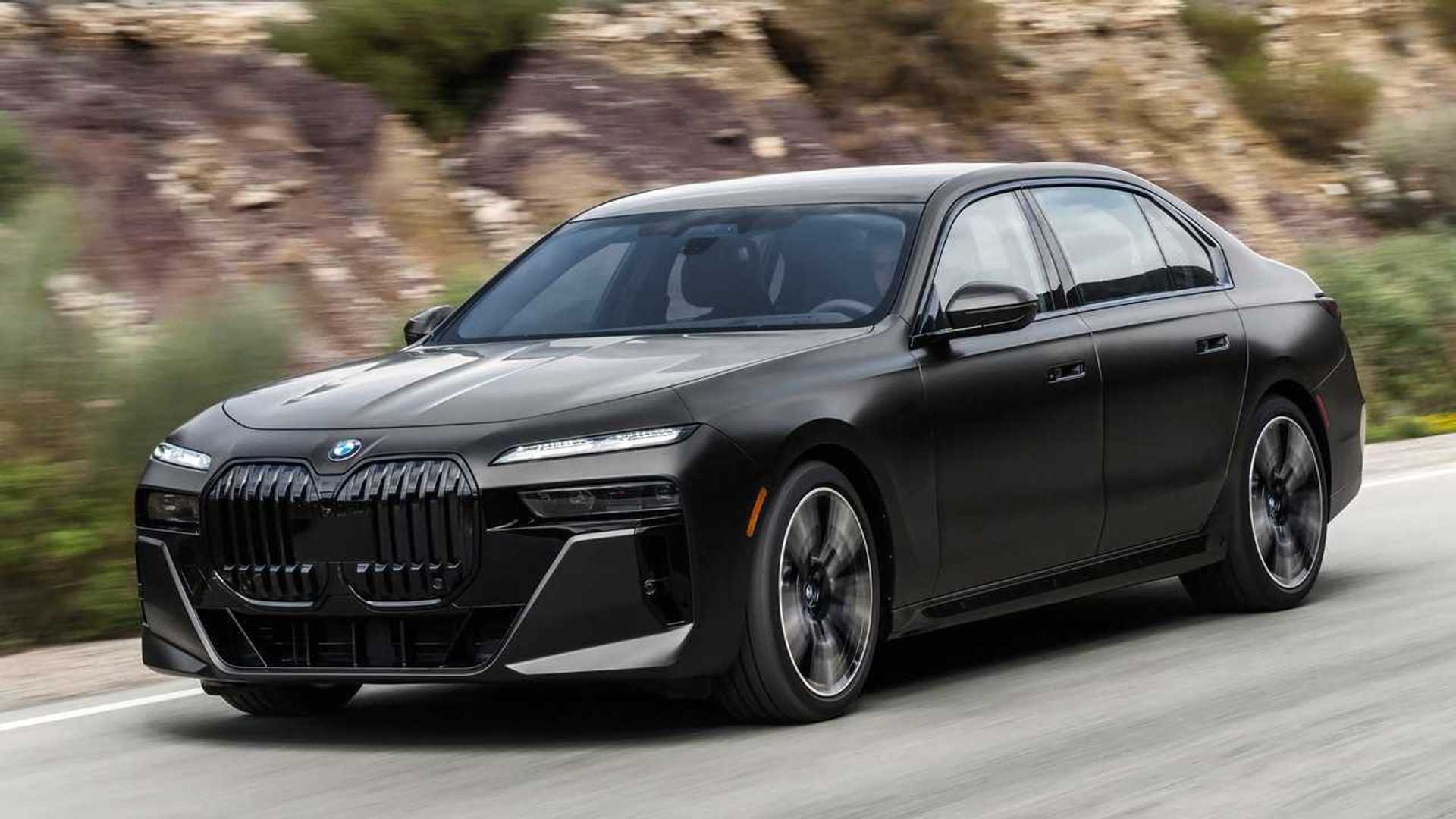
1. BMW 7 Series (G11/G12) – Gesture Control System
The BMW 7 Series is often packed with technology designed to impress, but not all of it makes sense in daily use. One prime example is the gesture control system introduced in the G11/G12 generation. At first glance, the idea is exciting: control your infotainment system by making hand movements in the air.
Twirl your finger to adjust volume, swipe to accept or decline a call, or point to select options on the screen. It sounds like something out of a futuristic concept, and it certainly looks impressive when demonstrated in a showroom. However, in practice, it’s clumsy, inconsistent, and often more frustrating than helpful.
The system tends to misread movements, especially if your hand happens to pass through the sensor area accidentally.
Drivers often find themselves unintentionally changing the volume or skipping songs just by reaching toward the dashboard for another reason. It’s not unusual for people to disable the feature entirely after a few weeks.
Buttons and knobs have been refined for decades to be intuitive and reliable, and even touchscreen controls have become second nature to most drivers. Replacing them with vague mid-air gestures adds complexity without improving speed or ease of use.
BMW also continues to offer more traditional controls alongside the gesture feature, which further raises the question: if the feature is optional and redundant, what’s the point?
It feels like the kind of tech that exists just to give the impression of innovation rather than actually offering a better way to interact with the vehicle.
Unlike voice commands, which have matured to be more accurate and useful over time, gesture control hasn’t evolved enough to justify its inclusion.
There’s also the issue of distraction. Instead of making interaction simpler, gesture control draws the driver’s focus away from the road as they try to remember the exact movement needed or figure out whether the system is even responding.
In a luxury sedan designed for comfort, precision, and long-distance driving, the inclusion of a gimmicky and unreliable control system undermines the otherwise high-quality user experience.
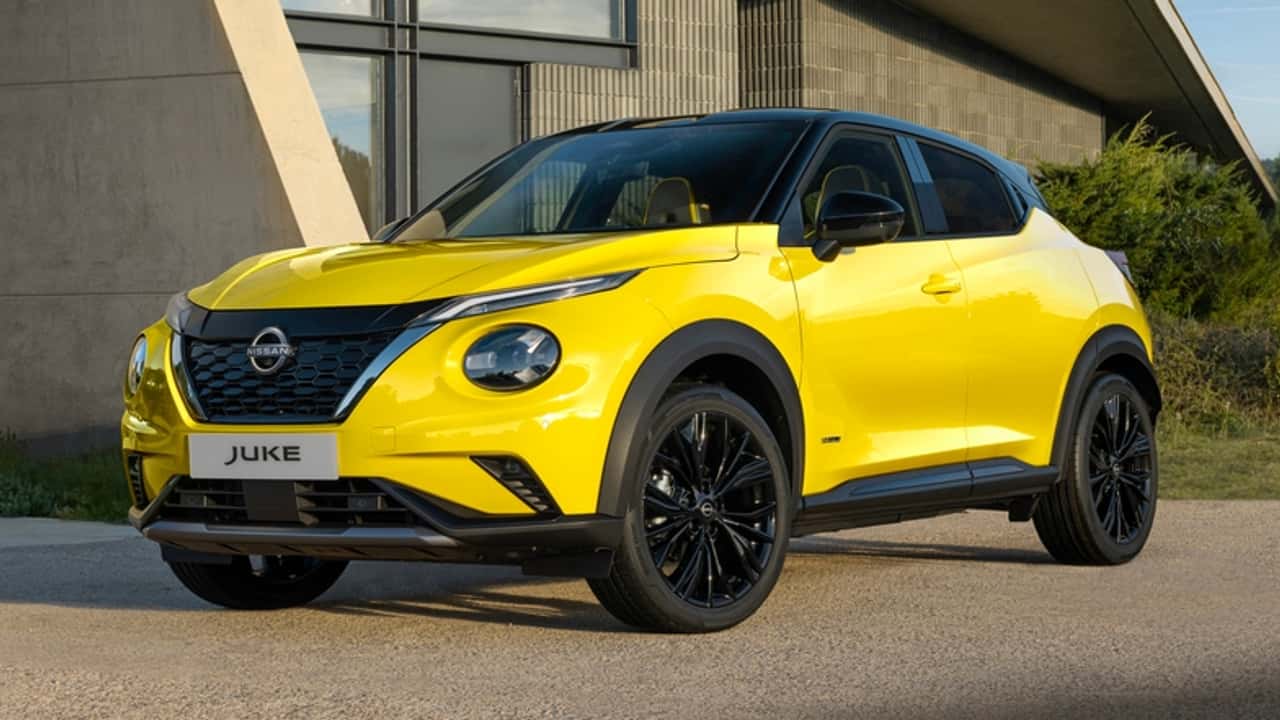
2. Nissan Juke
The Nissan Juke was always marketed as a quirky, youthful crossover with an unconventional design. To match its wild exterior, Nissan added a number of unusual features to the cabin. One of them was the LED mood lighting system integrated into the center console and footwells.
The lighting would change color based on your drive mode and even “breathe” when the car was parked. While mood lighting can be subtle and tasteful in high-end cars, the Juke’s system felt more like a party trick than something enhancing the driving experience.
First, the positioning of the lights often resulted in awkward reflections, particularly at night. Instead of making the cabin more inviting or premium, it made it feel like a cheap nightclub.
Bright purples, reds, and greens might be fun for a few minutes, but they quickly become distracting during normal driving, especially if you’re someone who prefers a more understated cabin atmosphere. Most drivers end up picking a single color and sticking with it, or turning it off altogether.
Then there’s the disconnect between form and function. The lighting system doesn’t improve visibility, doesn’t offer useful information, and doesn’t react in any meaningful way to the car’s performance. It doesn’t notify the driver of anything critical like a head-up display might.
Its entire purpose is aesthetic, but not in a refined or elegant way. This makes it a clear example of a feature added purely for visual excitement, regardless of its impact on the driving experience.
To make things worse, the LED system added complexity to the center console design. Some models with the mood lighting also used the same panel to switch between climate and drive mode settings, which confused many users.
Instead of simplifying controls, Nissan chose to double up on the design in an attempt to be futuristic, but ended up with a convoluted system that frustrated owners. When a gimmick interferes with basic usability, it becomes a liability rather than a benefit.
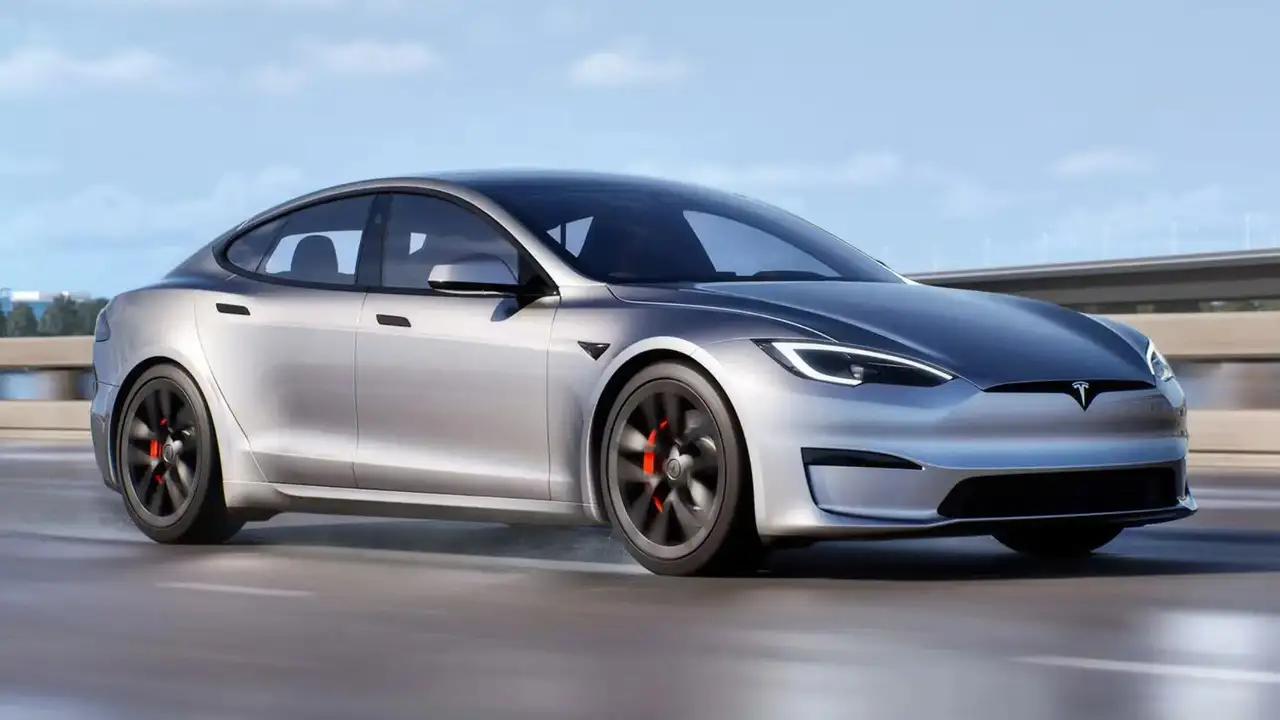
3. Tesla Model X
The Tesla Model X is packed with impressive technology, but it’s also become known for one of the most polarizing features in modern automotive design: the Falcon Wing doors. These rear doors open upward in two stages, folding in a gull-wing-like manner rather than swinging out like traditional doors.
Tesla promoted them as a practical solution for tight parking spaces and a futuristic design statement. But in real-world use, they are far more style than substance.
To start, the mechanism is overly complex and prone to issues. Many Model X owners have reported problems with the doors getting stuck, failing to open or close fully, or making loud mechanical sounds.
The number of sensors and motors required to operate them increases the chance of failure, especially as the vehicle ages. For something as fundamental as opening and closing a door, reliability should be the top priority. Yet here, it’s been sacrificed for visual impact.
The idea that the doors are better for tight spaces also doesn’t hold up in practice. While they can technically open in tighter vertical clearances than normal doors, they still need enough side clearance to swing up and out.
In real-world parking situations, especially in garages or next to other large vehicles, the doors can still hit obstacles or simply refuse to operate. Manual sliding doors, such as those found on minivans, remain the most practical solution for rear passenger access in confined spaces.
Additionally, the Falcon Wing doors slow down entry and exit. Unlike traditional doors, which can be opened quickly and manually, these rely on powered mechanisms that take time to complete their sequence.
If you’re in a hurry, trying to get kids into the car in the rain, or just want a simple in-and-out experience, the doors become an obstacle. Even passengers unfamiliar with the system often find it more confusing than cool.
Finally, the Falcon Wing doors add significant cost to the car’s design and production, not to mention insurance and repairs. They’re eye-catching and great for attention, but they offer little to no advantage in real daily driving scenarios. What could have been a minor innovation instead became a defining gimmick that often overshadows the Model X’s actual strengths.

4. Jeep Renegade
The Jeep Renegade was designed with character in mind, aiming to stand out in a crowded segment of compact crossovers. One of its most talked-about features wasn’t performance or capability; it was the placement of so-called “Easter Eggs.”
These are tiny, often hidden design elements scattered throughout the car. Examples include a spider saying “Ciao Baby” in the fuel cap, Jeep grille patterns etched into headlights, a Yeti silhouette climbing the rear windshield, and even Morse code printed on speakers.
While clever in theory, these Easter Eggs serve no functional purpose. They are there purely for novelty, with the hope that buyers will stumble upon them and share their discoveries on social media.
This might amuse new owners once or twice, but it quickly wears thin. In terms of contributing to the driving experience or vehicle functionality, these features offer nothing of value.
Some might argue that these quirky details create a sense of personality or brand identity, but there’s a fine line between charming and distracting. When a vehicle puts more effort into hidden jokes than practical features, it can feel like a cover-up for shortcomings elsewhere.
Owners dealing with subpar interior quality or a bumpy ride aren’t likely to feel better because they found a cartoon lizard under the windshield wiper arm.
There’s also a mismatch in tone. Jeep, as a brand, is known for rugged, capable off-roaders like the Wrangler and Grand Cherokee. Trying to carry that rugged image into a small, city-focused crossover like the Renegade through gimmicky decorations feels forced.
It’s like dressing a hatchback in hiking gear and expecting it to climb mountains. Some design flair is always welcome, but it needs to be backed up by substance.
To make it worse, Jeep actually leaned heavily on these Easter Eggs in their marketing, almost as if they were a defining feature of the Renegade. That’s a risky move.
When marketing pushes the idea that finding hidden graphics is part of the ownership experience, it raises questions about whether there was enough substance in the car itself to keep people interested after the novelty fades.
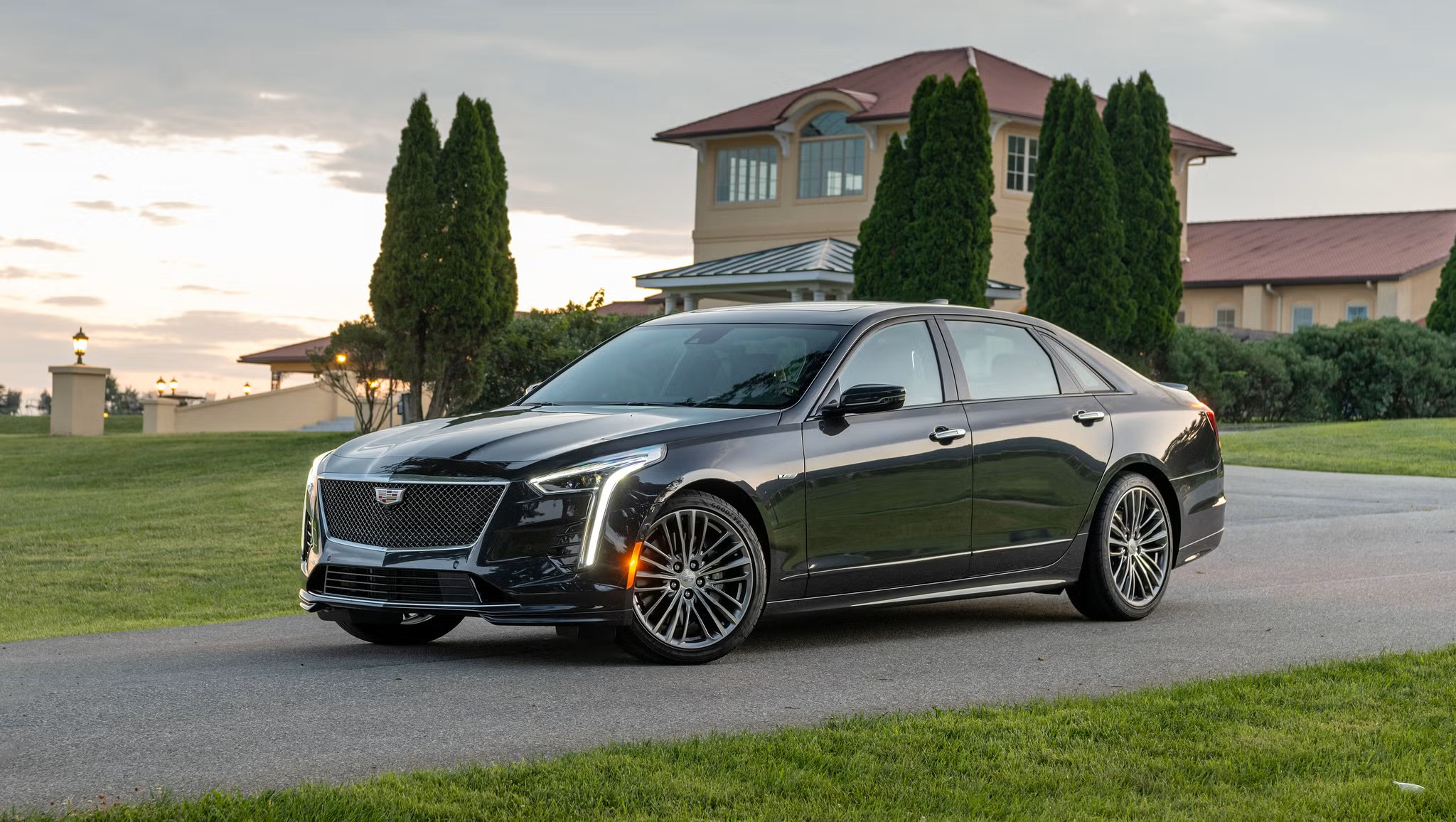
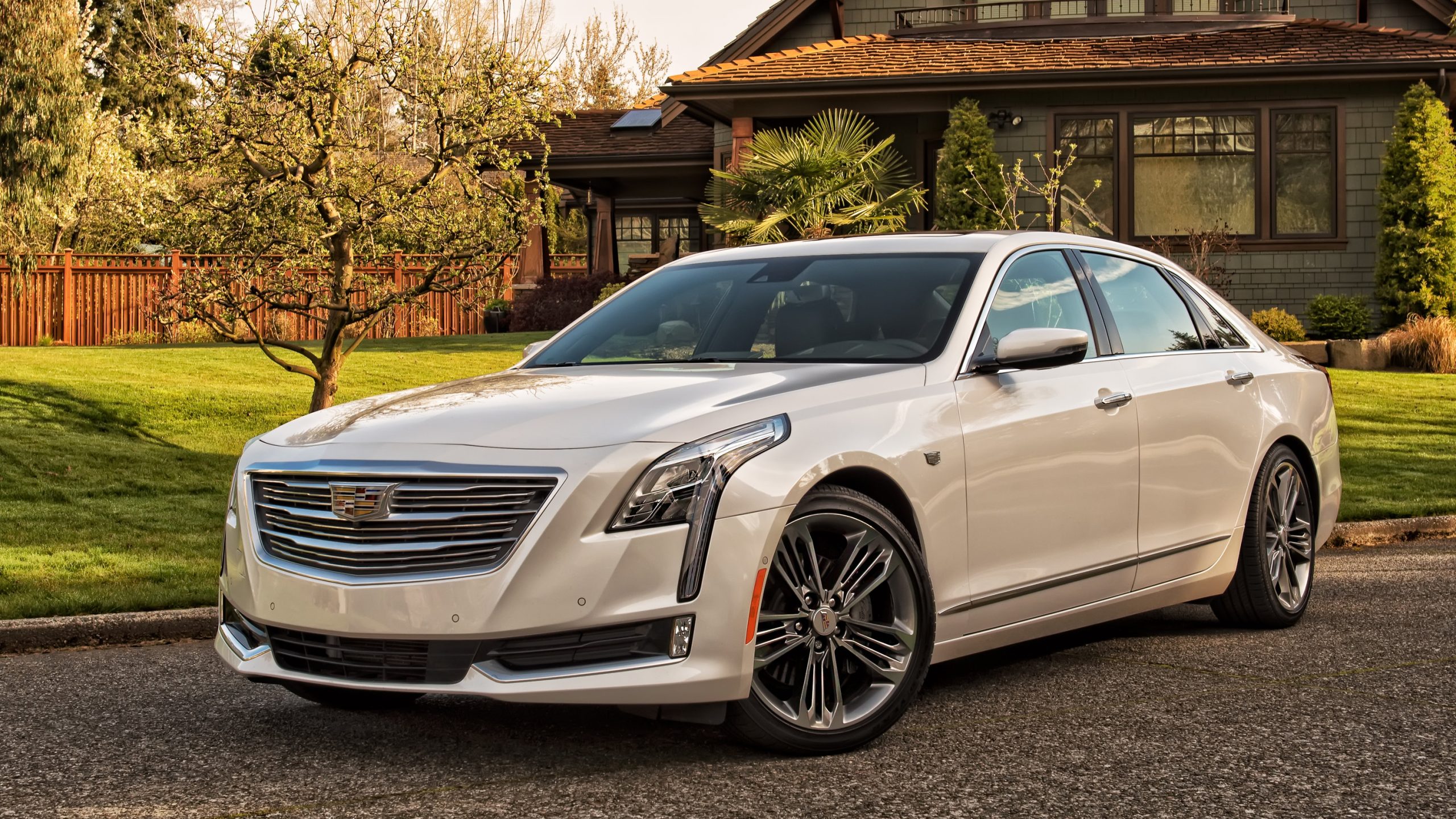
5. Cadillac CT6
The Cadillac CT6 was introduced as a flagship luxury sedan meant to compete with the best from Germany and Japan. One of its headline technologies was the night vision system, which used an infrared camera to detect pedestrians and animals ahead, then displayed them on a heads-up display or center screen.
In theory, this sounds like a valuable safety feature, especially for night driving. Unfortunately, in practice, the system ended up feeling like a complicated gimmick that few owners found truly useful.
The night vision system requires drivers to shift their attention from the road to the screen or HUD to see the thermal images. While highlighting people or animals is helpful, constantly glancing at a display instead of the road ahead increases cognitive load and distraction.
In contrast, modern headlights and adaptive high beams already do a good job illuminating the road, reducing the practical need for infrared assistance for most drivers.
Furthermore, the system’s effectiveness depends heavily on weather and conditions. Fog, rain, or dirt on the sensors can reduce visibility or cause false alerts, which can quickly become annoying.
Unlike collision warning systems that provide immediate haptic or auditory feedback, night vision relies on the driver’s active attention, limiting its utility during real emergencies.
The cost of including and repairing such a complex feature also adds to ownership expenses. While Cadillac marketed night vision as cutting-edge technology, many buyers found it to be more of a luxury status symbol than a must-have safety upgrade.
Over time, many users ignored the system or switched it off entirely, preferring to rely on traditional driving techniques and lighting.
While the night vision system on the CT6 offers an impressive technical achievement, its real-world value remains questionable. It represents a technology that is more about showcasing innovation than solving actual problems drivers face on a daily basis. For most, it’s a feature that adds complexity and cost but does little to enhance safety or convenience in a meaningful way.
