
Toyota’s Sequoia has built a reputation for ruggedness and persistence. Among full‑size SUVs its size, it has earned loyal followings from families, adventurers, and those who require towing power with peace of mind.
Reliability often stands at the forefront of what people want from such a vehicle, because a full‑size SUV demands more from its components, heavier weight, larger engines, higher towing loads, greater strain on suspension and brakes. For many, buying a Sequoia is an investment in durability more than a style statement.
Within the many years of Sequoia production, certain model years have proven to be especially dependable, requiring fewer repairs, maintaining easier maintenance schedules, and aging with less decline.
Understanding which years tend to run well can help current and prospective owners choose wisely, whether for the purchase of a used vehicle or planning long-term ownership.
This article describes nine Toyota Sequoia years that are rarely failing. Each of these years stands out by having fewer reported major mechanical issues, strong long term usability, consistent parts availability, and owner satisfaction.
The selections rest on patterns of service history, durability of core components such as the engine, transmission, drivetrain, and structure.
The goal is to highlight those model years that deliver strong value and lower risk for someone who wants a Sequoia that works well with minimal surprises. For each year, the article presents the context of what made it reliable, what to watch for, and why it earns its place.
Because even among good years some wear and tear occurs, no vehicle is perfect. But certain Sequoias have historically required less intervention, fewer costly repairs, and more years of service with relatively low maintenance. Whether you plan to use it for towing, off-road, daily driving, or long road trips, these nine years offer strong chances of lasting without frequent failure.
Also Read: 9 Best Vehicles That Survive Multiple Generations of Owners
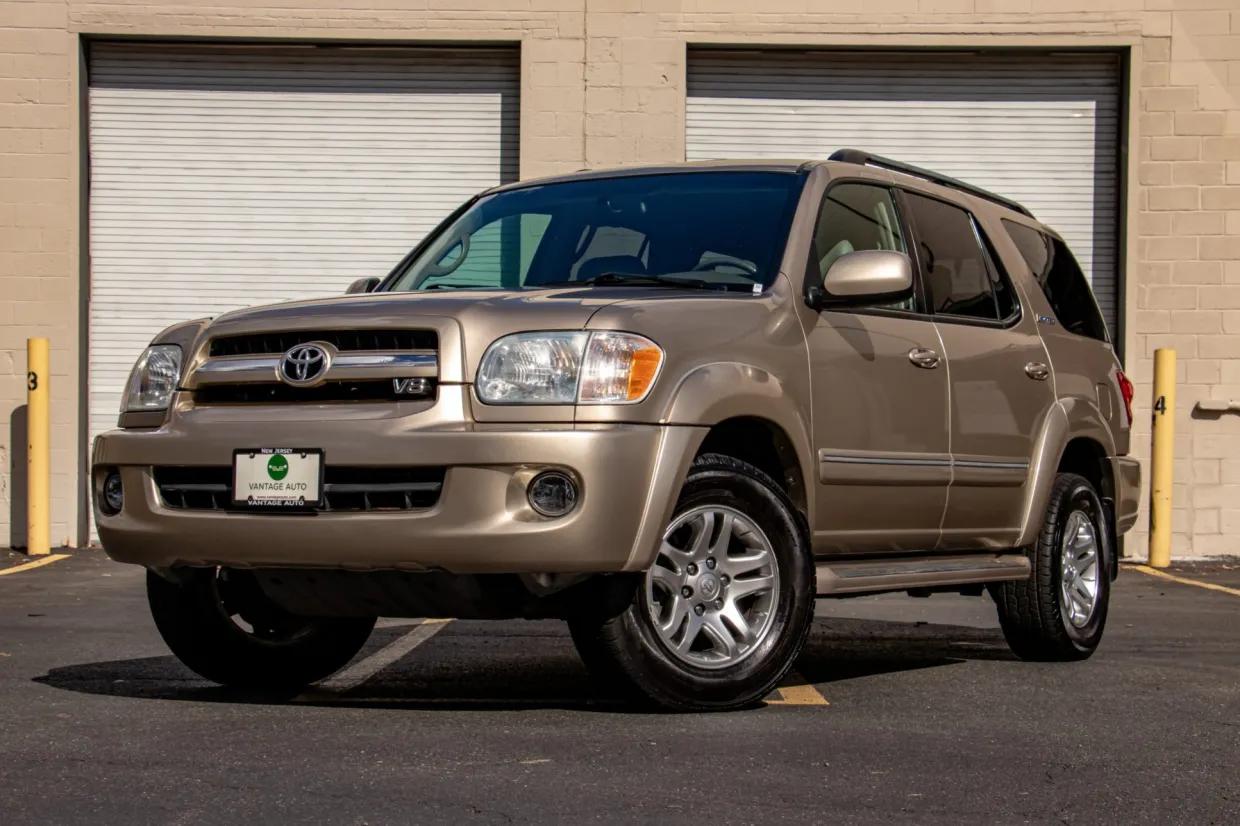
2005 Toyota Sequoia
The 2005 Sequoia marked the first full year of the second-generation model. Toyota carried forward many of the strengths of the original Sequoia, its 4.7‑liter V8 engine offered substantial torque, the body‑on‑frame construction provided durability, and key components were robustly engineered.
Owners generally reported good longevity from the drivetrain. The steering system, chassis, and suspension components showed resistance to fatigue, especially when regular maintenance occurred.
Rust and corrosion, which can plague older SUVs, were less pervasive in this year compared to some competitors, provided the vehicle was kept in non‑coastal or lower road‑salt exposure environments.
The interior electronics, though not the most modern of its time, were relatively simple and less likely to fail. The cooling system posed fewer problems than in later models, probably because of conservative engineering margins. Oil consumption was moderate when oil change intervals were followed.
Parts availability for 2005 was good, since it shared many pieces with Toyota’s other V8 trucks and SUVs. That meant replacement components for the engine, transmission, exhaust, and suspension remained in production and accessible at dealerships and independent shops.
The design of the automatic transmission was mature by this point, which resulted in fewer complaints about shifting behavior or premature wear. Brake systems, though large and needing regular servicing, generally held up well.
Owners who kept tires aligned and rotated avoided premature wear on bushings and ball joints. Maintenance costs for this year were often lower than for some of the newer, more complex Sequoia years, where more electronics and emissions gear added expense.
Despite its many good traits, the 2005 Sequoia did have areas to watch. Some minor oil leaks around valve covers or gaskets were typical with age. The air suspension on certain trims, when present, could begin to sag, though most units were non‑air versions.
U joints in the driveshaft might need replacing after higher mileage under heavy use. Fuel injectors and sensors, especially in harsher climates, could fail or need cleaning. But none of these issues were especially catastrophic or frequent.
The strong engine block, conservative cooling, and well-built transmission gave this year a strong foundation. Consequently, among Sequoias in the used market, 2005 often gets favorable comparison to later models in terms of maintenance burden versus reliability.
The 2005 Sequoia earns its place among rarely failing years because of its durable V8, solid body structure, simpler systems, and parts commonality. It avoids many of the teething problems that later remodels or major redesigns sometimes bring.
For someone seeking a rugged SUV that has already shed its first few years of wear yet is not burdened by the complexity of very new models, a well-maintained 2005 Sequoia offers strong prospects of long life with moderate upkeep rather than frequent repair.
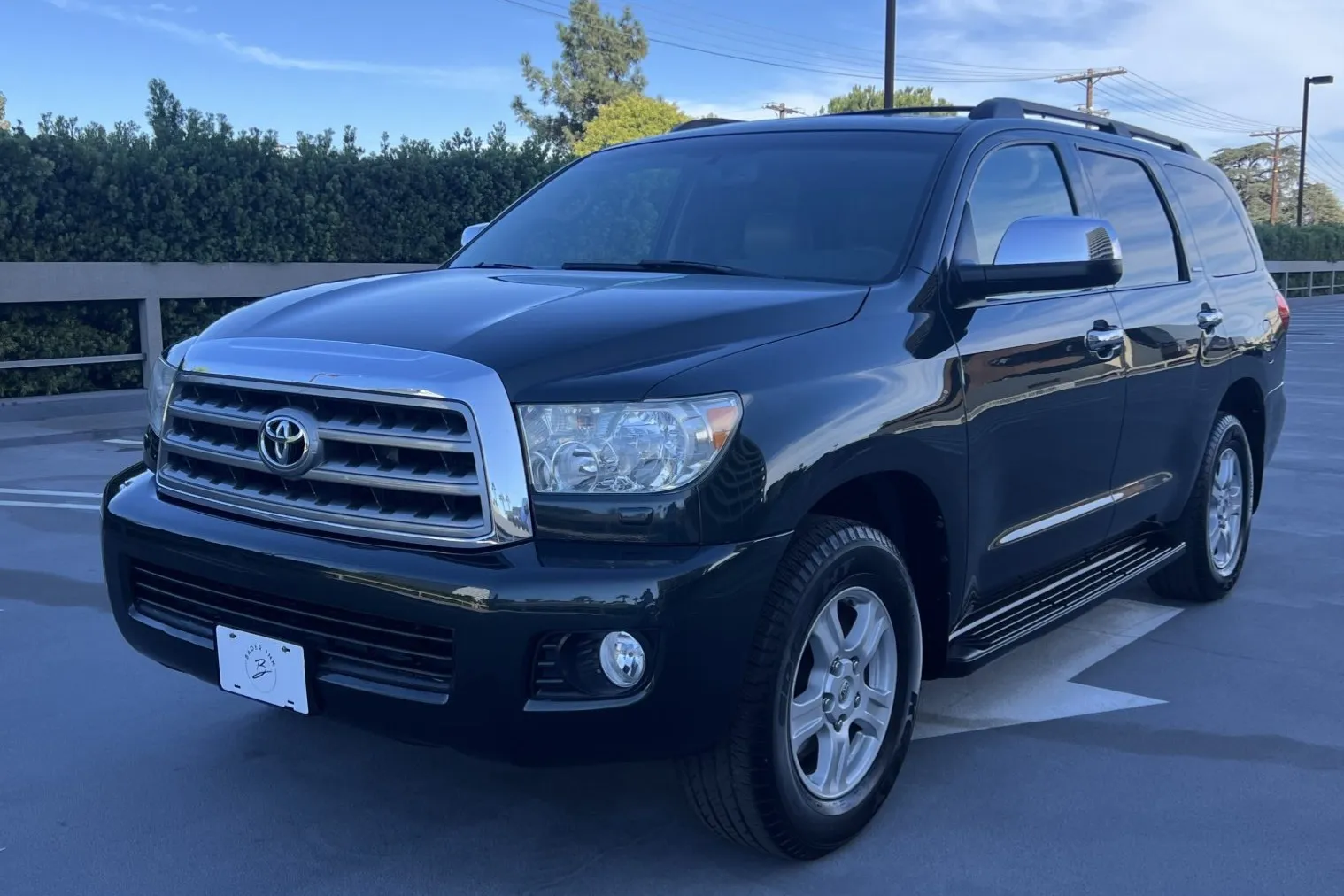
2008 Toyota Sequoia
The 2008 Sequoia continues to benefit from the mature second-generation platform. By this time Toyota had resolved many issues that surfaced earlier in this generation. Cooling system reliability was better, thanks in part to improved radiator design and better sealing in water pump assemblies.
Engine block and heads showed fewer warping or gasket failures. The drivetrain, including the automatic transmission, exhibited more consistent performance and smoother shifting as electronic controls and sensors had been refined.
Owners reported robust performance even under towing loads, with minimal overheating or transmission overheating complaints. The exhaust system design reduced corrosion vulnerabilities in critical areas under the vehicle.
Interior systems in 2008 were more refined over earlier years, yet still retained simplicity that serves reliability. Power windows, locking mechanisms, air conditioning compressor and blower motors were better quality and required fewer replacements relative to some later years.
Roof racks and body attachments had fewer leaks, thanks to improved weather sealing. Paint and finish were durable, with fewer complaints of peeling or fading in shaded panels.
Frame rust remained manageable in the majority of cases for owners who washed undercarriages and avoided prolonged exposure to road salt. The steering linkage and ball joints held up well, especially with proper alignment and use of quality tires.
Maintenance intervals were well established by this year, so owners had better guidance for when to change fluids, inspect belts and hoses, replace filters, and perform brake services.
Toyota’s parts supply network and aftermarket options were strong, which made routine tasks like replacing alternators, starter motors, sensors, and shocks manageable in cost.
Cost of ownership was perhaps higher than very early Sequoias in absolute dollars, but failures requiring major disassembly were rare. Many 2008 Sequoia units surpassed 200,000 miles with relatively few engine or transmission rebuilds, assuming basic care.
Areas to observe include potential aging of the air intake tubing or manifolds, cracking in certain plastic parts exposed to heat, leaking around axle seals under high mileage, and wear on suspension bushings if driven over unpaved roads.
Emissions control components, such as oxygen sensors and catalytic converters, may degrade, especially in regions with fuel quality issues.
Despite these, the severity and frequency of failures remained lower than many other model years. For buyers of used Sequoias, the 2008 model offers a compelling combination of robust mechanicals and improved creature comforts without stepping into heavy complexity.
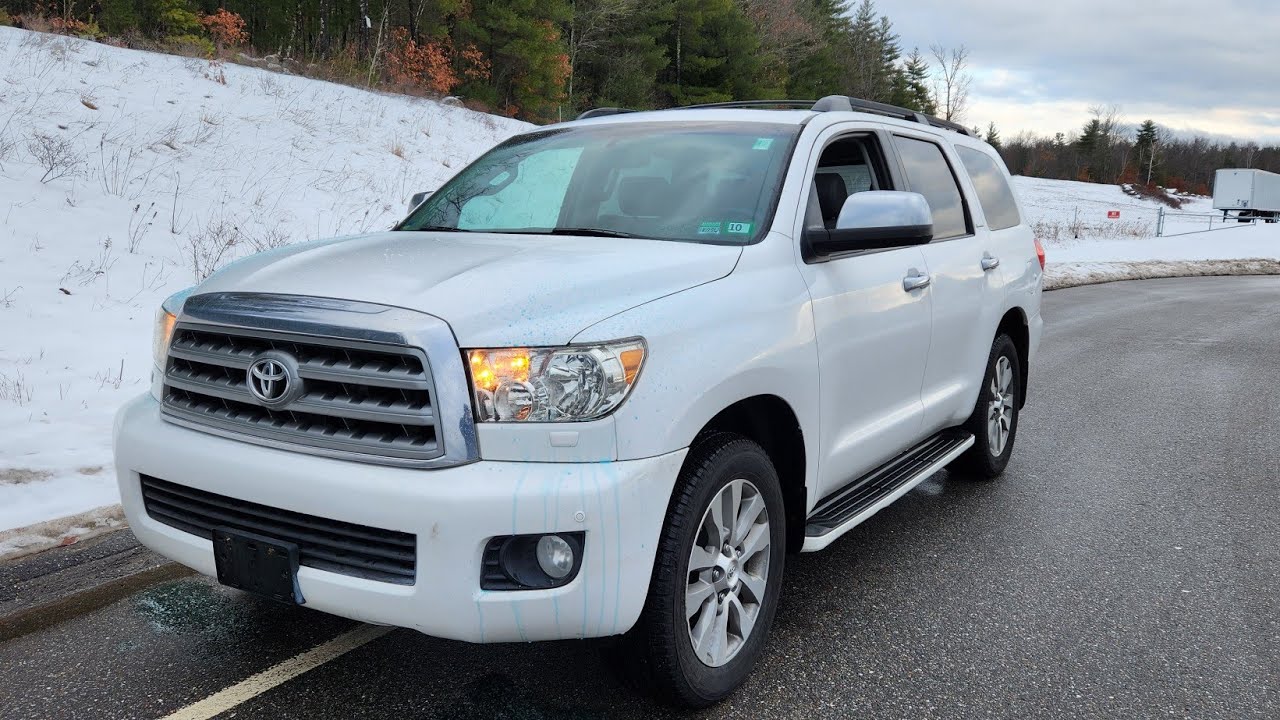
2010 Toyota Sequoia
The 2010 Sequoia is often cited among the more reliable third-generation early models. The engine options, including the V8s, had the benefit of lessons learned over prior years. Component durability in key areas like the timing chain (if applicable), fuel delivery systems, cooling modules, and engine block integrity were improved.
Transmission control modules and sensors had matured firmware and calibration, reducing many shift‑quality complaints. The chassis and body structure benefited from reinforced crossmembers and enhanced rust prevention coatings.
Owners reported consistent performance under load, with fewer overheating or stress‑fracture issues. The 2010 model was quieter in terms of road vibration, indicating better balance in engine mounts and isolation.
In cabin and electronic systems, 2010 showed refinement in design without overwhelming complexity. Infotainment systems were simpler than modern ones, avoiding many of the electronics failure modes that plague newer SUVs. HVAC components used better wiring and connectors.
Window regulators and locks had improved durability. Dashboard and interior plastics matured, reducing rattling noises and warping under sunlight.
Electrical ground connections were better organized and less exposed to moisture. Sensor accuracy for engine management helped with fuel economy and reduced erratic behavior in emission related systems.
Serviceability for the 2010 model also improved. Underbody access to oil filters, drain plugs, belts and hoses was reasonably good. Toyota kept commonality with other truck‑based models, so many parts were shared, which helped availability and pricing.
Suspension components like shocks, springs, bushings, control arms showed good lifespan, especially in milder climates. Brake components, while large and subject to wear under towing, responded well to maintenance. Service schedules were well published and supported by many automotive shops.
Potential weaknesses include higher mileage related wear on front differential seals, occasional minor coolant leaks at hoses or clamp points, possible early wear of spark plugs or coils under heavy loads, and tire wear if alignment is neglected. Rear suspension bushings may loosen with very heavy usage.
Nevertheless these issues are relatively minor compared to engine or transmission failures. The 2010 Sequoia offers solid reliability for someone wanting more modern feel without too many trade‑offs in terms of mechanical complexity.
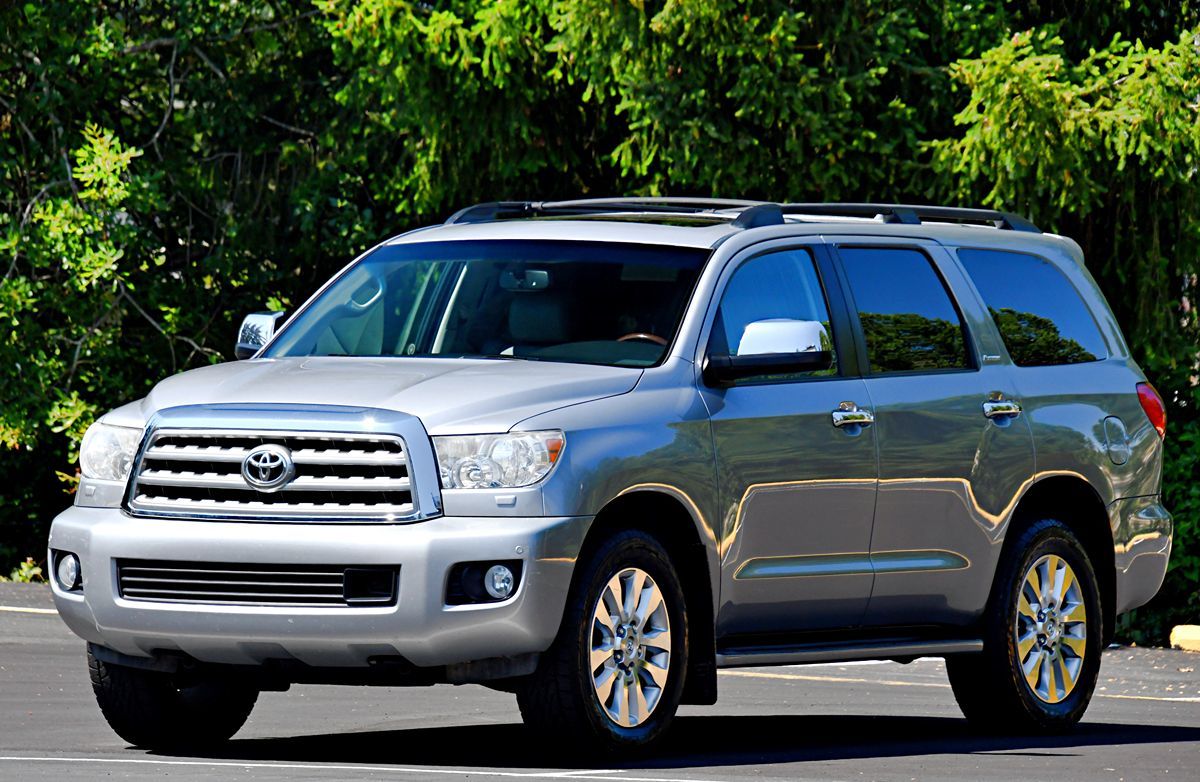
2012 Toyota Sequoia
By 2012 Toyota had refined many elements of the Sequoia after gathering feedback from earlier third generation years. Engine performance and emissions systems improved. Fuel injection calibration and oxygen sensor lifespan advanced. Cooling components were better engineered, reducing scorching under heavy towing conditions.
Transmission gear sets and torque converters inside the automatic transmission had enhanced durability. Seals and gaskets also benefitted from better material blends and design. Underbody protection, frame coating practices and welding quality improved, contributing to less rust in critical mounts and frames.
Inside the cabin, comfort and functionality rose without undue fragility. The air conditioning system was more reliable, blower resistance lower, and controls less likely to fail. Audio systems and wiring harnesses were improved to avoid shorts or corrosion.
Windows and door mechanisms were better sealed. Seats and upholstery were built with higher durability vinyls and leathers depending on trim, resisting cracking with age. Dashboard finish held up under sunlight better. Sensors tied to engine diagnostics and warning lights had improved quality reducing false alarms.
Maintenance needs for 2012 are modest for its class. Oil and filter changes, typical for any SUV, remain essential. Routine replacement of spark plugs and ignition coils is needed at scheduled intervals but less frequently than some years that suffered premature coil or plug failure.
Brake servicing, tire rotations, and alignment remain central to avoiding accelerated wear on joints. Parts replacement costs are relatively stable due to shared parts with Toyota’s trucks. Because reliability‑critical failures are rare, many owners tend to keep 2012 Sequoias for long mileage with minimal major work.
What to watch: as vehicles age, gasket leaks may appear, particularly in valve covers or around manifolds. Cooling hoses and clamps may degrade. Suspension bushings may show cracks or loosenings. Fuel system sensors and emission control devices may begin to degrade, especially if fuel quality is inconsistent.
But these tend to be expensive only once per many tens of thousands of miles rather than recurring. The 2012 Sequoia represents a year in which Toyota balanced performance, comfort, and reliability in ways that provide strong long‑term value.
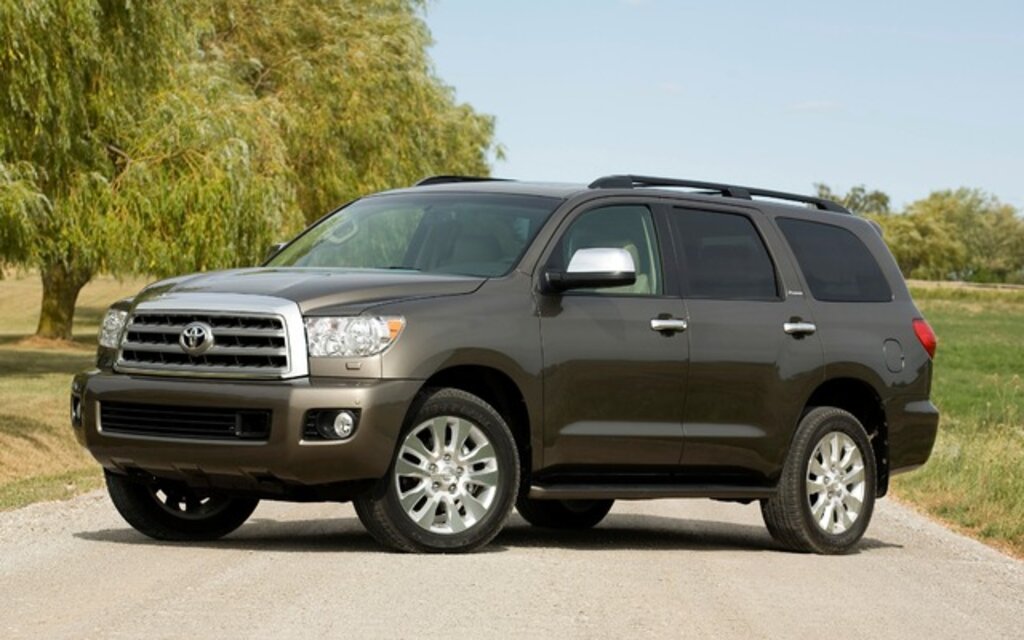
2014 Toyota Sequoia
The 2014 Sequoia is one of the better mid-generation years. Toyota had collected many user reports and updated weak links. Engine mounts were improved, reducing vibration transmitted to the frame.
Cooling fan assemblies and radiator supports were sturdier. Transmission settings provided smoother shifts and fewer complaints of abrupt behavior.
The exhaust system design minimized areas of water retention which often lead to rust or corrosion. Chassis welds and undercarriage protective coatings were better applied in manufacturing, helping resist rust in high moisture or road salt environments.
Electrical system reliability rose in 2014. The alternator, battery terminals, and cable harnesses used more heat-resistant materials.
Wiring routing avoided high temperature areas when possible. Dashboard controls, infotainment units, display panels and sensors were engineered with improved connectors to resist moisture.
Steering and power steering components showed fewer leaks. Seats, upholstery, trim pieces were higher quality and fit better, which lowered rattling and wear in high traffic cabins. Comfort features such as climate control held up better over time.
Routine maintenance for a 2014 model involves standard tasks: fluid flushes, spark plug servicing, filter replacements, brake inspections. The availability of replacement components remained strong with both OEM and aftermarket suppliers offering ample options.
Suspension pieces held up well in this year provided driving conditions were not extremely rough. Towing performance was reliable when weight limits specified by Toyota were not exceeded.
Fuel delivery system and ignition components showed good lifespan. Many owners reported 150,000 to 200,000 miles of service with no major engine or transmission work.
Known issues to check include possible leaks from seals or gaskets, wear on wheel bearings under heavy load or rough terrain, occasional issues with sensor failures as the vehicle ages, and deterioration of rubber components in harsh climates.
The paint finish may begin to fade in extreme sun exposure if not well-protected. But mechanical reliability is solid. For someone seeking a relatively modern Sequoia with good creature comforts and still strong mechanical foundations, 2014 is a strong choice.
Also Read: 9 Steps That Help a Dodge Ram 1500 Last Forever
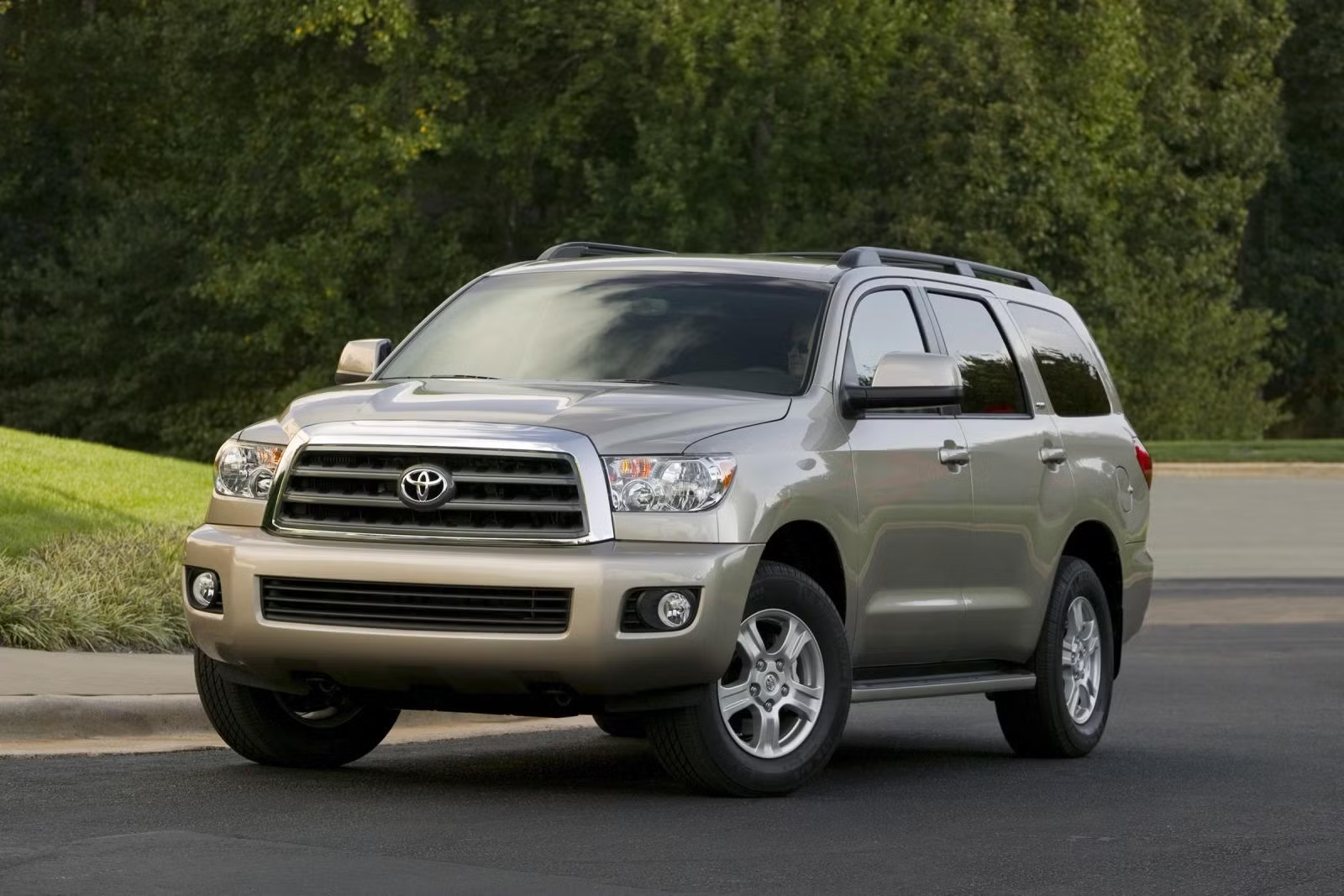
2016 Toyota Sequoia
In 2016 further refinements helped durability. Engine components benefited from tougher heat handling materials in exhaust manifolds and turbo‑freezer zones (though Sequoia does not have turbo, but hot exhaust routing was better managed).
Cooling fans and thermostats were more reliable. Transmission cooling and sealing components were better engineered, helping resist leaks.
The block and heads for the V8 engines had improved casting practices reducing micro‐imperfections. The fuel system gained improved fuel pump quality and better seals. Cranking and starter systems showed fewer issues. Driving experience improved without compromising mechanical strength.
Interior comfort and electronics in 2016 were more robust. Dashboard displays, radio units, and camera systems (backup camera, sensors) had improved design and fewer wiring complications. Climate controls were less prone to failure due to better component sealing.
Seats were better bolstered, upholstery quality improved. Trim and switchgear lived longer, experiencing less wear. Sound insulation was improved, reducing cabin noise which reflected on less fatigue for components such as mirror motors and door hinges. Windows and doors fit better reducing water entry and reducing corrosion risk.
Maintenance pattern for the 2016 Sequoia continues Toyota’s tradition: regular fluid changes, spark plug service, periodic inspections of belts, hoses, suspension. Many 2016 units show longer life on components such as shocks, steering linkage, axle components.
Brake pads and rotors remain major wear items but under light use last well. Towing loads handled frequently will stress drivetrain more, but in 2016 the durability margin is higher compared to some earlier years. Oil consumption is typically controlled when owners adhere to recommended oil types and intervals.
Possible weak points are aging of rubber hoses and belts, potential for coolant leaks at joints, wear of wheel bearings or ball joints if driven off road or on rough roads, possible failure of sensors or backup camera units over time. Tire wear if alignment ignored remains an issue.
But experienced owners tend to agree that 2016 Sequoia is among those with less frequent and less severe mechanical issues among its peers. Its combination of lasting core engine, solid transmission, and more reliable comforts make it a good candidate for long term use.
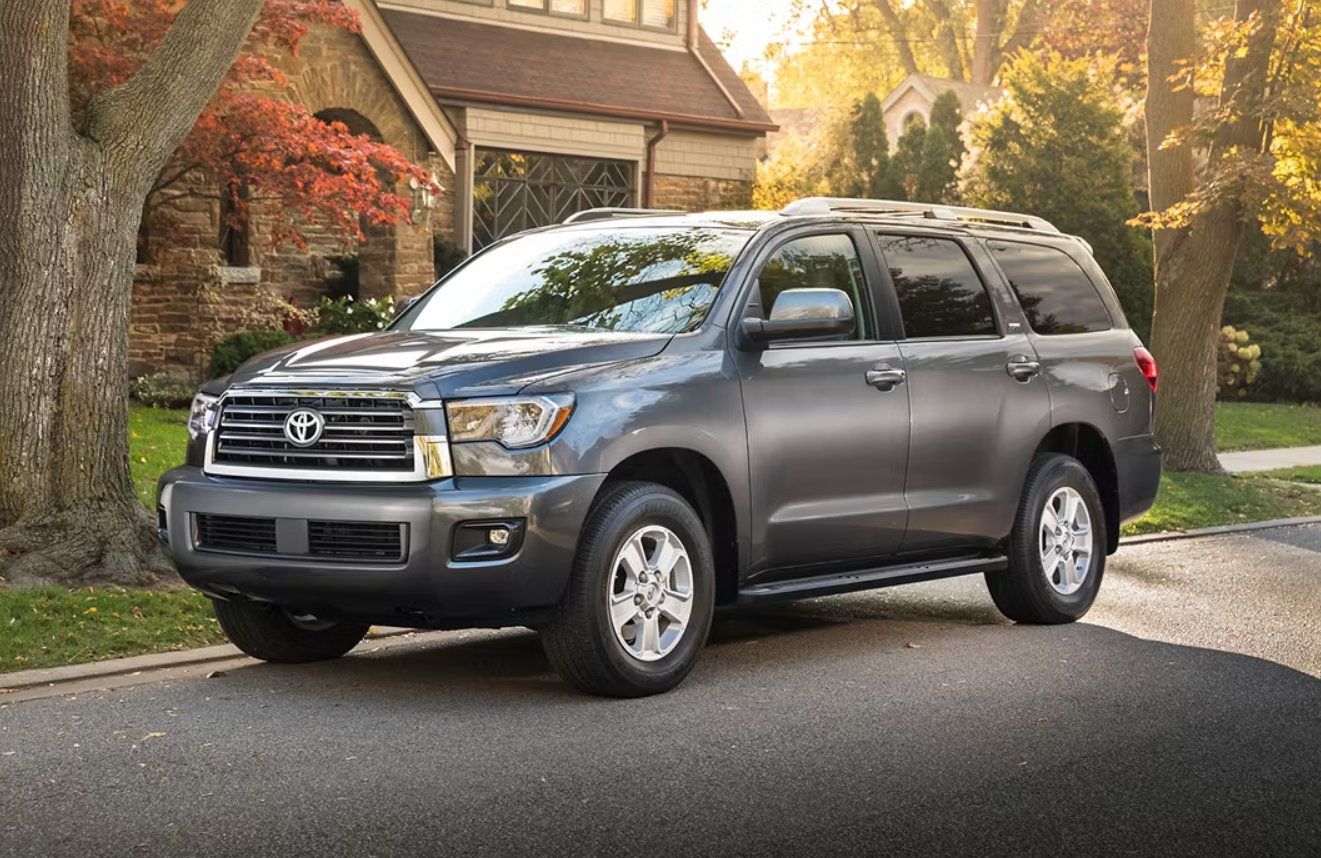
2018 Toyota Sequoia
2018 continues improvements and represents a late-generation version before any major redesigns. The engine remains fundamentally the same strong V8, with incremental improvements to fuel injection, emissions, coolant routing and ignition systems. Thermal management is better than older versions.
Transmission shifting is smoother under variety of loads. Frame reinforcement in certain areas reduces vibration and stress fractures.
Underbody protection coatings began to be better applied and more consistently inspected in quality control. Cooling hoses and belts from factory improved material blends that resist cracking or swelling.
Infotainment, safety, and electronics for 2018 saw upgrades without sacrificing reliability. Backup camera systems, parking sensors, and LED lighting had better components and safer routing. Wiring harnesses were more protected. Power accessory systems such as windows, locking mechanisms, and seat adjusters had fewer customer reports of failure.
Air conditioning and heating systems were more resilient. Interior trim pieces were generally better fitted, reducing rattles and wear. Seats and upholstery held up well under heavy use. Dashboard controls were organized more ergonomically and less exposed to stress from moisture or heat.
Serviceability remained solid. The standards for maintenance intervals, fluid specifications, spark plug and coil replacement schedules were clear.
Owners reported high mileage without engine or transmission overhaul when those guidelines were followed. Suspension, steering, braking systems held up well.
Many 2018 Sequoias used for towing reported minimal issues when towing loads stayed within recommended limits. Parts were still widely available and aftermarket support remained strong. Depreciation for this year was more favorable relative to cost per mile of ownership.
What to monitor: sensor aging, particularly in electronics of safety systems; possible wear in wheel hubs or bearings; sealing around doors or roof components; coolant system parts under heavy load; timing matters for spark and ignition components. None of these are unusual for SUVs of this size at these mileages.
But compared to many other years, 2018 shows fewer catastrophic failures and more consistency across individual vehicles. For buyers wanting modern features yet reasonable mechanical simplicity, 2018 is among the safer bets.
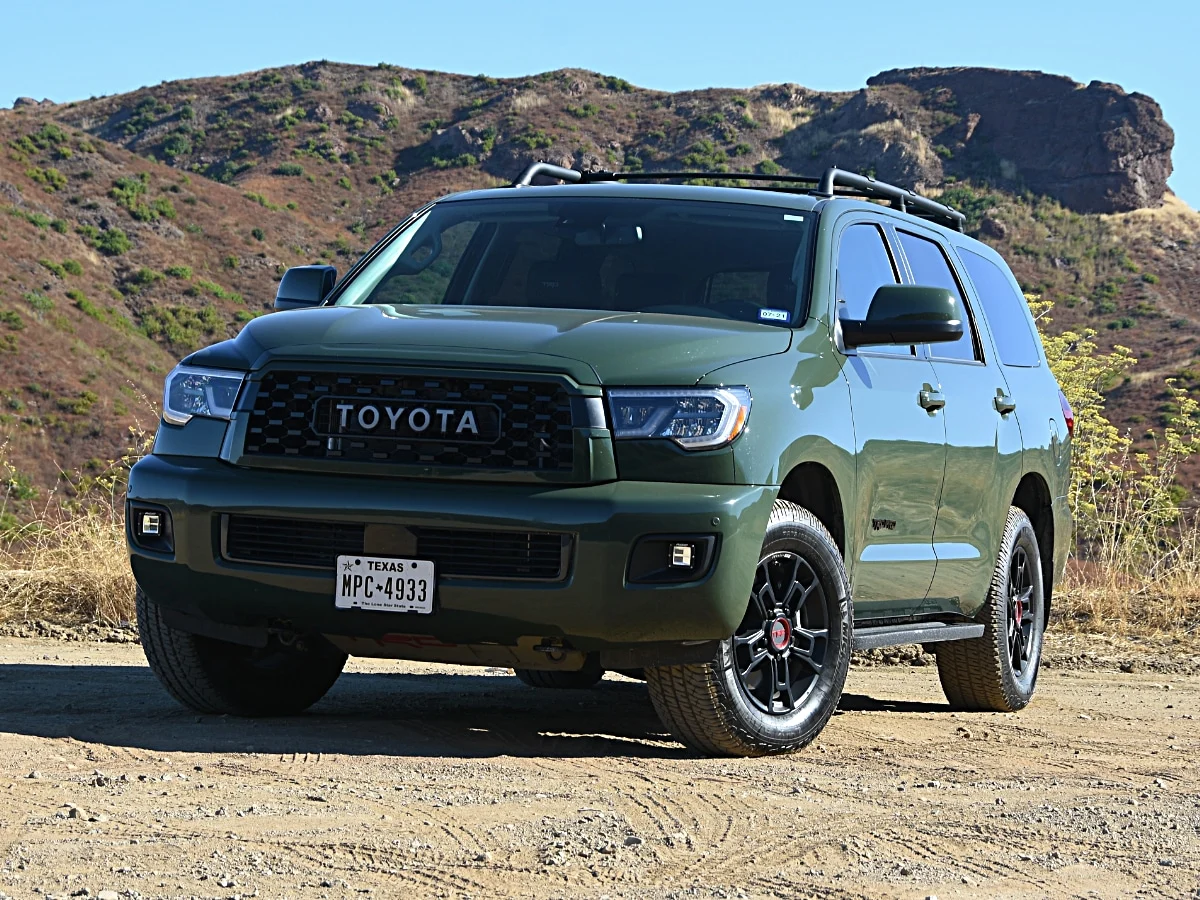
2020 Toyota Sequoia
The 2020 Sequoia benefits from further engineering improvements though it remains largely derived from earlier platforms. Engine reliability is strong, with improved cooling, better exhaust manifold routing, and tougher internal components. Transmission design continues to be robust under towing and load stress.
Structural enhancements help reduce twist and flex, improving long term durability of body mounts, suspension attachments and frame components.
Corrosion protection, both in body panels and in underbody, has been upgraded. Sealing around doors and windows shows improved workmanship, reducing leaks and moisture incursion which often lead to electrical issues.
Interior and electronics in 2020 are more advanced yet with attention to component longevity. Infotainment systems use improved hardware, less prone to heat‑induced failure. Cameras, sensors, and safety equipment have better connectors and weather sealing.
Power windows and locks use more durable motors. HVAC systems make use of improved insulation and fan motor designs which resist wear.
Seat frames, upholstery, and interior trim are better matched to resist fatigue and looseness. Noise, vibration, and harshness aspects receive attention so parts subject to stress because of vibration see longer life.
Maintenance for 2020 remains important. Oil changes, filter servicing, spark plug and battery maintenance remain essential. Suspension, steering, and drivetrain checks should be done routinely. Brake systems carry the usual heavy duty wear under towing or off‑road use.
Many 2020 Sequoias have high mileage without needing major engine or transmission work, provided basic care is consistent. Factories and dealerships have had more experience and shared learning across many vehicle lines by 2020, so reliability‑critical parts have benefited from improved designs.
Some weak spots to watch for include aging of electrical modules, possible exhaust component corrosion given exposure to moisture, occasional sensor failures, and wear of rubber parts under heat and frequent miles.
Also the heavier weight of newer safety equipment may increase stress on suspension and tires. Still, the durability of core mechanical systems in 2020 is strong.
For someone who wants modern safety and comfort features combined with a robust foundation, the 2020 Sequoia stands among the years that are seldom failing.
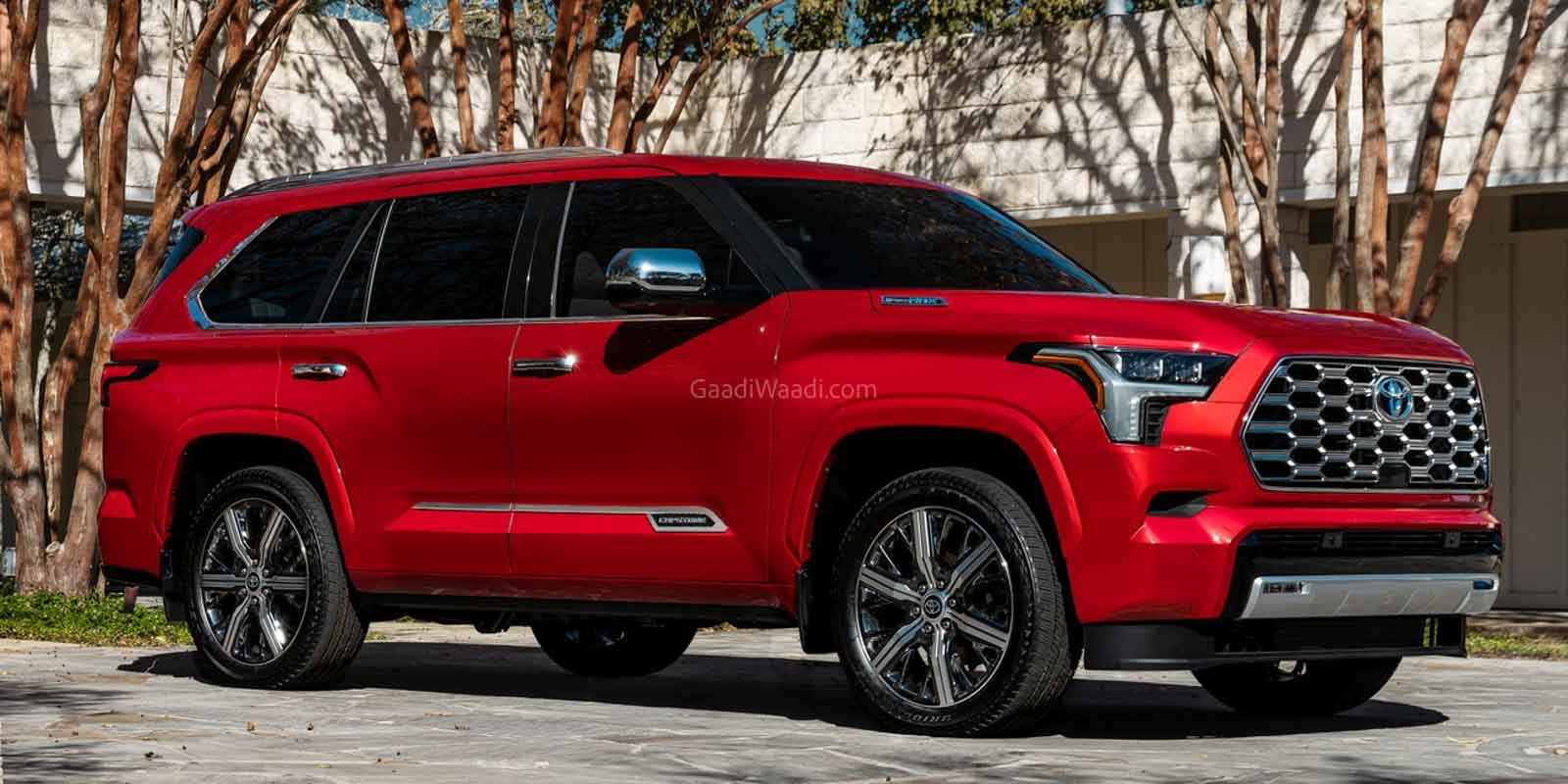
2022 Toyota Sequoia
By 2022 Sequoia had further improvements to structural rigidity, emissions components, safety electronics, and manufacturing precision. Engine components such as block, head, piston rings, crankshaft bearings had benefited from incremental improvement in materials.
Cooling system modules are better sealed, with improved thermostats, fan modules, and coolant hose quality.
Transmission and transfer case systems are more precisely built, leading to fewer problems under load. Drivetrain seals and gaskets use improved compound materials for better heat and oil resistance. Frame welding and rust protection coatings have higher standards.
Electronics and safety equipment in 2022 are more common, but Toyota has focused on reliability in those systems. Sensor packages, driver assistance systems, cameras, lighting are more weather sealed; connector plugs are more robust. Infotainment hardware has greater redundancy and fewer known failure points.
Climate control systems handle both heating and cooling with improved efficiency and durability. Seats, trim, interior surfaces are made with more durable materials. Door locks, windows, motors perform more reliably. Sound insulation and vibration dampening reduce fatigue on mechanical fasteners.
Ownership experience for 2022 when maintained carefully suggests low incidence of major mechanical breakdowns. Regular maintenance of fluids, filters, plugs, and belts still matters. Towing and heavy use place stress but engine, transmission, drivetrain survive well under those conditions when instructions are followed.
Warranty coverage, when still active, assists with early parts issues. Many units reach high mileages without engine rebuilds or transmission failures. Repair costs for minor issues exist, but major structural or drivetrain failures are uncommon.
Things to be mindful of are standard wear on suspension components, potential for software drifts or sensor misalignments, occasional electrical glitches as systems age, possible rust in poorly coated areas depending on geography, wear of interior finishes under heavy use.
But these issues are more cosmetic or periodic rather than system‑critical failures. The 2022 Sequoia balances being modern with being resilient, making it one of the safer choices in recent models.
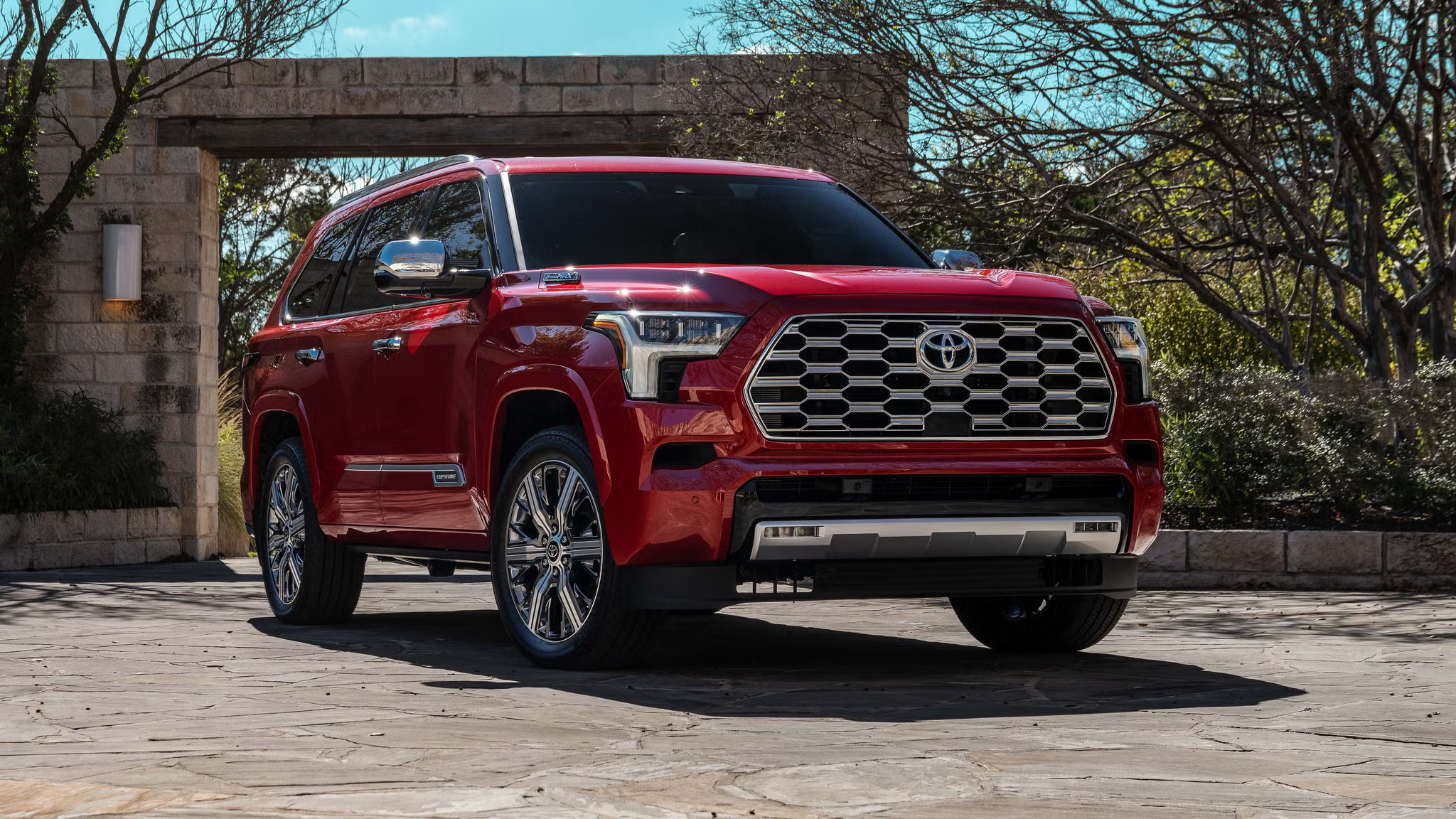
2023 Toyota Sequoia
The 2023 Sequoia incorporates the newest design and technology changes. Toyota had opportunity to correct known weak points from earlier models. Engine block and head casting tolerances are better. Cooling systems have more efficient flow and better coolant mixture recommendations.
Transmissions are better cooled and components such as torque converters and clutches have benefited from revised materials. Drivetrain seals are improved for better sealing of differential, transfer case, axle hubs. Underbody rust protection and protective coatings are more robust, as Toyota applies lessons from varied climates.
In‑car systems for 2023 show greater reliability than many new model years tend to. Infotainment systems have matured software platforms with better update paths. Driver assist features are more integrated and built with more robust hardware. Wiring harnesses are routed more carefully, with more protections from heat, moisture, and vibration.
Switchgear, buttons, interior lighting are less likely to fail or degrade prematurely. Climate control components are better insulated, fan motors improved, ducting optimized for fewer stress points. Seats, trim materials are of higher quality, reducing sagging or tears where earlier models had complaints.
Maintenance remains a key factor, especially in a newly released set of models where small issues may surface. But early feedback on 2023 units suggests relatively few reliability surprises.
Owners who maintain scheduled service, use quality fluids, adhere to usage guidelines for towing or load, keep alignment and tire care up, experience fewer unplanned repairs.
Many replacement parts are already proven in previous years, which reduces the risk from brand new, untested components. Warranty and dealership support are strong for the newest models.
Possible issues to check in 2023 include typical new model year break‑in problems such as break‑in wear on some components, initial batches possibly having minor quality control oversights, sensor calibration issues, minor leaks or rattles. But these are mostly non‑critical and likely to be resolved over time.
For someone buying new or near new, the 2023 Sequoia appears to offer a good mix of modern features and long-term durability. It belongs among those years that are less likely to fail in major ways, given proper care.
