
Buying a car isn’t just about the price tag on the windshield. What often catches people off guard is how much money they’ll continue to pour into their car long after it’s left the dealership lot. While some cars are impressively affordable to maintain, others come with service costs that snowball over time.
From oil changes to transmission issues, from brake jobs to unexpected electrical failures, ongoing upkeep can make or break your relationship with your vehicle. And it’s not always about luxury brands or cutting-edge tech either.
Sometimes, a car that looks affordable on paper ends up becoming a money pit because of hard-to-source parts or poor engineering. Other times, a car with a modest reputation turns out to be surprisingly dependable and easy to service.
Many drivers don’t realize that the long-term cost of ownership can significantly outweigh the initial cost of the vehicle. Insurance premiums, fuel efficiency, depreciation, and especially maintenance and repair costs all contribute to the true price of owning a car.
And while most people remember to ask about gas mileage, far fewer ask how often a car needs brake replacements or if its transmission is prone to failure at 80,000 miles. Mechanics know which models will roll into their shop time and time again. Likewise, they also know the ones that hardly show up except for routine service.
This list breaks down five cars known for being cheap to maintain, followed by five that can strain your wallet faster than you expect. We’re talking about real-world reliability, affordable parts, and labor-friendly designs on the budget side.
On the expensive end, you’ll see models that suffer from over-complication, frequent breakdowns, and steep dealer service costs. Whether you’re shopping for your next car or just curious where your current ride stands, this guide will give you a clearer picture of what to expect down the road, literally and financially.
Also Read: 9 Best Vehicles That Survive Multiple Generations of Owners
5 Cars With Dirt-Cheap Maintenance
1. Toyota Corolla
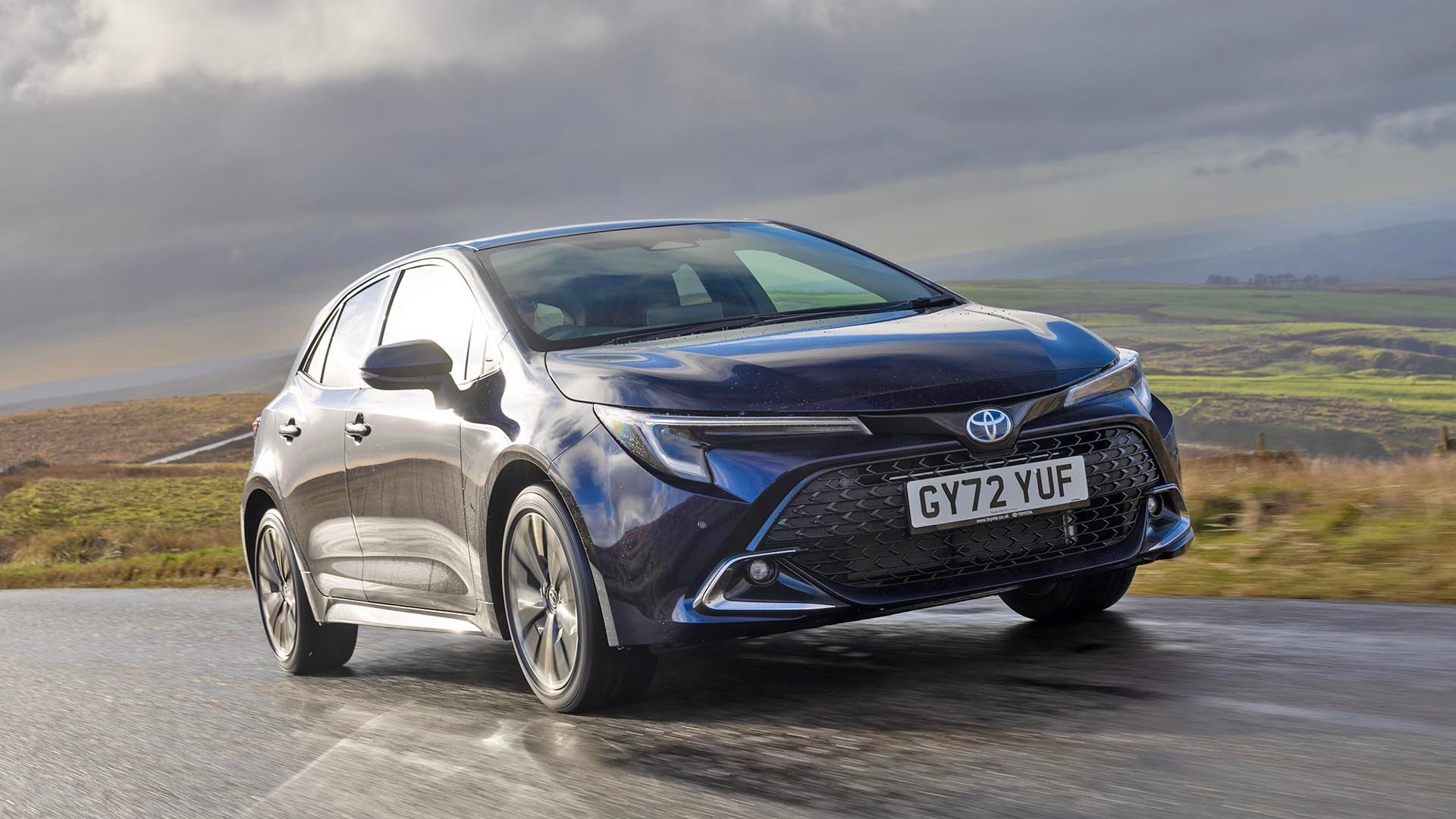
The Toyota Corolla has built a global reputation as one of the most reliable and affordable cars ever produced. This isn’t just hype, it’s backed by decades of real-world performance.
The Corolla consistently ranks high in dependability, largely because Toyota keeps the design simple and the parts widely available.
Mechanics love working on these cars because repairs are usually straightforward and inexpensive. From timing chains that rarely fail to engines that seem to run forever, the Corolla is built with long-term ownership in mind.
Oil changes, brake pad replacements, and even suspension repairs typically cost less on a Corolla compared to other sedans in its class. There’s also an abundance of aftermarket and OEM parts available, which keeps prices low.
If a headlight or alternator fails, you can easily find a replacement at a junkyard or parts store for a fraction of what it might cost on another vehicle. Even labor costs tend to be lower because technicians can do most jobs quickly due to the Corolla’s accessible layout.
Another benefit is how slowly the Corolla’s systems wear out over time. It’s not uncommon for owners to get 200,000 or even 300,000 miles without running into major mechanical issues. The transmission, often a weak spot in other vehicles, is especially durable in the Corolla.
Regular maintenance at recommended intervals usually keeps this car running without drama. Even the CVT versions, often seen as risky, have proven to be reliable if maintained properly.
Fuel efficiency is another long-term cost factor where the Corolla shines. While not directly a maintenance cost, fewer trips to the gas station means you spend less.
Combine that with the relatively low cost of insurance and registration, and the Corolla continues to be a wallet-friendly choice from every angle. It’s the type of car that does its job quietly and reliably, never needing more than it should.
2. Honda Civic
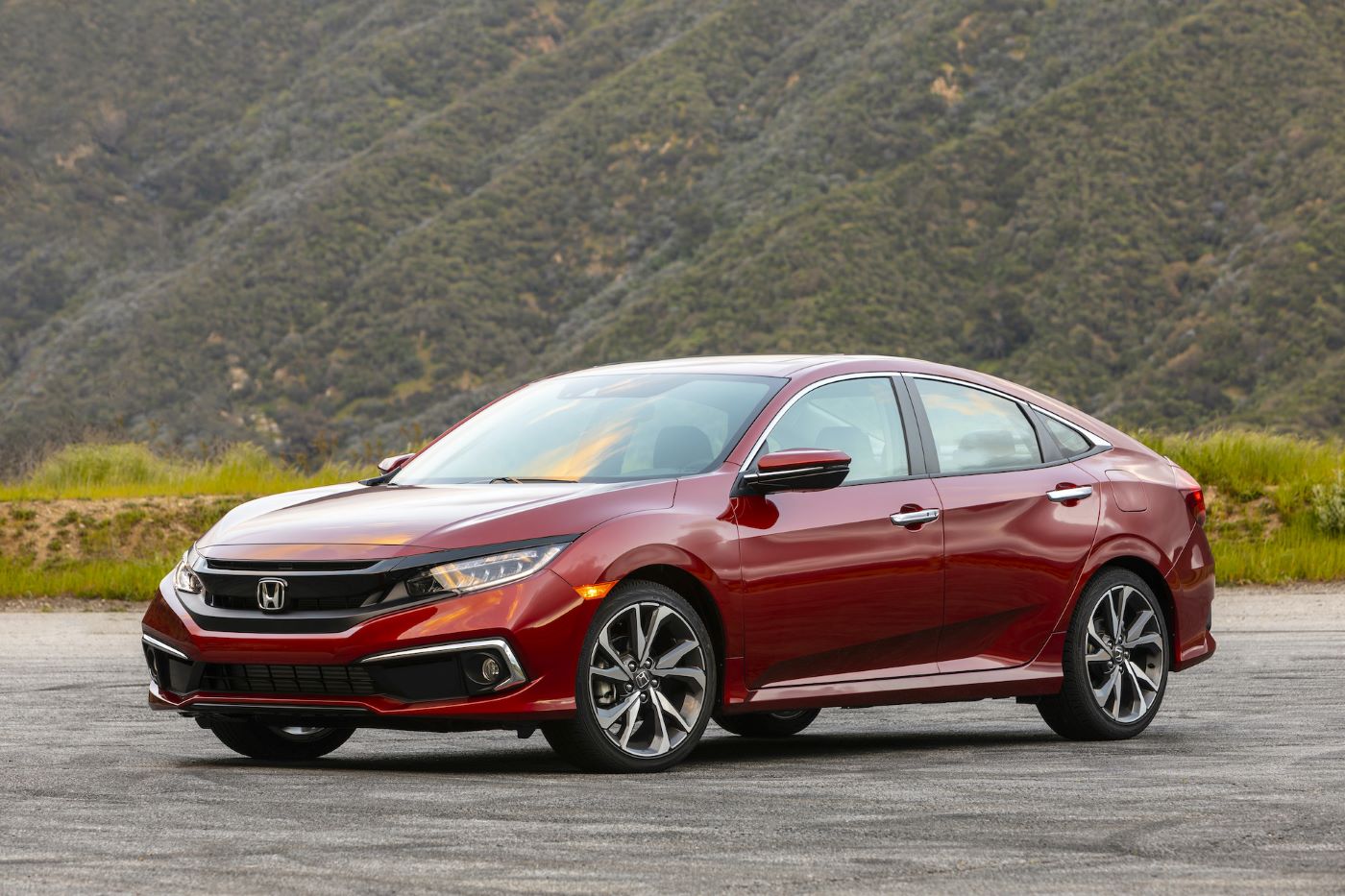
The Honda Civic has long been a favorite among budget-conscious drivers, and it’s easy to see why. This compact car blends reliability, fuel economy, and low maintenance costs into a single package. What makes the Civic especially attractive is its balance between performance and practicality.
The engines are built to last, and when repairs are needed, they rarely come with a big bill. Honda designs its cars with ease of maintenance in mind, which keeps labor times and costs down.
Parts for the Civic are inexpensive and widely available, making it a favorite not just among mechanics but also for DIY enthusiasts. Whether it’s replacing a water pump or doing brake work, you won’t need specialty tools or complex procedures.
That makes every repair less of a hassle and more affordable. Common issues, like suspension wear or air conditioning repairs, are well-documented, and solutions are easy to find. Plus, the Civic’s long production run means there are tons of parts floating around the market.
Another area where the Civic earns high marks is longevity. It’s not unusual for these cars to run past 250,000 miles with only minor issues.
Even when problems do occur, they’re typically not catastrophic or urgent. For example, you might deal with a worn-out motor mount or a leaky valve cover gasket, annoying but not expensive. Transmission issues are rare, especially in manual models, which are known for their durability.
For younger drivers or those on a tight budget, the Civic also offers a strong community of support. Online forums, YouTube tutorials, and dedicated fan groups can walk you through common fixes.
That sense of community and widespread knowledge makes maintaining a Civic even cheaper. It’s a car that delivers steady performance and low headaches, even many years into ownership.
3. Mazda MX-5 Miata
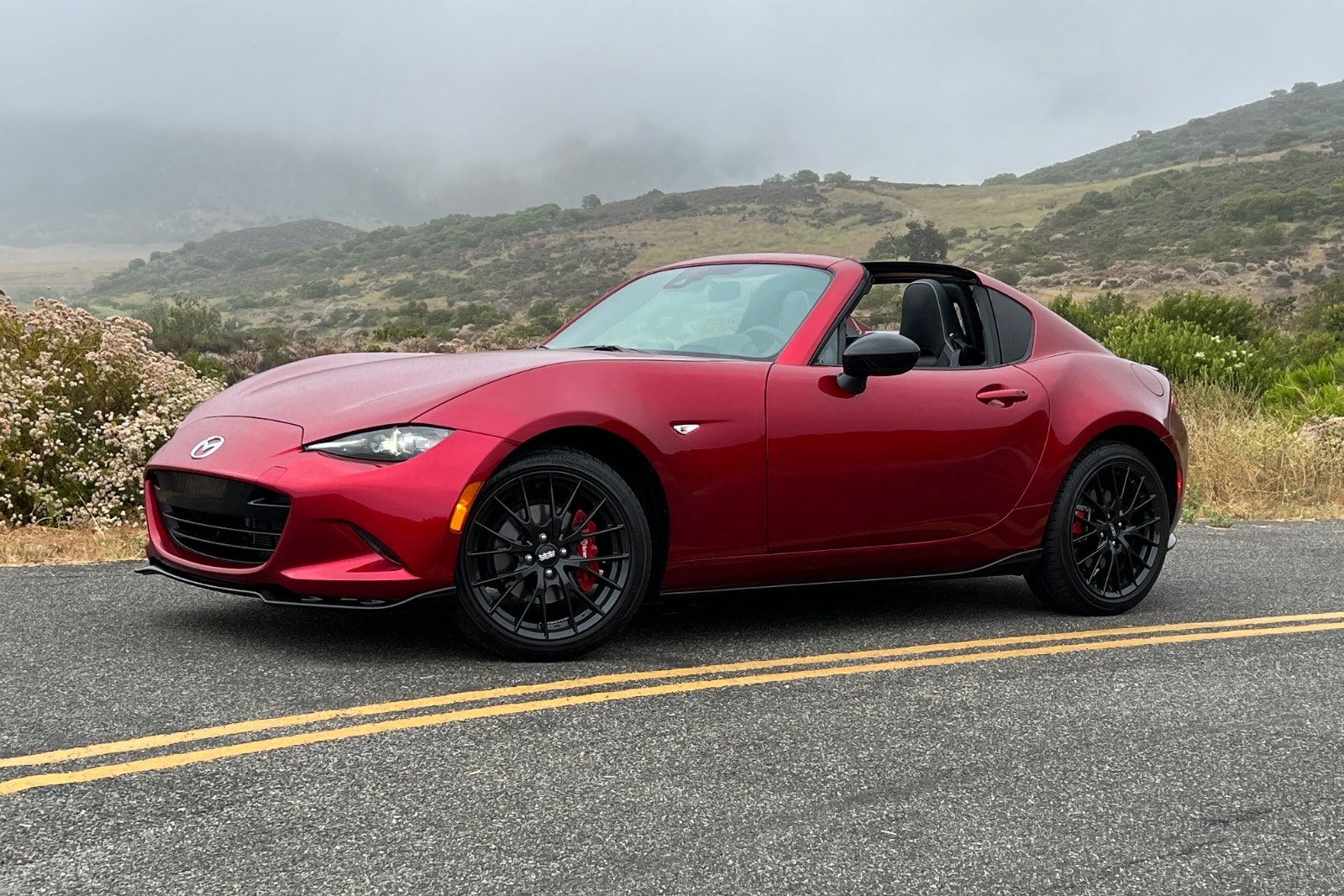
The Mazda MX-5 Miata may surprise some on a list like this. It’s a sporty convertible, which typically implies high running costs. But the Miata breaks that mold entirely.
Its lightweight design and straightforward engineering make it one of the most affordable sports cars to maintain. The car was intentionally built to be simple and reliable, meaning that you get performance without paying for it at every service appointment.
The Miata uses a small four-cylinder engine that is as bulletproof as it is efficient. Oil changes, spark plugs, and other regular services are easy to access and don’t take much time to perform.
That simplicity translates directly into lower labor costs. The manual transmission, which is a favorite among enthusiasts, is particularly durable and almost never breaks down. Even the clutch tends to last a long time, thanks to the Miata’s light weight.
Suspension and brake work is also less expensive than on comparable cars. Because the car is light, components don’t wear out as quickly, and replacements are often cheaper.
Even high-performance parts for the Miata are reasonably priced, which makes upgrades or repairs easier on the wallet. In fact, many owners take care of maintenance themselves, and there’s a huge aftermarket that supports every generation of this car.
Another overlooked factor is insurance. Despite being a two-seater convertible, insurance costs for the Miata are surprisingly low. This is partly due to the car’s safety record and partly due to its owner demographics.
Combined with strong fuel efficiency and dependable engineering, the Miata proves that owning a fun car doesn’t have to mean expensive upkeep. It’s one of those rare cars that’s both enjoyable to drive and affordable to maintain.
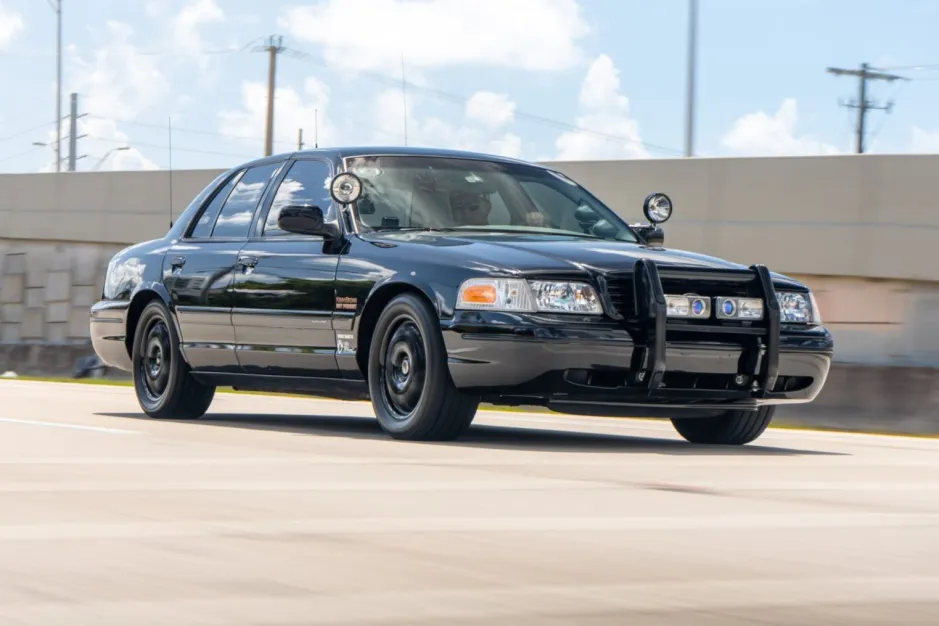
4. Ford Crown Victoria
The Ford Crown Victoria might be old-school, but it’s a legend when it comes to cheap maintenance. Formerly the go-to car for police departments and taxi fleets, the Crown Vic was built for durability and ease of service.
Mechanics who have worked on these cars for years will tell you how simple and forgiving they are. With a traditional body-on-frame layout and a rugged V8 engine, the car can handle abuse and still keep running.
Parts for the Crown Vic are extremely affordable and widely available. Because of its widespread use in law enforcement and commercial fleets, aftermarket support is strong and costs are low.
You can find everything from suspension components to engine parts at bargain prices. Even better, the design allows for quick access to major components, which reduces labor time during repairs.
The 4.6-liter V8 engine is known for being nearly indestructible. It’s not the most fuel-efficient engine, but it rarely breaks down. Transmissions in these cars are similarly robust, and failures are uncommon.
Suspension parts may need attention, especially on high-mileage vehicles, but they’re simple to replace and don’t require specialized tools. That kind of straightforward maintenance appeals to fleet managers and budget-minded individuals alike.
Interior components, while not luxurious, are also easy to fix or replace. Even the electronic systems are simple by today’s standards, which means fewer error codes and software issues.
For anyone looking for a cheap-to-own large sedan, the Crown Vic delivers. It’s not flashy or modern, but it gets the job done with minimal cost and maximum reliability.
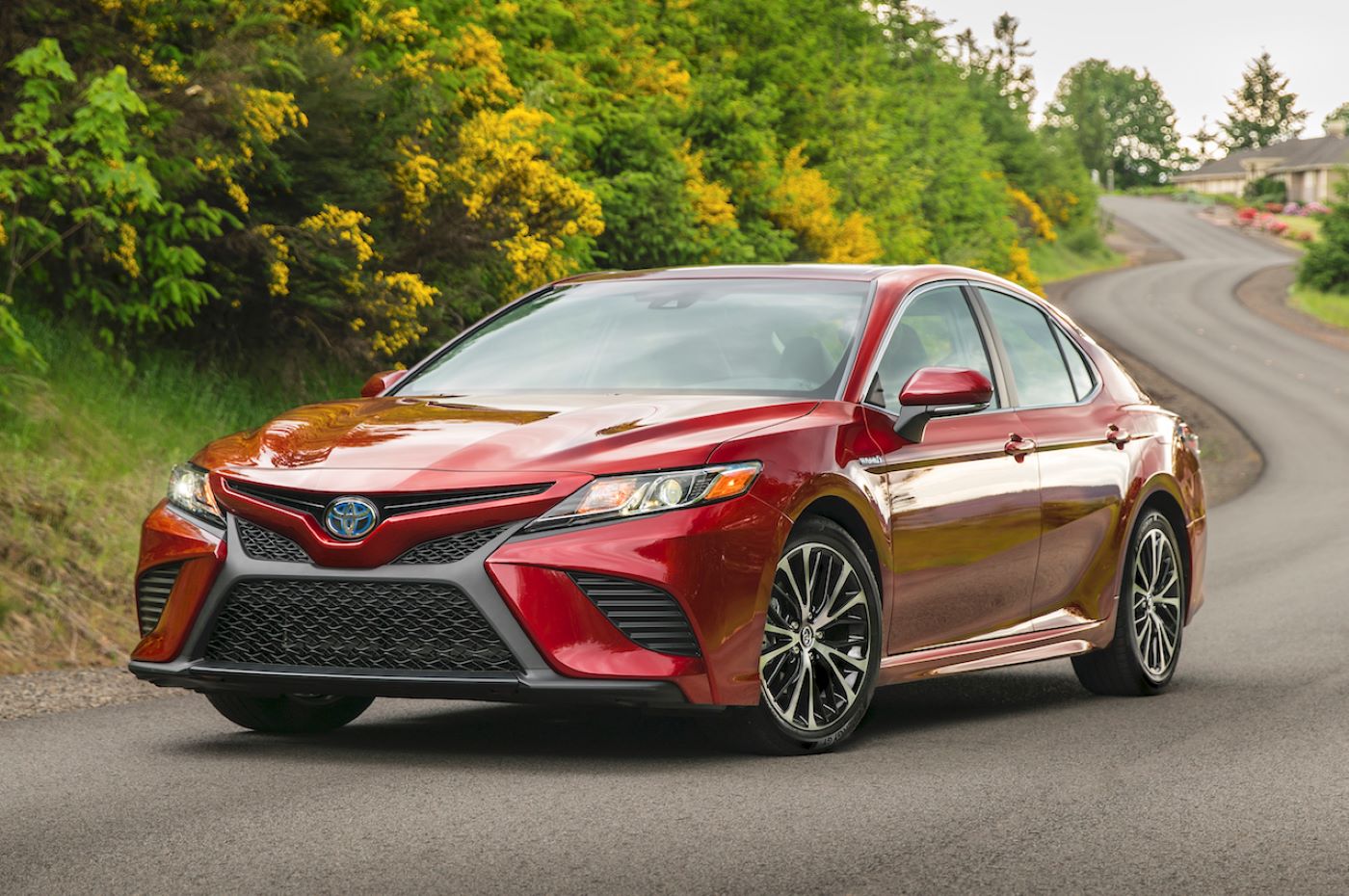
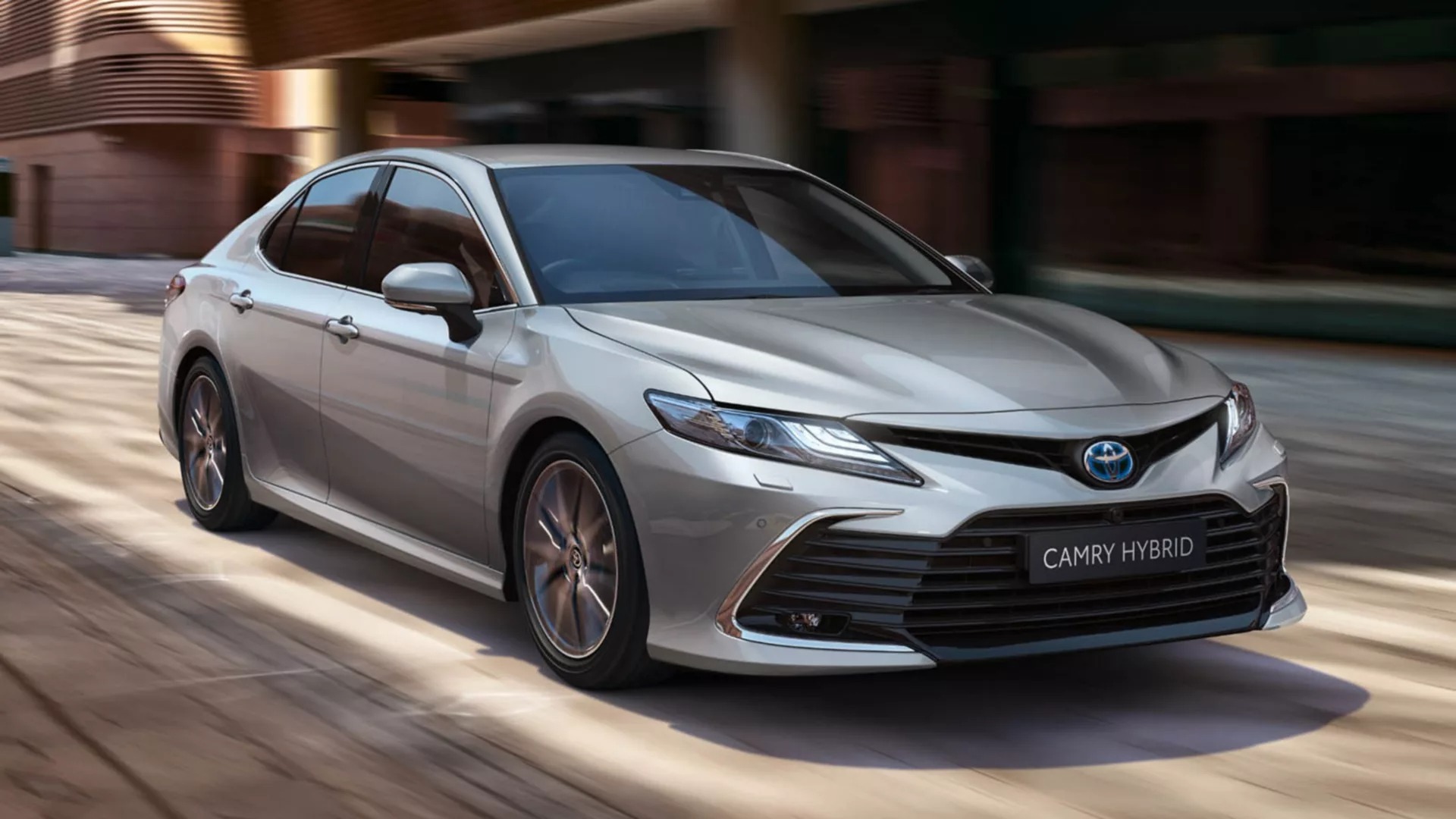
5. Toyota Camry
The Toyota Camry is another name that repeatedly shows up in conversations about reliability and affordable ownership.
Much like its smaller sibling, the Corolla, the Camry has earned a reputation for consistency and low operating costs. It’s a midsize sedan that offers more comfort and power while still being budget-friendly when it comes to service and repairs.
Toyota has kept the Camry’s design relatively conservative over the years, which is good news for maintenance. Engines and transmissions are well-tested, and problems are rare.
When they do happen, the cost of fixing them tends to be on the lower end, especially compared to competitors. Whether you’re dealing with a worn-out alternator or need a new timing belt, it’s not going to break the bank.
One reason the Camry is so affordable to maintain is the sheer volume of them on the road. That means a healthy supply of replacement parts, both original and aftermarket, which drives prices down significantly. In addition, because so many independent mechanics and shops have experience with the Camry’s design, labor costs remain relatively low.
There’s rarely a learning curve when a mechanic takes on a Camry, and this helps owners avoid extra diagnostic fees or trial-and-error repairs.
Even with higher-mileage units, common maintenance items like CV joints, wheel bearings, or even complete suspension overhauls come in at a fraction of what you might pay for a comparable midsize car from another brand.
Another major contributor to the Camry’s low cost of ownership is its conservative engineering. Toyota is known for prioritizing durability and simplicity over gimmicks or untested technologies.
The result is a car that doesn’t suffer from premature electronic failures, turbocharger issues, or other high-cost surprises that can pop up with trendier models.
Even in newer Camrys, where more tech features have been introduced, Toyota still uses proven systems and offers long-lasting components. Hybrid versions of the Camry, while slightly more expensive up front, also have excellent track records and require little extra care when properly maintained.
Longevity is a consistent theme among Camry owners. It’s not unusual to hear of Camrys still running smoothly past 300,000 miles. This is particularly common when basic maintenance like oil changes, fluid flushes, and brake servicing is done on schedule.
The engine, especially the older 2.4L and 3.5L V6 options, is built with longevity in mind, and it shows in their performance even after years of use. The transmission, whether automatic or CVT, also stands up well over time and rarely requires major repair work, assuming it’s not abused.
For people who want a worry-free ownership experience, the Camry continues to be a top choice. It might not be the most exciting car on the market, but it performs where it matters most: low breakdown rates, easy fixes, cheap parts, and excellent resale value.
All these strengths come together to make the Camry one of the most maintenance-friendly vehicles you can buy, whether new or used.
Also Read: 9 Steps That Help a Dodge Ram 1500 Last Forever
5 Cars That Drain Your Wallet
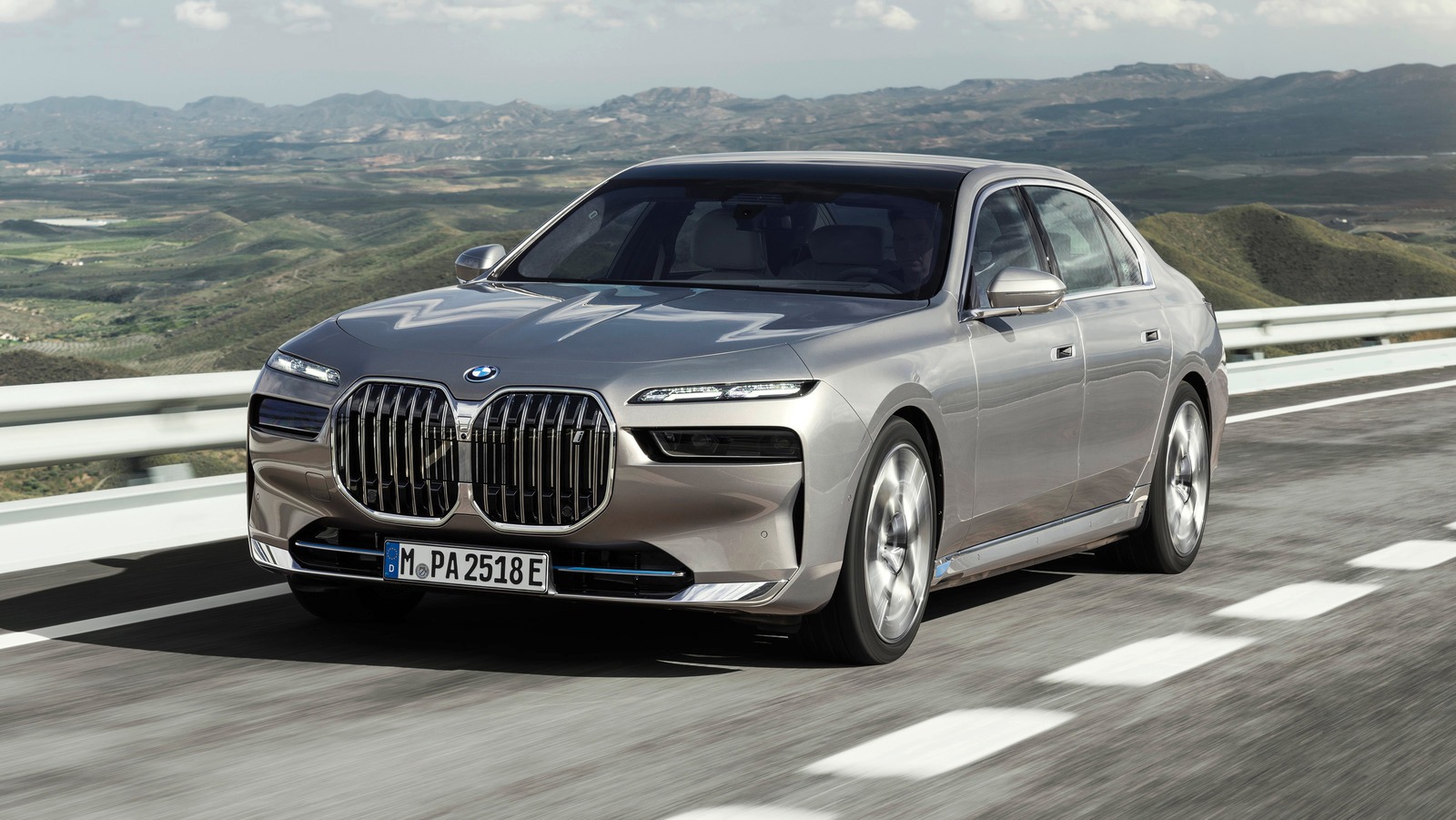
1. BMW 7 Series
The BMW 7 Series is a technological powerhouse, packed with luxury features, advanced electronics, and high-performance drivetrains. However, all that sophistication comes at a steep price, not just at purchase but especially in long-term maintenance.
This full-size luxury sedan is notorious for being one of the most expensive vehicles to own once it’s out of warranty. The complexity of its systems, from adaptive suspensions to iDrive interfaces, makes even basic repairs a hassle.
Owners often find that something is always going wrong, whether it’s a glitchy sensor, a failed electronic module, or issues with air suspension components.
The labor costs involved in working on a 7 Series are significantly higher than average. BMW’s engineering, while precise, often requires special tools and access to dealer-level diagnostic equipment. Independent shops may be reluctant to work on these models due to the risk of error or the difficulty of sourcing specific parts.
Even something as simple as replacing a battery can trigger a cascade of electronic resets, requiring a trip to the dealer. That means you’re often stuck paying premium prices for even basic maintenance.
Another concern is the drivetrain, particularly in turbocharged versions. The cooling systems, turbos, and transmission components are all complex and prone to expensive failures. It’s not uncommon for water pumps to fail prematurely or for oil leaks to develop in hard-to-reach places, leading to costly repairs.
Even regular maintenance like oil changes or brake jobs can run double or triple what they would cost on a more conventional vehicle. Because the 7 Series is a flagship model, BMW loads it with cutting-edge technology, much of which can break down after just a few years.
Depreciation also adds to the pain. The 7 Series tends to lose value quickly, which might seem like a bonus for used car buyers, but it’s a double-edged sword.
A used 7 Series might be affordable to buy, but the maintenance costs don’t go down with age. If anything, they go up as the car requires more care. For owners without an extended warranty or deep pockets, this car can quickly become more burden than pleasure.
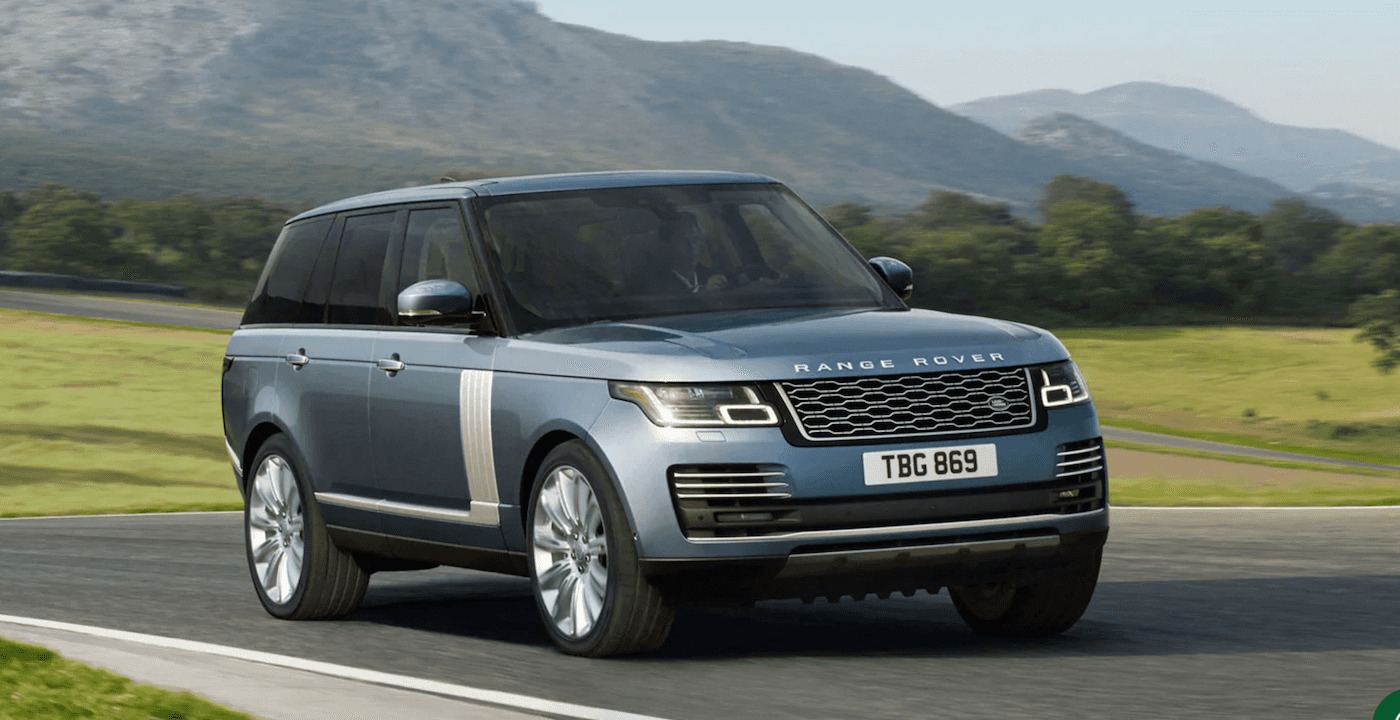
2. Range Rover (Land Rover)
Few vehicles are as closely associated with high maintenance bills as the Range Rover. While it’s admired for its off-road capabilities, luxurious interior, and commanding presence on the road, it’s equally infamous for how often it ends up in the shop.
Land Rover’s top-tier SUV has been plagued for years by reliability issues, especially when it comes to electronics and suspension systems. Air suspension failures are particularly common, and fixing them is neither cheap nor simple. When these systems go down, the vehicle can literally sink to the ground and become undrivable.
Electronics are another weak point. The infotainment system, climate controls, and onboard sensors are all known for being glitchy. Drivers often report multiple warning lights on the dashboard, sometimes for problems that don’t even exist.
Diagnosing these issues can be both frustrating and expensive, especially when dealers are required to reset or replace complex modules. Electrical gremlins aren’t just annoying; they can prevent the vehicle from starting or affect critical systems like traction control or engine management.
Mechanical repairs also come with a steep price tag. Engine issues, including timing chain failures or coolant leaks, are not uncommon. The transmission and differentials are prone to wear, especially if the vehicle is regularly used for towing or off-roading.
Even routine maintenance like brakes, tires, and oil changes costs more than average due to the vehicle’s size, weight, and premium parts. For example, the Range Rover uses specialized tires and large brake rotors, which significantly increase the cost of each replacement cycle.
Owning a Range Rover often means accepting that something will go wrong. Extended warranties are practically essential, and even those can be limited in what they cover.
The brand’s reputation for luxury is real, but it comes with a price that extends far beyond the sticker. Many first-time owners are caught off guard by the upkeep, while long-term owners simply factor it into their budgets. Either way, it’s not a car for anyone looking to keep their maintenance costs in check.
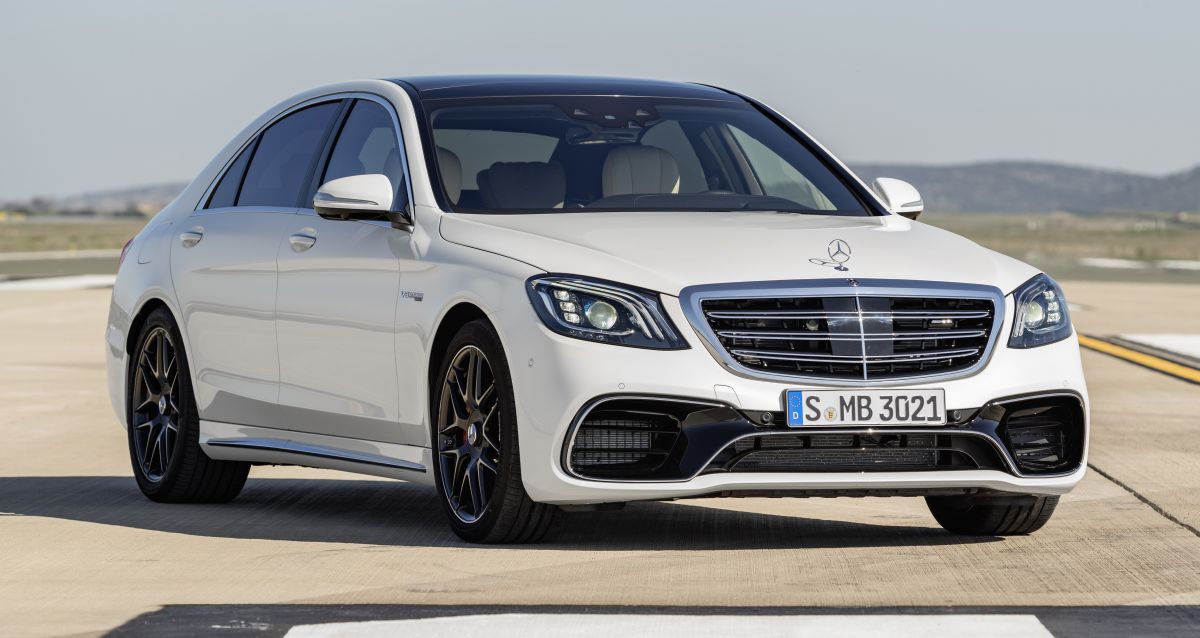
3. Mercedes-Benz S-Class
The Mercedes-Benz S-Class is the pinnacle of comfort and innovation in the brand’s lineup, but it comes at a heavy cost. This flagship sedan is designed to be the most advanced and luxurious car Mercedes can build, and it certainly delivers in that department.
Unfortunately, all the engineering that goes into making the S-Class so sophisticated also makes it incredibly expensive to maintain. Even something as simple as replacing a headlight can require partial disassembly of the front fascia, and the parts themselves are far from cheap.
One of the most problematic areas of the S-Class is its air suspension system, known as AIRMATIC. While it provides a smooth ride when it works properly, it’s notorious for failing, especially after the car hits the 100,000-mile mark. Replacing one air strut can cost over a thousand dollars, and full system failures are even worse.
Electronics are another weak point. From the COMAND infotainment system to numerous control modules hidden throughout the vehicle, electrical issues are frequent and difficult to diagnose.
Mercedes uses a unique coding system for many of its electronic parts, which means you often need dealership intervention even for basic replacements.
Engine and transmission components are robust but not immune to problems. Turbocharged models, in particular, are vulnerable to carbon buildup, oil leaks, and occasional cooling system issues.
The labor costs associated with fixing these problems are high due to the engine bay’s complexity and the number of interconnected systems. That complexity also means more potential failure points, every new feature is another thing that can break, and often does.
S-Class models depreciate rapidly, which can tempt buyers into picking up a used one for a bargain price. However, those buyers often find out quickly that they’ve walked into a financial trap.
Without a solid warranty or an emergency fund set aside, owning an S-Class becomes a constant balancing act between luxury and financial strain. It’s a car that showcases engineering brilliance but demands a price that extends far beyond the showroom.
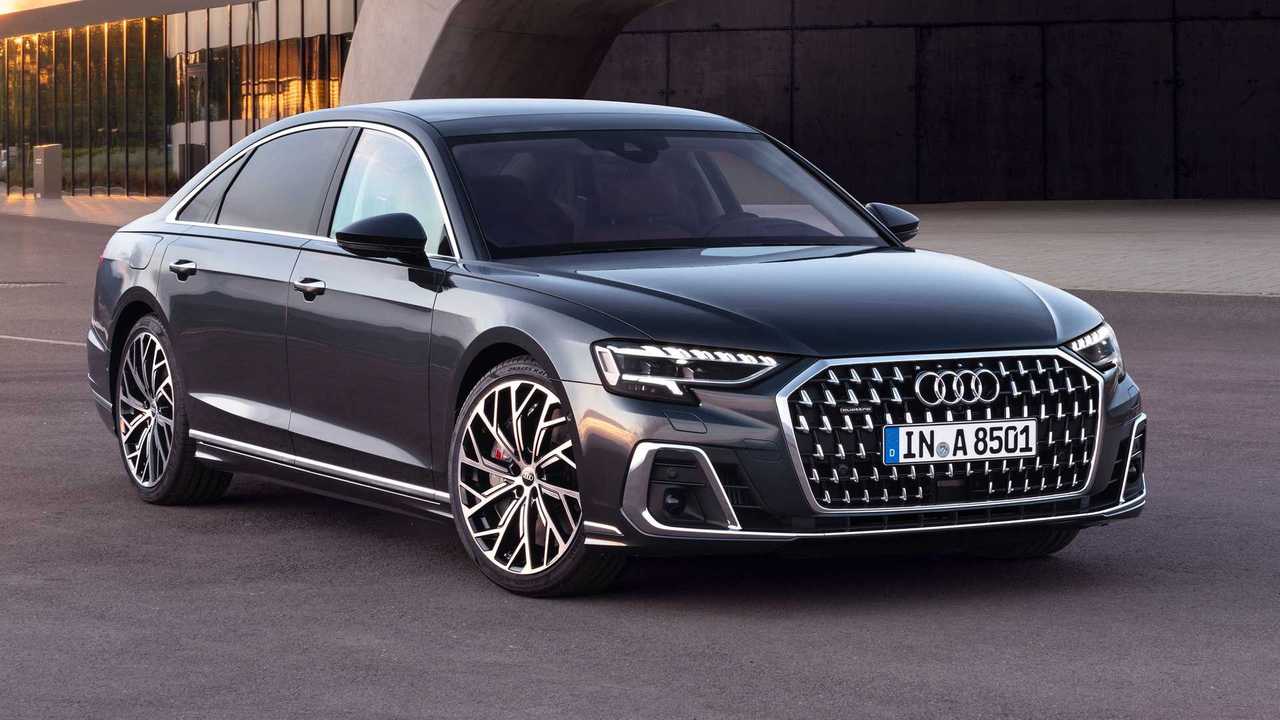
4. Audi A8
Audi’s flagship sedan, the A8, matches the Mercedes S-Class and BMW 7 Series in terms of luxury, performance, and high-tech features. However, like its rivals, it also brings along a set of maintenance challenges that can become overwhelming.
One of the biggest issues with the A8 is its all-wheel-drive system, known as Quattro. While it’s great for performance and traction, it’s also highly complex and adds multiple layers of cost when it comes to maintenance and repair.
The engines, especially the turbocharged V6 and V8 options, are powerful but prone to issues that require deep engine work. Timing chain tensioners, water pumps, and oil leaks are common, and fixing them often requires removing several components just to reach the problem area.
That translates into hours of labor, which adds up fast. Audi’s design philosophy also tends to favor compact packaging, which means there’s little room in the engine bay and many parts are stacked on top of each other. The result is a car that’s difficult and time-consuming to work on.
Another major cost factor with the A8 is its electronics. Audi loads the A8 with advanced features, digital dashboards, active safety systems, and semi-autonomous driving aids.
These systems work well when new, but as the car ages, they become increasingly glitchy. Software updates and module replacements are expensive and usually require a trip to a certified dealer. Even basic items like climate control systems or door lock actuators can fail, and fixing them is often more expensive than expected.
Air suspension is yet another area where costs mount quickly. Like the Mercedes S-Class and Range Rover, the A8 uses adaptive air springs that provide a smooth ride, but they are prone to wear and failure over time.
Replacing these parts is not only expensive, but in some cases, can leave the vehicle undrivable until the issue is resolved. For drivers thinking about picking up a used A8 for a great price, it’s wise to factor in a high ongoing cost just to keep the car operating smoothly.
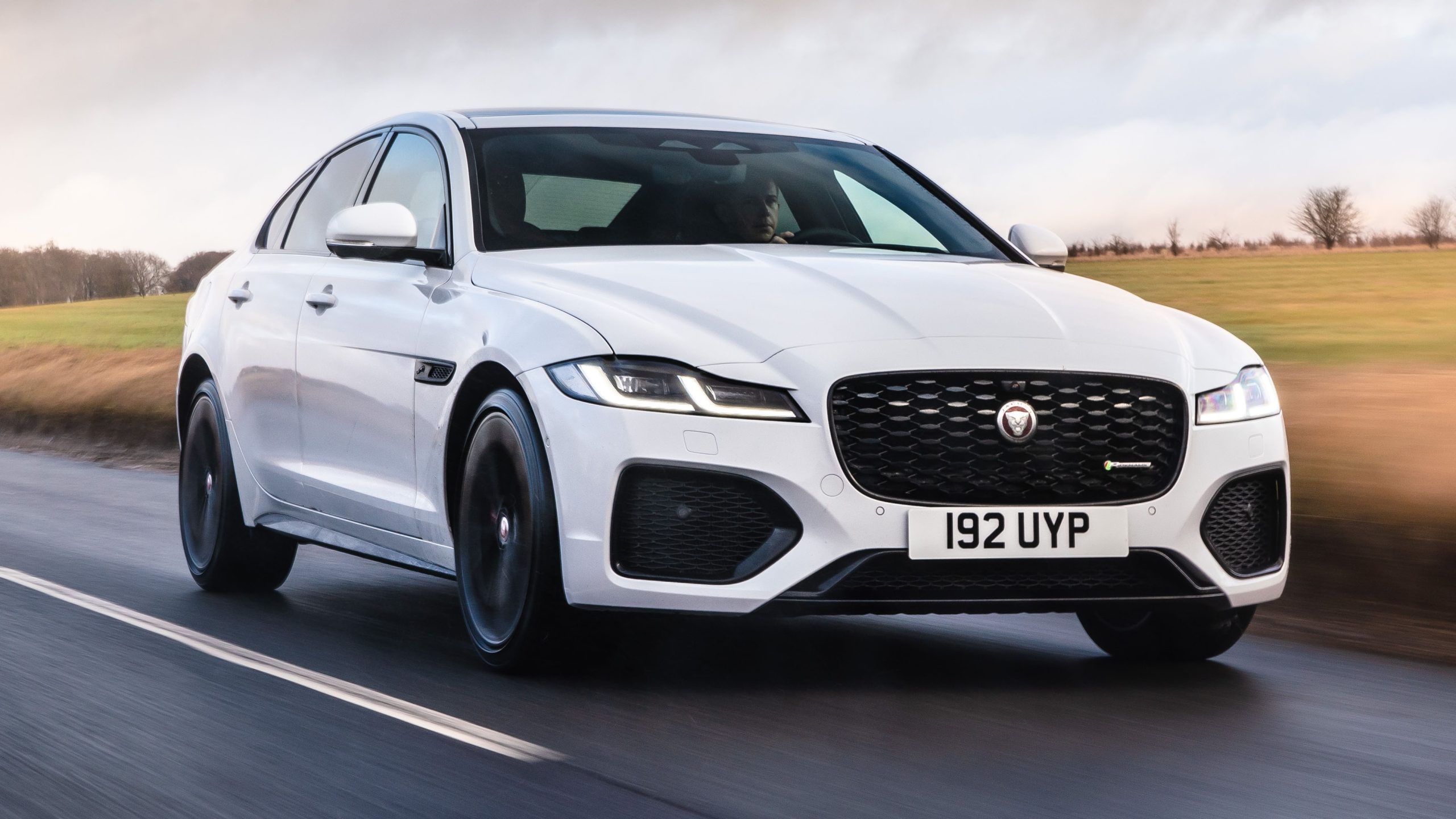
5. Jaguar XF
The Jaguar XF combines sleek British styling with luxury features and sporty handling, making it a tempting choice for drivers who want something a little different from the usual German options. However, owning one comes with a series of financial risks that many buyers don’t realize until it’s too late.
One of the biggest issues with the XF is reliability, or more specifically, the lack of it. From electronics to drivetrain components, the XF has a well-earned reputation for frequent and expensive problems.
The engine, especially in earlier models, has been known to suffer from timing chain issues, coolant leaks, and turbocharger failures. These problems aren’t just costly; they’re often difficult to diagnose and fix, requiring labor-intensive work that inflates the repair bill.
Even basic maintenance isn’t cheap. An oil change, for instance, may cost significantly more than a comparable service on a mainstream vehicle, and finding a technician familiar with the quirks of Jaguar engines adds to the difficulty and expense.
Electrical issues are especially common in the XF. The infotainment system is notoriously glitchy, sometimes freezing or rebooting randomly. Owners have also reported problems with door locks, window regulators, and keyless entry systems.
These kinds of electronic faults aren’t just irritating; they can render the vehicle inoperable or at the very least, uncomfortable to use. Because Jaguar uses proprietary parts and software, these repairs often require specialized service that can only be performed at high-end dealerships or by a limited number of qualified shops.
Another area of concern is the suspension system. The XF features a sophisticated setup aimed at providing a refined ride and sporty handling. While this works great on the road, it doesn’t hold up well over time, especially on rough surfaces.
Components like bushings, control arms, and shocks tend to wear out faster than they should. And when they do, they aren’t cheap to replace. What makes it worse is that many of these components fail as a system, so you might find yourself replacing multiple parts at once, dramatically increasing the repair bill.
All of these issues combine to make the Jaguar XF a car that’s expensive to maintain and risky to own without a warranty.
The initial purchase price, especially on used models, might look like a bargain, but the long-term costs often outweigh the savings. Unless you’re absolutely committed to the brand and prepared for the potential expenses, the XF is best admired from a distance rather than brought home.
