
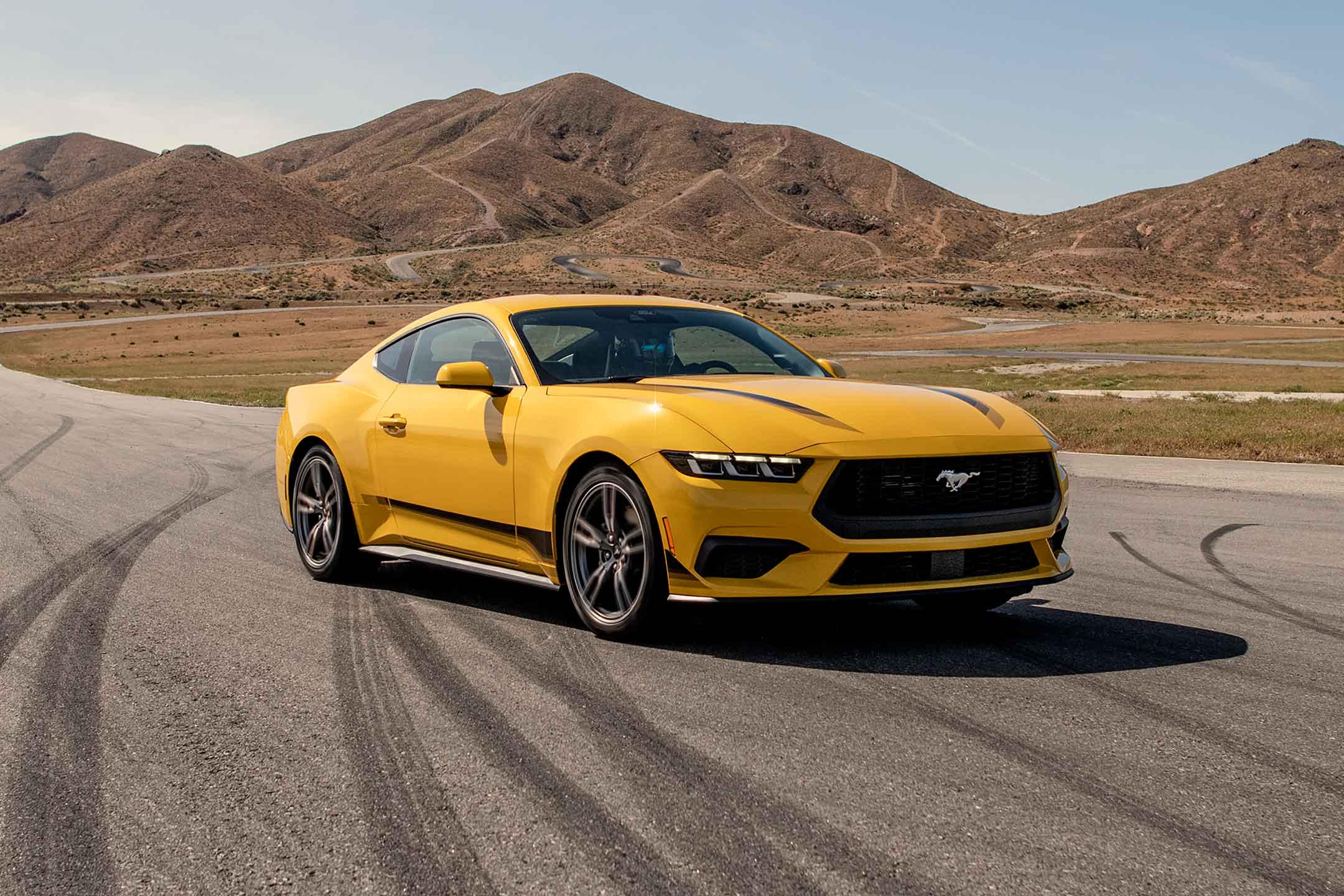
When it comes to cars, appearances can often be deceiving. The sleek lines, aggressive styling, and low profiles of many vehicles scream performance, speed, and agility, making them look like sports cars ready to dominate the road. However, looks can be misleading.
There are several vehicles that give off the sporty vibe yet don’t quite live up to the expectations in terms of driving dynamics, power, or handling. These cars might have sharp design cues like spoilers, large wheels, or low stances, but their engines, suspensions, and performance fall short of what true sports cars deliver.
Conversely, some cars don’t immediately catch your eye as performance machines. They might have understated or classic designs, lacking flashy accents or aggressive lines, but beneath the surface, they hold impressive powertrains, superior handling, and remarkable speed capabilities.
These cars are built for enthusiasts who appreciate what’s under the hood and the driving experience rather than just the flashy exterior. They prove that true performance comes from engineering, tuning, and design focused on driving, not just appearances.
Understanding the difference between cars that look sporty but aren’t and those that truly perform well is important for buyers who want to make informed decisions. It’s easy to be drawn to the visual appeal, but the reality of owning and driving these vehicles often reveals the truth about what matters most, performance.
This article breaks down five cars that, despite their sporty looks, don’t meet expectations when it comes to performance, alongside five cars that may not look as aggressive but offer excellent driving experiences.
Also Read: 9 Steps That Help a Dodge Ram 1500 Last Forever
5 Cars That Look Sporty But Aren’t
1. Toyota Camry TRD
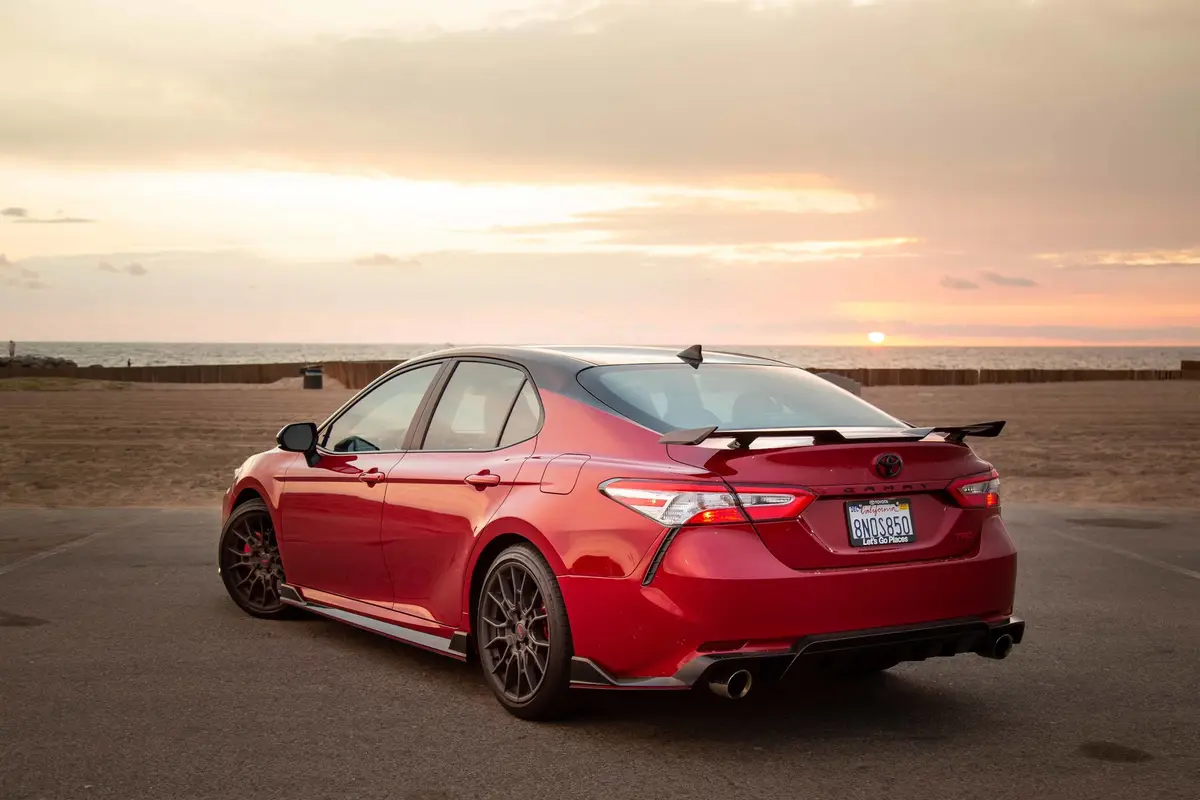
The Toyota Camry TRD certainly stands out on the road thanks to its aggressive styling that commands attention. From the moment you see it, the large blacked-out grille, bold front splitter, and unique red TRD badging give it an appearance that suggests it’s built for performance.
The lowered stance combined with the sport-tuned suspension and 19-inch black alloy wheels, contributes to a look reminiscent of many high-performance sports sedans.
Its exterior design tries to evoke a sense of speed and agility, making it seem like a car that can handle sharp corners and deliver thrilling acceleration.
To casual observers or those focused solely on looks, it might even be mistaken for a competitor in the sports sedan segment. However, as striking as the Camry TRD’s design is, its sporty aesthetics can be somewhat misleading when considering its real-world driving performance.
Beneath the hood, the Camry TRD is powered by a naturally aspirated 3.5-liter V6 engine, which generates a respectable 301 horsepower and 267 lb-ft of torque. On paper, these numbers seem like a solid foundation for a sporty driving experience, especially when compared to the standard Camry’s base engine.
However, the character of the car still leans toward comfort and reliability rather than outright performance. The engine delivers power smoothly and consistently, but it lacks the urgency and aggressive nature that performance enthusiasts often seek.
The six-speed automatic transmission is well-matched for daily driving but doesn’t offer the quick shifts or manual control that some sporty cars provide. As a result, acceleration feels more controlled and steady rather than explosive.
When it comes to handling, the Camry TRD’s suspension has been tuned to provide a firmer ride compared to the regular Camry, but the emphasis remains on balancing comfort and sportiness rather than fully committing to dynamic driving.
The suspension uses sport springs and dampers to reduce body roll and increase responsiveness, but it still retains a degree of softness that prevents it from feeling truly agile or razor-sharp on winding roads.
The steering is precise enough for everyday use, but it lacks the direct, tactile feedback that drivers expect from sports sedans.
Additionally, the front-wheel-drive layout limits the car’s ability to put power down aggressively in corners, often leading to understeer. The Camry TRD’s braking system is solid for everyday use but not designed for high-performance braking under intense driving conditions.
In essence, the Toyota Camry TRD succeeds in creating a visually sporty package that can appeal to buyers wanting a fun-looking sedan with some added flair. However, its true driving dynamics reveal a car that prioritizes comfort, reliability, and usability over raw performance.
It’s a vehicle that might satisfy those who want sporty aesthetics without sacrificing practicality, but it falls short for enthusiasts looking for an engaging, performance-oriented sedan that lives up to its aggressive styling.
2. Dodge Charger R/T
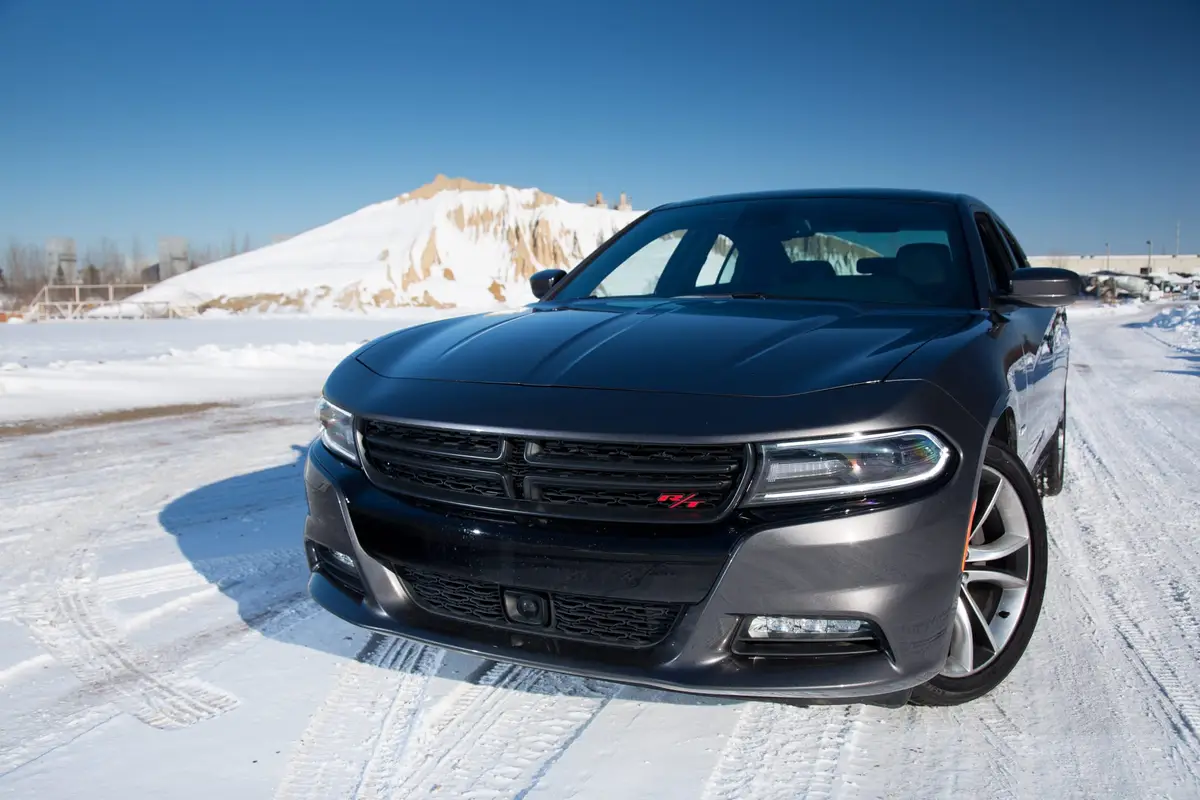
The Dodge Charger R/T looks every bit the muscle car icon with its broad and aggressive stance, imposing grille, and muscular body lines. Its styling cues hark back to the golden era of American muscle cars, evoking images of power and speed.
The hood bulge, sculpted side panels, and signature dual exhausts enhance the car’s bold presence, making it a favorite among those who appreciate classic muscle car design. The R/T trim, in particular, adds sport-tuned suspension components and larger wheels, helping to reinforce its performance image.
To many, the Charger R/T appears ready to dominate the streets or the drag strip with its fierce looks and legendary heritage. However, beneath the aggressive exterior, the Charger R/T’s performance does not quite reach the heights expected from a true muscle car.
At the heart of the Charger R/T is a 5.7-liter HEMI V8 engine, producing approximately 370 horsepower and 395 lb-ft of torque. This engine is a significant step up from the base V6, and it provides the Charger with respectable straight-line speed and acceleration.
However, the Charger R/T weighs more than 4,200 pounds, which considerably reduces the effectiveness of the engine’s output. The sheer mass means that, despite the power, acceleration and agility suffer in comparison to lighter sports cars or even other muscle cars with more balanced power-to-weight ratios.
The power delivery is smooth but lacks the instantaneous response and high-revving excitement of some competitors. The eight-speed automatic transmission provides smooth shifts but doesn’t feel as sporty or responsive as the dual-clutch systems found in other performance cars.
Handling and driving dynamics are where the Charger R/T shows its true nature as a large, heavy sedan rather than a razor-sharp sports machine. The suspension, while upgraded over the base model, is tuned more for a balance of ride comfort and moderate cornering capability.
The car experiences noticeable body roll during aggressive turns, and its wide dimensions make it less nimble than smaller competitors. The front-engine, rear-wheel-drive layout provides decent rear traction, but the Charger lacks advanced electronic aids that could help it carve tighter lines in corners.
Braking performance is adequate but not exceptional, with the heavy weight placing added demand on the system. Inside, the Charger R/T offers a roomy and comfortable interior with modern tech, but it lacks the driver-focused features that hardcore performance cars often provide.
The Dodge Charger R/T projects an image of raw American muscle through its design, but it struggles to deliver the kind of sharp, high-performance driving experience that enthusiasts might expect. Its strengths lie more in its straight-line power and imposing presence than in nimble handling or track-worthy agility.
For those attracted by muscle car styling with enough power for daily driving, the Charger R/T fits the bill, but for purists seeking a true performance car, it comes up short.
3. Volkswagen Golf GTI
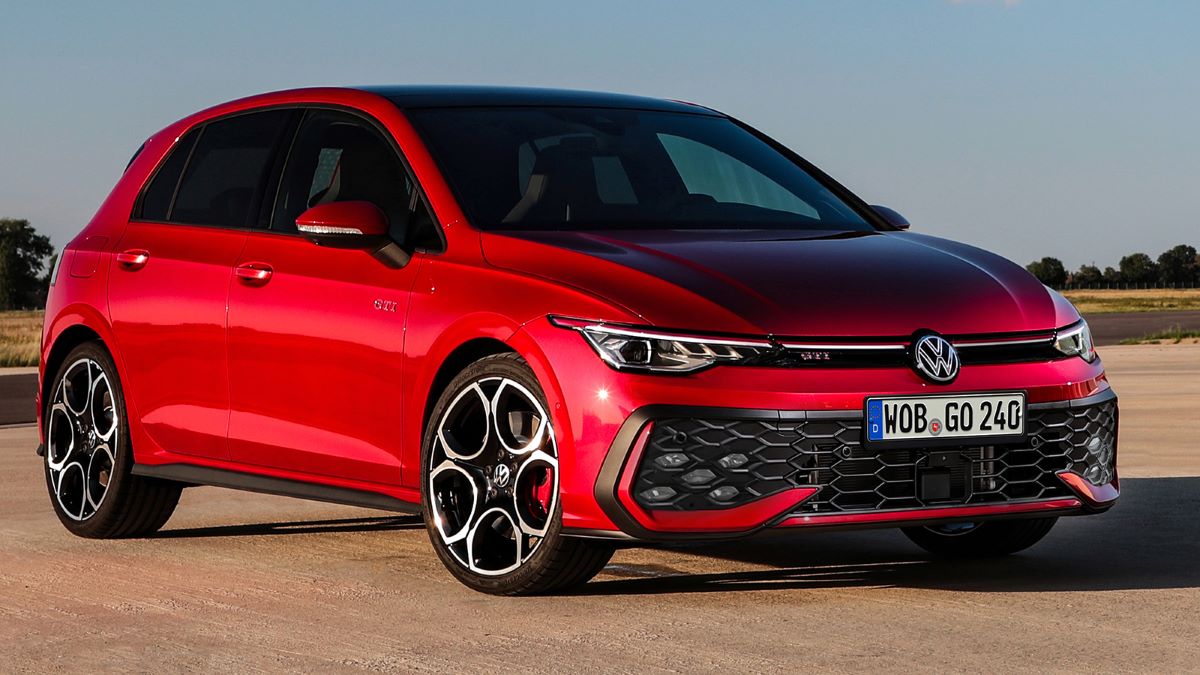
The Volkswagen Golf GTI has long been recognized as a practical and sporty hatchback, combining everyday usability with a hint of performance. Its exterior styling reflects this balance, featuring sporty bumpers, signature red trim on the grille, and a lowered suspension that give it a sporty stance.
It projects an image of a car ready for some spirited driving, appealing especially to those looking for a fun yet practical hatchback.
The GTI has built a strong reputation for blending hatchback versatility with lively driving dynamics, but despite these positive traits, it doesn’t fully reach the levels of performance one might expect from true sports cars or more dedicated hot hatches.
Under the hood, the GTI is powered by a 2.0-liter turbocharged four-cylinder engine delivering approximately 228 horsepower and 258 lb-ft of torque. These numbers provide lively acceleration and ample power for daily driving as well as more enthusiastic efforts.
The GTI’s turbocharged engine offers good low-end torque and responsive throttle input, making it a fun car to drive in city and highway settings. It pairs with either a six-speed manual or a seven-speed dual-clutch automatic transmission, providing different flavors of driving engagement.
However, compared to more hardcore hot hatches or sports cars with larger engines or all-wheel drive, the GTI’s output feels modest.
The GTI’s handling is one of its strongest attributes, with a well-tuned suspension that balances comfort and agility. Its front-wheel-drive layout, while efficient and practical, can limit traction and handling potential, particularly during aggressive cornering where understeer tends to develop.
The car’s chassis is composed and stable, but it doesn’t have the razor-sharp edge or suspension stiffness found in more performance-focused competitors.
Steering feel is precise, but not exceptionally communicative, which can detract from the driving excitement. Braking performance is reliable and adequate for most situations but is not racecar level.
The interior of the GTI reflects its practical sports appeal, with sporty accents, comfortable seating, and an intuitive infotainment system. The car’s design is aimed at drivers who want a balance between sportiness and everyday functionality rather than an uncompromising performance machine.
While the Volkswagen Golf GTI delivers spirited driving that surpasses typical compact cars, its sporty looks might lead some to expect a more aggressive performance experience than it provides.
4. Ford Mustang EcoBoost
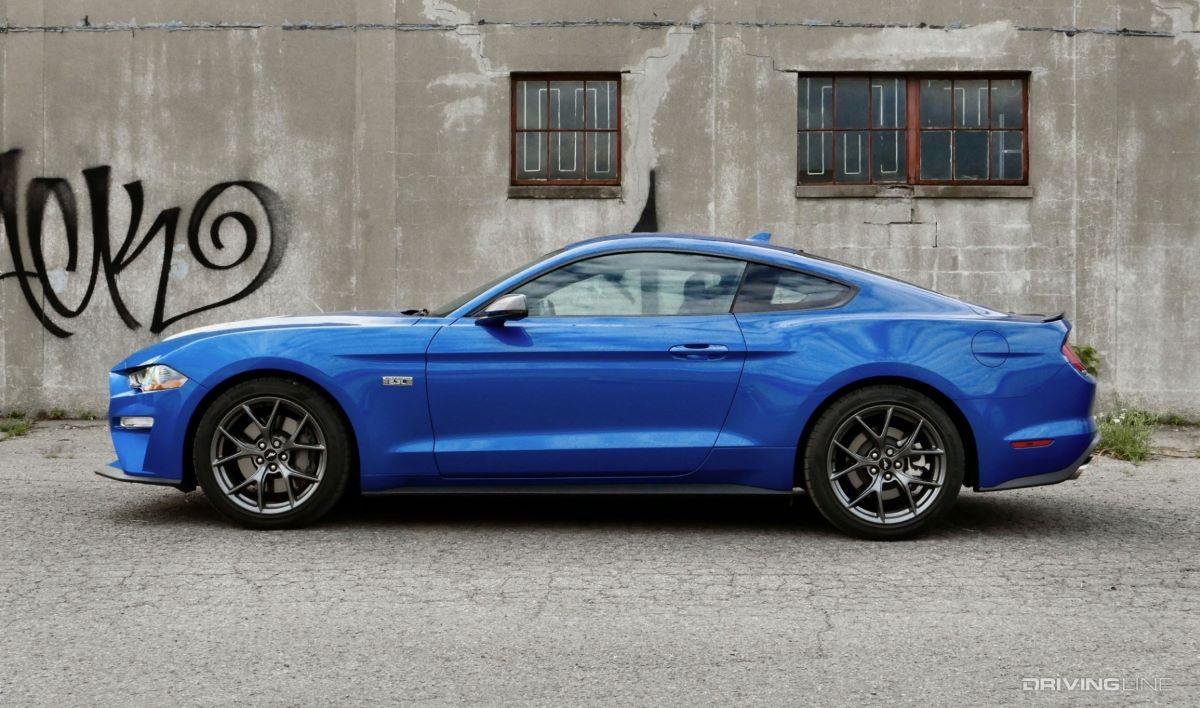
The Ford Mustang EcoBoost carries the iconic Mustang design language with its long hood, short rear deck, and aggressive front grille. It certainly looks the part of a muscle car with its fastback profile, wide stance, and signature tri-bar taillights.
To many, the Mustang’s styling represents performance and raw power, and the EcoBoost model keeps that image alive at a more accessible price point.
However, while it has the aggressive appearance of a classic muscle car, the EcoBoost’s actual performance is more measured, which can surprise those expecting a high-powered V8 experience.
Underneath the hood, the EcoBoost Mustang is powered by a 2.3-liter turbocharged four-cylinder engine that produces about 310 horsepower and 350 lb-ft of torque. This smaller engine enables better fuel efficiency and lighter weight compared to the V8 variants.
The turbocharged setup provides a good mid-range punch and respectable acceleration, but it lacks the sound and visceral character associated with the traditional Mustang V8.
The six-speed manual transmission or optional 10-speed automatic are smooth and competent, but the driving feel doesn’t deliver the muscular, throaty experience many expect from a Mustang.
Handling in the EcoBoost Mustang is balanced for a wider range of drivers, with a suspension setup that prioritizes comfort without sacrificing too much in cornering ability. It is more agile and lighter than the V8 GT versions but doesn’t have the same level of grip or suspension tuning to handle track or spirited driving with razor-sharp precision.
The rear-wheel-drive layout offers classic muscle car dynamics but can sometimes feel less planted than more focused performance cars.
While the EcoBoost Mustang is a solid performer and an excellent choice for those wanting Mustang style with lower operating costs, its sporty appearance can be somewhat misleading.
The car looks aggressive and fast, but its performance is tailored more towards everyday driving and efficiency rather than the raw muscle car thrills. This makes the EcoBoost Mustang a sporty-looking car that doesn’t fully match the performance expectations tied to its iconic design.
5. Nissan Altima SR
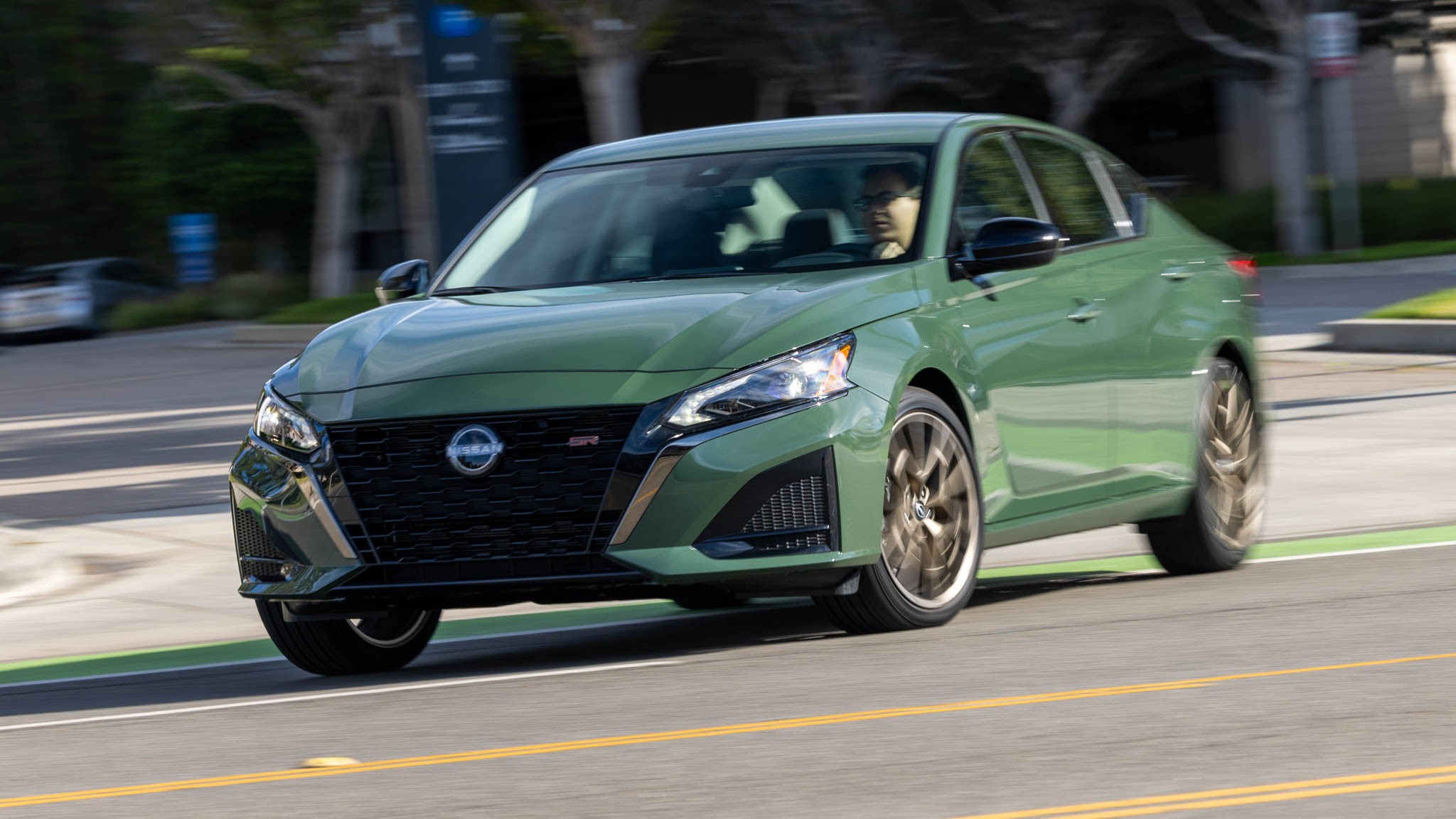
The Nissan Altima SR adds sporty elements to the familiar midsize sedan formula with unique exterior styling cues like a rear spoiler, aggressive front grille, and larger alloy wheels. The SR trim also features a sport-tuned suspension designed to improve handling over the standard Altima.
These changes give the Altima SR a more athletic look that suggests it is ready for dynamic driving, making it appealing to buyers who want a sedan that stands out visually.
However, despite these upgrades, the Altima SR’s performance remains more aligned with daily commuting than with sport driving.
Power comes from either a naturally aspirated 2.5-liter four-cylinder engine producing around 188 horsepower or an optional 2.0-liter turbocharged four-cylinder that delivers about 248 horsepower.
While the turbocharged engine option provides improved acceleration and responsiveness, the power output is modest compared to true sports sedans or performance-oriented cars.
The Altima SR’s engine is smooth and efficient, providing adequate power for most driving situations but lacking the urgency and excitement that enthusiasts expect from sporty vehicles.
The sport-tuned suspension firmed up the ride, reducing body roll and improving cornering stability compared to lower trims. However, the suspension remains more comfort-oriented than performance-focused, allowing for a smooth ride on rough roads but lacking the crisp feedback and stiffness that define sports sedans.
The Altima SR’s front-wheel-drive setup also limits traction and handling potential, especially during spirited driving. The steering is light and easy for everyday driving but doesn’t offer the precision or connection typical of sports cars.
The Nissan Altima SR delivers a visually sportier and more engaging experience than its base counterparts but falls short of providing genuine performance thrills.
Its sporty looks serve mainly as a styling upgrade rather than a reflection of a high-performance machine, making it an example of style prioritized over substance in the midsize sedan market.
Also Read: 9 Best Vehicles That Survive Multiple Generations of Owners
5 Cars That Perform Well
1. Porsche 911
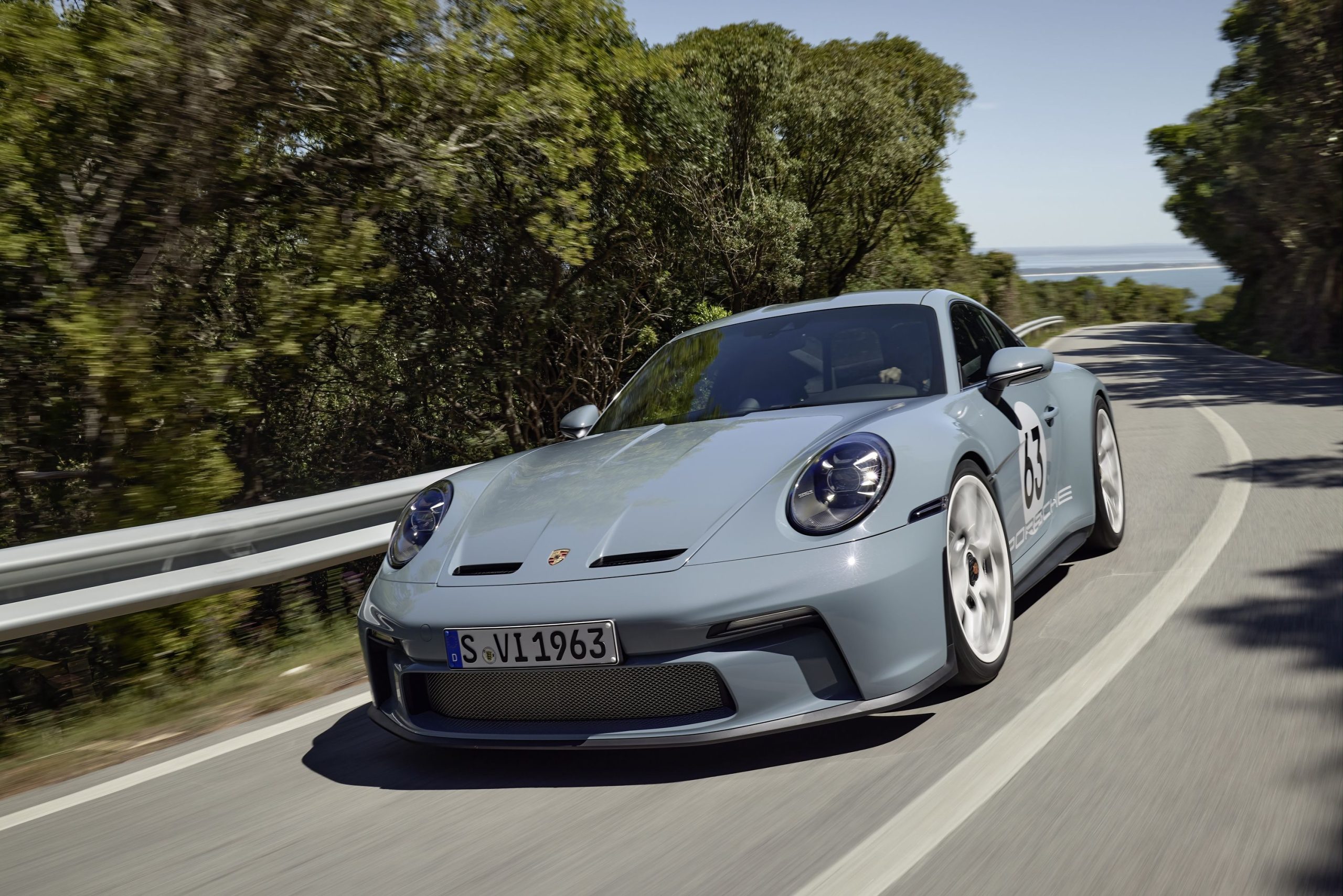
The Porsche 911 is one of the most iconic sports cars in automotive history, and for good reason. Unlike many vehicles that rely on aggressive styling to convey speed, the 911’s design is elegant, timeless, and refined. Its silhouette has remained remarkably consistent over decades, proving that great performance doesn’t always need loud visual cues.
The car’s rounded shape and smooth lines emphasize aerodynamic efficiency and balance, helping it slice through the air with minimal drag.
Despite not looking overly aggressive or flashy, the 911 consistently ranks at the top when it comes to driving dynamics and performance. Its design philosophy focuses on precision and function, which is a big part of why it remains a benchmark in the sports car world.
Underneath its subtle exterior lies a carefully engineered powerhouse. The 911 employs a flat-six engine, often referred to as a “boxer” engine due to its horizontally opposed cylinders.
Depending on the model, this engine produces anywhere from around 379 horsepower in the base Carrera to well over 640 horsepower in the Turbo S variants.
What sets the 911 apart isn’t just raw power but how that power is delivered. The rear-engine layout creates unique handling characteristics, including excellent traction and remarkable cornering capabilities.
Porsche’s advanced suspension system, combined with precise steering, makes the car incredibly responsive and communicative. The 911 feels light on its feet, agile, and capable of handling the tightest turns on both road and track.
Performance is further enhanced by Porsche’s constant innovation in technology. Features like Porsche Active Suspension Management (PASM), rear-wheel steering, and sophisticated traction control systems help optimize the car’s behavior under various driving conditions.
The chassis is meticulously balanced, allowing the 911 to maintain composure even at high speeds or during aggressive maneuvers. Additionally, the car’s braking system uses large carbon-ceramic discs in some models, offering incredible stopping power with minimal fade.
The Porsche 911’s combination of refined powertrain, chassis dynamics, and engineering finesse is why it continues to be favored by driving enthusiasts and racers alike.
Beyond performance, the 911 maintains usability for daily driving. The interior is luxurious and driver-focused, with high-quality materials and ergonomically placed controls. Its compact size and relatively practical layout mean it can be driven comfortably daily, unlike many more extreme sports cars.
This unique blend of everyday usability and high-level performance makes the Porsche 911 a rare breed, one that can be equally at home on a racetrack or a city street. It’s a true sports car that delivers on the promise its understated design hints at.
2. Chevrolet Corvette C8
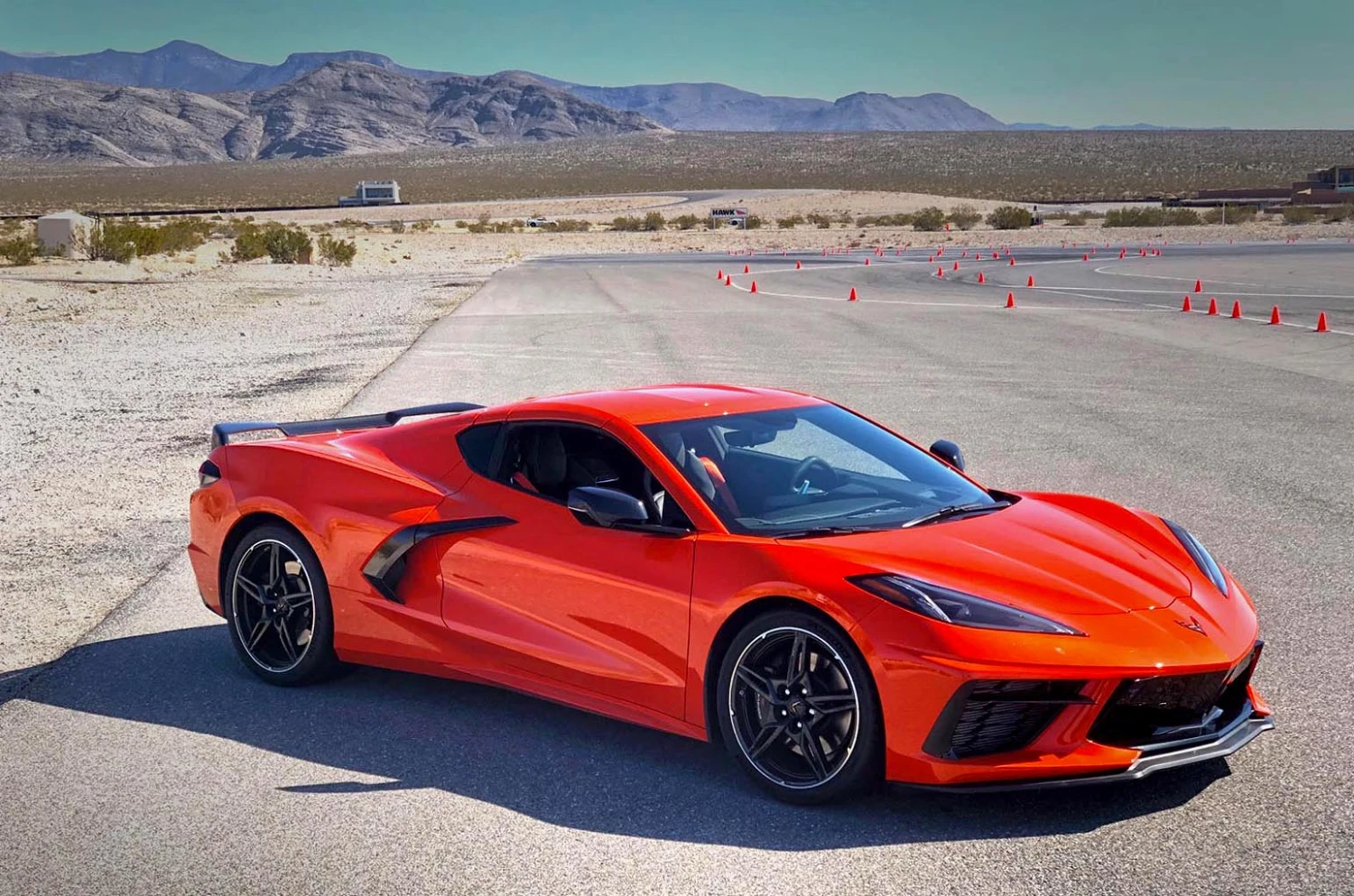
The Chevrolet Corvette C8 marks a pivotal moment in the Corvette’s long legacy, shifting from the traditional front-engine layout to a mid-engine design.
This change revolutionizes the car’s performance capabilities by improving weight distribution and handling balance. The sleek and aggressive styling reflects this transformation, featuring sharp lines, wide haunches, and aerodynamic elements designed for stability at high speeds.
The C8’s design may look bold and sporty, but what’s truly impressive is how the car performs on the road and track, solidifying its place as one of the best American sports cars ever produced.
Powering the Corvette C8 is a naturally aspirated 6.2-liter V8 engine, known as the LT2, which produces between 490 and 495 horsepower depending on the variant.
This engine delivers a thrilling and immediate response, producing an exhilarating exhaust note that complements the car’s performance-oriented character.
The mid-engine layout gives the C8 incredible agility, with the engine sitting just behind the driver and ahead of the rear axle. This setup enhances balance and traction, allowing the car to accelerate quickly, brake sharply, and handle corners with precision previously unattainable for a Corvette.
The Corvette C8 also features advanced suspension technology, including a magnetic ride control system that can adjust damping in real-time based on road conditions and driver inputs. This results in a suspension that’s both compliant enough for everyday driving yet stiff and reactive when pushed hard.
The car’s braking system is equally impressive, with large ventilated discs and performance brake pads offering strong and reliable stopping power.
The C8’s handling characteristics have been praised by automotive critics for their sharpness and confidence-inspiring nature, making it competitive against European sports cars costing significantly more.
Inside, the C8 blends modern technology with driver-focused ergonomics. The cockpit features a digital instrument cluster, a large infotainment screen, and comfortable, supportive seats that keep the driver firmly planted during spirited driving.
The driving experience is immersive, combining raw power with refined handling, and showing that Chevrolet can build a world-class sports car. The C8 Corvette is a perfect example of performance that goes beyond looks, proving its worth through engineering and driving excitement.
3. BMW M3
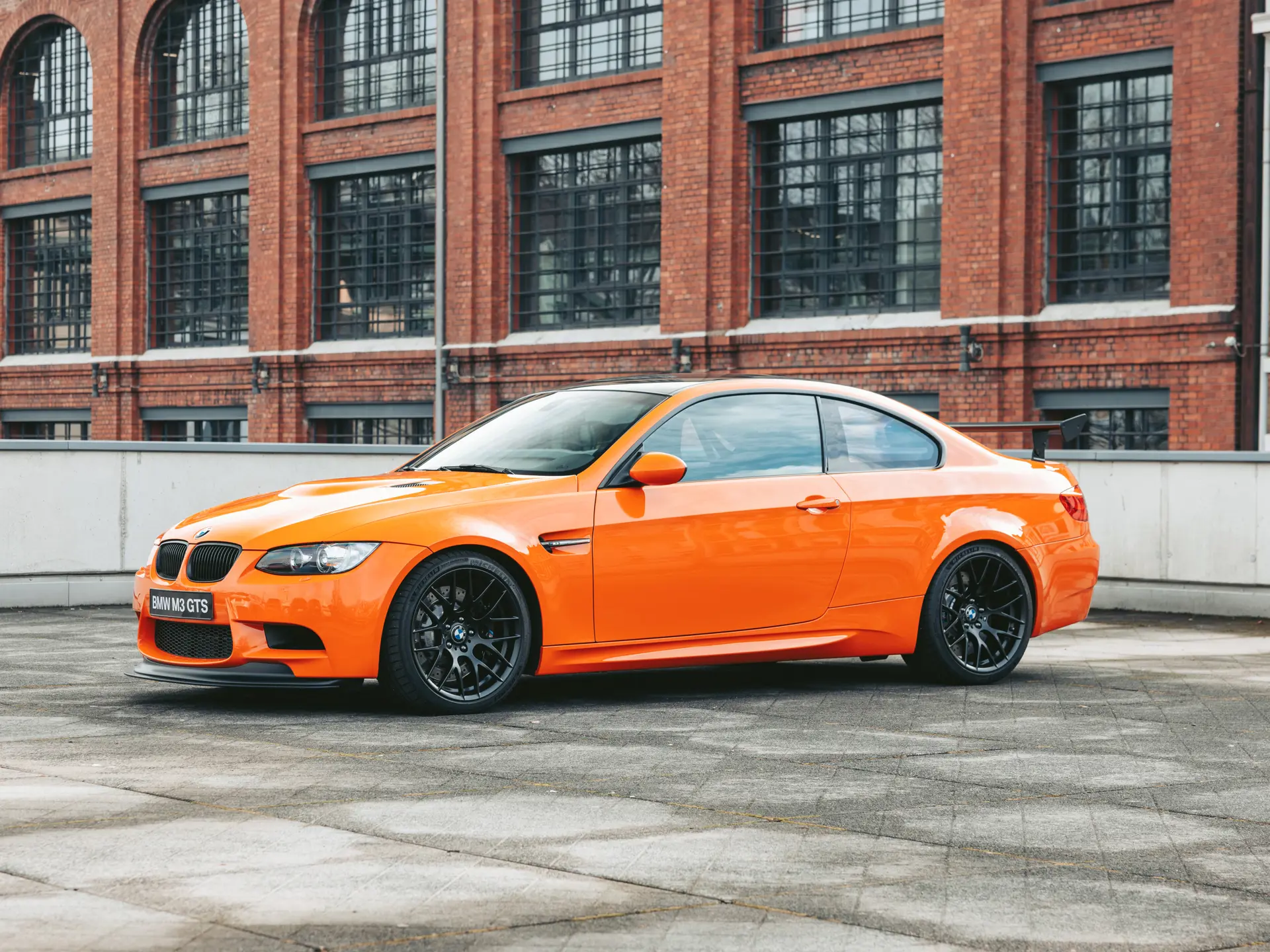
The BMW M3 is a quintessential sports sedan that offers a harmonious blend of everyday usability and high-level performance. The M3 has long been regarded as a benchmark in its class, consistently delivering the driving excitement and precision expected from BMW’s M division.
Unlike cars that rely solely on aggressive looks to appeal to enthusiasts, the M3 is built with performance at its core, featuring a powerful engine, finely tuned suspension, and sharp handling characteristics.
Its design is purposeful but not overdone, combining aggressive front and rear fascias with aerodynamic enhancements to support its dynamic capabilities.
Powering the latest BMW M3 is a 3.0-liter twin-turbocharged inline-six engine, which in its base form produces about 473 horsepower, while the Competition model cranks it up to 503 horsepower.
This engine provides thrilling acceleration, with the M3 capable of sprinting from 0 to 60 mph in just over 3.8 seconds.
The twin-turbo setup delivers strong low-end torque and linear power delivery, making the car highly responsive to throttle inputs. Paired with either a six-speed manual transmission or an optional eight-speed automatic, the M3 offers multiple driving experiences, catering to both purists and those seeking convenience.
One of the M3’s defining characteristics is its handling. It features a sophisticated suspension setup with adaptive dampers and a limited-slip rear differential that improves traction and control during spirited driving.
The rear-wheel-drive configuration, with an optional all-wheel-drive in the Competition variant, ensures excellent grip and balanced dynamics.
The steering is precise and communicative, giving the driver confidence through curves and challenging roads. The M3’s chassis is rigid, with minimal body roll and exceptional cornering ability, further enhancing its reputation as one of the best sports sedans on the market.
Inside, the M3 delivers a luxurious yet sporty environment. It balances comfort with performance cues such as supportive sports seats, M-specific displays, and high-quality materials. The cabin is spacious enough for everyday use and equipped with advanced infotainment and driver-assistance features.
The M3 is a car that can easily transition from a daily driver to a track-ready weapon, proving that strong performance can coexist with practicality.
4. Audi RS5
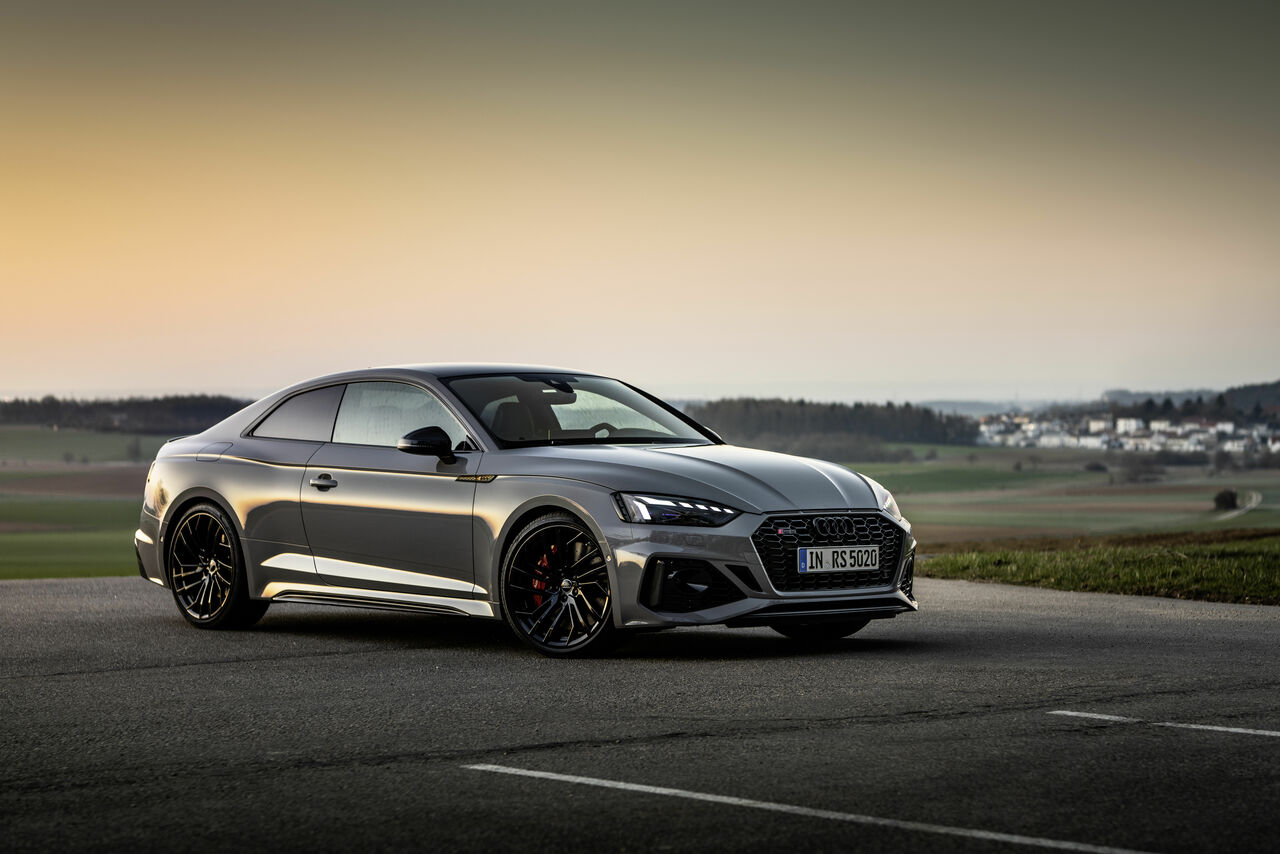
The Audi RS5 exemplifies the combination of subtle sophistication and high performance. While it might not scream “sports car” at first glance due to its understated styling, the RS5 is a powerhouse built for enthusiasts who appreciate both speed and luxury.
Audi’s design philosophy for the RS5 leans toward clean, elegant lines with sporty accents, such as larger air intakes, distinctive RS badging, and wider fenders that hint at its performance potential without resorting to overly aggressive looks.
This approach appeals to drivers who want a capable sports coupe or sportback that blends into everyday life while offering serious driving excitement.
At the heart of the RS5 lies a 2.9-liter twin-turbocharged V6 engine, which produces around 444 horsepower and 442 lb-ft of torque. This engine delivers strong, immediate power across the rev range, enabling brisk acceleration and confident overtaking maneuvers.
Paired with an eight-speed automatic transmission, power is distributed smoothly and efficiently. What really sets the RS5 apart is Audi’s legendary Quattro all-wheel-drive system, which provides excellent traction and stability, especially in adverse conditions. This AWD system also enhances cornering grip, allowing the car to maintain composure and agility even on twisty roads.
The RS5’s suspension is tuned for sharp handling with a focus on balance and control. It uses adaptive dampers that adjust to driving conditions, offering a comfortable ride on regular roads but transforming into a taut, responsive setup when pushed.
The car’s chassis is stiff, and the steering is quick and precise, giving drivers excellent feedback and a connection to the road.
The braking system is strong and reliable, capable of handling high-performance driving without fade. This combination of power, grip, and control makes the RS5 one of the best-performing sport coupes in its class.
Inside, the RS5 offers a premium cabin filled with luxurious materials, modern technology, and driver-focused ergonomics.
Features like digital instrument clusters, sports seats, and advanced connectivity blend comfort with performance, creating an environment suited for both spirited drives and daily commuting. The RS5 shows that performance doesn’t have to come with flashy or aggressive styling, proving that subtlety and power can coexist beautifully.
5. Subaru WRX STI
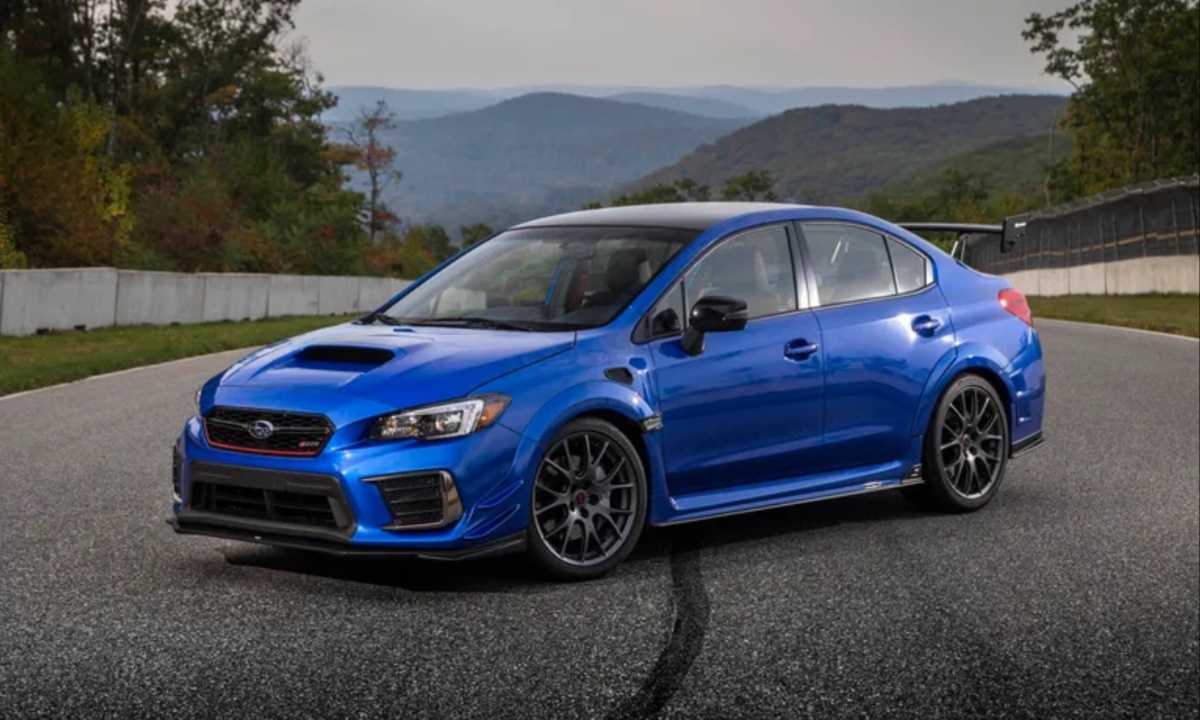
The Subaru WRX STI holds a special place among enthusiasts for its rally heritage, turbocharged engine, and symmetrical all-wheel-drive system. While its styling may not be as refined or sleek as some modern sports cars, the WRX STI delivers performance that few rivals can match in its price range.
The boxy and functional exterior is designed more for aerodynamic efficiency and durability rather than flashy looks, reflecting the car’s focus on driving substance over style. This rugged aesthetic appeals to those who prioritize performance and capability over visual flair.
Under the hood, the WRX STI is powered by a 2.5-liter turbocharged flat-four boxer engine, producing around 310 horsepower and 290 lb-ft of torque. The turbocharged engine offers strong mid-range power and a thrilling surge when the turbo kicks in, delivering exhilarating acceleration and performance.
The WRX STI is paired exclusively with a six-speed manual transmission, which adds to the engagement and control the driver has over the car. This connection between driver and machine is a hallmark of the WRX STI experience and is highly valued by enthusiasts.
What truly distinguishes the WRX STI is its advanced symmetrical all-wheel-drive system, which provides exceptional traction in all weather conditions and terrain types.
The AWD system, combined with active differentials and performance-tuned suspension, allows the car to maintain stability and grip on tight corners, loose surfaces, or wet roads.
The chassis is rigid, and the suspension is tuned to balance agility with ride comfort, although it leans toward the firmer side to support high-performance driving. The steering is precise, offering feedback that helps the driver feel confident and in control, particularly in challenging conditions.
Inside, the WRX STI’s cabin is utilitarian but functional, with supportive sports seats and straightforward controls designed for performance driving.
The car prioritizes driver engagement and capability over luxury, but recent models have improved in terms of technology and comfort. The WRX STI’s reputation as a rally-bred performance machine has earned it a loyal following, and its ability to perform well on both road and track makes it a standout in its segment.
