
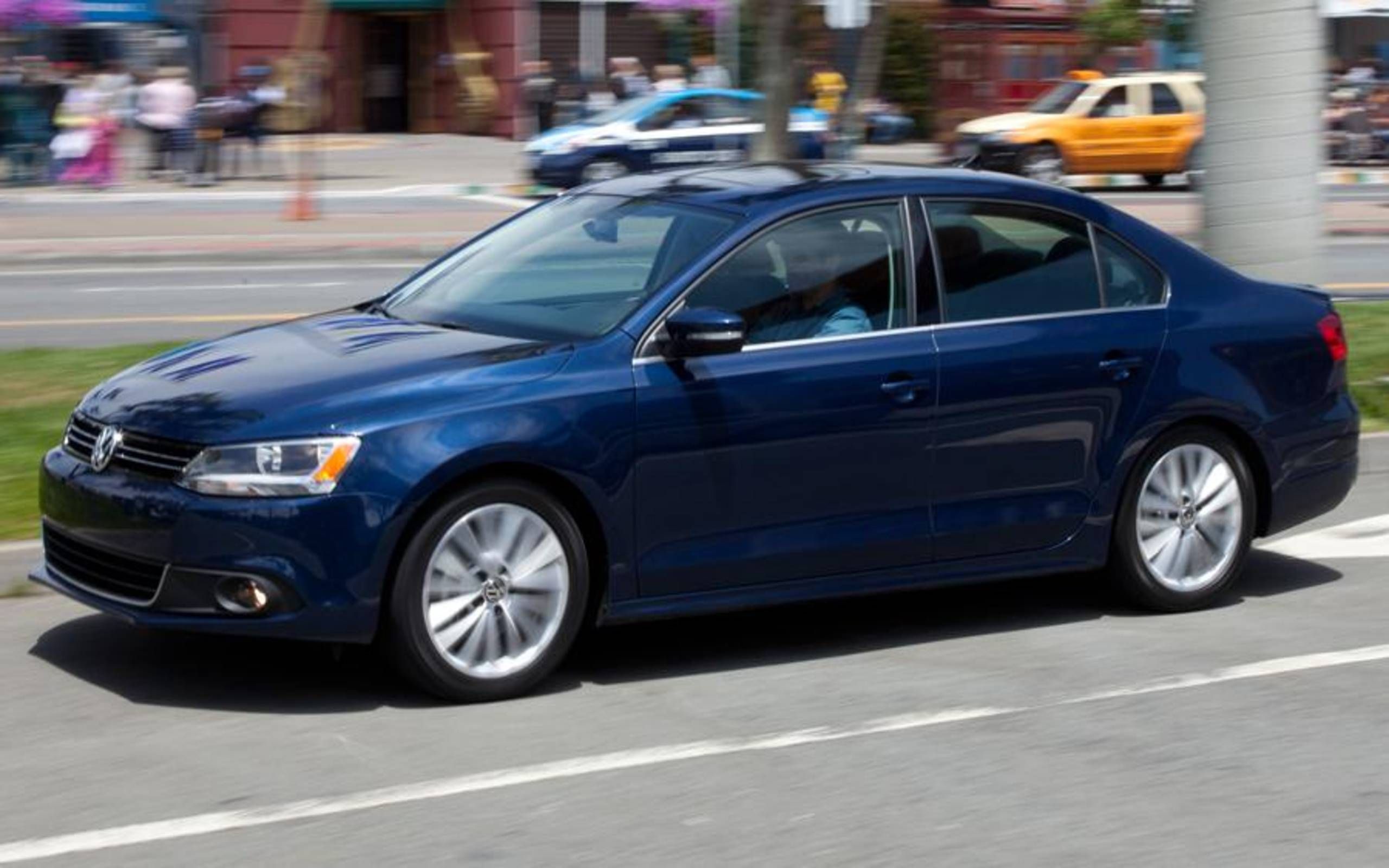
When it comes to cars, the quality and durability of the engine can make or break the ownership experience. Some engines are built with remarkable precision, using time-tested designs and components that can last for hundreds of thousands of miles without requiring more than routine maintenance.
These engines become the stuff of legend, not because of flashy performance or cutting-edge technology, but because of their ability to keep running long after most owners have traded them in or even passed on.
These types of engines often become favorites in car communities, trusted by mechanics, and held in high regard by people who prioritize reliability over bells and whistles.
On the other side of the equation are engines that seem to fall apart at the first sign of stress. Whether due to poor design, inadequate testing, or cost-cutting measures, these engines struggle to make it past 100,000 miles without some form of significant failure.
That failure might come in the form of head gasket issues, oil consumption problems, timing chain defects, or total engine failure.
These cars can turn what should be a dependable mode of transportation into a recurring financial nightmare. And for buyers who don’t do their homework, they can feel like a trap that’s impossible to escape.
This article takes a close look at five vehicles known for their exceptionally durable engines, often outlasting not just their owners but sometimes even the manufacturers that built them.
On the other hand, we’ll also examine five vehicles with engines that gained a reputation for premature failure, costing owners time, money, and peace of mind.
These examples are not based on marketing claims or momentary hype, but rather on long-standing observations from mechanics, high-mileage owners, and automotive experts who have seen what really holds up over time.
Also Read: 9 Best Vehicles That Survive Multiple Generations of Owners
Cars With Engines That Outlive Their Owners
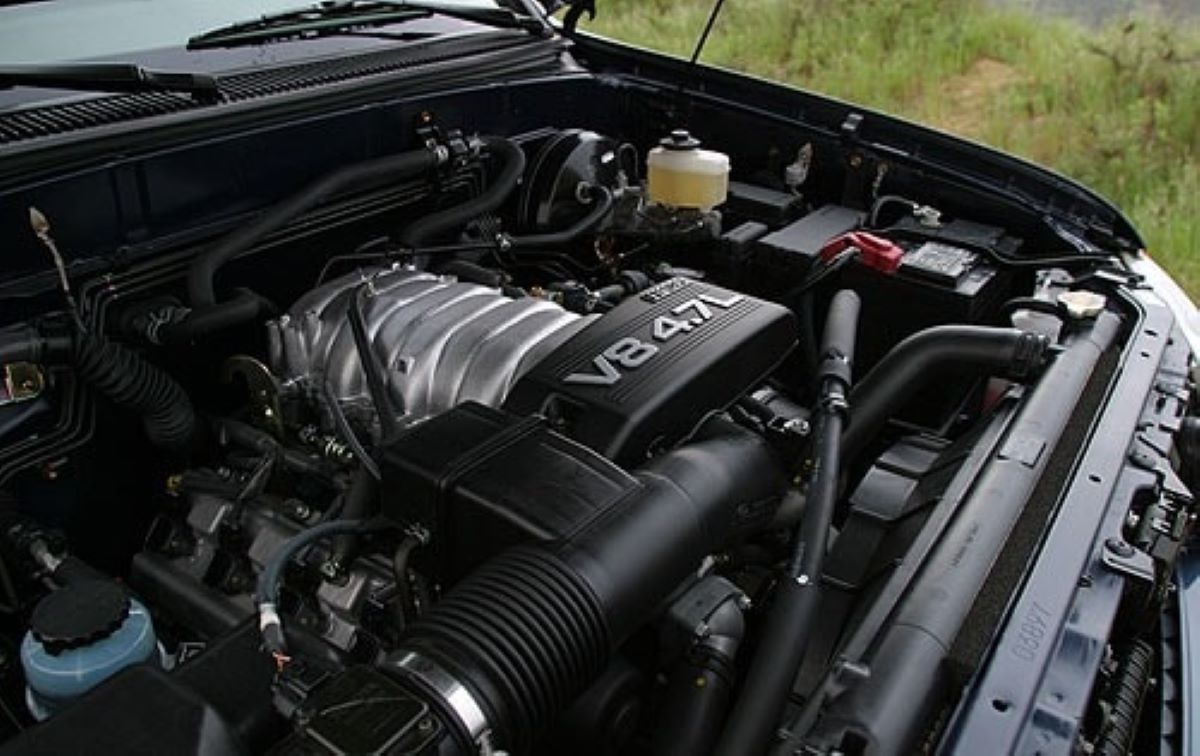
1. Toyota Land Cruiser (4.5L Inline-6 / 4.7L V8)
The Toyota Land Cruiser is often regarded as one of the most reliable vehicles ever made, particularly those built in the 1990s and early 2000s.
The 4.5-liter inline-6 engine found in the 80 Series, as well as the later 4.7-liter V8 used in the 100 Series, have both earned reputations for longevity that few other engines can match.
These engines are often found running strong well beyond 300,000 miles, with some even reaching the half-million-mile mark with nothing more than scheduled oil changes and basic upkeep.
Part of the Land Cruiser’s reputation comes from Toyota’s commitment to overengineering during its peak production years. These engines were built with heavy-duty materials and conservative tuning. That means less stress on the internals and a longer lifespan.
Unlike high-revving performance engines, the ones in the Land Cruiser are built for low-end torque and sustained output over long periods of operation. This makes them perfect for long-distance travel, towing, and off-road use.
Another factor that contributes to the long life of these engines is the lack of unnecessary complexity. There’s no turbocharger to overheat, no direct injection to foul up the intake valves, and the electronic systems are straightforward.
Simplicity in engine design has long been a recipe for durability, and the Land Cruiser benefits from this principle. Combined with proper care and maintenance, these engines often outlast the bodies and frames of the vehicles they’re installed in.
Lastly, Land Cruiser engines have a global reputation for dependability. In parts of Africa, the Middle East, and rural Australia, it’s common to see 25-year-old Land Cruisers still in active use.
This widespread reliability in the harshest environments is a testament to how resilient these engines truly are. For those who treat their cars as lifelong tools rather than temporary assets, the Land Cruiser stands in a league of its own.

2. Honda Accord (2.4L i-VTEC)
The Honda Accord has long been known for its balance between efficiency, performance, and reliability, especially with the 2.4-liter inline-4 engine that powered most of the seventh and eighth-generation models.
This engine isn’t flashy, but its design prioritizes mechanical simplicity and durability. It uses a chain-driven camshaft, which reduces the need for regular timing belt replacements, and the valvetrain system is robust enough to go hundreds of thousands of miles without failure.
One key advantage of the 2.4L i-VTEC engine is its thermal efficiency. Honda engineered it to run cool even under stress, which helps prevent the type of overheating and warping issues that plague some other four-cylinder engines.
It’s also built with forged components in key areas, which adds extra resilience to wear over time. These small engineering choices, though not exciting on a spec sheet, result in real-world longevity.
Another benefit is how forgiving the engine is. It’s not uncommon to find these engines in used cars with irregular maintenance histories that are still running fine. While consistent oil changes are always important, this engine has a reputation for handling the occasional lapse without catastrophic damage.
That tolerance makes it especially appealing to daily commuters and first-time car owners who might not always follow a strict maintenance schedule.
Even at high mileages, these engines continue to offer smooth performance. There are countless stories of owners reaching 250,000 or even 300,000 miles with minimal repairs beyond the usual alternator or water pump replacement.
It’s not just a fluke; this engine was designed with real-world durability in mind. Mechanics frequently cite the Accord as a car that “just keeps going,” and the engine is the main reason for that.
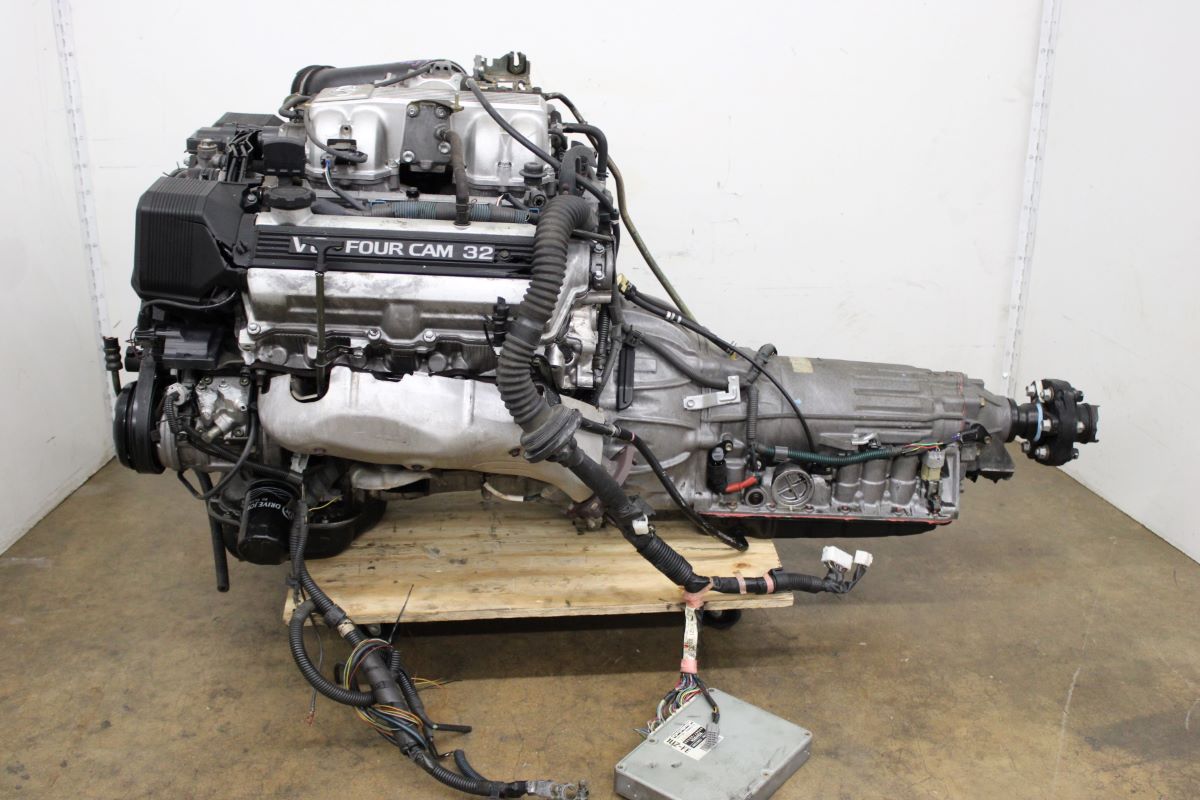
3. Lexus LS400 (4.0L V8 1UZ-FE)
The 4.0-liter V8 in the original Lexus LS400 is widely regarded as one of the best engines ever produced. Built during a time when Toyota was aiming to redefine luxury and compete with European brands, the engine was crafted with no expense spared.
The result is a powerplant that has proven itself time and again, frequently surpassing 400,000 miles without any major internal issues.
What makes the 1UZ-FE so durable is its construction quality. It’s an all-aluminum engine with a forged steel crankshaft, six-bolt main bearing caps, and tightly controlled tolerances. The engine was balanced and tuned for smooth operation, but never overworked.
It was designed to operate under low-stress conditions, which contributes to its incredibly long service life. Paired with Toyota’s bulletproof electronic systems from that era, the engine rarely throws codes or fails unexpectedly.
Another factor is the consistency in design. The 1UZ-FE didn’t go through rapid updates or major redesigns in its early years. That allowed Toyota to refine the platform instead of continuously reengineering it.
Fewer changes meant fewer variables, and fewer variables meant fewer things that could go wrong. Owners who performed regular oil changes and kept coolant systems in check often found themselves keeping the same engine through decades of ownership.
Even after decades on the road, many LS400s still start up smoothly and operate quietly. These engines also respond well to preventative maintenance.
Valve cover gaskets, spark plugs, and timing belts are easy to replace, and when maintained properly, they keep the engine in peak shape. Enthusiasts and collectors often refer to this engine as one of Toyota’s masterpieces, and it’s not an exaggeration.
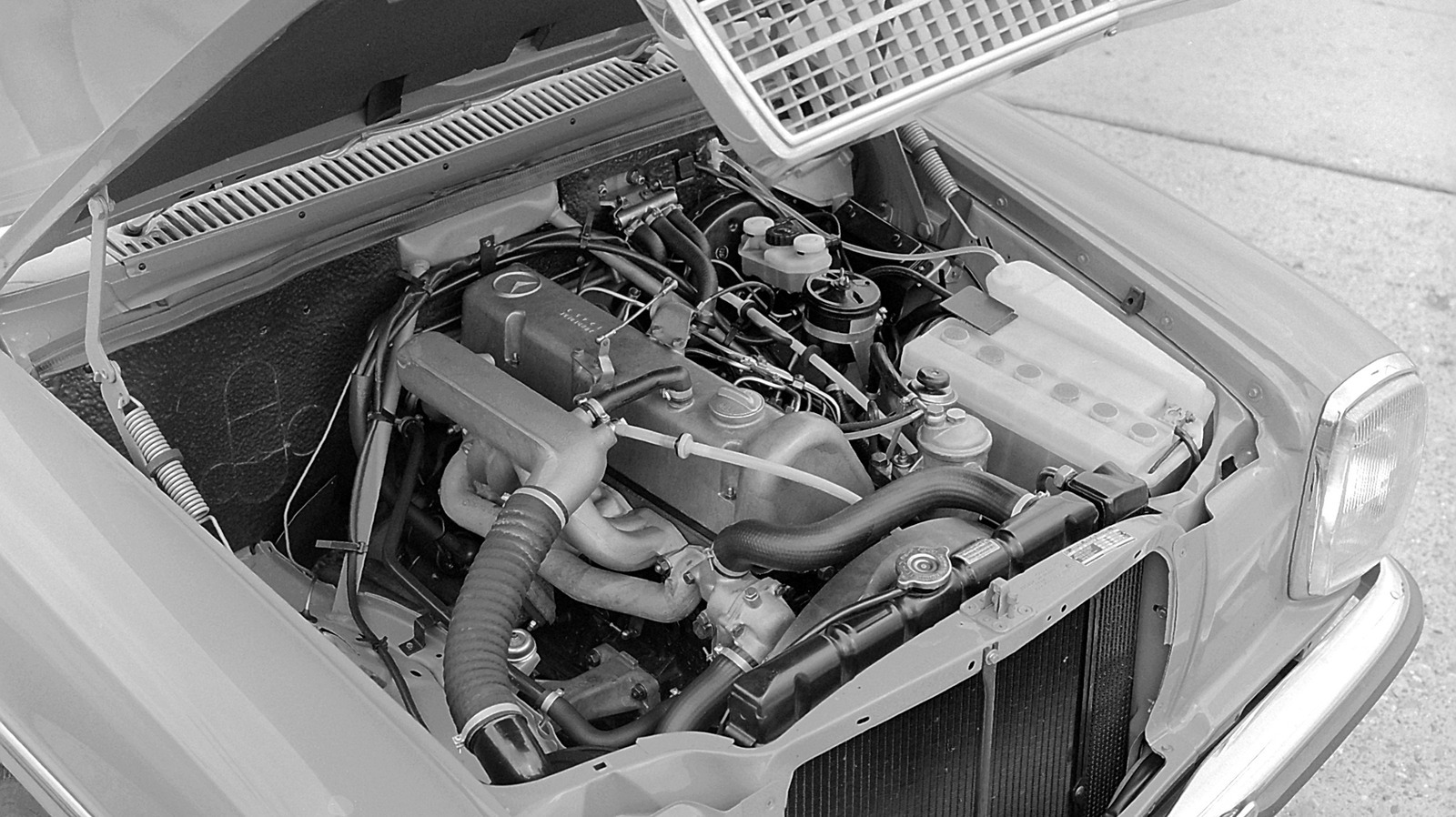
4. Mercedes-Benz W123 (OM617 Diesel)
If there’s one engine that truly defines automotive durability, it might be the OM617 diesel engine found in the Mercedes-Benz W123 series.
This five-cylinder diesel powerplant was produced in the 1970s and 1980s and has been known to run for well over 500,000 miles with proper care. Some have even passed the million-mile mark, which is almost unheard of in automotive circles.
One of the main reasons this engine lasts so long is its low operating speed. It’s not designed for fast acceleration or top-end performance, but for slow, steady reliability.
These engines were used in both luxury sedans and taxis across Europe and the Middle East, often running all day long without a problem. The cast-iron block and head construction helps maintain durability under extreme temperature variations, and the simple mechanical fuel injection system eliminates the complexity seen in modern diesels.
Because of its old-school design, the OM617 is also incredibly easy to work on. Most maintenance can be performed without advanced tools, and parts are still widely available decades later.
This has helped keep these engines alive long after the surrounding vehicles have rusted away or been retired. In many countries, mechanics still look at these engines as gold standards for build quality and serviceability.
While not known for high horsepower or quick response, the OM617’s strength lies in its consistency. As long as you keep clean fuel in the tank and change the oil regularly, the engine will keep running.
It’s often joked that the only way to kill one is through neglect or a direct hit. That reputation has made the W123 and its engine cult favorites among people who prize longevity above all else.
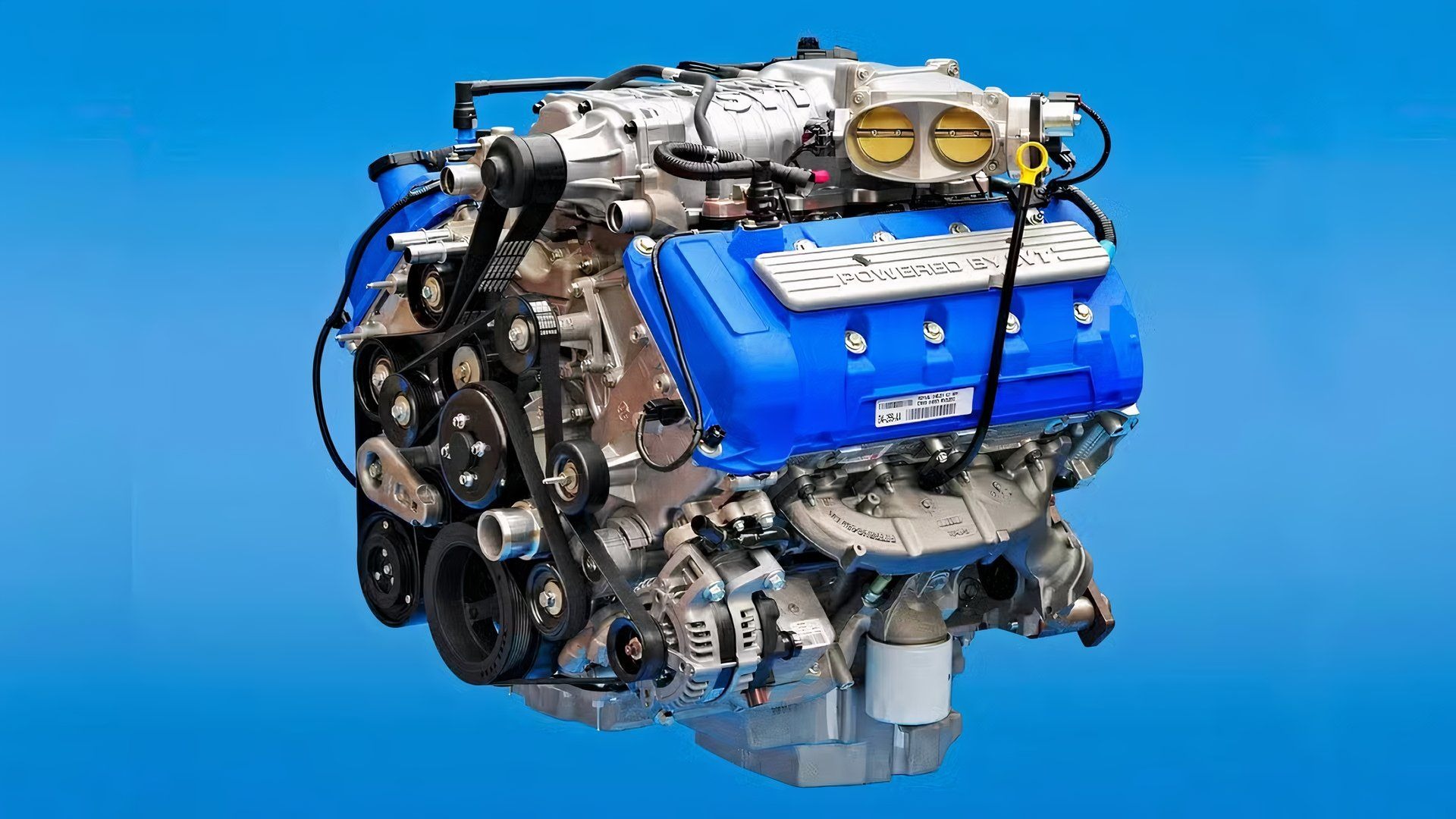
5. Ford Crown Victoria (4.6L Modular V8)
The Ford Crown Victoria, particularly the Police Interceptor (P71) variant, became a symbol of long-term durability across North America.
At the heart of this reputation lies the 4.6-liter Modular V8 engine. While not a powerhouse by modern standards, this engine has gained immense respect from fleet managers, taxi companies, and police departments for its ability to run seemingly forever with minimal internal wear.
One of the main factors contributing to the engine’s longevity is its under-stressed design. The 4.6L V8 was never tuned for high performance in most civilian applications, which means it operated well within its mechanical limits.
With a cast-iron block in many versions and aluminum heads, it was designed to take abuse and keep going. In police and taxi service, these engines often logged over 300,000 miles before retirement, sometimes with the original timing chains and internals still intact.
What really sets the Crown Victoria apart is its ease of maintenance. The engine bay is spacious and straightforward, allowing for quick repairs and routine services.
Oil changes, spark plug replacements, and cooling system flushes are all simple tasks, even for amateur mechanics. The parts are cheap, widely available, and interchangeable with other Ford vehicles using the Modular engine platform. That means the cost of ownership stays low while reliability remains high.
Another strength is how well the engine handles extreme operating conditions. Whether it’s idling for hours in a parking lot, enduring high-speed freeway pursuits, or hauling heavy loads in desert climates, the 4.6L Modular V8 rarely breaks down.
It may not excite car enthusiasts with raw performance, but it wins over professionals who value reliability and long-term cost savings. Many former fleet vehicles are still on the road today, often passed down through multiple owners, with the same engine continuing to perform year after year.
Also Read: 9 Steps That Help a Dodge Ram 1500 Last Forever
Cars With Engines That Fail Fast
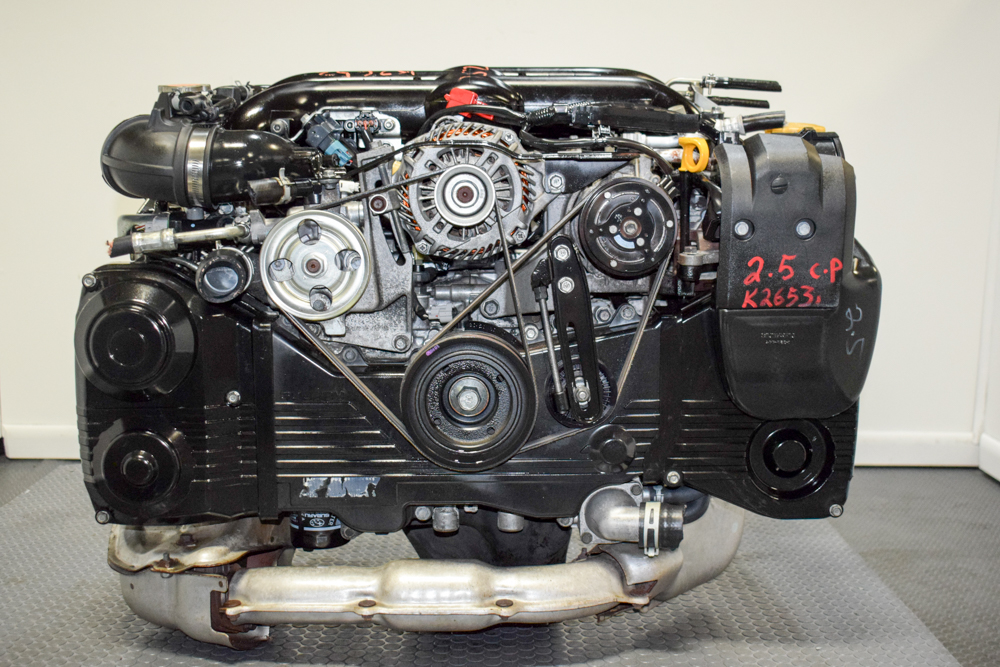
1. Subaru Impreza WRX (2.5L Turbo EJ255)
The Subaru Impreza WRX, especially those equipped with the 2.5-liter turbocharged EJ255 engine, has developed a reputation for performance, but unfortunately also for premature engine failure.
While the car appeals to enthusiasts for its all-wheel-drive system and turbocharged power, the engine design has long been criticized for several persistent issues.
The most infamous among them is the tendency for head gaskets to fail prematurely. These failures often appear well before 100,000 miles, and in some cases, even as early as 60,000 miles, particularly in models that haven’t been meticulously maintained.
One contributing factor is the design of the engine itself. Being a horizontally opposed “boxer” layout, the EJ255 places the head gaskets in a position where they’re exposed to unique thermal stresses. The uneven heating and cooling patterns put excessive strain on the sealing surfaces.
Combine that with the relatively thin gasket material used in certain model years, and it becomes a weak point that can lead to coolant and oil mixing or escaping entirely. Once this occurs, engine overheating, loss of compression, and significant mechanical damage are common outcomes.
Another common issue is ringland failure. The ringlands are the sections of the piston between the piston rings. In the EJ255 engine, these areas are known to crack or break under high stress, often due to detonation or running lean under boost.
Because many WRX models are modified or aggressively driven, this problem is even more pronounced in the real world. The problem is exacerbated by Subaru’s conservative engine tuning from the factory, which runs relatively lean mixtures under boost to meet emissions standards. Unfortunately, this makes the engine more vulnerable to knock and detonation.
The final nail in the coffin for the EJ255’s reputation is its difficulty in repairing and maintaining. Engine bays are tight, requiring labor-intensive procedures to reach even basic components.
Many owners are shocked by the cost of head gasket replacements, especially when a full engine-out service is required. For a car that’s marketed as fun and capable, the WRX can end up being a financial burden unless owned by someone who’s ready to rebuild an engine or write a big check.

2. Mini Cooper S (1.6L Turbocharged N14 Engine)
The Mini Cooper S, particularly models produced between 2007 and 2010 with the turbocharged 1.6-liter N14 engine, has a long list of engine problems that often surface long before the 100,000-mile mark.
Though the car is fun to drive and has an attractive design, the engine it’s built around is plagued with reliability issues that have soured many ownership experiences.
This engine was developed as part of a joint venture between BMW and PSA Peugeot Citroën, and unfortunately, it brought along a level of complexity and fragility that doesn’t suit the average compact car owner.
One of the most notorious issues with the N14 engine is the timing chain tensioner and guide failure. Many owners report a “death rattle” sound upon startup, which often indicates that the timing chain is loose or failing. Left untreated, this can lead to catastrophic engine damage, as the valves and pistons can come into contact if the timing jumps.
Replacing the timing components requires significant labor and parts costs, often turning what should be a fun daily driver into a shop-bound headache.
Carbon buildup is another significant problem with this engine. Since the N14 uses direct fuel injection, gasoline is sprayed directly into the combustion chamber without washing over the intake valves.
Over time, oil vapor from the crankcase ventilation system coats the valves, leading to heavy carbon deposits that reduce performance and efficiency.
Cleaning this buildup requires an intensive procedure called walnut blasting, which is neither cheap nor widely available in all regions. This problem can show up as early as 40,000 miles, leaving owners frustrated and facing large bills.
Add in the problems with turbocharger reliability, oil leaks from various gaskets, and water pump failures, and you have a recipe for disappointment. The engine feels lively and fun when it’s working, but that experience is often short-lived.
Many Mini Cooper S owners end up trading in their cars earlier than planned, not because they want to, but because keeping the engine healthy becomes more trouble than it’s worth. The performance may be appealing, but it’s hard to enjoy when there’s always another repair around the corner.
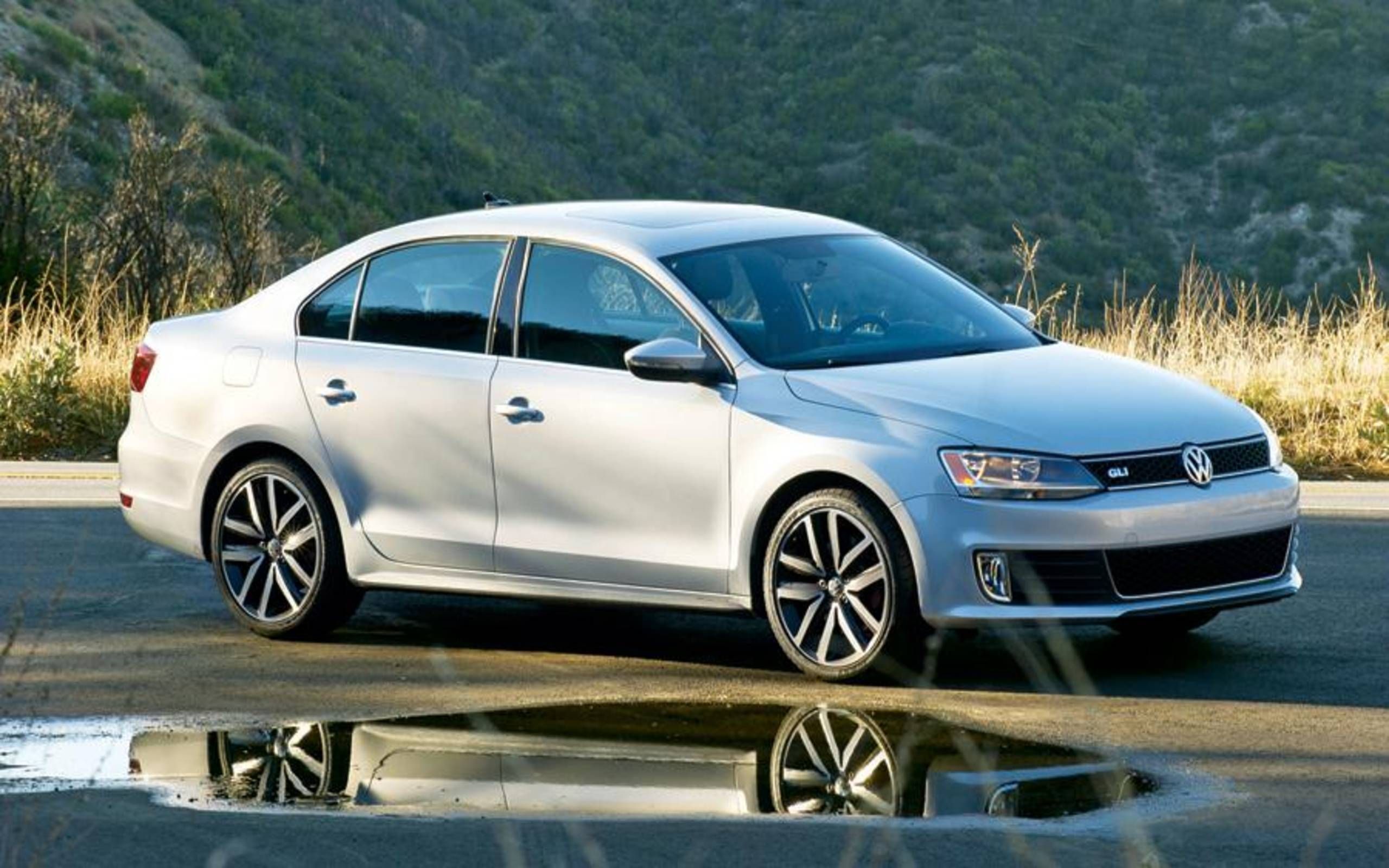
3. Volkswagen Jetta (2.0L Turbo FSI)
The 2.0-liter turbocharged FSI engine found in various Volkswagen models, including the Jetta, GTI, and Passat from the mid-to-late 2000s, represents one of the more frustrating examples of an engine that promised performance and refinement but delivered a string of reliability problems.
While it delivers strong torque and fuel efficiency on paper, the reality of ownership often involves a revolving door of issues that appear early and cost a significant amount to repair. Unfortunately, the FSI engine’s problems are often systemic and not easily solved with simple maintenance.
One of the earliest complaints among FSI owners was excessive oil consumption. Many drivers reported having to top off their oil between scheduled changes, sometimes by more than a quart every 1,000 miles. Volkswagen initially denied this as a defect, calling it “normal usage,” but as vehicles aged and engines began to fail, the scope of the problem became undeniable.
The root cause often traces back to poorly designed piston rings that allow oil to bypass into the combustion chamber. Once inside, the oil burns off, leading to carbon buildup, spark plug fouling, and catalytic converter damage.
The fuel injection system also causes significant issues. Like other early direct injection systems, the FSI suffers from severe intake valve carbon buildup. This isn’t just a performance issue; it can lead to misfires, poor fuel economy, and even complete drivability problems.
On top of that, high-pressure fuel pump failures are common and costly, sometimes causing the engine to shut down entirely or run erratically. These failures can occur at surprisingly low mileage and are often difficult to diagnose.
Timing chain tensioner problems also plague the FSI engine. A failing tensioner can lead to timing chain slack, and in the worst-case scenario, full chain failure, resulting in valve and piston collision. Repairing this can cost several thousand dollars, often more than the value of the car itself by that point.
For what was marketed as a high-tech, performance-oriented engine, the 2.0T FSI quickly became known more for its shop visits than its driving enjoyment. Enthusiasts who once praised the engine’s responsiveness often end up regretting the long-term ownership costs.
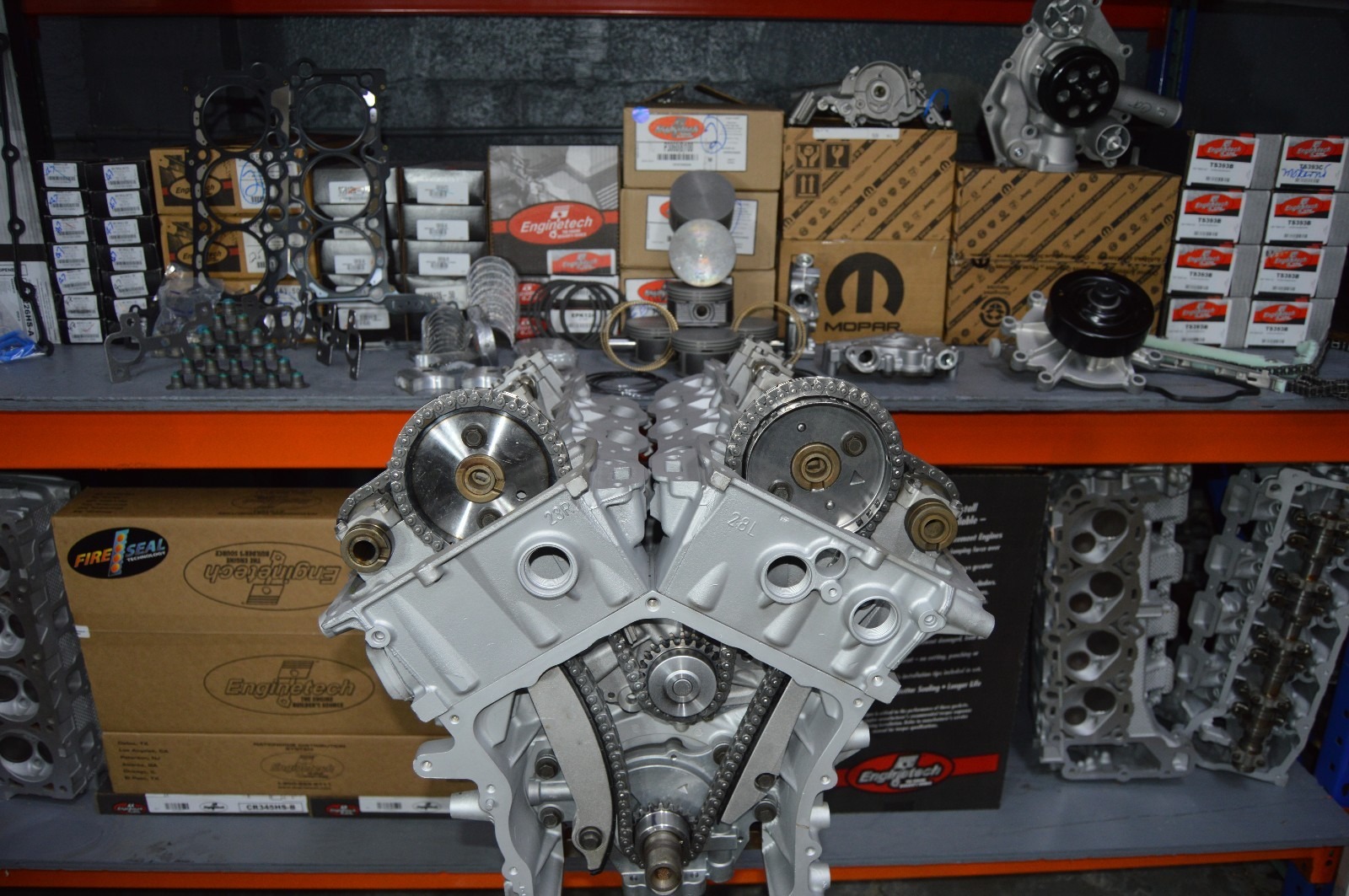
4. Chrysler 2.7L V6
The 2.7-liter V6 engine produced by Chrysler in the late 1990s and early 2000s may be one of the most frequently cited examples of an engine with catastrophic failure risks. Used in vehicles like the Dodge Intrepid, Chrysler Sebring, and Dodge Stratus, this engine was intended to be a modern, efficient design.
Instead, it turned into a reliability disaster that earned a reputation for engine sludge, overheating, and sudden failure. Even well-maintained examples often fell victim to internal failure before reaching 100,000 miles.
One of the engine’s main flaws is its extremely poor oil circulation. The internal passages are narrow, and when combined with long oil change intervals, the result is rapid sludge buildup.
This sludge doesn’t just stay in the pan, it makes its way into the valvetrain and timing chain areas, eventually clogging components and leading to internal starvation.
Once the oil flow is compromised, the camshaft, crankshaft, and connecting rods begin to fail, often without warning. Many owners found out the hard way when their engines seized up with no prior symptoms.
Cooling system issues also plagued the 2.7L V6. The water pump, which is internal and driven by the timing chain, tends to leak coolant directly into the oil system when it fails.
This contamination destroys oil lubrication properties, essentially turning the inside of the engine into a death zone for moving parts. The only real fix is a complete engine teardown or replacement. By the time most owners discover the issue, the damage has already been done.
Adding insult to injury is how expensive the engine is to repair compared to the vehicles it comes in. Because of its complexity and labor-intensive design, most mechanics charge a premium to work on it. In many cases, the repair bill exceeds the value of the car, leading to the scrapping of the entire vehicle.
While the 2.7L V6 may look decent on paper with good fuel economy and smooth operation, the reality is that it’s one of the most failure-prone engines in modern American automotive history.
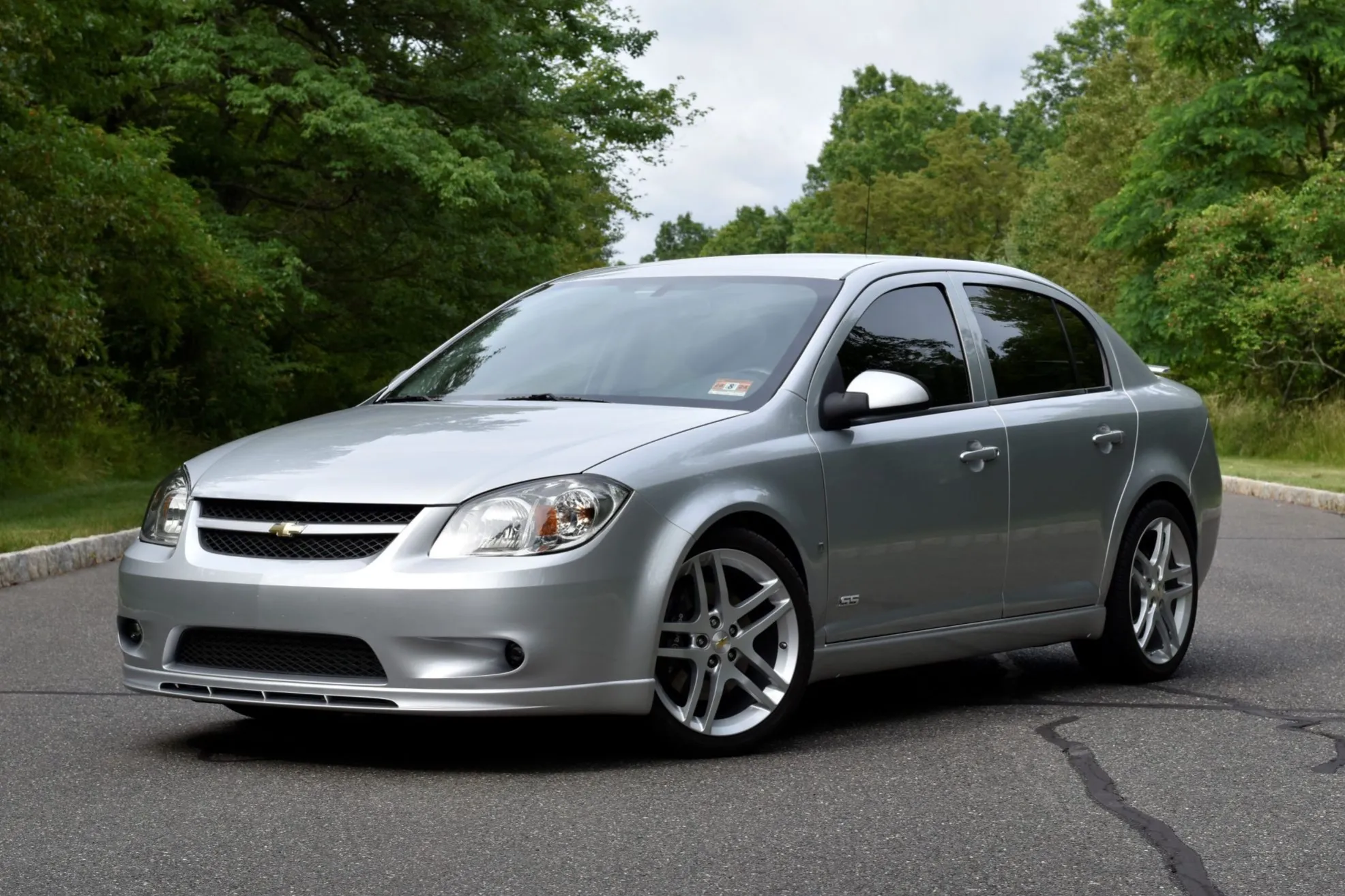
5. Chevrolet Cobalt SS (2.0L Supercharged Ecotec LNF Engine)
The Chevrolet Cobalt SS, particularly those equipped with the 2.0-liter supercharged Ecotec LNF engine produced in the mid-2000s, gained a reputation for sporty performance but also for serious reliability problems.
While the car was praised for its peppy acceleration and handling, the engine itself frequently suffered from premature failure and recurring mechanical issues that undermined its appeal as a fun, affordable sport compact.
One of the biggest problems with the LNF engine is its tendency to develop severe oil consumption. Many owners reported needing to add significant amounts of oil between scheduled changes, sometimes due to piston ring wear or turbocharger seal failures.
This excessive oil use often leads to fouling of the spark plugs and buildup in the catalytic converters, causing poor engine performance and increasing emissions.
The root causes are often traced back to the engine’s design choices, which pushed for high output without fully addressing the long-term durability of the internal components.
Another major issue is the timing chain tensioner failure. This component can wear prematurely and lose tension, causing the timing chain to slacken. If the chain jumps teeth or breaks, it can lead to catastrophic engine damage, including bent valves and ruined pistons.
Timing chain tensioner failure is a known problem that often appears at relatively low mileages, sometimes under 80,000 miles, turning what should be routine maintenance into expensive engine rebuilds or replacements.
Additionally, the supercharger itself, which is integral to the engine’s power delivery, often develops problems. Supercharger clutch failures and bearing wear can cause loss of boost pressure and degraded engine performance.
Repairing or replacing the supercharger is costly, and some owners find themselves caught between frequent maintenance and expensive repairs. For an engine marketed as a performance enthusiast’s choice, the LNF often disappoints when it comes to long-term dependability.
The combination of these factors has led to many Cobalt SS owners experiencing a frustrating ownership cycle. What starts as an exciting, fast compact car can quickly turn into a maintenance nightmare.
Unlike some other engines that may fail quietly over time, the LNF engine’s issues tend to be loud and costly, forcing owners to either invest heavily in repairs or consider replacing the vehicle altogether. Despite the car’s good looks and spirited drive, the reliability concerns make it a risky choice for those seeking longevity.
