
Choosing the right car for college life is a decision that goes far beyond just picking a vehicle that looks good or has cool features. For many students, a car represents freedom, independence, and a vital tool for managing the demands of campus life, work, and social activities.
However, the challenge lies in finding a car that is practical, affordable, and reliable, without breaking the bank or creating unexpected headaches.
College students typically face unique challenges when it comes to transportation: tight budgets, limited experience with car maintenance, fluctuating schedules, and often a need to balance fuel efficiency with comfort and safety.
This makes selecting the right vehicle a much more nuanced decision than it might be for someone with a more flexible financial situation or fewer daily commitments.
The market is flooded with countless car options, from compact sedans and sporty hatchbacks to luxury SUVs and rugged trucks.
While some of these vehicles perfectly match the lifestyle and needs of college students, others are better left off the list because they come with high costs, impractical features, or maintenance demands that can add unnecessary stress.
Knowing which cars are truly built for the realities of college life can save students money, time, and frustration, while also ensuring that they have a reliable ride throughout their academic journey.
This article will explore five cars that stand out as smart choices for college students, highlighting their key benefits such as fuel efficiency, affordability, ease of maintenance, and safety. These are vehicles designed to support the typical student lifestyle, offering reliability and economy without sacrificing comfort or style.
At the same time, the article will also look at five cars that tend not to be well-suited for students due to factors like high ownership costs, poor fuel economy, or impractical sizes and features.
These vehicles might be tempting because of their looks or brand prestige, but they often bring challenges that can outweigh their advantages in a student’s day-to-day life.
By understanding the pros and cons of these different vehicles, students can make informed choices that align with their budgets and needs. Whether commuting to classes, running errands, visiting family, or just enjoying downtime with friends, having the right car makes all the difference.
The goal is to find a balance, one that offers reliability, affordability, safety, and convenience, so students can focus on what matters most: their education and personal growth.
In the sections ahead, we will dive into detailed reviews of these ten vehicles, providing insight into why some are ideal for college life and why others might best be avoided.
Also Read: 10 Pickup Trucks That Outlast Their Original Owners
5 Cars Built for College Students
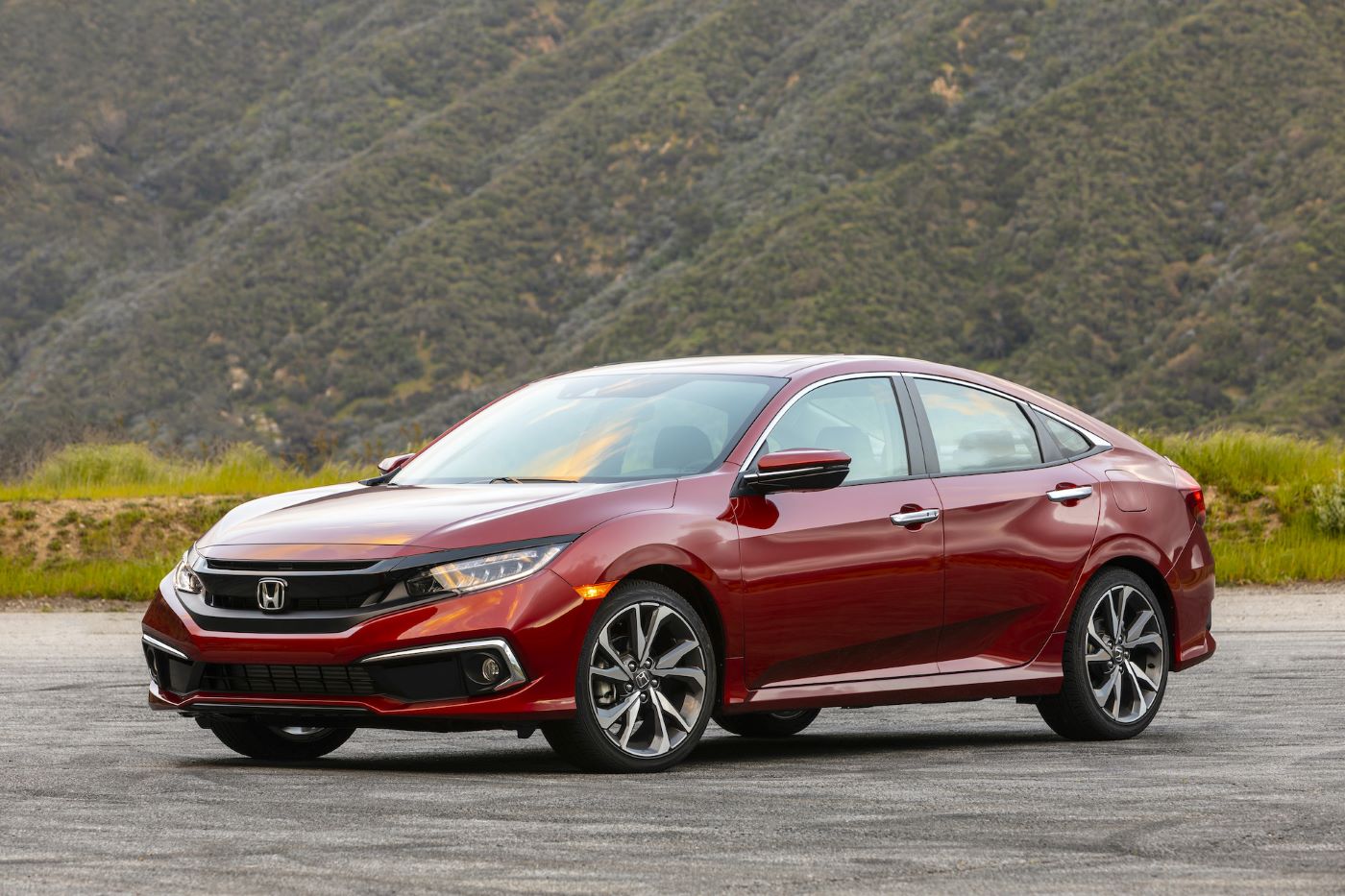
1. Honda Civic
The Honda Civic remains one of the most trusted and practical cars for college students, and it has earned this reputation over decades. Its engineering emphasizes reliability and longevity, which is crucial when money is tight and students cannot afford constant repairs.
Many Civic owners report their cars lasting well beyond 200,000 miles with routine maintenance, meaning a student can buy a used Civic and confidently expect it to last through all four years of school and beyond. This kind of durability reduces the risk of breakdowns that can disrupt busy schedules and cause additional stress.
Fuel economy is another major advantage of the Civic. With many models averaging between 30 to 40 miles per gallon depending on the year and engine type, students save significantly on gas.
For those commuting to campus, part-time jobs, or social events, this fuel efficiency makes a big difference over time, especially considering fluctuating fuel prices. The Civic’s compact size also makes it easy to park in tight spaces, a frequent challenge in busy college towns or crowded campus lots.
Inside the car, students will find a well-designed, user-friendly interior that balances comfort and practicality. The Civic offers enough room for passengers and cargo without feeling cramped, making it suitable for group trips or moving dorm essentials.
Technology features in newer models, such as Bluetooth connectivity and touchscreen infotainment systems, help keep students connected and entertained on the road. Safety has always been a priority for Honda, and the Civic’s consistent top safety ratings mean students are better protected in the event of an accident.
Lastly, the cost of ownership is very reasonable. The Civic’s parts are affordable, and many mechanics are familiar with Honda’s design, keeping repair bills manageable.
Insurance for the Civic is also generally lower than for many other vehicles, making it one of the best all-around choices for students seeking a balance of reliability, economy, and safety.
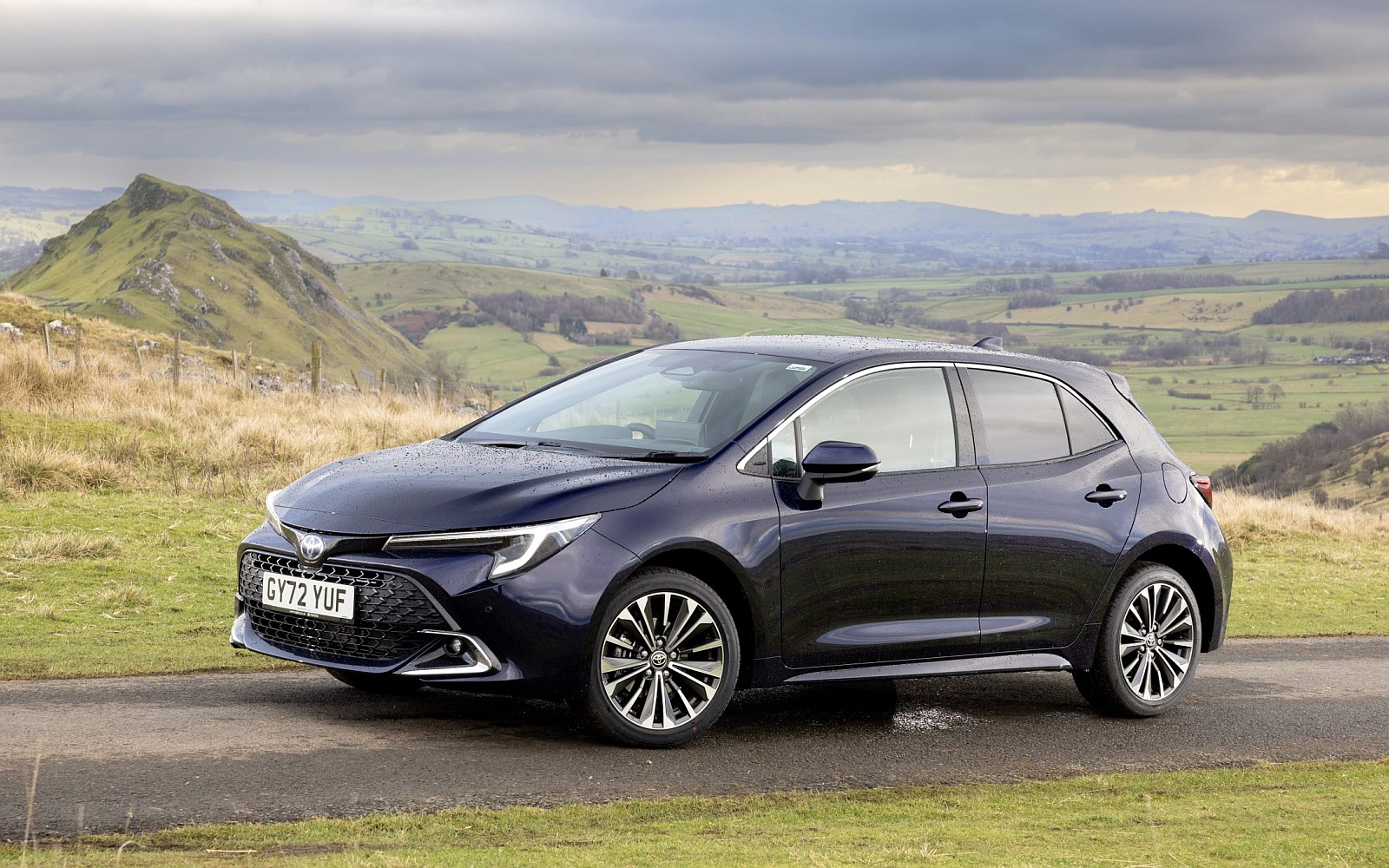
2. Toyota Corolla
The Toyota Corolla is another perennial favorite for college students, and its reputation is well deserved. Known for its “set it and forget it” reliability, the Corolla is built to withstand years of daily use with minimal problems.
This makes it especially attractive for students who may not have the time or resources to deal with frequent car troubles. With routine oil changes and basic maintenance, a Corolla can easily reach 200,000 miles or more, which is a significant advantage for anyone on a student budget.
Fuel economy is an important consideration for most college students, and the Corolla excels in this area. Most models from recent years average about 30 to 35 miles per gallon, meaning students can stretch their fuel budgets and reduce the need for constant fill-ups.
This is particularly helpful for those living off-campus or commuting longer distances. The car’s compact size helps with parking and maneuverability, especially in urban or campus settings where space is at a premium.
The Corolla’s interior might be simple, but it is functional and comfortable. It provides sufficient space for four or five passengers and ample trunk room for school bags, groceries, or weekend trips.
Recent models come equipped with Toyota’s Safety Sense suite, including features such as automatic emergency braking, adaptive cruise control, and lane departure warnings. These safety technologies provide extra peace of mind for younger drivers who are still building experience on the road.
Cost efficiency extends beyond just purchase price and fuel economy. The Corolla’s maintenance costs are low, with parts that are inexpensive and widely available.
Insurance premiums tend to be reasonable, reflecting the Corolla’s safety profile and moderate repair costs. For students who want a reliable, efficient, and low-maintenance vehicle, the Toyota Corolla remains a top contender.
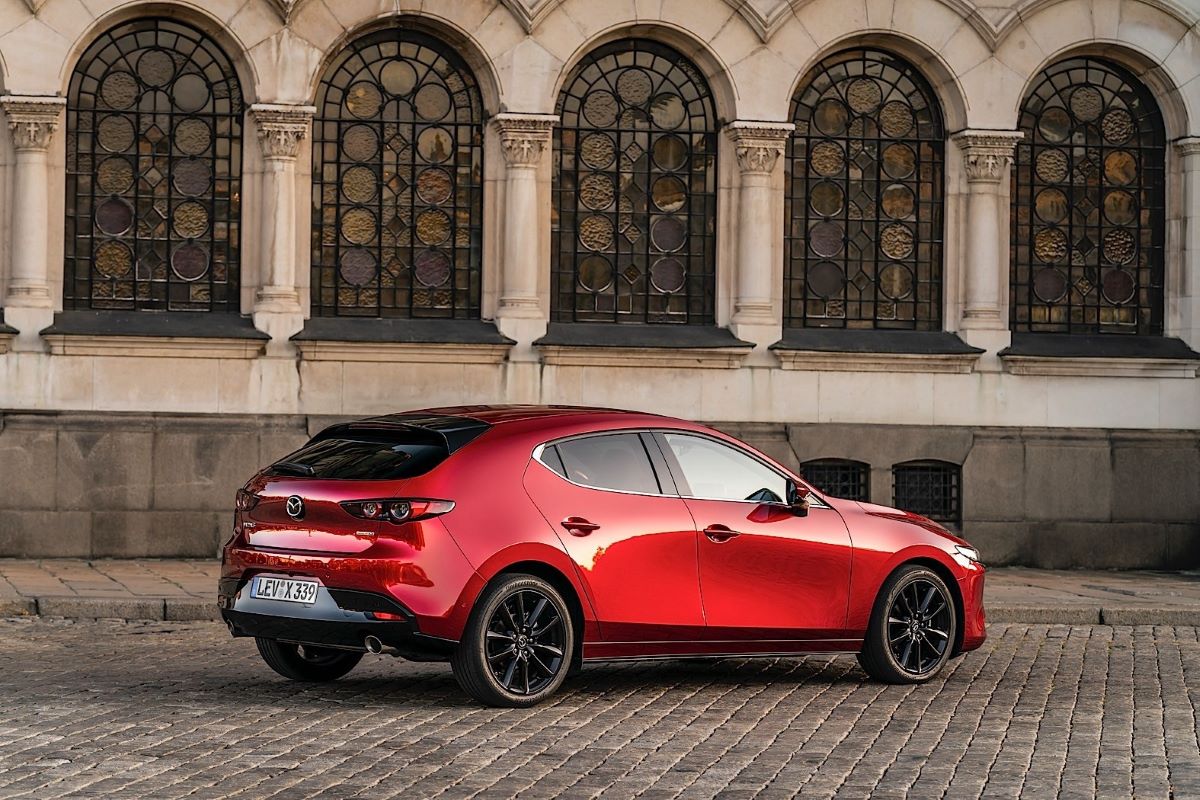
3. Mazda3
The Mazda3 offers a bit of a different flavor for college students who want a car that stands out while still being practical. Known for its sporty styling and engaging driving dynamics, the Mazda3 appeals to those who want to enjoy the driving experience rather than just endure it.
The car handles corners with precision and offers a more responsive feel compared to many other compact sedans, making it fun without sacrificing everyday usability.
Fuel efficiency remains competitive with the Mazda3, generally achieving around 28 to 30 miles per gallon depending on the model and engine configuration.
This allows students to save money at the pump without giving up performance or style. The car’s size is compact enough for navigating busy city streets and campus parking lots but still offers a comfortable interior with quality materials that make it feel more upscale than some competitors in its class.
Technology inside the Mazda3 is designed with a younger demographic in mind. Many models come with touchscreen infotainment systems that support smartphone integration, voice commands, and Bluetooth connectivity.
These features are valuable for students who want to stay connected, access music or podcasts, and navigate efficiently. Safety is also well addressed, with multiple airbags, strong crash test results, and driver assistance features like blind-spot monitoring and rear cross-traffic alerts available in many trims.
From a cost perspective, the Mazda3 tends to be moderately priced both new and used. Its maintenance costs are reasonable, and while insurance might be slightly higher than that of ultra-budget cars, it’s still manageable for most students.
The combination of reliability, engaging performance, stylish design, and safety features make the Mazda3 an excellent choice for students who want more than just a basic vehicle.
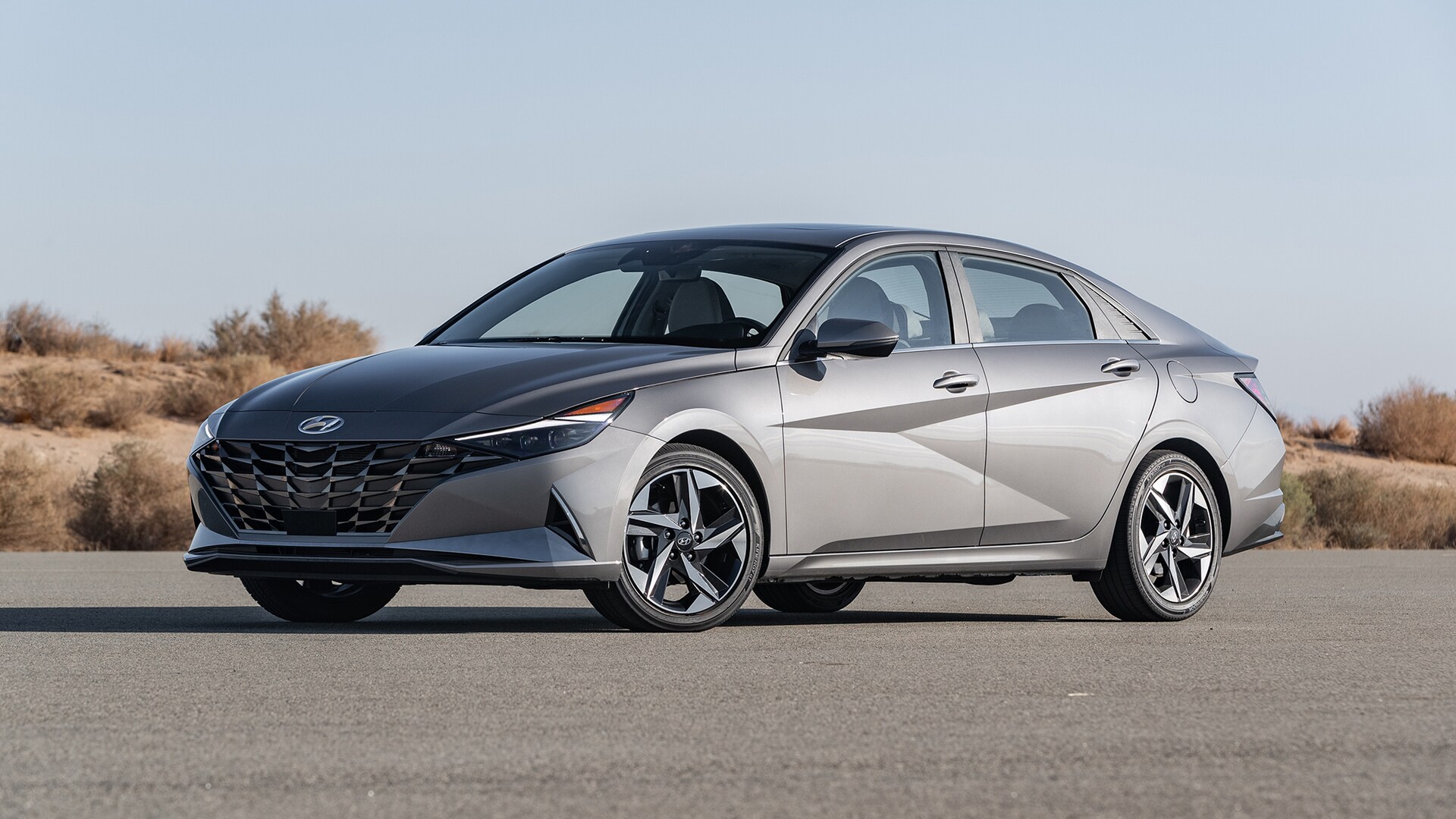
4. Hyundai Elantra
The Hyundai Elantra has gained traction as a practical yet stylish choice for college students in recent years. Its bold design and comfortable ride make it stand out in a crowded segment, offering features that appeal to young drivers without a hefty price tag.
Hyundai has also improved its reputation for reliability, making the Elantra a dependable car that can easily serve students through their college years.
One of the key selling points of the Elantra is its impressive warranty coverage. Hyundai offers one of the longest warranties in the industry, including a 10-year/100,000-mile powertrain warranty, which can be a major selling point for budget-conscious students worried about future repairs.
The car is also fuel-efficient, with recent models regularly achieving 30 miles per gallon or more, helping to keep operating costs low.
Inside, the Elantra offers a spacious and comfortable cabin, with intuitive controls and technology that meets the needs of today’s students.
Features such as Apple CarPlay and Android Auto integration, touchscreen displays, and available safety systems make it both functional and modern. The car’s ride quality is smooth, and its handling is confident enough for city and highway driving alike.
Cost of ownership is another strong point. The Elantra is often priced lower than many competitors while offering comparable or better features.
Insurance rates tend to be affordable, and maintenance expenses are reasonable due to the car’s growing reputation for dependability. The Hyundai Elantra combines affordability, modern technology, and reliability, making it a strong contender for college students.
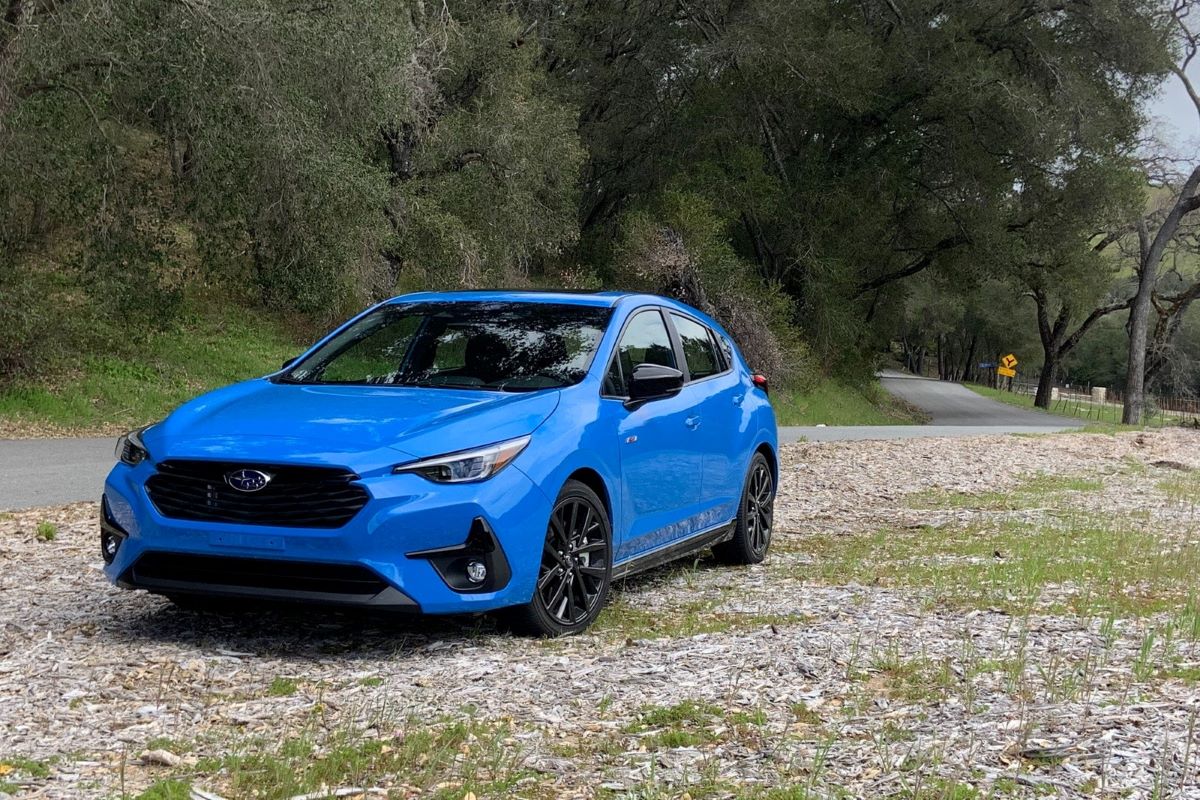
5. Subaru Impreza
The Subaru Impreza is a practical choice for students living in regions where weather can be a challenge. Thanks to its standard all-wheel-drive system, the Impreza offers superior traction and control in rain, snow, or icy conditions.
This added stability can be a critical factor for students commuting in unpredictable climates, making the Impreza safer and more reliable throughout the year compared to front-wheel-drive rivals.
While the Impreza may not achieve the same fuel efficiency numbers as smaller, front-wheel-drive cars, it still performs well in terms of mileage, usually offering between 27 and 30 miles per gallon.
This is a good compromise given the benefit of all-wheel drive, which often adds weight and complexity. The car is also comfortable inside, with a functional layout and sufficient space for passengers and cargo. It’s practical for students who need to carry books, sports gear, or even a roommate’s belongings during move-in days.
Technology in the Impreza caters well to younger drivers, with touchscreen infotainment systems and available advanced safety features like adaptive cruise control, automatic emergency braking, and lane departure warning.
These contribute to a safer driving experience. Subaru also enjoys a strong reputation for reliability and longevity, meaning that the Impreza is a vehicle students can count on to get through college without frequent mechanical issues.
In terms of ownership costs, the Impreza can be slightly higher than some compact cars due to its all-wheel-drive system, but these costs are generally manageable and offset by the increased safety and capability.
Insurance is typically reasonable for this model, and many students find the extra peace of mind worth the slight increase in fuel and maintenance expenses. The Subaru Impreza is a smart choice for students who prioritize safety and versatility in their vehicle.
5 Cars That Aren’t Built for College Students
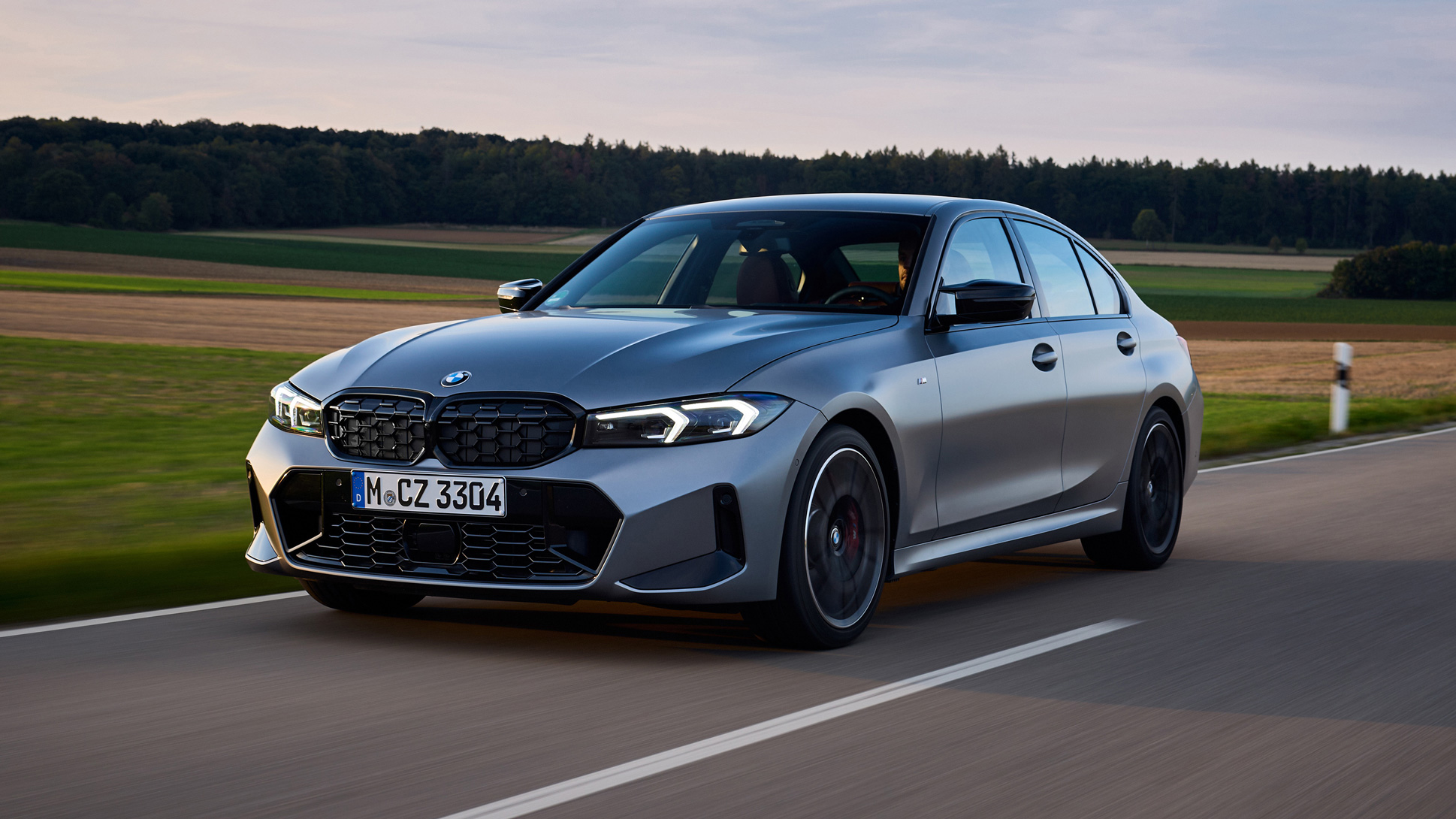
1. BMW 3 Series
The BMW 3 Series is often admired for its sleek design, powerful engines, and dynamic driving experience. However, these qualities come with a price that makes it generally unsuitable for college students. The most significant drawback is the high cost of ownership.
While the initial purchase price may be manageable if buying a used model, the maintenance and repair expenses are typically much higher than those of economy cars.
BMWs require specialized parts and service, and even routine maintenance can become expensive. For students with limited budgets, this can quickly become overwhelming.
Fuel economy is another factor that makes the 3 Series less appealing for students. While newer models may offer some improvements, most versions still consume significantly more fuel than compact sedans like the Civic or Corolla.
The combination of premium fuel requirements and lower miles per gallon means that students will spend more money at the pump.
On top of this, insurance costs for BMWs are notoriously high, particularly for young drivers who often face steep premiums due to the vehicle’s status as a luxury and performance car.
Comfort and practicality also come into play. The 3 Series tends to have a firmer ride focused on sporty handling, which can be less comfortable for everyday commuting or longer drives to and from campus.
The rear seat space is often limited compared to other vehicles in the compact segment, reducing passenger comfort. While the car offers performance and prestige, the downsides generally outweigh the benefits for most students who need reliability, economy, and affordability above all.
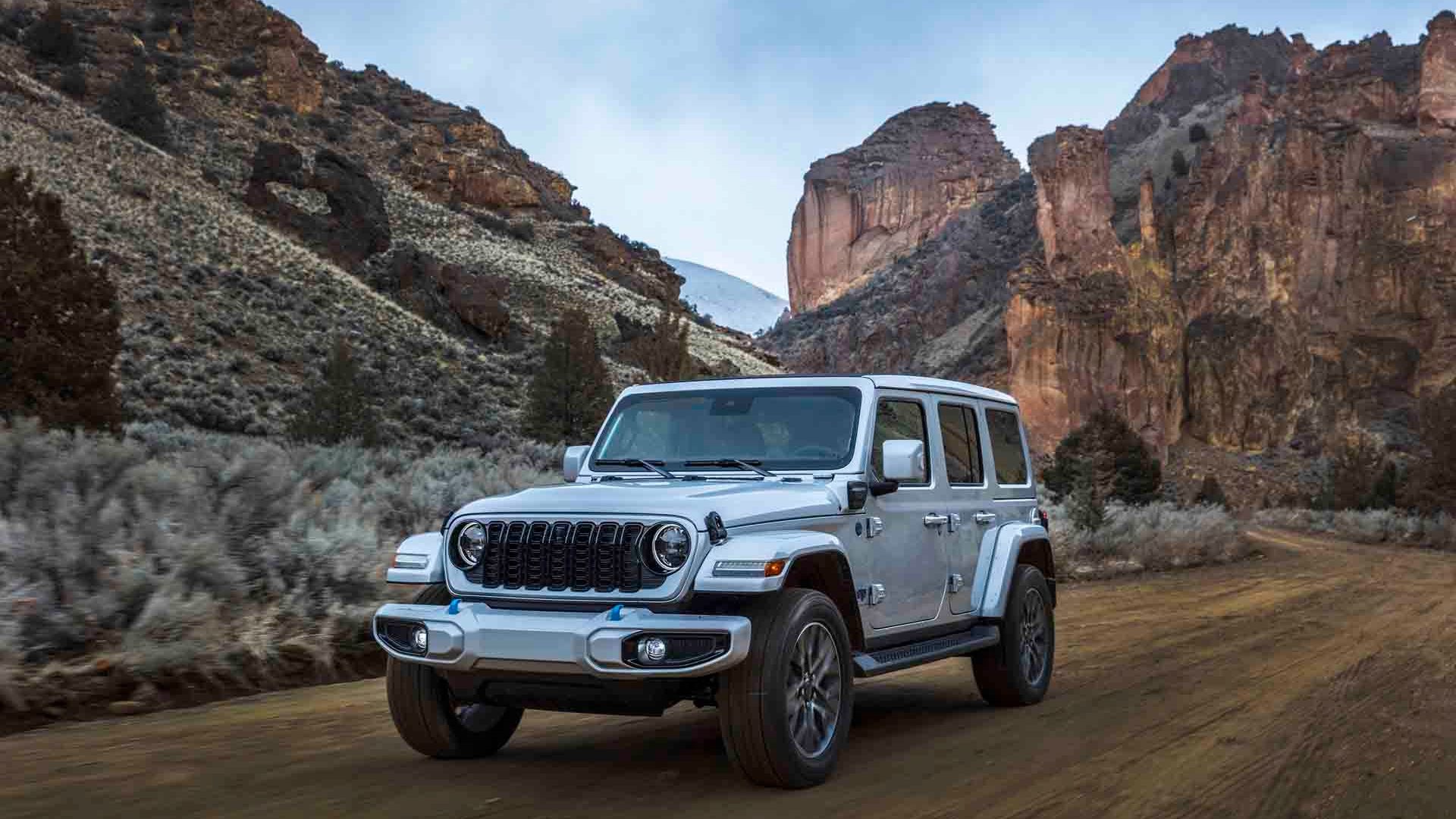
2. Jeep Wrangler
The Jeep Wrangler’s iconic design and rugged off-road capabilities have earned it a dedicated fan base. Unfortunately, for college students, this vehicle rarely aligns with their practical needs.
The Wrangler’s fuel economy is one of its biggest disadvantages, with most models averaging less than 20 miles per gallon. For students balancing tight budgets, this level of fuel consumption can lead to significant monthly expenses that could be better allocated elsewhere.
Additionally, the Wrangler’s ride quality is rough compared to typical passenger cars. Its off-road suspension, solid axles, and heavier body design mean it handles bumps and potholes poorly when driven on normal roads.
This can lead to a less comfortable daily driving experience, which matters when students face long commutes or frequent trips across campus. The interior space is limited, and the cargo area is small and not ideal for hauling larger items like furniture, sports equipment, or moving boxes.
Insurance costs for the Wrangler also tend to be higher than average. Its reputation as an off-road vehicle, coupled with safety concerns related to its higher rollover risk, means insurers charge more to cover younger, less experienced drivers.
Maintenance can be costly as well, particularly if the vehicle is used off-road frequently, which often leads to accelerated wear on tires, suspension, and drivetrain components. For most college students, the Jeep Wrangler’s drawbacks outweigh its style and off-road capabilities.
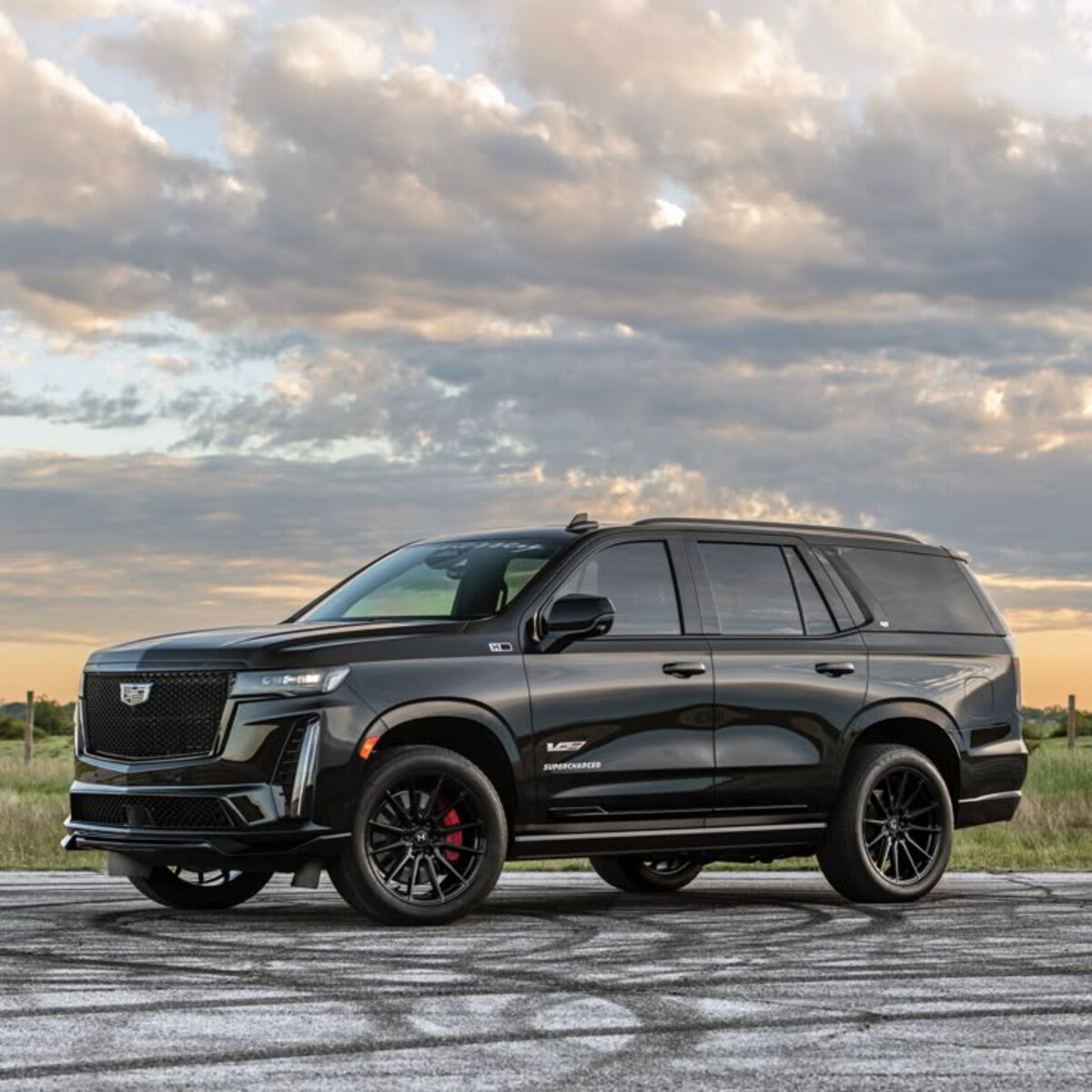
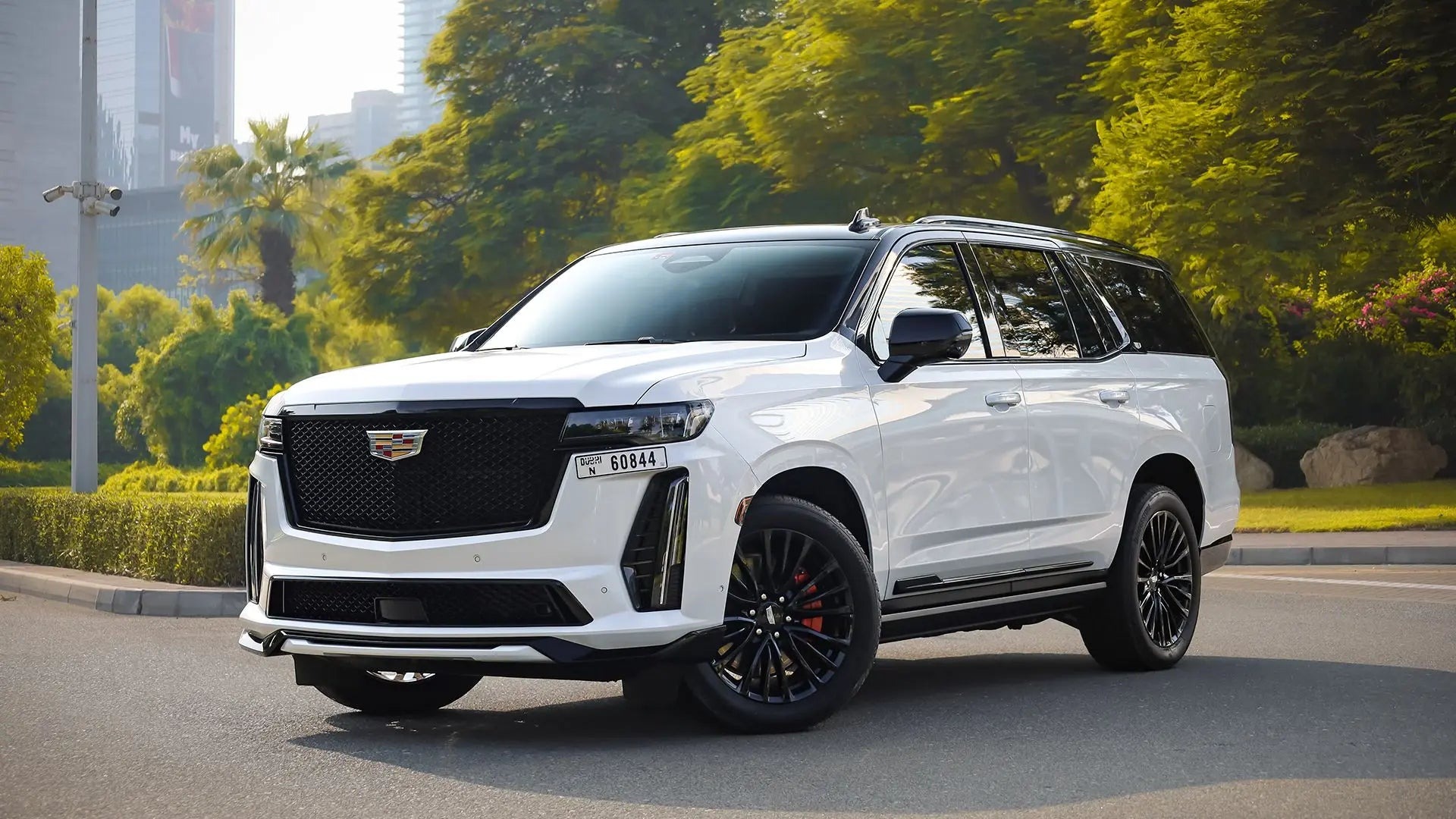
3. Cadillac Escalade
The Cadillac Escalade is a luxury full-size SUV known for its commanding presence, powerful engine, and upscale interior. However, its attributes make it impractical for the typical college student.
For starters, the Escalade’s sheer size makes it difficult to navigate and park in tight campus lots or crowded city streets. Maneuvering a large SUV daily can be stressful and inconvenient, especially in areas where space is limited.
Fuel economy is one of the Escalade’s weakest points. With large V8 engines and a heavy frame, these vehicles often achieve fewer than 15 miles per gallon, making fuel costs extremely high. For students who need to manage every expense carefully, such inefficient fuel usage is rarely justifiable.
Additionally, the cost of maintaining a luxury SUV like the Escalade is high. Repairs, parts, and specialized labor come at a premium, and insurance premiums reflect the luxury status and high repair costs.
While the Escalade offers a spacious and comfortable interior, this level of luxury comes at a steep price. It’s unlikely that a student’s budget can handle the upfront cost, insurance, and upkeep expenses associated with this vehicle.
The Escalade is designed more for status and comfort than practicality, making it a poor fit for those seeking economical, reliable transportation during college.
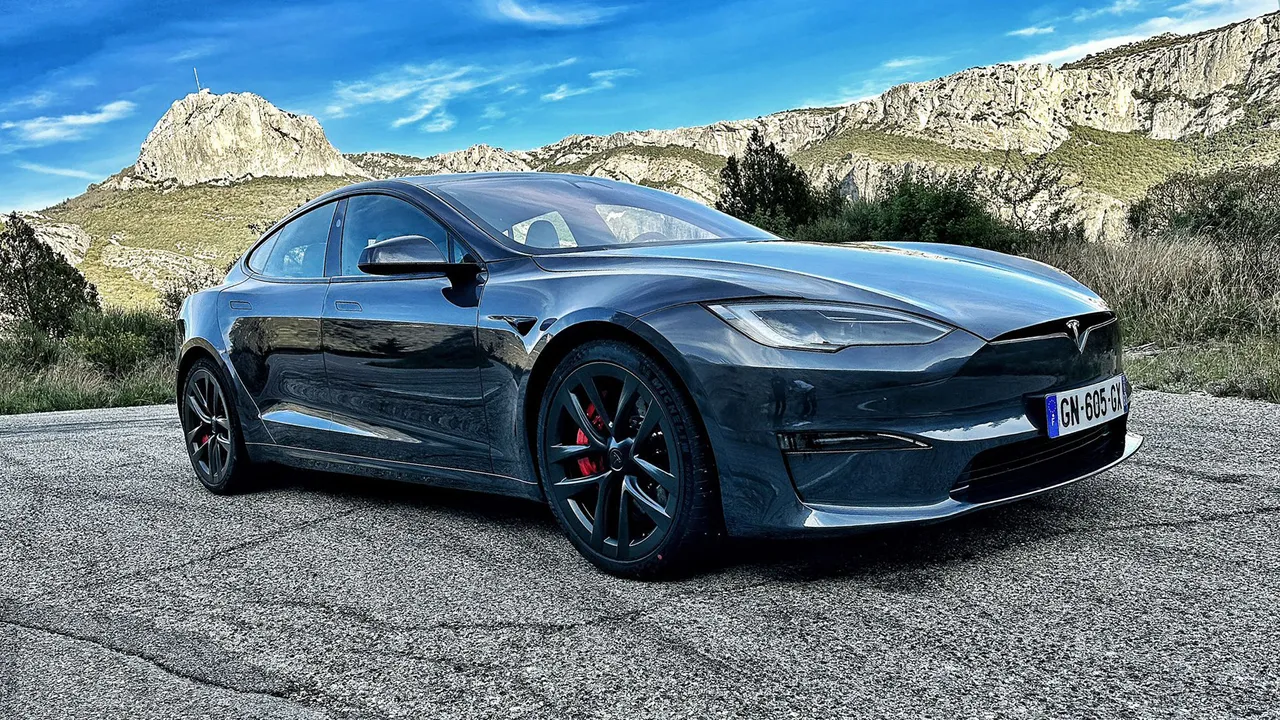
4. Tesla Model S
Tesla’s Model S is a cutting-edge electric vehicle that boasts impressive acceleration, long range, and advanced technology. While it might be tempting for tech-savvy college students, it’s rarely a practical choice for most.
The Model S comes with a very high price tag, which puts it well outside the budget of typical college students. Even buying used, these cars tend to be costly due to their premium nature and demand.
Charging infrastructure can be a significant hurdle. While Tesla’s Supercharger network is expanding, many college campuses and surrounding towns lack convenient charging options, making daily use more complicated.
This can lead to range anxiety, especially for students who commute longer distances or do not have easy access to charging at home or school. Additionally, charging an electric car often takes longer than filling a gas tank, which can be inconvenient during busy college schedules.
Insurance rates for a Tesla Model S are also higher than for many conventional vehicles, reflecting the car’s expensive parts and complex technology.
Repairs often require specialized service and parts, which can be costly and time-consuming. While the Model S offers impressive features and a sustainable option, the combination of high cost, charging limitations, and insurance makes it impractical for most college students.
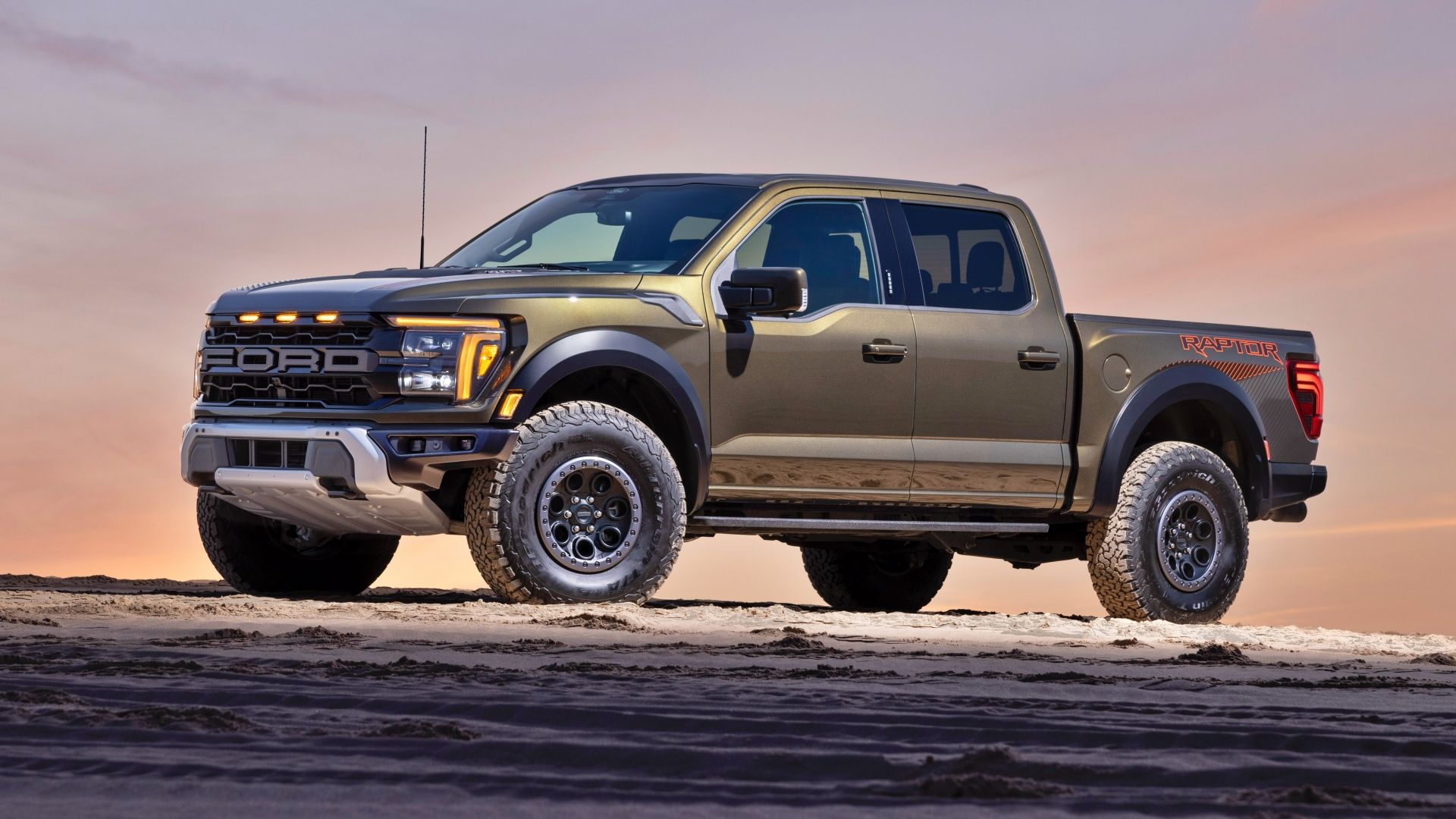
5. Ford F-150
The Ford F-150 is a popular full-size pickup truck known for its strength, towing capacity, and versatility. Despite its popularity, it’s generally not the best option for college students.
The truck’s large size creates challenges in maneuvering through tight campus parking lots and congested urban areas. Students who need to park in crowded lots or navigate narrow streets may find the truck cumbersome and frustrating.
Fuel efficiency is a major downside for the F-150. Full-size trucks usually average under 20 miles per gallon, which can make daily commuting expensive for students on a budget.
Given that many college students do not need a truck’s towing or hauling capabilities, these features don’t justify the extra cost and fuel consumption. Additionally, insurance premiums for pickup trucks tend to be higher than for smaller passenger vehicles, especially for younger drivers.
Maintenance and repair costs can also be significant. Trucks are often used in harsher conditions and may incur more wear and tear, leading to higher upkeep costs.
The F-150’s powerful engine and complex systems can make repairs more expensive compared to those of smaller sedans. While the F-150 is a great vehicle for work, outdoor activities, or hauling, it rarely fits the daily needs or budgets of college students.
Also Read: 12 Pickup Trucks Still on the Road After 30 Years
Choosing the right car during college is a decision that carries significant weight, impacting not only a student’s day-to-day life but also their financial well-being and college experience.
The vehicles best suited for college students are those that balance affordability, reliability, fuel efficiency, safety, and practicality.
These factors are crucial because college students often operate on tight budgets and have limited time and resources to handle unexpected repairs or high fuel costs. Cars like the Honda Civic, Toyota Corolla, Mazda3, Hyundai Elantra, and Subaru Impreza exemplify this balance.
They are dependable, economical to run, and comfortable enough to accommodate the diverse needs of student life, from daily commuting to weekend trips.
Reliability is perhaps the most important trait a college car can have. Students rely on their vehicles to get to class, work, internships, and social activities without worrying about frequent breakdowns. The cars recommended for college students are known for their longevity and ease of maintenance.
They come with affordable parts and widespread mechanic familiarity, which helps keep repair bills manageable and reduces downtime. This reliability provides peace of mind, allowing students to focus on their studies instead of unexpected vehicle troubles.
Fuel efficiency is another critical consideration. With fluctuating gas prices and the need to travel regularly, having a car that maximizes miles per gallon can lead to substantial savings over time.
The vehicles suitable for college students typically deliver solid fuel economy, which helps stretch limited budgets and reduces environmental impact. This also makes commuting less stressful and more affordable, especially for students living off-campus or making longer trips.
Safety features and ratings should never be overlooked. Newer models of recommended cars come equipped with essential safety technologies such as airbags, anti-lock brakes, and stability control, along with advanced options like lane departure warnings and automatic emergency braking.
These features protect young drivers who may still be gaining experience behind the wheel, making the roads safer for them and those around them.
On the flip side, some vehicles that are popular or prestigious may not be well-suited to the realities of college life. Luxury cars like the BMW 3 Series and Tesla Model S, while impressive, come with high purchase prices, costly repairs, and expensive insurance rates that can be a major financial burden.
Trucks and SUVs such as the Ford F-150, Jeep Wrangler, and Cadillac Escalade, despite their rugged appeal, often consume more fuel, have larger footprints that complicate parking and maneuvering, and typically come with higher ownership costs.
For students, these drawbacks often outweigh the benefits, leading to avoidable expenses and inconveniences.
The best car for a college student is one that fits their individual circumstances, but it should also prioritize practical qualities. Making a smart choice means looking beyond appearance or brand prestige and focusing on how a vehicle supports a student’s lifestyle and financial situation.
Cars that are built with students in mind offer a combination of affordability, durability, safety, and comfort, making them reliable companions throughout the college years.
By choosing wisely, students can avoid the pitfalls associated with owning a vehicle that is too expensive or impractical for their needs. This not only preserves their finances but also contributes to a smoother, less stressful college experience.
Having the right car means having a dependable, efficient, and safe way to get around, which in turn supports students in focusing on what truly matters: their education and personal growth. Making a well-informed decision about a college car is an investment in both convenience and peace of mind, setting the stage for success both on and off campus.
