

Subaru has long been synonymous with all-wheel drive (AWD) capability. From rugged mountain trails to slick city streets, their vehicles are built to provide traction and stability where others might falter.
The brand’s dedication to AWD technology has made it a favorite among drivers who demand performance in challenging conditions, such as snow, mud, and uneven terrain.
While many automakers offer AWD as an option, Subaru’s approach is unique in that it comes standard on nearly all of its models, underscoring the company’s commitment to providing dependable grip and control. This feature has cultivated a loyal fan base that trusts their Subarus to perform when the road gets tough.
Over the years, Subaru’s engineering team has refined its AWD systems, ensuring that each model maintains traction and balance without sacrificing fuel efficiency or comfort.
The result is a lineup of vehicles that not only handle well in adverse conditions but also deliver a confident driving experience on dry pavement.
For drivers who prioritize safety and stability, choosing a Subaru often means choosing peace of mind. From compact crossovers to sporty sedans, the AWD systems in these vehicles offer a level of responsiveness that few other manufacturers can match.
The symmetrical AWD layout, paired with a low center of gravity from the boxer engine design, contributes to Subaru’s reputation for excellent handling and grip. While all Subarus come with AWD, certain models stand out for retaining this edge even after years of use or in extreme environments.
These ten Subarus are known for their lasting AWD performance, a testament to Subaru’s engineering philosophy and their understanding of driver needs.
Whether it’s a daily commuter navigating icy roads or an adventure seeker tackling rugged trails, these vehicles continue to perform at a high level. This article will highlight these models and explain what makes their AWD systems stand the test of time.
The reliability of Subaru’s AWD system is not accidental but the result of consistent innovation and attention to detail. The company has developed various versions of AWD technology, including mechanical and electronic systems, adapting to changes in vehicle design and driver expectations.
These systems are designed to distribute power intelligently between the front and rear wheels, enhancing traction without constant intervention from the driver.
This ensures smoother transitions and a natural feel behind the wheel. Over time, these AWD systems have been tested in diverse climates and conditions, proving their durability and effectiveness.
Maintenance and build quality also play a role in preserving the AWD advantage, and Subaru’s reputation for solid engineering supports the longevity of these vehicles. Some models, in particular, have earned a reputation for rarely losing their AWD edge due to their design, components, and overall reliability.
This list of ten Subarus reflects the ones that owners and experts alike have praised for maintaining traction and control through various driving challenges.
This article is designed to provide a thorough look at each of these ten Subaru models, highlighting what makes their AWD systems stand out. Each section will describe the specific features, mechanical setups, and practical benefits of the AWD technology in these vehicles.
We will also consider factors such as durability, ease of maintenance, and how each model fits into the broader Subaru lineup.
Whether you are a potential buyer looking for a reliable AWD vehicle or a Subaru enthusiast interested in the mechanics behind these cars, this guide offers detailed information to understand why these models rarely lose their AWD edge.
The goal is to provide a clear, well-rounded picture of Subaru’s strengths in all-wheel drive technology and how it has been successfully applied across different vehicles. Now, let’s take a closer look at each model and discover what sets their AWD systems apart.
Also Read: 10 Pickup Trucks That Outlast Their Original Owners
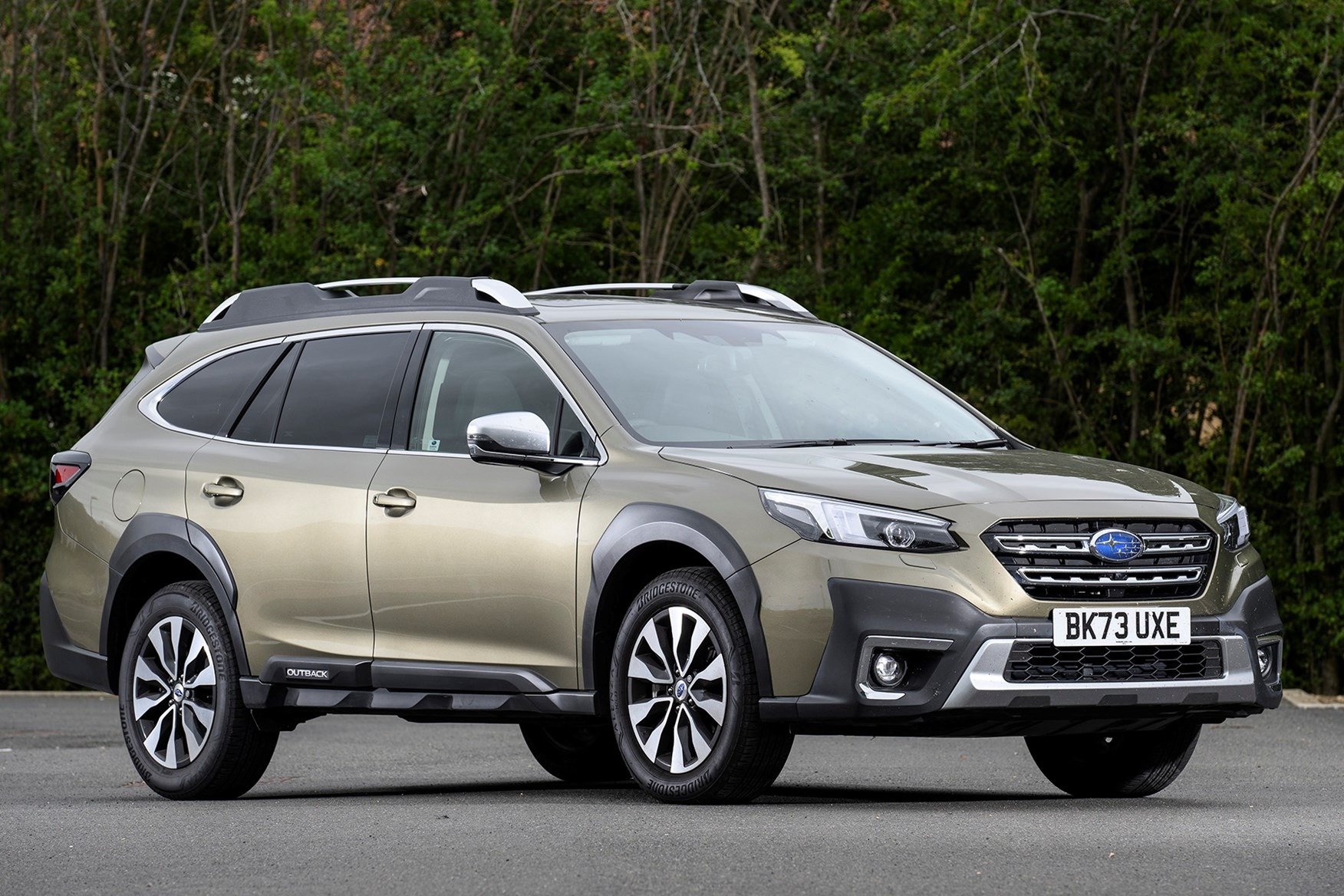
1. Subaru Outback
The Subaru Outback has become a symbol of rugged versatility combined with everyday usability. Its AWD system is one of the defining features that make it a favorite for families, outdoor enthusiasts, and anyone needing dependable traction in various conditions.
The Outback uses Subaru’s symmetrical AWD, which distributes power evenly between the front and rear wheels, allowing it to handle slippery roads and uneven surfaces with confidence.
Its system features a center differential with a viscous coupling or an electronically controlled multi-plate clutch (depending on the model year), which adjusts torque between axles automatically to prevent wheel slip.
This setup allows the Outback to maintain traction on snow-covered highways as well as dirt roads, making it highly adaptable. The vehicle’s ride height also helps by providing extra ground clearance, reducing the chance of undercarriage damage on rough terrain, which complements the AWD system’s capabilities.
The Outback’s AWD system is paired with a horizontally opposed “boxer” engine, which keeps the center of gravity low and improves balance. This design enhances the vehicle’s stability and handling characteristics, especially in adverse conditions.
Unlike some AWD systems that engage only after detecting slip, Subaru’s system is active at all times, providing a consistent driving experience without delay. The stability control system also works alongside AWD, applying brakes to individual wheels if needed to maintain control during cornering or emergency maneuvers.
This combination of features means that the Outback is not just capable off-road but also safe and predictable on highways.
Owners often report that their Outbacks perform well in heavy snow, rain, and muddy conditions, rarely losing traction or control. This reliability has made the Outback a staple in regions with challenging weather.
Maintenance plays a role in keeping the Outback’s AWD sharp over time. Subaru recommends regular checks on the differential fluid and the transfer case fluid to ensure the system remains responsive.
When properly maintained, the AWD components can last for many years and miles, making the Outback a solid investment for long-term ownership.
Subaru’s parts are widely available, and many mechanics are familiar with the system, which reduces the cost and hassle of repairs.
Additionally, Subaru often updates its AWD technology with newer models, incorporating improvements in electronic controls and torque distribution that enhance performance without compromising durability. This ongoing evolution helps the Outback retain its AWD edge across different generations.
The Outback is also versatile when it comes to customization and aftermarket support. Many owners install additional accessories like all-terrain tires, skid plates, and suspension upgrades that further enhance its off-road ability.
These modifications take advantage of the AWD system’s strong foundation, allowing the vehicle to tackle even more challenging conditions while maintaining traction.
The combination of a proven AWD system, solid build quality, and practical features makes the Subaru Outback one of the best models for retaining AWD performance over time.
Whether commuting to work in winter or venturing off the beaten path, the Outback’s AWD system rarely lets drivers down, reinforcing Subaru’s reputation for dependable traction in all conditions.
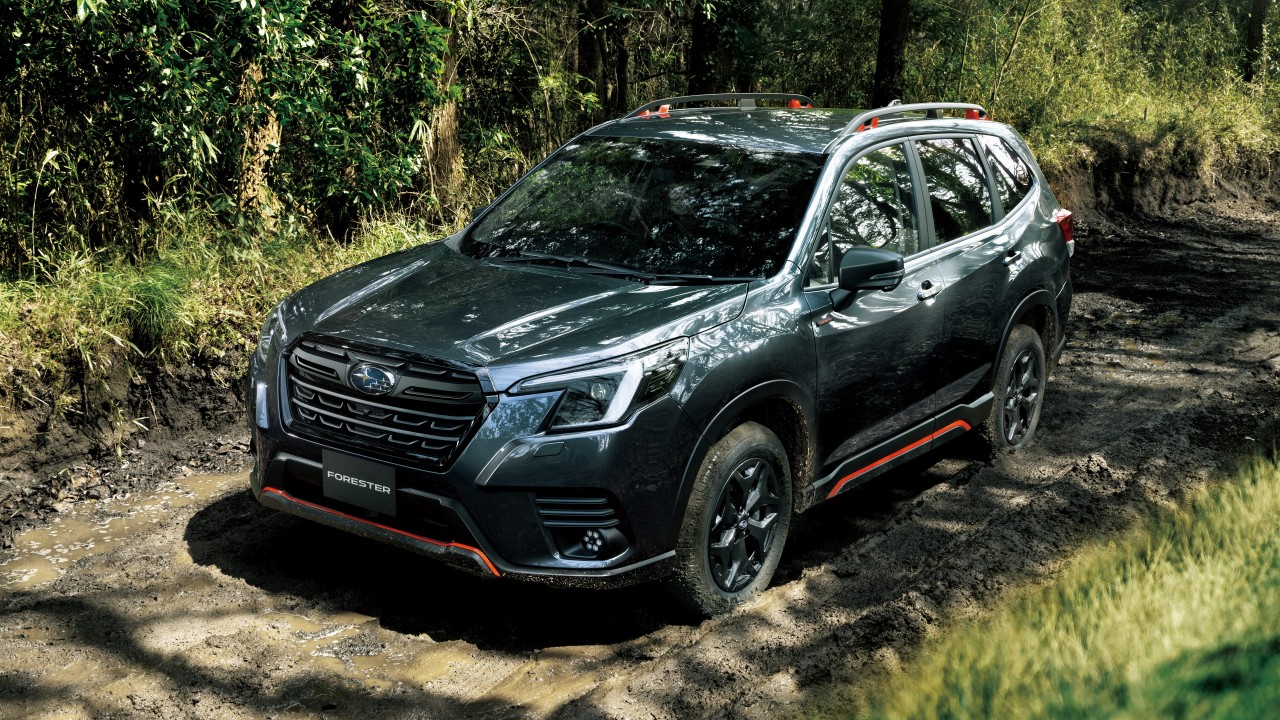
2. Subaru Forester
The Subaru Forester has earned a strong reputation for being a capable and reliable compact SUV, especially because of its AWD system. Like the Outback, the Forester features Subaru’s symmetrical AWD, which provides excellent balance and traction across diverse driving situations.
The system continuously monitors wheel speed and torque distribution, ensuring that power is sent to the wheels with the most grip. This helps the Forester navigate snow, rain, mud, and gravel with greater confidence than many competitors.
The Forester’s AWD system works in tandem with stability and traction control systems to optimize handling and prevent skids or loss of control, even on slippery roads. Its moderate ground clearance and well-tuned suspension complement the AWD system, making it capable off-road without sacrificing comfort on paved roads.
Subaru has made continual improvements to the Forester’s AWD setup across generations. Earlier models relied on viscous coupling units for torque transfer, while newer versions incorporate electronically controlled multi-plate clutches for faster and more precise response.
This shift has made the AWD system more adaptable to changing driving conditions, providing a more seamless and controlled driving experience. The Forester’s AWD system is also paired with Subaru’s boxer engine, which lowers the vehicle’s center of gravity and improves cornering stability.
Drivers often find that the Forester feels planted and secure on curvy roads and challenging terrain, largely thanks to this AWD design. Its compact size and nimble handling make it especially popular with urban drivers who want AWD without the bulk of larger SUVs.
The durability of the Forester’s AWD system is well-documented by owners who report that it maintains performance even after many years of use. Regular maintenance of drivetrain components, such as checking differential fluids and inspecting the transfer mechanism, is recommended to keep the system in top condition.
Subaru’s engineering emphasizes simplicity and robustness in the AWD design, reducing the likelihood of complex failures.
Additionally, the Forester’s AWD system is known for being reliable in cold weather, a critical factor for drivers in snowy climates.
Its ability to deliver power consistently without hesitation builds confidence and reduces the stress of driving in hazardous conditions. This reliability is one reason why the Forester has remained a top choice for those needing dependable AWD.
The Forester also offers various trims and options that cater to different driver preferences, including versions with enhanced AWD features like X-Mode, which optimizes throttle and braking for off-road traction. These features further enhance the vehicle’s capability on difficult terrain.
The Forester’s AWD system can handle steep inclines, loose surfaces, and uneven roads without losing its grip, making it a practical choice for outdoor adventures.
The system’s responsiveness and balance are complemented by Subaru’s focus on driver safety and convenience, ensuring that the vehicle remains controllable and confident even in unexpected situations.
This balance of capability and reliability is why the Subaru Forester consistently ranks among the models that rarely lose their AWD edge.
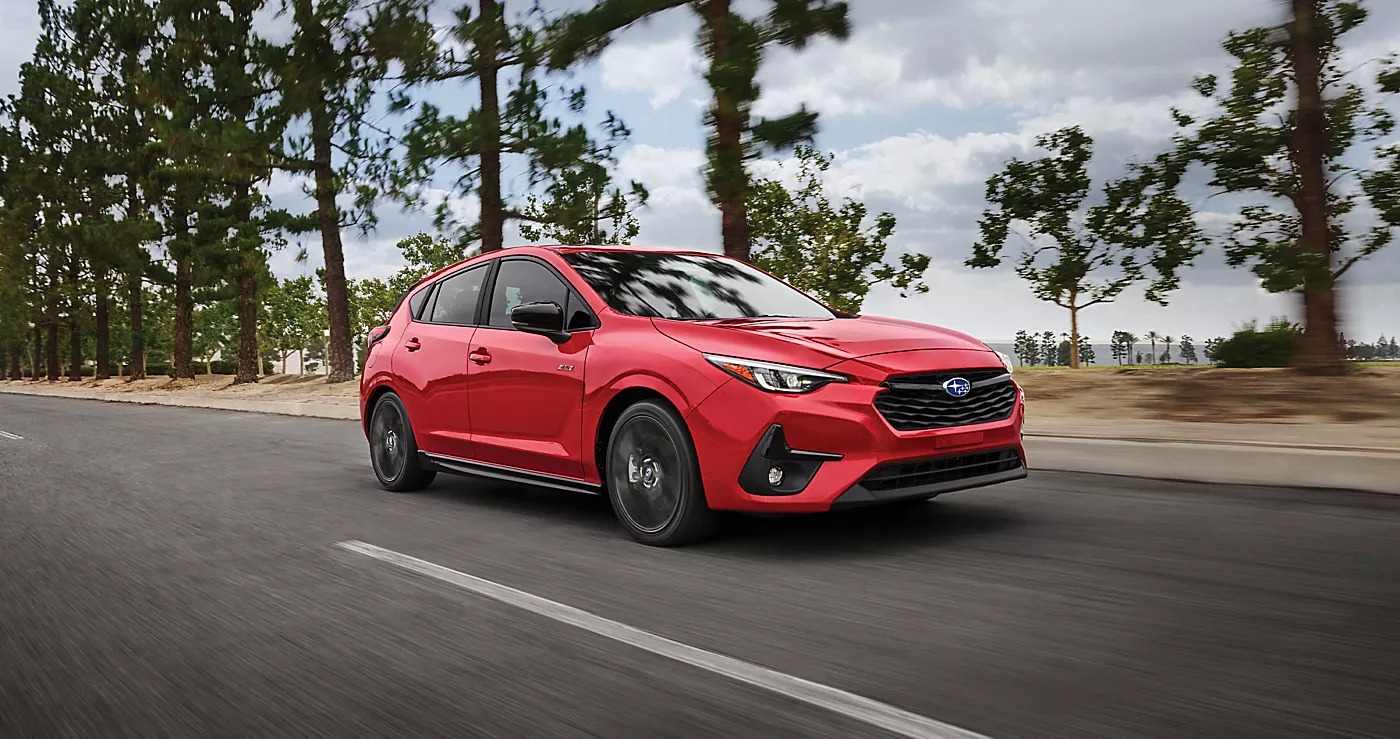
3. Subaru Impreza
The Subaru Impreza is a compact car that has distinguished itself in the marketplace by offering standard all-wheel drive, which is unusual for vehicles in its class. The AWD system in the Impreza is derived from Subaru’s symmetrical AWD technology, delivering consistent power distribution between the front and rear wheels.
This feature makes the Impreza stand out in terms of traction and handling, especially for drivers living in areas with challenging weather conditions. The system is designed to be both efficient and effective, providing better grip on wet, snowy, or icy roads without significantly impacting fuel economy.
This balance has made the Impreza a popular choice for those seeking a smaller vehicle with the safety benefits of AWD. Its design ensures that drivers rarely lose control in slippery situations, as the AWD system constantly adjusts torque to the wheels that need it most.
One of the reasons the Impreza’s AWD system retains its edge is the vehicle’s lightweight construction combined with the low-mounted boxer engine. The engine placement contributes to a low center of gravity, enhancing cornering and stability.
Additionally, the symmetrical layout of the AWD system means power is evenly distributed along the car’s longitudinal axis, improving balance and control. This setup reduces understeer and oversteer tendencies, providing a neutral and predictable driving experience.
Subaru’s engineering ensures that the AWD system engages smoothly, without the sudden jerks or delays sometimes experienced in other AWD vehicles. The Impreza’s AWD system works quietly and efficiently, giving drivers confidence in a wide range of driving conditions.
Durability and maintenance are key factors that help the Impreza maintain its AWD performance over time. Subaru recommends regular fluid changes for the differentials and transfer case, but the components themselves are known for lasting well beyond typical maintenance intervals if cared for properly.
The simple mechanical design of the AWD system reduces the chances of costly repairs, making the Impreza an affordable and reliable choice for long-term ownership. Many owners have reported consistent AWD performance after several years and high mileage, supporting the claim that this system rarely loses its grip.
Subaru’s reputation for building rugged AWD systems extends to the Impreza, proving that compact cars can also benefit from serious traction capabilities.
The Impreza also offers versions with sportier tuning and enhanced AWD performance, such as the WRX variant. While the standard Impreza focuses more on everyday reliability and efficiency, these sportier models showcase the AWD system’s ability to handle aggressive driving and provide sharp handling.
The versatility of the AWD system across different trims means drivers can choose the version that best suits their needs without sacrificing traction. The Impreza’s AWD system has consistently been praised for its balance of efficiency, safety, and durability, making it one of Subaru’s standout models when it comes to maintaining all-wheel drive performance over time.
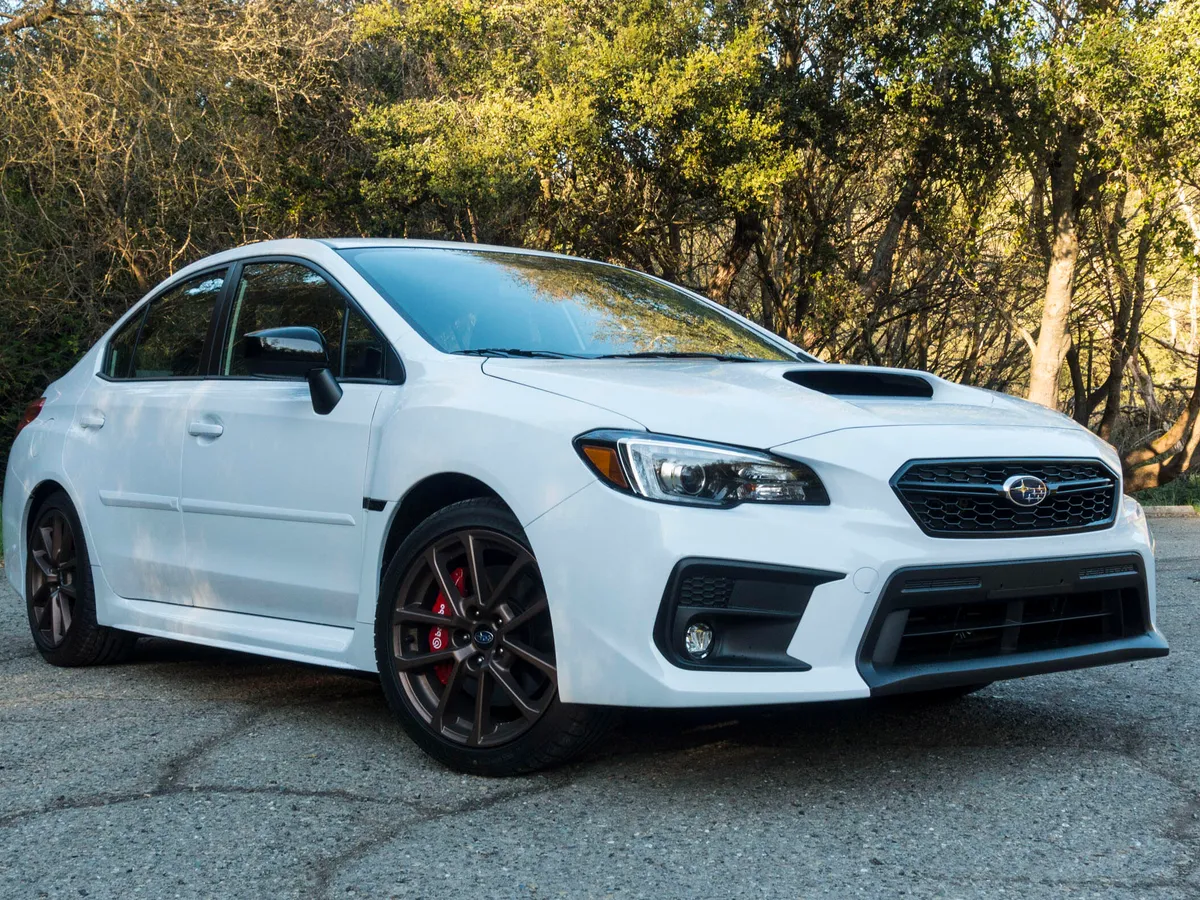
4. Subaru WRX
The Subaru WRX is known for its rally-inspired performance and sharp handling, and at the heart of this reputation lies its advanced all-wheel drive system.
Unlike some other Subaru models, the WRX typically features a more performance-oriented AWD setup, which allows it to excel on both paved roads and gravel stages.
The WRX’s AWD system is designed to distribute power aggressively and responsively, providing exceptional grip during acceleration, cornering, and sudden maneuvers.
It utilizes a center differential with a driver-selectable limited-slip feature, allowing for more control over power distribution between the front and rear wheels.
This system helps the WRX maintain traction even when pushed to the limits, making it a favorite among driving enthusiasts and rally fans alike.
The performance focus of the WRX’s AWD system does not come at the cost of durability. Subaru engineers designed this system to withstand the stresses of spirited driving and demanding conditions. The symmetrical layout combined with the boxer engine lowers the center of gravity, improving handling precision and stability.
This setup also reduces the likelihood of drivetrain wear caused by uneven weight distribution or torque steer. The WRX’s AWD system is paired with advanced traction control and stability management systems, which allow drivers to customize their driving experience while maintaining control.
These technologies work together to ensure that the vehicle remains planted and responsive, even on slippery or loose surfaces.
Routine maintenance is important to keep the WRX’s AWD system performing at a high level. Regular inspection and servicing of the differentials, transfer case, and related components ensure that the system remains responsive and durable.
Given the performance nature of the WRX, some owners may perform more frequent maintenance to support aggressive driving.
5. Subaru Crosstrek
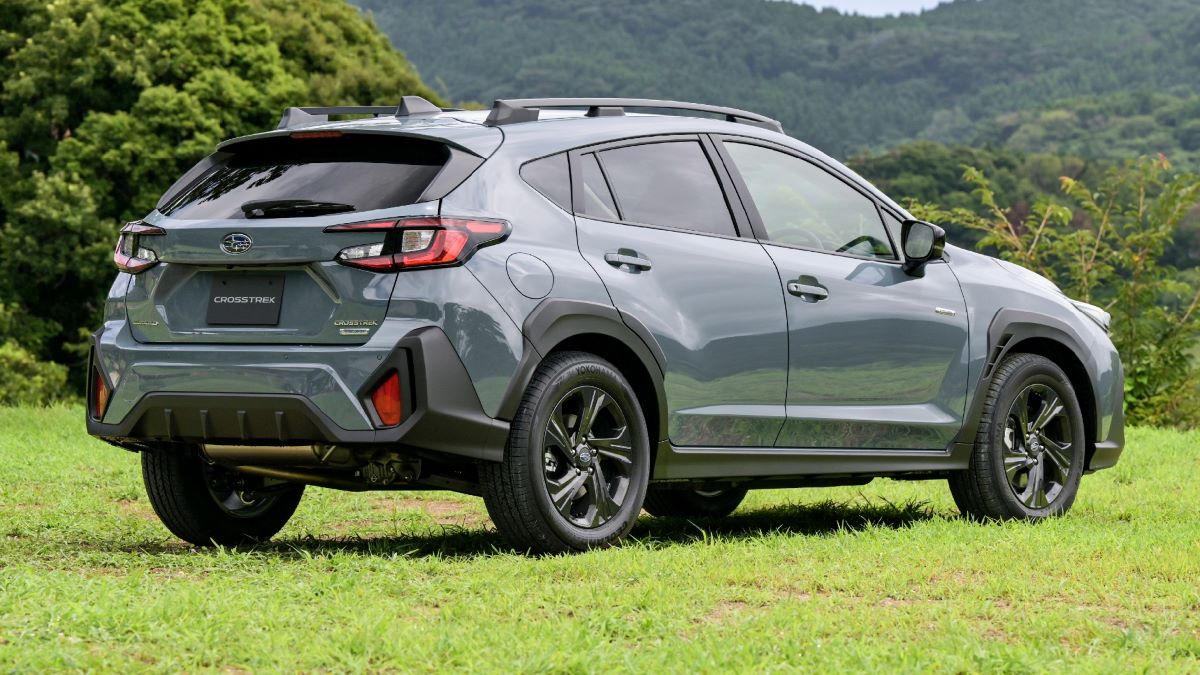
The Subaru Crosstrek is a compact crossover that strikes a balance between urban practicality and off-road capability, largely thanks to its reliable AWD system. Like other Subarus, the Crosstrek features the brand’s signature symmetrical all-wheel drive, which delivers consistent power to all four wheels.
This system continuously monitors traction and adjusts torque distribution between the front and rear wheels to maximize grip on slippery or uneven surfaces.
Its lightweight design paired with a ground clearance higher than many compact SUVs makes it especially effective in challenging conditions such as rain-soaked streets, snow-covered roads, and light off-road trails.
Drivers appreciate the Crosstrek for its confident handling, knowing that its AWD setup rarely fails them in poor traction situations.
The Crosstrek’s AWD system is engineered to be efficient and responsive, which helps extend its longevity. By using an electronically controlled multi-plate transfer clutch, the system reacts quickly to changing road conditions, sending power where it is needed without delay.
This results in smooth transitions that enhance stability and driver confidence. Furthermore, the Crosstrek’s horizontally opposed engine lowers the center of gravity, improving balance and reducing body roll.
These design choices contribute to an overall driving experience that remains steady and predictable, even as road conditions worsen. This thoughtful engineering makes the Crosstrek a reliable choice for drivers who require an AWD system that maintains performance over time.
Maintaining the Crosstrek’s AWD system is relatively straightforward, which adds to its long-term dependability. Subaru recommends regular fluid changes for the transmission and differentials, but the system’s components are robust enough to withstand years of use with proper care.
These features, combined with the vehicle’s inherent AWD strength, make it a dependable choice for a wide range of drivers, from daily commuters to weekend adventurers.
The Crosstrek’s balance of agility, safety, and ruggedness means it rarely loses its AWD edge, even when pushed beyond typical city driving. Its versatile performance and trusted AWD system have helped cement the Crosstrek’s place as a dependable vehicle that performs well in various driving conditions for years.
Also Read: 12 Pickup Trucks Still on the Road After 30 Years
6. Subaru Legacy
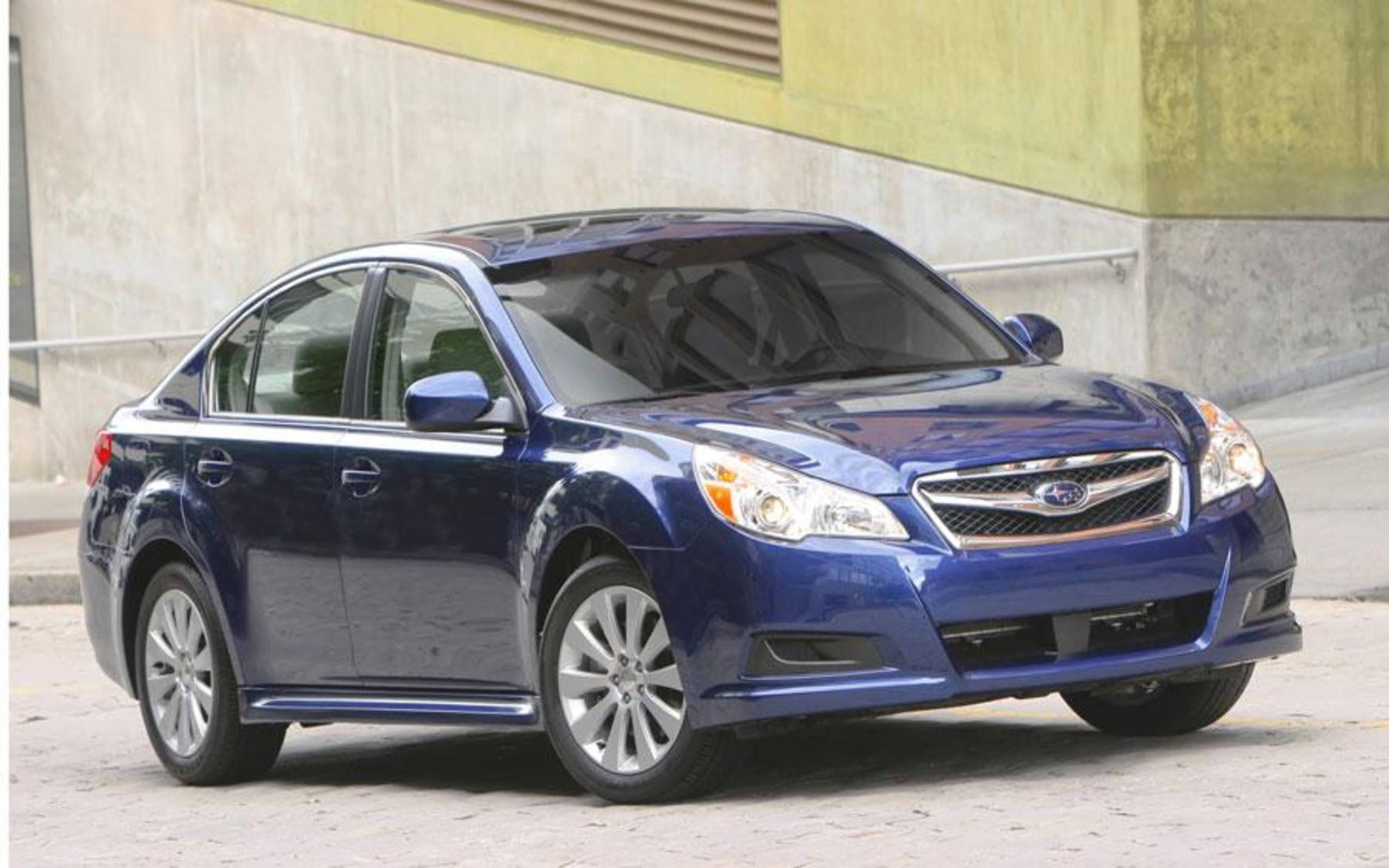
The Subaru Legacy is a midsize sedan that stands out in its segment by offering the brand’s hallmark symmetrical AWD as standard. This system gives the Legacy an advantage in stability and traction, setting it apart from many sedans that rely solely on front-wheel drive.
The AWD system continuously distributes power between the front and rear wheels, improving grip on wet or slippery surfaces. This consistent torque transfer reduces the chance of wheel slip during acceleration or cornering, making the Legacy safer and more confident on rainy highways or icy roads.
Drivers appreciate how the AWD setup enhances the vehicle’s composure, especially when driving through adverse weather or on winding roads.
The Legacy’s AWD system is complemented by its boxer engine layout, which keeps the car’s center of gravity low and helps improve handling balance. This engine placement, combined with the symmetrical drivetrain, allows for more predictable and controlled handling characteristics.
Unlike some AWD systems that only engage when slip is detected, the Legacy’s system is always active, providing continuous power distribution that contributes to smooth and steady driving.
Electronic traction and stability controls assist in optimizing wheel grip during sudden maneuvers or low-traction situations, ensuring that the Legacy rarely loses control even in challenging conditions. This level of engineering makes the Legacy a dependable sedan for drivers who value safety and confidence behind the wheel.
The Legacy also offers advanced driver assistance technologies that work alongside the AWD system to improve traction and safety. Features such as Subaru’s EyeSight Driver Assist and available X-Mode enhance the car’s ability to maintain grip and control under difficult driving conditions.
This integration of technology with proven AWD hardware makes the Legacy a well-rounded vehicle that seldom loses its AWD edge.
Whether driving through rain, snow, or light off-road situations, the Legacy provides drivers with confidence and control. This blend of comfort, safety, and AWD performance makes it a solid option for those looking for an all-weather sedan.

7. Subaru Tribeca
The Subaru Tribeca is a midsize crossover SUV that offers a strong AWD system designed to handle a variety of driving conditions. Though production ended in the mid-2010s, the Tribeca’s symmetrical AWD remains a highlight, especially in the used car market.
The system features an electronically controlled center differential that adjusts torque distribution between the front and rear wheels to maintain traction on slippery or uneven surfaces. Its AWD capability makes the Tribeca a versatile vehicle capable of handling snow, rain, and moderate off-road terrain with ease.
This system delivers steady power, which helps prevent wheel spin and enhances overall vehicle stability. Drivers who own or have driven a Tribeca often praise its confidence in challenging weather, noting that the AWD system rarely lets them down.
The Tribeca’s AWD system benefits from its robust mechanical design and integration with Subaru’s boxer engine, which lowers the vehicle’s center of gravity for improved handling and stability. The symmetrical layout provides balanced weight distribution, helping reduce body roll and improving cornering response.
Its system works proactively rather than reactively, adjusting power delivery before traction is lost, which increases safety and control.
Coupled with stability control systems, the Tribeca’s AWD system enables the vehicle to maintain grip during sudden changes in road conditions. This engineering ensures that even older Tribeca models retain effective AWD performance with proper maintenance.
The Tribeca also offers a comfortable and spacious interior, making it a practical choice for families needing AWD capability in a midsize SUV. Its AWD system is effective not just in off-road situations but also during daily commutes in inclement weather.
The combination of dependable AWD hardware and user-friendly features has made the Tribeca a well-regarded vehicle for those seeking a balance between utility and traction. Its AWD system’s ability to remain functional and dependable over time ensures it rarely loses its edge, even as it ages.

8. Subaru Baja
The Subaru Baja is a unique vehicle that combines elements of a pickup truck and a crossover, with AWD being a critical component of its design.
Introduced in the early 2000s, the Baja’s symmetrical AWD system made it suitable for a variety of conditions, from city streets to dirt roads. Its drivetrain distributes power evenly between the front and rear wheels, providing traction that pickup trucks with rear-wheel drive alone cannot match.
This AWD system gives the Baja greater versatility, allowing it to carry out light off-roading, towing, and hauling tasks while maintaining control in adverse conditions. Drivers have appreciated its ability to keep moving confidently on slick or loose surfaces, making the AWD system one of the vehicle’s standout features.
The Baja’s AWD system works in conjunction with Subaru’s boxer engine, which keeps the vehicle balanced and stable. Its symmetrical layout contributes to predictable handling, reducing the chances of fishtailing or loss of control during cornering or acceleration.
The AWD system uses a center differential and a viscous coupling or multi-plate clutch to manage torque distribution, enabling power to be shifted to the wheels with the best traction. This results in steady and reliable grip even in rain, snow, or uneven terrain.
The Baja’s relatively high ground clearance and suspension tuning complement the AWD system, making it a practical option for light trail use and adverse weather driving.
While the Baja was not produced in large numbers, its AWD system is regarded as one of the brand’s more resilient setups. The vehicle’s versatility and traction capabilities make it a practical choice for drivers who want a small pickup with AWD.
Its ability to maintain grip in diverse conditions means it rarely loses its AWD edge, even in demanding driving situations. The Subaru Baja remains an example of the brand’s AWD technology applied to a unique vehicle concept.
9. Subaru WRX STI
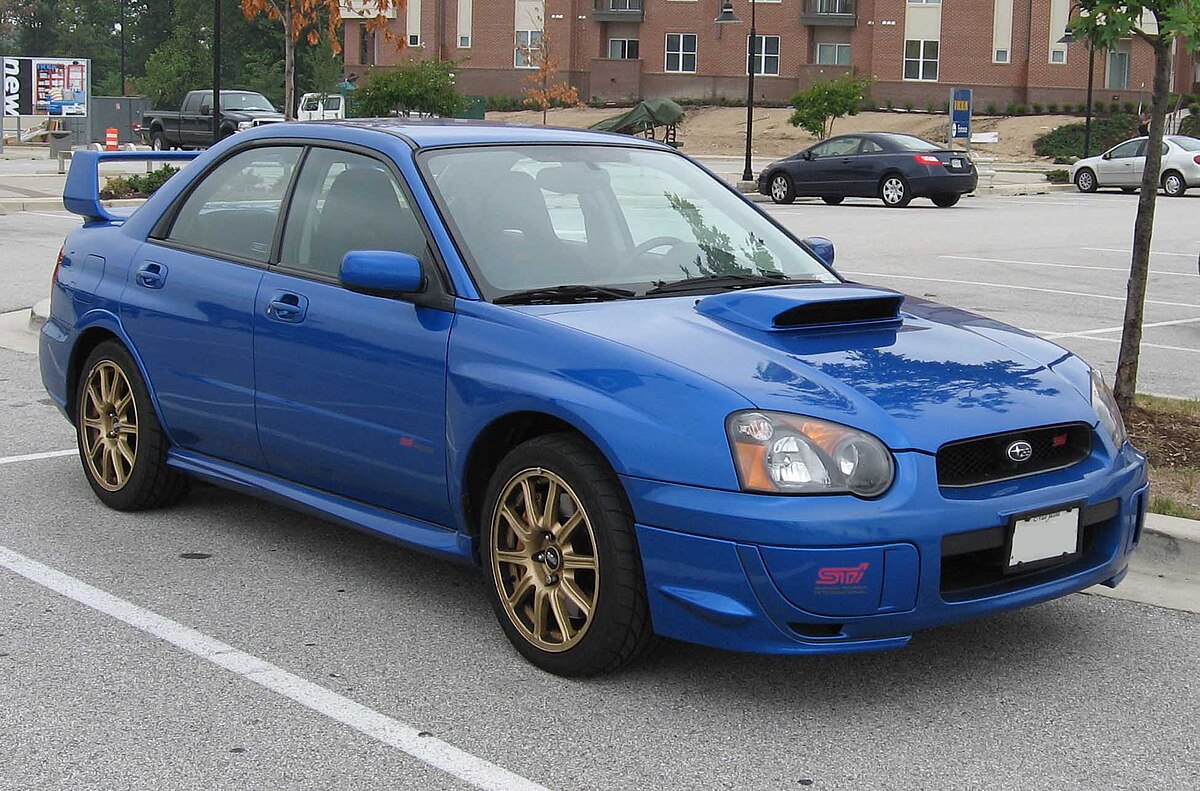
The Subaru WRX STI is the high-performance variant of the WRX, known for its aggressive AWD system that excels in delivering power and control on and off the road. The STI version features a more advanced center differential with driver-selectable settings, allowing for customization of torque split between front and rear wheels.
This capability provides enhanced traction and stability during high-speed cornering and acceleration, especially in rally-inspired driving conditions.
The AWD system is paired with performance-tuned suspension and brakes, making the WRX STI capable of handling intense driving demands without losing traction. Its ability to transfer power dynamically makes it one of the brand’s most reliable AWD setups for maintaining grip in extreme situations.
The WRX STI’s symmetrical AWD system is backed by a robust drivetrain designed to withstand the rigors of aggressive driving. The boxer engine’s low center of gravity, combined with the AWD system’s balanced torque distribution results in precise handling and minimal body roll.
Electronic control systems assist in managing wheel slip, improving cornering stability and acceleration on slippery or uneven surfaces.
Drivers often praise the WRX STI for its ability to maintain traction during hard launches, sharp turns, and rapid directional changes, making it a favorite for performance enthusiasts and rally competitors. The AWD system rarely falters, even under high stress or long-term use, which speaks to its durability and engineering quality.
The WRX STI offers drivers a combination of raw power, precise AWD control, and performance technology that few vehicles in its class can match. Its AWD system not only enhances traction but also provides a level of driver engagement and confidence rare in all-wheel drive cars.
Whether tackling a twisty mountain road or a gravel rally stage, the WRX STI’s AWD system stands out for its lasting capability and edge. This makes it a top choice for those who demand high-performance AWD without compromise.

10. Subaru Ascent
The Subaru Ascent is the brand’s largest SUV, built to provide AWD capability for families and outdoor adventurers alike. It features Subaru’s symmetrical AWD system designed to handle a wide range of driving conditions, from daily commutes to rugged trails.
The AWD system continuously monitors traction and distributes power between the front and rear wheels to optimize grip. Its size and weight make a reliable AWD essential for stability, especially in adverse weather or when carrying heavy loads.
The Ascent’s AWD system integrates with advanced traction control and driver assistance technologies, enhancing its ability to maintain traction and control on slippery or rough surfaces. This makes the Ascent a dependable choice for those who need a spacious SUV with lasting AWD performance.
The Ascent’s AWD system benefits from Subaru’s proven mechanical design combined with modern electronic controls.
The vehicle features a boxer engine layout that lowers the center of gravity, improving balance despite its larger size. The symmetrical drivetrain evenly distributes power, which helps reduce torque steer and body lean during cornering.
This contributes to a composed and confident driving experience, even when the roads are wet or icy. The AWD system also works with X-Mode, which adjusts throttle response, transmission, and braking to improve traction on steep or slippery terrain.
This technology enhances the vehicle’s off-road and all-weather capabilities, allowing the Ascent to maintain its AWD edge across various conditions.
Durability and maintenance are critical for such a large AWD vehicle, and Subaru has designed the Ascent’s system with reliability in mind. Regular servicing, including differential and transfer case fluid changes, is necessary to keep the AWD system functioning optimally.
The system’s robust components are built to handle the stresses of heavier loads and challenging conditions, making it reliable over time.
Owners have reported that the Ascent’s AWD system remains responsive and effective even after years of use, highlighting its resilience. Subaru’s commitment to quality and engineering excellence ensures that the Ascent rarely loses its AWD traction advantage.
