
The Ford Fusion has been a favorite choice among midsize sedan buyers for its comfortable ride, practical features, and relatively strong reliability. For people looking for a used car that balances cost, durability, and owner satisfaction, the Fusion often appears on lists of solid picks.
Even though the Fusion line has ended new production in North America, many well‐maintained examples from various years continue to perform well. Some years are especially desirable because of particular engine configurations, fewer common issues, or improved components.
This article discusses ten model years of the Ford Fusion that still offer dependability on the used market. The goal is to help prospective buyers understand which years are more reliable, what to watch for, and why each of these years remains a strong choice in terms of owning cost, parts availability, and satisfaction.
Each chosen year has attributes that make it stand out. Some years benefited from mid‐cycle refreshes that improved interior materials or upgraded safety features. Others show better long‐term records for engine reliability, fewer transmission failures, or robust build quality.
In certain cases, there are design improvements that reduce corrosion, or electronic components have been improved so that fewer dashboard warning lights appear. Buyers in the used car market should weigh not just MSRP or style, but long-term maintenance costs, parts availability, and how forgiving the car tends to be under high mileage.
In this article, for each of the ten model years, I provide four in‐depth paragraphs covering strengths, common concerns, maintenance insights, and why it remains a worthwhile pick. If you have a budget, you may find some of these years more affordable yet still solid.
If you want a premium trim or EcoBoost, that changes what to inspect. When evaluating a used Fusion, certain areas tend to cause trouble: engine components, transmission, electrical gremlins, suspension, and rust in certain climates. I also discuss what to look out for in those areas so that you can make a smart used purchase. With that in mind, let us examine ten Ford Fusion model years that often offer the best value for reliability.
Also Read: 9 Best Vehicles That Survive Multiple Generations of Owners
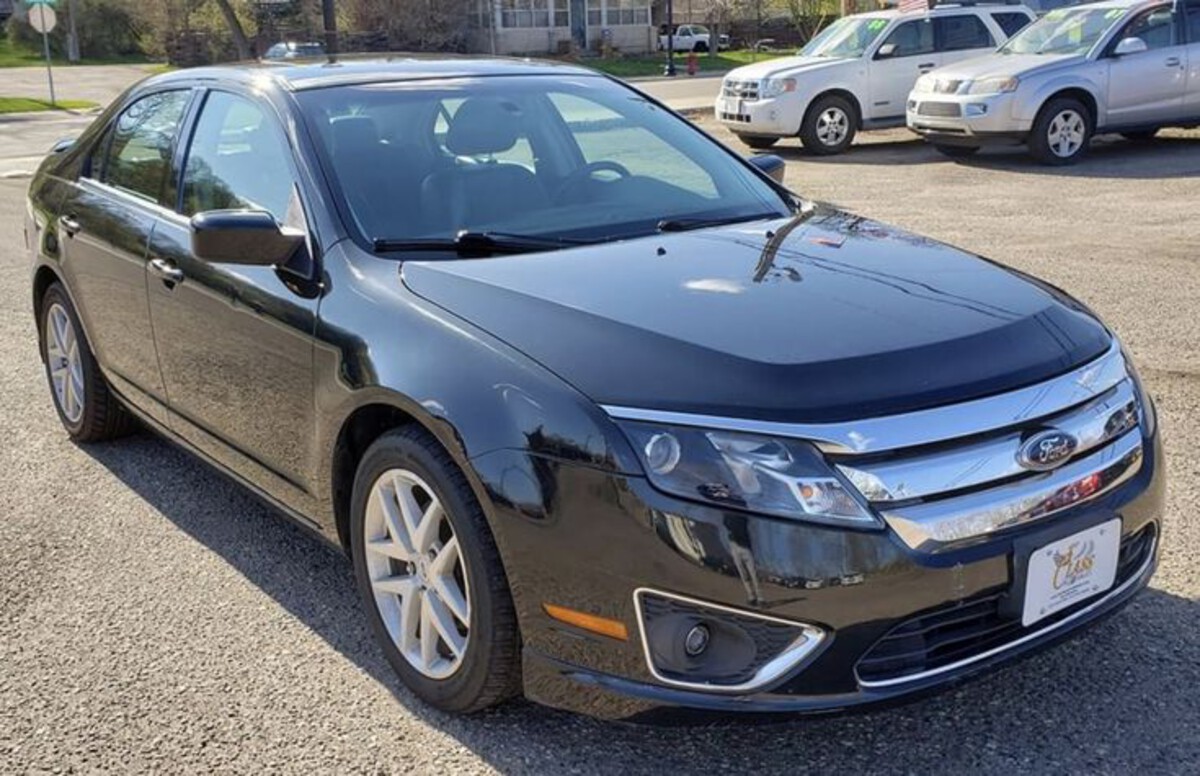
1. 2013 Ford Fusion
One of the key strengths of the 2013 Fusion is that it underwent a mid‐cycle refresh in the exterior design and interior amenities. Ford enhanced front bumper styling, added LED daylight running lights, and improved interior materials, which reduced squeaks and rattles common in earlier models.
Many owners report that cabin insulation improved, reducing wind noise at highway speeds. The comfort of the ride with the optional sport suspension remains solid, especially on well‐maintained roads. For those who prefer a more classic design rather than the most modern, the 2013 offers a good balance between modern touches and cost.
Under the hood, the 2.5‐liter naturally aspirated four‐cylinder engine tends to be forgiving and durable, especially if oil changes were maintained. The six‐speed automatic transmission paired with that engine shows fewer catastrophic failures than some of the later turbo or dual‑clutch options.
Those wanting more power often chose the EcoBoost 1.6 or 2.0-liter engines; these have better performance but require more attentive maintenance. Minor issues like occasional turbo wastegate rattling (on turbo versions) or carbon buildup are reported, but not widespread for cars with regular servicing. Reliable transportation is highly likely with this model if basic maintenance has been kept.
One concern to watch with the 2013 is the electrical system, particularly with power windows, door locks, and climate control. Some owners report faulty door modules that cause mirrors or windows to stop working, or HVAC blower motors that become noisy or fail.
These tend to be relatively inexpensive to fix, and parts are widely available. Also, interior plastics and upholstery may show wear; armrests, seat bolsters, and center console areas are spots to inspect. The fusion of design and utility is strong, but small trims or plastics may have a like‐new vs heavily used contrast in different cars.
Why 2013 remains a strong pick: it avoids some of the more complex issues that affected later models with more advanced electronics or downsized turbos. Its chassis, suspension components, steering, and brakes have good parts supply and are well understood by independent mechanics.
Resale values are not high, meaning you can find good deals, yet many of its systems are sturdily built. For buyers who want a used Ford Fusion that doesn’t demand constant attention, this year delivers decent reliability with manageable maintenance expenses.

2. 2014 Ford Fusion
The 2014 Fusion retains many of the refresh improvements introduced in 2013 but introduces further refinements. Interior trim was upgraded to reduce rattles, door seals improved, and fit and finish became tighter. The MyFord Touch infotainment system received updates that addressed some earlier lag or bug issues.
Cabin comfort is better, particularly with available leather seats, choice of dual‑zone climate control, and improved sound deadening. Ride comfort on potholes and rough surfaces is generally reported as more composed.
Engine options in 2014 include the reliable 2.5‑liter base engine, and the 1.5‑ and 2.0‑liter EcoBoost engines. The 2.0‑liter turbocharged engine offers good performance and reasonable efficiency when well maintained.
Routine maintenance such as replacing spark plugs, ensuring the cooling system is in good shape, and observing oil change intervals helps mitigate common turbo issues. Transmission options include the six‑speed automatic and on select trims a six‑speed pair with EcoBoost. These transmissions hold up well when not abused; aggressive driving may stress them more.
Some typical issues for the 2014 model year include occasional transmission slipping in high-mileage units, and some coolant system components suffering leaks. Watch out for the water pump and thermostat in EcoBoost models, as failure of those parts can lead to overheating or more serious engine damage.
Also check for suspension components like control arm bushings or front end alignment being out due to wear. Also electrical glitches in audio or infotainment may still crop up, but these are rarely deal breakers.
Despite its age, the 2014 Fusion offers excellent value. It improves cabin quality over earlier models, and most mechanical systems from 2013 carry over properly. It often comes with more features as used cars depreciate, so buyers may find trims with nice tech at reasonable price.
Maintenance costs remain moderate. Parts remain available. If you need a midsize sedan with comfort, safety, and durable structure without stepping into high repair risk territory, 2014 is among the more dependable choices.
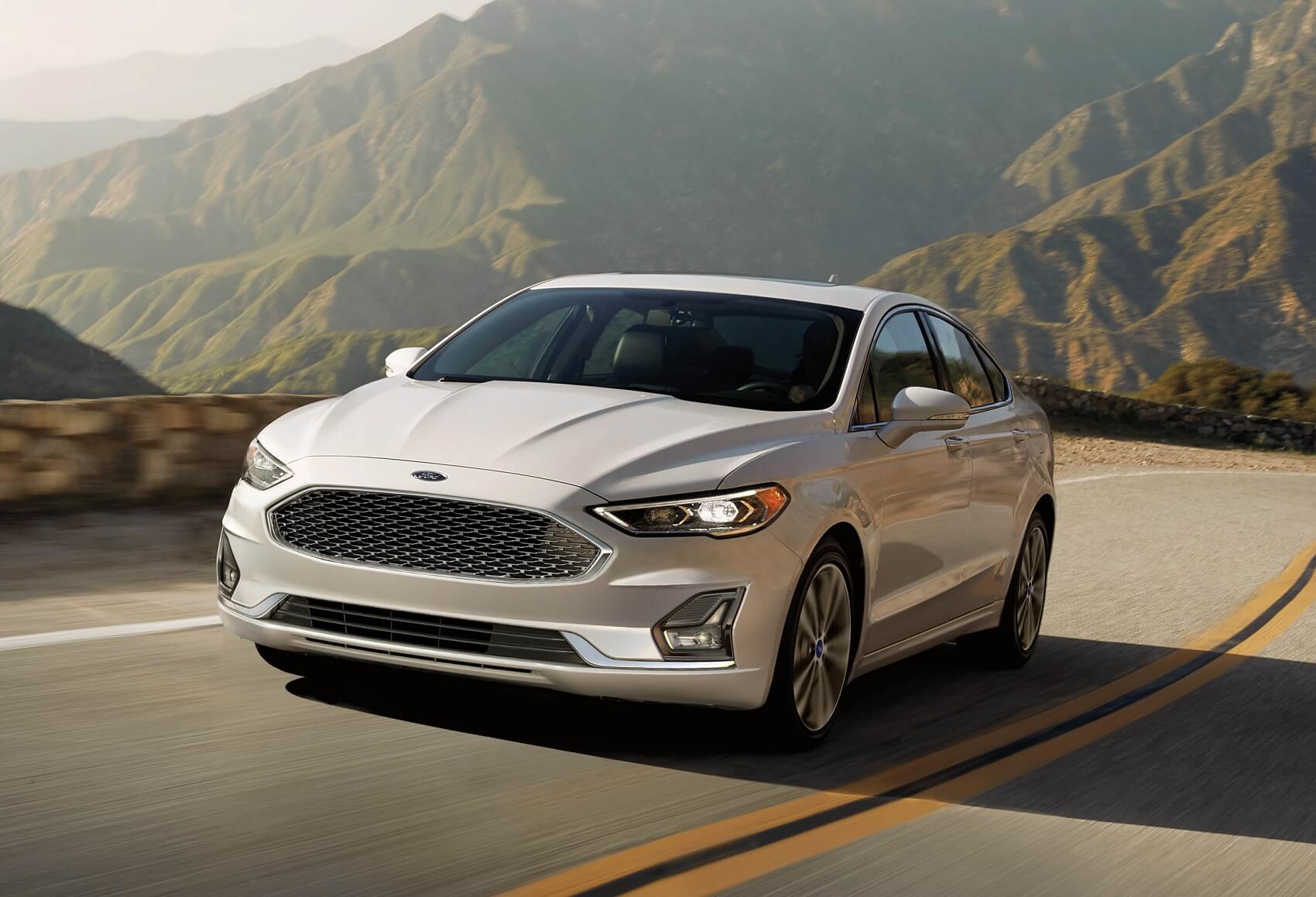
3. 2015 Ford Fusion
The 2015 Fusion further refines its offerings. Interior updates target durability: better seat stitching, more robust plastics in high‐contact areas, and less squeaking in door panels. Ford also improved insulation against noise and vibration.
Exterior components like window seals, hinges, and latch mechanisms saw minor adjustments to improve weather sealing and reduce wind intrusion into the cabin. Fit and finish became tighter, meaning fewer complaints about trim misalignments or rattles.
Under the hood, the engines available remain similar to 2014, though Ford revised some EcoBoost engine calibration to reduce turbo lag and improve efficiency. The 2.0‑liter turbo remains the top performance choice. The 2.5‑liter base engine is less powerful but simpler, and tends to have fewer failures.
Transmissions, particularly in front‑wheel drive versions, have benefited from updated software and improved tolerances, which reduces slipping, shuddering, or delayed engagement. Maintenance remains key: regular oil changes, proper cooling system service, and using correct fuel and oil grades help preserve engine life.
Issues to inspect in 2015 Fusion used cars include wear and tear on suspension components, particularly in areas with rough roads. Ball joints, tie rods, wheel bearings are items to check. Also heads up for possible heater core or radiator hose leaks, especially in the EcoBoost models.
For higher mileage units, check for transmission fluid condition, and ensure no significant clutch slippage or shifts that are harsh. Interior wear, especially in higher‑trim Fusions (leather, heated seats, power features), may show signs of age: cracked leather, worn stitching.
Why 2015 is a strong option: It strikes a good balance between having up‑to‑date amenities and proven component reliability. Safety features improved over earlier years; more cars came with forward collision warning, blind spot monitoring, and backup cameras, depending on trim.
Also, parts and service records are easier to find by this time. Depreciation has already done much of its work, so you may find well‑equipped 2015 Fusions at good prices. If you get one with good maintenance history, it can serve for many more years with relatively low surprises.
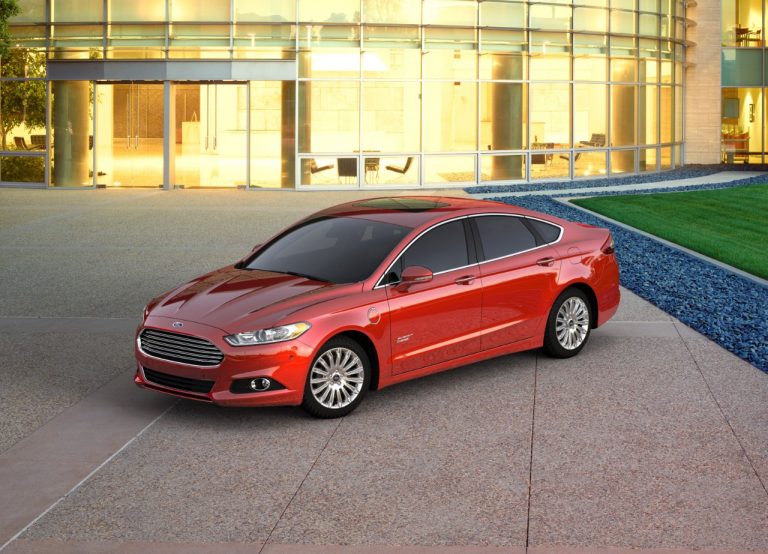
4. 2016 Ford Fusion
In 2016, Ford introduced a more comprehensive refresh to the Fusion. Exterior styling saw sharper lines, redesigned grille, updated headlamp shapes, and revised taillights. The interior also gained updated center stack layout, new steering wheel designs, and more soft touch materials.
Technology features were added or improved: better infotainment, improved safety systems, and refinement in ride quality. These changes elevated the driving experience and addressed many criticisms of older models.
Engine choices in 2016 feature the base 2.5‑liter, the 1.5‑liter EcoBoost as a mid‑level option, and the 2.0‑liter EcoBoost for higher power. Ford also released hybrid and plug‑in hybrid versions. These alternative fuel versions tend to be more sensitive to battery health, regenerative braking systems, and electronic control modules.
For people who prioritize fuel economy, a well‑maintained hybrid or plug‑in can offer strong savings. For regular gas engine versions, careful attention to timing, cooling, oil change intervals, and avoiding extended periods of idling can help avoid common sources of wear.
Common concerns for 2016 include transmission issues in some of the turbos or dual‑clutch (if applicable) or the performance oriented trims. Though the six‑speed automatic is generally solid, those versions with heavy use in city driving may show wear or require servicing of valve bodies or mechatronic modules.
Hybrid models may suffer from battery pack degradation or cooling system leaks. Also electronic features such as sensors or cameras used in advanced driver assistance may need recalibration or replacement. Another potential issue is chassis rust or underbody corrosion in regions where road salt is used heavily.
Even given those, 2016 is often considered one of the top used Fusion years. It blends improved interior quality, strong safety tech, and more efficient engine choices. Parts remain relatively easy to obtain because Ford used components common to other models. Many independent repair shops are familiar with this generation.
If you can get a Fusion 2016 with full service records, especially for hybrid or EcoBoost versions, it tends to hold value well and run dependably for many tens of thousands more miles.
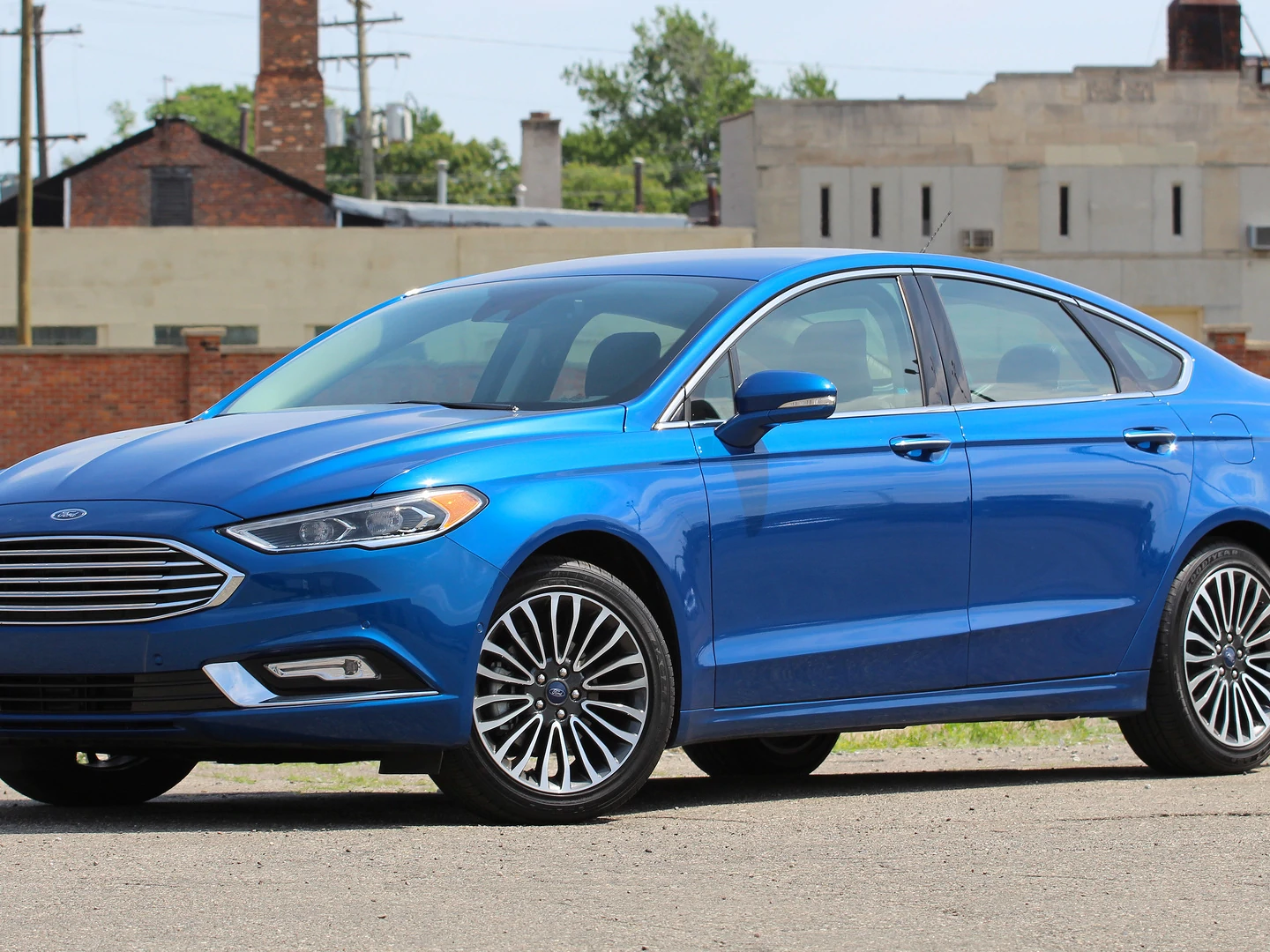
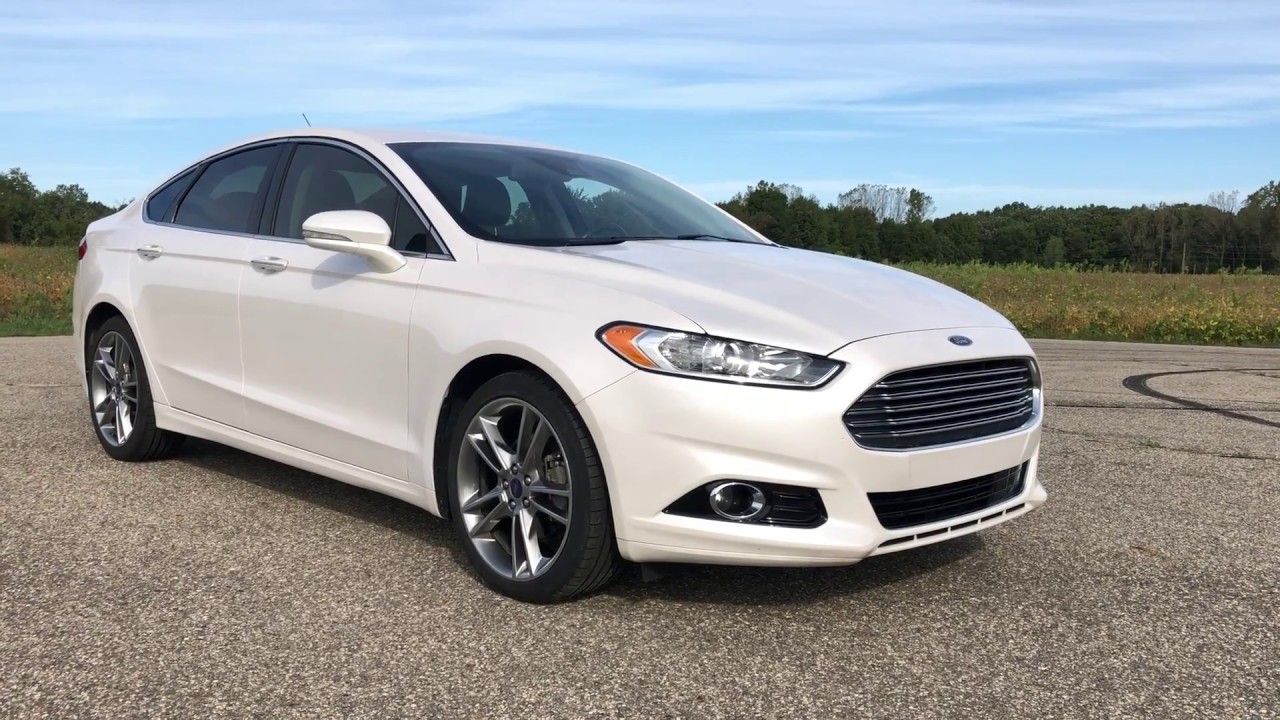
5. 2017 Ford Fusion
The 2017 Fusion benefits from being part of the refreshed generation introduced in 2016. Its cabin feels mature; materials are better, transitions between panels tighter. Sound deadening is improved, especially in trims with upgraded insulation or optional features, making highway cruising quieter than in many competitors of similar age. The center console, switches, and trim pieces are more robust. Seats often have enhanced support and longevity compared to older models.
From a mechanical perspective, the same set of engine options returns: 2.5‑liter natural aspirated, 1.5‑liter EcoBoost, 2.0‑liter EcoBoost, plus hybrid and plug‑in hybrid trims. The 2.0‑litre EcoBoost is the best bet if you want both performance and reasonable reliability, provided previous owner kept up maintenance.
The hybrids require more attention to battery cooling, regenerative braking components, and software updates. Fuel economy improvements make 2017 a strong option for commuting or long drives.
Potential weak spots include the turbocharged units’ need for oil changes with synthetic oil, attention to turbocharger wastegate or boost control issues. Transmission or shifting delays can appear with age or if fluid hasn’t been replaced on schedule.
Electric components, such as sensors in driver‑assist systems (lane assist, adaptive cruise, blind spot) may need replacement or repair. Corrosion or wear in underbody parts or suspension bushings are common with high mileage or with exposure to harsh weather.
Still, 2017 remains a strong used car candidate. It benefits from lessons learned in previous years; many of the earlier issues are less frequent by this model year. Safety and driver assistance features are better integrated and more reliable.
Resale value is reasonable; depreciation has occurred but not so much that major components like engine or hybrid systems are cheap. If you pick a well kept example, it is likely to serve with fewer surprises and lower unplanned maintenance costs than some earlier turbo‑heavy years.
Ford Fusion
6. 2018 Ford Fusion
2018 saw only minor tweaks, but those often improve long term ownership. Ford made small updates to trim finishes, interior materials, and optional features. Infotainment systems got software patches to correct glitches. Exterior styling remained much the same as 2016‑2017, which is fine given the design had improved.
Buyers often find 2018 models with desirable options such as driver safety aids, upgraded audio, leather upholstery, heated seats, and moonroof, more so than older years.
Mechanically, 2018 uses the same range of engines: base 2.5‑liter, 1.5 and 2.0 EcoBoost, hybrid, plug‑in hybrid. Many of the problem areas in earlier EcoBoost units have been identified and addressed by Ford via service bulletins or updates.
Turbos might still need care for cooling, lubrication, and avoiding frequent short trips which stress regular warm up. Hybrids need their battery cooling and cooling system to be carefully monitored. Transmission care, as always, is central; fluid replacement according to schedule helps prevent shudder or premature wear.
Watch for standard aging issues: worn suspension components, tires, brakes, bushings, alignment. Electronic systems like backup cameras, parking sensors may have failed or show wear. Interior wear in high‑touch surfaces may show use. Also check the underbody for rust, particularly in snow belt regions or where roads are salted. Previous repairs or accidents should be checked; alignment or panel gaps that are uneven may indicate damage.
Why 2018 Fusion may offer perhaps the best balance for many buyers: it is recent enough that many modern conveniences are present, yet old enough that depreciation has softened significantly. Many of the bugs in earlier refresh years are largely worked out. If you get one with full maintenance records, perhaps from the second owner who was fastidious, you can expect many more years of reliable service. Common parts remain available, and many garages are familiar with this version.
7. 2019 Ford Fusion
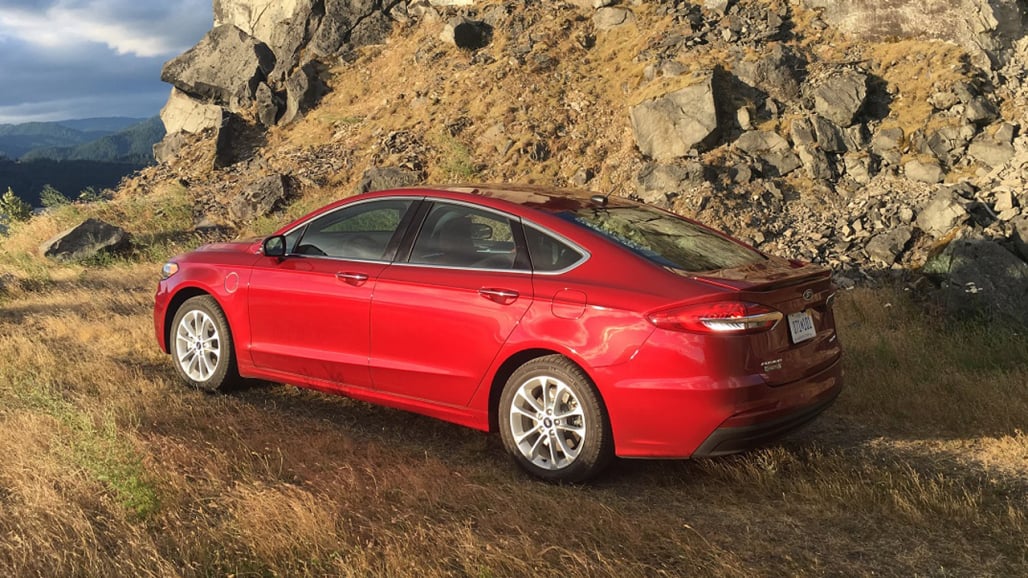
2019 marks one of the last model years for the Fusion in the United States, as Ford phased out sedans in favor of crossover SUVs. Because of that, some 2019 models may have better owner care, because as production wound down dealers or owners may have been more attentive to maintain resale value.
Also, features that were optional earlier become standard or more commonly found, such as advanced driver aids, better infotainment units, upgraded materials or more refined trim and finishing touches.
The engine lineup in 2019 remains similar: base 2.5‑liter, 1.5 and 2.0 EcoBoost, hybrids and plug‑in hybrids in certain trims. With the years of refinement, reliability of components is often improved: turbos, cooling systems, electrical modules have had service bulletins applied and common weak parts replaced in repairs by owners or during recalls.
The hybrid models particularly benefit from long battery life testing, more mature software, and improved durability of electric motor components.
Some issues to watch: because some 2019 Fusions may have received less regular maintenance if owners assumed depreciation was imminent, mileage can be high or maintenance deferred. Also, parts for the final year may be marginally more expensive due to lower stock. Any known recall or service bulletin work should be verified as completed. Also, check for the hybrid battery condition if applicable. Otherwise, inspect usual wear on suspension, brakes, tires, alignment, and electronic systems.
Despite being among the last, 2019 remains a reliable used choice. It combines modern features with improvements built over previous years. It tends to have more available features than earlier versions for comparable money. If one finds a 2019 with a clean history, low to moderate mileage, and documented maintenance, it can serve well. Because it is newer, many of the components have not been pushed to extremes, so rare issues are often already addressed by prior owners.
8. 2012 Ford Fusion
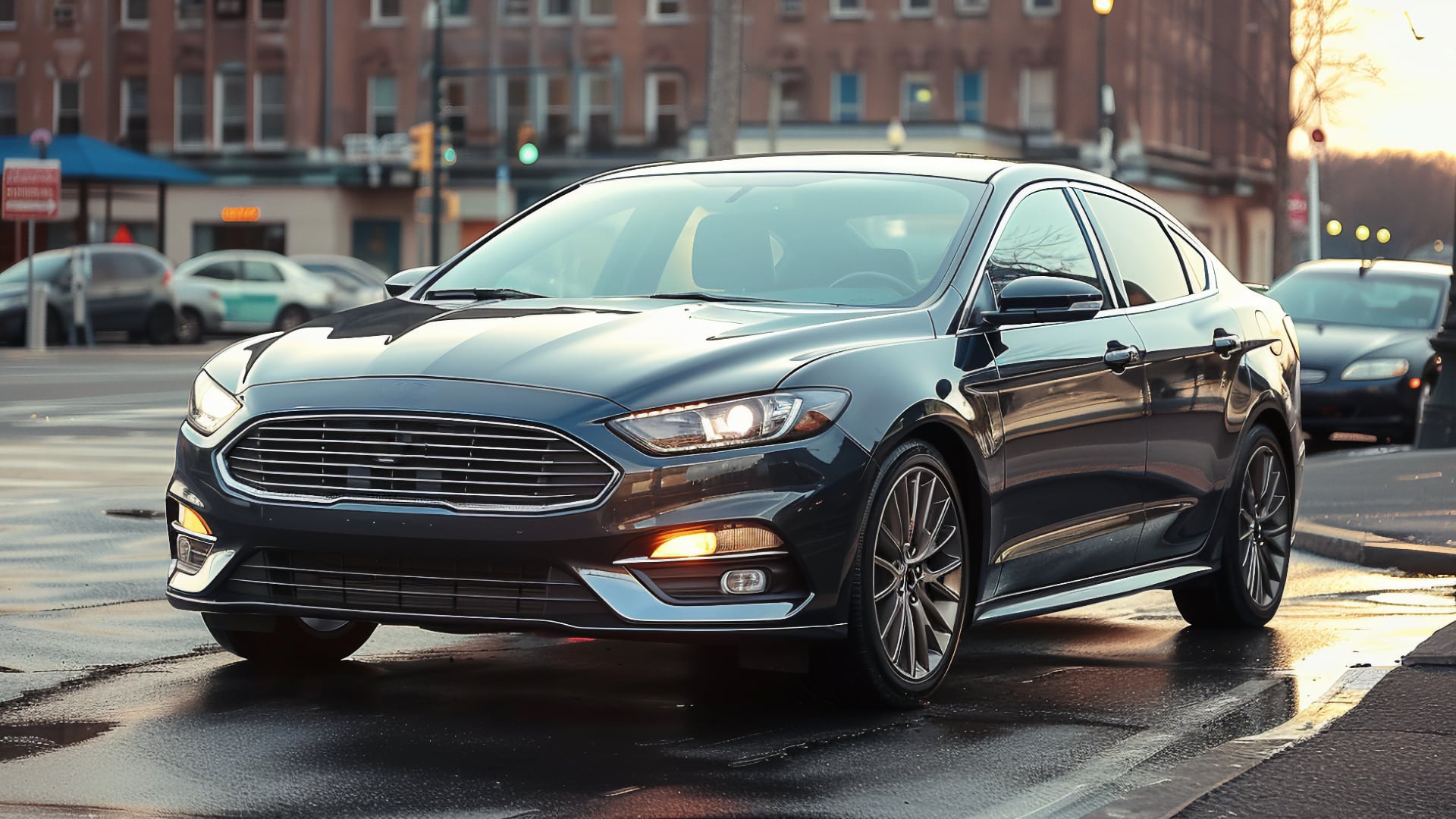
While 2012 is older than several of the above, it remains a reliably solid year among earlier Fusion generations. It shares many mechanical systems that were thoroughly tested over earlier years. The 2.5‑liter base engine from that era is simpler, with fewer turbo components and less electrical complexity. For buyers who want simplicity and lower parts costs, the 2012 Fusion offers that. Interiors are more basic, but parts for interior components are inexpensive and easier to repair or replace.
Routine mechanical life for 2012 is good if the vehicle has been cared for. Transmissions are simpler automatics, not super complicated dual‑clutch systems. Cooling systems, engine mounts, exhaust systems are well understood.
Many common problems of later turbo‑charged engines (such as compressed air issues or wastegate failures) are avoided when choosing the base engine. Also resale value is low enough that maintenance history tends to show what the car has endured; serious misuse tends to show up more in older cars.
Weaknesses include that the interior trim quality is lower than in later refresh years. Noise, vibration, and harshness are more noticeable especially on rough roads. Technology features either are basic or may have aged poorly (infotainment screens, earlier stereos, power accessories). Also, some units may have had deferred maintenance, with visible wear in things like belts, hoses, suspension bushings, and brake systems. Rust or corrosion underbody in certain regions is more likely because of age.
Nonetheless, 2012 remains a good pick if price is right and condition is sound. If you can find one with comprehensive maintenance records and good rust prevention, 2012 offers reliable service for basic daily transport. It is less about luxury or cutting‑edge features and more about consistent, predictable performance. For many users its simplicity becomes its greatest asset.
9. 2011 Ford Fusion
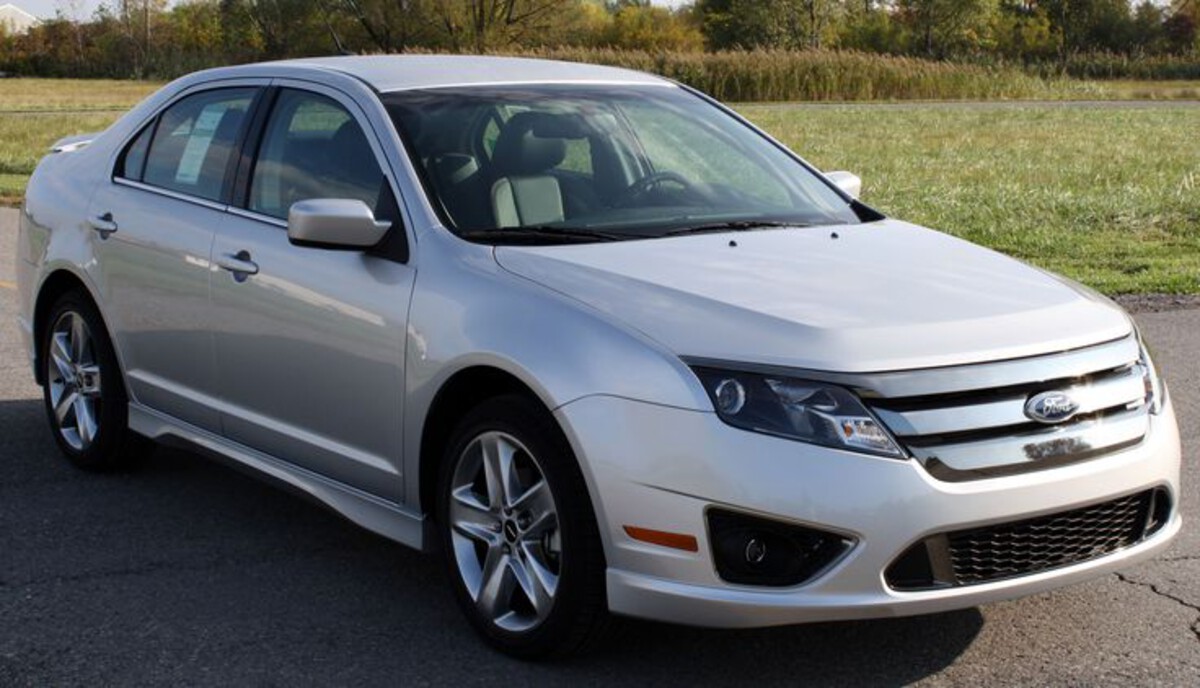
The 2011 Fusion is part of the earlier generation but represents a reachable price point for many buyers. Its interior design is less modern, but it still provides enough comfort, decent road manners, and predictable handling. The chassis is stable; suspension geometry tolerates rough roads fairly well.
Because fewer high‑tech systems are present, there are fewer electronic systems to fail. The ride may feel less refined than later models but for many drivers, that tradeoff is acceptable given the lower purchase price.
Engine choices in 2011 are simpler: mostly naturally aspirated four‑cylinder base engines, V6 in some trims, with fewer turbocharged versions. These simpler engines have strengths: fewer parts that can fail, less complexity, easier troubleshooting. Parts for basic systems like brakes, exhaust, and suspension are cheap. Transmissions are older design automatics or six‑speeds, depending on trim. If well-maintained, these can last many more miles.
Areas to inspect include possible engine issues due to wear: oil consumption, gasket leaks, timing chain or belt (if applicable) age. Also cooling system components like water pumps or radiators may need replacement. Suspension components such as struts, shocks, and bushings may have degraded. Check for evidence of collision repair, rust, and mileage, which for this age is more likely to have high values. Inspect the interior carefully for wear in seats, steering wheel, power features if present.
Why 2011 may still be sensible: low cost of ownership if issues are tackled early. Because of its age the purchase price is low; major items like depreciation have already hit. If you accept modest comfort, simpler features, and maintain carefully, the car can serve for many years. For someone who needs transportation without high luxury features, 2011 Fusion represents a good value for its durability.
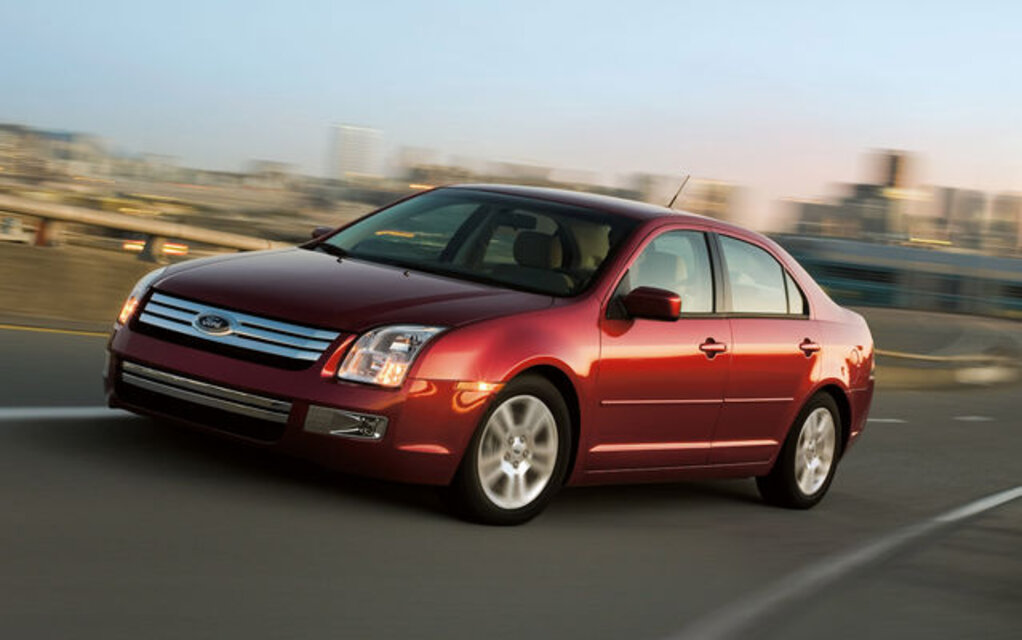
10. 2009 Ford Fusion
The 2009 Ford Fusion is one of the oldest in this list, yet it remains a contender for reliability under certain conditions. It is part of a generation that is less complicated mechanically and electrically. Many units have already had major components replaced or serviced. If one finds a 2009 Fusion with decent maintenance, it can be affordable to repair and maintain because parts are straightforward, abundant, and inexpensive relative to newer models.
Mechanically 2009 offers base four‑cylinder engines, optional V6 in some trims, with usually automatic transmissions that are simpler in design. There are no turbos to worry about. The simplicity means fewer sources of major failure.
Cooling system, basic electrical systems, fuel system are less pressurized or less complex, meaning fewer leaks, fewer high pressure fuel issues. A key factor with older cars is rust and frame corrosion; for 2009 many units have had body rust repairs or may show under‑carriage wear depending on climate.
Potential problems include wear in structural or mechanical components like the suspension, steering linkage, wheel bearings. Also engine wear increases: gasket failure, oil leaks, worn seals, ignition components. Interior wear is often heavy: old upholstery, faded trim, worn switches. Also safety equipment (seat belts, airbags, sensors) may have age issues. External rust may be particularly bad in snow belt states or areas with heavy salt use.
Even so 2009 is still a viable choice if bought carefully. Price will be low; insurance cheap. If you pick one that has been kept rust‑free, has had major service steps done (timing belts or chains, tune‑ups, cooling system flushes), then you may get many thousands more miles of reliable service. For someone who does not need modern driver assist tech or premium materials, 2009 gives you the basics in mobility with lower cost risks.
Also Read: 5 Chevy Silverado Years That Run Forever vs 5 That Don’t
When looking for a reliable used Ford Fusion, choosing the right model year can make a significant difference in terms of ownership experience, maintenance costs, and long-term satisfaction. While every used vehicle carries some risk, certain Fusion years have proven themselves to be more dependable due to better build quality, fewer mechanical issues, and improved components over time.
From the simpler, durable models of 2009 and 2011 to the more refined and feature-packed versions from 2016 to 2019, each year offers its own strengths for different types of buyers. Whether you’re seeking a basic, no-frills commuter or a more modern, tech-equipped sedan, there is likely a Fusion year that meets your needs without sacrificing reliability.
One of the key takeaways across these ten model years is the consistency of the 2.5-liter naturally aspirated engine. It appears repeatedly as a trustworthy option due to its simplicity, wide parts availability, and fewer reported failures compared to some of the turbocharged engines.
That doesn’t mean you should avoid the EcoBoost options altogether, but it does mean that careful maintenance and service history become much more important when evaluating those models. Similarly, hybrid and plug-in versions can be a smart buy if the battery condition and cooling systems are still in good shape. Buyers who take the time to inspect those systems or obtain full service records will be in a much better position.
Equally important is understanding what can go wrong over time. Many Fusion models show wear in suspension parts, cooling systems, and electrical components, none of which are surprising for a car with years of use. The good news is that these are usually manageable problems if addressed early.
By targeting Fusion years that avoided major recalls or known design flaws, you reduce the likelihood of unexpected repairs. Also, since Ford made millions of Fusions over their production run, parts remain easy to find, and most independent mechanics are familiar with their systems.
In the end, reliability in a used car often depends as much on prior maintenance as it does on model year. But choosing from these ten Fusion years gives you a much better starting point. With proper research and inspection, any of these can serve as a dependable, affordable daily driver for many more miles to come.
