
Farming is one of the most demanding professions on the planet. It doesn’t run on a 9-to-5 schedule, doesn’t stop for bad weather, and certainly doesn’t slow down for a vehicle that can’t keep up. For farmers, a vehicle isn’t just transportation; it’s a tool, a partner, and sometimes even a lifeline.
The best cars for farmers need to be tough, reliable, and built with utility in mind. They’re often called upon to pull trailers, carry tools, transport livestock feed, and survive deep mud, gravel, uneven terrain, and sometimes even frozen ground. Not every vehicle can handle this kind of abuse, and the ones that can are usually designed with more than just aesthetics in mind.
A solid farm vehicle isn’t about chrome trims or city-like handling. It’s about whether the truck or SUV can plow through a rain-drenched field, carry a bed full of fencing equipment, or bounce down a deeply rutted path without something falling apart.
On the flip side, there are vehicles that look tough but don’t hold up in real-world farming conditions. They might offer great tech features, slick interiors, or decent fuel economy, but once the tires hit the dirt, their limits show quickly. Some get stuck too easily, some can’t handle the weight, and others just aren’t made to withstand daily punishment on rough terrain.
Farmers who make the mistake of choosing a vehicle that can’t hold its own in rural conditions quickly realize how much time and money it can cost them. Whether it’s because the suspension gives out, the clearance is too low, or the drivetrain isn’t up to the task, a vehicle that fails on dirt roads is worse than useless; it becomes a liability.
On the other hand, there are vehicles that have stood the test of time on farms all over the country. These are the ones that are seen with hay in the back, dirt in the cabin, and dents that tell a story. This list breaks down five vehicles that have earned their place on farms and five that have no business near one.
Also Read: 10 Best SUVs That Rarely Have Suspension Failures
5 Cars That Make Farmers’ Lives Easier
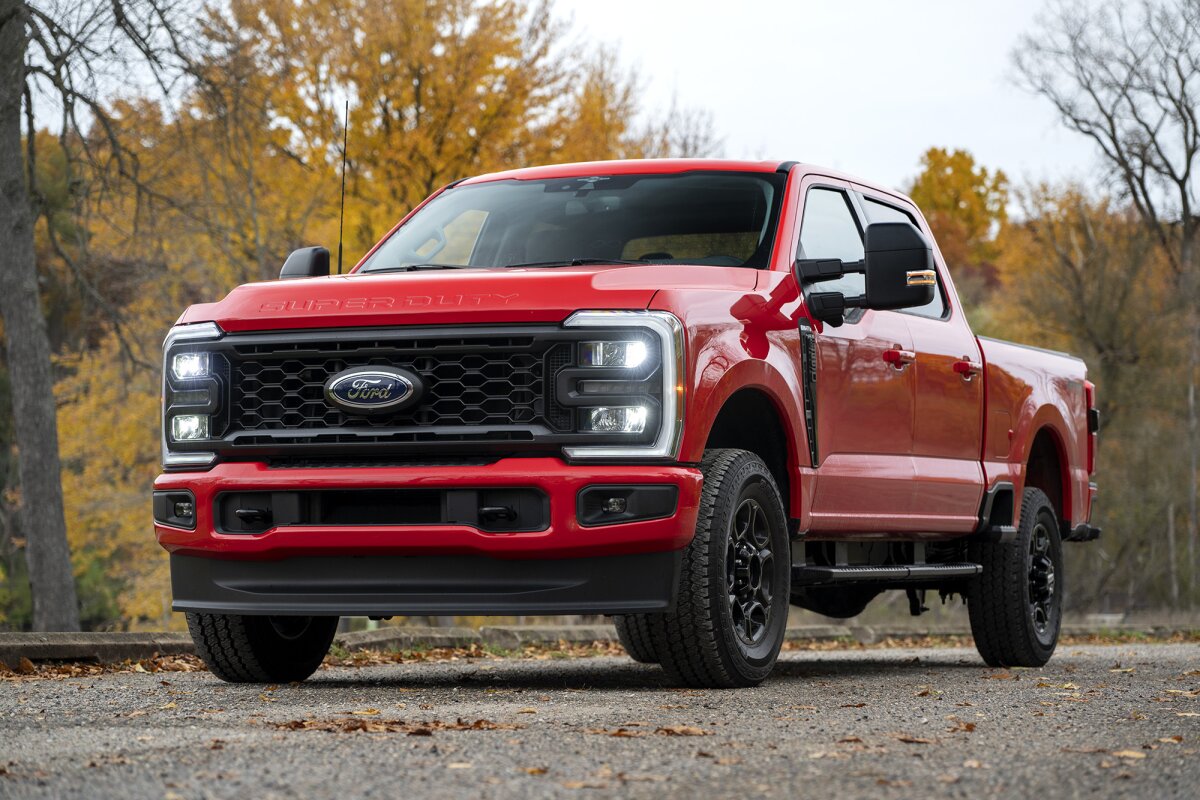
1. Ford F-250 Super Duty
The Ford F-250 Super Duty has long been a favorite among farmers for one simple reason: it’s built to work. With a powerful lineup of engine options, including diesel variants that deliver immense torque, this truck can tow massive loads without a second thought.
Whether you’re hauling livestock trailers, fertilizer tanks, or heavy machinery, the F-250 doesn’t hesitate. The frame is built for durability, and it has suspension systems designed to support thousands of pounds without bottoming out. Ford has clearly kept the agricultural community in mind when designing this vehicle.
What also sets the F-250 apart is its ability to handle rough roads. It doesn’t shy away from gravel, dirt, or mud. The 4×4 models are particularly useful for rural environments, and many farmers prefer the simplicity and reliability of the manual locking hubs.
Ground clearance is generous, which helps keep the undercarriage safe from rocks, stumps, and deep ruts. The bed is long and strong enough to carry everything from tools and animal feed to hay bales and fence posts.
Comfort inside the cab isn’t sacrificed, either. While farmers aren’t usually buying trucks for the interior, long hours spent driving across properties mean a functional, comfortable cab goes a long way. The F-250 offers spacious seating, practical controls, and excellent visibility.
For those in colder climates, heated seats and remote start features come in handy during early mornings. These aren’t just luxuries, they make the vehicle more usable and reduce the fatigue that comes with long days on the job.
Maintenance is another strong point. Parts are widely available, and many local mechanics are familiar with the inner workings of these trucks. This means less downtime and fewer surprises when repairs are needed. Whether it’s being used to plow snow, tow a trailer, or simply move between fields, the F-250 Super Duty checks all the boxes for a dependable farm vehicle.
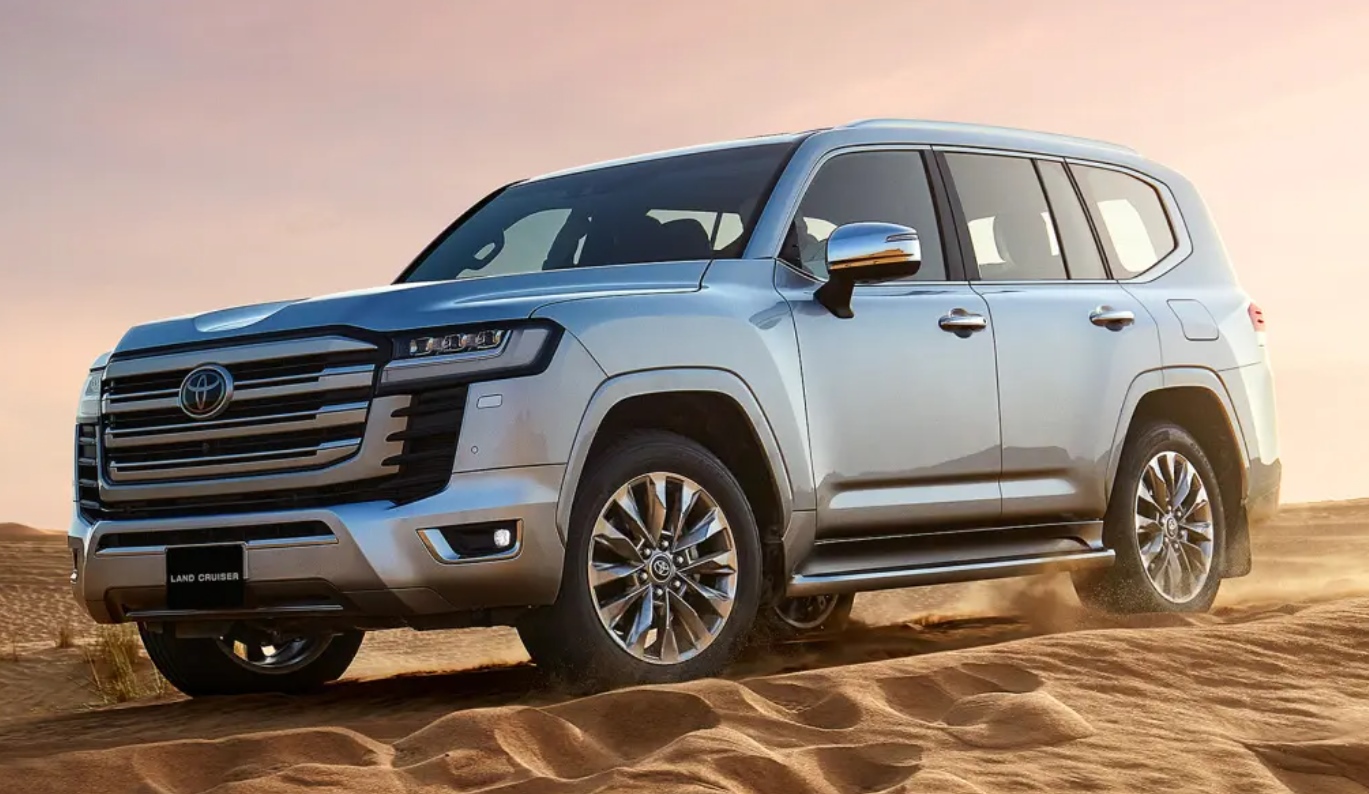
2. Toyota Land Cruiser
The Toyota Land Cruiser, particularly the older 70 and 80 Series models, has earned legendary status in rural areas around the world. Known for being almost impossible to kill, these SUVs are more than capable of handling the day-to-day demands of farming life.
Their diesel engines, where available, run forever with basic maintenance. They have a reputation for reliability that most other vehicles can’t touch, especially when conditions get harsh and roads are no longer paved.
One of the things that farmers love about these older Land Cruisers is their mechanical simplicity. They don’t rely on excessive electronics, which makes them easier to fix in the field. These vehicles were built with practicality in mind.
With solid axles, locking differentials, and a robust ladder-frame chassis, they’re built for traction and durability. The ride is stiff, but it’s designed to carry weight and survive rough terrain, not to cruise through the city.
Farmers often use these vehicles to transport tools, fencing gear, and even small livestock. The cargo space in the back is boxy and usable, especially in wagon or troop carrier formats. With the back seats folded or removed, you’re left with a small cargo hauler that doesn’t blink when driving through mud or over rocks. The roof can also carry gear, water tanks, or a hay rack if fitted with the right bars.
Fuel economy isn’t fantastic, but that’s a small price to pay for something that can handle rugged terrain year after year. Most of these vehicles have passed 300,000 miles and are still running strong. Their value on the used market remains high, which says something about how much people trust them. While newer models have shifted toward luxury, the older Land Cruisers are still seen as some of the most capable farm-ready vehicles ever built.
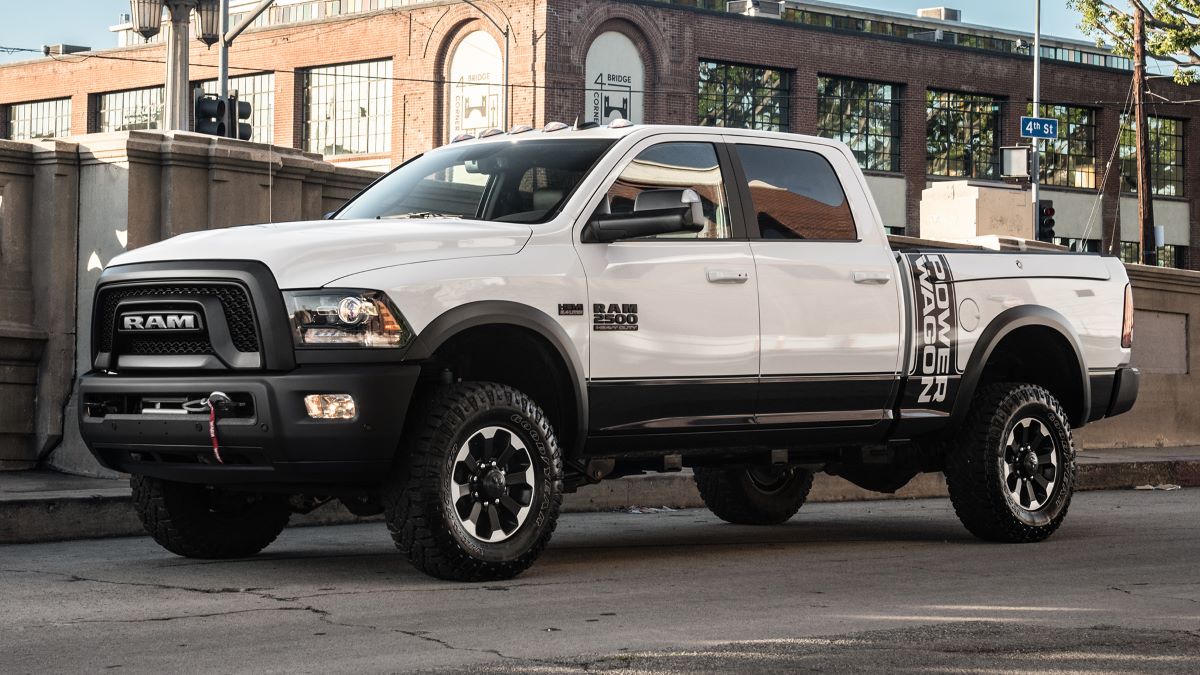
3. Ram 2500 Power Wagon
The Ram 2500 Power Wagon was built for off-road performance, and that makes it a powerful ally on the farm. With a beefy suspension, factory lift, locking differentials, and a front-mounted winch, it comes from the factory with features that many farmers would otherwise have to install aftermarket.
The Power Wagon version is essentially a heavy-duty pickup truck that has been tailored for rough terrain, which means it performs well on dirt, gravel, and fields that other vehicles might struggle to cross.
What makes the Power Wagon stand out is its ability to handle both work and rough environments. It has strong payload and towing capacities, meaning it can haul equipment, feed, or even broken-down vehicles. The 6.4-liter HEMI engine provides more than enough muscle, and it feels confident under load. Whether you’re climbing steep hills or maneuvering through deeply rutted access roads, this truck stays composed and capable.
It’s not just raw power that helps the Ram 2500 Power Wagon succeed; it’s also the design considerations. The high-clearance bumpers allow it to approach obstacles without scraping. The underbody skid plates protect critical components from rocks and debris.
All these small touches matter when you’re far from pavement and help reduce the chances of damage that could interrupt your workday. This truck doesn’t just move between fields, it thrives in them.
Inside, it’s built with comfort in mind, but not at the expense of function. The controls are easy to use with gloves on, and the cabin is big enough to hold more than just a lunchbox. Ram has put a lot of thought into balancing the rugged nature of the Power Wagon with daily usability. For farmers who need a machine that works hard Monday through Sunday, this one earns its place in the fleet.
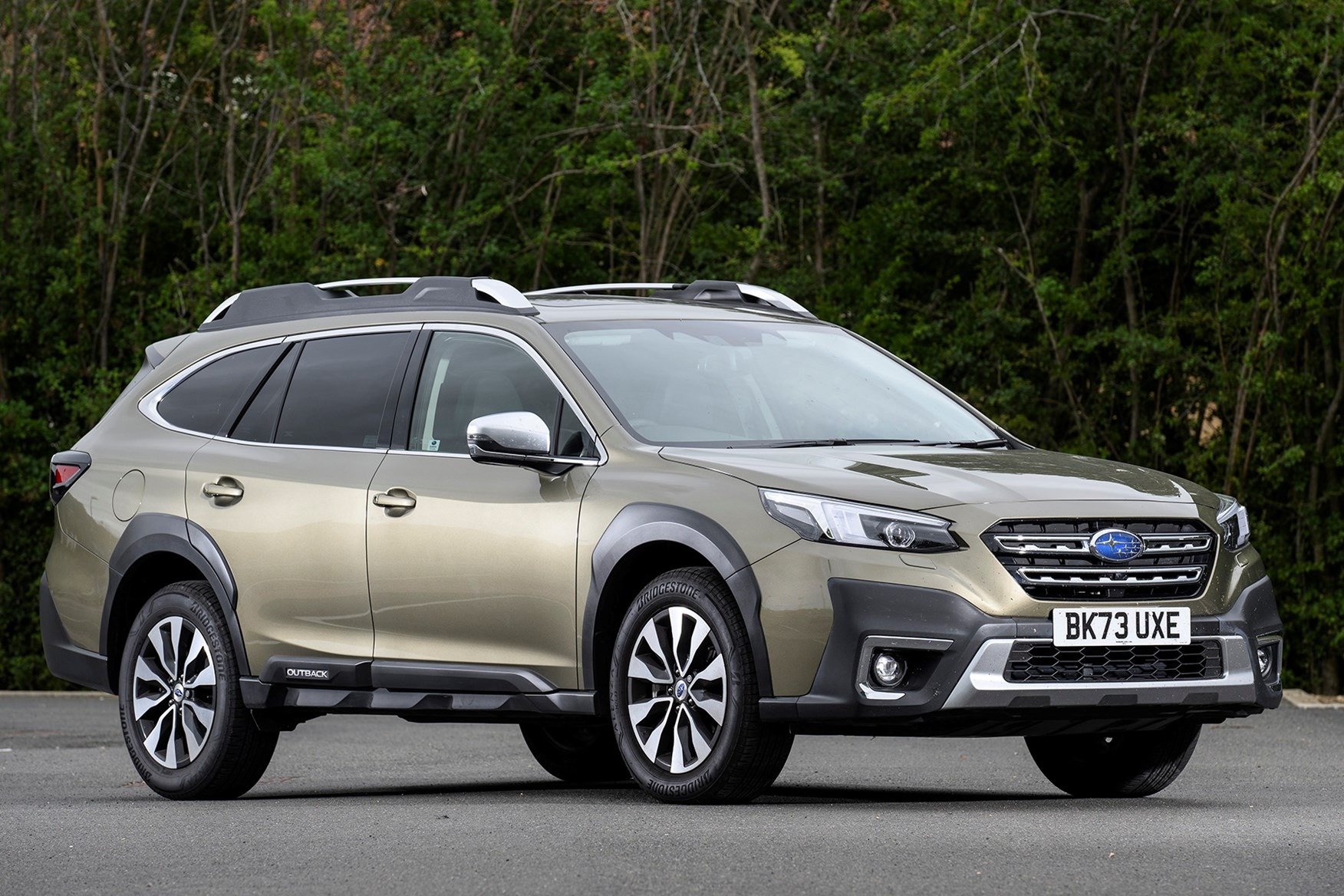
4. Subaru Outback (with Proper Tires)
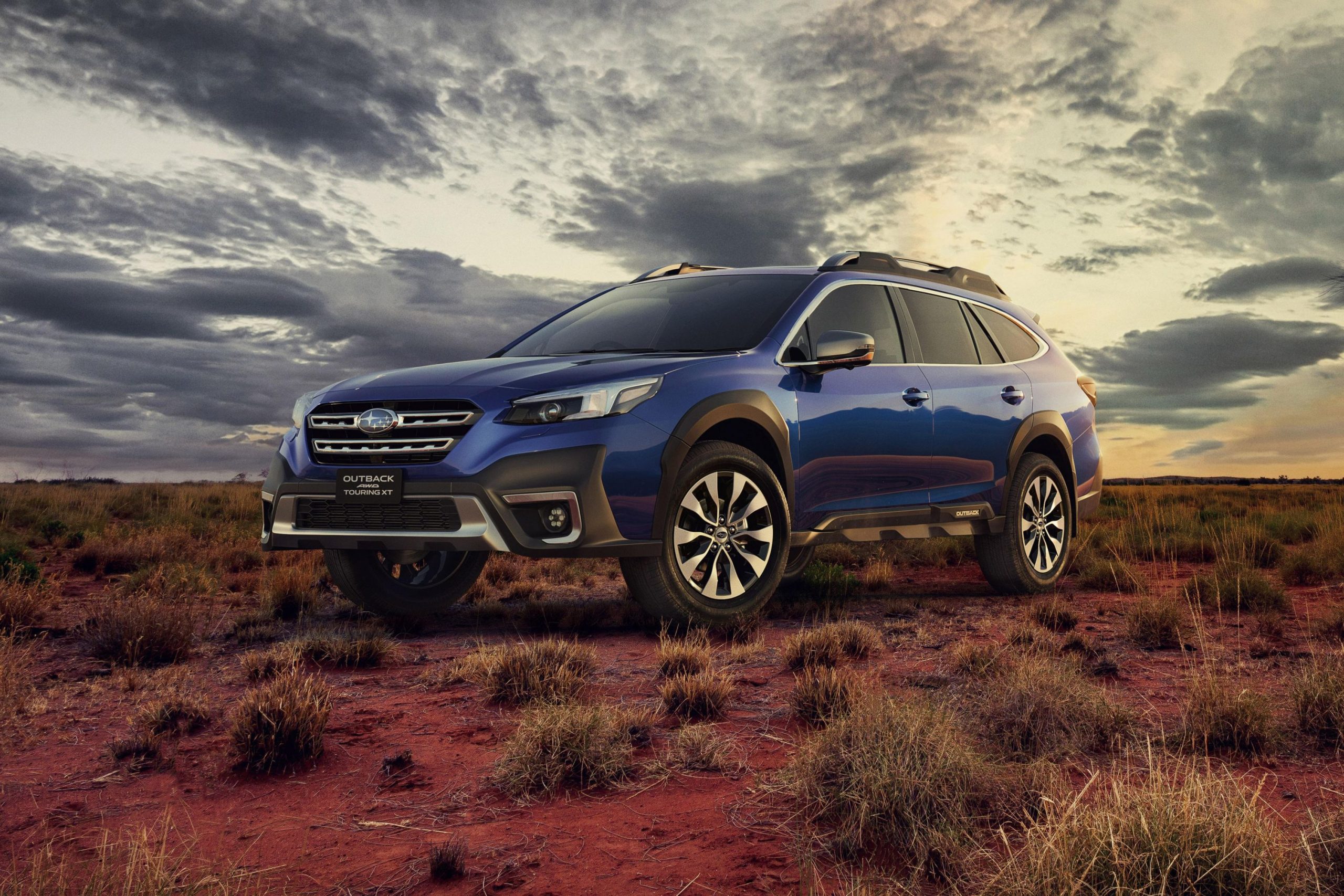
At first glance, the Subaru Outback might not seem like a traditional farm vehicle, but it’s a sleeper in this category. With standard all-wheel drive, good ground clearance, and a reputation for reliability, the Outback has quietly become the go-to for many small farm operations and hobby farmers. It’s not meant to replace a truck, but for day-to-day driving, feed pickups, and getting around in bad weather, the Outback is surprisingly useful.
What really works in the Outback’s favor is how well it handles poor road conditions. Gravel, mud, and snow don’t faze it, especially when it’s fitted with the right tires.
The symmetrical all-wheel-drive system provides excellent traction, and the ride height is just enough to clear most moderate obstacles. While you wouldn’t want to tow heavy loads with it, it’s perfect for hauling small trailers or gear in the back.
The fuel economy is another bonus. Many farmers cover a lot of ground during the week, and having a vehicle that doesn’t guzzle fuel can save a lot over time. The Outback offers better mileage than almost any pickup, especially older ones. Maintenance is relatively simple, and Subarus tend to be long-lasting when cared for properly. Many owners report going over 200,000 miles without major issues.
The cargo space is another strong point. With the seats folded down, there’s plenty of room for animal feed, fencing tools, or groceries.
It’s also easier for older drivers or workers to get in and out of compared to full-size trucks. While it can’t replace a heavy-duty workhorse, it earns its spot as a solid second vehicle on a farm, especially in regions where winter weather is harsh or access roads get muddy and
5. Chevrolet Silverado 2500HD
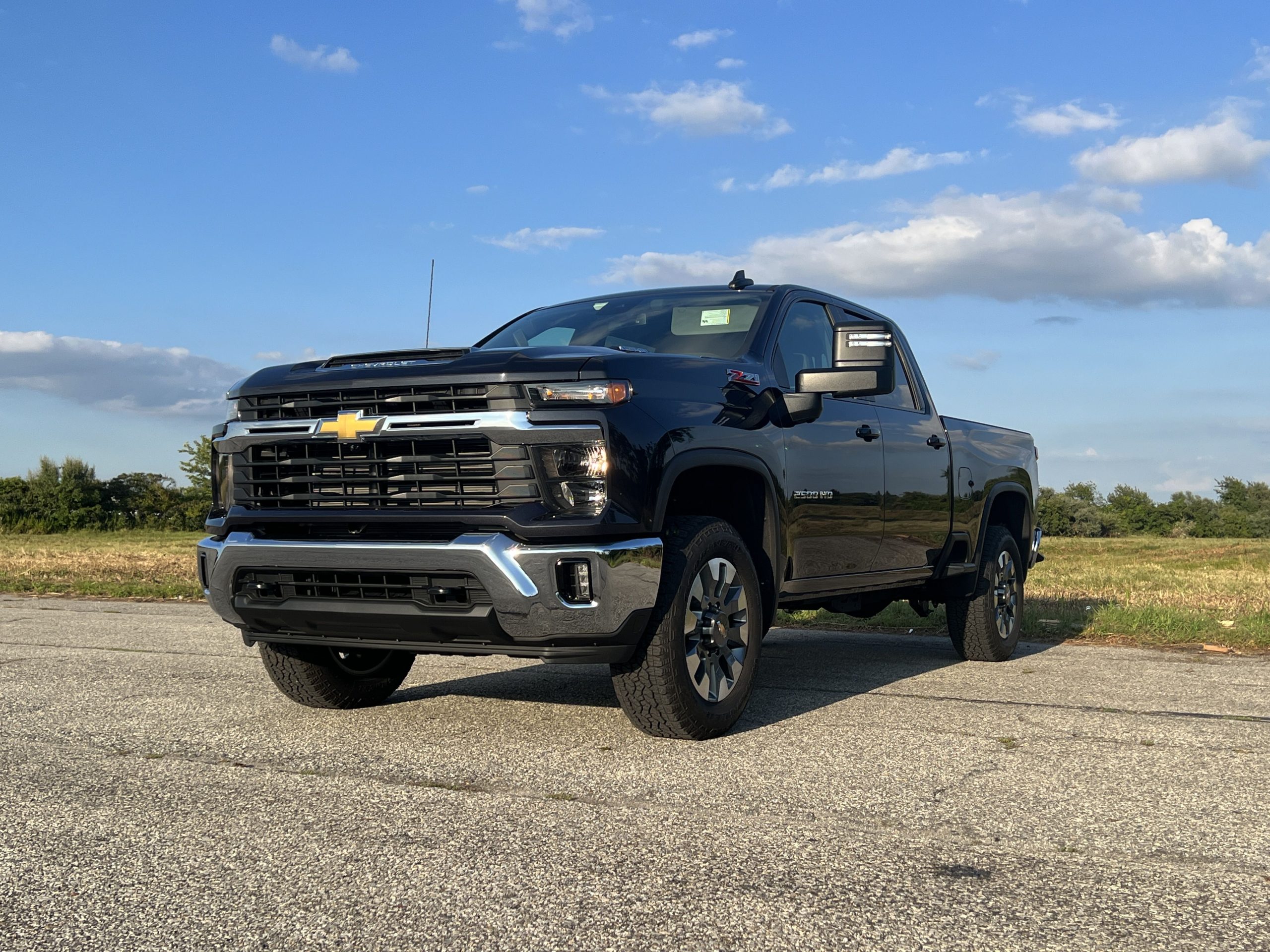
The Chevrolet Silverado 2500HD is another popular choice among farmers who need a reliable, rugged truck that can handle the daily grind on farms and ranches. Its reputation is built on strength, durability, and versatility.
The heavy-duty frame and powerful engine options, including the Duramax diesel variant, allow this truck to tow large trailers, haul heavy equipment, and endure rough terrain without flinching. Many farmers appreciate its balance of power and comfort, which is crucial when spending long hours behind the wheel.
One of the key reasons the Silverado 2500HD stands out is its towing capacity. Farmers frequently haul trailers full of livestock, hay, or machinery, and this truck can handle some of the heaviest loads on the market.
The integration of trailering technologies like trailer sway control and integrated trailer brake controllers make towing safer and less stressful. The suspension is built to carry weight while still offering enough flexibility to absorb shocks on uneven dirt roads and fields, reducing wear and tear on both the vehicle and its contents.
The Silverado’s cabin combines functionality with some creature comforts, making it a more pleasant place to spend the day. It has plenty of space, practical storage compartments, and well-laid-out controls that can be operated even while wearing work gloves.
For farmers working in colder climates, features like heated seats and remote start come in handy. While it’s tough enough for farm work, it can also double as a family vehicle, which is a big plus for those who want just one truck for both work and personal use.
Maintenance and service availability are also strong points. Chevrolet trucks have a widespread dealer and service network, so getting parts or repairs done isn’t usually a headache. This accessibility minimizes downtime, which is crucial when a vehicle is relied on every day. The Silverado 2500HD blends power, toughness, and usability, making it a dependable partner for many farmers who demand a truck that can do it all.
5 Cars That Fail on Dirt Roads
1. Tesla Model S
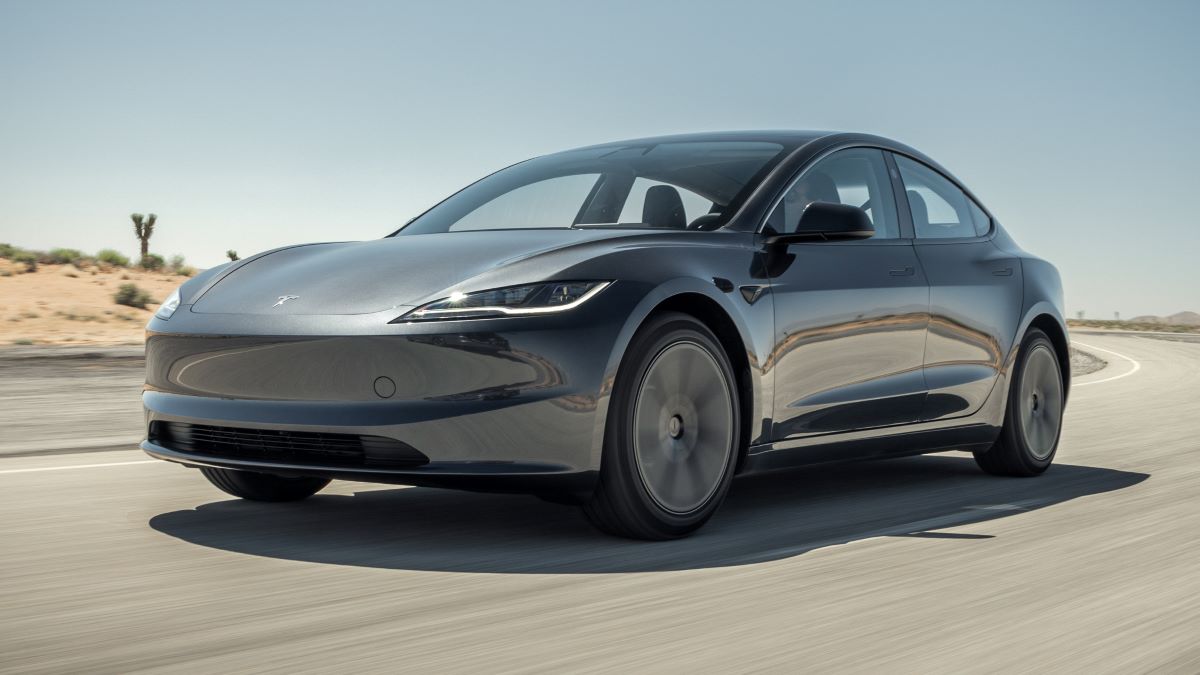
The Tesla Model S is often praised for its cutting-edge technology, electric powertrain, and sleek design. However, when it comes to rough, unpaved dirt roads, this luxury sedan quickly reveals its weaknesses. Designed primarily for paved city streets and highways, the Model S has low ground clearance and a suspension system tuned for smooth asphalt.
This makes it vulnerable to undercarriage damage from rocks, ruts, and uneven terrain commonly found on farms and rural areas. Farmers or rural dwellers who try to use the Model S on dirt roads will often find themselves stuck or forced to take lengthy detours.
Another issue lies in the Model S’s tires and drivetrain. The tires are optimized for efficiency and performance on pavement, not for gripping loose surfaces like mud or gravel.
Although the all-wheel-drive system provides good traction on road surfaces, it can struggle on softer, unstable ground, which dirt roads often are. The heavy weight of the battery pack also makes it difficult to regain momentum if the car gets bogged down, as it lacks the torque and flexibility a traditional off-road vehicle’s engine delivers.
Range anxiety becomes another factor on dirt roads, where the constant starting, stopping, and slow speeds drain the battery more quickly than smooth highway driving. Charging infrastructure is limited in many rural areas, which adds stress to using an electric vehicle like the Model S for farm or rural transport. Getting stranded far from a charging station with no mobile signal can quickly turn into a dangerous problem.
Lastly, the Model S’s delicate exterior and high repair costs make it a poor choice for environments where scrapes, dents, and dust are part of daily life. Unlike farm trucks or rugged SUVs, Tesla’s body panels, glass, and sensitive sensors are vulnerable to damage in rough conditions. Repairs and replacements often come with hefty price tags and long wait times, which farmers can ill afford.
2. Mini Cooper
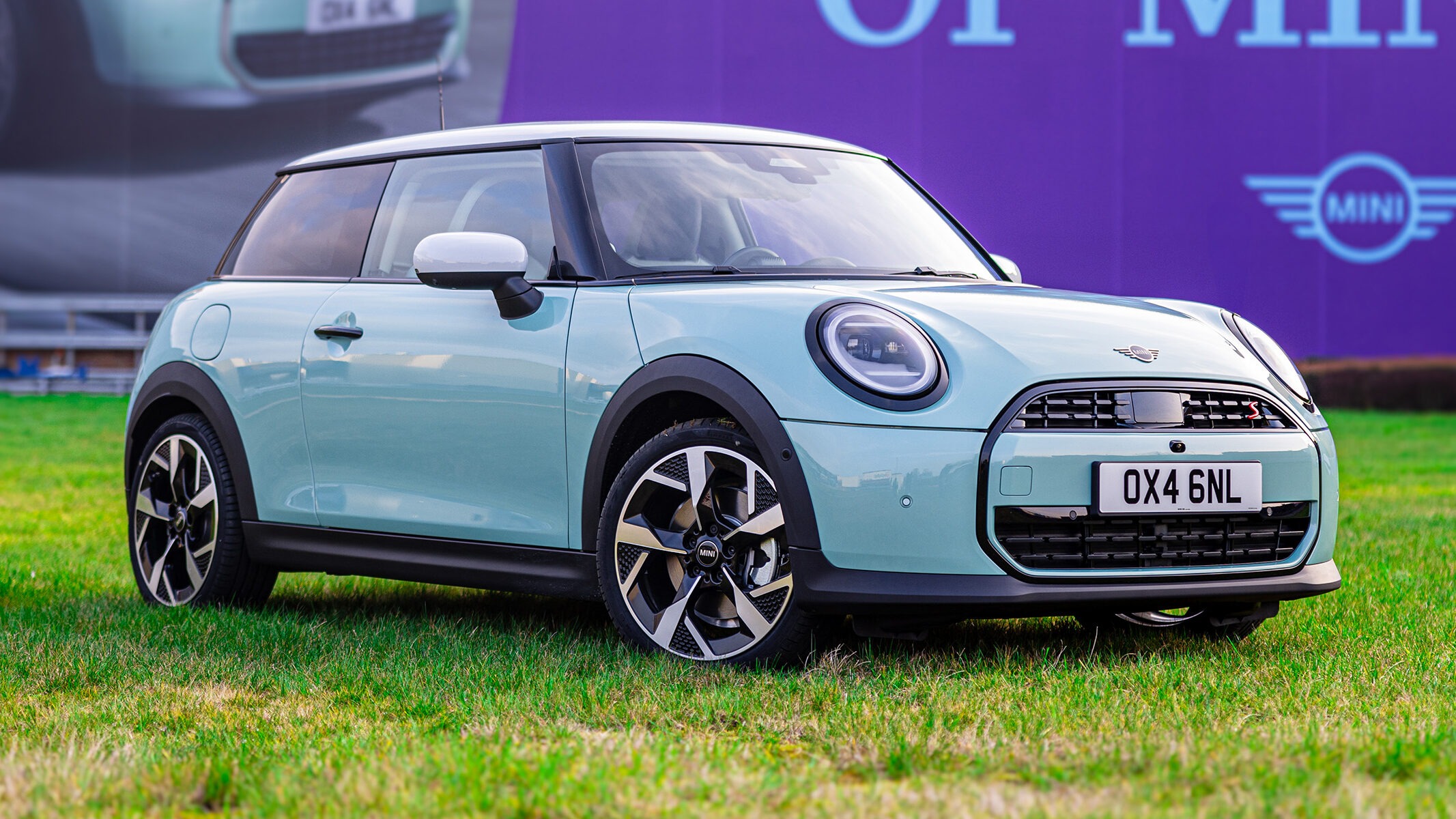
The Mini Cooper is beloved for its nimble handling, sporty styling, and city-friendly size. However, when dirt roads replace paved streets, the Mini Cooper’s shortcomings become painfully obvious. Its low ground clearance means it easily scrapes on uneven surfaces or gets stuck in mud or ruts. The suspension is designed for performance on smooth asphalt rather than absorbing the jolts of rural terrain, so the ride quickly becomes uncomfortable and precarious on dirt roads.
Additionally, the Mini Cooper’s small tires and street-oriented tread patterns do not provide the traction needed on loose surfaces such as gravel or packed dirt.
Driving on farm roads after rain or during dry, dusty conditions poses risks of slipping and poor handling, which can be dangerous when navigating uneven, narrow lanes or steep inclines. Without all-wheel drive, it can’t distribute power effectively when traction is low.
The limited cargo space is another factor that makes the Mini a poor farm vehicle. Farmers often need to haul tools, feed, or equipment, which simply won’t fit in the Mini’s tiny trunk or rear seat area. The Mini Cooper is also not built for towing, meaning any trailer hauling is out of the question. It’s a car best suited for urban errands and paved roads rather than rugged work.
Lastly, repairs and maintenance can be costly and complicated, especially in rural areas. The Mini Cooper’s complex components and European engineering often require specialized service and parts that aren’t readily available outside of cities. For a vehicle that’s likely to encounter more dirt and wear in farming environments, this adds unwanted expense and downtime.
3. Honda Civic
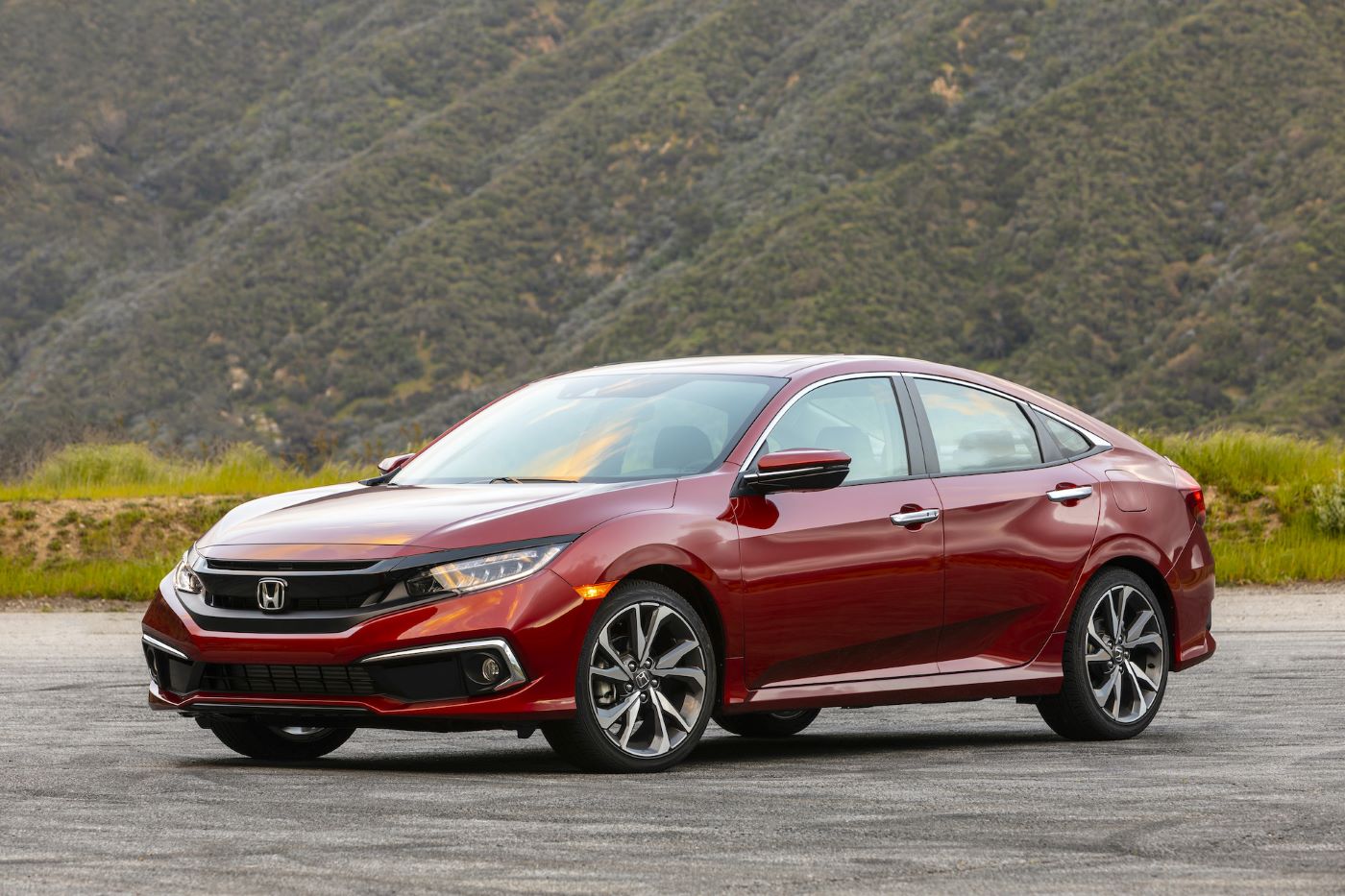
The Honda Civic has been a staple of dependable and efficient transportation for decades, but its virtues don’t extend well to dirt roads and farm conditions. This compact sedan is engineered primarily for city and highway driving, featuring low ground clearance and a suspension designed to maximize fuel economy and comfort on smooth surfaces. When faced with dirt, gravel, and uneven farm tracks, the Civic struggles with clearance issues and increased risk of damage to the undercarriage.
The tires and drivetrain options typically available on Civics don’t lend themselves to off-pavement use. Front-wheel drive, which is standard in most trims, is inadequate for the loose and uneven surfaces common to rural roads.
When traction is limited, the car’s ability to maintain forward momentum falters, especially when hauling anything heavier than passengers. The Civic’s modest powertrain also lacks the torque necessary to power through mud or climb steep, rough inclines.
Cargo space is tight compared to trucks and SUVs, limiting the amount of gear or supplies that can be transported. Farmers often need to carry items like sacks of feed, fencing tools, or even small machinery parts, which won’t fit comfortably in a Civic’s trunk or interior.
Additionally, the low-slung body design means the car is vulnerable to scraping or getting caught on rocks and debris, potentially causing damage to vital components.
While the Civic is known for reliability and fuel efficiency, these advantages hold little weight if the vehicle spends more time in the repair shop because it’s ill-equipped to handle farm environments. The Civic can serve well as a commuter vehicle but fails to meet the rugged demands of rural living.
4. Mazda MX-5 Miata
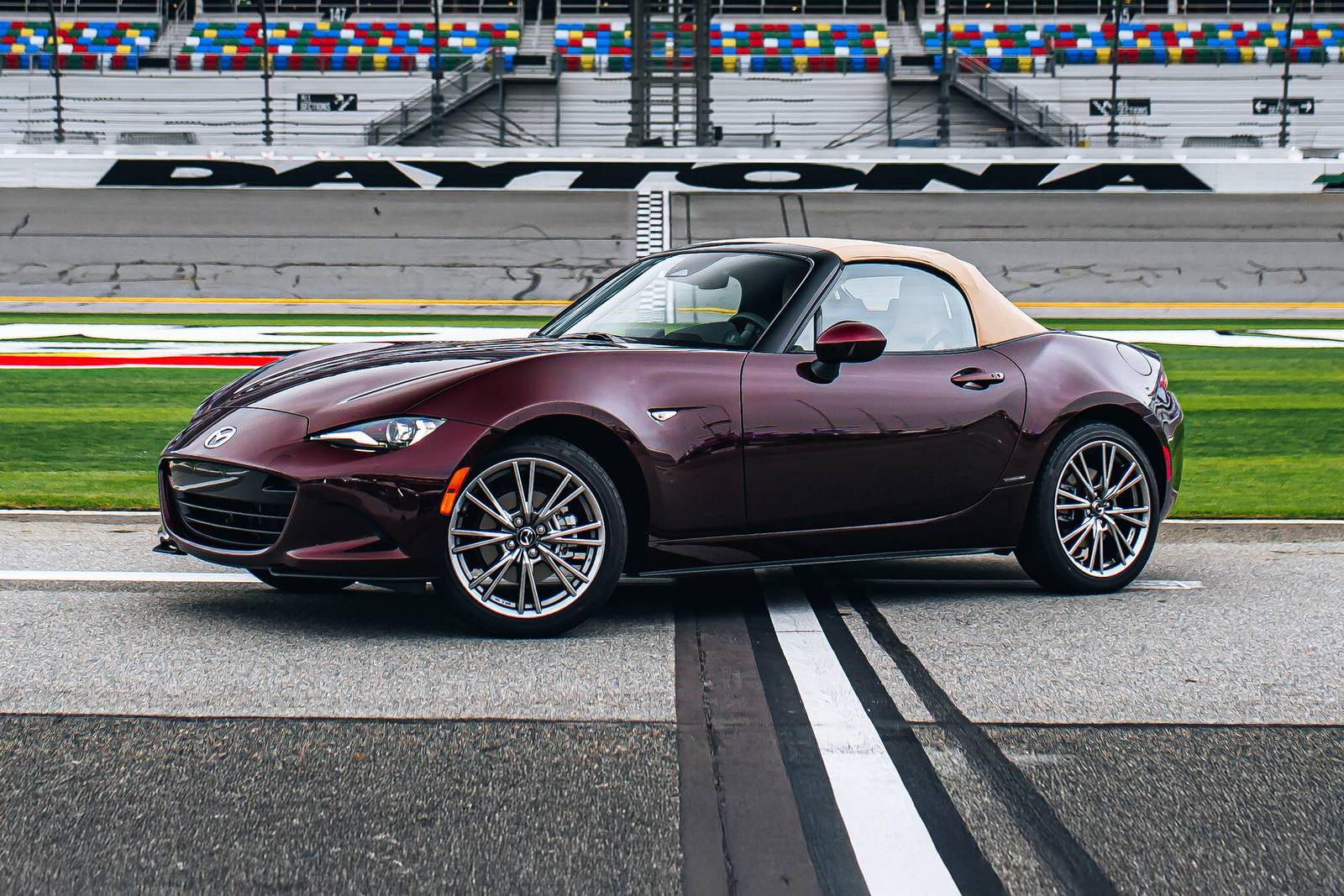
The Mazda MX-5 Miata is celebrated as one of the best affordable sports cars ever made, known for its light weight, responsive handling, and fun driving experience. However, when dirt roads replace the smooth, winding pavement for which it was designed, the Miata becomes a liability.
It has extremely low ground clearance, minimal cargo space, and a suspension setup that prioritizes sharp cornering on flat roads, not durability on rough or uneven surfaces.
Farm roads often require a vehicle to absorb shocks from potholes, rocks, and ruts, but the Miata’s stiff suspension transmits these impacts directly to the driver. Its tires are low-profile performance types that can’t grip loose surfaces well, making it prone to sliding and difficulty maintaining traction in muddy or gravelly conditions. The rear-wheel-drive layout also makes it less effective in dirt compared to four-wheel or all-wheel-drive vehicles commonly used in farming.
Cargo capacity is nearly nonexistent in the Miata, which makes transporting farm supplies impossible. It has no space for tools, feed, or equipment and can’t tow trailers or haul heavy loads. These are essential capabilities for any vehicle used on a farm, and the Miata’s design intentionally excludes them to maintain its lightness and sportiness.
Finally, the Miata’s bodywork and components are more delicate than those of trucks or SUVs, meaning it’s susceptible to damage from rocks, branches, or debris commonly found along rural paths. This susceptibility increases repair costs and downtime, which are unacceptable for a vehicle that might be expected to handle demanding farm tasks.
5. BMW 3 Series
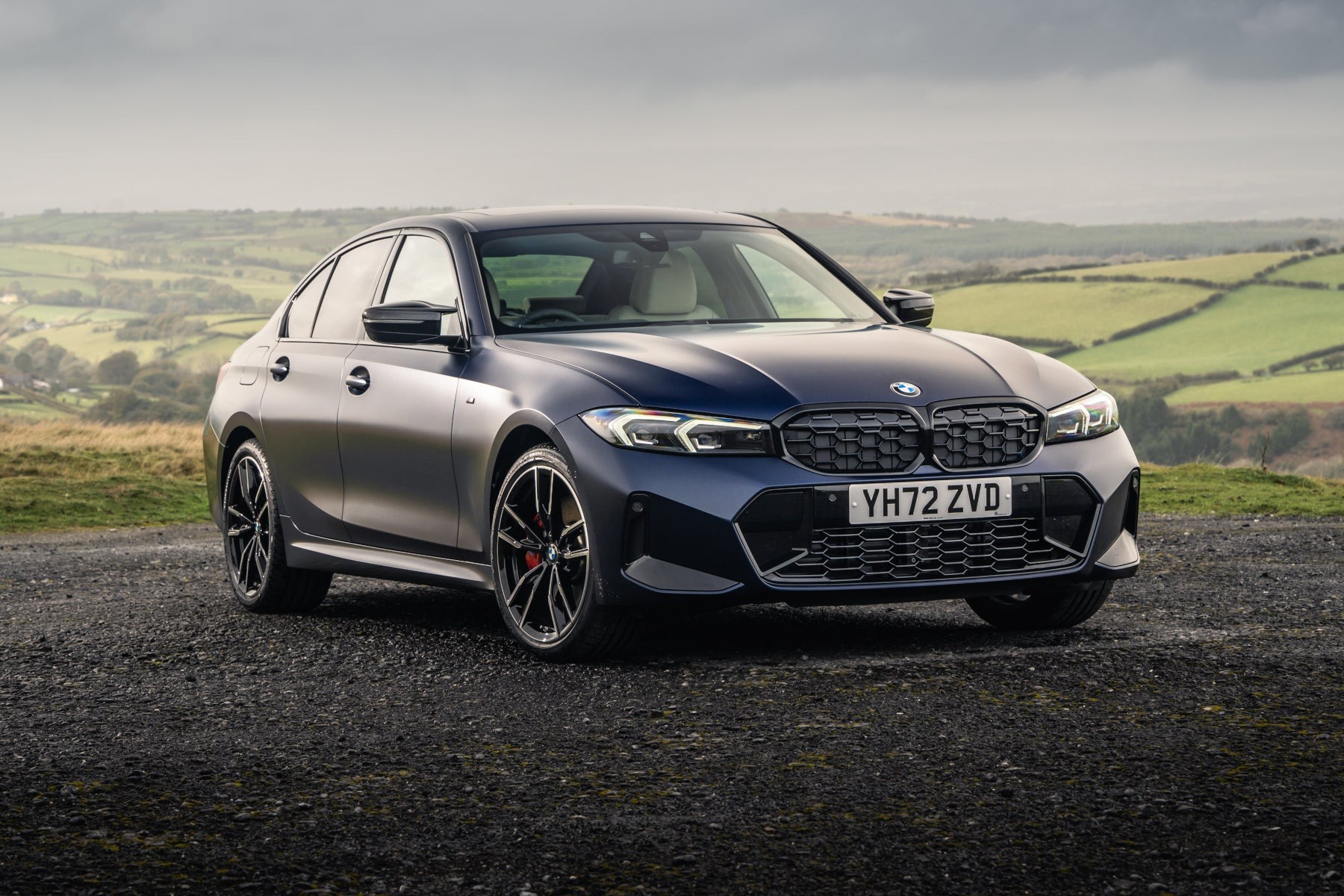
The BMW 3 Series is known for luxury, sharp handling, and powerful engines, but these attributes don’t translate well to unpaved dirt roads. Designed for performance on highways and urban streets, the 3 Series sits low to the ground and has a suspension geared for smooth, precise driving rather than absorbing rough terrain. Its low ride height increases the risk of damage when traveling over rocks, potholes, and uneven farm tracks.
The tires on most 3 Series models are high-performance, street-focused types that provide excellent grip on asphalt but little traction on loose dirt or mud. Without an all-wheel-drive system (which is optional on some models), the rear-wheel-drive variants struggle for traction when surfaces are slippery or uneven, increasing the likelihood of getting stuck or losing control.
Cargo space is limited compared to trucks and crossovers. Farmers often need to transport bulky or heavy items that simply won’t fit in a sedan designed for commuting and city driving. The 3 Series is not equipped for towing, nor does it have the bed or hitch capability required for typical farm equipment transport.
Finally, the luxury nature of the BMW means repairs and maintenance are often costly, and many rural mechanics aren’t equipped to service these vehicles. When a 3 Series is damaged on a dirt road, the time and money needed to fix it can become prohibitive. It’s a vehicle designed for comfort and speed on paved roads, not for the rugged, everyday challenges of farm life.
Also Read: 10 Cars That Rarely Leave You Waiting for Tow Trucks
When choosing a vehicle for farming and rural life, practicality and durability must take priority over style or luxury. The demands placed on vehicles in these environments are unlike those faced by city cars or highway cruisers.
Farmers need vehicles that can handle rough terrain, heavy loads, and long hours without breaking down or getting stuck. As we have seen, certain trucks and SUVs like the Ford F-250 Super Duty, Toyota Land Cruiser, Ram 2500 Power Wagon, Subaru Outback, and Chevrolet Silverado 2500HD excel because they are designed to endure the conditions unique to farms.
They provide the power, ground clearance, suspension strength, and cargo capacity necessary for everything from hauling trailers to navigating muddy fields.
Conversely, many vehicles that perform well on paved roads or in urban settings struggle dramatically when taken off-road or placed under the heavy use typical of farm life. Cars such as the Tesla Model S, Mini Cooper, Honda Civic, Mazda MX-5 Miata, and BMW 3 Series highlight the limitations of luxury, sportiness, or economy when faced with dirt roads, uneven terrain, and heavy workloads.
Low ground clearance, insufficient traction, delicate components, and limited cargo or towing capacity make these vehicles poor fits for agricultural purposes. Their advanced electronics and costly repairs also create further challenges in remote or rugged locations.
A farmer’s vehicle is a workhorse. It is an extension of their labor and livelihood, expected to perform day in and day out regardless of weather or terrain.
The vehicles built for farms reflect this mindset; they are tough, functional, and often simple by design, with features that prioritize reliability and ease of maintenance over luxury. Choosing the right vehicle can reduce downtime, improve efficiency, and lower the long-term costs associated with repairs and replacements.
At the same time, it’s important to recognize that not every farmer’s needs are the same. Small-scale or hobby farmers might find versatile vehicles like the Subaru Outback perfectly suited to their work, while large-scale operations require heavy-duty trucks capable of handling maximum payloads and towing.
Knowing the limitations of certain vehicles is just as important as recognizing the strengths of others. The wrong vehicle on a farm is more than just inconvenient; it can become a costly hindrance.
Selecting a farming vehicle is about balancing toughness, utility, and dependability. The vehicles designed for the rough, demanding conditions of dirt roads and farm life will always outperform those built for smooth pavement and luxury. Prioritizing functionality ensures that farmers have a dependable partner ready to face whatever the land throws at them.
