
Steering racks are a crucial component of a vehicle’s steering system, responsible for translating the rotational movement of the steering wheel into the lateral movement needed to turn the wheels. A well-functioning steering rack provides precise control, responsiveness, and a comfortable driving experience, while a faulty one can lead to steering difficulties, unsafe driving conditions, and costly repairs.
Understanding which vehicles are known for having reliable steering racks and which tend to experience problems is valuable information for anyone interested in purchasing a used car, maintaining their vehicle, or simply wanting to know more about automotive mechanics.
The durability and reliability of a steering rack depend on several factors, including the design and materials used, maintenance habits, driving conditions, and manufacturer standards. Some car models have built a reputation for having steering racks that stand the test of time, rarely requiring repair or replacement, while others are notorious for early failures, leaks, or erratic steering behavior.
In this article, we will cover five cars known for their reliable steering racks, followed by five models that are often associated with steering issues. This information will help guide your choices and expectations regarding steering system reliability.
We will examine these vehicles based on general industry feedback, owner reports, and mechanical assessments. While no car is entirely free from potential problems, these lists highlight patterns that can be helpful when considering longevity and maintenance costs.
Whether you are a daily commuter, a car enthusiast, or simply someone who values dependable steering, understanding these examples will provide clarity on what to expect from various vehicles.
Let’s begin by reviewing five cars that consistently receive positive feedback for having durable, trouble-free steering racks. Then, we will move on to five cars that have experienced more frequent steering rack problems, highlighting some common issues and considerations.
This approach provides a balanced perspective, helping you make informed decisions about your vehicle and maintenance plans.
Also Read: 10 Cars That Rarely Leave You Waiting for Tow Trucks
5 Cars With Reliable Steering Racks
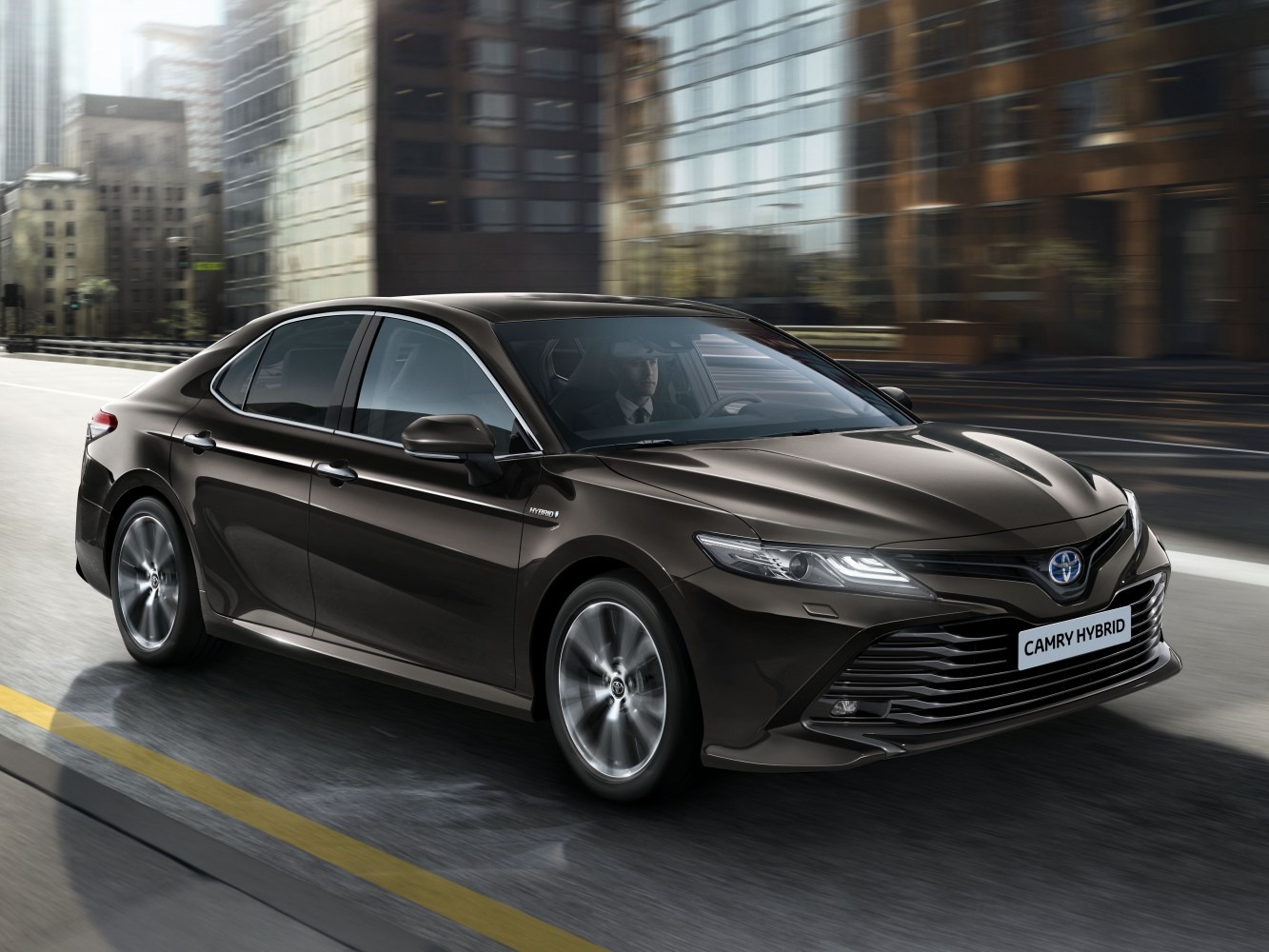
Toyota Camry (2007-2017)
The Toyota Camry has long been regarded as a benchmark for reliability in the midsize sedan segment, and its steering rack is no exception. This model is built with an emphasis on durability and ease of maintenance, which extends to its steering system.
The hydraulic power steering racks used in the 2007-2017 Camry generations have been engineered to withstand extensive use without significant wear or loss of performance. This reliability stems from Toyota’s use of high-quality seals and components, which prevent leaks and reduce internal friction, helping the steering rack maintain smooth operation for many miles.
Beyond materials, Toyota’s precision manufacturing process ensures consistent assembly quality, which limits the occurrence of steering rack misalignments or premature failures. The rack’s design incorporates protective covers and seals that shield it from road contaminants such as dirt, water, and salt. This protection is crucial, especially for drivers in harsh climates or those who regularly drive on rough roads. As a result, the steering rack experiences less corrosion and damage, prolonging its effective lifespan.
Routine maintenance plays a vital role in preserving the Camry’s steering rack performance. Toyota recommends regular power steering fluid checks and replacement intervals, which prevent contamination and maintain hydraulic efficiency.
Many owners follow these guidelines, contributing to fewer reported cases of steering issues. When repairs do become necessary, the widespread availability of OEM and aftermarket parts, combined with knowledgeable technicians familiar with Toyota vehicles, ensures repairs are affordable and timely.
Owners of the Camry frequently praise the vehicle’s steering responsiveness and reliability, even after accumulating over 100,000 miles. This steadfast performance makes the Camry a popular choice for those seeking a practical sedan with minimal unexpected repairs. The steering rack in this model exemplifies Toyota’s dedication to combining long-term dependability with driver confidence.
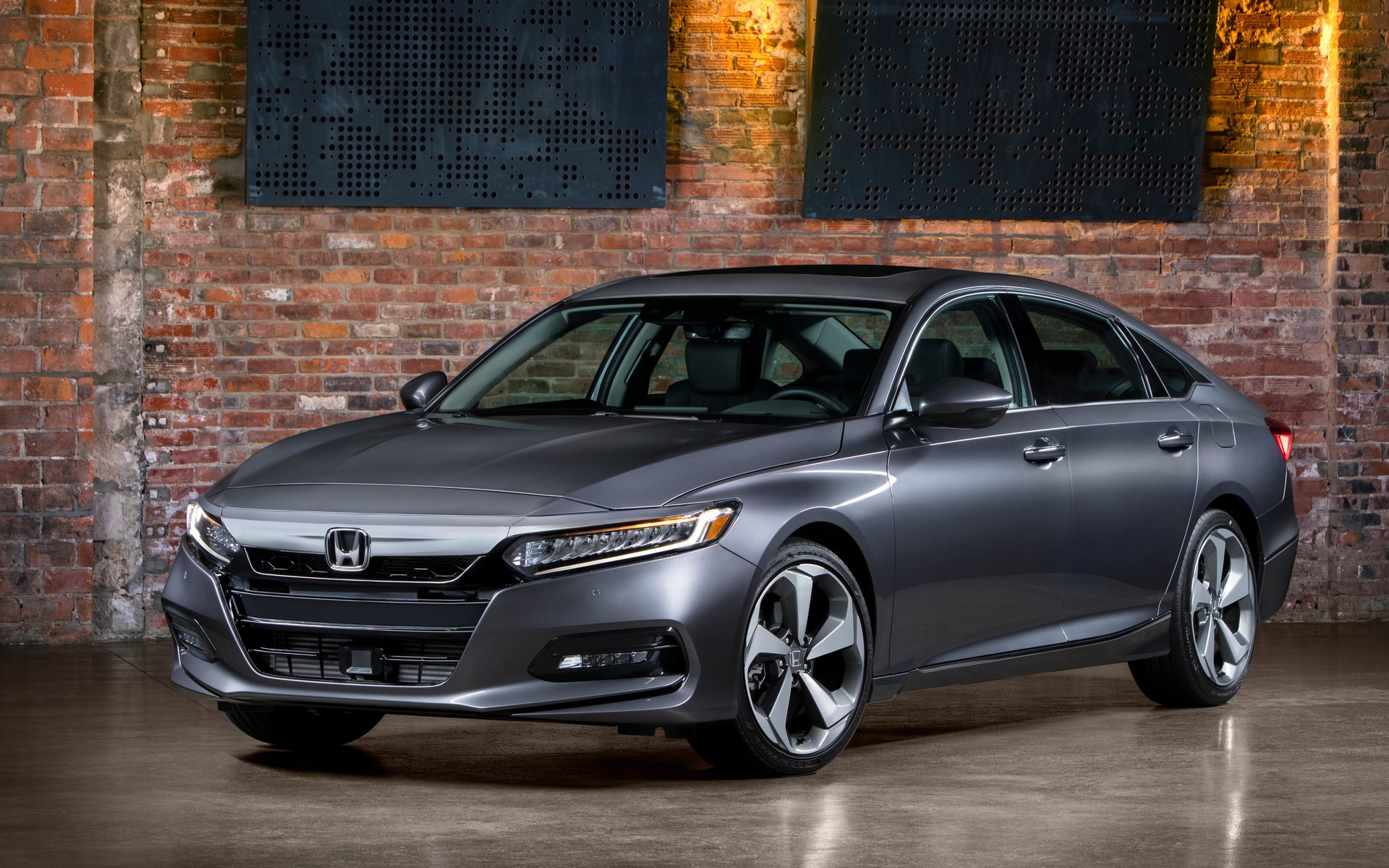
Honda Accord (2013-2017)
The Honda Accord, particularly in its ninth-generation form produced between 2013 and 2017, stands out for combining refined driving dynamics with durable components, including its steering rack.
Honda engineers designed the hydraulic power steering system to provide precise control and an engaging driving feel while ensuring that wear and tear on the rack itself remain minimal. The steering rack’s internal components are crafted from high-strength materials, and seals are engineered to withstand long-term pressure without leaking.
Another important aspect of the Accord’s steering rack durability is the system’s resistance to contamination. Honda implements robust sealing methods to keep moisture, dirt, and debris from entering the rack assembly, which significantly reduces the chances of corrosion or premature part degradation.
The steering rack also benefits from the vehicle’s chassis and suspension design, which minimizes excessive force transfer to the rack during normal and aggressive driving scenarios.
Many Accord owners report minimal maintenance needs beyond routine power steering fluid service, with few instances of steering rack failure or repair within the first 150,000 miles. The rack maintains a consistent level of feedback and steering accuracy throughout the vehicle’s lifespan, contributing to the Accord’s reputation for reliability and ease of ownership.
Additionally, Honda’s dealer network and aftermarket suppliers offer widespread access to replacement parts and service information.
This availability makes it easier to address any potential steering rack issues quickly and affordably, reducing downtime and inconvenience for owners. The combination of engineering quality and support infrastructure reinforces the Accord’s standing as a midsize sedan with reliable steering components.
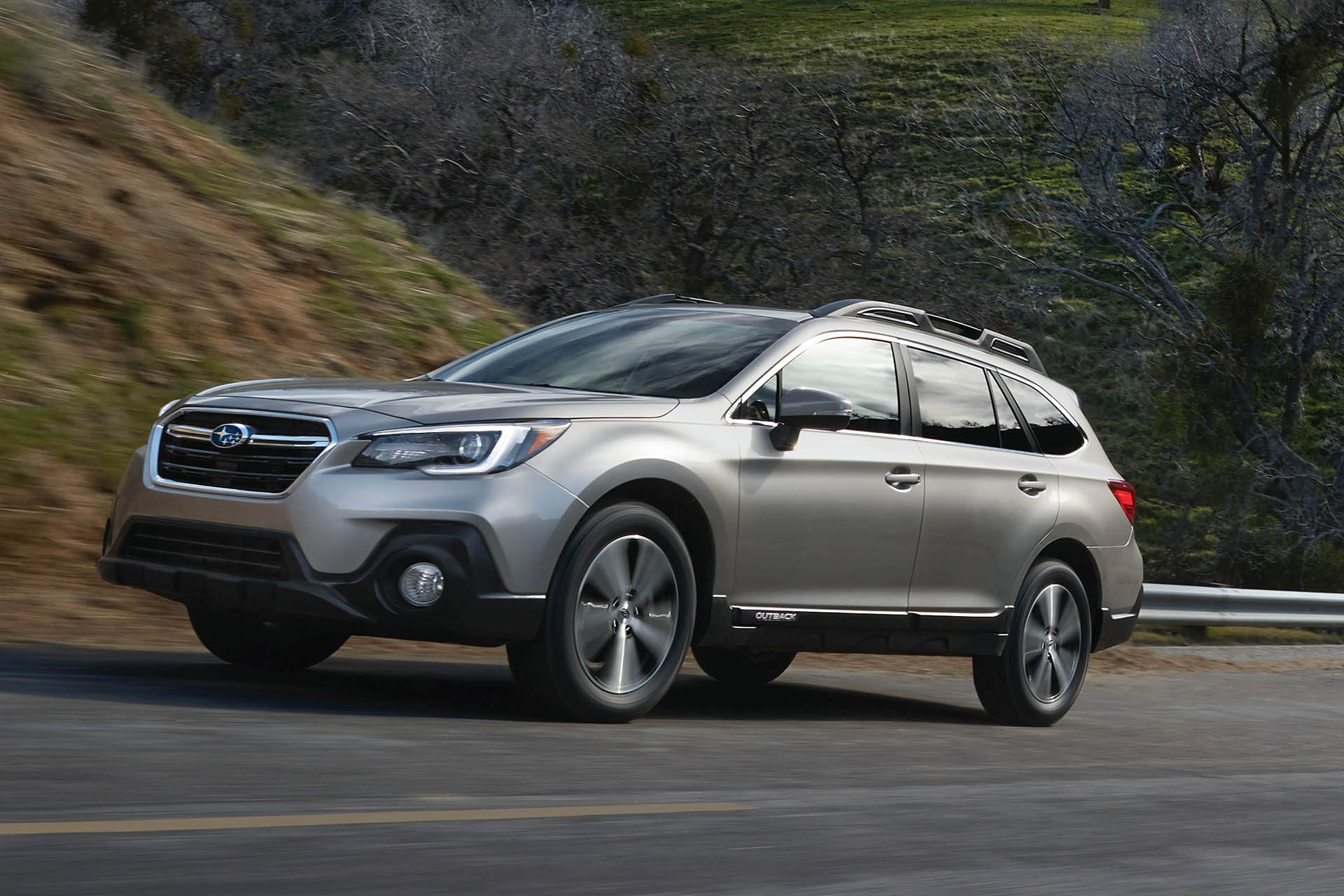
Subaru Outback (2010-2014)
The Subaru Outback’s reputation for ruggedness and reliability extends to its steering rack, which has proven capable of withstanding both daily driving and more challenging conditions. Models from 2010 to 2014 feature hydraulic steering racks designed to provide precise steering feel while resisting damage from off-road use, potholes, and rough terrain.
Subaru’s focus on building vehicles suited to diverse environments has influenced the robust design of these steering components.
One feature of the Outback’s steering rack is its effective sealing system. Given that Subaru vehicles are often driven in wet, muddy, or snowy conditions, protecting the steering rack from contaminants is essential. The seals and dust boots used in the Outback’s rack assembly prevent moisture intrusion and road debris infiltration, which helps avoid corrosion and premature wear of the internal parts.
Furthermore, the rack’s construction uses materials that can withstand temperature fluctuations and mechanical stress without warping or cracking. The rack also delivers consistent steering effort and feedback, which enhances driver confidence during long drives or on winding roads. Subaru’s commitment to all-wheel-drive performance does not compromise the longevity of the steering system, as the rack is engineered to cope with additional drivetrain forces.
Owners commonly report that the Outback’s steering rack performs reliably beyond 100,000 miles with little to no degradation in steering feel or control. Regular power steering fluid inspections and changes remain a key factor in maintaining this reliability, especially in regions with extreme weather. The availability of OEM parts and experienced technicians further supports the steering system’s durability.
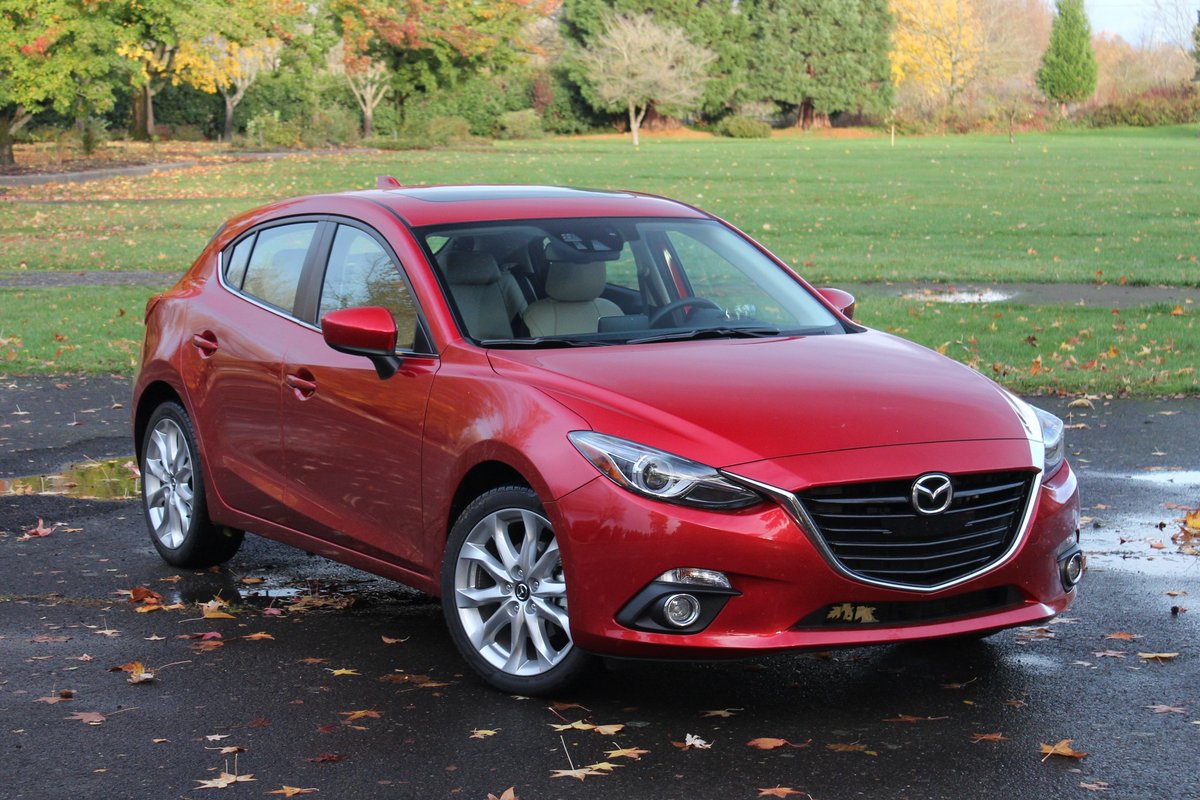
Mazda 3 (2010-2013)
The Mazda 3 is celebrated for its engaging driving dynamics and well-balanced chassis, with the steering rack playing a central role in delivering sharp, responsive handling. The 2010 to 2013 models feature hydraulic power steering racks that emphasize precision and feedback while maintaining durability. Mazda’s focus on driver enjoyment does not come at the expense of component longevity, as evidenced by the Mazda 3’s steering rack reliability.
The rack’s design includes tightly engineered seals and high-quality internal components that reduce friction and prevent leaks, two factors critical to long-term durability.
Mazda’s attention to detail extends to the rack’s integration with the vehicle’s suspension system, which helps distribute forces evenly and reduce stress concentrations on the rack. This thoughtful engineering reduces premature wear and contributes to a consistent steering feel over time.
Many drivers praise the Mazda 3’s steering for maintaining responsiveness and smoothness well beyond typical wear periods. Common issues such as steering play, noise, or stiffness are rarely reported unless caused by neglecting routine maintenance. Regular replacement of power steering fluid and inspections of the rack and related components contribute to this lasting performance.
Additionally, the Mazda 3 benefits from Mazda’s reputation for reliable engineering and the availability of affordable parts and repair services. This ensures that even if maintenance or repairs become necessary, the process is straightforward and cost-effective. The steering rack’s reliability in the Mazda 3 enhances the car’s appeal to buyers seeking a sporty yet dependable compact car.
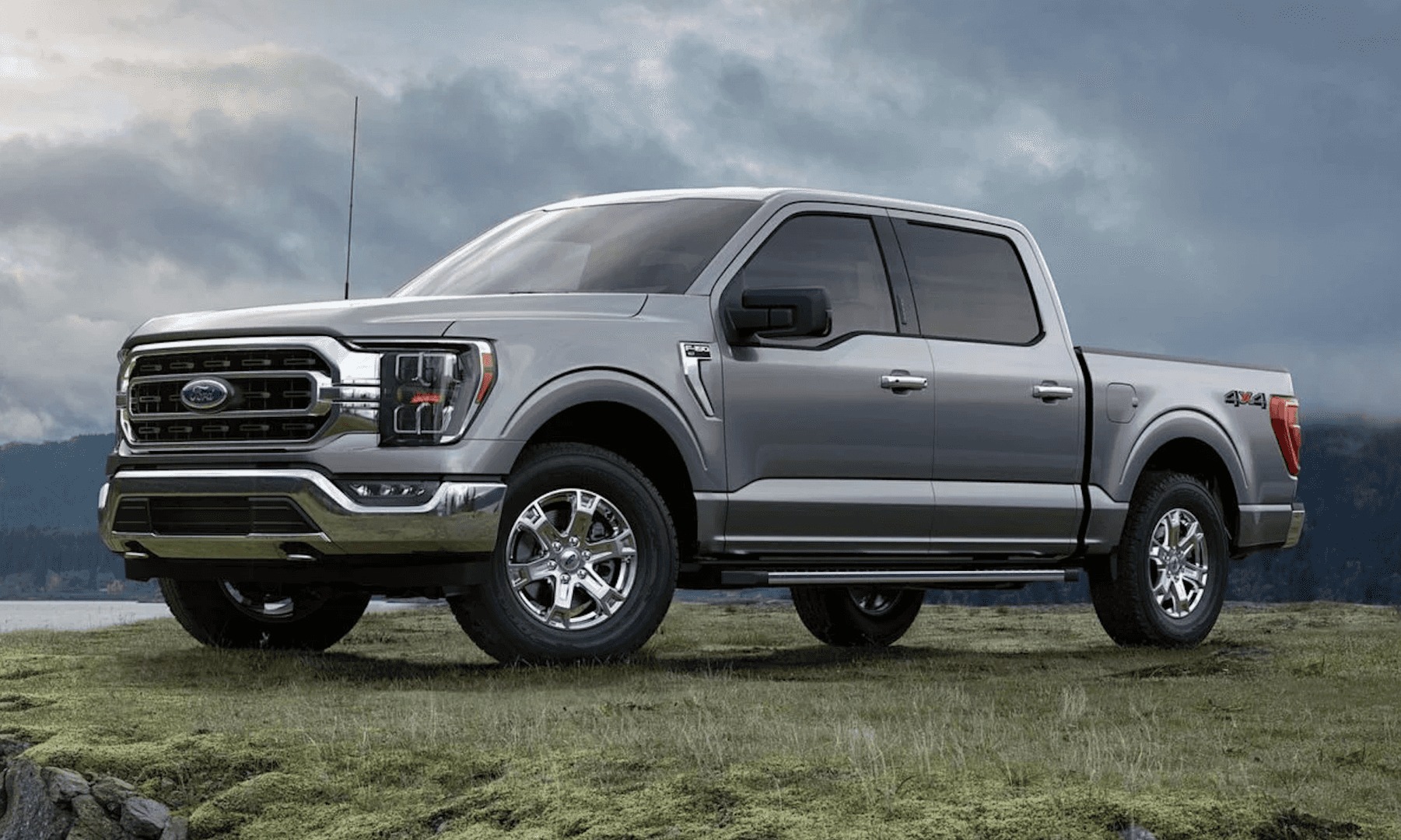
Ford F-150 (2015-2020)
The Ford F-150 is known for its toughness and capability, and the steering rack is no exception. Models from 2015 to 2020 feature steering racks designed to endure the heavy demands of towing, hauling, and off-road driving. Ford engineers have implemented hydraulic power steering racks reinforced with high-grade materials that resist wear from prolonged use and harsh conditions.
One key factor in the F-150’s steering rack reliability is the inclusion of protective features that shield the rack from road debris and corrosion. These features help maintain smooth steering even after exposure to mud, water, and rough terrain. The rack is also designed to provide consistent steering effort and feedback, which is critical when driving a large pickup truck under various load conditions.
Drivers and fleet operators alike praise the F-150’s steering for its ability to remain stable and responsive across different driving environments. The rack’s durability minimizes unexpected repairs, contributing to the truck’s reputation as a reliable workhorse. Ford’s extensive dealer and parts network further supports the longevity of the steering system by providing easy access to replacement components and professional service.
Routine maintenance, including periodic inspection and fluid changes, helps extend the life of the steering rack. The design’s emphasis on durability, combined with proper upkeep, ensures the F-150’s steering system can handle both daily commutes and demanding work applications without frequent failure.
Also Read: 10 Best SUVs That Rarely Have Suspension Failures
5 Cars With Steering Issues
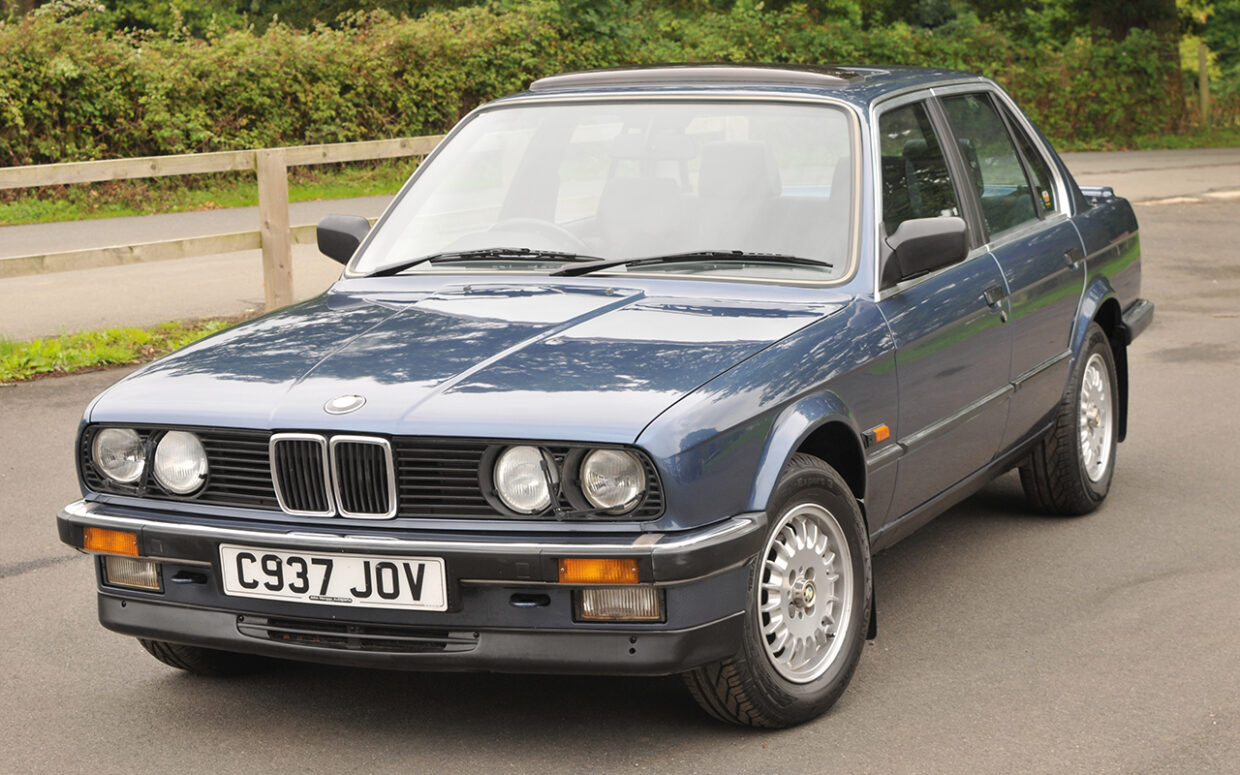
BMW 3 Series (E90, 2005-2011)
The BMW 3 Series from the E90 generation, spanning 2005 to 2011, is well-known for delivering a dynamic driving experience but unfortunately has developed a reputation for steering rack problems. One of the most common issues reported by owners is power steering fluid leaks, often caused by worn seals inside the hydraulic steering rack.
These leaks can lead to a gradual loss of fluid, which in turn affects steering responsiveness and can cause the steering wheel to feel stiff or heavy, especially at low speeds.
Another factor contributing to the steering issues in the E90 is the complexity of the steering system. BMW combines hydraulic assist with electronic control elements, which improves steering feel but also adds layers of potential failure points. Sensors and electronic valves inside the steering assembly may malfunction over time, leading to inconsistent steering assist or error codes that trigger dashboard warnings. These problems often require specialized diagnostics and repairs, which can be expensive.
Wear and tear on the steering rack bushings and internal components also causes excessive play in the steering wheel, reducing driver confidence and control. When the steering rack starts to develop play, drivers may notice vibrations or a vague, disconnected feeling in the steering wheel.
Repairing or replacing the steering rack in these models is labor-intensive, as the entire front suspension often must be partially disassembled. Calibration of the steering angle sensors and electronic components is essential post-repair, adding to the complexity and cost.
Despite these challenges, BMW 3 Series owners often appreciate the car’s handling characteristics and are willing to maintain the vehicle diligently. Timely fluid replacement and attentive maintenance can mitigate some steering issues, but the E90’s steering rack problems remain a well-documented concern for prospective buyers and used car owners.
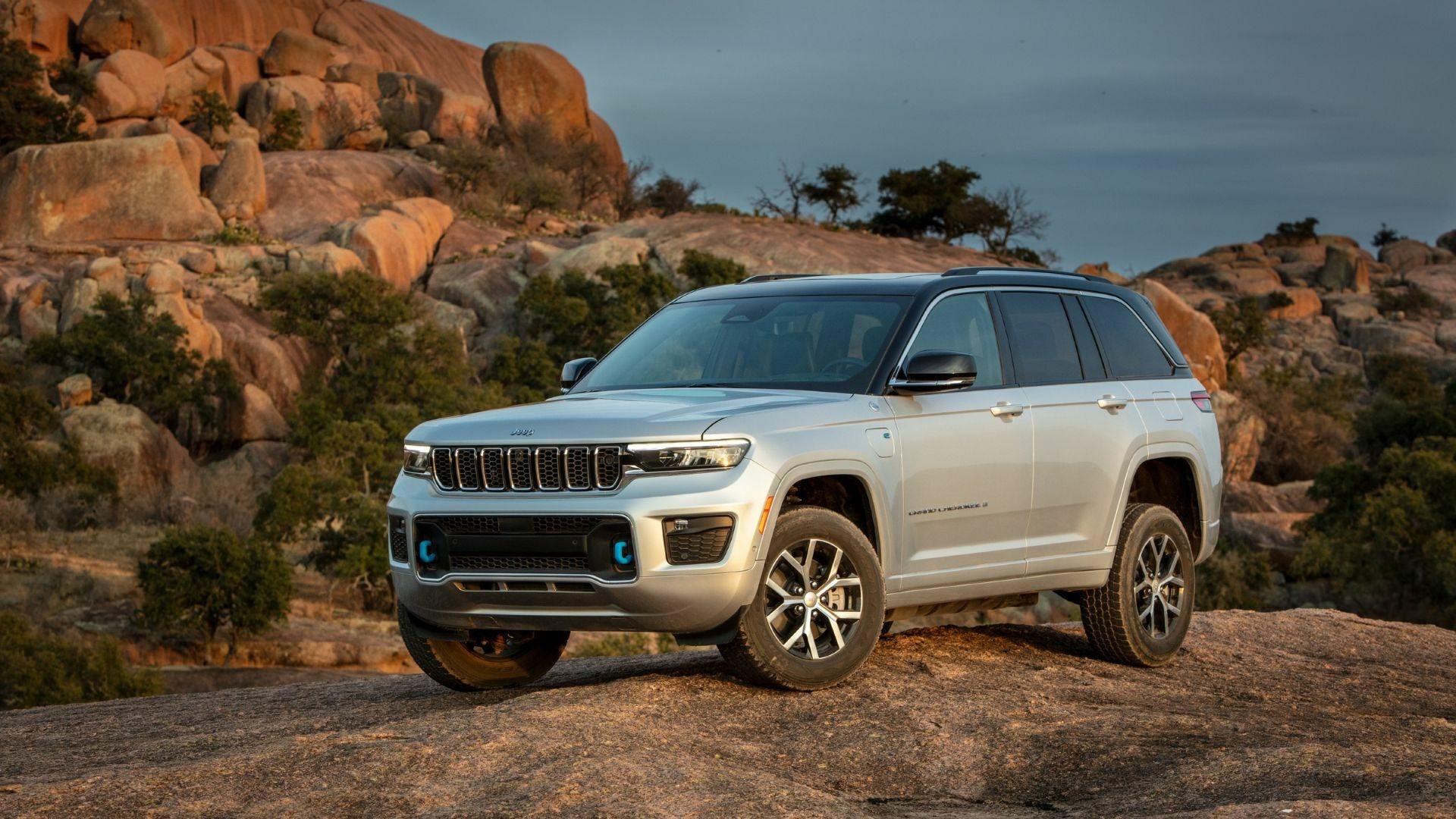
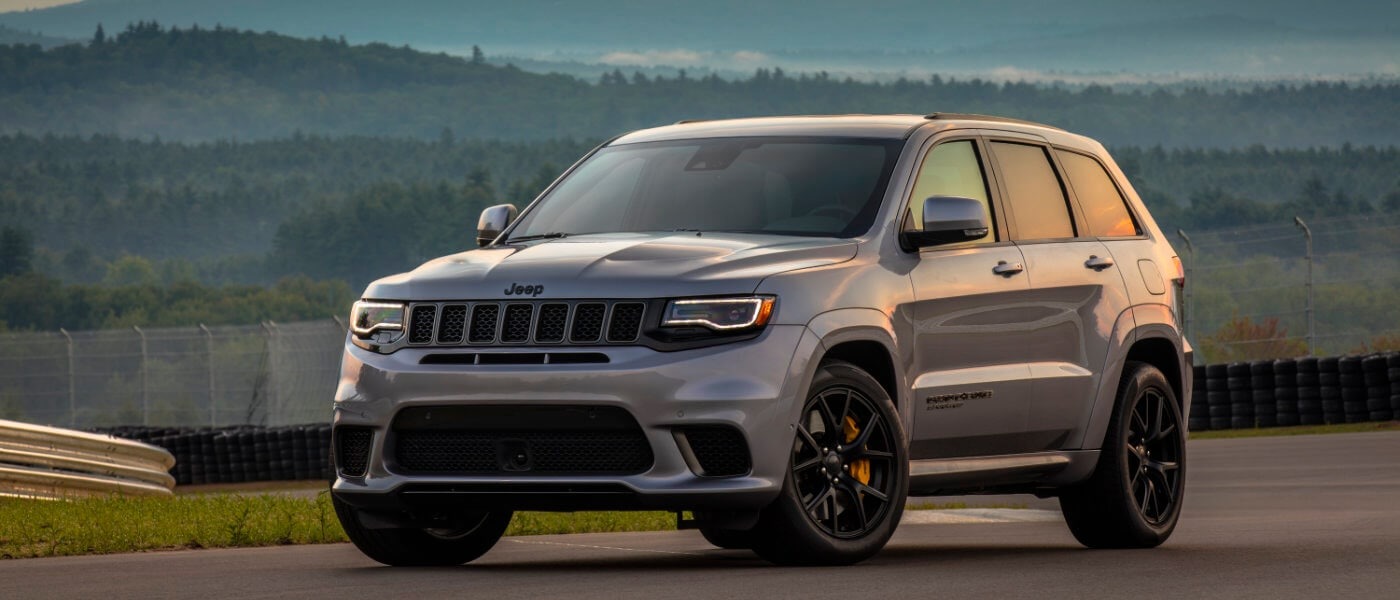
Jeep Grand Cherokee (2011-2013)
The Jeep Grand Cherokee models produced between 2011 and 2013 have been reported to suffer from recurring steering rack issues that affect both safety and drivability. Many owners experience excessive play in the steering wheel, unusual noises such as clunking or grinding when turning, and occasional stiffness or resistance during steering. These symptoms are often linked to early wear of seals and internal rack components that fail to hold hydraulic pressure properly.
Jeep’s steering rack design in these models is prone to contamination from dirt and water, especially given the vehicle’s off-road capabilities and frequent use in rough conditions. The seals and boots protecting the rack sometimes degrade prematurely, allowing moisture and debris to infiltrate and accelerate wear. This contamination can cause corrosion inside the rack, resulting in rough steering and potential mechanical failure.
In addition to mechanical wear, fluid leaks are common in the Grand Cherokee’s steering rack system. Leaking power steering fluid not only diminishes steering assist but can also damage other components by spreading onto suspension parts and brake lines. Some owners report recurring leaks despite replacement of seals or racks, indicating that the root cause may be linked to design vulnerabilities.
The cost of repairing or replacing the steering rack in these Jeep models tends to be high due to the complexity of the system and labor-intensive installation. Furthermore, the downtime associated with such repairs can be inconvenient, particularly for drivers who rely on the vehicle for daily use or off-road activities.
While some owners manage to maintain their vehicles with frequent inspections and repairs, the 2011-2013 Jeep Grand Cherokee steering rack remains a problem area.
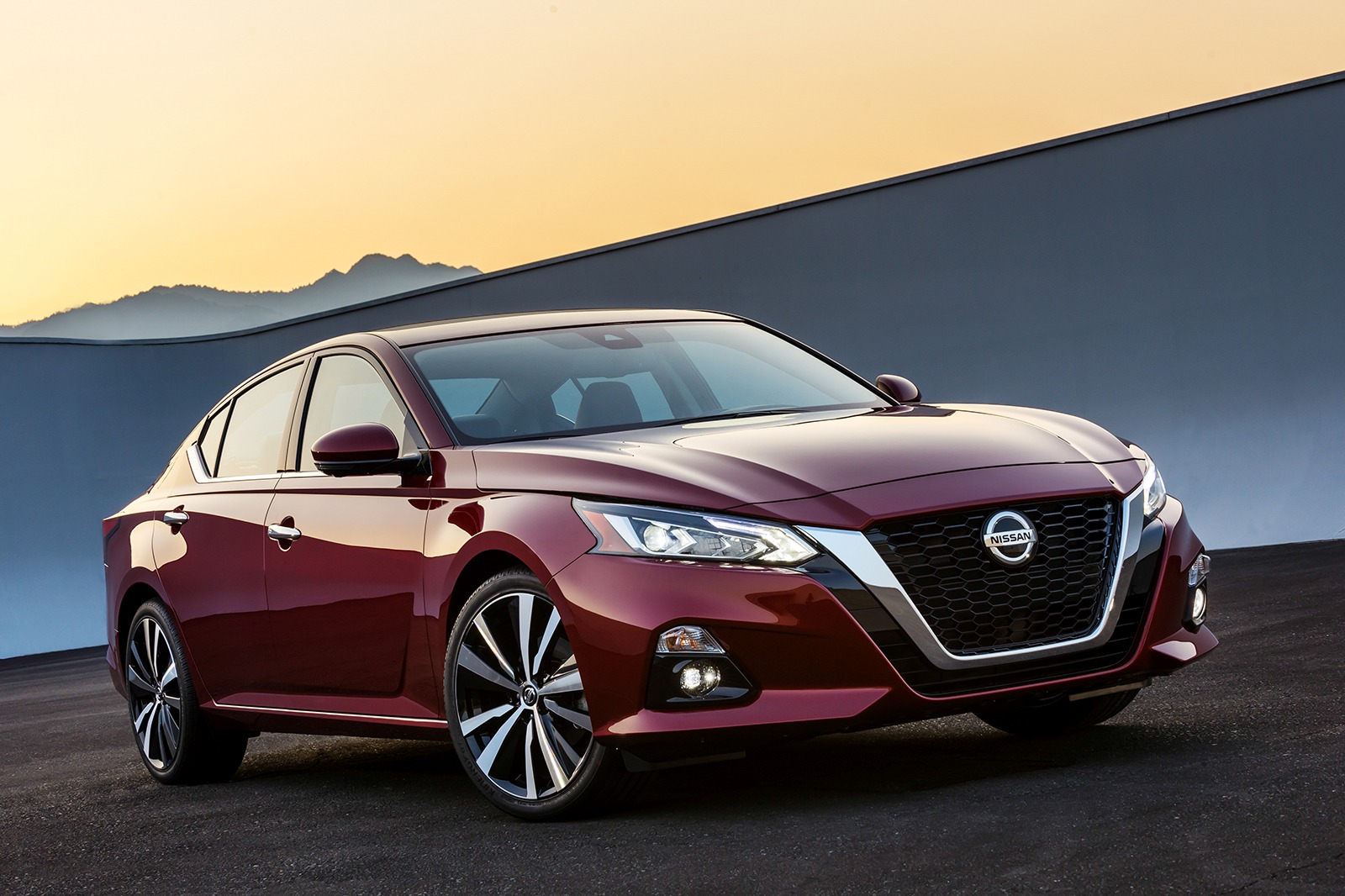
Nissan Altima (2007-2012)
The Nissan Altima from the 2007 to 2012 model years has become known for steering rack issues, particularly related to power steering fluid leaks and internal wear. One of the most frequent complaints involves the deterioration of rack seals, which leads to slow but persistent fluid leakage. When fluid levels drop, steering effort increases and responsiveness decreases, especially during low-speed maneuvers like parking.
Besides fluid leaks, internal wear in the steering rack can result in increased play or looseness in the steering wheel. Drivers may notice a slight delay in steering response or a sensation that the steering feels vague or imprecise. This is often accompanied by vibration or pulling to one side, which can indicate uneven wear or damage inside the rack assembly. These issues not only affect driving comfort but also compromise vehicle safety.
Nissan’s steering racks in this period are considered somewhat vulnerable due to the materials and design choices made. The seals appear less resistant to heat and pressure compared to other manufacturers, contributing to early degradation. In addition, contamination of the power steering fluid due to neglected maintenance or exposure to road debris can accelerate wear and increase the likelihood of failure.
Repairing the steering rack or replacing it with a new unit can be costly, as the job requires careful calibration and sometimes removal of other front-end components. Mechanics often advise close monitoring of power steering fluid levels and early intervention at the first sign of leakage.
Despite these known problems, many Altima owners maintain their vehicles successfully through regular maintenance and timely repairs.
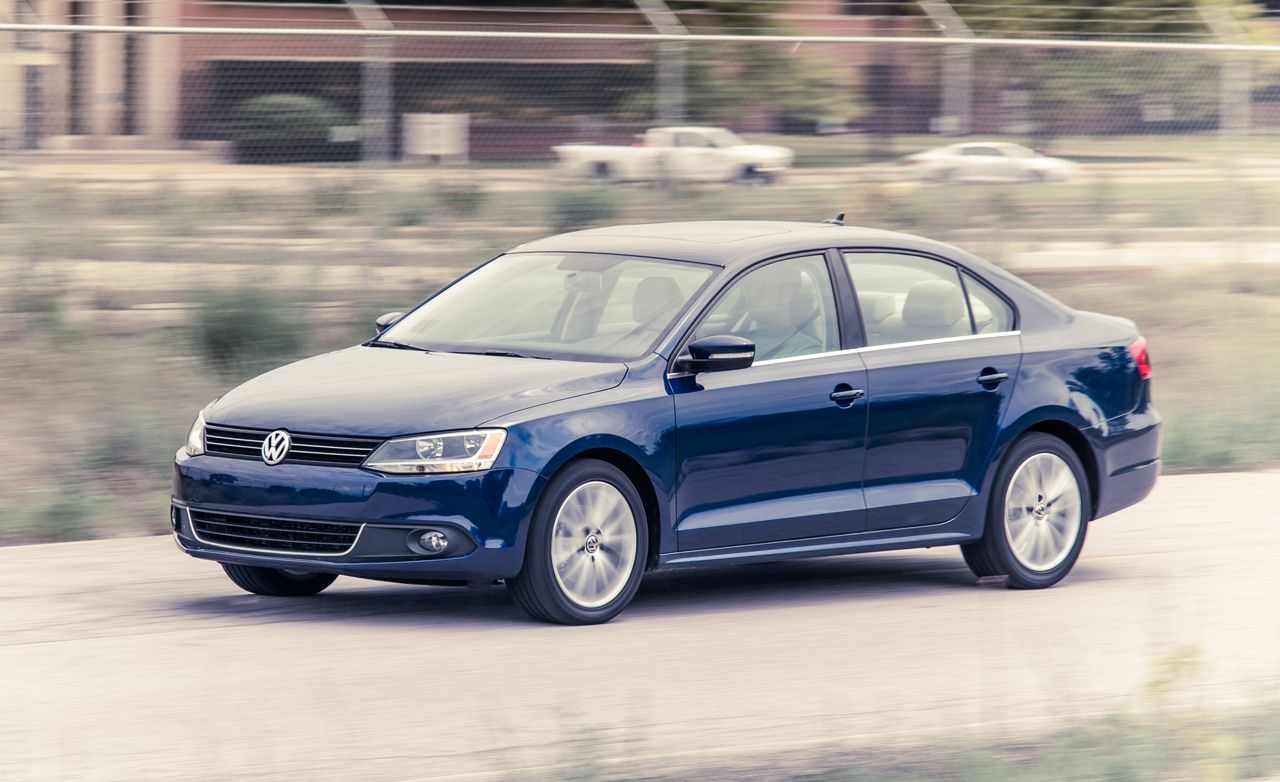
Volkswagen Jetta (2006-2010)
The Volkswagen Jetta produced between 2006 and 2010 has a history of steering rack problems that can seriously affect the driving experience. Owners frequently report symptoms such as a loose or sloppy steering feel, vibrations through the steering wheel, and unusual noises like clunks or creaks when turning. These symptoms often point to worn bushings or seals within the steering rack.
One of the key issues with this generation of Jetta is the sensitivity of the power steering system to fluid contamination. Over time, dirt and moisture can infiltrate the rack assembly due to compromised seals or boots, leading to corrosion and internal damage. The corrosion can cause the rack to bind or develop uneven resistance, making steering unpredictable or heavy in certain directions.
Leaks are another common problem, as worn seals allow power steering fluid to escape. These leaks can worsen over time and contribute to a drop in hydraulic pressure, resulting in increased steering effort and potential damage to the power steering pump. The situation often escalates if leaks are not addressed promptly, leading to complete rack failure.
Repairing or replacing the steering rack on these Jettas tends to be expensive, partly because of the labor involved and the cost of OEM parts.
Some owners report recurring issues even after replacement, suggesting that the problem may be exacerbated by the rack’s design or installation conditions. Regular inspection of steering components and power steering fluid quality is essential to prolong the rack’s lifespan, but the Jetta’s steering rack remains a weak point in this model.
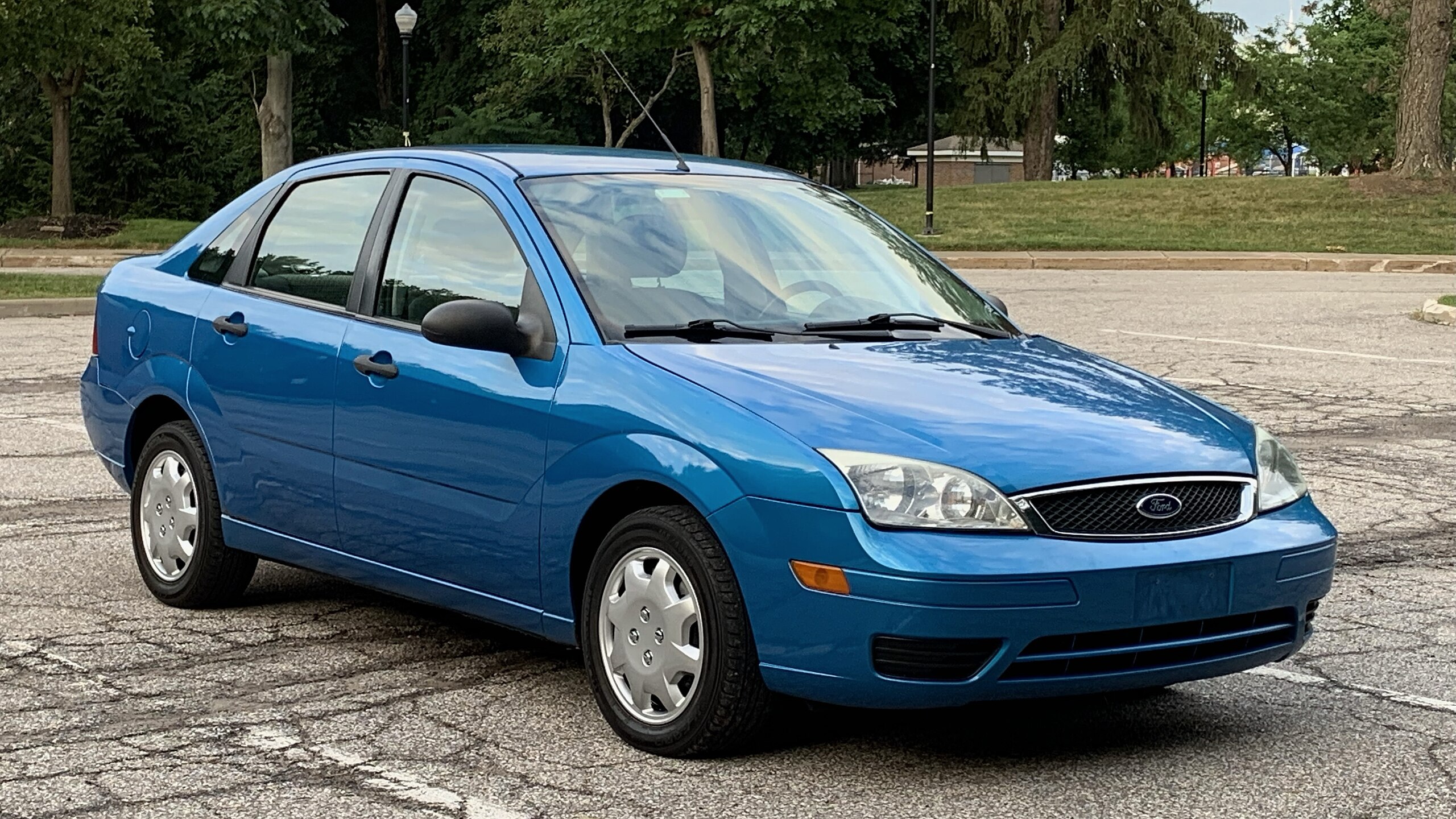
Ford Focus
The Ford Focus models manufactured between 2012 and 2014 have been the subject of numerous complaints regarding steering rack issues, particularly with the electric power steering (EPS) system. Unlike traditional hydraulic systems, the Focus’s EPS system relies on an electric motor and sensors to assist steering, which introduces unique failure modes and challenges.
One of the most concerning issues with the Focus’s EPS system is the sudden loss of power assist. Drivers may find that the steering wheel becomes heavy and difficult to turn without warning, which poses a safety risk, especially at low speeds or in tight maneuvers. This loss of assist is often caused by failures in the electric motor, sensor malfunctions, or wiring problems within the steering rack assembly.
In addition to complete assist failures, some Focus owners report intermittent or inconsistent steering feedback, such as sudden jerks or varying resistance when turning the wheel. These irregularities are linked to faults in the electronic control modules or motor degradation. Unlike hydraulic systems, which tend to degrade gradually, electronic systems can fail abruptly and unpredictably.
Repairing or replacing the electric power steering rack on these Focus models can be costly and complex due to the integration of electronic components and software calibration requirements. Additionally, because the EPS system is controlled by onboard computers, any repairs often involve resetting error codes and ensuring compatibility with vehicle control modules.
Ford has addressed some of these issues in later models and through recalls or service bulletins, but the 2012-2014 Focus remains a cautionary example of the challenges that can arise with early-generation electric steering systems.
