
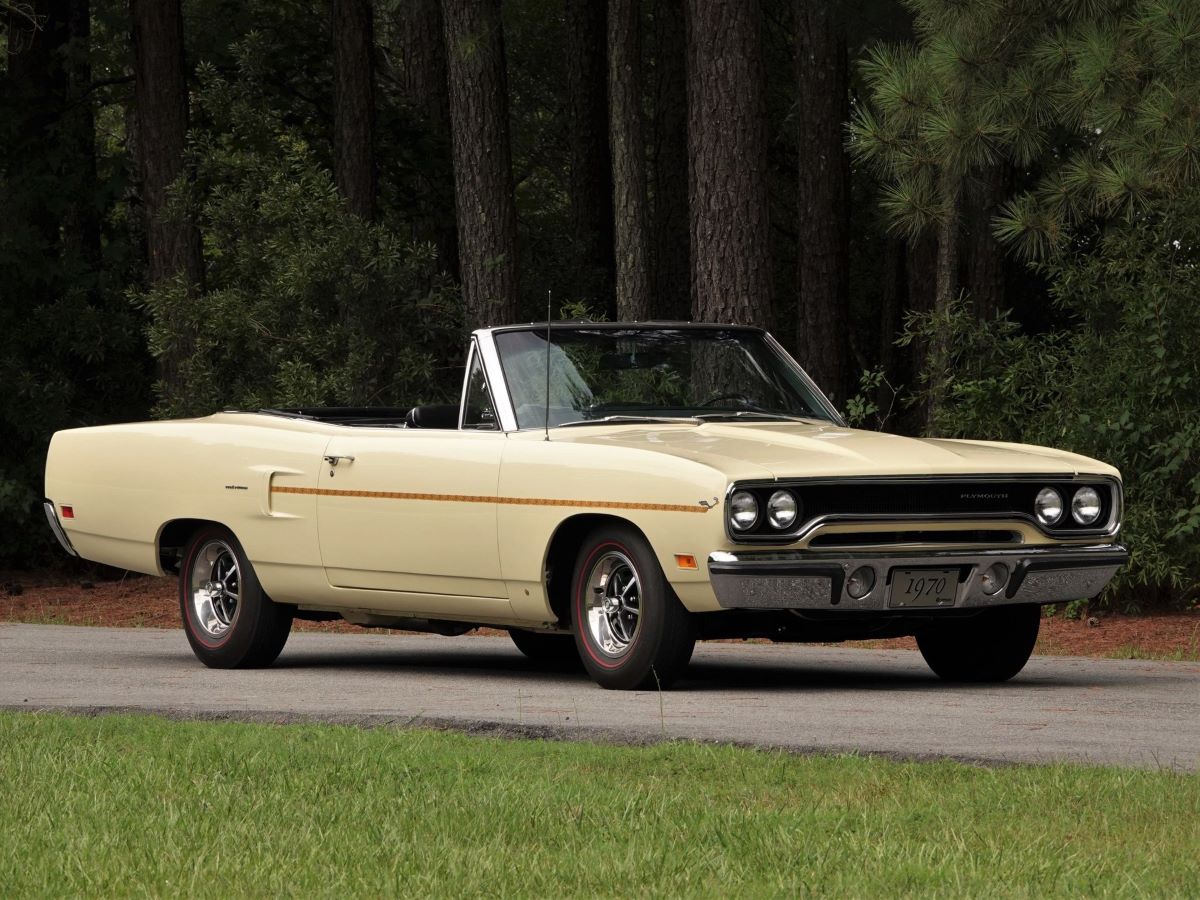
Muscle cars have long been a symbol of raw power and American automotive passion. These vehicles are often celebrated for their impressive engines, aggressive styling, and the thrill they bring on the open road.
The muscle car era produced some of the most iconic cars ever made, many of which are still cherished by collectors and enthusiasts today.
However, beneath their roar and aggressive looks, not all muscle cars were created equally when it comes to reliability, especially in terms of their engines and transmissions.
While some muscle cars were equipped with engines that could withstand years of heavy use and abuse, others suffered from transmission systems that were less robust, leading to frequent mechanical issues and costly repairs.
Understanding which muscle cars had strong engines and which were plagued by fragile transmissions helps enthusiasts make better choices, whether they are restoring classic cars or hunting for a dependable muscle car to drive.
Engines are often the heart and soul of a muscle car. They define the car’s performance, sound, and even its reputation among enthusiasts.
A strong engine means durability, higher power output, and often a more thrilling driving experience. Muscle cars with such engines have become legends, not just for their speed, but for their ability to last under demanding conditions.
On the other hand, the transmission acts as the crucial link between the engine and the wheels, ensuring that power is delivered smoothly and efficiently.
Unfortunately, some muscle cars were designed with transmissions that could not reliably handle the immense power their engines produced, which resulted in mechanical failures and poor driving experiences. These fragile transmissions have tarnished the reputations of otherwise great muscle cars.
In this article, we will take a look at five muscle cars known for having strong, reliable engines that stood the test of time. These cars are often favored by enthusiasts who seek performance without constant worry about mechanical failures. Following that, we will examine five muscle cars that are infamous for having fragile transmissions.
These vehicles often require extra care, careful maintenance, or even transmission upgrades to maintain their performance and reliability. Whether you are a muscle car aficionado or simply curious about the mechanical strengths and weaknesses of these classic vehicles, this list will provide valuable insight.
By comparing muscle cars with strong engines against those with fragile transmissions, we gain a better understanding of what made certain models enduring icons and what caused others to be remembered with a hint of frustration.
Muscle cars remain a beloved segment of automotive history, but knowledge about their mechanical strengths and weaknesses is key for anyone interested in preserving or enjoying them.
Also Read: 9 Pickups That Rarely Lose Value No Matter the Mileage
Muscle Cars with Strong Engines

1. Chevrolet Camaro SS (Late 1960s to Early 1970s)
The Chevrolet Camaro SS from the late 1960s and early 1970s is widely regarded as one of the muscle cars with an engine that could endure extensive use while delivering powerful performance. The heart of the Camaro SS was its small-block V8 engine, which was available in various displacements, including the legendary 350 cubic inch (5.7L) V8.
This engine earned a reputation for reliability combined with impressive horsepower and torque. Unlike some muscle cars that relied on larger but less efficient engines, the Camaro SS’s small-block design was well-balanced for performance and durability.
Many owners report that with proper maintenance, the engine can remain in excellent condition well beyond 100,000 miles, which is a testament to its robust construction. The combination of lightweight components and efficient fuel delivery systems helped the engine maintain an ideal balance between power and longevity.
Additionally, the Camaro SS benefited from Chevrolet’s engineering expertise in V8 development. The small-block V8 had a simple design that allowed for easy servicing and modifications, which made it popular among enthusiasts who wanted to improve performance without sacrificing reliability.
The iron block and heads were sturdy, and the engine’s layout contributed to efficient cooling and longevity.
This simplicity in design also meant that replacement parts were widely available, making maintenance less expensive and more accessible. This engine also thrived under conditions that demanded both quick acceleration and sustained high speeds, thanks to its robust oiling system that prevented wear under intense conditions.
The engine’s strong design also allowed the Camaro SS to maintain solid performance during aggressive driving and racing conditions. It was not uncommon to see these cars used on drag strips and road courses, proving their engine’s toughness in competitive environments.
The reliability of the engine helped cement the Camaro SS’s reputation as a muscle car that could deliver both excitement and dependability.
Many surviving models still run strong today thanks to the engine’s enduring quality. Owners frequently upgrade these engines with aftermarket components, but even the stock versions were built to handle a surprising amount of power without major failures.
The Camaro SS’s engine strength makes it a standout among muscle cars of its era. Its combination of power, longevity, and upgrade potential means that many collectors and enthusiasts continue to seek out these vehicles.
The strength of the engine also complements the Camaro’s timeless design, making it a true icon in the muscle car world.
This enduring popularity is a testament to the powertrain’s engineering quality, which provided a foundation that could be built upon for decades without losing the classic muscle car feel.

2. Ford Mustang Boss 302 (1969-1970)
The Ford Mustang Boss 302 is another muscle car well-known for having a strong engine, designed specifically for racing performance without sacrificing reliability. The Boss 302 was built to compete in Trans-Am racing, which demanded a high-revving, durable powerplant.
Its 302 cubic inch V8 engine was heavily modified compared to the standard Mustang engines, featuring a solid-lifter camshaft, forged pistons, and improved cylinder heads.
These enhancements gave the Boss 302 a unique blend of high horsepower and durability, allowing it to rev higher and perform better on the track and street alike.
The forged internals provided the engine with the strength to handle high RPMs that would often destroy lesser-built motors. The engine’s design reflected a balance of precision engineering and rugged performance, making it a unique offering in the muscle car industry of its time.
This engine was praised for its excellent balance of power and reliability. The use of high-quality components and attention to detail in assembly meant that the Boss 302’s engine was less prone to the failures that plagued other muscle cars with overly ambitious powerplants.
The solid-lifter camshaft required more maintenance, but it contributed to the engine’s ability to handle higher RPMs without failure. In addition, the forged pistons and reinforced cylinder heads helped the engine endure the stress of aggressive driving and competition.
The engine also benefited from a well-optimized breathing system, with larger valves and ports that improved airflow, further enhancing its power and efficiency without sacrificing durability.
The Boss 302 also featured a well-tuned cooling system and robust lubrication, which further contributed to the engine’s long life under demanding conditions. Enthusiasts often praise the engine’s responsiveness and sound, describing it as a true driver’s engine with a willingness to push limits without compromising reliability.
It was not just a muscle car built for short bursts of speed; it was engineered for sustained performance. The sound of the Boss 302’s engine is distinctive, with a crisp and aggressive tone that is often described as one of the most exhilarating among muscle cars.
This, combined with its solid performance, ensured that the Boss 302 became a favorite among both racers and street enthusiasts.
In terms of collectibility and performance, the Boss 302 remains a top choice for muscle car fans who want an engine that delivers both power and peace of mind. Its legacy as a reliable and strong engine among the muscle car community makes it stand out in history.
Even today, well-maintained Boss 302 engines are highly sought after by enthusiasts and restorers. The car’s combination of racing pedigree and everyday usability continues to attract admiration and respect in muscle car circles worldwide.
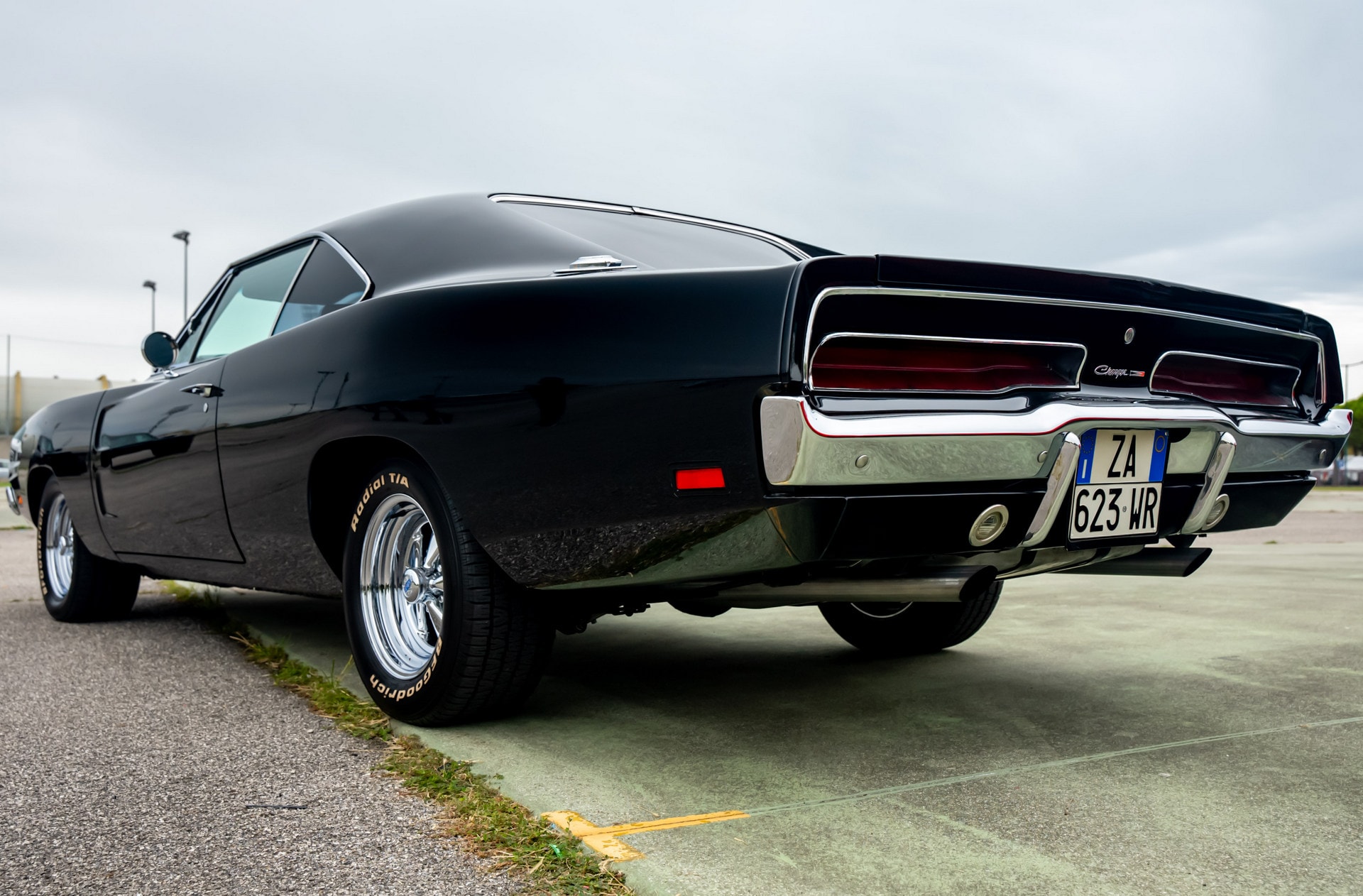
3. Dodge Charger R/T 440 (Late 1960s to Early 1970s)
The Dodge Charger R/T equipped with the 440 cubic inch V8 engine is a muscle car that combined brute force with remarkable engine durability. The 440 engine was part of Dodge’s legendary “big block” family, known for producing significant horsepower and torque figures.
Despite its large displacement and power output, the 440 engine was engineered with a focus on toughness.
Many muscle car enthusiasts regard this engine as one of the best big blocks of its time, capable of handling heavy loads and aggressive driving without frequent failures.
The engine’s high torque output made it an ideal choice for drag racing and street performance alike, while its internal construction was strong enough to resist common forms of engine wear and failure.
What set the 440 engine apart was its robust cast-iron construction, heavy-duty internals, and solid engineering. The block, crankshaft, and connecting rods were all designed to withstand high-stress situations, whether during drag racing or spirited street driving.
The engine’s cooling and oiling systems were optimized to prevent overheating and maintain lubrication under extreme conditions, which were common in muscle car use. Additionally, the engine’s balanced rotating assembly minimized vibrations and stress on components, contributing further to its reliability and long-term durability.
The 440-powered Charger R/T was also known for its wide powerband, which made it easier to drive aggressively without damaging the engine. This meant drivers could enjoy the car’s power without worrying about pushing it too hard or causing premature engine wear.
The engine’s reputation for strength also made it popular with drag racers and muscle car enthusiasts who wanted a dependable powerplant that could take upgrades and modifications. Its stout design allowed for increased boost from aftermarket superchargers or turbo setups, which many performance enthusiasts took advantage of without compromising engine health.
Many surviving Dodge Chargers with the 440 engine still run strong, proving the engine’s lasting quality. The combination of power, durability, and availability of performance parts ensures the 440 Charger remains a favored muscle car among collectors who appreciate a strong engine with a muscle-bound personality.
The Charger R/T’s combination of style, power, and durability has kept it as a mainstay in muscle car culture for decades.
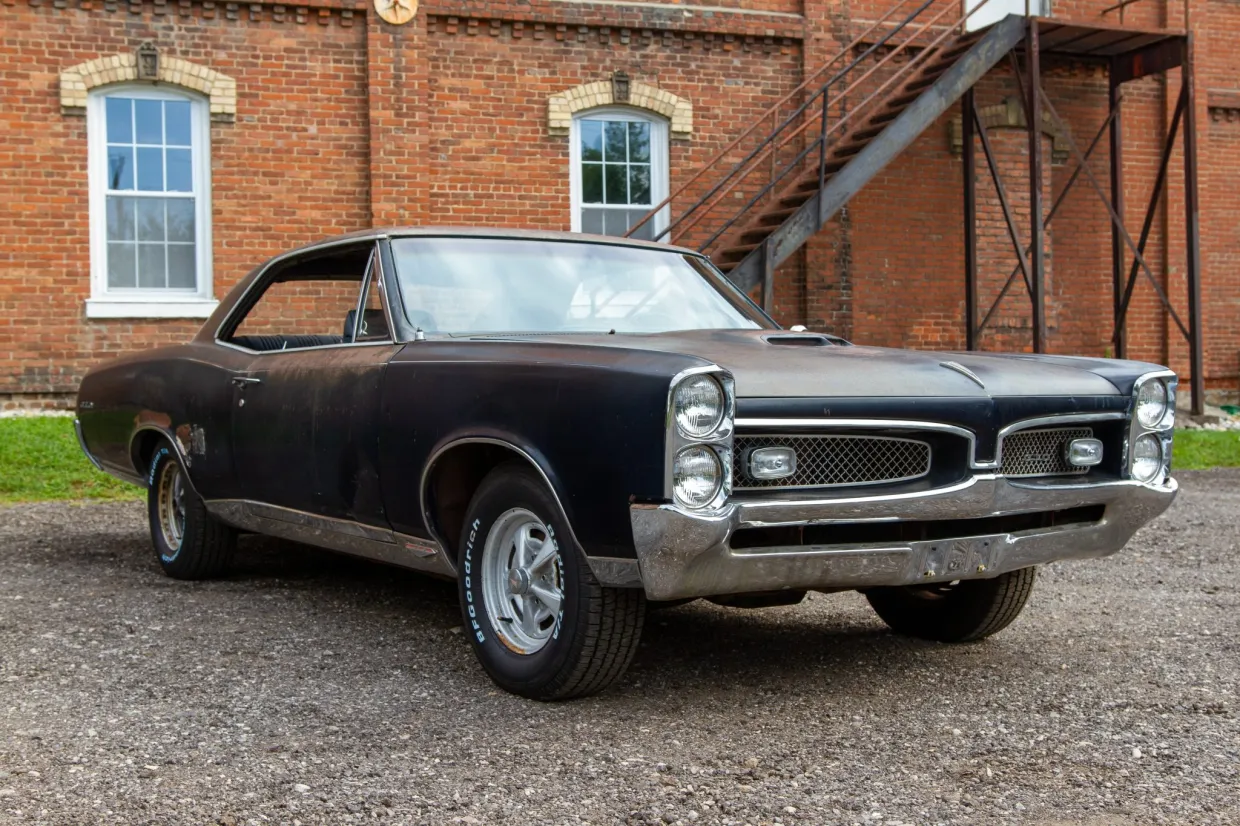
4. Pontiac GTO 400 (1968-1972)
The Pontiac GTO 400 cubic inch V8 engine holds a place among muscle cars known for their strong engines. The GTO was one of the original muscle cars, and its 400 engine was an important part of its appeal. This engine provided a balance of power, torque, and reliability that made the GTO a performer on both street and strip.
The 400 V8 engine’s robust design contributed to its reputation for longevity and strength. It was designed not just for power but also for consistent performance over long periods, which was critical for muscle cars that were used daily as well as raced.
The GTO’s engine featured a cast iron block with durable internals that were capable of handling increased power and high RPMs. It was often equipped with high-flow cylinder heads and a strong camshaft, contributing to its performance without compromising engine life.
The Pontiac 400 was also praised for its smooth power delivery, making the car enjoyable to drive in a variety of conditions. This smoothness was partly due to the careful balancing of rotating components and the quality of the engine’s fuel delivery system.
Another factor contributing to the engine’s durability was its relatively conservative compression ratio and well-designed cooling system.
This helped prevent overheating, which was a common issue with some muscle cars of the era. Owners who kept up with regular maintenance often found the engine to be reliable even after many years of use.
The Pontiac 400 also benefited from a strong aftermarket community that provided performance upgrades designed to maintain or improve reliability.
The Pontiac GTO 400 engine remains a favorite among muscle car enthusiasts due to its combination of performance, reliability, and the classic muscle car sound.
It is considered one of the stronger engines of the muscle car era, maintaining a solid reputation among collectors and restorers. Its legacy is a testament to Pontiac’s engineering efforts to blend raw power with longevity.
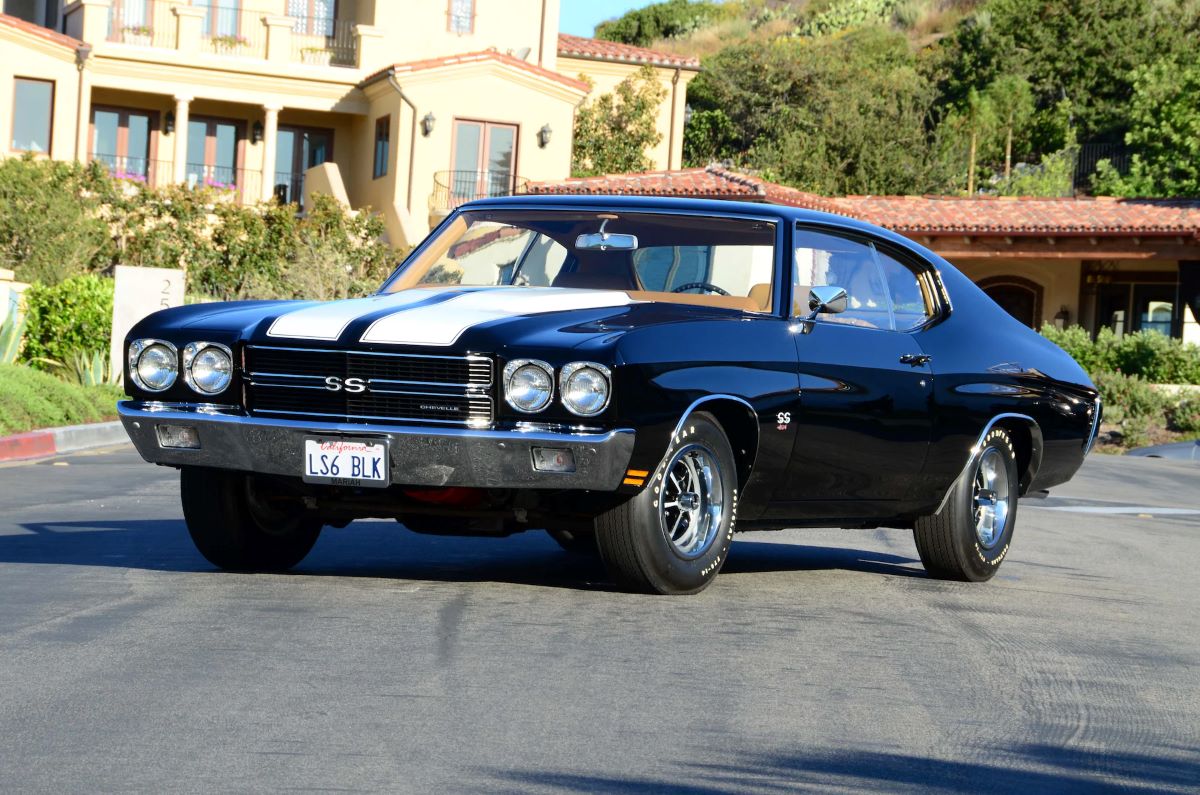
5. Chevrolet Chevelle SS 454 LS6 (1970)
The Chevrolet Chevelle SS 454 LS6 is famous for its powerful yet surprisingly durable engine. The 454 cubic inch V8 in the LS6 trim was one of the most potent factory engines available during the muscle car peak, producing over 450 horsepower.
What sets this engine apart from many high-performance counterparts is that despite its incredible power output, it was built with strength in mind, allowing it to sustain high-performance driving for longer periods. Its design reflected a focus on both peak performance and engine longevity, making it a highly sought-after combination.
The LS6 engine was a big block V8 featuring reinforced internals, including forged pistons and a strong crankshaft, designed to handle the extra stresses of its massive power output.
Chevrolet engineers also paid careful attention to the engine’s cooling and lubrication systems, ensuring it could operate reliably even under the heat of heavy use.
This attention to detail helped the engine avoid the common pitfalls of high-output engines, such as overheating and premature wear. Its oiling system was designed to ensure continuous lubrication during high-G maneuvers and extended high RPM use.
Additionally, the LS6 engine benefited from a well-optimized carburetion and intake system that improved throttle response and efficiency.
This helped the engine deliver consistent power without unnecessary strain on components. The durability of the 454 LS6 engine made it a favorite for both street performance and competitive racing. Its strong factory construction means that even many decades later, original engines in good condition remain highly prized and dependable.
Even decades later, the Chevelle SS 454 LS6’s engine remains highly respected for its blend of power and reliability. It stands as one of the strongest muscle car engines of its era, making it a prized possession among muscle car enthusiasts and collectors worldwide. Its combination of strength and raw power ensures its place as a legendary muscle car engine.
Also Read: 9 Midsize SUVs That Rarely Leave the Shop
Muscle Cars with Fragile Transmissions
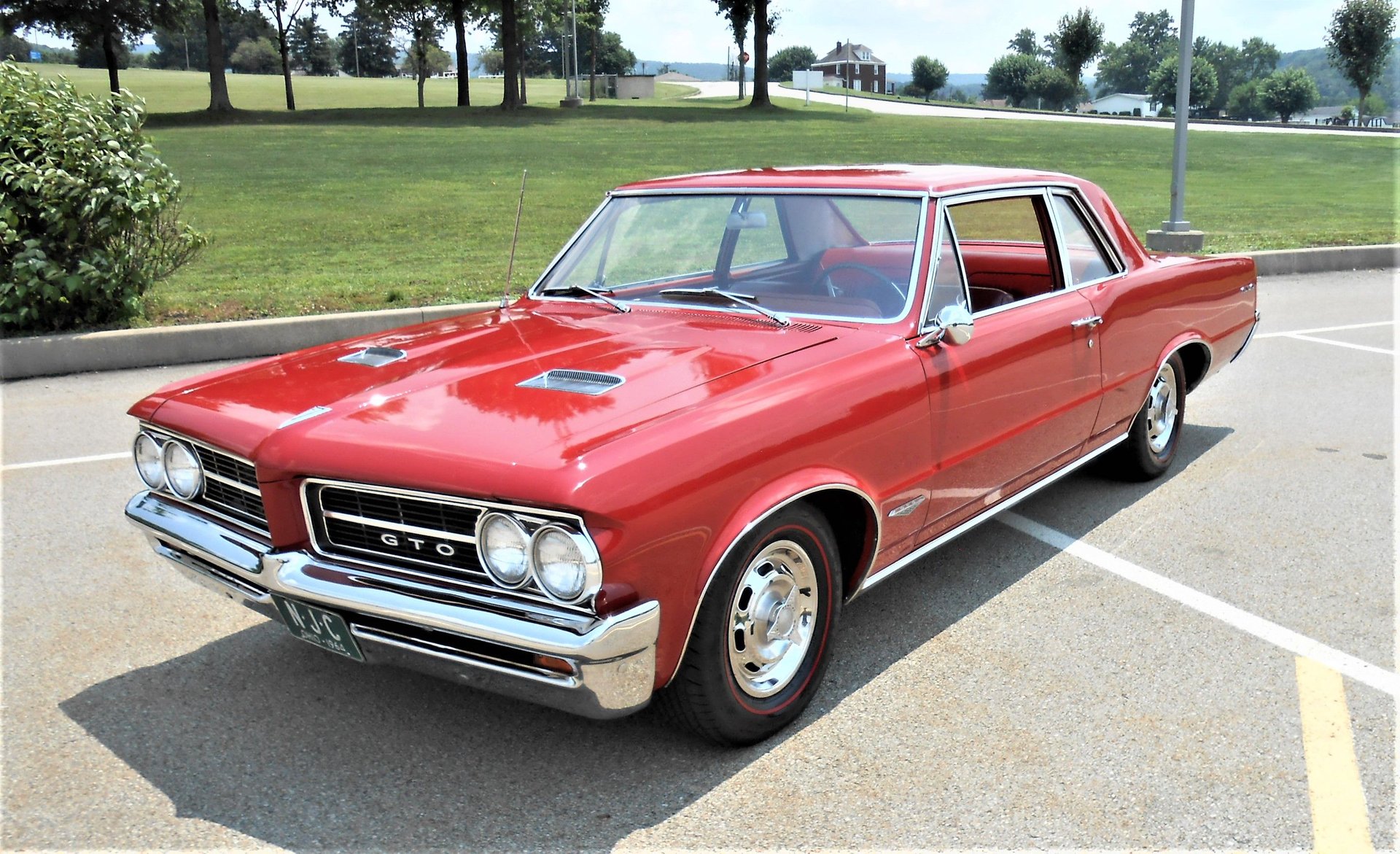
1. Pontiac GTO (1964-1974)
The Pontiac GTO, while celebrated for its powerful engines, struggled in its early years with transmissions that often failed under high stress. The early models equipped with the 4-speed manual transmission, particularly the Muncie M20 and M21 boxes, were known to have issues with durability.
These transmissions were originally designed to handle moderate performance levels but sometimes found themselves underpowered in relation to the GTO’s strong V8 engines.
This mismatch led to frequent gear slippage, worn synchronizers, and premature bearing failures when the car was driven aggressively or in racing conditions.
Muscle car enthusiasts who pushed their GTOs hard often found themselves needing to rebuild or replace transmissions more frequently than they had hoped.
The fragility of these transmissions was exacerbated by the torque output of the engines, which placed enormous stress on the gearbox components. The synchronizers in the manual transmission, responsible for smooth gear changes, were especially vulnerable to wear, leading to rough shifting and even gear grinding.
Many owners reported that the transmission would struggle to hold gears during spirited driving, which could be frustrating and costly to repair.
The transmission’s design also did not include some of the modern reinforcements found in later muscle car transmissions, making them more susceptible to failure under the muscle car’s high-torque environment.
In addition to mechanical issues, the maintenance requirements for these transmissions were relatively high. The gear oil needed to be changed frequently to prevent premature wear, but many owners neglected this, further contributing to transmission problems.
Additionally, early transmissions lacked advanced cooling systems, which meant that during heavy use, heat build-up inside the transmission would accelerate wear on the internal components.
This heat problem was particularly evident during drag racing or stop-and-go street use, where the transmission could overheat and suffer catastrophic failure.
Despite these transmission weaknesses, the Pontiac GTO’s performance made it one of the most popular muscle cars of its time. Enthusiasts often sought aftermarket solutions such as stronger gear sets, upgraded synchronizers, and improved clutches to remedy the transmission’s fragility.
While the early transmissions were prone to failure, many later models featured improvements that increased their durability, helping to restore the GTO’s reputation as a reliable muscle car.
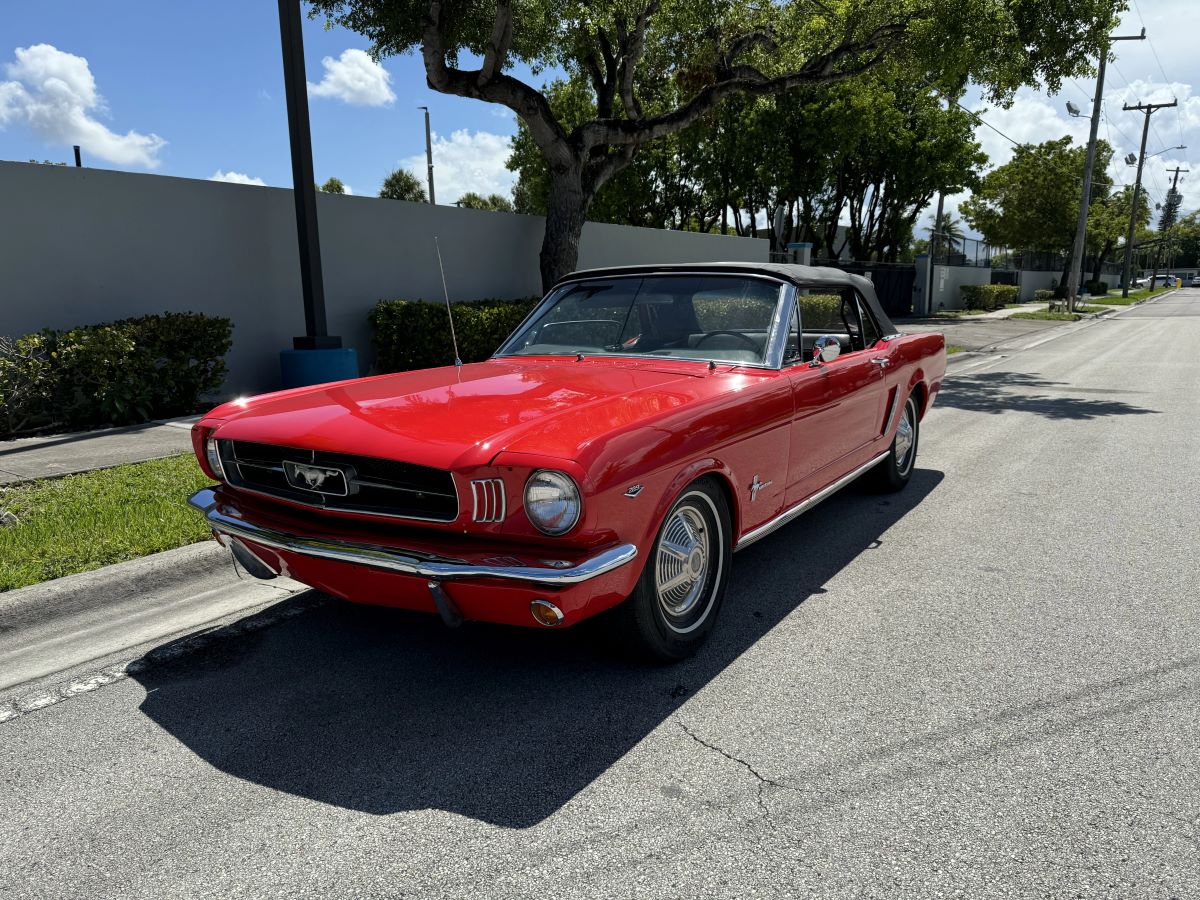
2. Ford Mustang (1965-1973)
The Ford Mustang’s early models were powered by engines capable of producing substantial power, but many suffered from automatic transmissions that were not quite up to the task.
The Ford C4 automatic transmission, which was standard in many Mustangs from 1965 through the early 1970s, was known to be somewhat fragile, particularly in higher-powered models such as the Mustang GT or the Boss variants.
This transmission was a lightweight unit designed for economy cars and struggled to cope with the sudden torque spikes generated by the Mustang’s V8 engines. As a result, it was prone to slipping, overheating, and premature wear of clutch packs and bands.
This fragility became a common source of frustration among Mustang owners, especially those who enjoyed aggressive acceleration or racing. The C4 transmission tended to overheat during spirited driving, particularly in hot weather or when used in stop-and-go traffic.
Overheating would cause the transmission fluid to break down quickly, leading to reduced lubrication and increased internal wear. Furthermore, the transmission’s internal components, such as the bands and clutches, were made from materials that wore rapidly under heavy loads, which resulted in costly rebuilds or replacements being needed sooner than expected.
Another contributing factor to the C4’s weakness was the lack of a strong torque converter in many Mustangs, which would have helped absorb some of the shock from engine torque spikes. Instead, the transmission had to endure more direct force, leading to damage.
Additionally, maintenance was critical but often overlooked; regular transmission fluid changes and proper cooling were necessary to prevent early failure. Many Mustang owners later upgraded to the more robust C6 transmission or installed aftermarket coolers to help prolong transmission life.
Despite these transmission challenges, the early Mustangs remained iconic muscle cars with massive fan followings.
The C4’s fragility did not stop owners from modifying and upgrading their cars for better performance, but it did highlight a mismatch between engine power and transmission strength in this period of Mustang history. Later Mustangs would benefit from stronger transmission options that better matched the cars’ performance capabilities.
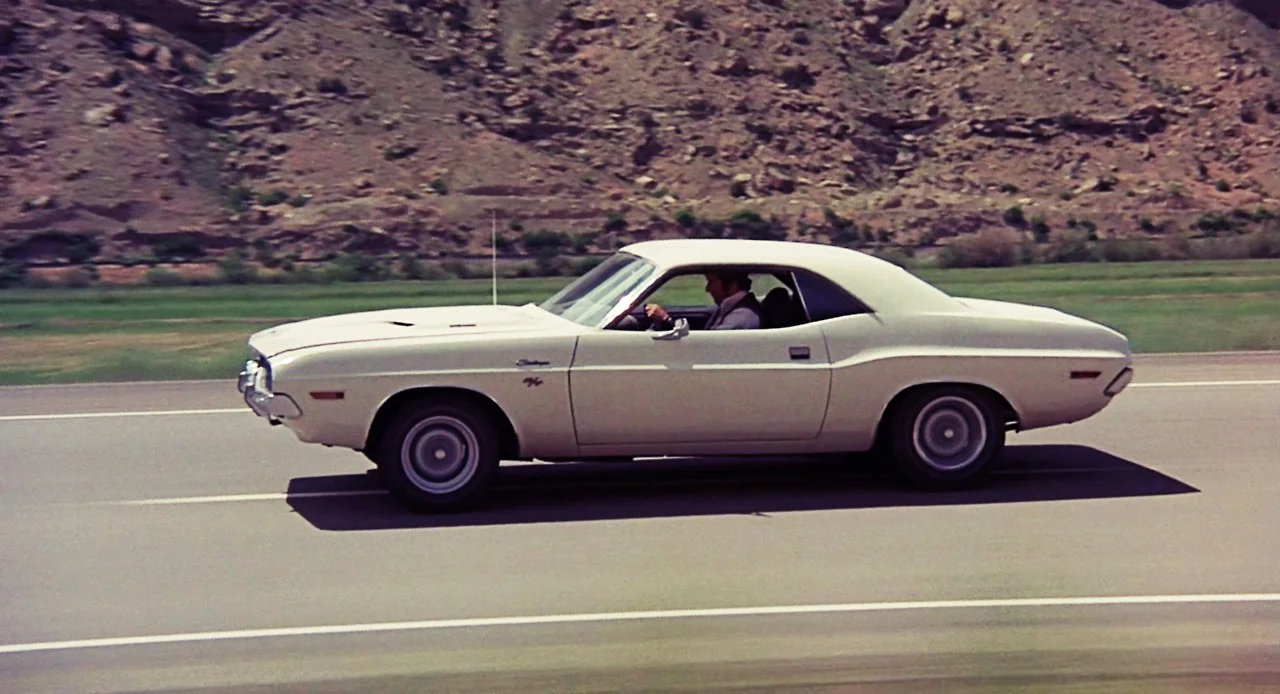
3. Dodge Challenger (1970-1974)
The Dodge Challenger, especially in its early years, came equipped with the TorqueFlite automatic transmission, which, while innovative for its time, was considered fragile when paired with the high-torque big block engines like the 426 HEMI and 440 cubic inch V8s.
The TorqueFlite transmission was praised for its smooth shifts and reliability in everyday driving, but the intense torque from these engines often led to failures in the transmission’s internal clutches and bands.
Muscle car owners who pushed their Challengers hard in drag racing or other high-stress situations sometimes experienced slipping gears and transmission overheating, which required costly repairs or complete rebuilds.
The fragility stemmed from several design limitations in the TorqueFlite system. While it featured a simple and efficient design, the materials used for clutch plates and bands could not always withstand the high power levels of big block engines.
Heat buildup within the transmission during aggressive driving caused the transmission fluid to degrade rapidly, resulting in insufficient lubrication and accelerated wear. Additionally, the transmission’s cooling system was not initially designed to handle the intense heat generated by repeated high-RPM runs and drag strip launches, which further worsened durability issues.
Another key factor was the high torque output from Dodge’s big block engines, which placed enormous stress on the transmission’s components. The TorqueFlite, originally developed for lighter applications, sometimes showed signs of strain and damage when paired with the HEMI or 440 engines without modifications.
Many Dodge enthusiasts found themselves upgrading to reinforced TorqueFlite versions or aftermarket solutions to improve the transmission’s longevity. Some owners even opted for manual transmissions or stronger aftermarket automatics to avoid the common issues of slipping and overheating.
Despite these weaknesses, the Dodge Challenger with the TorqueFlite transmission remained a favorite for its combination of power and drivability. While the transmission’s fragility was a drawback, many enthusiasts appreciated the car’s raw performance and distinctive style, choosing to work around or upgrade the transmission to maximize reliability.
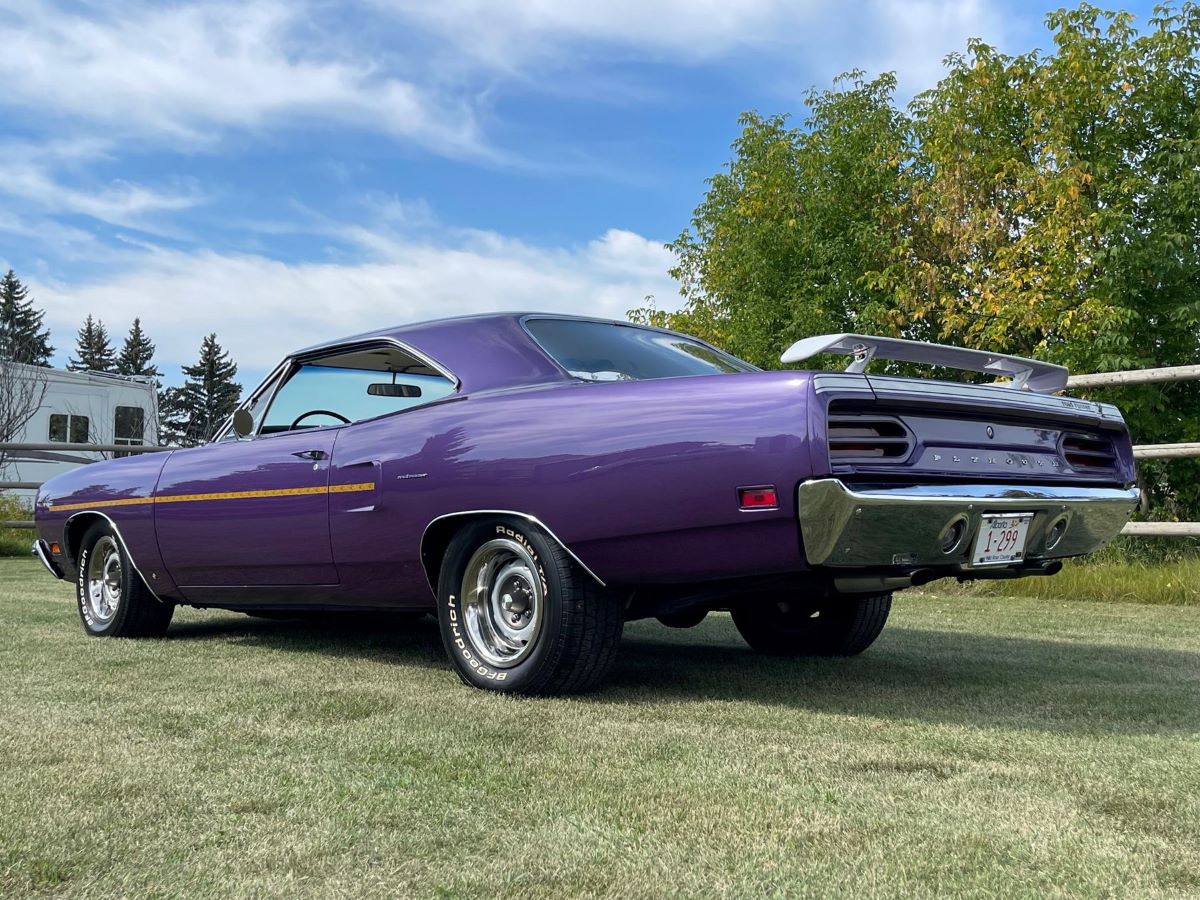
4. Plymouth Road Runner (1968-1970)
The Plymouth Road Runner, known for its no-frills, performance-oriented approach, was often paired with a 3-speed automatic transmission that didn’t quite keep up with the car’s powerful engines. The Chrysler A727 TorqueFlite transmission, used in many Road Runners, was praised for its smooth shifting but had issues with durability when subjected to high-torque environments.
Owners who pushed their Road Runners to the limits experienced slipping gears, clutch failure, and overheating, all symptoms of a transmission not fully engineered for prolonged muscle car abuse.
One of the key weaknesses was the transmission’s clutch packs and bands, which were prone to wear when exposed to the high levels of torque produced by Road Runner engines like the 383 and 440 cubic inch V8s. The A727 design also did not include advanced cooling features that could dissipate heat effectively during heavy use.
As the heat increased inside the transmission, it led to fluid breakdown and accelerated wear on internal parts. This was particularly problematic in drag racing or heavy street driving, where transmission overheating was a common cause of failure.
Additionally, the Road Runner’s aggressive driving style encouraged many owners to push the transmission beyond its limits. The torque converter, while designed to provide good power delivery, sometimes allowed torque spikes that damaged the internal components.
The transmission’s durability could be somewhat improved with regular fluid changes and the addition of aftermarket coolers, but many owners still faced frequent transmission issues under demanding conditions. The combination of a powerful engine and a somewhat fragile transmission was a common theme for the Road Runner.
Despite the transmission issues, the Plymouth Road Runner remains a beloved muscle car, celebrated for its simplicity and power. The transmission’s fragility did not overshadow the car’s performance potential but did motivate many enthusiasts to seek stronger transmission options or upgrades to ensure reliability under high performance.
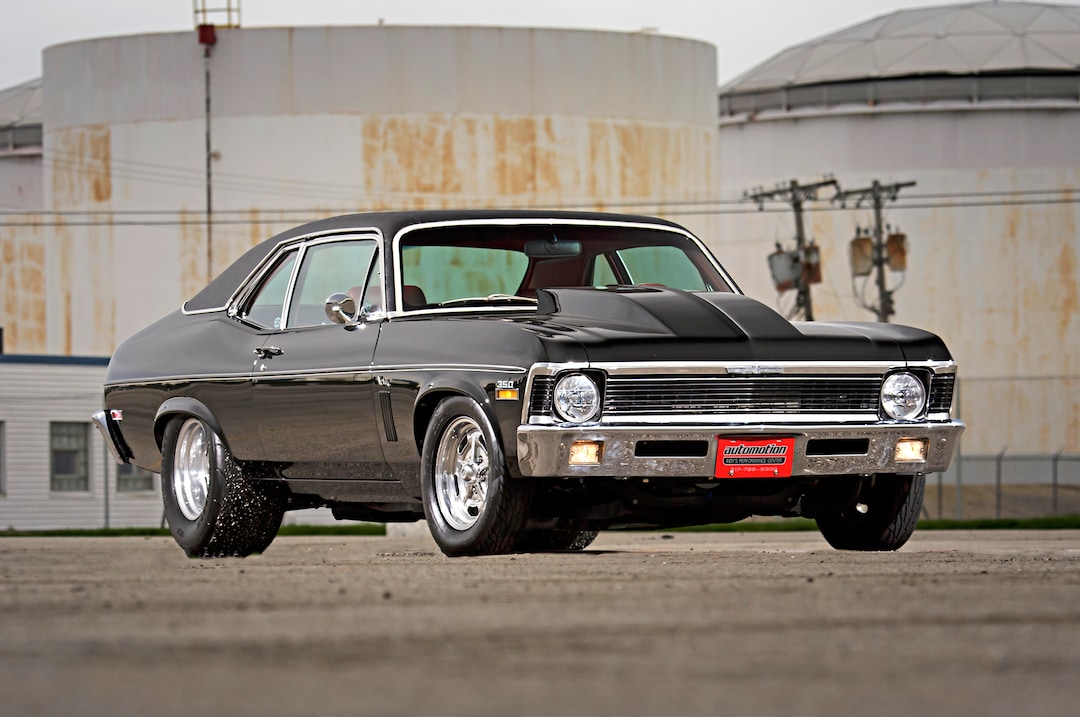
5. Chevrolet Nova SS (1968-1974)
The Chevrolet Nova SS, especially in the earlier years of its muscle car production, was equipped with 4-speed manual transmissions that sometimes struggled with the engine’s output. The Muncie 4-speed transmissions, widely used in Nova SS models, were known for their solid performance but exhibited a level of fragility in terms of synchronizer wear and gear strength.
The engines, especially the larger 350 and 396 cubic inch V8s, delivered considerable torque that could overwhelm the transmission components when driven aggressively. This led to common issues such as difficulty shifting, gear grinding, and eventual transmission failure without timely maintenance or upgrades.
One of the issues with the early Nova SS transmissions was the wear on the synchronizers, which are crucial for smooth gear changes. Over time and under aggressive driving conditions, these synchronizers would deteriorate, leading to a rough and noisy shifting experience.
The transmission’s gears, while generally strong, were sometimes prone to chipping or breaking when subjected to sudden, high-torque loads, particularly during drag racing starts or rapid acceleration. These failures were frustrating for owners who wanted to extract maximum performance from their Nova SS.
Additionally, the transmission’s internal bearings and shafts could suffer from fatigue when regularly exposed to high engine torque. This fatigue could cause increased play in the gearbox, which would degrade shifting quality and potentially lead to catastrophic failure.
Proper maintenance, including frequent gear oil changes and inspections, was critical to prolonging transmission life. Some owners sought stronger aftermarket gear sets or upgraded synchronizers to address these issues, especially for those who used their Nova SS in competition or heavy street driving.
Despite these transmission weaknesses, the Chevrolet Nova SS maintained a strong following due to its excellent power-to-weight ratio and solid engine options. While the early transmissions showed some fragility, the Nova’s performance and affordability made it a popular muscle car.
The challenges with the transmission often led to innovations in upgrades and repairs, creating a vibrant aftermarket community focused on enhancing the Nova’s drivetrain durability.
