
Choosing the right vehicle is one of the most important decisions for anyone looking to work as an Uber driver. The car you drive not only affects your daily comfort and passenger experience but also plays a crucial role in your profitability.
Because rideshare driving involves spending long hours on the road and covering many miles, factors such as fuel efficiency, maintenance costs, reliability, and insurance premiums become essential to consider.
The ideal Uber vehicle balances these elements while offering a comfortable ride for passengers, helping drivers maintain a steady income without being overwhelmed by expenses.
There are many cars on the market, but not all are suited for the unique demands of ridesharing. Some vehicles, though attractive or powerful, can quickly drain a driver’s budget due to high fuel consumption, expensive repairs, or costly insurance.
On the other hand, some models are particularly well-suited for this kind of work, offering excellent fuel economy, low maintenance, and comfortable interiors that enhance the passenger experience. Knowing which cars fit into each category can help new and experienced Uber drivers make smarter choices.
In this article, we’ll highlight five cars that are great options for Uber drivers, focusing on their affordability, reliability, and practicality. These vehicles have proven to be dependable workhorses, offering solid fuel efficiency and comfort without excessive running costs.
Conversely, we’ll also discuss five cars that tend to be too costly for rideshare drivers, explaining why their high purchase prices, maintenance expenses, or fuel consumption make them less suitable for those who rely on their car to generate income.
By understanding the pros and cons of these vehicles, Uber drivers can better navigate the challenges of rideshare driving and optimize their operations. Whether you’re buying your first car for rideshare or considering an upgrade, this guide will provide useful insights to help you make an informed decision that supports your goals and ensures your vehicle works as hard as you do.
Also Read: 9 Pickups That Rarely Lose Value No Matter the Mileage
5 Cars Great for Uber Drivers
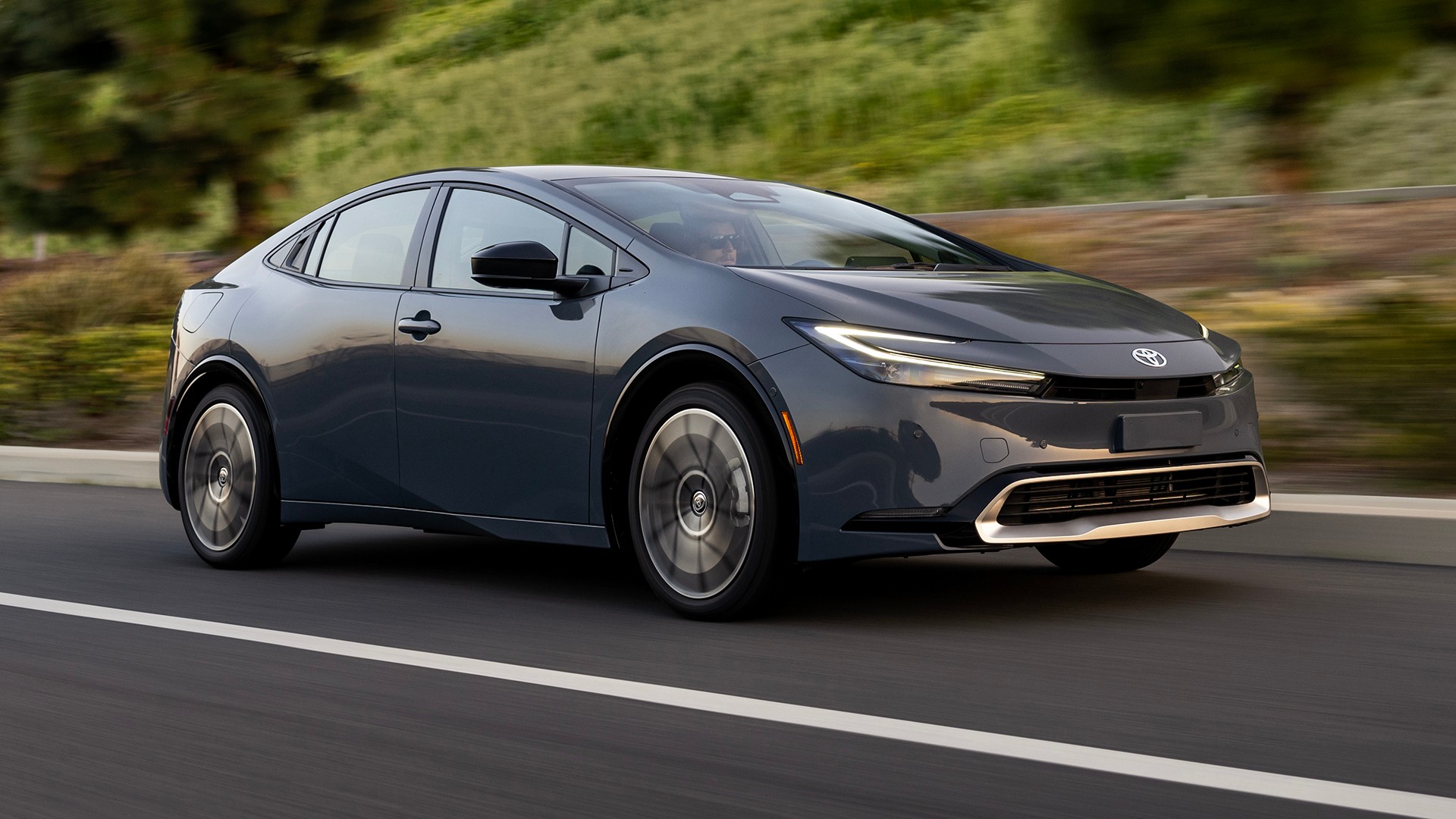
Toyota Prius
The Toyota Prius has long been recognized as one of the best vehicles for rideshare drivers, largely due to its exceptional fuel economy. This hybrid vehicle combines a gasoline engine with an electric motor to minimize fuel consumption, which is a critical factor for Uber drivers who often rack up hundreds of miles every week.
In city driving conditions, where stop-and-go traffic can otherwise waste fuel, the Prius’s hybrid system shines by allowing the car to run on electric power at low speeds.
This translates to substantial savings on gas, which, over the course of a year, can add up to hundreds or even thousands of dollars saved. For drivers, this means lower operating costs, which directly impacts their net earnings.
Beyond fuel efficiency, the Prius is praised for its reliability. Toyota’s engineering has built a strong reputation for cars that can easily exceed 200,000 miles with proper care and maintenance. This durability is a key advantage for Uber drivers, who put a significant amount of daily wear on their vehicles.
Compared to other cars in its class, the Prius often requires fewer expensive repairs, which keeps maintenance costs manageable.
Additionally, Toyota parts are generally affordable and widely available, making any repairs easier and less costly. This reliability translates to less downtime on the road, which means drivers can keep working without interruption.
Passenger comfort is another important consideration for rideshare drivers, and the Prius delivers a spacious and quiet cabin. Its interior is designed to provide a smooth, low-vibration ride, which many passengers appreciate during their trips.
The back seat comfortably fits three passengers, and there’s ample cargo space for luggage, grocery bags, or other items, making it versatile for a variety of rides. The car also features a modern infotainment system that can be convenient for drivers managing routes and communication with passengers.
Insurance rates on the Prius tend to be reasonable compared to other hybrid or electric cars, which is another cost-saving factor for drivers. While the initial purchase price might be higher than a standard compact car, the total cost of ownership, factoring in fuel, maintenance, and insurance, is often lower.
For Uber drivers looking for a well-rounded, cost-effective vehicle that helps maximize profits and keeps riders happy, the Toyota Prius stands out as a consistently smart choice.
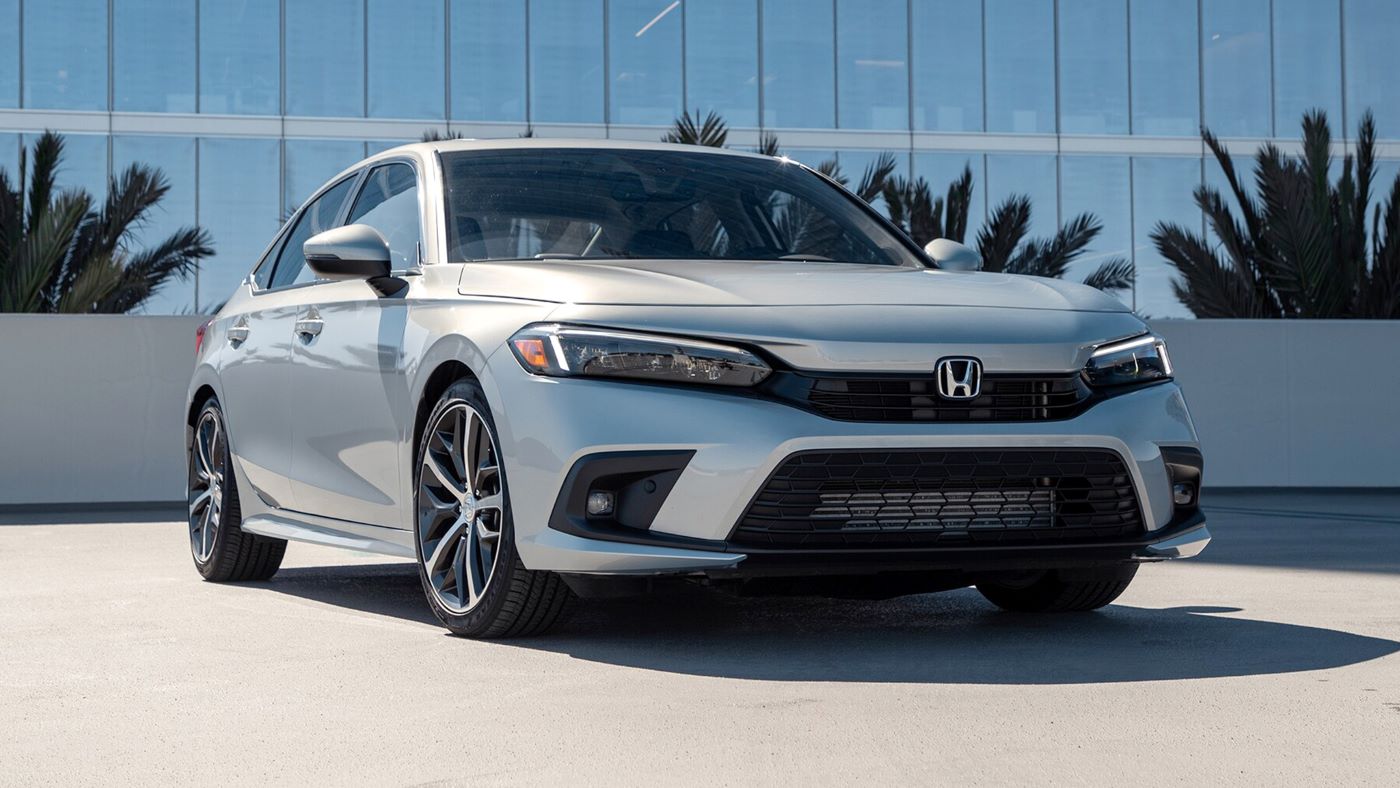
Honda Civic
The Honda Civic is a longstanding favorite among Uber drivers for several reasons, starting with its solid reputation for reliability and affordable maintenance.
Unlike hybrid vehicles, the Civic typically runs on a gasoline engine, but it is known for delivering excellent fuel efficiency, especially in its newer models with smaller turbocharged engines.
This makes it a practical choice for drivers who want to save money on fuel without the higher upfront costs that come with hybrid technology. The Civic’s fuel economy helps keep day-to-day expenses manageable, which is crucial for drivers who spend many hours behind the wheel.
Another strong point of the Civic is its well-designed, comfortable interior. The cabin offers a quiet environment that reduces road noise, which helps improve the experience for passengers.
The seats are supportive enough for long drives, and the backseat space is adequate for carrying three passengers comfortably.
These features contribute to better ratings from riders, which in turn can influence drivers’ earnings positively. Many Civic models also come equipped with advanced safety features like collision mitigation braking and lane-keeping assist, which provide additional security for drivers and passengers alike.
Maintenance and repair costs are generally reasonable with the Civic, thanks to Honda’s reputation for durable engineering. Parts are widely available and mechanics are familiar with the model, making service straightforward and affordable.
This reliability also means that the car retains good resale value, a consideration for drivers who plan to sell or upgrade their vehicle after some years of use.
The Civic’s manageable size makes it easy to handle in urban environments, and it performs well on highways, giving drivers versatility across different types of rides.
Driving a Civic is enjoyable as well because of its responsive handling and smooth ride. Navigating through city traffic can be stressful, but the Civic’s size and agility help reduce driver fatigue.
This aspect is important for Uber drivers who spend long hours driving. The Honda Civic balances efficiency, comfort, and dependability, making it a top contender for drivers looking to invest in a vehicle that supports steady, profitable rideshare work.
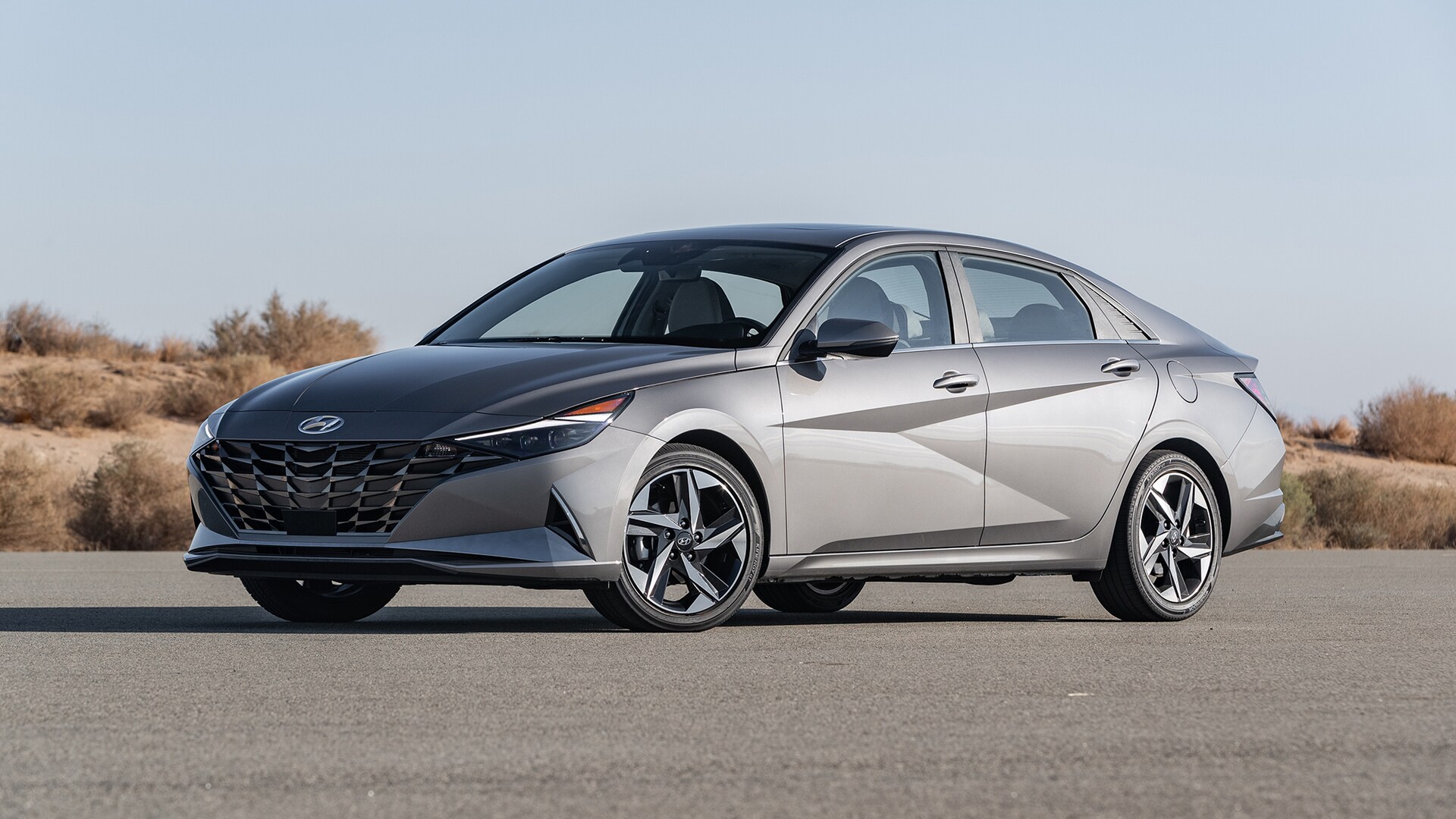
Hyundai Elantra
The Hyundai Elantra is a vehicle that has gained considerable attention in recent years due to its combination of affordability, fuel economy, and modern technology.
For Uber drivers who need a cost-effective car that doesn’t sacrifice comfort or style, the Elantra presents a strong option.
Its relatively low starting price makes it accessible for drivers who want to keep initial costs down while still benefiting from a vehicle equipped with useful features that enhance the driving and passenger experience.
Fuel efficiency is one of the Elantra’s strong suits, especially with its recent models. It offers competitive miles per gallon ratings in both city and highway driving, helping drivers reduce fuel expenses significantly.
Since Uber drivers cover many miles in a typical week, every bit of fuel savings adds up and can improve earnings. Additionally, the Elantra runs smoothly in urban stop-and-go traffic, which is common in rideshare work, without sacrificing comfort or performance.
The interior of the Elantra is surprisingly spacious for a compact sedan. Passengers enjoy comfortable seating with adequate legroom and headroom, which helps foster positive reviews and repeat rides. The cabin features modern conveniences such as touchscreen infotainment, Bluetooth connectivity, and smartphone integration.
These features not only benefit drivers by making route management easier but also appeal to passengers who expect some level of tech sophistication during their rides.
One of Hyundai’s biggest selling points is its warranty coverage, which is among the best in the automotive industry.
Longer warranty periods for the bumper-to-bumper and powertrain components reduce the likelihood of unexpected repair bills. This provides Uber drivers with peace of mind as they put high mileage on their vehicles.
When factoring in the Elantra’s low cost, fuel efficiency, modern technology, and generous warranty, it becomes clear why many drivers choose this car to support their rideshare business.
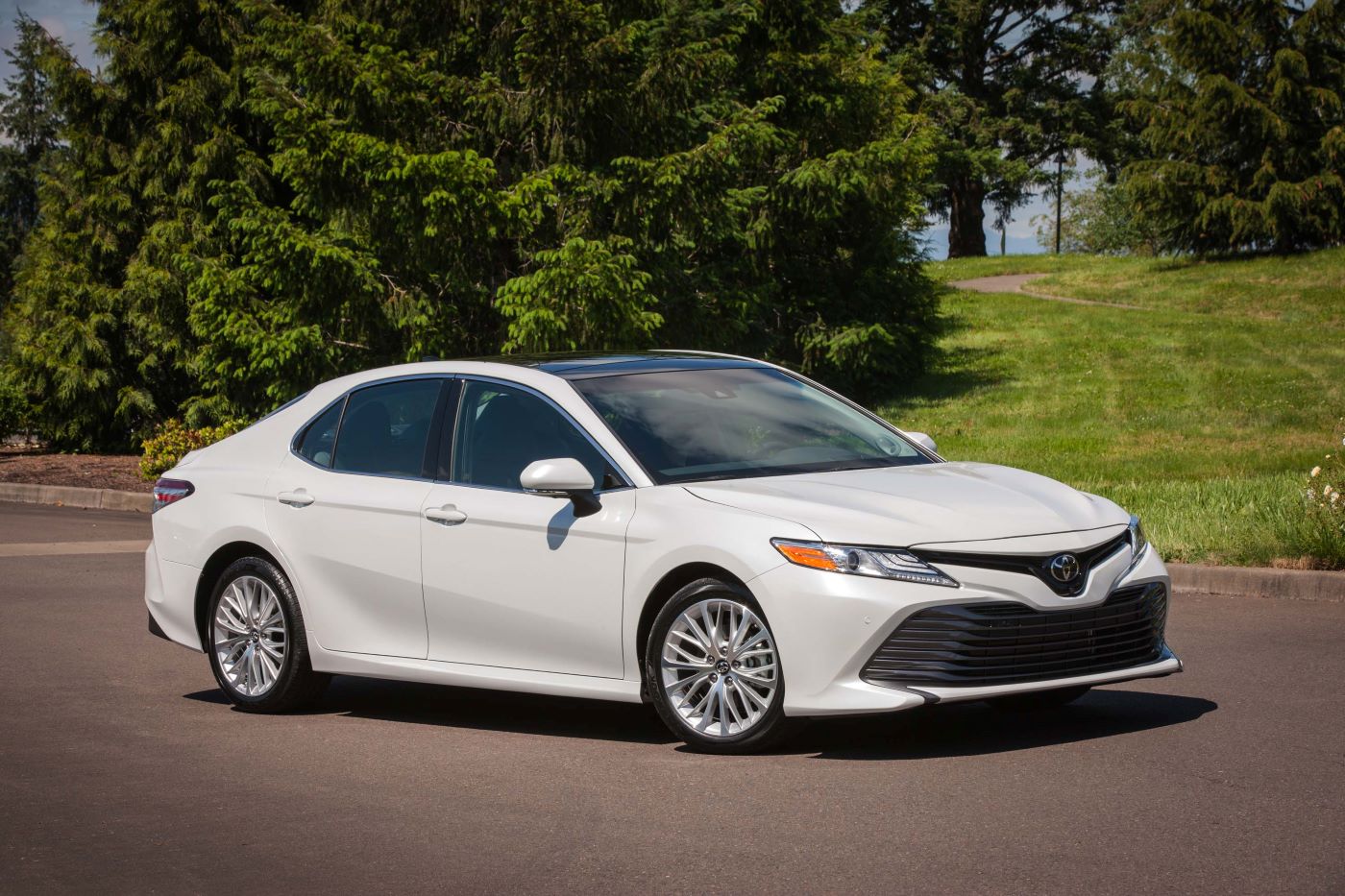
Toyota Camry
The Toyota Camry is a midsize sedan that strikes a good balance between comfort, space, and efficiency, making it a popular choice for Uber drivers who need a bit more room without giving up fuel economy.
Unlike smaller compact cars, the Camry offers more generous seating space for passengers, particularly in the rear, which is a key factor when transporting groups or travelers with luggage. This makes it a versatile option that can handle a variety of ride types, including airport trips, longer-distance rides, and larger party pickups.
Fuel economy in the Camry is substantial, especially with the available four-cylinder engine and hybrid versions. The hybrid Camry, in particular, offers impressive gas mileage that rivals smaller cars, making it an excellent choice for drivers looking to combine power and efficiency.
For Uber drivers who spend many hours on the road each day, this translates to lower fuel bills and more time driving rather than refueling.
Toyota’s reputation for reliability extends to the Camry as well. Its durability means fewer repairs and less downtime, which helps Uber drivers maintain a consistent income stream.
The vehicle’s build quality and engineering ensure it can withstand the demands of high-mileage driving. Maintenance costs are generally reasonable, and parts are easy to find and service.
Passenger comfort is a highlight for the Camry. The car features a smooth ride with suspension tuned to absorb bumps and rough pavement, ensuring a pleasant experience for riders. The interior is quiet, with minimal road and wind noise, which passengers appreciate on longer trips.
Additional features such as dual-zone climate control and quality infotainment options add to the appeal. In essence, the Toyota Camry offers a comprehensive package that meets the needs of both Uber drivers and their passengers.
Kia Soul
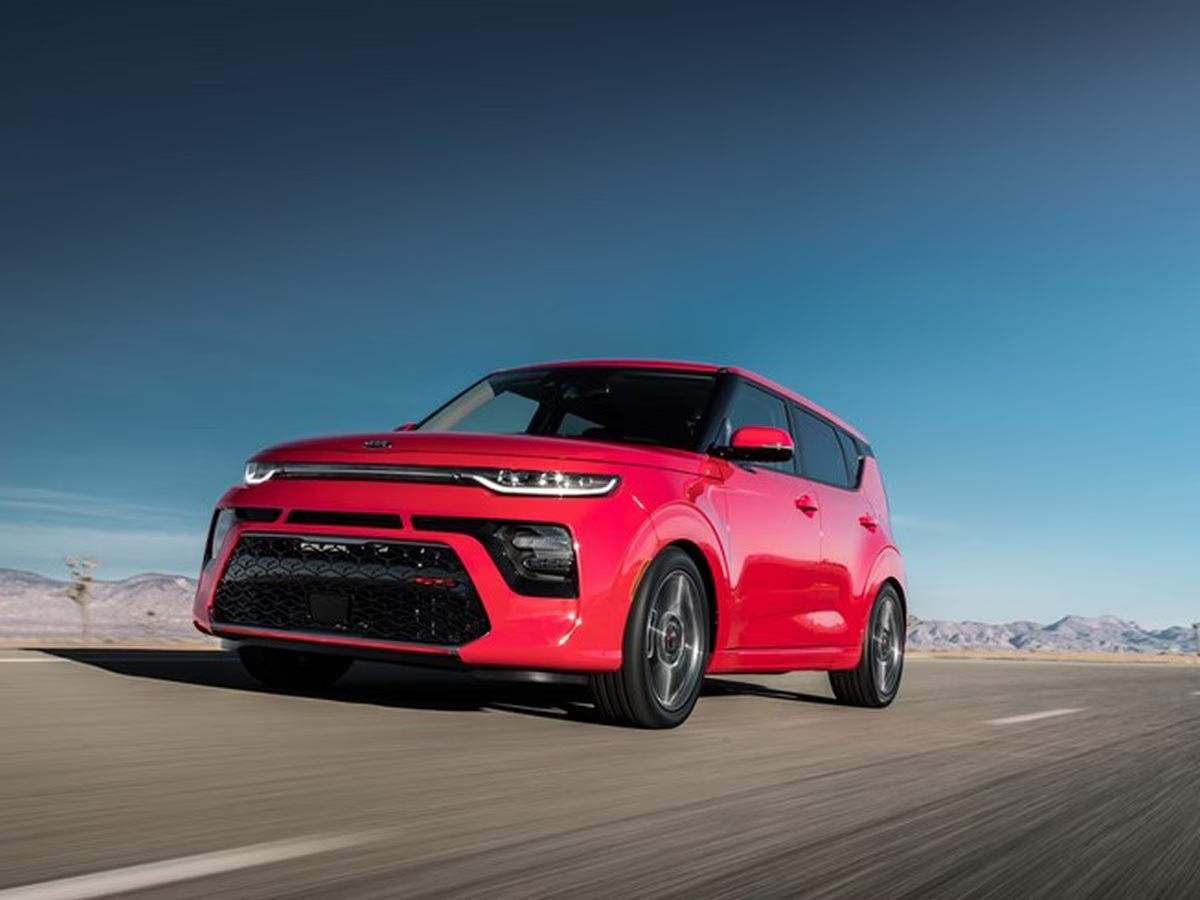
The Kia Soul is a distinctive compact vehicle that stands out due to its unique boxy shape and spacious interior, which is surprisingly roomy for its size. This design provides excellent headroom and legroom for passengers, making it a comfortable choice for Uber rides, especially in city settings.
The upright seating position gives drivers good visibility, which can reduce fatigue during long hours of driving in traffic and improve safety. This advantage is especially appreciated in urban environments where constant attention and quick reactions are necessary.
Fuel economy is respectable in the Kia Soul, especially for models equipped with smaller engines or hybrid powertrains.
While it may not match the efficiency of dedicated hybrids like the Prius, it offers a good balance of power and economy, making it a practical option for drivers mindful of fuel expenses. The car also handles well in stop-and-go traffic and tight city streets, thanks to its compact dimensions.
Maintenance costs for Kia vehicles like the Soul tend to be competitive. Kia provides a lengthy warranty, similar to Hyundai’s, which covers many components for an extended period. This warranty can reduce unexpected repair costs and help drivers avoid financial surprises over time.
Additionally, Kia’s growing reputation for quality and durability means the Soul is a reliable vehicle that can endure the rigors of high-mileage rideshare work.
Inside, the Soul features a straightforward and user-friendly infotainment system, which helps drivers manage navigation, communication, and entertainment while on the road.
The car’s cargo area is also larger than many compact cars, offering flexibility for transporting luggage or other items. The combination of space, fuel economy, warranty coverage, and ease of driving makes the Kia Soul a compelling choice for Uber drivers looking to maximize both efficiency and passenger comfort.
5 Cars That Are Too Costly for Uber Drivers
Tesla Model S
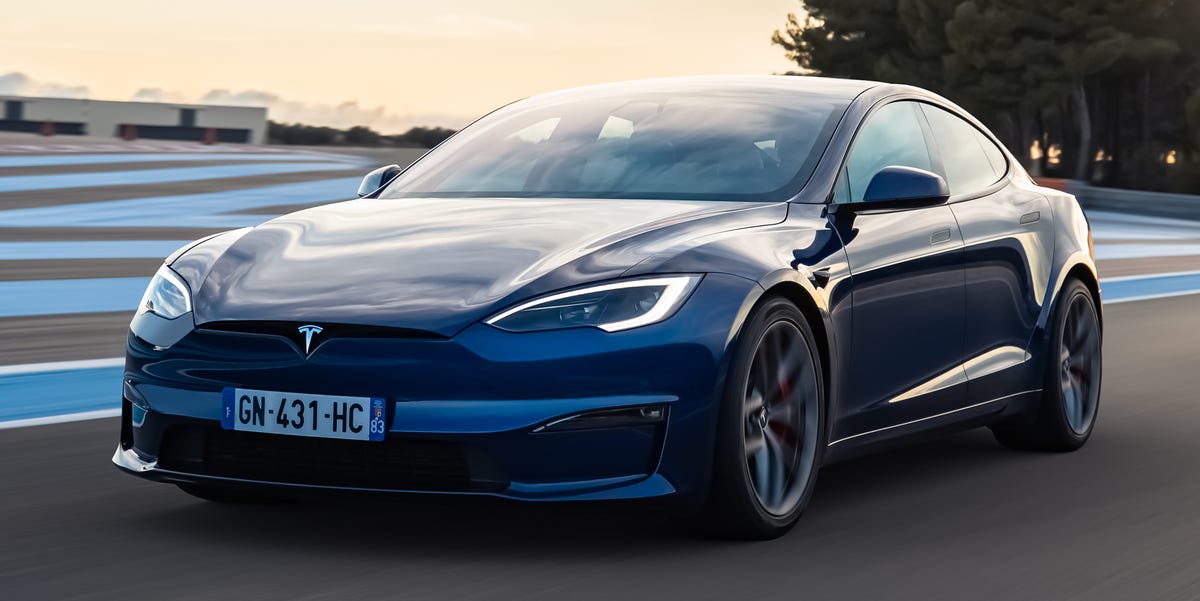
The Tesla Model S is often praised for its impressive electric performance, cutting-edge technology, and sleek design. It represents a new era of automotive innovation, featuring a long electric range, quick acceleration, and a minimalist, high-tech interior.
While these features can provide a comfortable and impressive ride for both drivers and passengers, the Model S comes with a price tag that generally puts it out of reach for most Uber drivers looking to turn a profit.
The initial cost of purchasing a Tesla Model S can be more than double the price of more economical rideshare-friendly vehicles, making the upfront investment very steep.
Although electric vehicles benefit from lower fuel costs since they do not require gasoline, the Model S still incurs significant expenses in other areas.
Maintenance costs, while lower in some respects due to fewer moving parts compared to traditional engines, can be high because Tesla service centers are less common and repairs may require specialized expertise.
If the car needs battery repairs or replacements, those costs can be enormous. Additionally, insurance premiums for high-end electric vehicles tend to be much higher than average, increasing monthly operating expenses for the driver.
While Tesla’s Autopilot and driver assistance features offer potential safety benefits, the cost of ownership for a Model S, including depreciation, charging infrastructure, and insurance, can diminish the potential savings on fuel.
Furthermore, depreciation on luxury electric vehicles can be unpredictable, especially as newer models with better range and features enter the market frequently.
For an Uber driver relying on a car primarily as a business tool, these financial factors make the Model S less viable compared to more affordable and practical vehicles.
The Tesla Model S’s combination of luxury, technology, and eco-friendliness is appealing, especially to riders who appreciate high-end vehicles.
However, for most drivers, the high purchase price, potential repair costs, and insurance make it difficult to justify in the context of running a profitable rideshare operation. While it’s certainly a dream car for many, the Model S is generally a poor financial choice for the average Uber driver focused on maximizing income.
BMW 7 Series
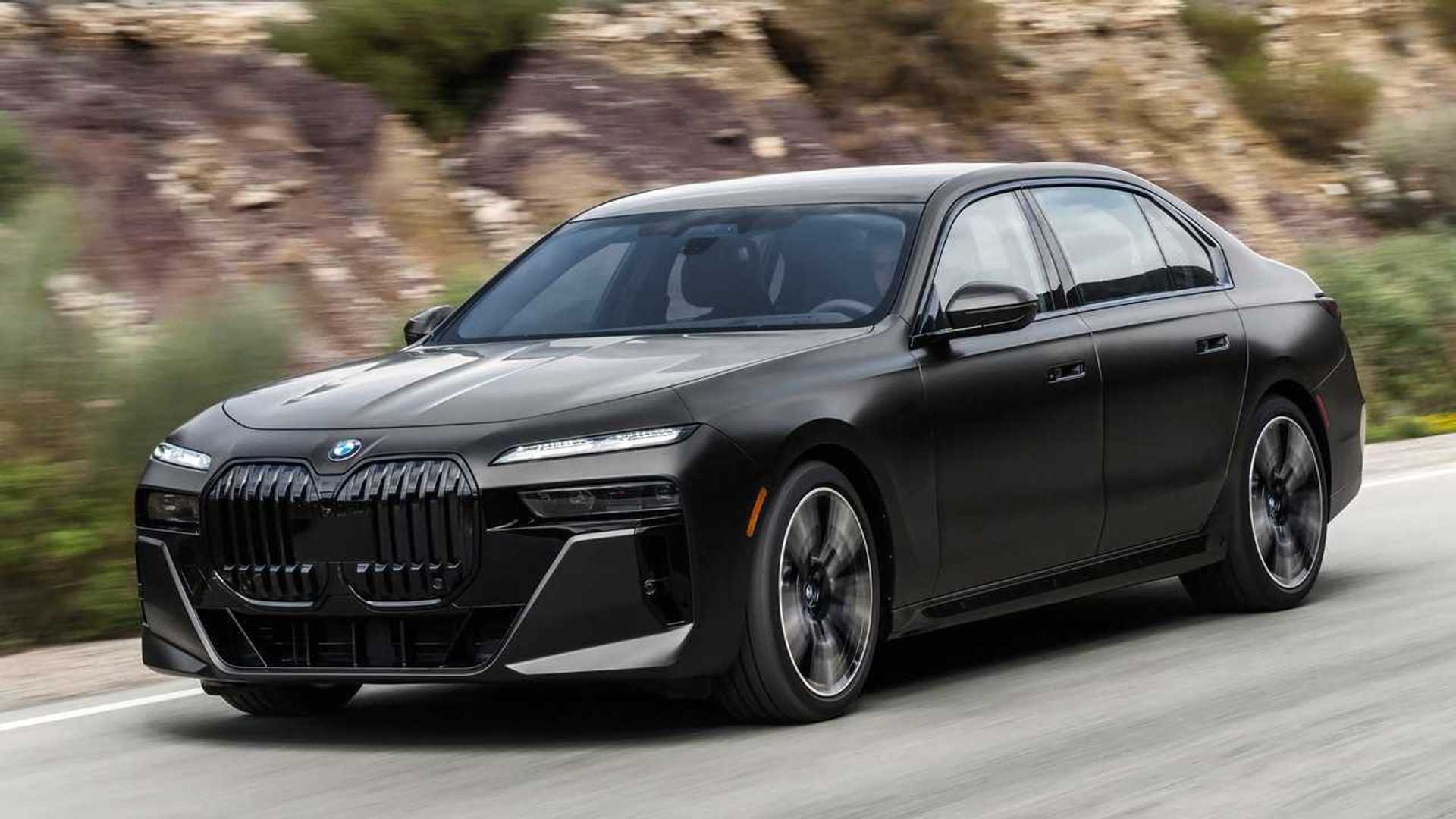
The BMW 7 Series is a flagship luxury sedan that embodies premium comfort, advanced technology, and strong performance. It offers a refined driving experience, with plush interiors featuring leather upholstery, heated and ventilated seats, advanced sound systems, and driver assistance features.
While these qualities might seem like they would enhance the Uber passenger experience, the cost of owning and operating a 7 Series makes it a questionable choice for drivers who need to maintain a positive cash flow.
The purchase price for a new BMW 7 Series is exceptionally high, often placing it in the range of luxury vehicles aimed at wealthy individuals rather than rideshare professionals. Beyond the initial price, the ongoing costs of maintaining a 7 Series can be daunting.
Maintenance and repairs on this type of vehicle often require specialized tools and technicians, which drives up service bills. Replacement parts can be very expensive, and warranty coverage may not fully protect against costly repairs once the vehicle is out of the factory warranty period.
Fuel consumption is another challenge with the 7 Series. Many models come with large engines that prioritize power and performance over fuel economy. For Uber drivers who cover long distances daily, the higher fuel costs can significantly cut into profits.
Moreover, insurance premiums for high-end luxury sedans are considerably higher than for standard or economy cars, adding to monthly expenses.
While the BMW 7 Series offers unmatched comfort and features for passengers, these benefits rarely outweigh the financial burden placed on drivers. For someone running a business based on the efficient use of their vehicle, the high costs make it an impractical choice.
Instead, drivers who want comfort and reliability often find more affordable vehicles that still provide good passenger experiences without the heavy price tag.
Mercedes-Benz S-Class
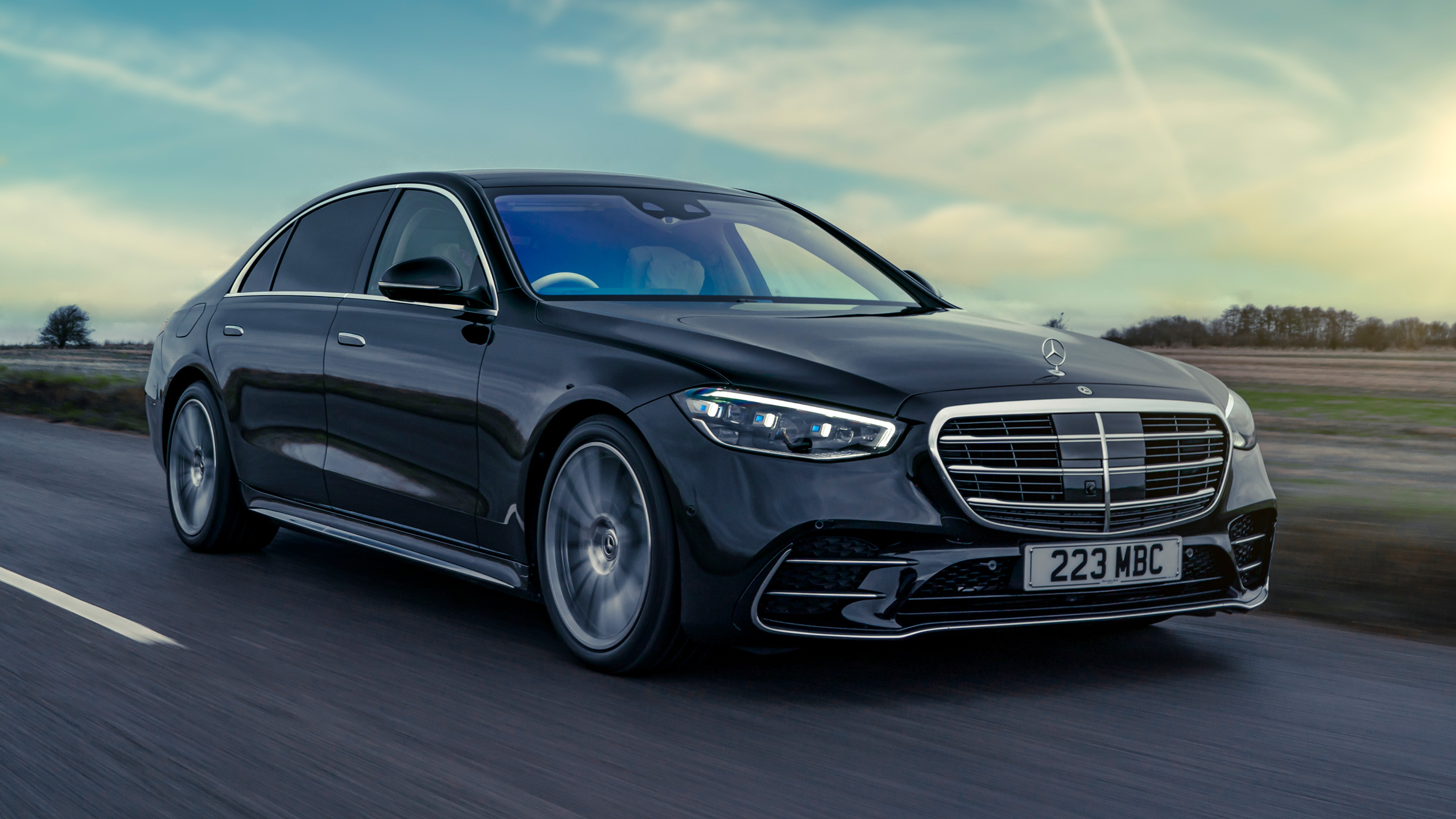
The Mercedes-Benz S-Class has long been recognized as one of the premier luxury sedans available on the market. It is known for its elegant design, cutting-edge safety features, and superb ride quality. However, these high-end attributes come with costs that make the S-Class a difficult option for Uber drivers concerned about the financial realities of rideshare driving.
The price of purchasing a Mercedes-Benz S-Class is very high, often placing it far above the budget of most Uber drivers. This large upfront investment means it could take years of driving to recover the cost through earnings.
More importantly, ongoing maintenance and repair costs for the S-Class tend to be significantly higher than those of average vehicles.
Routine services like oil changes or brake replacements are more expensive due to the vehicle’s complexity and the premium parts used. Major repairs can be extremely costly, especially if issues arise with advanced electronics or air suspension systems, which are common in luxury vehicles.
Insurance rates for the S-Class are also much higher than those for standard sedans or compact cars. Insurance companies base premiums on repair costs and vehicle value, and with the S-Class’s luxury status, these expenses add up quickly.
Fuel economy is generally poor relative to economy vehicles, since many S-Class models feature powerful V6 or V8 engines with high fuel consumption. For drivers who put a lot of miles on their cars, fuel costs become a major expense.
Though the S-Class offers a luxurious and comfortable ride for passengers, it is not the most practical choice for Uber drivers who must balance comfort with cost-efficiency. The substantial purchase price, expensive maintenance, high insurance premiums, and fuel costs make it a difficult vehicle to justify from a financial perspective in the rideshare business.
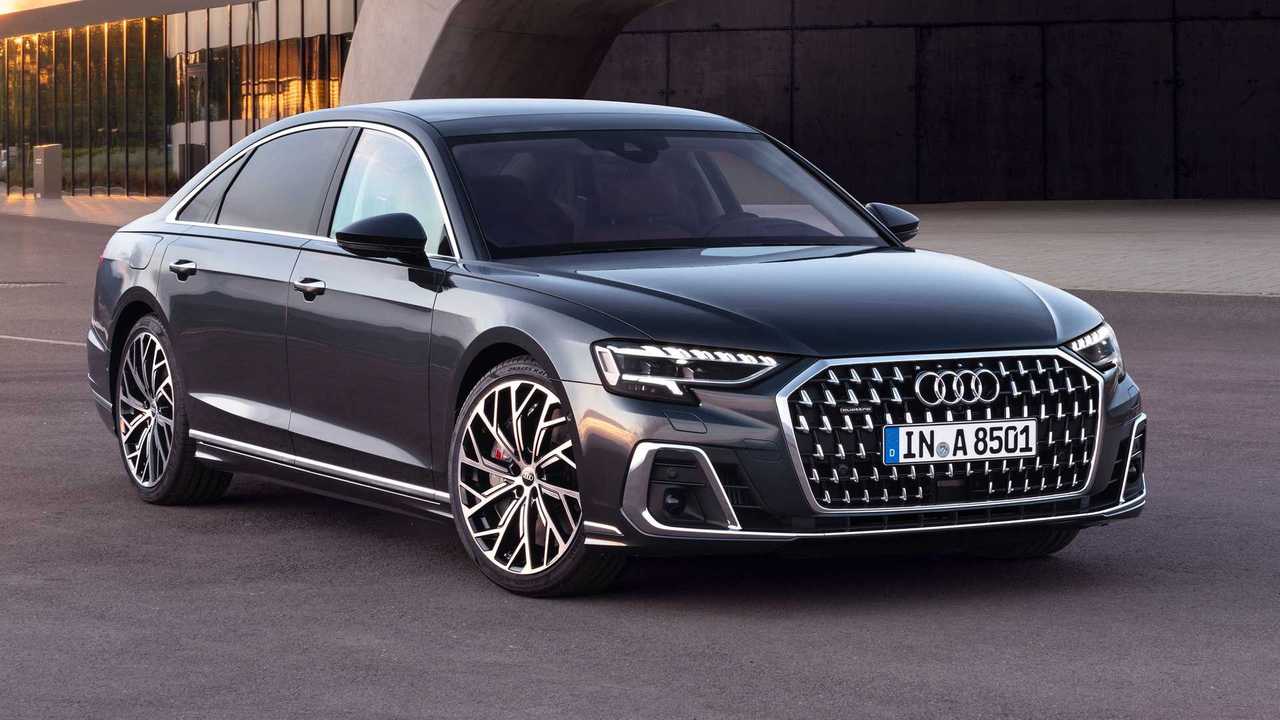
Audi A8
The Audi A8 is a luxury sedan that combines advanced engineering with a high-quality interior and impressive performance. It is often equipped with state-of-the-art technology, including sophisticated driver assistance systems and luxurious cabin features.
Despite these perks, the Audi A8’s cost profile puts it out of range for most Uber drivers trying to operate a profitable vehicle.
First, the purchase price of an Audi A8 is very high compared to the cars typically recommended for rideshare driving. Even used models retain a relatively high market value, making entry costs steep.
For drivers who aim to minimize upfront investment and ongoing costs, the A8’s price is a major deterrent. Additionally, Audi’s maintenance and repair expenses are higher than average. Repairing complex electronics, advanced safety systems, and premium interior components can lead to expensive bills.
Insurance is another factor where the A8 becomes costly. Luxury vehicles like this demand higher premiums due to the cost of parts and repairs after accidents.
The Audi A8 also has higher fuel consumption than economy sedans or hybrids, especially because many versions come with larger engines designed for performance rather than efficiency. These fuel costs can accumulate rapidly given the mileage typical of Uber drivers.
While passengers will enjoy the Audi A8’s smooth, quiet ride and luxurious touches, drivers need to consider the long-term expenses that come with owning such a vehicle. For most Uber drivers, the financial drawbacks outweigh the benefits, making it an impractical choice for anyone trying to maximize profitability in their rideshare work.
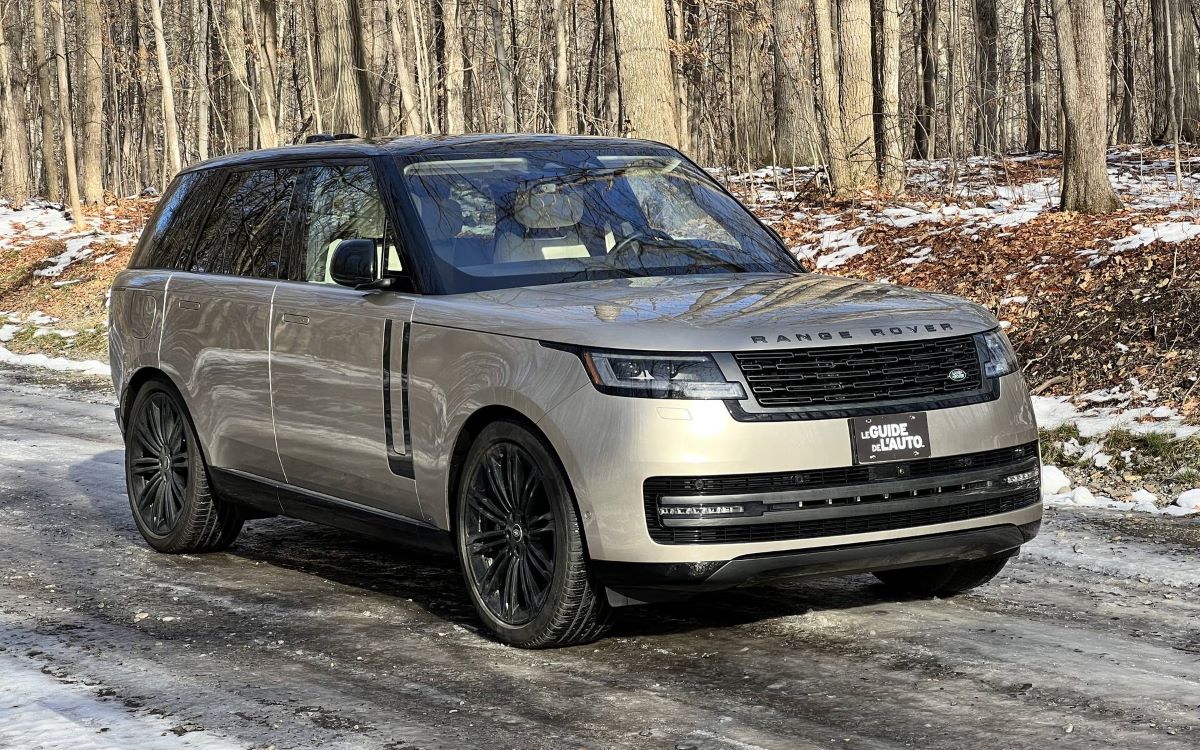
Range Rover
The Range Rover is a luxury SUV that offers a combination of off-road capability, spacious interiors, and high-end features. It is known for its commanding presence on the road, comfortable seating, and premium materials inside the cabin.
While these qualities can create a positive impression for Uber passengers, the vehicle’s high purchase price and running costs generally make it unsuitable for rideshare drivers focused on keeping expenses low.
One of the biggest challenges with owning a Range Rover as an Uber vehicle is its poor fuel economy. Range Rovers are typically equipped with large, powerful engines that consume significant amounts of gasoline, especially in city driving conditions where Uber drivers spend much of their time.
Given the miles Uber drivers accumulate, fuel costs alone can quickly eat into profits, making the SUV an expensive choice to operate.
Maintenance and repair costs for the Range Rover are notoriously high. This vehicle often requires specialized service, and parts tend to be costly and harder to find compared to more common vehicles.
Additionally, frequent repairs have been reported by some owners, which can lead to unpredictable and heavy expenses. Insurance premiums for Range Rovers are also quite high due to their value and repair costs.
While the Range Rover offers ample interior space and luxury features that enhance passenger comfort, the high costs associated with owning and running one typically outweigh these benefits for Uber drivers. Unless a driver has a specific business model targeting high-end clients and can afford these expenses, the Range Rover is generally not a practical vehicle for rideshare work.
Also Read: 9 Midsize SUVs That Rarely Leave the Shop
Selecting the right car for Uber driving requires careful consideration beyond just style or brand. The demands of rideshare driving are unique, high mileage, frequent stops, and the need to provide a comfortable experience for a variety of passengers.
With these factors in mind, the vehicles you choose can either help boost your earnings or become a drain on your finances. The difference often lies in how well the car balances fuel efficiency, maintenance costs, reliability, and passenger comfort.
The five cars identified as great choices for Uber drivers, such as the Toyota Prius and Honda Civic, are popular for their proven track records in fuel economy and dependability. They offer low operating costs and comfortable interiors, which not only reduce your expenses but also improve rider satisfaction.
Vehicles like the Hyundai Elantra and Toyota Camry provide an excellent middle ground of affordability, space, and efficiency, making them versatile options for various types of rides. Meanwhile, the Kia Soul stands out for its spaciousness and user-friendly features, proving that even compact vehicles can be practical and profitable.
On the other hand, luxury and high-performance vehicles like the Tesla Model S, BMW 7 Series, and Mercedes-Benz S-Class come with significant drawbacks for rideshare drivers.
Their high purchase prices, elevated maintenance and insurance costs, and often lower fuel efficiency mean that the financial burdens can outweigh the benefits of their comfort and prestige.
These vehicles tend to depreciate quickly in the context of intense daily use, and the costs associated with repairs or replacements can severely impact a driver’s net income.
The best car for an Uber driver is one that aligns with their budget, driving habits, and goals. It should provide a reliable, efficient platform to earn a consistent income while offering a positive experience to passengers.
Carefully weighing the costs and benefits of each vehicle type ensures that drivers make choices that support long-term success in the rideshare industry. By focusing on practical, economical vehicles rather than costly luxury models, Uber drivers can maximize their profits and maintain their vehicles’ health and longevity on the road.
