
When choosing a car, especially for daily use, people often weigh appearance, price, and technology. But what matters just as much, if not more, is how a car performs under the wear and tear of everyday life.
Some vehicles are engineered to take a beating, whether that’s through long commutes, poor road conditions, or unpredictable weather.
Others, however, start to show signs of struggle far too early. This is not always about initial quality or luxury, but about long-term durability, parts reliability, and consistency under tough usage.
A car that can handle daily abuse can rack up miles without breaking down. It doesn’t necessarily have to be fast or flashy. It just has to work, day after day.
These types of cars become favorites among delivery drivers, commuters, and even parents who need a dependable ride for school runs.
They’re often not the first cars to make headlines, but they tend to be the last ones still running after 200,000 miles.
These vehicles prove their worth by being consistently reliable across years of use, surviving potholes, traffic, weather extremes, and the occasional neglect.
On the other hand, some cars look great on the lot but struggle to keep up with the basic expectations of regular driving. Whether it’s due to weak components, inconsistent electronics, or high-cost maintenance, they often disappoint owners who expect more from their investment.
These cars might be fun for a short period but can end up becoming more trouble than they’re worth. They may start strong but reveal their flaws quickly under pressure.
This article looks at ten different vehicles: five that are famously tough and known for their longevity, and five that tend to let their owners down when pushed hard. The goal isn’t to shame anyone for their car choice, but to highlight real-world patterns seen in how certain models age and perform under stress.
If you’re someone who needs a car that won’t give up after a few years, or you’re trying to avoid one that might, this list can help guide your thinking.
Also Read: 9 Vehicles That Stay Valuable in Collector Markets
5 Cars That Can Handle Daily Abuse
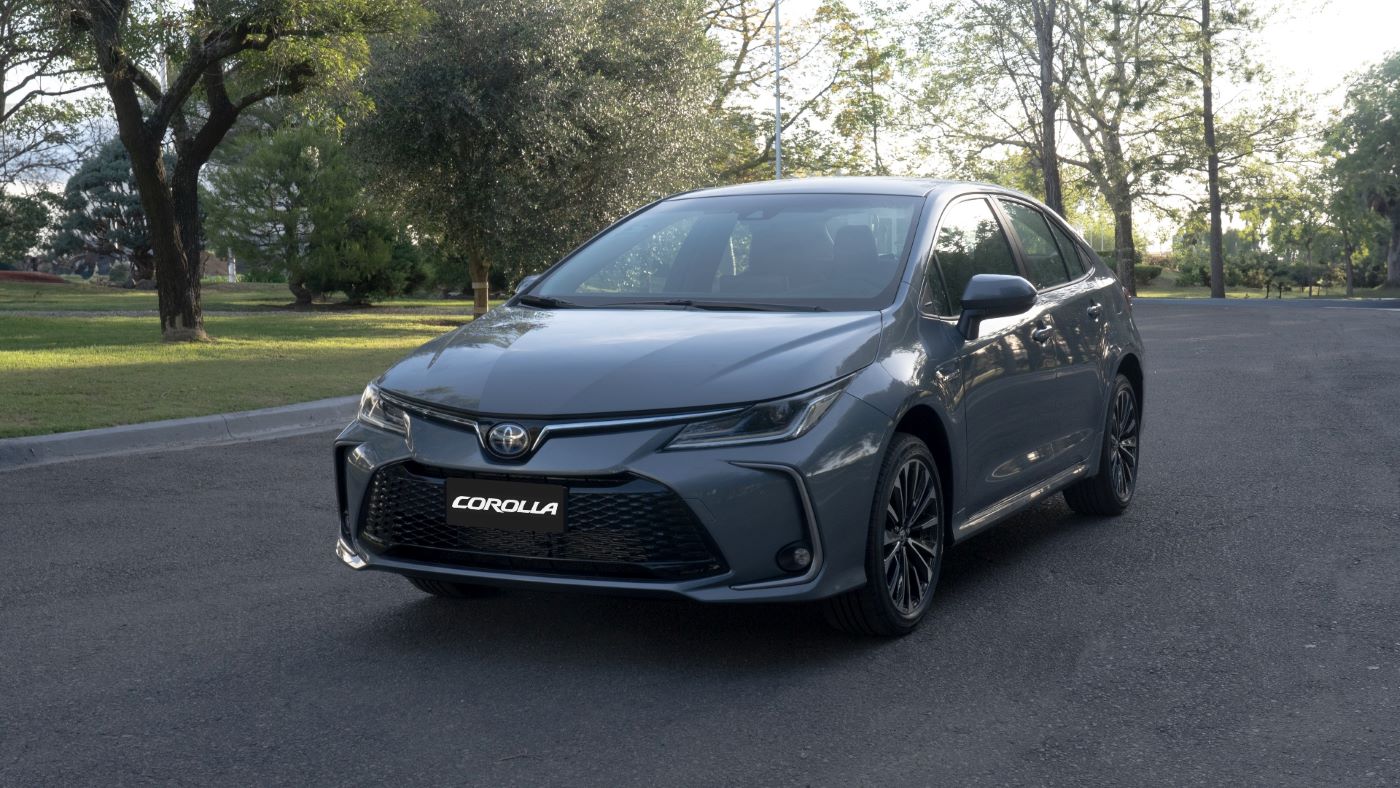
1. Toyota Corolla
The Toyota Corolla has built a reputation that few compact cars can match. It’s not the most exciting vehicle on the road, but that has never been its purpose. The Corolla is engineered for one thing above all: dependable, daily transportation.
It’s the kind of car that’s used as a city taxi in many countries, which speaks volumes about its ability to handle relentless daily driving. This car is often seen with well over 200,000 miles on the odometer and still going strong. The simplicity of its design contributes heavily to its long-lasting nature.
What makes the Corolla such a survivor is its proven engine and transmission combinations. Toyota rarely overcomplicates this model, sticking with technology and engineering choices that have been tested and refined over decades.
It doesn’t rely on too many high-end features or complex systems that can fail over time. Instead, it focuses on being usable, fuel-efficient, and easy to maintain. Replacement parts are easy to find and rarely break the bank, making repairs and upkeep manageable for the average owner.
The build quality, while not luxurious, is solid. The doors close with a reassuring thud, the controls are intuitive, and there’s a sense of everything just working as it should.
It’s not flashy, and it doesn’t try to be something it’s not. This honest approach to car design results in fewer things breaking down or wearing out prematurely.
Even when driven through harsh winters, rough city streets, or long highway stretches, the Corolla holds up well over time. Its resale value also reflects this reputation, often staying higher than rivals.
The Corolla also has an advantage in terms of fuel efficiency, which adds to its value as a daily driver. Even under heavy commuting loads, it maintains strong MPG figures, which means lower running costs.
This matters when you’re putting the car through daily abuse, as you’ll not only save on maintenance but also on fuel. That full-circle benefit is part of why this car remains a top pick for people who simply want a vehicle they can depend on without fuss or drama.
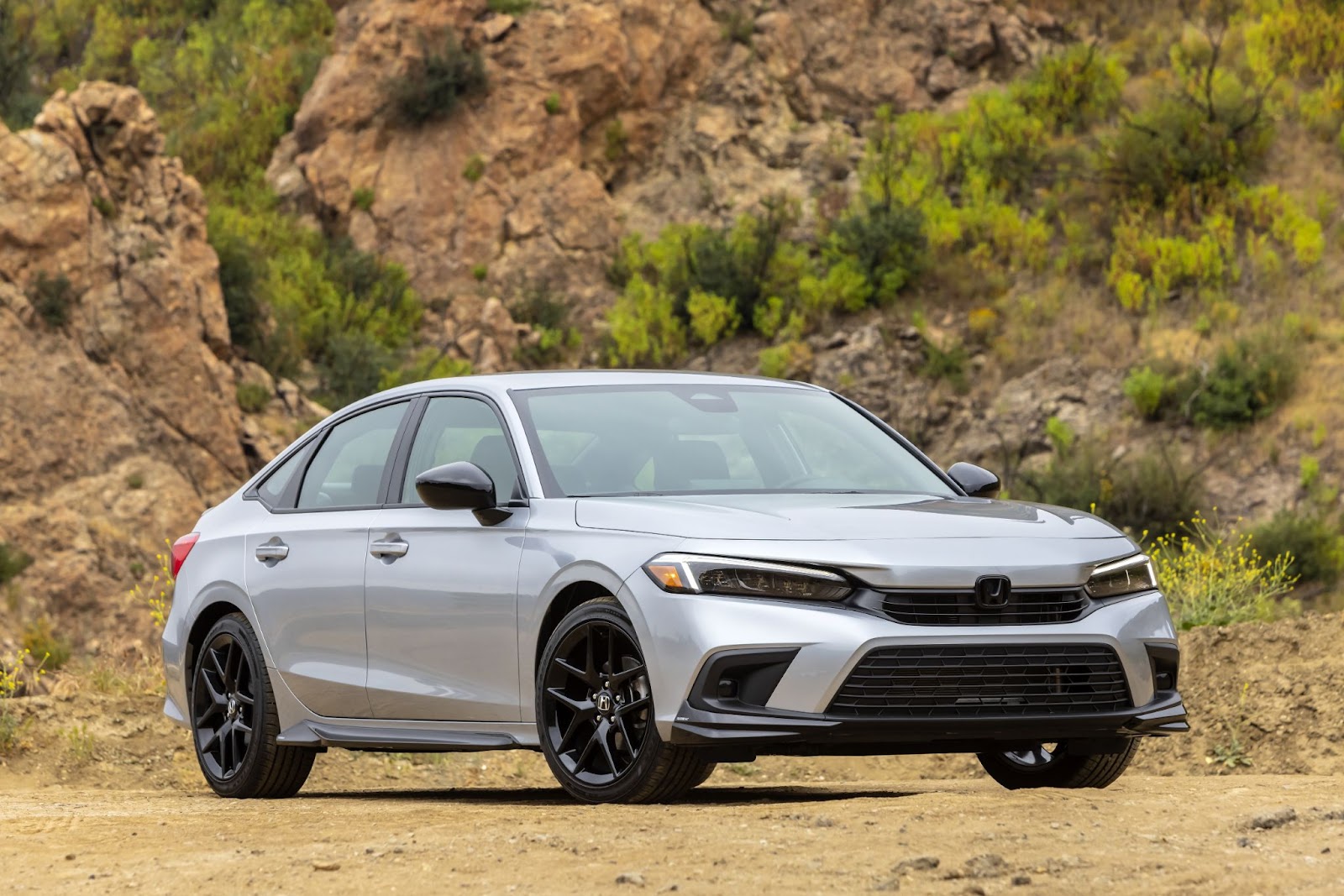
2. Honda Civic
The Honda Civic is another long-standing name in the compact car segment that has earned its place through years of reliability.
Known for its practical size and impressive fuel economy, the Civic is a staple for those who need a dependable car that can handle frequent use. Honda has put decades of effort into perfecting the Civic’s balance between efficiency and performance, and it shows in how well the car stands up to regular abuse.
Mechanically, the Civic is straightforward but smartly designed. Honda’s engines are known for their durability, often running smoothly past 150,000 miles without needing major repairs. It’s not unusual to see Civics with 250,000 miles still in use.
The transmission, whether automatic or manual, also holds up well over time when properly maintained. This mechanical toughness makes it a favorite among not just daily drivers but also people looking for a reliable used vehicle. The Civic’s real-world track record reinforces its reputation.
Its interior, though not extravagant, is user-friendly and built to last. The seats are comfortable enough for long commutes, and the controls are easy to reach and understand. Even older models still feel well-put-together, with minimal rattles and worn-out materials.
That’s a sign of good manufacturing and material choices. While some newer cars rely too heavily on touchscreens or fancy tech that ages poorly, the Civic focuses on features that drivers actually use day in and day out.
The Civic also handles well, offering a driving experience that isn’t just durable but enjoyable. That’s a bonus for people who want something more than just an A-to-B machine.
It can handle bumpy roads, crowded traffic, and harsh weather without missing a beat. Whether it’s doing grocery runs, taking on a daily commute, or handling the occasional road trip, the Civic keeps going. That level of trust is hard to beat, especially when you’re counting on a car to last for years.
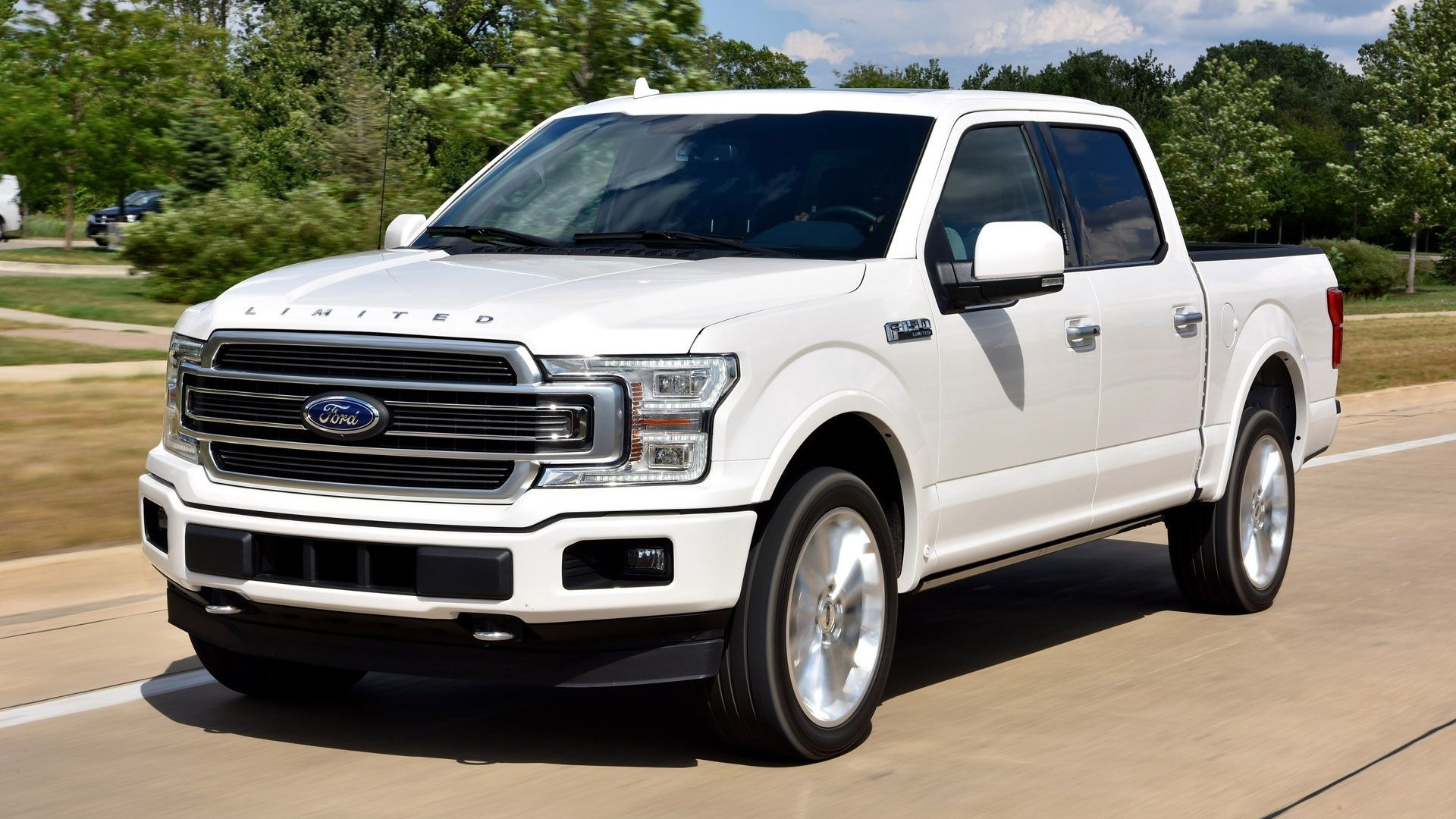
3. Ford F-150
The Ford F-150 isn’t just the best-selling truck in the United States for decades; it’s also one of the most abused vehicles on the road that somehow keeps coming back for more. It’s a workhorse in every sense of the word.
From construction sites to family duties, it’s built to endure daily punishment without falling apart. The F-150 is often used well beyond what would be considered “normal” driving, yet it continues to be a dependable choice for millions.
One of the biggest strengths of the F-150 is its variety of engine options. Whether you go with a V6, V8, or EcoBoost turbocharged engine, these powerplants are designed for high mileage and serious workload.
Towing, hauling, stop-and-go city traffic, and long highway drives are all within its comfort zone. Many owners report passing 200,000 miles without major engine trouble. That kind of resilience doesn’t come easy and reflects Ford’s commitment to long-term durability.
Beyond the engine, the F-150’s frame and suspension are also robust. The truck is built to take physical stress, whether from carrying heavy loads or enduring unpaved roads. Its suspension components, steering system, and braking hardware are all up to the task.
It’s not immune to wear, but it’s made to last much longer than smaller vehicles under similar use. Even when used harshly every day, it holds up better than many lighter trucks or SUVs.
Inside, the F-150 combines practicality with enough comfort to make it a solid daily driver. The cabin is spacious and built to handle dirt, mud, and tools without falling apart. Materials are rugged and easy to clean, and the layout is straightforward.
You get the sense that everything in the truck was made with hard use in mind. For people who push their vehicles to the limit, the F-150 proves time and time again why it’s such a trusted name in the truck world.
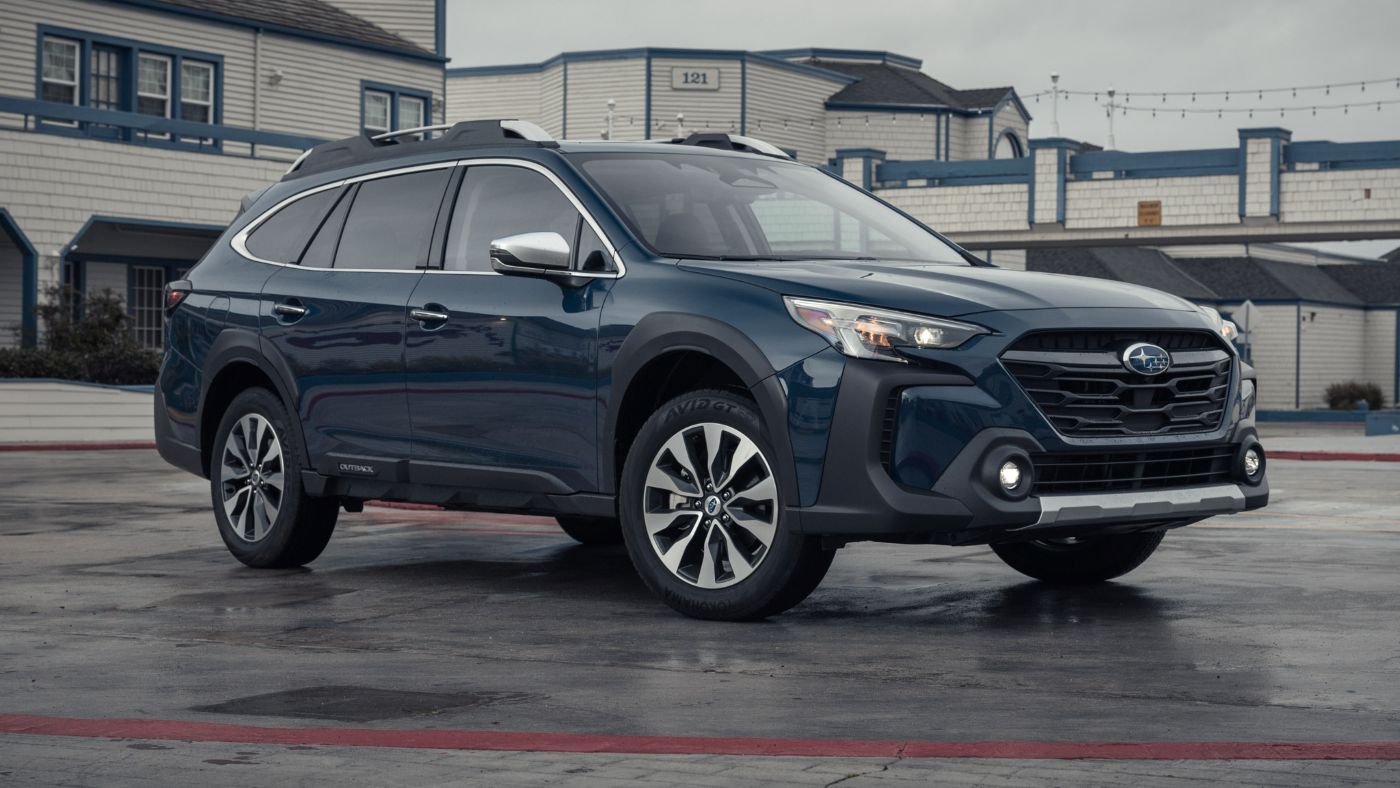
4. Subaru Outback
The Subaru Outback is a unique choice that blends wagon and SUV features into one rugged, reliable package.
Known for its standard all-wheel drive, the Outback is often favored by those who live in rural areas, mountainous regions, or anywhere that bad weather is a regular concern. It’s not just about off-road capability, though.
This vehicle also holds up incredibly well under daily stress, making it a smart option for anyone who needs consistency from their car every day.
The flat-four “boxer” engines used in the Outback are known for being balanced and long-lasting when maintained correctly. These engines aren’t the most powerful, but they are well-suited for the kind of steady, practical driving most owners need.
The continuously variable transmission (CVT) has improved over the years and, while not perfect, has become much more reliable in recent generations. With regular servicing, both engine and transmission can easily last well over 150,000 miles.
One of the best aspects of the Outback is how it handles poor road conditions. Its higher ground clearance and all-wheel-drive system allow it to manage gravel roads, potholes, and slippery surfaces confidently. That makes it
One of the best aspects of the Outback is how it handles poor road conditions. Its higher ground clearance and all-wheel-drive system allow it to manage gravel roads, potholes, and slippery surfaces confidently.
That makes it an ideal companion for people who live in areas with frequent snow, heavy rain, or unpaved roads.
But it’s not just for rural or adventurous drivers, urban commuters benefit from the same features. When city infrastructure fails to keep up with bad weather or maintenance, having a vehicle like the Outback gives peace of mind.
It can absorb the abuse of pothole-ridden commutes, steep inclines, and packed city streets without mechanical complaint.
The interior of the Outback, while not overly luxurious, is built with a sense of rugged practicality. Subaru tends to focus on usability and function over frills.
You won’t find ultra-premium materials, but you will find thoughtfully laid-out controls, quality plastics, and enough comfort for long hours behind the wheel.
The seats are well-cushioned and supportive, especially in newer models, and there’s a surprising amount of cargo space in the back.
For those who frequently load up gear, groceries, tools, or pets, the interior holds up remarkably well over time. The materials resist scuffing, and the upholstery is designed to take wear and tear without looking worn too quickly.
Perhaps the most telling sign of the Outback’s durability is its loyal owner base. Many Outback owners drive their cars well past 200,000 miles and keep them in the family for generations.
This vehicle is often handed down from one driver to another, which only happens when a car consistently proves itself over time.
Its ability to endure difficult conditions, handle rough roads, and keep running with minimal issues makes it a standout for anyone who demands reliability without sacrificing utility or comfort. It’s a vehicle that wears its miles proudly and continues to deliver value no matter how hard it’s used.
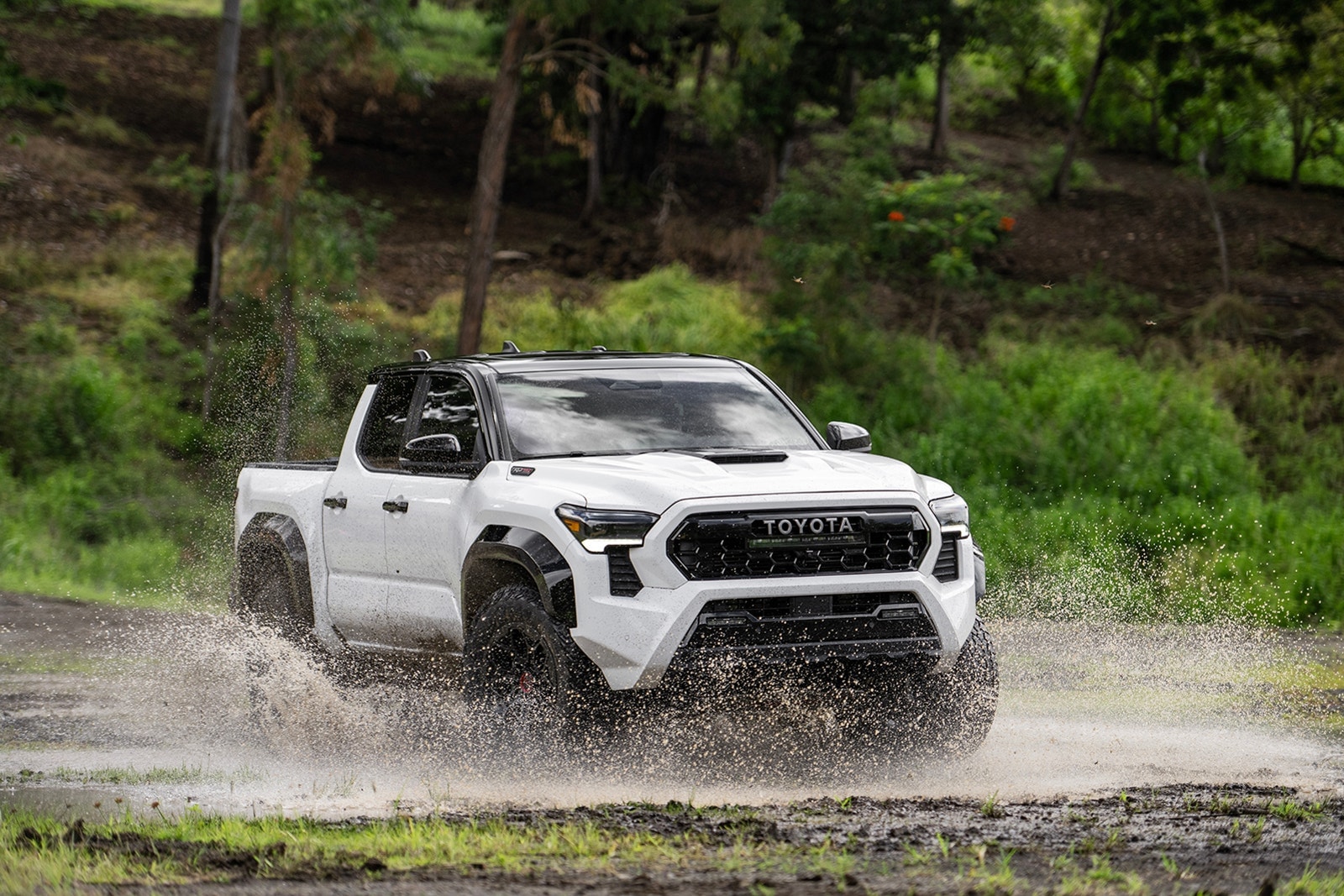
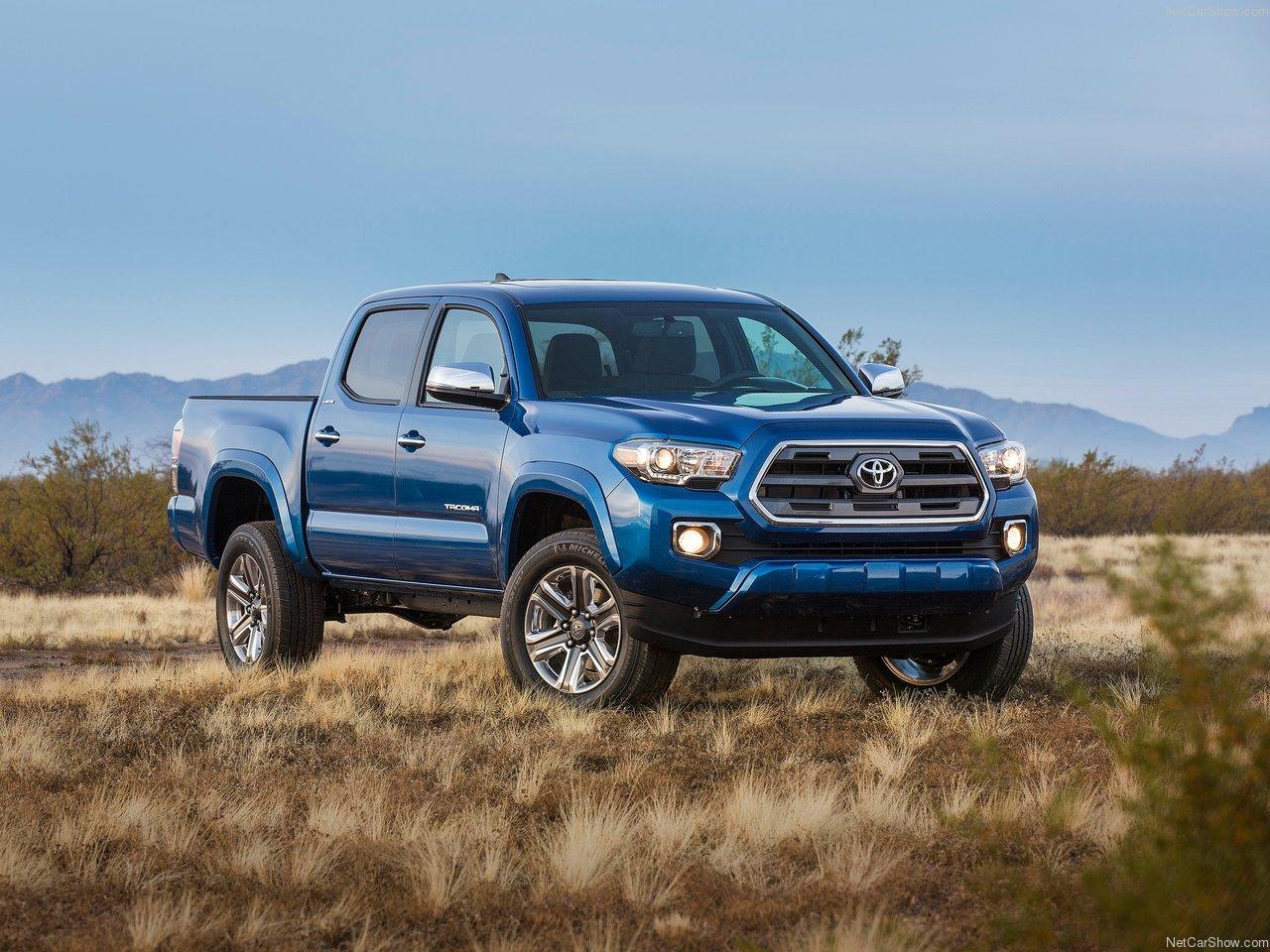
5. Toyota Tacoma
The Toyota Tacoma is a midsize truck with a reputation that punches well above its weight. Built with a rugged frame and components designed to take real punishment, the Tacoma has become a favorite for off-road enthusiasts, tradespeople, and everyday drivers alike.
What makes the Tacoma special is that it doesn’t just handle occasional hard use, it thrives on it. Whether it’s hauling supplies, navigating rocky trails, or enduring relentless city stop-and-go traffic, the Tacoma keeps going with a kind of stubborn resilience that few vehicles can match.
One of the strongest aspects of the Tacoma is its drivetrain. The engines, particularly the 4.0L V6 found in older models and the newer 3.5L V6, are known for their dependability. While not the fastest or most fuel-efficient, they are extremely durable.
These engines are often paired with a bulletproof automatic or manual transmission that rarely fails under pressure.
Even with poor maintenance or harsh conditions, these powertrains can go the distance. It’s not uncommon to see Tacomas with 300,000 miles still in service, especially in regions where reliability is valued over luxury.
The Tacoma’s build quality plays a big role in its ability to handle abuse. The frame is tough, the suspension is stout, and the underbody components are well protected.
Whether it’s used for off-road adventures or daily delivery routes, the Tacoma is engineered to shrug off stress.
This level of toughness also translates into lower long-term repair costs. It’s not immune to wear, but what does wear out tends to do so gradually, giving owners time to plan for fixes rather than dealing with sudden failures.
Even areas prone to rust see older Tacomas on the road thanks to the truck’s resistance to corrosion when properly cared for.
Inside the cabin, you’ll find a mix of no-nonsense utility and thoughtful design. The materials used in the Tacoma aren’t luxurious, but they are chosen for longevity. Hard plastics and simple fabrics dominate, which may not impress at first glance but age far better than flashier interiors.
Controls are tactile and well placed, and the seats are durable enough to take the punishment of long drives, muddy clothes, or daily work use.
For people who want a truck that will outlast job after job and trip after trip, the Toyota Tacoma earns its reputation not with bells and whistles, but with years of steady performance under stress.
Also Read: 10 Vehicles That Survived Global Conflicts
5 Cars That Fall Apart Under Pressure
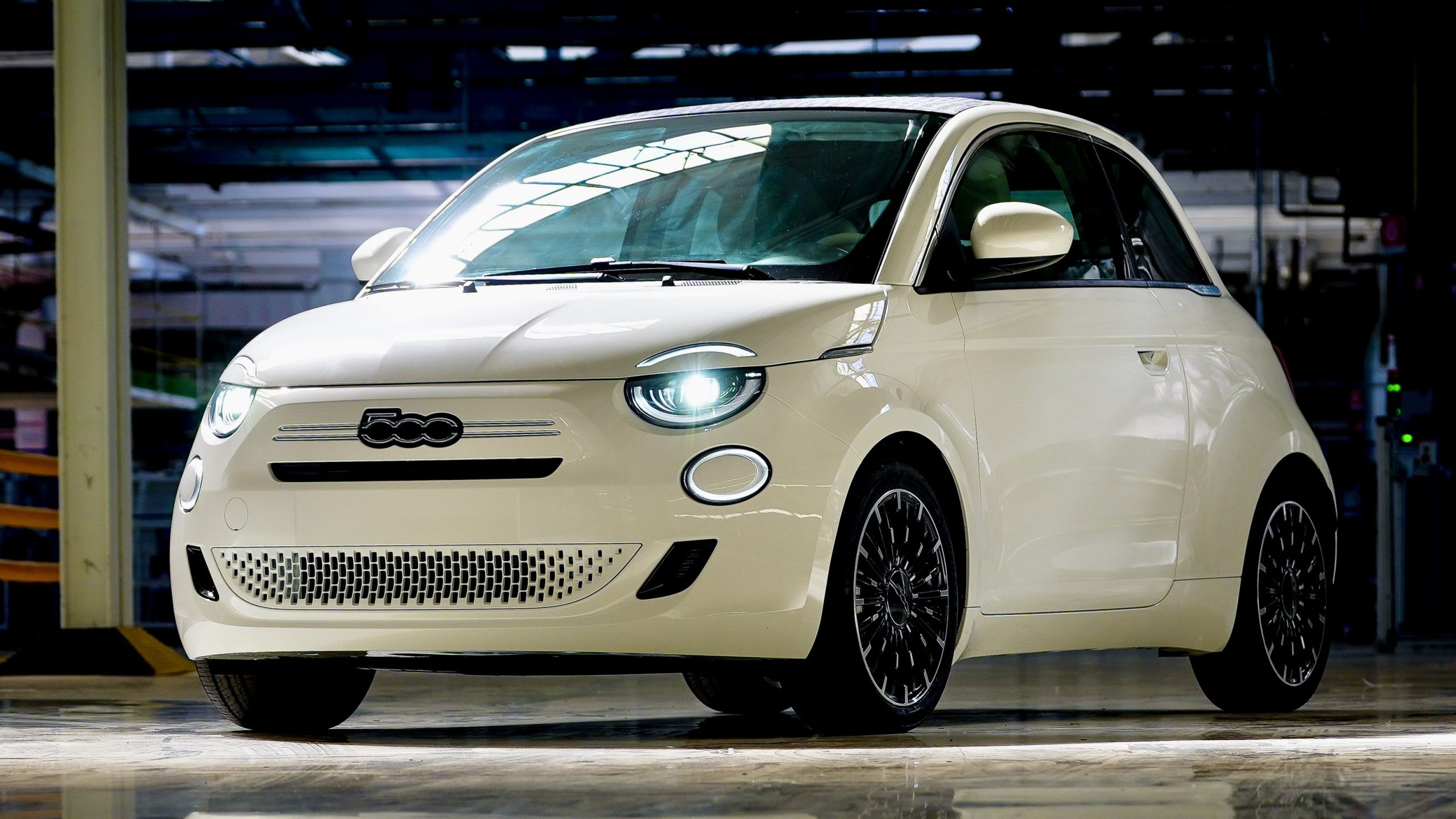
1. Fiat 500
The Fiat 500 arrived in the market with charm, retro styling, and city-friendly dimensions. On the surface, it looked like a great option for urban dwellers and first-time car buyers. Unfortunately, the Fiat 500 has proven to be one of those cars that doesn’t handle daily abuse well.
While it has its fans and does offer a fun, nimble driving experience in perfect conditions, it tends to fall apart under the demands of consistent daily use, especially in places with poor infrastructure or extreme weather.
One of the main issues lies with the powertrain. The small engine options, including the turbocharged variants, often struggle with long-term durability. Owners have reported engine issues, including premature wear, oil consumption, and overheating.
Transmission problems have also been widely noted, particularly with the automatic and dual-clutch units in certain trims.
These aren’t the kinds of issues that pop up after 150,000 miles; they often appear far earlier, sometimes well before 75,000 miles. That kind of early degradation makes the car a poor choice for anyone planning to rack up serious mileage.
Interior quality doesn’t help the Fiat 500’s case. While it may look stylish with its colorful panels and rounded design, the materials used feel thin and fragile.
Buttons and switches wear out faster than expected, seat fabric begins to show signs of age quickly, and the general fit and finish doesn’t hold up to the kind of wear a daily commuter would typically experience.
The compact size also limits practicality, meaning even light-duty hauling or repeated loading and unloading can cause premature interior wear and tear.
Lastly, parts availability and repair costs have been a consistent frustration for owners. Fiat’s limited dealer network and higher-than-expected maintenance costs make owning this car more of a hassle than it should be.
When a vehicle is marketed as practical and budget-friendly, it needs to reflect those values in the real world.
In the case of the Fiat 500, the charm wears off quickly once the breakdowns begin. For people who need their car to work every single day without drama, the 500 is simply not built to endure the long haul.
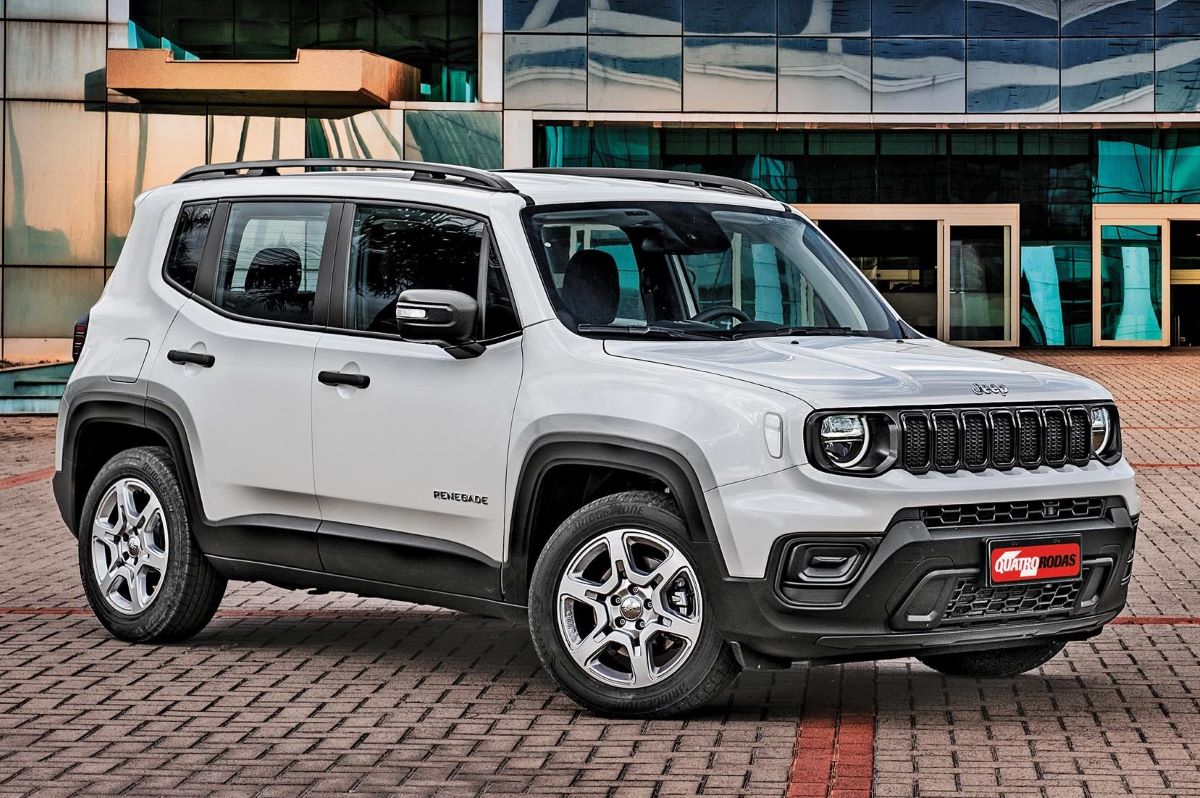
2. Jeep Renegade
The Jeep Renegade was introduced as a small crossover aimed at younger drivers who wanted a stylish SUV that hinted at off-road capability. While it certainly checks the boxes for design and initial appeal, the Renegade struggles when subjected to regular, demanding use.
It’s a vehicle that looks like it could go anywhere but often proves unreliable when pushed beyond basic commuting or occasional road trips. For drivers who need something tough and dependable, the Renegade often falls short.
One of the most problematic areas has been the transmission, particularly the nine-speed automatic found in many models. It has a history of jerky shifting, long delays, and even complete failures in some cases.
Combine that with underpowered engines that have to work harder during daily driving, and you get a car that not only feels sluggish but also wears out its mechanical components faster. Reports of engine overheating and electronic issues further hurt the Renegade’s credibility when it comes to long-term use.
The interior, while visually interesting, doesn’t age well. Cheap plastics, rattling panels, and prematurely worn upholstery are common complaints. While it may be fine for short, casual use, putting the Renegade through regular school runs, commutes, or work duties can reveal its lack of staying power.
Many owners have noticed a sharp decline in comfort and build quality within the first few years of ownership, which is not what anyone wants from a relatively new vehicle.
The Jeep name comes with a reputation for ruggedness, but in the case of the Renegade, that reputation isn’t earned. It’s more of a city car dressed up like an off-roader. If you actually try to treat it like a tough SUV, it quickly starts to protest.
Suspension issues, electrical gremlins, and subpar ride quality all start to appear under strain. For someone who needs a car to handle real-world use, especially poor roads, harsh weather, or frequent driving, the Renegade simply lacks the foundation to keep up. It ends up being more style than substance.
3. Chevrolet Spark
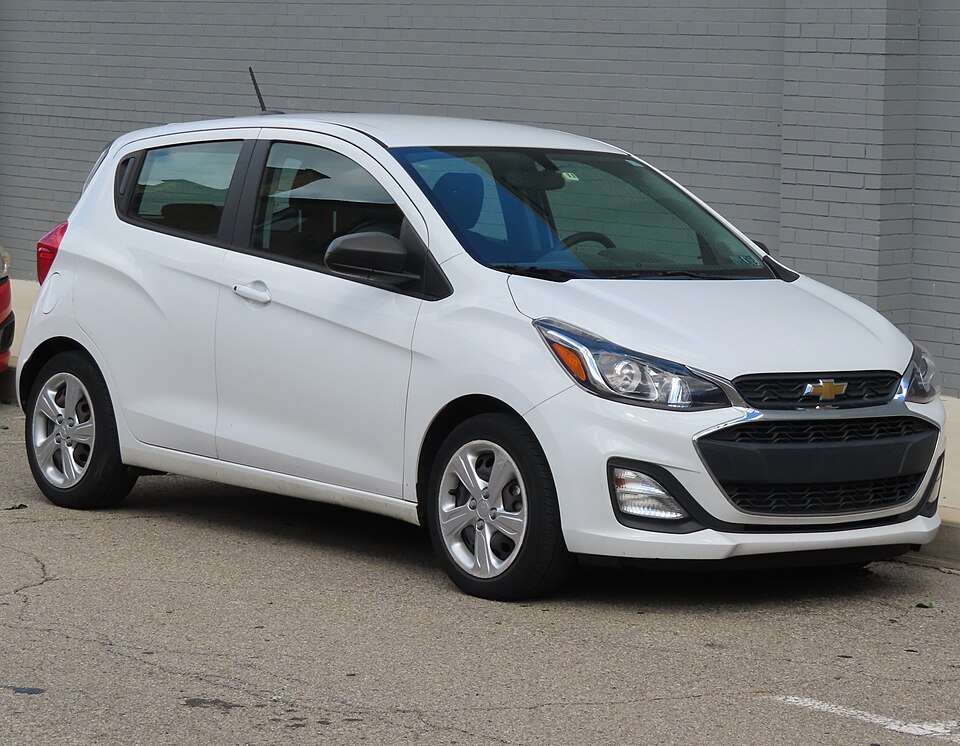
The Chevrolet Spark is one of the smallest and most affordable cars sold in recent years, but its low price comes with compromises that become very clear when the car is used frequently or harshly.
While it might seem like a smart buy for students, city drivers, or those on a tight budget, the Spark does not hold up well when subjected to daily wear and tear.
From drivetrain limitations to quality control concerns, this car starts to struggle sooner than many competitors, especially when driven beyond casual, light-duty use.
One of the main drawbacks is the underpowered engine. While it may seem acceptable for occasional short trips, the 1.4-liter four-cylinder in the Spark is severely underwhelming when asked to do anything more than putter around town.
Long highway drives push it to its limits, and it’s noticeably strained when climbing hills or carrying more than two passengers.
This constant high-stress operation puts more wear on the engine and transmission than intended, leading to premature issues.
The available continuously variable transmission (CVT), in particular, has been known to exhibit jerky shifts, sluggish responses, and in some cases, complete failure before reaching 100,000 miles.
Interior materials reflect the Spark’s budget-friendly nature, but not in a good way. Hard plastics dominate the cabin, and while this is expected at its price point, they tend to scratch, fade, and loosen more quickly than what you’d find in slightly more expensive vehicles.
Buttons wear out, trim pieces rattle, and upholstery begins to fray under constant use. If you’re getting in and out of the car several times a day, carrying passengers, or regularly using the rear hatch for cargo, you’re likely to see the car’s age show quickly, even within the first few years.
Another concern for daily use is the Spark’s lack of refinement. It’s noisy on the highway, bouncy over rough roads, and doesn’t inspire confidence in poor weather conditions due to its light weight and basic suspension.
Owners looking for long-term value will find that repairs and part replacements come sooner and more frequently than expected. Despite its initial affordability, the Spark often ends up being more costly to own over time than more robust options. It’s a clear case of getting what you pay for, and sometimes even less.
4. Mini Cooper
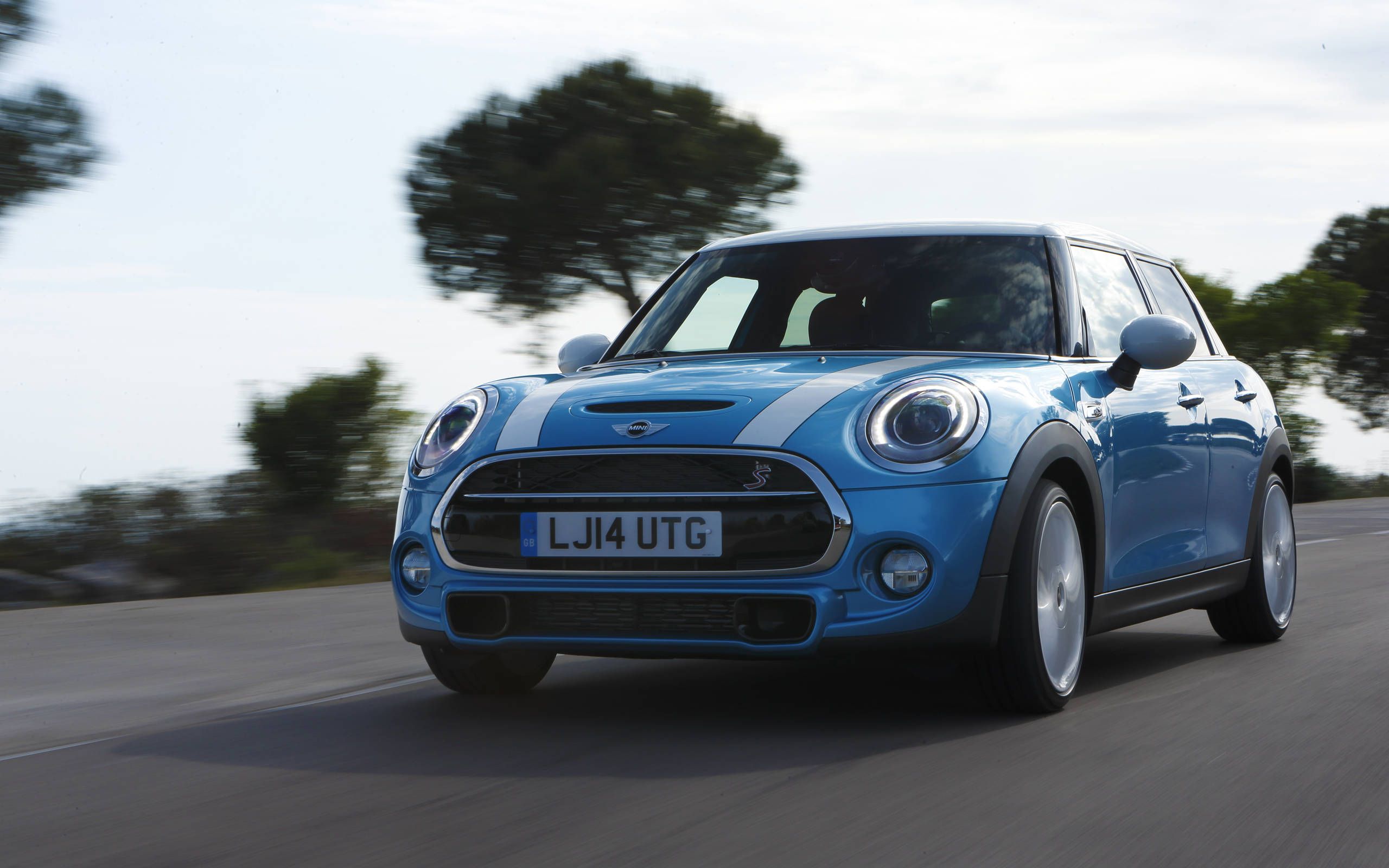
The Mini Cooper has always drawn attention for its quirky charm and sporty handling, but beneath that stylish exterior lies a car that doesn’t handle everyday punishment very well. Often marketed as a fun, premium small car, the Mini Cooper has attracted drivers who want both performance and personality.
However, when it comes to long-term reliability and the ability to withstand daily abuse, the Mini’s weaknesses become difficult to ignore. It may handle like a go-kart, but it’s also as fragile as one in many respects.
Engine reliability has long been an issue with Mini Coopers, particularly the turbocharged models. Problems like timing chain failures, oil leaks, and carbon build-up in the intake valves are common and expensive to repair.
These aren’t just isolated issues, they’re part of a pattern that shows up for many owners, even those who stick to regular maintenance schedules.
For a car that’s supposed to offer premium driving, the mechanical headaches end up being a major letdown. Especially when the car is used daily in heavy traffic or harsh conditions, the engine components simply aren’t built to last.
Another trouble spot is the transmission, particularly in automatic models. Harsh shifting, early failure, and costly repair bills are not uncommon.
Add to that the tight engine bay, which makes even basic maintenance more difficult and labor-intensive, and you’ve got a car that becomes a money pit once things start to go wrong.
The cost of parts and service is also higher than average, which is expected from a “luxury” badge, but not always justified by the actual build quality. Regular use over time turns what was once a fun car into a stressful ownership experience.
Interior-wise, the Mini is stylish and eye-catching, but it doesn’t always stand the test of time. The toggle switches and circular design motifs are unique, but materials wear quickly with daily use. Trim pieces come loose, electronic glitches appear, and rattles develop behind panels.
Combine this with a stiff ride and minimal cargo space, and the Mini starts to feel less practical and more frustrating over time. While it might be a joy to drive for short bursts, it’s a car that simply wasn’t built to handle the grind of daily life over several years.
5. Nissan Juke
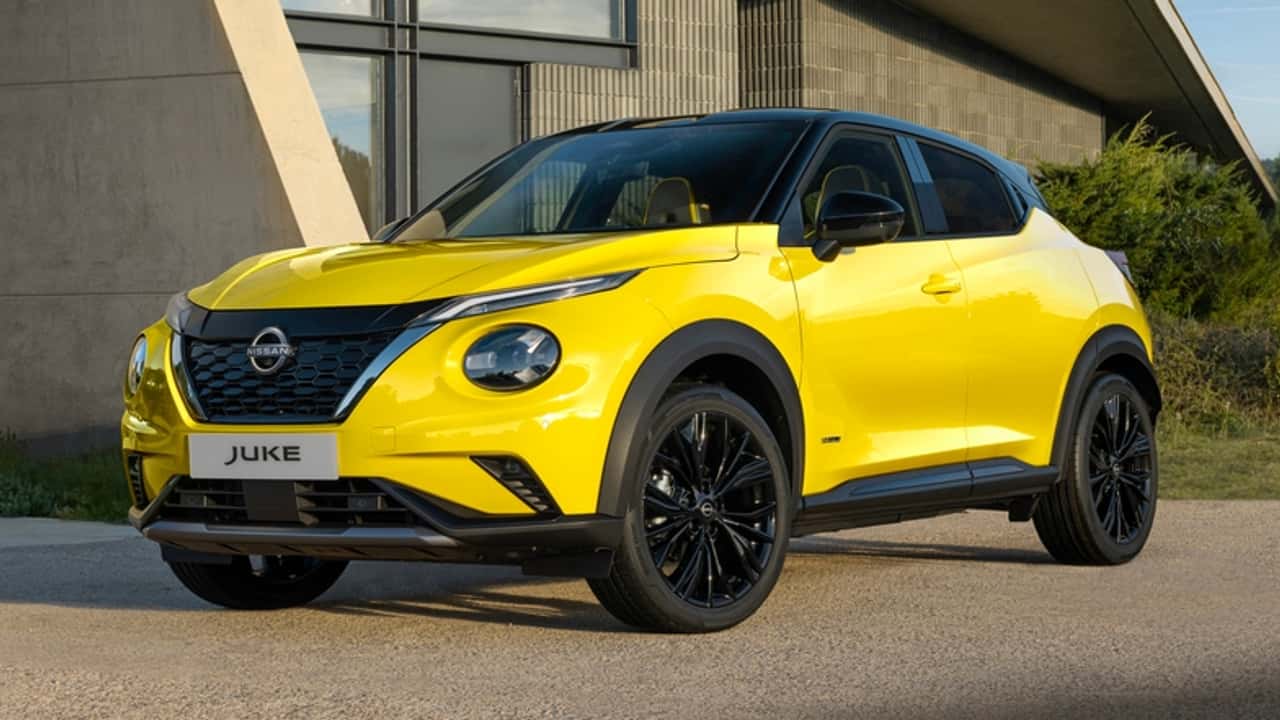
The Nissan Juke was one of the first small crossovers to hit the market with truly unconventional styling. Its design divided opinions, but for a time, it stood out as an affordable option with a bit of personality.
Unfortunately, when pushed through the rigors of daily life, the Juke reveals a long list of weaknesses that go beyond aesthetics. Whether it’s mechanical reliability, ride quality, or the driving experience, the Juke tends to disappoint drivers who expected more long-term value from a compact SUV.
One of the biggest concerns with the Juke has always been its turbocharged engine. While it delivers decent performance on paper, in reality, it struggles with long-term durability. Turbochargers can fail prematurely, especially under the stress of daily commuting or aggressive city driving.
Additionally, the engine itself has been prone to issues such as oil leaks, overheating, and stalling. When a car is expected to be the main form of transportation day in and day out, these kinds of problems become dealbreakers, especially if they show up early in the vehicle’s life.
The Juke’s continuously variable transmission (CVT) is another sore point. Nissan has had a troubled history with CVTs, and the Juke is no exception. Many owners report erratic behavior, slipping, and eventual failure, often around the 60,000 to 80,000-mile mark.
Repairing or replacing a CVT is not a minor expense, and in many cases, it’s not even worth the investment, leading some owners to part ways with the car entirely. This is a serious concern for anyone looking for a reliable daily driver, as the transmission is one of the most critical components for long-term use.
Interior quality and comfort are also lacking in the Juke. The cabin feels cramped, especially in the rear, and the materials are clearly aimed at keeping production costs low. The driving position is awkward, visibility is compromised due to the thick rear pillars, and the ride itself is jittery and unforgiving over imperfect roads.
For a car that’s expected to handle stop-and-go traffic, school runs, and long weekend errands, the Juke often leaves drivers feeling fatigued and underwhelmed. Over time, the interior shows its age quickly, with fading plastics and malfunctioning electronics.
In short, the Nissan Juke may have caught eyes with its bold styling, but it failed to follow through with the type of mechanical integrity and daily functionality that most drivers expect. It’s a car that looks adventurous but ends up feeling compromised after just a few years of real-world use.
When compared to other small crossovers that actually deliver on both reliability and comfort, the Juke fades into the background as a missed opportunity. It’s not a terrible car in every way, but for those expecting longevity and strength under pressure, it comes up short.
