
Learning to drive is a big step for teenagers, marking a milestone of independence and responsibility. For parents, the process of selecting the right car can be both exciting and nerve-wracking. The vehicle must balance safety, affordability, ease of handling, and practicality.
Teen drivers often lack experience and may be more prone to accidents, so choosing the right car can have a significant impact on their confidence and safety on the road. Moreover, teens tend to have limited budgets, so insurance costs and maintenance are important factors as well.
The ideal car for a teen is usually one that offers strong safety features, good fuel efficiency, and manageable power, not something that encourages reckless driving.
It should be reliable enough to minimize breakdowns and easy to maneuver in various driving conditions. There is also value in considering cars that teach good driving habits through their handling characteristics rather than those that provide a thrill ride.
Conversely, there are some cars that might seem appealing because of their looks or performance, but they can actually be terrible choices for new drivers. Cars that have too much horsepower, poor safety ratings, or are difficult to control can increase the risk of accidents.
Some vehicles come with high insurance premiums or maintenance costs that can be burdensome for young drivers and their families. A flashy sports car, for example, might be tempting to a teen, but it often leads to distractions or risky behavior behind the wheel.
On the other hand, vehicles that are too large or complicated to drive can overwhelm new drivers, making them feel less confident rather than more secure. Understanding which cars fit the profile of a responsible first car and which do not is crucial for anyone buying a vehicle for a teen driver.
In this article, we will go through five cars that are excellent choices for teens just starting out. These vehicles balance safety, affordability, and user-friendly features that help build good driving habits.
Alongside those, we will also cover five cars that are generally a terrible idea for teen drivers, explaining why they pose risks or practical challenges.
This comparison will help parents and teens make a more informed decision when selecting their first car, ensuring that the learning process is safer and more enjoyable.
Also Read: 10 Vehicles That Survived Global Conflicts
5 Cars Perfect for Teen Drivers
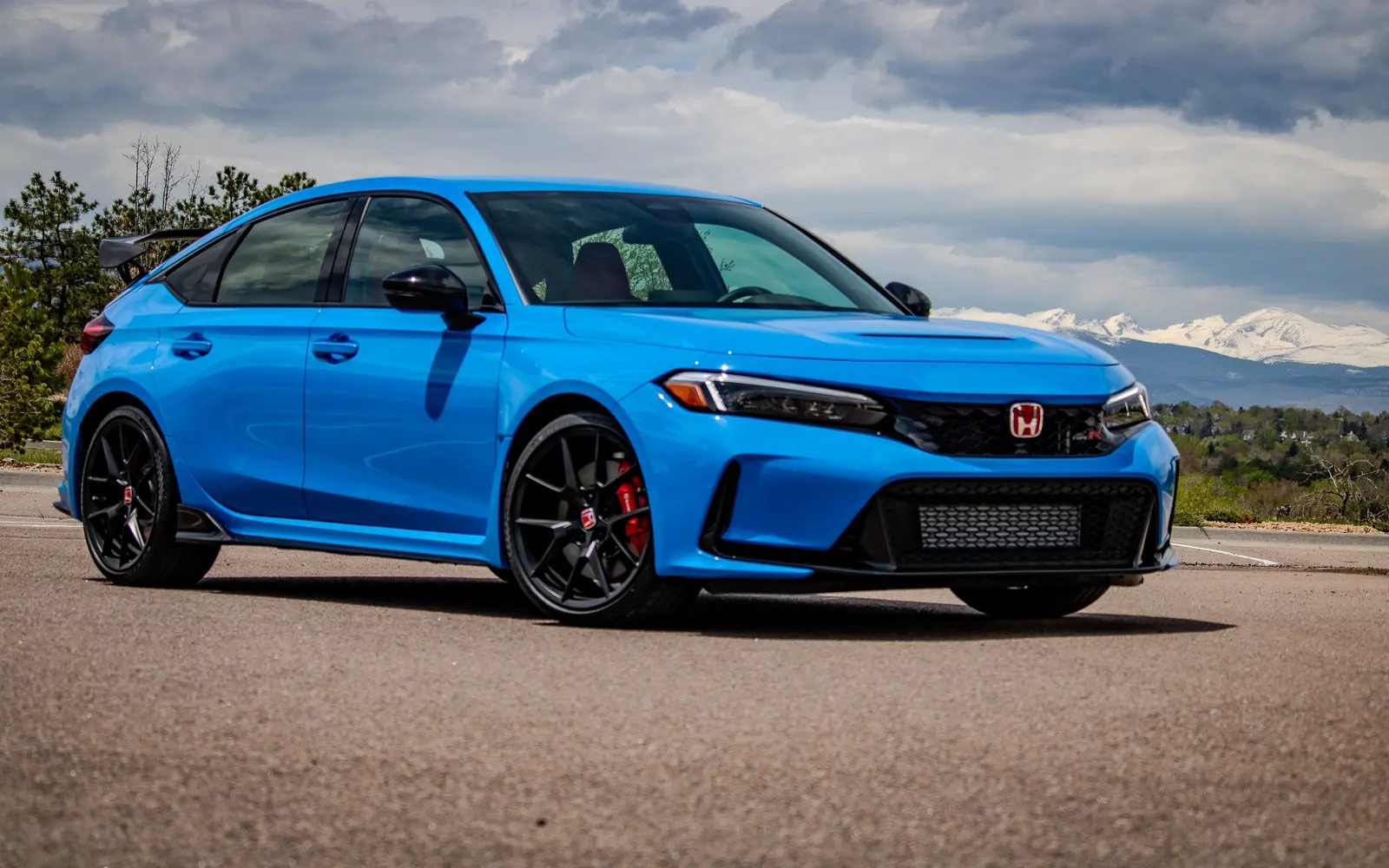
1. Honda Civic
The Honda Civic has earned its reputation as one of the most reliable and well-rounded compact cars on the market, making it an excellent choice for teen drivers.
Its combination of affordability, practicality, and reputation for longevity make it appealing to both parents and teens.
Over the years, the Civic has consistently provided a dependable driving experience with engines that balance decent power and fuel efficiency.
This balance is critical for teens who need a vehicle that won’t overwhelm them with speed but is still capable enough to handle everyday driving demands such as highway merging, city traffic, and longer road trips.
Beyond performance, the Civic’s fuel economy means lower costs at the pump, which is important when teens start to manage their own expenses.
Safety is a major factor that sets the Civic apart as a top pick for teens. It is routinely rated highly in crash tests from trusted organizations like the National Highway Traffic Safety Administration (NHTSA) and the Insurance Institute for Highway Safety (IIHS).
Features such as anti-lock brakes, electronic stability control, and a multi-airbag system come standard in many models, creating a protective environment for new drivers who may still be developing their hazard recognition and reaction skills.
In addition to passive safety features, many modern Civics include active safety technology, including lane keeping assist, forward collision warning, and adaptive cruise control.
These technologies help prevent accidents by alerting drivers to potential dangers and intervening when necessary, which is invaluable for inexperienced drivers who might miss warning signs.
Another reason the Honda Civic is ideal for teen drivers is its size and handling characteristics. It strikes a great middle ground between compact and roomy, making it easy to park in tight spaces without feeling cramped inside.
The steering is responsive but not overly sensitive, allowing teens to learn vehicle control without feeling overwhelmed. The ride is smooth and composed, providing confidence in different driving conditions such as city streets, highways, or light rain.
Additionally, the Civic’s braking system is reliable and provides good stopping power without being abrupt, which helps new drivers build safe driving habits gradually.
Parents will appreciate the car’s reputation for durability and low maintenance costs, which means fewer unexpected expenses and less worry about repairs.
Lastly, the Honda Civic appeals to teens because it offers a comfortable and modern interior without unnecessary distractions. The dashboard and controls are designed intuitively, so teens can focus more on driving and less on figuring out complicated technology.
Many models also feature connectivity options such as Bluetooth and smartphone integration, which can be used responsibly for hands-free calls or navigation. The Civic’s strong resale value is a bonus for families who want to invest in a car that will hold its worth over time.
Because Civics are so popular, parts and repairs are widely available and affordable, making upkeep manageable for budget-conscious parents.
Overall, the Honda Civic remains one of the most sensible, safe, and practical choices for teens just beginning their driving journey.
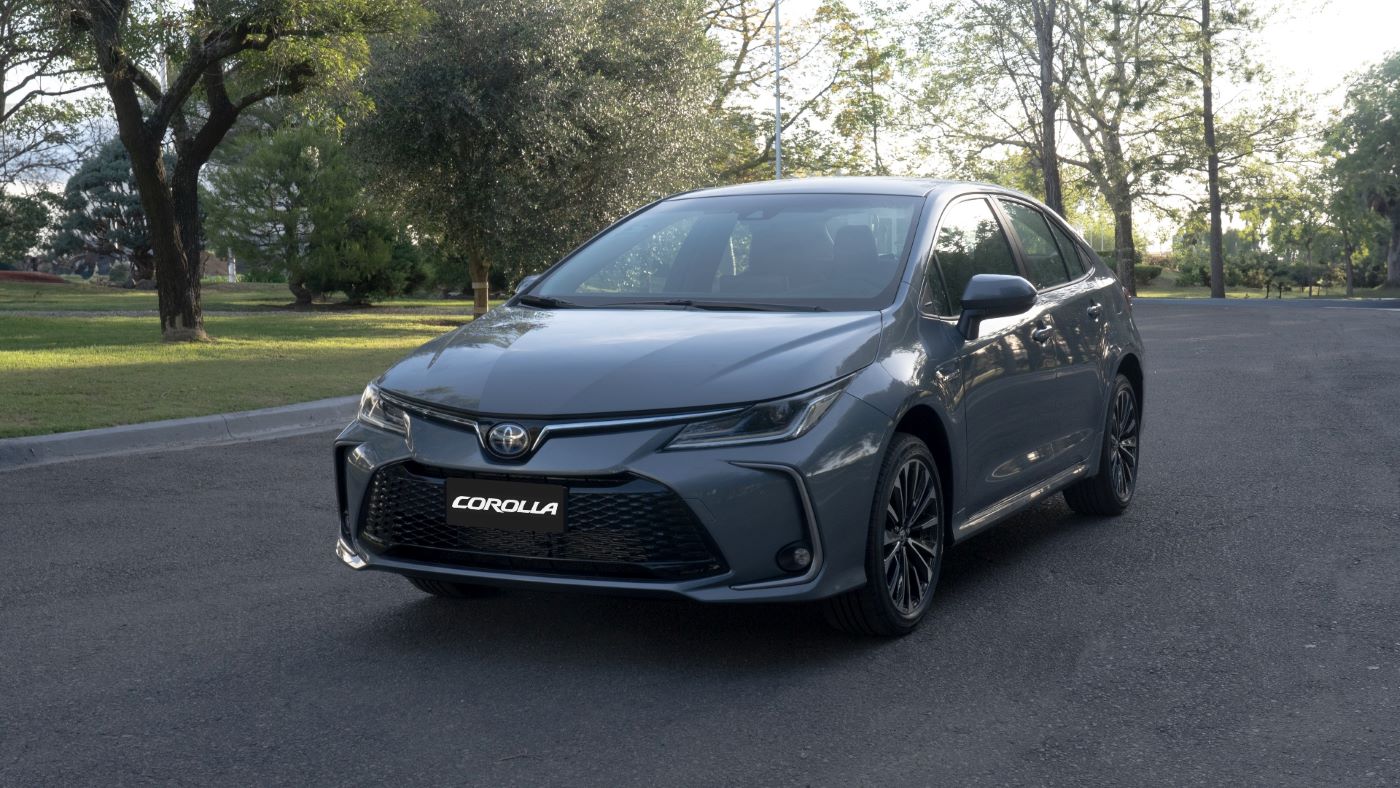
2. Toyota Corolla
The Toyota Corolla has long been synonymous with reliability and practicality, making it a top contender for parents and teens looking for a dependable first vehicle. This car is well known for its consistent performance and impressive durability, often running smoothly well beyond 200,000 miles when properly maintained.
The Corolla’s fuel efficiency is another key attribute that appeals to young drivers and families who want to minimize running costs.
It uses modest amounts of fuel, whether driving in the city or on the highway, helping teens learn responsible resource management as they take on more responsibility for expenses.
The Corolla also has a reputation for low maintenance needs, which reduces both the cost and the inconvenience of repairs, an important consideration for busy families and young drivers learning the ropes.
Safety is at the heart of the Toyota Corolla’s appeal. Many recent models come equipped with Toyota’s Safety Sense package, which includes a suite of advanced driver assistance technologies.
Features like automatic emergency braking, lane departure alert, adaptive cruise control, and pedestrian detection help prevent accidents by enhancing driver awareness and providing critical intervention during dangerous situations.
These systems act as an extra pair of eyes, which is especially beneficial for teens who are still developing quick reflexes and hazard recognition skills.
Alongside these modern aids, the Corolla itself has strong structural integrity and consistently earns top marks in crashworthiness tests, offering solid protection in the event of a collision.
The Corolla’s manageable size and predictable handling make it an excellent choice for new drivers who are still mastering the fundamentals of vehicle control. Its compact dimensions allow for easier parking and maneuvering through traffic, helping teens build confidence in urban environments.
The engine delivers smooth and sufficient power, allowing the car to keep pace with traffic on highways and navigate hills without strain.
This balance prevents new drivers from feeling overwhelmed by the vehicle’s performance while still providing enough capability to drive safely in a variety of conditions. The interior layout is simple and user-friendly, helping young drivers focus on the road without being distracted by complicated or cluttered controls.
Finally, the Toyota Corolla’s affordability extends beyond just the initial purchase price. Insurance costs tend to be reasonable due to the car’s strong safety record and modest performance. The Corolla is widely available on the used car market, making it accessible to families with varying budgets.
Its high resale value means that investing in a Corolla can be a smart financial decision over time. For parents seeking a dependable, safe, and economical car that will support their teen’s driving journey, the Toyota Corolla remains one of the best options available.
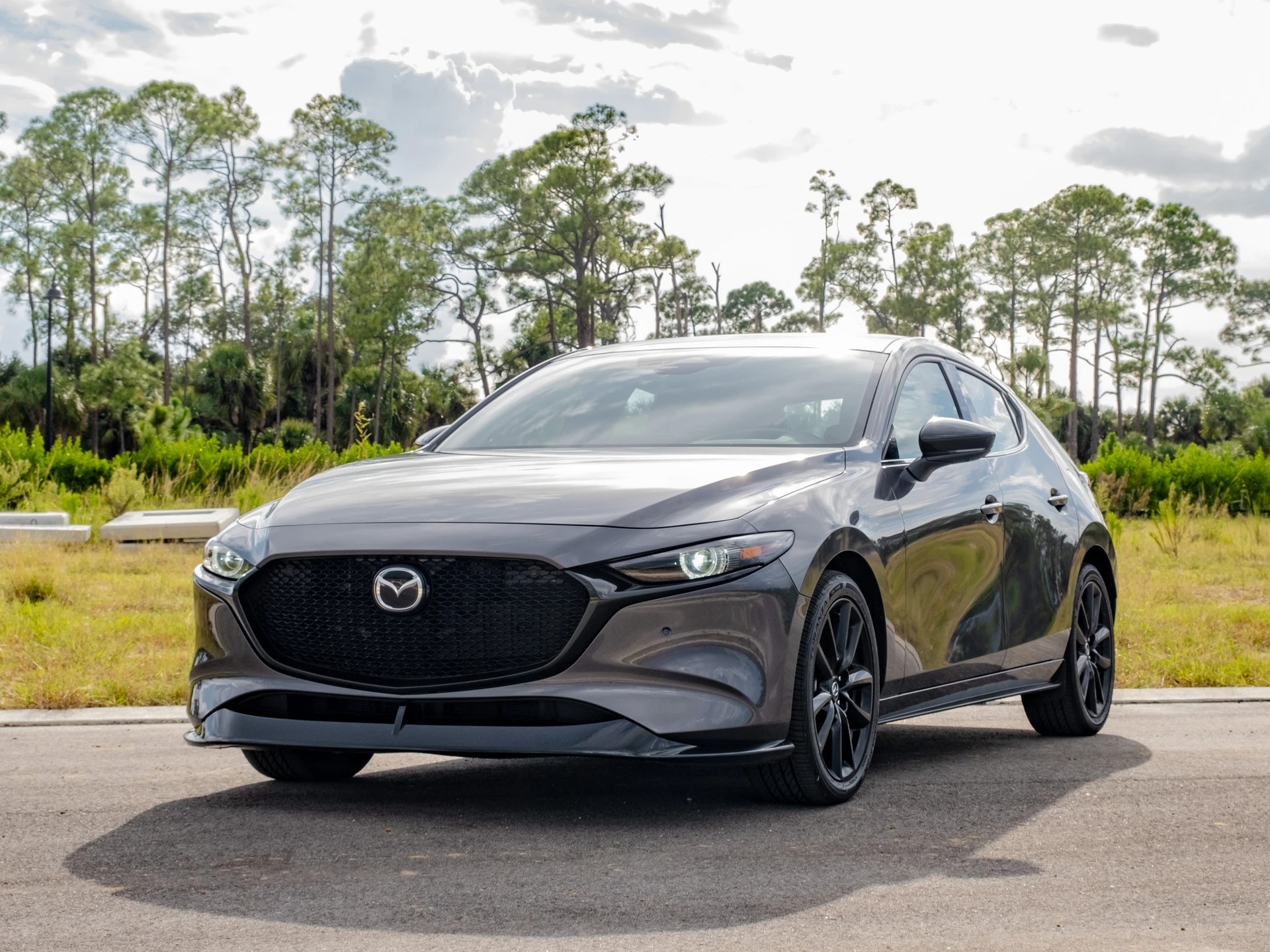
3. Mazda3
The Mazda3 offers a combination of sporty handling and everyday practicality, which makes it a standout choice for teen drivers who want a car that is both fun and sensible. Unlike many compact cars, the Mazda3 is known for delivering a driving experience that feels more connected and responsive.
This is an important trait for teens who are still developing their driving skills, as it encourages greater attention to vehicle control and road conditions.
The car’s suspension is tuned to provide a smooth and comfortable ride without sacrificing agility, making it easier for new drivers to stay confident and in control through corners and on different road surfaces. At the same time, the Mazda3 is not so aggressive in power delivery that it becomes intimidating or unsafe.
Safety is a core strength of the Mazda3, with strong performance in crash tests and a comprehensive array of safety equipment. Standard features often include anti-lock brakes, electronic stability control, traction control, and multiple airbags, creating a well-rounded safety net for inexperienced drivers.
Newer models typically come with additional safety technologies such as blind-spot monitoring, rear cross-traffic alert, and lane departure warning, which help reduce the chances of accidents by alerting drivers to unseen hazards.
These systems serve as both learning tools and backup supports for teens still mastering the rules of the road. The Mazda3’s solid safety record helps parents feel more comfortable trusting this vehicle with their young drivers.
The Mazda3’s interior design further enhances its suitability for teen drivers. The cockpit is driver-focused and intuitive, with controls that are easy to reach and understand. This simplicity minimizes distractions, allowing teens to keep their attention on driving.
The car’s visibility is good, with a well-designed windshield and window placement that reduces blind spots, a common challenge for new drivers. The Mazda3 comes in both sedan and hatchback versions, offering flexibility for teens who might need extra cargo space for sports equipment, school projects, or weekend getaways. The car’s stylish but understated exterior also appeals to teens who want something visually appealing without drawing too much unwanted attention.
From a financial perspective, the Mazda3 is generally affordable to insure, especially when compared to higher-powered sporty cars. It also has a strong reputation for reliability, meaning fewer unexpected breakdowns or costly repairs.
Fuel efficiency is competitive, which is an important consideration for teens who may be responsible for fueling their own vehicle.
Taken together, these factors make the Mazda3 an excellent balance of fun and function, providing a driving experience that builds confidence while maintaining a focus on safety and economy.
4. Subaru Impreza
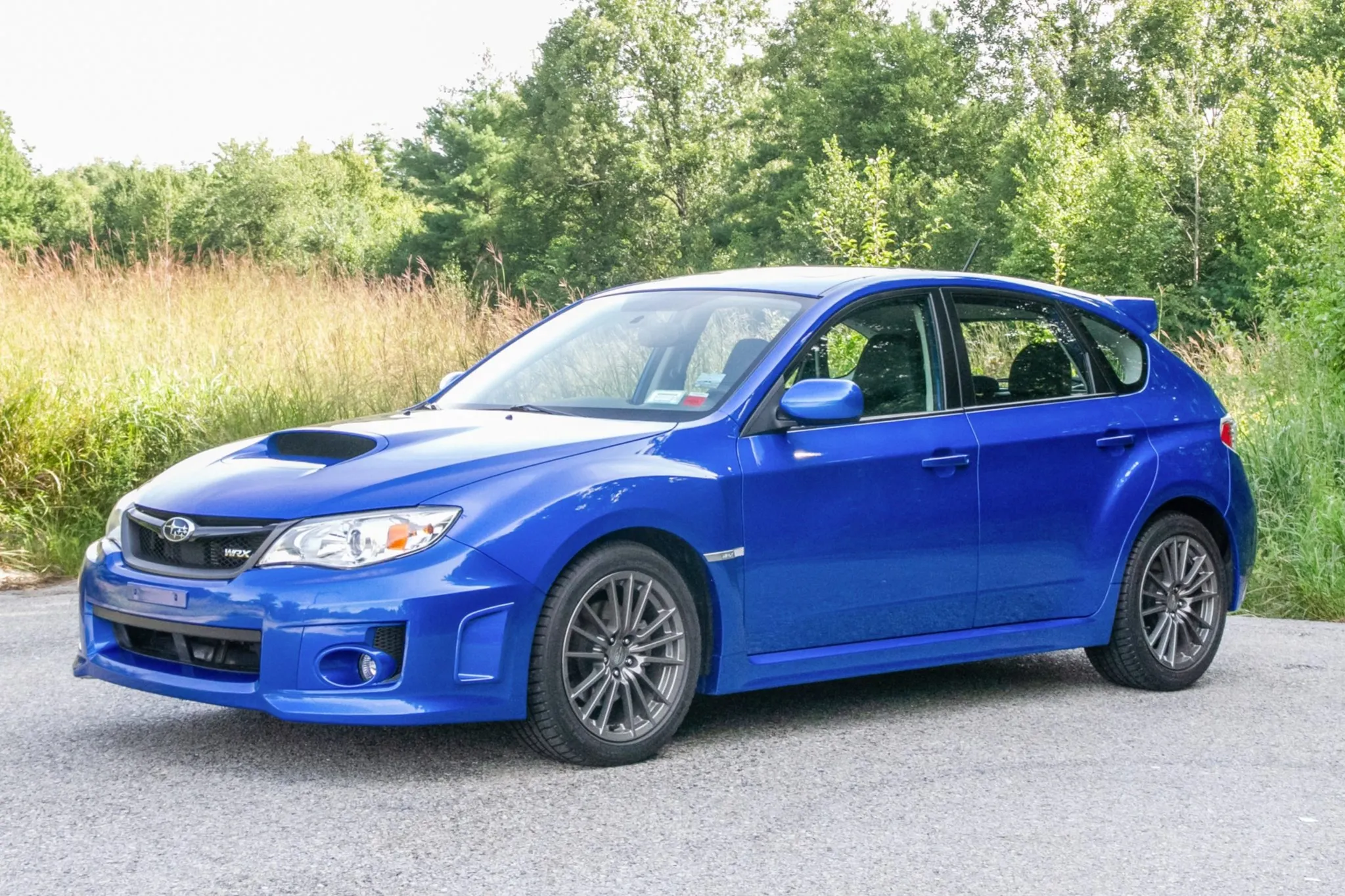
The Subaru Impreza stands out as a particularly good choice for teen drivers who live in areas with variable weather conditions. Thanks to its standard all-wheel-drive system, the Impreza offers enhanced traction and stability on slippery roads, such as those covered in rain, snow, or ice.
This added control can make a significant difference in preventing accidents caused by loss of grip. For inexperienced drivers, knowing that their car is equipped to handle these challenges provides peace of mind and builds confidence in adverse conditions.
The Impreza is available in both sedan and hatchback configurations, giving teens and their families options to suit different needs for passenger and cargo space.
Safety features in the Subaru Impreza are robust and well-suited for new drivers. The car consistently earns high marks in crash tests thanks to its strong structural design and comprehensive airbag systems.
Subaru’s EyeSight Driver Assist suite, often included on recent models, adds advanced safety technology such as adaptive cruise control, lane departure warning, pre-collision braking, and throttle management.
These features work together to help prevent accidents and lessen the severity of collisions when they occur. For teens still refining their driving skills and hazard awareness, these technologies provide a critical safety buffer.
Driving the Impreza is straightforward and confidence-inspiring, with well-balanced steering and a suspension that absorbs bumps without sacrificing control. The all-wheel-drive system adds some weight to the vehicle but contributes to a planted feeling on the road that reassures new drivers.
The car’s visibility is good, with large windows and well-positioned mirrors helping reduce blind spots. The Impreza’s interior is simple and functional, featuring controls that are easy to use without overwhelming new drivers with complexity. Fuel economy is respectable for an all-wheel-drive vehicle, helping keep running costs manageable.
In terms of cost, the Subaru Impreza is reasonably priced for a car with its safety and capability features. Insurance rates are generally competitive, thanks to the vehicle’s strong safety profile and moderate power.
The car’s reputation for reliability and solid resale value make it a sensible financial choice for families. For teens living in regions where weather can create hazardous driving conditions, the Subaru Impreza is one of the safest and most practical options available.
5. Hyundai Elantra
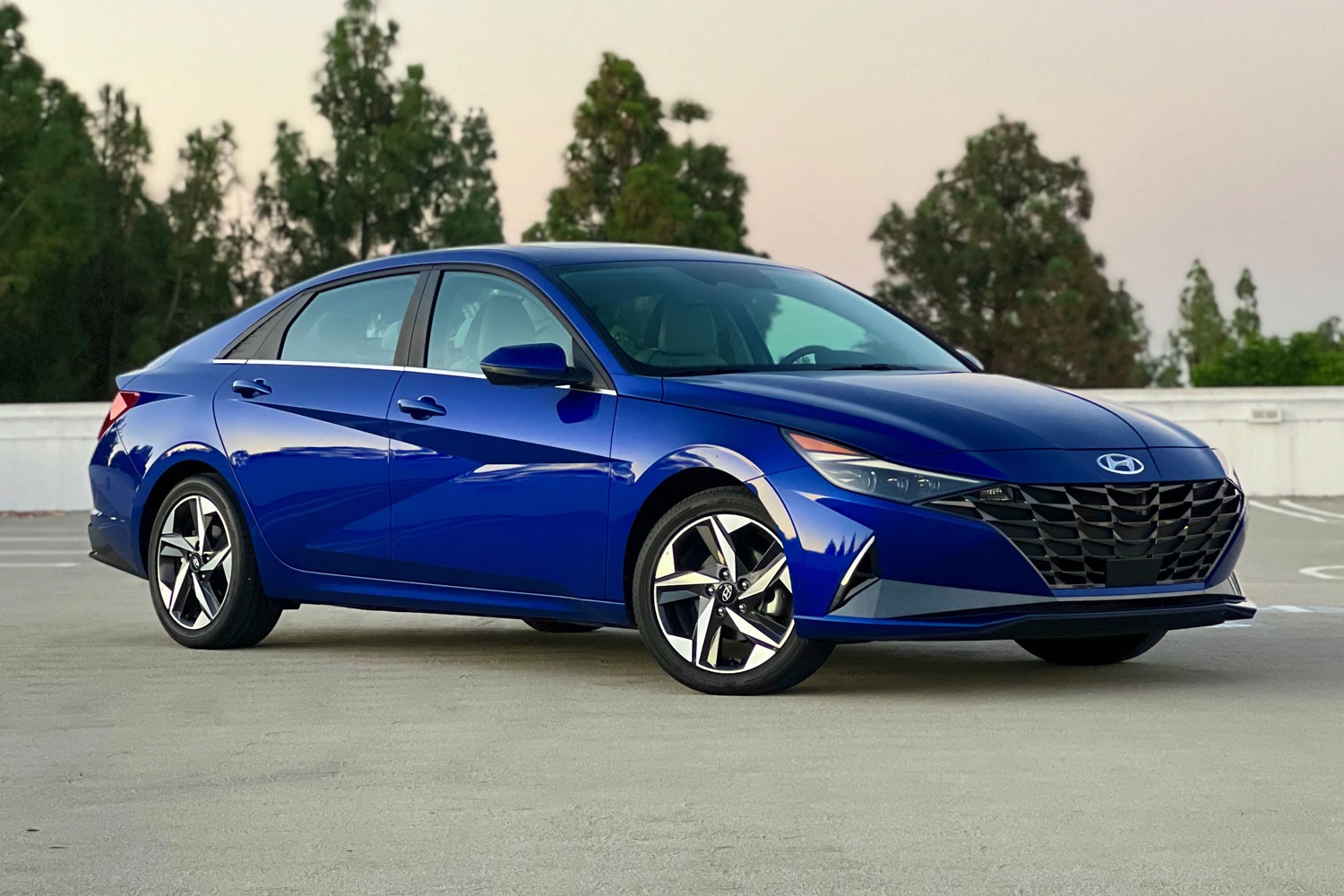
The Hyundai Elantra has become an increasingly popular option for teen drivers due to its combination of affordability, modern features, and solid safety performance. Hyundai’s improvements in quality and reliability over recent years have made the Elantra a serious competitor among compact sedans.
It offers a smooth and comfortable ride that helps reduce stress for new drivers who might find driving overwhelming at first.
The Elantra’s efficient engines provide enough power for everyday driving tasks, including highway merging and city commuting, without encouraging reckless acceleration or speeding.
Safety is a key focus in the Hyundai Elantra. The car is equipped with standard safety features such as electronic stability control, anti-lock brakes, and multiple airbags.
More recent models often include forward collision warning, lane keeping assist, and driver attention monitoring, all designed to help new drivers avoid accidents.
The Elantra performs well in crash tests, providing solid protection for occupants in a variety of collision scenarios. For parents concerned about their teen’s safety, the Elantra offers reassurance through its well-rounded safety package.
The car’s size and handling are well-suited to young drivers. The Elantra is easy to maneuver and park in crowded city environments, which helps teens develop confidence in tight spaces. Its steering is precise without being too sensitive, and the brakes provide good stopping power without harshness.
The interior is user-friendly, with a straightforward layout and clear controls that minimize distractions. Additionally, the Elantra offers modern connectivity options such as Bluetooth and smartphone integration, enabling teens to stay connected while keeping their hands on the wheel.
Finally, the Hyundai Elantra is generally affordable both to purchase and maintain. Insurance costs tend to be reasonable compared to sportier or larger vehicles. Fuel economy is competitive, which helps young drivers manage the cost of operating their vehicle.
The Elantra’s strong warranty coverage is another advantage, often giving families extra peace of mind regarding repairs and maintenance. For these reasons, the Hyundai Elantra is a sensible and practical choice for teens beginning their driving experience.
Also Read: 9 Vehicles That Stay Valuable in Collector Markets
5 Cars That Are a Terrible Idea for Teen Drivers
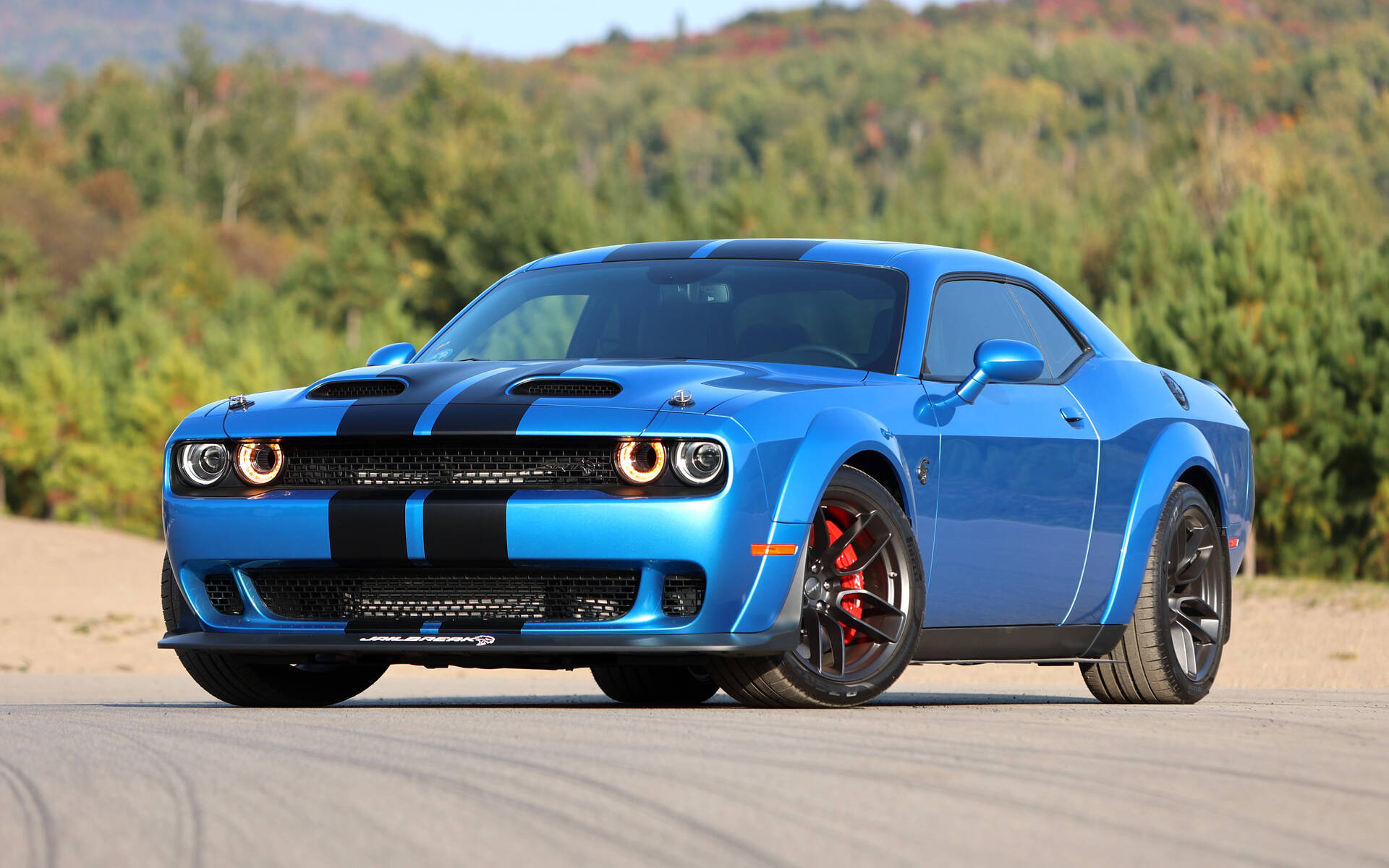
1. Dodge Challenger
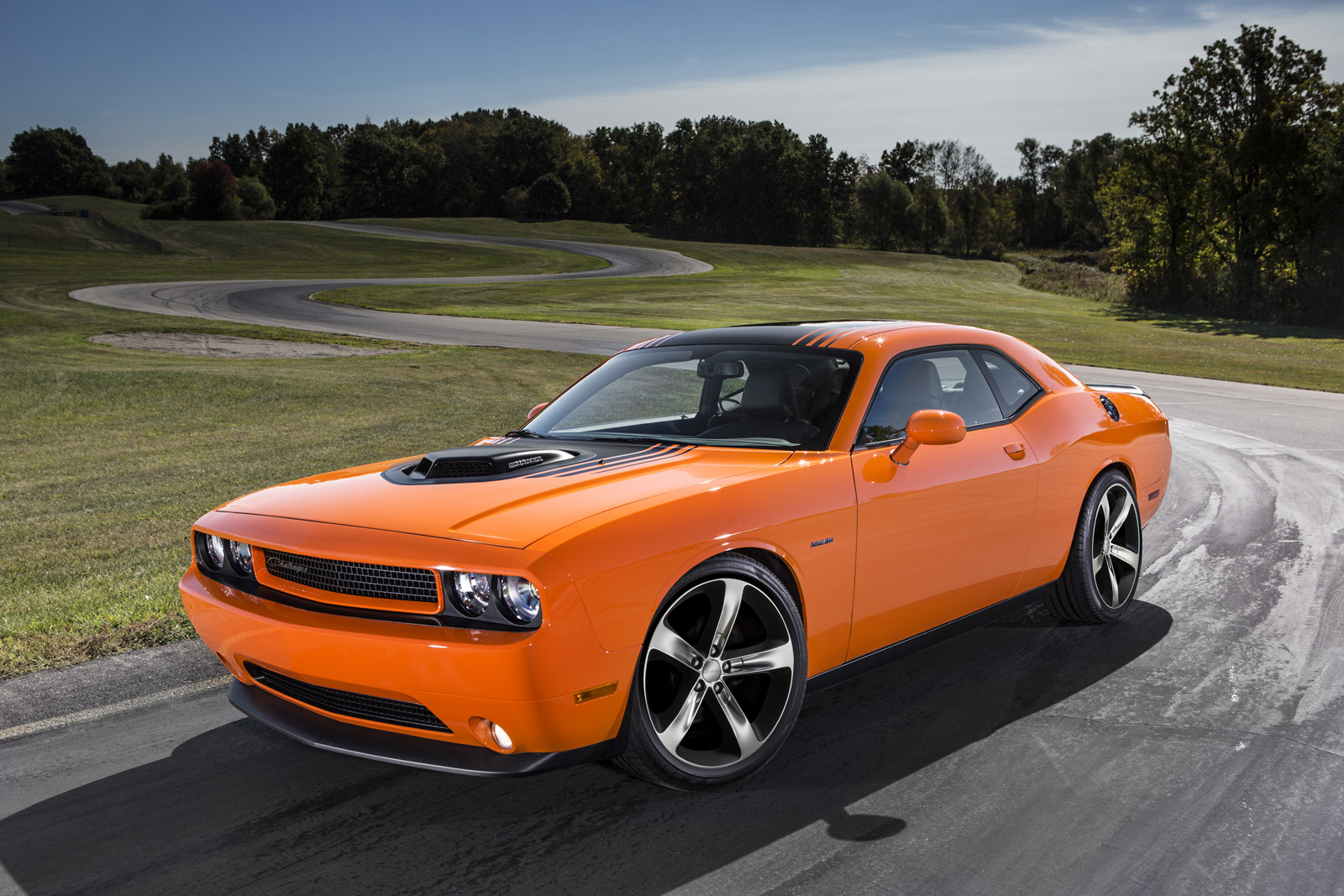
The Dodge Challenger is often viewed as an iconic muscle car, known for its powerful engine options and aggressive styling. However, this very power makes it a poor choice for teen drivers who are still learning to manage speed and control.
Many Challenger models come equipped with V8 engines that produce well over 400 horsepower, delivering acceleration that can easily overwhelm inexperienced drivers.
The temptation to push the car’s limits is high, and the consequences of misjudging speed or road conditions can be severe.
For teens, whose judgment and reaction times are still developing, this can translate into a higher risk of accidents. The Challenger’s weight and size add to its challenging nature since heavier cars require longer stopping distances and can be more difficult to handle in emergencies.
Aside from raw power, the Dodge Challenger also suffers from poor fuel economy, which can become an unnecessary financial burden for young drivers who often have limited budgets.
This muscle car is not designed with practicality or efficiency in mind, meaning regular trips to the gas station will be costly and frequent.
Insurance premiums for a Dodge Challenger are also typically very high due to its classification as a sports car with a history of accidents and thefts. Parents might find themselves paying more for coverage, making it an expensive choice overall.
Additionally, maintenance and repair costs for muscle cars tend to be higher, and some parts are less readily available compared to more common compact or mid-size vehicles.
The Challenger’s size and design also create potential hazards for teen drivers. Its large dimensions and relatively poor outward visibility can make parking and maneuvering in tight urban settings more difficult, increasing the risk of minor collisions or dents.
Its rear-wheel-drive layout combined with high horsepower can cause loss of traction, especially in wet or icy conditions, which are situations new drivers are often ill-equipped to handle.
The car lacks some of the advanced safety technology found in more modern vehicles that assist new drivers by preventing or mitigating accidents. Given these factors, the Dodge Challenger is a vehicle better suited for experienced drivers who can fully appreciate and manage its capabilities.
Beyond the physical and financial drawbacks, the Dodge Challenger may also encourage unsafe driving habits.
Its reputation as a “cool” muscle car with a loud engine and sporty appearance may entice teens to drive aggressively or show off, behaviors that are dangerous for new drivers.
The car’s sporty suspension setup can make the ride feel stiff and unforgiving, which could distract inexperienced drivers or cause discomfort during longer trips. In essence, the Dodge Challenger presents too many risks for teens who need a stable, predictable, and safe vehicle to build their driving skills responsibly.
2. Ford Mustang
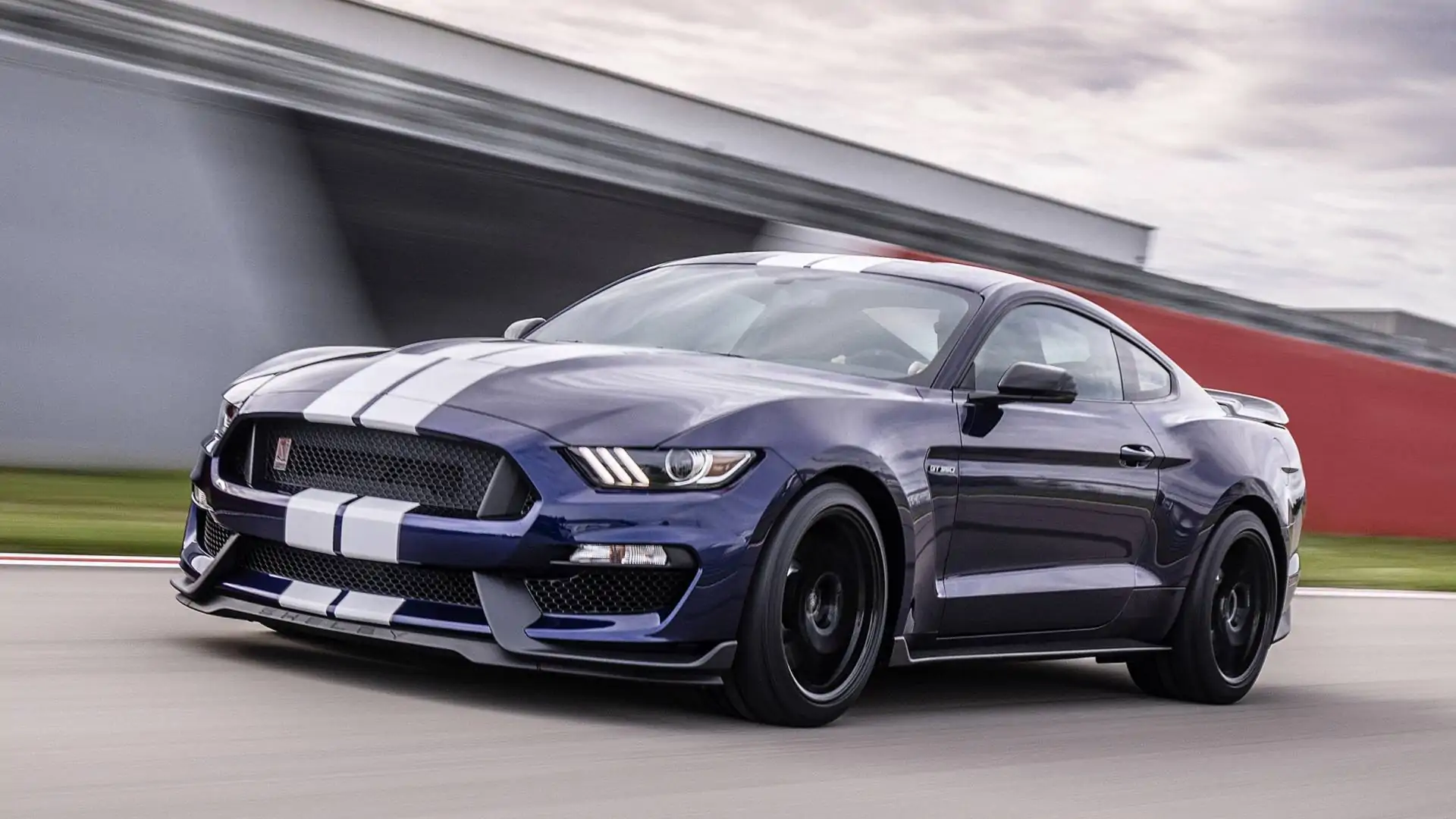
The Ford Mustang is another classic American muscle car that presents significant challenges for teen drivers. With powerful engines that range from turbocharged four-cylinders to robust V8s, the Mustang’s performance capabilities often exceed the skill level of most new drivers.
While it might be tempting for teens to want such an exciting and fast car, the Mustang’s acceleration and rear-wheel-drive setup make it easy to lose control, especially in poor weather or on slippery roads.
For inexperienced drivers, controlling a Mustang requires heightened awareness and reflexes that they have yet to fully develop. The car’s sporty nature can encourage riskier driving, such as speeding or aggressive cornering, which increases the likelihood of accidents.
Insurance for a Ford Mustang is notoriously expensive, particularly for younger drivers. This cost alone can deter many families from considering it as a first car.
The Mustang also consumes a significant amount of fuel compared to smaller, more economical cars, adding to the overall expenses teens and parents face.
Maintenance costs for muscle cars like the Mustang are often higher due to specialized parts and performance tuning requirements.
These factors make the Mustang less practical for a teen’s budget and lifestyle, which often involves commuting, school runs, and other routine activities rather than high-speed driving.
From a safety perspective, the Mustang is not the best fit for beginners. While newer models do come equipped with modern safety features, the car’s design prioritizes performance over comfort and visibility.
The low seating position and sport-tuned suspension can reduce driver comfort and awareness, potentially increasing fatigue or distraction.
Additionally, the Mustang’s powerful engine and rear-wheel drive can cause oversteer, a handling characteristic that requires skill to control and is difficult for novice drivers to manage effectively. This can be especially dangerous during emergency maneuvers or on slippery surfaces.
Finally, the Ford Mustang’s cultural image may inadvertently encourage teenagers to engage in reckless behavior.
Known for its association with speed and racing, the car can send the wrong message to young drivers who may feel pressure to prove themselves behind the wheel.
Combined with the vehicle’s raw power and challenging handling characteristics, the Mustang is a recipe for trouble in the hands of a novice.
Parents looking for a safe, reliable, and economical car for their teens should generally avoid the Mustang and instead opt for models designed with beginner drivers in mind.
3. Chevrolet Camaro
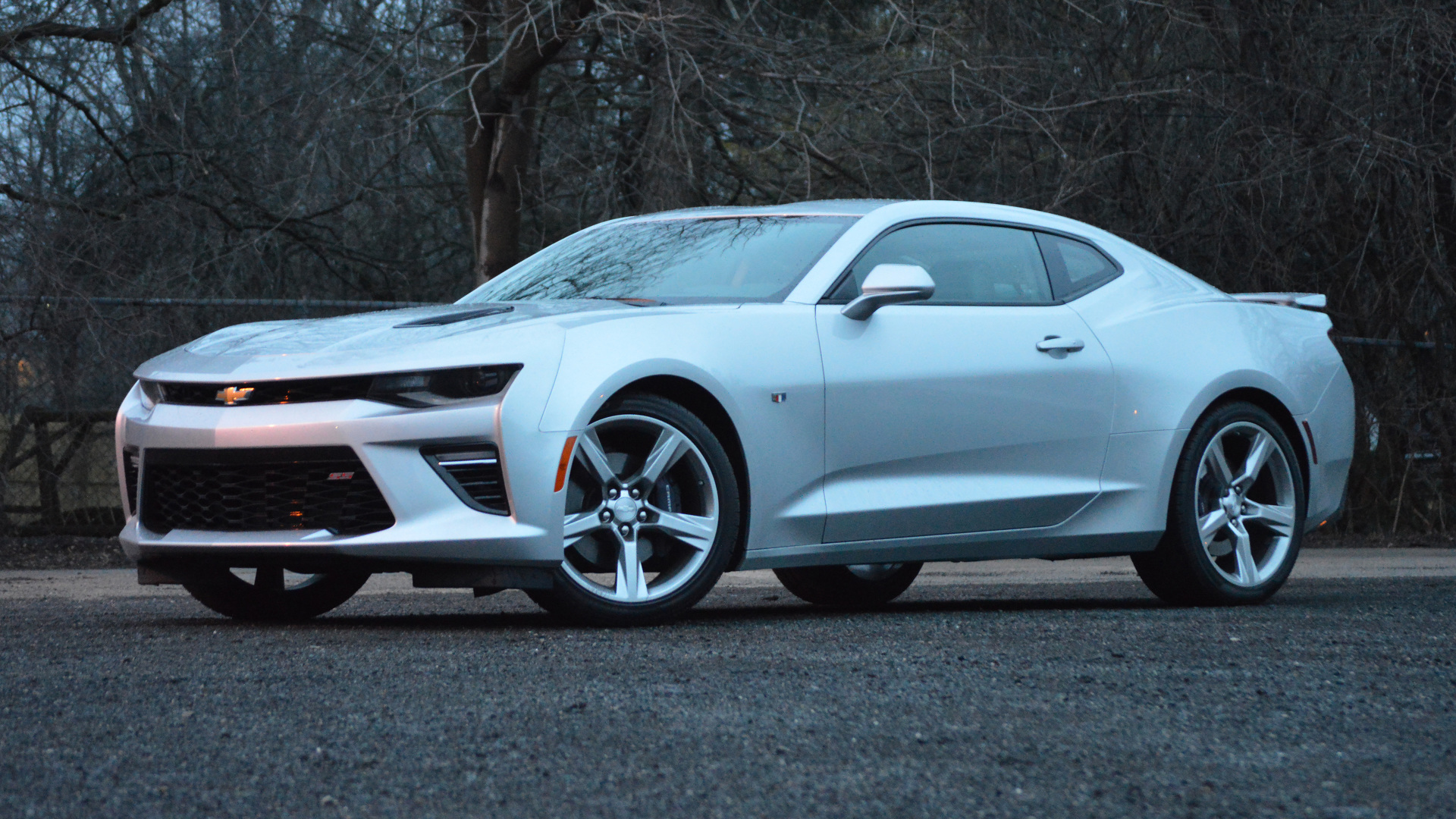
The Chevrolet Camaro is a sporty car that has long been associated with speed and style, but it is not a wise choice for teenagers just starting out on the road.
Like many muscle cars, the Camaro offers a variety of engine options, including high-powered V8s capable of rapid acceleration.
This level of performance can be dangerous for inexperienced drivers who lack the judgment and control necessary to handle sudden bursts of speed safely.
The temptation to test the car’s limits or engage in risky behavior is greater when driving a car with such a reputation.
Furthermore, the Camaro’s rear-wheel-drive system can make it prone to oversteer, especially when accelerating hard or cornering, which is a tricky driving characteristic for young, less skilled drivers.
The cost of owning a Camaro extends beyond the purchase price. Insurance premiums for the Camaro are generally very high, especially for young drivers considered at greater risk due to the car’s sporty nature.
Fuel efficiency is also quite poor compared to smaller sedans or compact cars, which can strain the budgets of teens and their families.
Additionally, maintenance and repairs for muscle cars tend to be pricier due to specialized parts and performance demands. These financial factors make the Camaro an impractical choice for families seeking a sensible first car for their teen.
Finally, the Camaro’s image as a high-performance sports car may encourage behaviors that are unsafe for novice drivers. Teens might feel pressure to drive aggressively or engage in street racing, which increases the chances of accidents and legal trouble.
The Camaro is a car designed for drivers who appreciate its capabilities and know how to handle them responsibly, making it a poor fit for teens who need a safe, reliable, and easy-to-drive vehicle during their formative driving years.
4. BMW 3 Series (Older Models)
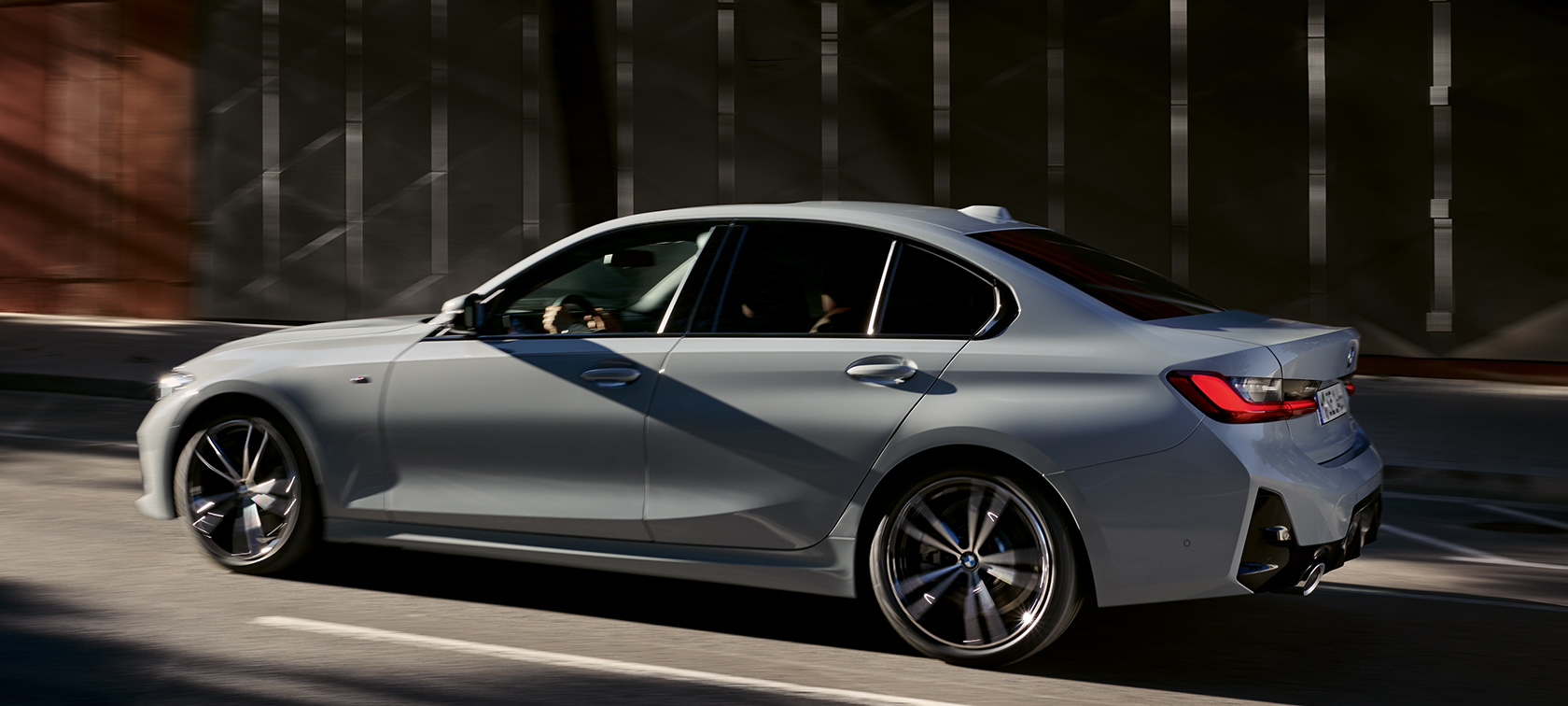
Older BMW 3 Series models are often tempting for teens and their families because of their reputation for luxury and performance at a relatively affordable price on the used market. However, these cars can be a poor choice for new drivers for several reasons.
While BMWs offer a high-quality driving experience, many older models come with powerful engines that may be more than a teen can safely handle.
Their sporty performance, rear-wheel-drive configuration, and sharp handling characteristics require precise control, especially in emergencies or adverse weather conditions.
Teens who are still learning basic driving skills may find these traits intimidating or difficult to manage, increasing the risk of accidents.
Another drawback of older BMW 3 Series cars is the cost of ownership. While the initial price may be lower than a new vehicle, maintenance, repairs, and parts tend to be expensive. Luxury brands like BMW require specialized service, and older cars often need more frequent repairs due to wear and tear.
For a family on a budget, these expenses can quickly add up, creating stress and financial strain. Insurance rates for BMWs are also higher compared to economy cars, especially for young drivers, due to the vehicle’s performance capabilities and cost of repairs.
Safety is another concern with older BMW models. While they typically perform well in crash tests, they may lack many of the advanced safety technologies that newer cars offer, such as lane-keeping assist, automatic emergency braking, or blind-spot monitoring.
These modern features can be critical for new drivers, providing assistance and reducing the chances of collisions. Without them, teens must rely entirely on their still-developing skills to avoid accidents, which increases risk.
The driving position and cockpit layout in some older BMWs can also be less forgiving for novices, with a focus on sporty handling rather than comfort and ease of use.
5. Jeep Wrangler
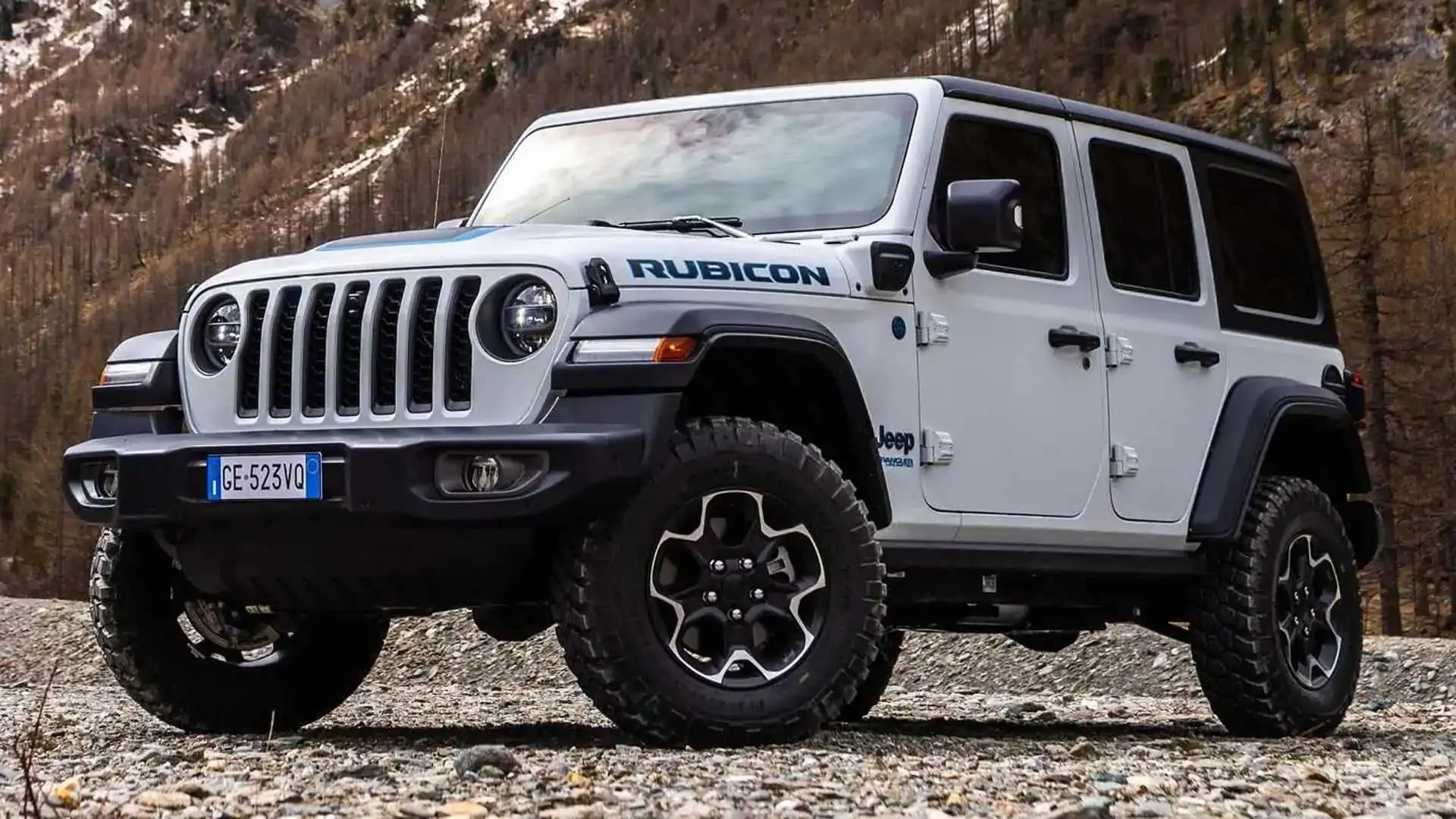
The Jeep Wrangler is a popular vehicle known for its ruggedness and off-road capability, but it is typically a poor choice for teen drivers. Its high center of gravity and body-on-frame construction make it more prone to rollovers compared to many other passenger vehicles.
This characteristic poses a significant safety concern for inexperienced drivers who may not yet have the skills to handle sudden maneuvers or emergencies.
Additionally, the Wrangler’s heavy and stiff suspension can result in a rough ride on paved roads, which may be uncomfortable and distracting for teens still getting accustomed to driving.
Fuel efficiency is another area where the Wrangler falls short. Its large, powerful engines and boxy design contribute to poor gas mileage, leading to frequent and expensive trips to the pump. For young drivers with limited budgets, this inefficiency can quickly become a financial burden.
Insurance costs for Wranglers are often higher as well due to their off-road reputation and increased likelihood of accidents related to their driving dynamics.
Furthermore, maintenance and repairs tend to be more expensive than for typical sedans or compact SUVs because of the vehicle’s specialized construction and components.
The Jeep Wrangler’s visibility and handling characteristics are also challenging for new drivers. While it offers a commanding view of the road due to its height, its design includes large blind spots, especially at the rear. Its short wheelbase and solid axles contribute to a bouncy, less stable ride at higher speeds.
New drivers might struggle to maintain control during sudden turns or on slippery surfaces. Unlike many modern cars designed with teen drivers in mind, Wranglers often lack advanced safety features such as automatic emergency braking or lane departure warnings, which are valuable for reducing accident risks among novices.
