
When it comes to choosing a car, one of the most important factors people consider is cargo space. For many drivers, having plenty of room to transport luggage, groceries, sports equipment, or even furniture can be a daily necessity.
On the other hand, some prioritize compactness and efficiency, willingly sacrificing cargo capacity for style, performance, or city-friendliness.
This article will highlight five cars known for their large cargo capacity, ideal for families, adventurers, or anyone who regularly hauls bulky items. Alongside, it will showcase five vehicles notorious for their limited cargo room, often chosen for their design, agility, or niche purpose.
Cargo space can influence a car’s practicality and functionality. In larger vehicles like SUVs, crossovers, and wagons, space is often a selling point, accommodating everything from road trip gear to bulky purchases.
For urban dwellers or those who prefer smaller cars, limited cargo space might be an acceptable tradeoff for easier parking and nimble handling. Understanding which cars offer the most and least cargo room can help potential buyers make informed decisions based on their needs and lifestyle.
This article will not only list these vehicles but also explain why certain cars have abundant space and why others offer so little. The design and engineering trade-offs that manufacturers make when balancing passenger comfort, vehicle size, and style affect cargo capacity significantly.
Whether it’s a compact sports car designed for performance or a large SUV engineered for versatility, cargo space tells a story about how a car is intended to be used.
By the end of this article, you will have a clear picture of which models stand out for their storage capabilities and which ones might require more planning when it comes to carrying large or numerous items.
This information will be useful whether you’re shopping for a new vehicle, considering a second car, or just curious about the practical differences between models. Now, let’s begin by looking at five cars that impress with their huge cargo space.
Also Read: 10 Vehicles That Survived Global Conflicts
5 Cars With Huge Cargo Space
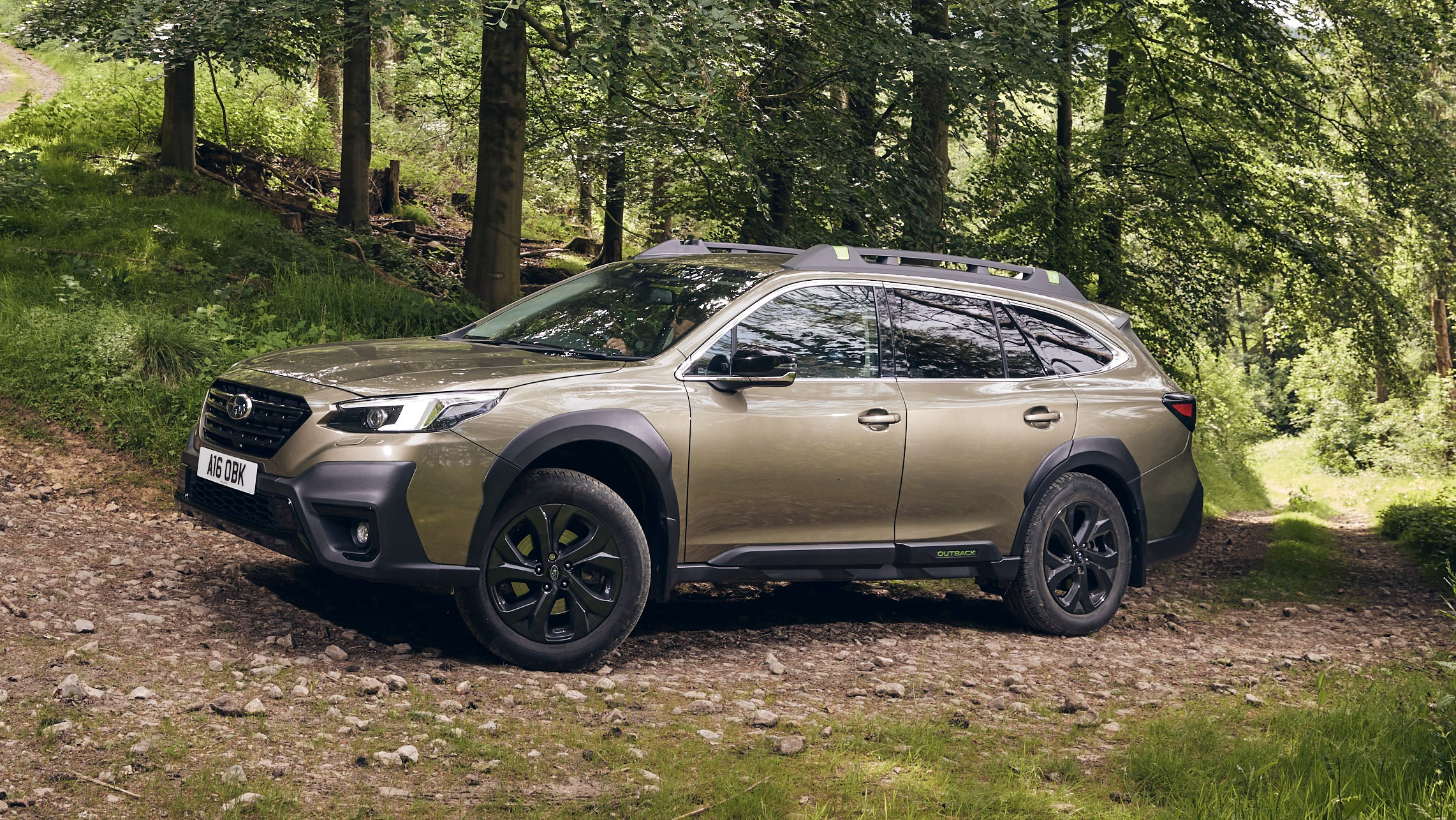
1. Subaru Outback
The Subaru Outback is a standout vehicle when it comes to offering large and versatile cargo space, especially for those who want a combination of rugged capability and everyday practicality. Its wagon-like body provides a unique advantage compared to traditional SUVs.
The Outback’s cargo volume of about 75.7 cubic feet with the rear seats folded down places it among the top contenders for spaciousness in the midsize crossover segment.
This space is thoughtfully designed to accommodate a wide variety of items, from camping gear and sports equipment to larger, bulkier loads like furniture or boxes.
The low height of the rear loading floor makes it easier to lift heavy objects in and out without strain, and the rear hatch opening is wide and tall, which means users rarely have to awkwardly angle cargo to fit it inside.
Versatility is a core strength of the Outback’s design. The rear seats split and fold flat quickly and easily, allowing a smooth transition from a passenger-oriented setup to a cargo-friendly layout. This flexibility means that the vehicle can be adjusted to carry a mix of passengers and cargo as needed.
In addition, Subaru includes a number of tie-down hooks and anchor points in the cargo area to help secure loads during transport. This prevents items from shifting around while driving, protecting both the cargo and the interior of the car.
These practical details make it an excellent choice for people who frequently need to transport a diverse range of items without the inconvenience of renting or borrowing a larger vehicle.
The Outback’s reputation extends beyond just cargo space; it is also well-known for its standard all-wheel-drive system. This feature provides confidence to those who need to haul cargo through different types of terrain or weather conditions.
Whether it’s snow, rain, or dirt roads, the vehicle maintains traction and stability, ensuring that your belongings arrive safely without unexpected jolts or slips.
Moreover, the suspension system balances comfort with capability, so the ride remains smooth even when the cargo is heavy. These combined features have earned the Outback a loyal following among families, outdoor adventurers, and anyone who values both utility and all-weather performance.
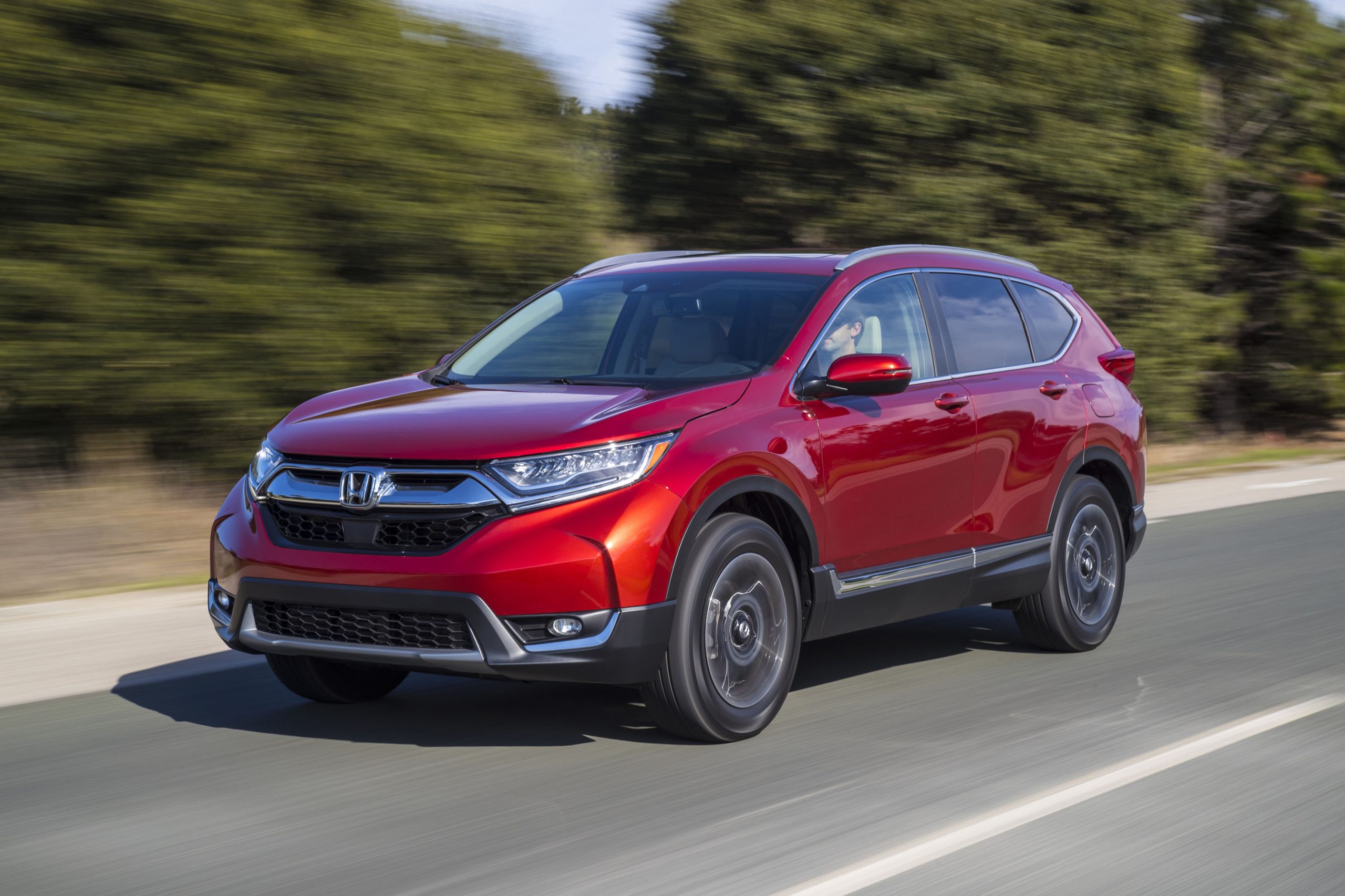
2. Honda CR-V
The Honda CR-V has consistently been one of the best-selling compact SUVs largely because it offers a surprising amount of cargo space relative to its size. When the rear seats are folded flat, the CR-V provides roughly 75.8 cubic feet of cargo capacity, rivaling larger vehicles in this regard.
This is a considerable volume for a compact SUV and is a major selling point for families, commuters, and outdoor enthusiasts alike.
The space is thoughtfully shaped to maximize usability, with minimal wheel well intrusion and a wide opening that makes it easy to load bulky or awkwardly shaped items. This means users can transport everything from suitcases and grocery bags to larger items such as bicycles or small furniture pieces without significant difficulty.
Beyond sheer volume, the CR-V’s design supports ease of use and versatility. The rear seats employ a simple “one-motion” folding mechanism that allows them to be folded quickly and flat, converting the passenger area into a spacious cargo zone with minimal effort.
The loading floor is also relatively low, reducing the physical strain when placing heavy items into the trunk. The wide and tall tailgate opening ensures that even tall objects can fit comfortably.
Honda’s engineers have also incorporated clever storage compartments in the cargo area, such as underfloor bins, that allow smaller items to be stored securely out of sight, helping maintain a neat and organized cargo space.
Inside the cabin, the CR-V continues to emphasize practicality and user-friendly design. The interior remains spacious for rear passengers even when the cargo area is used extensively. This balance between passenger comfort and cargo capacity is an important reason why the CR-V appeals to a broad range of buyers.
Moreover, the vehicle’s fuel efficiency, reliability, and smooth ride further enhance its appeal, making it a well-rounded choice for those who need both space and performance.
The CR-V is not just about storage; it is about integrating spaciousness into a vehicle that functions well in everyday driving situations, whether navigating city streets or embarking on longer road trips.
The CR-V’s cargo space advantage plays a significant role in its popularity, helping it stand out in a competitive segment crowded with capable options. Buyers who prioritize flexible space without moving up to a larger, less fuel-efficient SUV often find the CR-V hits the right balance.
It also benefits from Honda’s reputation for durability and strong resale value, meaning owners get long-term benefits from their investment. This combination of generous cargo capacity, ease of use, and practicality makes the CR-V a vehicle that can meet a wide array of transportation needs.
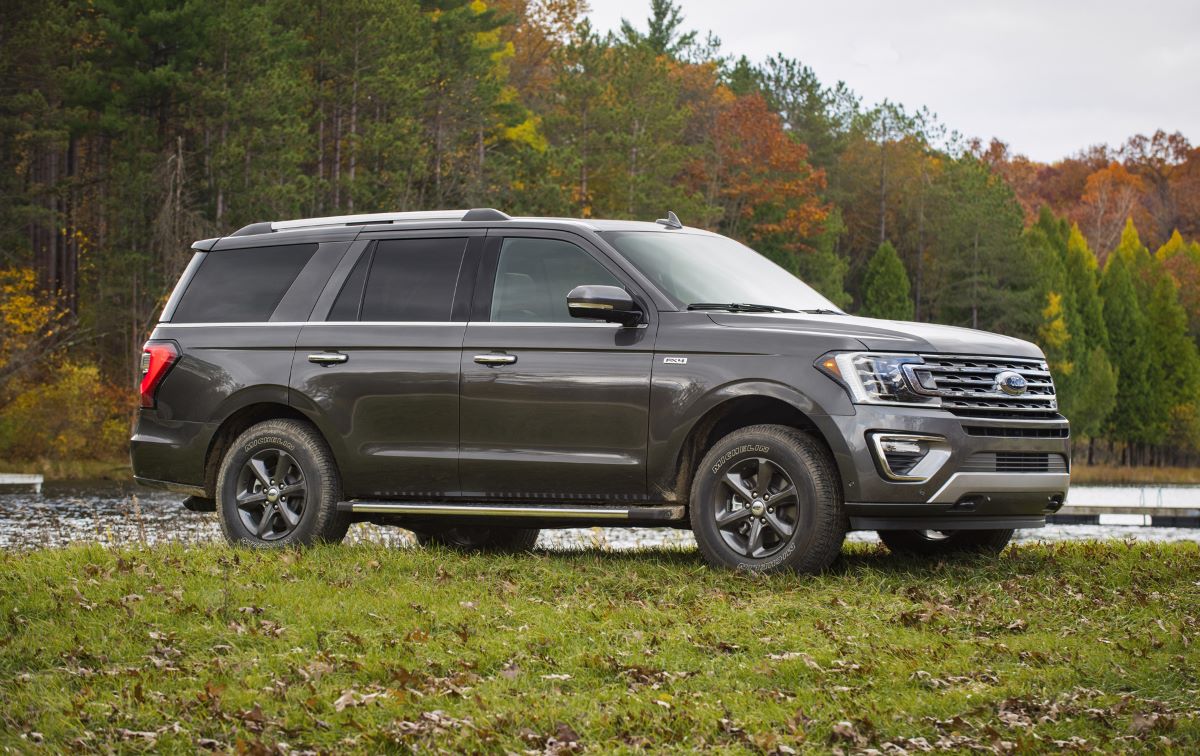
3. Ford Expedition
The Ford Expedition is a full-size SUV that excels in providing enormous cargo space, ideal for large families, road trippers, or anyone needing the ability to haul substantial loads.
With the rear seats folded, the Expedition offers an impressive 104.6 cubic feet of cargo volume behind the first row, which places it near the top in the SUV category.
This massive space can accommodate everything from multiple large suitcases to home improvement supplies or bulky sports gear such as kayaks and bicycles.
The vehicle’s design focuses heavily on making this space as practical and easy to use as possible, with a flat load floor and a wide, tall rear hatch that allows for effortless loading and unloading.
The Expedition’s large cargo capacity is supported by its generous size and thoughtful engineering. Its long wheelbase and wide body provide a stable platform for carrying heavy loads without compromising ride quality.
The rear seats fold flat and can be controlled electronically, allowing users to adjust the interior space without needing to manually rearrange seats.
This is especially useful when transitioning between passenger and cargo needs on the fly. The flat and wide cargo floor also simplifies the task of fitting large or oddly shaped objects, making it easier to plan trips or shopping runs that require a lot of room.
Beyond raw volume, the Expedition comes with features designed to enhance cargo usability. It offers multiple storage compartments throughout the cabin to keep smaller items organized and prevent clutter.
The rear seats are also configurable, allowing different combinations of passenger and cargo space.
Additionally, features such as a power liftgate and available hands-free opening increase convenience, especially when your hands are full.
These details show that Ford has designed the Expedition not just for size but also for user experience, recognizing the practical challenges involved in hauling large cargo.
Despite its large footprint and weight, the Expedition manages to balance cargo space with driveability and comfort. It remains relatively easy to handle for a vehicle of its size, with modern suspension and driver-assist technologies that contribute to safety and ease of use.
This makes it a favorite for those who need a capable, spacious SUV that can perform well both on highways and in suburban or rural environments.
The combination of its massive cargo space, flexible interior layout, and family-friendly features secures the Expedition’s place among the best large SUVs for utility and comfort.
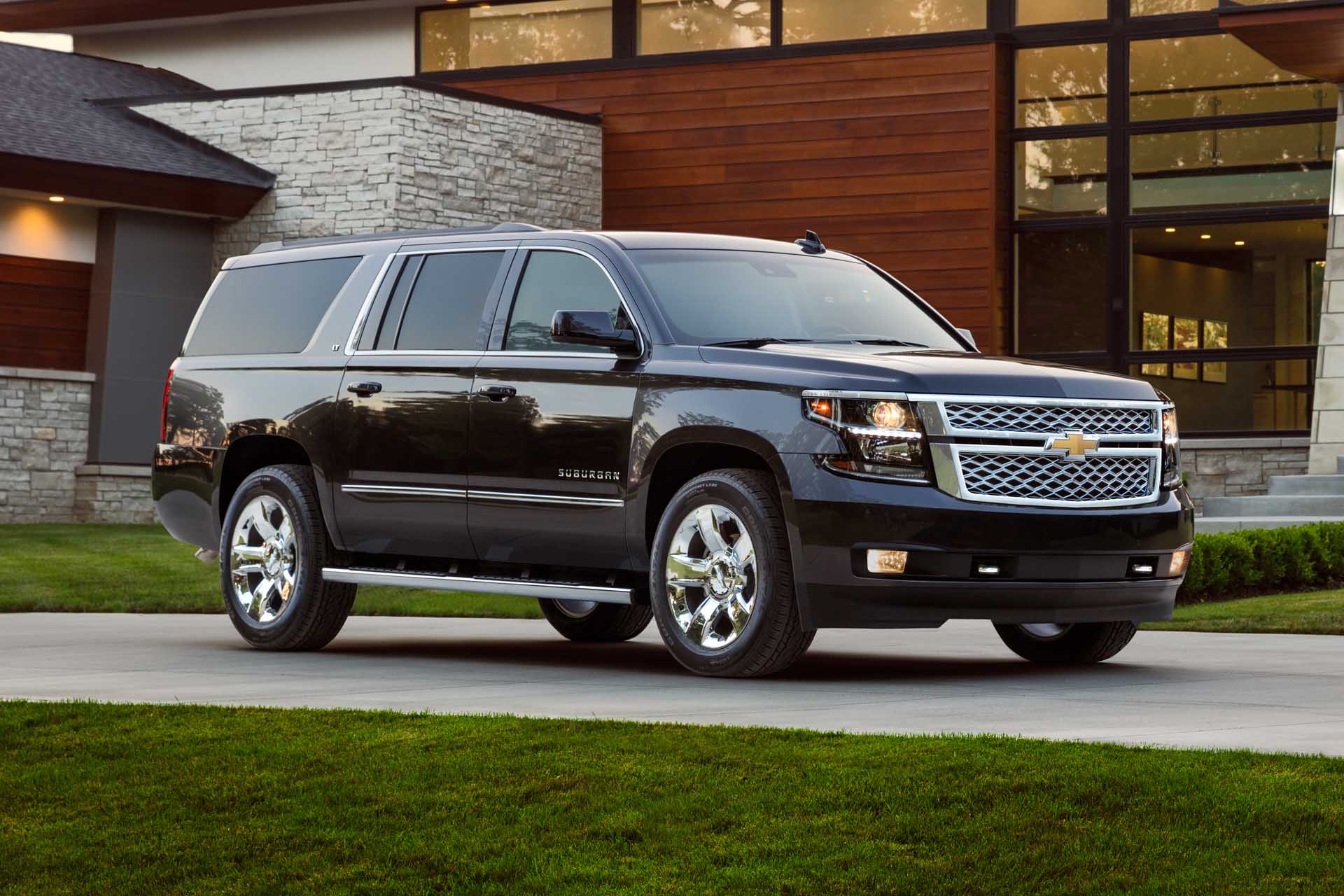
4. Chevrolet Suburban
The Chevrolet Suburban is often synonymous with maximum cargo space in the full-size SUV category. Its legacy as a spacious, family-friendly vehicle dates back many decades, and it remains one of the largest SUVs on the market.
With rear seats folded down, the Suburban offers a staggering 121.7 cubic feet of cargo room behind the first row, which is more than most competitors can match.
This vast interior volume is perfect for users who regularly carry large amounts of gear, whether for family vacations, work, or recreational activities.
The flat cargo floor and extremely wide rear opening make it simple to load bulky items, and the sheer length of the vehicle allows for extended cargo storage.
This SUV’s design revolves around maximizing usable interior space without compromising passenger comfort.
Even when all three rows of seats are in use, the Suburban maintains a respectable amount of cargo space behind the third row, making it easier to carry smaller items or luggage on top of a full passenger load.
When extra room is needed, folding down the second and third rows creates one enormous, uninterrupted cargo area.
The vehicle’s long wheelbase and wide body provide a stable and spacious platform that supports not only cargo but also towing and heavy loads, reflecting its dual-purpose nature.
Chevrolet enhances the Suburban’s cargo practicality with various user-friendly features. The vehicle offers numerous storage bins, tie-down points, and optional cargo management systems that help keep items organized and secure during travel.
The power-operated rear liftgate makes loading large or heavy items easier, particularly when your hands are full.
Additional luxury and convenience features, such as a hands-free liftgate and rear-seat entertainment systems, make it suitable for both work and family use.
The Suburban’s ability to combine enormous cargo space with a comfortable and refined driving experience makes it highly versatile.
Because of its immense size and capability, the Suburban is often chosen by users who need a vehicle that can perform multiple roles, from hauling sports teams and equipment to towing trailers or boats.
It remains a top choice for large families, commercial users, and anyone needing serious cargo volume alongside passenger capacity. The Suburban stands as a symbol of utility, comfort, and power in the large SUV segment.
5. Volkswagen Golf SportWagen
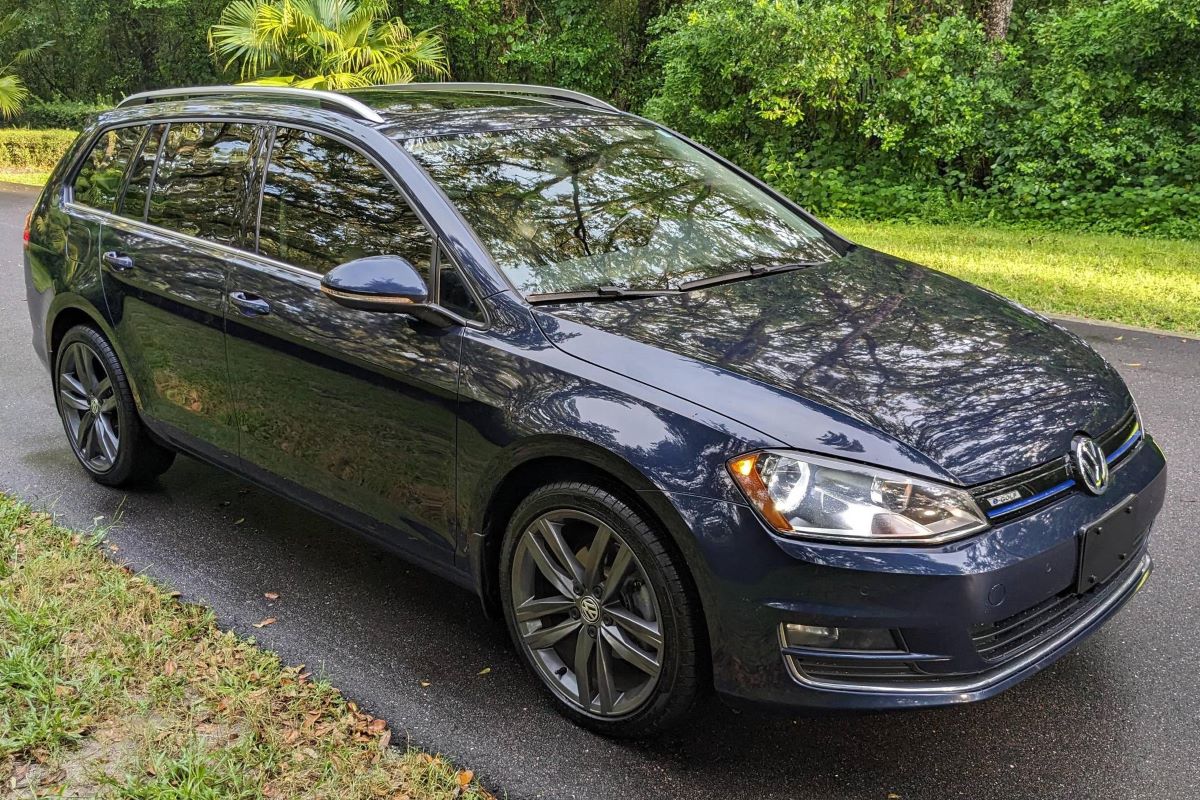
The Volkswagen Golf SportWagen is a clever vehicle that combines compact size with surprisingly generous cargo space, offering a practical alternative to larger SUVs for those who want better fuel efficiency and easier maneuverability.
Though it is smaller than full-size SUVs, the SportWagen provides about 66.5 cubic feet of cargo space with the rear seats folded down, which is impressive for a wagon of its size.
The hatchback design maximizes access to the cargo area, with a wide and tall opening that makes loading awkward or large items much simpler than in many sedans or small crossovers.
The Golf SportWagen’s interior is designed to make the most of every inch. The rear seats fold flat in a 60/40 split, allowing a flexible combination of passenger and cargo space.
The low loading floor reduces strain when placing heavy objects in the back, and the cargo area’s shape minimizes intrusion from wheel wells or mechanical components, resulting in a practical and spacious storage zone.
The vehicle’s size also contributes to its ease of parking and handling in urban environments while still offering the utility needed for weekend trips or larger errands.
In addition to the physical cargo space, Volkswagen includes practical features that enhance usability.
The cargo area can be outfitted with tie-downs, nets, and covers to secure items and keep the space tidy. Small storage compartments and clever design touches inside the cabin help organize smaller belongings and reduce clutter.
These features make the SportWagen a smart choice for buyers who need more cargo capacity than a typical sedan but don’t want to step up to a bulky SUV.
The Golf SportWagen appeals to drivers who value efficiency, practicality, and driving enjoyment in one package.
It fits well with lifestyles that require versatility without sacrificing the ease of urban driving or fuel economy. Its cargo space is a defining feature that sets it apart from many competitors, making it a well-rounded option for a wide range of uses.
Also Read: 9 Vehicles That Stay Valuable in Collector Markets
5 Cars With Barely Any Cargo Room
1. Mazda MX-5 Miata
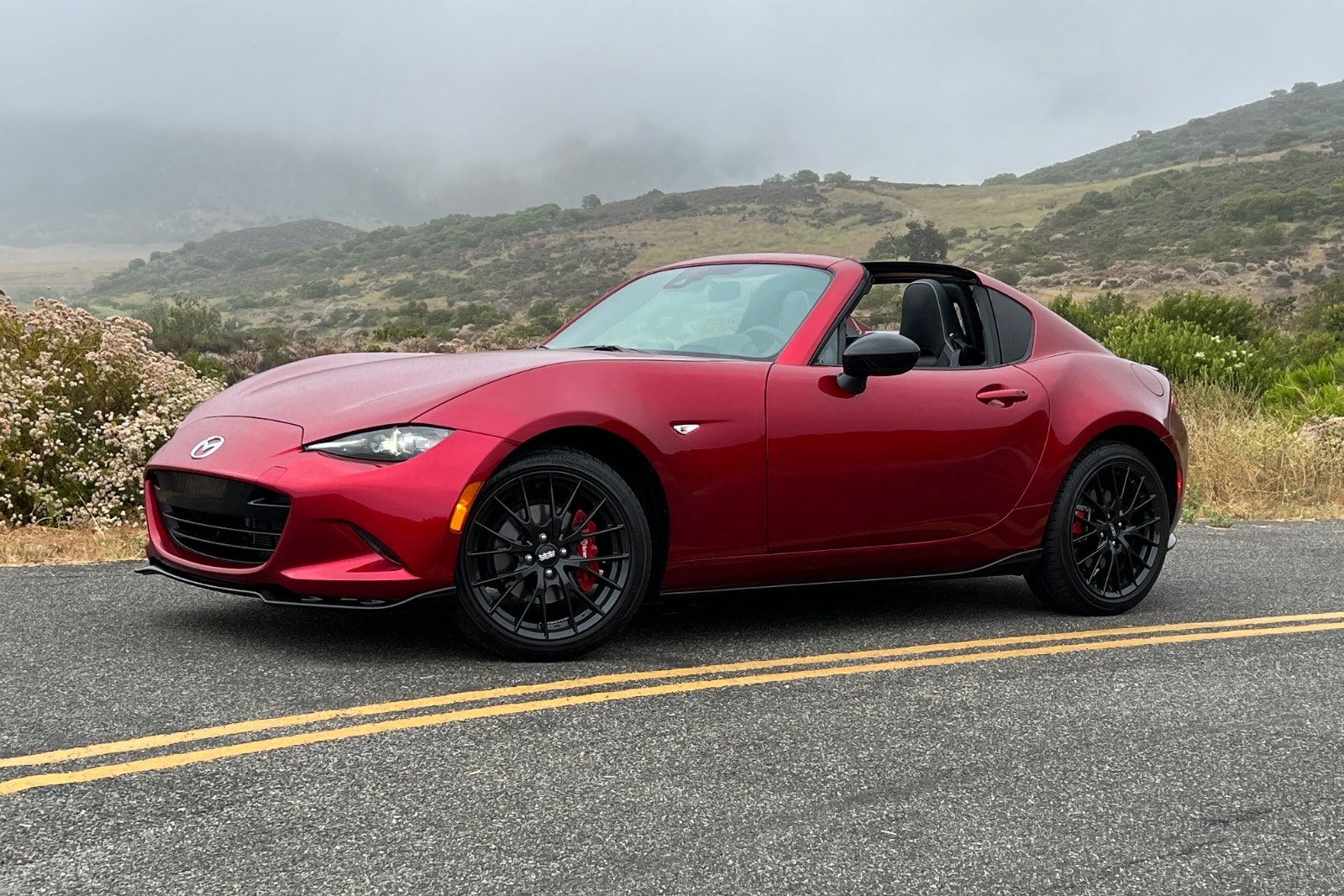
The Mazda MX-5 Miata is a beloved sports car known for its fun driving dynamics and sleek design, but it is far from generous when it comes to cargo space. Its focus on lightweight performance and nimble handling means that practicality takes a backseat, particularly in the storage department.
The cargo space in the Miata is extremely limited, with roughly 4.6 cubic feet of trunk room. This tight space is barely enough to hold a couple of small bags or a set of groceries, making it a challenge for drivers who want to take anything larger or bulkier along for the ride.
The trunk opening itself is also small and narrow, restricting what kinds of items can fit without awkward maneuvering.
Because of its compact two-seat layout and the placement of mechanical components, the Miata simply does not have room to offer significant cargo capacity.
The rear of the car is mostly taken up by the convertible top mechanism and suspension parts, leaving very little usable volume for storage.
Even the spare tire and emergency tools take up valuable space within the trunk, further reducing the already minimal storage area.
For those who own the Miata, it often means planning trips carefully and packing light, relying on soft bags or duffels that can be squeezed in rather than large suitcases or boxes.
Despite the limited cargo room, the Miata excels in delivering an engaging driving experience that prioritizes driver enjoyment over utility.
The car’s lightweight frame, rear-wheel drive, and responsive steering make it one of the most rewarding vehicles to drive on winding roads or during spirited outings.
This focus means that owners tend to accept the cargo limitations as part of the package, appreciating the Miata for what it is rather than what it isn’t.
Still, for those who regularly need to carry more than a few essentials, the Miata’s storage constraints can be a significant drawback and limit its practicality as a daily driver or road trip companion.
In practical terms, the Miata works best as a second vehicle or a weekend toy for enthusiasts who prioritize driving thrills over cargo space. The lack of room means it is not suitable for transporting bulky sports gear, camping equipment, or family necessities.
However, for those who love top-down driving and are willing to travel light, the small trunk is a manageable compromise. It’s a reminder that not every vehicle is designed to serve all purposes, and the MX-5 Miata’s storage limitations are simply part of the trade-off for its iconic sporty character.
2. Smart Fortwo
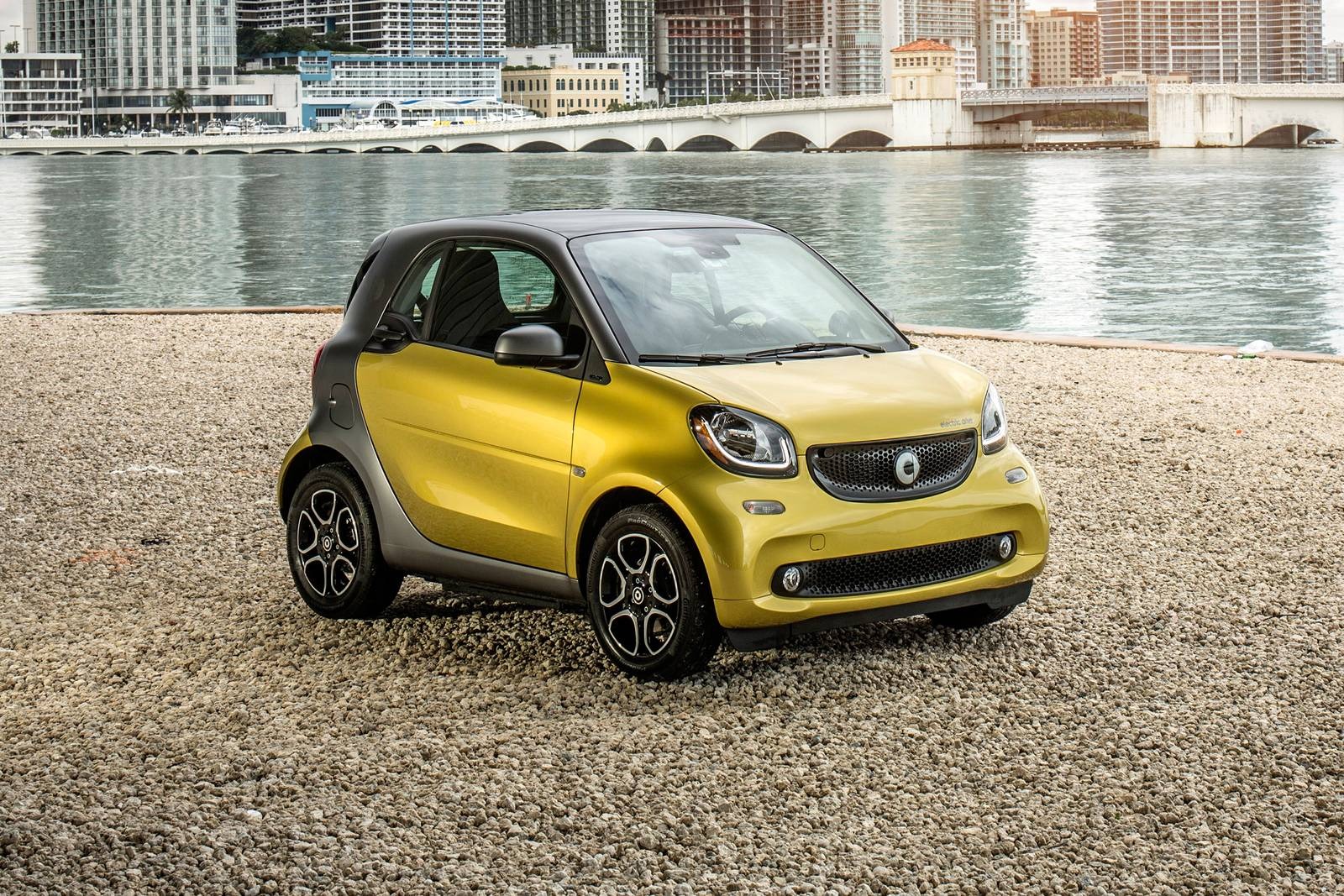
The Smart Fortwo is one of the smallest cars on the road today, built almost entirely with urban commuting and ease of parking in mind.
Its tiny footprint makes maneuvering and finding parking in crowded city environments incredibly easy, but it comes at the cost of cargo space.
The Fortwo offers a very minimal trunk area, often quoted at just around 12.4 cubic feet, which is only enough for small grocery bags, a backpack, or a couple of carry-on sized pieces of luggage.
The compact design limits the size and volume of what can be transported, making the Fortwo unsuitable for larger or bulkier items.
Since the car only seats two passengers and prioritizes compactness, there isn’t room for rear seats that fold down to increase cargo capacity. This means that whatever space is available in the trunk is the only option, with no easy way to expand storage for bigger hauls.
Additionally, the high load floor and small opening of the hatchback add to the difficulty of packing larger objects.
Many Smart Fortwo owners find that their cargo needs must be met with very careful packing and minimal belongings, which can limit the car’s usability for weekend trips or anything requiring more than basic transport.
Despite these limitations, the Smart Fortwo shines in its intended role as a city car. It is incredibly easy to park in tight spots where larger vehicles simply won’t fit, and its fuel efficiency and low emissions make it ideal for short commutes and urban errands.
The cargo space is a compromise accepted by buyers who value convenience, low running costs, and environmental benefits over utility.
However, for those who often need to carry sports equipment, large shopping hauls, or travel luggage, the Fortwo’s tiny cargo space can be a dealbreaker, forcing owners to rely on external storage options or a second vehicle.
The Smart Fortwo’s cargo capacity is very limited but consistent with its core mission as an ultra-compact city car. It is designed for single or two-person urban transportation, not for hauling large amounts of cargo.
This reality means that while it excels in dense city environments and as a second car, it cannot compete with larger vehicles in terms of utility or versatility.
Buyers must weigh their priorities carefully and recognize that the Fortwo’s strengths lie in its size and efficiency, rather than in its ability to carry cargo.
3. Mini Cooper Hardtop
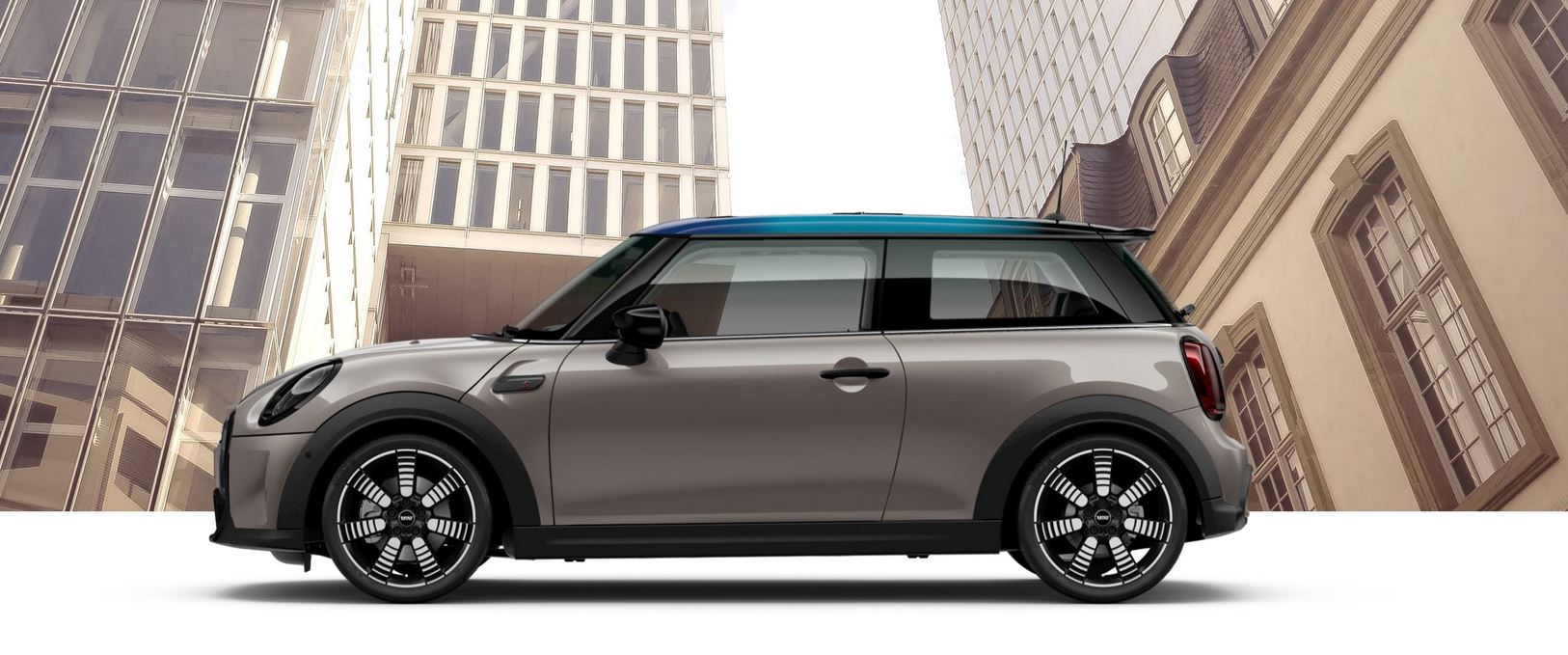
The Mini Cooper Hardtop is an iconic compact car that combines unique style with a surprisingly spirited driving experience. However, like many small hatchbacks, it struggles to provide ample cargo space.
The Hardtop offers around 8.7 cubic feet of cargo room behind the rear seats, which is quite limited and barely enough to store a few shopping bags or small pieces of luggage.
Even when the rear seats are folded down, the total cargo capacity remains modest compared to many competitors, making it less suitable for users who frequently need to transport bulky or numerous items.
The small size of the Mini Cooper is part of its appeal, allowing it to easily weave through city traffic and park in tight spaces where larger vehicles would struggle. However, the compact dimensions come at the cost of cargo versatility.
The hatch opening is relatively small, and the cargo area shape can be awkward, with intrusions from the wheel wells and rear suspension limiting usable space.
This means that while you might fit a suitcase or two, larger items such as sports equipment, camping gear, or furniture components are difficult to carry without resorting to roof racks or external storage solutions.
On the plus side, the Mini Cooper Hardtop offers a well-designed and high-quality interior, with clever storage compartments throughout the cabin that help mitigate the lack of cargo volume.
Cup holders, door pockets, and under-seat bins help keep small items organized, but they cannot replace the need for more substantial cargo space.
The car’s nimble handling and fun-to-drive nature have earned it a dedicated following, but the limited cargo room remains a drawback for buyers who want a practical everyday vehicle with room for passengers and their belongings.
4. Fiat 500
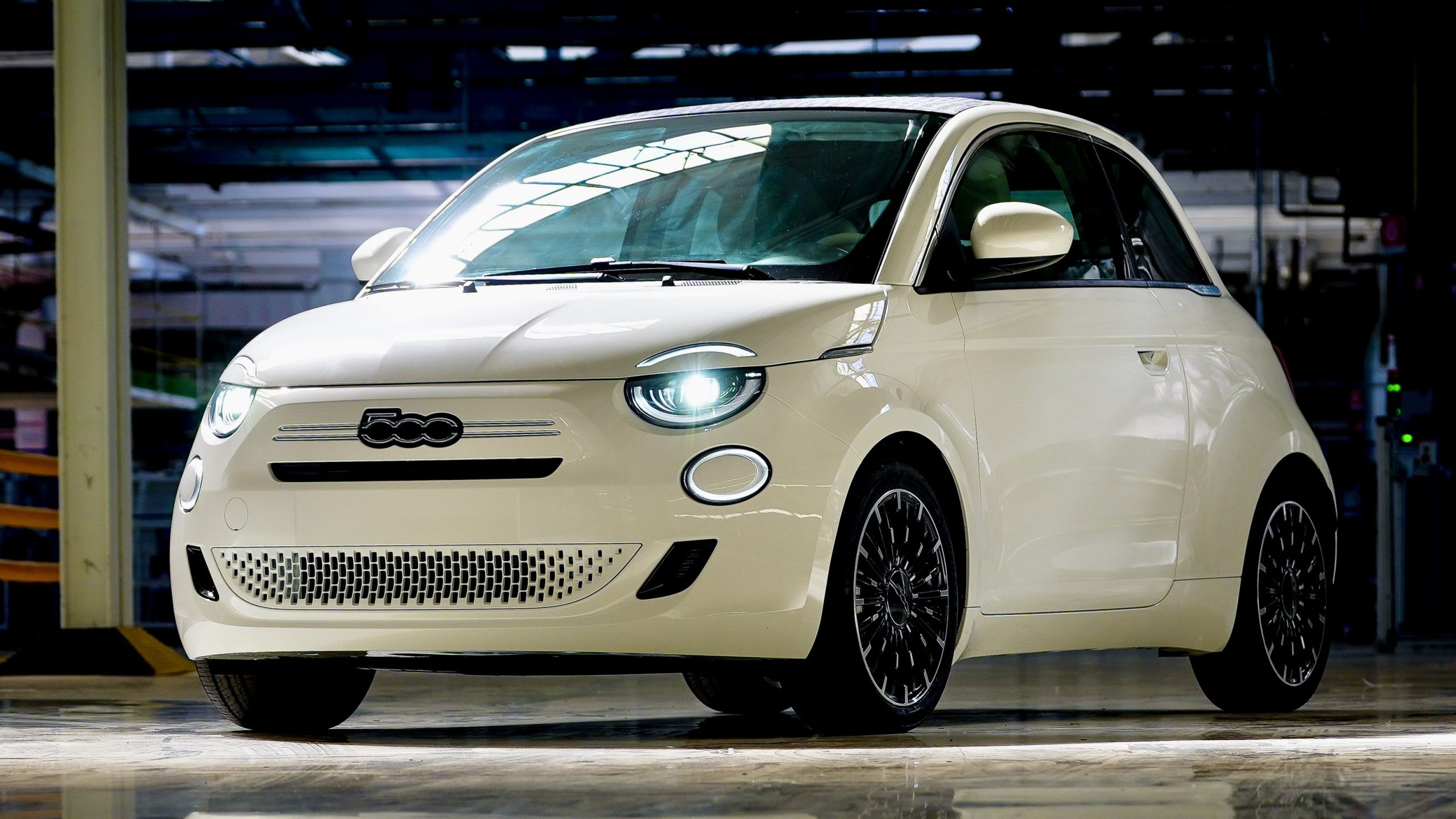
The Fiat 500 is a small city car with retro charm and an emphasis on compactness and maneuverability. It is designed primarily for short trips and urban driving, where tight spaces and traffic congestion make smaller vehicles more practical. Unfortunately, the Fiat 500’s cargo space is very limited, offering roughly 9.5 cubic feet of storage behind the rear seats.
This amount of space can accommodate small grocery bags or a couple of backpacks, but it does not provide much room for larger luggage or bulky items. The trunk opening is also quite narrow, which restricts what kinds of objects can be loaded comfortably.
One of the reasons for the limited cargo capacity is the vehicle’s very small footprint and two-door configuration.
The rear seats, while functional for small passengers or occasional use, do not fold flat to expand cargo space significantly. This restricts the vehicle’s versatility for carrying different types of loads.
The interior is designed to maximize passenger comfort within a tiny package, but the trade-off is clear when it comes to storage. Many owners find that the Fiat 500 is best suited as a second vehicle or for single commuters who travel light.
Despite the lack of cargo space, the Fiat 500 is appreciated for its fun personality, ease of parking, and surprisingly nimble handling. It performs well in urban environments and offers a unique style that sets it apart from many other small cars.
The vehicle’s compact size also contributes to fuel efficiency and low running costs. However, buyers who frequently require more cargo room or regularly carry larger items will quickly find the Fiat 500’s storage limitations frustrating.
The Fiat 500 is a charming and efficient city car with very limited cargo space that reflects its design priorities. It’s ideal for short trips, city errands, and drivers who do not need to transport large or heavy loads.
For anyone needing more practical storage solutions, other vehicles in the segment or larger cars will likely be a better fit. The Fiat 500’s small cargo area is a clear reminder that this car favors style and urban convenience over utility.
5. Toyota iQ
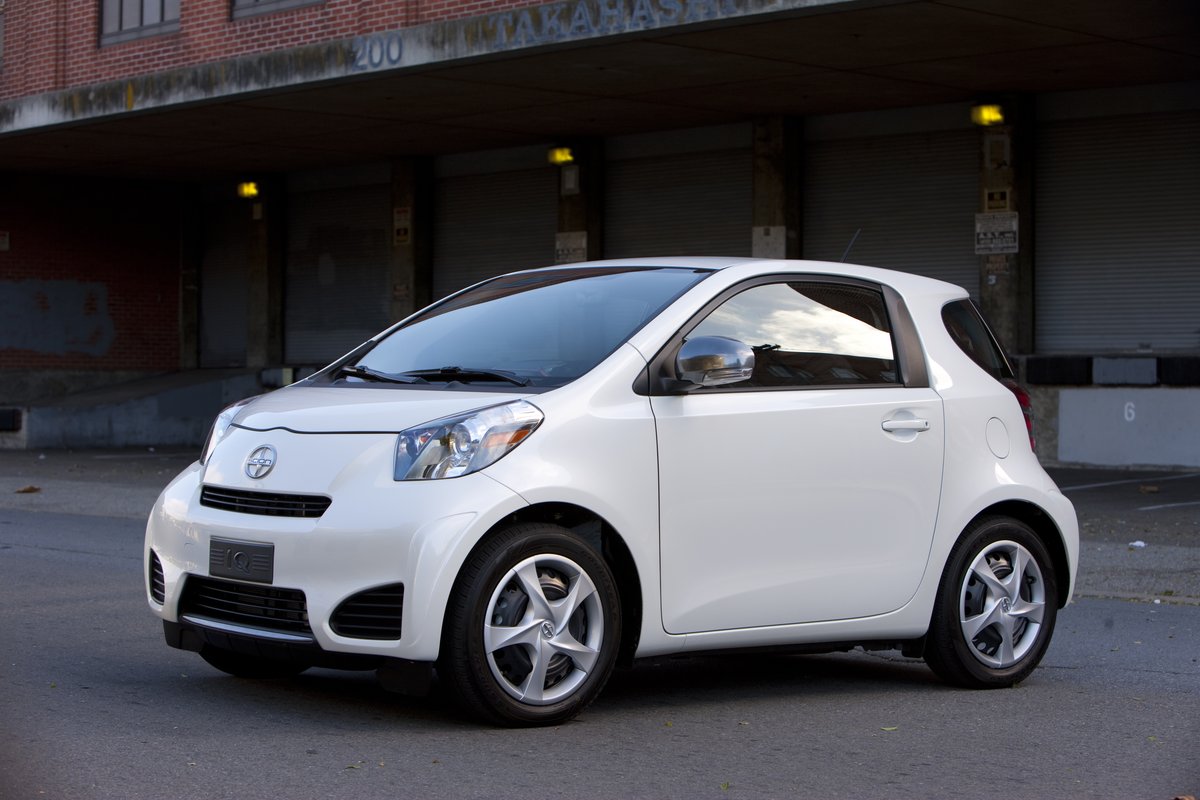
The Toyota iQ is one of the smallest cars ever produced, designed specifically to tackle crowded city streets and offer exceptional ease of parking. This tiny footprint results in extremely limited cargo space, with only about 10.6 cubic feet of storage behind the rear seats.
This is barely enough for a few shopping bags or a small suitcase, and certainly not enough to support more substantial cargo needs.
The iQ’s design focuses on maximizing interior passenger space within its compact dimensions, but cargo capacity had to be sacrificed to achieve this balance.
The car’s tiny size and narrow body mean that the rear seats are quite small and not intended for regular use by adults.
The rear seats fold down to slightly increase cargo volume, but the space remains minimal. The hatchback opening is small and positioned high, making it difficult to load larger or heavier items.
This severely limits the car’s utility beyond short city trips or light errands. For owners, the small trunk often means planning carefully and traveling with minimal belongings or soft-sided bags that can be squeezed into tight spaces.
Despite these cargo limitations, the Toyota iQ offers advantages for urban drivers, such as excellent fuel efficiency, nimble handling, and the ability to park almost anywhere. It’s a practical solution for single commuters or couples who prioritize maneuverability and economy over cargo capacity.
However, the minimal storage space means it is unsuitable for families or those who require a versatile vehicle for carrying sports gear, groceries, or larger items.
The Toyota iQ’s cargo space is extremely limited, but consistent with its role as a tiny city car. It is not designed for hauling large or bulky items but rather for efficient, nimble transportation in dense urban settings.
Buyers should carefully consider their storage needs when looking at the iQ and be aware that it is best suited as a secondary vehicle or for those with minimal cargo requirements.
