
Sunroofs have long been a sought-after feature in vehicles, offering a unique combination of fresh air, natural light, and an added sense of openness. While once reserved for luxury cars, sunroofs have become increasingly common across various classes, from compact sedans to large SUVs.
Many drivers choose vehicles equipped with sunroofs not only for the aesthetic and experiential benefits but also for the perceived boost in resale value.
However, while a properly functioning sunroof can enhance the driving experience, a poorly designed or manufactured one can lead to a host of problems, most water leaks.
3Leaky sunroofs can result in stained upholstery, electrical issues, foul odors, and long-term structural damage if not addressed promptly.
This brings up an important point that consumers should be aware of: not all sunroofs are built the same.
Some cars have proven time and again to have well-engineered, reliable sunroofs that rarely cause trouble. Others, however, are notorious for issues that range from clogged drainage systems to outright seal failures.
Some manufacturers have had recurring problems with the way their sunroofs are integrated into the vehicle’s body structure.
In many cases, the design itself may be flawed, while in others, it’s a matter of subpar materials or inadequate testing before production. Repairing a faulty sunroof can be costly, and repeated issues can cause ongoing frustration.
When considering a vehicle with a sunroof, it’s important not just to focus on how it looks or feels but also to understand its long-term reliability.
The following list highlights five vehicles known for having dependable sunroofs, based on widespread user feedback and historical performance, followed by five vehicles that have gained a reputation for sunroof-related problems.
While this information doesn’t guarantee that every single unit of these models will perform the same, it provides a strong general sense of what consumers can expect.
Choosing the right car with a solid track record could mean years of worry-free use, while ignoring known issues could lead to expensive repairs and headaches down the road.
Also Read: 10 Motorsports Engines That Proved Reliable in Daily Cars
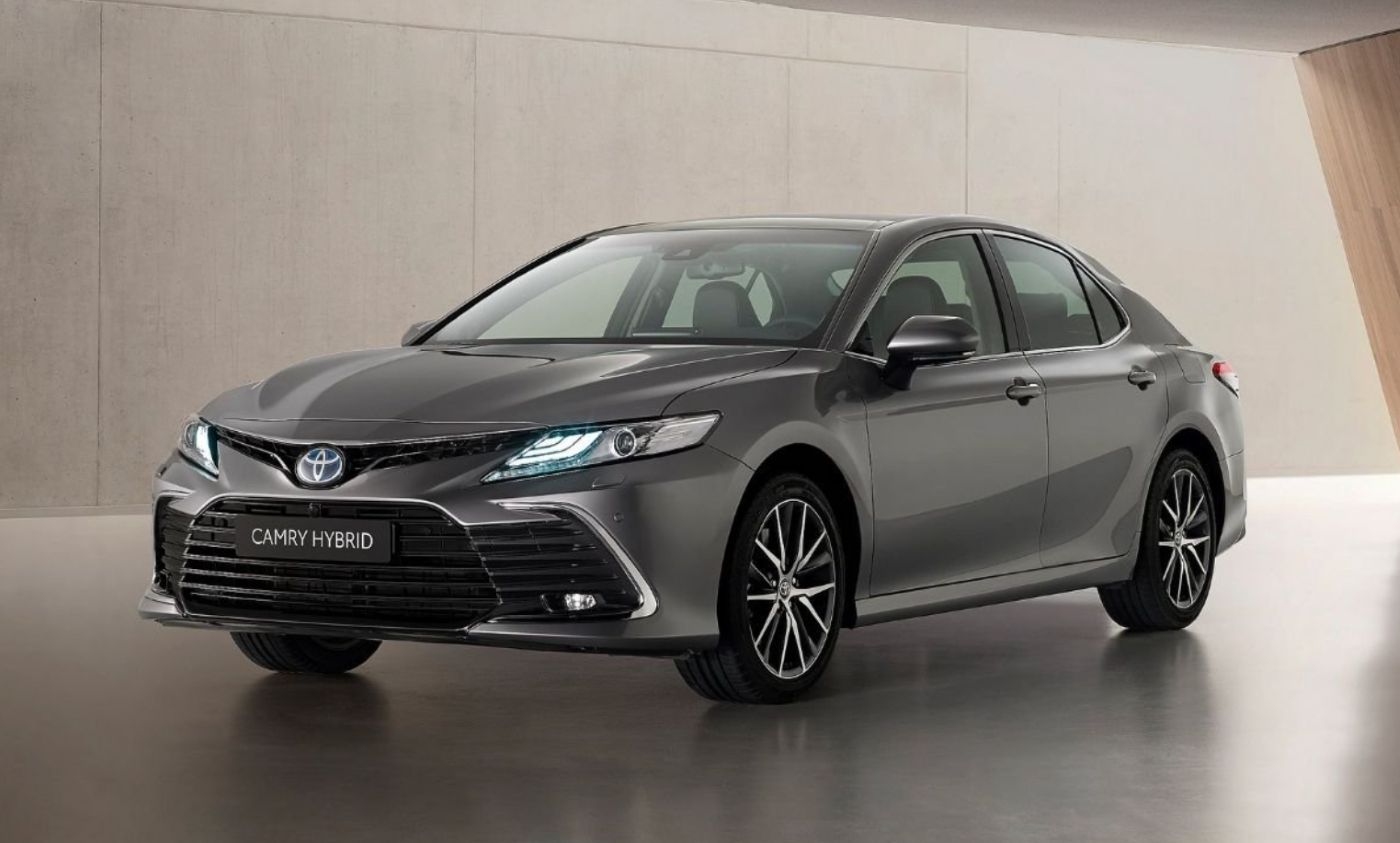
1. Toyota Camry
The Toyota Camry has long been celebrated for its reliability, and this reputation extends to its sunroof systems as well. In both standard and panoramic versions, Toyota’s engineering stands out for using well-tested materials and drainage solutions.
The sunroof components on the Camry are designed to be durable, resistant to common wear, and relatively immune to the weather-related damage that affects some competitors. Owners report that the seals stay intact for years without developing cracks or warping, even in extreme temperatures.
One reason the Camry’s sunroof stands out is the way it’s integrated into the vehicle’s roof structure. Toyota takes the time to ensure that the drainage channels are both accessible and effective, so water does not pool around the edges.
This is especially important in climates with heavy rainfall or sudden temperature changes, where condensation and moisture can lead to mold or mildew. The materials used in the sunroof’s frame are resistant to corrosion, which further helps in preventing water-related damage over time.
Another aspect worth noting is the relatively low number of service bulletins or recalls related to the Camry’s sunroof systems. Unlike some models that have seen class-action lawsuits or frequent complaints, the Camry’s track record remains clean.
This means owners can feel confident about long-term ownership without having to plan for costly repairs or aftermarket modifications to deal with leaks. The peace of mind this provides makes the Camry a solid choice for buyers looking for a practical yet feature-rich sedan.
While no sunroof is entirely maintenance-free, Toyota provides straightforward guidance in the owner’s manual on how to keep the sunroof and its drainage system in good condition.
Basic care, such as occasional cleaning of the rubber seals and drains, goes a long way. When combined with Toyota’s solid build quality and attention to detail, this maintenance helps ensure that the sunroof will remain leak-free throughout the vehicle’s lifespan.
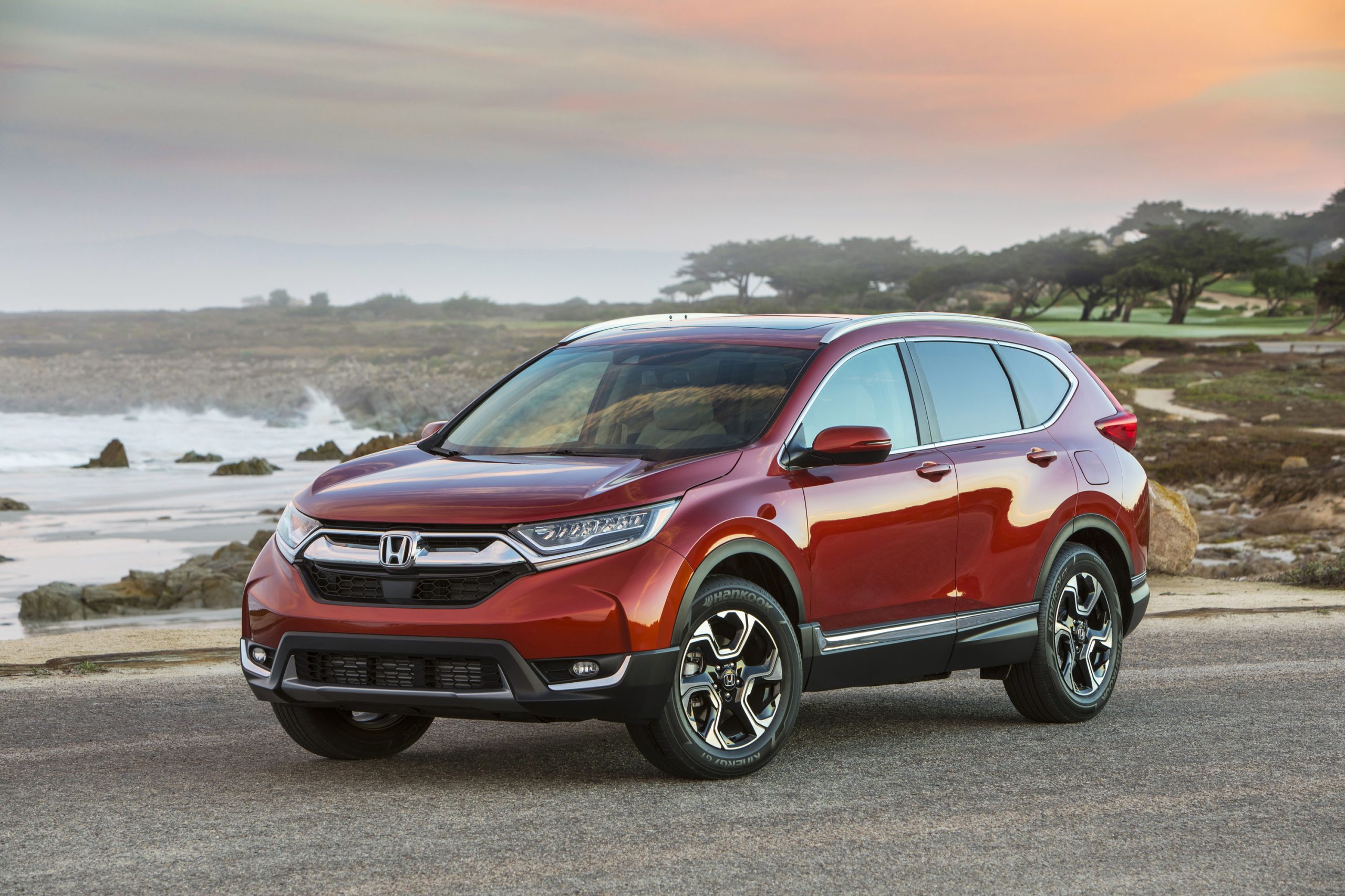
2. Honda CR-V
The Honda CR-V is another vehicle that consistently ranks high in terms of quality, and its sunroof system is part of that success.
Even though the CR-V usually comes with a standard-sized sunroof rather than a panoramic one, it’s still built to perform well over time.
The smaller size actually benefits reliability, as there are fewer moving parts and fewer points where water might seep in. Honda’s engineering team focuses on tight tolerances and effective drainage, which helps reduce the risk of issues down the line.
Owners often highlight how the CR-V’s sunroof remains functional and leak-free even after years of use. The sealant around the edges doesn’t deteriorate easily, and the drainage channels rarely clog, provided basic maintenance is followed.
This is especially important for drivers in snowy or rainy regions, where trapped water can turn into a major headache. The drain tubes in the CR-V are routed carefully to ensure consistent water flow, which minimizes the chances of backflow or overflow into the cabin.
Another factor that contributes to the CR-V’s reliability is Honda’s focus on quiet operation. The sunroof doesn’t just work, it works smoothly and quietly.
That may seem like a small point, but a sunroof that opens with jerking motions or makes strange noises can be a sign of future mechanical failure.
The smooth operation is also indicative of a tight-fitting system, which is less likely to develop leaks over time. Honda’s attention to these details gives drivers one less thing to worry about.
Finally, the CR-V’s sunroof system is well-supported by Honda’s network of dealers and service providers. If an issue does arise, repairs are usually straightforward and affordable, unlike the complicated and expensive fixes seen in more luxury-focused models.
The combination of thoughtful design, consistent materials, and ease of service makes the CR-V a trustworthy option for anyone who wants a sunroof without the usual worries.
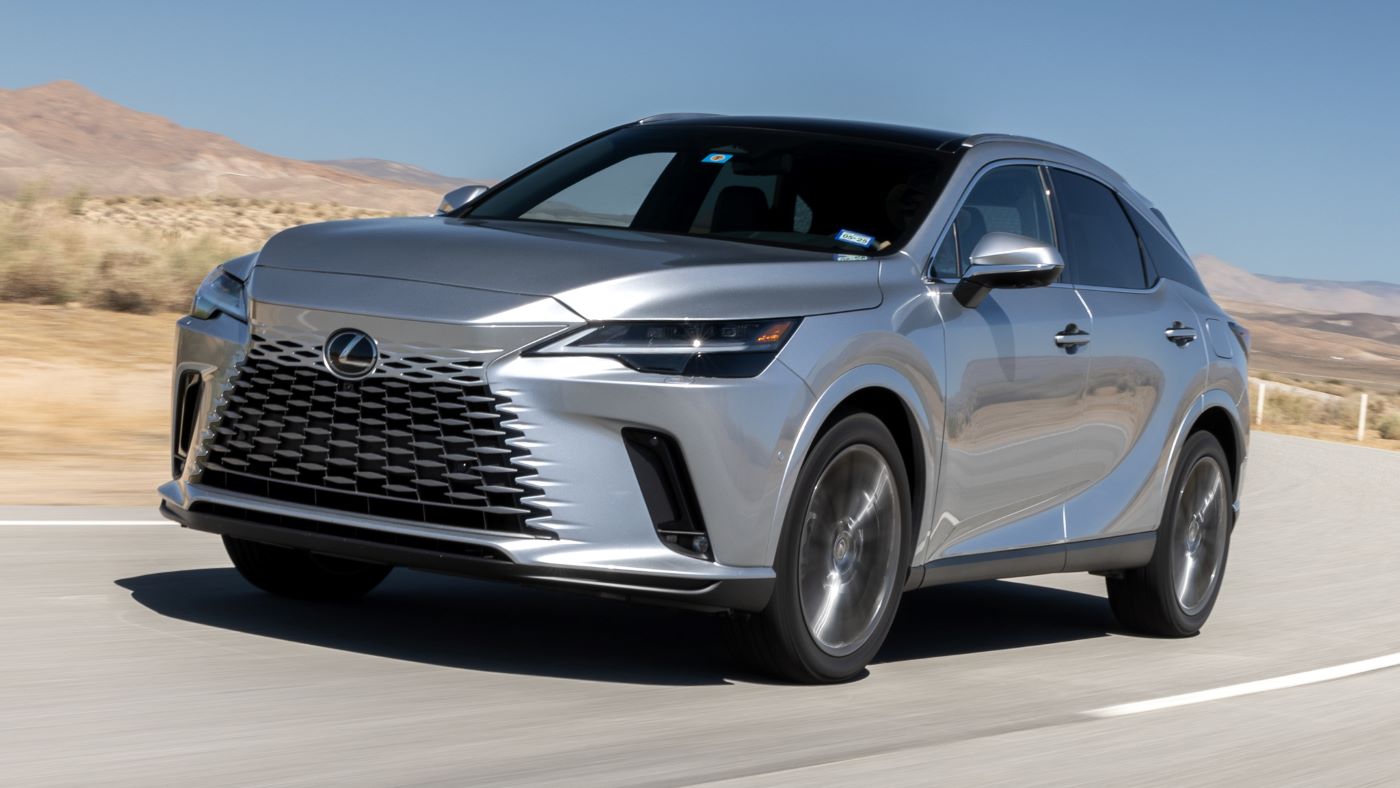
3. Lexus RX
The Lexus RX represents a balance of luxury and practicality, and one of the features that consistently gets positive marks is its sunroof system.
Unlike some luxury competitors that have struggled with sunroof issues, the RX manages to offer a premium feel without compromising on reliability.
The standard sunroof operates with precision, and even the panoramic version found in newer models performs reliably thanks to Lexus’s rigorous quality control and use of top-tier components.
One of the reasons the RX’s sunroof is so reliable lies in the brand’s philosophy. Lexus doesn’t rush features to market.
Every component undergoes strict testing, including weather simulations and durability trials. This approach results in fewer defects, especially in areas prone to wear, such as seals and drain lines.
The sunroof track mechanism also receives frequent praise for its ability to remain aligned and function smoothly over time. It resists rust and dirt buildup, which are often causes of malfunction in other vehicles.
Another standout feature is the RX’s sound insulation, which works hand in hand with the sunroof design. Even when open, wind noise is well managed, and when closed, the seals form a tight, secure barrier against outside elements.
This has the dual benefit of enhancing comfort and reducing the chance of water leaks during rain or car washes. The fact that many long-term owners report no sunroof issues even after 100,000 miles speaks volumes about the quality of the system.
Customer service also plays a role. Lexus service departments are trained to inspect sunroof drainage paths during routine maintenance, and they often provide free inspections if a customer has concerns.
This proactive approach further helps prevent minor issues from becoming major problems. When combined with Lexus’s long-standing commitment to quality, it’s easy to see why the RX makes the list of vehicles with reliable sunroofs.
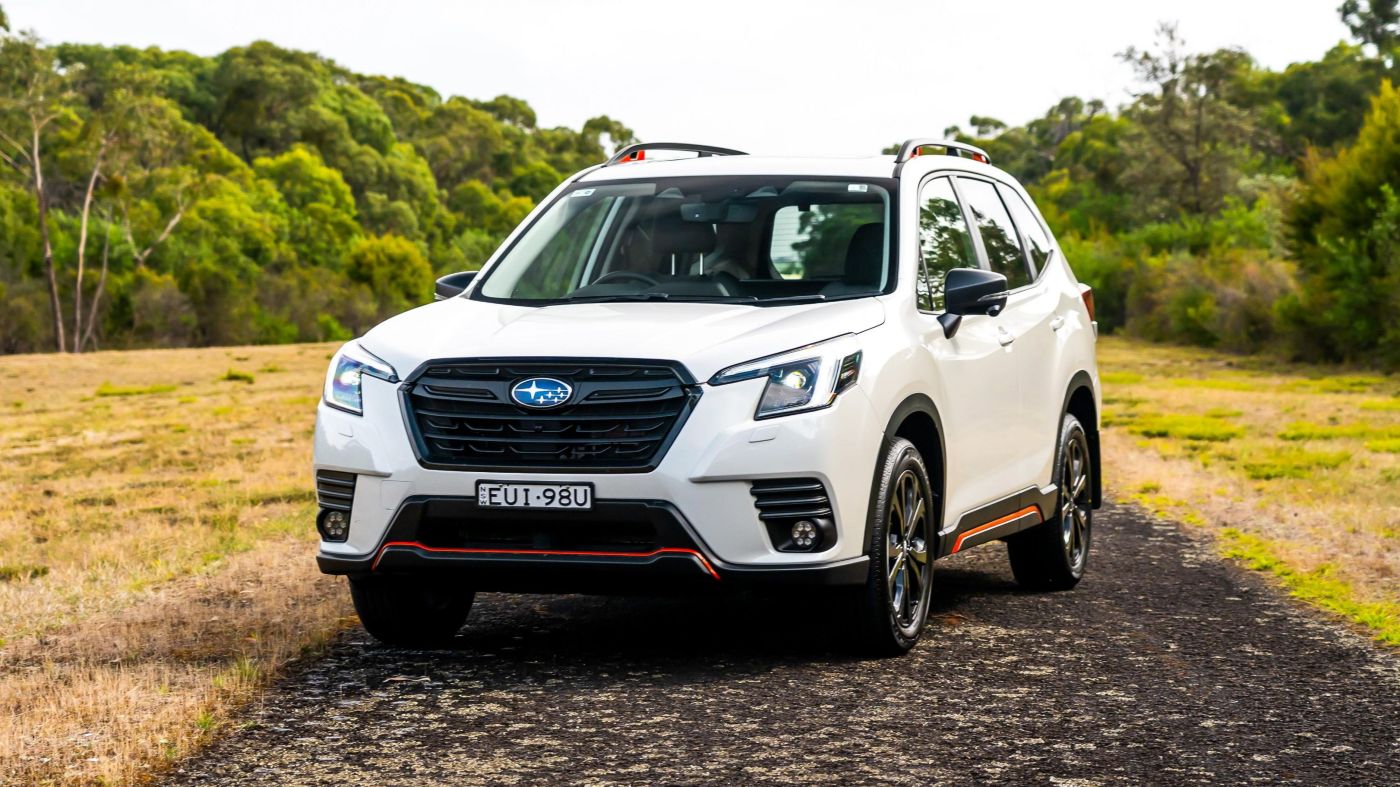
4. Subaru Forester
The Subaru Forester is often associated with outdoor lifestyles and rugged reliability, and its sunroof is no exception. Equipped with a large panoramic sunroof in higher trims, the Forester’s system is built to withstand the elements, from rain and snow to dust and mud.
Subaru’s emphasis on function over flash is evident in the design of the sunroof, which focuses on durability and ease of maintenance rather than gimmicky features.
A key advantage of the Forester’s sunroof is the way it handles water runoff. The drainage system is extensive, with tubes that are well protected from clogging and freezing.
In colder climates, this is especially important, as water that becomes trapped in the system can freeze and cause cracking or seal displacement.
Subaru’s engineers have made sure to route the drainage away from sensitive areas like electrical components and carpeting, which further reduces the risk of interior damage.
Another positive is the minimal number of complaints and issues reported by owners over the years. While no vehicle is immune to occasional problems, the Forester maintains a solid reputation for keeping the cabin dry and leak-free.
This reliability is particularly important for Subaru’s customer base, many of whom use their vehicles in challenging outdoor conditions. Whether it’s long road trips, mountain drives, or snowy commutes, the sunroof holds up to repeated use and extreme temperatures.
Subaru also makes it easy for owners to keep the system in good working order. The owner’s manual includes clear instructions on cleaning the tracks and inspecting the rubber seals.
In addition, many Subaru dealerships offer basic sunroof inspections as part of their routine service packages. These simple but effective measures make the Forester a strong candidate for those who want a sunroof they can rely on, even when the weather turns bad.
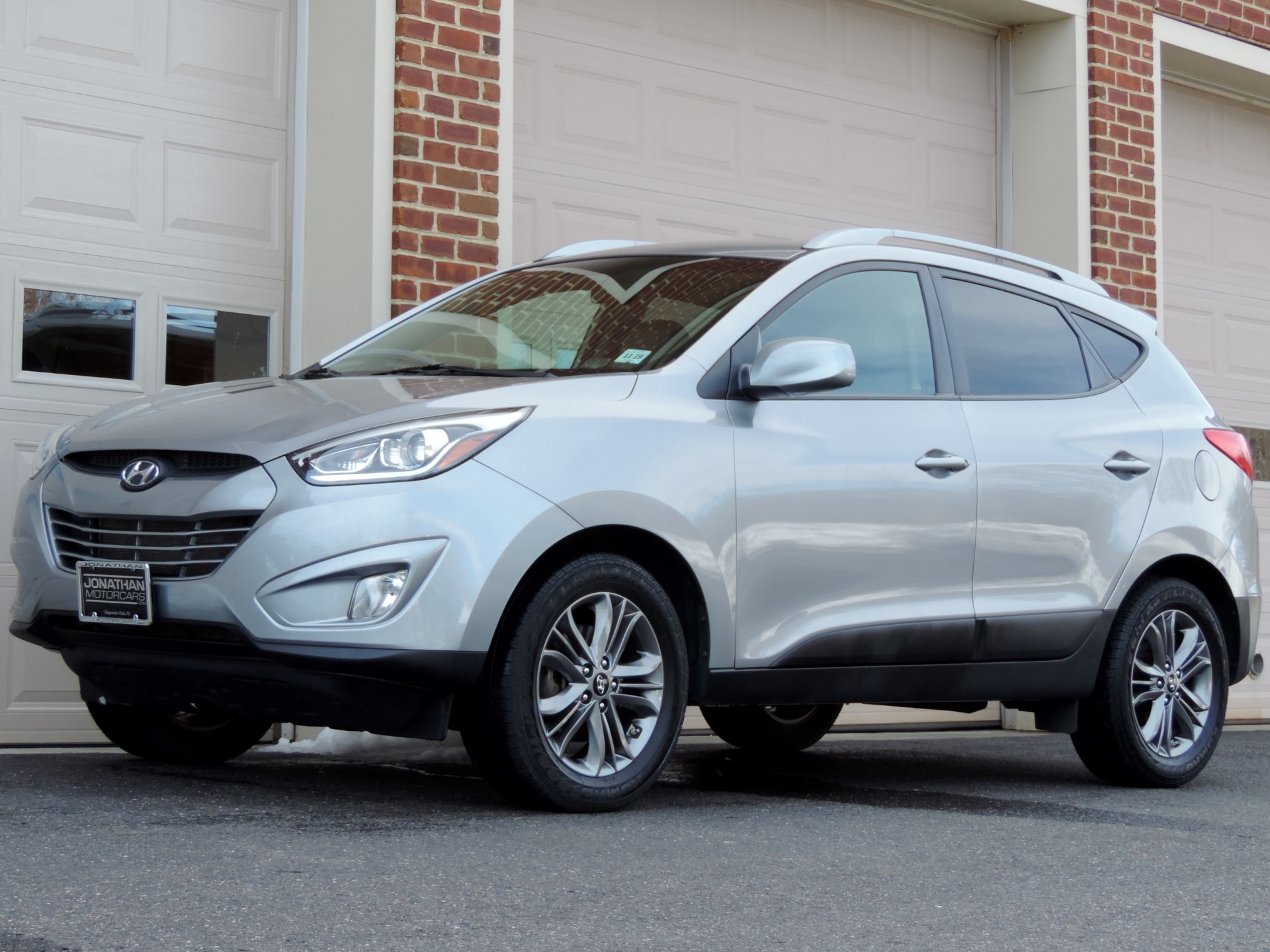
5. Hyundai Tucson
The Hyundai Tucson has steadily improved over the years, becoming a serious contender in the compact SUV segment. One area where it shines is the reliability of its sunroof, especially the panoramic version found on higher trim levels.
Hyundai has made noticeable efforts to increase the durability of its sunroof systems across the board, and the Tucson benefits from this attention.
The sunroof opens and closes smoothly, and the seals are engineered to prevent both water ingress and wind noise. Despite offering a relatively large glass panel, the Tucson maintains a solid frame structure that supports the glass under pressure and temperature variations.
What’s particularly is that Hyundai learned from earlier models in its lineup, which had some reported sunroof issues, and addressed them in later iterations. The Tucson’s newer generations showcase improvements in both materials and assembly quality.
The sunroof frames are reinforced, and the water channels are designed with multiple exit points, reducing the risk of overflow or blockage.
Owners have praised the Tucson for how well the sunroof withstands heavy rain and car washes without leaking, which speaks to the system’s effectiveness in real-world conditions. These design enhancements have helped elevate the Tucson’s reliability rating.
Routine maintenance also appears to be relatively simple with the Tucson. The tracks are easy to clean, and the rubber seals around the glass remain pliable even after years of use.
Hyundai’s owner’s manual offers clear guidance on sunroof care, and customer forums are filled with long-term users reporting no leakage even after years of exposure to snow, dirt, and heat.
This user feedback supports Hyundai’s claims that they’ve fine-tuned the sunroof system to minimize problems. While it might not carry the same brand prestige as some of its rivals, the Tucson consistently delivers in areas that matter most to daily drivers.
Perhaps what makes the Tucson such a strong pick in this category is its balance between affordability and performance. It provides a panoramic sunroof experience usually found in more expensive vehicles but without compromising structural integrity or increasing long-term maintenance headaches.
That combination makes the Tucson a smart choice for buyers who want the benefits of a sunroof without assuming additional risks. Hyundai’s generous warranty coverage further enhances peace of mind, ensuring that if any issues do arise, owners won’t be left with high repair bills.
Also Read: 10 Cars That Age Better Than Their Rivals
Cars With Sunroofs That Leak Water
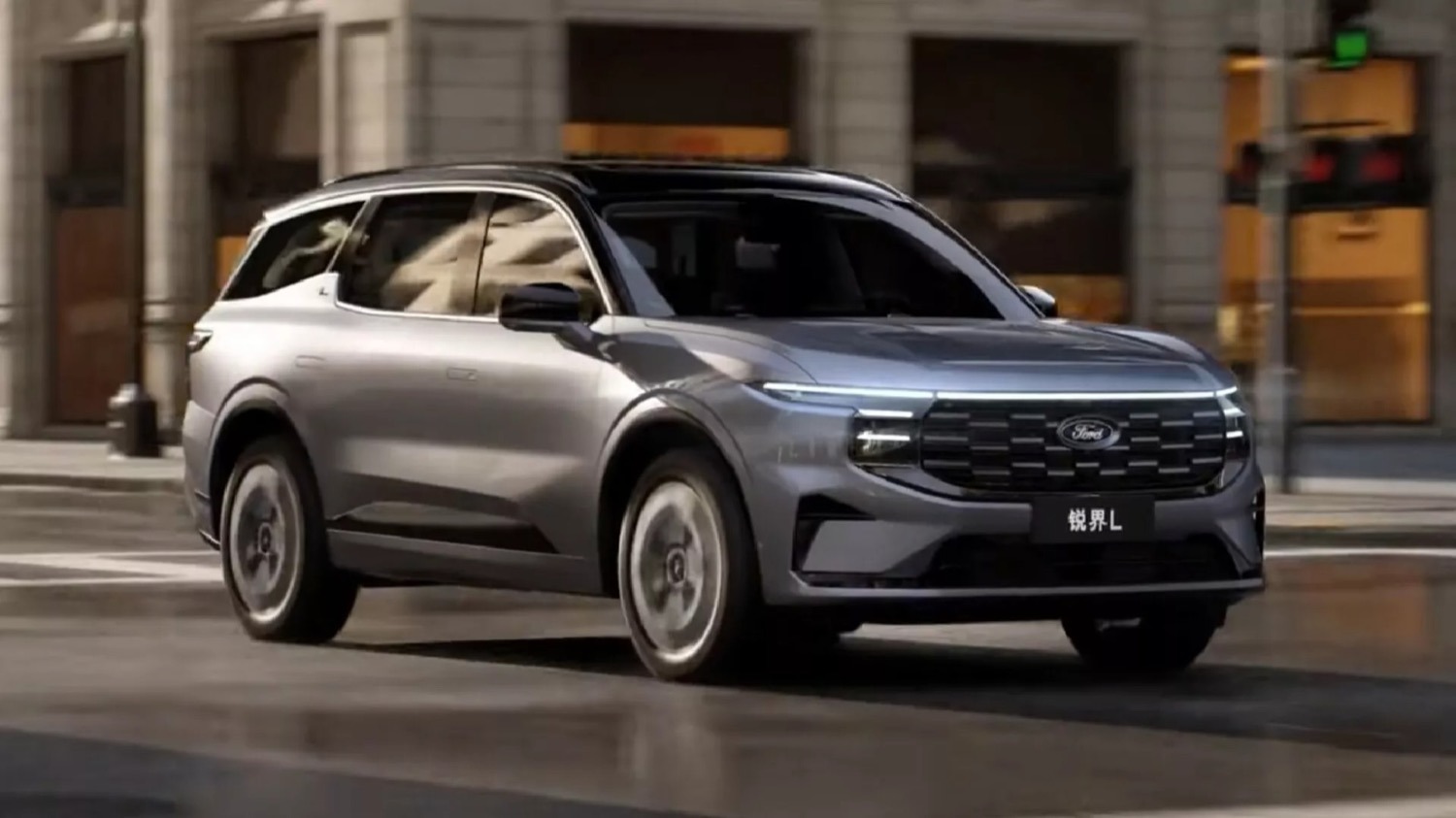
1. Ford Edge
The Ford Edge, especially in its earlier model years, has struggled with recurring sunroof leak issues. These problems have been well-documented by owners and automotive technicians alike, often pointing to clogged or poorly routed drainage tubes.
The panoramic sunroof, while visually appealing and widely appreciated for its open-air feel, has become a weak point in an otherwise capable SUV.
The leaks usually manifest as water collecting in the headliner or dripping near the A-pillars during heavy rain or after car washes, which can lead to mold and electrical damage over time if left unaddressed.
One major flaw in the Ford Edge’s sunroof system is the vulnerability of the drain channels to debris buildup. Unlike better-designed systems that are more tolerant of minor obstructions, the Edge’s drainage setup can become blocked with even small amounts of leaves, dirt, or dust.
Once blocked, water has nowhere to go but inside the cabin. This is made worse by the fact that the drainage exit points aren’t always easy to access for cleaning or inspection, meaning issues can persist undetected until significant damage has occurred.
Owners have also reported issues with the sunroof’s rubber seals degrading prematurely. Over time, the seals may shrink, harden, or crack, particularly in regions with frequent temperature fluctuations or high UV exposure. As the seals deteriorate, they allow more moisture to penetrate the interior trim.
Many drivers report damp carpeting, unpleasant smells, and even short circuits in the vehicle’s lighting or sensor systems. The cost to repair or replace these parts can be substantial, especially if water damage spreads to electronic components embedded in the headliner or dashboard.
To make matters worse, Ford’s response to these problems has not always satisfied consumers. In many cases, repairs are not covered under warranty if the problem is deemed “maintenance-related,” such as clogged drains.
However, given the frequency of the issue and its impact on vehicle usability, many owners feel the problem is more related to poor design than lack of care.
The Ford Edge serves as a cautionary tale of how a popular feature like a panoramic sunroof can turn into a persistent problem when not executed with long-term durability in mind.
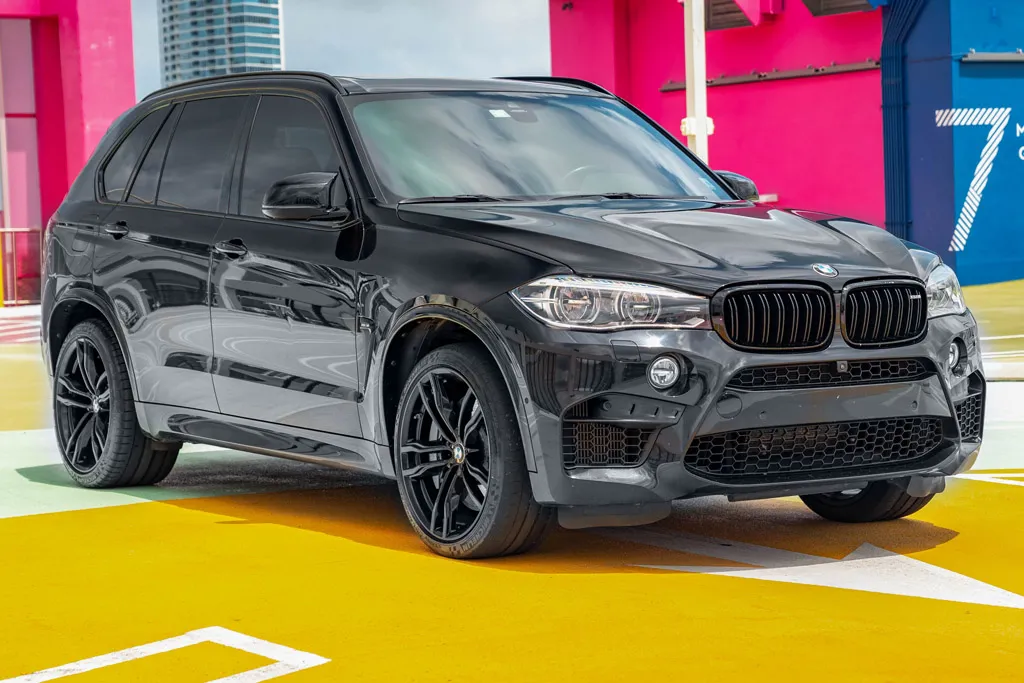
2. BMW X5
The BMW X5, particularly in its earlier generations, is another vehicle known for sunroof-related water leaks.
Although BMW is recognized as a premium brand with high engineering standards, the panoramic sunroof on the X5 has been a point of frustration for many owners.
Water intrusion is a frequently reported issue, and it often appears after just a few years of use. Despite regular maintenance, drivers have noted that leaks can occur even with clean drains and intact seals, indicating a more fundamental design or structural flaw.
One major issue with the X5’s sunroof system is the complexity of the drainage layout. The drain tubes are not only difficult to access, but they are also routed in ways that make clogging more likely. Complicating matters further, the vehicle’s sunroof cassette (the housing and frame structure) can crack or become misaligned over time.
Once the structure loses its tight seal, water begins to seep into the interior, often through the headliner or near the C-pillars in the rear. In severe cases, this leads to standing water in the footwells or cargo area.
Another concern involves the vehicle’s electrical system, which is highly sensitive to moisture. Water intrusion from the sunroof has been linked to malfunctions in the sunroof motor, seat electronics, and even vehicle sensors such as those related to airbags or climate control.
These are not minor annoyances; they can significantly impact the vehicle’s safety and drivability. Given that BMW parts and labor are notoriously expensive, even a small leak can quickly escalate into a thousand-dollar problem or more, particularly if hidden moisture leads to long-term corrosion.
BMW has issued technical service bulletins in the past for sunroof-related complaints, but no widespread recall has been announced for the X5. This has left many owners having to pay out-of-pocket for repairs that some believe should be considered design defects.
For a vehicle in its price category, this has led to considerable dissatisfaction. While the X5 excels in performance and luxury, the recurring sunroof issues have been a black mark on its reputation for reliability, particularly for those who live in wetter climates or park their vehicle outdoors frequently.
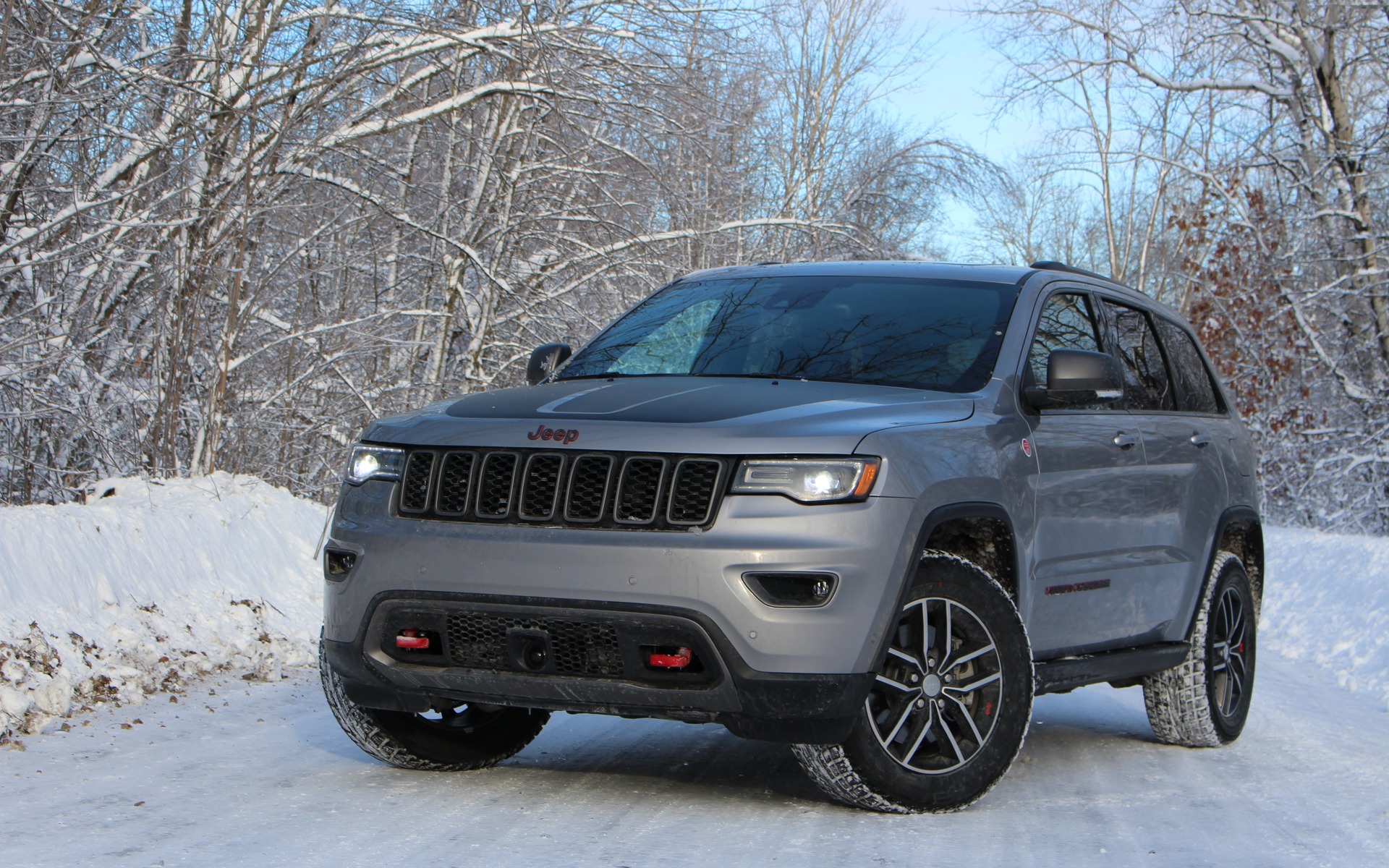
3. Jeep Grand Cherokee
The Jeep Grand Cherokee is well-regarded for its off-road capability and rugged style, but unfortunately, it’s also become known for sunroof leak issues.
Numerous owner complaints point to persistent problems with water entering the cabin through the panoramic sunroof system, particularly in models released from the early 2010s onward.
The issue tends to affect both the front and rear sections of the cabin, sometimes causing visible water stains on the headliner or activating warning lights due to moisture reaching electrical components.
A major issue lies in the way the drainage system is integrated into the vehicle. The tubes responsible for directing water away from the sunroof can easily become clogged, especially in areas with falling leaves or heavy dust.
Unlike more sophisticated drainage systems that are designed with multiple fail-safes, the Grand Cherokee’s setup does not always allow for easy access or cleaning, meaning that once a clog forms, it can lead to overflow.
When that happens, water seeps into the cabin and can damage upholstery, carpets, and even safety-related electronics.
The sunroof assembly in the Grand Cherokee also suffers from durability concerns. Many owners report that the sunroof glass or frame can become misaligned or loose over time, particularly after exposure to heavy vibrations or extreme temperatures.
Once the sunroof no longer sits perfectly flush within its frame, even small amounts of rain can find their way inside.
This is compounded by the fact that the vehicle’s warranty may not always cover these issues if they are classified as wear-and-tear or maintenance-related, rather than as manufacturer defects.
What makes this even more frustrating is that Jeep enthusiasts often use their vehicles in outdoor environments where they are more likely to encounter mud, rain, or snow.
The idea of having a rugged, off-road-capable SUV that can’t keep its cabin dry feels like a contradiction to many owners.
While the Grand Cherokee continues to be popular for its styling and performance, the recurring sunroof leak issues suggest a need for better design and quality control in future models. Until then, potential buyers may want to think twice before selecting a model with a panoramic roof.
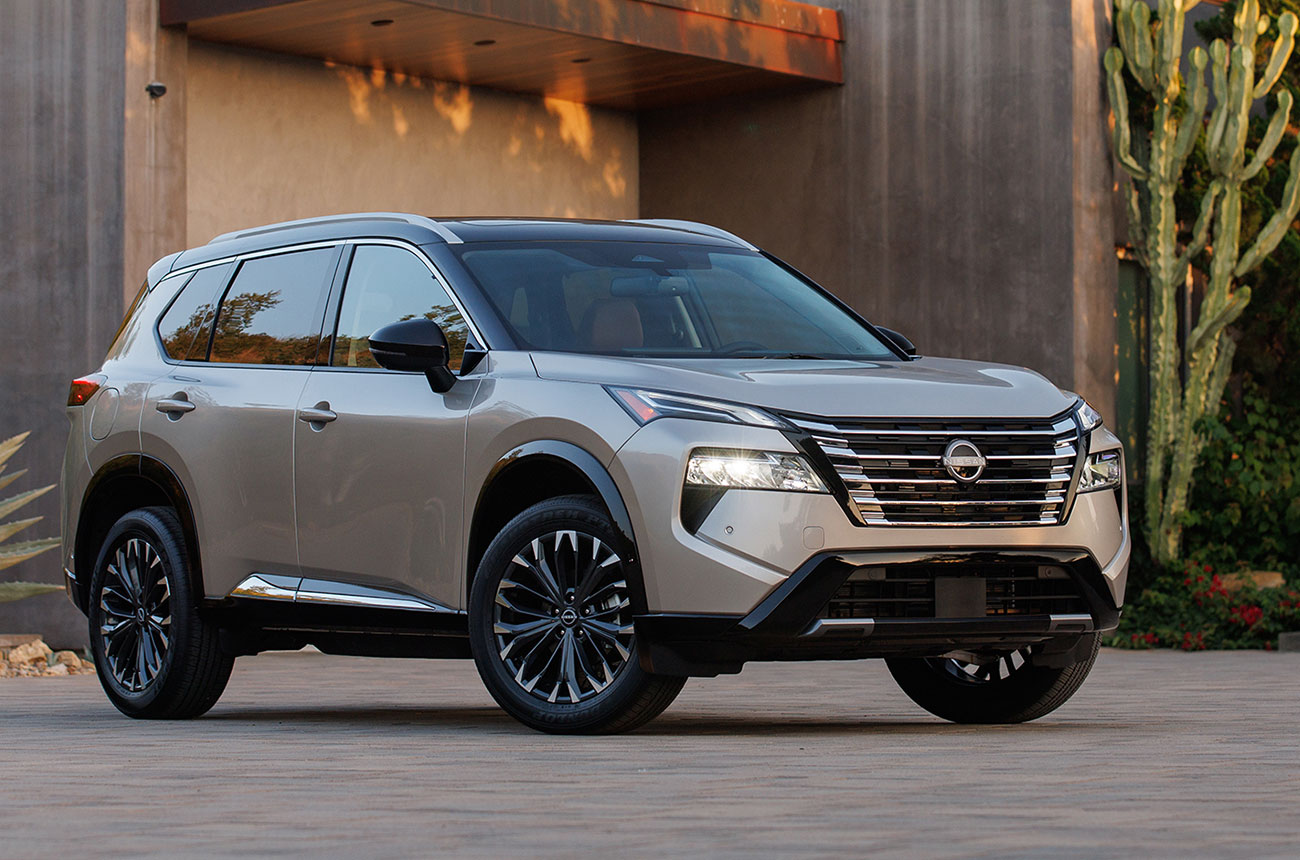
4. Nissan Rogue
The Nissan Rogue has become a staple in the compact SUV market, offering good value, fuel efficiency, and tech features. However, the sunroof system, particularly the panoramic one found in upper trims, has not lived up to expectations for durability.
Reports of water leaks have plagued this vehicle across several model years, and the problem seems especially common during seasonal transitions when heavy rain or melting snow tests the integrity of the vehicle’s weatherproofing. In many cases, leaks are not just a nuisance but lead to serious interior damage.
Beyond the drainage issues, the sealing materials around the Nissan Rogue’s sunroof have been criticized for not standing up well to long-term use. Over time, the rubber gaskets can shrink, crack, or lose their elasticity, particularly in areas with frequent sun exposure or temperature extremes.
Once the seals lose their tight fit, moisture finds its way into the cabin more easily. Some Rogue owners have noticed water trickling down the A-pillars or dripping near the dome lights, indicating that water is bypassing the sunroof track entirely.
These types of leaks can be particularly hard to diagnose and even harder to fix permanently without removing the entire sunroof assembly.
Additionally, the interior damage caused by water intrusion can be more than cosmetic. In some cases, electrical systems located near the headliner, such as the microphone for voice control or interior lighting units, have malfunctioned due to water exposure.
Once moisture gets into the wiring, it can cause shorts or corrosion that lead to erratic behavior in unrelated systems, including sensors, cameras, or infotainment components.
These types of issues are not always covered under warranty if the root cause is deemed to be a “maintenance oversight,” such as clogged drains, which leaves many owners frustrated by expensive out-of-pocket repairs.
Another layer of concern is that dealerships and service centers often do not have consistent approaches to addressing these leaks. While some technicians can resolve the issue with a thorough cleaning and resealing, others recommend full sunroof replacements, which can cost thousands.
There have also been reports of repeat visits being needed because the problem was not solved on the first attempt.
For a vehicle aimed at budget-conscious families, repeated and expensive sunroof issues erode the sense of value and trust in the product. While the Rogue remains popular for other reasons, its sunroof system continues to be a weak point in long-term reliability.
Despite being a practical and well-rounded compact SUV, the Rogue’s ongoing sunroof problems serve as a warning for prospective buyers who prioritize durability.
While not every unit may experience issues, the pattern across multiple years and models indicates a systemic issue that Nissan has not fully resolved.
Until those concerns are addressed in future redesigns, buyers may want to opt for trims without a sunroof or consider competitors with better track records. Water leaks are not just a comfort issue, they can affect the health and longevity of the vehicle.
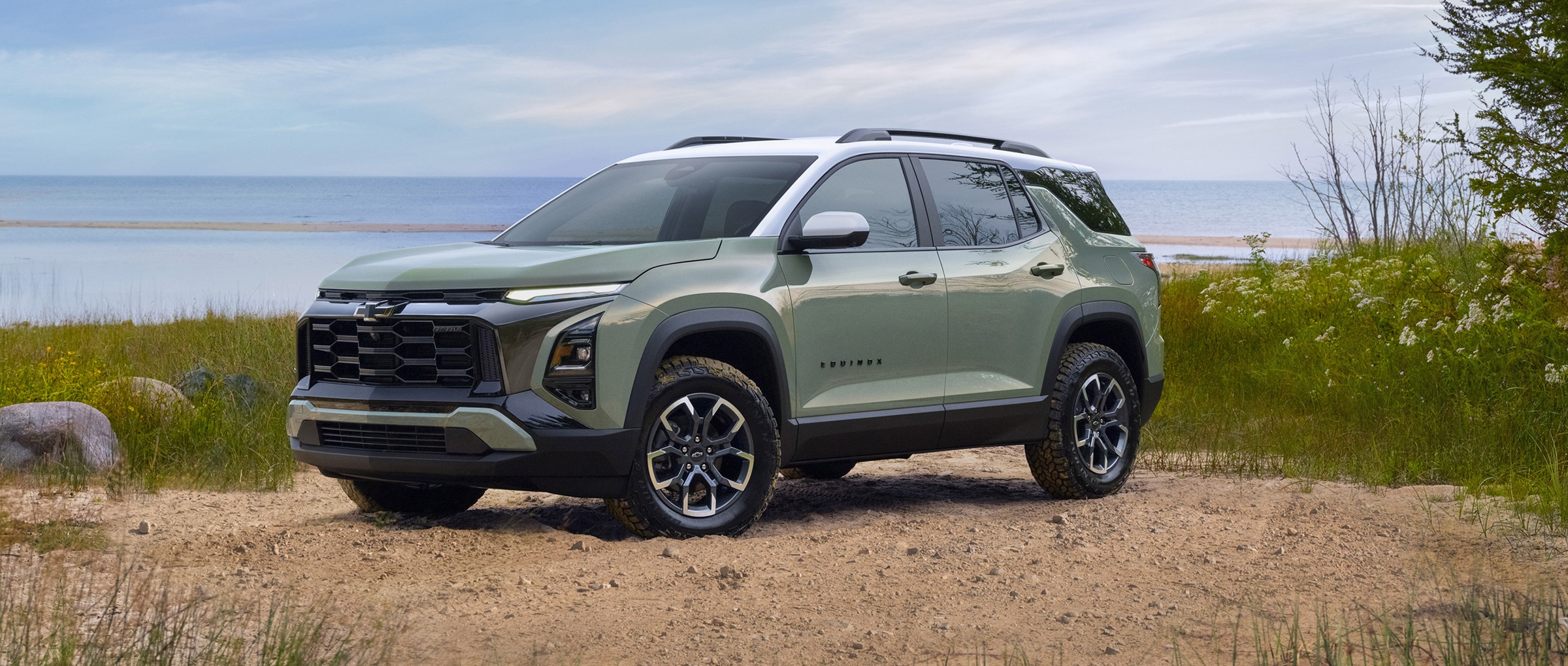
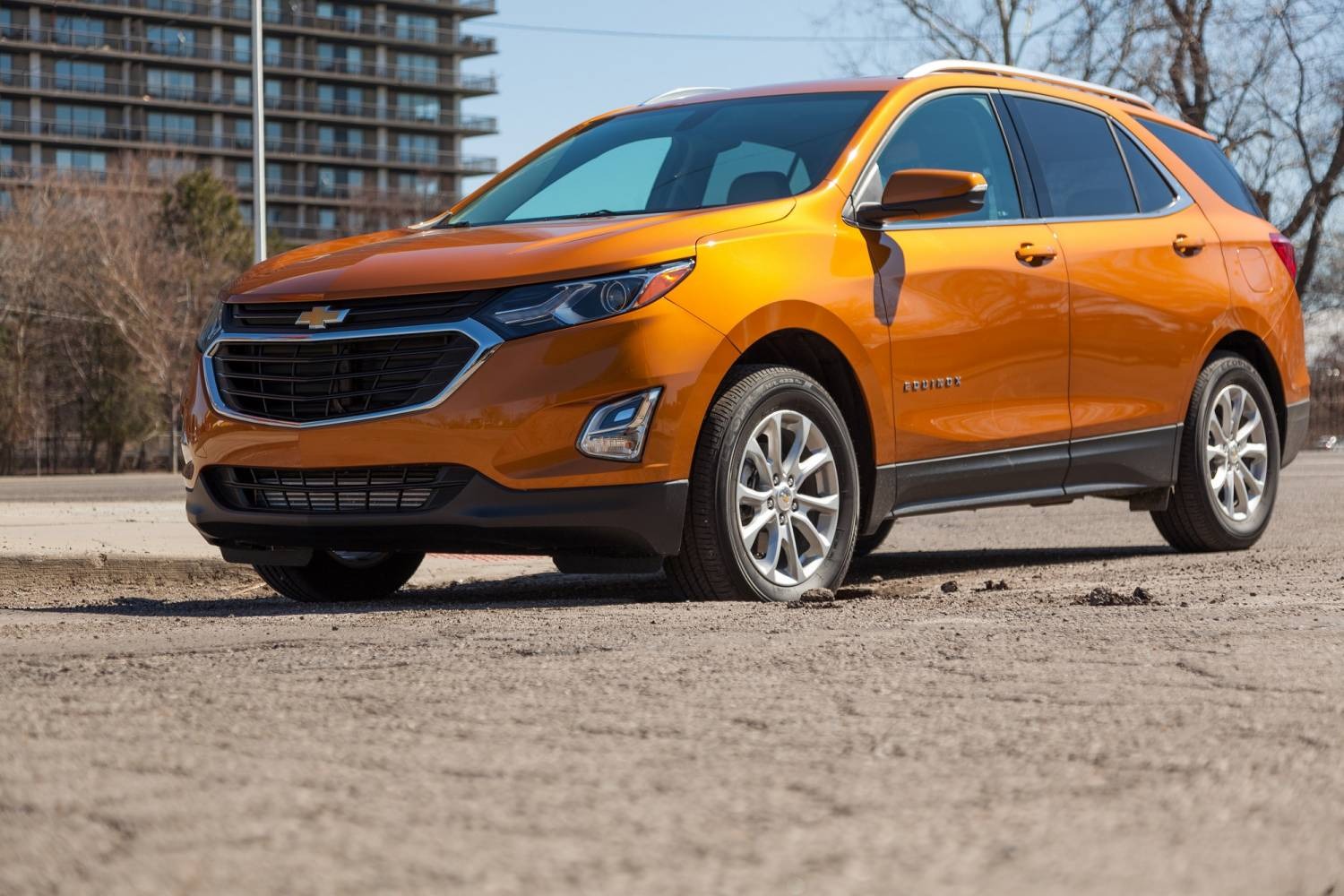
5. Chevrolet Equinox
The Chevrolet Equinox has been a strong seller in the compact SUV category for many years, but it too has a recurring issue that buyers should be aware of, leaky sunroofs.
While the panoramic glass roof adds a stylish touch and brings in plenty of natural light, it has also been associated with significant water intrusion problems.
Complaints have surfaced across various model years, with some owners even facing these issues within the first year of ownership.
The leaks typically originate from the front section of the sunroof or the surrounding headliner and often lead to stained upholstery and unpleasant odors.
One of the more troubling aspects of the Equinox’s sunroof is that even after professional cleaning and maintenance, leaks have a tendency to return.
This points to a deeper design flaw rather than a simple maintenance lapse. Many of the sunroof’s drainage tubes are difficult to access, which complicates efforts to keep them clear of debris.
In addition, some owners report that the sunroof glass itself doesn’t always sit perfectly flush with the roof frame. Even minor misalignment can allow rainwater to bypass the intended drainage paths and enter the vehicle’s interior.
Like with several other vehicles on this list, the long-term consequences of sunroof leaks in the Equinox can be costly and damaging. Once water enters the vehicle, it tends to pool in hidden places like under floor mats, behind trim panels, or within electronic housings.
Over time, this moisture can trigger rust, mildew, and even electrical shorts. Owners have reported issues with malfunctioning dome lights, erratic behavior from infotainment screens, and warning lights related to airbag or safety systems.
These are not just annoyances, they can affect the safety and functionality of the car in critical ways.
Another concern is how inconsistently dealerships handle these problems. Some service centers acknowledge the issue and perform repairs under warranty, while others claim it’s not covered due to maintenance neglect.
Without a standardized fix or official recall from General Motors, many owners are left navigating a frustrating cycle of repairs, expenses, and uncertain outcomes.
Although the Equinox offers competitive pricing and a smooth ride, buyers should think carefully before choosing a model with a panoramic sunroof. Until GM addresses the root cause of the problem, the sunroof may remain a risk rather than a reward.
