
When it comes to fast cars, speed and performance often steal the spotlight. Many drivers dream of hitting high speeds and feeling the adrenaline rush that comes with powerful engines and sleek designs. However, the reality of owning a fast car includes more than just the thrill of acceleration.
Repair costs and maintenance can be a significant factor, influencing whether a vehicle remains practical for daily use or turns into an expensive headache.
Some fast cars have been engineered not only for performance but also for reliability and affordability when it comes to upkeep. These vehicles tend to use parts that are widely available and have simpler mechanical systems, which help keep repair bills manageable.
On the other hand, some fast cars, despite their impressive numbers on paper, hide costly repair issues that can catch owners off guard. These problems may not be immediately apparent when purchasing or test driving the vehicle, but over time, they can become major financial burdens.
High-end luxury sports cars or limited-production models often have specialized components that require expensive servicing, custom parts, or labor-intensive repairs.
Even some seemingly ordinary fast cars can have design flaws or hidden quirks that lead to expensive maintenance down the line. Therefore, understanding which fast cars balance speed and repair cost effectively is essential for buyers who want the best of both worlds.
This article will cover two categories of fast cars: those known for low repair costs and those notorious for expensive hidden issues.
By comparing these vehicles, it becomes easier to make an informed choice based on not only speed and style but also long-term ownership expenses.
For anyone considering buying a fast car, this information can save a lot of trouble and money in the future. Let’s start by looking at five fast cars that are generally affordable to repair and maintain.
Also Read: 10 Cars That Age Better Than Their Rivals
5 Fast Cars With Low Repair Costs
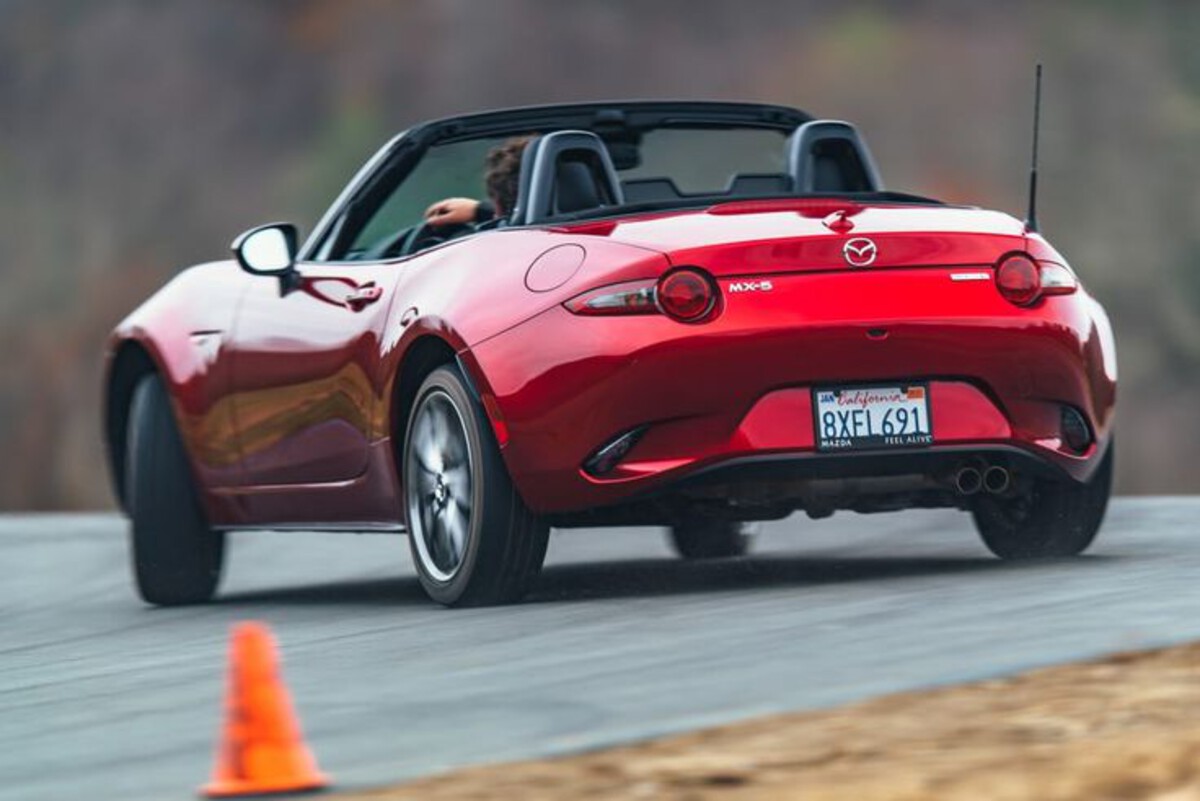
1. Mazda MX-5 Miata
The Mazda MX-5 Miata stands out as one of the most beloved lightweight sports cars ever made, combining a thrilling driving experience with surprisingly low maintenance costs.
Its design philosophy emphasizes simplicity and balance rather than brute power, which means fewer mechanical complications and more reliable performance over time.
The Miata’s naturally aspirated four-cylinder engine is not only efficient but also remarkably durable, requiring minimal intervention beyond routine servicing.
Because it lacks overly complex electronics and expensive performance parts, repair and replacement are generally affordable, even after years of spirited driving.
Many owners appreciate that the Miata is built on a platform with widely available parts, which keeps the cost of common repairs such as brake jobs, suspension refreshes, and engine tune-ups well within reach. Independent mechanics around the world are familiar with the Miata’s setup, eliminating the need to visit costly dealerships for most repairs.
This is an important factor for drivers who want to maintain the car themselves or trust local shops, especially as the car ages. The Miata’s strong aftermarket community further contributes to cost savings by providing affordable parts and detailed repair guides.
Another reason the Miata stays affordable to own is its excellent fuel economy and modest insurance premiums.
Compared to larger, more powerful sports cars, it consumes less fuel without sacrificing the excitement of driving. The car’s size and design also help it maintain a low profile in insurance risk categories, which can significantly reduce annual costs.
For many buyers, this combination of driving fun and practical ownership costs makes the MX-5 a unique offering in the sports car world.
The reliability and simplicity of the Miata are not just luck but a result of Mazda’s commitment to engineering a car that delivers pure driving pleasure without the burden of constant upkeep.
Unlike many other sports cars that require specialized servicing and expensive parts, the Miata remains accessible for enthusiasts and everyday drivers alike.
Over the years, it has developed a loyal following that appreciates both its charm and its practical maintenance profile, cementing its reputation as a fast car that doesn’t break the bank.
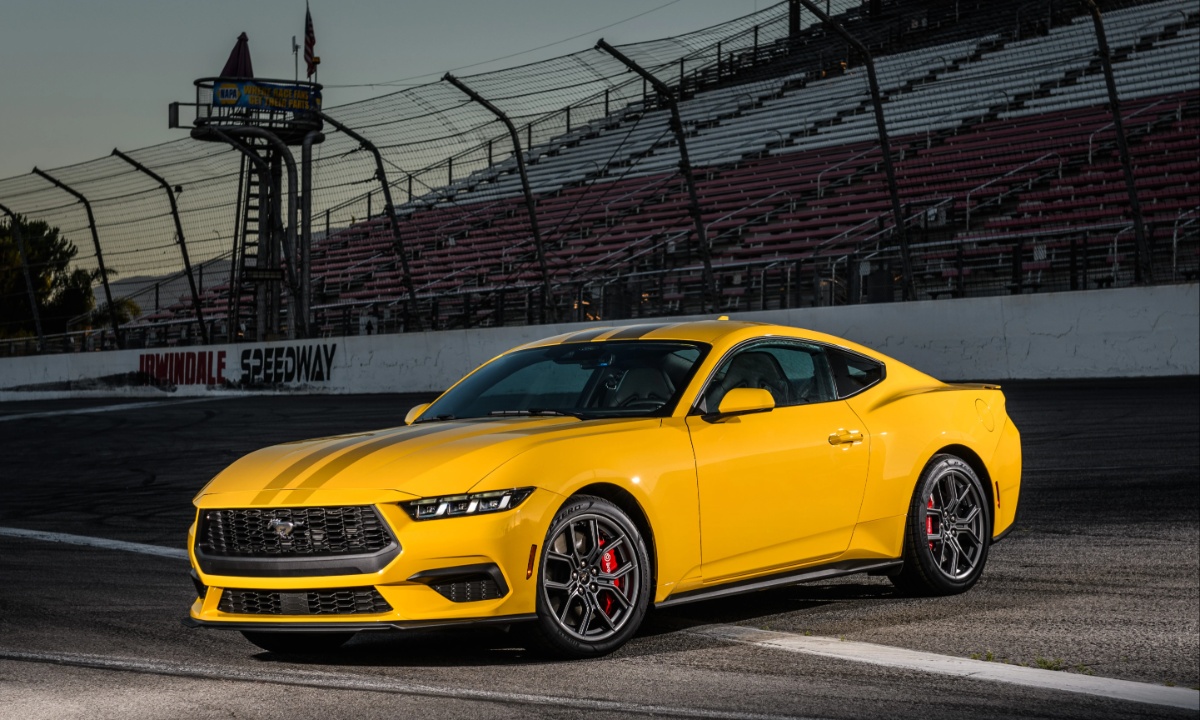
2. Ford Mustang EcoBoost
The Ford Mustang EcoBoost provides a compelling balance of muscle car heritage and modern efficiency, offering performance that surprises many while keeping repair costs manageable.
This turbocharged four-cylinder version of the Mustang has been engineered to offer impressive acceleration and driving dynamics without the maintenance challenges typical of larger V8 models.
The EcoBoost Mustang uses widely available parts and well-understood mechanical systems, which helps keep repair and servicing costs lower than might be expected for a car with this level of performance.
Because Ford has produced large numbers of EcoBoost engines across multiple models, there is an extensive network of parts suppliers and experienced mechanics familiar with the platform.
This availability reduces wait times and repair prices, as common parts like turbochargers, intercoolers, and engine components are easier to source than the bespoke parts found in more exclusive muscle cars.
The Mustang’s relatively straightforward architecture also allows many repair shops to handle maintenance and repairs without the need for specialized equipment.
Another important factor in the EcoBoost Mustang’s affordability is Ford’s focus on improving engine reliability over time.
While early turbocharged engines in the industry sometimes struggled with durability, Ford has invested heavily in engineering the EcoBoost to withstand everyday use and spirited driving alike.
Regular maintenance such as oil changes, spark plug replacements, and turbo inspections are all that’s typically needed to keep the car running smoothly.
This level of durability, combined with the Mustang’s inherent appeal, makes the EcoBoost a practical choice for performance enthusiasts.
Additionally, the Mustang EcoBoost benefits from relatively competitive insurance rates compared to more powerful muscle cars with bigger engines. This can have a significant impact on the total cost of ownership, especially for younger drivers or those living in urban areas.
The car’s styling, reputation, and driving experience make it one of the most accessible fast cars on the market, blending the thrill of performance with the benefits of affordable ownership and maintenance.
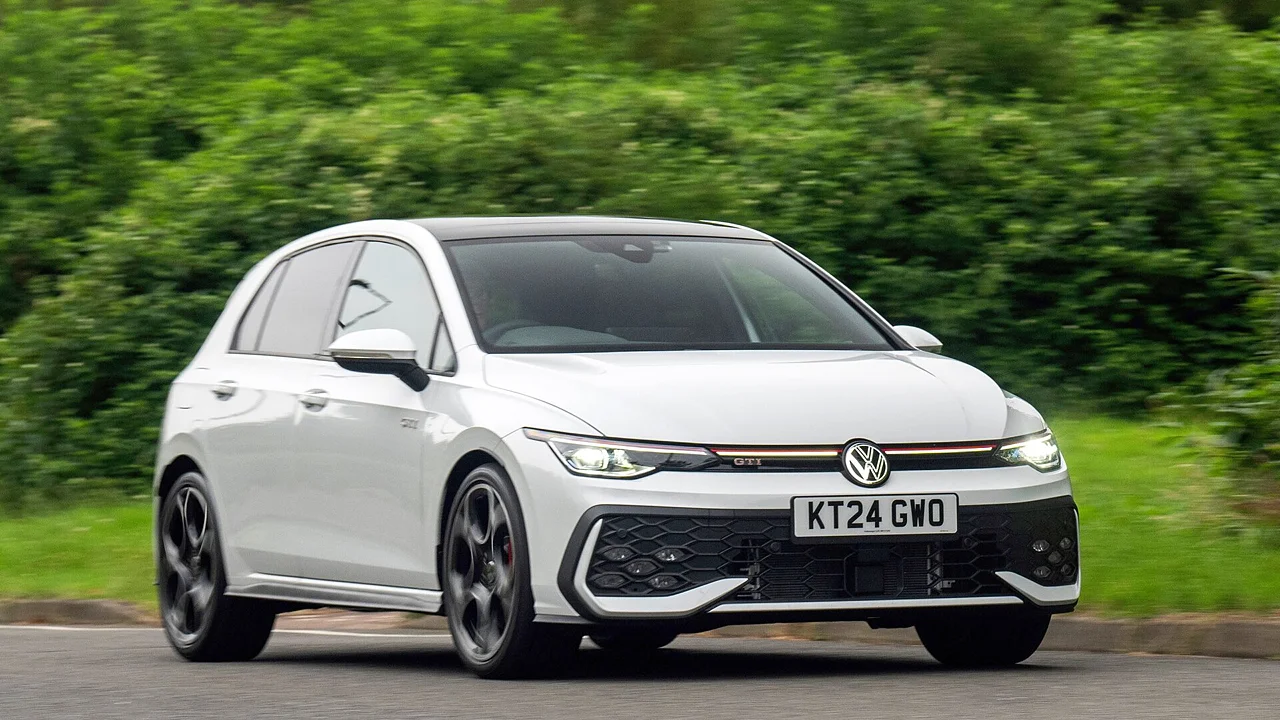
3. Volkswagen Golf GTI
The Volkswagen Golf GTI is widely recognized as one of the best all-around sporty hatchbacks available, offering a compelling mix of performance, practicality, and reasonable maintenance costs.
Its turbocharged four-cylinder engine delivers quick acceleration and sharp throttle response, making it a favorite among drivers who want both speed and everyday usability.
While some European cars carry a reputation for high repair bills, the Golf GTI tends to be more affordable to maintain than many of its counterparts due to Volkswagen’s extensive parts supply chain and shared platforms across the brand’s lineup.
Parts for the Golf GTI are not only plentiful but also competitively priced thanks to the car’s popularity and global presence. This makes routine repairs such as brake replacements, suspension work, and turbo servicing more affordable than for many other sporty European models.
The car’s engineering emphasizes reliability, with many owners reporting trouble-free ownership when adhering to Volkswagen’s recommended maintenance schedules.
This includes regular oil changes, spark plug replacements, and coolant flushes, all of which are relatively inexpensive procedures.
Another aspect that contributes to the GTI’s low repair costs is its solid build quality and thoughtful design. The car avoids overcomplicated mechanical systems or expensive exotic materials, instead opting for proven technology that balances performance and durability.
Its chassis and suspension components are designed to handle spirited driving without excessive wear, helping owners avoid frequent costly replacements.
Furthermore, Volkswagen’s dealer network and independent repair shops are well-equipped to handle the GTI, which helps keep labor costs reasonable.
The Golf GTI also benefits from a strong enthusiast community and aftermarket support, which means owners can often find high-quality replacement parts or upgrades without paying premium prices. This community knowledge provides a valuable resource for troubleshooting and cost-saving maintenance tips.
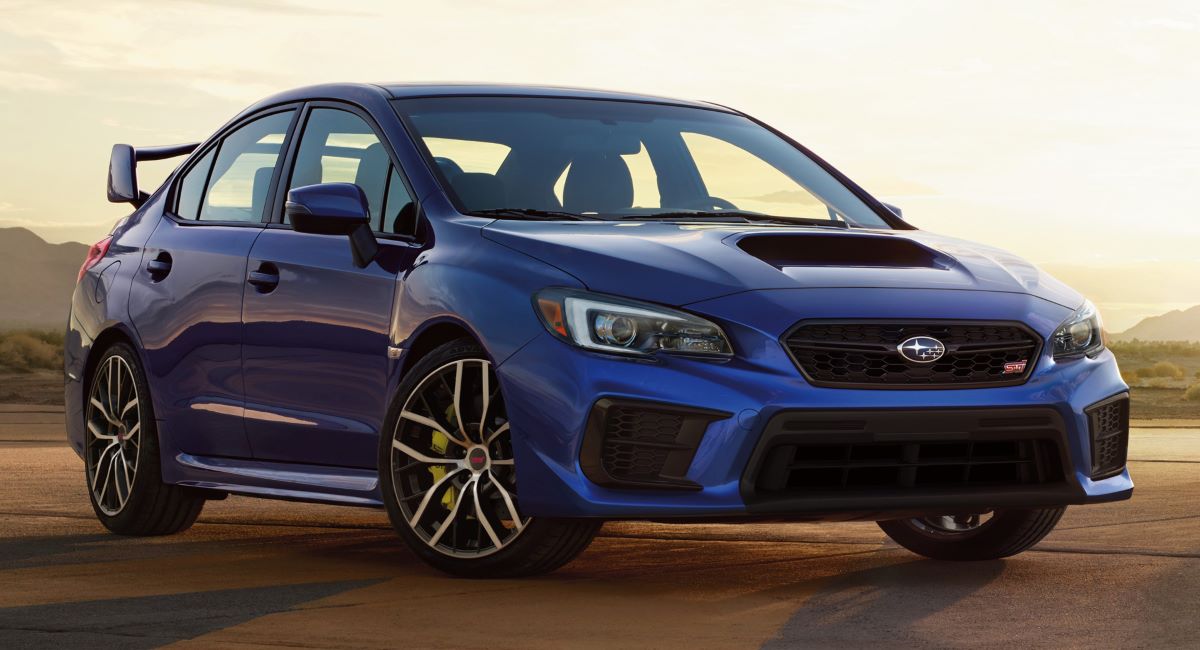
4. Subaru WRX
The Subaru WRX is a performance-oriented sedan with a dedicated following thanks to its distinctive all-wheel-drive system and turbocharged boxer engine.
Known for its rally heritage and excellent handling, the WRX offers a fast driving experience combined with a reputation for relatively manageable maintenance costs, especially compared to many high-performance cars.
Subaru’s mechanical simplicity and widespread dealer network contribute to keeping repair expenses within reasonable limits, even when factoring in the car’s sporty nature.
One reason the WRX remains affordable to repair is the availability of parts and familiarity among mechanics. The turbocharged boxer engine is unique but well-documented, and Subaru has maintained consistency across its platforms, meaning many components are interchangeable or share common features.
This availability keeps parts costs down, whether replacing the turbo, engine components, or suspension parts. Regular maintenance items like oil changes, brake servicing, and tire replacements tend to be straightforward and affordable.
That said, some earlier models of the WRX had known issues with head gaskets, which could lead to costly repairs if neglected. Fortunately, Subaru has improved these components over time, and newer models are less prone to such problems.
Proper maintenance, including timely oil changes and monitoring engine health, can largely prevent these expensive failures.
The WRX’s all-wheel-drive system also adds complexity, but Subaru’s long experience with this technology means many mechanics are well-versed in servicing it without exorbitant labor costs.
The WRX also offers practical advantages that help keep ownership costs down. Its fuel economy, while not class-leading, is reasonable for an all-wheel-drive turbocharged car, and insurance premiums are generally lower than many luxury or exotic sports cars.
For drivers who want speed, grip, and practicality without constant expensive repairs, the Subaru WRX remains an attractive option with a strong balance between performance and ownership cost.
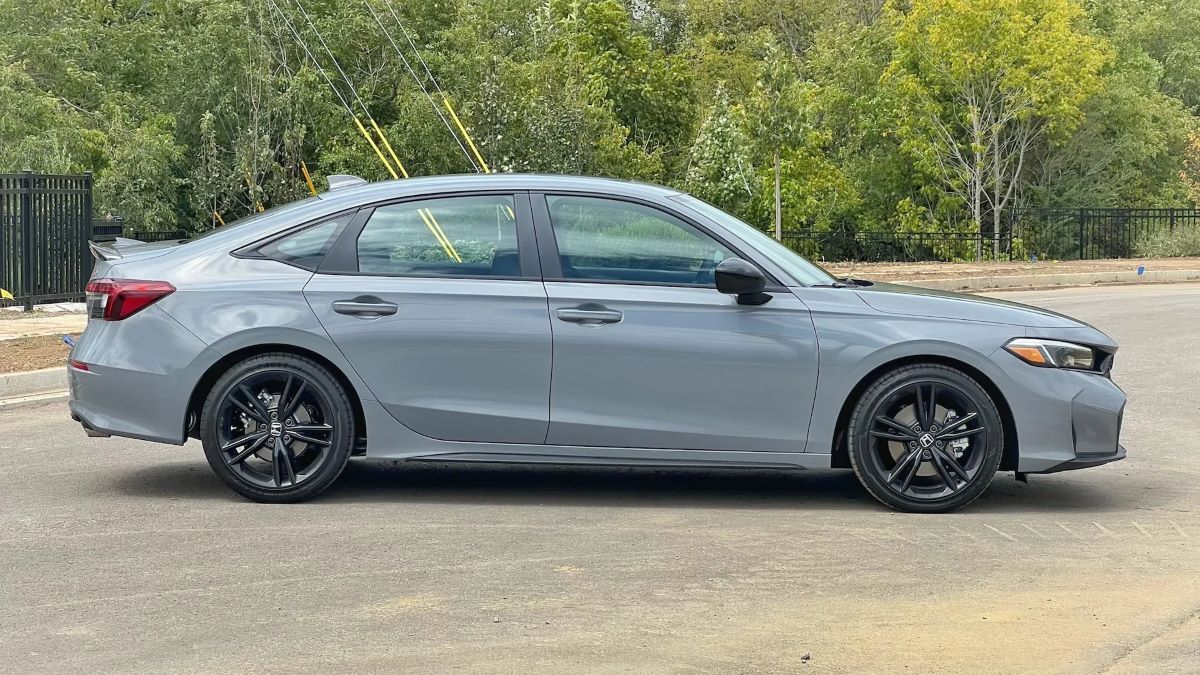
5. Honda Civic Si
The Honda Civic Si is a performance-oriented variant of the ever-popular Civic, known for its sporty handling, peppy engine, and exceptional reliability. It has long been a favorite among enthusiasts who want an affordable sports car experience without the maintenance headaches that often accompany higher-end performance vehicles.
Honda’s engineering emphasizes durability and simplicity, making the Civic Si one of the most budget-friendly fast cars to maintain and repair.
A key factor in the Civic Si’s low repair costs is the widespread availability of parts and the simplicity of its mechanical systems. The car uses proven Honda engines and transmissions, which have been refined over decades for reliability and ease of service.
Replacement parts are affordable and abundant, with many aftermarket options available for those looking to modify or repair the car. Routine maintenance tasks such as oil changes, brake replacements, and fluid flushes are straightforward and inexpensive.
In addition to mechanical reliability, the Civic Si tends to avoid the complex electronic systems that can cause costly problems in some modern sports cars. While newer models do have advanced features, they are generally well integrated and less prone to malfunction than systems in luxury vehicles.
This helps keep diagnostic and repair costs low. Moreover, the Civic Si’s solid build quality means that chassis components and suspension parts tend to last well, reducing the frequency and expense of repairs.
Another advantage of the Civic Si is its strong resale value, which reflects its reputation as a dependable yet fun car. The vehicle’s popularity ensures that insurance costs remain reasonable, and the large community of owners and enthusiasts helps maintain a steady supply of knowledge and parts.
Taken together, these factors make the Honda Civic Si an ideal choice for drivers seeking an affordable, fast car with a reputation for low repair costs and reliable performance.
5 Fast Cars With Expensive Hidden Issues
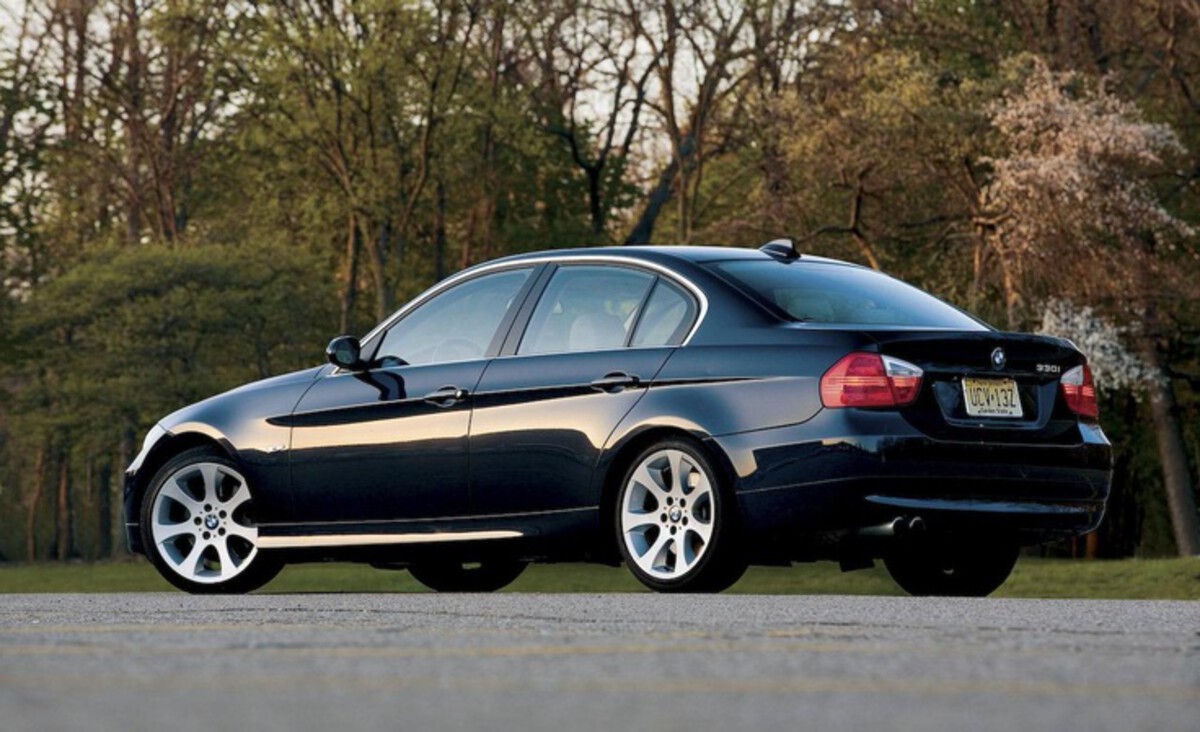
1. BMW M3 (E90/E92)
The BMW M3 from the E90/E92 generation is widely praised for its high-revving naturally aspirated V8 engine and sharp, precise handling that delivers an exhilarating driving experience.
However, beneath the surface of this well-regarded performance car lies a range of costly hidden issues that often catch owners by surprise.
One of the most infamous problems is the premature failure of rod bearings, a critical engine component that, if neglected, can lead to catastrophic engine damage. This issue is particularly concerning because symptoms are subtle at first, making it difficult to detect without proactive inspection.
Repairing or replacing rod bearings is a labor-intensive process that requires the engine to be removed and partially disassembled, leading to repair costs that can easily reach into the thousands.
In addition to rod bearing problems, the M3’s high-performance engine relies on carbon fiber driveshafts and other specialized components that are expensive to replace and prone to wear under aggressive driving conditions.
The complexity and performance orientation of these parts make them more delicate compared to typical engines, meaning owners should be prepared for ongoing maintenance expenses that extend well beyond routine servicing.
Cooling system components, such as electric water pumps and thermostats, are also prone to failure, and these repairs often come with significant labor charges due to their placement and integration within the engine bay.
Electronics and suspension parts in the E90/E92 M3 also contribute to the costly maintenance picture.
As the car ages, owners frequently report failures in sensors, control modules, and adaptive suspension components, all of which require specialist diagnostics and repairs that can quickly add up.
The car’s sport-tuned suspension setup, designed for maximum performance, tends to wear faster than regular setups, leading to costly replacements of bushings, shocks, and control arms.
Together, these issues make the E90/E92 M3 an exciting but potentially expensive vehicle to maintain, requiring owners to budget carefully for unexpected repairs that may arise even with diligent upkeep.
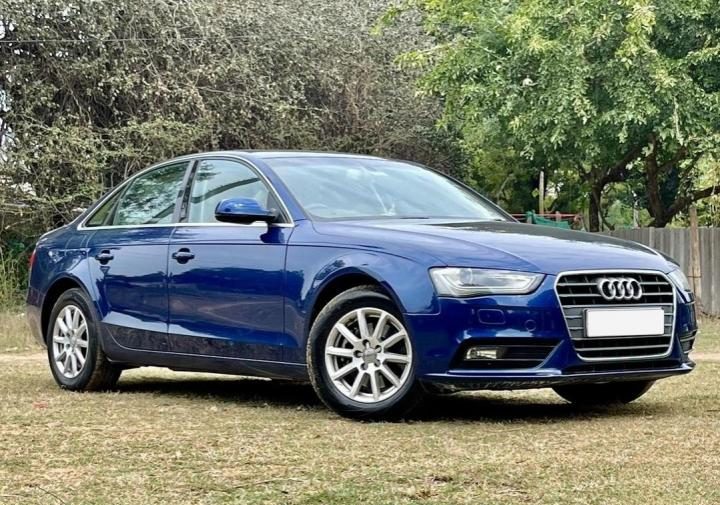
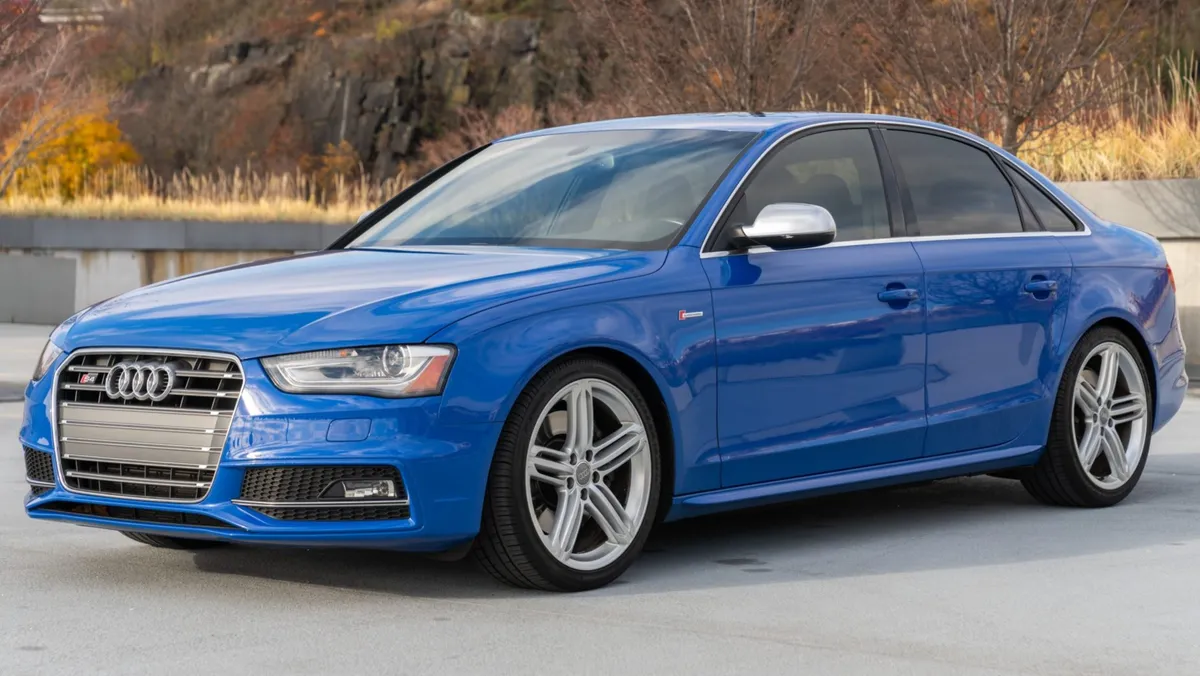
2. Audi S4 (B8 Generation)
The Audi S4 B8, powered by a supercharged V6 engine, combines luxury, style, and performance, but its complex engineering comes with a series of hidden repair costs that can quickly drain an owner’s budget. The supercharger, a key component responsible for the car’s impressive power delivery, is a known weak point.
Failures or leaks in the supercharger system are often not evident during casual use but can cause severe performance issues and require expensive repairs or replacements.
Because superchargers are not simple parts, sourcing and installing replacements typically involves high parts costs and significant labor, especially if the damage has affected associated components.
Beyond the supercharger, the S4’s engine timing chain system is another area prone to hidden problems. Timing chain tensioners and guides are known to wear prematurely, which can cause the chain to skip or fail, resulting in severe engine damage.
The repairs involved in fixing timing chain issues require extensive disassembly and high-level expertise, translating into high repair bills.
These problems often go unnoticed during initial inspections but can lead to engine failure if not addressed promptly, creating a hidden financial trap for owners.
The complexity of the Audi’s Quattro all-wheel-drive system adds further potential for costly repairs. The differential units, transfer case, and driveshaft components all require regular attention and can develop issues that are expensive to fix.
Electrical gremlins are also a common complaint among S4 B8 owners, with problems ranging from malfunctioning sensors to issues with the infotainment system and electronic control modules. Diagnosing and repairing these issues often requires dealer-level diagnostic tools, pushing labor costs higher.
Taken together, these hidden mechanical and electrical issues mean the Audi S4 B8 may deliver on performance but demands a maintenance budget that can catch owners off guard.
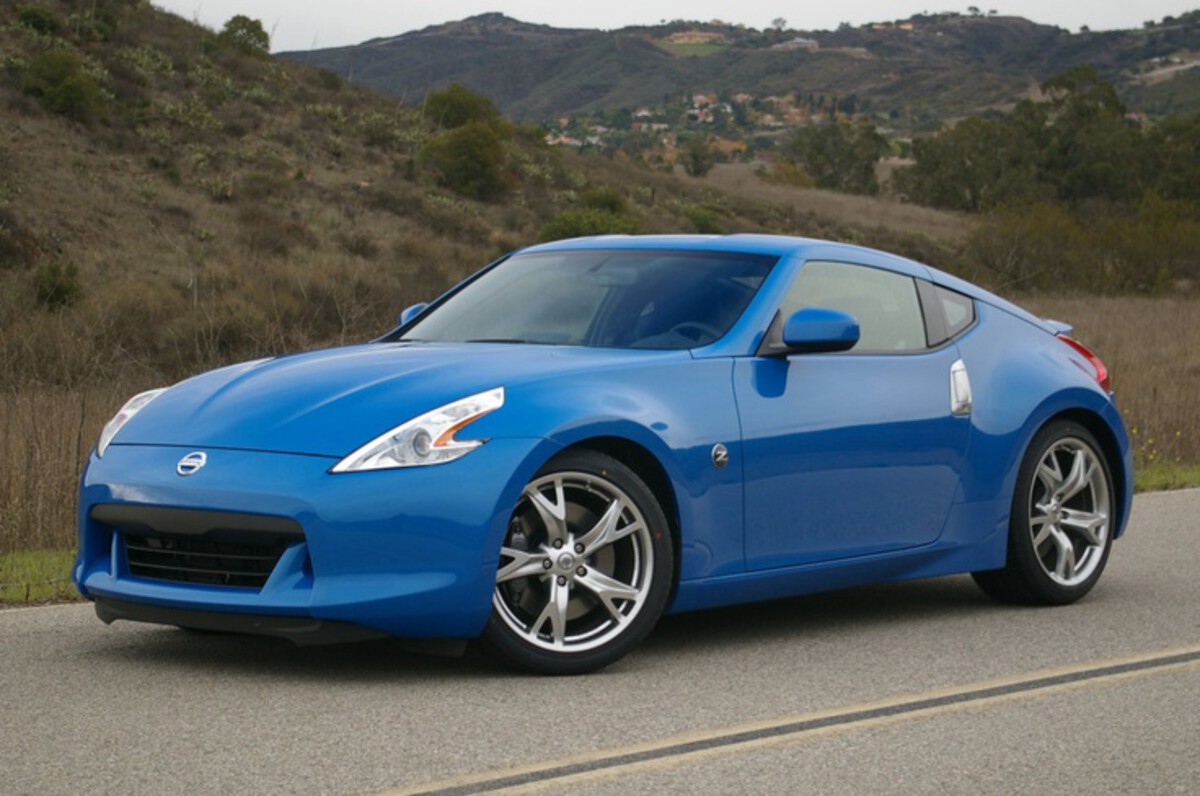
3. Nissan 370Z
The Nissan 370Z is celebrated for its straightforward design and strong naturally aspirated V6 engine that delivers a pure sports car experience.
Despite its reputation for reliability, the 370Z harbors some hidden issues that can lead to expensive repairs, particularly as the car ages or if it is driven aggressively.
One of the most concerns revolves around the automatic transmission, which has been known to experience reliability problems such as harsh shifting or early failure if maintenance is neglected.
Transmission repairs or rebuilds for the 370Z are costly due to the specialized nature of its unit, and replacement parts are not inexpensive.
Even the manual transmission versions are not entirely free from costly repairs. Clutch replacements, which are common on sports cars subjected to aggressive driving, tend to be expensive on the 370Z, partly due to the cost of genuine OEM parts and the labor involved in the replacement process.
Moreover, the performance suspension setup, which enhances the car’s handling, also introduces higher maintenance demands.
Control arms, bushings, and shocks wear faster than those on regular vehicles and may require premature replacement. These components often involve specialized parts that can be pricey and require skilled labor to install correctly.
Another hidden concern is the 370Z’s cooling system. While not always evident at first, issues such as radiator leaks, failing thermostats, and water pump malfunctions can emerge as the car accumulates mileage.
These problems not only compromise performance and reliability but can lead to costly engine damage if ignored.
Since many cooling system components are located in tight spaces, repairs can be labor-intensive. Collectively, these hidden issues make the Nissan 370Z less inexpensive to maintain than it may appear, particularly for owners who push their cars hard or overlook preventive care.

4. Jaguar F-Type
The Jaguar F-Type is a visually stunning and performance-packed luxury sports car that often impresses drivers with its power and presence.
However, beneath its striking exterior lies a reputation for expensive hidden maintenance and reliability issues that many owners encounter during ownership.
Jaguar’s brand history with electrical problems unfortunately extends to the F-Type, where owners frequently report glitches in the infotainment system, faulty sensors, and battery drain issues that can be difficult and costly to diagnose.
Electronics in the F-Type are integrated with complex proprietary systems that require specialized diagnostic tools and dealer expertise for repairs, driving up service costs.
Many owners face recurring issues with warning lights, sensor malfunctions, and intermittent electronic faults that disrupt daily use.
These electrical problems are often elusive, making them difficult to pinpoint, which means repair shops spend more time diagnosing and fixing the issues, increasing labor charges. The cost of replacement parts is also high due to Jaguar’s use of premium components and limited availability outside official dealerships.
The F-Type’s engines, especially the supercharged V6 and V8 variants, are known to experience oil leaks, timing chain tensioner failures, and coolant system problems. These mechanical issues require significant labor to repair and are costly because of Jaguar’s specialized parts and service approach.
Additionally, the luxury sports suspension system involves advanced adaptive components that wear out or fail more quickly than expected, leading to expensive replacements.
Warranty coverage often expires before these issues manifest, leaving owners to cover costly repairs. While the F-Type offers impressive performance and style, potential buyers should be prepared for hidden expenses that go beyond routine maintenance.
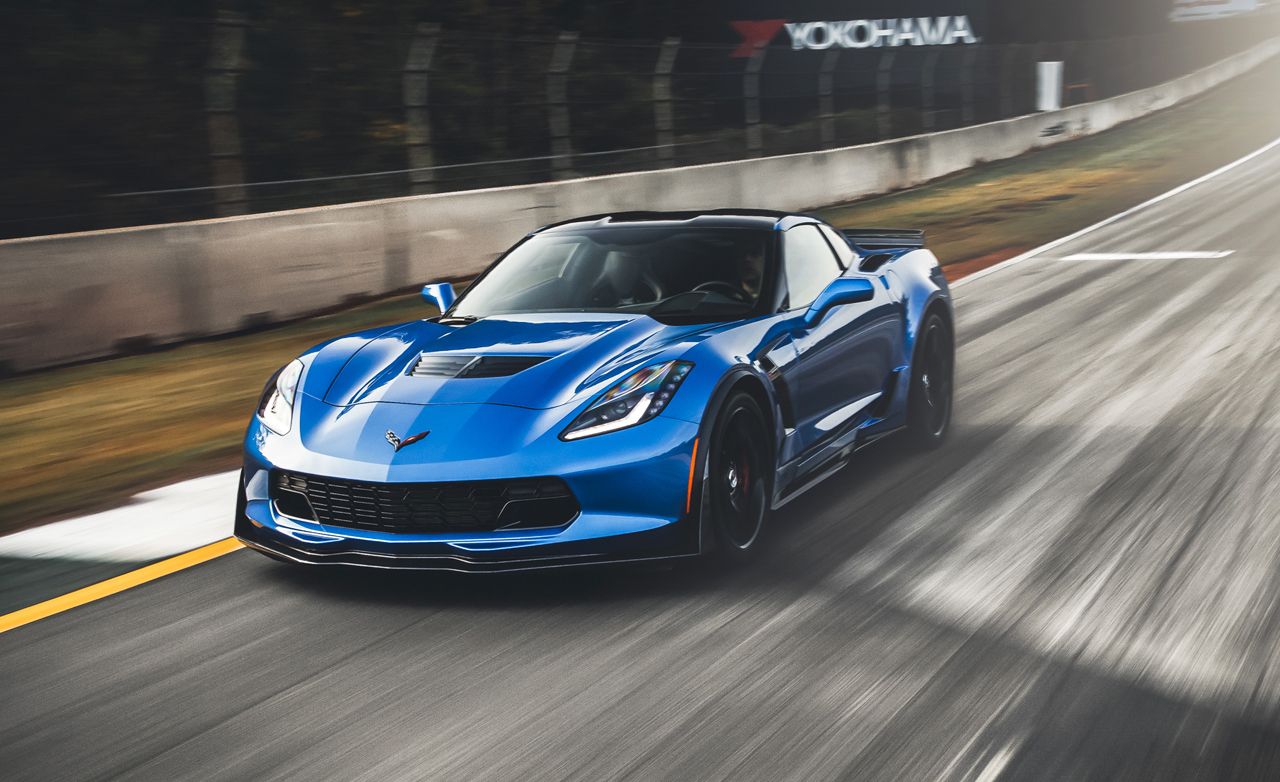
5. Chevrolet Corvette C7
The Chevrolet Corvette C7 offers serious performance with its powerful V8 engine and track-capable handling, but it also comes with hidden maintenance issues that can lead to unexpected and expensive repair bills.
Despite being more affordable than many European exotics, the C7’s engineering complexity means some common repairs can be both labor-intensive and costly.
The engine and cooling system are areas where owners often encounter problems such as oil leaks, water pump failures, and thermostat malfunctions that can lead to overheating if not addressed promptly.
Many of these repairs require significant engine bay disassembly due to the C7’s compact packaging, which translates to higher labor costs. Advanced electronic systems, including the active suspension and control modules, are additional sources of hidden expenses.
Failures in these systems often necessitate dealer-level diagnostics and specialized parts replacement.
The suspension components themselves are designed for high performance but tend to wear faster than those on less sporty vehicles, requiring early replacement of bushings, shocks, and control arms, all of which can be costly.
Transmission reliability is another concern, particularly with the C7’s dual-clutch automatic transmissions. Some owners have reported harsh shifting or failures that require expensive repairs or complete rebuilds. These transmissions are complex and require specialized knowledge to service properly, pushing labor costs even higher.
While the Corvette C7 delivers exhilarating performance and great value for speed, potential buyers should be aware that its hidden maintenance challenges can add up to a hefty cost of ownership if not carefully managed.
Also Read: 10 Motorsports Engines That Proved Reliable in Daily Cars
When considering fast cars, it’s easy to focus solely on speed, style, and performance. However, the true cost of ownership goes far beyond the sticker price or the thrill of acceleration. Maintenance, repairs, and hidden issues play a crucial role in determining whether a car remains enjoyable or becomes a financial burden.
The contrast between fast cars with low repair costs and those with expensive hidden problems highlights how important it is for prospective buyers to look beyond initial impressions and research long-term reliability and ownership expenses.
Fast cars like the Mazda MX-5 Miata, Ford Mustang EcoBoost, Volkswagen Golf GTI, Subaru WRX, and Honda Civic Si prove that it’s possible to have exciting performance without breaking the bank on repairs.
These vehicles are designed with reliability and ease of maintenance in mind, often featuring simpler mechanical systems, widely available parts, and strong support from aftermarket communities.
Their reputation for durability, combined with lower insurance and fuel costs, makes them attractive options for drivers who want to enjoy speed without the anxiety of unpredictable repair bills.
The balance they strike between driving excitement and affordability shows that performance does not always come with a hefty price tag.
On the other hand, fast cars such as the BMW M3 (E90/E92), Audi S4 (B8), Nissan 370Z, Jaguar F-Type, and Chevrolet Corvette C7 demonstrate that high-performance vehicles can sometimes hide costly issues beneath their impressive exteriors.
Whether it’s premature engine failures, complex turbo or supercharger systems, electronic gremlins, or intricate suspension setups, these cars require owners to be prepared for significant and often unexpected expenses.
The engineering that delivers thrilling power and sophisticated handling also introduces complexity that can increase the likelihood of hidden problems.
Repairing these issues frequently demands specialized knowledge and expensive parts, pushing maintenance costs far beyond initial expectations.
Choosing a fast car requires balancing personal driving preferences with practical considerations about ownership costs. Understanding the potential pitfalls and hidden expenses associated with certain models can help buyers make informed decisions that match their budget and lifestyle.
Fast cars don’t have to be money pits, but they also aren’t immune to mechanical challenges. By carefully weighing both performance and repair costs, drivers can find a vehicle that delivers excitement on the road while remaining manageable off it.
