
The suspension system is one of the most critical components of a vehicle, influencing not only comfort but also handling, safety, and driving experience.
A well-designed suspension absorbs shocks from uneven roads, maintains tire contact with the surface, and supports vehicle stability during acceleration, braking, and cornering.
Because of its crucial role, the longevity and quality of a car’s suspension can significantly affect the cost of ownership and driver satisfaction over time. Suspension systems typically include springs, shock absorbers or struts, control arms, and other related components.
These parts endure constant stress from road conditions, weather, and driving habits, making durability an essential factor to consider when purchasing or maintaining a vehicle.
Certain cars are known for having suspensions that stand the test of time, requiring minimal repairs or replacements even after many miles.
These vehicles usually come from manufacturers that emphasize engineering quality and use robust components designed to handle a variety of driving environments.
On the other hand, some cars suffer from weaker suspensions prone to premature wear, costly repairs, and less comfortable rides. The reasons behind these differences can range from the type of suspension setup to the materials used and build quality.
This article highlights five cars recognized for their long-lasting suspension systems and five cars known to have weaker suspensions. Understanding these examples can help buyers make informed decisions when considering durability and maintenance costs.
Additionally, it sheds light on how different manufacturers approach suspension design and what can go wrong when corners are cut or components are under-engineered. Whether you prioritize a smooth ride, low upkeep costs, or reliable handling, knowing which cars excel or fall short in suspension durability can prove invaluable.
Also Read: 10 Cars That Age Better Than Their Rivals
5 Cars With Long-Lasting Suspension
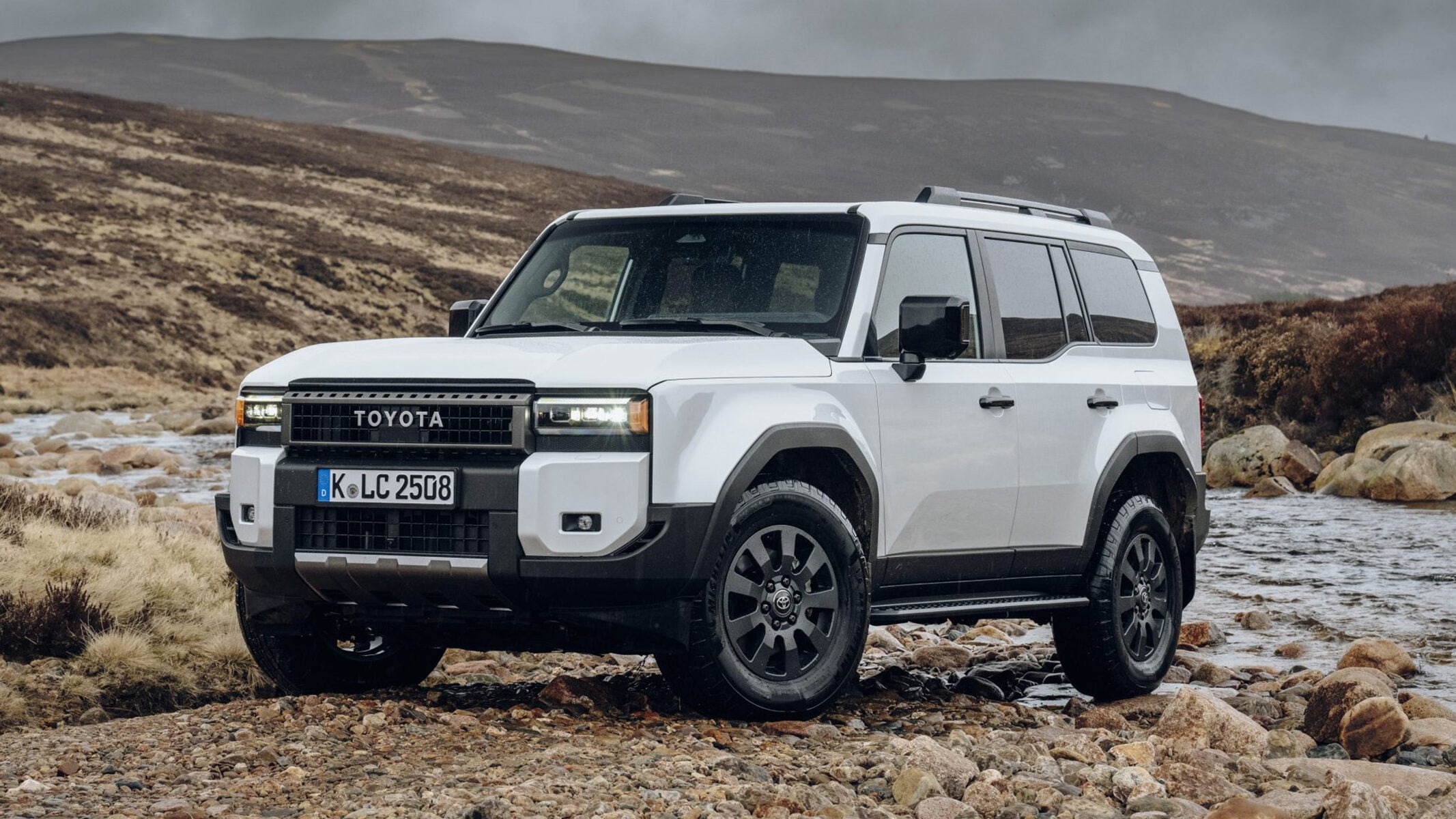
Toyota Land Cruiser
The Toyota Land Cruiser is a vehicle legendary for its durability and ruggedness, particularly when it comes to its suspension system.
Built to tackle some of the harshest terrains on the planet, from rocky mountain trails to sandy deserts, the Land Cruiser’s suspension is engineered to withstand constant abuse without significant wear.
The front suspension typically employs a double-wishbone design with coil springs, which offers a combination of strength and flexibility that allows the vehicle to absorb large impacts without transferring excessive force to the chassis
. At the rear, a solid axle setup with heavy-duty coil springs adds durability and simplifies repairs, a key factor in remote areas where maintenance options are limited.
Over time, the suspension components retain their structural integrity, which is why many Land Cruiser owners report having vehicles with hundreds of thousands of miles on the original suspension.
Toyota’s attention to material quality, such as reinforced steel control arms and bushings designed to resist wear and corrosion, also contributes to this long life.
Beyond just the hardware, the Land Cruiser benefits from thorough engineering that balances comfort and toughness, making it capable of handling both heavy loads and uneven surfaces with minimal degradation.
In addition to the design and materials, Toyota has a well-earned reputation for stringent quality control in its manufacturing processes. The Land Cruiser’s suspension parts undergo rigorous testing during development, simulating years of use under extreme conditions.
This thorough vetting ensures that the suspension system is not only robust but also consistent in performance from one vehicle to the next. The result is a suspension that maintains its damping and spring characteristics over extended periods, reducing the frequency of repairs and replacements.
Furthermore, aftermarket support for the Land Cruiser is strong, with many manufacturers offering high-quality replacement parts designed to match or even improve upon the original specifications.
This aspect helps extend the vehicle’s suspension life even further once components inevitably wear out, allowing owners to maintain the Land Cruiser’s smooth ride and handling capabilities over the long haul.
The suspension’s resilience also plays a key role in preserving other vehicle components by minimizing vibrations and shock forces, thereby contributing to mechanical longevity.
Finally, the Land Cruiser’s suspension system is adaptable to different markets and driving conditions. In some regions, heavy-duty variants include reinforced parts designed specifically for heavy off-road use or commercial applications.
This modular approach means the Land Cruiser’s suspension can be tailored to the user’s needs without sacrificing durability.
The suspension also works in concert with the vehicle’s advanced four-wheel-drive system and chassis design to ensure stability and safety.
By absorbing rough terrain impacts efficiently, the Land Cruiser’s suspension reduces driver fatigue and improves control, which is crucial during long journeys or challenging off-road expeditions.
This combination of durability, performance, and adaptability cements the Land Cruiser’s place as a benchmark for long-lasting suspension in the SUV segment.
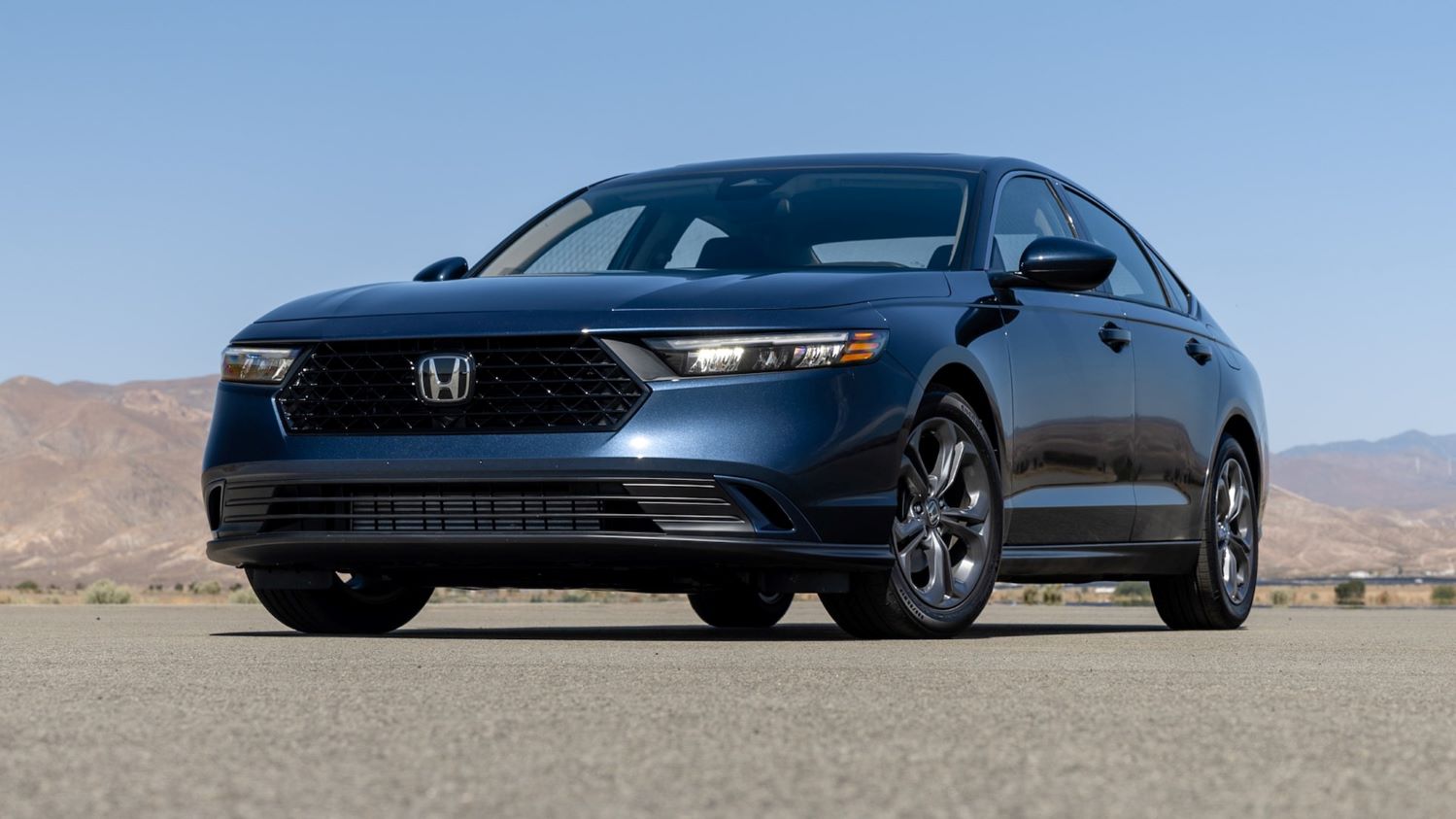
Honda Accord
The Honda Accord is a standout among midsize sedans, not only because of its reputation for reliability but also due to its suspension system’s impressive longevity.
Designed with everyday driving in mind, the Accord’s suspension setup focuses on a balance between comfort, handling, and durability.
The front suspension uses MacPherson struts, a common and cost-effective choice that delivers reliable shock absorption and steering precision.
The rear typically features a multi-link suspension, which enhances ride quality and stability by allowing individual control of wheel movement.
Honda engineers design these components with tight tolerances and select materials that resist wear and corrosion, which helps maintain optimal suspension performance for many miles.
Owners often report their Accords providing smooth, controlled rides with minimal suspension issues even after surpassing 200,000 miles, a testament to Honda’s commitment to quality.
Another factor contributing to the Accord’s long-lasting suspension is the company’s continuous improvements over model years.
Honda frequently updates suspension components based on real-world feedback, incorporating better bushings, improved shock absorber valving, and enhanced corrosion protection.
This iterative process helps ensure that each new generation maintains or exceeds the durability standards set by its predecessor.
Additionally, the Accord’s suspension is designed to work effectively with its chassis, distributing stresses evenly and preventing premature wear.
The front MacPherson struts use high-quality dampers and springs that resist sagging over time, while the rear multi-link arrangement improves handling and prevents uneven tire wear. This engineering precision translates to fewer suspension-related repairs, saving owners time and money in the long run.
The Accord’s suspension also benefits from its versatility across different trims and engine options. Whether equipped with a standard gasoline engine or a hybrid powertrain, the suspension system adapts without compromising durability.
This adaptability is important because it allows the vehicle to maintain its balance of comfort and performance across various configurations and driving conditions.
Moreover, Honda’s widespread dealer network and availability of genuine replacement parts make maintaining the suspension more convenient and cost-effective. These factors combine to create a driving experience that remains consistent and reliable even after years on the road.
The Honda Accord’s suspension durability is a key reason why it remains a popular choice among drivers who value long-term dependability and low maintenance costs.
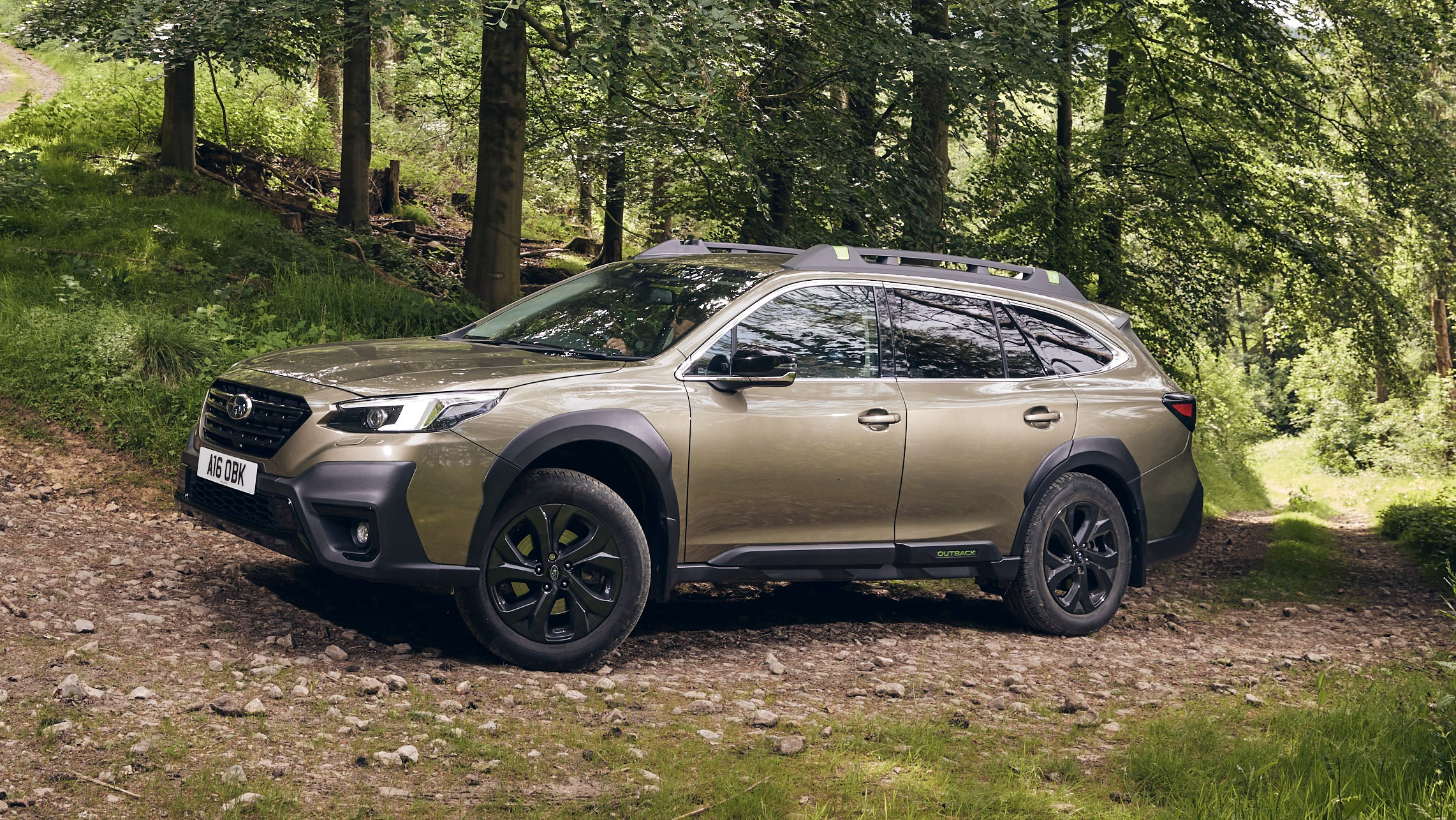
Subaru Outback
The Subaru Outback is well known for its ability to tackle a variety of road conditions, from highways to rugged backroads, thanks in part to its durable suspension system.
The Outback’s suspension is designed with versatility and longevity in mind, particularly for those who venture into more challenging terrain.
The front suspension typically employs MacPherson struts enhanced with reinforced components, allowing the vehicle to absorb shocks from uneven surfaces while maintaining steering accuracy.
At the rear, depending on the model year, it uses either a double wishbone or multi-link suspension, which adds to stability and ride comfort.
These suspension designs focus heavily on durability, using materials that resist corrosion and wear from exposure to dirt, moisture, and road salt, common challenges for outdoor and off-road driving.
Owners frequently commend the Outback for its ability to maintain suspension performance over time, with fewer instances of worn bushings, sagging springs, or noisy components compared to competitors.
In addition to the physical robustness of the suspension components, Subaru engineers place great emphasis on tuning the suspension to handle both comfort and capability.
The system is designed to manage the dynamic loads that occur during cornering, braking, and acceleration, helping to keep the vehicle stable and responsive.
The suspension’s long life is partly due to the way it distributes these forces, minimizing localized stress that can accelerate wear.
Regular maintenance intervals for shocks, struts, and other components tend to be longer compared to many other vehicles in its class, which contributes to reduced repair costs.
Subaru also incorporates protective features such as dust boots and seals on moving parts to prevent premature degradation caused by dirt and debris.
This attention to detail extends the suspension’s lifespan and ensures that the Outback remains comfortable and reliable for years.
Subaru’s commitment to safety and performance is reflected in its suspension’s contribution to the vehicle’s all-wheel-drive system.
The suspension’s durability ensures consistent tire contact and traction on slippery or uneven surfaces, enhancing control and confidence in adverse conditions.
For drivers who frequently travel on gravel roads, snowy highways, or light off-road trails, the Outback’s suspension offers a dependable solution that can withstand abuse without rapid wear. This resilience also helps maintain the vehicle’s resale value, as a well-maintained suspension system is a strong selling point.
The Subaru Outback’s suspension longevity is a result of thoughtful engineering, robust materials, and a focus on durability that makes it a preferred choice for drivers seeking versatility without compromising on maintenance costs.
Ford F-150
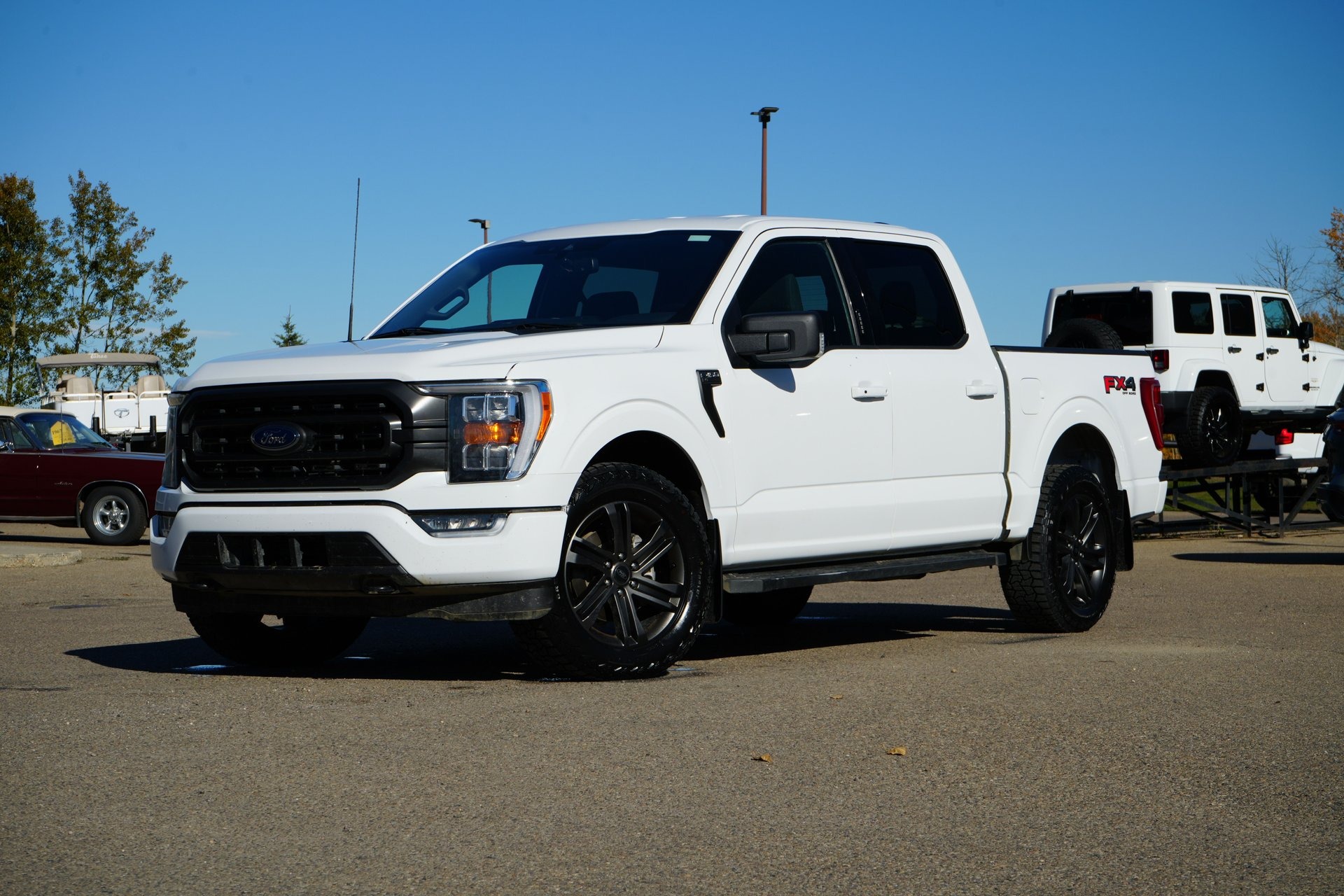
The Ford F-150 is an icon in the truck world, revered for its strength, versatility, and long-lasting components, including its suspension system.
Built to endure heavy-duty use such as towing, hauling, and off-road driving, the F-150’s suspension is designed with durability as a primary objective.
The front suspension typically features independent coil springs paired with sturdy control arms and high-quality shock absorbers, which provide a smooth ride even when the truck is loaded. The rear suspension is a solid axle with leaf springs, a classic design that has proven its reliability for decades.
Leaf springs are especially durable under heavy loads and easier to maintain or replace compared to more complex setups.
This combination of independent front suspension and solid rear axle offers both comfort and toughness, allowing the F-150 to maintain handling and stability while withstanding harsh conditions.
One key reason for the F-150’s suspension longevity is the use of heavy-duty materials and construction techniques. The control arms, leaf springs, and shocks are built to resist deformation, corrosion, and fatigue, ensuring that the suspension components maintain their performance over long periods.
Ford also incorporates robust bushings and mounts that absorb vibrations and reduce wear on metal parts. These design choices contribute to the F-150’s ability to maintain its suspension geometry and ride quality after extensive use.
Many owners report minimal suspension issues even after 150,000 miles or more, a testament to the vehicle’s ability to handle both everyday driving and demanding work scenarios.
The availability of aftermarket parts and upgrades also helps extend the life of the suspension by allowing owners to replace or enhance components as needed.
The F-150’s suspension durability also supports the truck’s wide range of capabilities and configurations. Whether used as a daily driver, a workhorse on construction sites, or an off-road machine, the suspension adapts to different loads and terrains without excessive wear.
Ford’s continuous refinement of the suspension system over model years incorporates better damping technology and improved corrosion resistance, further increasing durability.
The truck’s suspension also works closely with advanced stability and traction control systems, ensuring safety and control under various driving conditions.
By maintaining suspension integrity, the F-150 reduces the likelihood of costly repairs and downtime, contributing to its reputation as a dependable vehicle for owners who expect longevity and strength.
Lexus RX
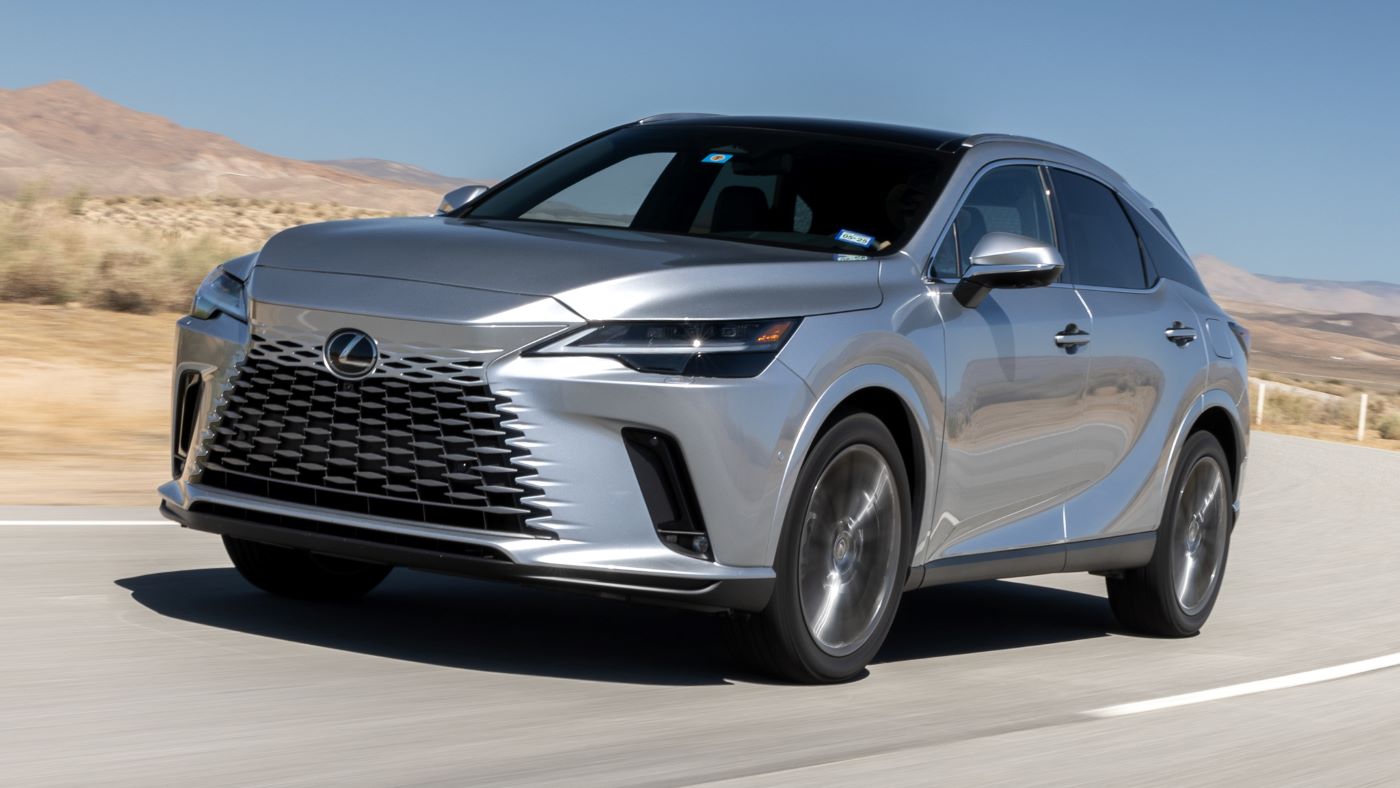
The Lexus RX is a luxury crossover that combines refinement with a suspension system engineered for long-term durability.
Unlike some luxury vehicles that prioritize softness at the expense of longevity, the RX’s suspension strikes a balance between ride comfort, handling precision, and robustness.
The front suspension typically features a double-wishbone design, which offers greater control over wheel movement and improves durability by distributing stresses more evenly across components.
At the rear, a multi-link suspension enhances ride quality and stability while using durable materials designed to resist wear.
Lexus incorporates high-quality shock absorbers and springs that retain their damping properties longer than average, helping the vehicle maintain a smooth and controlled ride over time. Many RX owners report that their suspensions require little more than routine maintenance even after significant mileage.
The RX’s suspension durability benefits from Lexus’ rigorous engineering and quality control standards. The brand often subjects its suspension systems to extensive testing, including accelerated wear cycles and environmental exposure, to ensure reliability under various conditions.
The suspension components use corrosion-resistant coatings and reinforced bushings to minimize deterioration caused by weather and road salts.
Additionally, the precision manufacturing processes reduce variation between units, resulting in consistent performance and reduced risk of early failure.
This meticulous approach ensures that suspension parts maintain their alignment, stiffness, and damping characteristics for longer periods.
Lexus also designs the RX’s suspension to complement the vehicle’s hybrid and gasoline variants without sacrificing durability, making it a versatile choice for different buyer preferences.
Another reason the Lexus RX’s suspension lasts is the brand’s focus on providing a refined driving experience without sacrificing toughness. The double-wishbone and multi-link setup reduces noise, vibration, and harshness while ensuring the suspension components do not suffer excessive stress from everyday driving.
This balance translates into fewer repairs and longer intervals between replacements of shocks, struts, and bushings. Lexus owners typically benefit from strong dealer support and access to quality parts, which helps maintain suspension health over the vehicle’s lifespan.
The RX’s suspension also contributes to maintaining its resale value, as prospective buyers recognize the value of a smooth, reliable ride combined with proven durability. This makes the Lexus RX a compelling choice for luxury SUV buyers who want comfort paired with long-lasting mechanical integrity.
Also Read: 10 Motorsports Engines That Proved Reliable in Daily Cars
5 Cars With Weak Suspension
Mini Cooper (Older Models)
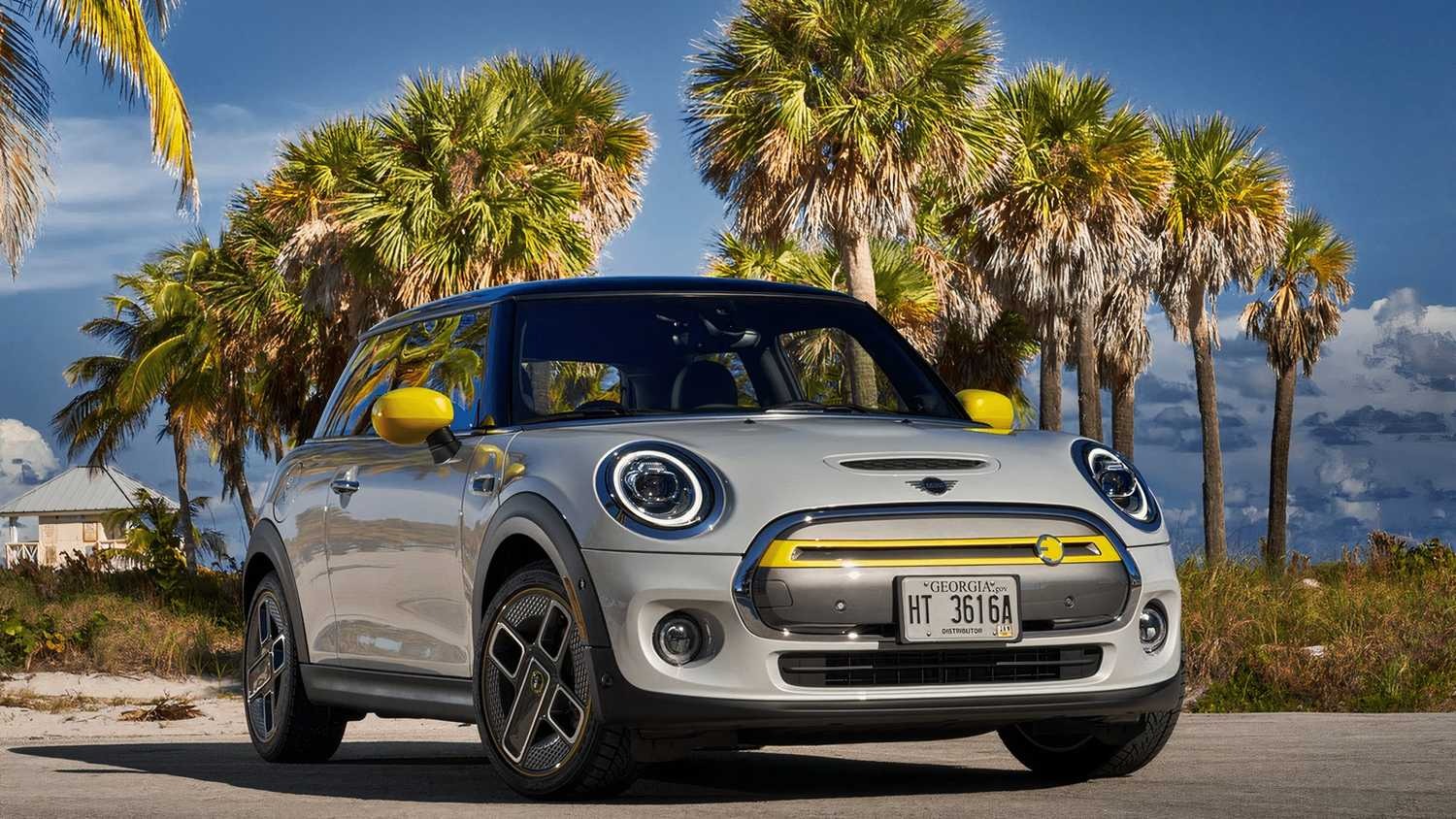
The Mini Cooper, especially models produced before recent redesigns, is often praised for its fun driving dynamics and nimble handling but falls short when it comes to suspension durability.
The suspension system, while designed for sporty performance, uses lighter-weight components that are not built to last over long periods or under harsh driving conditions.
The front MacPherson strut setup combined with a rear multi-link suspension does deliver sharp handling, but the trade-off is a higher rate of wear and tear on essential suspension parts.
Owners frequently report premature failure of shock absorbers, worn bushings, and even structural fatigue in control arms.
These issues become particularly pronounced in areas with rough roads, potholes, or frequent speed bumps, where the suspension has to absorb significant impacts repeatedly. Over time, this wear results in reduced ride comfort, increased noise, and sometimes even compromised handling stability.
Part of the reason the older Mini Cooper’s suspension struggles lies in the car’s compact size and sporty tuning. The tight packaging leaves less room for larger, more durable components, and the focus on responsive handling means the suspension is often set up stiffer than in more comfort-oriented cars.
While this stiffness benefits performance on smooth roads and during spirited driving, it translates into quicker degradation of shock absorbers and springs when faced with real-world road imperfections.
Moreover, the compact design places additional stress on bushings and joints, which can cause them to deteriorate more quickly. Many Mini Cooper owners also report that suspension repairs tend to be costly, partially due to the specialized parts and labor involved.
The combination of higher wear rates and expensive maintenance contributes to the perception of the Mini Cooper as having a weak suspension system.
Another challenge with the older Mini Cooper’s suspension is that it sometimes suffers from noise issues as components age. Worn bushings and joints can cause clunks, squeaks, and rattles that diminish the vehicle’s refinement and comfort.
These noises often prompt owners to seek repairs sooner, but replacement parts can be expensive and occasionally difficult to source depending on the model year.
Furthermore, the original equipment shock absorbers and struts do not always hold up well to typical wear cycles, leading to a bouncy or unsettled ride that detracts from driver confidence.
Despite these shortcomings, many enthusiasts still appreciate the Mini Cooper for its unique driving character, but it’s clear that suspension durability is not one of its strong suits, especially in older models.
Fiat 500
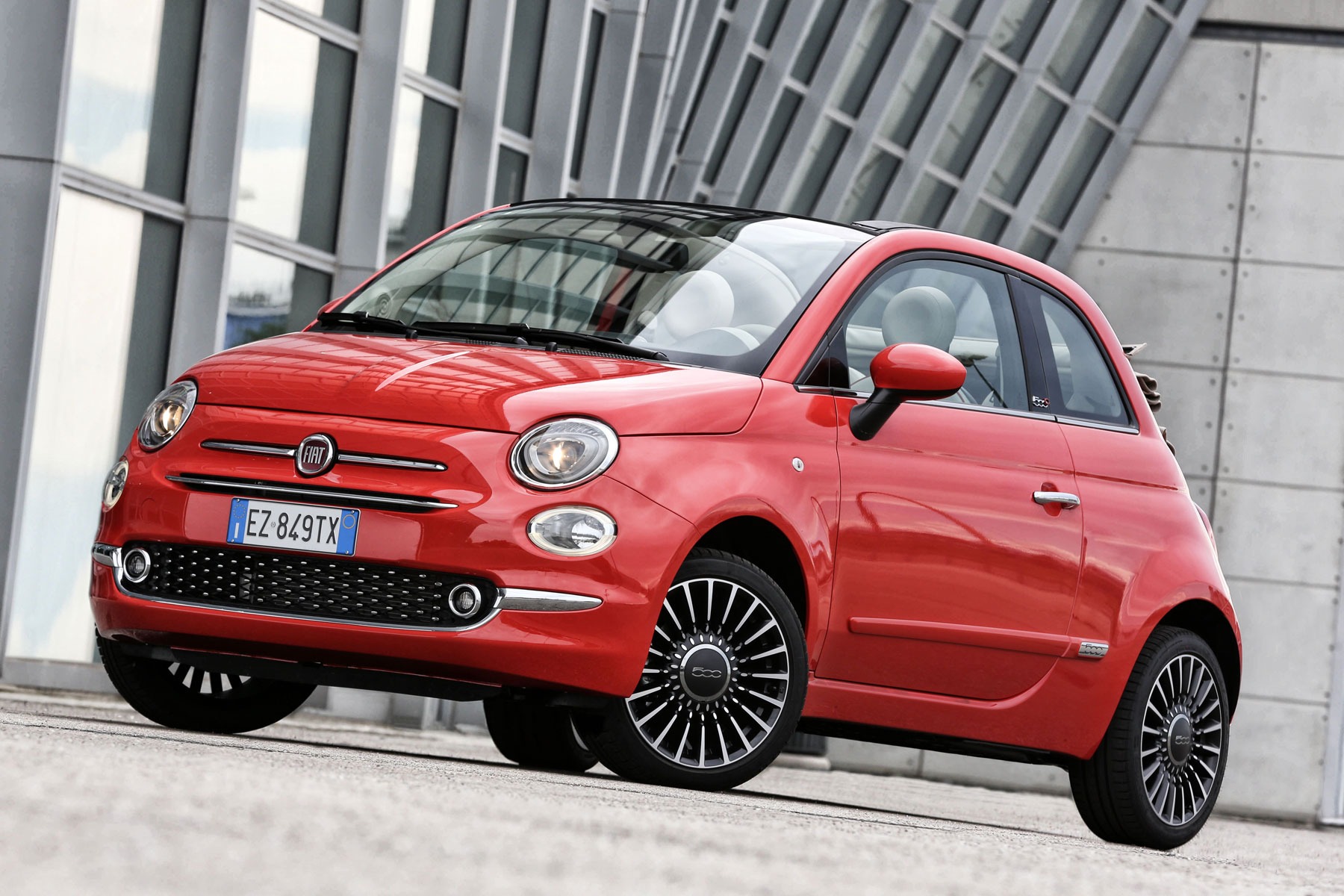
The Fiat 500 is designed primarily as a city car, emphasizing compact size and maneuverability over ruggedness. While this makes it ideal for tight urban environments, it also means the suspension system is not built for durability or comfort on rough roads.
The suspension layout consists of a front MacPherson strut design paired with a torsion beam rear suspension, which is a cost-effective but generally less sophisticated setup.
This type of suspension, combined with lightweight and budget-friendly materials, often leads to rapid wear of critical components such as shocks, struts, and bushings.
Many Fiat 500 owners report a stiff and sometimes harsh ride, especially when driving over potholes or uneven pavement. These conditions accelerate the deterioration of suspension parts, leading to more frequent repairs or replacements compared to competitors.
Additionally, the Fiat 500’s compact and lightweight frame provides less mass to absorb impacts, which means the suspension has to work harder to smooth out bumps and vibrations.
The rear torsion beam suspension, while space-efficient, tends to offer less compliance and flexibility than independent rear suspensions, causing more stress on the components and less comfort for passengers.
The design also limits the ability of the suspension to handle rough roads effectively, often resulting in a bouncy or unsettled feel.
Maintenance records and owner reviews reveal that shock absorbers and springs may need replacement far earlier than expected, sometimes within 40,000 to 60,000 miles. The frequent need for suspension repairs adds to the ownership cost and can be frustrating for drivers who expected more durability.
Another downside to the Fiat 500’s suspension is that the combination of its lightweight construction and limited suspension travel can result in a lack of composure during spirited driving or emergency maneuvers.
This instability, coupled with worn suspension components, can lead to safety concerns and reduced driving confidence. The suspension noise is also a common complaint, with creaks and rattles becoming more noticeable as parts wear out.
Owners sometimes find that repairs are necessary to restore acceptable ride quality, but the cost-effectiveness of the car as a city vehicle is diminished by these ongoing maintenance needs.
While the Fiat 500 remains a popular choice for urban drivers due to its style and compact size, its suspension durability is a clear weakness that prospective buyers should consider, especially if they encounter rough or poorly maintained roads regularly.
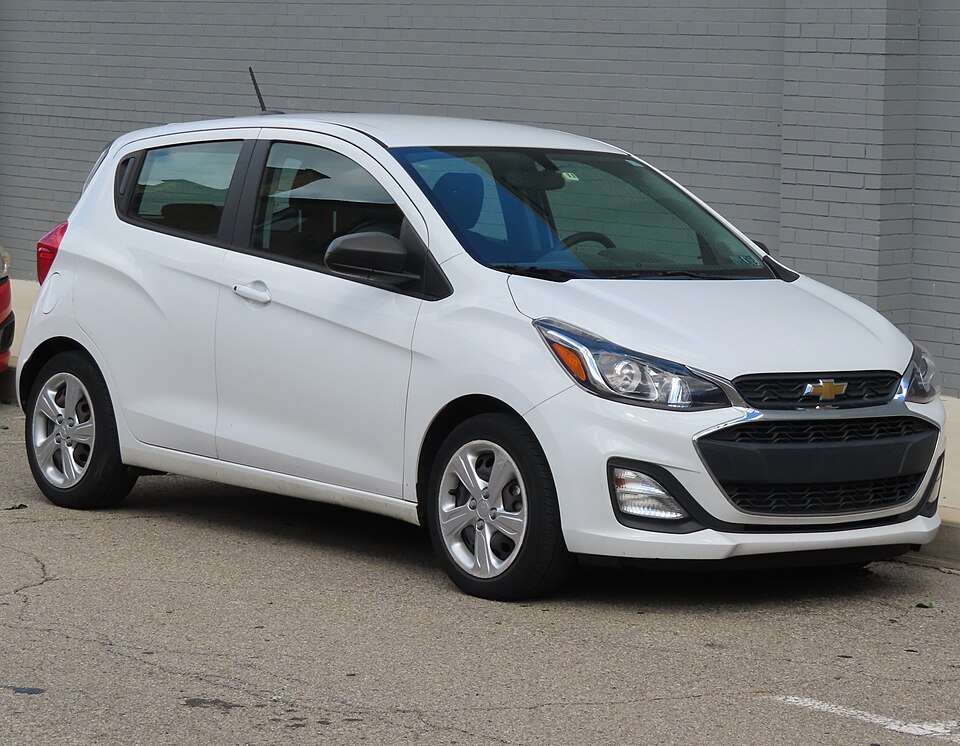
Chevrolet Spark
The Chevrolet Spark, as an entry-level subcompact car, is designed with affordability and efficiency in mind, which unfortunately means its suspension components are often built to a lower durability standard.
The Spark typically uses front MacPherson struts and a rear torsion beam suspension, similar to other budget cars, but the materials and manufacturing quality can vary, sometimes resulting in early wear and failure.
Owners frequently report issues such as excessive bounce, poor shock absorption, and clunking noises that signal worn-out or failing suspension parts.
The shocks and struts, in particular, often require replacement sooner than those in more expensive vehicles, sometimes as early as 50,000 miles. This reduces the ride comfort and can impact the vehicle’s handling and safety if left unaddressed.
Part of the problem with the Spark’s suspension durability stems from its lightweight chassis and cost-cutting measures. To keep the car affordable, manufacturers often choose less robust bushings, thinner control arms, and lower-grade dampers, all of which compromise longevity.
The torsion beam rear suspension, while economical and space-saving, offers limited flexibility and can transmit more road shocks into the cabin, increasing stress on suspension components.
Additionally, the Spark’s small wheels and tires, designed for fuel efficiency, sometimes amplify road imperfections, causing the suspension to work harder.
This combination results in accelerated wear, especially when driving on rough or uneven roads, potholes, or speed bumps.
Drivers report that the suspension can feel unstable and harsh well before expected maintenance intervals, requiring repairs that can erode the vehicle’s cost advantages.
Moreover, the Chevrolet Spark’s suspension often struggles with noise and vibration issues as components age. The bushings and mounts wear out, leading to clunks, rattles, and vibration that detract from driver and passenger comfort.
Because the Spark is a low-cost vehicle, replacement parts may sometimes be generic or lower quality if sourced from non-OEM providers, which can affect suspension performance further.
The frequent need for suspension repairs combined with the limited aftermarket support for performance upgrades means that owners often have to accept the ride quality or face costly maintenance.
Although the Spark serves well for short, city-based trips, its suspension weaknesses become apparent under more demanding conditions or prolonged use. These factors contribute to its reputation as a vehicle with one of the weaker suspensions in its class.
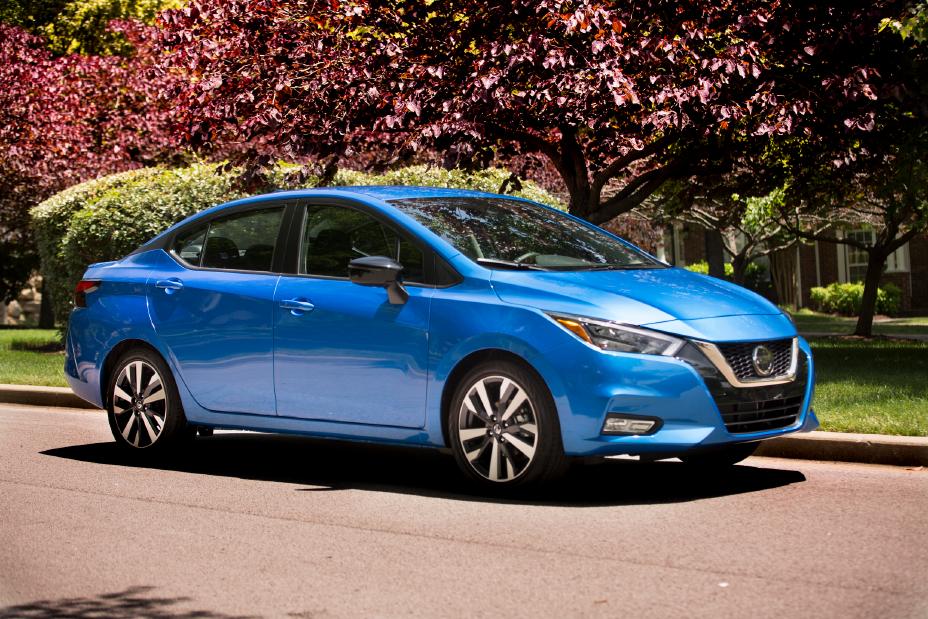
Nissan Versa
The Nissan Versa is a popular choice for budget-conscious buyers, but its suspension system often ranks low in terms of durability and ride quality. The Versa uses a front MacPherson strut suspension paired with a torsion beam rear setup, a common configuration in economy cars.
While this layout offers simplicity and cost savings, the materials and components chosen for the Versa tend to wear prematurely under normal driving conditions.
Owners regularly report problems such as noisy suspension joints, worn shock absorbers, and deteriorated bushings that lead to a rough and uncomfortable ride.
These issues often arise well before 60,000 miles, which is earlier than many competing vehicles in the compact car segment. The suspension’s inability to absorb bumps smoothly contributes to driver fatigue and a perception of poor build quality.
One significant factor impacting the Versa’s suspension lifespan is its design emphasis on cost reduction. To keep the vehicle affordable, Nissan utilizes lower-grade rubber bushings and thinner strut components that are prone to cracking, deformation, and failure.
The torsion beam rear suspension, while effective in packaging and cost, does not isolate road shocks as well as independent rear suspensions, causing increased stress on springs and dampers. This can lead to premature sagging of springs and loss of damping efficiency.
Drivers report that after a relatively short period of use, the suspension feels loose or unstable, especially on uneven roads. The need for early suspension repairs can diminish the Versa’s appeal to budget buyers who prioritize low maintenance costs.
In addition to wear-related issues, the Nissan Versa’s suspension can contribute to increased noise and vibration inside the cabin. The combination of worn bushings and aging struts often results in clunking sounds during acceleration, braking, or cornering.
These noises signal that suspension parts are no longer functioning as intended and often require immediate attention to avoid further damage.
Despite Nissan’s attempts to refine the suspension over successive model years, durability problems persist in many cases, leading to frequent service visits and higher repair costs over time.
The limited aftermarket support for suspension upgrades also means that owners have fewer options to improve ride quality or longevity without resorting to more expensive repairs. The Nissan Versa’s suspension system is considered one of the weaker elements of an otherwise affordable package.
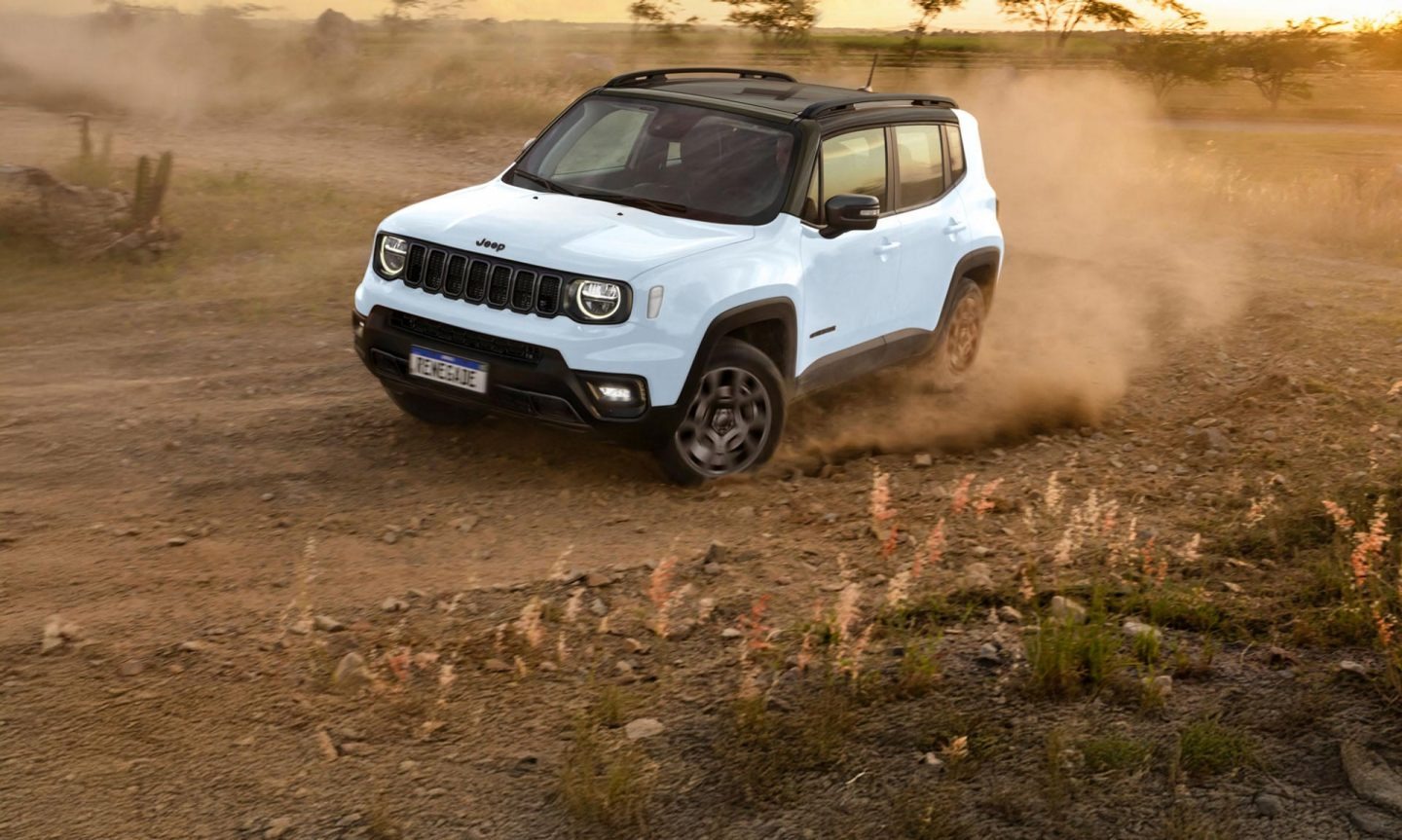
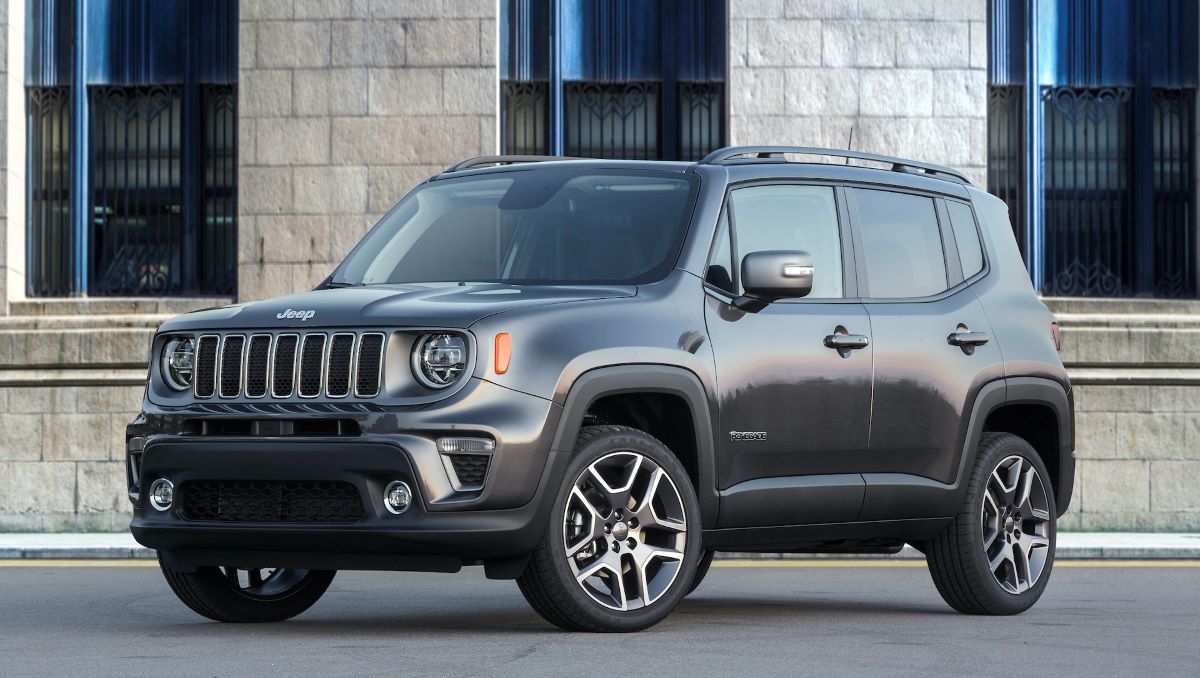
Jeep Renegade
While Jeep is generally associated with rugged and durable vehicles, the Jeep Renegade stands out as a model with a suspension system that has raised concerns regarding durability and comfort.
The Renegade employs a front MacPherson strut and rear multi-link suspension setup, which on paper offers a good balance of handling and ride quality.
However, many owners and reviewers have noted that the components used in the Renegade’s suspension are not as robust as those found in larger Jeep models. The suspension tends to wear out more quickly, especially under conditions involving rough terrain or heavy use.
Issues such as premature shock absorber failure, worn bushings, and degraded mounts are common complaints that lead to a harsher ride and more frequent maintenance visits.
The compact design and lighter weight compared to traditional Jeeps mean that the suspension is less forgiving and more vulnerable to damage from off-road excursions or pothole impacts.
The Renegade’s suspension weaknesses are partly due to cost and design compromises necessary to position the vehicle in the subcompact crossover market.
While the suspension architecture aims to provide comfortable daily driving and moderate off-road capability, the materials and components chosen often lack the durability required for long-term abuse.
For example, the shock absorbers may lose damping ability sooner than expected, and control arm bushings can develop cracks or wear rapidly.
Additionally, the suspension geometry and tuning sometimes contribute to a bouncy or unsettled ride, particularly when the vehicle is lightly loaded or traveling over rough surfaces. These factors result in increased driver fatigue and lower confidence in handling, especially compared to larger, more rugged Jeep models.
Maintenance costs and repair frequency related to suspension issues also detract from the Renegade’s appeal. Suspension repairs tend to be relatively expensive due to the complexity of the multi-link rear setup and the use of specialized parts.
Furthermore, replacement components may not always be readily available, leading to longer repair times. The combination of shorter suspension lifespan and higher repair costs contrasts sharply with the expectations many buyers have when purchasing a Jeep-branded vehicle.
While the Renegade remains a popular choice for urban drivers seeking a compact SUV, its suspension durability is a downside that should be considered, especially for those intending to use the vehicle in more demanding conditions.
