
As the automotive world shifts toward electrification and advanced automation, certain cars from the past decade are beginning to stand out as likely future classics. A classic car isn’t just about age or rarity; it’s about character, emotional appeal, engineering excellence, or the way it captures the spirit of a specific era.
The cars that become classics usually have some combination of aesthetic design, cultural impact, limited production, or mechanical uniqueness. With more manufacturers focusing on digital dashboards and autonomous driving, the cars that still offer pure mechanical enjoyment or bold styling choices are quickly gaining appreciation among collectors and enthusiasts.
The definition of a future classic is not always tied to price. Some cars start out relatively affordable but develop cult followings over time. Others are performance legends from the start and are expected to remain significant simply because they broke records or changed perceptions.
Many of the cars produced between 2010 and 2023 fall into this category. They were created during a time of transition, from internal combustion to hybrid and electric power, from analog gauges to digital screens, from manual transmissions to dual-clutch automatics. These cars stand as the last or best of their kind in many respects.
Another factor to consider is the emotional value tied to these cars. People often become nostalgic for the vehicles they couldn’t afford when they were new or that represent a key part of their youth.
As younger generations who grew up during the 2010s start to gain purchasing power, the demand for some of these modern machines will only grow. By 2030, many of these vehicles will be at an age where their values start rising, and enthusiasts will look back on them as iconic or era-defining.
Here are 10 cars that show strong signs of becoming future classics by 2030. They come from a range of backgrounds, from luxury sports coupes to affordable performance hatchbacks. What ties them together is the passion they inspire and the lasting impression they’re already making on the car world.
Also Read: 15 Cars That Rarely Need Fixing Despite Abuse
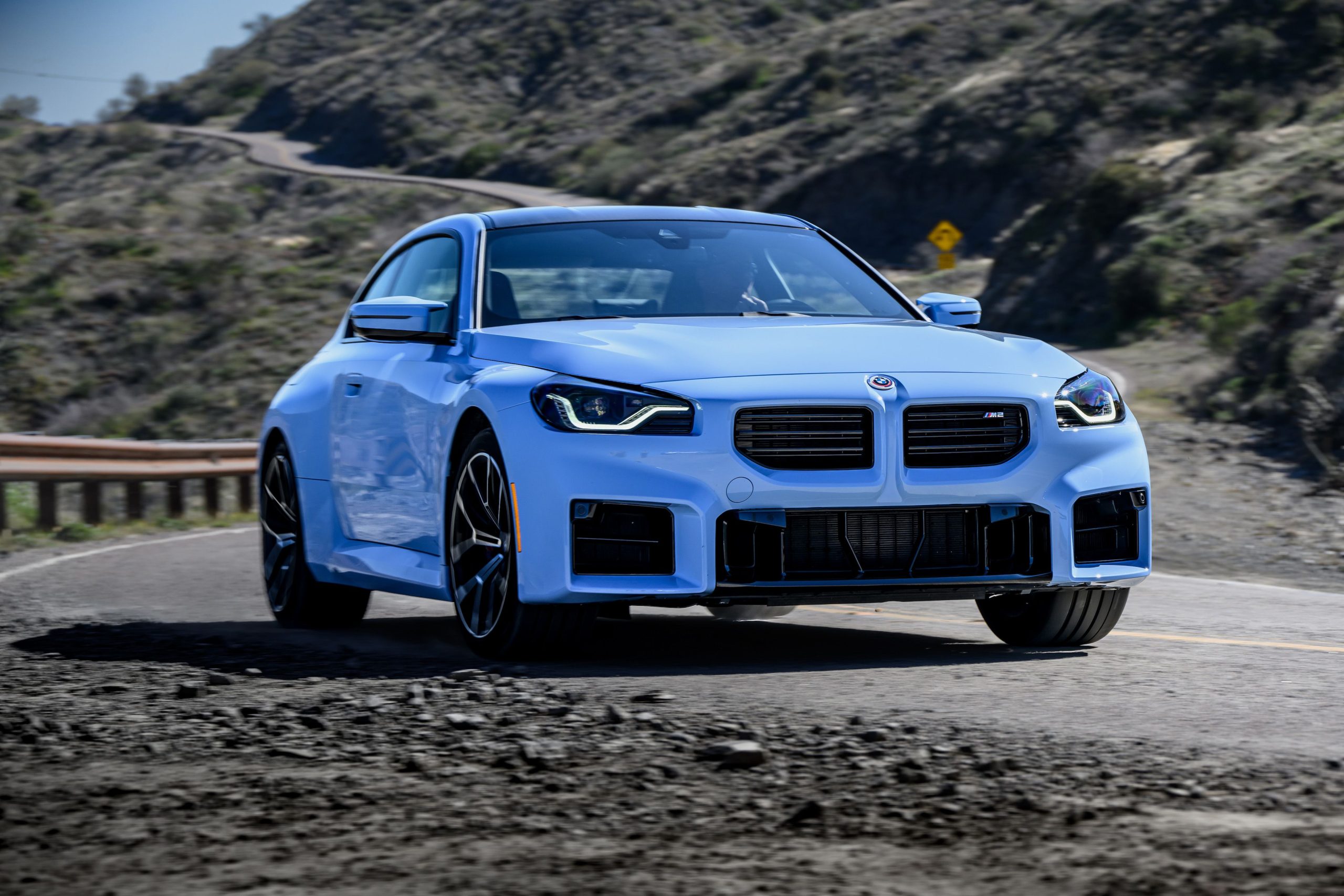
1. BMW M2 (F87)
The BMW M2 (F87), launched in 2016, is a compact performance coupe that struck a perfect balance between raw driving dynamics and modern usability. With its wide stance, rear-wheel-drive layout, and manual transmission option, it quickly became a fan favorite among enthusiasts.
The M2 was powered by a turbocharged inline-six engine, which gave it a muscular and responsive personality. BMW’s decision to give the M2 a more old-school feel compared to the larger M3 and M4 made it unique, and that character has helped it stand out in a sea of increasingly digital performance cars.
What truly set the M2 apart was its simplicity. It wasn’t overloaded with technology or driver aids, which allowed the driver to remain at the center of the experience. The steering was direct, the chassis was incredibly communicative, and the package felt more like a classic BMW than many of its contemporary siblings.
As BMW continued to make its larger M cars more refined and powerful, the M2 maintained a purist’s edge. This connection to the brand’s heritage makes it especially attractive to those who remember the glory days of BMW’s performance division.
The M2 also benefited from relatively low production numbers compared to mainstream models, especially in special variants like the M2 Competition and M2 CS. These editions added more power, sharper suspension tuning, and subtle cosmetic upgrades that collectors often seek out.
They were not limited in an official sense, but production was modest enough to ensure scarcity, especially as clean examples became harder to find. The M2 CS, in particular, has already started appreciating, signaling its path toward classic status.
Another point in its favor is its accessibility. Unlike supercars or ultra-rare exotics, the M2 was priced within reach for many driving enthusiasts when new, and it remains attainable in the used market, at least for now.
That combination of affordability, performance, and heritage gives it strong long-term potential as a future classic, particularly as the automotive world continues to shift away from manual, rear-wheel-drive cars.
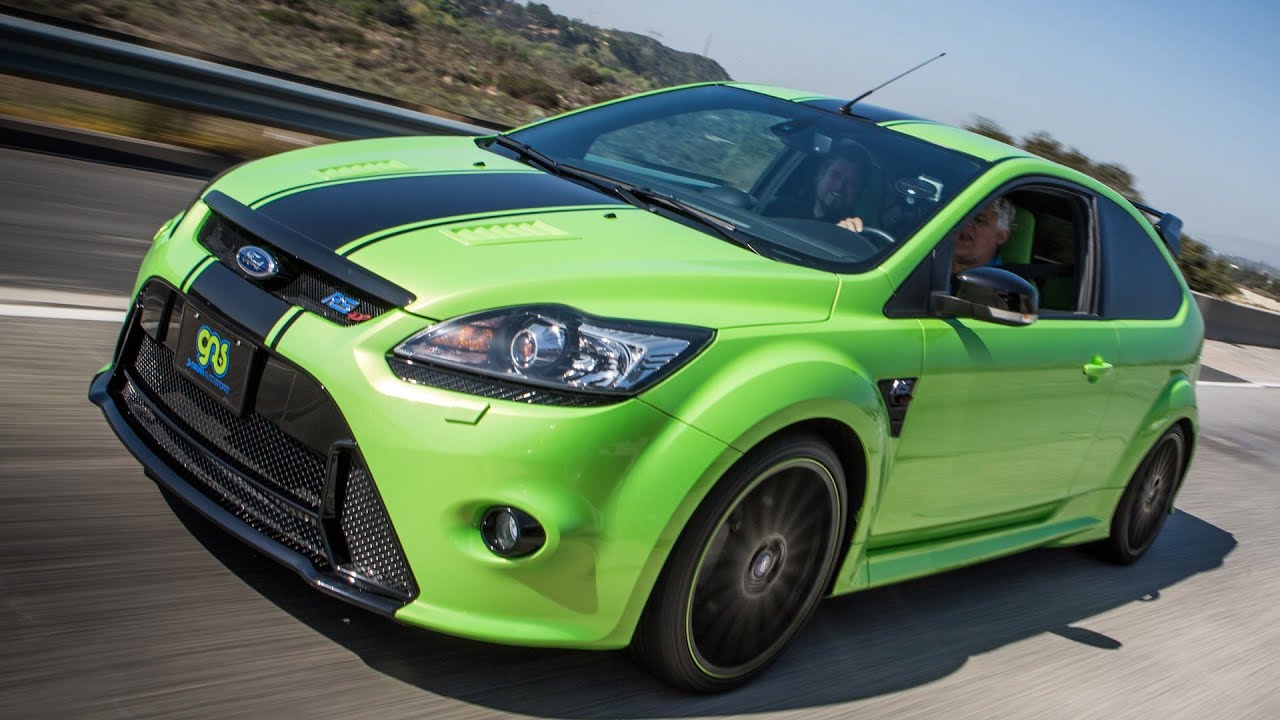
2. Ford Focus RS (MK3)
The third-generation Ford Focus RS, released in 2016, was Ford’s way of proving that the hot hatch could be taken seriously by performance purists. Unlike previous generations, this model was sold in North America, giving a wider audience access to a performance car that was practical, powerful, and packed with personality. Equipped with a 2.3-liter turbocharged four-cylinder engine producing 350 horsepower, the Focus RS offered all-wheel drive with torque vectoring, giving it remarkable grip and agility.
One of the most talked-about features was its Drift Mode. It wasn’t just a gimmick; it was a sign that Ford had built this car with real enthusiasts in mind. You could take it to a track and have a blast, but it was just as happy carving through mountain roads or commuting to work.
The Focus RS was never just about straight-line speed; it was about engagement and fun, even in everyday scenarios. That sense of involvement is increasingly rare as modern cars focus more on isolating the driver than connecting with them.
The styling of the Focus RS was aggressive yet tasteful. With its wide stance, big brakes, sporty spoilers, and distinctive blue paint option, it had a strong visual presence. Inside, Recaro seats and sporty trim created a cockpit that matched its athletic performance.
While the ride could be stiff and the exhaust loud, those quirks only added to the sense that this was a car designed with driving enjoyment as the top priority. That makes it easy to imagine a future where collectors seek out the cleanest, lowest-mileage examples.
Production ran for a limited time from 2016 to 2018, and Ford has shown no signs of bringing back a car quite like it. That short production window adds to its future collectibility. As performance hatchbacks become more scarce and the manual transmission continues to disappear from modern cars, the Focus RS will be remembered as one of the last truly rowdy, uncompromising options in this segment.
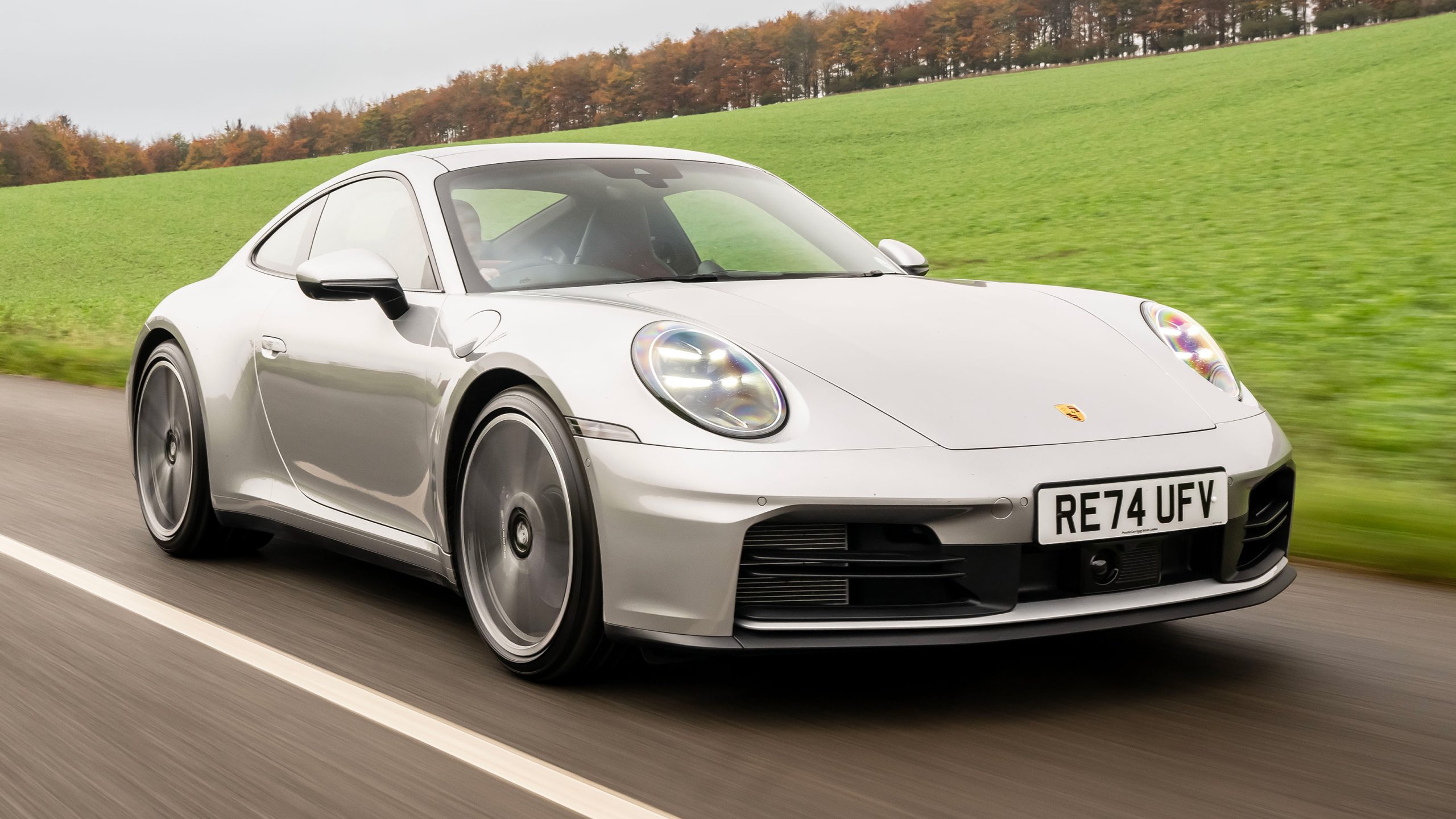
3. Porsche 911 (991.2 Carrera T)
The Porsche 911 has long been a staple among driving enthusiasts, but the 991.2-generation Carrera T, released in 2017, stands out as a unique variation with the soul of a classic. It wasn’t the most powerful version, nor the most expensive, but it was deliberately stripped down to focus on driver engagement.
Lighter weight, a mechanical limited-slip differential, and the option for a manual transmission made the Carrera T a purist’s 911 in an era when many cars were becoming too complex.
It featured thinner glass, reduced sound insulation, and the removal of the rear seats (though they could be added back optionally), all in the name of weight savings. These changes might seem small, but they brought the car closer in spirit to older air-cooled 911s.
The Carrera T created a raw driving experience that was both comfortable and focused, without compromising practicality. It also showed that Porsche still cared about making cars for people who valued involvement over stats on a spec sheet.
While more extreme models like the GT3 and Turbo have their place, the Carrera T represents a subtler kind of greatness. It’s the kind of car that collectors often overlook when it’s new but grow to appreciate once it’s gone. Its understated looks, combined with its performance-focused changes, give it a sleeper quality that makes it appealing to those who prefer substance over flash. Porsche only produced it for a short time, adding to its future desirability.
As the 911 moves further into the digital and hybrid future, models like the 991.2 Carrera T will become even more appreciated for their mechanical simplicity and analog feel. They capture a point in Porsche’s timeline where tradition and technology were perfectly balanced, and that makes them a strong candidate for classic status in the coming years.
4. Alfa Romeo 4C
The Alfa Romeo 4C is a small, lightweight sports car that harks back to an earlier era of driving purity. Launched in 2013, it was designed around a carbon fiber monocoque chassis, giving it a curb weight under 2,500 pounds. That made it one of the lightest sports cars on the market and gave it an immediate advantage in terms of agility and performance. Its turbocharged 1.75-liter engine may not sound big, but its power-to-weight ratio delivered thrilling acceleration and razor-sharp handling.
What makes the 4C especially interesting is how little it tried to conform to modern expectations. It had no power steering, minimal sound insulation, and very few comfort features. It wasn’t about luxury or convenience; it was about creating a visceral connection between car and driver.
That made it a polarizing vehicle, but for enthusiasts, it offered something that few other modern cars did. It was a reminder that performance doesn’t always need to come from horsepower figures or advanced electronics.
The styling also played a major role in the 4C’s appeal. It had the exotic looks of a much more expensive supercar, with flowing lines, dramatic curves, and an unmistakable Italian flair. Despite its relatively modest price tag when new, the 4C had presence, and it stood out in any parking lot.
This kind of visual identity is a key factor in whether a car becomes a classic. It needs to be memorable, and the 4C achieves that effortlessly.
Production of the 4C ended in the early 2020s, and Alfa Romeo has shifted focus to electrification. With no direct replacement and a limited production run, the 4C is almost certainly the last of its kind. It exists in a narrow niche, an ultra-light, mid-engined sports car built with exotic materials but offered at a relatively attainable price point.
Such a formula is becoming extinct in a market focused on volume and compliance with emissions regulations. The scarcity of cars with such engineering focus and raw character makes the 4C a rare breed. Collectors will value its uniqueness even more as time passes and the industry moves further away from this design philosophy.
The 4C Spider variant added a little more flair and open-air engagement, further emphasizing the car’s emotional appeal. While the Coupe and Spider shared most components, the experience of driving with the top down only amplified the engine note, road feel, and connection to the environment.
The Spider also saw a longer production life, particularly in North America, giving it more exposure but not enough to dilute its rarity. Both versions share the same DNA and both will likely be appreciated by future enthusiasts who missed the opportunity to own one when new.
From a design standpoint, the 4C draws inspiration from Alfa Romeo’s storied racing history and concept cars. It’s aggressive yet elegant, with proportions that emphasize its performance orientation.
Unlike more common sports cars of the time, the 4C doesn’t rely on oversized grilles or exaggerated aerodynamic elements to make a statement. Its beauty lies in its proportions and purpose-driven styling. The design will age well, and in time, its clean, sculptural bodywork may be considered one of the best of its era.
As the years pass, cars like the 4C that prioritize a pure and mechanical driving experience will only grow more desirable. Enthusiasts and collectors alike are already taking note of the 4C’s uniqueness. It’s not the fastest or the most advanced sports car, but it delivers something modern cars often lack: unfiltered character.
That rawness, paired with rarity and exotic materials, makes the Alfa Romeo 4C a strong candidate for classic status by the end of the decade.
5. Toyota GR Yaris
The Toyota GR Yaris is one of the most surprising performance cars of the past decade. Released in 2020, it was built as a homologation special for the World Rally Championship, something no one expected from a company best known for hybrids and economy cars.
While the regular Yaris was a basic subcompact, the GR version was completely re-engineered with performance in mind. It features a bespoke platform, all-wheel drive, a turbocharged 1.6-liter three-cylinder engine, and aggressive bodywork. This was not a mere trim package; it was a purpose-built machine.
One of the most remarkable aspects of the GR Yaris is how little it shares with the standard model. Toyota created a custom three-door body shell, widened the rear track, and used lightweight aluminum and carbon fiber-reinforced plastic for key panels.
The car’s performance was as impressive as its specs suggested. Despite its small engine, the GR Yaris produced over 250 horsepower and delivered thrilling acceleration, sharp cornering, and immense traction. It’s the kind of car that feels like it was built by people who love driving, and that passion comes through in every gear shift and steering input.
Critically acclaimed from day one, the GR Yaris was praised for its balance, playfulness, and rally-like feel. It immediately gained a cult following, especially in markets like Europe and Japan where hot hatches have always had strong support.
The manual gearbox and mechanical all-wheel drive system offered a tactile experience that is becoming increasingly rare. Even its interior, while not luxurious, was focused and functional, with a proper driving position and minimal distractions. It reminded people of the glory days of homologation cars like the Lancia Delta Integrale and the Subaru WRX STI.
Toyota has announced more GR models since, but none are as extreme or focused as the GR Yaris. The limited nature of its production, combined with its motorsport roots and bespoke engineering, gives it a strong case as a future classic.
It’s already being treated with respect by collectors who recognize what it represents: a rare moment when a large automaker built something purely for driving enthusiasts, without compromise or apology.
6. Chevrolet Corvette C7 Z06
The seventh-generation Chevrolet Corvette, particularly the Z06 variant, represents the last of an era in American performance cars. Produced from 2015 to 2019, the C7 Z06 was the final front-engine Corvette before Chevrolet transitioned to the mid-engine layout with the C8.
For many purists, the C7 Z06 offers the ideal blend of raw power, aggressive styling, and driver involvement. Its supercharged 6.2-liter V8 produced 650 horsepower, making it one of the most powerful cars ever offered at its price point. That power, combined with its muscular design, made it a true American performance icon.
While the base C7 already pushed performance boundaries, the Z06 elevated the platform with enhanced aerodynamics, upgraded brakes, a track-focused suspension, and a more aggressive setup. It could be optioned with a manual transmission or an eight-speed automatic, catering to both traditionalists and modern performance seekers.
The available Z07 performance package further enhanced its capabilities with carbon-ceramic brakes, Michelin Pilot Sport Cup 2 tires, and aggressive downforce elements. It was capable of lap times that rivaled supercars costing twice as much, and it did so while maintaining daily usability.
The Z06 was also for its unapologetic American styling. With wide fenders, gaping vents, and a signature quad-exhaust layout, it had a presence that couldn’t be ignored. While some criticized its bold design, many embraced it as a symbol of Corvette’s identity, loud, brash, and brutally fast.
The cabin, while not quite on par with European rivals in terms of materials, offered a huge improvement over previous generations and came loaded with performance data tools and digital customization options. It was a car that rewarded drivers who wanted to learn and push their limits on the track.
As the Corvette moves into its mid-engine future, the C7 Z06 stands out as the peak of the front-engine lineage. Future generations will look back on it as the last hurrah for the traditional American sports car formula.
Its performance numbers, coupled with its historical importance and relatively low production numbers compared to base models, make it a strong candidate to be a collectible classic by 2030.
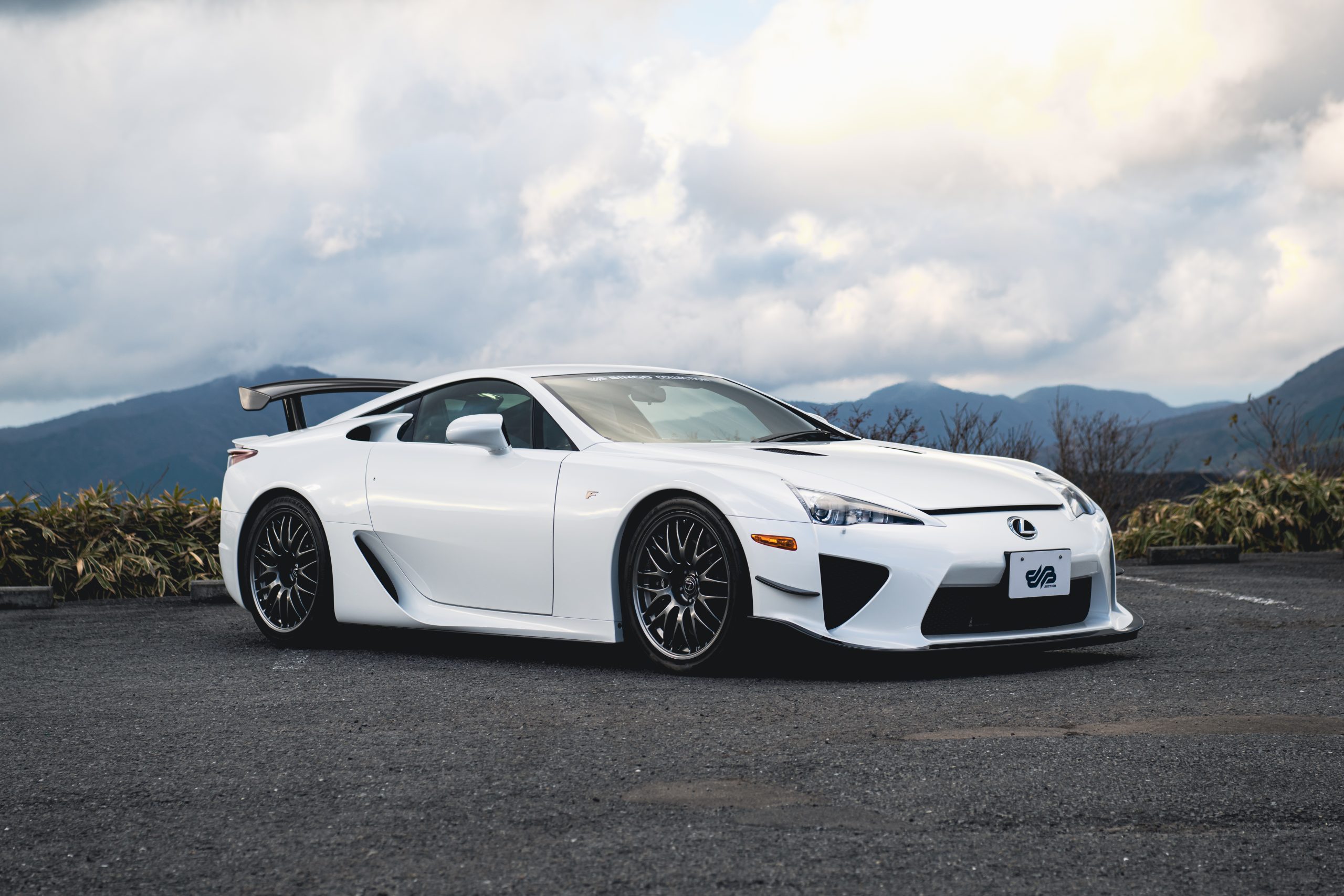
7. Lexus LFA
The Lexus LFA is already considered a modern legend, and its status as a future classic is almost guaranteed. Produced between 2010 and 2012, Lexus built only 500 units of this hand-assembled supercar, each powered by a 4.8-liter naturally aspirated V10 that is widely regarded as one of the best-sounding engines ever made.
Developed over nearly a decade, the LFA was a passion project that pushed the boundaries of what Toyota’s luxury brand could achieve. It was built with obsessive attention to detail, from the carbon fiber monocoque chassis to the digital tachometer that was necessary to keep up with the engine’s lightning-quick revs.
The LFA’s performance was as impressive as its engineering. With 552 horsepower and a lightning-fast six-speed automated sequential transmission, it could sprint from 0 to 60 mph in under 3.7 seconds. But the real magic of the car wasn’t in the numbers; it was in the way it delivered its performance.
The engine was co-developed with Yamaha and tuned to deliver an emotional experience, with a sound often compared to a Formula One car. The weight distribution, aerodynamics, and suspension tuning all contributed to a driving experience that was uniquely refined yet visceral.
Lexus lost money on every LFA sold, but profitability was never the goal. The LFA was meant to show what the company could do when it ignored the limitations of cost and focused purely on excellence. It was never updated or revised during its short production life, which makes each example even more special.
It wasn’t meant to compete with Ferraris or Lamborghinis directly; it was its own unique creation. That independence of spirit and rarity is part of why it continues to appreciate.
As the supercar world transitions to hybrid and electric powertrains, the LFA will become increasingly significant. It represents the end of an era, one where engineering passion took precedence over mass-market appeal.
Collectors are already treating the LFA with reverence, and by 2030, it’s likely to be mentioned in the same breath as other iconic low-volume supercars from history. Its place as a future classic is not a question of if, but how much it will be valued when the automotive industry changes even more.
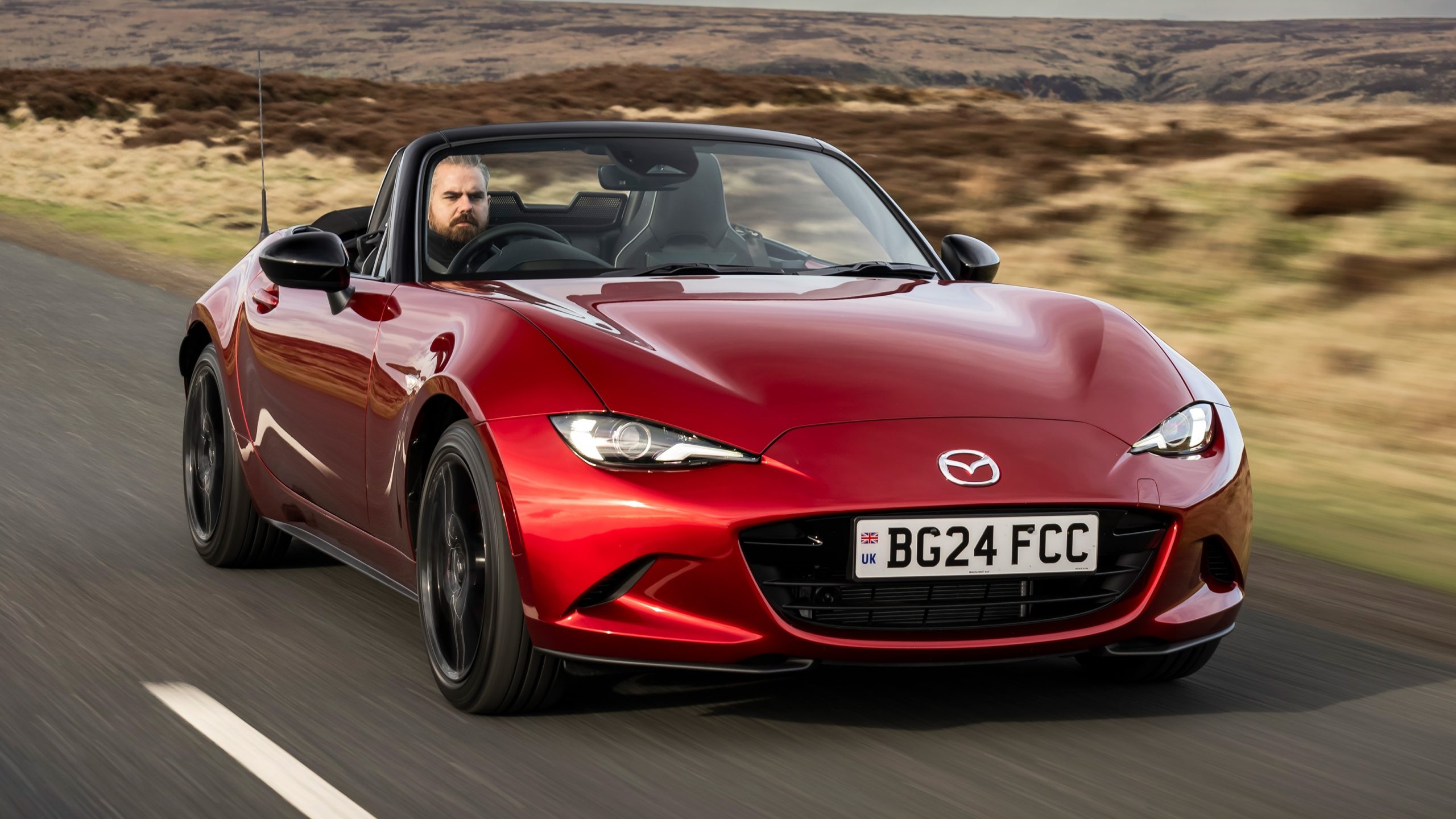
8. Mazda MX-5 (ND)
The Mazda MX-5 ND, introduced in 2015, continued a legacy that began with the original Miata in 1989. With every generation, Mazda refined the formula, and the ND generation brought the roadster back to its roots: light weight, small proportions, and a focus on pure driving enjoyment.
In an era when many sports cars gained weight and power, Mazda chose to scale things back. The ND weighed less than the previous NC generation and featured a more compact footprint, yet it still delivered responsive handling, excellent balance, and a character that connected with drivers on an emotional level.
One of the ND’s biggest triumphs was its ability to offer fun at any speed. While its 2.0-liter naturally aspirated engine didn’t boast massive horsepower figures, the car’s lightweight chassis and superb suspension tuning allowed drivers to extract joy from every curve.
It was never about going the fastest in a straight line, it was about the rhythm of driving, the harmony between steering, braking, and acceleration. Whether on a winding backroad or during a weekend autocross event, the ND delivered an honest, engaging experience that modern enthusiasts began to miss as more performance cars became digital and insulated.
The design of the ND also played a significant role in its appeal. With sleek, classic roadster proportions and sharp, contemporary details, it struck a perfect balance between heritage and modernity. The cabin was snug but well laid out, putting all controls within easy reach.
The retractable soft-top could be operated with one hand in seconds, reinforcing the car’s everyday usability. Mazda later introduced the RF (Retractable Fastback) variant, which added a targa-style roof and more coupe-like styling, broadening the car’s appeal without compromising the experience.
As other automakers began to phase out small sports cars due to declining demand, the MX-5 remained a stubborn outlier. It is one of the last truly analog driving machines available new, and that makes it almost inevitable that it will be viewed as a classic in the coming years.
By 2030, the ND MX-5 will be old enough to stir nostalgia among a new generation of drivers who grew up seeing them on the road. It doesn’t need rarity or brute power to earn classic status; its charm, simplicity, and balance are more than enough.
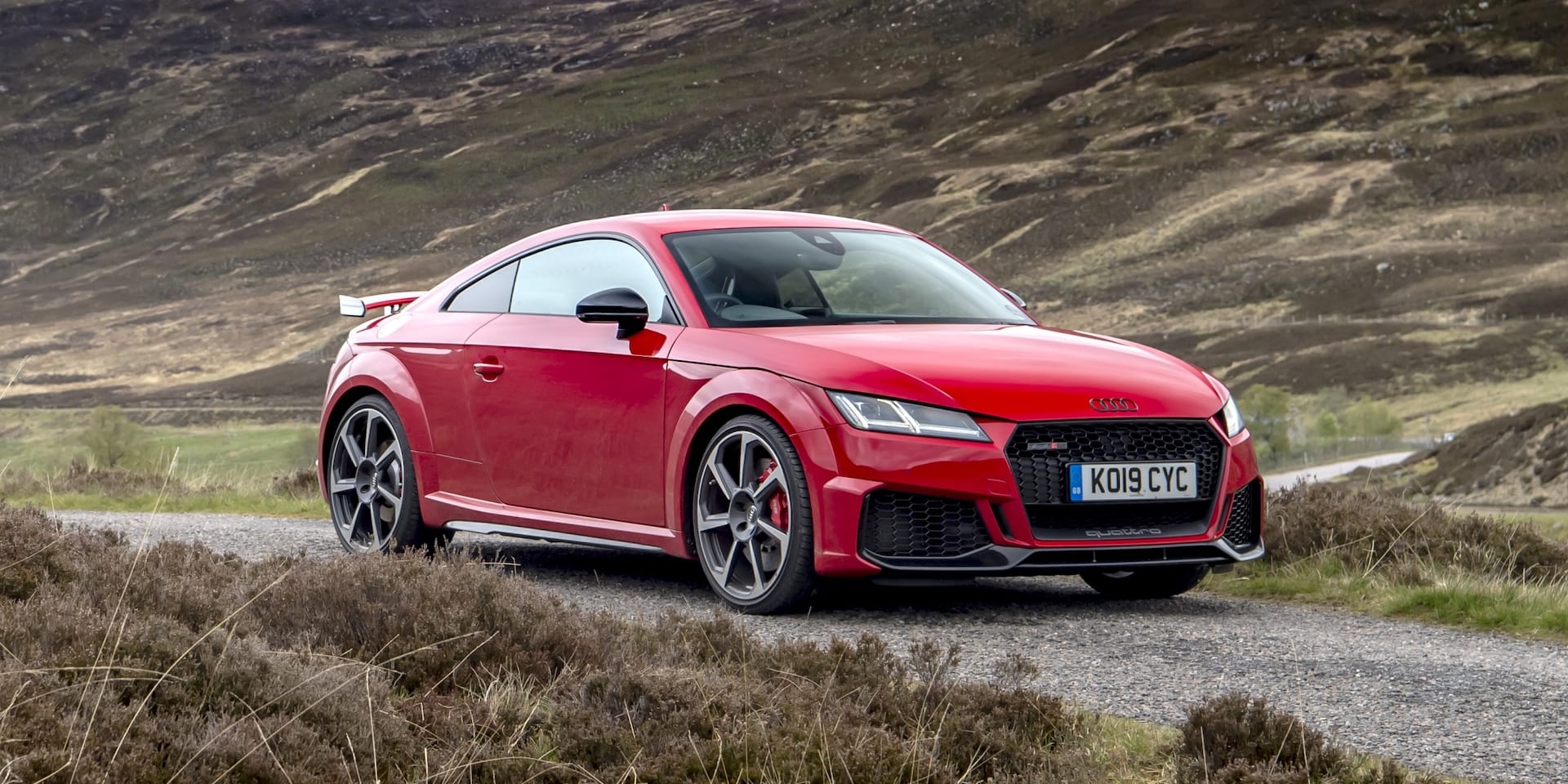
9. Audi TT RS (8S)
The Audi TT RS of the 8S generation, produced from 2016 onward, stands out as one of the most charismatic and capable performance cars Audi has ever produced. While the standard TT was often considered more of a stylish coupe than a true sports car, the RS version flipped that narrative.
At the heart of the TT RS lies its most distinctive feature: a 2.5-liter turbocharged inline-five engine. This powerplant, inspired by Audi’s Group B rally heritage, produces a sound unlike anything else in its segment and delivers 400 horsepower to all four wheels through Audi’s Quattro system.
The TT RS combined straight-line speed with real-world usability. It could sprint from 0 to 60 mph in around 3.5 seconds, yet it maintained a level of refinement and comfort that made it suitable for daily driving.
Inside, it featured one of the cleanest and most modern cabins of its time, with Audi’s Virtual Cockpit taking center stage and eliminating the need for a traditional infotainment screen. The attention to detail, materials, and layout showed Audi’s commitment to merging performance and luxury in a compact, elegant package.
Styling played a big role in the TT RS’s appeal. With its wide stance, aggressive front bumper, fixed rear wing, and large oval exhaust tips, it distinguished itself from lesser TT models without becoming overly flashy. It was a car that looked fast without shouting about it.
The coupe version emphasized a classic sports car silhouette, while the roadster added open-air exhilaration to the mix. Both versions offered something distinct, and both are likely to attract collectors for different reasons, one for its structural purity, the other for its sense of occasion.
The future of the Audi TT nameplate is uncertain, with Audi confirming that the model will eventually be phased out as part of its shift toward electric vehicles. That places even more significance on the TT RS as the final evolution of a beloved compact performance model.
The five-cylinder engine alone would be enough to earn it a place among future classics, but when combined with its design, performance, and limited production numbers, it becomes clear that the TT RS is destined to be remembered as a standout car of its time.
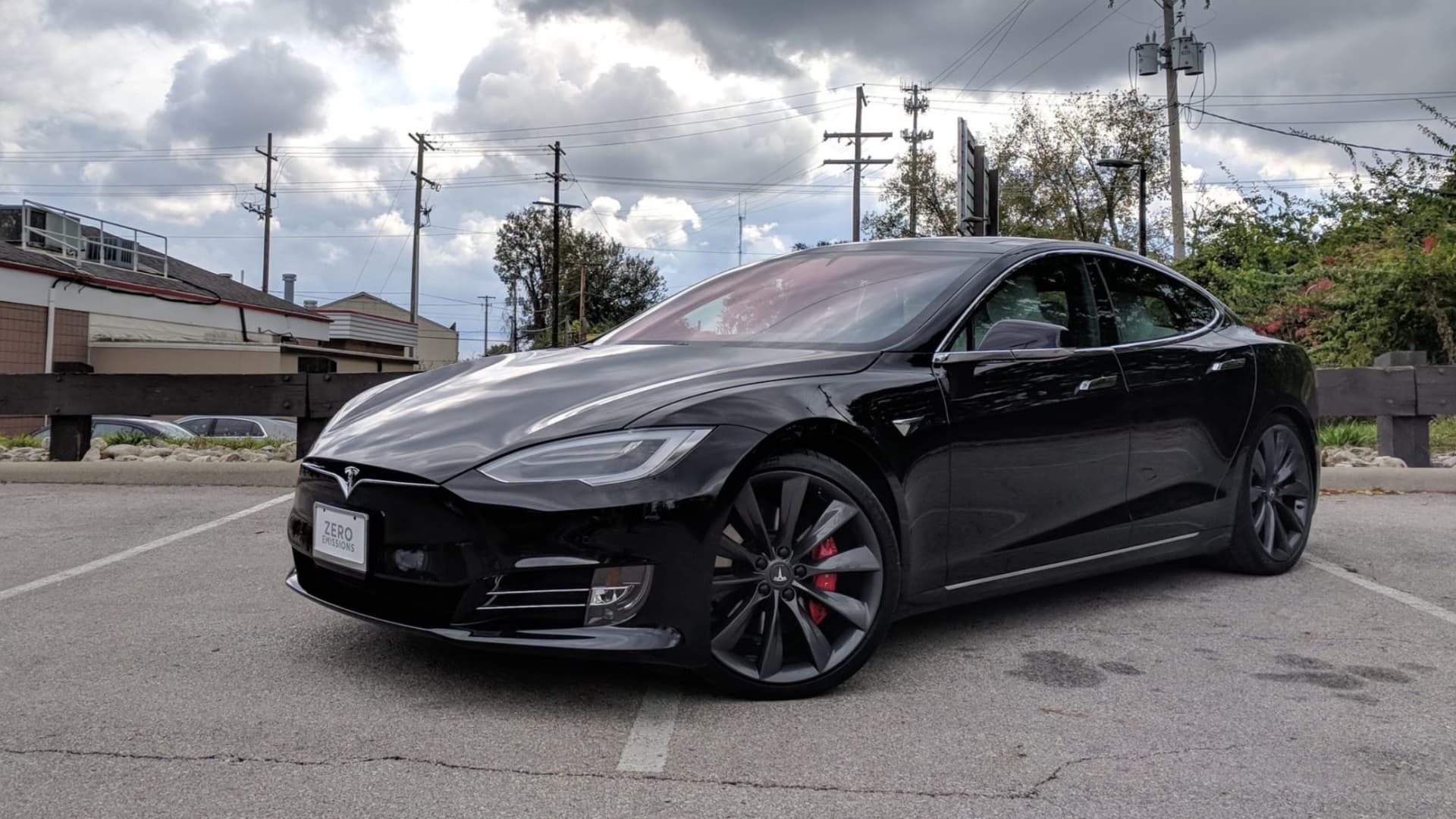
10. Tesla Model S P100D
When the Tesla Model S P100D launched in 2016, it redefined what people expected from electric cars. At a time when EVs were still viewed by many as underwhelming or utilitarian, the P100D shattered those assumptions with performance figures that rivaled the world’s top supercars.
Equipped with dual electric motors and a 100 kWh battery pack, it produced more than 750 horsepower and featured Tesla’s now-famous “Ludicrous Mode.” This allowed it to accelerate from 0 to 60 mph in under 2.5 seconds, a figure previously reserved for hypercars costing several times more.
But the P100D wasn’t just about speed. It was a full-size luxury sedan with seating for five adults (plus two optional rear-facing seats), a minimalist yet tech-heavy interior, and one of the most advanced infotainment systems ever installed in a production vehicle.
The giant touchscreen, over-the-air software updates, and semi-autonomous driving features positioned the Model S years ahead of its competition. This combination of futuristic features and mind-bending performance gave the P100D a unique place in automotive history. It didn’t just move the goalposts; it changed the game entirely.
The design of the Model S was understated but elegant, avoiding the aggressive styling cues of traditional performance sedans. That discretion added to its appeal, especially among buyers who wanted supercar performance in a package that didn’t draw unwanted attention.
Inside, the car offered a quiet, spacious cabin and a completely digital interface. While early examples had some quality control quirks, later models refined the formula, and the P100D quickly became Tesla’s halo car. It wasn’t just a quick EV; it was a statement that electric cars could outperform anything else on the road without sacrificing practicality.
As the EV market matures and more high-performance electric vehicles enter the fray, the original Model S P100D will hold a special place as a pioneer. It proved that electric power didn’t have to come with compromises and showed the world that a new kind of performance was possible.
Future generations will look back at the P100D as the car that marked the beginning of a seismic shift in automotive history. Its role in that transformation, along with its iconic status among early Tesla fans, makes it a solid bet to become a classic by 2030.
