
Many drivers believe that vehicles always lose value with time yet some SUVs behave differently. These special models combine rarity, reputation, durable engineering, cultural appeal, and off‑road capability in ways that make them highly desirable to collectors and enthusiasts.
When supply is limited, maintenance costs are manageable, and the brand has strong associations with adventure or prestige, value tends to rise rather than fall. For people who buy not just to drive but also to hold value, identifying those SUVs is both art and science.
The market for collectible SUVs has become more visible in recent years. Enthusiast forums, auto auctions, and private sellers increasingly mention that certain models from past decades have appreciated significantly.
It is no longer only classic sports cars that gain value. SUVs that were rugged, utilitarian, or luxurious in their own way are being sought after. Rare trims, off‑road packages, manual transmissions, or simply limited production are strong value‑booster attributes.
Owners who maintain original parts, minimal cosmetic damage, and desirable features find their SUVs might appreciate even if mileage is higher. Location matters too. Regions with four seasons, snow and rugged roads promote use and recognition of off‑road capable SUVs.
Such use tends to keep knowledge of these models alive across generations. When a vehicle retains its capability, brand identity, off‑road hardware, and styling cues, buyers often see it as more than transport.
Below are ten SUVs that consistently show signs of going up in value each year. For each model one can examine what makes it special what features or history give its value a tailwind what potential risks there are and what owners or collectors should watch for if they want to invest wisely.
If you know one of these is common in your region or admire its heritage the following descriptions will help you understand why its value may rise rather than fade.
Also Read: 10 Chevy Models That Still Run Strong Today
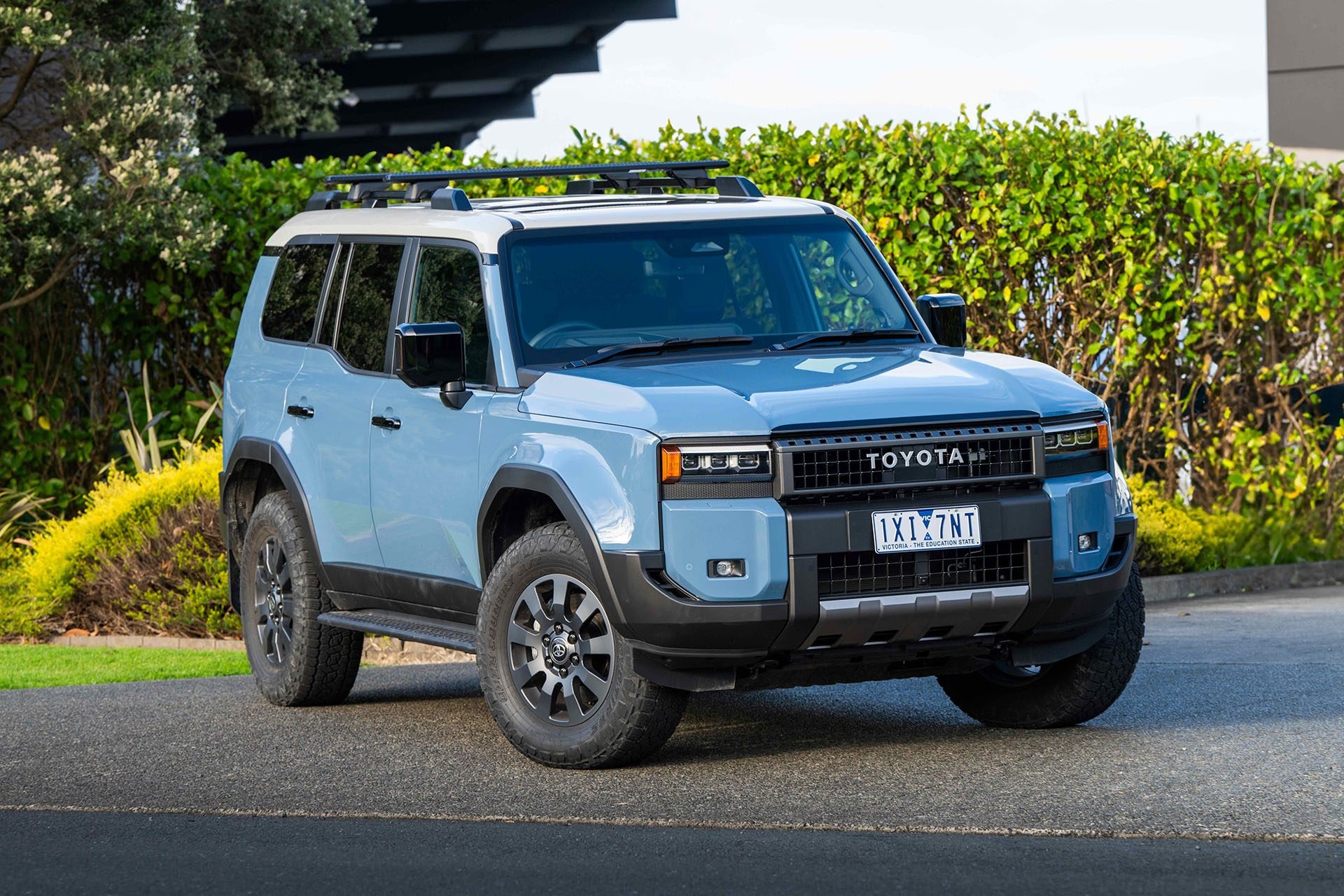
1. Toyota Land Cruiser
Toyota Land Cruiser has legendary off‑road capability married to enduring reliability. Within decades many Land Cruisers from the 1970s, 1980s and 1990s still exist on road or trail because Toyota’s build quality is excellent. Components often are simple, parts are well understood.
That means lower restoration costs and fewer surprises for people considering purchase. For value growth, that simplicity plus widespread supply of parts is a major advantage.
Second, the Land Cruiser has a very strong heritage. It was used by militaries, explorers, field scientists, remote‑area travelers.
That conveys an aura of robustness and authenticity. Collectors care not only for restored showroom condition examples but for honest off‑road use examples with patina. Such authenticity appeals and often drives higher bids at auctions or in private sales.
Third, demand often outstrips supply. In many markets Toyota stopped importing or restricted stock of older Land Cruisers, raising scarcity.
Also newer models sometimes lean toward luxury and electronics which many traditionalists find less appealing. Therefore older simpler Land Cruisers that retain mechanical third‑party repairability become more valuable.
Finally, Land Cruiser holds value because people expect it to last. Even used ones are often bought for expeditions, overlanding, remote region driving. Buyers willingly pay premium for vehicles that will withstand sand, mud, heat, cold.
When a Land Cruiser is preserved well, with documented service history and minimal rust or frame damage, its resale price tends to increase rather than drop steeply.
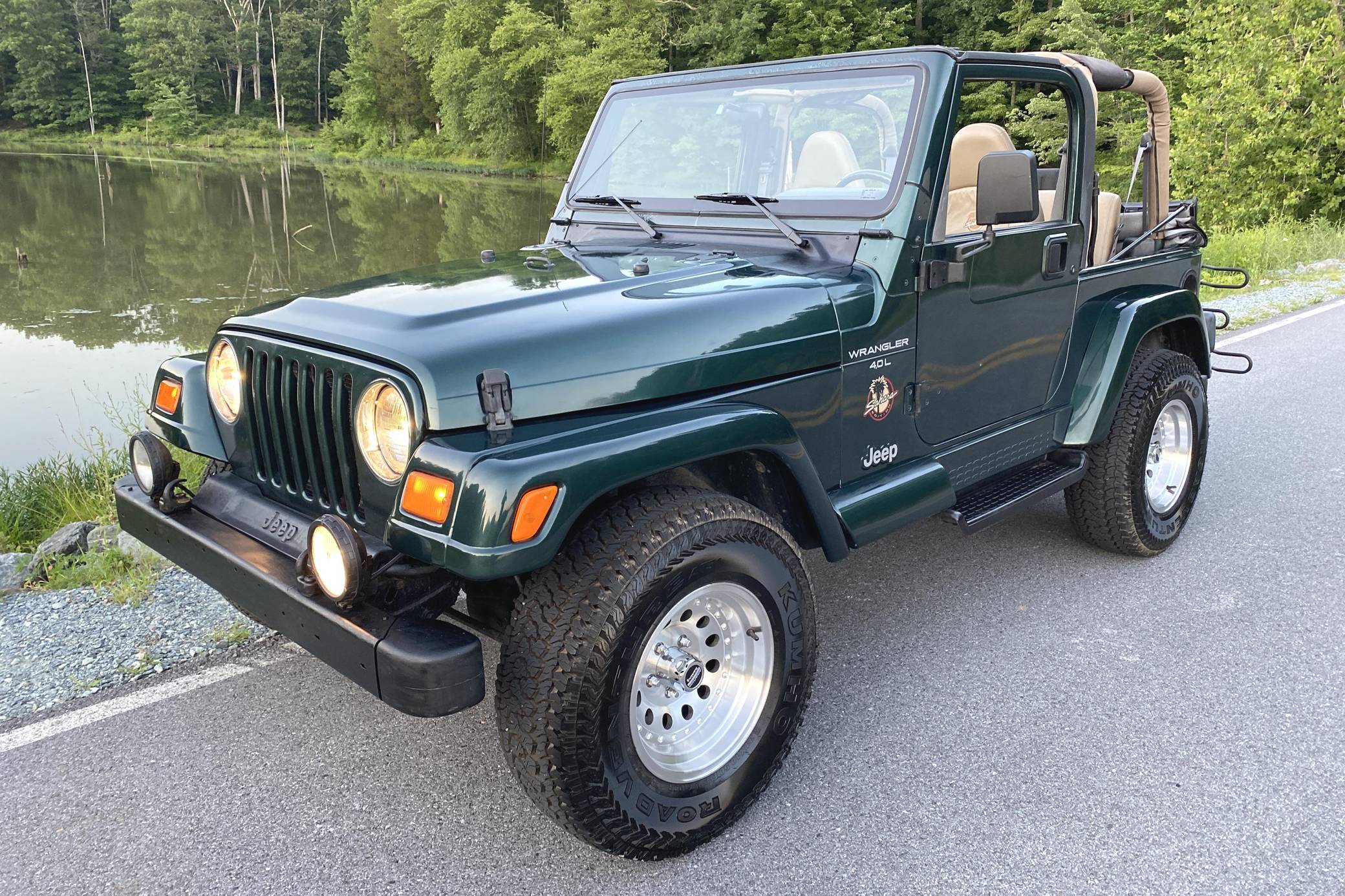
2. Jeep Wrangler (TJ, JK, JL)
Wranglers are iconic. Their removable tops, rugged frames, solid axles and aftermarket support make them loved by off‑road fans.
Among Wranglers it is often earlier generations like TJ and JK that are rising fastest in value, because they have more basic mechanical bits, easier to repair, fewer electronics that can fail with age. Those traits make those vehicles more collectible.
History matters here too. The Wrangler line traces back to military Jeeps and Willys models. Many buyers get emotional or nostalgic value from that.
Special editions or rare trims such as Rubicon, first‑year special models or limited color‑scheme versions become particularly sought after. The rarity premium adds strongly to base value.
Aftermarket parts availability besides official parts helps keep restoration affordable. People can replace worn jounce‑bushings, axles, frames. Off‑road capable packages with front lockers, locking differentials, upgraded transfer cases often boosted desirability. Owners who maintain underbody components, avoid rust, use proper suspension and brakes tend to preserve value.
Risks exist though. Exposure to salt, rust issues, electrical gremlins in newer electronics rich Wranglers may degrade. Buyers should inspect carefully frame, body mounts, floors. Manual transmission versions often are more desirable. With low mileage, good service history and original configuration (not overly modified) one of these Wranglers may appreciate with time rather than depreciate like typical SUVs.
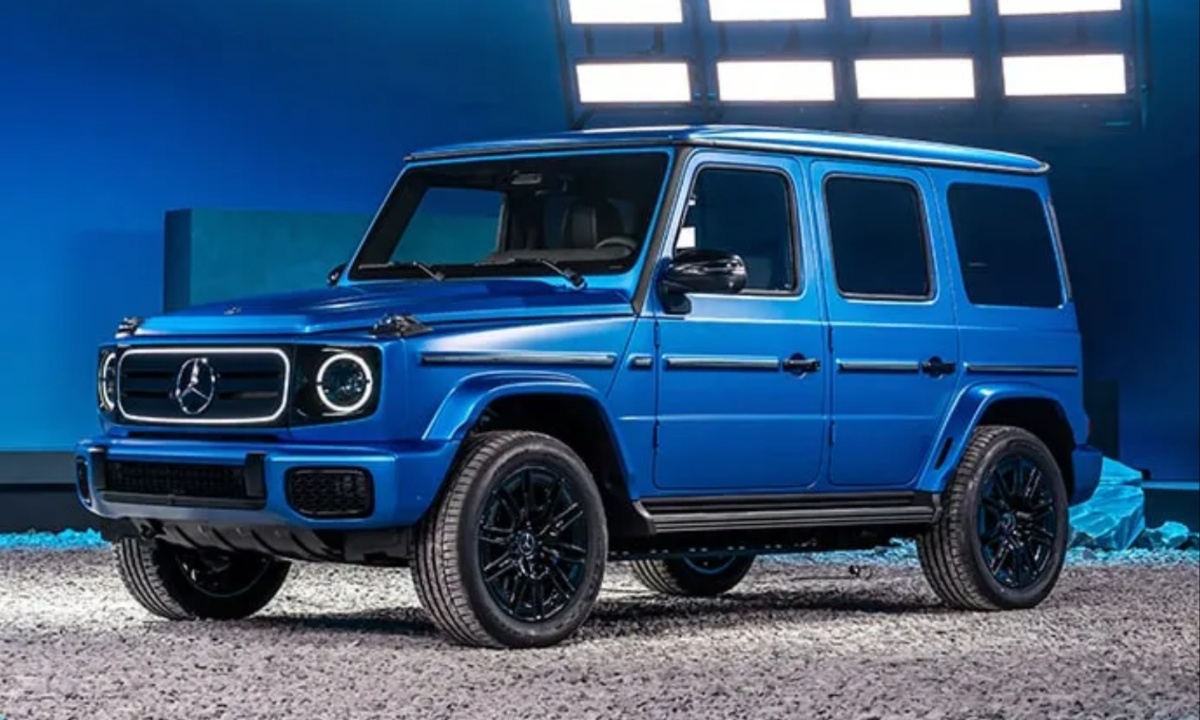
3. Mercedes‑Benz G‑Class (G‑Wagen)
G‑Class offers prestige, performance and off‑road capability. Originally built as a utilitarian vehicle for military or field use, it evolved into luxury icon. The contrast of luxury appointments, high power engines and rugged capability makes it unique. For people wanting both status and substance this is one of the rare SUVs that stays collectible.
Limited production contributes strongly. Special trims, AMG versions, and early generations with minimal electronics are more likely to appreciate. The rarity of certain model years or features increases demand among collectors who want distinctive details. When a G‑Class is in good condition, with original paint, matching engine and drivetrain, value often rises at auctions.
Service and maintenance are expensive but many owners accept this as cost of ownership because parts, craftsmanship quality, and brand image retain value. Original interior materials, odometer transparency, historical documentation help preserve that value. Keeping luxury features functional even in older G‑Class models is helpful.
Risks involve high fuel consumption, large size, weight, and compliance with emission regulations. In some markets older G‑Classes may face restrictions or heavy taxes. Owners should consider cost of storage, insurance, maintenance. Despite those challenges many G‑Classes have appreciation curves steeper than average luxury SUVs because enthusiasts and collectors seek them out.
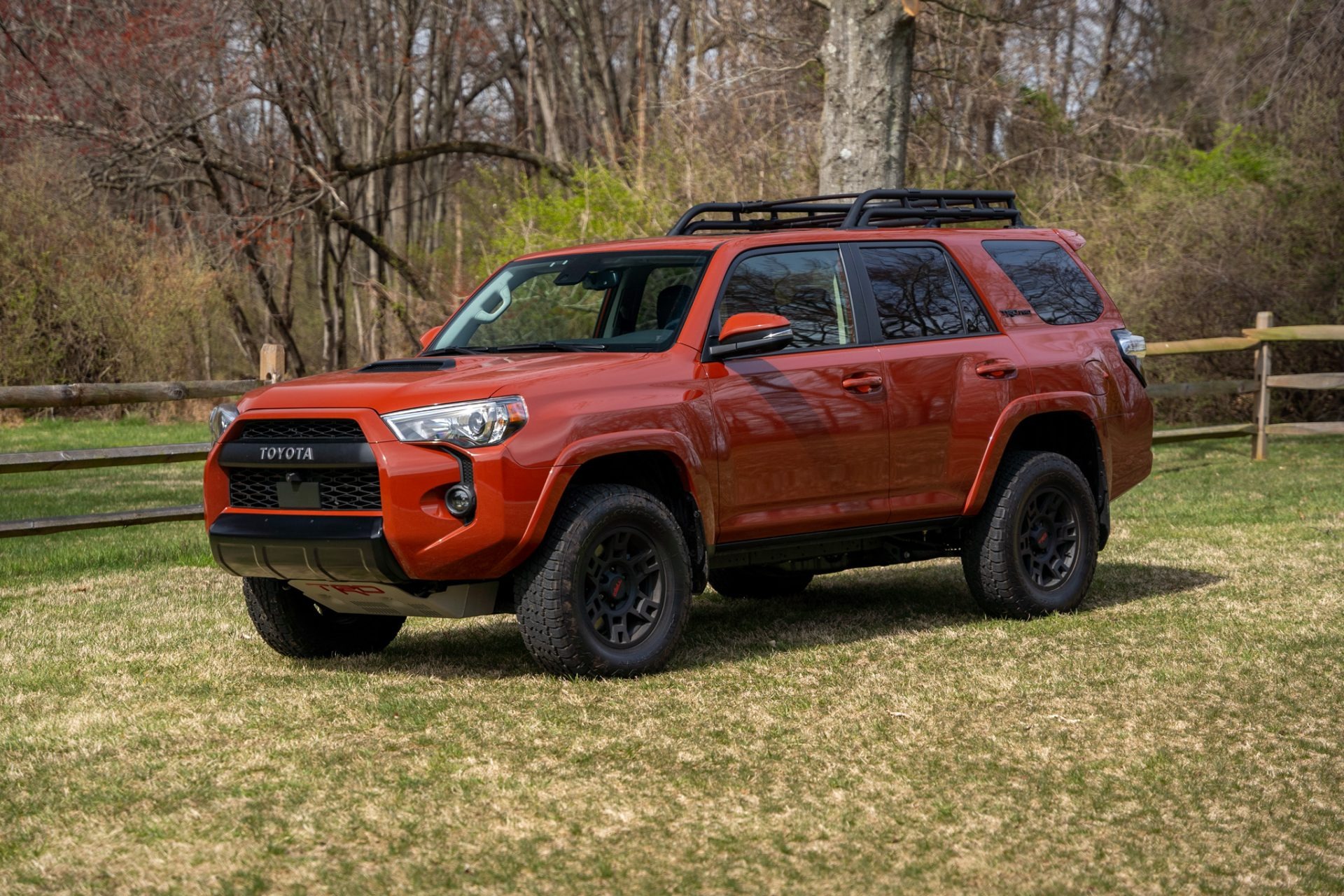
4. Toyota 4Runner
Toyota 4Runner is another rugged body‑on‑frame SUV appreciated by off‑road enthusiasts. It seldom flirts overtly with luxury yet promises durability. Many 4Runners from past generations remain on road. People like these for weekend adventures trails and wilderness camps. Because of that usage stories often become part of the vehicle’s appeal.
Off‑road capability, aftermarket support, and strong basics such as reliable drivetrain, capable suspension, simple electronics make older 4Runner models desirable. Trail‑worthy models with locking differentials skid plates roof racks become sought after. Buyers often want trucks that still feel mechanical not overly dependent on computers. 4Runner often fits that niche.
Toyota tends to maintain good parts networks and reputation for long‑life engines and robust transmissions. Repairing a 4Runner tends to be less expensive and more predictable than fixing a luxury SUV with electronic systems. That lowers ownership risk. Lower risk encourages more buyers. As demand increases for good condition older 4Runners, values climb.
Risks: rust especially underbody, frame, or in rust‑prone climates; high mileage; missing or broken off‑road gear. Also modifications that harm originality may reduce value. Clean original paint and interior, stock suspensions or properly upgraded ones often fetch higher price. Proper maintenance history is a strong value multiplier.
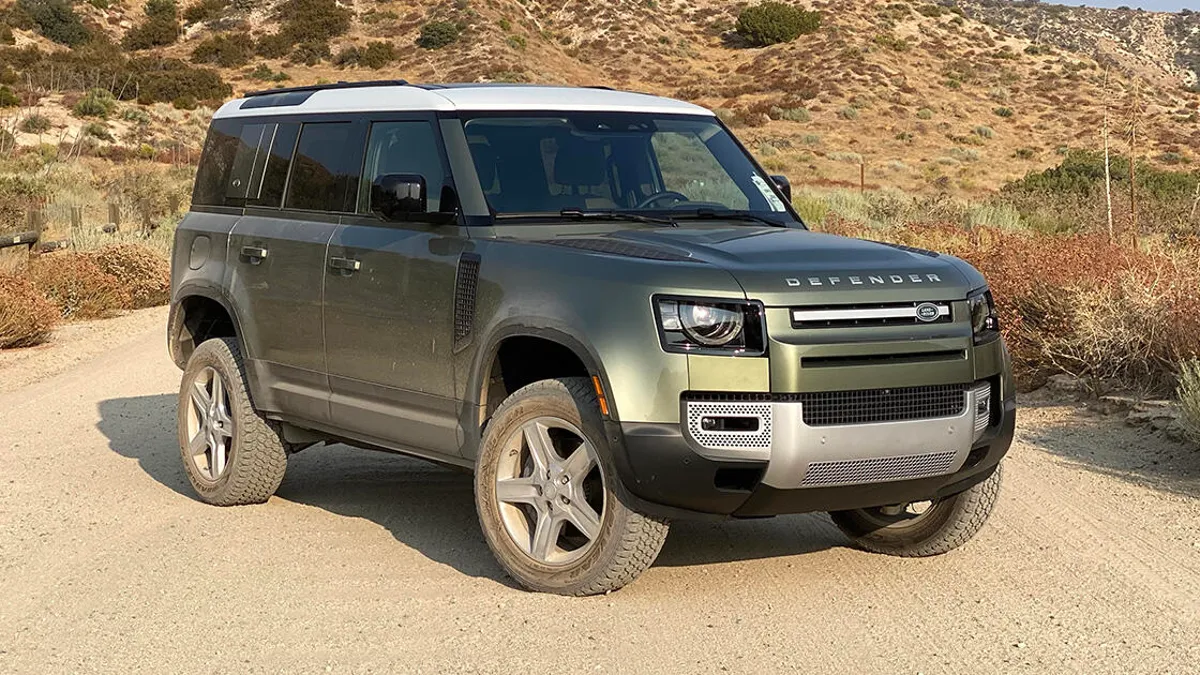
5. Land Rover Defender (Classic / early models)
Defender early models carry a strong heritage of exploration and durability. They have long been used in remote regions, by militaries, for safaris or scientific expeditions. That heritage translates into desirability in collector markets. Early Defenders with metal body panels and simple mechanical systems are especially prized.
Rarity plays major role. Production volumes of key models are limited, spare parts sometimes hard to find. That scarcity raises price. As many original early Defenders are lost to rust or accidents, survivors become more valuable. Restored or preserved examples often command premiums.
Authenticity increases value. Original mechanical components, minimal modernization, original interior or coachwork, functioning gear such as canvas roofs or utilitarian seats. Buyers often pay more for genuine setups rather than heavy replicas or heavily modernized versions.
Risks include corrosion, outdated safety equipment, inefficient fuel use. Service may be expensive if parts need import or custom manufacturing. Owners who invest in keeping the mechanical integrity, preserving original panels and minimizing large modifications tend to see better value retention or appreciation over years.
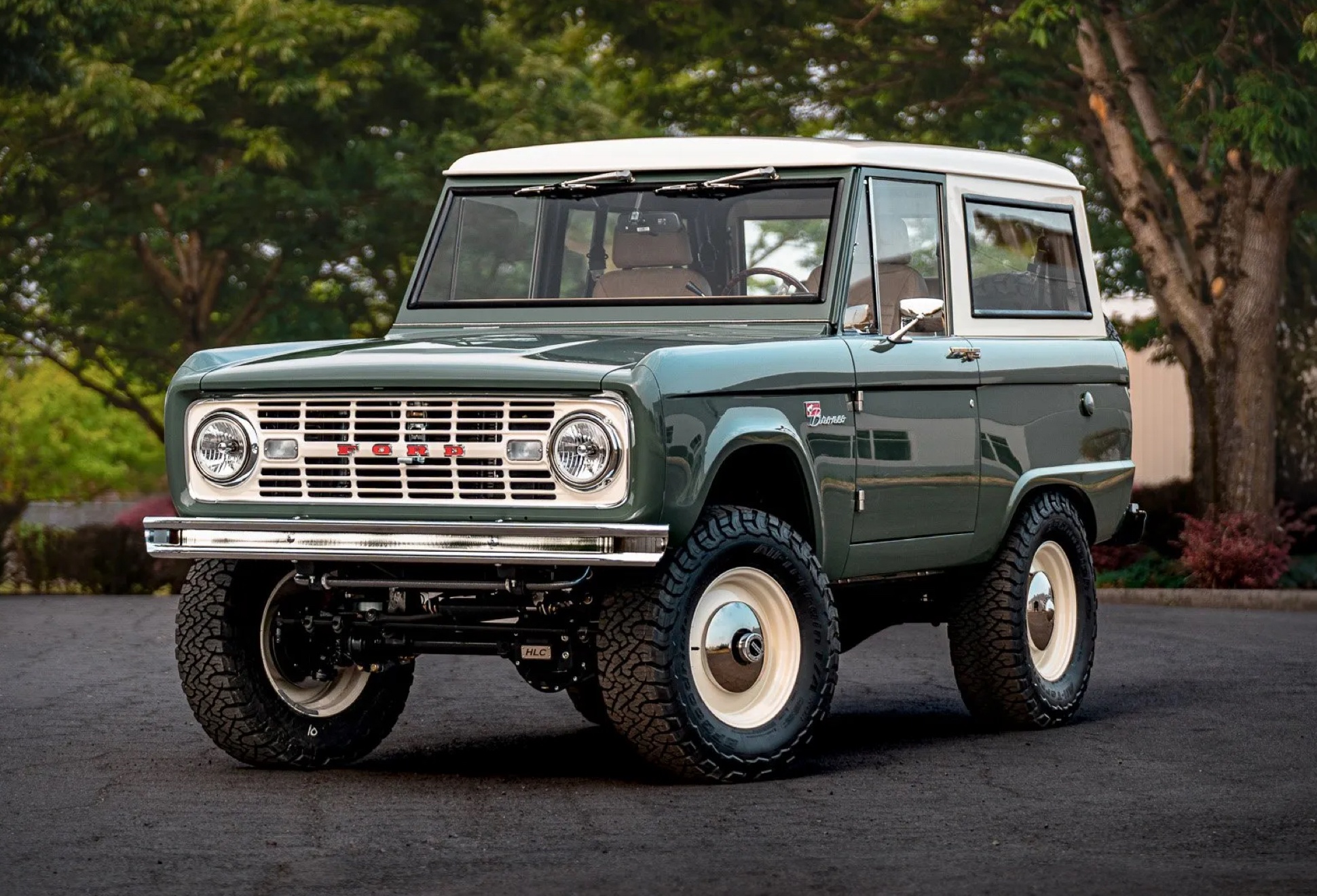
6. Ford Bronco (first generations / early revival)
Ford Bronco has become an aspirational nameplate. The first generation models from the 1960s and 1970s plus some early revival models are currently seeing rising interest. The rugged styling, removable tops, utility and cultural memory all contribute. Bronco was once used in many off‑road roles and has strong associations with outdoors lifestyle.
The revival of Bronco in recent years has increased interest in original vintage Bronco models. That interest tends to push up values. When a modern revival reminds people of the originals the originals often see gains. Collectors tend to pay extra for earlier years, rare trim packages, or restored examples that look close to factory.
Parts availability for vintage Bronco may be challenging in some markets but aftermarket reproduction parts and enthusiast networks have grown. That supports restorations, which helps preserve the pool of healthy vehicles. When restorations are well done, with preserved body lines, original interiors or faithful periods correct replacements value often increases.
Risks include rust, especially in underbody, cab corners, chassis. Poor restorations or heavy modifications may detract rather than add value. Also fuel consumption, emissions and road comfort on modern roads are issues for purchasers. Nonetheless for those who preserve vintage Bronco models carefully there is strong potential for value growth.
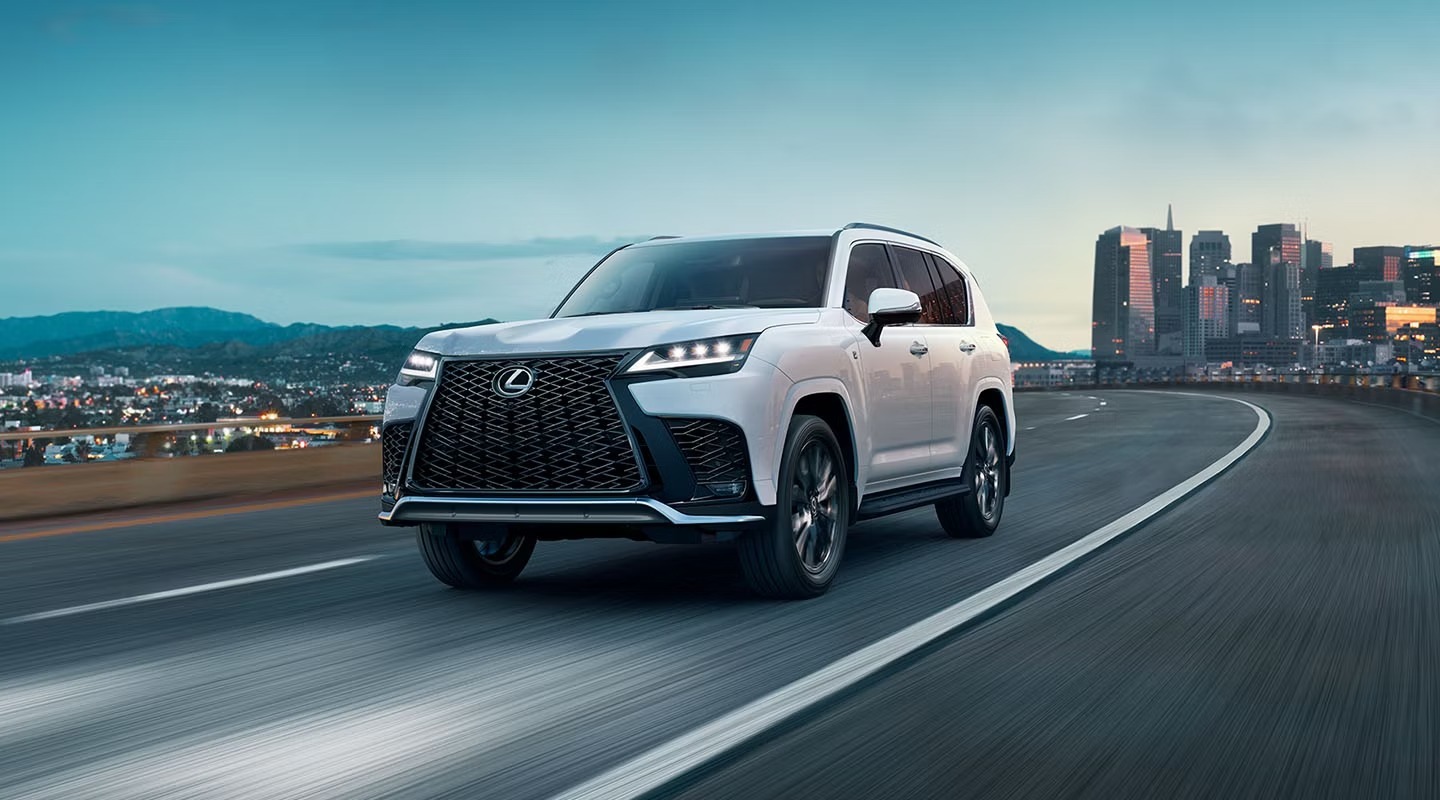
7. Lexus LX
Lexus LX has long been Toyota’s luxury offering built on rugged underpinnings. It blends off‑road capability, luxury finishes, reliability. That combination draws both luxury buyers and those seeking durability. When early generations remain in tidy condition they tend to fetch premium because of the Lexus reputation for comfort plus Toyota reliability.
Luxury features when original such as leather, wood trim, good stereo systems, and maintained suspension and drivetrain tend to add value. Older LXes that have been mistreated or had luxury bits removed or replaced poorly tend to lose value compared to clean preserved ones. The interior condition and maintenance history matter greatly.
Service reliability tends to be strong. Many LX models use parts shared with Toyota trucks or Land Cruisers. That helps costs, parts availability, and knowledge among mechanics. When mechanical integrity remains good even after many years these models retain or gain value because prospective buyers trust longevity.
Risks include service costs for luxury trim pieces, potential for expensive electronic or climate control failures, and weight penalties affecting fuel. Also in regions with strict import age or emission rules such vehicles may face restrictions. Still, the demand among those who want luxury plus toughness means that well kept LX vehicles often appreciate.
Also Read: 10 Cars That Hold Up Well In The City vs 10 That Break Down In Traffic
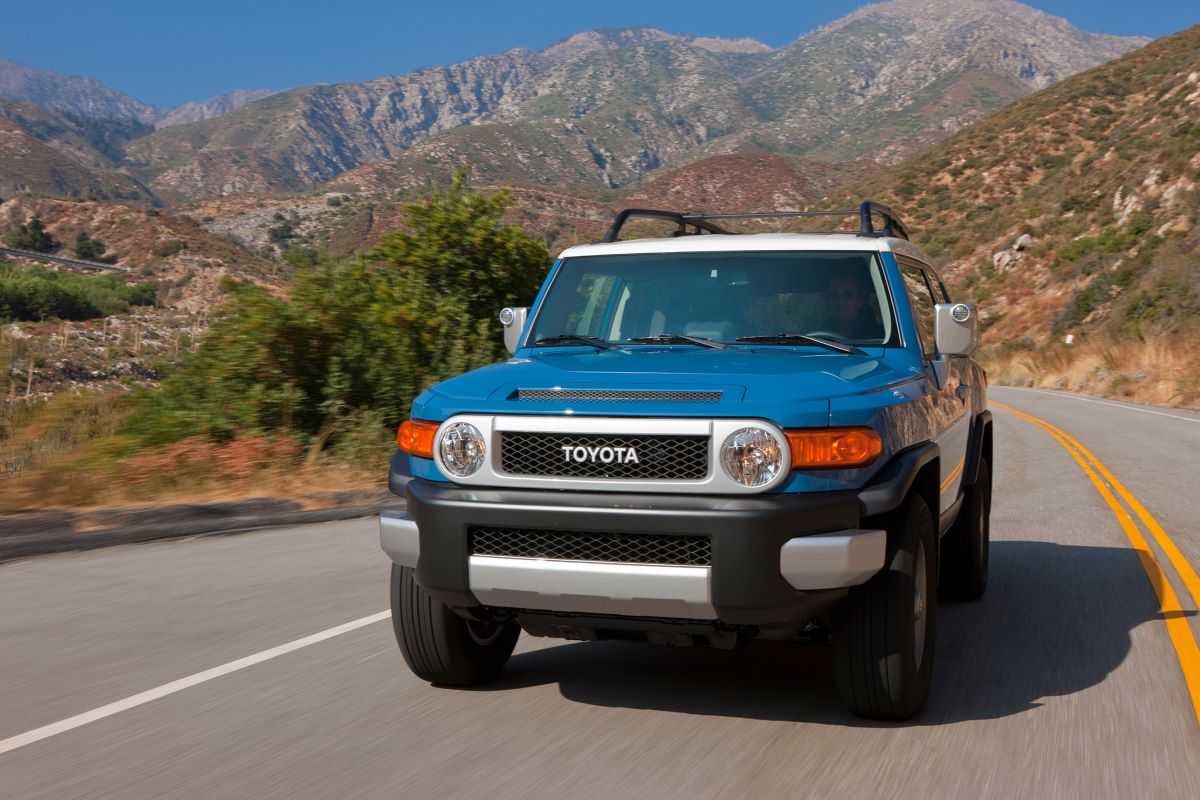
8. Toyota FJ Cruiser
FJ Cruiser had a relatively short production span yet built a passionate following. Its retro styling cues, off‑road ability, short wheelbase, wide tires, strong aftermarket ecosystems make it one of those models many drivers love. Because production ended some years ago demand among enthusiasts tends to be strong compared to supply.
Original condition examples, particularly those with off‑road upgrade packages or desirable colors, fetch higher resale values. Rarer color options or special editions, roof racks, TRD parts or limited trim levels often make a big difference. People willing to preserve originality tend to see value gains.
Durability again plays a large role. Engine, transmission, drivetrain in FJ Cruiser are modeled after Toyota trucks and SUVs known for toughness. Components tend to be robust. That means older FJ Cruisers often still drive well. When maintenance is current and body and chassis are not compromised by rust or damage these models are especially appealing.
Risks include that some parts are no longer made or are more expensive because of import fees. Also off‑road use may have done damage. And the ride comfort or fuel efficiency is not competitive with modern SUVs. For many collectors comfort is secondary. If an FJ Cruiser has been cared for well and retains its original parts then chances are its value will go up over time.
9. Porsche Cayenne (early models)
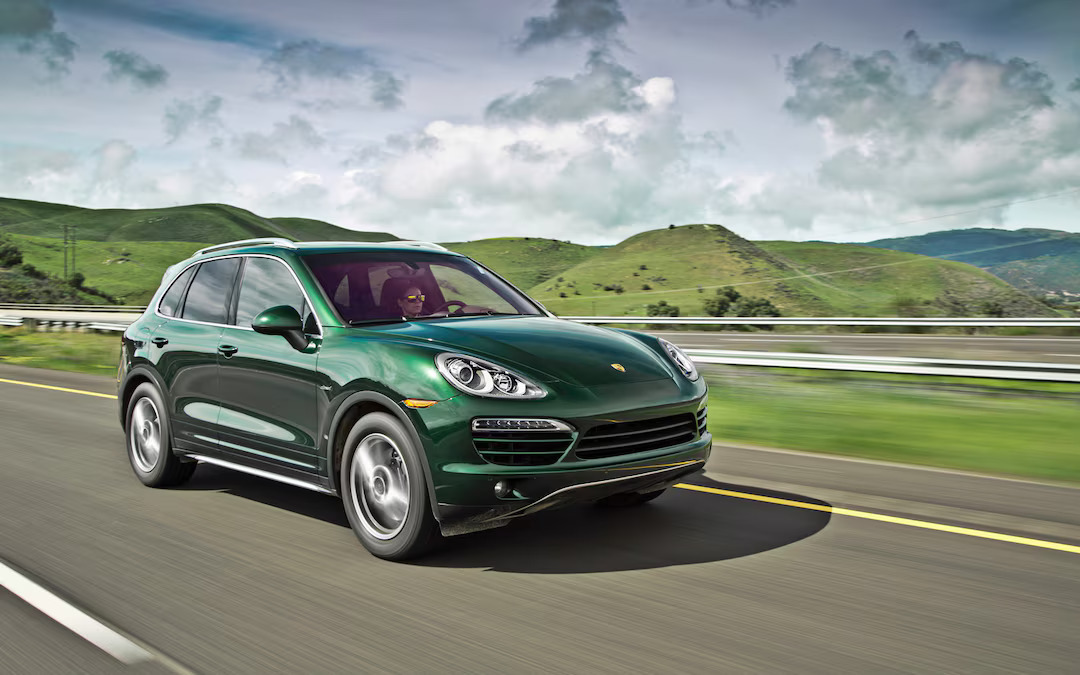
Early Cayennes are interesting because although Porsche is a luxury and performance brand its SUVs were once controversial among purists. Over time perceptions have shifted. Cayenne became accepted and admired. Early models that have been maintained are becoming collectible especially V8 versions or rarer trims.
Strong performance parts, handling capabilities, brand prestige contribute. Even used Cayennes are often bought by enthusiasts who appreciate their all‑wheel drive layout, powerful engines, and sport oriented handling. Those who kept service up to date and avoided major mechanical issues often find their early Cayennes retain value well and sometimes appreciate.
However risk of high maintenance costs is real. Major components such as turbochargers, transmissions or all‑wheel drive system parts, cooling system may need expensive repair or replacement. Buyers seeking value growth must ensure past maintenance has been thorough and well documented. Vehicles with recent rebuilds or known good service history are much safer bets.
Also aesthetic appeal matters. Examples with desirable trim, lower mileage, clean interior and original exterior color tend to do better. If modifications are minimal, especially those that preserve performance rather than degrade it, they may help value rather than harm. Because early Cayennes bridge performance, luxury and utility they often catch attention from both SUV collectors and sports car enthusiasts.
10. Range Rover Classic / First Generation Range Rover
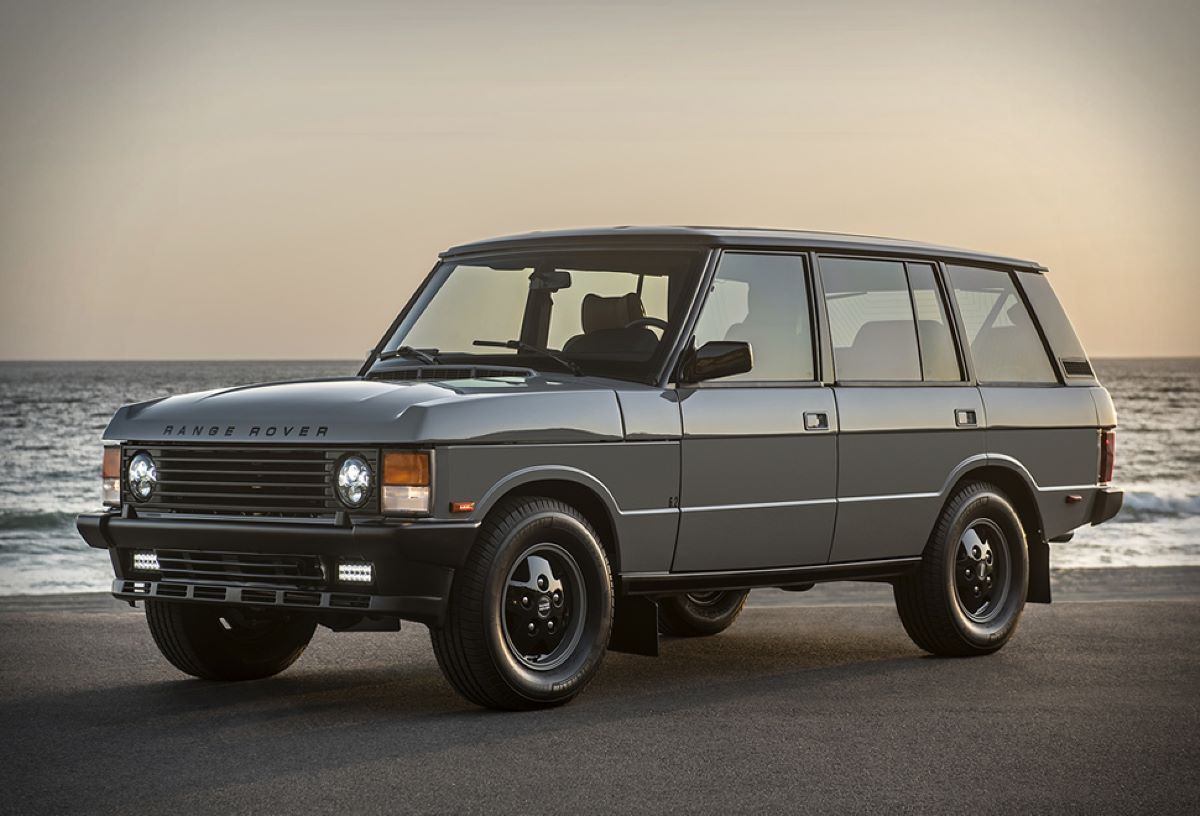
Classic Range Rover from earlier generations has a distinguished place in SUV history. It was among first luxury off‑road SUVs combining on‑road comfort and off‑road capability with prestige. Early models still on road evoke nostalgia and status. That gives them strong value potential.
Rarity is increasing since many Classics have been lost to rust, crash, neglect. The survivors are more likely to be owned by enthusiasts. Restored examples often are expensive because of cost of body work, sourcing original trim, managing old emissions. But passionate buyers often accept those costs. That pushes values up.
Authentic condition helps a lot. Original leather, wood trim, correct gauges, intact four‑wheel‑drive system components, undamaged body and frame stamping. Vehicles that have been sympathetically restored are more desirable than ones heavily modernized. Retaining character over modernization is usually rewarded in price.
Risks that affect Classic Range Rovers include corrosion in body panels, chassis, and roof, aging suspension parts, potential for electrical issues, and poor fuel efficiency. Also regulatory or taxation issues in some regions may impact import or registration of older models. Nevertheless well preserved Range Rover Classics often appreciate year to year especially if services and cosmetics are kept to high standard.
11. Suzuki Samurai
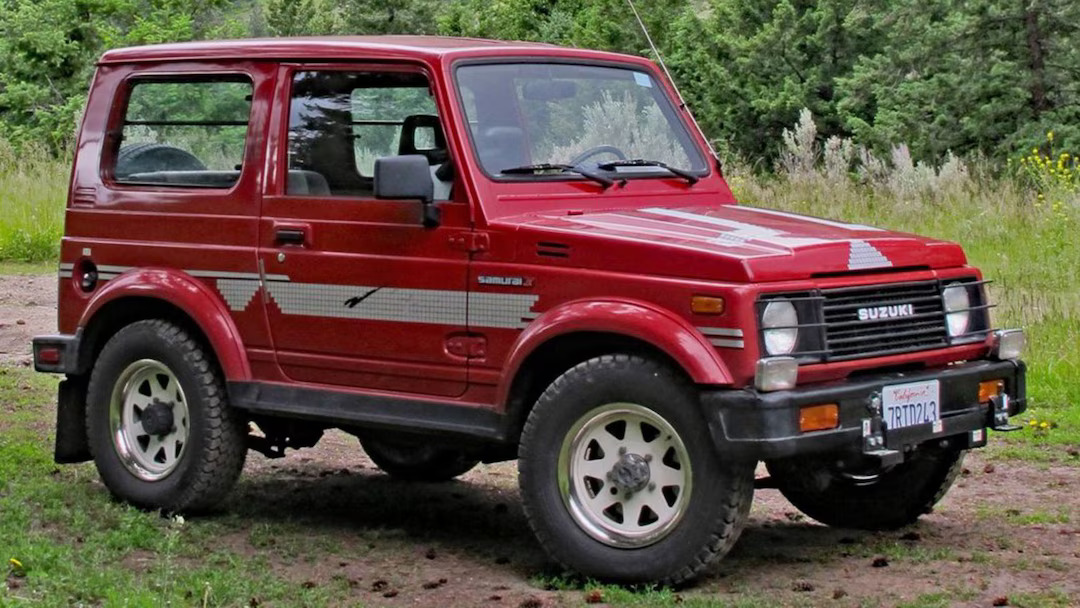
The Suzuki Samurai is a compact off-road SUV that gained popularity in the 1980s for its simple design, low weight, and excellent off-road capabilities. While often underestimated compared to larger SUVs, its short wheelbase and light frame make it exceptionally maneuverable on rough terrain.
Over the years, the Samurai developed a cult following among off-road enthusiasts who appreciate its raw mechanical feel and easy repairability. It’s also increasingly recognized as one of the last truly small 4x4s, which is a rarity in today’s SUV market dominated by larger, heavier models.
One major reason for its rising value is its scarcity in good condition. Many Samurais were used hard, modified, or rusted out due to their age and lack of rustproofing. As fewer clean examples remain, collectors are willing to pay a premium for unmodified or lightly upgraded Samurais.
Even models that need minor cosmetic restoration can command strong prices if the frame is clean and the drivetrain intact. Original paint, soft tops, and factory equipment all add significantly to the resale value.
Another factor is cost of ownership. The Samurai’s low operating and maintenance costs make it appealing for younger enthusiasts who want a collectible off-roader without breaking the bank. The aftermarket community around it remains active, and parts are generally affordable. Since these vehicles are relatively simple, most maintenance can be done by owners themselves, which lowers long-term costs and raises appeal among DIY hobbyists.
There are, however, trade-offs. The Samurai is not fast or refined. It struggles on highways and lacks modern safety features. But in terms of personality, mechanical purity, and backwoods capability, it stands out. For people who want a unique, retro off-roader that they can actually use, the Samurai offers a lot, and its growing rarity ensures that values are climbing.
12. Hummer H1
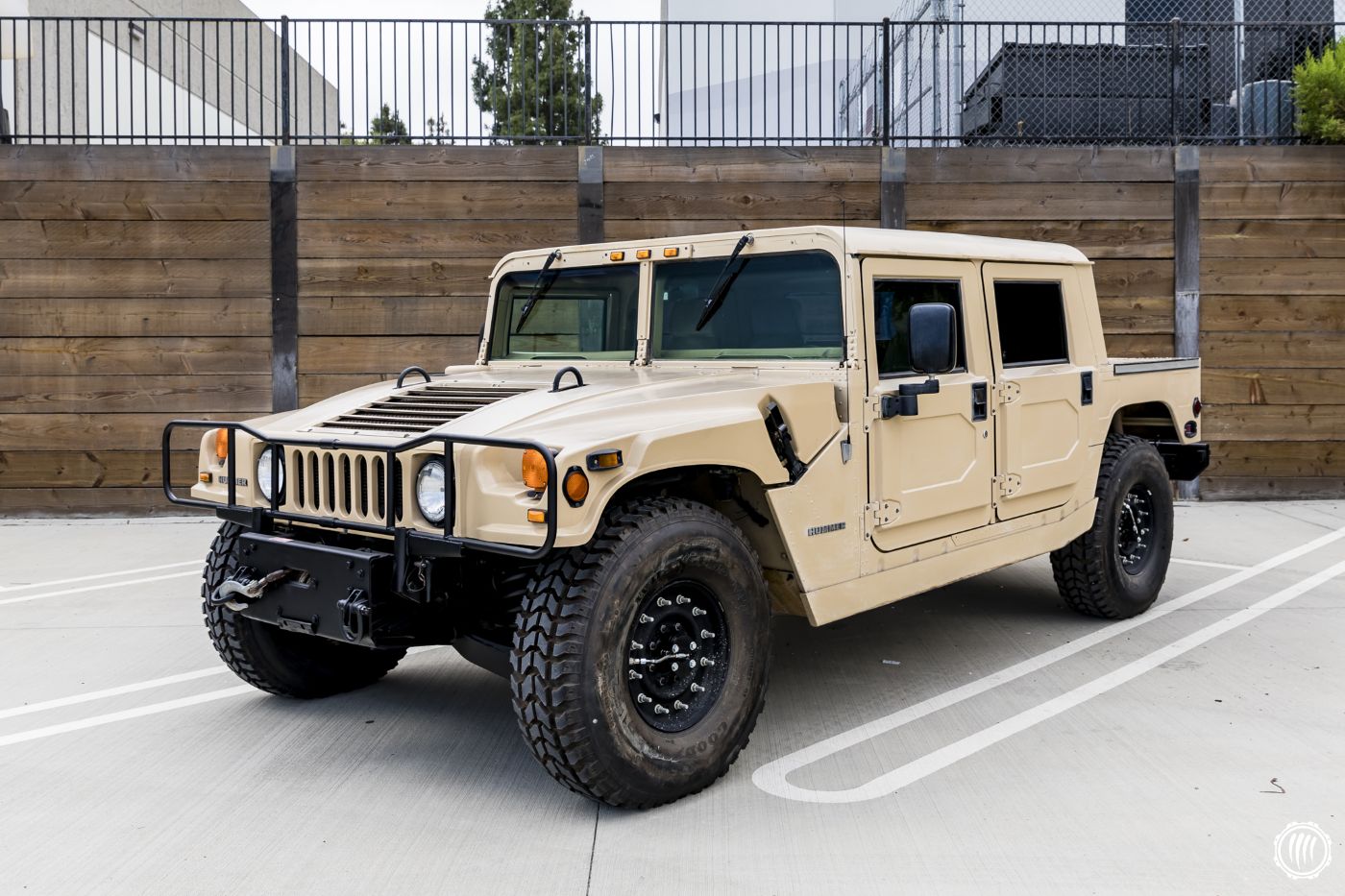
The Hummer H1 is an iconic SUV built originally for military use and then adapted for civilian markets in the 1990s. Known for its massive proportions, aggressive stance, and battlefield-tested durability, it became a symbol of power and toughness. Due to its original association with the U.S. military’s HUMVEE, the H1 carries a strong cultural identity.
That identity contributes heavily to its collectability and increasing market value, especially for the earlier models with the original naturally aspirated diesel engines.
Only a limited number of civilian H1s were produced, which adds to their rarity. Collectors are particularly interested in models with military styling cues, original parts, and clean undercarriages. As newer vehicles become more complex and less rugged, the raw nature of the H1 becomes more appealing to off-road purists.
They’re not easy to find in good condition due to their age, and their size and weight mean they weren’t always treated gently by owners. That makes a clean example even more valuable.
Performance and presence also play a role. The H1 isn’t fast, but its off-road capabilities are unmatched in many respects. With portal axles, central tire inflation systems, and a wide stance, it can go places most SUVs wouldn’t dare. That capability isn’t just for show, it’s functional, and collectors who value function over fluff often seek out H1s for that reason. Their ruggedness combined with brute style makes them a symbol of a different era in automotive design.
There are drawbacks, such as enormous size, very poor fuel economy, and high maintenance costs. Insurance is also pricey, and parts can be expensive. But those who want to own a piece of off-road history, and are willing to deal with the challenges, find that the H1’s value keeps climbing. It’s a true military-grade machine that’s now become a blue-chip asset in the SUV world.
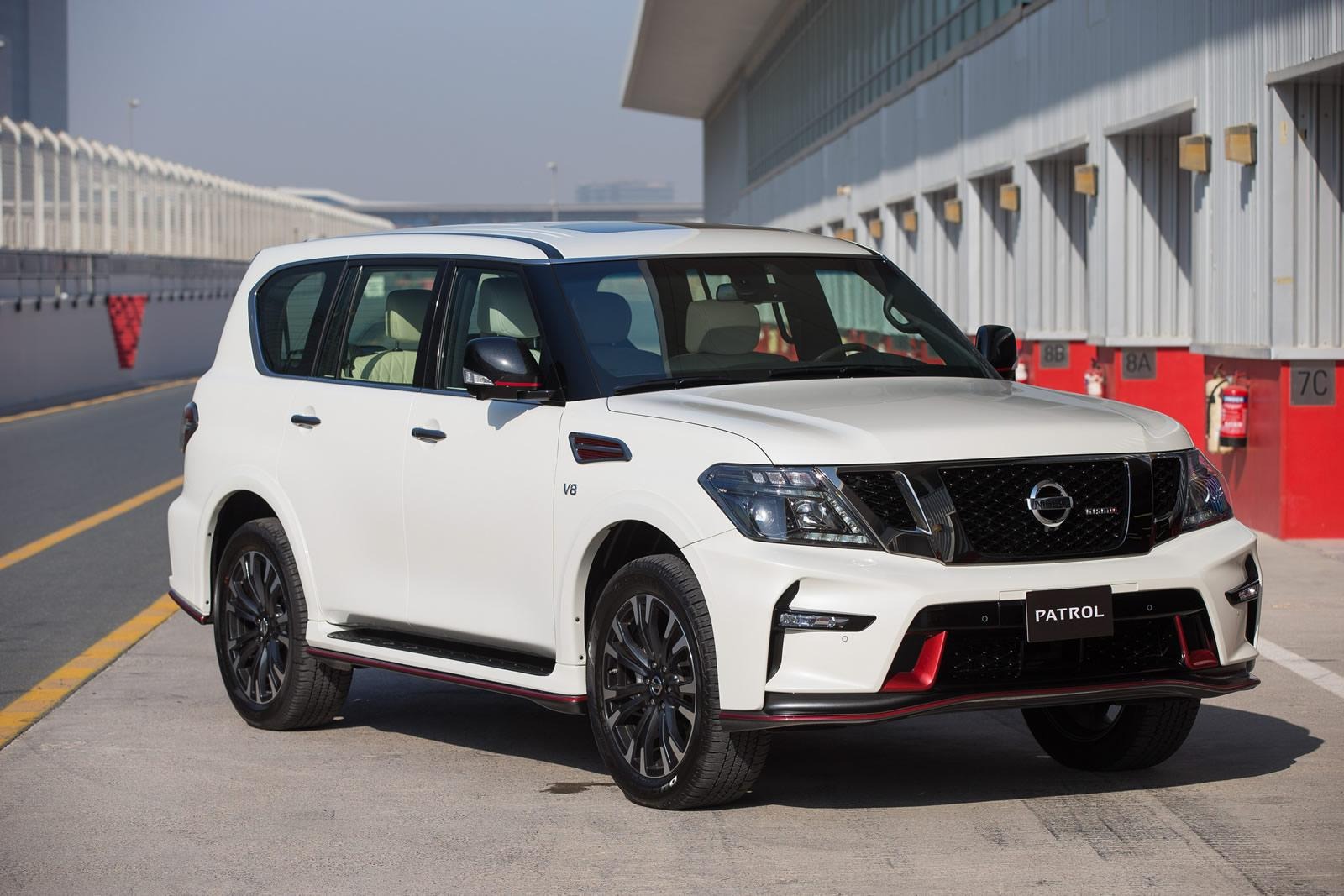
13. Nissan Patrol (Y60 and Y61 Generations)
The Nissan Patrol, particularly the Y60 and Y61 generations, has developed a strong reputation as a rugged and dependable 4×4. While not as well known in North America as the Toyota Land Cruiser, it is a legend in markets like Australia, the Middle East, and Africa. These models are built for serious off-road use and have proved themselves over decades in some of the harshest terrains. The Y60, with its solid axles and mechanical simplicity, is especially revered by off-roaders and collectors alike.
Patrols have been increasing in value due to their scarcity in certain regions and their growing international recognition. As more enthusiasts seek vehicles with old-school toughness, the Patrol has emerged as a clear alternative to the Land Cruiser.
Some buyers even prefer it for its robustness and simpler construction. Export demand has also pushed up prices in countries where importing older vehicles is allowed under classic car laws. That export factor alone has made clean Patrols more expensive in their home markets.
Reliability is a strong suit for the Patrol. Diesel models, in particular, are known to last several hundred thousand kilometers with proper maintenance. The interiors are functional and well-built, though not luxurious. Owners who maintain the vehicle’s stock form or perform tasteful overland modifications tend to benefit from better resale prices.
Accessories like winches, roof tents, snorkels, and upgraded suspensions often enhance desirability when installed properly and with documentation.
Rust can be an issue, particularly in older Y60 models, and parts may be difficult to source in some areas. However, an increasing number of parts suppliers and enthusiast communities have started catering to these models. Patrol values are climbing, especially for low-mileage, unmodified examples. As their reputation spreads and their global following grows, the Patrol is rapidly becoming one of the top appreciating classic SUVs.
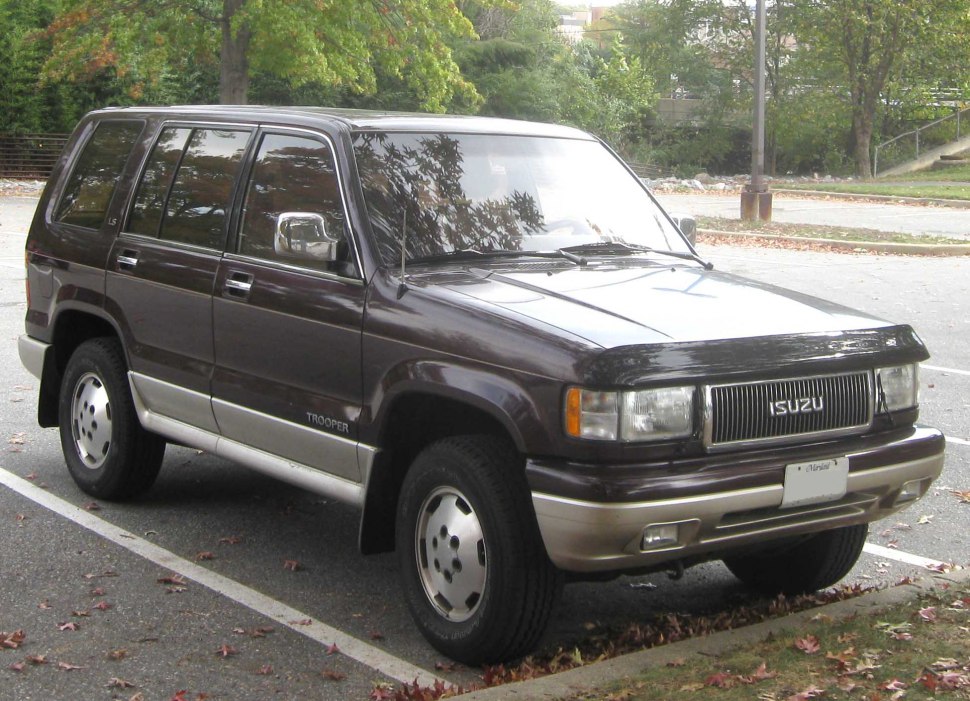
14. Isuzu Trooper (First and Second Generation)
The Isuzu Trooper, especially in its first and second generations (1980s through early 2000s), is another SUV seeing a quiet but steady climb in value. Once considered a utilitarian family hauler, it’s now gaining recognition for its boxy styling, durable drivetrain, and impressive off-road credentials. While it doesn’t have the brand recognition of Toyota or Jeep, the Trooper’s under-the-radar status is beginning to change as collectors look for affordable, classic 4x4s that haven’t already peaked in value.
The first-generation Trooper is especially admired for its simplicity. It came with solid axles, body-on-frame construction, and a basic but functional interior. The second generation added more refinement, power, and features while maintaining off-road credibility.
Models with the manual transmission and part-time four-wheel drive are particularly sought after, especially those equipped with the 3.2L V6 or diesel options in foreign markets. Clean examples with factory paint and original interiors are becoming hard to find.
Another factor in the Trooper’s rising value is its historical importance. Isuzu was once a serious player in the global SUV market, and the Trooper was its flagship. It was sold under several names (like Acura SLX and Holden Jackaroo), adding to its international presence.
As nostalgia grows for ’80s and ’90s Japanese vehicles, the Trooper benefits from renewed interest, especially among fans of old-school Japanese engineering.
Drawbacks include a lack of widespread parts support compared to more popular brands, and potential reliability issues in some later engine variants. Rust can also be an issue in humid or salted environments. But if maintained well and kept mostly stock, a Trooper can become both a reliable driver and an appreciating asset. It’s still a sleeper in the classic SUV market, but that’s changing rapidly.
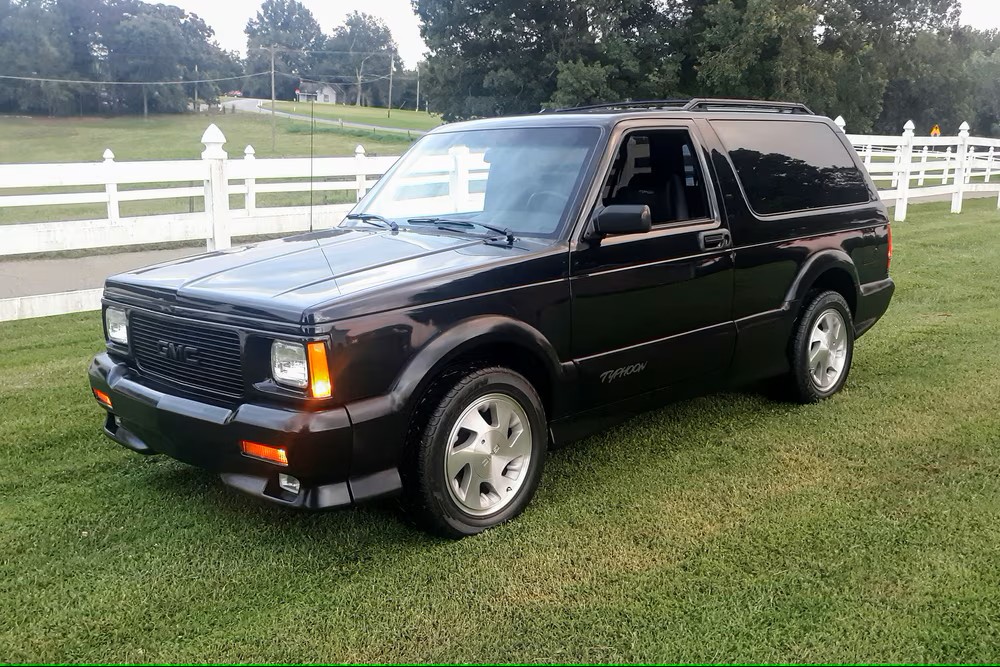
15. GMC Typhoon
The GMC Typhoon is one of the most unique and performance-oriented SUVs ever produced. Released in the early 1990s, it was based on the GMC Jimmy but heavily upgraded with a turbocharged V6 engine, all-wheel drive, and sports car-like acceleration.
At the time of its release, it was quicker than many sports cars of its day, offering 0-60 times under 5.5 seconds. Its rarity and performance pedigree make it a collectible today, with values increasing steadily as clean examples become harder to find.
Only about 4,700 Typhoons were produced, making them rare right out of the gate. Many were driven hard or modified, so completely stock examples are especially desirable.
The aggressive body cladding, unique paint schemes, and distinctive wheels make it stand out even among modern SUVs. Collectors seek models that retain original drivetrains, paint, and interior. Low-mileage, documented examples are now trading hands for significant sums at enthusiast auctions.
The Typhoon’s performance and story are big value drivers. It was one of the first attempts to blend SUV utility with sports car acceleration, and it succeeded in dramatic fashion. Its legacy as a high-performance outlier in an era dominated by sluggish SUVs sets it apart. It’s also part of a broader appreciation trend in ‘90s performance vehicles, where rarity and nostalgia play major roles.
The main drawbacks include complexity of the turbocharged engine and limited parts availability. Since the vehicle was only in production for a short time, finding specialists who know the platform well is key.
Maintenance and upgrades require knowledge and care. But for those who invest in keeping a Typhoon in good shape, the payoff is not just in driving pleasure, but also in financial value. It’s a rare case where performance and collectibility go hand in hand.
