
Rust is one of the most dreaded enemies for car owners, especially those who live in climates with heavy rainfall, snow, or salty coastal air. It silently eats away at a vehicle’s body and undercarriage, diminishing its appearance, safety, and value.
While some cars are known for their strong rust resistance, others seem to fall victim to corrosion more quickly than expected. Understanding which cars are more prone to rust and why can save you money, frustration, and sometimes even your safety on the road.
There are many factors that affect how quickly a car rusts. The materials used in the body and frame, the quality of the paint and protective coatings, manufacturing techniques, and even the climate where the car spends most of its life all play crucial roles.
Cars made with galvanized steel or aluminum tend to resist rust better, while those with untreated steel bodies can succumb to corrosion faster. In addition, the design of the vehicle itself, how water drains from certain parts, the presence of sealed seams, and areas where dirt and moisture accumulate, can greatly influence rust formation.
Over the years, some manufacturers have developed reputations for building vehicles that stand the test of time without falling apart due to rust. These cars tend to be favorites among collectors and drivers in northern or coastal areas. Conversely, some popular models are notorious for rusting quickly, even with moderate exposure to moisture.
Often, these cars were produced in eras or regions where rust protection was less emphasized, or they were designed with materials that were not the most durable against corrosion.
This article will look at five cars that rarely rust and hold up well over time, followed by five cars that have gained a reputation for rotting away faster than most. Whether you are a prospective buyer, a classic car enthusiast, or just curious about the differences in vehicle durability, this comparison will shed light on how rust impacts cars differently and why some models have earned their reputations.
Also Read: 5 Cars That Last With Minimal Maintenance vs 5 That Demand Constant Care
5 Cars That Rarely Rust
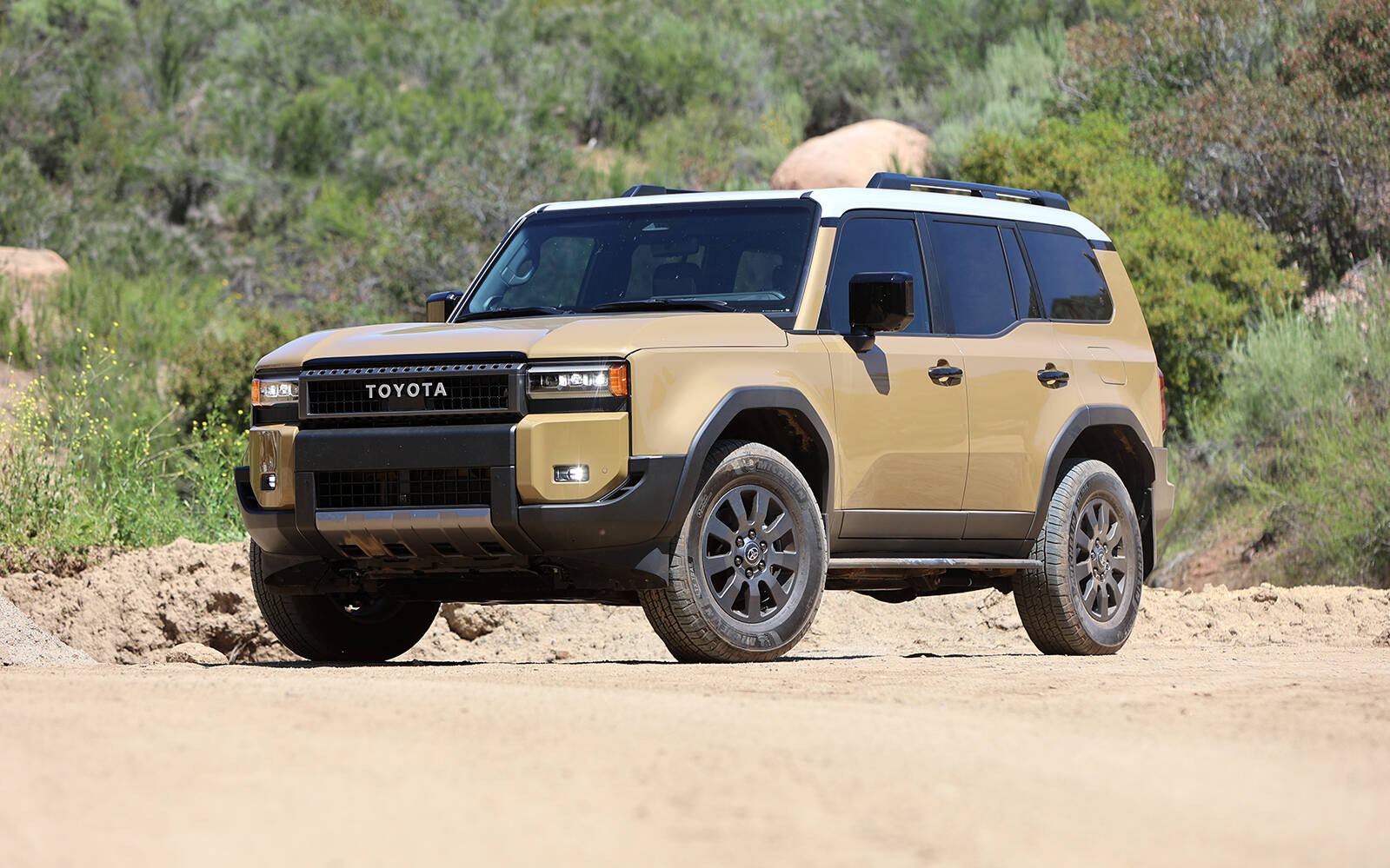
1. Toyota Land Cruiser
The Toyota Land Cruiser’s reputation for longevity and reliability is almost unmatched, and its rust resistance is a major part of why it remains a favorite among off-road enthusiasts and drivers in extreme environments. Built with the intention to survive harsh deserts, icy mountains, and tropical jungles, the Land Cruiser’s body and frame are engineered to stand up to a lot of punishment.
Toyota applies galvanized steel to key structural areas, which means the metal is coated with zinc, forming a protective layer that significantly slows oxidation and corrosion. In addition to galvanized steel, Toyota uses advanced paint processes with multiple layers of primer, paint, and clear coat, which serve as strong barriers against moisture and road salt. These factors help the Land Cruiser maintain its structural integrity, even after years of exposure to corrosive elements.
Underneath the vehicle, Toyota applies rust-proofing agents during assembly that guard the undercarriage and suspension components, which are especially vulnerable to corrosion from water, mud, and salt. The chassis also features sealed joints and well-designed drainage paths that prevent water from accumulating in hard-to-reach areas.
This drainage system is crucial because trapped moisture is one of the primary causes of rust spreading beneath paint. While regular maintenance, such as washing the undercarriage and checking for chips in the paint, helps extend the Land Cruiser’s rust resistance, many owners report that even without extensive aftermarket rustproofing, these vehicles fare better than most in salty or wet climates.
The vehicle’s design also plays a big role in its corrosion resistance. The tight fit of body panels reduces gaps where dirt and moisture can collect, limiting the conditions that typically accelerate rust. This precision in assembly reduces the chances for water to get trapped and begin the corrosion process.
Additionally, Toyota pays close attention to the materials used for seals and gaskets around doors, windows, and the hood, ensuring that these areas remain watertight and contribute to the vehicle’s resistance to rust.
The Land Cruiser’s combination of material science, design, and manufacturing practices results in a vehicle that can last for decades with minimal rust issues. It’s not uncommon to see Land Cruisers from the 1980s and 1990s still on the road in excellent condition, a testament to Toyota’s commitment to corrosion resistance. This durability is why many enthusiasts regard the Land Cruiser as one of the most dependable SUVs on the planet.
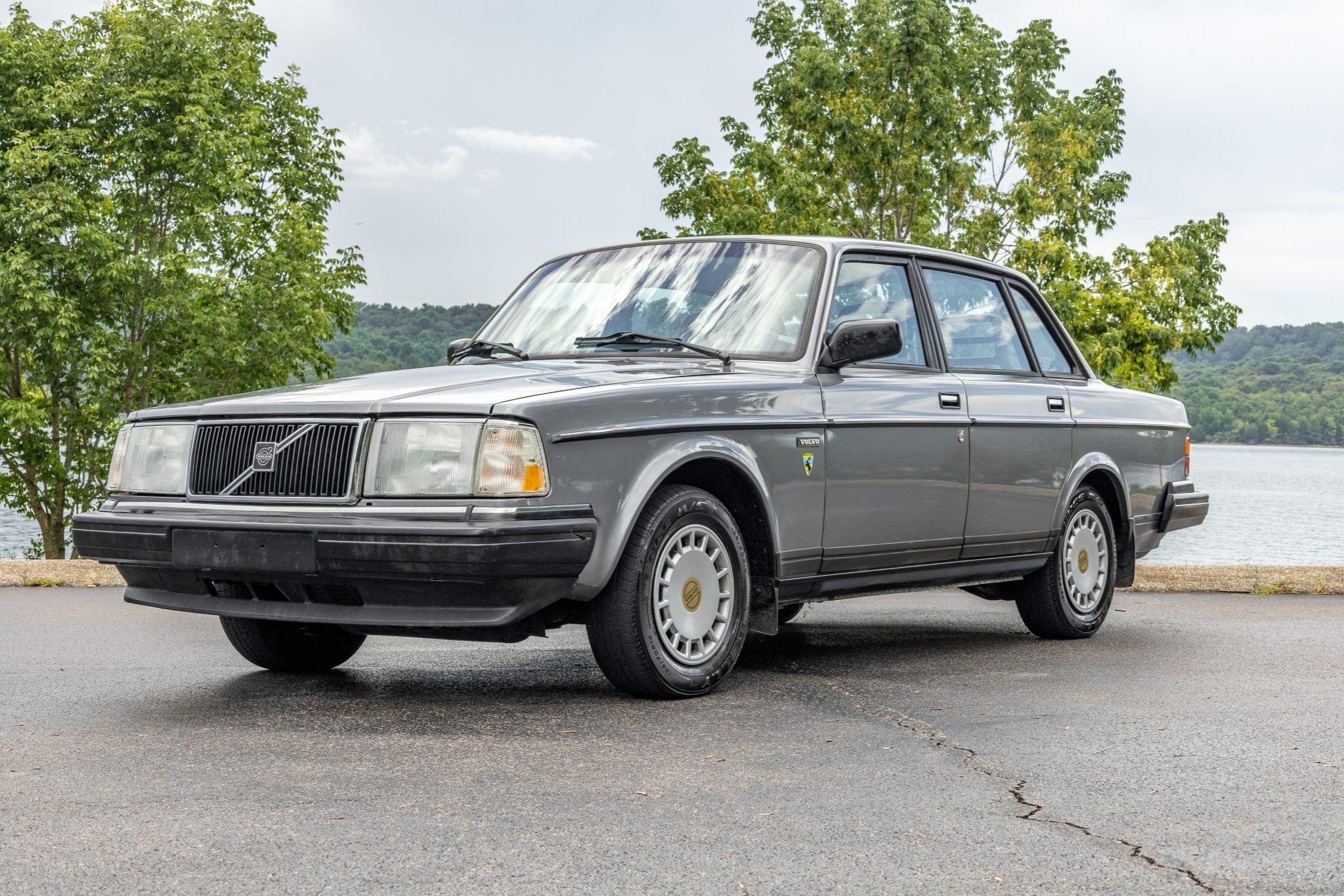
2. Volvo 240
The Volvo 240 series is one of the classic examples of a car that was built to endure the harshest conditions without succumbing quickly to rust. Introduced in the early 1970s, these cars became renowned not only for their safety and reliability but also for their surprisingly good resistance to corrosion compared to other vehicles from that time period.
Volvo engineers took great care to use thick steel panels, especially in critical areas such as the floorboards, rocker panels, and wheel arches, spots that are traditionally vulnerable to rust. Additionally, Volvo utilized a heavy-duty primer and paint system that provided a solid protective barrier against moisture. This process was not typical of many automakers in the 1970s, making the 240 stand out.
Volvo’s commitment to corrosion protection extended beyond just materials; they incorporated galvanized steel in certain sections of the body, particularly the door panels and some parts of the chassis, which greatly slowed the rate at which rust could form and spread.
The company also sealed seams meticulously to prevent moisture infiltration, a critical step that was often overlooked by other manufacturers. These design considerations ensured that the 240 could survive not only rainy and snowy weather but also the salt-laden roads common in Scandinavian countries where the car was popular.
The practical nature of the Volvo 240 also encouraged owners to take care of their vehicles. Volvo provided detailed maintenance guides emphasizing the importance of regular washing, especially the undercarriage, and the application of rust inhibitors in vulnerable spots.
Many Volvo owners found that following these guidelines meant their cars remained rust-free well beyond the typical lifespan of similar models. Today, the robust construction and corrosion resistance of the 240 make it a sought-after classic, prized for its ability to remain solid decades after it was first driven off the lot.
Another important factor in the Volvo 240’s rust resistance is its design philosophy, which favors durability over aesthetics. Unlike some contemporary cars designed with flashy, thin panels and complex shapes that trap moisture, the 240’s straightforward, boxy design allows for easier inspection, cleaning, and maintenance.
This simplicity helps prevent corrosion by allowing moisture to drain more effectively and making it easier for owners to spot and address early signs of rust.

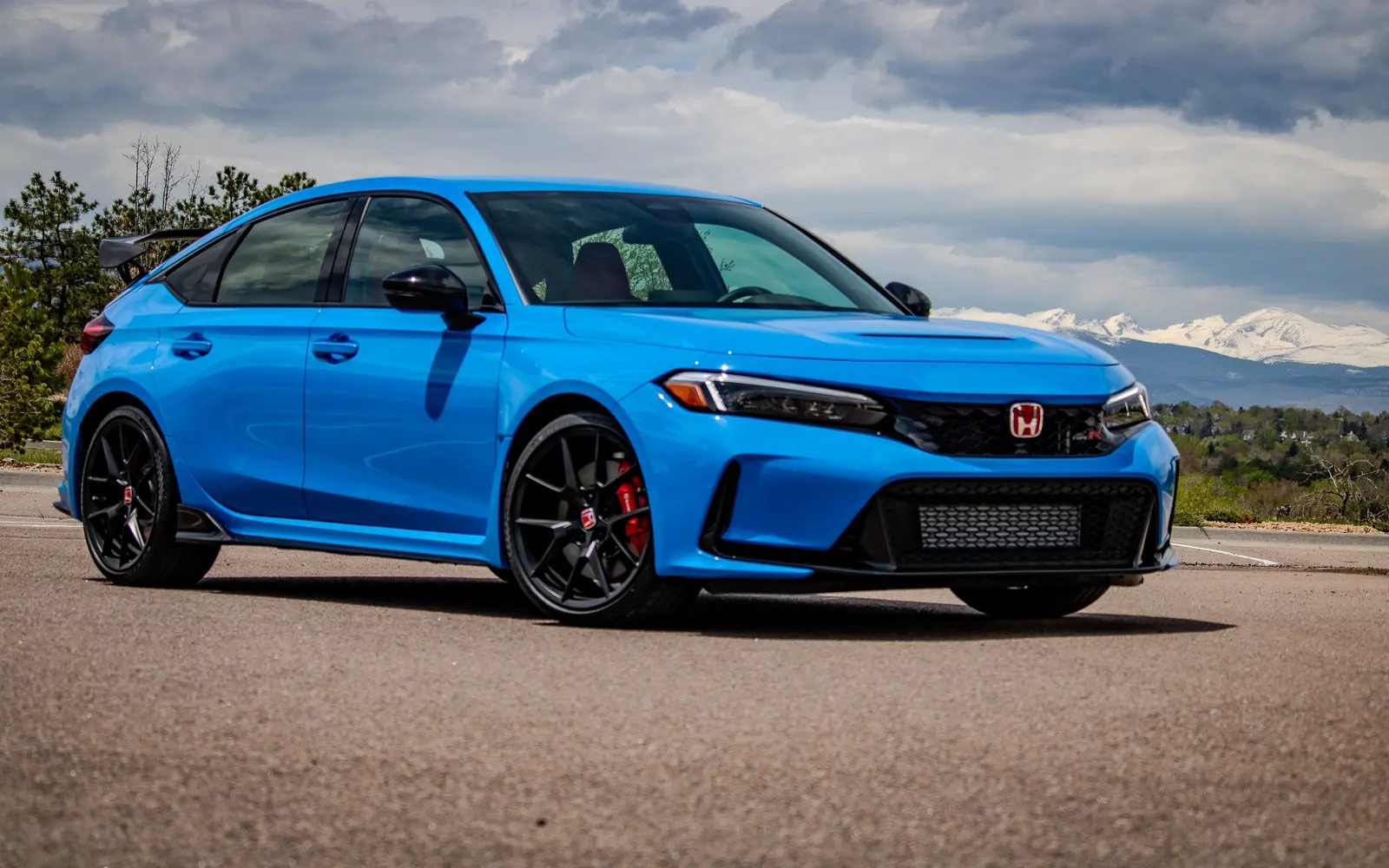
3. Honda Civic (Modern Generations)
Modern Honda Civics, particularly those produced since the early 2000s, benefit from advances in corrosion protection technologies that Honda has refined over the years. These vehicles are built with a strong emphasis on durability and low maintenance, and rust resistance is a critical part of that equation.
Honda employs a significant amount of galvanized steel in the body panels, especially in areas prone to rust like the doors, fenders, and undercarriage. This galvanization process greatly reduces the chances of rust formation by creating a physical barrier to oxidation. Additionally, Honda’s multi-step painting process involves primers, base coats, and clear coats applied with precision to ensure that every inch of the metal is protected from moisture intrusion.
The underbody of the Civic receives special attention, with factory-applied sealants and rustproof coatings that shield suspension components, frame rails, and floor pans from salt and water exposure.
The vehicle’s design includes carefully engineered drainage holes and channels that quickly expel water and prevent pooling, which is essential to maintaining rust resistance over time. The tight fit of body panels and well-engineered seals around doors and windows further limit opportunities for moisture to infiltrate the interior metal parts.
Honda’s quality control during manufacturing ensures consistent application of these protective treatments, which is one reason many Civics remain rust-free even after high mileage or exposure to corrosive environments.
Owner reports consistently highlight how well their Civics stand up to winter weather and salted roads, with many cars showing very little rust even after a decade or more. This strong corrosion resistance contributes to the Civic’s high resale value and widespread reputation for reliability.
Moreover, many Civic owners choose to add extra aftermarket rust protection as an insurance policy, but the fact that many Civics require little intervention speaks volumes about Honda’s factory corrosion protection measures. Combined with routine washing, especially the undercarriage, and careful maintenance, the Civic’s design and material choices make it one of the most rust-resistant compact cars available today.
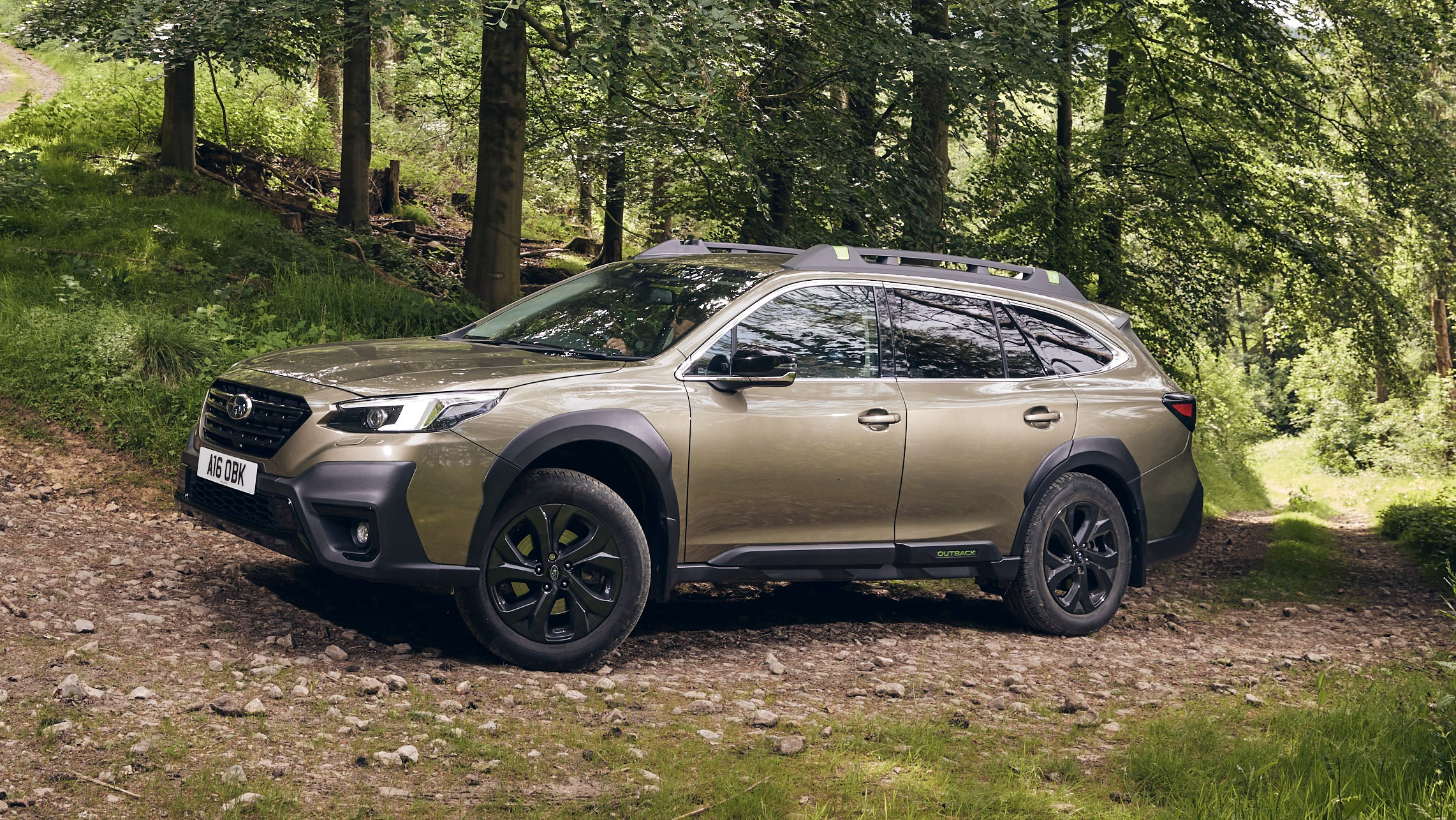
4. Subaru Outback
Subaru has long marketed the Outback as a vehicle for active lifestyles, often exposing it to harsh weather and road conditions. Recognizing the importance of rust prevention for its core audience, Subaru has put considerable effort into enhancing corrosion resistance in the Outback.
The company utilizes galvanized steel extensively, especially in the body panels, to help prevent rust. In addition to galvanized materials, Subaru applies a thorough multi-layer paint and sealant system designed to keep moisture away from vulnerable metal components.
A design feature of the Outback is its protective plastic fender liners and underbody shields. These elements act as barriers that stop dirt, salt, and water from contacting sensitive metal parts.
Additionally, the Outback includes carefully designed drainage channels and sealed seams that allow water to escape quickly from areas such as the wheel wells and door sills. These design choices help prevent the accumulation of moisture that could otherwise lead to rust problems.
Maintenance is also a key factor in the Outback’s rust resistance. Owners who regularly wash their vehicles, especially after winter months or driving on salted roads, report fewer rust issues.
The accessibility of body panels for inspection and repair means that any early signs of corrosion can be addressed before spreading. Many Outbacks also benefit from Subaru’s recommendations for periodic rustproofing treatments, which complement the factory-applied protections.
The combination of advanced materials, thoughtful design, and maintenance guidelines makes the Subaru Outback a strong contender among vehicles that rarely rust. It’s a model that is capable of surviving years of exposure to tough environments while maintaining its body integrity and appearance, which is why it remains popular in regions where rust is a common concern.
5. Mercedes-Benz E-Class (W124)
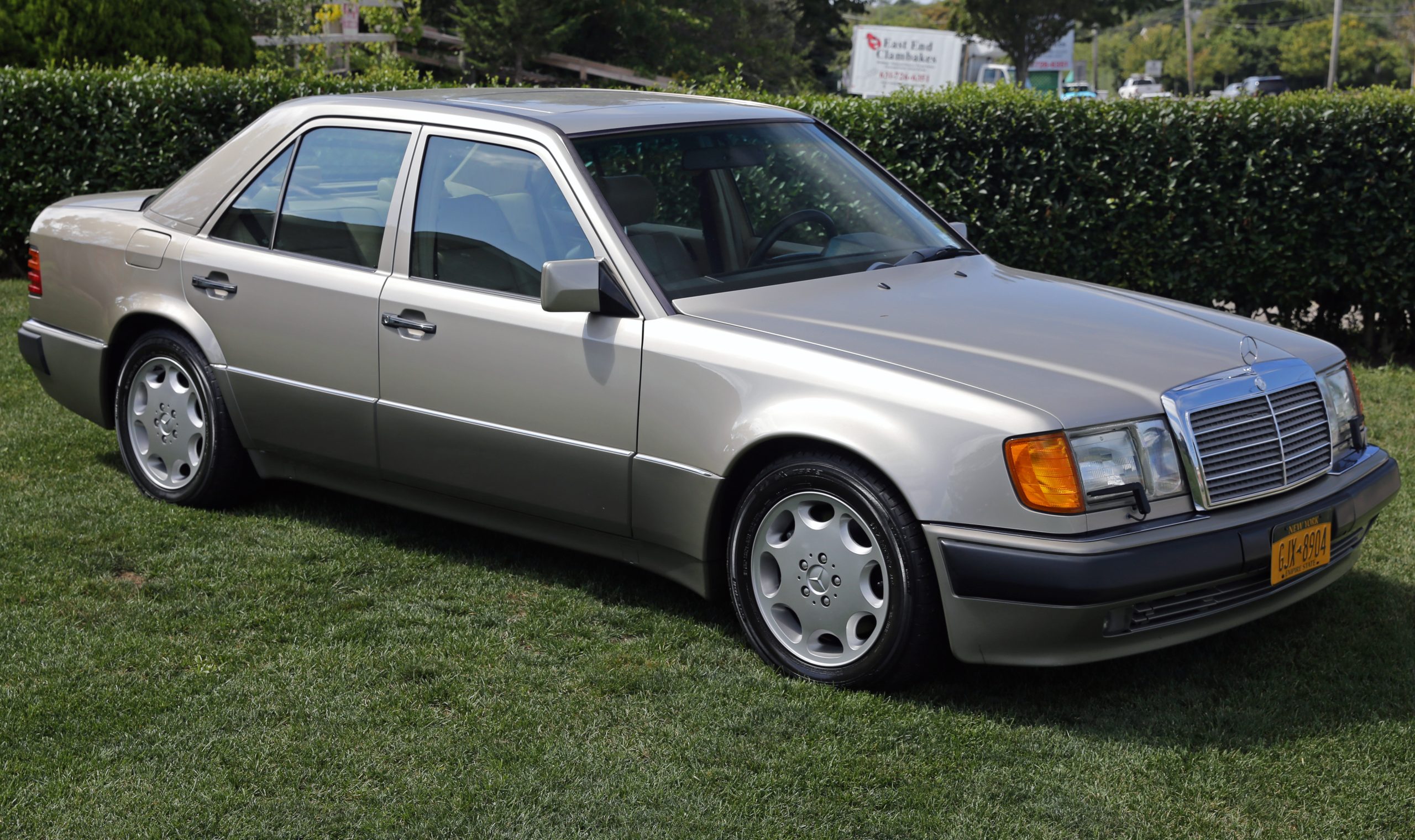
The Mercedes-Benz W124 E-Class is often praised for its engineering excellence, and its rust resistance is no exception. Produced during a time when corrosion protection was becoming a priority for automakers, the W124 set a high standard with the use of high-grade steel and pioneering corrosion prevention techniques.
Mercedes applied galvanized steel to many key body sections, including the doors and the hood, which provided a durable barrier against rust. The paint process was multilayered and meticulous, combining primers, base coats, and clear coats that tightly sealed the metal surfaces.
The design of the W124 includes sophisticated drainage systems that ensure water does not linger in seams or under panels. Mercedes engineers carefully designed the body shell to direct moisture away from critical areas, preventing corrosion from taking root. Moreover, the factory applied wax-based rust inhibitors to the undercarriage and inner panels, which adds layer of protection against salt, water, and dirt.
Owners of well-maintained W124s often comment on how little rust appears even decades after purchase, a stark contrast to many other vehicles from the same era.
This durability is largely due to the combination of premium materials, superior assembly techniques, and proactive rust prevention measures taken by the factory. It’s also worth noting that the build quality of the W124 means that panels are less prone to damage, reducing the risk of rust starting from paint chips or dents.
This remarkable corrosion resistance contributes to the W124’s status as a classic and collector’s favorite. Many of these vehicles remain roadworthy and visually appealing after 30 or more years, making the W124 a standout example of how German engineering can keep rust at bay for decades.
Also Read: 5 Cars With Reliable Sunroofs and 5 That Leak Water
5 Cars That Rot Away Fast
1. Jeep Cherokee (XJ, early models)
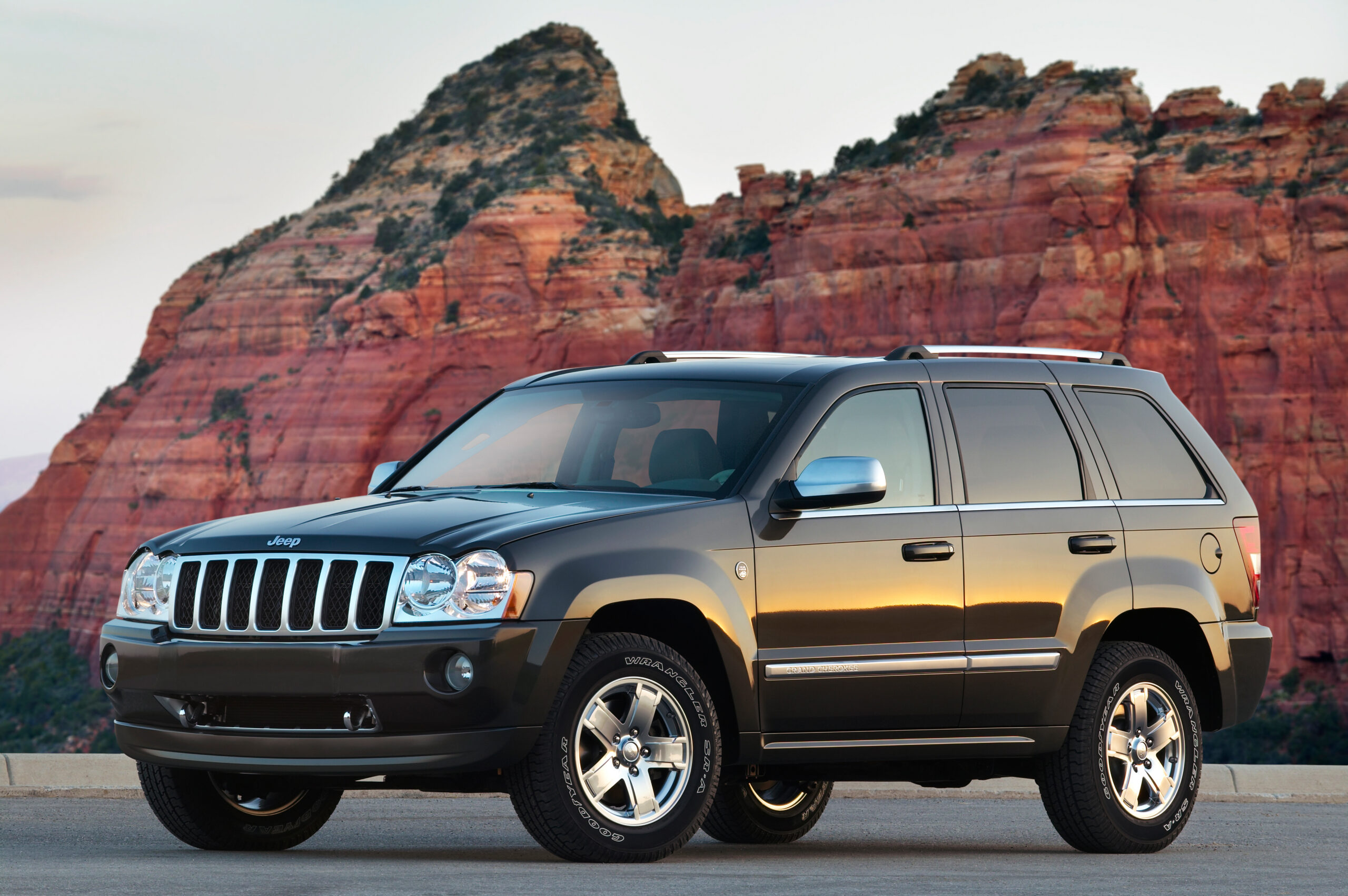
The Jeep Cherokee XJ, especially those produced in the late 1980s and early 1990s, has a well-documented history of rust problems that have frustrated many owners and enthusiasts alike. While the Cherokee was praised for its off-road capability and rugged styling, it was let down by the relatively thin steel used in its construction and a lack of comprehensive corrosion protection measures.
The rocker panels, wheel wells, and floorboards are among the most vulnerable areas, often developing rust that progresses quickly once it begins. This susceptibility is particularly problematic in regions with harsh winters where road salt is commonly applied. Salt acts as a powerful catalyst for rust, eating away at untreated metal and causing significant structural damage over time.
The design of the Cherokee did not adequately address water drainage or moisture buildup, which contributed heavily to its corrosion issues. Many seams and joints were prone to trapping moisture, allowing rust to start beneath the paint and spread unchecked.
These problem spots were often hidden beneath trim or inside panels, meaning that corrosion could go unnoticed until it caused visible damage or compromised safety. Additionally, the factory’s rustproofing efforts were minimal by modern standards, with little or no galvanized steel used and only basic undercoating applied. This lack of effective protection made the Cherokee a prime candidate for rust, especially if regular maintenance and rust prevention were neglected.
Many Cherokee owners have reported the need for extensive rust repairs or panel replacements to keep their vehicles roadworthy. The rot that starts in the rocker panels often spreads to the frame and suspension mounts, leading to serious safety concerns.
Rust in critical areas like the floorboards and frame rails can weaken the vehicle’s structure and pose risks in the event of an accident. Despite its mechanical toughness and off-road capabilities, these rust issues have diminished the Cherokee’s reliability and longevity in rust-prone climates.
The irony is that the Jeep Cherokee was marketed as a rugged, go-anywhere vehicle, yet it struggled to withstand the elements that off-roaders and outdoor enthusiasts frequently encounter.
Today, rust remains one of the biggest challenges when restoring or maintaining these models, and owners often invest significant time and money to prevent or repair corrosion. This legacy has made the Cherokee a cautionary tale about how important rust prevention really is, even for vehicles designed to be tough.
2. Ford Mustang (1960s to early 1970s models)
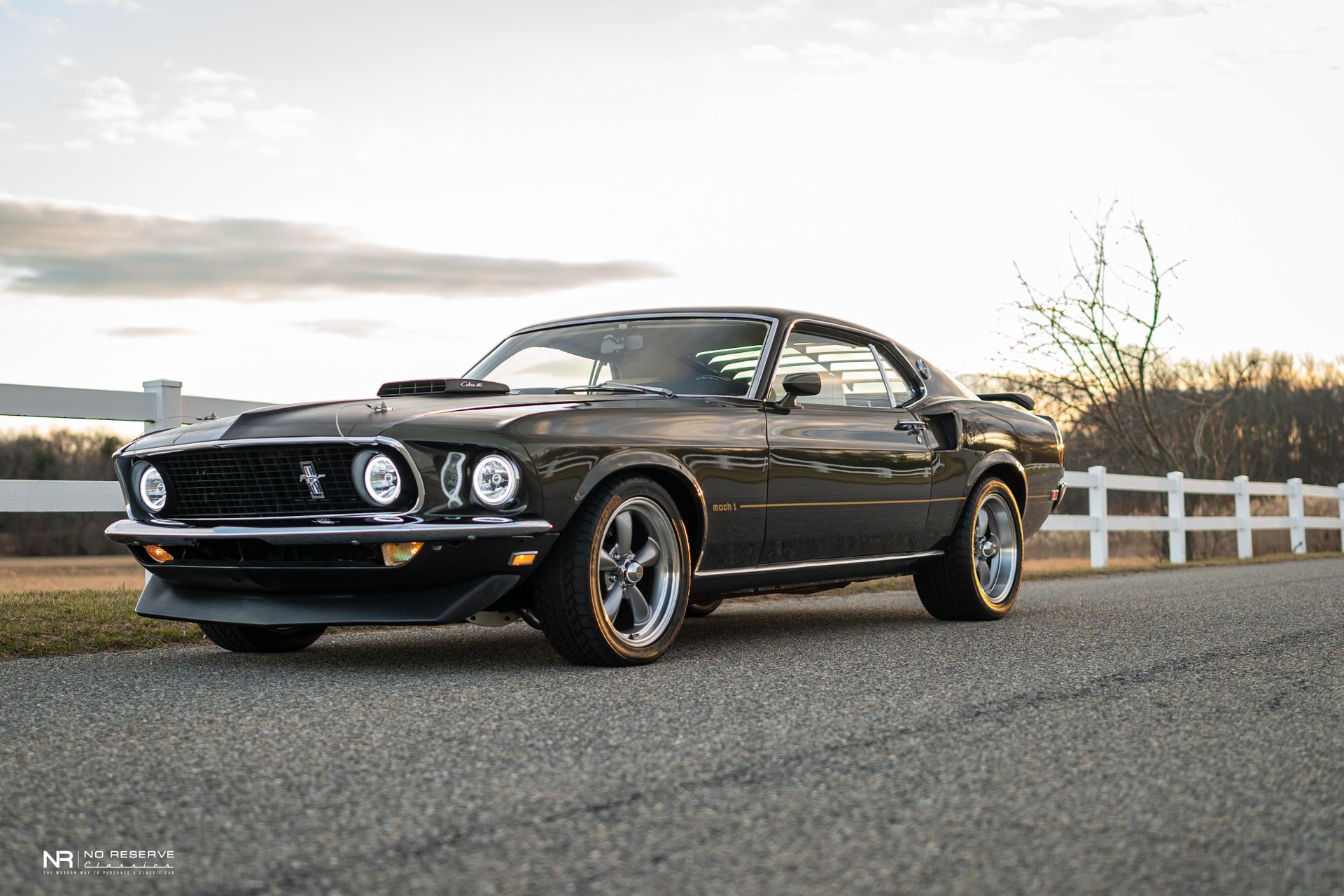
Early Ford Mustangs from the 1960s and early 1970s are classic icons of American muscle car culture, yet their legacy is marred by a notorious vulnerability to rust. During this era, corrosion protection technology was still developing, and many manufacturers, including Ford, did not prioritize rustproofing as much as is standard today.
As a result, Mustangs often featured untreated or lightly treated steel that succumbed quickly to moisture and salt. Common trouble spots included the floor pans, trunk floors, rocker panels, wheel arches, and lower body panels, areas that frequently came into contact with water, road salt, and debris.
The design of these early Mustangs contributed to the problem, as many seams, welds, and cavities were poorly sealed or left exposed. Water and dirt could accumulate in these hidden areas, allowing rust to start from the inside out and spread beneath the surface paint unnoticed.
Factory seam sealers were often sparse or inconsistently applied, which exacerbated moisture infiltration. Moreover, the paint systems used at the time lacked the advanced primers and multi-layer coatings that help protect modern vehicles. This meant that any chips, scratches, or damage to the paint could quickly lead to rust formation.
Restoring these Mustangs to their former glory often involves extensive rust repair, including patching or replacing entire floor pans, rockers, and body sections. Rust can compromise not only the car’s appearance but also its structural integrity and safety.
For collectors and enthusiasts, rust damage is one of the most significant challenges when purchasing a classic Mustang, sometimes making the difference between a feasible restoration and a costly rebuild.
Despite these problems, the Mustang’s timeless design and cultural significance have kept it highly desirable. However, its susceptibility to rust is a reminder of how automotive engineering and materials science have evolved. Owners and restorers today invest heavily in rust prevention and repair, but early Mustangs will always require vigilance against corrosion, especially when exposed to humid or salty environments.
3. Chevrolet C/K Pickup (1970s and 1980s models)
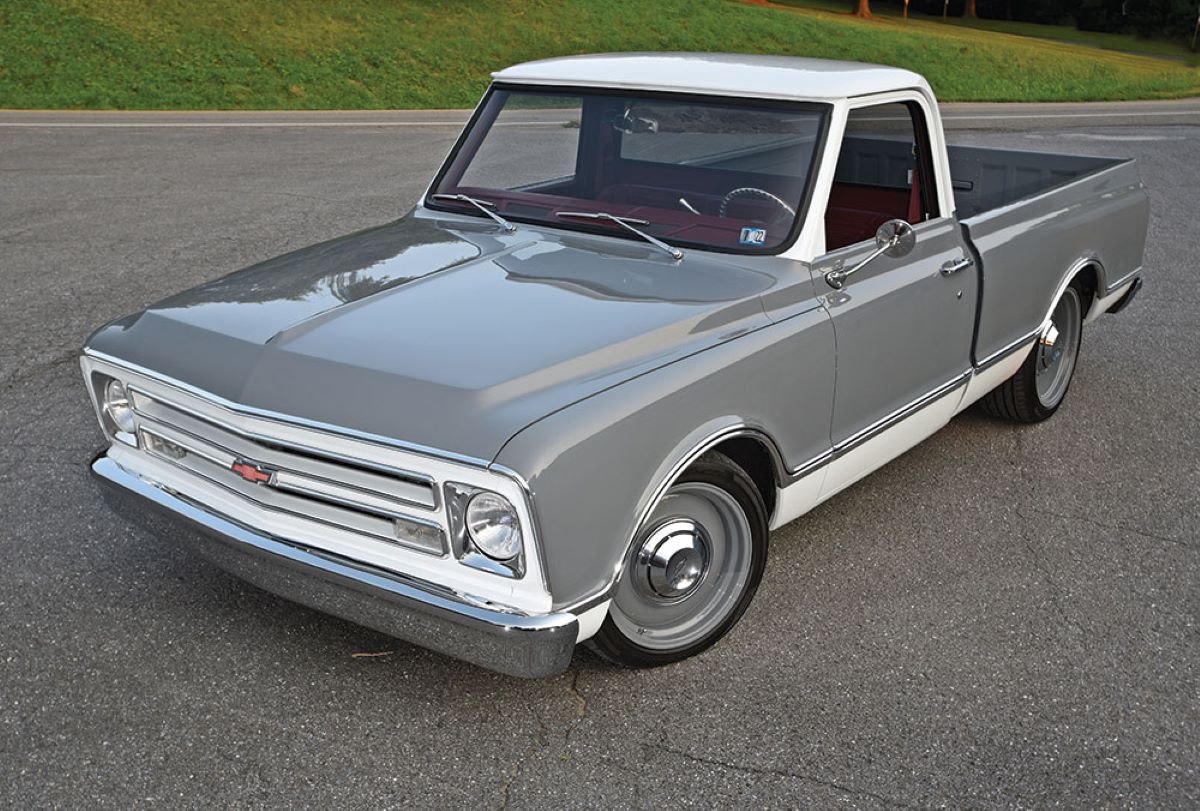
The Chevrolet C/K pickups from the 1970s and 1980s have a solid reputation as tough work trucks, but rust has been a persistent issue that has tarnished their durability in certain environments.
These trucks were often used in demanding conditions such as farms, construction sites, and regions with heavy winter salt application, which accelerated the corrosion process. The steel used in the body and frame was prone to oxidation, and factory rustproofing was minimal or unevenly applied, leaving many critical areas exposed to the elements.
Rust typically begins in the rocker panels and the cab corners, quickly spreading to the floorboards and frame rails. The wheel wells and tailgate areas are also common hotspots for rust damage. Design-wise, the trucks featured several cavities and seams where mud, water, and salt could become trapped.
These trapped contaminants provide the perfect breeding ground for rust to develop and propagate. In many cases, the undercoating applied at the factory wore off quickly, especially in rough work environments, exposing bare metal to corrosion.
Many owners have faced costly and time-consuming rust repairs, which often involve cutting out large sections of the body and welding in replacement panels. Structural rust in the frame or suspension mounting points can render the truck unsafe, forcing many to scrap trucks that might otherwise be mechanically sound.
The prevalence of rust damage on these trucks has led to a reputation that overshadows their mechanical toughness and hauling capabilities.
Despite these challenges, many C/K pickups remain on the road today thanks to diligent maintenance and aftermarket rust prevention efforts. However, the widespread rust issues mean these trucks often require more care and investment to keep from rotting away faster than comparable models from other manufacturers.
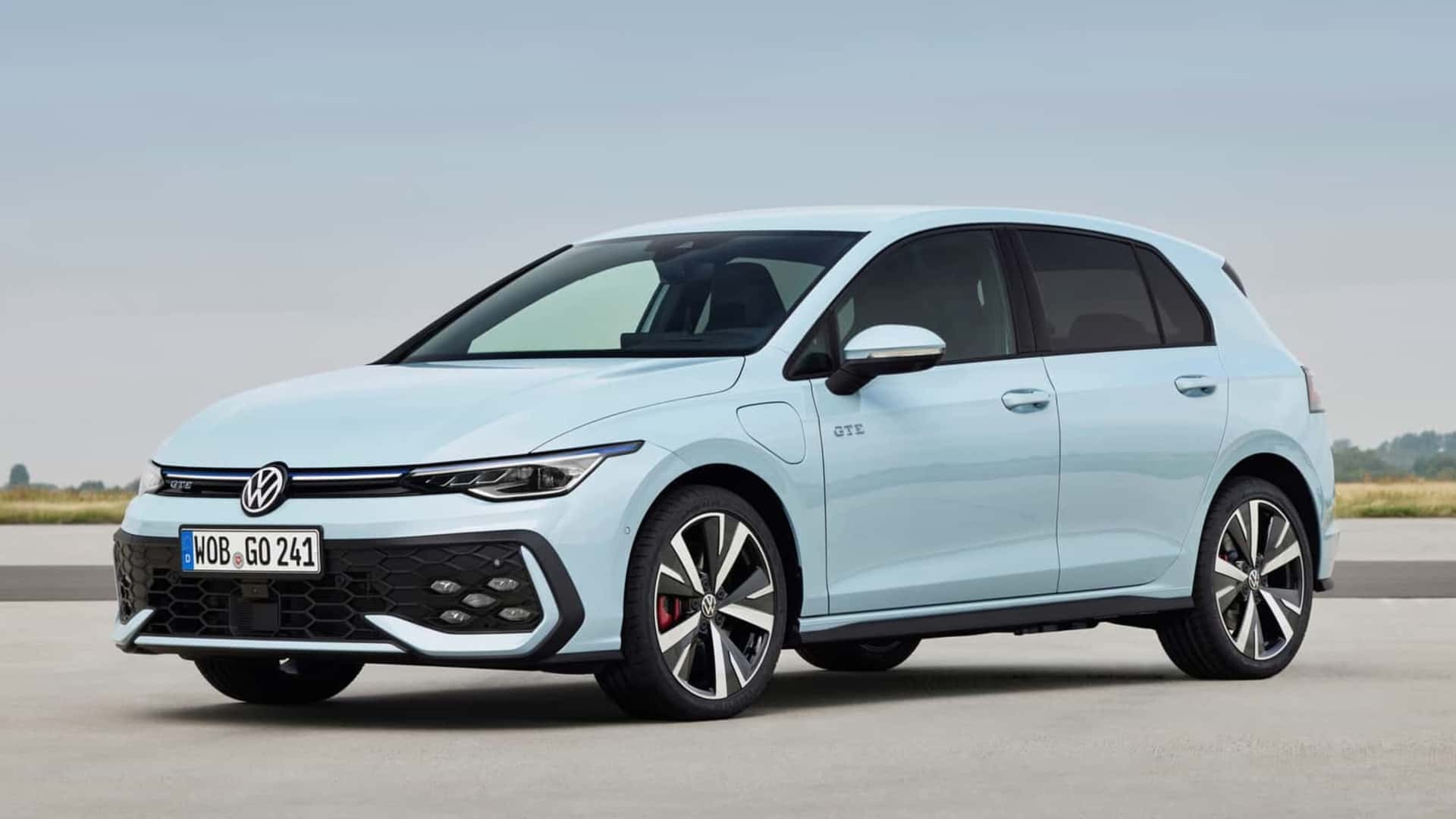
4. Volkswagen Golf (Mk1 and Mk2)
The early generations of the Volkswagen Golf, including the Mk1 and Mk2 models, have a reputation for being particularly vulnerable to rust, especially in northern climates with heavy snowfall and salted roads. These models were built during a time when corrosion protection was less advanced, and their unprotected steel bodies were prone to oxidation.
Rust commonly appeared in areas such as the floor pans, wheel arches, sills, and around the rear hatch. The compact hatchback design, while efficient and popular, featured many seams and cavities where water and dirt could collect, creating ideal conditions for rust to form.
Factory rustproofing on these Golfs was limited, with minimal use of galvanized steel and basic undercoating that tended to wear off relatively quickly. The paint systems lacked the multi-layer protection seen in modern vehicles, making any scratches or chips particularly dangerous. In addition, the design of the bodywork included several welded seams that were difficult to inspect and maintain, meaning corrosion could progress extensively before becoming visible.
Owners and mechanics often faced the challenge of identifying and repairing hidden rust damage, which could affect both the vehicle’s safety and appearance. Floor pan rust, in particular, posed structural concerns, sometimes requiring full replacements. Rust in the wheel arches and sills also detracted from the car’s aesthetics and resale value. For many early Golf owners, rustproofing treatments became a necessary aftermarket addition to prolong the vehicle’s lifespan.
While the Golf evolved considerably in later generations, the Mk1 and Mk2 models’ susceptibility to rust has become a common complaint among enthusiasts and collectors. Despite this, their driving dynamics and affordability kept them popular, although rust issues remain a key consideration for anyone looking to purchase or restore these classic hatchbacks.
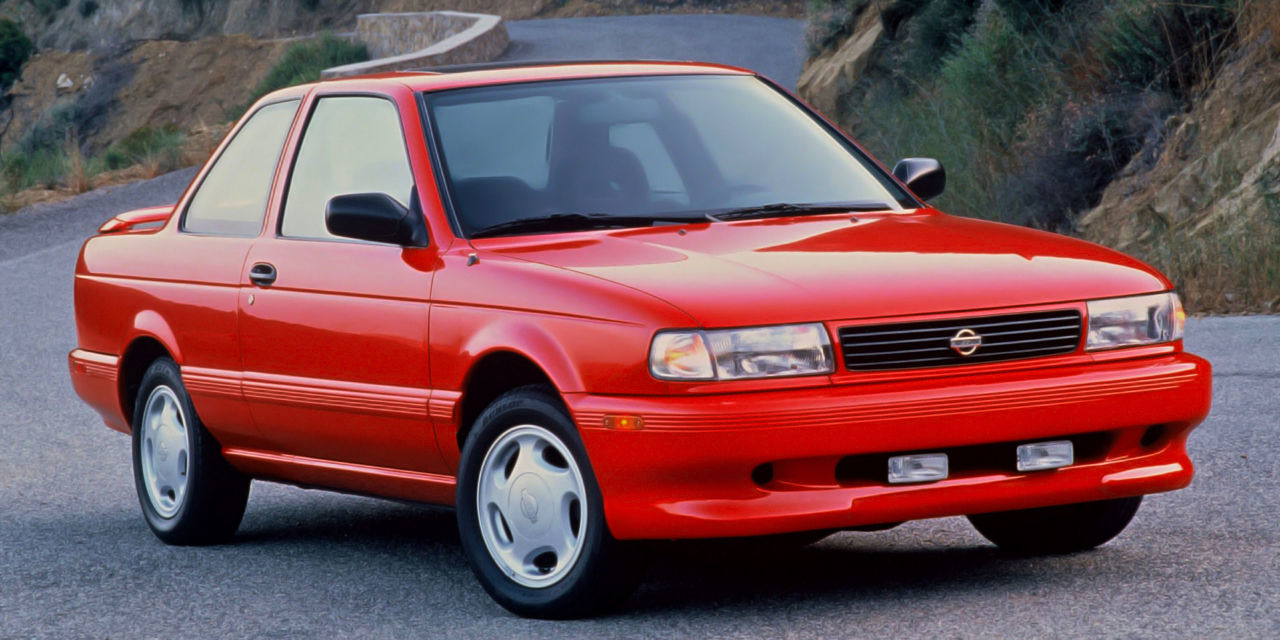
5. Nissan Sentra (1980s models)
The Nissan Sentra models from the 1980s, while generally reliable mechanically, are infamous for their rapid rust progression in certain climates. Built during a period when rust prevention was not a major focus, these Sentras often featured thin steel bodies and limited corrosion protection, making them highly susceptible to rust damage.
Common problem areas include the rocker panels, wheel wells, door bottoms, and undercarriage. Rust frequently began in these spots due to poor sealing and exposure to moisture and road salt, particularly in regions with harsh winters.
The factory-applied rustproofing was basic and often insufficient to protect the car during prolonged exposure to salt and water. Design features allowed dirt and moisture to get trapped in hidden areas, exacerbating corrosion.
Because many parts of the undercarriage were unprotected or lightly coated, rust could spread quickly from the surface to the structural components beneath. This rapid progression often resulted in significant body damage within just a few years of use.
Owners of 1980s Sentras often faced expensive rust repairs or the need for panel replacements, diminishing the car’s durability and resale appeal.
Rust damage in floor pans and rocker panels could compromise safety, and many vehicles had to be scrapped prematurely due to extensive corrosion. The Sentra’s rust problems tarnished what was otherwise an economical and practical compact car.
Despite these issues, the Sentra remained a popular choice due to its fuel efficiency and affordability. However, its rust vulnerabilities meant that owners had to be proactive with maintenance and rustproofing to avoid premature body deterioration. Today, the 1980s Sentra stands as a cautionary example of how insufficient corrosion protection can quickly degrade even well-built vehicles.
