
The timing belt is one of the most crucial engine components in many cars. It synchronizes the rotation of the crankshaft and camshaft, ensuring that the engine’s valves open and close at the proper times during each cylinder’s intake and exhaust strokes. Unfortunately, timing belts don’t last forever.
They require replacement every 60,000 to 100,000 miles in most vehicles, and failure to do so can result in severe engine damage.
On the other hand, some cars are equipped with timing chains or specially designed systems that are far more durable and often last the life of the engine, offering peace of mind to their owners.
Drivers and buyers alike often factor in maintenance costs when choosing a vehicle, and avoiding the hassle and cost of a timing belt replacement is a common goal.
Some automakers have recognized this and have built engines that use timing chains or other mechanisms that don’t require routine replacement.
These systems are generally more robust, quieter than earlier designs, and contribute to fewer surprise breakdowns. However, not all manufacturers follow this pattern.
Certain models, despite having modern designs, still rely on timing belts that are known for premature failure or high replacement costs.
In this article, we’ll look at five cars that have virtually no timing belt concerns, either due to their use of long-lasting timing chains or particularly reliable belt systems.
These are the vehicles that offer confidence in their engine’s reliability and won’t surprise you with a four-figure repair bill just for scheduled maintenance.
On the flip side, we’ll also look at five cars that are notorious for timing belt issues, models that have been known to experience early failure, costly repairs, or poor engineering decisions that leave owners frustrated.
Whether you’re shopping for a used car or just curious about your own vehicle’s reliability, this breakdown will help highlight which vehicles to trust and which ones may need closer attention. Mechanical peace of mind can start with knowing what’s under the hood and how long it will stay dependable.
Also Read: 10 Cars That Hold Up Well In The City vs 10 That Break Down In Traffic
Cars Without Timing Belt Worries
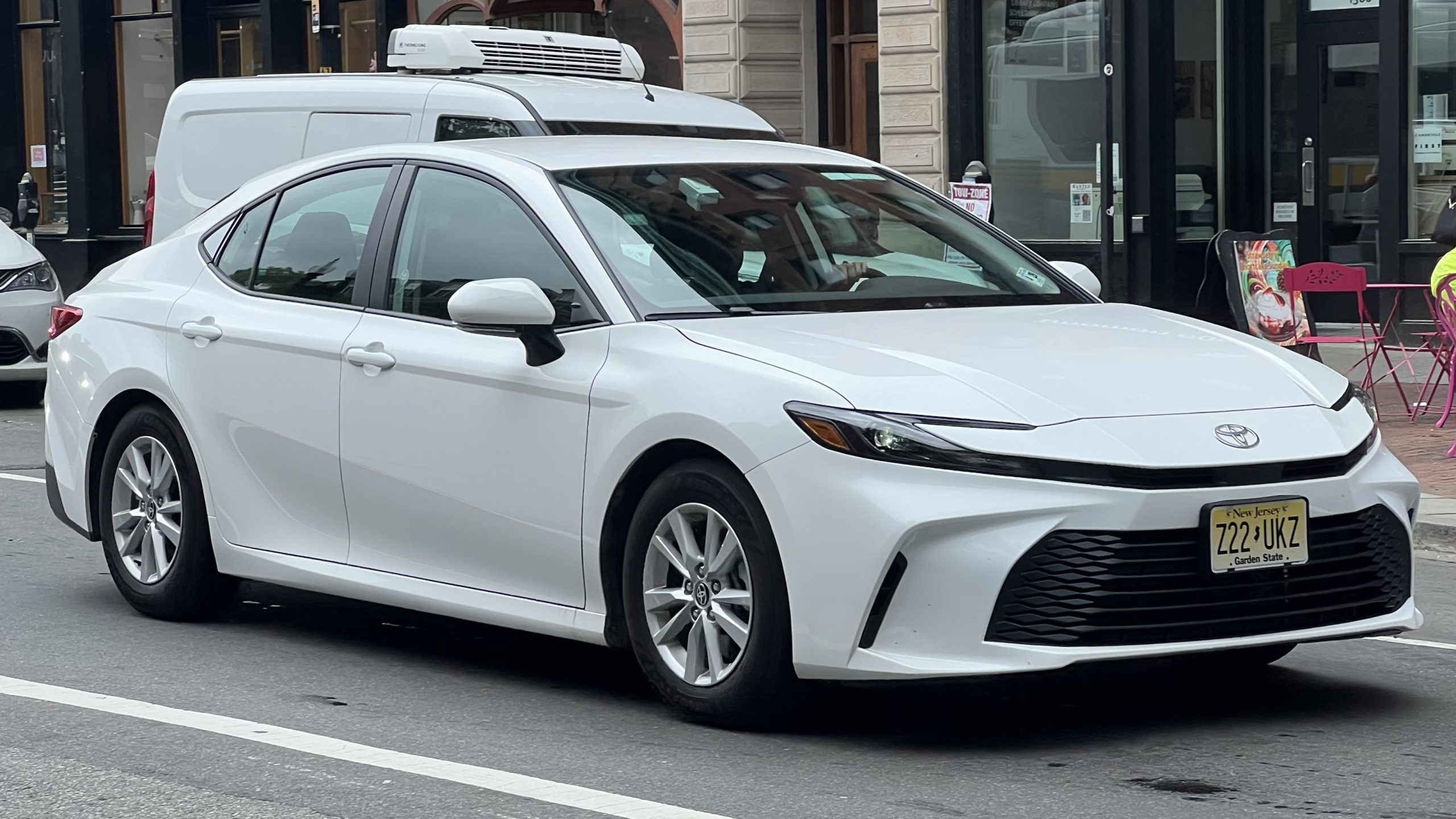
1. Toyota Camry (2.5L 4-Cylinder Models)
Toyota’s 2.5-liter 4-cylinder engine, which powers many Camry models from the 2010s onward, is an excellent example of engineering focused on durability and ease of ownership.
Unlike many engines that rely on timing belts requiring replacement every 60,000 to 100,000 miles, this particular Toyota engine employs a timing chain.
Timing chains are made of metal, similar to a bicycle chain, and are designed to last the entire life of the engine with very little routine maintenance.
This change represents a significant improvement in long-term reliability, as owners no longer have to worry about expensive and labor-intensive timing belt replacements. The result is peace of mind, especially for those who drive their Camrys regularly for commuting or long-distance travel.
One of the key reasons for the Camry’s timing chain success is Toyota’s reputation for conservative engineering. The 2.5L engine’s timing chain is housed deep inside the engine, where it’s well protected from external elements such as dirt, moisture, and heat.
Additionally, the chain benefits from constant lubrication with clean engine oil, which reduces wear and prevents premature failure.
Toyota’s engineering philosophy emphasizes reliability over cutting-edge novelty, so the timing chain system is built robustly enough to handle the stress of everyday driving, high mileage, and varying operating conditions without significant problems.
Many Camry owners report reaching 200,000 miles or more without any timing chain issues, underscoring the durability of the design.
Maintenance for these engines is straightforward, centering mainly on regular oil changes using the correct grade of synthetic oil recommended by Toyota. Clean oil is essential because it lubricates the timing chain, reducing friction and wear over time.
Neglecting oil changes or using low-quality oil can increase the chance of timing chain wear or even failure, but this is true of nearly all engine components, not just the timing chain.
Fortunately, Toyota’s oil change intervals are relatively generous, and the engine’s internal design ensures that minor variations in maintenance schedules do not cause catastrophic failures.
This aspect contributes to the reputation of the Camry as a vehicle that is both forgiving and easy to keep running.
Lastly, the Camry’s widespread popularity means that parts are widely available and affordable, and mechanics are very familiar with the timing chain system. This accessibility translates into lower repair costs should any unexpected problems arise.
The timing chain system itself rarely needs attention, but if it ever does, the process is well-documented and standardized, making repairs faster and less expensive compared to other vehicles.
For people seeking a reliable, affordable, and low-maintenance midsize sedan, the Toyota Camry equipped with the 2.5L 4-cylinder engine remains a top contender, largely because it eliminates the common worry of timing belt replacement.
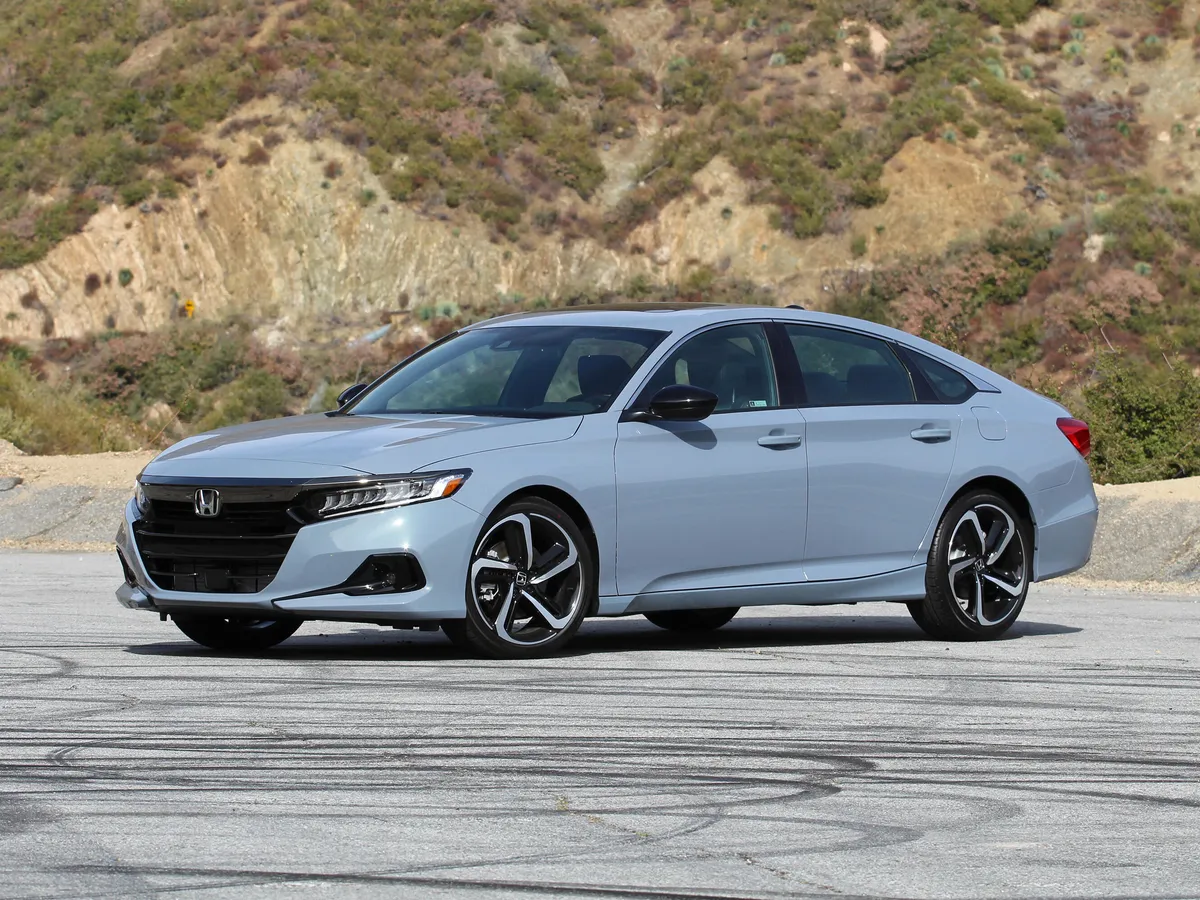
2. Honda Accord (2.4L K-Series Engine)
Honda’s 2.4-liter K-series engine, found in many Accord models produced between the early 2000s and the mid-2010s, marks a significant advancement in Honda’s engine design, especially when it comes to the timing system.
This engine features a timing chain rather than a timing belt, which means it typically requires little to no scheduled replacement.
This distinction is crucial because timing chains, made of durable metal, are designed to outlast the engine itself, barring severe neglect or lack of maintenance. Honda’s move to timing chains for this engine was part of a broader industry shift aimed at reducing routine maintenance costs and improving engine reliability for consumers.
The timing chain in the K-series engine is well-engineered to maintain precise valve timing even under high RPMs and extended use. It is located inside the engine block and is continuously lubricated by the engine’s oil system, which minimizes wear and the risk of stretching or breaking.
Owners of vehicles equipped with this engine seldom report timing chain problems even when their vehicles have surpassed 150,000 or 200,000 miles. The chain is paired with reliable tensioners and guides that keep it taut, preventing slack that could cause the chain to jump teeth and disrupt engine timing.
As a result, the K24 engine has earned a reputation as one of Honda’s most durable four-cylinder powerplants, capable of maintaining strong performance and efficiency throughout its lifespan.
Maintenance remains essential, however, and the timing chain’s longevity depends heavily on proper oil care. Regular oil changes with high-quality oil prevent sludge buildup and ensure the chain stays lubricated.
Conversely, poor maintenance practices, such as infrequent oil changes or using improper oil grades, can lead to accelerated wear on the chain and associated components, including tensioners and guides.
Still, compared to the cost and hassle of replacing timing belts and related parts, the timing chain design is more forgiving and reduces the chances of unexpected engine failure. This reliability has made the Accord a favorite among buyers seeking a dependable family sedan with a strong resale value.
Beyond reliability, the 2.4L K-series engine also offers solid performance, with adequate power and responsiveness that contribute to an engaging driving experience. The timing chain design complements this by providing consistent valve timing that supports smooth operation and fuel efficiency.
Honda’s reputation for engineering quality combined with this robust timing system makes the Accord a smart choice for those who want a vehicle that balances power, economy, and long-term reliability without the added worry of timing belt replacements.
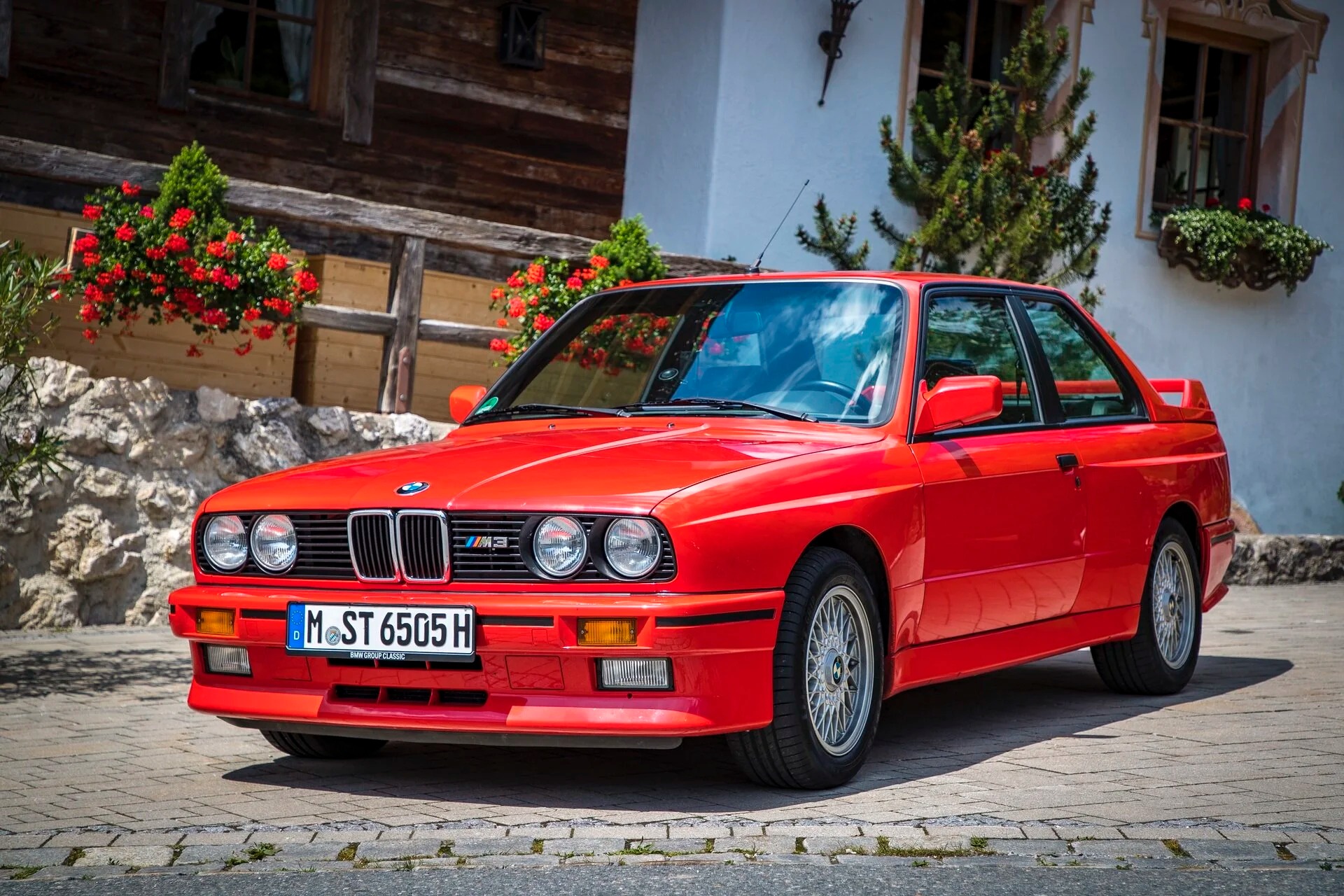
3. BMW 3 Series (N52 Inline-6 Engine)
The BMW N52 inline-6 engine, found in 3 Series models produced between 2006 and 2013, represents a milestone in BMW’s efforts to balance performance, refinement, and reliability.
Unlike many modern BMW engines that have been criticized for timing chain failures, the N52 uses a timing chain system known for its durability and trouble-free operation when properly maintained.
This naturally aspirated 3.0-liter inline-six engine helped maintain BMW’s reputation for smooth, high-revving engines while addressing some of the maintenance concerns that plagued earlier models.
The N52’s timing chain is housed internally and is lubricated by engine oil, which helps reduce wear over time. The chain operates with a sophisticated tensioning system that maintains proper tension throughout the engine’s operating range, preventing the slack or chain jump that could disrupt valve timing.
This precision is essential for performance engines, where even small deviations in timing can affect power output and fuel efficiency.
BMW engineers also designed the engine with robust materials, including a magnesium-aluminum composite block that reduces weight without sacrificing strength. The timing chain system benefits from this design ethos, with components built to withstand the stresses of spirited driving and high mileage.
From a maintenance perspective, the N52 timing chain system requires little attention beyond regular oil changes. BMW recommends synthetic oil changes at specified intervals, and adhering to these helps preserve the timing chain and other internal components.
Problems with the timing chain on the N52 are relatively rare compared to other BMW engines, such as the later N54 and N55 turbocharged models that have a more notorious history.
While no engine is immune to wear and tear, the N52 timing chain design is often cited as an example of BMW engineering done right, providing a balance of reliability and performance in a luxury sports sedan.
Additionally, the N52 engine’s combination of smooth power delivery and low maintenance costs makes it a favorite among enthusiasts who want a spirited driving experience without the constant worry of expensive repairs. This has helped keep the E90 3 Series and its variants in high regard among used car buyers and collectors.
The engine’s longevity and timing chain reliability contribute to the 3 Series’ standing as a well-rounded luxury vehicle that can be enjoyed for many years with minimal timing system concerns.
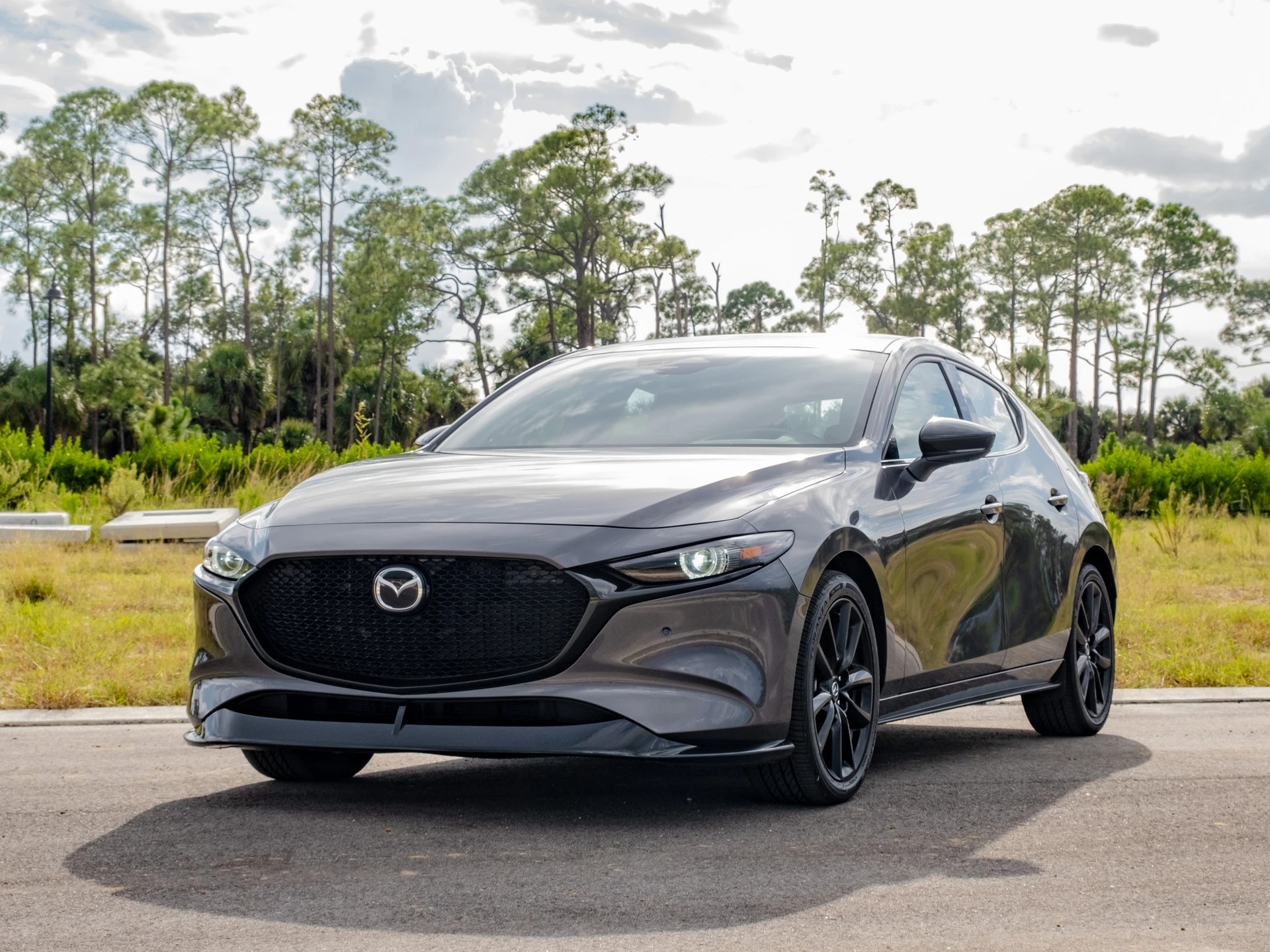
4. Mazda3 (SKYACTIV 2.0 and 2.5L Engines)
Mazda’s SKYACTIV engine lineup, which includes the 2.0L and 2.5L engines used in the Mazda3 since 2012, brought a wave of innovation focused on improving efficiency, performance, and reliability.
A key feature of these engines is the use of a timing chain instead of a timing belt, a design choice that reduces maintenance costs and increases engine durability.
The SKYACTIV timing chain is engineered to last the entire life of the engine, eliminating the need for scheduled replacements and making these engines attractive for cost-conscious buyers.
One reason for the SKYACTIV engine’s timing chain success is Mazda’s emphasis on reducing internal friction and optimizing engine dynamics.
The timing chain is integrated into a carefully designed valvetrain system that minimizes stress and wear. The chain itself is robust and benefits from continuous lubrication, which keeps it running quietly and reliably even under varied driving conditions.
Unlike earlier engines that used timing belts and required extensive disassembly for replacement, the SKYACTIV engines have a timing chain setup that is both easier to maintain and more resistant to wear. This translates into fewer unexpected breakdowns related to timing components.
Maintenance for the SKYACTIV engines is straightforward, focused primarily on regular oil changes with the correct synthetic oil grade recommended by Mazda.
Keeping the oil clean and fresh is essential to preserving the timing chain, tensioners, and guides, all of which rely on proper lubrication to function correctly.
Mazda’s engineering ensures that even with longer oil change intervals, the timing chain will not suffer premature wear as long as the recommended maintenance is followed. This creates a reliable ownership experience that has contributed to the Mazda3’s strong reputation for durability and low-cost upkeep.
Besides durability, the SKYACTIV engines deliver a responsive and enjoyable driving experience, with good fuel economy and solid low-end torque. The timing chain contributes by maintaining precise valve timing, which supports Mazda’s focus on “zoom-zoom” driving dynamics.
For buyers who want a car that combines spirited performance with worry-free ownership, the Mazda3 equipped with SKYACTIV engines is an excellent choice, providing long-lasting reliability without the timing belt concerns that plague many other vehicles in this segment.
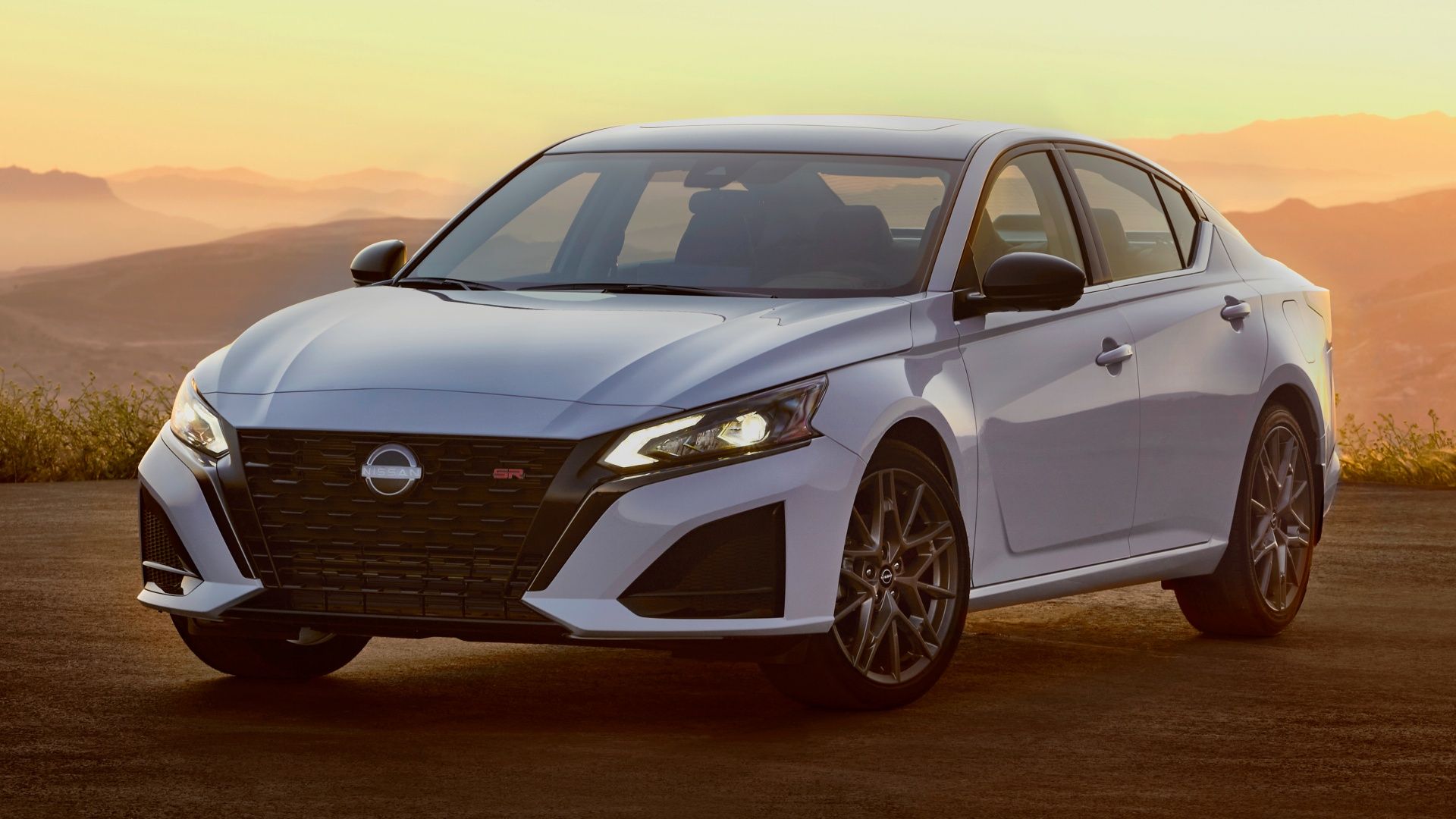
5. Nissan Altima (QR25DE 2.5L Engine, Post-2007 Models)
The Nissan Altima, particularly models from 2007 onward equipped with the QR25DE 2.5-liter engine, stands out as a midsize sedan that avoids timing belt worries thanks to its timing chain design.
Nissan redesigned this engine around that time to include a timing chain, replacing the older belt system used in previous generations.
This change was significant because it improved the engine’s reliability and reduced long-term maintenance costs, making the Altima a more attractive option for buyers concerned about costly repairs.
The QR25DE engine’s timing chain system is built to last the vehicle’s life, provided the owner keeps up with routine oil changes and general maintenance.
The chain operates inside the engine, where it is protected from external elements and constantly lubricated by engine oil, similar to other durable chain-driven engines.
The design incorporates reliable tensioners and guides, which maintain proper chain tension and alignment, helping prevent the chain from stretching or slipping. These factors together minimize the risk of timing chain-related failures that could lead to severe engine damage.
Maintenance demands for the QR25DE engine’s timing chain are minimal compared to timing belt systems. While timing belts require periodic inspection and replacement, the chain only needs to be monitored indirectly through general engine health checks.
As long as the engine oil is changed regularly using Nissan’s recommended oil type and schedule, the timing chain should not present any major issues.
This low maintenance burden is a significant advantage for commuters and families who depend on their Altima as a daily driver and prefer fewer surprises in ownership costs.
Performance-wise, the QR25DE engine offers a smooth and reliable power delivery that suits everyday driving and highway cruising. The timing chain plays an important role in this by ensuring consistent valve timing, which optimizes combustion efficiency and reduces emissions.
This not only helps the Altima meet regulatory standards but also contributes to the vehicle’s fuel economy and responsiveness. For anyone seeking a midsize sedan that combines reliability, comfort, and lower maintenance costs, the Nissan Altima with the QR25DE timing chain engine is a practical and popular choice.
Also Read: 10 Cars That Will Be Future Classics by 2030
Cars That Break Often (Timing Belt Issues)
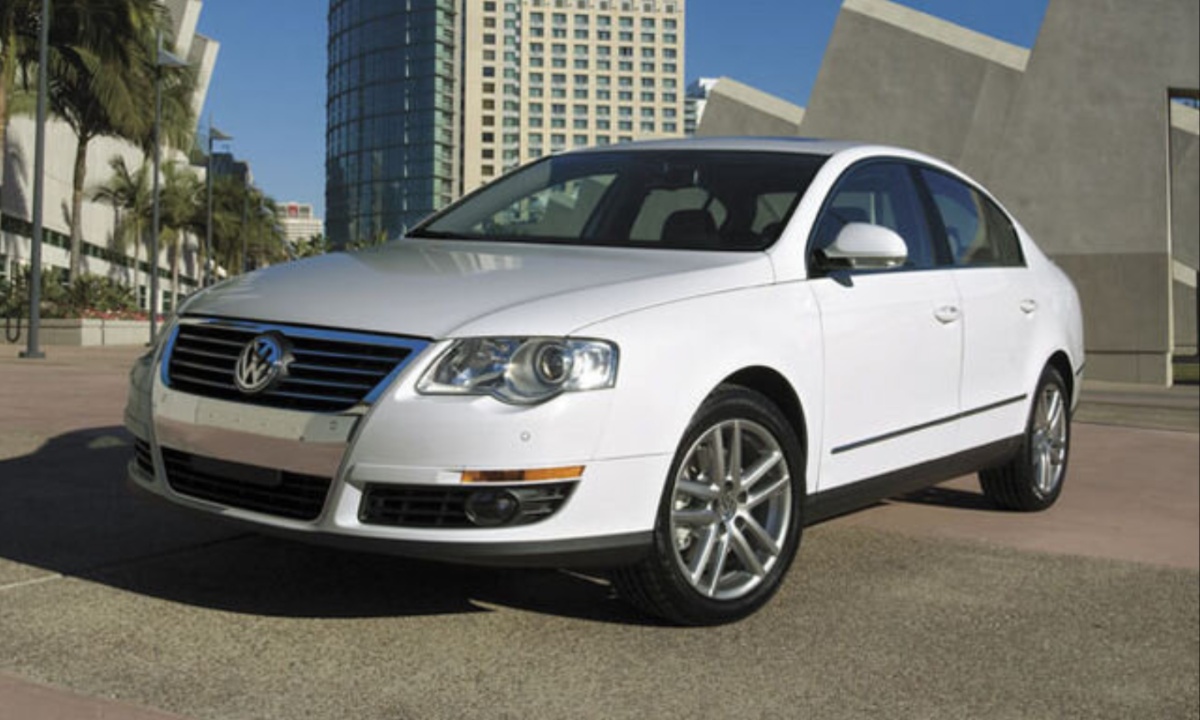
1. Volkswagen Passat (1.8T and 2.0T Engines)
The Volkswagen Passat models equipped with the 1.8T and early 2.0T turbocharged engines have long been known for problematic timing belt setups.
These engines use timing belts rather than chains, and while that’s not inherently a flaw, the way VW engineered the system has led to a range of reliability concerns.
Many owners have experienced premature timing belt wear, and if the belt fails, it often results in catastrophic engine damage due to the interference design.
What makes it worse is that many of these issues arise well before the recommended replacement interval, leaving unsuspecting drivers with large repair bills.
Adding to the concern, the engine compartment is relatively tight, making timing belt replacement labor-intensive and costly. Technicians often have to remove multiple components just to access the timing belt, leading to higher-than-average labor charges.
In many cases, shops recommend replacing the water pump, tensioners, and pulleys at the same time due to their proximity to the timing belt.
This bundled repair, while logical, raises the total bill significantly. Many Passat owners are surprised to learn that a simple belt replacement can cost more than $1,200, especially at dealerships.
What further complicates things is VW’s history of inconsistent quality control with these engines. Some batches of parts wore out faster than others, and tensioners were known to fail before the belt itself.
This led to instances where even well-maintained vehicles broke down because of parts that didn’t meet expected durability standards.
The lack of clear early warning signs also added to the frustration, with many drivers reporting no unusual noises or symptoms before the belt or related components failed.
Despite being praised for driving comfort and interior quality, the Passat’s reputation suffers due to these engine issues.
Timing belt concerns have discouraged many potential buyers from considering used models in this category, especially those looking for a car they can own past the 100,000-mile mark. In the used market, this has translated to lower resale value and a cautious approach among buyers familiar with the Passat’s timing belt record.
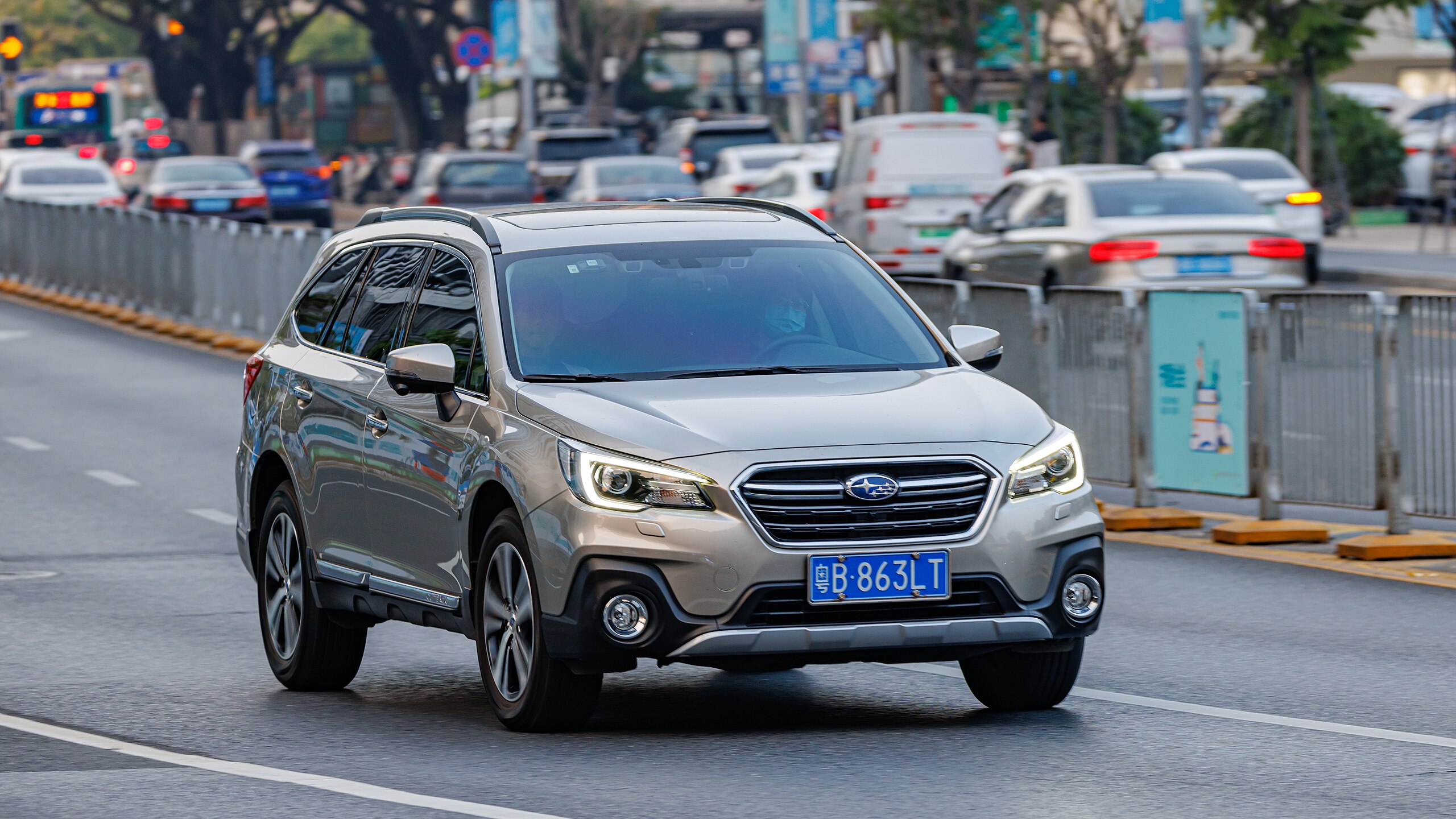
2. Subaru Legacy (2.5L SOHC and DOHC Engines)
Subaru has earned a reputation for all-wheel-drive capability and quirky engineering, but it hasn’t escaped criticism when it comes to timing belt longevity.
Many Legacy models, especially those with the 2.5L SOHC and DOHC engines from the early 2000s to mid-2010s, use rubber timing belts instead of chains.
These belts are positioned in interference engines, meaning a failure will almost certainly destroy internal engine components like valves and pistons.
Despite Subaru’s generally loyal following, the timing belt issue is a recurring point of frustration among longtime owners.
The recommended timing belt replacement interval for these engines is typically around 105,000 miles, but numerous reports exist of belts failing significantly earlier.
The belts themselves are not always the problem; it’s often the related components, like the idler pulleys or tensioner, that fail first.
When these parts give out, they can cause the belt to slip or snap, often without any advance warning. It’s a costly event that can instantly render the engine useless.
In rural or cold-weather areas where Subarus are most popular, this kind of breakdown can be more than inconvenient; it can be dangerous.
Subaru’s boxer engine design, which places the cylinders horizontally, adds another layer of complexity to the situation. Accessing the timing belt requires more effort than with conventional upright engines, which increases labor time and cost.
Replacing the belt, water pump, and pulleys can easily exceed $1,000 in many shops. While some owners appreciate the vehicle’s other mechanical strengths, many agree that the timing belt setup is a weak point that requires a more proactive maintenance approach than they’d prefer.
There has been some progress with newer Subaru models moving to timing chains, but a large number of Legacy vehicles on the used market still come with the older belt-driven systems.
For buyers considering an older Legacy, it’s crucial to verify when the timing belt was last replaced, and even then, be prepared to repeat the process sooner than expected. It’s a risk factor that tarnishes an otherwise dependable platform.
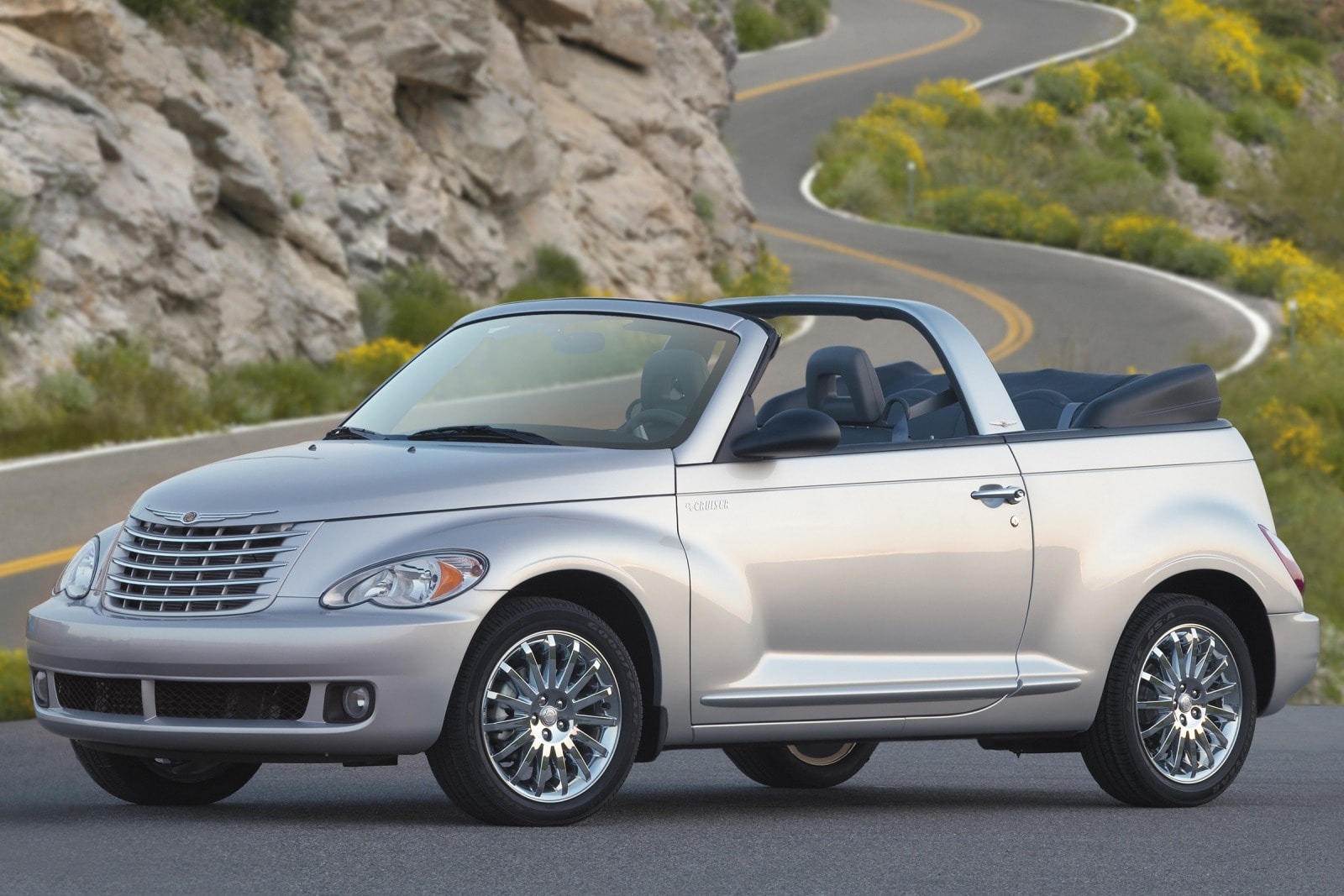
3. Chrysler PT Cruiser (2.4L DOHC Engine)
The Chrysler PT Cruiser may have earned a cult following for its quirky retro design, but its mechanical track record is far less endearing. The 2.4L DOHC engine used in these vehicles employs a rubber timing belt, and it’s one of the most failure-prone systems in this class of vehicle.
Many owners have reported timing belt failures well before the recommended interval of 100,000 miles. Because this is an interference engine, the consequences of a belt failure are usually severe, often requiring a complete engine rebuild or replacement.
Chrysler also had issues with the quality of timing belt components themselves. Owners have reported premature wear on the belt and pulleys, especially in high-heat environments. Some experienced tensioner failures, which in turn led to belt misalignment or slippage.
The problem was further exacerbated in turbocharged PT Cruiser models, which placed even more stress on the engine’s internal components. Turbo heat and added internal pressure raised the likelihood of early failure, leading to widespread complaints.
As the PT Cruiser ages, fewer mechanics are willing to work on them, and parts availability is beginning to decline. This makes any major repair, including timing belt service, even more difficult and expensive.
For many owners, the timing belt issue is the final straw that leads them to sell or scrap the car. Despite its unique appearance and low resale value, the mechanical reality of the PT Cruiser means timing belt worries are almost inevitable.
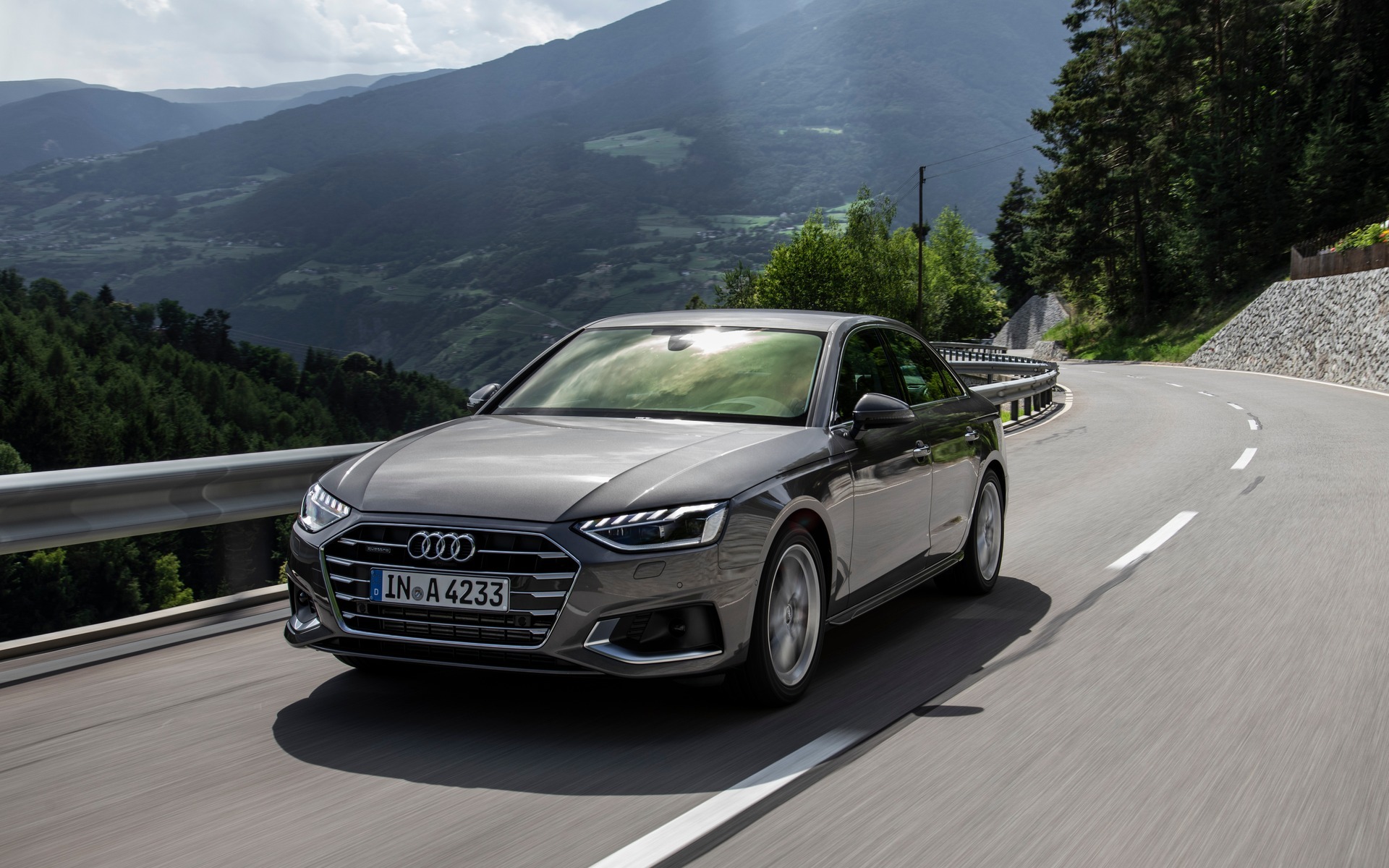
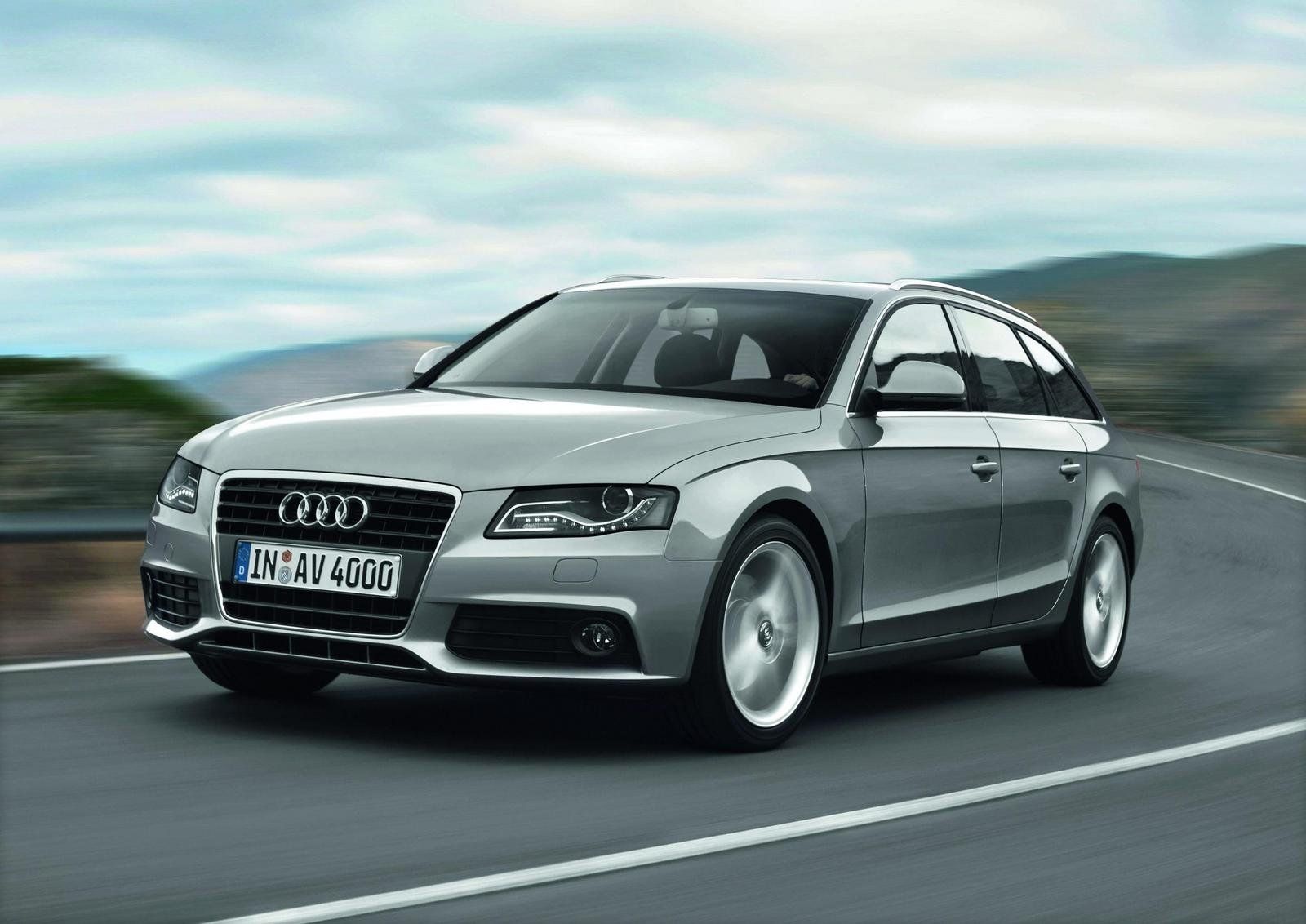
4. Audi A4 (1.8T and 2.0T Engines)
Audi’s A4 models equipped with the 1.8T and early 2.0T engines have long been plagued by issues related to their timing belt systems.
These turbocharged engines use rubber belts rather than chains, and while Audi recommends replacement intervals around 75,000 to 110,000 miles, depending on the model year, many drivers have found these numbers optimistic.
Premature belt wear, tensioner failure, and water pump issues have all been cited in owner reports. Because these engines are interference designs, a failed timing belt almost always means major internal damage.
The timing belt setup in these engines is a complicated one. In addition to the belt itself, there are multiple tensioners, rollers, and the water pump all driven in the same system. If any one of these components fails, the entire timing system can go out of sync.
The problem is that they tend to wear at uneven rates. A water pump with a slightly misaligned bearing, for example, can wear out the belt prematurely.
Drivers who follow only the minimum factory recommendations often end up paying a steep price when one part fails early and takes the engine with it.
From a service standpoint, the cost of replacing the timing belt and associated parts is high due to labor complexity.
European cars often have tightly packed engine bays, and the A4 is no exception. Replacing the timing belt in these engines is a job that many independent shops won’t even quote without a full teardown inspection.
The cost can run upwards of $1,500, especially if the water pump or thermostat housing needs to be replaced at the same time, which it often does.
This problem becomes even more frustrating when coupled with Audi’s other maintenance quirks. Turbo oil coking, coolant leaks, and electrical issues often accompany A4 ownership, so the timing belt concern is just one part of a broader reliability puzzle.
While these cars drive well and offer a premium experience, the long-term costs often outweigh the benefits. For those shopping for used luxury cars, the A4’s timing belt history is a serious red flag.
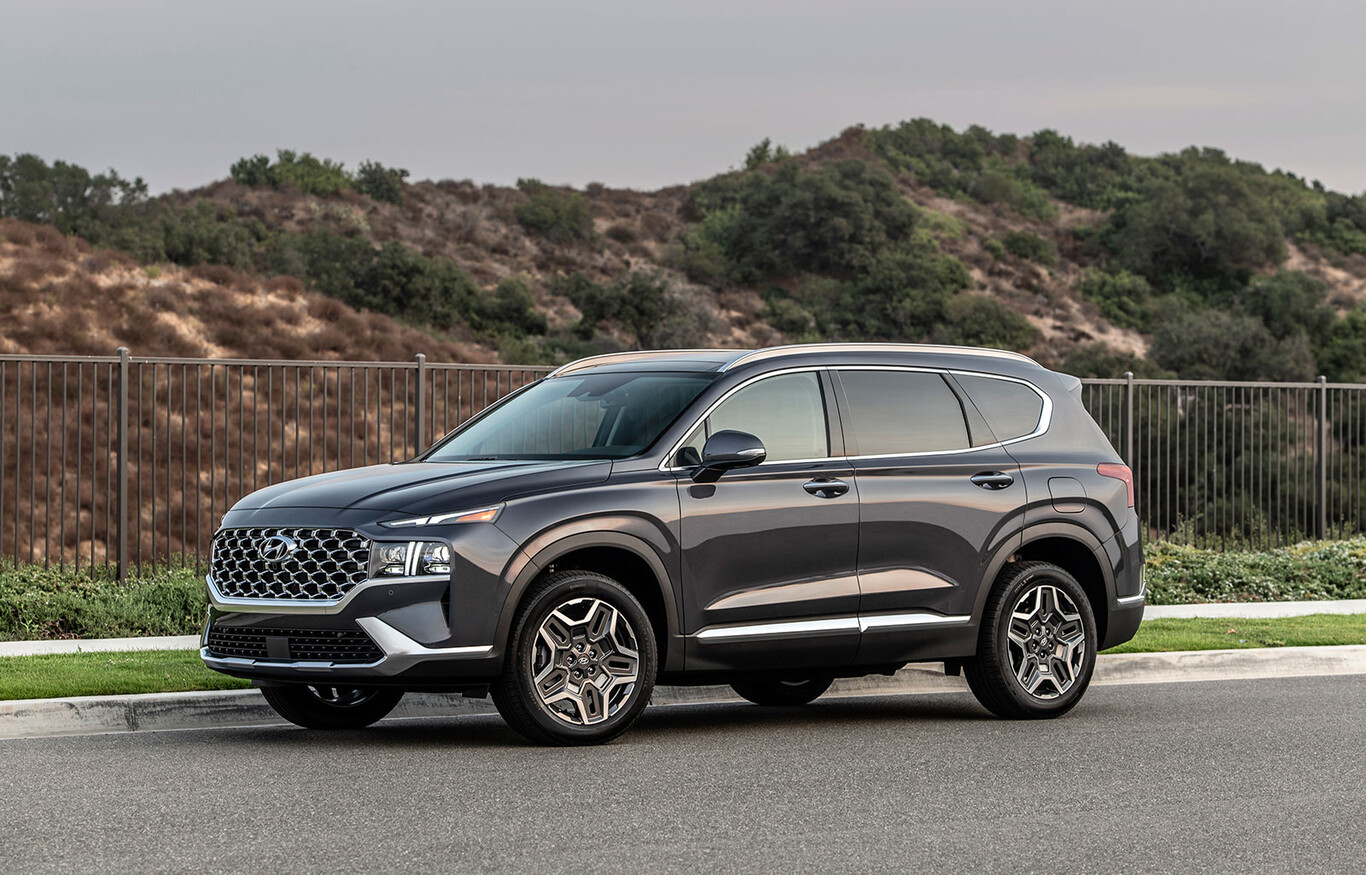
5. Hyundai Santa Fe (2.7L V6 Models, Early 2000s)
The early 2000s Hyundai Santa Fe with the 2.7L V6 engine represents a classic example of an otherwise reliable SUV held back by poor timing belt design.
This engine uses a rubber timing belt that must be replaced approximately every 60,000 miles, one of the shortest intervals in its class.
Even when properly maintained, the belt system is known to be vulnerable to sudden failure, especially if the vehicle is subjected to fluctuating temperatures or irregular oil change habits.
While Hyundai’s newer engines use timing chains, this older 2.7L V6 setup was problematic because of both part quality and design. The belt is narrow and sits near components that produce high levels of heat. Tensioner and water pump failures have also been frequently reported.
If any of these related components fail, the timing belt often follows. Being an interference engine, the results of such a failure are severe, frequently requiring extensive head work or complete engine replacement. For families relying on the Santa Fe as a daily driver, this kind of failure is both unexpected and financially devastating.
Repair costs are another sticking point. While the vehicle is generally inexpensive, replacing the timing belt is not.
Most shops charge between $800 and $1,200 for a full timing belt service, which includes the belt, water pump, tensioners, and related components.
Since the value of these early 2000s Santa Fes is often quite low, especially with higher mileage, the cost of the repair can sometimes equal or exceed the value of the vehicle itself.
That creates a dilemma for owners who would otherwise want to maintain their cars but are forced to weigh the economic sensibility of such a repair. For those who cannot do the job themselves, this often results in the vehicle being sold or scrapped prematurely.
Many owners have shared experiences of the timing belt breaking without any noticeable warning signs. Unlike more modern engines that might exhibit symptoms like ticking noises, slight misfires, or warning lights, the 2.7L Santa Fe engine often fails suddenly.
If the belt snaps while driving, the engine instantly shuts down, usually accompanied by internal damage due to piston-to-valve contact.
In a worst-case scenario, this kind of failure can leave the driver stranded and lead to repair costs that far outweigh the vehicle’s market value. The risk of this happening is why some mechanics urge belt replacement even before the recommended mileage interval.
