
Sports cars have always had a special appeal. They promise performance, style, and a certain thrill that everyday vehicles often lack.
However, that excitement can come with a hefty price tag, not just at the dealership, but down the line with maintenance, insurance, and repairs.
This is why budget sports cars have become so popular. They give drivers the fun and aesthetics of high-performance driving without demanding a second mortgage. Still, the budget badge can sometimes be misleading. A low initial cost doesn’t always mean long-term savings.
In fact, some cars that seem like a steal end up draining wallets due to reliability issues, expensive parts, or poor design choices. Understanding which models offer genuine value versus those that are merely inexpensive is key for both enthusiasts and practical buyers alike.
People often fall for looks or a brand name when they’re shopping for a sporty ride. That can lead them to ignore what lies under the hood or how the car has aged over the years.
Sometimes the problems aren’t apparent until a few months in, when the check engine light flashes on for the third time or a repair shop calls with a quote higher than the car’s worth.
Not every car that looks fast is dependable. Likewise, not every cheap sports car is truly economical in the long run.
On the flip side, certain models manage to balance fun, speed, and long-term affordability. These are the rare gems that manage to satisfy both heart and wallet, allowing drivers to enjoy spirited driving without constant trips to the mechanic.
This article is broken down into two main sections: five budget-friendly sports cars that are genuinely worth owning, and five that tend to become expensive liabilities.
For each car, we’ll cover what makes it a strong choice or a risky bet. Whether you’re shopping for your first sports car or considering adding another fun machine to the garage, this breakdown should help steer you in the right direction.
Also Read: 10 Cars That Hold Up Well In The City vs 10 That Break Down In Traffic
5 Budget Sports Cars Worth Owning
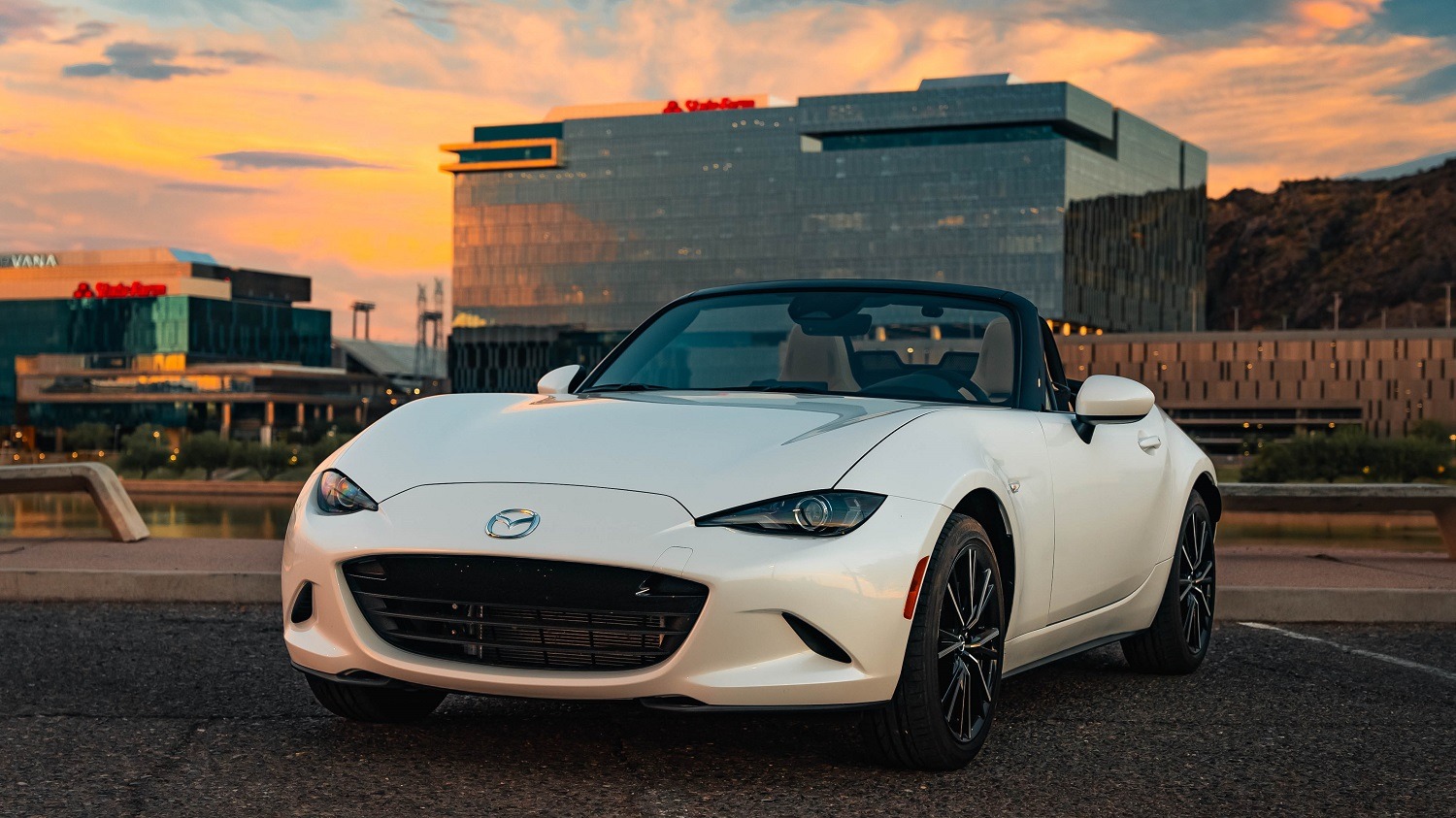
Mazda MX-5 Miata (NA/NB)
The Mazda MX-5 Miata is often considered the gold standard of budget sports cars. The first two generations, labeled NA and NB, were built with simplicity, balance, and fun in mind.
They came with a lightweight chassis, rear-wheel drive, and a manual transmission that made driving feel engaging without requiring overwhelming power.
The Miata didn’t try to be something it wasn’t. It wasn’t the fastest, nor was it the flashiest, but it consistently delivered a raw and honest driving experience.
It quickly earned its reputation not only among enthusiasts but also in the racing world due to its exceptional handling and low cost of entry.
Maintenance and ownership costs are surprisingly low for what you get. These cars are known for their reliability and mechanical simplicity.
There are no overly complicated systems to fail, and parts are widely available and affordable. Even major components like engines or transmissions can be sourced at reasonable prices if something goes wrong.
Additionally, a vast aftermarket community supports these cars. Whether you want to keep it stock, restore it, or turn it into a track-day machine, there are parts and guides available to make it happen without draining your finances.
Insurance costs are another advantage. Since the car doesn’t come with excessive horsepower or a high-risk profile, premiums tend to be manageable even for younger drivers. Gas mileage is also respectable for a sports car, making it a solid daily driver if needed.
The open-top design adds to the enjoyment, especially in good weather, without compromising much in the way of structural integrity. The Miata manages to strike a balance between everyday usability and weekend fun that few cars at this price point can match.
Perhaps the most important factor is that these cars retain their value remarkably well. A clean, unmodified NA or NB Miata has become somewhat of a collector’s item, and prices have begun to creep up.
However, even at higher costs, they still offer strong value for money. You’re unlikely to lose much if you decide to sell, and you may even gain a bit if you take good care of it. That kind of financial stability is rare in the world of affordable sports cars.
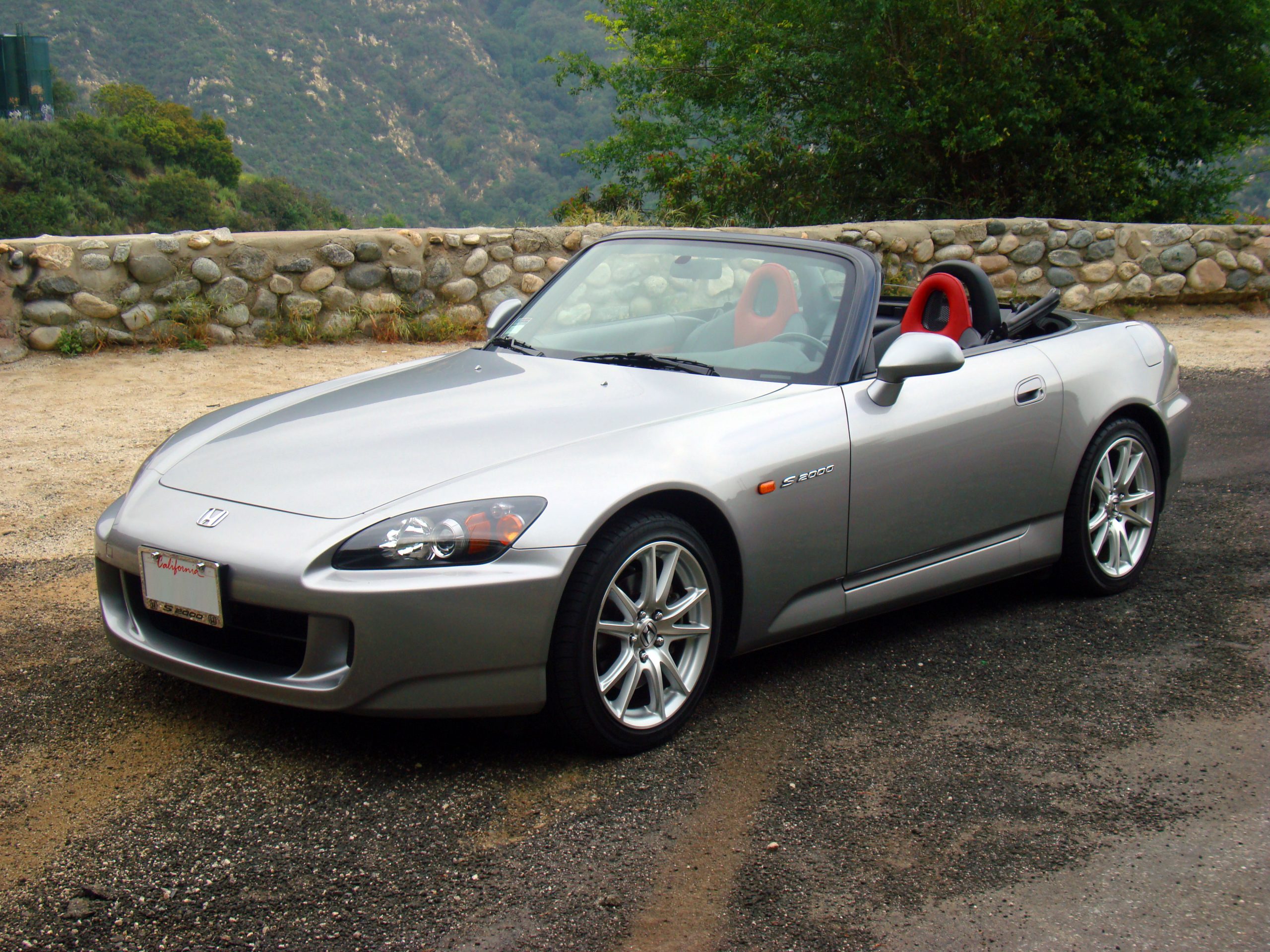
Honda S2000
The Honda S2000 is often described as the perfect mix of engineering precision and driver enjoyment. Built between 1999 and 2009, it gained a reputation for its high-revving engine, tight chassis, and razor-sharp steering.
While not the cheapest on the market, it offers a level of performance and reliability that many more expensive cars fail to match.
The 2.0-liter engine in early models could rev to 9000 RPM, which was unheard of in a mass-produced car at the time. This gave it a distinct personality and a unique driving experience that has aged incredibly well.
One of the key reasons the S2000 remains worth owning is its reliability. Honda engineered this car with durability in mind, and it shows.
The drivetrain is robust, and the interior materials have held up well over time. You won’t find a lot of luxury features or modern tech, but what’s there is solid and purposeful.
The manual gearbox is considered one of the best ever made, providing precise engagement and a rewarding feel. This kind of mechanical integrity means fewer surprises and less frequent visits to the repair shop.
Even though prices have been rising, the S2000 still offers good long-term value. It’s become something of a modern classic, and clean examples are in demand. That appreciation curve means you can own one, enjoy it, and likely recoup most of your investment, or even make a little profit.
It’s also suitable for multiple uses. Whether you want it as a daily, a weekend canyon carver, or even a track toy, it can handle the job without falling apart or requiring endless modifications.
For driving enthusiasts, the S2000 ticks nearly every box. It’s quick, agile, and engaging. It feels special without being finicky or high-maintenance. The engine is a joy to wring out, and the car encourages spirited driving. Unlike many modern sports cars, it doesn’t rely on turbochargers or complex systems.
What you see is what you get, and what you get is a finely-tuned, well-balanced machine that delivers consistently. For those who want a pure, driver-focused experience without constant repairs or hidden costs, the S2000 remains a top choice.
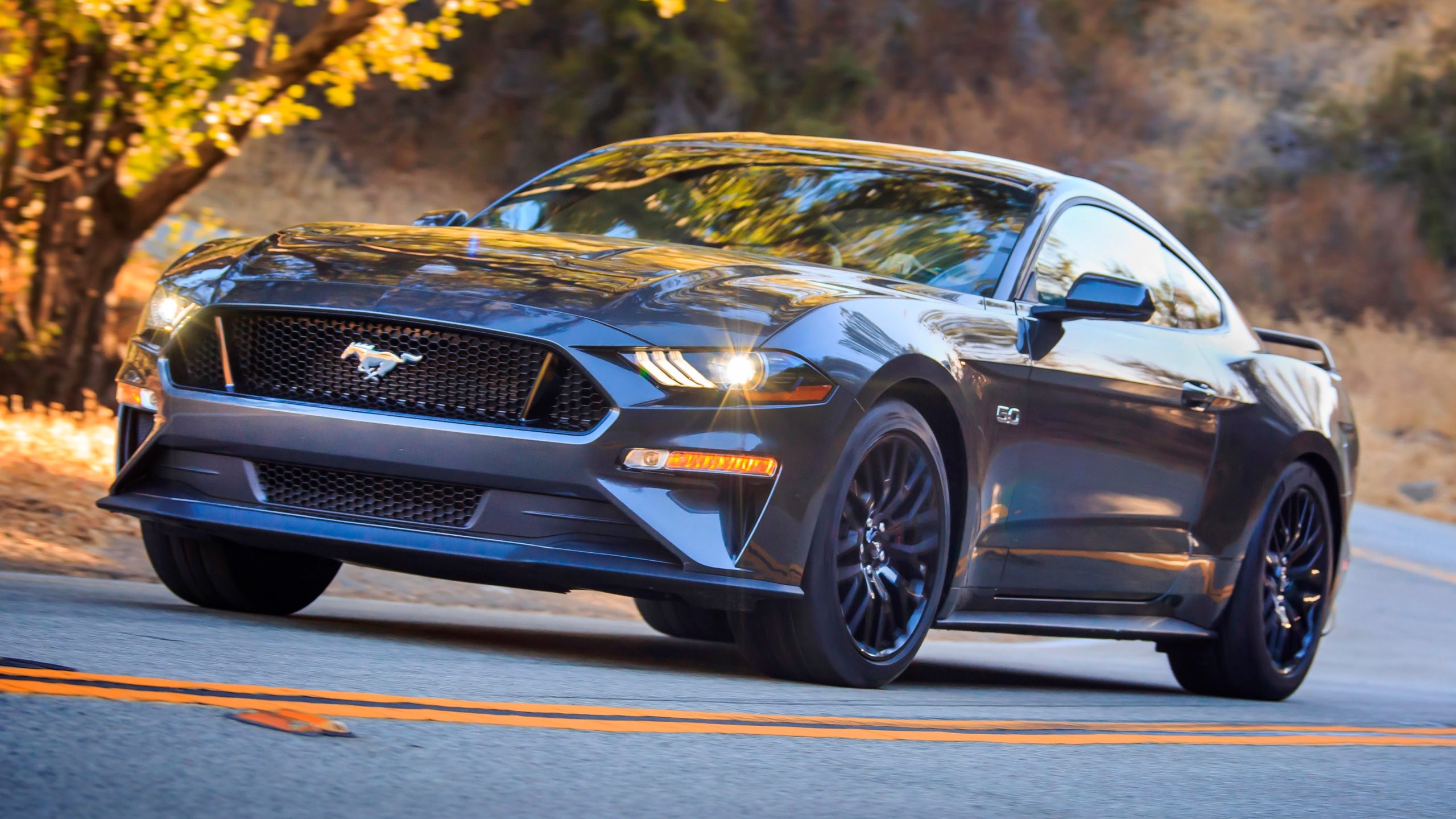
Ford Mustang (2005–2014)
The fifth-generation Ford Mustang brought retro styling and modern improvements to the American pony car icon. While earlier generations had charm, they also came with build quality issues and limited handling performance. From 2005 onward, the Mustang evolved significantly.
Whether you choose the V6 for daily practicality or the V8 GT for performance, you’re getting a solid platform that’s fun to drive and easy to live with. These cars are plentiful, which keeps prices competitive, and they have a broad range of aftermarket support.
One of the biggest advantages of owning a Mustang from this generation is the wide range of parts and upgrades available. Whether you want to increase power, improve suspension, or enhance aesthetics, there are endless options.
Parts are affordable and mechanics are familiar with the platform, so labor costs tend to stay reasonable.
The car is relatively easy to work on for those who like to do their own maintenance. That’s important when considering long-term ownership, as repair bills don’t spiral out of control.
Another thing that makes this generation appealing is its everyday usability. These Mustangs are practical enough for commuting, with decent fuel economy for the V6 models and acceptable space for passengers and cargo. Reliability is solid, especially with regular maintenance.
While earlier models had some quality control issues, later years saw improvements in interior materials and refinement. You’re not just buying a muscle car; you’re getting a well-rounded vehicle that can handle more than just weekend joyrides.
Perhaps most importantly, these Mustangs have character. They have that classic American muscle sound, rear-wheel drive dynamics, and a design that still turns heads. They’re not trying to pretend to be European sports cars.
They embrace their identity and deliver an experience that’s both nostalgic and modern. That blend of affordability, performance, and personality makes them one of the more dependable and rewarding sports cars in the budget category.
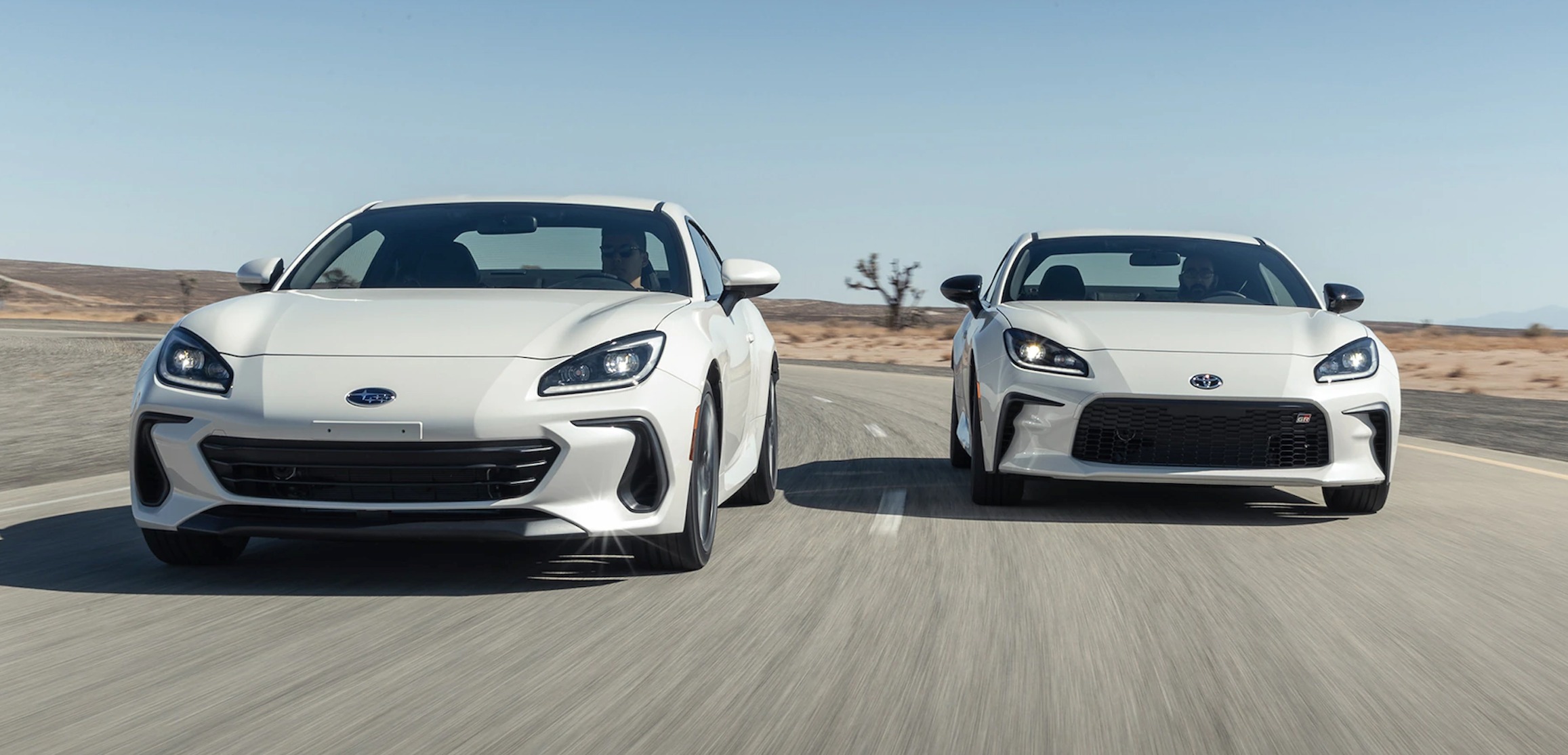
BRZ / Toyota 86 (2013–2020)
When Subaru and Toyota teamed up to create the BRZ and the 86, the goal was to make a back-to-basics sports car that focused on driver involvement rather than brute horsepower. The result was a lightweight, rear-wheel drive coupe with near-perfect balance and a low center of gravity.
It wasn’t the fastest car in a straight line, but that was never the point. This platform focused on steering feedback, chassis dynamics, and creating a connection between the driver and the road.
For the price, few cars manage to feel this responsive or playful. While it lacked turbocharged power, the naturally aspirated flat-four engine delivered predictable performance and made the car easy to handle at the limit.
One of the biggest reasons to consider this car is its reliability. Toyota’s reputation for durability blends well with Subaru’s boxer engine expertise, and the result is a car that can go the distance with proper maintenance.
Issues like oil consumption and a somewhat underwhelming torque curve have been noted by some owners, but these problems are relatively minor compared to the horror stories that come from other sports cars in the same price bracket.
The build quality is solid, the interior holds up well over time, and electronics are generally reliable. For anyone who wants a car they can enjoy daily without living in fear of major repairs, the BRZ and 86 make a lot of sense.
Another benefit is the sheer amount of support this car receives from the aftermarket community. There are countless ways to personalize and improve the platform without spending a fortune.
Whether you want more power, better grip, or sharper styling, the parts and knowledge base are readily available.
That kind of support not only adds to the ownership experience but also helps maintain resale value. Enthusiasts are always looking for clean, well-maintained examples, which means your car won’t depreciate into obscurity if you decide to sell later on.
Despite not having overwhelming performance, the car’s overall balance makes it feel far more engaging than the numbers suggest. Many owners say it’s more fun to drive a slow car fast than a fast car slow, and this is the perfect example of that philosophy.
You can push it hard without breaking speed limits or risking your license. The fact that it manages to feel rewarding even at low speeds makes it ideal for drivers who want to improve their skills or simply enjoy a weekend drive. For its price and purpose, the BRZ and 86 remain a reliable and enjoyable choice.
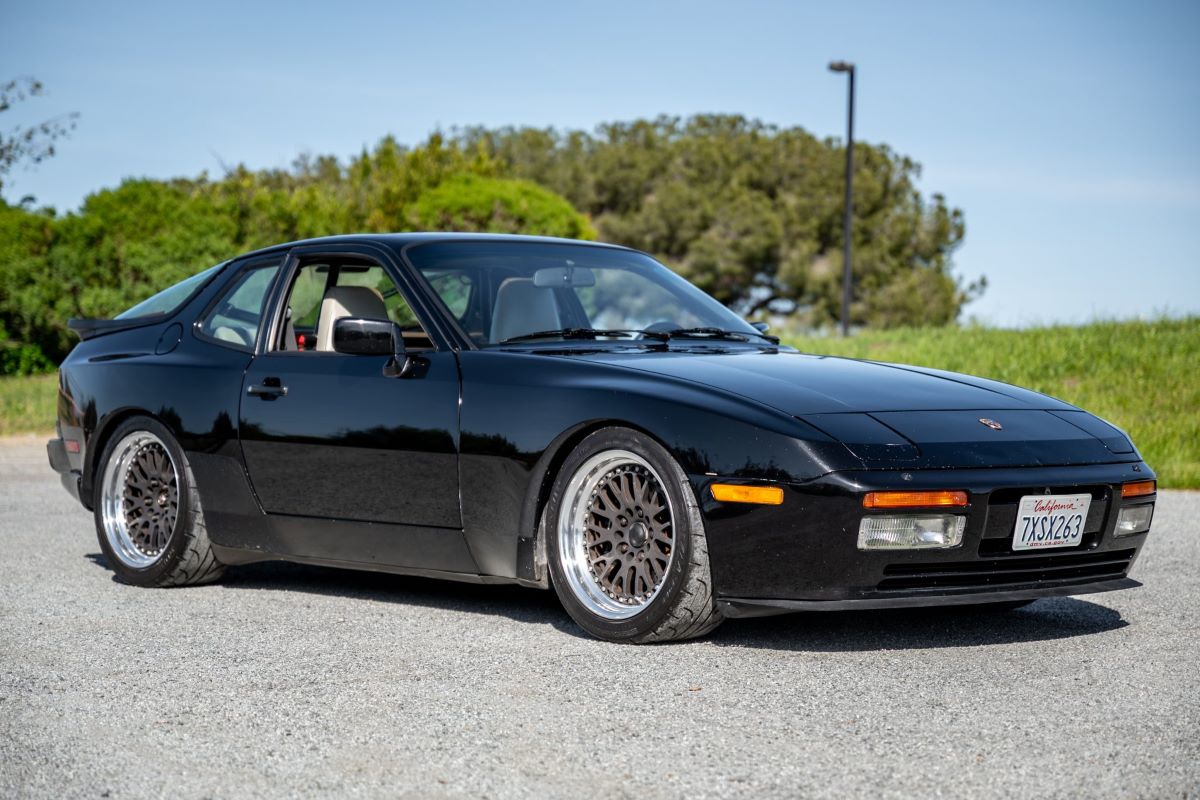
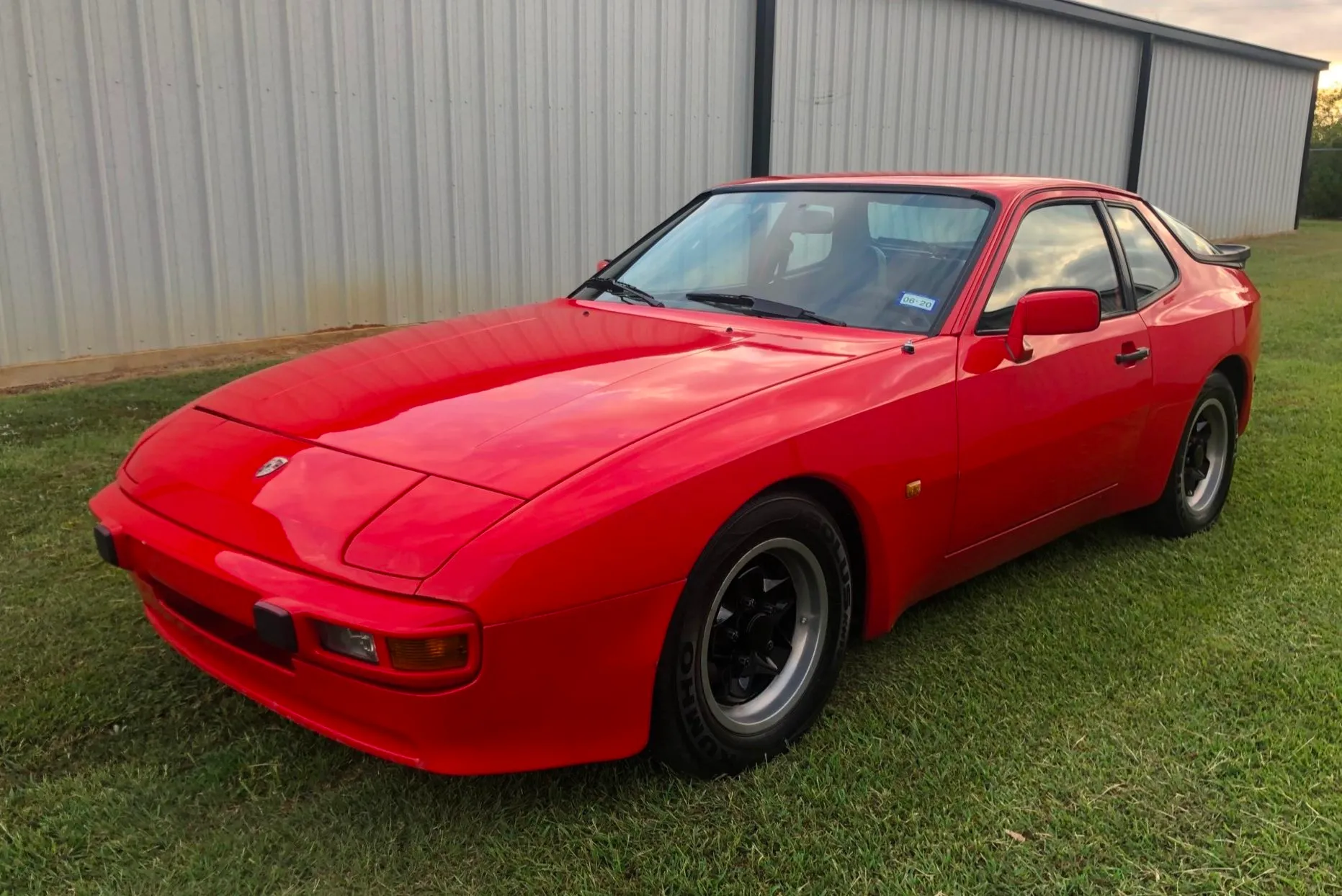
Porsche 944 (1982–1991)
At first glance, a vintage Porsche might not seem like a budget-friendly option, but the 944 has managed to remain surprisingly affordable while delivering a genuine sports car experience.
Built during the 1980s and early 1990s, the 944 was Porsche’s attempt at creating a front-engine, rear-wheel drive coupe that could compete with European rivals and appeal to younger buyers.
It offered sharp handling, a near-perfect 50/50 weight distribution, and an interior that was both functional and stylish.
Although the power output wasn’t jaw-dropping, the driving feel more than made up for it. The 944 has aged gracefully, offering a sense of occasion that many modern cars lack.
What really makes the 944 a worthwhile choice is its durability when well cared for. Many of these cars have crossed well over 150,000 miles with only routine maintenance and a few common repairs. The key is buying one that has been maintained properly over the years.
Timing belts, water pumps, and motor mounts are all known service items, but they’re not excessive in cost compared to the kind of upkeep required by higher-end sports cars.
With a good service history and a careful owner, the 944 can be a dependable classic that brings smiles every time you drive it.
Ownership costs are helped by the fact that parts are still relatively available and not absurdly priced, especially for the earlier models. The Porsche badge doesn’t automatically mean huge bills when it comes to the 944.
Independent mechanics who specialize in older European cars can handle most maintenance, and many owners do their own work thanks to the car’s relatively straightforward engineering. Because it wasn’t overloaded with electronic systems, there are fewer things to go wrong compared to more modern vehicles.
Finally, the 944 offers a sense of character that’s hard to find. It stands out in a crowd, draws nods of respect from fellow enthusiasts, and provides an authentic, analog driving experience. While newer sports cars may be faster, they often lack the mechanical connection that cars like the 944 deliver in spades.
For someone looking for a true driver’s car that’s attainable, unique, and historically significant, the 944 remains one of the smartest buys in the classic sports car market.
Also Read: 10 Cars That Will Be Future Classics by 2030
5 That Become Money Pits
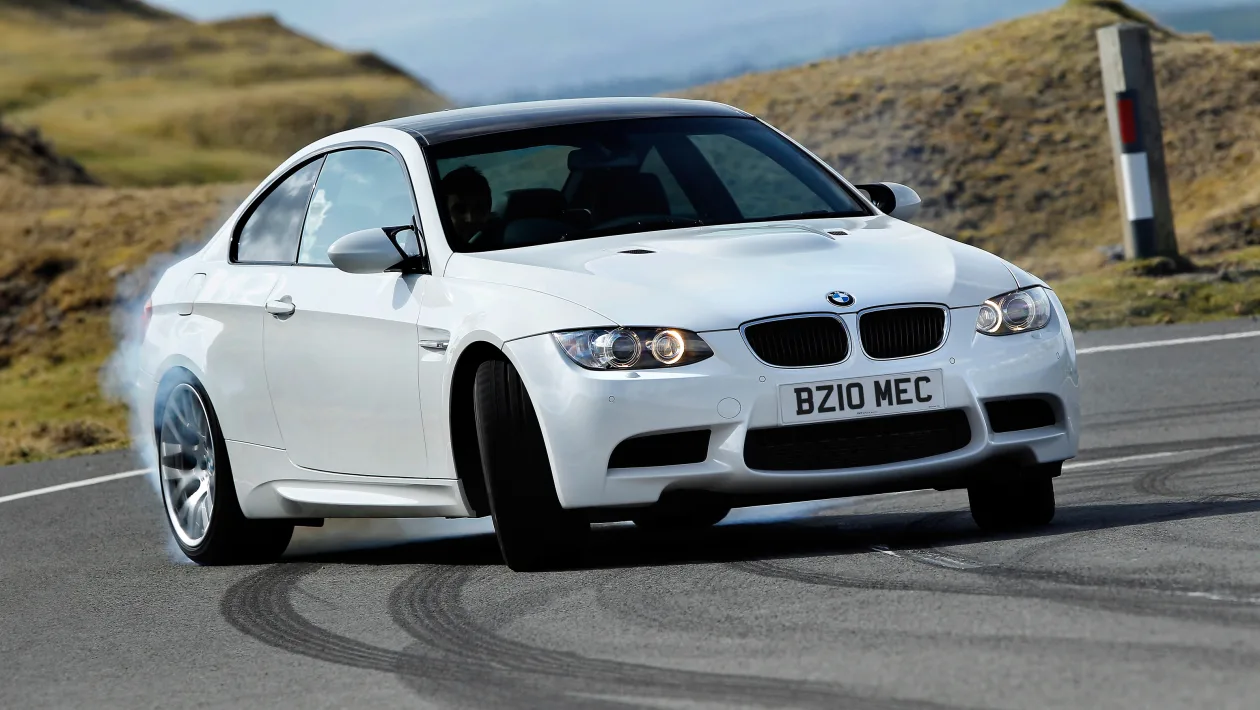
BMW E92 M3 (2008–2013)
There’s no question that the E92 M3 is an engineering marvel. It comes with a high-revving 4.0-liter V8, excellent suspension tuning, and classic BMW handling characteristics. On paper, it looks like the perfect performance machine. However, real-world ownership often paints a different picture.
The E92 is plagued with maintenance issues that are not only frequent but also extremely costly. This is a car that was engineered to very tight tolerances, and once those start to slip with age and mileage, the expenses begin to stack up very quickly.
The main culprit is the engine itself. While it sounds fantastic and delivers impressive performance, it also has known issues with rod bearings and throttle actuators.
Repairs for either of these problems can easily cost thousands of dollars, and they’re not optional fixes if you want the car to run properly.
Additionally, regular maintenance like oil changes, brake jobs, and fluid flushes are all more expensive than your average sports car. If you plan to do track days or drive the car hard, the maintenance schedule becomes even more aggressive, adding further strain to your wallet.
The electronics can also be problematic. As the car ages, things like sensors, modules, and the iDrive system start to fail. Even small components like window regulators or climate control buttons are not immune to problems.
Each issue might not seem like a dealbreaker, but when they all happen within a short time frame, the total repair costs can quickly exceed the car’s value. Extended warranties are almost a necessity, and many buyers who go in unprepared end up regretting the decision.
The E92 M3 is a car that’s better suited for someone who treats it like a hobby project rather than a daily driver. It demands attention, both financially and mechanically.
While the performance is undoubtedly appealing, the cost of keeping everything running smoothly is more than most people are prepared for. For those on a budget looking for a fun, reliable sports car, this one is best admired from afar.
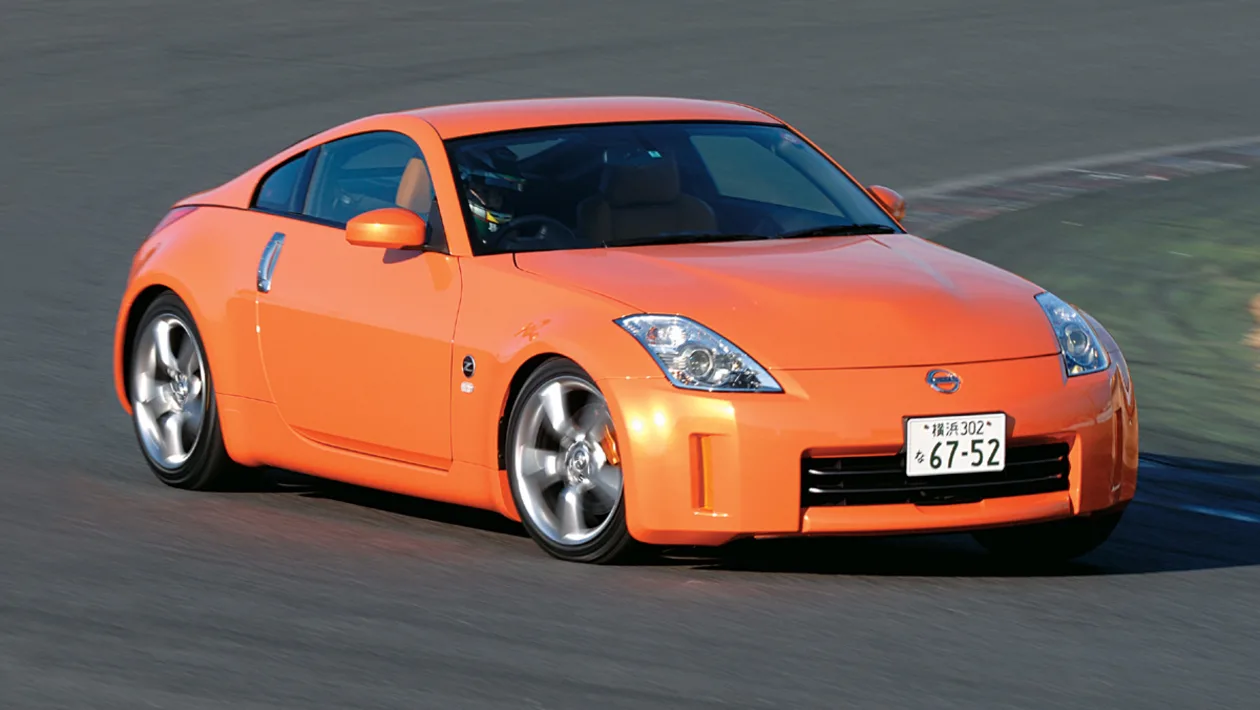
Nissan 350Z (2003–2008)
The Nissan 350Z initially gained popularity due to its aggressive styling, rear-wheel drive layout, and reasonably powerful V6 engine. It promised a sports car experience at a budget price, making it an appealing option for enthusiasts and first-time buyers alike.
However, beneath its sleek exterior, the 350Z has earned a reputation for becoming a financial drain over time. While it performs well on the road and offers solid handling, the cost and frequency of repairs can catch owners off guard, especially when the car is driven hard or not properly maintained.
One major issue is the strain placed on key drivetrain components. The 350Z’s engine and transmission are durable, but the car’s suspension and differential tend to suffer from premature wear.
Components like control arms, bushings, and CV joints often need replacement earlier than expected, particularly for cars that see aggressive use or track days.
The cost of these repairs, combined with the labor involved, can quickly add up. Additionally, the rear subframe and differential mounts are known weak points, sometimes requiring costly reinforcement or replacement to prevent serious damage.
The car’s maintenance demands also include attention to the timing chain and related components. Though Nissan designed the engine to be reliable, neglecting scheduled service or using subpar fluids can accelerate wear.
Engine seals may leak, and cooling system components occasionally fail, leading to potential overheating issues if not caught early. While none of these are catastrophic on their own, together they create a situation where owners face frequent and sometimes expensive visits to the mechanic.
Another hidden expense is insurance and fuel consumption, which can be higher than anticipated. The 350Z’s classification as a sports car means premiums are often elevated, particularly for younger drivers or those with less experience.
The V6, while relatively efficient for a sports car, still demands premium fuel and returns mileage on the lower side compared to non-performance vehicles.
For those seeking a fun car that’s easy to maintain, the 350Z’s combination of wear-prone components and moderate operating costs can lead it toward being more of a financial burden than a straightforward thrill machine.
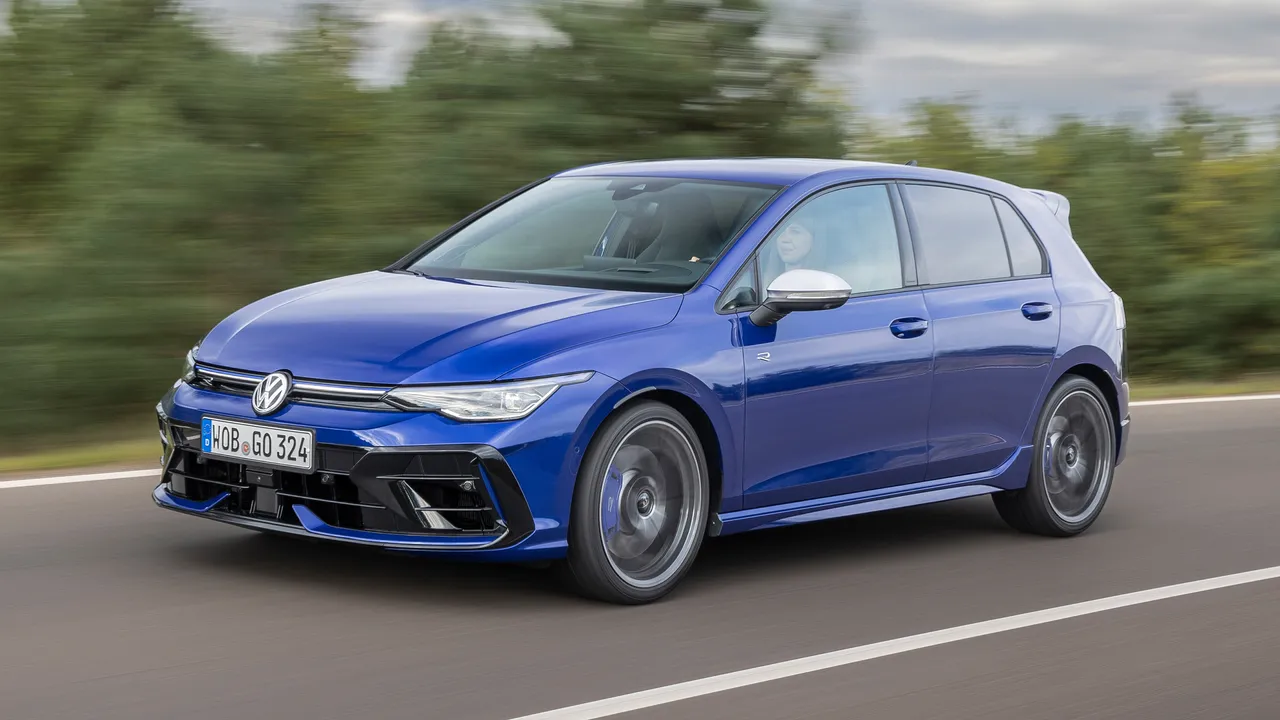
Volkswagen Golf GTI Mk5 (2005–2009)
While the Volkswagen Golf GTI is usually praised as a hot hatch that balances performance and practicality, the fifth-generation model has earned its share of complaints when it comes to ownership costs.
The Mk5 GTI brought turbocharged power and improved styling to the Golf lineup, but these upgrades came with increased mechanical complexity and a tendency for expensive repairs.
As a used car, it might seem like a bargain for enthusiasts wanting a versatile vehicle, but beneath the surface lurk maintenance challenges that can turn ownership into a costly endeavor.
One of the most common issues with the Mk5 GTI is related to the engine’s timing chain tensioner and water pump. Failure of either component can cause serious engine damage if not addressed promptly.
Unfortunately, the design of this engine means that replacing the timing chain or tensioner involves significant labor, driving up repair costs considerably.
Water pumps often fail prematurely as well, and since they’re located behind the timing chain, the repairs are intertwined, making them an expensive package when done together.
The car’s turbocharged engine requires careful maintenance, including regular oil changes with high-quality synthetic oil and attention to the turbocharger’s condition. Turbo failure is not uncommon in neglected examples, and replacing the turbo can be a pricey repair.
On top of that, the suspension components in the Mk5 GTI tend to wear out faster than expected, with issues reported in bushings, control arms, and ball joints. Replacing these parts to maintain safe handling and ride quality adds to the overall cost of ownership.
Electronics also present a challenge. The Mk5 GTI came with a range of tech features that, while advanced for their time, have proven to be sources of reliability issues. Problems with the infotainment system, sensors, and wiring can surface as the car ages.
These electrical gremlins are not only frustrating but often require specialized diagnostics and repairs that are more expensive than on simpler vehicles. For buyers who value a budget-friendly, fun car, the Mk5 GTI’s maintenance demands and repair bills often place it into the category of a money pit.
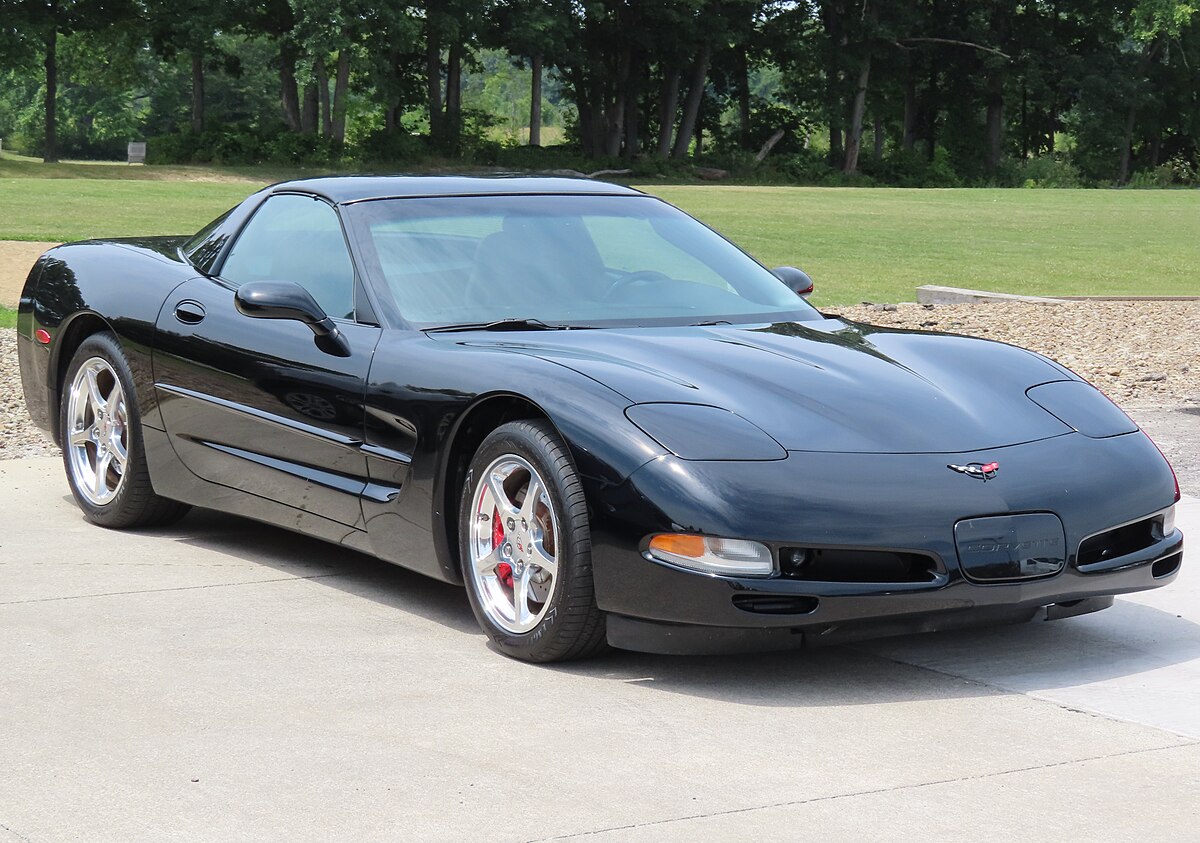
Chevrolet Corvette C5 (1997–2004)
The Chevrolet Corvette C5 redefined the American sports car when it was introduced, offering a strong combination of performance, technology, and affordability.
Its LS1 V8 engine was praised for power and reliability, and the car became a favorite for enthusiasts wanting an affordable supercar experience.
Despite these strengths, the C5 Corvette can be a trap for those unfamiliar with its maintenance needs.
While it’s often advertised as a budget sports car, the cost of ownership and repairs can escalate rapidly, particularly on high-mileage or poorly maintained examples.
One of the biggest concerns is the car’s electrical system, which has proven to be unreliable in many cases. Problems with the instrument cluster, wiring harnesses, and various sensors can cause the car to go into limp mode or display inaccurate warnings.
Diagnosing and fixing these electrical issues often requires specialized knowledge and can involve replacing costly components, making ownership less straightforward than it might seem.
The suspension and chassis components also require attention. The C5’s handling depends on a variety of bushings, ball joints, and control arms, many of which are subject to wear and tear, especially in regions with harsh winters or rough roads.
Replacing these parts can become expensive, and failure to maintain the suspension properly can lead to poor handling and uneven tire wear.
Brake system maintenance, particularly on track-oriented vehicles, also adds to the running costs, with the need for frequent pad and rotor replacement.
Finally, the engine, while generally reliable, is not immune to problems. Intake manifold gaskets, fuel injectors, and ignition coils can fail and require replacement.
Although the LS1 is known for being tough, neglecting routine maintenance like oil changes and coolant flushes can lead to major issues.
Given these factors, the C5 Corvette is best suited for owners willing to invest time and money into upkeep. Those expecting a low-maintenance performance car may find themselves overwhelmed by the cumulative costs.
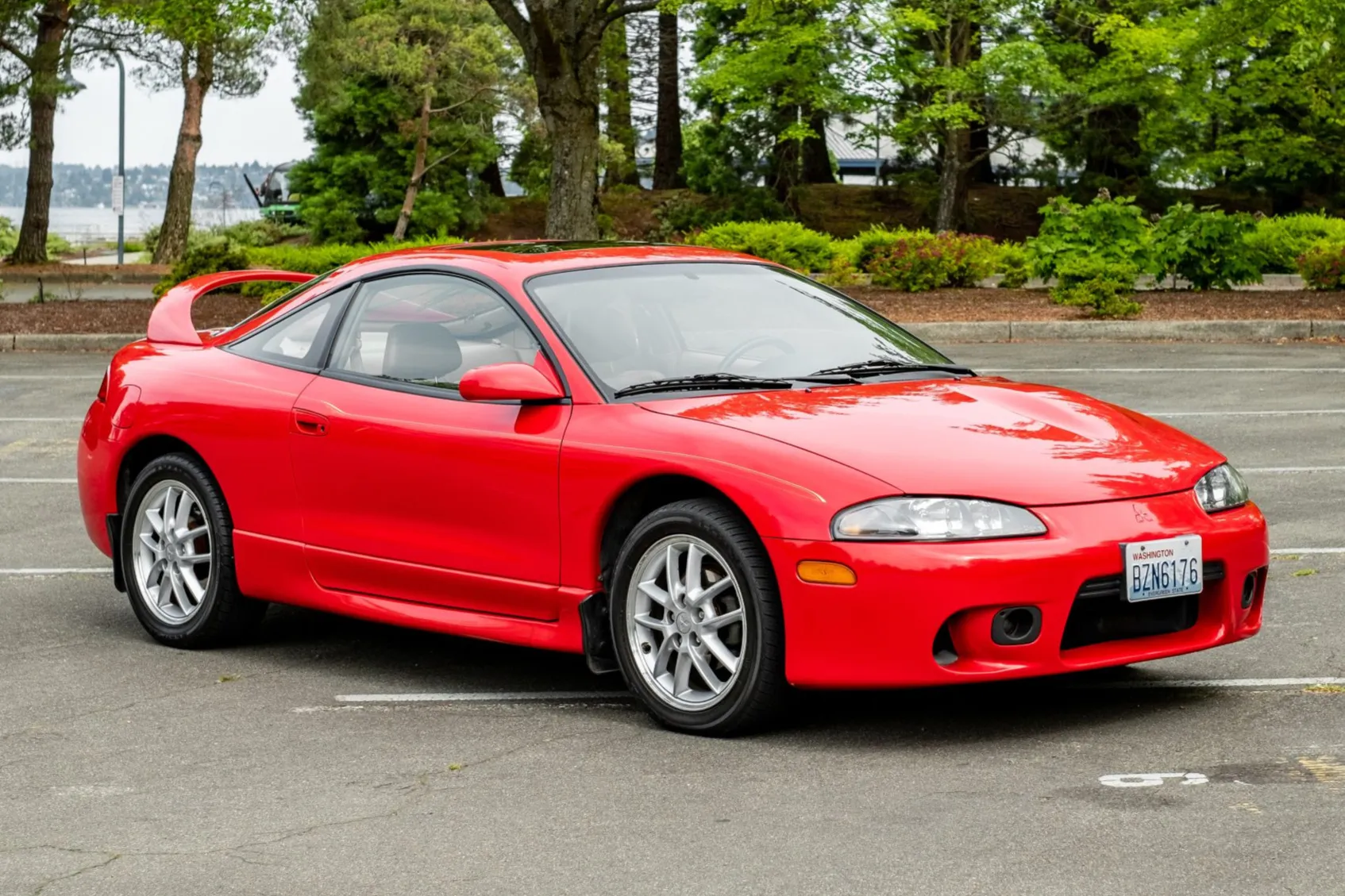
Mitsubishi Eclipse GSX (1995–1999)
The Mitsubishi Eclipse GSX, a turbocharged all-wheel drive version of the Eclipse, was a popular choice during the 1990s for drivers looking for a sporty coupe with rally-inspired performance.
Its combination of turbo power, all-wheel drive traction, and sleek styling made it an attractive option in the affordable sports car market.
Unfortunately, what looks like a bargain on paper often ends up costing owners much more than expected over time. The GSX’s complex drivetrain and age-related issues frequently result in costly repairs and maintenance headaches.
One of the primary areas of concern is the turbocharged 4G63 engine. While capable of impressive performance, it requires careful maintenance and can suffer from a variety of issues if neglected.
Turbo failure, head gasket problems, and timing belt wear are all common issues that can lead to expensive repairs.
Finding a GSX with a well-documented service history is critical because the engine can be fragile when abused or ignored. Additionally, replacement parts are becoming harder to find and more expensive as the car ages.
The all-wheel drive system adds another layer of complexity. Components like the transfer case, differentials, and driveshafts need regular attention and can wear out prematurely under spirited driving.
Repairing or rebuilding these parts can quickly escalate costs, especially if you’re chasing an aftermarket upgrade or have pushed the drivetrain beyond its limits.
Suspension and braking components, which are essential for the car’s dynamic abilities, also require regular replacement and upgrades, further increasing ownership expenses.
Beyond mechanical issues, the interior and electronics of the Eclipse GSX tend to age poorly. Electrical problems, worn-out switches, and deteriorated interior materials are common in older examples. Fixing or refurbishing these issues adds to the overall cost of ownership.
In sum, while the Mitsubishi Eclipse GSX delivers strong performance and distinctive styling, its complex drivetrain and aging components often place it in the category of a money pit for anyone who isn’t prepared for the upkeep.
