
When it comes to choosing an SUV, safety technology often plays a crucial role in decision-making. With advancements in automotive technology, modern SUVs come equipped with an array of features designed to protect passengers, prevent accidents, and provide peace of mind on the road.
These technologies include adaptive cruise control, automatic emergency braking, lane-keeping assist, blind-spot monitoring, and more. However, not all safety systems work equally well across different vehicles.
Some manufacturers have perfected these technologies to offer consistent and dependable performance, while others struggle with glitches that compromise their effectiveness and frustrate drivers.
In this article, we will look at ten SUVs categorized into two groups based on the reliability of their safety tech: five with trusted, reliable systems and five known for glitchy, problematic safety features.
Understanding these distinctions is vital for anyone considering purchasing an SUV because safety tech can influence not just convenience, but also life-or-death situations on the road.
Whether you are a cautious driver who wants the assurance that your vehicle’s systems will function correctly when needed or someone interested in the cutting-edge features of newer models, knowing which SUVs fall into these categories can guide your decision.
We begin by discussing five SUVs that have demonstrated consistent reliability in their safety systems. These vehicles have earned praise from owners and experts alike for their ability to deliver on promises such as accurate lane-keeping, timely emergency braking, and minimal false alarms.
Their technology integrates seamlessly with the driving experience, providing an extra layer of safety without unnecessary interruptions or frustrations.
Following that, we will examine five SUVs where the safety technology has been known to cause trouble. From erratic behavior of lane assist to sudden alerts for no apparent reason, these vehicles have garnered complaints and recalls due to their less-than-stellar performance.
These issues may not only reduce confidence in the safety features but also create dangerous distractions that could potentially lead to accidents.
By comparing both sides, this article aims to provide a comprehensive view of how safety tech can vary significantly in the SUV segment. Whether you prioritize peace of mind or want to be aware of the pitfalls, understanding these examples will help you make a more informed choice.
Also Read: 5 EVs With Excellent Battery Life and 5 With Costly Battery Replacements
5 SUVs With Reliable Safety Tech
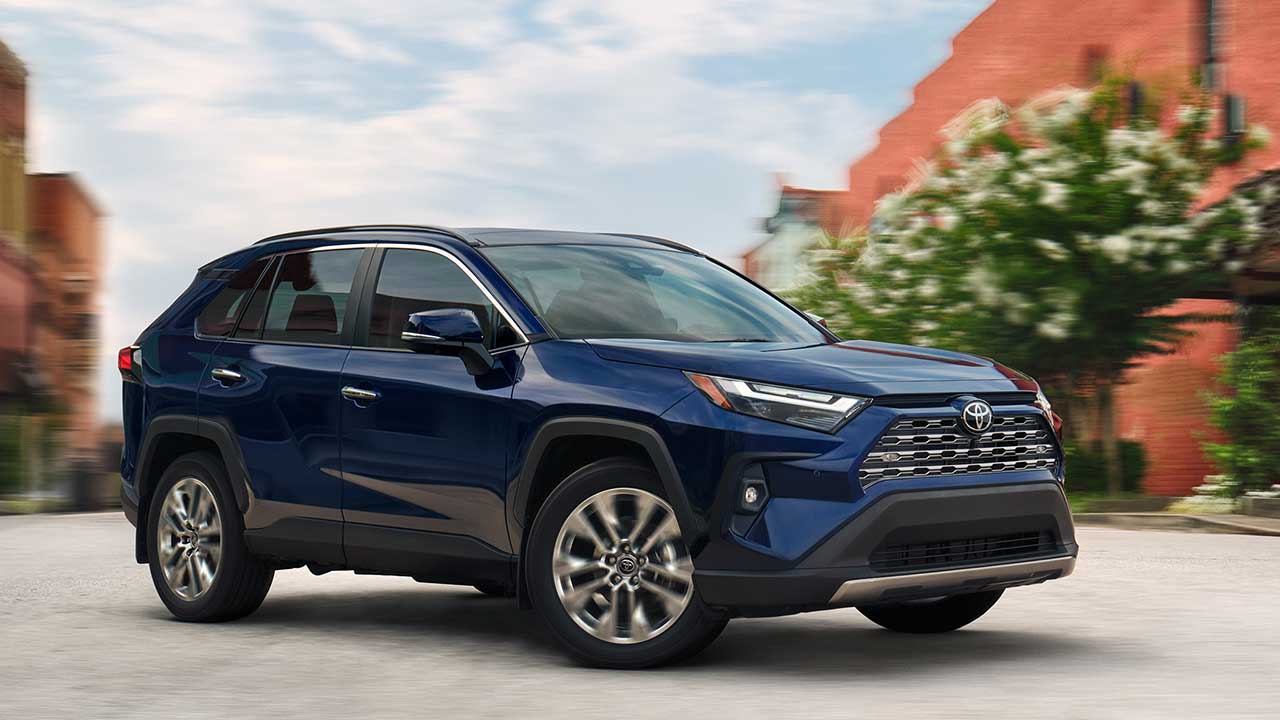
1. Toyota RAV4
The Toyota RAV4 is widely acknowledged for its combination of practical design, fuel efficiency, and, importantly, a strong safety profile. One of the biggest contributors to this reputation is Toyota’s Safety Sense suite, which is standard on nearly all trims.
This suite includes adaptive cruise control that doesn’t just maintain a set speed but actively adjusts to traffic flow, allowing for smoother highway driving with less driver fatigue.
The lane departure alert with steering assist gently nudges the steering wheel when the vehicle begins to drift out of its lane without signaling, enhancing driver awareness without being intrusive.
The pre-collision system with pedestrian detection goes beyond simply alerting the driver, it actively engages the brakes if necessary to avoid or mitigate collisions.
What truly sets the RAV4 apart is how these systems perform consistently, day after day, in a wide range of driving conditions.
Whether navigating through heavy city traffic or cruising on highways, Toyota’s technology rarely behaves unpredictably or creates false alarms, making it one of the most trustworthy safety packages in the compact SUV segment.
Beyond just the individual features, the integration of the safety suite in the RAV4 is designed with user experience in mind. The system’s alerts are delivered through intuitive visual and audible cues that drivers can quickly recognize without diverting attention from the road.
This careful attention to human factors reduces driver annoyance and fatigue, which is often a problem with less-refined safety systems.
Toyota’s engineering philosophy prioritizes reliability and long-term durability, which means that the Safety Sense features tend to remain functional and accurate even after years of use.
The seamless interaction between driver input and automated assistance allows the RAV4’s safety tech to feel like a natural extension of the driving process, rather than a frustrating barrier.
Another key strength of the RAV4’s safety technology is Toyota’s conservative approach to adopting new features. Rather than rushing to include every new gadget, Toyota often waits until the technology is fully mature and proven in real-world conditions.
This careful rollout helps avoid the glitches and bugs that sometimes plague newly introduced systems.
As a result, Toyota’s safety features tend to feel polished and reliable right from the start, giving owners confidence that their vehicle will perform well in emergencies.
The company’s regular updates and recalls, when necessary, also ensure that any issues are addressed promptly and comprehensively, further bolstering the system’s dependability.
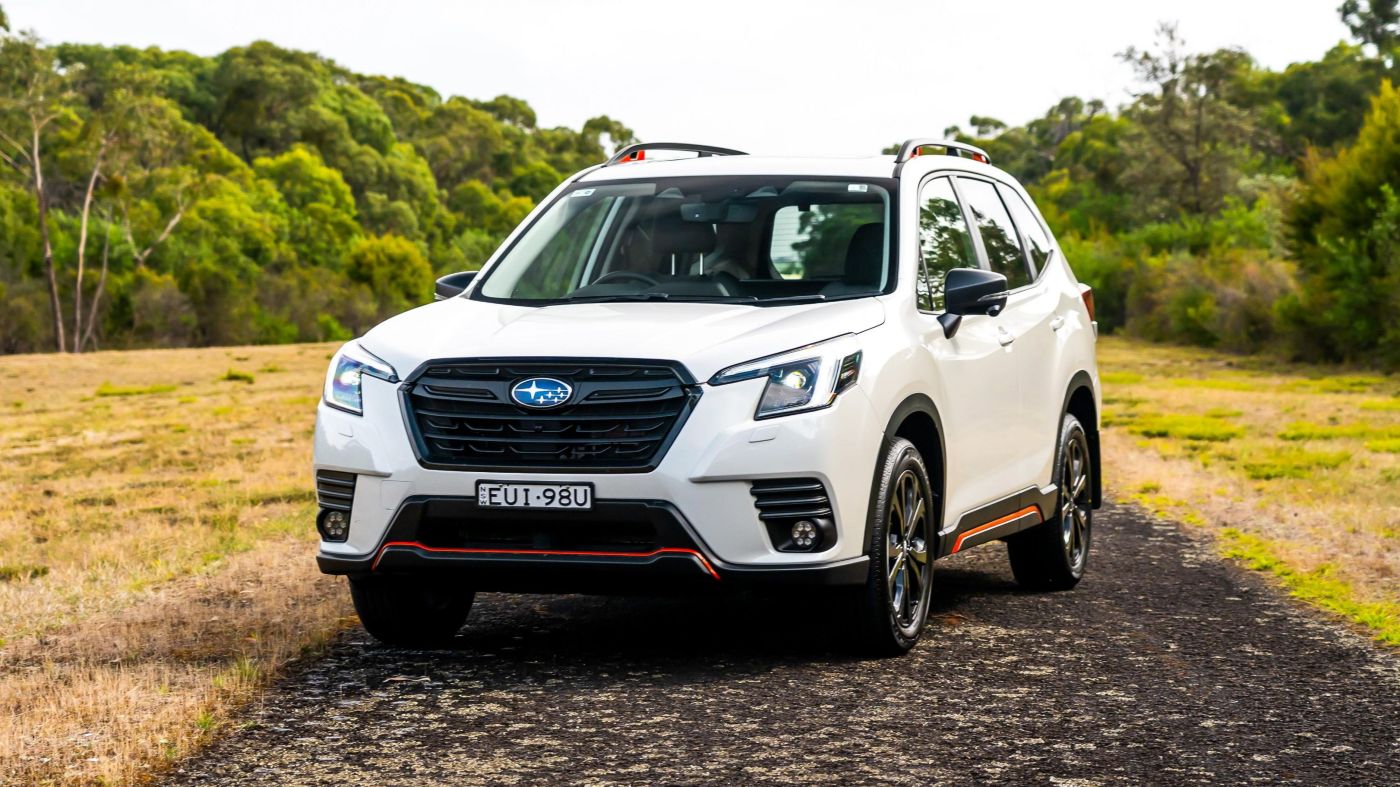
2. Subaru Forester
The Subaru Forester has earned a reputation not only for its rugged all-wheel-drive capability and spacious interior but also for its highly reliable safety technology.
Central to this is the Subaru Eyesight suite, which encompasses adaptive cruise control, lane keep assist, pre-collision braking, and throttle management to prevent sudden acceleration.
What makes Eyesight exceptional is the suite’s track record of consistent and predictable behavior, which translates into greater driver confidence.
Unlike systems that might suddenly disengage or behave erratically, Eyesight is designed to support the driver smoothly and intuitively, enhancing the sense of control even in challenging driving conditions like heavy traffic or winding rural roads.
A significant benefit of the Eyesight system lies in its advanced sensing capabilities. Utilizing stereo cameras mounted near the rearview mirror, it offers precise detection of vehicles, pedestrians, and lane markings.
This advanced visual processing allows the system to operate effectively even in low-light conditions or during inclement weather, where other sensors might struggle.
Adaptive cruise control in the Forester adjusts speed with subtle accelerations and decelerations that mirror human driving behavior, preventing the sudden stops and jerks common in less refined systems. This fluid response reduces driver stress and improves passenger comfort on longer journeys.
Subaru’s commitment to safety extends beyond the tech itself to how the systems interact with the driver. The alerts and warnings from Eyesight are designed to be unambiguous, featuring both visual cues on the dashboard and audible tones that prompt timely reactions.
Drivers are unlikely to become desensitized to these alerts because false alarms are infrequent. When the pre-collision braking system activates, it does so decisively, helping to prevent accidents or reduce the severity of impacts.
This responsiveness has been validated by independent safety organizations, reinforcing Subaru’s leadership in this space.
In addition to Eyesight, the Forester commonly includes blind-spot detection and rear cross-traffic alert, which provide extra layers of protection during lane changes and backing maneuvers. These systems enhance situational awareness without overwhelming the driver with constant notifications.
The design philosophy prioritizes assisting the driver without replacing them, maintaining a balance between automation and human judgment.
This approach results in a safety tech experience that feels supportive and trustworthy, making the Subaru Forester a standout for those seeking an SUV with reliable and mature safety technology.
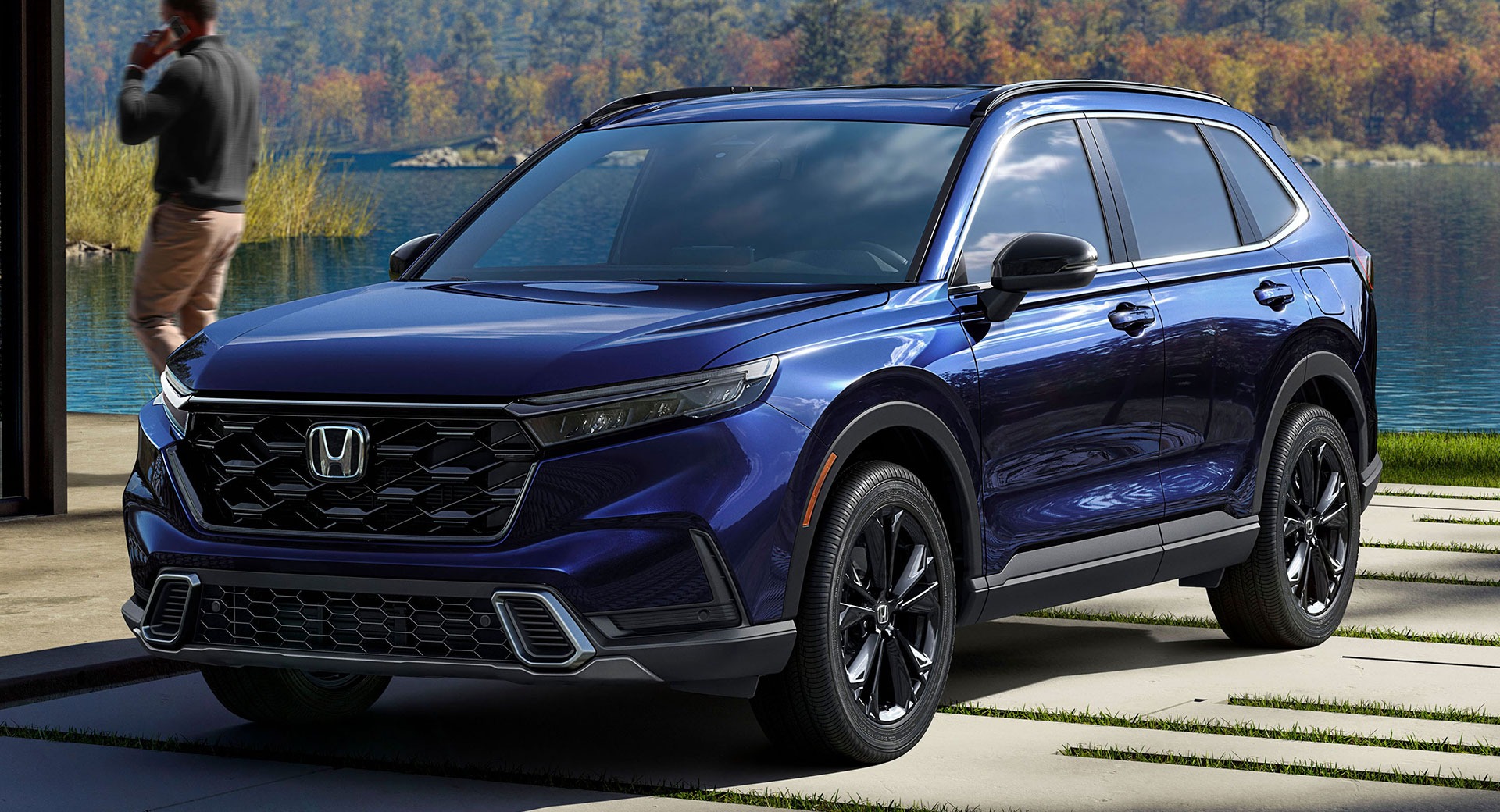
3. Honda CR-V
The Honda CR-V is recognized for its well-rounded nature, offering a comfortable ride, strong fuel economy, and a safety technology package that is both comprehensive and dependable.
The Honda Sensing suite available on most trims combines adaptive cruise control, collision mitigation braking, lane-keeping assist, and road departure mitigation into a cohesive system that enhances driver awareness and control.
One of the CR-V’s key advantages is how these features work harmoniously rather than as separate, isolated functions.
For example, adaptive cruise control maintains a safe following distance on highways by smoothly adjusting speed based on traffic flow, while lane-keeping assist makes subtle steering corrections to keep the vehicle centered in its lane.
This integration helps create a driving experience that feels less like a set of robotic interventions and more like thoughtful support.
The collision mitigation braking system in the CR-V is highly regarded for its timely and effective responses. When the system detects a potential frontal collision with a vehicle or pedestrian, it alerts the driver first and then applies brakes if necessary.
This graduated approach avoids unnecessary harsh braking, reducing the risk of causing accidents due to abrupt stops. Drivers report that false alarms are rare, which increases their confidence in allowing the system to intervene when needed.
Similarly, road departure mitigation alerts the driver when the vehicle veers off the road or crosses lane markings without signaling, with both audible warnings and light steering input. These features help prevent common types of accidents caused by distraction or drowsiness.
Honda’s commitment to safety extends to user-friendliness, with controls for the safety suite integrated intuitively into the dashboard and steering wheel. Drivers can easily activate or deactivate features and receive clear feedback on their status.
The alerts are designed to catch the driver’s attention without overwhelming them, which helps maintain focus and reduce fatigue over long trips.
Moreover, the CR-V’s solid structural design and favorable crash test ratings complement its active safety tech, providing both preventative and passive protection.
Additional features such as blind-spot monitoring and rear cross-traffic alert further enhance safety during lane changes and parking maneuvers. These systems help reduce blind spots and provide timely warnings when crossing traffic is detected behind the vehicle.
By combining reliable active safety tech with a strong safety structure, the Honda CR-V offers a balanced approach that appeals to a wide range of drivers seeking both comfort and security.
4. Mazda CX-5
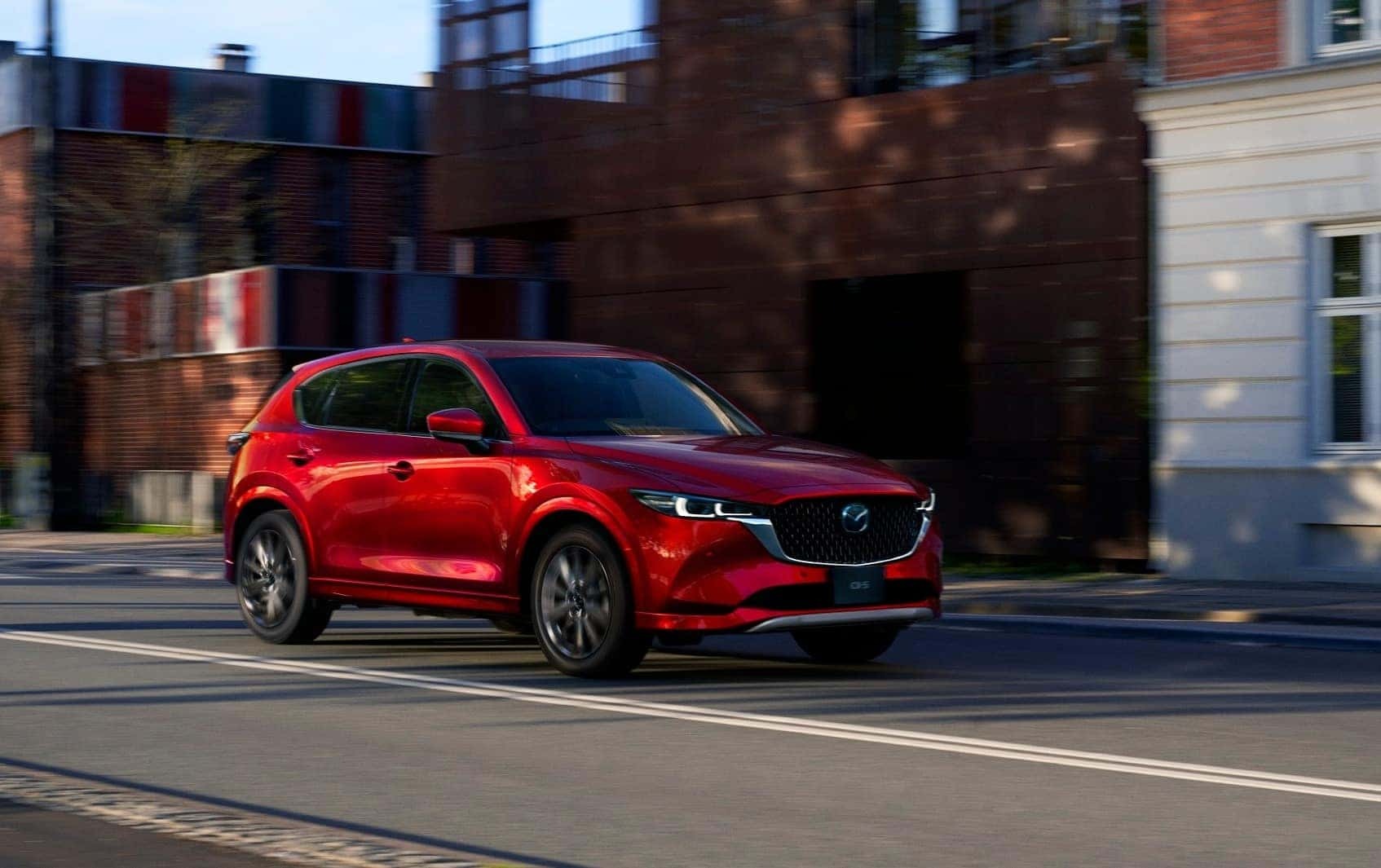
The Mazda CX-5 has gained a strong following due to its sporty handling, upscale interior, and a safety technology suite that performs consistently well under various driving conditions.
The i-Activsense system, standard or optional on many trims, includes adaptive cruise control with stop-and-go functionality, lane departure warning coupled with lane keep assist, and smart brake support.
What distinguishes the CX-5 is Mazda’s attention to the driver’s experience, making the safety features feel natural and unobtrusive.
Adaptive cruise control adjusts speed smoothly in response to traffic, reducing the stop-start jolts that plague many other systems, while lane keep assist gently guides the vehicle back to the center of the lane without abrupt movements.
Smart brake support is particularly effective in the CX-5, engaging with measured pressure to slow the vehicle when an imminent collision is detected.
Unlike systems that brake harshly or activate without sufficient cause, Mazda’s system minimizes false positives, which helps drivers maintain trust in the technology.
The responsiveness of smart brake support can make the difference in tight city driving situations where quick reactions are necessary, or on highways where fast-moving traffic demands precise control.
The i-Activsense system also includes additional driver aids like blind-spot monitoring and rear cross-traffic alert. These features enhance awareness during lane changes and backing up, where visibility is often limited.
The system’s alerts are delivered through a well-designed interface that balances clear warnings with minimal distraction, allowing drivers to focus on the road ahead.
Mazda’s dedication to refinement extends to ongoing software updates and calibration improvements, which help maintain system reliability and keep the technology current without compromising safety.
By blending performance, aesthetics, and dependable safety tech, the CX-5 offers an appealing package for drivers who want both excitement and reassurance on the road.
5. Ford Escape
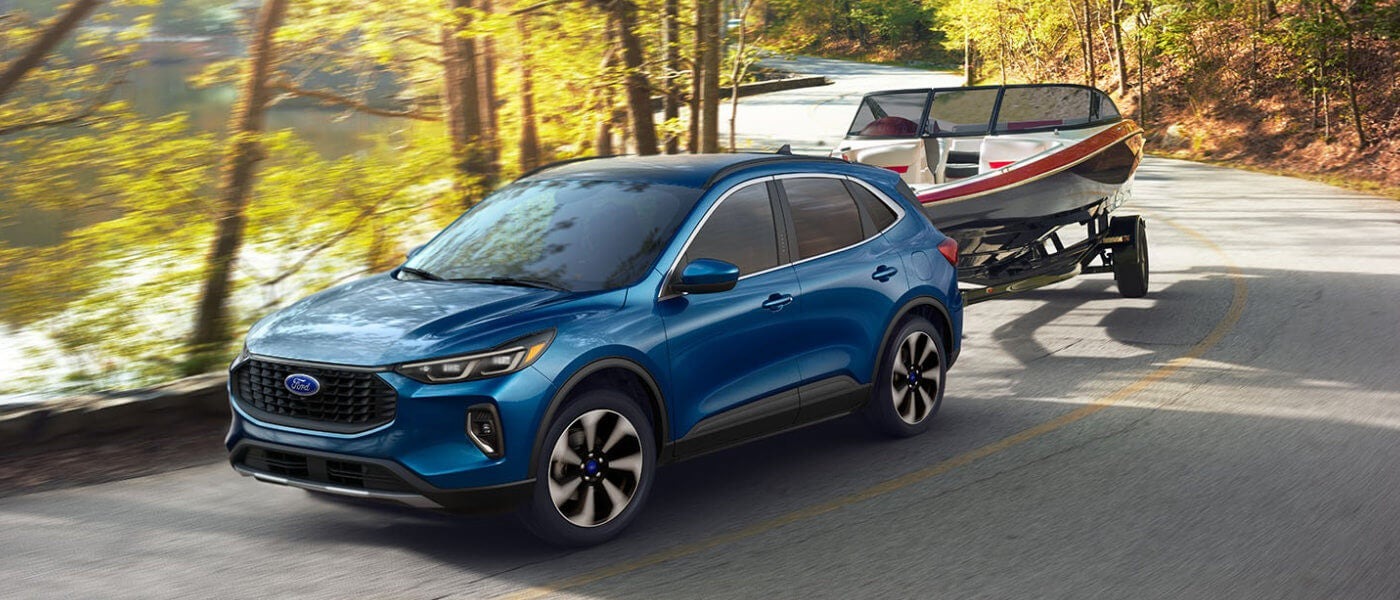
The Ford Escape’s Co-Pilot360 safety suite is for its wide availability and reliable performance across many trims.
This comprehensive package features adaptive cruise control with stop-and-go capability, lane-keeping assistance, pre-collision assist with automatic emergency braking, blind-spot information system, and rear cross-traffic alert.
What sets the Escape apart is how these technologies are tuned to provide consistent and intuitive support in various driving scenarios.
Adaptive cruise control reacts smoothly to changes in traffic speed, maintaining safe distances without sudden braking or acceleration, which enhances comfort on highways and in stop-and-go traffic.
The lane-keeping system in the Escape is designed to offer firm yet non-intrusive corrections, keeping the vehicle centered in its lane during long highway stretches. Drivers find that this system helps reduce fatigue by easing the burden of constant steering input, especially on monotonous drives.
The pre-collision assist system is capable of detecting pedestrians, cyclists, and vehicles, applying brakes proactively to avoid or lessen the impact of a collision. It is calibrated to minimize false alerts, which helps preserve driver trust and reduces unnecessary interventions.
Blind-spot information and rear cross-traffic alert systems enhance the Escape’s situational awareness during lane changes and parking maneuvers. The clear visual and audible alerts enable safer decision-making in congested or complex environments.
Ford’s user interface is designed to be intuitive, allowing drivers to manage and customize these features without distraction, supporting a safer driving experience.
The reliability of the safety tech is reflected in positive owner feedback and safety ratings, showing that Ford’s systems can handle the demands of everyday driving.
The company’s ongoing commitment to refining these technologies means that newer models continue to offer improved performance and added features. For buyers looking for a compact SUV with dependable, advanced safety technology, the Ford Escape offers a compelling combination of innovation and reliability.
Also Read: 9 EVs Already Proving Reliability Beyond 100K Miles
5 SUVs With Glitchy Safety Systems
1. Jeep Grand Cherokee
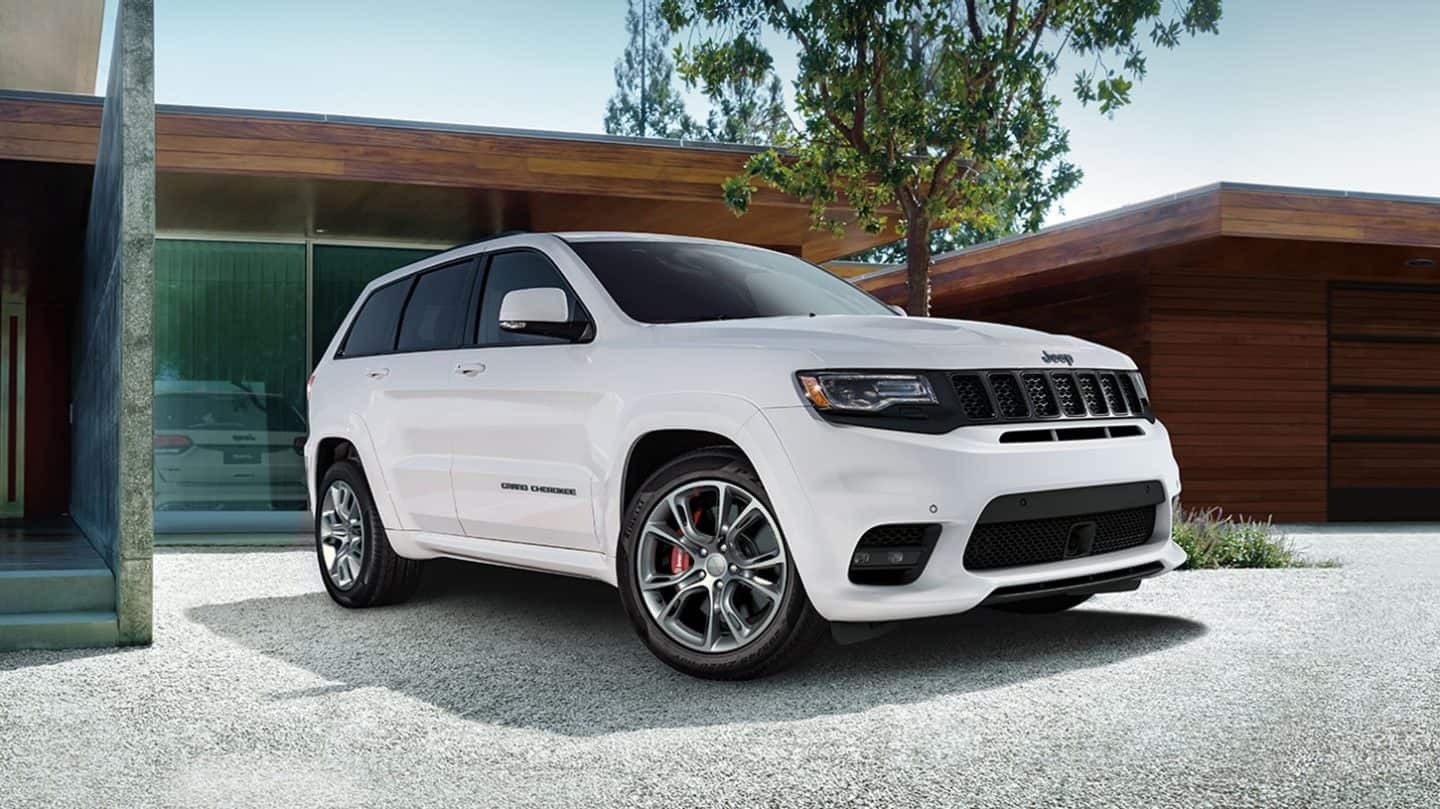
The Jeep Grand Cherokee is a popular SUV known for its off-road prowess and luxurious interior, but its safety technology has often been a source of frustration for drivers.
Despite offering a range of advanced safety features, the Grand Cherokee’s systems sometimes exhibit inconsistent performance that can undermine driver confidence.
Adaptive cruise control, for instance, has been reported to abruptly disengage or behave unpredictably in certain traffic conditions, forcing drivers to manually intervene more often than expected.
This inconsistent behavior can be particularly stressful on highways where drivers rely heavily on adaptive cruise control to reduce fatigue during long trips.
Moreover, lane-keeping assist sometimes struggles to accurately detect lane markings, especially on roads with faded lines or during poor weather conditions, leading to sudden or unnecessary steering corrections.
One of the reasons for these issues is the complex sensor setup on the Grand Cherokee, which relies on a combination of radar and cameras that occasionally conflict in their readings. When sensor data isn’t perfectly synchronized, the system can hesitate or send conflicting signals to the vehicle’s controls.
This results in jerky braking or acceleration, and sometimes false alerts that annoy drivers. The lack of smooth interaction between the various components can also cause drivers to question whether the system is actually helping or hindering safety.
In some cases, owners have reported that the system fails to recognize pedestrians or cyclists reliably, which is a serious concern for an SUV expected to perform well both on and off the road.
The user interface for the Grand Cherokee’s safety suite has also been criticized for being less intuitive compared to competitors. Drivers have to navigate multiple menus and settings to activate or adjust features, which can be distracting, especially when quick changes are needed during driving.
This complexity, combined with glitchy performance, can discourage drivers from fully trusting or using the available safety technologies.
Additionally, software updates that aim to fix bugs are often slow to be released, or when they do arrive, they do not always resolve the issues entirely. This lag in addressing problems prolongs driver frustration and can negatively impact the vehicle’s safety reputation.
Despite Jeep’s reputation for rugged capability, the safety tech in the Grand Cherokee feels like an afterthought in some respects. The company’s focus on off-road features and styling sometimes appears to overshadow the refinement of driver-assist technologies.
While the hardware is present, the inconsistent and glitchy software execution detracts from the safety experience. For drivers who prioritize reliable, seamless safety tech, the Grand Cherokee’s systems can be a source of disappointment and anxiety, requiring them to remain constantly vigilant and ready to override automated interventions.
2. Nissan Rogue
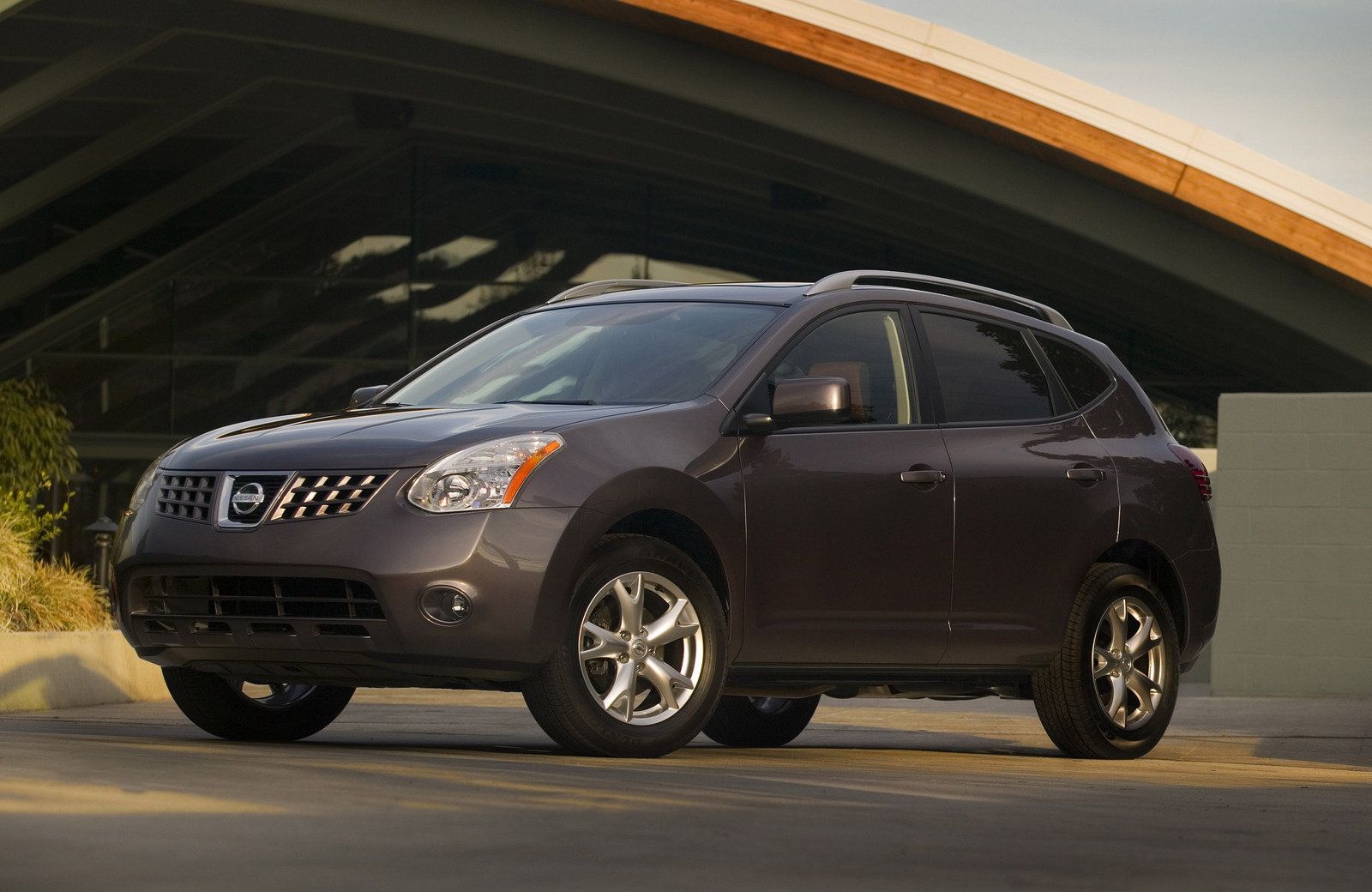
The Nissan Rogue has made strides in recent years with its ProPILOT Assist system, designed to offer semi-autonomous driving assistance such as adaptive cruise control and lane-keeping.
However, many users have reported that the system suffers from occasional glitches that can make it unreliable, particularly in stop-and-go traffic or during complex urban driving.
For example, the adaptive cruise control sometimes abruptly accelerates or decelerates without a clear reason, creating a jerky driving experience that can startle passengers.
Lane-keeping assist, while generally helpful on well-marked highways, often disengages unexpectedly when road markings are faint or when encountering curves, forcing drivers to quickly regain control.
The root of these issues often lies in the sensors and software that support ProPILOT Assist. The system depends heavily on cameras and radar, but the algorithms interpreting this data can misread environmental cues, such as shadows, construction zones, or unusual lane patterns.
When this happens, the system may issue false warnings or take incorrect actions, which can erode driver trust. Additionally, the vehicle’s ability to detect other road users, especially pedestrians and cyclists, is sometimes inconsistent.
This inconsistency undermines the system’s goal of enhancing safety and can lead drivers to rely more on manual control rather than assistance features.
Another area where the Nissan Rogue’s safety tech falls short is in its user interface and responsiveness. Drivers report that the alerts can be intrusive or unclear, and some features require multiple button presses to activate or deactivate, which can be distracting.
The feedback from the system does not always align with what the driver expects, leading to confusion during critical moments.
Furthermore, the software updates intended to improve the ProPILOT system are not always timely or comprehensive, meaning known issues linger for extended periods. This slow improvement cycle diminishes the user experience and contributes to frustration.
Despite these problems, Nissan continues to market the Rogue as a tech-savvy SUV with a strong safety focus, but real-world experiences highlight the challenges in delivering glitch-free semi-autonomous systems.
For buyers who depend heavily on driver assistance technology, the Rogue’s inconsistent safety features may be a drawback, requiring them to stay alert and ready to intervene at all times.
Until Nissan can iron out the software kinks and improve sensor reliability, the Rogue’s safety tech will remain a mixed bag, impressive on paper but flawed in practice.
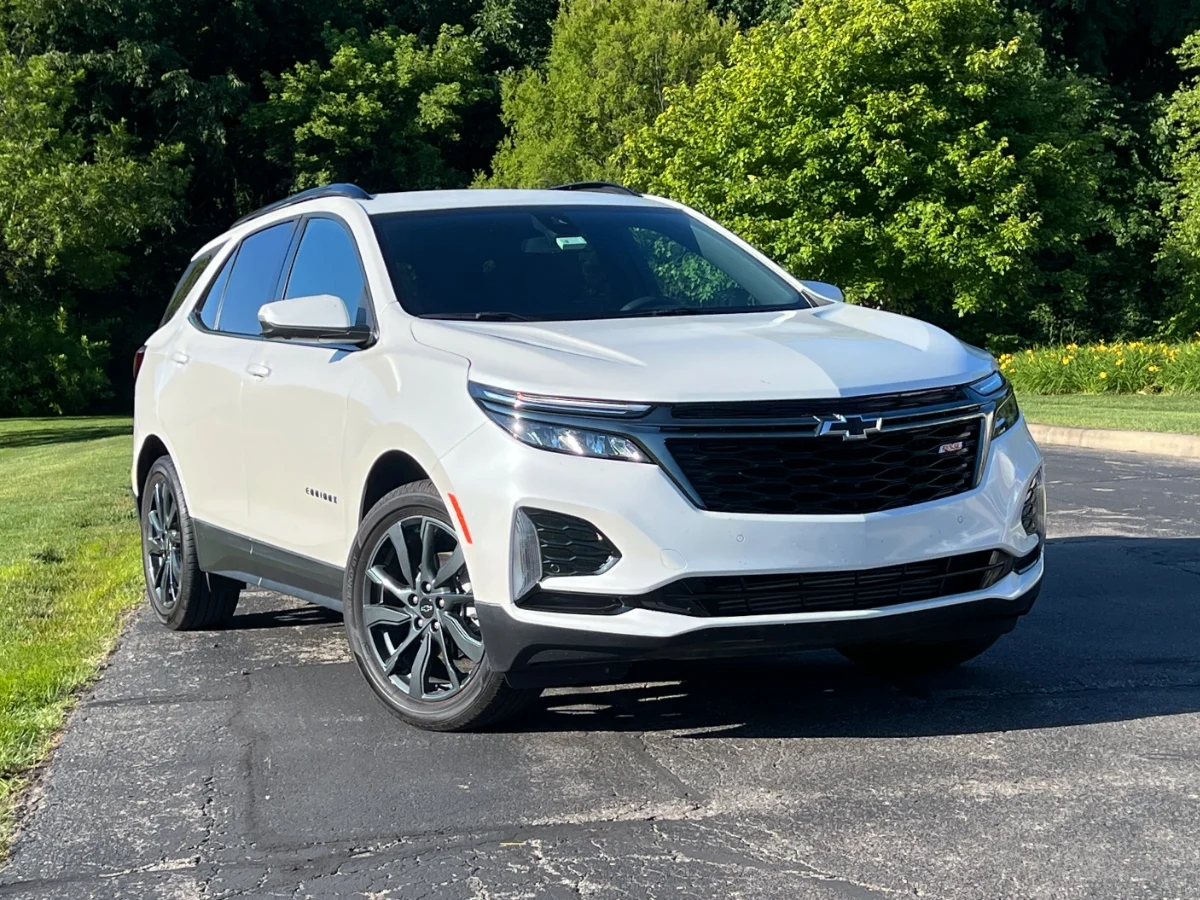
3. Chevrolet Equinox
The Chevrolet Equinox includes a variety of active safety features intended to reduce driver stress and improve accident avoidance, such as automatic emergency braking, lane keep assist, and adaptive cruise control.
However, the real-world performance of these systems has sometimes been less than smooth, with multiple reports of erratic or glitchy behavior.
One common complaint involves the adaptive cruise control frequently activating and deactivating without clear cause, which can create an unpredictable driving experience on highways.
This stop-start behavior makes it difficult for drivers to rely fully on the system during long commutes or road trips. Lane keep assist on the Equinox can also be problematic, with drivers reporting that it occasionally steers the vehicle too aggressively or fails to activate when needed.
This inconsistency often occurs on roads where lane markings are faded or irregular, or when the system encounters shadows or debris on the pavement.
The unpredictable nature of lane keep assist means drivers must remain constantly alert and ready to override the system, reducing the convenience and safety benefits that such technology should provide. Additionally, false alerts from automatic emergency braking can be frequent, such as braking for objects that are not actual hazards, which can startle drivers and disrupt traffic flow.
The software interface that controls these safety features has drawn criticism for being less intuitive and sometimes sluggish. Drivers have noted delays in the system’s responses and occasional difficulty in customizing settings.
This lack of responsiveness can be distracting and may discourage full utilization of the available safety technologies. Moreover, software updates aimed at improving system performance have been slow to arrive, and even when released, some bugs persist, frustrating owners who expect a higher level of reliability.
Chevrolet’s focus on making the Equinox competitive in terms of features sometimes appears to come at the cost of perfecting the technology behind them. The safety systems feel like they were rushed to market without sufficient refinement, leading to uneven performance.
For drivers who want confidence in their vehicle’s active safety tech, the Equinox’s glitchy behavior can undermine that confidence, necessitating a more cautious and attentive driving style. Until these issues are fully addressed, the Equinox’s safety systems fall short of expectations.
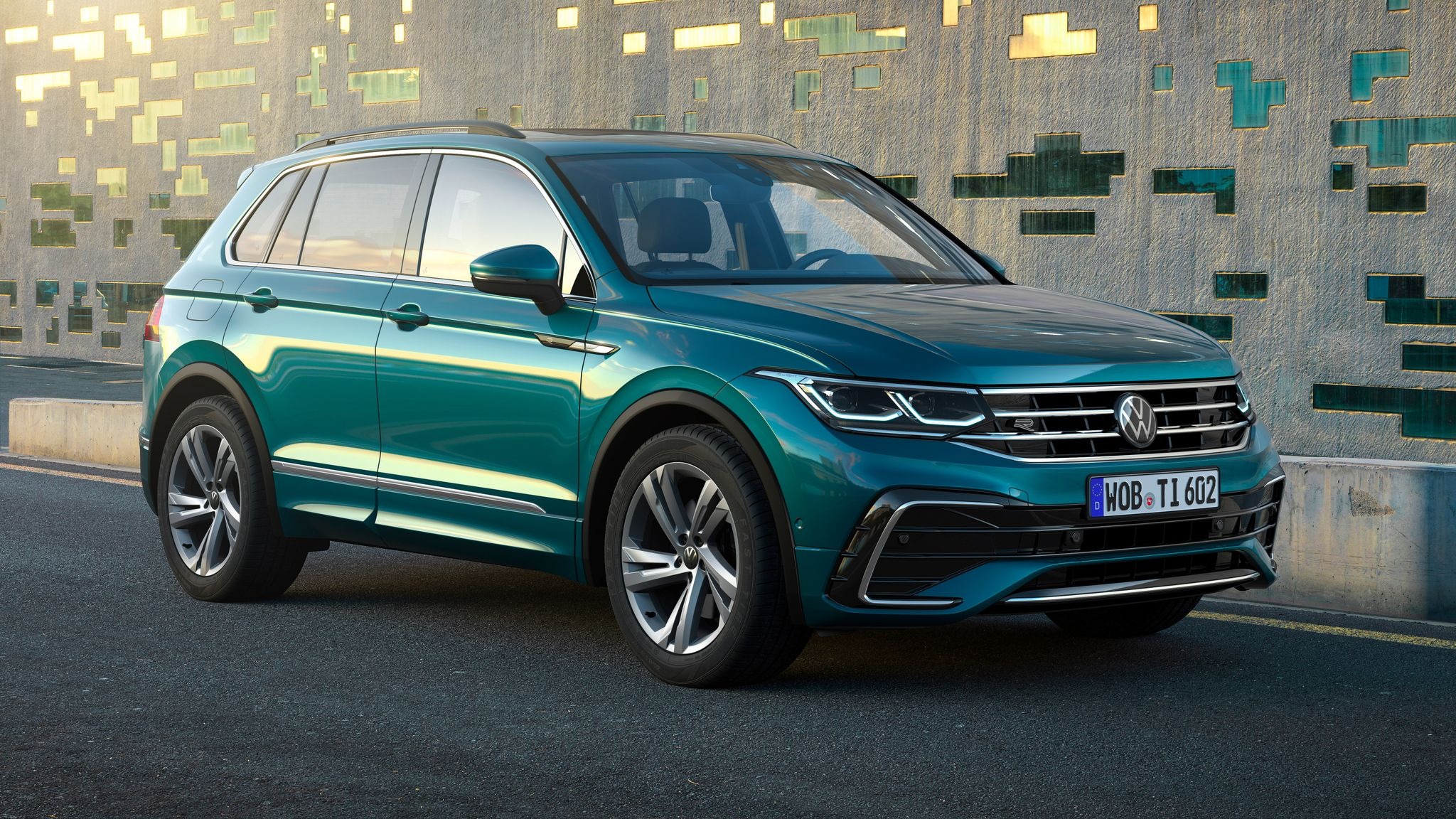
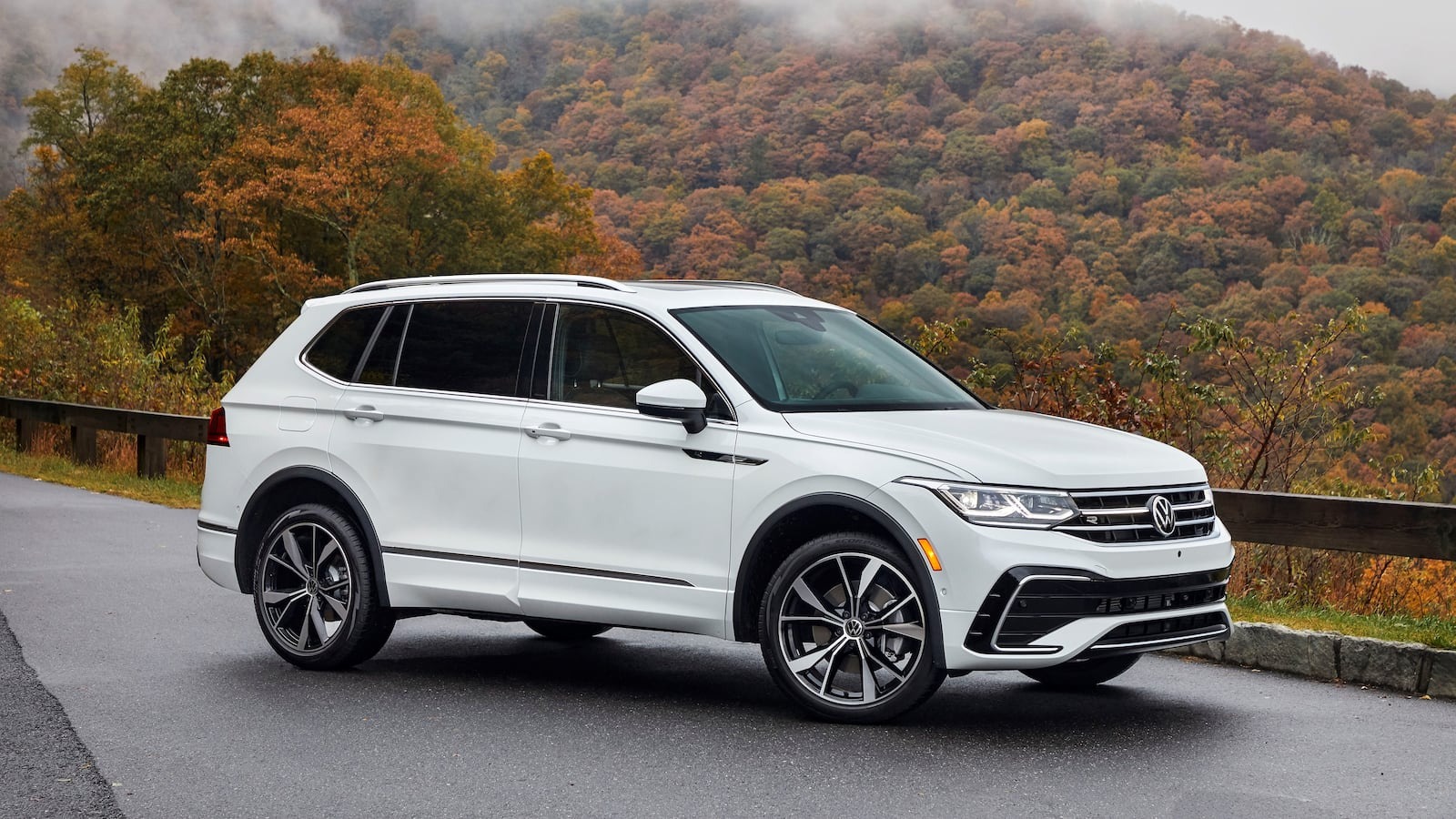
4. Volkswagen Tiguan
Volkswagen’s Tiguan offers a suite of driver assistance features intended to enhance safety, including adaptive cruise control, lane assist, and emergency braking. However, these systems have occasionally been criticized for inconsistency and glitches that affect reliability.
Adaptive cruise control, while generally functional, sometimes struggles in traffic conditions involving frequent stops or complex merges. This can cause sudden and unexpected braking or acceleration, which unsettles drivers and passengers alike.
Lane assist has also been reported to misinterpret road markings, particularly in construction zones or areas with unclear lane delineation, resulting in sudden steering corrections or disengagements that require immediate driver attention.
The sensor fusion system in the Tiguan, which integrates radar, cameras, and ultrasonic sensors, sometimes experiences data conflicts or misreads environmental conditions.
This results in false positives or missed detections, especially with pedestrians and cyclists, raising concerns about the system’s ability to provide dependable collision avoidance. Drivers often express frustration that the system does not always behave predictably, which can detract from the feeling of safety the features are meant to instill.
User interface challenges also affect the Tiguan’s safety technology experience. The alerts can be overly sensitive or insufficiently informative, leaving drivers uncertain about the system’s status or the appropriate response.
Controls for activating and adjusting safety features are not always intuitive, requiring drivers to divert attention from the road to navigate menus.
Additionally, software updates addressing these problems have been slow or incomplete, allowing glitches to persist and frustrate owners.
Volkswagen’s reputation for engineering excellence does not always extend to the Tiguan’s safety technology, which feels somewhat unpolished compared to rivals.
The company’s efforts to integrate advanced driver aids are evident, but the inconsistent execution means that drivers cannot fully rely on these features without staying prepared to intervene.
For potential Tiguan buyers who prioritize seamless and reliable safety tech, these glitches could be a significant drawback, limiting the appeal of the vehicle.
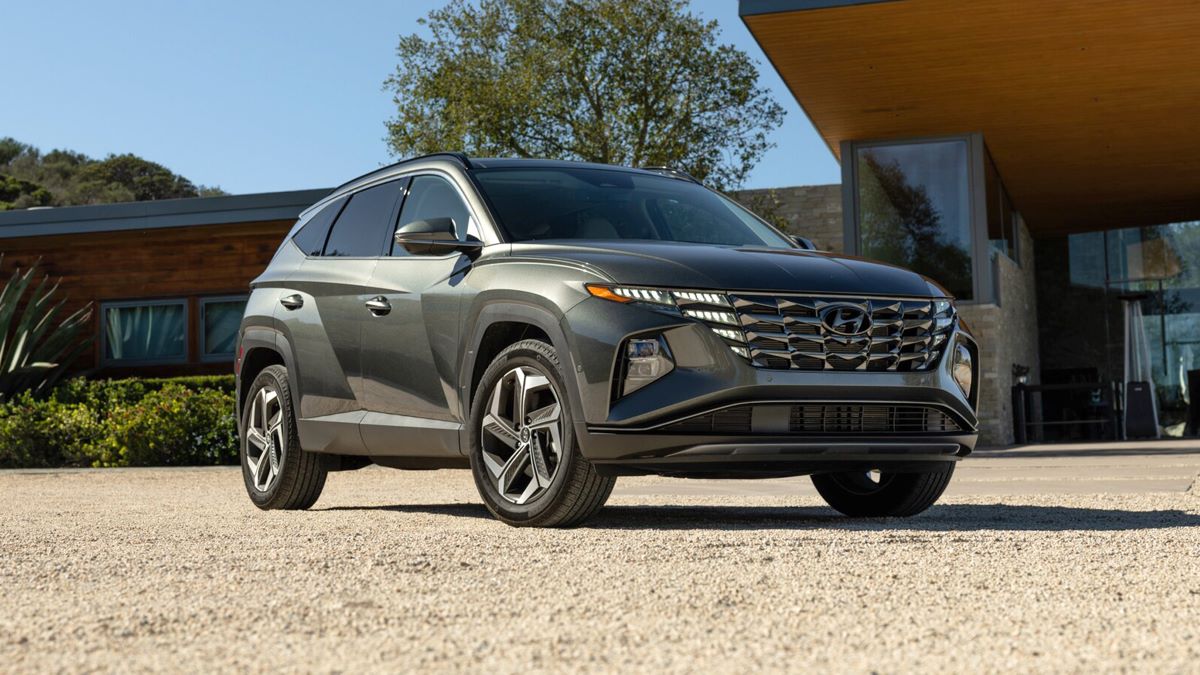
5. Hyundai Tucson
The Hyundai Tucson offers an extensive array of safety features, including forward collision avoidance, blind-spot detection, lane following assist, and adaptive cruise control. Despite these impressive specifications, some drivers report issues with the system’s responsiveness and reliability.
Adaptive cruise control in the Tucson has been known to occasionally apply braking unexpectedly or fail to resume speed smoothly after stopping, especially in stop-and-go traffic.
These glitches can be unsettling and diminish the perceived usefulness of the system in everyday driving scenarios. Lane following assist can also behave erratically, sometimes failing to detect lane markings correctly or making sudden corrections that surprise the driver.
One factor contributing to these glitches is Tucson’s reliance on camera-based lane detection, which can be sensitive to environmental conditions such as rain, glare, or poorly marked roads.
When the system misinterprets visual input, it can disengage abruptly or issue warnings without clear cause, creating confusion and reducing trust.
Furthermore, the adaptive cruise control’s radar sensor occasionally misjudges distances or speeds of other vehicles, leading to inconsistent speed adjustments that require driver intervention.
The user interface and alert system for Tucson’s safety tech also have room for improvement. Drivers sometimes report unclear or overly sensitive warnings that make it difficult to understand when and why the system is acting.
Adjusting settings can be cumbersome, involving multiple steps that distract from driving. Hyundai’s updates to fix these glitches have been gradual, with some problems persisting across model years, frustrating owners who expect a more seamless experience.
While the Tucson offers a strong package of active safety features on paper, the reality of dealing with glitchy systems can detract from the vehicle’s safety appeal.
Buyers looking for reliable and hassle-free driver assistance tech may find themselves frequently needing to override or disable certain functions.
Until Hyundai refines these systems and improves their consistency, the Tucson’s safety technology remains a work in progress rather than a fully dependable solution.
