
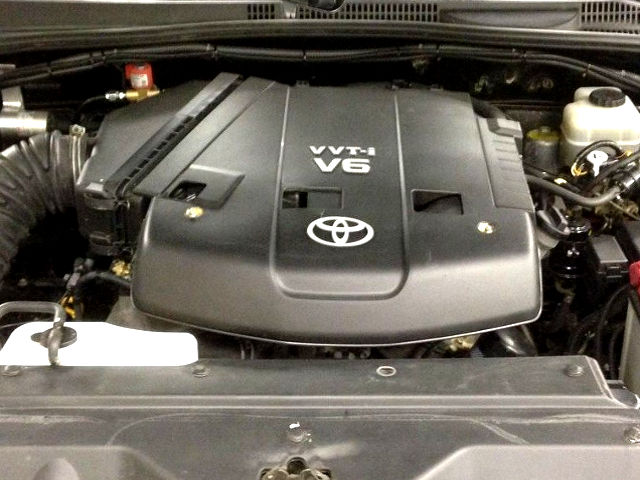
When it comes to the heart of any vehicle, few things matter more than the engine. For many car owners, especially those who drive daily or depend on their vehicle for work or travel, reliability isn’t just a preference; it’s a necessity.
Some engines earn legendary status not by being the fastest or most powerful, but by doing what they’re supposed to do without fail: start up every morning, run smoothly, and last for hundreds of thousands of miles with only routine care.
These are engines that don’t ask for attention, don’t come with a list of quirks, and don’t surprise you with unexpected repairs. They just work.
Automakers sometimes strike gold with certain engine designs, creating powerplants that are so robust and dependable, they develop a loyal following among drivers, mechanics, and enthusiasts alike.
These engines are the kind that get swapped into project cars, passed down through generations of vehicles, or simply kept running long after the car’s body starts to show its age.
They represent the ideal of engineering simplicity and practical performance. What makes them special isn’t groundbreaking technology or futuristic design; it’s their balance of good materials, smart engineering, and proven longevity.
These engines are often overbuilt, meaning they can take more abuse than most people ever dish out. They tolerate poor maintenance, extreme weather, and tough driving conditions without flinching.
In many cases, they’re found in vehicles that rack up 200,000 miles or more with minimal drama. You won’t hear their owners complain about engine problems, because there usually aren’t any.
Whether it’s the inline-fours known for frugality or big V8s that run like clockwork, these engines earn their place through years of dependable service.
This list brings together a dozen of the best, each known for being virtually bulletproof. They may not all be glamorous, but they get the job done and they keep doing it, year after year.
Also Read: 12 Fixes That Extend a Hyundai Sonata’s Engine Life
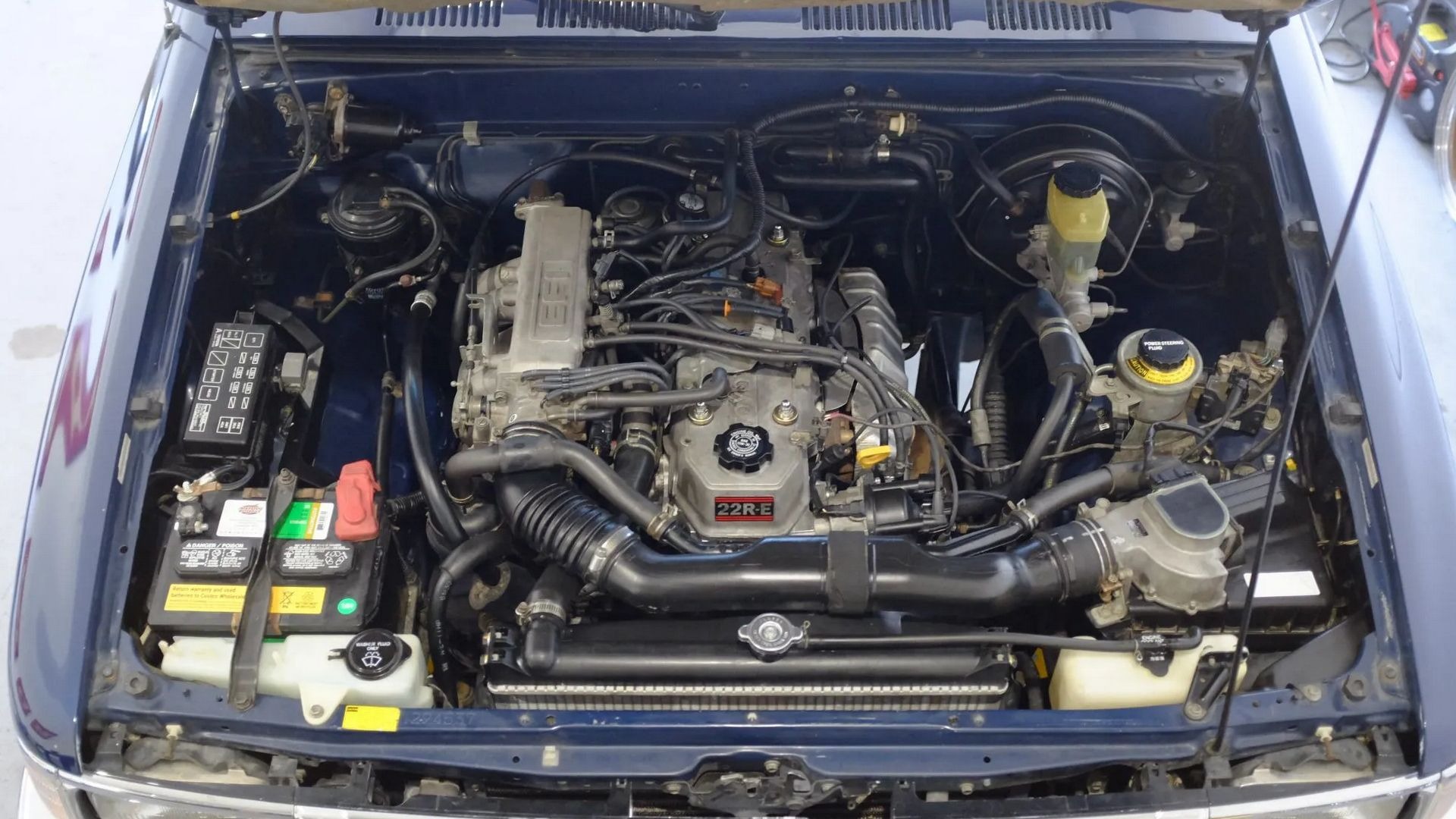
1. Toyota 1NZ-FE (1.5L Inline-4)
The Toyota 1NZ-FE is a 1.5-liter inline-4 engine that has powered a range of small cars like the Yaris, Vios, and Echo. It’s not the kind of engine that makes headlines for power or speed, but what it lacks in excitement, it more than makes up for in dependability.
Owners routinely praise this engine for its smooth operation, great fuel economy, and near absence of mechanical issues over the life of the vehicle. Whether used in city driving or long-distance commuting, it maintains performance with minimal fuss.
One of the reasons for the 1NZ-FE’s long life is its simple design. It uses a timing chain instead of a belt, reducing long-term maintenance costs and concerns. It’s also equipped with Toyota’s VVT-i system, which improves fuel efficiency and engine response without adding complexity.
There are no turbos to worry about, no direct injection systems to clog, and no elaborate electronics that tend to go bad with age. This makes it easy to maintain and forgiving if neglected from time to time.
Another key strength of the 1NZ-FE is its versatility. It performs well in hot and cold climates, handles various grades of fuel without complaint, and resists the wear and tear that ruins lesser engines over time.
Even at high mileage, these engines tend to run smoothly without burning oil or developing unusual noises. It’s common to find 1NZ-FE engines still going strong at 250,000 miles or more, especially when oil changes and basic maintenance are done regularly.
Mechanics and fleet operators often recommend this engine because they rarely have to touch it. Parts are widely available and inexpensive, and repairs, when needed, are straightforward.
That’s part of what makes the 1NZ-FE such a trusted choice for taxis, budget-conscious drivers, and anyone who values function over flair. It might not turn heads, but it’s a textbook case of reliable engineering done right.
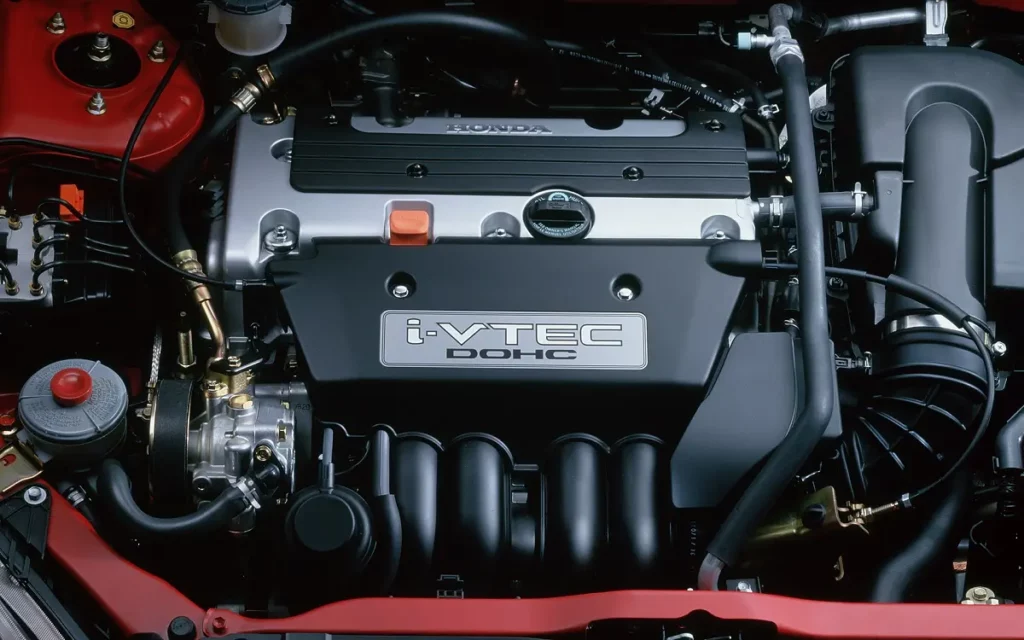
2. Honda K20 (2.0L Inline-4)
The Honda K20 engine is one of those rare combinations of performance and durability that makes it beloved across a wide range of drivers. Found in everything from the Civic Si to the Accord and even the CR-V, this 2.0-liter inline-4 has proven to be both incredibly strong and surprisingly low-maintenance.
Honda’s engineering focus on balance and efficiency is on full display here. While many associate the K20 with high-revving performance, its real achievement is how effortlessly it keeps running under almost any conditions.
What separates the K20 from other engines is its robust construction. It features a DOHC layout with i-VTEC technology that provides both efficiency and performance, depending on how it’s driven. Yet despite these advancements, the K20 avoids the pitfalls of over-complication.
The internals are strong enough to handle spirited driving without wearing out prematurely. It’s also known for having excellent oil control, which means fewer issues related to sludge or excessive consumption even at higher mileages.
Many drivers report pushing K20 engines past 200,000 miles with only routine oil changes and regular maintenance. There’s rarely a need to worry about timing chain failures or overheating, provided the cooling system is maintained.
Unlike some other performance-oriented engines, the K20 doesn’t demand special treatment. It happily hums along whether it’s in a family sedan or a modified track car. That dual-purpose nature is part of its charm, reliable in traffic, but responsive when pushed.
For tuners and enthusiasts, the K20 offers another level of appeal. Its strong aftermarket support and tuning potential mean it’s often used in engine swaps and builds that still prioritize longevity. Yet even in stock form, it’s one of the most dependable engines Honda has ever made.
Whether you’re a daily commuter or a weekend autocrosser, this engine can handle it all without turning into a maintenance nightmare.
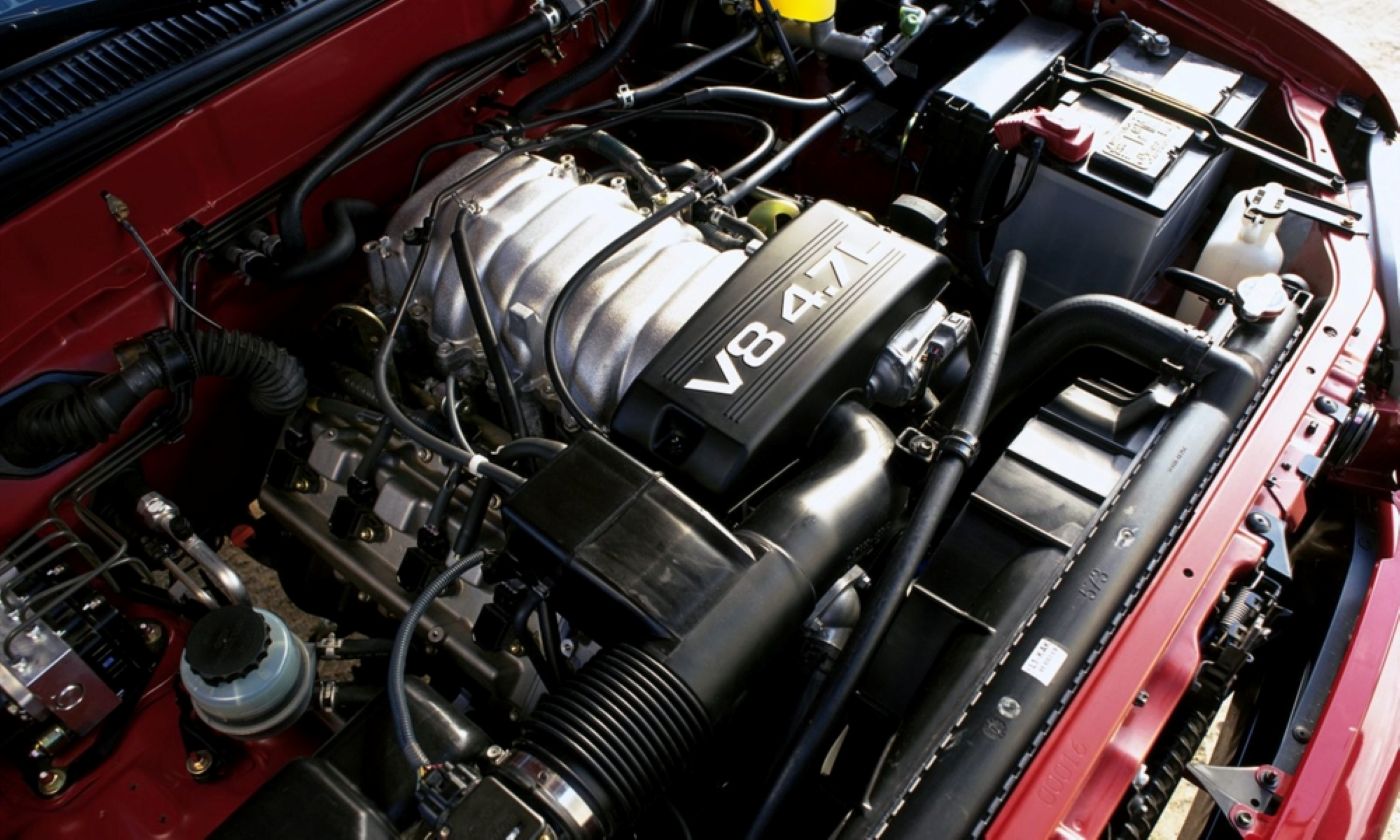
3. Toyota 2UZ-FE (4.7L V8)
The Toyota 2UZ-FE is a 4.7-liter V8 that was most famously used in the Land Cruiser, Sequoia, and Tundra. It’s a big, heavy engine that prioritizes durability and torque over high-speed thrills.
And that’s exactly why it has earned a reputation as one of the most reliable V8 engines ever made. Built to handle harsh conditions and long-distance hauling, it’s a favorite among off-roaders, overlanders, and anyone who needs an engine that won’t quit.
One of the key reasons this engine lasts so long is its use of a cast-iron block. While aluminum blocks are lighter and more modern, cast iron is stronger and better at handling stress and heat over time.
The 2UZ-FE was engineered with longevity in mind, not just fuel economy or emissions. Combined with a simple single-overhead camshaft design and Toyota’s bulletproof EFI system, it forms an engine that requires very little to keep going strong.
The 2UZ-FE can easily surpass 300,000 miles with routine care. It doesn’t have common weak points that show up in many other V8s. The timing belt should be changed every 90,000 miles, but that’s considered normal maintenance, not a flaw.
These engines are often seen in older vehicles still towing heavy loads or operating in extreme climates without major issues. The cooling system is robust, the valve train is quiet, and oil consumption is usually minimal even after decades of use.
There’s a reason many people search for used vehicles with this engine, even if the body or interior isn’t in perfect shape.
The engine is that good. It’s the kind of power plant that gets passed down from one owner to another, often with a wink and a smile about how it “just won’t die.”
For those who prefer to drive their vehicles hard and keep them for life, the 2UZ-FE is exactly the kind of engine they’re looking for.
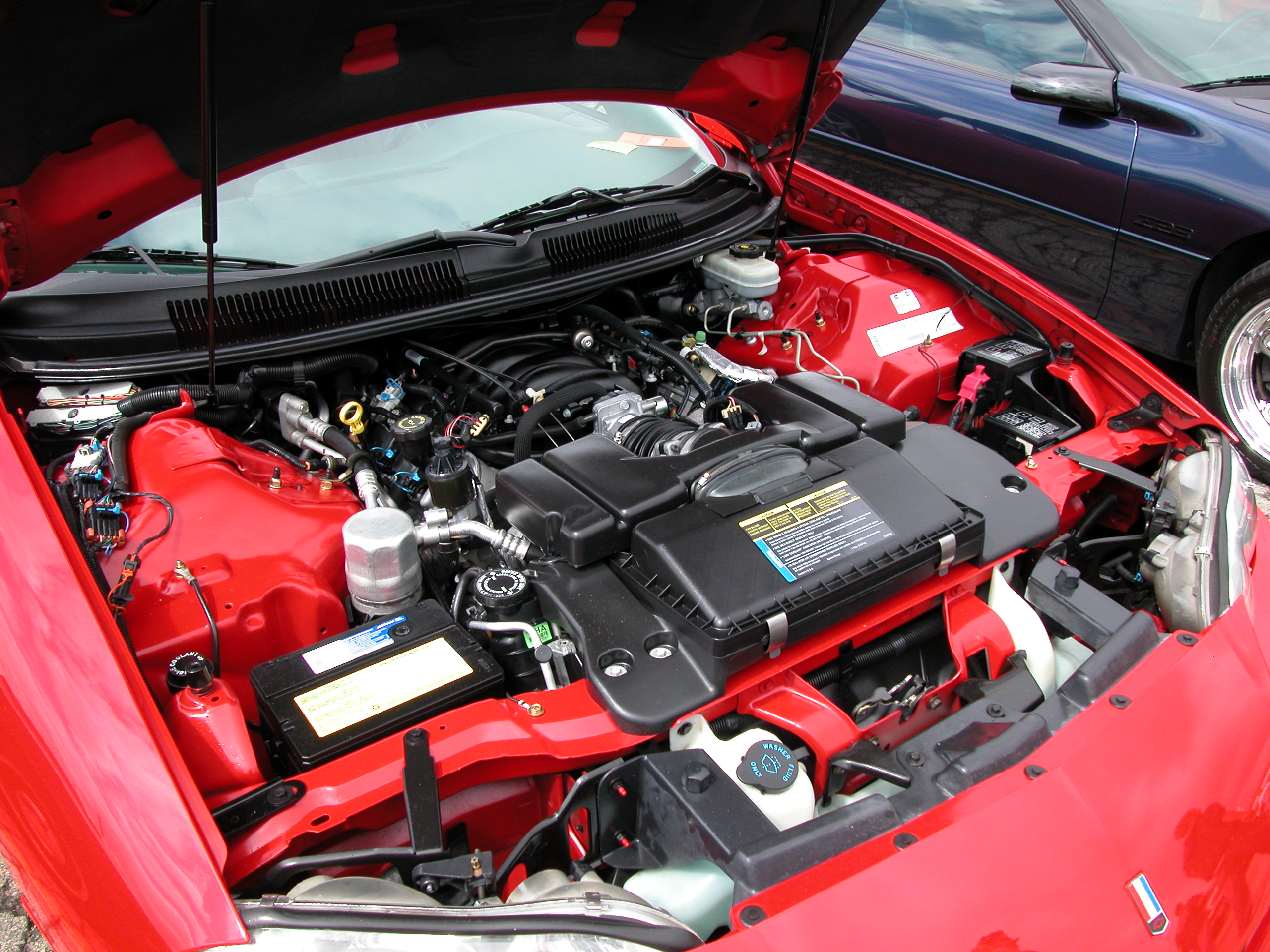
4. GM LS V8 Series
General Motors’ LS engine series is a standout example of American engineering done right. Introduced in the late 1990s, the LS V8s have become legendary for their power, affordability, and most importantly, their reliability.
Found in everything from pickup trucks to performance cars like the Corvette and Camaro, these engines are built to take abuse while delivering consistent performance.
They’re often considered the go-to engine for hot-rodders and racers, not just because of their power, but because they can take a beating without falling apart.
A major part of the LS engine’s reliability is its simple, pushrod design. Unlike modern overhead-cam engines with complex valvetrains, the LS keeps things basic but effective. This simplicity makes it easier to maintain and less prone to failure.
Despite that, it can still produce serious horsepower and torque, thanks to efficient cylinder heads and strong internals. The engine block, especially in the iron versions, is incredibly durable and forgiving of high mileage.
These engines are known to routinely exceed 200,000 miles without any major issues. Regular oil changes and basic upkeep are usually all that’s required to keep an LS V8 running well into old age.
Many of the early LS1 and LS2 engines are still on the road today, and they’re not babied either. Fleet trucks, tow vehicles, and police cruisers often run LS engines because they can handle hard use without constant repair bills.
Another major advantage is the aftermarket support. If anything does go wrong or if performance upgrades are desired, the parts availability and tuning community around the LS engine is massive.
Whether it’s a full rebuild kit or a performance camshaft, virtually everything is available at reasonable prices.
This isn’t just good for performance; it also helps keep maintenance costs low and turnaround times short. For many people, knowing that parts are always within reach means peace of mind, especially when dealing with older vehicles or modified builds.
The LS engine family continues to be popular in engine swaps for this very reason: it fits in just about anything and can run for years with very little drama.
The LS engines also benefit from very solid oiling systems, good cooling capabilities, and a relatively low-strain design that means they don’t stress components unnecessarily. These engines are rarely pushed to their engineering limits in stock applications, which contributes to their long life.
While they can certainly handle being tuned and modified for more power, in their stock form, they are over-engineered to last. That’s why so many LS-powered trucks and SUVs still feel smooth and responsive even after a decade or two on the road.
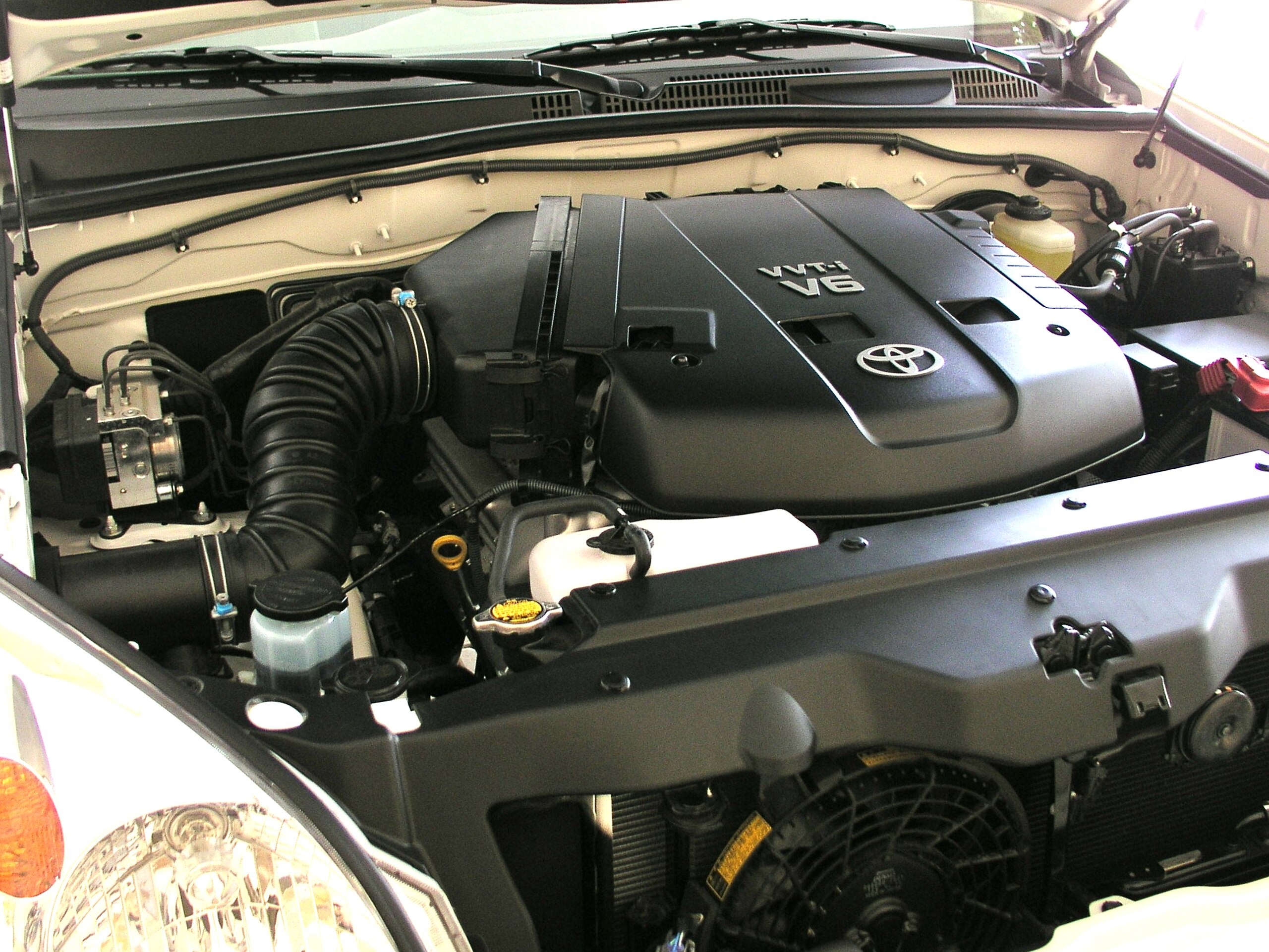
5. Toyota 1GR-FE (4.0L V6)
The Toyota 1GR-FE engine is another excellent example of the brand’s long-standing focus on durability and simplicity. Found in vehicles like the Toyota Tacoma, 4Runner, and FJ Cruiser, this 4.0-liter V6 has become one of the most trusted engines for people who live active, outdoor-focused lifestyles.
Whether it’s hauling gear, climbing mountain roads, or simply serving as a long-term daily driver, this engine has proven time and again that it can handle anything without complaint.
One of the main strengths of the 1GR-FE is its strong bottom end and smooth power delivery. It produces ample torque for towing and off-road use, yet runs quietly and efficiently in everyday conditions.
It was designed to work with both automatic and manual transmissions, and it operates well even under heavy loads.
The engine uses a robust timing chain, a reinforced block, and a conservative compression ratio, all factors that contribute to its long life and resistance to mechanical failure.
What makes this engine stand out is how rarely it needs anything beyond basic maintenance. Oil changes, spark plugs, air filters, keep up with those, and the 1GR-FE will give you trouble-free service for hundreds of thousands of miles.
It’s not uncommon to hear about Tacomas and 4Runners with over 300,000 miles on the original engine still running smoothly. Even under tough conditions like dusty trails, steep grades, or long hours of highway driving, this engine keeps cool and performs reliably.
Mechanics often say this engine is “built like a tank,” and that’s not just a compliment; it’s accurate.
The cooling system is excellent, the fuel injection system is reliable, and there are no major design flaws that plague it over time. While it’s not the most modern or fuel-efficient V6 out there, it’s certainly among the most dependable.
Owners who want a truck or SUV that doesn’t require constant attention often gravitate toward vehicles with the 1GR-FE For that reason alone, it just works, all the time.
Also Read: 12 Hyundai Cars That Last Longer Than Expected
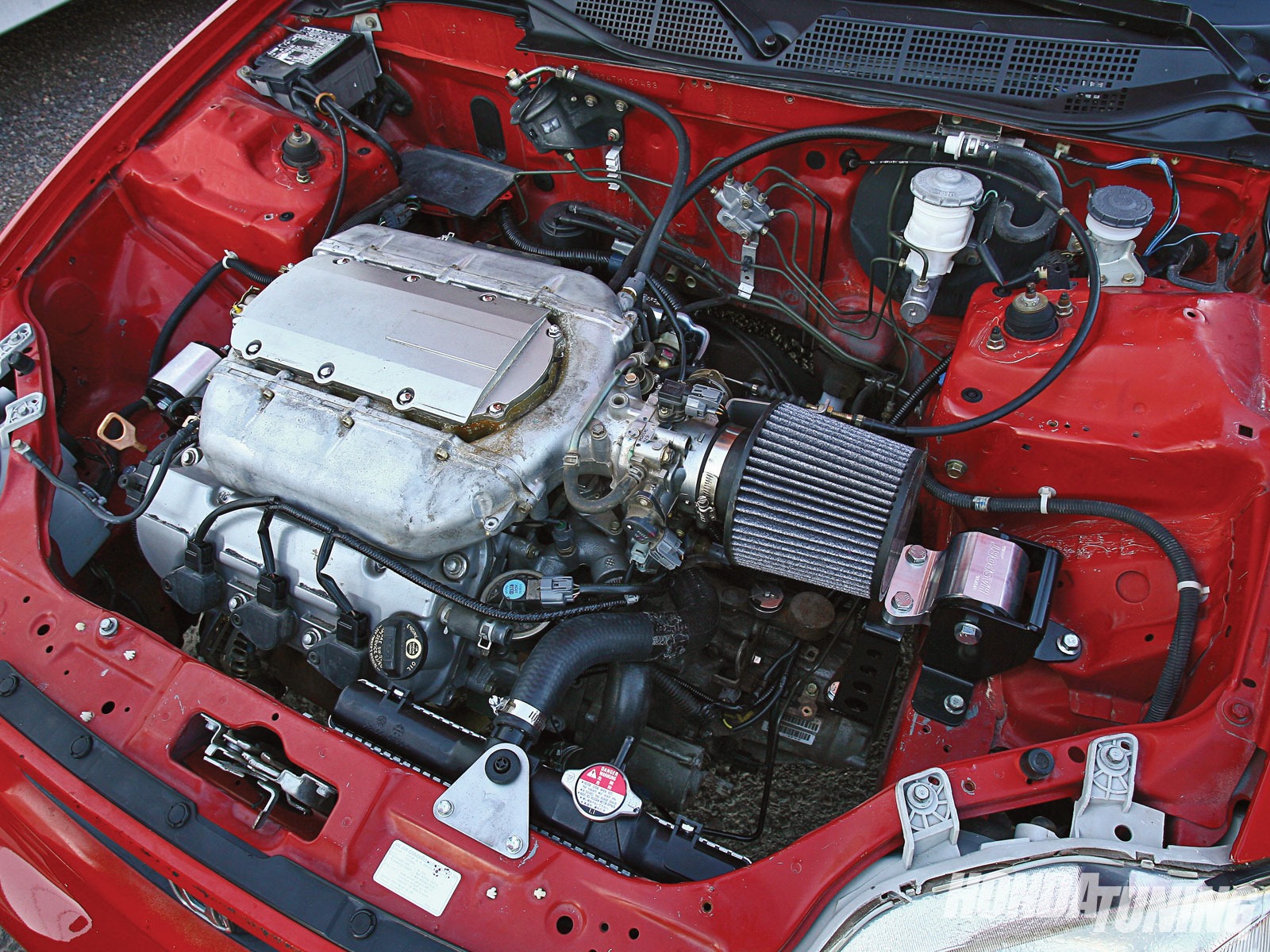
6. Honda J35 (3.5L V6)
Honda’s J35 V6 engine has powered everything from the Odyssey and Pilot to the Accord and Ridgeline, and it has become one of the company’s most important workhorses. This 3.5-liter V6 combines respectable performance with a long-standing reputation for durability.
Despite being used in a wide range of applications and configurations, the J35 remains consistent in one area: it just doesn’t cause problems when properly maintained.
The J35 is known for its smooth operation and refined feel. It delivers strong midrange power, which makes it ideal for both city and highway driving. Whether moving a family minivan or hauling light cargo in a pickup, the J35 provides plenty of torque without sounding strained.
Honda designed the engine with efficiency in mind, and even though it’s a V6, fuel economy has always been competitive within its segment. The VTEC system is tuned for real-world use, improving both performance and reliability without unnecessary complexity.
One of the reasons this engine has such a loyal following is that it doesn’t suffer from common issues seen in other V6 engines. Valve timing components, head gaskets, and even the transmission mating surfaces have been designed for long-term durability.
While early versions had some issues with timing belt service intervals or oil consumption, these were mostly solved in later variants. Most J35 engines can easily go beyond 200,000 miles without major repair, and many exceed 300,000 with a bit of attention to fluids and filters.
It’s also worth noting that the J35 is one of the few engines that seems to perform just as well in extreme climates. Whether it’s harsh winters or hot southern summers, this engine handles temperature swings without hesitation.
Owners frequently praise how quiet and reliable it remains even as the odometer climbs past six digits.
It may not have the drama of a turbocharged four-cylinder or the roar of a V8, but that’s precisely the point, it gets you where you’re going every day, without the need for apologies or excuses.
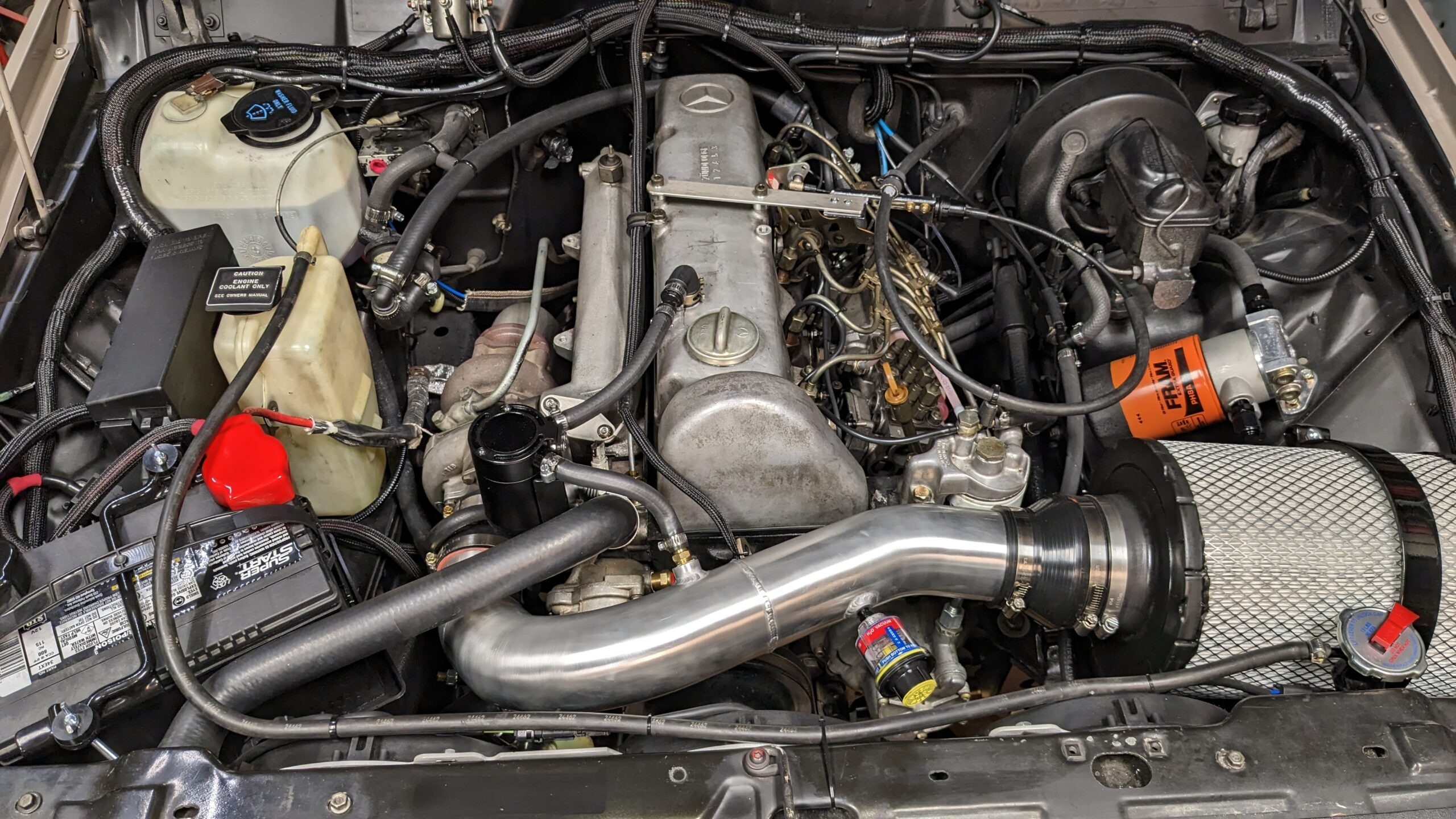
7. Mercedes-Benz OM617 (3.0L Diesel I5)
The Mercedes-Benz OM617 is a diesel engine that has achieved near-mythical status among fans of old-school German engineering.
Found in vehicles like the W123 300D and early G-Wagens, this 3.0-liter inline-five diesel is incredibly slow by today’s standards but almost impossible to kill. With proper maintenance, these engines can exceed 500,000 miles or more, many are still running around the world today, decades after they left the factory.
What makes the OM617 such a standout engine is its bulletproof design. It’s completely mechanical; there are no electronic fuel injectors or computerized engine controls to fail.
This simplicity makes it especially appealing to those living in remote areas or in countries where modern diagnostic equipment is hard to come by. It uses a cast-iron block and head, robust internals, and a conservative fuel delivery system that prioritizes durability over efficiency or power.
This engine is known for running no matter what. Even when neglected or poorly maintained, the OM617 tends to keep going. It tolerates dirty fuel, high mileage, and even short-term overheating better than most modern engines.
And because it’s a non-interference design, timing chain failures aren’t catastrophic. Owners routinely describe these engines as “indestructible,” and it’s not an exaggeration. Many have put over half a million miles on their OM617s without ever opening the engine up.
While it’s certainly not fast, it is dependable. These engines often start in cold weather without block heaters, idle smoothly for hours, and burn fuel slowly and predictably. They’re also well-supported by a passionate community of enthusiasts and parts suppliers.
Whether you’re driving through a rural village in Africa or commuting through snow in Minnesota, an OM617-powered Mercedes is about as close as you can get to a mechanical guarantee that you’ll reach your destination, no matter how far away it might be.
8. Ford 4.9L Inline-6 (300 CID)
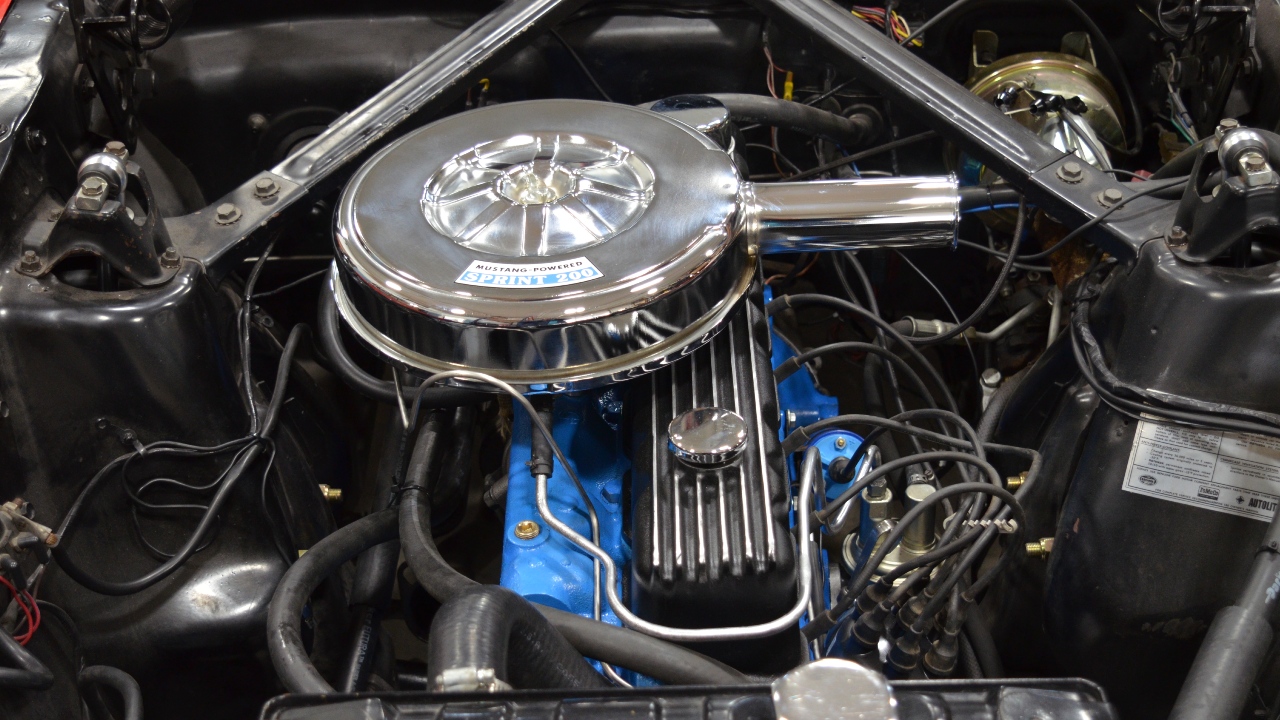
The Ford 4.9L inline-6, also known as the 300 CID, is a legend among truck engines. Produced for decades and used extensively in Ford’s F-Series trucks, vans, and even some passenger vehicles, this engine is renowned for its torque, simplicity, and astonishing durability.
It was never the most powerful or sophisticated engine, but it was one of the hardest-working and most forgiving powerplants ever made. You’ll still find these engines working hard on farms, in work trucks, and even powering homemade equipment, testament to their resilience and longevity.
One of the biggest reasons the 4.9L has such a strong reputation is its uncomplicated design. It’s a large-displacement inline engine with few moving parts compared to modern engines. This makes it incredibly easy to work on, even for amateur mechanics.
The camshaft is mounted in the block, and it uses a traditional pushrod valvetrain that’s known for its strength and reliability. The long-stroke layout means the engine produces a huge amount of torque down low, which is perfect for hauling and towing. And because it’s not a high-revving engine, internal stresses are minimal, contributing to its long life.
Owners often brag about putting well over 300,000 miles on their 4.9L engines without ever opening them up. As long as the oil is changed regularly and the cooling system is kept in check, this engine will keep running without complaint.
Even when it does develop issues, they tend to be small things like valve cover gaskets or worn timing gears, repairs that are easy and inexpensive. This is the kind of engine that laughs in the face of neglect.
There are countless stories of people running these engines with cheap oil, clogged filters, or even cracked exhaust manifolds for years, and the engine just kept on going.
It’s no surprise that the 4.9L inline-6 has become a favorite in the classic truck community. It’s common to see older F-150s or Econolines from the ’80s and ’90s still being used as daily drivers or workhorses. These engines are overbuilt, understressed, and dependable to the point of absurdity.
For those who value mechanical honesty and straightforward design, the 300 CID Ford inline-6 represents everything a no-drama engine should be.
9. Subaru EJ22 (2.2L Flat-4)
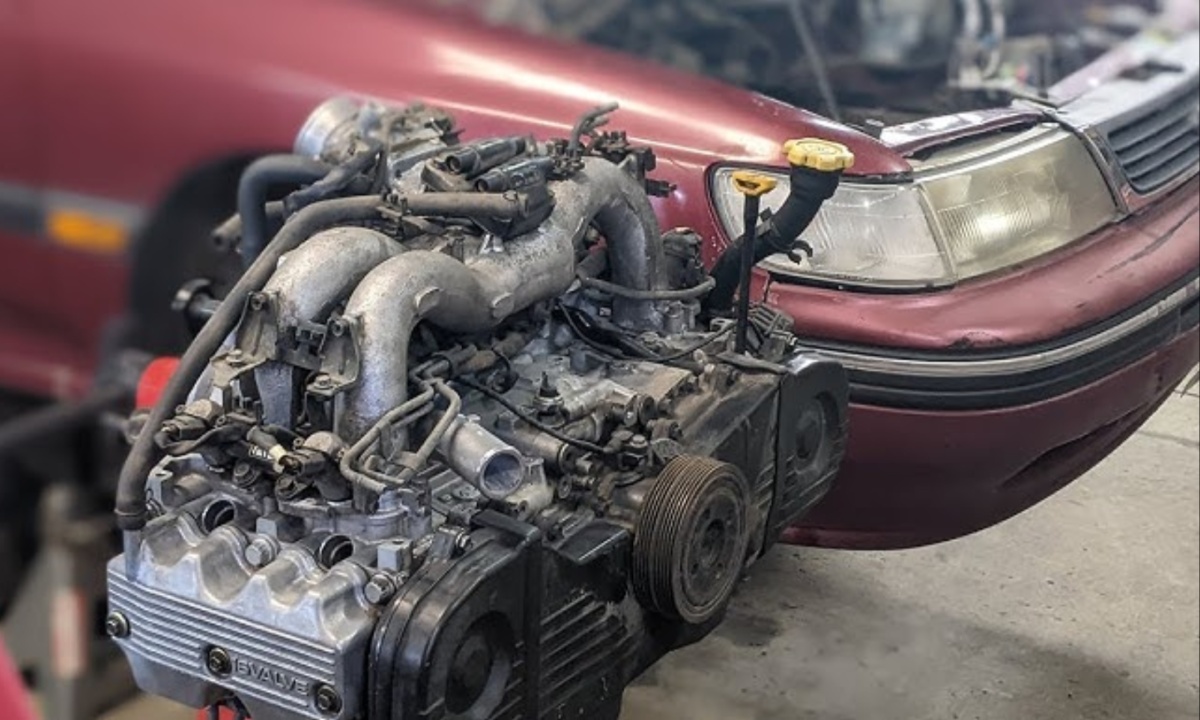
The Subaru EJ22, particularly the versions produced in the 1990s, is widely regarded as one of the most reliable engines Subaru has ever built. Found in models like the Legacy, Impreza, and Outback, the 2.2-liter flat-4 engine is a solid performer with a reputation for going the distance.
Unlike some later Subaru engines, which developed a reputation for head gasket issues and oil leaks, the EJ22 stood out as a simple, robust design that required little attention over its lifespan.
One reason for its durability is its relatively low compression ratio and the use of non-interference timing. This means that if the timing belt breaks, the pistons won’t hit the valves, preventing catastrophic damage.
This design choice alone has saved many engines from disaster, especially when maintenance schedules weren’t strictly followed.
The block is made of cast aluminum, but it’s beefy and strong, and the internal components are built to withstand abuse. There’s a sense of old-school engineering here, with longevity prioritized over power or weight savings.
Another factor in the EJ22’s lasting power is its tolerance for poor conditions. These engines were frequently found in all-wheel-drive Subarus driven in snow, salt, mud, and all manner of rough terrain. Yet they rarely complained.
Whether starting in below-zero temperatures or idling for hours in traffic, the EJ22 performed with minimal drama.
It’s not a fast engine, nor is it particularly quiet, but it’s honest in its delivery, steady power, low maintenance, and consistent results. These are engines that often outlast the cars they’re installed in.
Ask any Subaru mechanic which engine they trust most, and chances are high they’ll point to the EJ22. While modern flat-fours have added complexity in the form of turbochargers and direct injection, the EJ22 remains refreshingly simple. It uses a single overhead camshaft per cylinder bank and port fuel injection, and that’s part of its magic.
No turbo seals to fail, no high-pressure fuel pumps to worry about. Just regular oil changes, timing belt service, and maybe the occasional valve cover reseal, and it’ll keep going. That kind of reliability is rare in any engine, and even rarer in one that lives a tough life in all-weather vehicles.
10. Cummins 5.9L 12-Valve Diesel (6BT)
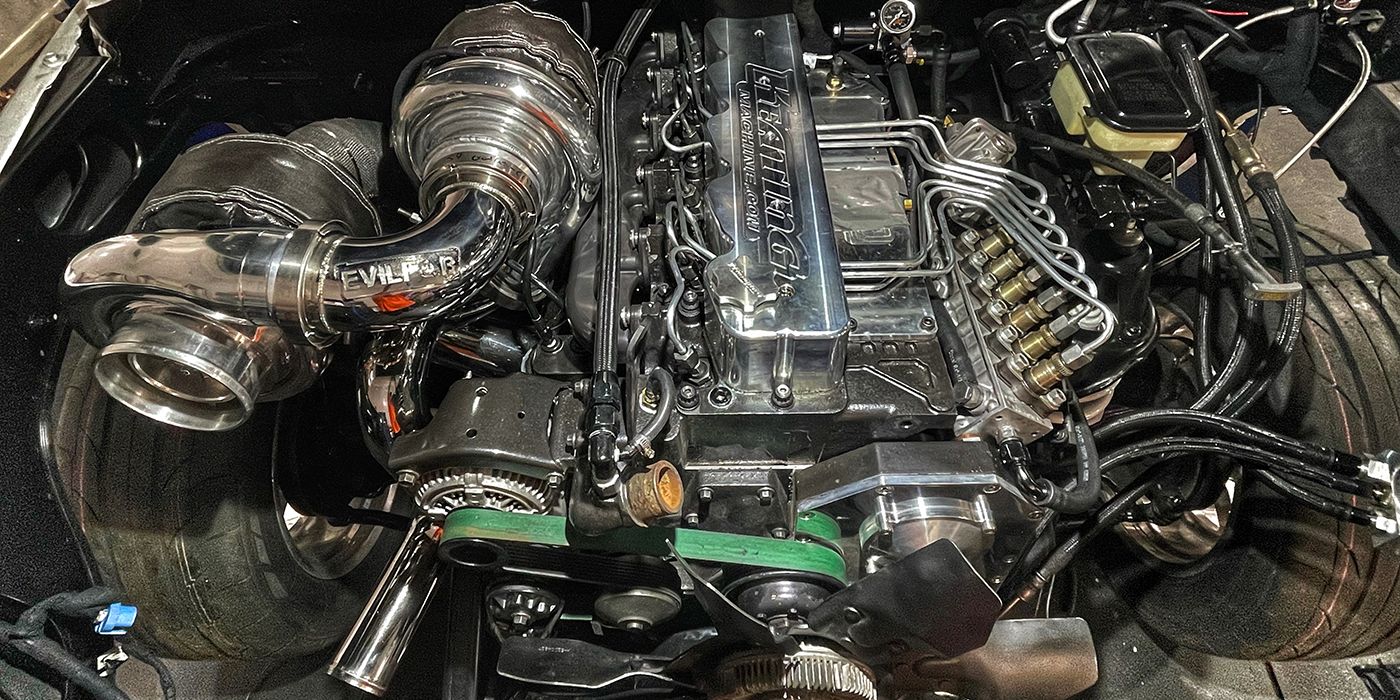
The Cummins 5.9L 12-valve diesel engine, often referred to by its engine code “6BT,” is nothing short of a legend in the diesel world.
Used in Dodge Ram trucks from 1989 to 1998, this inline-six diesel powerplant has earned a reputation for being one of the most durable and overbuilt engines ever dropped into a pickup.
It was originally designed for industrial and agricultural applications, which explains a lot about its incredible resilience. In a truck, it’s practically indestructible.
One of the biggest selling points of the 6BT Cummins is its mechanical simplicity. It uses a Bosch P7100 mechanical injection pump that is not only extremely reliable but also easy to modify.
This engine has no computer controls, no electronic fuel injectors, and no sensors that can suddenly stop working. What you get is an engine that will run as long as it has fuel, air, and compression.
This is why you’ll often see 6BTs in harsh working conditions around the world. It just runs, regardless of climate, altitude, or abuse.
Another reason the 6BT is so loved is its massive torque output and strong internal components. With forged steel connecting rods, a cast-iron block, and hardened valve seats, it was built to take a beating.
These engines routinely last beyond 500,000 miles with minimal issues, and many go over a million miles in commercial use.
When maintained with regular oil changes and fuel filter replacements, there’s very little that can go wrong.
Even the turbochargers, which are often weak points in diesel engines, tend to last a long time in the 6BT setup due to the engine’s relatively low redline and strong oiling system.
The 6BT isn’t refined. It rattles, it’s loud, and it’s heavy. But none of that matters when you consider what it offers in return.
For people who need to tow heavy loads, cross rough terrain, or simply want an engine that will outlive the truck it’s bolted into, the Cummins 12-valve is the tool. It’s earned its reputation the hard way, by working, day after day, year after year, with no drama, no surprises, and no excuses.
