
When it comes to SUVs, power delivery and reliability are among the most important factors buyers consider. A vehicle that rarely loses power can provide confidence on the road, whether you’re commuting, towing, or adventuring off the beaten path.
On the other hand, SUVs that constantly lose power can be frustrating and even dangerous, undermining performance and creating reliability concerns.
Power loss in SUVs can stem from various issues, including engine design, fuel system problems, or electronic malfunctions.
Understanding which SUVs tend to maintain strong and consistent power and which ones are prone to power loss can guide consumers in making informed decisions, ensuring they pick a vehicle that fits their needs without unnecessary hassle.
Many SUVs combine the need for comfort and utility, balancing size with power. However, some models achieve this better than others, often thanks to engineering, manufacturing quality, and ongoing support from the manufacturer.
Factors like the engine’s design, turbocharger reliability, fuel injection system, and transmission integration all play roles in how consistently an SUV maintains power during operation.
Reliability ratings, owner feedback, and reported issues over time reveal patterns about which models are more dependable in this regard. In this article, five SUVs that rarely lose power will be examined first, highlighting their strong points and reasons behind their dependable performance.
This will be followed by a discussion on five SUVs that have been known to frequently experience power loss, shedding light on the common problems they face and why they struggle in this department.
The goal here is to provide a comprehensive comparison for anyone considering buying an SUV, whether new or used.
Power loss issues can drastically affect the driving experience, fuel economy, and even safety, making it critical to understand which models have stood out positively and which have raised concerns.
Without any unnecessary jargon or hype, this article breaks down the key details based on widely reported experiences and known mechanical realities.
This way, readers can get a clear picture of power reliability in popular SUVs and use this knowledge when weighing their options on the lot or online marketplace.
Also Read: 10 Cars That Rarely Break Power Steering
5 SUVs That Rarely Lose Power
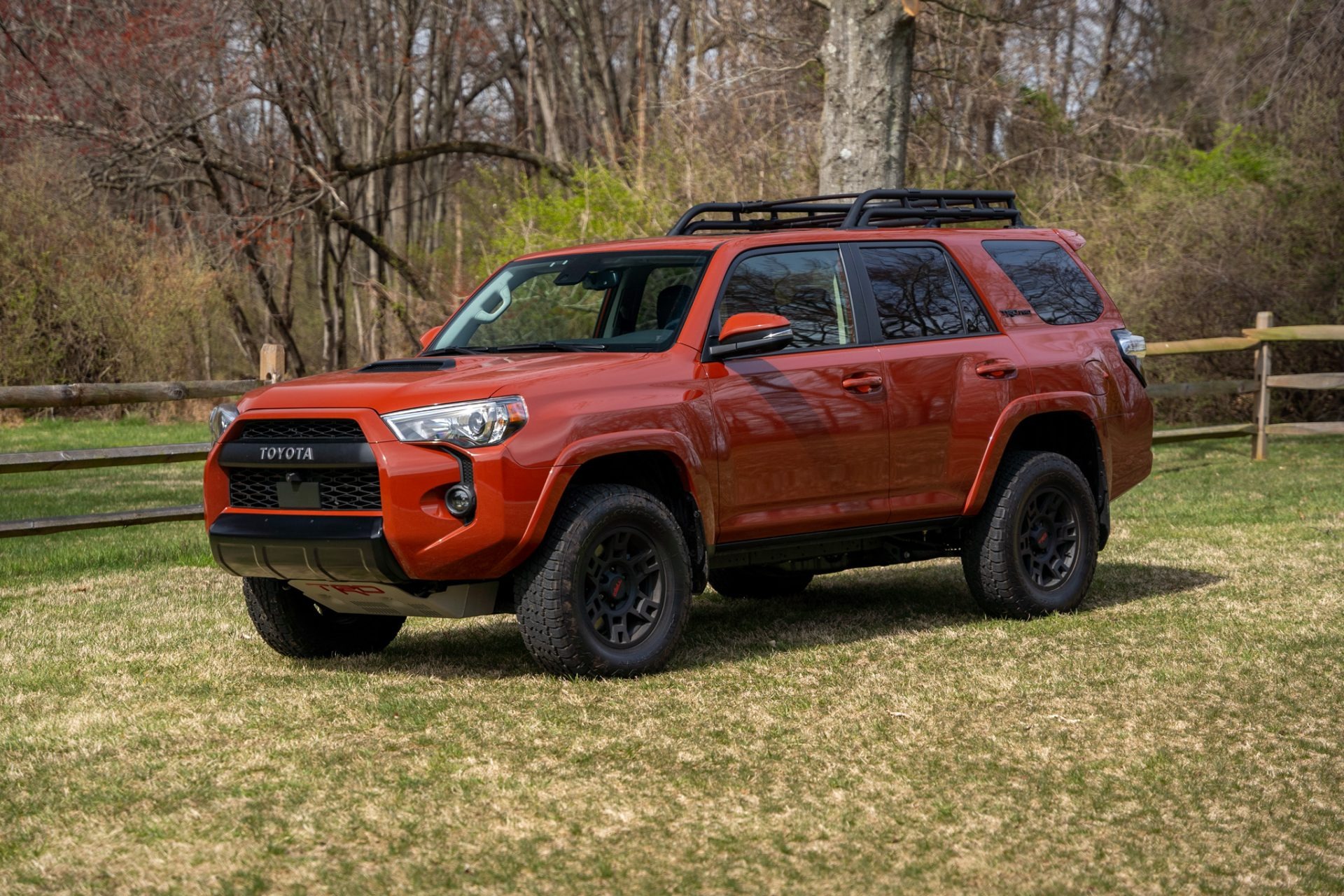
Toyota 4Runner
The Toyota 4Runner has earned a reputation as one of the most durable and reliable SUVs on the market, particularly when it comes to maintaining consistent power.
Its engine, typically the 4.0-liter V6, is a staple in Toyota’s lineup for good reason. This engine strikes a balance between performance and reliability by using proven technology that has been refined over many years.
Unlike some modern engines that rely heavily on turbocharging and complex electronics, the 4Runner’s V6 is naturally aspirated, which inherently reduces the number of components that can fail or cause power loss.
This simplicity contributes significantly to the 4Runner’s consistent power output and reliability.
The engine produces enough torque to handle various tasks, such as towing, off-roading, or daily driving, without the driver experiencing power dips or hesitation.
Beyond the engine itself, Toyota has invested heavily in the 4Runner’s fuel system and electronic controls, ensuring they work harmoniously to maintain stable power delivery.
The 4Runner employs a sequential multi-port fuel injection system known for its precision and consistency, which minimizes the chances of misfires or inconsistent combustion.
The vehicle’s electronic throttle control is finely tuned, helping to maintain smooth and predictable throttle response.
This means that when a driver demands power, the 4Runner responds quickly and reliably. Additionally, Toyota’s reputation for robust engine cooling systems plays a role in preventing heat-related power loss.
The 4Runner’s cooling system is designed to keep the engine at an optimal temperature, even during strenuous activities such as towing heavy loads or extended off-road use, which helps avoid power reduction due to overheating.
Another critical factor contributing to the 4Runner’s ability to retain power over time is its transmission. The SUV is typically equipped with a 5-speed or 6-speed automatic transmission that is matched carefully to the engine’s characteristics.
This pairing ensures that power delivery remains smooth and responsive under various driving conditions.
The transmission also features a manual shift mode, allowing drivers to better control gear selection and maintain power when navigating difficult terrain or steep inclines.
Because of this careful engineering, owners rarely report issues with the transmission causing power loss, which can be a common complaint in other SUVs.
Finally, the 4Runner’s build quality and design contribute to its reputation for reliable power. The rugged body-on-frame construction means that the SUV is built to handle rough use without compromising its drivetrain components.
Maintenance is straightforward, with Toyota offering wide parts availability and clear service schedules, which help owners keep the 4Runner running at peak performance.
All these factors combined ensure that the Toyota 4Runner remains an SUV that rarely loses power, making it a dependable choice for drivers who need a vehicle that will perform consistently in demanding situations.
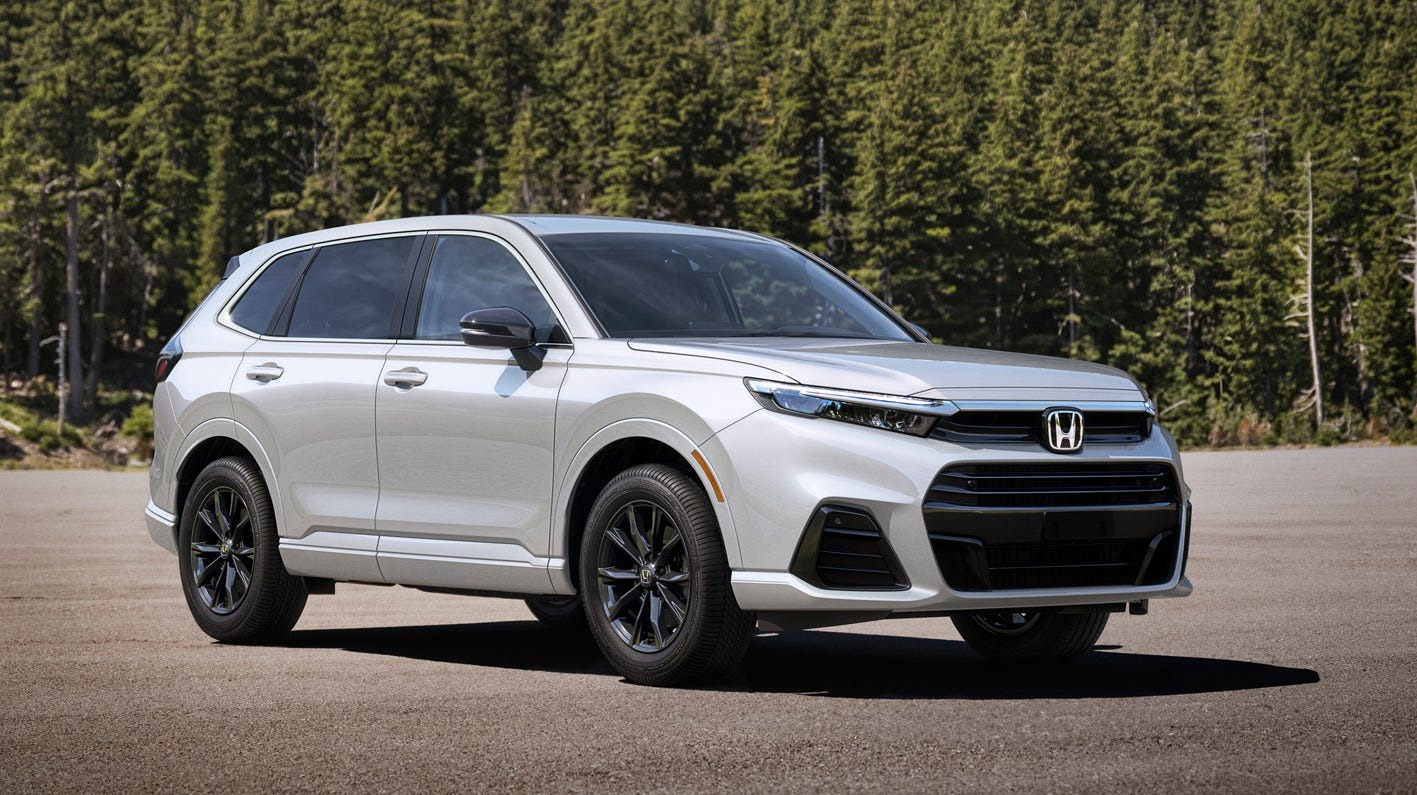
Honda CR-V
The Honda CR-V is a compact SUV that consistently impresses with its blend of fuel efficiency, comfort, and most importantly, reliable power delivery.
At the heart of its strong reputation is the turbocharged 1.5-liter four-cylinder engine, which manages to provide enough power for daily driving tasks without sacrificing efficiency.
Honda has refined this engine to avoid common turbocharged engine pitfalls like lag and sudden power loss.
The turbocharger system is engineered to provide a smooth and consistent boost across a wide RPM range, allowing the CR-V to accelerate briskly and maintain power under load without the powertrain feeling strained.
This responsiveness is further supported by the direct fuel injection system that optimizes combustion for both power and fuel economy.
The transmission also plays a crucial role in maintaining the CR-V’s power reliability. The continuously variable transmission (CVT) used in the CR-V is one of the more refined CVT systems available, delivering smooth and linear acceleration without the “rubber band” feeling often associated with this type of transmission.
The CVT works in concert with the turbocharged engine to keep the power flowing continuously, rather than in abrupt bursts.
This seamless integration between engine and transmission results in a driving experience free from sudden power loss or hesitation, even when the vehicle is loaded or climbing hills.
Beyond the engine and transmission, the CR-V’s engineering focuses on preventing the common causes of power loss.
Honda’s advanced engine management system continually monitors conditions such as air-fuel ratios, ignition timing, and boost pressure to optimize performance in real time.
This reduces the likelihood of misfires or knock events that could force the engine to cut power temporarily.
Moreover, Honda’s reputation for solid manufacturing quality means that components like sensors, fuel injectors, and turbocharger parts are built to last, minimizing electronic or mechanical failures that would otherwise cause inconsistent power.
Maintenance is relatively straightforward on the CR-V, with recommended service intervals that help owners avoid the build-up of carbon deposits or other issues that could degrade engine performance.
The vehicle’s cooling system is also well-designed to keep engine temperatures stable, which is important for maintaining power in all driving conditions.
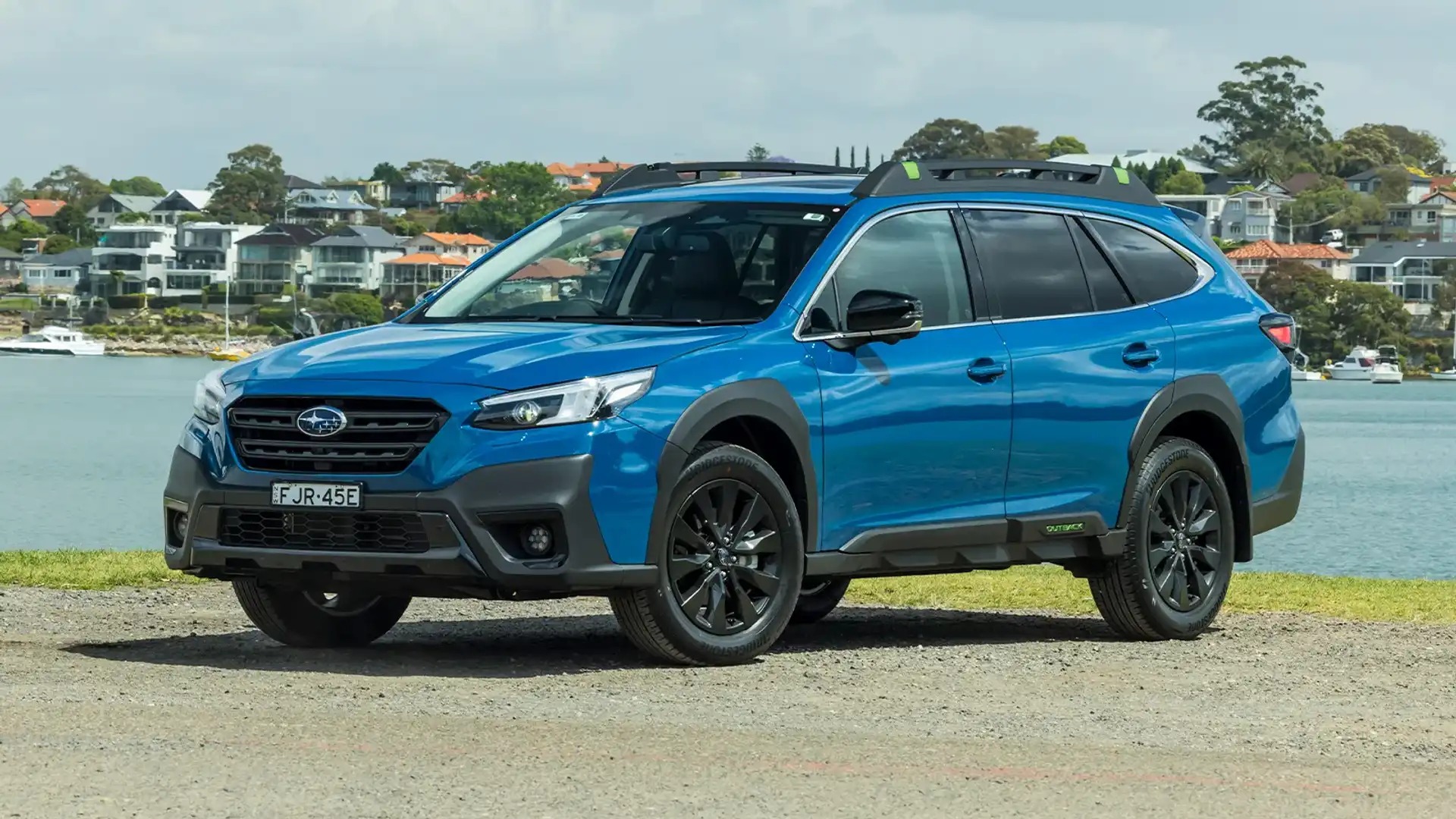
Subaru Outback
Though the Subaru Outback is often classified as a wagon, its size, ground clearance, and utility put it squarely in the SUV category for many buyers.
One of the standout features of the Outback is its powertrain, which has long been recognized for dependable and consistent power delivery.
Most models come with a 2.5-liter flat-four “boxer” engine, which is unique in its layout and contributes to a number of performance advantages.
The horizontally opposed piston design helps lower the vehicle’s center of gravity, which not only enhances handling but also reduces vibration and mechanical stress on engine components.
This design approach contributes to the engine’s ability to maintain steady power output over long periods without degradation.
The Outback’s powertrain also benefits from Subaru’s signature all-wheel-drive system, which ensures power is distributed evenly to all wheels. This system improves traction and reduces the likelihood of wheel slip, which can sometimes be mistaken for power loss.
Because the AWD system can quickly and effectively redirect power to wheels with better grip, the Outback can maintain momentum in various conditions where other SUVs might lose power or stall.
This intelligent power distribution system works seamlessly with the engine and transmission to ensure smooth acceleration and minimal power interruptions.
The fuel injection and electronic throttle control systems in the Outback are also known for their precision and reliability. The multi-point fuel injection system delivers fuel efficiently to each cylinder, while the electronic throttle is finely calibrated to provide consistent and predictable power response.
These systems reduce the likelihood of engine hesitation, misfires, or power dips that are common complaints in less well-engineered vehicles.
The Outback’s transmission, usually a linear-tronic CVT, has been continuously improved to feel less artificial in its acceleration pattern, ensuring that drivers experience smooth and reliable power delivery during normal and demanding driving conditions.
In addition to the powertrain, Subaru’s commitment to quality materials and build standards plays a significant role in the Outback’s ability to hold onto power over time.
Proper cooling and airflow designs prevent overheating issues, while Subaru’s maintenance recommendations help prevent buildup problems that could impact power delivery.
The package makes the Subaru Outback a dependable choice for those who need an SUV that can handle both on-road comfort and off-road reliability without worrying about sudden power loss.
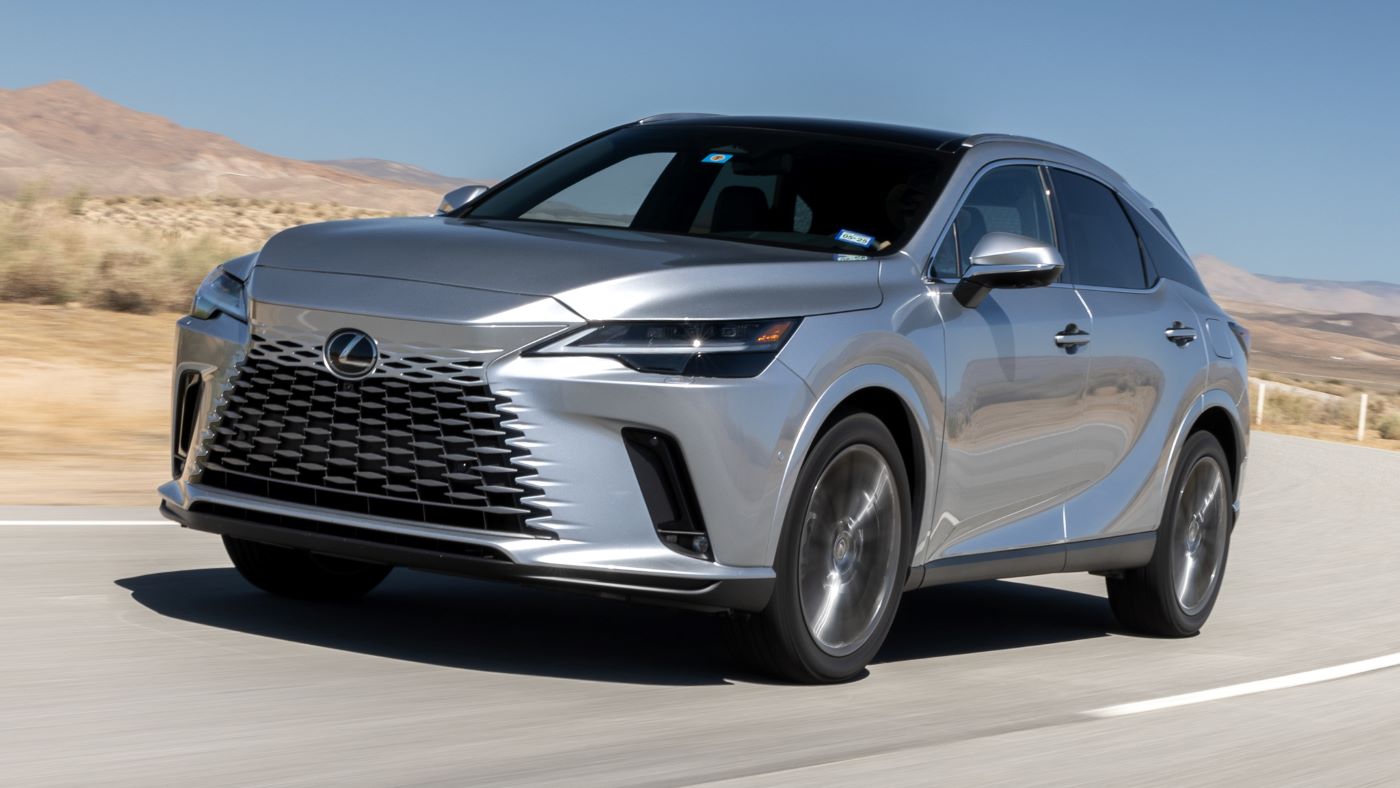
Lexus RX
The Lexus RX is a luxury SUV that stands out for its smooth, refined power delivery combined with a strong reputation for reliability.
Powered by a 3.5-liter naturally aspirated V6 engine, the RX avoids some of the complexities associated with turbocharging, instead relying on proven engine technology that delivers power consistently.
The engine’s design incorporates features such as dual variable valve timing and a high compression ratio, which optimize both power output and fuel efficiency.
This balance ensures the RX produces strong, predictable power across the entire RPM range, making it responsive in everyday driving as well as during more spirited acceleration.
One of the key reasons the Lexus RX rarely loses power is the advanced engine management system. This system monitors numerous parameters in real time, including air intake, fuel delivery, and ignition timing.
It makes constant adjustments to keep the engine running optimally and prevent issues that could lead to power dips or hesitation.
Additionally, Lexus uses a multi-port fuel injection system combined with precise ignition control to ensure smooth combustion, which contributes to consistent engine performance.
The electronic throttle control is also designed to provide immediate and accurate responses to driver inputs, reducing any lag or power interruption.
The RX’s transmission, typically an 8-speed automatic, complements the engine perfectly. This transmission offers quick and smooth shifts that maintain the engine within its ideal power band, avoiding the sluggishness or power interruptions that can occur with less advanced gearboxes.
The smoothness of the transmission also adds to the luxury feel of the RX, making power delivery feel effortless and continuous.
Alongside the drivetrain, Lexus incorporates a suite of traction and stability control technologies that help maintain power to the wheels even in less-than-ideal conditions, ensuring that power loss due to wheel slip is minimized.
Lexus’s commitment to quality and reliability is evident throughout the RX’s build and design. The automaker’s rigorous testing processes and use of premium materials ensure that the RX maintains its powertrain’s performance over the long term.
Owners benefit from well-documented maintenance schedules and strong dealership support, which help keep the vehicle running at peak performance.
The result is a luxury SUV that delivers a consistently strong and reliable power experience, making the Lexus RX a standout choice for those who prioritize power, reliability, and refinement.
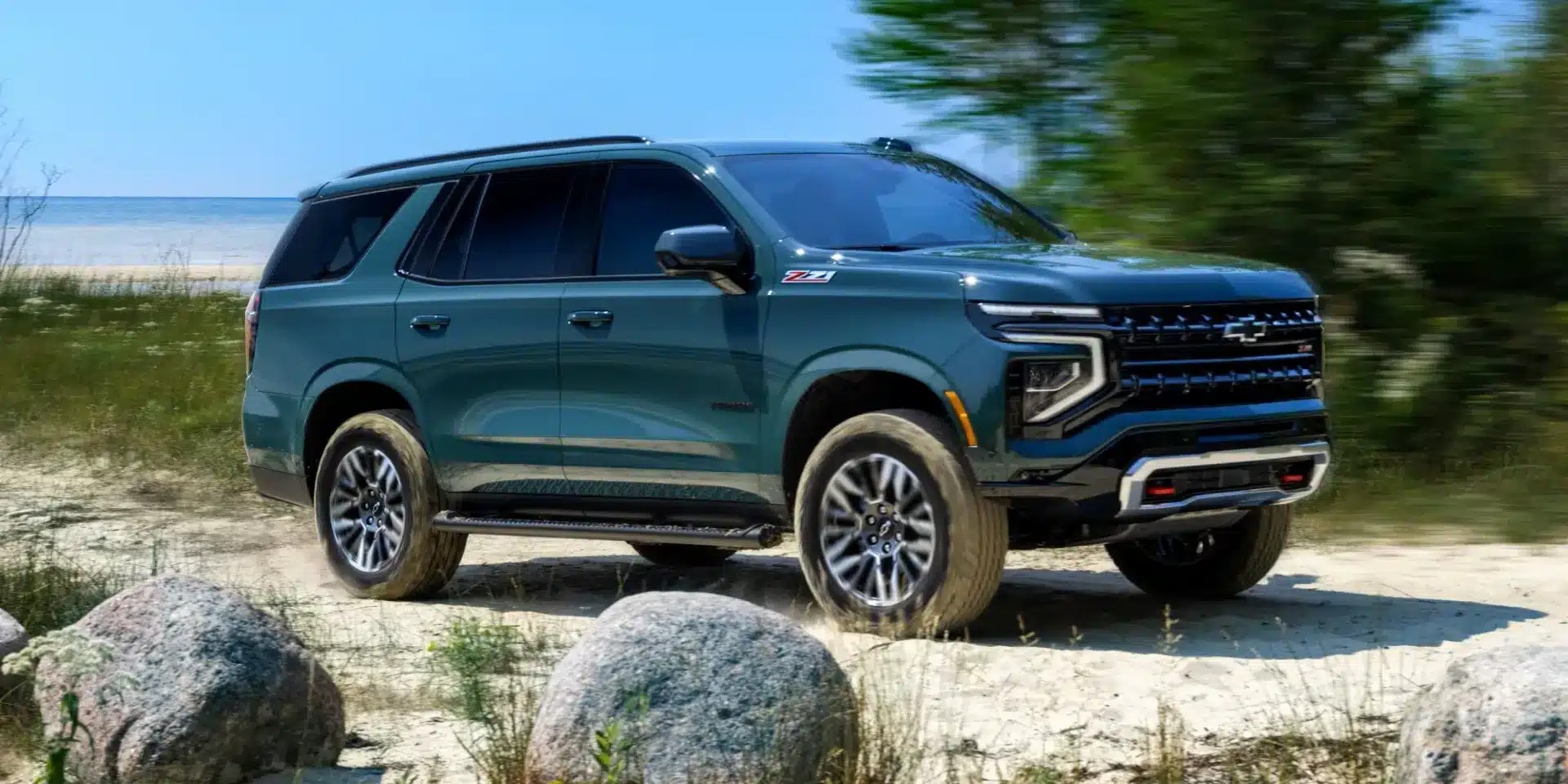
Chevrolet Tahoe
The Chevrolet Tahoe is a full-size SUV built to deliver power and performance for demanding tasks such as towing, hauling, and off-road driving. It has long been favored by drivers who need a vehicle that can consistently provide strong power under heavy loads.
The Tahoe typically features a variety of V8 engines, including naturally aspirated 5.3-liter and 6.2-liter units, which are known for their robust and straightforward design.
These engines are less prone to the complications that can cause power loss in more modern, turbocharged engines, making the Tahoe a dependable workhorse.
One reason the Tahoe rarely loses power is its engine’s proven architecture. The V8 engines use traditional fuel injection systems combined with reliable ignition components, reducing the likelihood of electronic or mechanical failures that would disrupt power delivery.
These engines produce substantial torque at low RPMs, which helps the Tahoe maintain steady acceleration and power when towing trailers or carrying heavy cargo.
The engines are also designed with durability in mind, featuring components that can withstand harsh operating conditions and extended use without a decline in performance.
The transmission used in the Tahoe, whether a 6-speed or the newer 10-speed automatic, is built to manage the engine’s high torque output efficiently.
These transmissions shift smoothly and keep the engine operating within its optimal power range, preventing the power interruptions that can occur with poorly matched gearboxes.
The transmission’s programming includes tow/haul modes that further enhance the vehicle’s ability to maintain consistent power under stress.
Additionally, the Tahoe’s cooling system is designed to handle the increased heat generated during towing or off-road use, preventing engine overheating and subsequent power reduction.
Another contributing factor to Tahoe’s power reliability is the straightforward mechanical layout and ease of maintenance.
Many owners report that adhering to recommended service intervals and using quality fluids helps the SUV maintain its powertrain health over many miles.
Chevrolet’s extensive service network and the availability of replacement parts also make it easier to keep the Tahoe running smoothly.
All these elements come together to ensure that the Chevrolet Tahoe remains a full-size SUV known for rarely losing power, making it a trusted choice for drivers who need a capable and dependable vehicle.
Also Read: 10 Vehicles That Survived Global Conflicts
5 SUVs That Constantly Lose Power
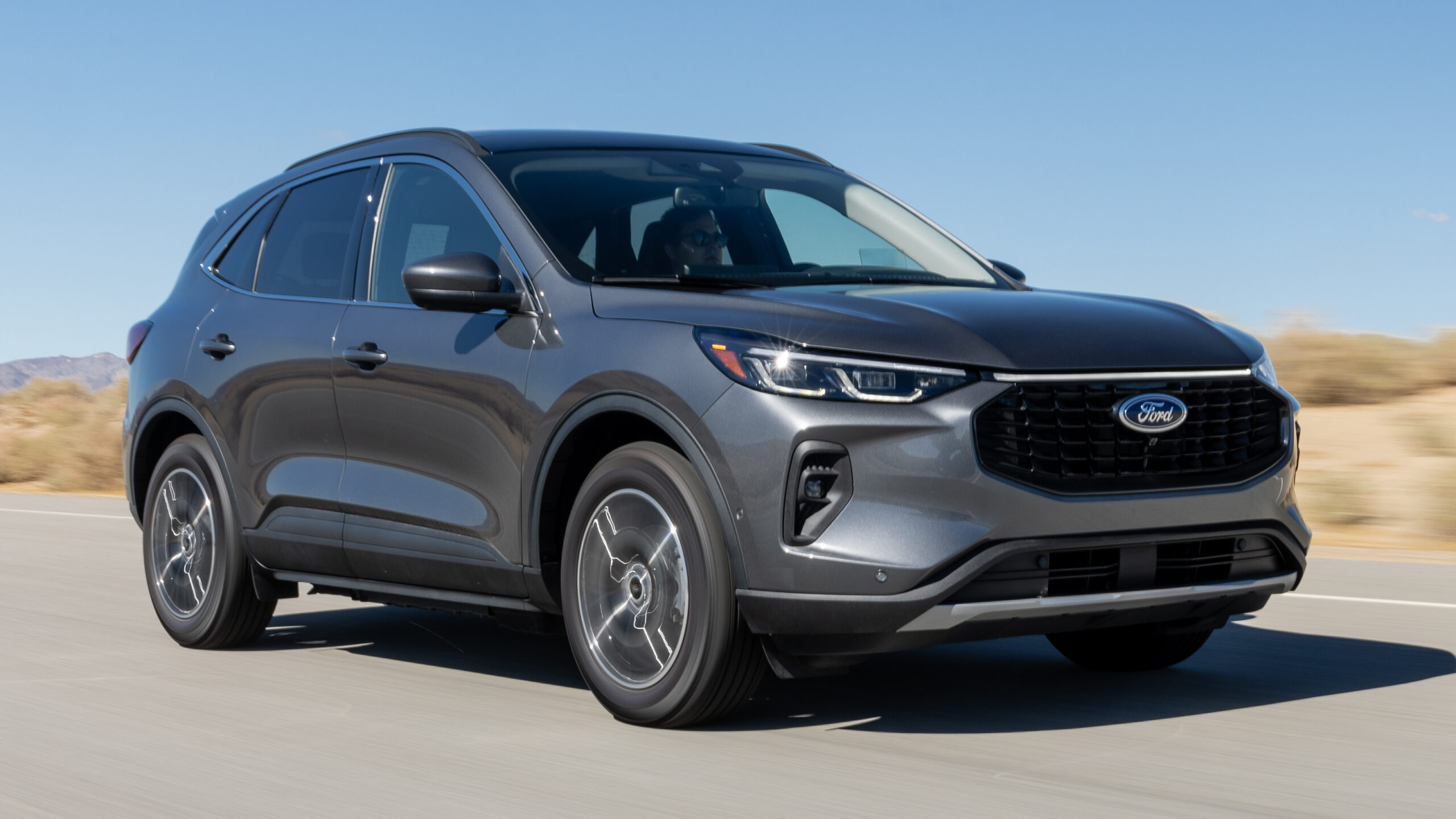
Ford Escape (Early Models)
The early generation Ford Escape has been noted for its struggles with maintaining consistent power, particularly in models from the mid-2000s to early 2010s.
One of the main reasons behind this power loss issue is the problematic nature of the engine management and fuel delivery systems during those years.
The Escape’s early engines, especially the 2.3-liter four-cylinder and the 3.0-liter V6, often faced difficulties related to fuel injectors clogging or malfunctioning, leading to uneven fuel delivery and resulting in a noticeable drop in engine power.
These problems were compounded by suboptimal air intake designs that sometimes restricted airflow, causing the engine to run inefficiently and struggle to reach its full power potential.
Another factor contributing to the Escape’s power loss is the frequent issues with the throttle body and electronic throttle control system.
In some cases, sensors within the throttle body would fail or send inaccurate readings to the engine control unit, leading the vehicle’s computer to restrict throttle input as a protective measure.
This causes the engine to hesitate or lose power unexpectedly, especially under acceleration or when climbing hills. Such electronic faults often triggered the check engine light and left drivers frustrated with inconsistent throttle response.
The combination of mechanical and electronic weaknesses in the early Escape models made power delivery unpredictable and often disappointing compared to competitors.
The transmission also played a role in the Escape’s power issues. Many early models used a 4-speed or 5-speed automatic transmission that wasn’t always perfectly matched to the engine’s torque curve.
This mismatch sometimes led to the transmission shifting too early or too late, causing a lag in power delivery or a sensation that the vehicle was struggling to accelerate.
Additionally, these transmissions were prone to overheating when the Escape was driven hard or used for towing, which could trigger limp modes or power reduction features to protect the drivetrain, further exacerbating power loss complaints from owners.
Lastly, maintenance and design choices contributed to ongoing power problems. Components such as spark plugs, ignition coils, and mass airflow sensors were prone to wear or failure, especially if regular maintenance was neglected.
When these parts malfunctioned, they disrupted the delicate balance of fuel and air in the engine, causing misfires and power dips.
Owners who experienced these issues often found repair costs rising, especially as the vehicle aged and the components wore down.
The early Ford Escape, while popular for its versatility and affordability, is often cited as an SUV that regularly loses power due to a combination of engine, electronic, and transmission issues.
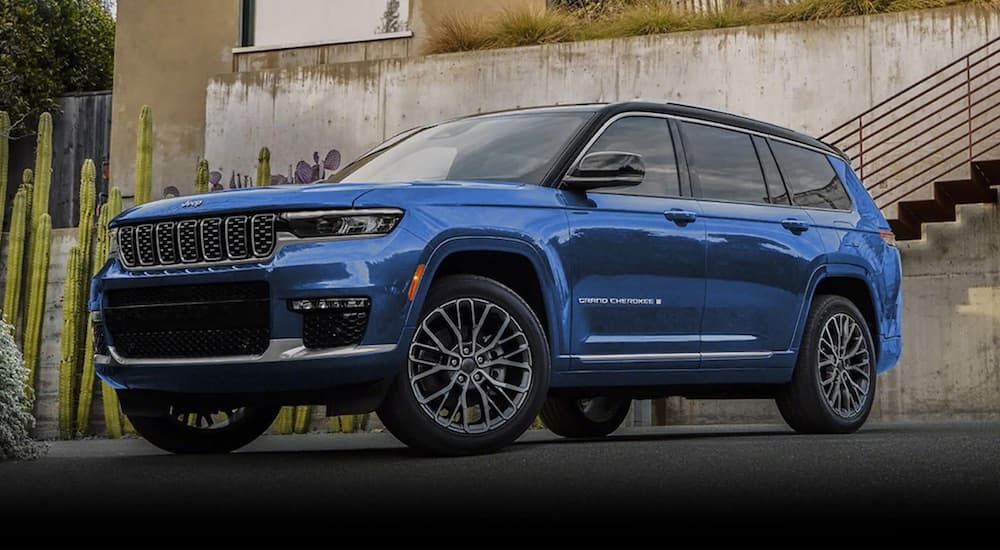
Jeep Cherokee (2014-2018 Models)
The Jeep Cherokee models produced between 2014 and 2018 have faced significant criticism for frequent power loss problems, largely tied to their complex and sometimes problematic 2.4-liter Tigershark four-cylinder engine and the 9-speed automatic transmission.
The Tigershark engine, despite its promise of efficiency, has been known to suffer from inconsistent power delivery issues. Owners frequently reported sudden drops in power while driving, hesitation during acceleration, and sometimes complete engine stalling.
These problems often stem from the engine’s direct injection system, which is prone to carbon buildup on the intake valves. This buildup reduces airflow, leading to incomplete combustion and, consequently, power loss.
The transmission in these Cherokees has also contributed heavily to power inconsistency complaints. The 9-speed automatic transmission, a relatively new design at the time, was ambitious but often criticized for erratic shifting patterns and frequent “hunting” for the correct gear.
The transmission’s software was sometimes unable to adapt smoothly to real-world driving conditions, resulting in jerky acceleration and unexpected drops in power.
In some cases, the transmission would enter a “limp mode” to prevent damage, severely limiting engine power and frustrating drivers with sluggish performance.
Many owners felt that this transmission was underdeveloped and not sufficiently refined before being released to the market.
Additionally, electronic issues have been common in the Jeep Cherokee, contributing to the feeling of unreliable power.
Faulty sensors, such as the throttle position sensor or mass airflow sensor, would sometimes send inaccurate data to the vehicle’s computer, causing the engine to run poorly and lose power intermittently.
Software glitches in the engine control module also occasionally caused inconsistent throttle responses or delayed acceleration, compounding the power delivery problems.
These electronic malfunctions required frequent trips to dealerships for diagnostics and software updates, frustrating owners who expected better performance from a mid-size SUV.
Finally, maintenance challenges added to the power loss woes. The direct injection system demands regular cleaning to prevent carbon buildup, but many owners were unaware of this or found the process expensive and time-consuming.
Failure to perform these maintenance tasks on schedule often resulted in worsened power delivery and engine performance.
While Jeep has made improvements in later models, the 2014-2018 Cherokee remains infamous for its tendency to lose power frequently, making it a vehicle that many potential buyers approach with caution.
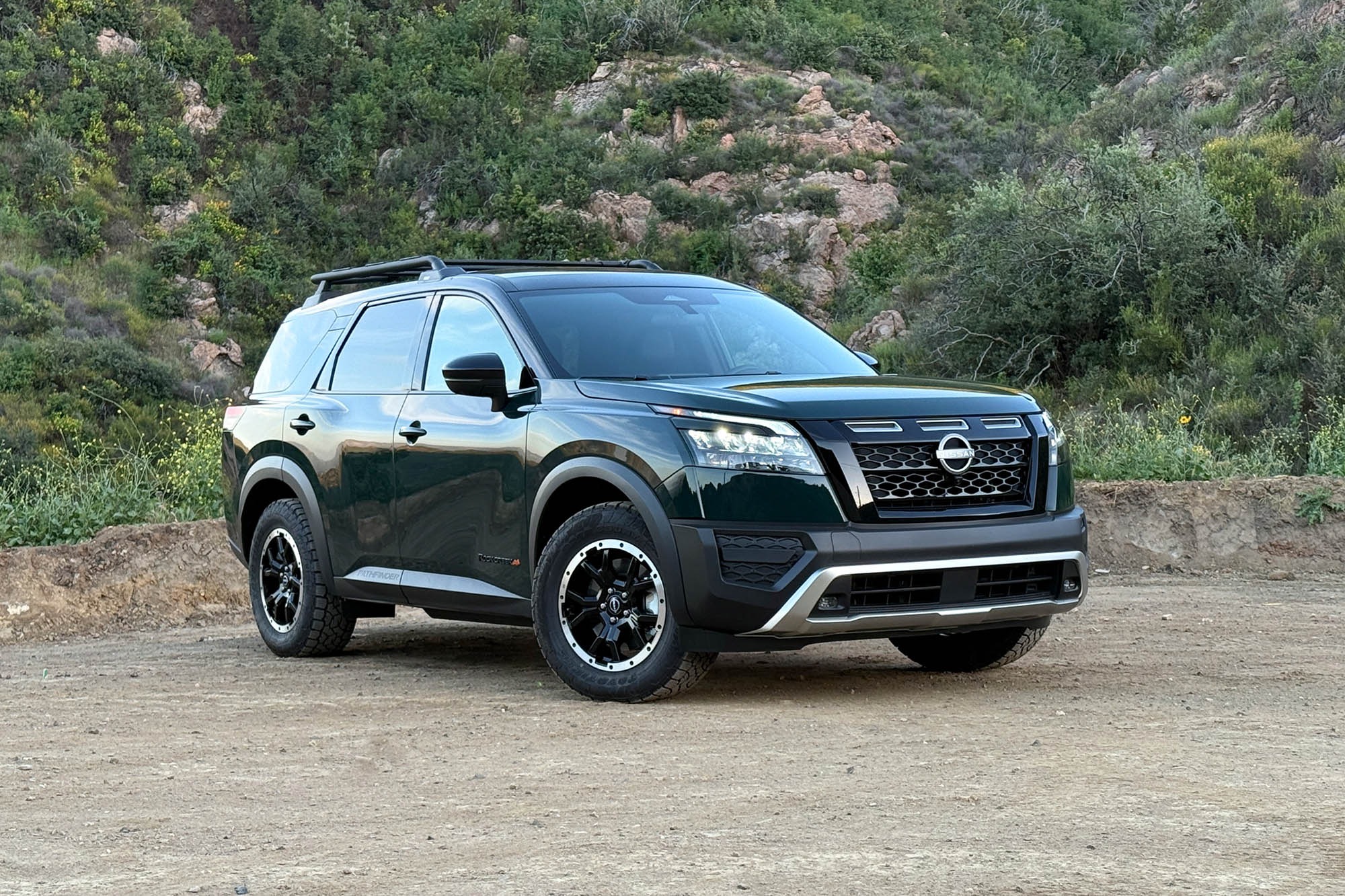
Nissan Pathfinder (2013-2016 Models)
Nissan Pathfinder models from 2013 to 2016 have been frequently cited for problems with inconsistent power, particularly due to issues with the 3.5-liter V6 engine and its continuously variable transmission (CVT).
The V6 engine, while generally powerful on paper, suffers in practice from a combination of rough acceleration and power dips that frustrate drivers.
A major cause of these problems is the CVT’s difficulty in managing the engine’s torque effectively.
Unlike traditional automatics, CVTs use a system of belts and pulleys to provide a seamless range of gear ratios, but when not tuned properly, they can cause the engine to operate outside its optimal power band. This leads to engine revving without a corresponding increase in speed, which feels like a loss of power to the driver.
Further compounding these issues is the CVT’s tendency to overheat and go into protective limp modes. When the transmission overheats, it reduces engine power to prevent damage, which can happen during heavy acceleration, towing, or driving in hot climates.
This sudden drop in power is a source of concern for Pathfinder owners who expect a smooth and reliable driving experience.
The CVT has also been known to experience premature wear, leading to more frequent repairs and replacements compared to traditional automatic transmissions. These mechanical and thermal limitations of the CVT contribute directly to the perception of power loss in the Pathfinder.
The engine management system in the Pathfinder can also be a culprit. Faulty sensors or software issues can cause the engine to hesitate or misfire, especially when the vehicle is under load. This leads to sporadic power delivery and a noticeable reduction in throttle responsiveness.
In some cases, these issues trigger warning lights and require costly diagnostics to identify and fix. The V6’s direct injection system can also accumulate carbon deposits, which impairs combustion efficiency and reduces power over time if not cleaned regularly.
Lastly, the Pathfinder’s cooling system has occasionally been flagged for insufficient capacity to manage heat generated under demanding conditions. Inefficient cooling can lead to engine and transmission overheating, forcing the vehicle’s control systems to cut power to prevent damage.
Owners who use their Pathfinder for towing or long trips in warm climates are especially prone to experiencing this issue. Despite Nissan’s efforts to update the Pathfinder’s systems in later models, the 2013-2016 generation remains problematic for those seeking consistent power delivery.
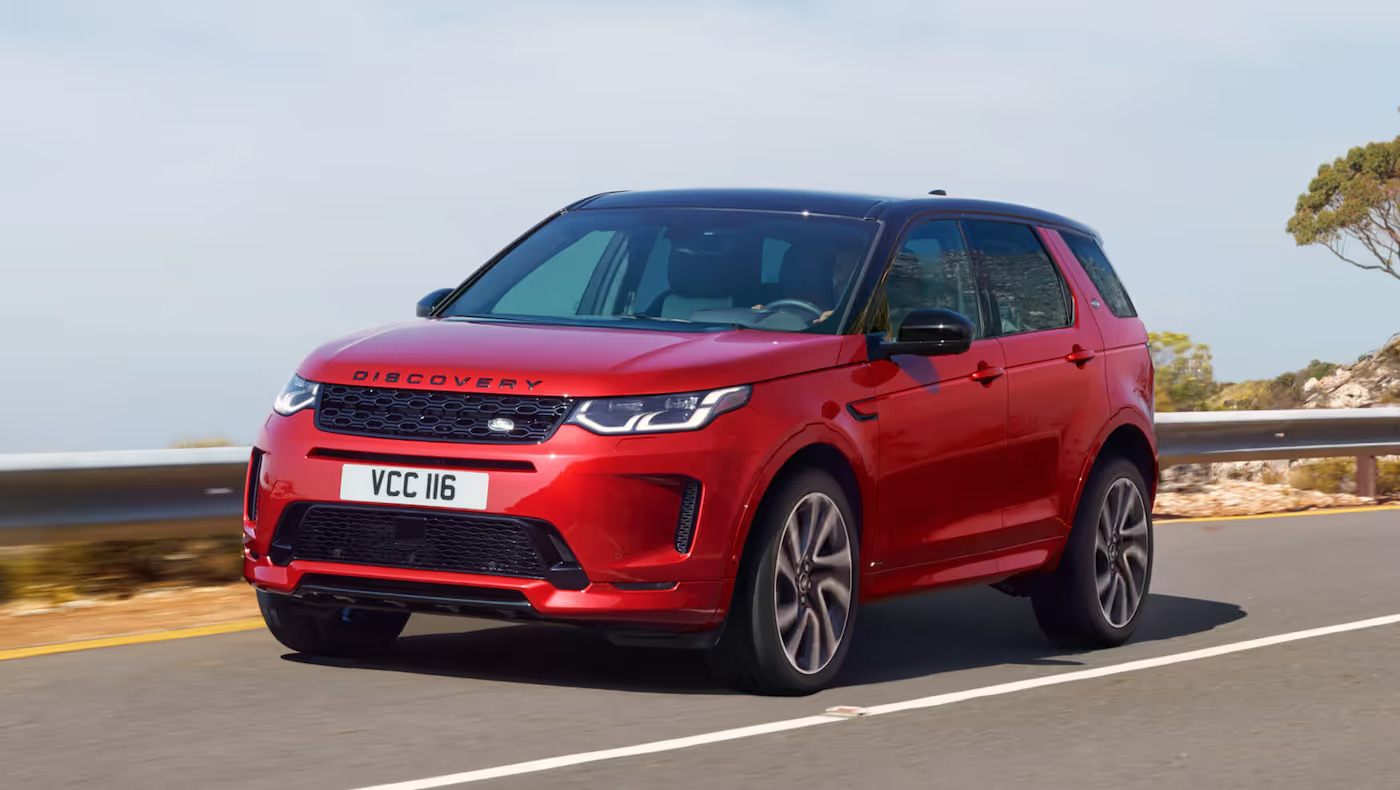
Land Rover Discovery Sport (2015-2019 Models)
The Land Rover Discovery Sport from model years 2015 to 2019 has gained a reputation for frequent power loss issues linked mainly to its 2.0-liter turbocharged four-cylinder engine and its transmission system.
While the Discovery Sport offers excellent off-road capability and luxury features, its powertrain reliability leaves much to be desired.
The turbocharged engine, although capable of delivering strong performance on paper, has shown tendencies toward power dips, especially during sudden acceleration or when the engine is cold.
This can be traced back to both mechanical and software problems, including turbo lag, inefficient turbo boost control, and erratic fuel delivery.
Fuel system issues are another common cause of power loss in the Discovery Sport. The direct injection system is prone to carbon buildup on the intake valves, a widespread problem in turbocharged engines that affects air flow and combustion quality.
This buildup causes the engine to run rough and lose power, especially at low RPMs or under heavy load.
Additionally, some owners have reported problems with fuel pump failures or clogged fuel filters, which directly disrupt the supply of fuel and cause noticeable power interruptions. These issues often require extensive and expensive repairs due to the complexity of the engine design.
The transmission used in the Discovery Sport has also been problematic. Paired typically with a 9-speed automatic transmission, the unit is known for its occasional hesitation and slow downshifts, which make power delivery feel uneven.
The transmission software sometimes struggles to anticipate driver inputs, causing jerky acceleration and unexpected power reductions.
Furthermore, when the transmission enters limp mode due to detected faults or overheating, engine power is severely limited to protect the system, frustrating drivers and reducing the vehicle’s performance.
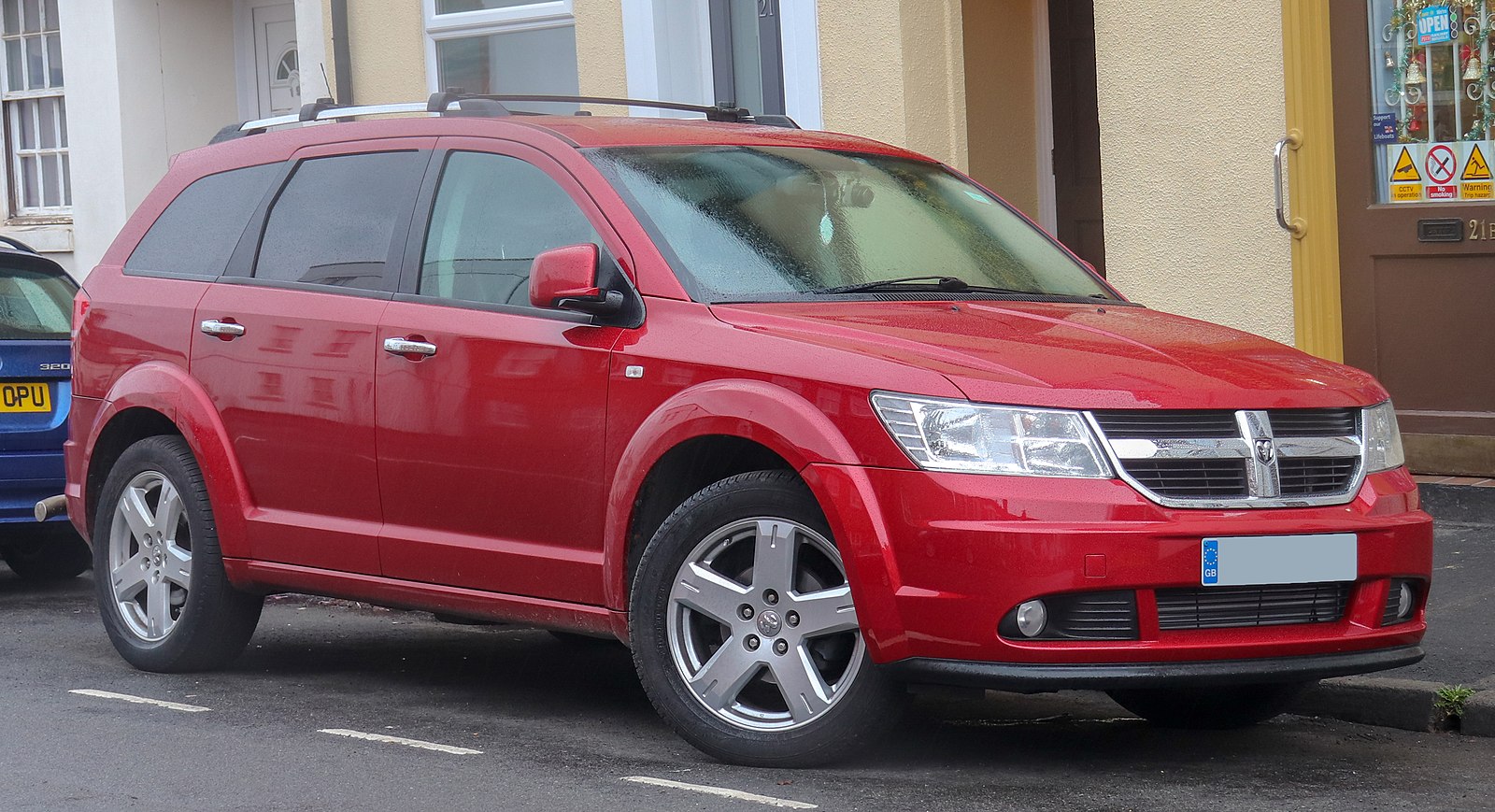
Dodge Journey (2011-2018 Models)
The Dodge Journey, produced between 2011 and 2018, is another SUV that struggles with maintaining consistent power.
It is often criticized for its outdated powertrain options, including the 2.4-liter four-cylinder and 3.6-liter V6 engines, which have both shown tendencies toward sluggishness and power dips.
The engines themselves are not inherently weak, but their integration with the vehicle’s transmission and electronic controls often results in a subpar power delivery experience.
Drivers frequently report that the Journey feels underpowered, especially when carrying passengers or cargo, with acceleration that can be hesitant and uneven.
One significant factor in the Journey’s power issues is the use of a 4-speed or 6-speed automatic transmission that lacks refinement.
These transmissions often struggle to keep the engine within its optimal power band, shifting erratically or too early, which results in a feeling of power loss or hesitation.
The transmission control unit’s programming is relatively basic compared to more modern SUVs, which translates to slower response times and less efficient power management.
Additionally, the transmission is prone to overheating, especially during heavy acceleration or in stop-and-go traffic, which can trigger limp modes that drastically reduce engine power.
Mechanical and electronic faults also contribute to the Dodge Journey’s inconsistent power delivery. Ignition system failures, such as worn spark plugs or failing ignition coils, can cause misfires that reduce engine performance.
Similarly, sensors like the throttle position sensor and mass airflow sensor frequently become faulty or dirty, leading to inaccurate readings that disrupt fuel and air mixture and cause power dips.
Owners often find that these issues recur unless preventative maintenance is diligently followed, which can be challenging given the vehicle’s older design.
