
When purchasing an SUV, many buyers focus on factors like performance, styling, interior features, and reliability. However, one aspect that significantly affects everyday driving comfort is how quietly the vehicle operates, both when new and as it ages.
A quiet ride is a sign of careful engineering and attention to detail, contributing to a more relaxing, less stressful experience behind the wheel.
Conversely, SUVs that grow noisy over time can turn routine drives into frustrating experiences filled with engine drone, road rumble, wind whistling, and creaking cabin materials. This can be particularly troublesome for families, commuters, or anyone who spends long hours on the road.
The quietness of an SUV depends on multiple elements, including sound insulation, engine and drivetrain refinement, suspension design, and build quality. Manufacturers who prioritize these factors often create vehicles that maintain their peacefulness for many years, even as mileage climbs and parts naturally wear.
In contrast, some SUVs might start off relatively quiet but develop noise issues due to cheaper materials, less precise assembly, or engineering choices that prioritize other attributes like sportiness or ruggedness.
Environmental factors and maintenance habits can also influence how noise levels evolve over time.
For example, thicker glass and extensive insulation can keep wind and road noise at bay, while a smooth-running engine and soft suspension reduce mechanical sounds inside the cabin.
High-quality seals on doors and windows prevent air leaks that cause annoying whistling noises. Additionally, manufacturers that focus on precision in assembly reduce the chances of interior panels loosening and rattling as the vehicle ages.
Understanding which SUVs maintain quietness over the years versus those that tend to become noisy fast can help buyers make better-informed decisions.
A vehicle that remains quiet and comfortable enhances the ownership experience, contributes to driver focus and fatigue reduction, and often indicates a higher level of craftsmanship.
On the other hand, SUVs that develop noise problems can require frequent repairs, annoy, and lower resale value.
This article will examine five SUVs known for their ability to drive quietly for many years, highlighting the features and engineering that contribute to their long-lasting, calm cabins.
It will also discuss five SUVs that commonly develop noise issues sooner than expected, detailing the reasons behind their early decline in quietness.
By comparing these two groups, readers can gain insight into what matters most when selecting a quiet and comfortable SUV for both new purchases and long-term ownership.
Whether you prioritize luxury, reliability, or value, paying attention to how an SUV performs in terms of noise and comfort over time is crucial.
Quietness is not just about avoiding distractions; it directly affects the quality of your driving experience and can even influence your health and well-being during long trips.
Knowing which SUVs are built to remain serene for years can save money, time, and frustration down the road, making the journey more enjoyable for you and your passengers.
Also Read: 10 Vehicles That Survived Global Conflicts
5 SUVs That Drive Quietly for Years
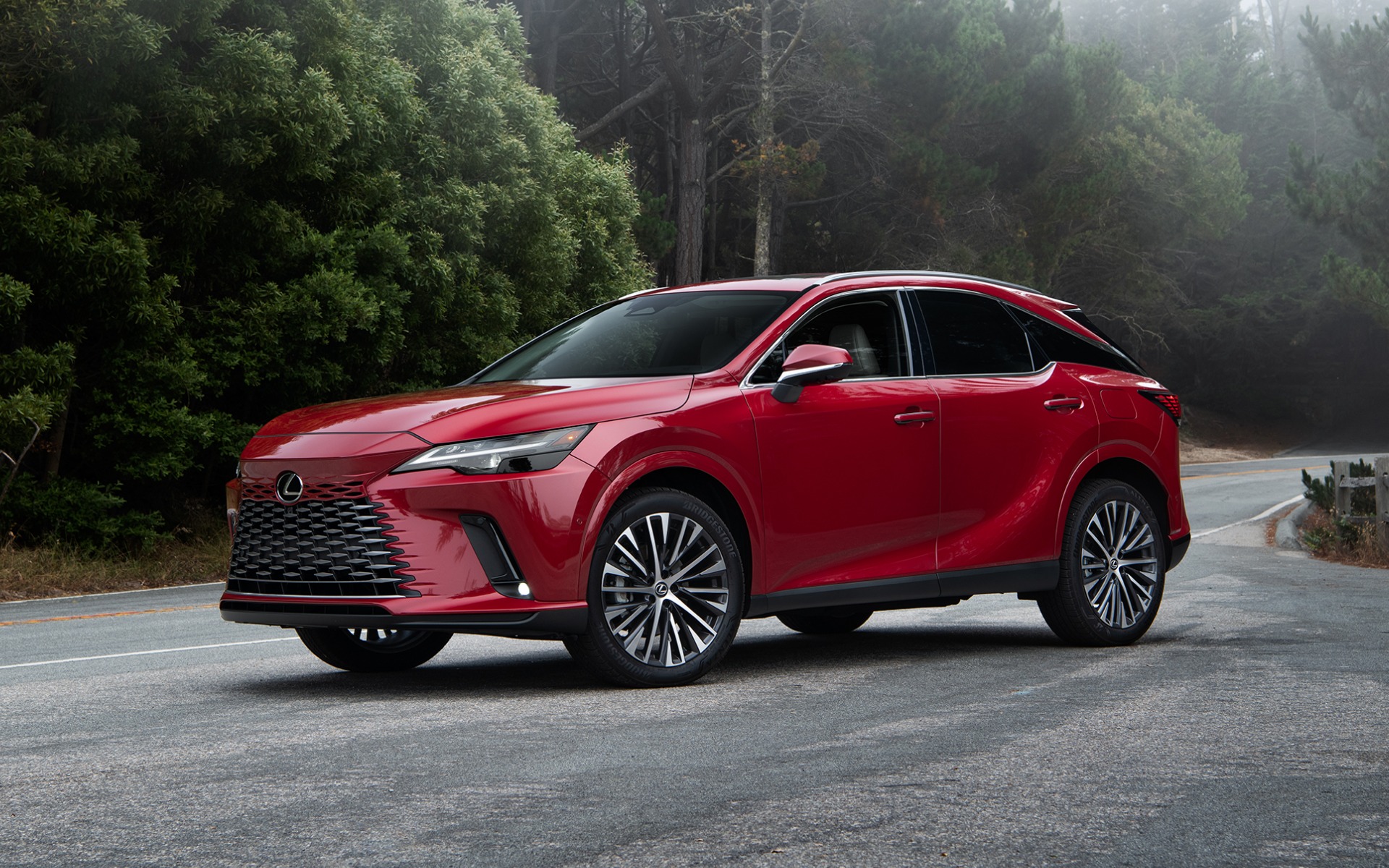
1. Lexus RX
The Lexus RX has been a staple in the luxury midsize SUV market, well-known for its quiet and refined ride.
One of the main reasons it remains so peaceful inside the cabin, even after years of use, is the brand’s focus on high-quality materials and exceptional build quality.
Lexus uses double-pane acoustic glass that dramatically reduces outside noise, a feature often reserved for higher-end luxury vehicles.
This glass, combined with thick door seals and extensive sound-deadening insulation throughout the body panels, creates an almost bubble-like silence for occupants.
In addition to the physical materials, the engineering behind the RX’s powertrain also plays a significant role. The standard V6 engine is tuned for smoothness rather than outright power, producing very little vibration or harshness.
For those who want an even quieter experience, the RX Hybrid variant is especially because it can run on electric power at low speeds, virtually eliminating engine noise in stop-and-go traffic. This electric assist not only improves fuel economy but also enhances the tranquil nature of the ride.
Over time, Lexus models are less prone to developing rattles and squeaks thanks to their tight assembly tolerances. Many owners report that their RX models maintain a new-car quietness feel well beyond 100,000 miles, which is rare in the SUV category.
The suspension design also contributes to quietness by absorbing bumps efficiently, preventing excessive road noise from reaching the cabin.
Finally, Lexus backs this quiet performance with excellent long-term reliability. The combination of durable materials, precise manufacturing, and thoughtful engineering ensures that soundproofing components do not degrade quickly.
This longevity helps the RX stay one of the quietest SUVs on the road, even as it ages, making it a favorite for those prioritizing peace and comfort in their daily drives.
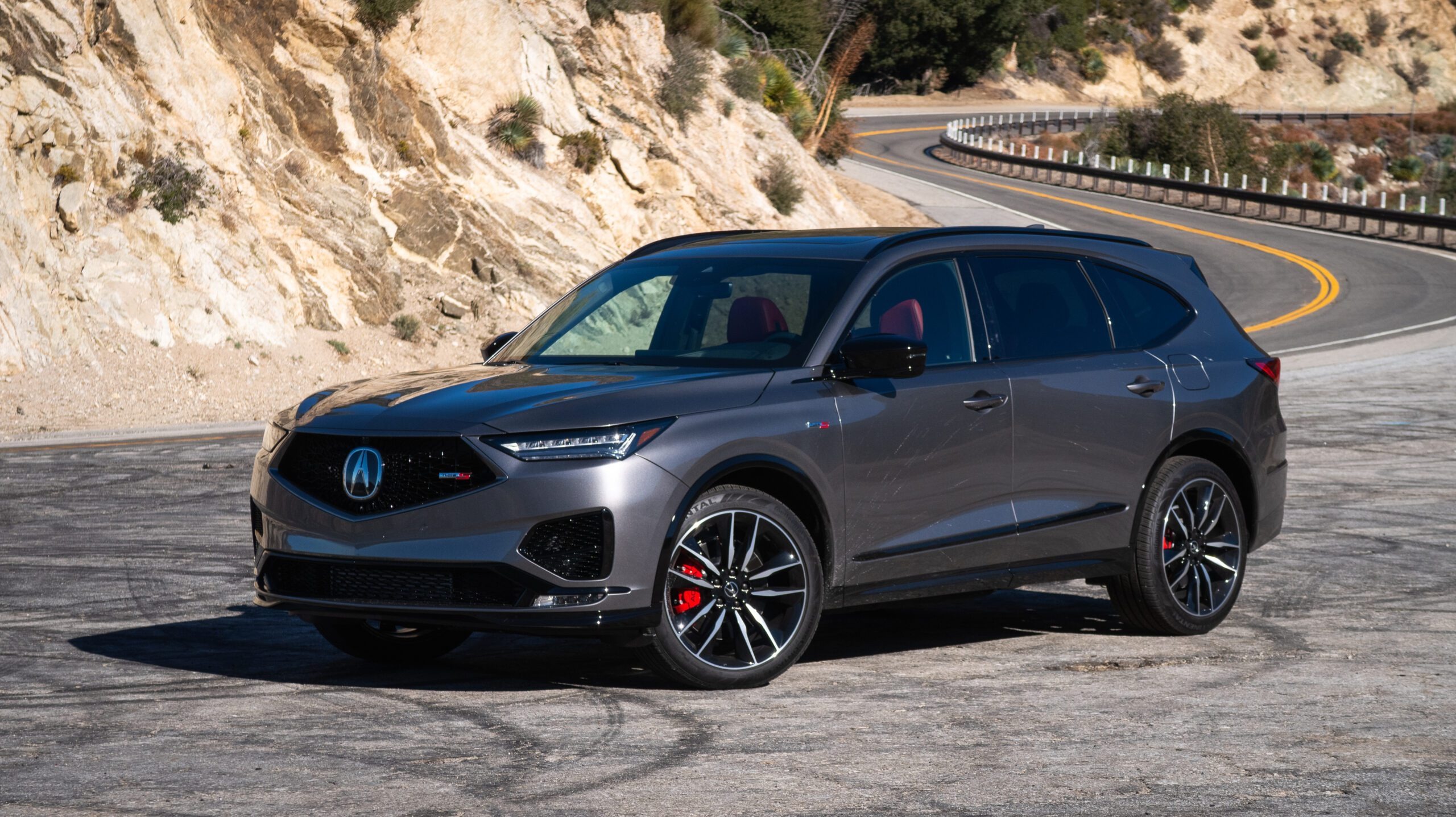
2. Acura MDX
The Acura MDX offers a compelling mix of luxury, performance, and quietness that stands the test of time. This SUV benefits from Acura’s experience in noise, vibration, and harshness (NVH) engineering, where much effort is put into isolating the cabin from external sounds.
Newer MDX models feature active noise cancellation systems that electronically reduce engine and road noise, a feature that further enhances cabin serenity without adding weight or complexity.
Structurally, the MDX uses sound-insulating materials such as dense foams and layered carpets, which absorb vibrations and muffled noise before they can reach passengers.
Door seals and window seals in the MDX are robust and designed to maintain their integrity through years of use, reducing the risk of increasing wind noise. Owners often highlight that even on rough pavement or highways, the cabin remains impressively quiet, thanks to these well-thought-out details.
The V6 engine under the hood of the MDX is another key factor in its quiet operation. Acura’s engineering focuses on delivering smooth power delivery with minimal mechanical noise.
The engine mounts and transmission design contribute to isolating engine vibrations from the chassis, reducing the sensation of noise inside. Additionally, the MDX’s suspension is tuned for comfort, effectively absorbing road imperfections and minimizing tire noise.
From a durability perspective, the MDX tends to maintain its quiet ride well after the warranty period ends. The cabin materials age gracefully, and the well-built body resists developing the rattles or wind leaks common in less refined SUVs.
For drivers who want a reliable, quiet SUV that won’t become noisy as it ages, the Acura MDX is a strong contender that offers long-term peace and comfort.
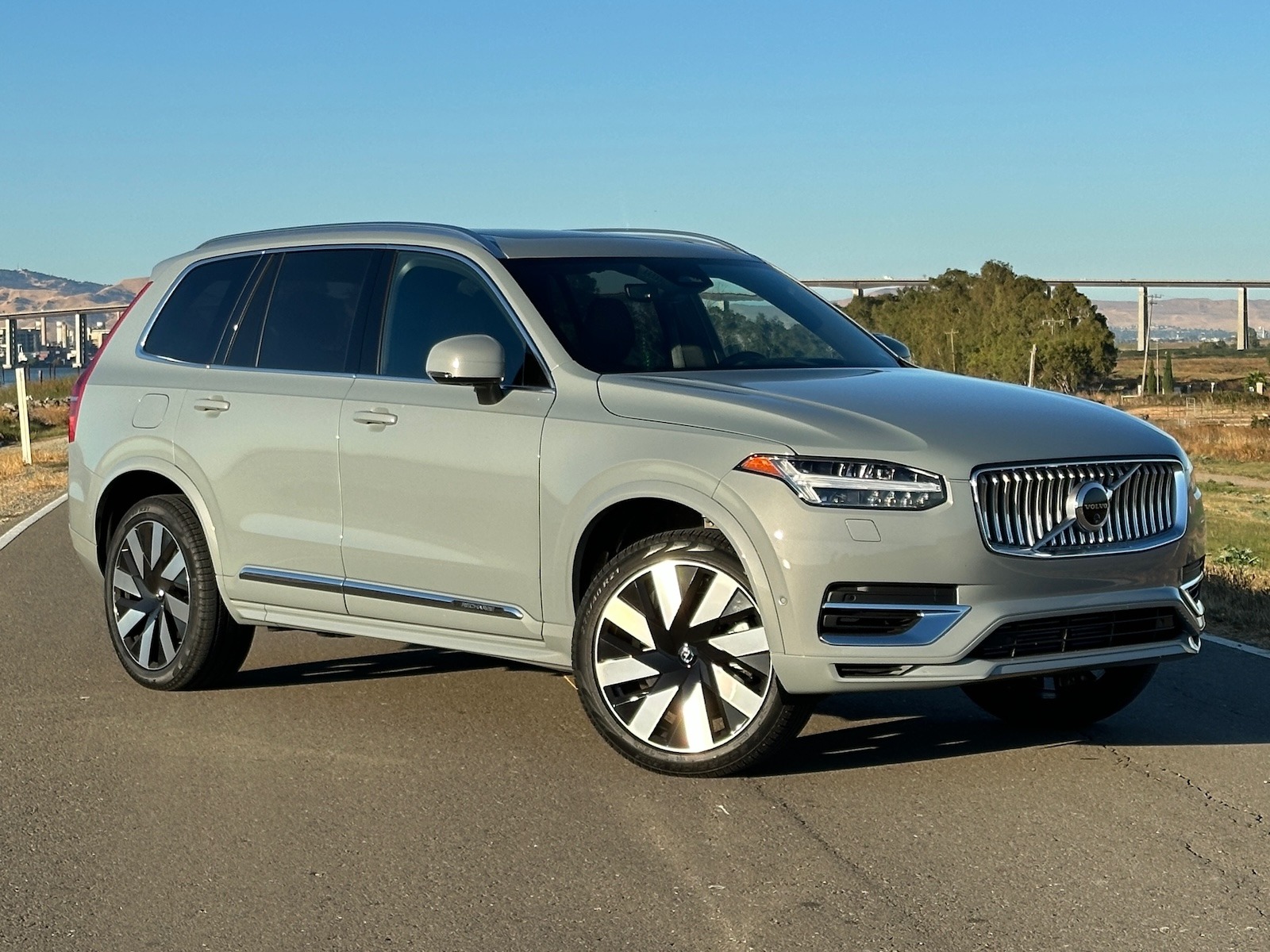
3. Volvo XC90
The Volvo XC90 combines Scandinavian design with a focus on safety and comfort, which includes remarkable attention to soundproofing.
Volvo’s approach to quietness starts with the use of triple-laminated glass, which significantly reduces wind noise, a common source of cabin disturbance in SUVs. This glass is complemented by thick weather stripping around doors and windows, ensuring minimal air leaks and keeping wind sounds at bay even at highway speeds.
Inside the XC90, layers of sound-absorbing materials are strategically placed throughout the floor, firewall, and rear compartment to block engine and road noise.
Volvo also designs its suspension to minimize the transfer of vibrations into the cabin, using advanced dampers and bushings to smooth out rough roads. This engineering helps maintain a calm interior environment, even when the SUV is tackling less-than-perfect surfaces.
Volvo’s engine options, including turbocharged and hybrid variants, prioritize refinement over aggressive power delivery.
The turbocharged engines offer smooth acceleration without harshness, while the hybrid system allows silent electric-only driving in many situations, reducing engine noise to near zero at low speeds. This versatility further enhances the quietness of the ride in everyday driving.
Aging is generally kind to the XC90 when it comes to noise levels. Thanks to Volvo’s high manufacturing standards and the use of premium interior materials, the cabin resists creaking and rattling that plague many SUVs as they grow older.
Owners often praise the XC90 for maintaining its serene atmosphere long after the initial purchase, making it a popular choice for those who value enduring quietness alongside safety and luxury.
4. Audi Q5
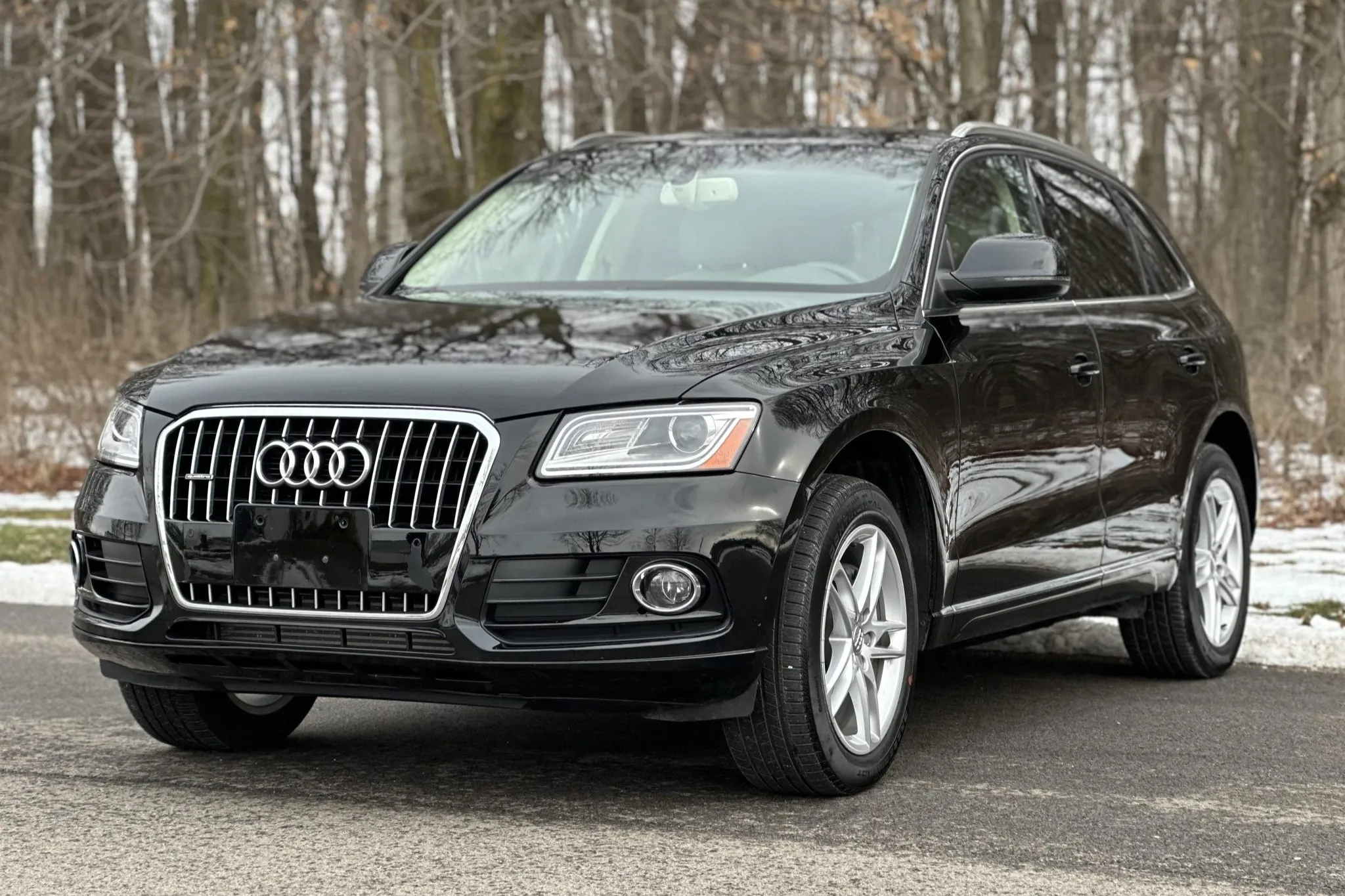
The Audi Q5 is widely regarded for its balance of sportiness and comfort, and a key part of its appeal is the quietness of its cabin. Audi employs a comprehensive noise reduction strategy that starts with double-glazed windows, which reduce outside sounds significantly compared to standard glass.
These windows are complemented by carefully designed door seals and sound-absorbing materials inside the doors and floor, which work together to keep road and wind noise to a minimum.
Audi’s engineering also focuses on drivetrain refinement, particularly with the turbocharged four-cylinder and V6 engines found in the Q5. These engines are finely tuned for smoothness, producing little vibration or harsh mechanical noise, even under hard acceleration.
The quattro all-wheel-drive system, known for its smooth operation, also helps prevent drivetrain-related noises that can intrude into the cabin in lesser systems.
The suspension setup of the Q5 is another contributor to its quiet ride. Audi uses a well-calibrated balance of spring rates and dampers to absorb imperfections in the road without transferring excessive noise or harshness to passengers.
The tires on the Q5 are typically designed with noise reduction in mind, further cutting down on road sounds that would otherwise be audible.
As the Q5 ages, owners often note that it remains quiet and comfortable. Audi’s attention to detail in assembly and choice of durable interior materials help prevent rattles and squeaks from developing over time.
This long-term refinement makes the Q5 an excellent option for drivers who want an SUV that won’t lose its peaceful cabin environment as miles accumulate.

5. Toyota Highlander
The Toyota Highlander, while not a luxury SUV, is remarkable for how quietly it drives relative to its price point. Toyota employs thick soundproofing materials within the doors, floor, and roof of the Highlander to create a barrier against external noise.
The brand also selects tires that strike a balance between performance and noise reduction, which helps maintain cabin quietness on a variety of road surfaces.
The Highlander’s V6 engine is engineered for smooth operation and low noise output. Unlike some SUVs that use turbocharging to boost power at the expense of increased noise, the naturally aspirated V6 in the Highlander tends to run quietly even after years of use.
The engine mounts and transmission are designed to minimize vibrations transmitted to the cabin, contributing to a quiet ride.
Additionally, Toyota’s suspension setup focuses on comfort and noise isolation. The Highlander’s suspension absorbs many road imperfections before they can be felt or heard inside the vehicle.
Door seals and window seals are also durable, preventing wind noise from becoming an issue even after extended use.
Finally, the Highlander benefits from Toyota’s reputation for reliability, which extends to the preservation of its quiet ride. The materials used in the interior age well, with minimal creaking or rattling developing over time.
For those who want a dependable SUV with a quiet cabin that lasts without paying a premium, the Highlander is a practical and effective choice.
5 SUVs That Get Noisy Fast
1. Jeep Grand Cherokee
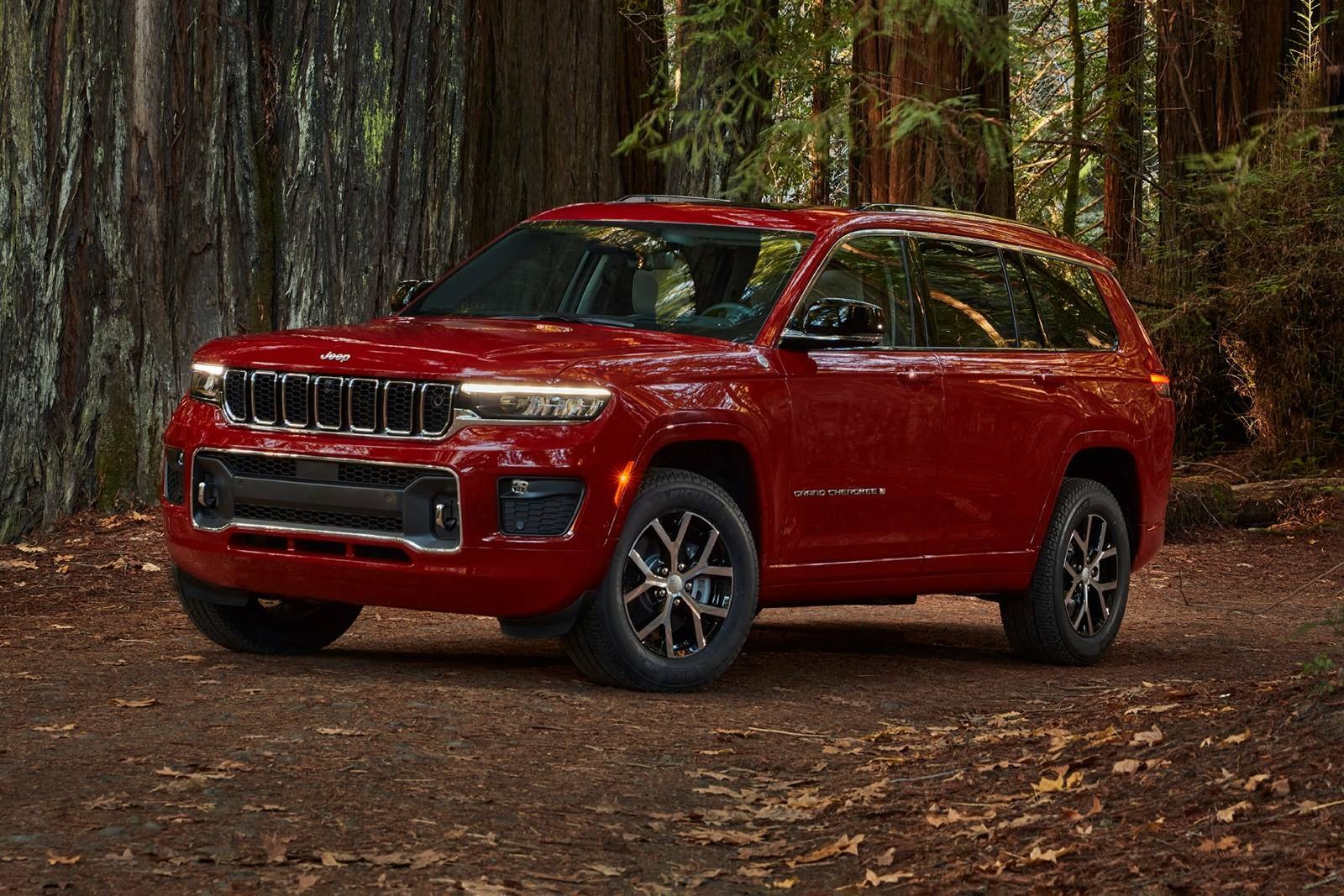
The Jeep Grand Cherokee is well-known for its off-road capability and rugged design, but it often struggles with maintaining a quiet cabin over time.
The body-on-frame construction, while great for durability and towing, tends to transmit more vibrations and road noise into the cabin compared to unibody SUVs. Owners frequently report that the Grand Cherokee becomes noticeably louder as the suspension components wear and body mounts loosen with age.
Another source of increased noise in the Grand Cherokee comes from wind infiltration. Many users note that door seals and window seals start to deteriorate faster than expected, allowing wind noise to creep in, especially at highway speeds.
This can make long drives tiring, as the constant roar outside the vehicle becomes distracting and tiresome.
The powertrain also contributes to the noise concerns. Both the V6 and V8 engines in the Grand Cherokee, while powerful, tend to produce droning or harsh noises during sustained highway driving.
Over time, engine mounts may degrade, amplifying vibration and noise felt inside the cabin. The exhaust system, especially in sportier trims, is louder, which while appealing to some drivers, can add to the noise pollution for passengers.
Inside the cabin, the quality of materials can contribute to unwanted sounds. Hard plastics and trim pieces tend to creak or rattle as the vehicle ages, especially with exposure to temperature changes and road vibrations.
Many owners find themselves needing to fix these noises to regain some of the initial quietness, which indicates that the Grand Cherokee’s interior build quality is not as durable in noise management as some competitors.
2. Ford Explorer
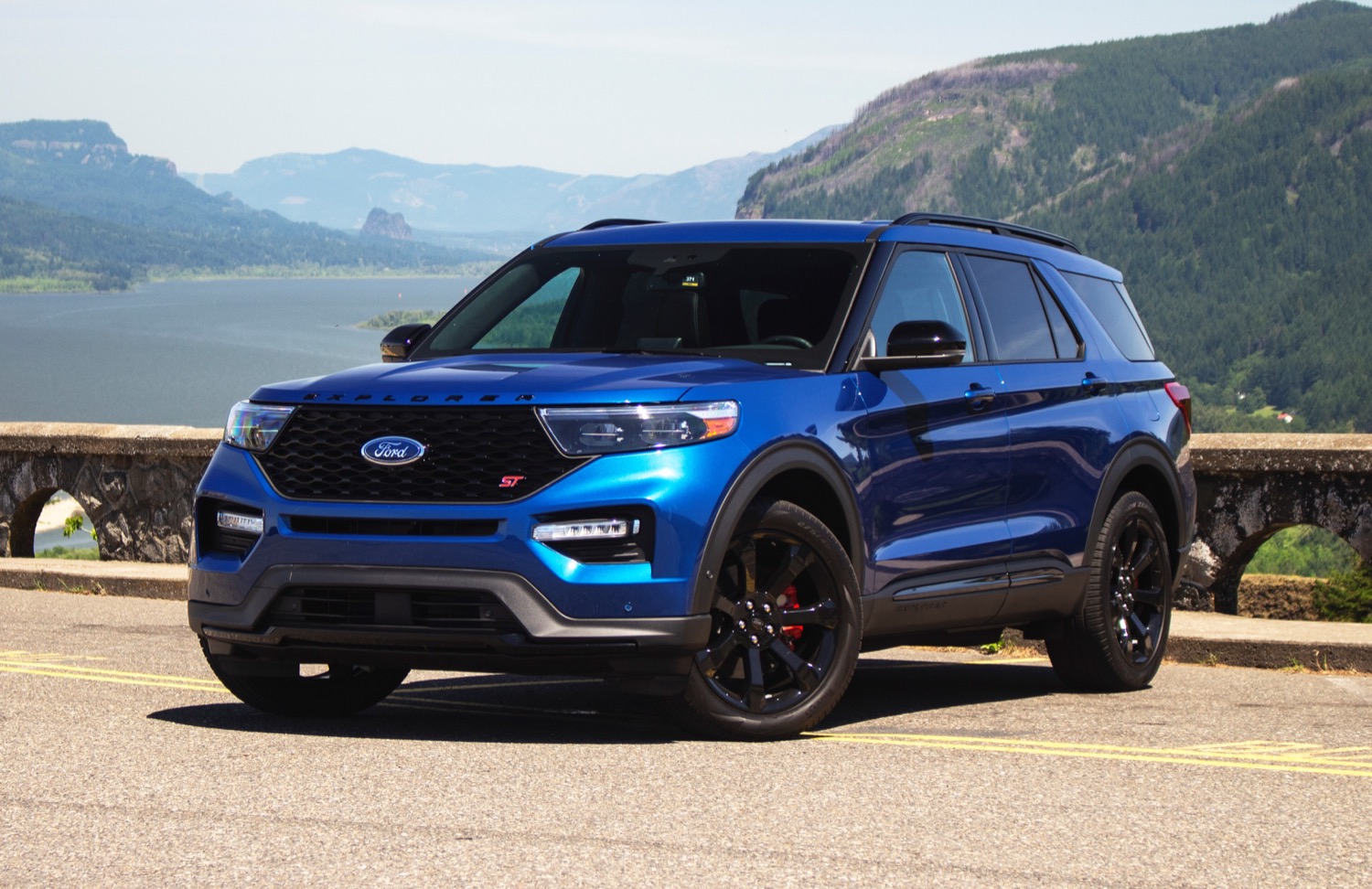
The Ford Explorer, a popular midsize SUV, has a mixed reputation when it comes to cabin quietness, especially in older models. Road noise from tires and suspension components often becomes noticeable after just a few years of use.
The Explorer’s suspension is tuned more toward handling and performance, which sometimes sacrifices the quietness that comfort-focused drivers seek.
Wind noise is another common complaint among Explorer owners. The design of the front doors and windshield area sometimes results in increased air infiltration, causing a persistent whistling or whooshing sound at highway speeds.
This issue tends to worsen as door seals age or if the vehicle experiences frame flexing, which is not uncommon in SUVs with more aggressive driving.
Under the hood, the turbocharged four-cylinder engines, introduced in newer Explorer models, can produce a higher-pitched mechanical noise that becomes more noticeable over time.
Some owners also report vibration and clattering noises coming from the engine bay, especially if engine mounts start to wear out. These sounds detract from the quietness, making the cabin less serene during everyday driving.
The interior materials and assembly quality can contribute to rattles and squeaks developing sooner than expected.
Plastic panels, trim pieces, and even door handles may loosen, creating irritating noises that degrade the driving experience. The accumulation of these noises often leads to owner dissatisfaction regarding the long-term quietness of the Explorer.
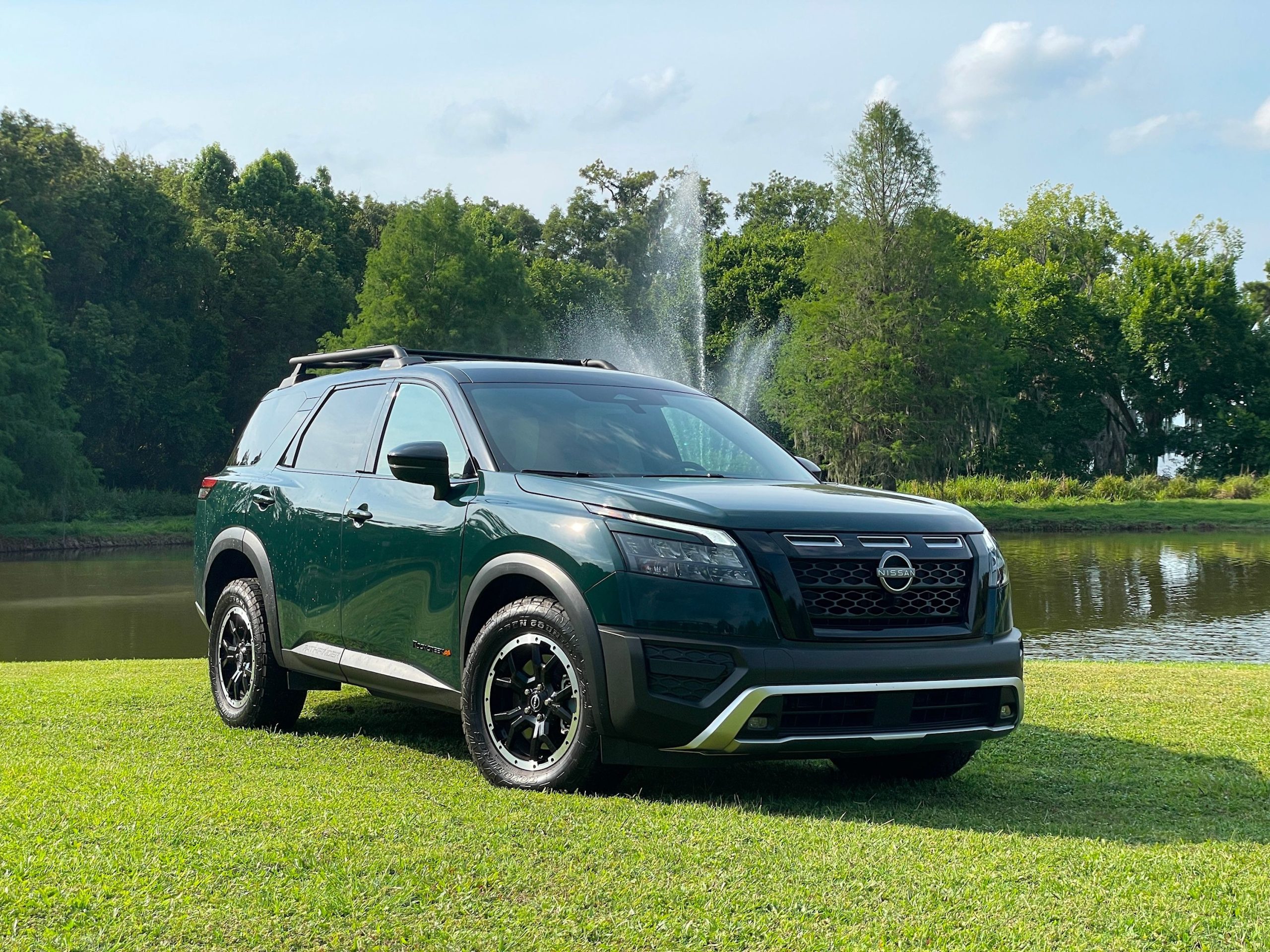
3. Nissan Pathfinder
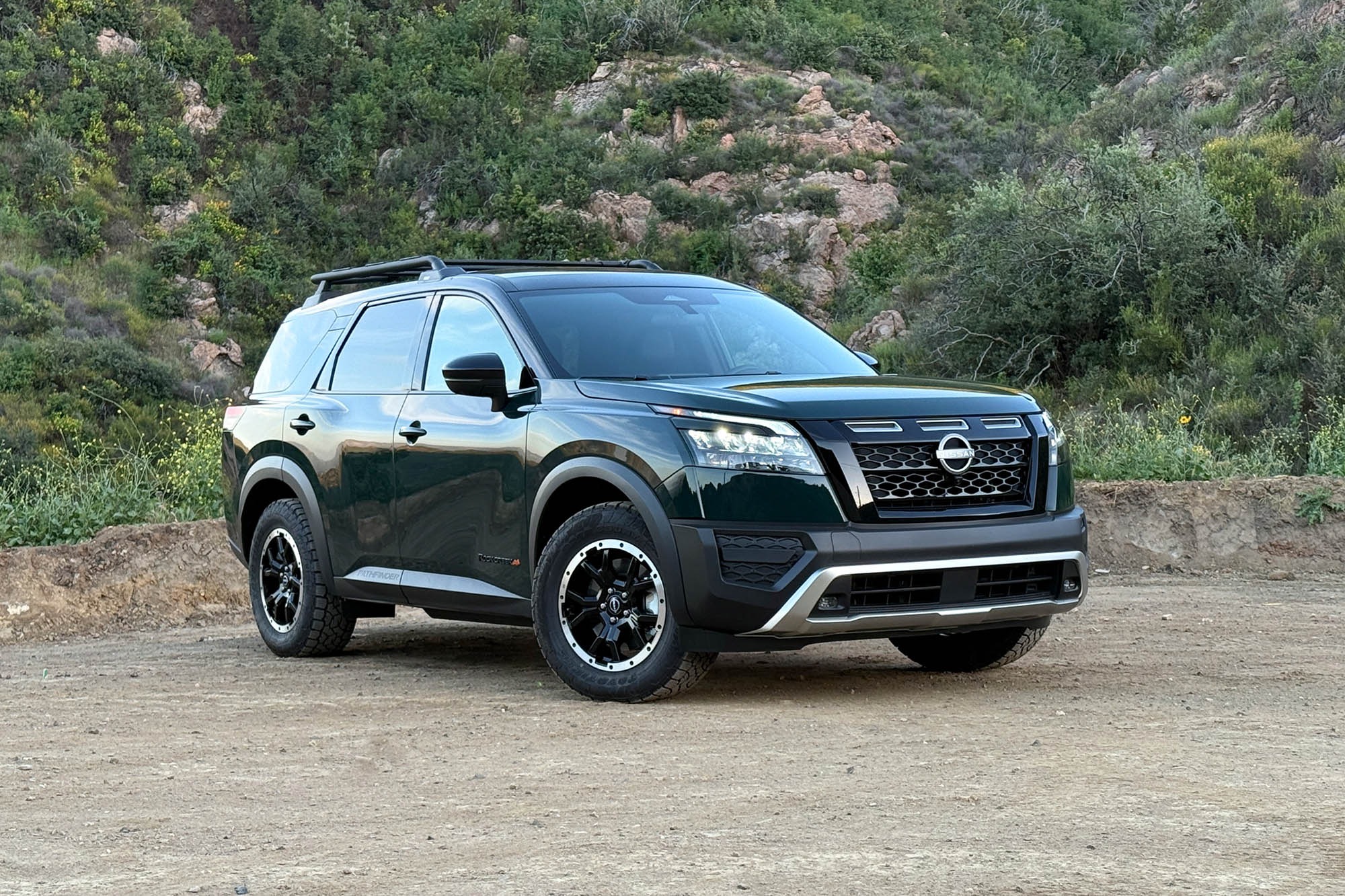
The Nissan Pathfinder, while offering spaciousness and practicality, struggles to maintain a quiet cabin as it ages. Early models especially suffer from increased tire and road noise, which can be distracting on longer trips.
The SUV’s suspension does a decent job of absorbing bumps initially but tends to degrade over time, allowing more noise and harshness to filter into the cabin.
Wind noise is a frequent complaint for Pathfinder owners. This is often due to door and window seals that loosen or deteriorate prematurely.
The resulting gaps allow air to seep into the cabin, producing noticeable whistling noises at highway speeds. These sounds can make the vehicle feel less insulated and reduce comfort during drives.
The Pathfinder’s V6 engine, although reliable, emits more mechanical noise compared to smoother rivals. As the vehicle accumulates mileage, engine mounts can wear, and components may loosen, leading to increased vibrations felt inside the cabin.
Exhaust noise is also louder than average, which may appeal to some but detracts from a quiet driving experience.
Inside the cabin, plastic materials tend to age poorly, leading to creaks and rattles that become more prominent over time.
Dashboard components and door panels are especially prone to these issues. This can make the Pathfinder feel less solid and refined, particularly compared to SUVs designed with long-term noise reduction in mind.
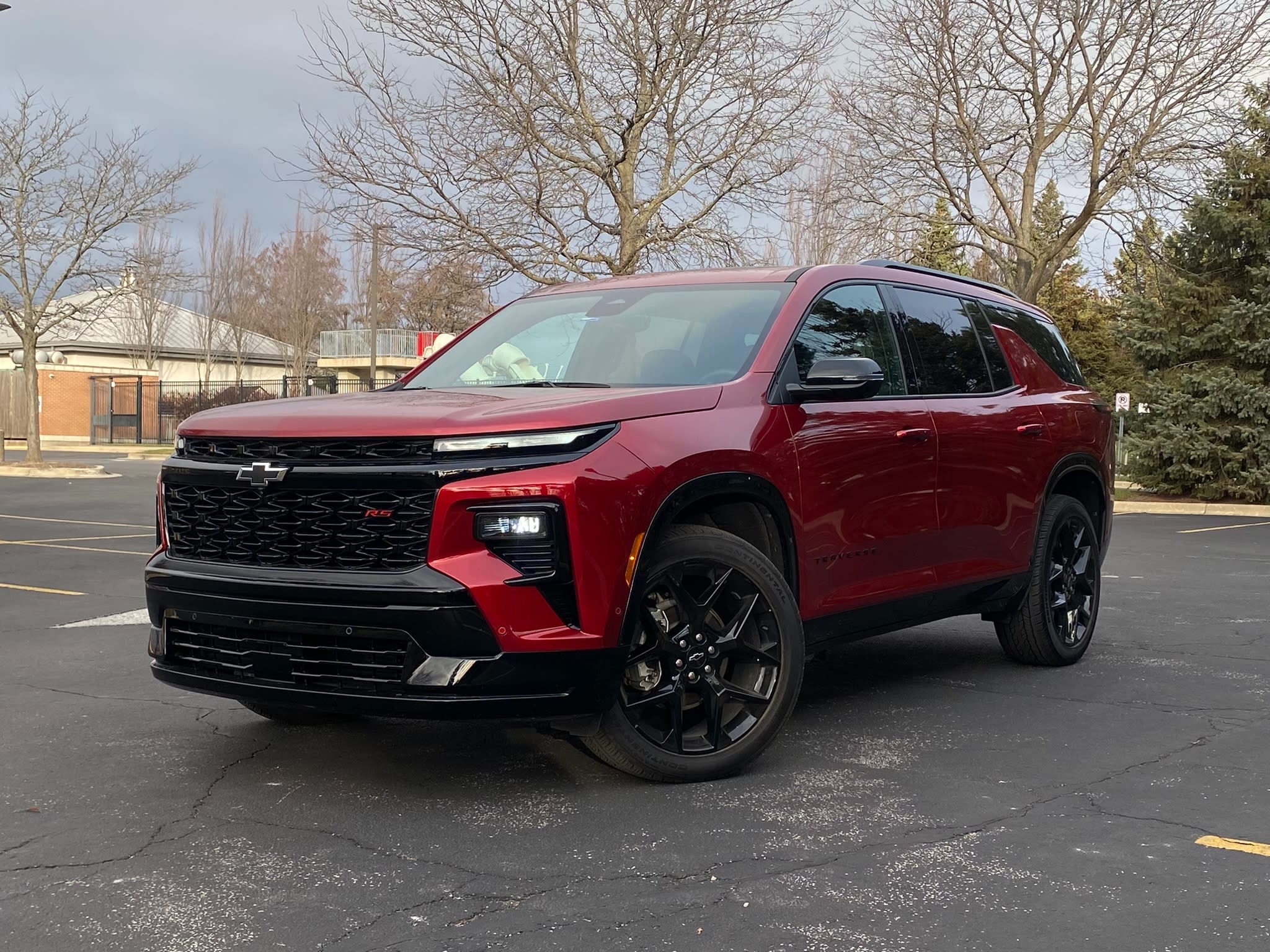
4. Chevrolet Traverse
The Chevrolet Traverse is a large SUV that initially offers a reasonably quiet ride but often loses this advantage as it ages.
Owners report that road noise, particularly from the tires, increases significantly after several years of use. The suspension setup, while comfortable, tends to transmit more vibrations and noise into the cabin once components begin to wear out.
Wind noise around the doors and windows is another issue that arises over time. Door seals may degrade or fail to maintain tightness, allowing air to enter the cabin at high speeds.
This problem can be particularly noticeable on highways, where consistent wind sounds create a distracting environment inside the vehicle.
The V6 engine powering the Traverse is generally smooth but can produce more noticeable vibrations and mechanical noise as engine mounts and bushings wear.
Additionally, the exhaust system can be louder than that of competitors, contributing to a noisier cabin environment. These factors combine to reduce the sense of refinement that some buyers expect from a vehicle of its size.
Inside, the quality of materials is a contributing factor to noise development. Hard plastics and trim panels are prone to rattling and creaking as the vehicle ages.
This degradation in interior fit and finish makes the cabin feel less solid and comfortable, especially for those used to more premium SUVs with better sound management.
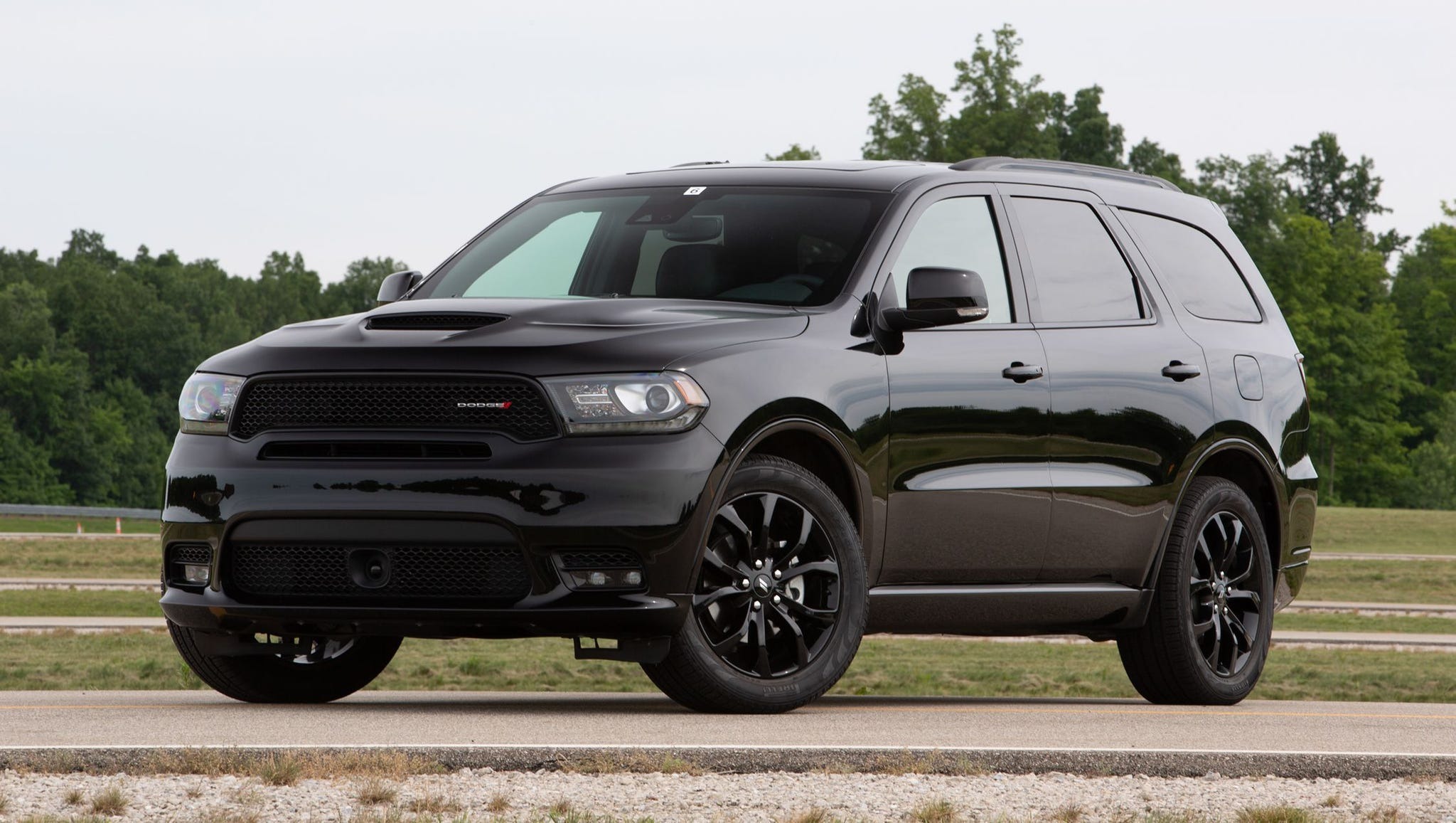
5. Dodge Durango
The Dodge Durango is well-regarded for its powerful engines and towing capacity, but it often falls short in the area of cabin quietness, particularly as the vehicle ages.
The larger V8 engines produce a distinctive exhaust note that can be loud and intrusive, especially at highway speeds. While some drivers appreciate this aggressive sound, it contributes to increased cabin noise.
Road noise is another common problem in the Durango. The suspension is tuned more toward handling and load capacity than noise isolation, meaning that rough roads and coarse pavement can generate more sound inside the vehicle.
Over time, suspension components and bushings wear out, worsening the transmission of vibrations into the cabin.
Wind noise around the windows and doors tends to increase with mileage. Door seals and window trims may become less effective at blocking outside air, leading to more intrusive whistling and rushing sounds. These noises make longer drives less pleasant, particularly at higher speeds.
Finally, the Durango’s interior materials and construction contribute to noise issues. Hard plastics and trim pieces often develop rattles and squeaks as they age, reducing the perceived quality of the cabin environment.
This is especially frustrating for owners who expect a quieter, more refined experience from an SUV with the Durango’s price and capabilities.
Also Read: 10 Cars That Rarely Break Power Steering
The quietness of an SUV over time is a critical but often underestimated aspect of vehicle ownership. While many buyers initially focus on features like horsepower, technology, or styling, the long-term driving experience is deeply influenced by how well a vehicle manages noise.
A quiet cabin contributes to comfort, reduces driver fatigue, and creates a more pleasant environment for passengers.
This article has highlighted two distinct groups of SUVs: those that are engineered to maintain their silence for many years and those that tend to become noisier relatively quickly.
SUVs like the Lexus RX, Acura MDX, Volvo XC90, Audi Q5, and Toyota Highlander stand out because of their thoughtful engineering, high-quality materials, and precise assembly.
These vehicles incorporate features such as acoustic glass, extensive sound insulation, smooth-running engines, and robust seals that prevent wind and road noise from intruding.
Their suspension systems are carefully tuned to absorb road imperfections and reduce vibrations, while interior materials age gracefully without developing rattles or squeaks.
Owners of these SUVs often report a consistently quiet ride even after many miles, making them excellent choices for drivers who prioritize long-term comfort and serenity.
On the other hand, SUVs like the Jeep Grand Cherokee, Ford Explorer, Nissan Pathfinder, Chevrolet Traverse, and Dodge Durango demonstrate how various design and build choices can lead to early noise problems.
Issues such as deteriorating door seals, less effective soundproofing, harsh engine noises, and interior materials that creak or rattle with age can all contribute to increased cabin noise.
These factors make the driving experience less enjoyable over time and can lead to higher maintenance costs and diminished resale value. For buyers seeking quietness and comfort, these vehicles may not meet expectations after several years of ownership.
This comparison underlines the importance of considering more than just initial specifications or styling when selecting an SUV.
Prospective buyers should pay close attention to sound insulation features, engine refinement, suspension design, and the build quality to ensure their chosen SUV remains quiet and comfortable in the long run.
Test driving, reading owner reviews, and researching reliability and noise performance can provide valuable insights before making a decision.
A quiet SUV not only enhances your driving pleasure but also reflects a manufacturer’s commitment to quality and attention to detail. It can make the difference between a vehicle that feels like a trusted sanctuary on wheels and one that becomes a source of daily irritation.
By choosing SUVs known for their lasting quietness, drivers can enjoy years of peaceful journeys, making each trip more relaxing and enjoyable for themselves and their passengers.
In a market crowded with options, understanding how different SUVs age in terms of noise can give buyers a significant advantage. Quietness should be considered a priority alongside other key attributes, helping ensure satisfaction well beyond the showroom.
Whether you favor luxury models or reliable family SUVs, investing in a vehicle that preserves its calmness over time is a smart choice that pays dividends in comfort, convenience, and driving happiness.
