
Electric vehicles (EVs) have steadily moved from novelty to necessity for many drivers. With the rapid rise in environmental awareness and technological innovation, EVs are no longer seen as quirky alternatives but as serious competitors to traditional gasoline-powered cars.
As more people make the switch, range becomes one of the most talked-about aspects. While manufacturers boast impressive numbers on paper, real-world performance often tells a different story. The advertised range may only hold under ideal conditions, mild weather, flat terrain, minimal cargo, and gentle driving.
Add in hills, heat, cold, or heavy acceleration, and the range can drop noticeably. Some models hold up better under pressure, while others suffer significant losses in range with even minor changes in driving behavior or environment.
For those considering an electric vehicle, understanding which cars are more consistent in real-world conditions can make a significant difference. It’s not just about the number on the sticker. It’s about whether your EV will still perform adequately when it’s freezing outside or when you’re stuck in traffic with the air conditioning on full blast.
Some EVs have been designed with better thermal management systems, battery chemistries, and software optimizations that make them more resilient to environmental stress. Others, while efficient in ideal conditions, drop efficiency quickly when challenged by external variables.
This article covers five EVs that tend to maintain their range well across different scenarios, compared to five that often experience range degradation in real-world use. The selection is based on general trends, user experiences, and engineering design features that contribute to either consistency or variability.
While no vehicle is perfect and conditions vary, these examples provide a practical starting point for those who prioritize reliability and predictability in EV performance.
Whether you’re a commuter looking for day-to-day consistency or someone planning long-distance trips, knowing how an EV behaves outside of a lab test matters just as much as knowing its acceleration or charging time.
Also Read: 10 Engines That Keep Running With Zero Drama
EVs That Rarely Lose Range
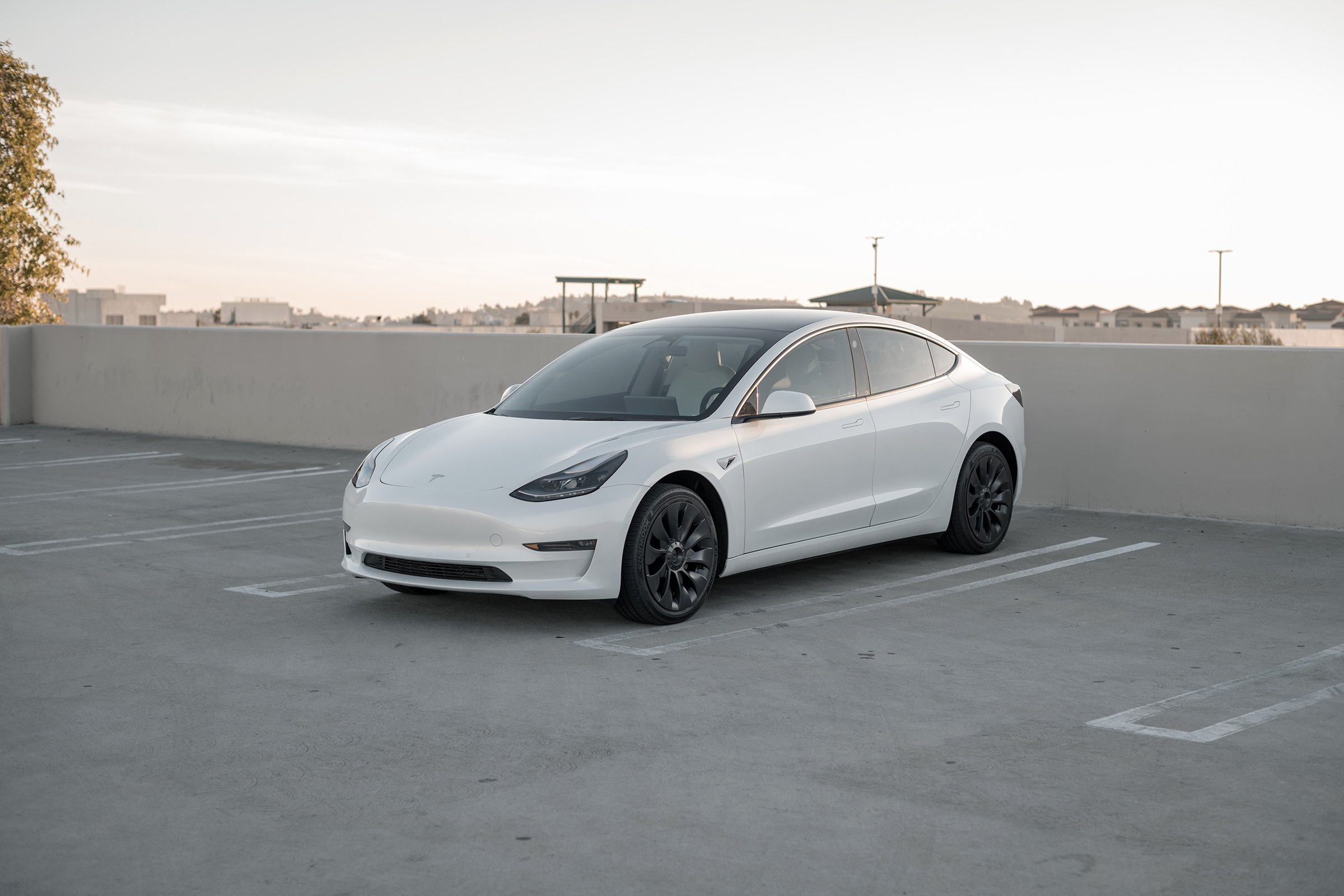
1. Tesla Model 3 Long Range
The Tesla Model 3 Long Range is one of the most balanced electric vehicles when it comes to maintaining range. Tesla’s battery technology, combined with an efficient drivetrain and excellent aerodynamics, helps this car preserve its charge better than most.
The dual-motor setup allows the vehicle to intelligently shift power between the front and rear motors, optimizing energy usage without compromising performance.
When tested in cold climates, which usually harm EV performance, the Model 3 performs impressively well due to Tesla’s battery preconditioning feature that helps maintain temperature before charging or driving.
Software also plays a key role. Tesla constantly rolls out over-the-air updates that tweak how energy is distributed, battery temperature is managed, and regenerative braking is handled.
These updates don’t just add new features, they improve how the car uses its battery. Even in windy conditions or stop-and-go traffic, the Model 3 often stays close to its EPA-rated range. Drivers who stick to realistic speeds and avoid aggressive acceleration usually report less than a 10% deviation from the expected range.
Another feature that helps the Model 3 preserve its battery life is the advanced regenerative braking system. It allows the vehicle to recover energy effectively during deceleration, putting back small amounts of charge into the battery.
This is particularly useful in city driving, where frequent stops could otherwise waste energy. Combined with its low rolling resistance tires and lightweight construction, the Model 3 offers both power and efficiency.
One more practical advantage is Tesla’s navigation system, which calculates routes based on terrain, temperature, and even charging station availability.
It gives an accurate picture of how much range you’ll use during a trip. Drivers who follow these predictions often find that their real-world results match or slightly exceed estimates. While many EVs struggle to live up to their advertised range numbers, the Model 3 Long Range holds up under most conditions.
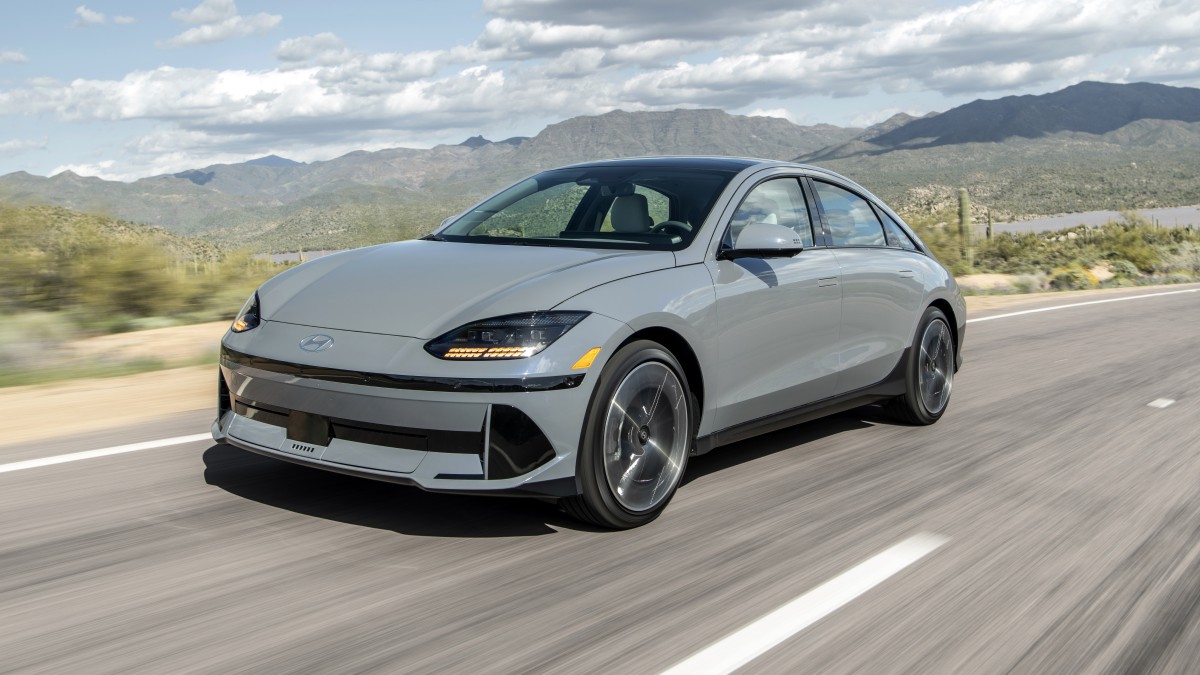
2. Hyundai Ioniq 6
The Hyundai Ioniq 6 is another electric vehicle known for consistency in range. Unlike some of its competitors, it features a highly aerodynamic shape, which helps reduce energy consumption at highway speeds. Aerodynamics are crucial in determining how efficiently a car uses energy, especially on longer trips.
The Ioniq 6 was designed with this in mind, and its performance reflects that. While other EVs might see a drop in range once they hit 65–70 mph, the Ioniq 6 holds steady, losing less range than similarly priced models.
Hyundai’s battery management system also helps maintain consistent performance across varying temperatures. Many drivers in colder climates report minimal loss of range, which is impressive given how cold weather can sap battery performance.
Pre-conditioning features allow the battery to warm up while still plugged in, reducing the energy needed once you’re on the road. Efficient climate control systems further ensure that power is used wisely, especially when heating or cooling the cabin.
Another factor in the Ioniq 6’s favor is its use of high-voltage 800V architecture. This doesn’t just improve charging speed; it also allows the car to run more efficiently.
High-voltage systems generate less heat, which means less energy is wasted. As a result, the car can operate closer to its ideal performance level in more situations. It doesn’t overwork the battery as much as lower-voltage systems might under stress.
Drivers who use the Ioniq 6 in urban settings find that it holds up particularly well in stop-and-go traffic. The regenerative braking system is smooth and effective, allowing the car to recapture energy during deceleration.
Because of all these factors working together, design, software, and battery chemistry- the Ioniq 6 tends to meet or slightly exceed its EPA-rated range under a wide range of conditions. It’s a strong choice for anyone who values predictability and efficiency.
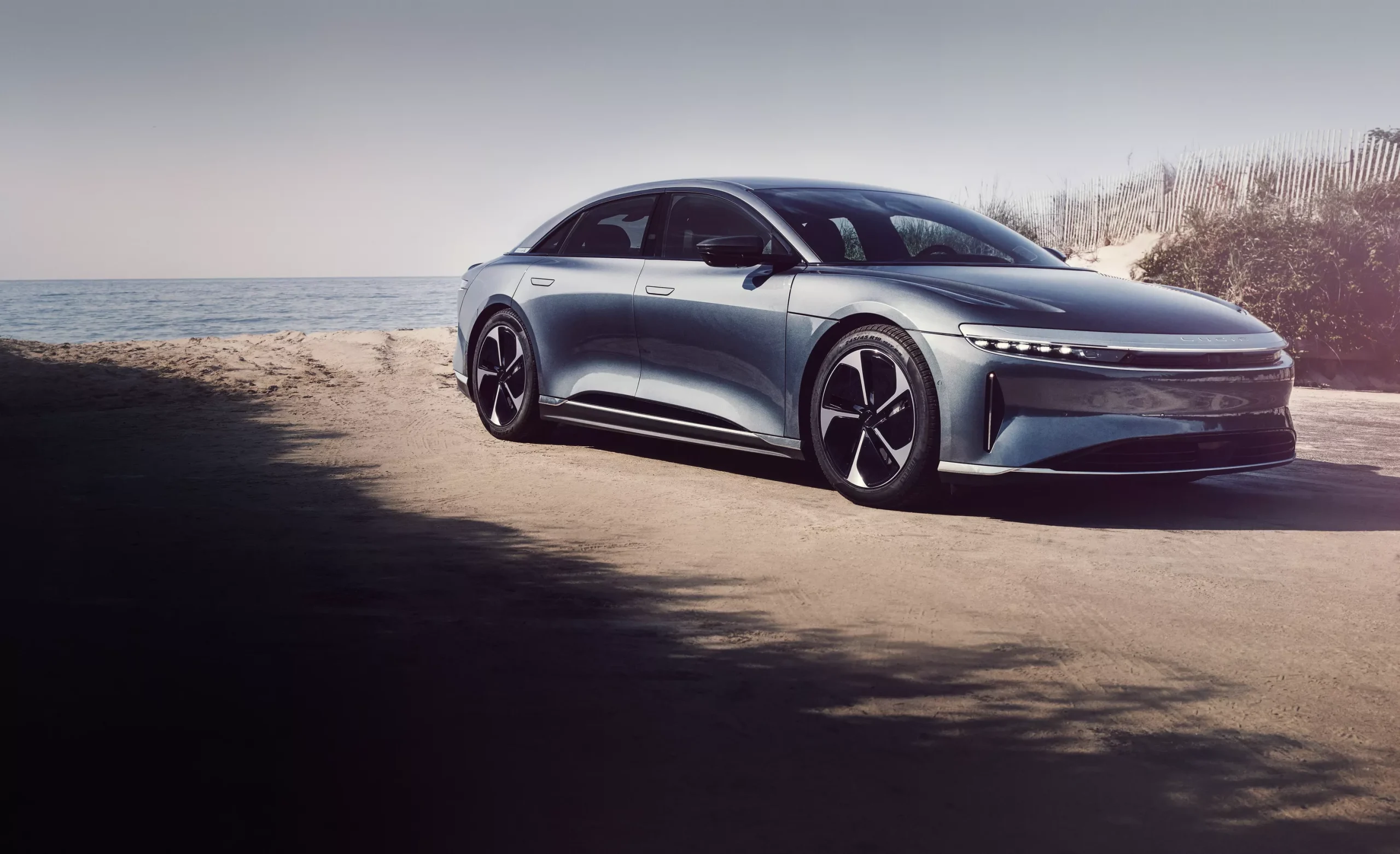
3. Lucid Air Pure
The Lucid Air Pure is often recognized for having one of the highest EPA-rated ranges on the market, but what’s more impressive is how close it comes to achieving those numbers in practice.
Lucid has invested heavily in efficiency at every level: from its proprietary electric motors to its aerodynamic design and thermal management.
This meticulous approach means that real-world range doesn’t drop dramatically unless you’re pushing the vehicle in extreme conditions. In mild to moderate climates, it remains one of the most stable performers.
The vehicle’s thermal management system is particularly effective. Many EVs struggle when temperatures drop below freezing, but the Lucid Air Pure is designed to regulate battery temperature more dynamically.
This helps it maintain performance during both charging and driving. Instead of just heating the battery from one point, the system circulates coolant more evenly, making it possible to keep battery temperatures optimal with less energy waste.
Lucid’s drive unit efficiency also contributes to better range retention. The electric motor is smaller, lighter, and more efficient than most competitors, converting more of the battery’s stored energy into usable power.
This means you can drive longer on the same amount of charge compared to similar-sized sedans. Even at high speeds, where wind resistance usually drains EV batteries, the Lucid Air’s aerodynamic body keeps energy loss to a minimum.
Unlike some high-range EVs that achieve their numbers only under very light driving conditions, the Lucid Air Pure performs well even with passengers, luggage, or on hilly terrain. Users often report 90–95% of the advertised range during real-world use, even when traveling at highway speeds.
Its accurate energy usage display also helps drivers plan better and avoid surprises. This level of predictability makes the Lucid Air Pure stand out as a range-consistent luxury EV that delivers both distance and stability.
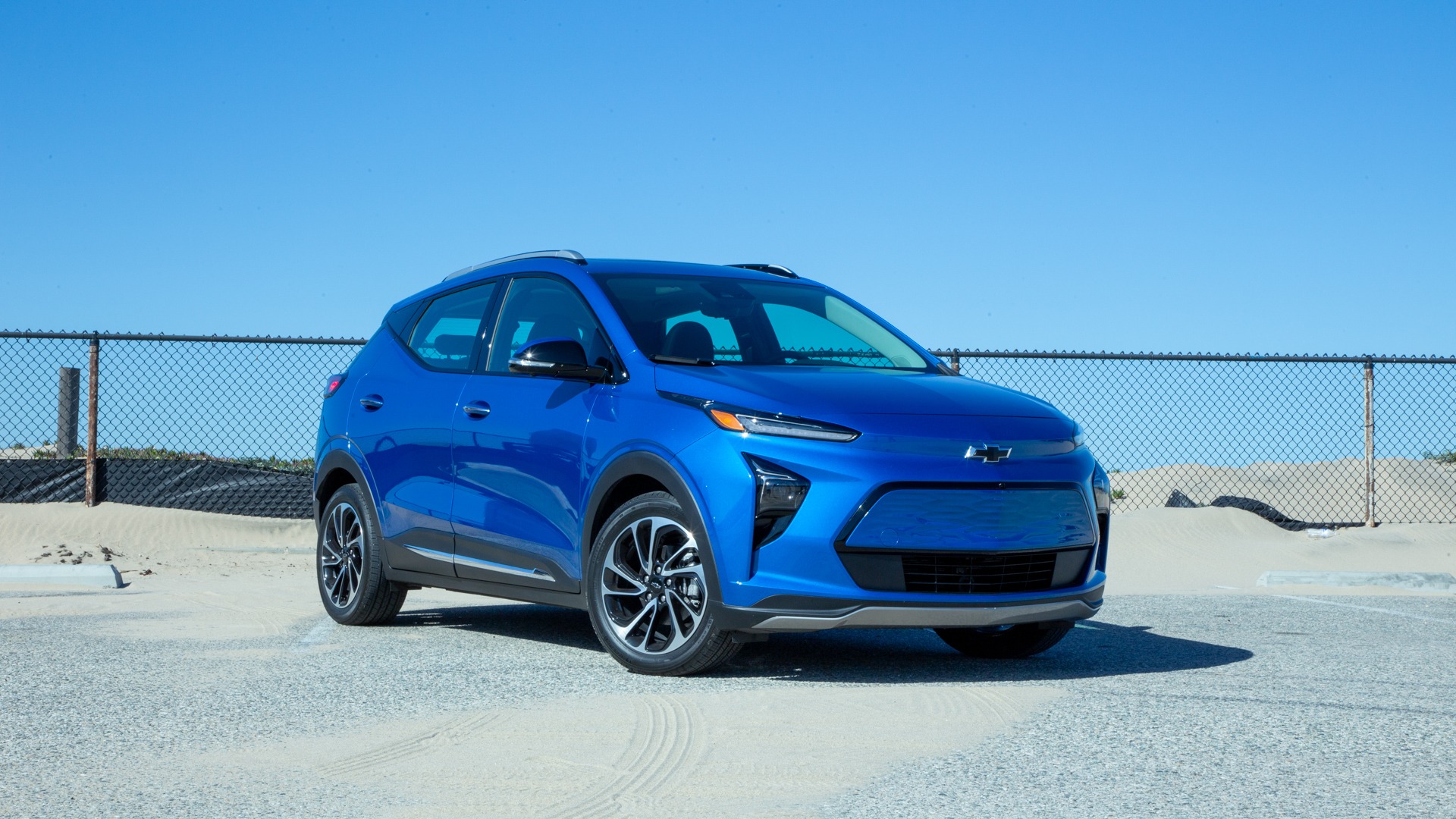
4. Chevrolet Bolt EUV
The Chevrolet Bolt EUV, despite being a relatively affordable option in the EV market, performs surprisingly well in terms of maintaining its range. It doesn’t have the most cutting-edge technology or the flashiest design, but it offers solid real-world reliability.
The battery pack is well-matched to the motor, and GM has focused on optimizing energy use rather than pushing for maximum acceleration or high-speed performance. This makes the car more efficient in everyday scenarios like commuting or running errands.
One of the reasons the Bolt EUV performs consistently is its relatively light weight and compact size. These factors reduce the energy required to move the car, especially at lower speeds.
Many owners report that their Bolt’s range barely dips in city driving, even with the air conditioning or heater on. The car’s regenerative braking is also well-calibrated, returning a good portion of energy during deceleration, particularly in stop-and-go traffic.
Cold-weather performance is another area where the Bolt EUV holds up well. The battery heating system allows the vehicle to retain most of its range even when temperatures drop.
While range will always be somewhat affected in freezing conditions, the Bolt doesn’t suffer the same massive dips that some other EVs in its class do. Pre-conditioning via the mobile app also helps drivers prepare the car while it’s still charging, minimizing the impact of cold starts.
Another point worth noting is that the Bolt EUV has fewer electronic systems demanding constant power. Without complex all-wheel-drive systems or excessive infotainment features, energy use stays focused on propulsion and climate control.
The simplicity works in its favor, leading to less energy waste. For buyers on a budget who still want predictable performance, the Bolt EUV offers a practical and efficient option.
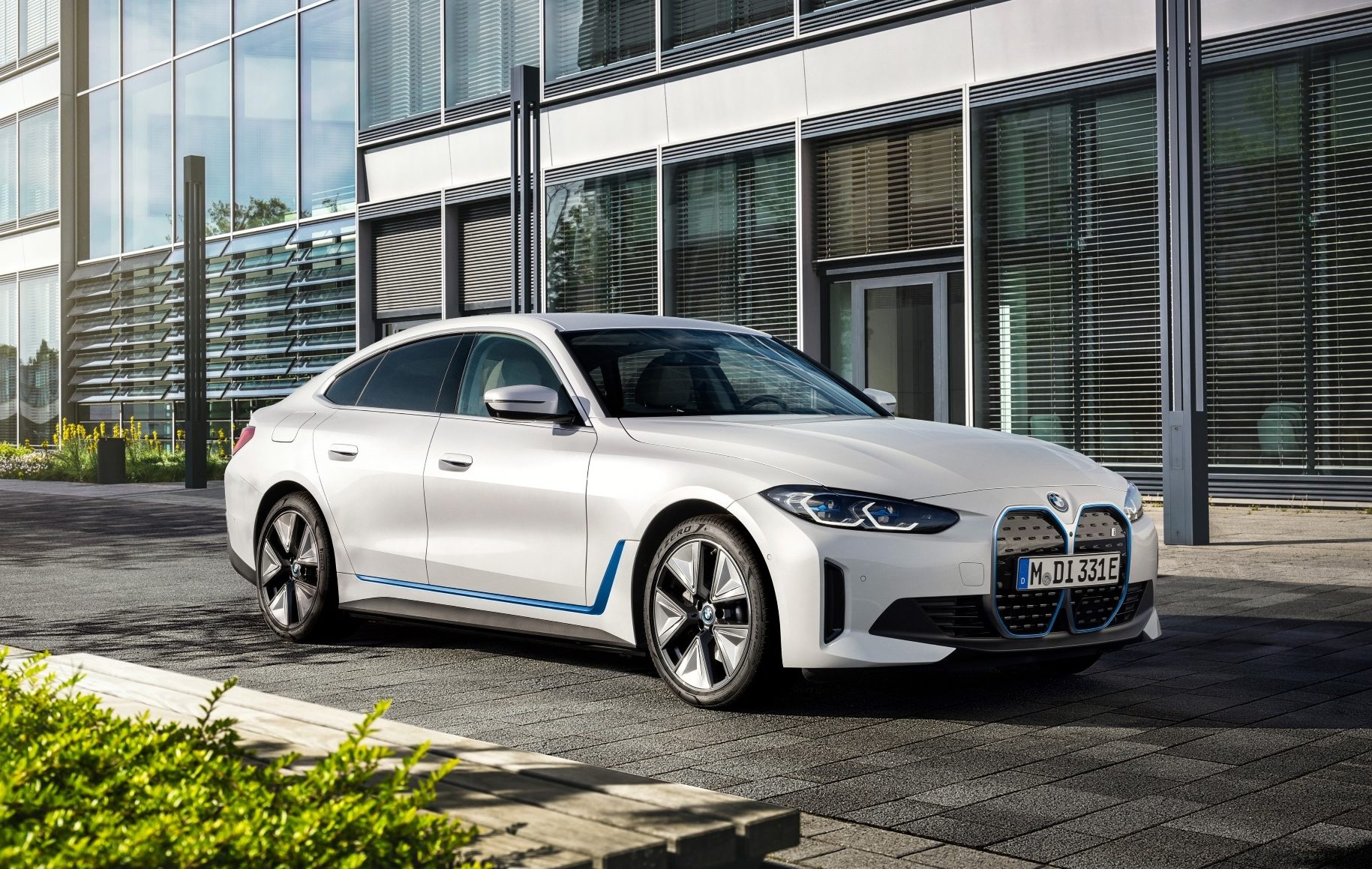
5. BMW i4 eDrive40
The BMW i4 eDrive40 strikes a balance between performance and efficiency that makes it a strong performer in terms of real-world range.
While it’s marketed as a sporty luxury EV, it doesn’t sacrifice range for the sake of acceleration or style. BMW’s engineers have taken great care to ensure that the car behaves predictably under a variety of conditions, and it’s reflected in the car’s consistent efficiency numbers reported by owners.
The rear-wheel-drive layout contributes to this efficiency. Compared to dual-motor or all-wheel-drive setups, a single rear motor reduces weight and minimizes energy losses from power distribution. BMW has engineered this vehicle to provide just the right balance of traction and performance without compromising efficiency.
On top of that, the i4 eDrive40 features intelligent energy recuperation strategies that adjust based on real-time traffic conditions. The car uses data from the navigation system and sensors to predict when to engage regenerative braking, which helps save energy in a subtle, non-intrusive way.
Thermal efficiency is another strong point for the i4. The car uses a heat pump system that requires less power than traditional resistive heaters in cold weather. While many EVs see a steep range drop in the winter months, the i4 manages to preserve much of its range thanks to this feature.
Its climate control system has multiple efficiency modes, allowing drivers to tailor their use of cabin heating or cooling to the conditions, which helps conserve battery life when needed. This is a valuable feature for anyone who regularly drives in regions with fluctuating temperatures.
Highway performance is particularly impressive for the i4 eDrive40. While some electric vehicles show sharp efficiency declines at high speeds, the i4 remains steady, especially if driven at moderate freeway speeds. Aerodynamic design, weight distribution, and an efficient motor all contribute to maintaining range during long trips.
Even when traveling at speeds above 65 mph, owners report the vehicle often meets or comes very close to its EPA range of around 300 miles. This makes it an excellent choice for longer commutes or road trips where charging infrastructure might be limited.
Lastly, BMW provides drivers with useful range prediction tools that factor in elevation, temperature, and driving history. This makes it easier to plan trips without unpleasant surprises. The estimated range adjusts intelligently, rather than giving drivers a static or misleading number.
This transparency builds trust and allows owners to get a better feel for how their driving habits affect battery life. For those who want a premium electric sedan that behaves consistently in both city and highway environments, the i4 eDrive40 is a reliable and thoughtful choice.
EVs That Constantly Lose Range
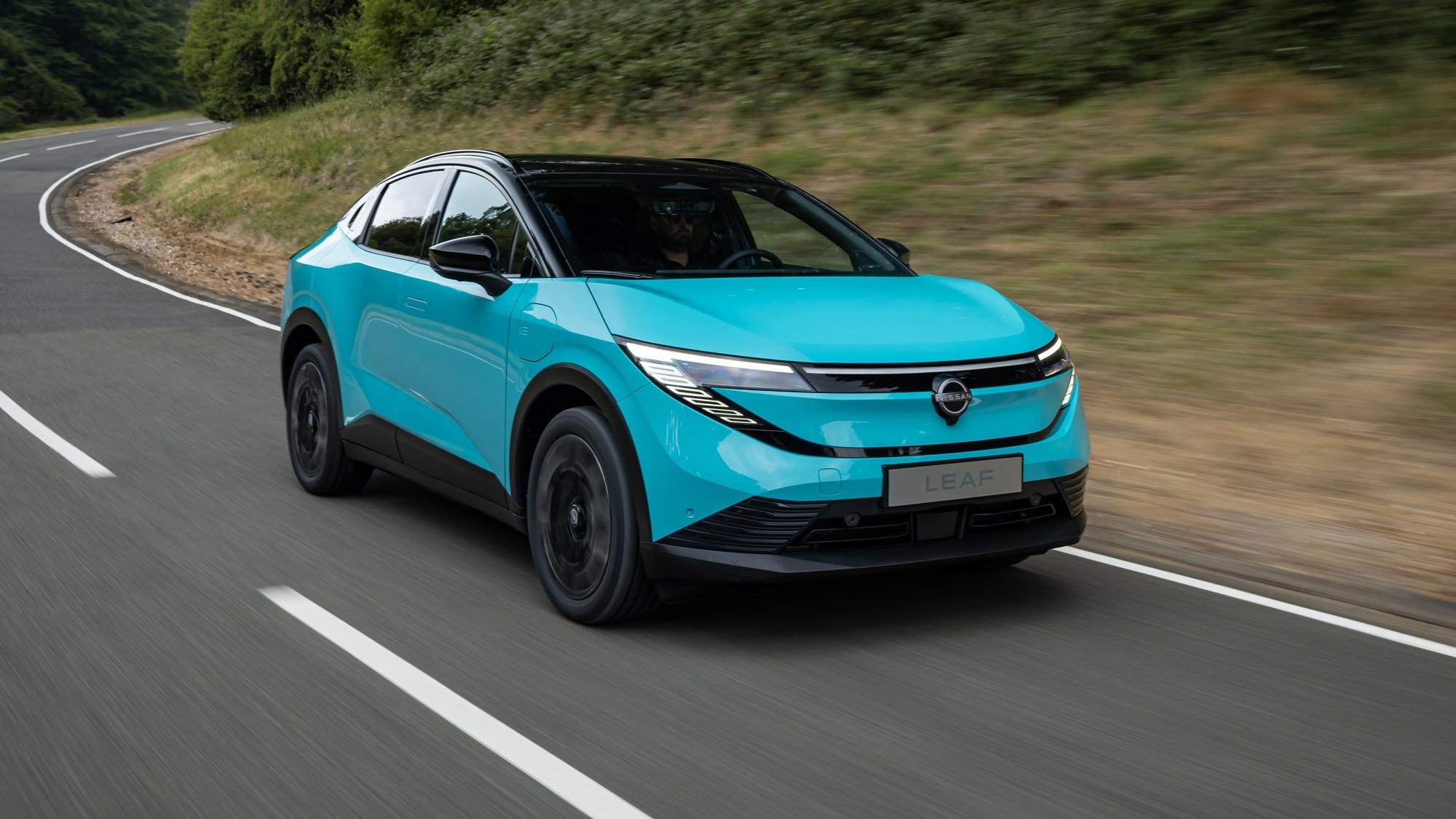
1. Nissan Leaf (Especially Older Models)
The Nissan Leaf was one of the first mass-market EVs and played a key role in popularizing electric mobility. However, many of the earlier models, and even some newer ones, have consistently struggled with range loss under real-world conditions. A major reason is the lack of an active thermal management system.
Unlike other modern EVs that use liquid cooling to regulate battery temperature, the Leaf relies on passive air cooling. This makes it especially vulnerable to range loss in both hot and cold weather. High temperatures degrade battery health over time, while cold snaps significantly reduce immediate range.
Another issue is battery degradation. Older Leaf models, particularly those manufactured before 2018, have been widely reported to lose significant range capacity even within the first few years of ownership. This degradation happens faster than with other EVs using similar-sized batteries.
Owners in warm climates like Arizona, Texas, or Southern California have reported seeing 10–20% loss in total capacity within just a few years. With the car already offering a modest range by today’s standards, this rapid decline turns the Leaf into a limited-use vehicle over time.
The car also performs poorly on the highway. Because of its less aerodynamic design and weaker regenerative braking system, energy use at higher speeds is inefficient. Drivers often report the actual usable range falling well short of the advertised numbers when driving over 60 mph.
Hills and cargo weight further aggravate the issue. While city driving is more forgiving, the range inconsistency becomes a problem during longer commutes or trips outside urban environments. This makes planning and confidence much harder for Leaf owners, especially those without home charging setups.
Even with improvements in newer versions, such as the Leaf Plus, the core issues with thermal management and long-term battery health remain largely unresolved. Nissan has not transitioned the Leaf to newer battery chemistries or designs that could better resist range loss.
This puts it at a disadvantage in a market where consistency and reliability are increasingly important to EV buyers. Until these concerns are addressed, the Leaf will continue to be seen as a vehicle prone to range variability and long-term limitations.
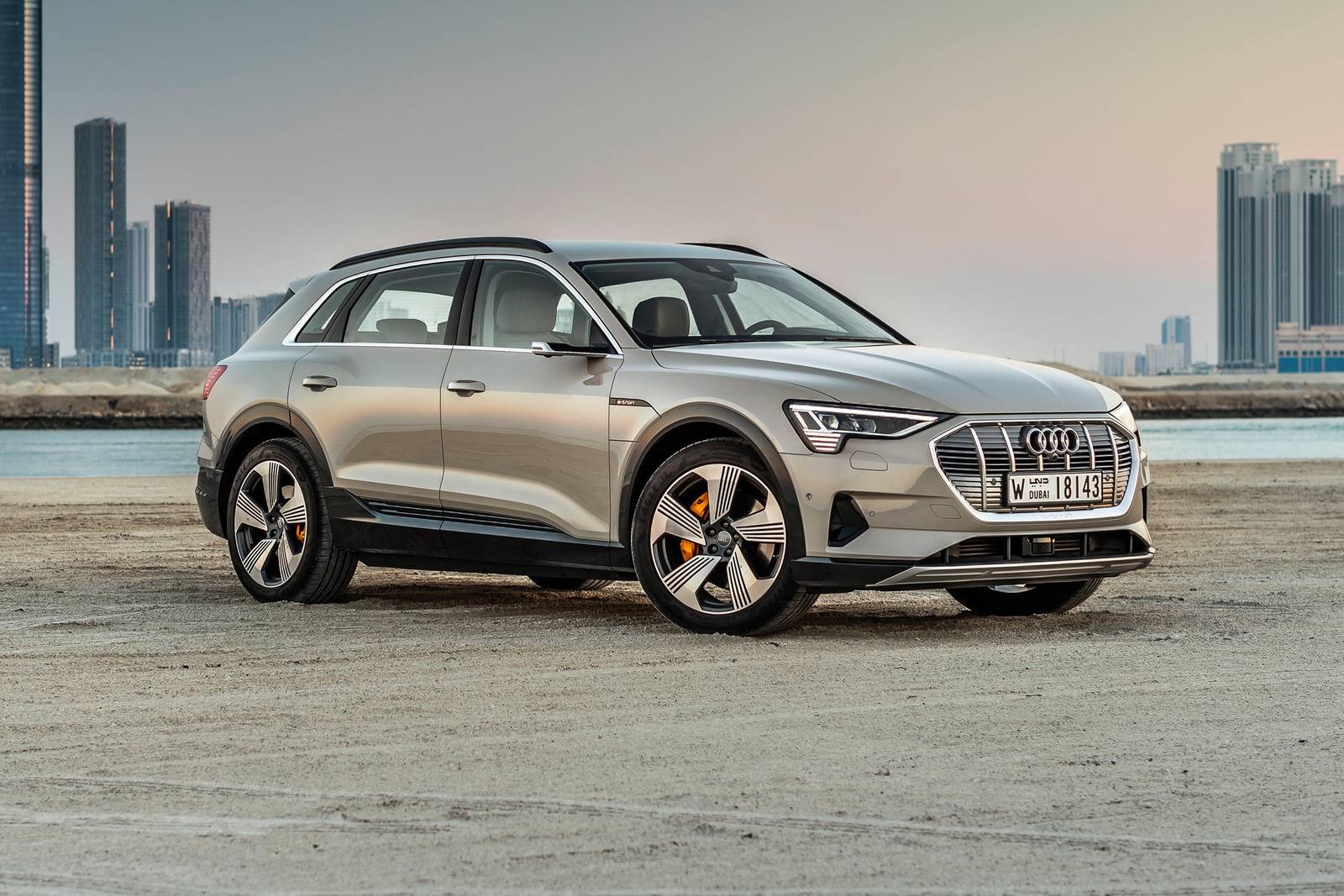
2. Audi e-tron (Now Q8 e-tron)
The Audi e-tron, recently rebranded as the Q8 e-tron, is a luxurious and powerful SUV that offers a comfortable ride, a premium interior, and excellent handling. However, it is also known for its disappointing real-world range performance. Despite a relatively large battery pack, the vehicle’s range falls short of expectations due to several contributing factors.
Chief among them is its weight. The e-tron is a heavy vehicle, and that weight severely affects its efficiency, especially in stop-and-go traffic or during quick acceleration. Simply put, it requires a lot of energy to move, which leads to rapid battery depletion.
Another contributing factor is its drag coefficient. While Audi has made efforts to improve aerodynamics, the e-tron’s SUV body style naturally resists air more than sedans or hatchbacks. On highways, this results in increased energy consumption at high speeds.
Owners frequently report that highway driving can drain the battery far faster than city driving, often reducing the practical range to 70% or even 60% of its EPA rating. This is especially problematic for those who expected the e-tron to be a long-distance cruiser. It’s not uncommon for drivers to experience range anxiety even on relatively short road trips.
Climate control also plays a significant role in the e-tron’s efficiency problems. The vehicle’s HVAC system, while effective in providing a comfortable environment, draws considerable power from the battery. In colder climates, the energy required to warm the cabin and battery can dramatically reduce range.
Drivers in northern regions have reported up to 40% range loss during cold spells, which severely affects usability for daily routines or planned journeys.
Despite these issues, the e-tron does have its strengths. Charging speed is among the best in its class, and the driving experience is smooth and refined. But the core problem remains: it struggles to deliver consistent range across a variety of conditions.
For a premium vehicle with a substantial price tag, this inconsistency undermines much of its appeal. Until Audi improves efficiency in future iterations, the e-tron will continue to be seen as a range-heavy SUV that often fails to meet its promised numbers in real life.
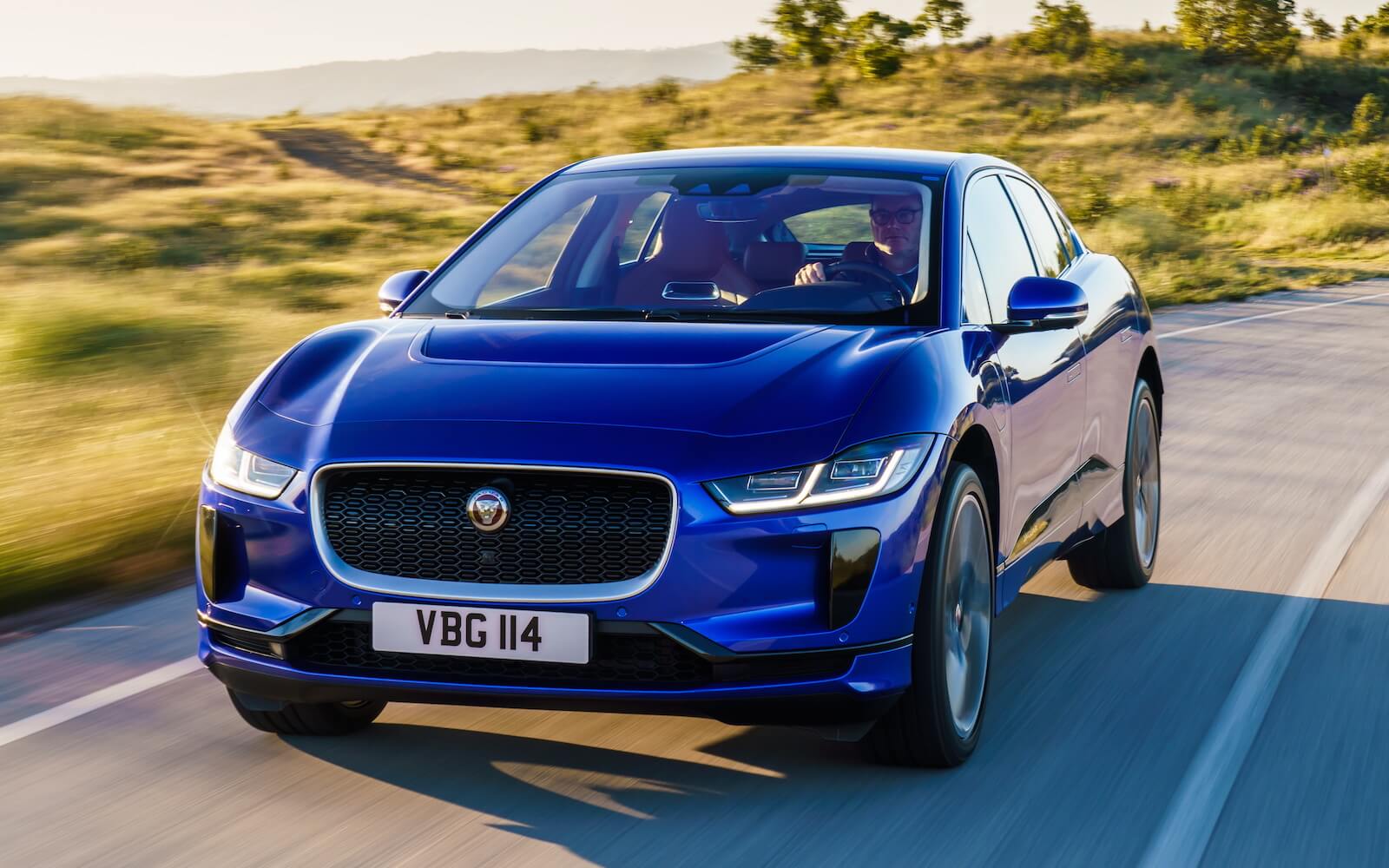
3. Jaguar I-PACE
The Jaguar I-PACE is a stylish and sporty electric SUV that received a lot of early praise for its performance and design. However, its real-world range has been a persistent disappointment to many of its owners.
On paper, it offers a reasonable range figure, but in practice, those numbers tend to shrink quickly under normal driving conditions. One major issue is that the car’s efficiency ratings were optimistic at launch and didn’t fully account for how energy-hungry the vehicle can be. This has led to a mismatch between owner expectations and everyday usability.
The I-PACE uses a dual-motor all-wheel-drive system that, while great for traction and performance, draws a lot of power. Unlike some other EVs that can deactivate one motor when extra power isn’t needed, the I-PACE often keeps both running. This reduces efficiency, especially during relaxed driving or at lower speeds.
Highway driving makes the issue worse. With a boxier shape and relatively high ground clearance, the vehicle faces greater aerodynamic resistance, which contributes to range loss at speeds above 60 mph.
Battery thermal management also contributes to the problem. While the I-PACE does have liquid cooling, it isn’t as advanced as systems found in Tesla or Lucid vehicles. In both cold and hot climates, battery performance dips noticeably. Cold weather reduces available energy output and slows regenerative braking.
Hot weather, on the other hand, forces the cooling system to work overtime, pulling energy away from propulsion. The result is a vehicle that regularly underperforms in environments that aren’t ideal, making it difficult to predict what kind of range you’ll actually get on any given day.
Another issue is software optimization. While Jaguar has issued updates to improve efficiency, the gains have been marginal. Many owners still report wide discrepancies between estimated and actual range, especially during dynamic driving or trips involving elevation changes.
Without more substantial hardware upgrades, the I-PACE remains a vehicle whose performance doesn’t quite match its premium branding. For buyers seeking a luxurious EV with dependable range, other options currently offer better consistency and real-world efficiency.
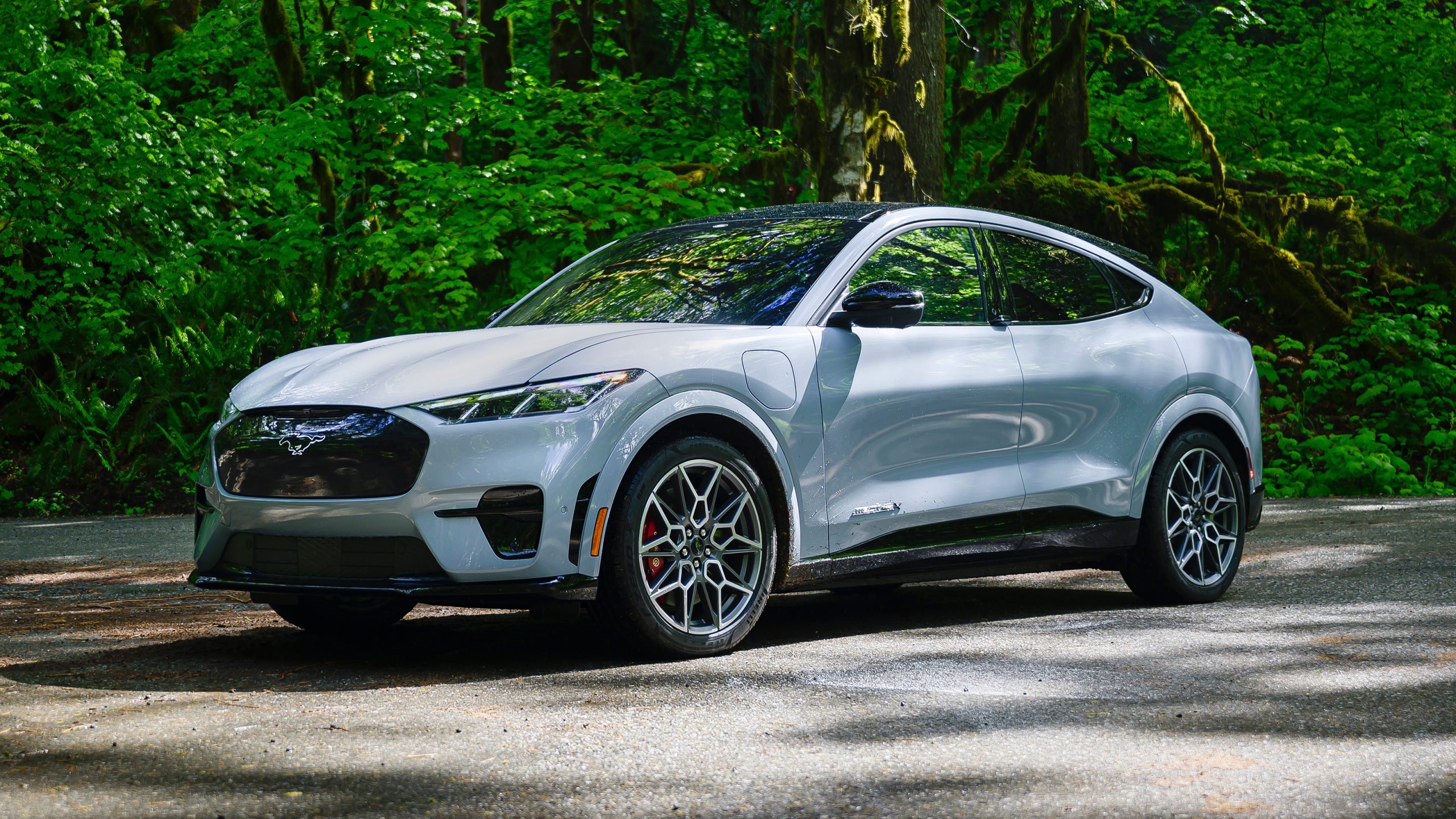
4. Ford Mustang Mach-E (Extended Range AWD)
The Ford Mustang Mach-E, particularly the Extended Range AWD version, suffers from a range performance issue that surprises many new owners. While the vehicle offers decent acceleration and a sporty appearance, it struggles to maintain its advertised range under real-world conditions.
The combination of all-wheel-drive mechanics, sporty tuning, and heavy build contributes to higher energy consumption than the EPA numbers would suggest. Especially during spirited driving or highway cruising, the range tends to drop off faster than expected, causing disappointment among drivers who thought they were getting a solid long-distance EV.
Unlike some competitors, the Mach-E doesn’t yet make full use of energy-saving features like dynamic motor switching. Both front and rear motors remain engaged in many driving situations, even when less power is needed.
This leads to inefficient energy use during cruising, where only one motor might suffice. Combined with less aerodynamic efficiency compared to vehicles like the Tesla Model Y, the Mach-E ends up working harder to maintain the same speeds, which leads to quicker battery drain, particularly in windier
Combined with less aerodynamic efficiency compared to vehicles like the Tesla Model Y, the Mach-E ends up working harder to maintain the same speeds, which leads to quicker battery drain, particularly in windier or elevated areas. The boxier design and heavier curb weight put more stress on the dual motors, especially at higher speeds.
This is particularly noticeable during road trips, where highway driving dominates and regenerative braking opportunities are fewer. While some EVs gain efficiency with steady cruising, the Mach-E AWD often loses it, especially when carrying extra passengers or luggage.
Software updates from Ford have aimed to address some of the vehicle’s efficiency shortcomings, but the improvements have mostly been modest. While better range estimation algorithms and more responsive regenerative braking profiles have helped a bit, they haven’t solved the underlying mechanical limitations.
The vehicle’s real-world range continues to fall short of advertised expectations, particularly when driven outside mild-weather urban environments. Owners in colder climates, or those with longer highway commutes, often find themselves needing to charge more frequently than they had planned when they first purchased the car.
Despite these issues, the Mach-E remains a popular vehicle thanks to its styling, interior design, and driving dynamics. It provides a fun and engaging driving experience, which is valuable to many users. However, those fun characteristics come at a cost: inconsistent range.
Until Ford manages to significantly improve either the vehicle’s weight distribution, motor efficiency, or energy-saving systems, the Extended Range AWD version of the Mach-E will continue to be one of those EVs that loses more range than expected when put through everyday conditions.
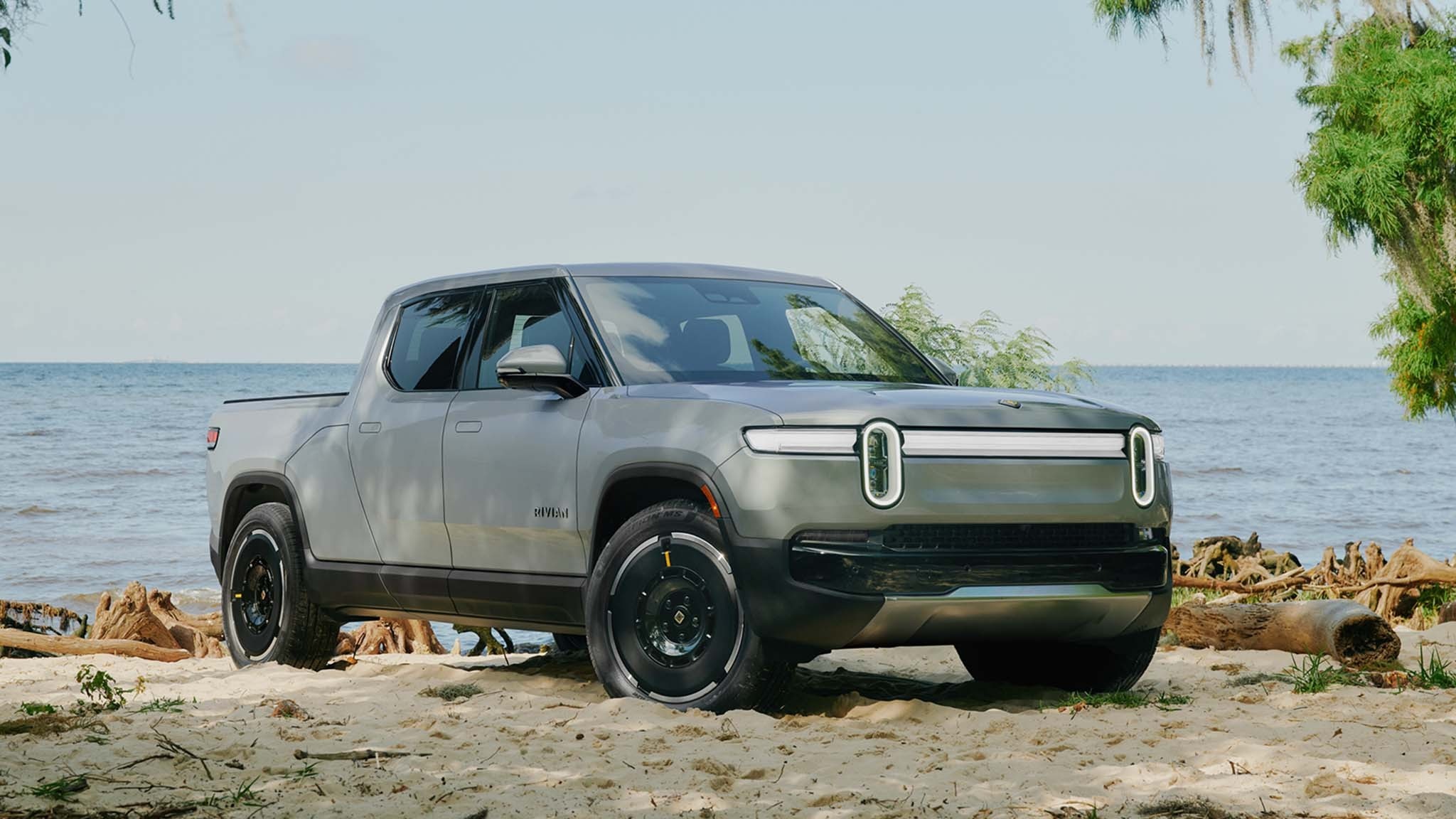
5. Rivian R1T
The Rivian R1T has gained attention for being one of the first electric pickup trucks on the market, offering a rugged design, off-road capability, and impressive acceleration. However, its range consistency has been one of the main points of criticism.
With its large battery pack and powerful quad-motor setup, the truck is built for performance and capability rather than efficiency. As a result, in daily usage, especially outside of lab-tested conditions, the R1T loses range quickly, often more than expected given its advertised numbers. Owners report discrepancies of 20–30% between expected and actual range in mixed driving scenarios.
Weight is one of the primary contributors to the R1T’s inefficiency. The truck is extremely heavy, tipping the scales at over 7,000 pounds in many configurations.
That’s far more than most SUVs or even some traditional gas-powered pickups. Moving that kind of mass, particularly in stop-and-go traffic or over hills, consumes a large amount of energy.
Unlike smaller EVs that can recover lost energy through frequent braking or coasting, the R1T’s mass limits those gains. In urban environments, where the weight must be stopped and started frequently, the range drop becomes even more noticeable.
The quad-motor configuration, while impressive on paper and excellent for off-road control, is also inefficient for casual driving. All four wheels are powered independently, which gives incredible control on trails but results in unnecessary energy use during normal driving.
Unlike dual-motor systems that can decouple or shut off a motor during cruising, the R1T typically runs all motors more often, leading to increased consumption.
While Rivian has rolled out some updates to improve motor management, the real-world impact on range has so far been relatively minor, and the fundamental energy demands remain high.
Finally, the R1T suffers in extreme temperatures much like other EVs without advanced heat pump systems. Cold weather can cut its range dramatically, particularly when heating the large cabin.
Similarly, towing or carrying heavy cargo, tasks the R1T was supposedly built to handle, can absolutely decimate the battery, sometimes cutting the usable range by more than half.
For buyers expecting a reliable long-haul vehicle, this has been a major disappointment. While the R1T is groundbreaking in design and features, its poor range consistency makes it a difficult choice for those who need predictable performance day-to-day.
