
When considering the long-term ownership of a vehicle, fuel economy often becomes a critical factor for many drivers. Miles per gallon (MPG) is not just a number seen on a sticker; it directly influences the running costs and environmental impact of a car over time.
However, one aspect that often goes unnoticed is how fuel economy holds up after a car reaches high mileage, particularly beyond 250,000 miles. While some vehicles maintain their MPG fairly well, others suffer from a noticeable decline, leading to increased fuel expenses and frustration for owners.
Understanding which cars retain their fuel efficiency and which ones struggle can guide buyers in making smarter decisions, especially if they plan to keep a vehicle for the long haul or purchase a used car with high mileage.
A car’s ability to maintain its MPG after extensive use depends on several factors, including the quality of engineering, maintenance practices, type of engine, and even driving habits. Some manufacturers build engines and drivetrains that age gracefully, retaining fuel efficiency despite wear and tear.
Others might experience degraded components like fuel injectors, oxygen sensors, or catalytic converters, which can negatively impact fuel economy as mileage climbs.
Beyond mechanical issues, the evolution of fuel delivery systems and emissions controls can play a role. For instance, cars with simpler fuel injection systems might hold up better over time than those with complex turbocharging or direct injection, which require precise calibration to maintain efficiency.
Moreover, routine maintenance is a key factor in preserving MPG. Regular oil changes, air filter replacements, spark plug adjustments, and timely repair of exhaust or fuel system components contribute significantly to sustained fuel economy.
However, the base durability and design of the vehicle cannot be overlooked. Some vehicles are renowned for their robust engines and efficient drivetrains that do not deteriorate significantly, while others face a steep decline as parts wear out or clog.
In this article, we will examine five cars known to hold their fuel efficiency well even after crossing the 250,000-mile mark, highlighting their engineering qualities and maintenance resilience. We will then contrast these with five cars that typically show a substantial drop in MPG after such mileage, explaining the common causes behind this decline.
This comparison will help paint a clearer picture of what car buyers and long-term owners can expect regarding fuel economy, especially when considering older vehicles or high-mileage options. Whether you are interested in keeping your current car longer or searching for a reliable used car with a strong fuel economy reputation, understanding this distinction is invaluable.
Also Read: 5 Cars That Survive Harsh Winters and 5 That Rust Immediately
5 Cars That Hold Their MPG After 250,000 Miles
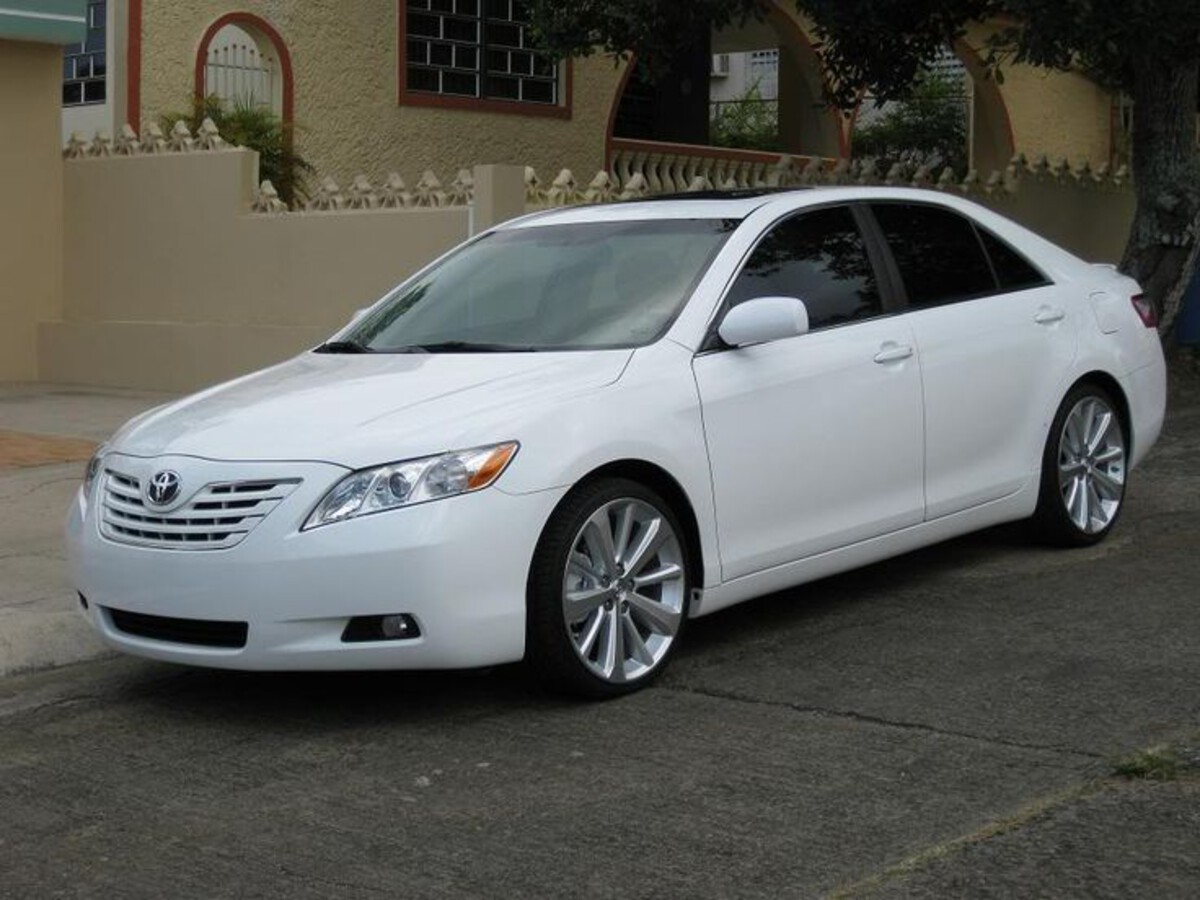
1. Toyota Camry (2000s models)
The Toyota Camry has earned a strong reputation for reliability and fuel efficiency, especially models from the early 2000s. One of the core reasons the Camry maintains its miles per gallon even after hitting the 250,000-mile mark is its engine design.
Toyota’s 4-cylinder engines during this era were built with simplicity and durability in mind, which means fewer parts that could wear out and cause inefficiencies. The lack of overly complicated technology allows these engines to continue functioning smoothly over time, avoiding fuel waste caused by mechanical failure or sensor errors.
The Camry’s fuel injection system is designed to maintain a consistent and efficient air-fuel ratio, which is critical to preserving fuel economy.
Another factor contributing to the Camry’s longevity in MPG is its reliable valve timing system and strong internal components. Unlike some vehicles that use aggressive tuning to maximize performance at the expense of engine longevity, the Camry strikes a balance, ensuring its engine parts such as pistons, rings, and valves experience less wear.
This results in a more consistent combustion process over many miles. Furthermore, Toyota’s engineering pays attention to cooling and lubrication, preventing overheating and excessive friction, two common causes of engine inefficiency. The consistent operating temperature helps preserve fuel economy as it keeps the engine running at optimal conditions.
Routine maintenance plays an essential role in the Camry’s ability to hold its MPG. Toyota’s widespread dealer network and abundance of affordable parts encourage owners to keep up with oil changes, air filter replacements, and spark plug swaps.
These simple maintenance actions prevent performance degradation that would otherwise lower fuel efficiency. Owners who stay on top of their Camry’s maintenance schedules often report only minimal reductions in MPG, even after their vehicles have been driven hard for years. This shows the Camry’s mechanical design complements owner efforts to sustain performance.
Lastly, the Camry’s driving characteristics contribute indirectly to its MPG retention. The car’s smooth and predictable power delivery means the engine is less likely to be stressed in ways that would reduce efficiency. Additionally, the vehicle’s weight and aerodynamics were optimized in these models to strike a balance between comfort and fuel savings.
This means that even as parts wear, the overall system remains well matched, avoiding situations where worn components cause disproportionately higher fuel consumption. The combination of solid engineering, maintainability, and balanced performance makes the Toyota Camry a standout in holding its MPG over 250,000 miles.
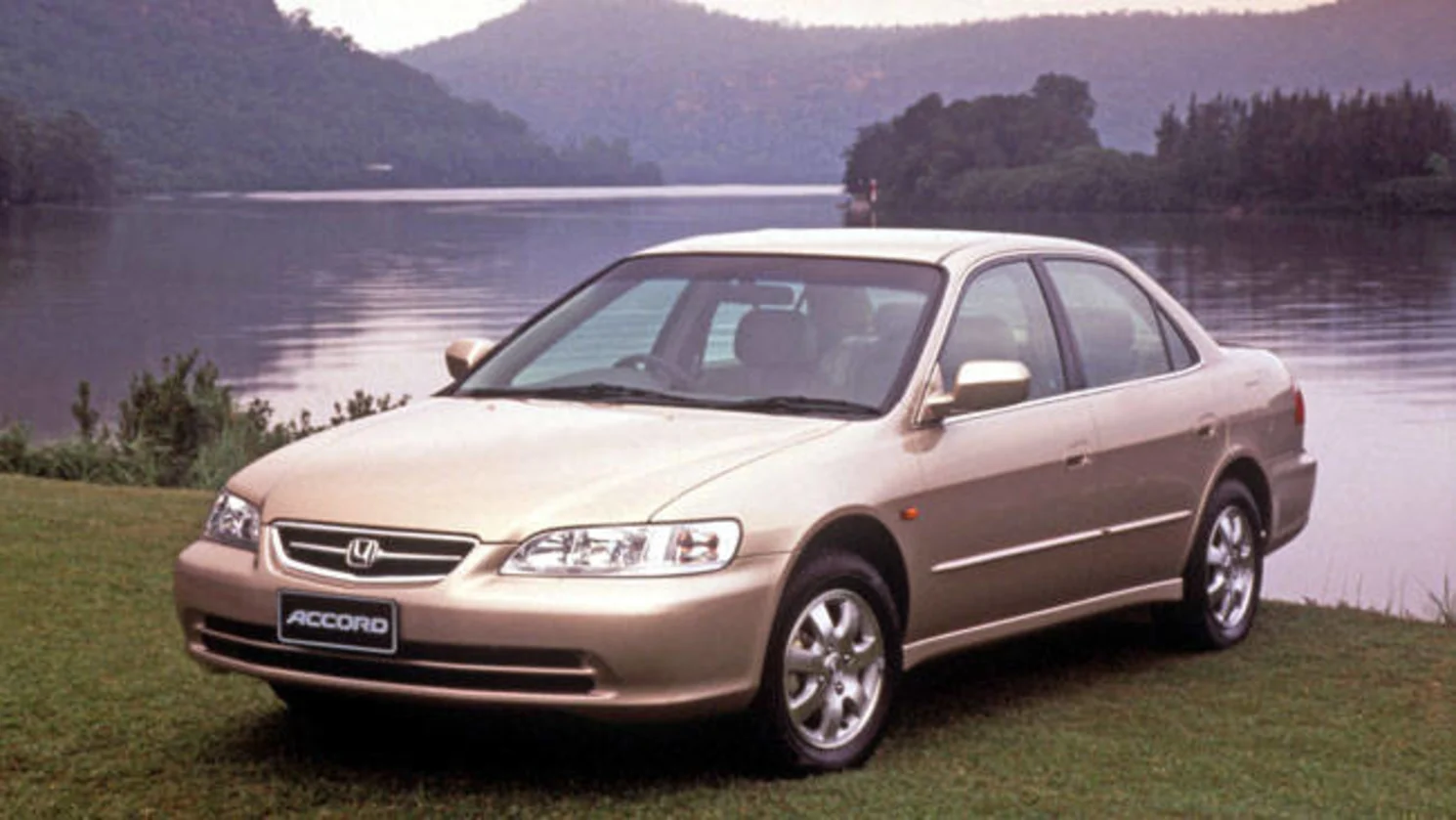
2. Honda Accord (1990s to early 2000s)
The Honda Accord, especially models from the 1990s and early 2000s, is celebrated for its engineering excellence, which directly contributes to its ability to sustain fuel efficiency after high mileage. Honda’s engines from this period feature precise manufacturing tolerances and high-quality components that resist wear better than many competitors.
This allows combustion chambers to maintain compression and keep fuel burning efficiently. The four-cylinder engines in particular benefit from this precision, as tight tolerances prevent leaks and inefficient combustion. Additionally, the Accord’s V6 engines from this era, while larger, use advanced fuel injection systems that adjust well as the vehicle ages, helping maintain consistent fuel delivery.
Another important element is the Accord’s ignition and emissions control system, which was designed to self-correct minor issues over time. Sensors such as oxygen sensors and mass airflow sensors feed data into the engine control unit, allowing the car to adjust air-fuel mixtures and ignition timing dynamically.
As a result, even when components start to degrade slightly, the system can compensate and keep MPG near original levels. This electronic adaptability is crucial for sustaining fuel economy beyond 250,000 miles. Unlike older cars that rely on fixed timing and carburetors, the Accord’s systems offer more resilience against wear and tear.
Maintenance plays a pivotal role in the Accord’s MPG retention. Honda’s clear service intervals for components like timing belts, spark plugs, and air filters make it straightforward for owners to keep their cars in top shape. Many Accord owners report that sticking to these schedules keeps their cars running efficiently for years.
The relative ease of working on these engines and the availability of parts also mean that owners can address issues before they cause fuel economy to suffer. The synergy between reliable design and accessible maintenance is a hallmark of the Accord’s long-term MPG performance.
Lastly, the Accord’s smooth driving dynamics contribute indirectly to maintaining fuel economy. Its engine provides responsive yet efficient power delivery without relying on complex forced induction or performance tricks that tend to wear out quickly.
Additionally, many Accords from this era were available with manual transmissions, which allow drivers more control over fuel use. Even in automatics, the transmissions tend to shift smoothly and maintain proper gear ratios, avoiding unnecessary fuel consumption. The balance of engineering, adaptability, and user-friendly maintenance make the Accord a reliable vehicle in terms of fuel economy, even after surpassing 250,000 miles.
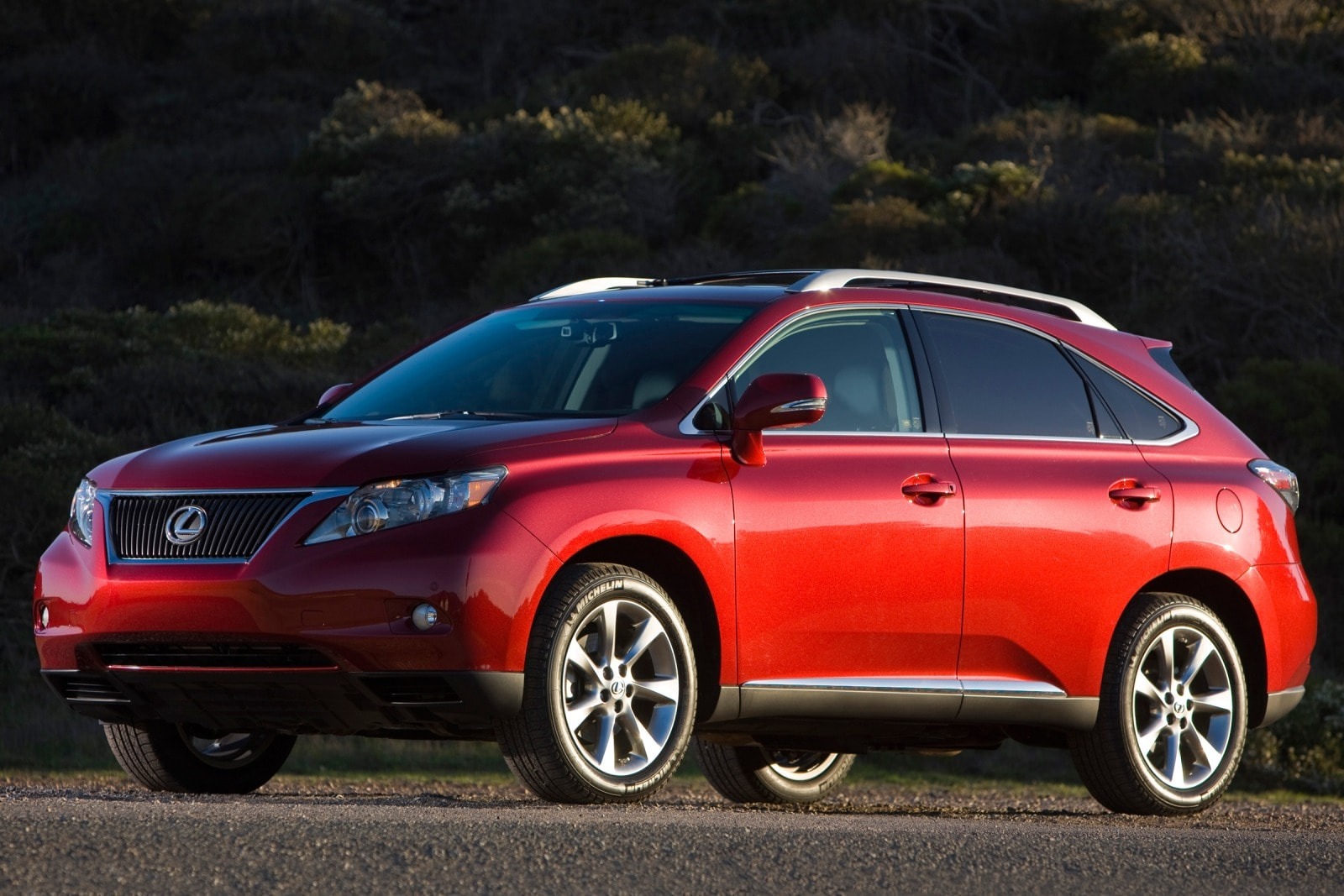
3. Lexus RX 350 (early models)
The Lexus RX 350, built on Toyota’s proven platform but tuned for luxury and refinement, is another vehicle known for maintaining its fuel efficiency over time. The RX 350’s V6 engine benefits from the same engineering philosophies that help Toyota models hold their MPG, including a focus on durable components and efficient fuel delivery.
Lexus models often receive extra attention to detail in areas such as engine calibration, cooling, and exhaust systems, which all contribute to stable combustion and better fuel economy as the vehicle ages. The RX 350’s engine management system continually adjusts fuel delivery and ignition timing to compensate for wear and aging, preserving efficiency.
Beyond the engine, Lexus owners tend to maintain their vehicles more rigorously, partly due to the luxury branding and the expectation of long-lasting quality. This means that components crucial to fuel economy, such as air filters, fuel injectors, and spark plugs, are replaced on time, reducing the risk of performance degradation.
The RX 350 also features a more sophisticated cooling system than many mid-size SUVs, which prevents overheating and thermal damage to the engine, common culprits of increased fuel consumption in older cars. The result is a vehicle that not only drives smoothly but also retains its MPG over hundreds of thousands of miles.
The vehicle’s overall design also supports fuel efficiency retention. The RX 350 balances power and economy without pushing the engine to extreme limits. This measured approach means less stress on components and fewer opportunities for wear to cause significant drops in MPG.
The drivetrain and transmission systems are engineered for smooth operation, ensuring that power is delivered efficiently without waste. Additionally, the vehicle’s relatively aerodynamic shape for an SUV helps maintain consistent fuel consumption, even as the engine ages.
Finally, the RX 350’s luxury features often encourage owners to seek out professional maintenance and repairs, which helps prevent neglect-related declines in fuel economy. Whether it’s the hybrid variants or the standard V6 models, Lexus cars benefit from this culture of care. Their build quality, attention to detail, and supportive ownership experience combine to make the RX 350 a strong contender for holding its MPG well beyond 250,000 miles.
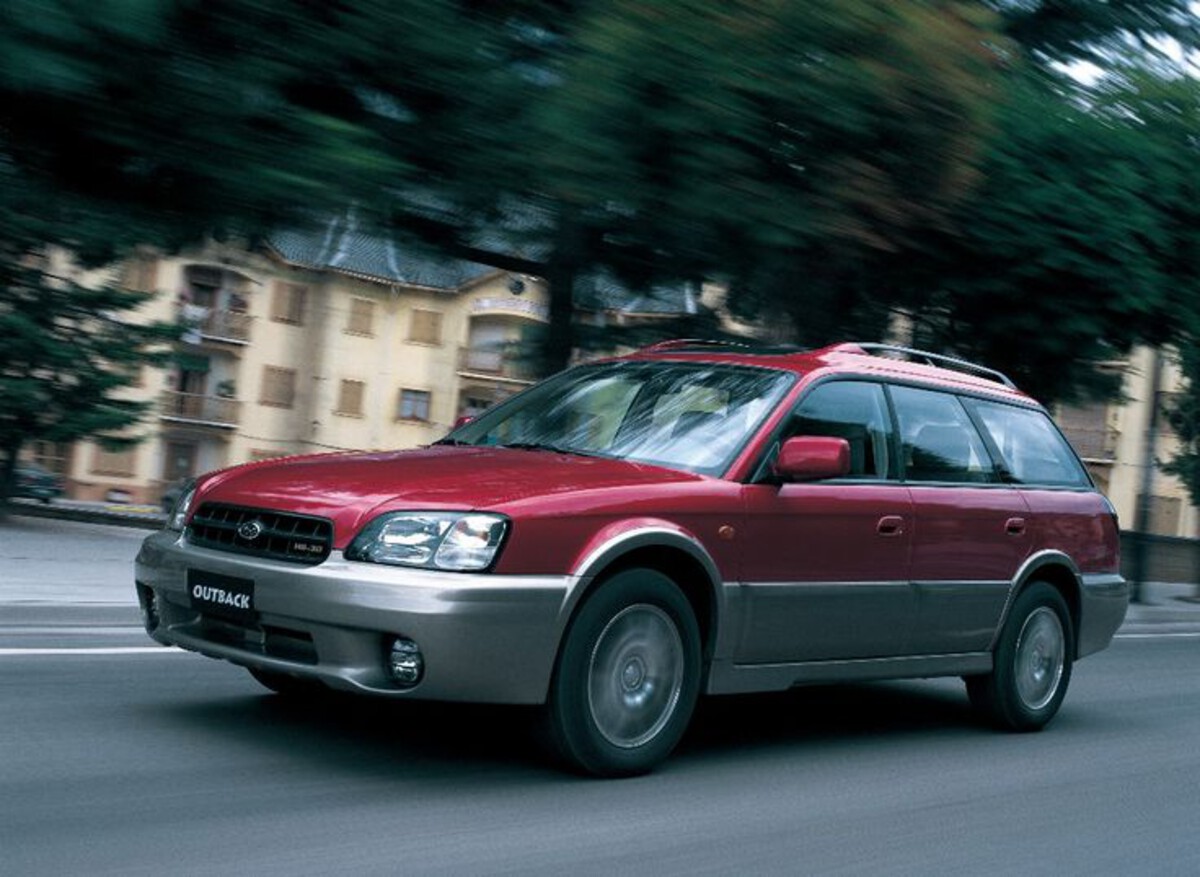
4. Subaru Outback (mid-2000s models)
The Subaru Outback, especially mid-2000s models equipped with the horizontally opposed boxer engine, is notable for retaining fuel efficiency after extensive use. The boxer engine’s unique design offers inherent balance, which reduces internal vibrations and wear on engine components.
This design helps maintain consistent combustion and preserves fuel economy. Additionally, the Outback’s fuel delivery system and ignition components are designed with durability in mind, often operating reliably through high mileage. This contributes to stable fuel consumption figures even as the car ages.
Subaru’s commitment to all-wheel-drive functionality means the Outback’s drivetrain is built tough but balanced in a way that avoids excessive strain on the engine. This balance helps the vehicle maintain efficient operation under a variety of driving conditions.
The engine’s relatively low stress during normal driving reduces the risk of premature wear that can degrade MPG. Additionally, Subaru’s robust cooling and lubrication systems protect critical components, preventing overheating and excessive friction, which would otherwise impact fuel economy.
Maintenance is a critical factor in the Outback’s MPG retention. The boxer engine’s unique layout requires specific attention to components like head gaskets, but when owners adhere to recommended service schedules, these engines continue to perform efficiently.
Subaru owners typically perform regular oil changes, air filter replacements, and fuel system cleanings that keep the engine running optimally. The availability of parts and Subaru’s reputation for reliability further encourage consistent upkeep.
The Outback’s design philosophy, combining ruggedness with efficiency, contributes to its ability to maintain MPG after 250,000 miles. The vehicle’s weight distribution and aerodynamic shape reduce unnecessary fuel consumption, even in older models.
Furthermore, the balanced power delivery and straightforward mechanical design allow the Outback to operate efficiently without the complexity that can cause fuel economy to drop in other vehicles. This blend of engineering, maintenance, and design has helped the Subaru Outback maintain a strong reputation for fuel efficiency and longevity.

5. Ford F-150 (early 2000s V6 and V8 engines)
The Ford F-150 from the early 2000s, equipped with V6 and V8 engines, demonstrates remarkable resilience in maintaining fuel efficiency even after crossing 250,000 miles. The engine designs in these trucks emphasize durability and ease of repair, which means worn components are often replaced before they cause significant fuel economy losses.
The engines are engineered to perform well under various conditions, including heavy loads, without rapidly losing efficiency. This durability extends to critical systems such as fuel injection, ignition, and emissions controls, all of which play vital roles in sustaining MPG.
Another key reason the F-150 holds its fuel economy is the straightforward mechanical layout and the modular engine design. This setup makes it easier for owners to perform preventive maintenance and repairs, avoiding the buildup of fuel system inefficiencies that often occur in less accessible or more complex engines.
The engines also feature adaptive engine management systems that adjust fuel delivery and ignition timing in response to wear and changing conditions, which helps preserve efficiency over time.
Routine maintenance is common among F-150 owners, partly because these trucks are often used for work and require reliability. Keeping up with oil changes, spark plug replacements, and fuel system cleanings ensures the engines run smoothly and efficiently.
The availability of aftermarket parts and widespread mechanic familiarity with these engines also encourages regular upkeep. This contributes directly to stable fuel economy numbers, even as mileage accumulates.
Finally, the F-150’s design balances power with reasonable fuel consumption. Although trucks are not known for their MPG, the F-150 engines operate efficiently in normal driving conditions without unnecessary strain.
The transmission and drivetrain components are built for longevity and smooth power delivery, preventing efficiency losses from drivetrain drag or poor gear ratios. This combination of durable engineering, regular maintenance, and balanced powertrain design allows the Ford F-150 to retain fuel efficiency well beyond 250,000 miles.
Also Read: 5 Cars That Rarely Need Transmission Work vs 5 That Constantly Do
5 Cars That Don’t Hold Their MPG After 250,000 Miles
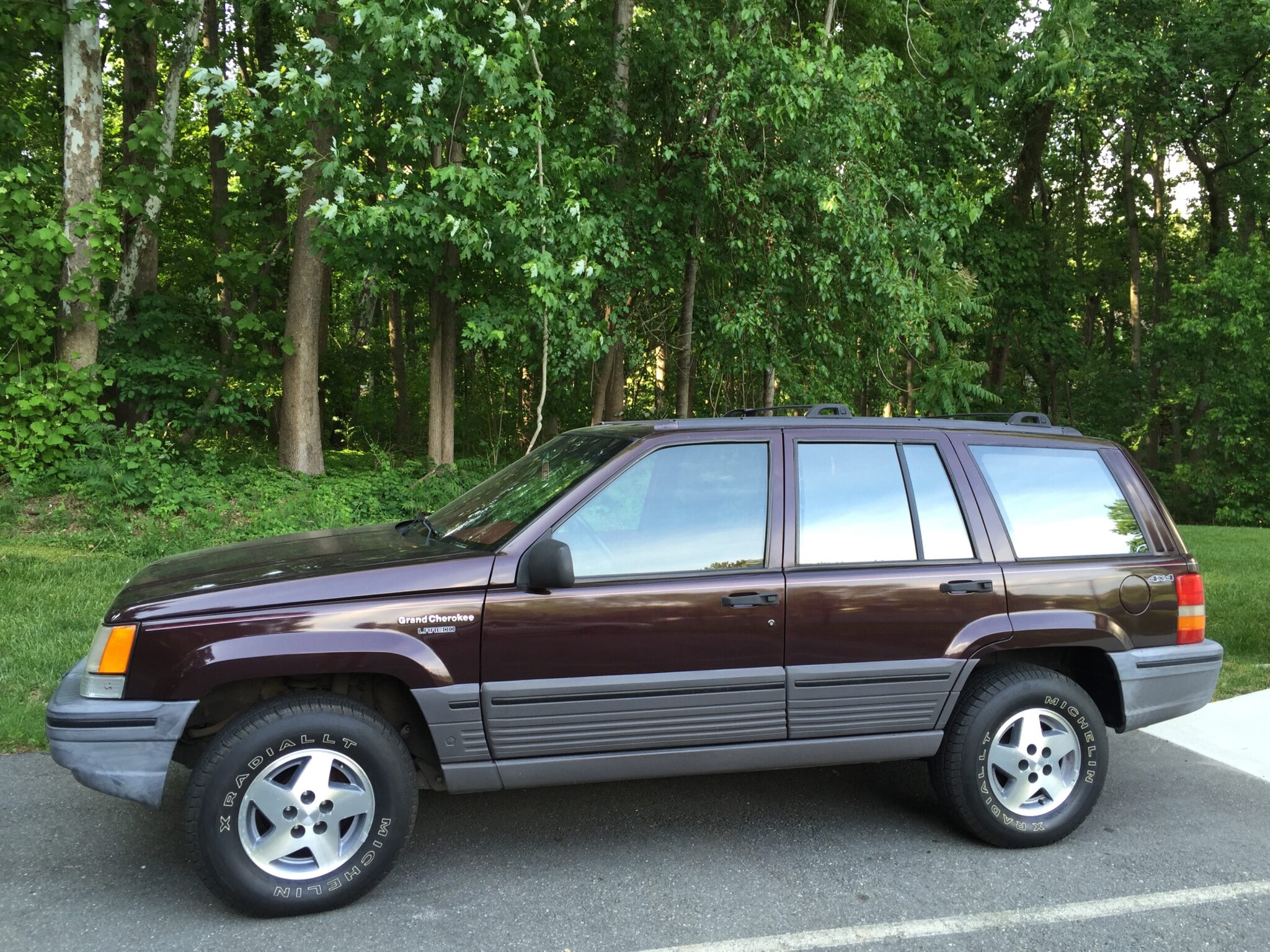
1. Jeep Grand Cherokee (early 2000s models)
The Jeep Grand Cherokee, especially the early 2000s models, tends to lose its fuel efficiency significantly after reaching 250,000 miles. One of the primary reasons for this decline is the complexity and robustness of the vehicle’s powertrain. The larger V8 engines used in many Grand Cherokees at the time are powerful but often not optimized for long-term fuel efficiency.
These engines tend to develop wear in critical components such as piston rings, valve seals, and cylinder walls over time, which directly affects the combustion process. When combustion becomes less efficient, fuel economy drops dramatically. This natural engine wear, combined with heavy vehicle weight, puts a strain on fuel usage as the vehicle ages.
Additionally, the Grand Cherokee’s four-wheel-drive system, while excellent for off-road performance, introduces mechanical drag and complexity that can negatively impact fuel efficiency over time. The transfer case, differentials, and extra drivetrain components increase friction and wear.
As seals and bearings wear out, these parts require more energy from the engine to overcome friction, which leads to decreased MPG.
Unlike simpler rear-wheel-drive vehicles, the added drivetrain complexity of the Grand Cherokee means that even small mechanical degradations can cause noticeable fuel economy losses. This is especially true in high-mileage vehicles where seals and joints become less effective.
Another factor affecting MPG retention is the vehicle’s weight and aerodynamics. The Grand Cherokee’s design prioritizes capability and comfort over fuel economy. Its heavier curb weight results in more energy needed for acceleration and maintaining speed.
Over time, as suspension components wear and the vehicle becomes less stable, rolling resistance increases. Worn tires, alignment issues, and suspension deterioration all contribute to increased fuel consumption.
This means that, even aside from engine wear, the physical condition of the vehicle causes the engine to work harder to maintain performance, draining more fuel.
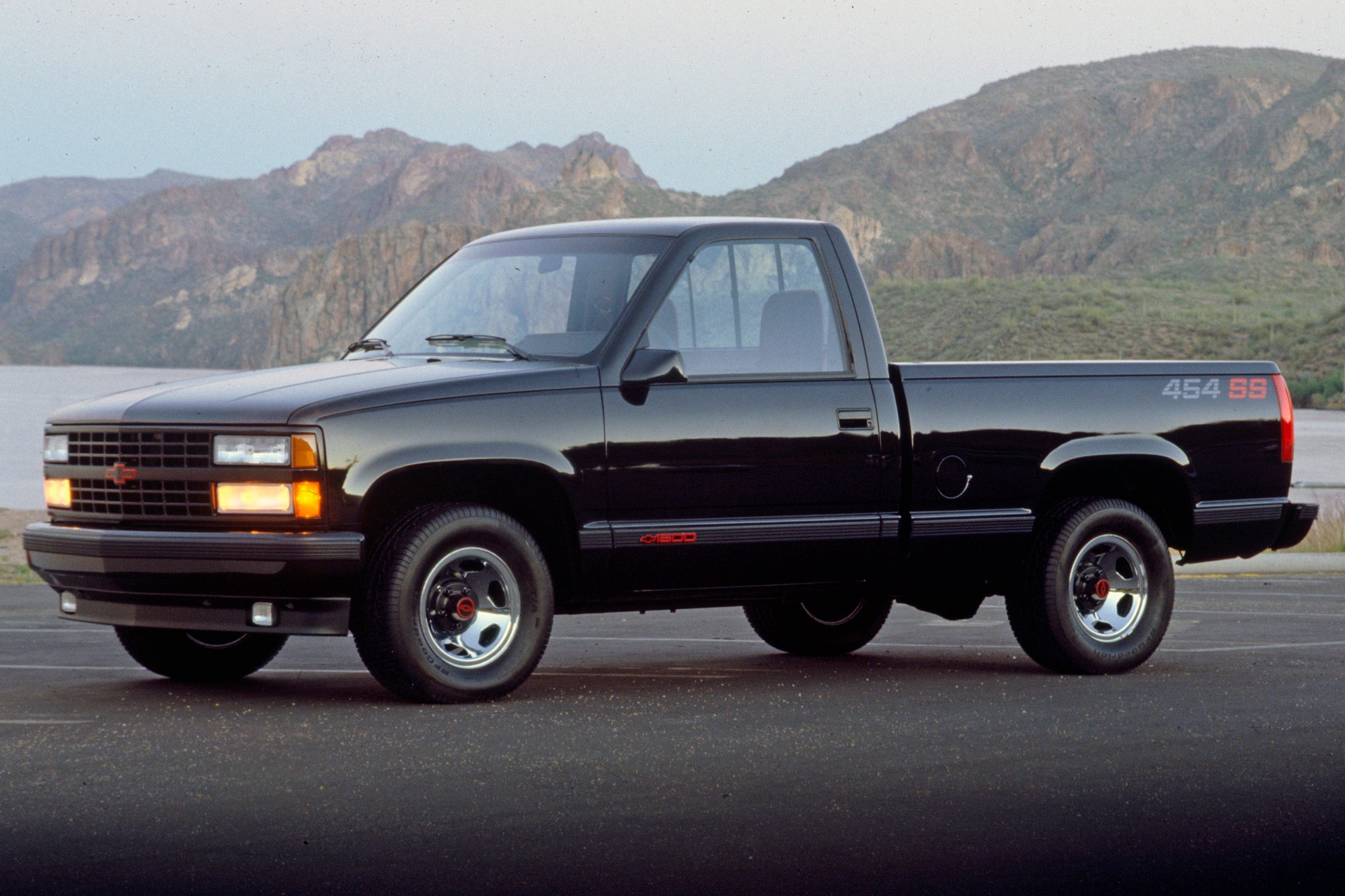
2. Chevrolet Silverado (early 2000s V8 models)
The Chevrolet Silverado, particularly early 2000s models with V8 engines, often experiences a steep drop in fuel economy after accumulating high mileage. The larger displacement V8 engines used in these trucks are designed for power and towing rather than maximum fuel efficiency.
Over time, the engine components, including piston rings and cylinder walls, wear down, reducing compression and causing incomplete combustion.
This results in wasted fuel and higher consumption. The Silverado’s fuel injection system and ignition components may also degrade, contributing to less efficient fuel burning. As the engine ages, fuel economy can suffer a noticeable decline, especially if maintenance is inconsistent.
Another factor is the truck’s weight and aerodynamics. The Silverado is a heavy vehicle, and its design is focused on strength and durability rather than minimizing drag. This means the engine works harder to move the truck, especially under load or at highway speeds.
Over time, worn suspension components and tires increase rolling resistance, making the engine’s job even harder and further reducing fuel efficiency. The sheer size and ruggedness of the truck inherently make it less likely to hold its original MPG figures as it ages.
The transmission and drivetrain systems also play a role in the Silverado’s declining MPG. Older models tend to use less advanced transmission technology, which can lead to less efficient power transfer over time. Components like the torque converter and transmission clutches wear out, causing the engine to use more fuel to deliver the same performance.
Furthermore, if the four-wheel-drive system is used heavily, the added mechanical resistance and wear can negatively affect fuel economy. These factors together often lead to a gradual but consistent drop in MPG as the truck reaches higher mileage.
Lastly, owner habits and maintenance impact the Silverado’s MPG retention. While some owners keep their trucks meticulously maintained, others may delay important services such as fuel system cleanings, spark plug replacements, and transmission servicing.
Neglected maintenance, combined with the Silverado’s naturally lower fuel economy baseline, contributes to further MPG decline.
Additionally, many trucks are used for towing or hauling, which inherently reduces fuel efficiency and accelerates wear on engine and drivetrain components. This usage pattern makes the Silverado prone to losing its original MPG performance after 250,000 miles.

3. Dodge Ram 1500 (late 1990s to early 2000s)
The Dodge Ram 1500, particularly models from the late 1990s to early 2000s, often suffers from declining fuel efficiency once it passes the 250,000-mile threshold. This is largely due to its engine design and tuning, which prioritize power over long-term fuel economy.
The V8 engines used in these models tend to wear faster in components essential for efficient combustion, such as piston rings and valve guides.
Wear in these parts leads to compression loss and incomplete fuel burning, which directly increases fuel consumption. The carbureted versions, common in earlier models, are particularly prone to fuel inefficiency as they age because carburetors can become clogged or misadjusted over time.
The transmission system in the Ram 1500 also contributes to its fuel economy decline. Many of these trucks use older automatic transmissions that were not designed with fuel efficiency in mind. As the transmission ages, clutch packs and bands wear out, causing slippage and inefficient power transfer.
This forces the engine to work harder to maintain speed, using more fuel in the process. Additionally, four-wheel-drive models experience increased drivetrain resistance, and as seals and bearings wear, this further reduces efficiency. The combination of transmission wear and drivetrain drag often results in a marked drop in MPG after many miles.
The vehicle’s weight and aerodynamics also play a role. The Ram 1500 is relatively heavy and has a boxy design that increases air resistance. Over time, suspension components such as bushings and shocks wear out, increasing rolling resistance and making the engine work harder.
Tires often become unevenly worn or misaligned after many miles, further increasing fuel consumption. These physical factors, combined with mechanical wear, mean that the Ram 1500 struggles to maintain its original fuel efficiency after extensive use.
Maintenance challenges further exacerbate MPG losses. The Dodge Ram requires regular upkeep of fuel systems, ignition components, and transmission fluid to perform efficiently. Neglecting these areas can accelerate wear and cause the engine and drivetrain to consume more fuel.
Additionally, many Ram trucks are used for heavy-duty work, which puts extra stress on the engine and transmission. This usage pattern, combined with older technology and physical wear, results in the Ram 1500 being less capable of maintaining its MPG after 250,000 miles.
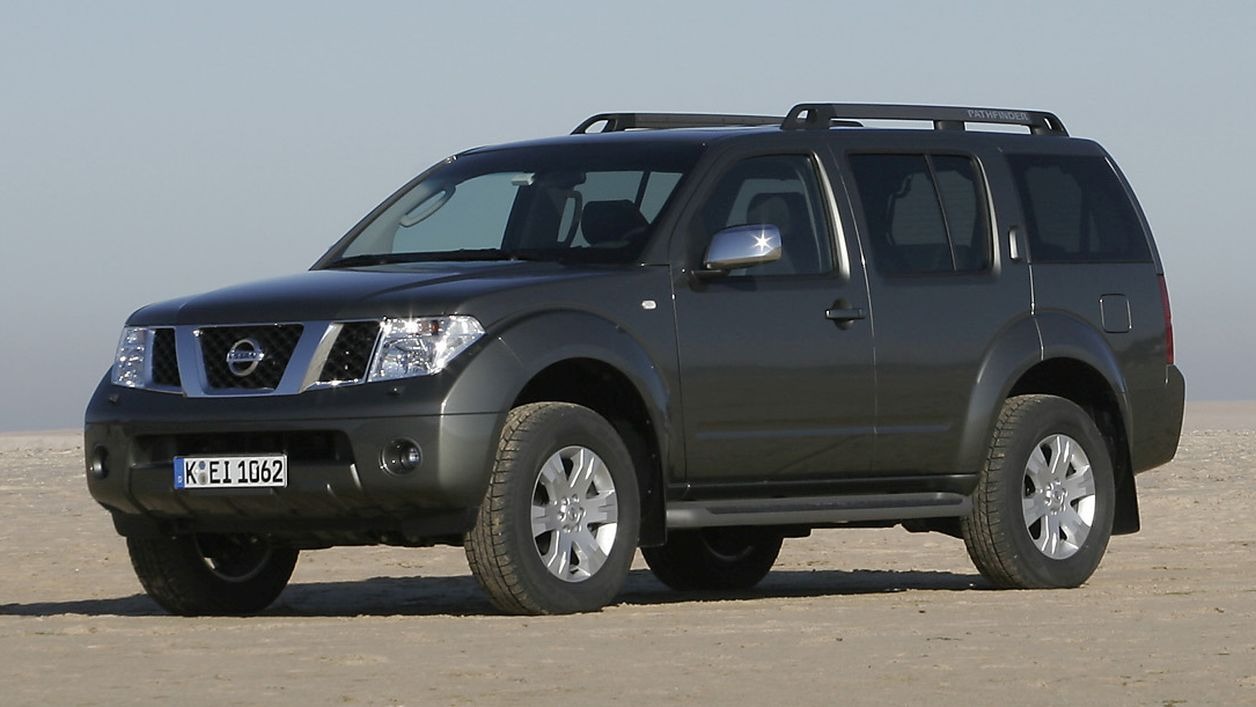
4. Nissan Pathfinder (early 2000s models)
The Nissan Pathfinder from the early 2000s is known for its reliability in general, but it does tend to lose fuel efficiency significantly after high mileage. One of the main reasons is its engine design, which includes the V6 engines that, while powerful, can develop wear that impacts combustion efficiency.
Components like piston rings, valve seals, and fuel injectors tend to degrade, leading to increased oil consumption and incomplete fuel burn.
As the combustion process becomes less efficient, the engine requires more fuel to produce the same power, causing MPG to drop. This issue is exacerbated by the Pathfinder’s heavier curb weight and often aggressive driving style associated with SUVs.
Another factor is the vehicle’s drivetrain system. The Pathfinder’s four-wheel-drive system adds mechanical complexity and extra weight, which can contribute to increased friction and resistance in the drivetrain as parts wear.
Over time, seals, bearings, and joints become less effective, requiring more power to maintain vehicle movement. This, in turn, forces the engine to consume more fuel. Additionally, the early 2000s Pathfinder models use transmission systems that, while reliable, tend to lose efficiency as the components age, which further lowers fuel economy.
The vehicle’s overall design, which prioritizes off-road capability and ruggedness, means that fuel economy is already a compromise. As the Pathfinder ages, factors such as worn suspension parts, increased rolling resistance, and aerodynamic drag become more significant.
Suspension wear causes uneven tire wear and misalignment, both of which reduce fuel efficiency. The boxy SUV shape increases air resistance, especially at highway speeds, requiring more fuel to maintain speed. These physical factors combine with engine and drivetrain wear to reduce MPG substantially after 250,000 miles.

5. BMW 3 Series (early 2000s models)
The BMW 3 Series from the early 2000s is a vehicle that offers performance and luxury but tends to experience a decline in fuel economy after 250,000 miles. The engines in these models are engineered for power and responsiveness rather than long-term fuel efficiency.
As these vehicles age, components such as piston rings, valve seals, and fuel injectors wear down, affecting combustion efficiency.
The high-performance tuning means that any loss in engine precision results in more noticeable fuel economy drops compared to less performance-oriented cars. Additionally, BMW’s direct injection systems from this era can develop carbon buildup, which hampers fuel atomization and combustion, further reducing MPG.
The transmission systems in these vehicles are often sophisticated automatics with multiple gears designed for performance and smoothness. However, as the transmission components age, clutch wear and fluid degradation can cause inefficiencies in power transfer.
This forces the engine to work harder to maintain the same driving performance, increasing fuel consumption. The all-wheel-drive variants add even more drivetrain components, which wear over time and create additional drag, further affecting fuel economy.
The BMW’s driving dynamics and suspension setups, while excellent for handling, often lead to increased rolling resistance as parts wear. Sport-tuned suspensions and wider tires contribute to higher fuel consumption compared to economy-focused vehicles.
After many miles, worn bushings, shocks, and alignment issues increase rolling resistance and tire wear. These factors demand more energy from the engine, lowering fuel economy. The combination of performance focus and aging mechanical parts means that fuel efficiency deteriorates noticeably with age.
