
Nissan has long been one of the most recognized names in the SUV segment, with a lineup that stretches from compact crossovers to full-size, family-ready vehicles. Over the years, the company has produced a wide variety of SUV models that vary not only in size and features but also in terms of durability and dependability.
Some Nissan SUVs have earned a reputation for running smoothly for well over a decade with minimal repairs, while others have faced criticism for their poor build quality or recurring mechanical problems. For potential buyers or long-time owners, knowing which models have a solid history and which ones often end up in the repair shop can make a huge difference in ownership satisfaction.
What makes an SUV reliable isn’t just about how long it lasts, but how little it needs to be in the shop. Low maintenance costs, sturdy engine design, well-made transmissions, and electronics that don’t fail easily are all critical.
On the other hand, frequent issues with the CVT (Continuously Variable Transmission), faulty electrical systems, or poorly designed suspension components can quickly turn a daily driver into a headache. And while some SUVs get better over time through redesigns and recalls, others tend to carry problems across model years.
In this article, we’ll look at five Nissan SUVs that have earned a reputation for long-term reliability. These are models that tend to run well with proper maintenance, have solid mechanical engineering, and generally don’t surprise owners with frequent or expensive breakdowns.
After that, we’ll review five models that often fall on the other end of the spectrum, SUVs that have become known for their tendency to fail too early or too often. Whether you’re a Nissan fan or simply doing research for your next vehicle, this breakdown will help you make a more informed decision about which models to seek out, and which ones to be cautious of.
Also Read: 10 Compact SUVs That Survive Harsh Winters Offering Durability
5 Nissan SUVs That Rarely Break
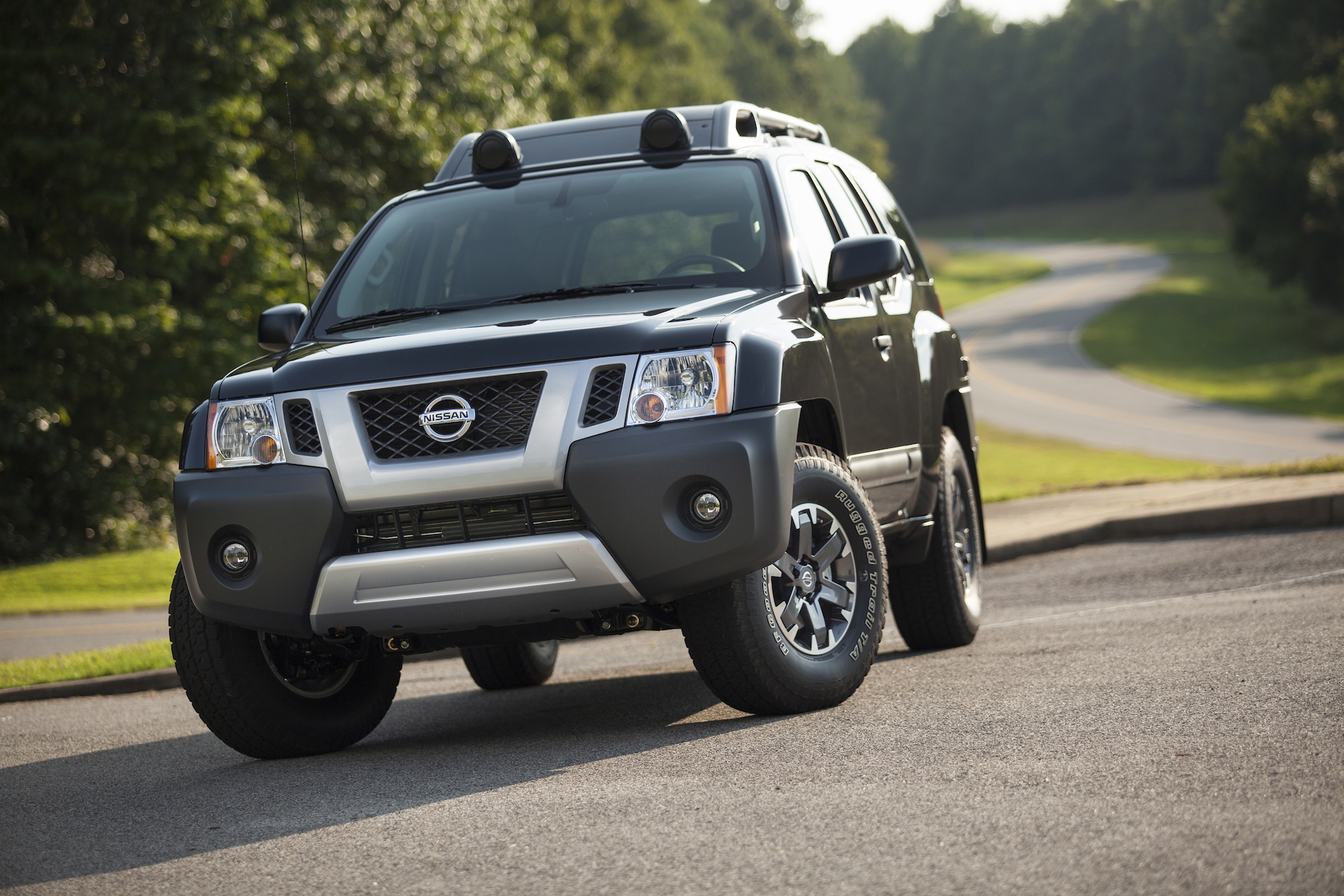
Nissan Xterra (2005–2015)
The Xterra is often remembered as one of Nissan’s most rugged and dependable SUVs. Designed with off-road capability in mind, this mid-size SUV shared a strong platform with the Frontier pickup. That meant it had the kind of body-on-frame construction typically found in trucks, making it far more durable than most crossovers.
The Xterra’s engine lineup, especially the 4.0L V6, was known for its toughness and longevity. Many owners have reported clocking well over 200,000 miles with only routine maintenance like oil changes and brake pads.
Another reason the Xterra rarely breaks is that it doesn’t have a lot of the complicated electronics that plague newer SUVs. It was designed to be more practical than flashy, which meant fewer things could go wrong.
There’s no fancy dual-screen infotainment system or overly complicated driving modes. For people who just wanted an SUV that could get them through rough terrain or haul gear without giving them trouble, the Xterra fit the bill perfectly. And its simple design also made it easier and cheaper to repair if something did go wrong.
The suspension system on the Xterra was also well-built and designed to take abuse. Unlike some SUVs that wear out bushings and ball joints after a few years of daily driving, the Xterra’s underpinnings held up well over time.
Owners could expect solid handling on the road and good articulation off-road without constantly visiting the mechanic. The drivetrain was also simple and effective, with reliable four-wheel-drive systems that engaged cleanly and rarely failed.
While the Xterra was eventually discontinued in 2015, its reputation for dependability lives on. Many models from its final years are still on the road today, being used for everything from daily commutes to overlanding trips. It’s not the most fuel-efficient SUV out there, but if your top priority is something that rarely breaks down, the Xterra is a safe bet.
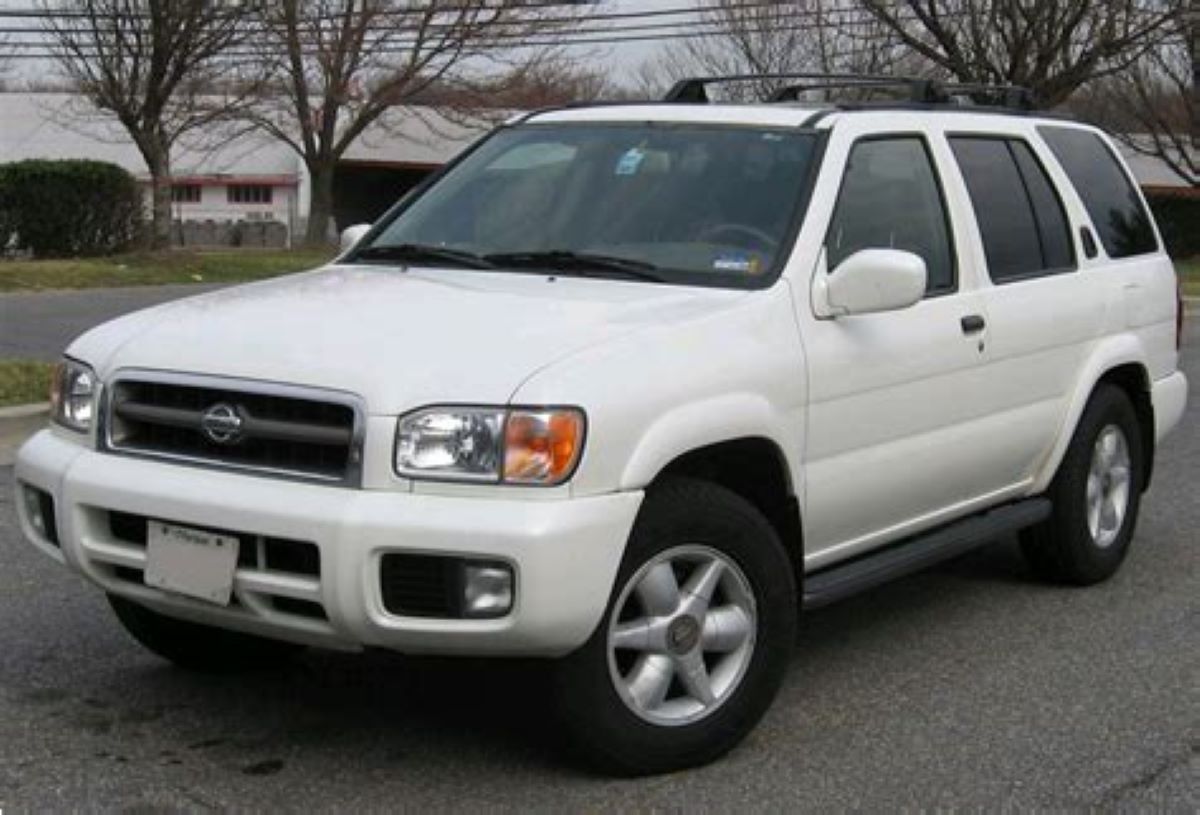
Nissan Pathfinder (1996–2004)
Earlier versions of the Nissan Pathfinder, especially from the late ’90s to early 2000s, are widely regarded as solid, well-built SUVs. During this era, the Pathfinder still carried a body-on-frame design, similar to a traditional truck, which gave it exceptional durability.
It was powered by either a 3.3L or 3.5L V6 engine both of which had a reputation for being extremely reliable if properly maintained. These engines rarely suffered from major internal failures, and they performed steadily for years.
The Pathfinder of this generation didn’t have many of the electronic issues that plagued later models. The design was simpler and focused more on utility than on luxury. This made it not only more affordable to own but also less likely to experience the frustrating electrical faults that can plague modern vehicles. Air conditioning systems, power windows, and basic dash components usually held up well over time without constant fixes.
Suspension and drivetrain reliability was another strong point. This model came with optional four-wheel-drive systems that proved dependable in all kinds of weather and terrain.
The manual and automatic transmissions from this era were generally well-regarded, especially when fluid changes were done at proper intervals. Compared to later CVT-based models, these older Pathfinders were much less prone to drivetrain failure.
Because of its strong frame, reliable engine, and straightforward engineering, this generation of the Pathfinder continues to have a loyal following. Many mechanics prefer working on them over newer versions because they are easier to diagnose and fix. And for people who need a tough SUV for towing or off-road use, these Pathfinders are often considered a better investment than newer, more high-tech models.
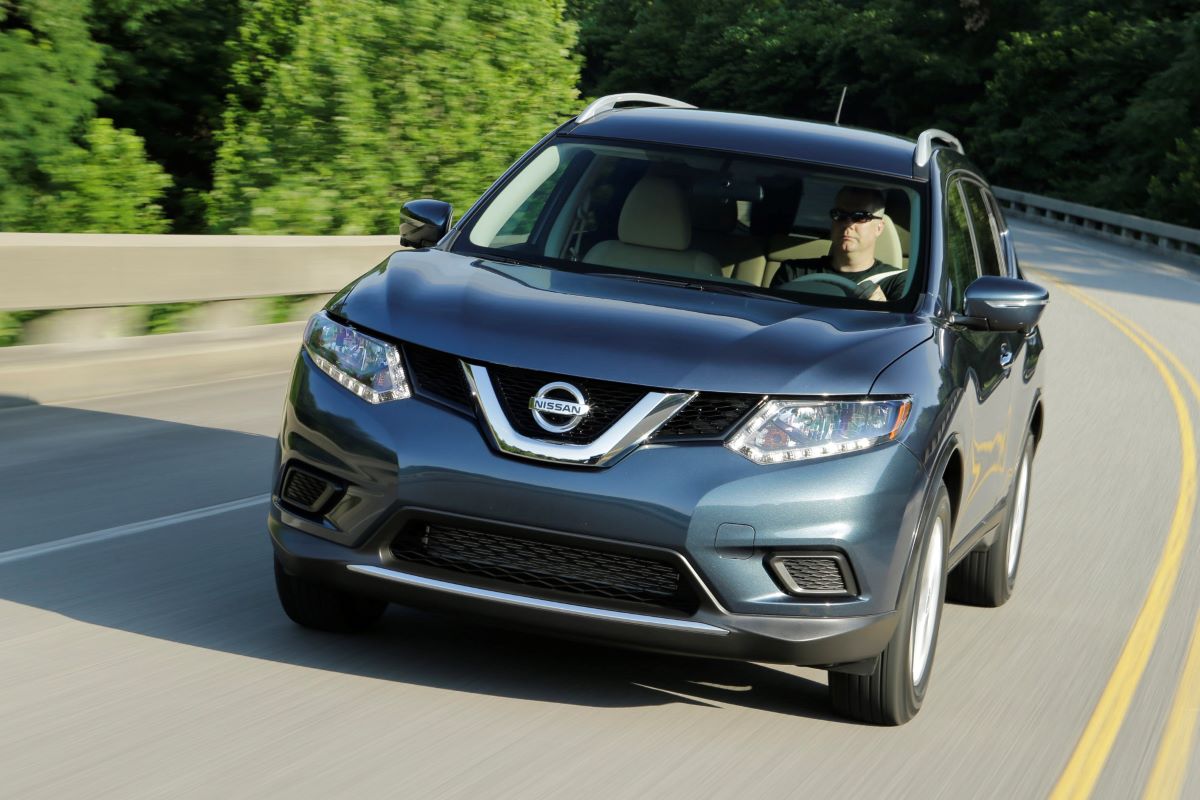
Nissan Rogue (2014–2020)
The second-generation Nissan Rogue (2014–2020) surprised many critics with its improved reliability compared to the first-generation model. This compact SUV became one of Nissan’s best-selling vehicles during this time, in part because it was easy to drive, comfortable, and relatively affordable. What many buyers found over time was that it was also more durable than expected. Owners commonly report reaching 150,000 to 200,000 miles with only regular maintenance.
One of the major improvements in this generation was better handling of the CVT transmission, which had been a pain point in the first generation. While CVTs are still more prone to issues than traditional automatics, Nissan made several changes to software and cooling systems that helped reduce failures. For many owners who didn’t push the car too hard and kept up with fluid changes, the CVT performed adequately.
Another strength of the second-gen Rogue is its predictable reliability in areas like electrical systems, climate controls, and infotainment components. While not overly luxurious, the interior tech was fairly robust and didn’t fall apart or malfunction as often as in some other models. Sensors and cameras worked reliably, and dashboard error lights were less common than in earlier Nissan designs.
Overall, the second-generation Rogue hit a sweet spot between value and reliability. It offered enough space for families, enough efficiency for commuters, and enough dependability to avoid frequent trips to the shop. While not perfect, it represented a big step forward for Nissan in terms of consistency and consumer trust, especially when compared to the earlier Rogue models.
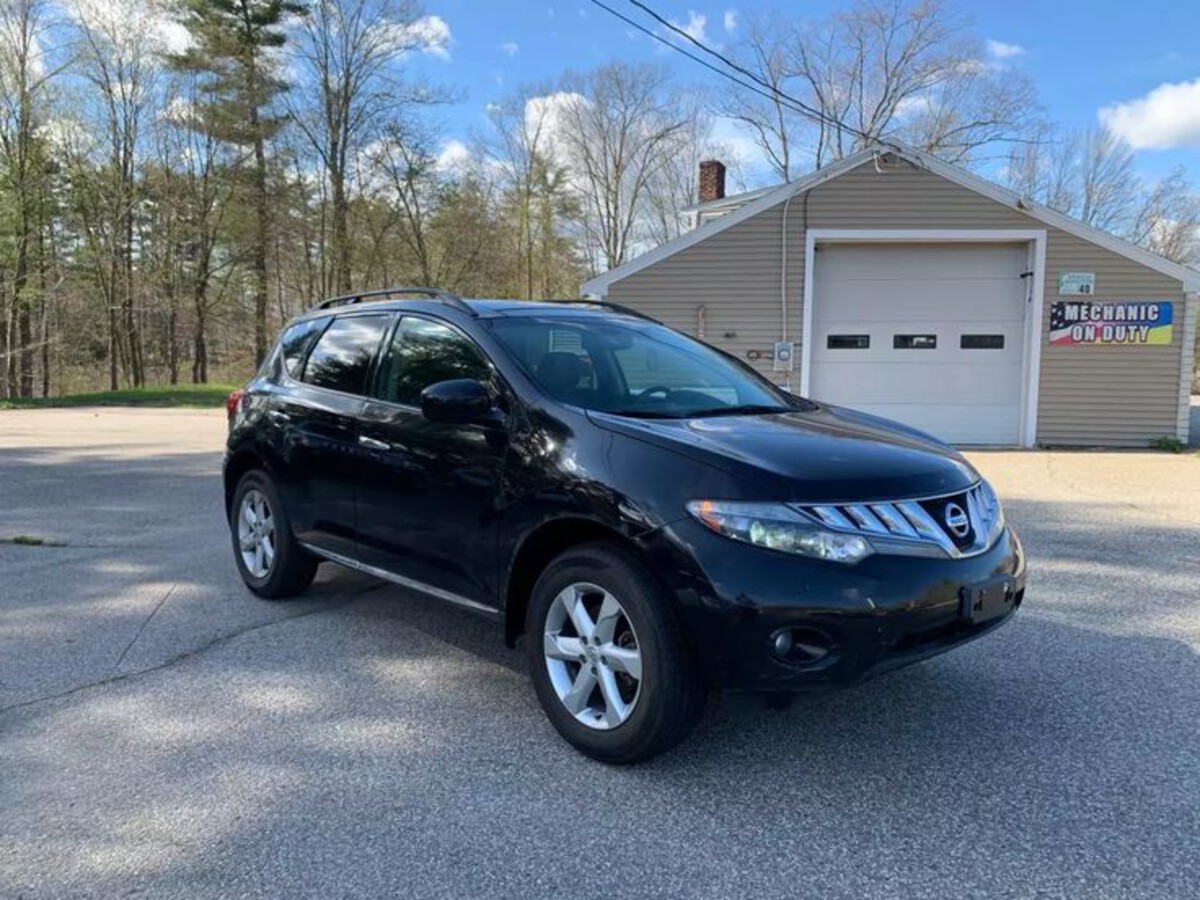
Nissan Murano (2009–2014)
The second-generation Nissan Murano, built between 2009 and 2014, offered a good mix of comfort, performance, and long-term durability. While the first-generation Murano had its fair share of problems, the second-generation models refined the formula and fixed many of the issues. The 3.5L V6 engine, used across many Nissan models, remained a strong point with a reputation for lasting well past 200,000 miles.
What also helped the Murano’s reputation during this generation was the upgraded CVT. While earlier models had frequent transmission complaints, Nissan made adjustments that improved heat management and overall performance.
For drivers who didn’t tow or drive aggressively, the transmission generally held up. And for those who stuck to regular maintenance, it became one of the better long-term options in Nissan’s midsize SUV lineup.
Inside, the Murano was well-built and had fewer quality control problems than the models that came after. The materials used for the dashboard, seating, and trim felt solid and didn’t fall apart easily. Many owners praised the durability of the seats and controls, even after years of daily use. Electronics and displays held up better than expected, and power features like liftgates and seat adjustments remained functional in older models.
The Murano from this period also had fewer recalls and common complaints compared to its newer counterparts. Suspension components were solid, ride comfort was high, and the vehicle aged gracefully. For someone looking for a midsize crossover that blends comfort with long-term value, the 2009–2014 Murano stands out as a smart and mostly trouble-free choice.
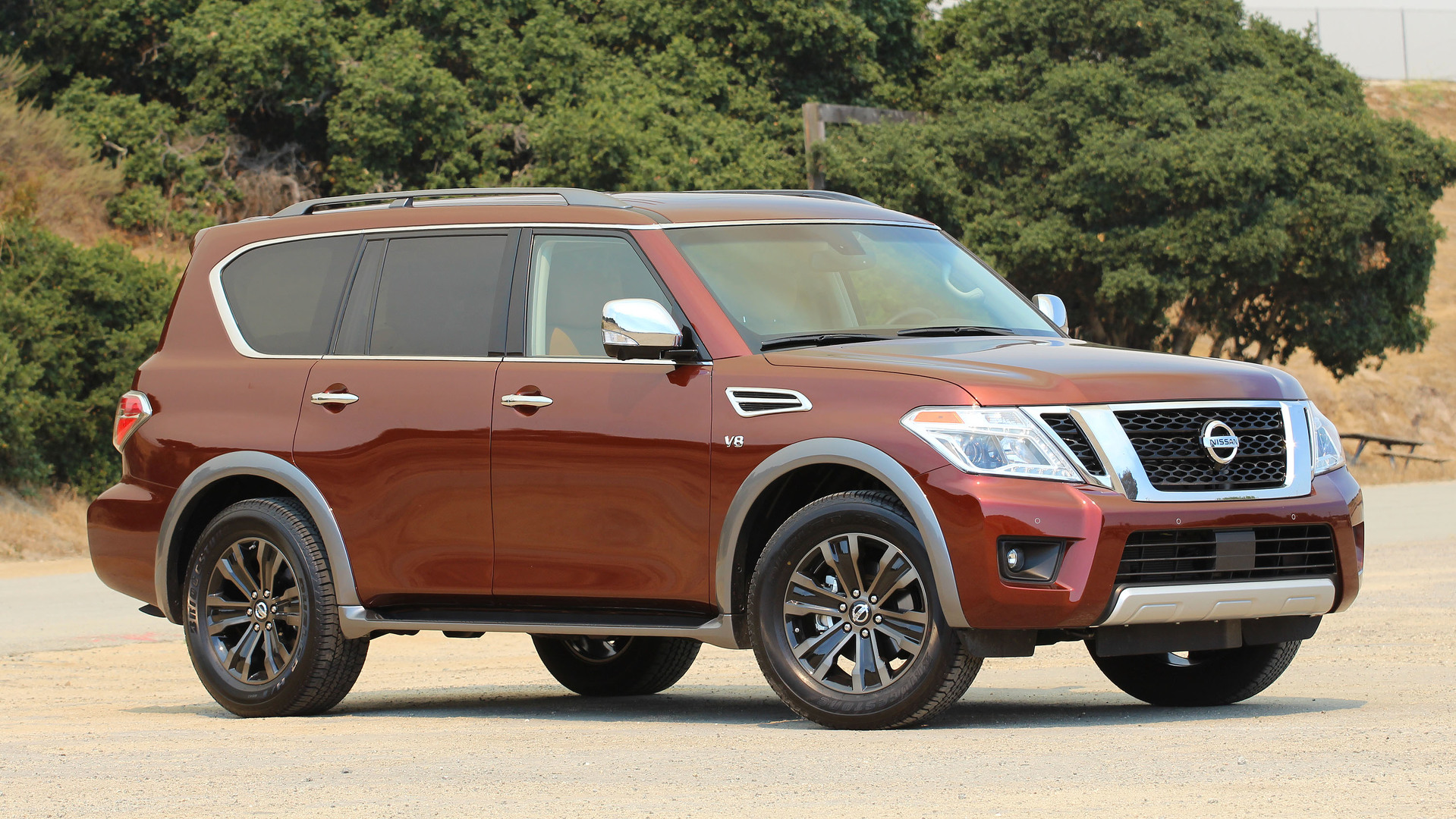
Nissan Armada (2017–2020)
The second-generation Nissan Armada, starting from 2017, was based on the same platform as the global Nissan Patrol, a vehicle known for its toughness and off-road ability. This gave the Armada a significant edge in terms of structural strength and mechanical durability. The 5.6L V8 engine powering the Armada during this generation was well-known for being both powerful and reliable. It could handle heavy loads and long trips without showing signs of stress.
The transmission used in this version of the Armada was also an improvement over earlier Nissan designs. It was a traditional automatic rather than a CVT, which helped reduce repair costs and improved long-term dependability. Gear changes were smooth, and the gearbox responded well under stress, whether climbing steep roads or towing trailers.
Owners reported fewer instances of slipping, delayed shifting, or transmission overheating, issues that are common in some of Nissan’s other models. With regular fluid changes and routine inspections, many drivers found that the Armada’s transmission held up well, even under hard use.
In terms of electronics and technology, the 2017–2020 Armada delivered a relatively trouble-free experience. While it came equipped with modern features such as navigation, cameras, and touchscreen controls, these systems didn’t fail at the high rates seen in other Nissan models.
The backup camera worked reliably, the audio system rarely glitched, and even the more complex driver-assist features like adaptive cruise control generally performed as expected. It wasn’t the most cutting-edge SUV in its class, but it was consistent, and that consistency contributed heavily to its reputation for reliability.
The ride quality of the Armada also added to its appeal. It was one of the few Nissan SUVs that managed to feel luxurious while still being tough. The suspension soaked up bumps with ease, and despite its large size, the vehicle remained stable at highway speeds.
Components such as shocks, struts, and control arms didn’t fail prematurely as they often do in other large SUVs. This long-lasting suspension setup meant fewer trips to the mechanic for front-end alignments or bushing replacements. For families looking for a reliable full-size SUV, the Armada during these years offered a good mix of power and durability.
5 That Constantly Do
Also Read: 12 Vehicles That Stay Reliable Even With Multiple Owners
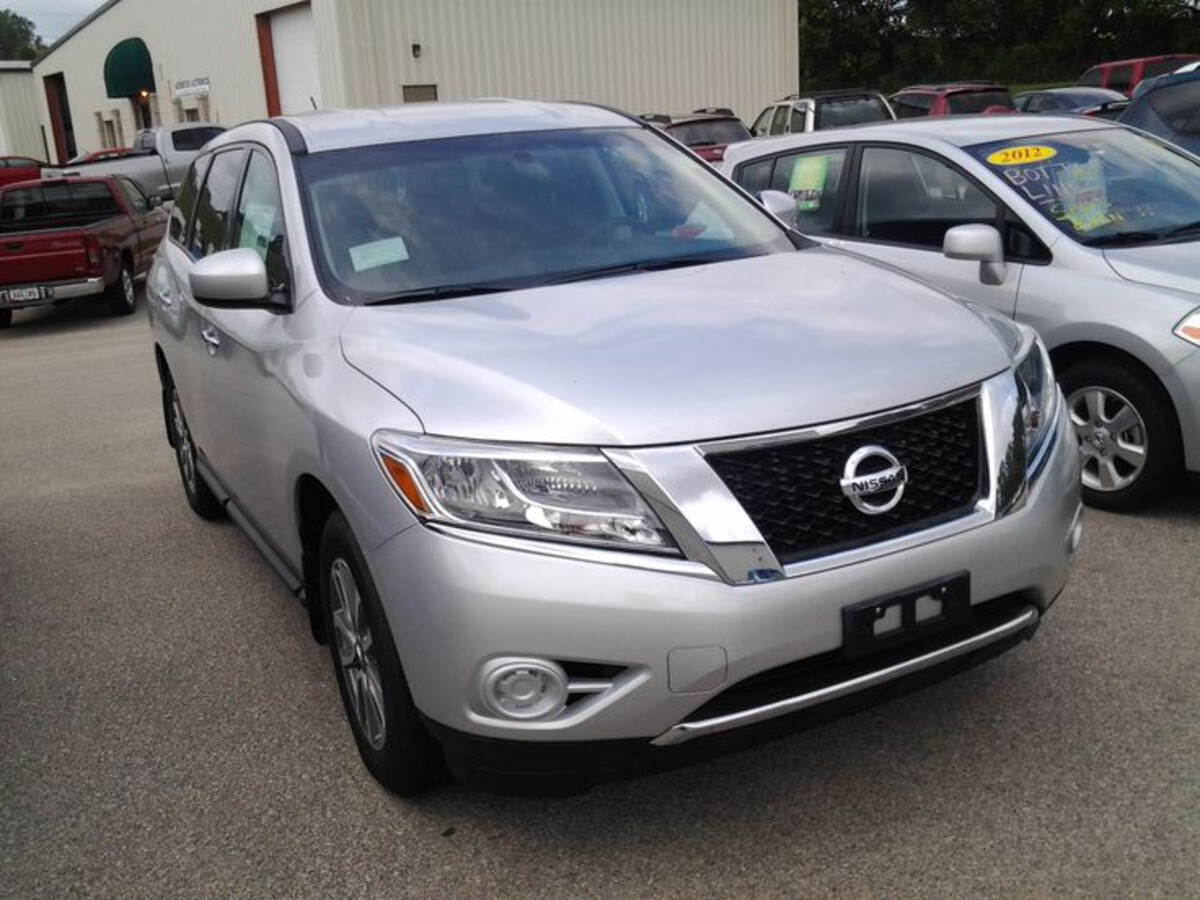
Nissan Pathfinder (2013–2020)
The fourth-generation Nissan Pathfinder marked a major shift in the model’s design, moving from a rugged, truck-based frame to a softer, car-like unibody structure. While this change aimed to improve fuel economy and ride comfort, it also introduced a host of new problems, most with the transmission.
The introduction of Nissan’s CVT across this lineup turned out to be a major sore spot for many owners. The transmission was prone to overheating, slipping, jerking during acceleration, and in some cases, complete failure well before reaching 100,000 miles. These issues weren’t limited to a few outliers either, they appeared frequently across multiple model years and often led to expensive repairs or replacements.
In addition to the drivetrain problems, many owners also experienced issues with the vehicle’s cooling system. The radiator, thermostat, and associated components failed more often than they should have, sometimes causing the engine to overheat.
There were also cases where transmission fluid would leak into the coolant system due to a failed cooler line, leading to catastrophic failures of both systems. These kinds of compound issues made the Pathfinder not only unreliable but also financially burdensome to maintain once it aged beyond its warranty period.
Electrical problems were another common complaint. Power windows would malfunction, navigation systems would freeze, and backup cameras would randomly stop working. Dashboard warning lights would illuminate without clear causes, confusing even dealership technicians.
While some of these issues were software-related, others stemmed from faulty wiring or poorly manufactured control modules. In a family SUV where comfort and convenience are priorities, these kinds of recurring annoyances made daily use more frustrating than it should have been.
What made the situation worse for many Pathfinder owners was the inconsistency in Nissan’s response. While some transmission failures were covered under warranty or extended coverage, others were not, depending on mileage or service history.
As a result, many owners felt abandoned by the manufacturer after spending significant amounts of money on repairs that probably shouldn’t have been necessary. Compared to the previous generation of Pathfinders, which had earned a reputation for durability, this newer version marked a noticeable decline in reliability and customer satisfaction.
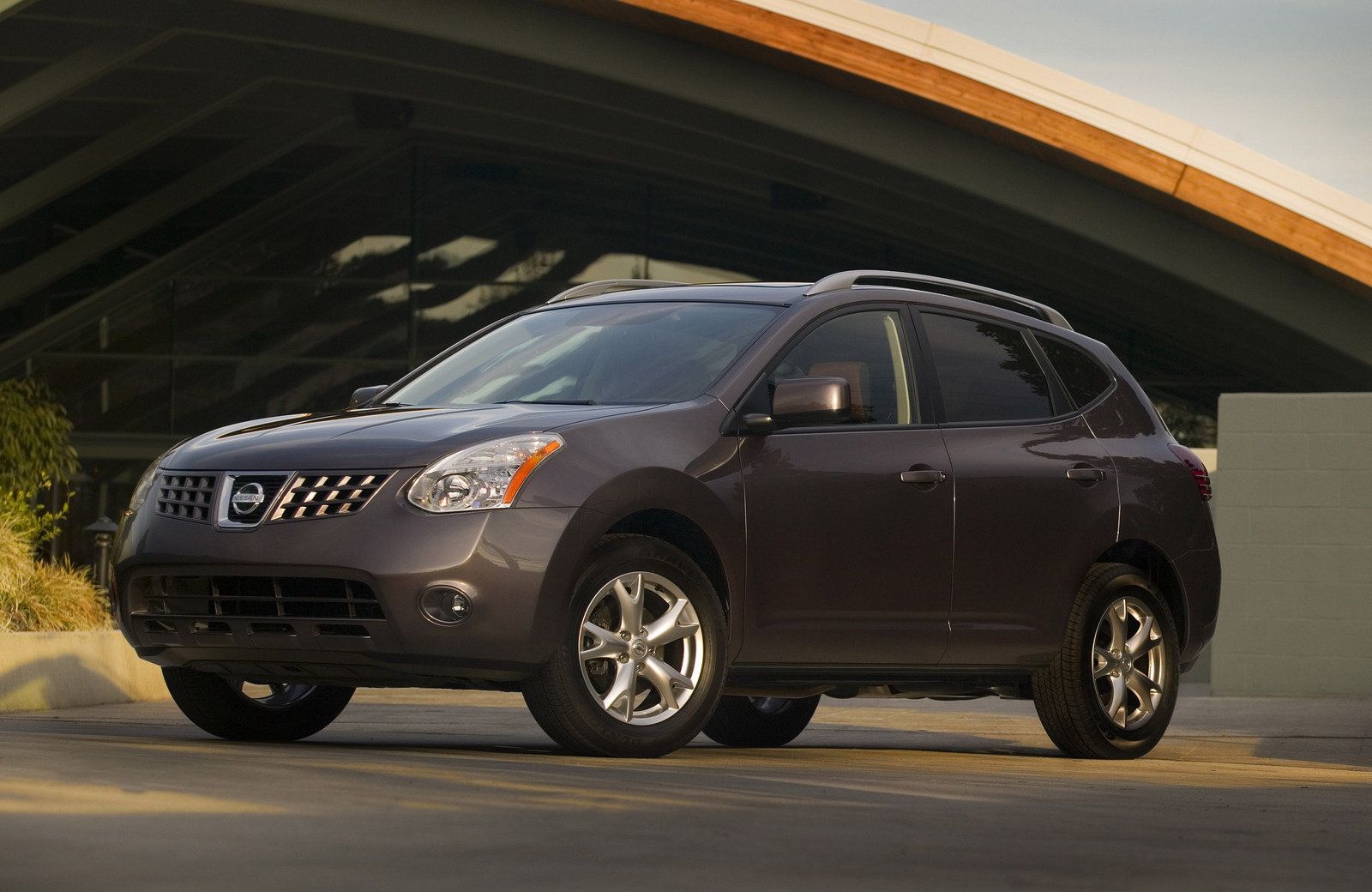
Nissan Rogue (2008–2013)
The first-generation Rogue, while popular for its affordability and size, quickly gained a reputation for being unreliable, especially when it came to transmission performance. The CVT used in this model was particularly problematic. Owners often reported symptoms like shuddering, slow acceleration, and total failure with relatively low mileage.
Nissan’s early CVT technology hadn’t matured yet during this era, and unfortunately, it showed. Many drivers were faced with bills of several thousand dollars to replace transmissions that had failed well before 100,000 miles, even with regular maintenance.
Outside of transmission concerns, the 2008–2013 Rogue also had its share of suspension issues. Strut mounts, bushings, and control arms wore out faster than expected, leading to a rough ride, annoying noises, and poor alignment. In colder climates, corrosion became an issue, particularly around the rear suspension components.
This affected ride quality and in severe cases could pose safety risks. With suspension repairs often being labor-intensive and costly, these problems further contributed to the Rogue’s reputation as a maintenance headache.
Interior quality was another downside. While the Rogue was marketed as an affordable family crossover, it often felt cheap inside. Trim pieces would come loose, dashboards would rattle, and seat upholstery wore out prematurely.
Over time, climate controls and audio components also tended to malfunction. For families using the Rogue as a daily vehicle, these flaws translated into a vehicle that didn’t age well. The small issues added up, creating an ownership experience that felt compromised and frustrating over the long term.
Electrical problems also plagued this generation. From faulty door locks to malfunctioning sensors and glitchy instrument clusters, owners often found themselves dealing with a variety of electrical annoyances.
These issues could sometimes be traced to poor grounding or weak battery connections, but other times they required extensive diagnostics and replacement of control modules. Combined with the already troubled CVT, it’s no surprise that the first-generation Rogue is often considered one of Nissan’s least reliable SUVs.
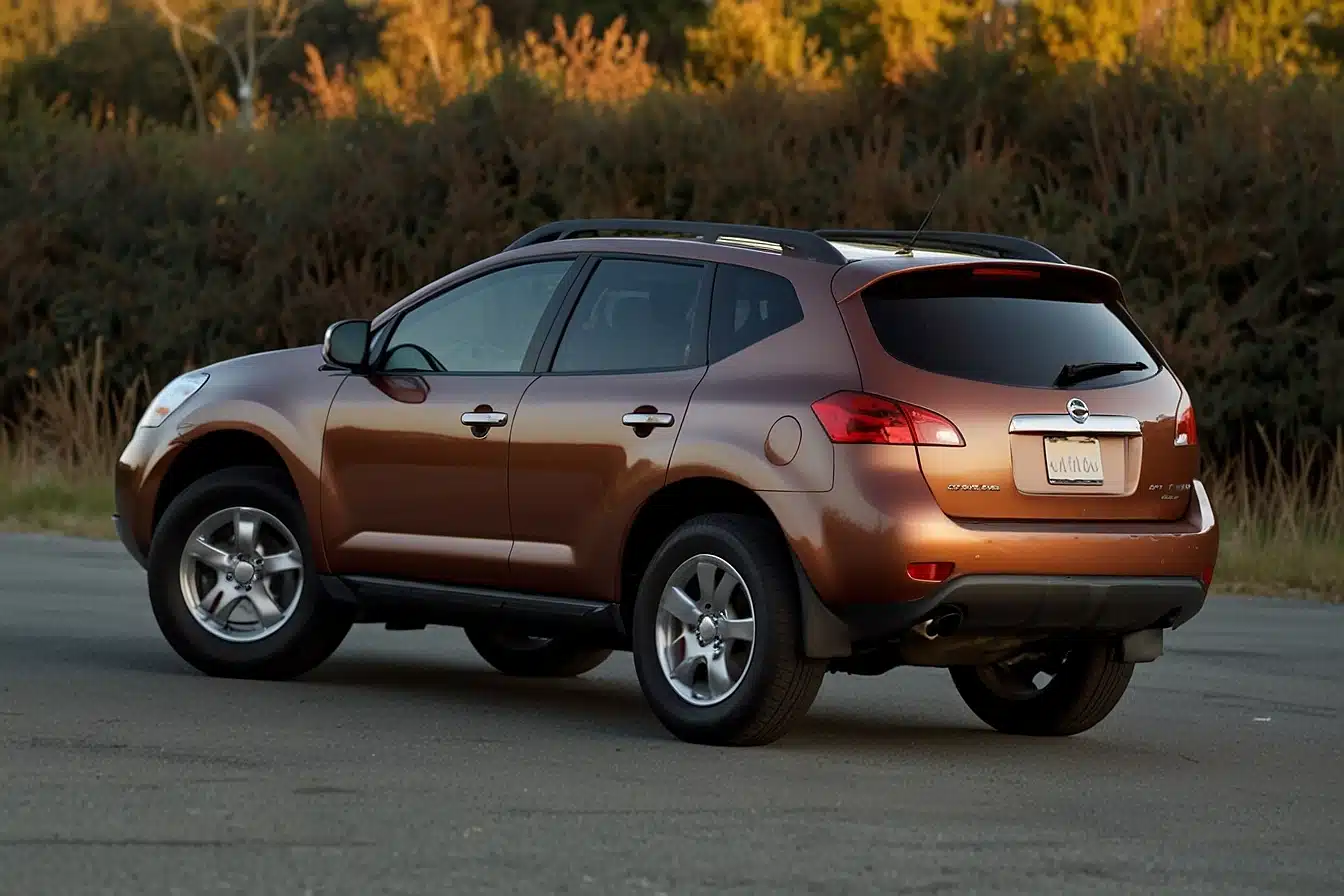
Nissan Murano (2003–2007)
The original Murano was Nissan’s attempt to bring a more stylish, upscale SUV to the market. While it had bold design and decent driving dynamics, it also came with a host of long-term reliability issues that affected many owners.
One of the biggest recurring problems was the CVT transmission, which was still relatively new technology for Nissan at the time. Failures occurred frequently and often required full replacements. Even with moderate driving, the transmission could wear out, overheat, or produce unpleasant jerking motions while shifting. These issues made early Murano ownership a gamble, especially for buyers outside of warranty.
Beyond the transmission, the Murano’s engine mounting and exhaust systems caused headaches as the vehicle aged. Engine mounts would deteriorate quickly, leading to excessive vibration and noise. The exhaust system had its own set of problems, including rust-prone connections and failing catalytic converters.
When you combine these with the already shaky transmission, it made the early Murano costly to maintain and unreliable on long drives.
The interior was prone to premature wear, especially in areas like seat fabrics, buttons, and trim panels. The HVAC system, in particular, suffered from poor component longevity. Blower motors and AC compressors would fail without much warning, especially in warmer climates where air conditioning was essential.
Dashboards also tended to rattle or crack over time. All these small but frequent failures led to growing dissatisfaction among owners, especially those who expected the Murano to be more of a premium vehicle.
Lastly, the electrical system in the early Murano models was less than ideal. Power locks, window regulators, and dashboard displays would often malfunction. Instrument clusters could go dark, and keyless entry systems stopped working, requiring new modules or reprogramming. Taken together, these issues made it difficult to trust the Murano for daily use. While later generations improved, this first version left a lasting impression that made many second-guess buying a Nissan SUV again.
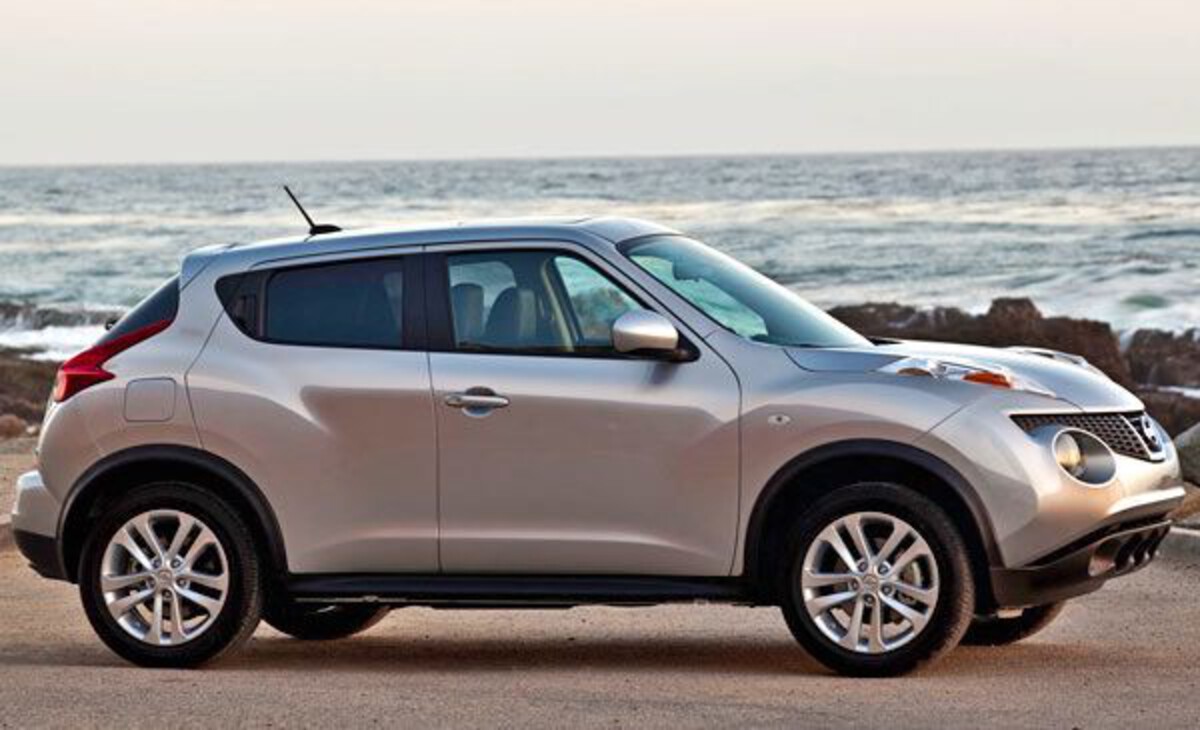
Nissan Juke (2011–2017)
The Nissan Juke stood out for its unique design and sporty character, but it came at the cost of long-term durability. One of the most common complaints from Juke owners was engine reliability. The turbocharged 1.6L engine used in this model had multiple weak points, including timing chain stretch, turbocharger failure, and oil consumption issues.
Some engines failed before hitting 100,000 miles, leading to major expenses for owners who had expected better from a relatively new vehicle. The cost of replacing the turbo or rebuilding the engine often outweighed the value of the car itself.
In addition to engine troubles, the Juke’s CVT transmission was a regular source of complaints. Much like other Nissan models using early CVT designs, the Juke’s transmission was known to wear out quickly.
Symptoms included slipping, delayed throttle response, and whining noises during acceleration. Unfortunately, many owners found themselves replacing the transmission once or even twice before the car reached its expected lifespan. Combined with the fragile engine, this created a double blow in terms of repair costs and downtime.
Interior quality and build were not strong points either. The Juke’s quirky design didn’t necessarily translate into long-lasting materials. Owners frequently noted problems with peeling surfaces, rattling dashboard components, and failing infotainment systems.
The seating was firm and not particularly supportive, especially on long drives, and the back seat offered very little room. In an SUV that was already tight on space, these discomforts added up quickly and made ownership less enjoyable over time.
Finally, the Juke’s electrical system also contributed to its reputation as an unreliable choice. Headlights burned out prematurely, sensors failed often, and the central display unit could crash unexpectedly. Keyless entry problems and ignition switch failures added to the frustration. Despite its sporty image and fun-to-drive nature, the Juke’s poor long-term reliability pushed it far down the list of recommended Nissan SUVs.
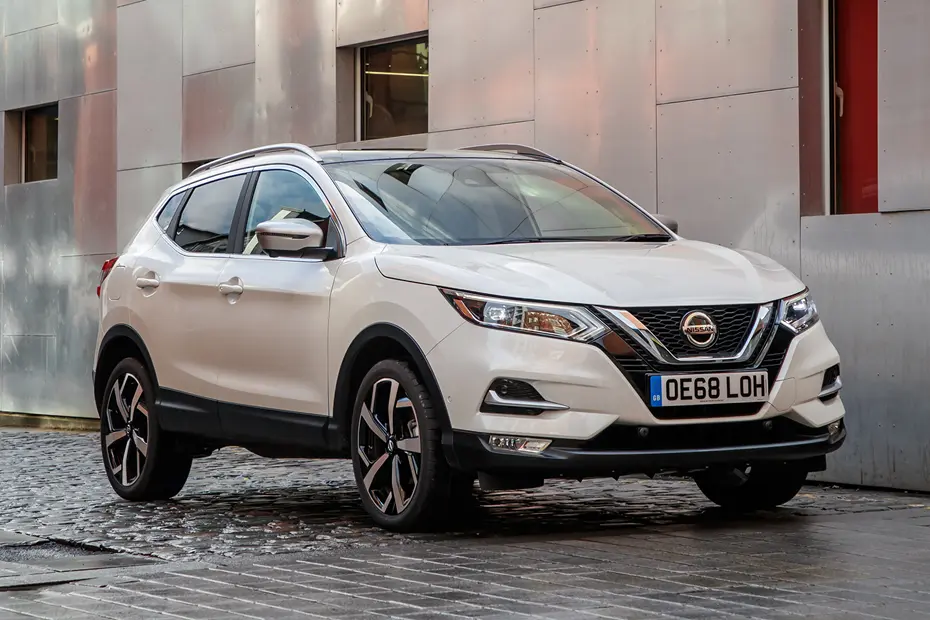
Nissan Qashqai/Rogue Sport (2017–2022)
Although the Nissan Qashqai (known as the Rogue Sport in North America) was marketed as a refined, urban-friendly crossover, it struggled with long-term reliability in several important areas. One of the biggest concerns for many owners was the engine performance, particularly the 2.0L inline-4 paired with the CVT.
While this engine didn’t suffer from dramatic catastrophic failures like some turbocharged units in other brands, it had a range of smaller issues that became expensive and frustrating over time. Stalling, misfiring, and timing chain tensioner problems were common enough to cause concern. Even basic things like idle stability and oil leaks appeared more frequently than they should have in what was supposed to be a modern, commuter-friendly SUV.
The CVT in the Qashqai/Rogue Sport was also one of the most frequently criticized components. Although Nissan claimed improvements had been made over previous versions, many owners still experienced harsh acceleration, jerky power delivery, and in some cases, outright failure before 100,000 miles.
The transmission was also prone to overheating, particularly in stop-and-go traffic or during warm weather conditions. This led to performance issues such as the vehicle entering limp mode, where it would refuse to accelerate past a certain speed until cooled down. These issues were compounded by the fact that CVT fluid changes were not clearly outlined in the maintenance schedule, causing many owners to unknowingly skip critical service intervals.
The electrical and infotainment systems were another major point of dissatisfaction. Many owners reported issues with the main touchscreen freezing, Bluetooth failing to connect, or the backup camera cutting out entirely. Power locks and automatic windows also had a habit of working intermittently, especially in earlier model years.
These issues didn’t just affect convenience; they reflected deeper quality control problems that tarnished the vehicle’s overall reliability. Even the climate control systems weren’t immune, with blower motors and A/C compressors failing more often than average.
Build quality and component longevity were subpar compared to rival models in the same class. Interior plastics scratched easily, trim pieces came loose, and in colder climates, rattles began to appear early in the vehicle’s life. Suspension bushings and sway bar links also tended to wear out quickly, affecting ride quality and stability.
Although the Qashqai was meant to offer a more premium experience in a compact package, the combination of drivetrain flaws, electrical gremlins, and interior degradation made it feel cheaper and less dependable than it should have. As a result, despite its stylish looks and decent fuel economy, the Qashqai/Rogue Sport ranks among the less reliable Nissan SUVs in recent years.
