
The 1980s were a time of transition for the automotive industry. Manufacturers around the world were experimenting with new technologies, boxy designs, and performance features that would shape the decades to follow. However, not all vehicles from that era were instant classics.
In fact, many of them were overlooked, dismissed, or completely forgotten as the years passed. They didn’t have the widespread appeal of muscle cars from the ’60s or the exotic design of some ’90s imports.
Instead, they were often seen as products of their time, stuck between eras of innovation. But time has a strange way of changing perspectives. Cars once labeled as unremarkable are now being reassessed, and some of them are gaining serious value among collectors and enthusiasts.
Rarity plays a major role in this resurgence. Many of these cars were produced in limited numbers or were quickly discontinued due to poor sales, safety concerns, or shifting market priorities. As a result, the few surviving examples have become hard to find, and that scarcity is increasing interest.
Additionally, the current wave of nostalgia for all things ’80s has pushed collectors to look beyond the usual suspects. People are starting to appreciate these vehicles for their quirks, their bold styling, and the stories behind their creation. The values of some of these forgotten models have quietly climbed, sometimes doubling or tripling in the past few years.
The growth of online car communities has also contributed to their renewed popularity. Social media, forums, and auction sites have given obscure vehicles a second life, as owners share restoration stories, rare specs, and period-correct modifications.
This exposure has helped reframe the narrative around these cars. What was once seen as outdated or unfashionable is now being embraced as character. And let’s not forget that many of these cars were surprisingly advanced for their time. They featured turbocharged engines, futuristic electronics, and design choices that were ahead of their era.
So while these cars may not have made a big splash when they were new, they’re finally getting their due. Collectors who recognize their potential early are being rewarded, and the market shows no sign of slowing. Here are ten forgotten ’80s cars that have recently become unexpectedly valuable.
Also Read: 5 Cars That Look Cheap But Last Long and 5 That Don’t
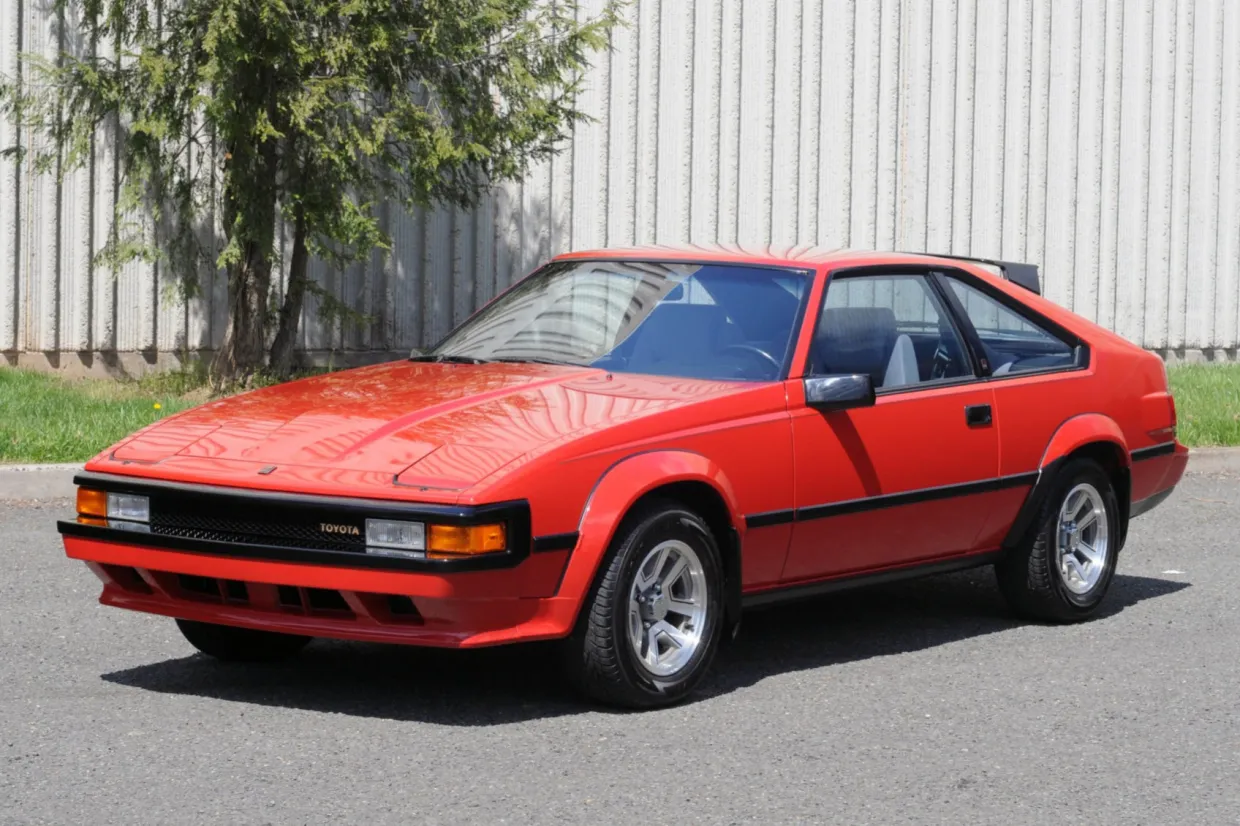
1. 1984 Toyota Celica Supra (Mark II)
The 1984 Toyota Celica Supra is often overlooked because it came right before the more powerful and more famous Mark III. But in recent years, collectors have started to look back at this model with new appreciation. Its angular lines, pop-up headlights, and rear-wheel drive layout represent the best of what the early ’80s Japanese sports car scene had to offer.
It may not have had the brute force of a V8, but its balanced chassis and inline-six engine gave it a refined driving experience. It also had impressive features for its time, including power windows, digital displays, and even an early version of cruise control.
One of the reasons the Mark II Supra is rising in value is its limited presence in the current market. Many were daily driven and eventually scrapped, leaving very few clean examples. Enthusiasts who once ignored these cars are now scouring auctions and online listings for ones with original interiors and unmodified engines.
A car that used to go for just a few thousand dollars can now command prices well into the five-figure range. Collectors are particularly interested in models with the Performance Package, which included a limited-slip differential and sport suspension.
The design language of this generation has also gained more appreciation in the context of current trends. The sharp, squared-off body style that once felt dated now appears bold and distinctive.
Car shows and vintage meets are beginning to feature more of these cars, as owners showcase their factory-original features or tasteful modifications. The Mark II Supra represents a moment in Toyota’s history when the company was transitioning from reliable transport to performance-focused engineering.
While it may never be as famous as the twin-turbo monsters that followed, the 1984 Celica Supra is finally earning respect. It’s a reminder of Toyota’s ambition and craftsmanship during a time when Japanese cars were starting to prove they could compete globally.
With the rising costs of its younger siblings, the Mark II is becoming the more affordable, yet rapidly appreciating, entry point into classic Japanese performance.
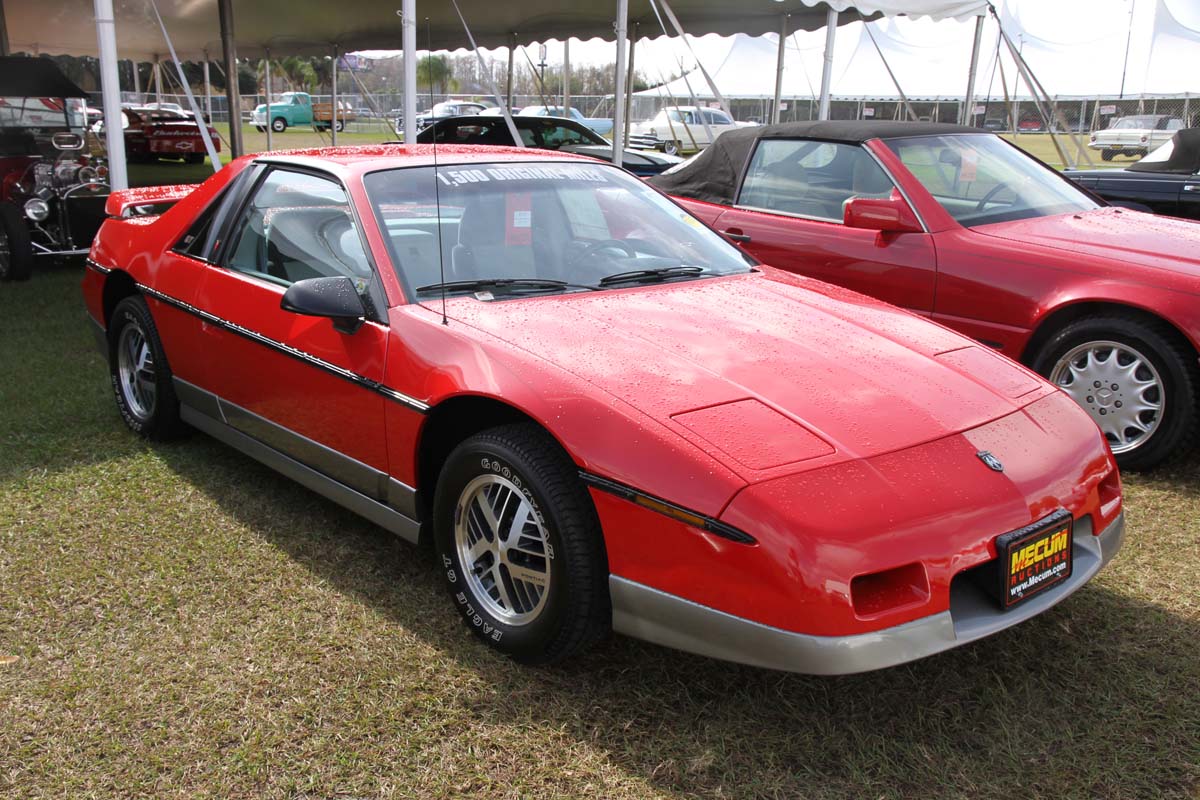
2. 1988 Pontiac Fiero GT
When it was first released, the Pontiac Fiero was met with excitement but quickly lost its shine due to early reliability issues and a reputation for underwhelming performance.
By the time the 1988 Fiero GT came out, most people had written the model off. What they missed, however, was that the final model year included major improvements. It had a completely redesigned suspension, upgraded braking, and much better handling than earlier versions. It was finally what the original designers had intended.
The 1988 GT model also featured sharper styling and a V6 engine that gave it real driving credibility. The fastback design, wide stance, and refined details made it look more exotic than many of its domestic competitors.
Today, collectors are realizing that this final-year model is a very different car from the ones that gave the Fiero its early poor reputation. It’s now seen as the version that Pontiac should have led with, and as such, it’s getting much more attention.
Because many Fieros were sold in the earlier years, far fewer 1988 GTs were produced. This makes them far more desirable, especially in stock condition. Models with low miles and original parts are particularly sought after.
It’s also worth noting that the car’s mid-engine layout is relatively rare for American cars of the time, and that feature is now a major selling point. It provides a unique driving experience and has become a conversation piece among enthusiasts.
The rising value of the 1988 Fiero GT is also helped by its underdog story. It went from being dismissed to being admired, largely because of what it represented: a bold idea from a domestic brand that dared to be different.
Pontiac may no longer exist, but cars like the final-year Fiero show what the brand was capable of when it took risks. It’s one of those cars that’s quietly moved from unloved to unforgettable.
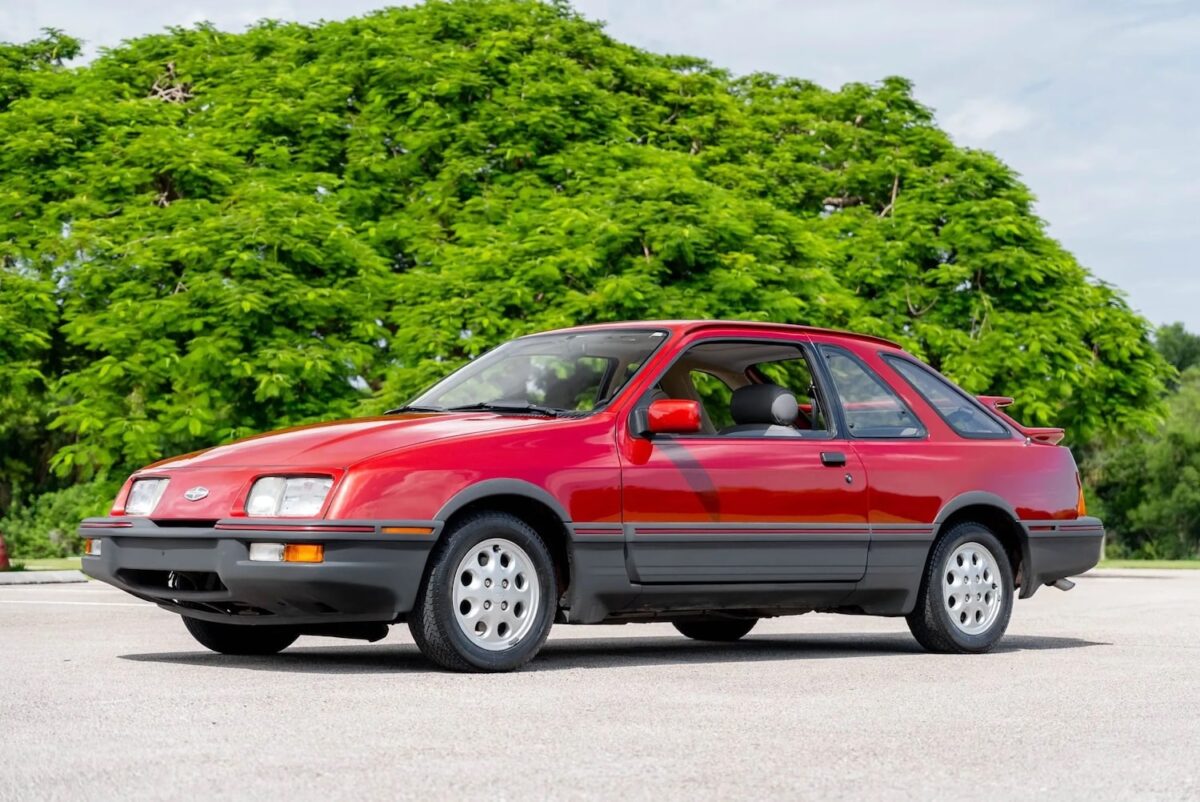
3. 1985 Merkur XR4Ti
Merkur was a short-lived brand under Ford’s umbrella that tried to bring European-style cars to the American market. The XR4Ti was a rebranded version of the Ford Sierra XR4i from Europe.
While it had a promising turbocharged engine and rear-wheel drive layout, American buyers didn’t quite understand the car, and it faded from memory soon after production ended. But the few who appreciated its German engineering and unique appearance saw potential in what others ignored.
Today, the Merkur XR4Ti is being reevaluated by collectors and enthusiasts who understand its place in automotive history. Its 2.3-liter turbocharged engine, similar to the one found in the Mustang SVO, gives it surprising performance even by today’s standards.
And its independent rear suspension offers better handling than many cars in its class at the time. The XR4Ti was a driver’s car disguised in a quirky shell.
Its distinct design, with the dual rear spoilers and three-door hatchback layout, sets it apart from most other cars of the era. While some see it as awkward, others now appreciate its Euro styling and aerodynamic purpose.
As retro designs become more accepted, the XR4Ti’s once-polarizing look is turning into a badge of character. It also helps that it was never mass-produced, so finding a clean example is becoming more difficult each year.
Collectors are increasingly chasing after low-mileage XR4Tis, and prices are beginning to reflect that demand. This is especially true for well-maintained models with original interiors and no major rust issues.
The car may have been forgotten for decades, but it’s now being seen as a rare example of when Ford dared to challenge the American market with something unconventional. That uniqueness, combined with its performance, is finally giving it the recognition it deserves.
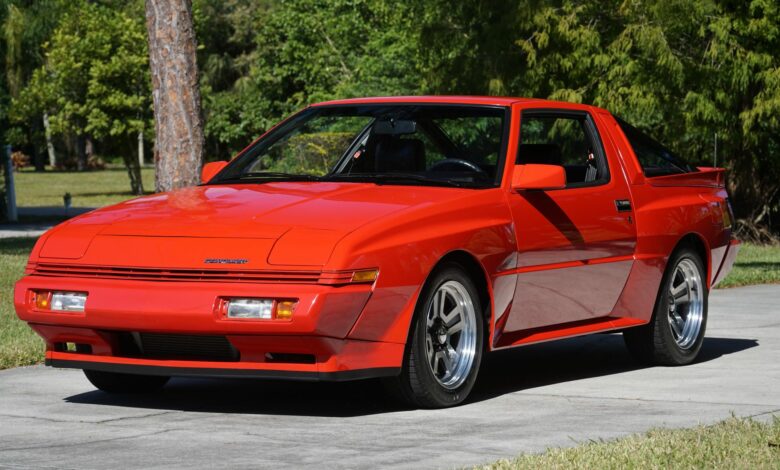
4. 1986 Chrysler Conquest TSi
The Chrysler Conquest TSi was one of those badge-engineered cars that didn’t get the attention it deserved. It was actually a rebadged Mitsubishi Starion, a rear-wheel drive turbocharged coupe that competed with the likes of the Mazda RX-7 and Nissan 300ZX.
The Conquest version was sold under the Chrysler, Dodge, and Plymouth brands at different times. Because of this identity confusion, it never really built a strong following in its day.
But under the surface, the Conquest TSi was a seriously capable machine. It featured a turbocharged 2.6-liter engine, wide body fenders, and an aggressive stance that looked more European than domestic.
It handled well, accelerated with confidence, and had the kind of styling that has aged remarkably well. Enthusiasts who overlooked it in favor of more popular Japanese imports are now circling back, and values are climbing as a result.
One of the biggest draws for collectors today is the car’s rarity. Many were modified heavily or simply fell into disrepair due to a lack of parts and support. Finding an unmodified, rust-free example with the factory-widebody is increasingly challenging.
This scarcity is driving up the price, especially among collectors who are looking for something different than the usual suspects. It’s a vehicle that sparks conversation, mainly because so few people remember it.
As more attention is being paid to Japanese cars of the ’80s and ’90s, the Conquest TSi is being reintroduced as a hidden gem. It represents a moment when Japanese performance cars were finding their identity, and Chrysler was looking to import some of that energy into its own lineup.
That collaboration may have been commercially confusing, but for those in the know, it meant getting access to a very capable vehicle that offered the best of both worlds. While it was often grouped with American muscle cars, its technology and tuning leaned far more toward the sport compact scene that would explode in the decades to follow.
Another aspect contributing to its rising value is the increasing difficulty of finding turbocharged rear-wheel-drive cars from the ’80s that haven’t been destroyed by time or poorly executed modifications. Many Conquests were altered heavily in the 1990s and early 2000s, often in ways that damaged their originality.
That makes clean survivors all the more desirable today. Collectors are scouring classifieds and online auctions for untouched or lightly restored examples, especially those with factory paint colors, original wheels, and interior components still intact.
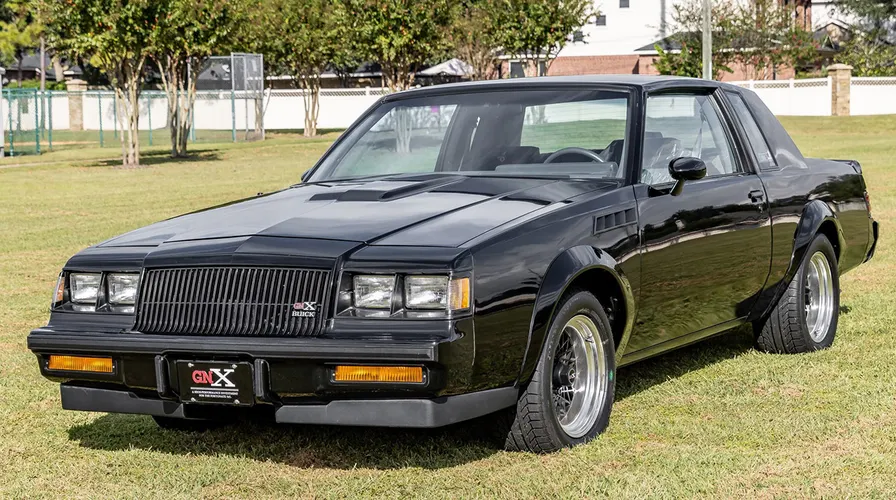
5. 1987 Buick GNX
The Buick GNX was always something of a legend, but for years it sat in the shadow of more famous American muscle cars. Based on the Buick Regal, the GNX (short for Grand National Experimental) was the evolution of the Grand National.
It featured a turbocharged 3.8-liter V6 that, despite being rated at 276 horsepower, often made much more in practice. It was an absolute monster on the street and shocked everyone who dared to underestimate a V6-powered Buick.
What makes the GNX so valuable today is not just its power, but its exclusivity. Only 547 were ever produced, making it incredibly rare even when new.
Each one was built in partnership with ASC/McLaren, which added special suspension, turbo, and transmission upgrades. These were not just cosmetic tweaks — they transformed the GNX into one of the fastest cars of its time. In fact, it was quicker in the quarter mile than a Ferrari Testarossa, something few people believed until they saw it in action.
The car’s unassuming appearance adds to its mystique. It looks like a regular black Regal from a distance, but underneath it hides serious performance potential. This sleeper quality has become a point of pride for owners and collectors, who appreciate the contrast between its mild looks and aggressive capabilities.
It also represents one of the last gasps of American performance before the horsepower wars cooled off in the early ’90s. For many, it marks the end of an era.
Today, the GNX is no longer just a cult favorite, it’s a blue-chip collector car. Values have skyrocketed in recent years, with pristine examples selling for six figures.
Even well-used models are commanding serious money. For a car that once battled both cultural skepticism and corporate indifference, the GNX has triumphed in the long run. It’s now recognized as one of the greatest American performance cars of the 1980s, and that recognition continues to drive its value higher with every passing year.
Also Read: 5 Cars With Trusted AWD Systems and 5 With Systems That Fail
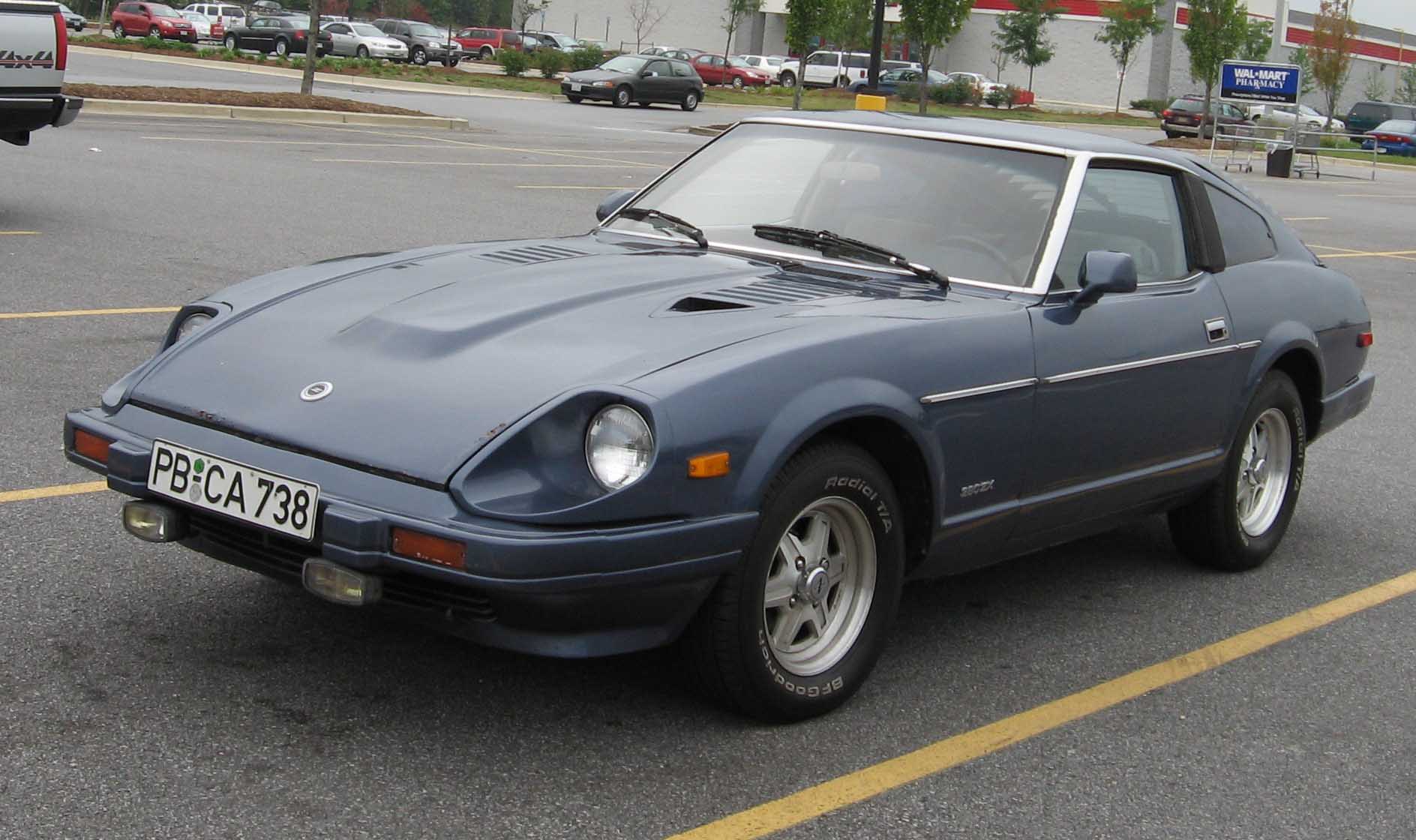
6. 1983 Datsun/Nissan 280ZX Turbo
When Nissan transitioned from the Datsun name in the early 1980s, the 280ZX was one of the last models to carry the Datsun badge. It was often criticized for being too heavy and not as pure as the original 240Z, which had become a cult favorite.
But the 280ZX Turbo added a new layer of performance that many enthusiasts now view as ahead of its time. It combined a straight-six engine with turbocharging and a sleek design that was both luxurious and sporty.
The Turbo model included key upgrades like a sportier suspension, larger brakes, and special badging. It wasn’t just about more power; it was also about delivering a more refined grand touring experience.
While purists may have turned their noses up at the heavier body and luxury features, modern collectors are seeing the value in the 280ZX’s comfortable ride, powerful engine, and striking looks. It’s not a track monster, but it offers a unique mix of performance and cruising ability that few cars from the era could match.
One reason for its increasing value is the growing popularity of Japanese classic cars. As early Z-cars become more expensive and harder to find, collectors are turning to the 280ZX as the next best option.
Turbocharged models in particular are in high demand, especially if they come with the optional T-tops and original factory paint. Many were driven hard or modified, so clean, original examples are getting harder to come by.
The 280ZX Turbo’s revival in value also speaks to a broader appreciation for transitional cars, those that bridge the gap between analog simplicity and modern technology.
It represents a time when Nissan was trying to refine its image and reach a more upscale market without abandoning its sporty roots. That makes the 280ZX Turbo not just a collectible, but a symbol of a company in transformation. And for those who get their hands on one, it’s a ride worth preserving.
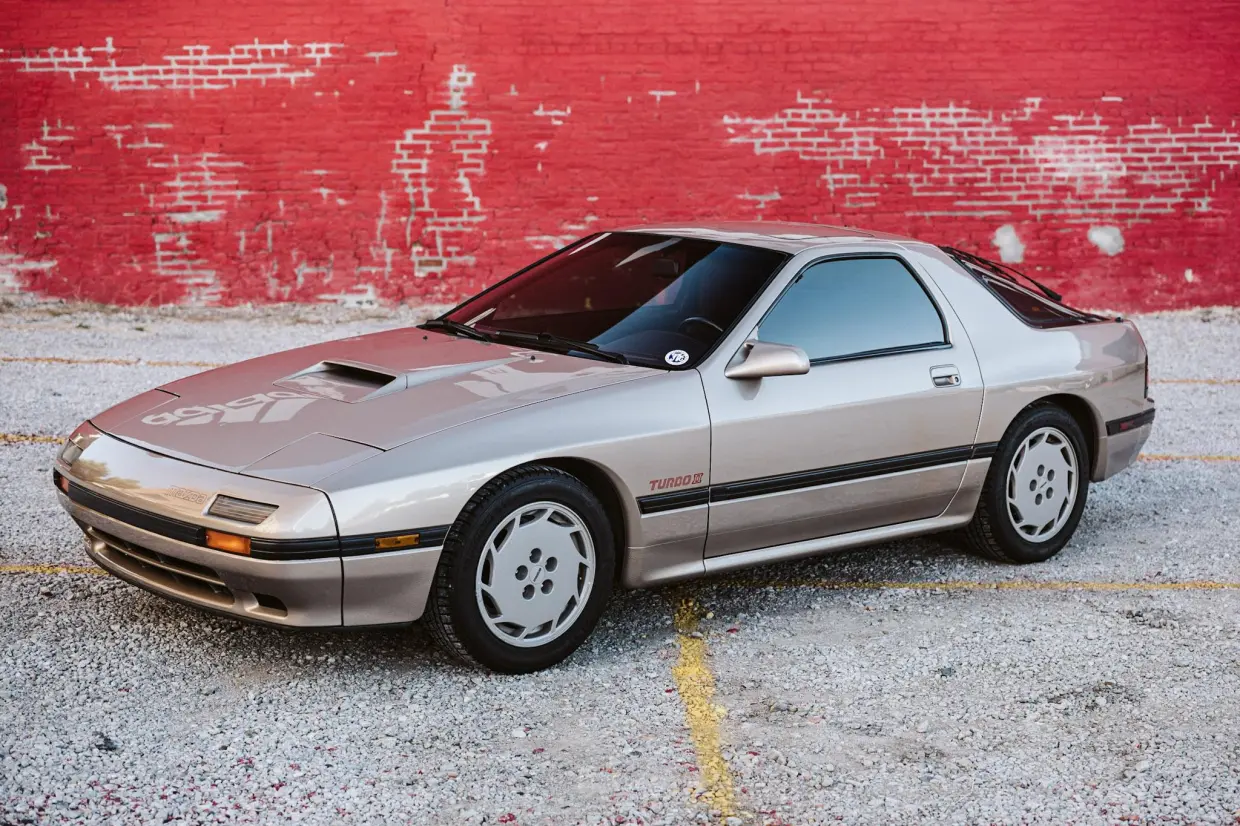
7. 1987 Mazda RX-7 Turbo II
The second-generation Mazda RX-7, particularly the Turbo II variant, is finally being recognized for the engineering marvel it was. While the rotary engine has always had a niche following, it was often misunderstood or dismissed due to its quirks.
But the Turbo II brought serious performance to the table and showed what Mazda could do when it focused on balance, handling, and innovation. It had one of the best chassis of its time and remains a favorite among driving purists today.
With its low weight, perfect weight distribution, and responsive turbocharged rotary engine, the RX-7 Turbo II offered a driving experience unlike any other. It wasn’t about brute force, but about precision and control.
On winding roads or tight tracks, it was a revelation. Mazda engineered this car with an emphasis on lightness and feedback, something that’s become increasingly rare in modern vehicles. That philosophy is what’s helping the RX-7 regain attention today.
The second-gen RX-7 was often overshadowed by the third-gen FD, which stole the spotlight in the ’90s with its curvy body and twin turbos. But now, collectors are realizing that the Turbo II has a character all its own.
It’s more affordable than the FD, yet still offers plenty of thrills. As FD prices continue to climb, the FC is stepping into the spotlight as a worthwhile alternative, especially the Turbo models that offer the most performance.
Clean examples are becoming increasingly difficult to find, especially unmodified ones. The rotary engine requires careful maintenance, and many owners didn’t give it the attention it deserved. As a result, surviving Turbo IIs in original condition are rising in value quickly.
Restorations are also becoming more common, and parts availability is improving. For collectors who want a unique, engaging car with deep motorsports roots, the RX-7 Turbo II is finally getting the recognition it has long deserved.
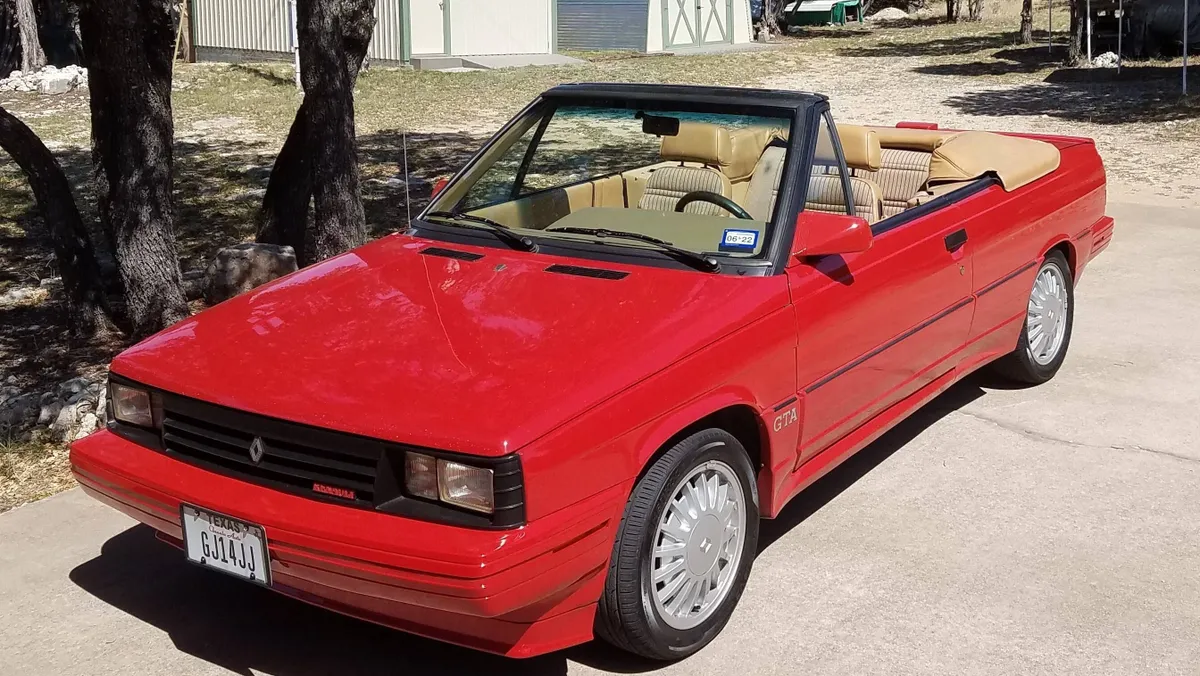
8. 1985 Renault Alliance GTA
The Renault Alliance GTA is one of the most unlikely cars to appear on any valuable ’80s car list, and yet here it is. Built through a partnership between Renault and American Motors Corporation (AMC), the Alliance was originally meant to be an affordable, fuel-efficient compact for the U.S. market.
It was based on the Renault 9, but adapted for American tastes. Most models were fairly mundane, with small engines and basic interiors. However, in 1985, Renault introduced the GTA, a performance version with significant upgrades that completely changed the character of the car.
The GTA featured a 1.7-liter engine with fuel injection, a sport-tuned suspension, four-wheel disc brakes, and unique cosmetic touches. It had sharper handling, more responsive steering, and a much tighter feel than the standard model.
While it wasn’t a powerhouse in terms of raw horsepower, it offered enough performance to make it fun to drive, especially given its low curb weight. The GTA was also available in both coupe and convertible versions, further adding to its appeal among niche buyers who wanted something a bit different.
Despite its improvements, the Alliance GTA never really took off. The idea of a French-American sporty compact didn’t resonate with mainstream buyers, and the reliability concerns associated with AMC and Renault at the time didn’t help.
As a result, production numbers were low, and very few examples have survived. For years, it was treated as an oddball relic, a footnote in both companies’ histories. But recently, its rarity and unusual backstory have made it a target for collectors looking for something out of the ordinary.
Values have begun to rise, especially for well-preserved examples with complete documentation. The convertible models in particular are catching attention, thanks to their scarcity. People who once laughed at the idea of a “sporty Renault” are now giving it a second look.
It may never be a blue-chip collector car, but it has found a second life among fans of obscure performance cars. The Alliance GTA has gone from an automotive curiosity to a cult collectible, a surprising turn for a car few took seriously in its time.
9. 1981 DeLorean DMC-12 (Non–Movie Hype Models)
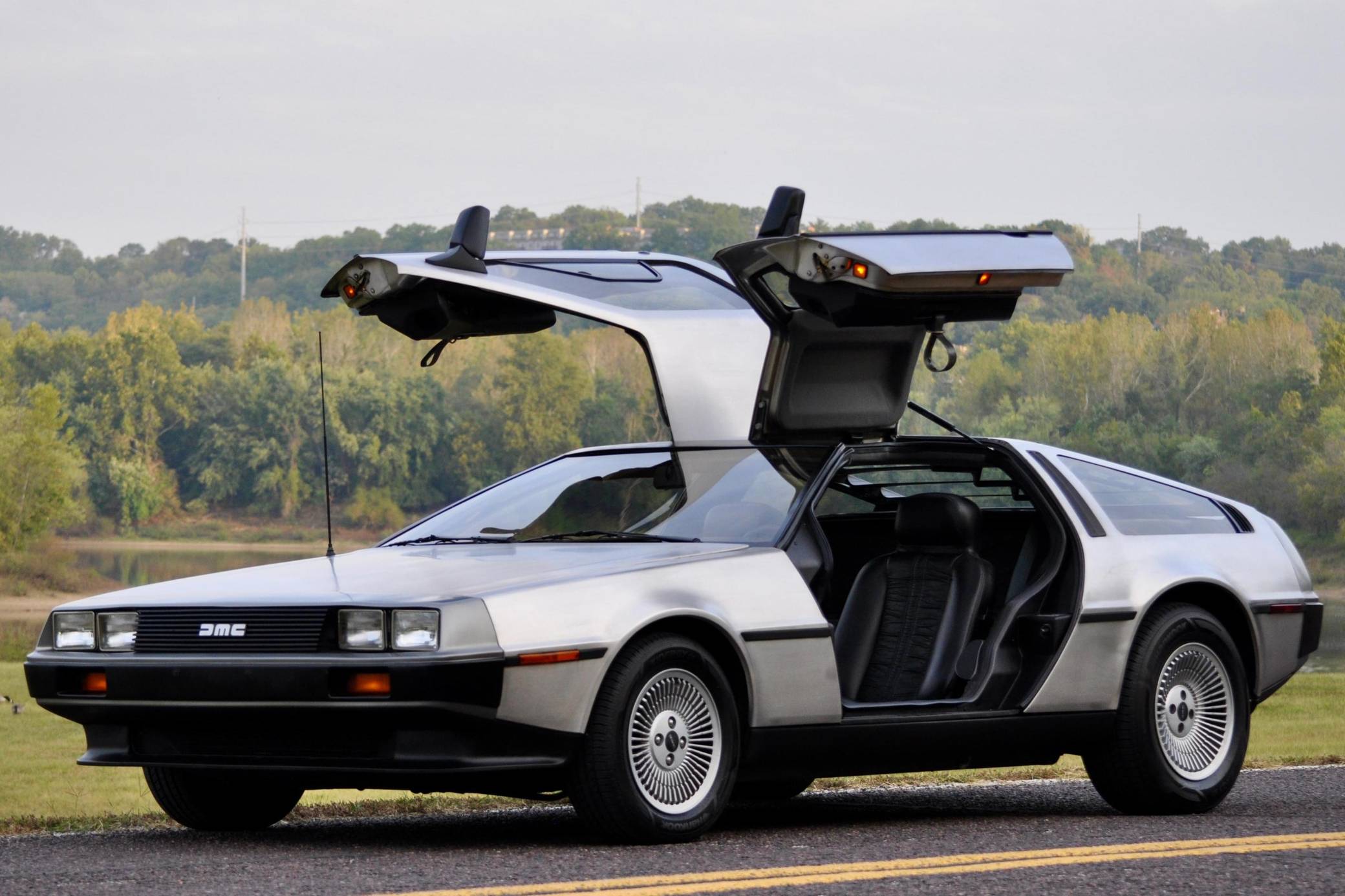
The DeLorean DMC-12 is famously associated with its role in Back to the Future, and while that fame has kept it in the public eye, it also caused it to be dismissed by serious collectors for many years.
The car’s stainless-steel body, gullwing doors, and unusual engineering made it unique, but its underwhelming performance and production problems led many to view it as a novelty more than a serious driver’s car. However, as nostalgia grows and clean examples disappear, the DMC-12 is gaining real respect — even apart from the movie legacy.
Early on, many DMC-12s suffered from mechanical gremlins, thanks to rushed development and limited funding. Built in Northern Ireland under turbulent political and financial conditions, the car was doomed almost from the start. Still, its looks were undeniably futuristic, and its build quality (once sorted) was better than people gave it credit for.
It featured a rear-mounted V6 sourced from Peugeot-Renault-Volvo, and though it lacked real power, it had a distinct feel on the road. As time has passed, owners and mechanics have learned how to fine-tune the weaknesses and maintain the strengths.
In recent years, there has been a growing community of DeLorean enthusiasts focused on preservation, restoration, and even performance upgrades. More importantly, interest in non–movie replicas has gone up.
While many collectors initially wanted the movie-themed cars with flux capacitors and fake time circuits, the market has shifted toward original, untouched examples. A clean, stock DMC-12 with low miles and a full service history is now a desirable piece, especially among those who see past the pop culture associations.
Values have steadily climbed as fewer unmodified examples are available. What was once seen as a gimmick car is now seen as a symbol of 1980s optimism and ambition. It’s also one of the few stainless-steel production cars ever built, making it a design icon.
With parts availability improving and restomods becoming more tasteful, the DeLorean is transitioning from cult film star to respected classic. For a car that was nearly forgotten under a pile of jokes and parody, it’s made an impressive comeback.
10. 1982 Isuzu Impulse Turbo
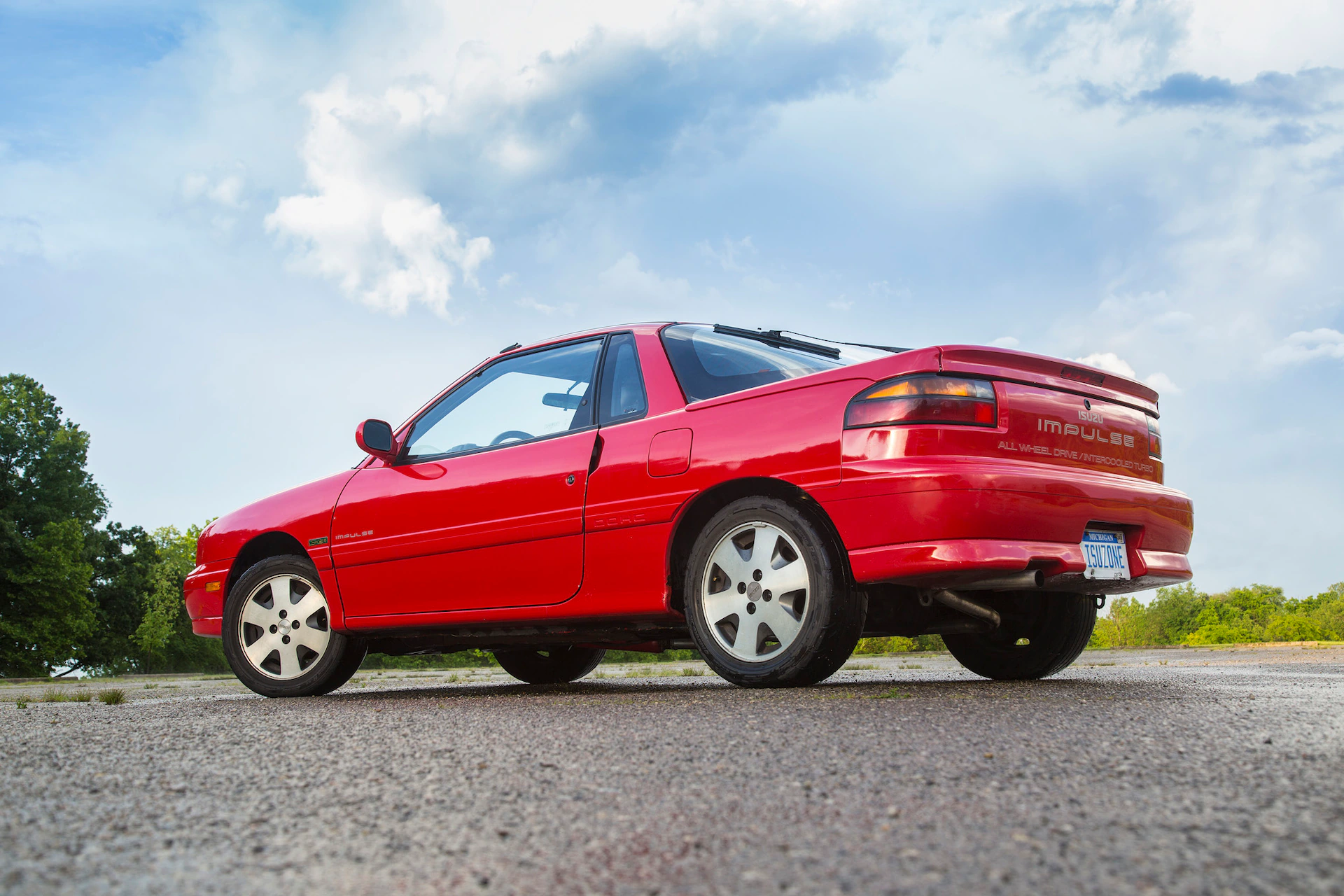
The Isuzu Impulse Turbo is one of the most overlooked gems of the 1980s, largely because Isuzu is not typically associated with sporty performance.
Designed by the legendary Giorgetto Giugiaro, the Impulse had striking styling, with sharp lines, pop-up headlights, and a sloped rear that gave it a very European appearance. While the base model was respectable, it wasn’t until the turbocharged version arrived that the Impulse truly began to show its potential. Even then, few buyers noticed, and the car faded quietly into obscurity.
Under the hood, the Impulse Turbo featured a 2.0-liter turbocharged inline-four that delivered solid performance for the time. The handling was tight and composed, thanks to Isuzu’s collaboration with Lotus on the suspension in later years.
These characteristics made the car much more capable than its reputation suggested. Unfortunately, Isuzu’s limited dealer network and the general lack of brand recognition in the performance market meant that very few of these cars were sold, and even fewer survive today.
The Impulse Turbo was also packed with features that were advanced for the era. Digital dashboards, voice warnings, and electronically adjustable suspension settings were all available, making the car feel ahead of its time.
These were the kinds of touches usually reserved for more expensive imports, and they made the Impulse Turbo a hidden tech showcase. Over time, though, those same features became liabilities, as parts failed and replacements were hard to come by. That contributed to the car’s decline and scarcity.
Now, with 1980s car culture seeing a major revival, the Isuzu Impulse Turbo is starting to be seen in a different light. Enthusiasts appreciate the rarity, the styling, and the connection to both Giugiaro and Lotus.
Values are still relatively modest compared to other cars on this list, but they’re moving upward fast, especially for models in good cosmetic and mechanical condition. It’s a perfect example of a car that was simply born at the wrong time, and now that collectors are catching up, it’s finally getting the credit it never had when it was new.
