
When it comes to trucks, durability and low maintenance are two of the most important traits that buyers look for. These vehicles are often used for tough work, hauling heavy loads, towing trailers, off-roading, or handling rough job sites. A truck that spends more time in the shop than on the road becomes a liability.
This is why reliability ranks high in importance when people choose a truck, whether for personal use or for business. Not all trucks are built the same.
Some models have long histories of consistent performance, while others gain a reputation for problems. For anyone who values low maintenance costs and consistent uptime, there are a few standout trucks that seem to resist mechanical failure better than most.
The trucks listed here have earned their reputations through years of dependable service, often reaching high mileage with minimal repairs. It’s not just about what’s under the hood, but also the design, manufacturing quality, and the consistency of parts and systems that work together without frequent failure.
Many of these trucks also benefit from a strong community of owners who share knowledge, do preventive maintenance, and often take better care of their trucks, which contributes to their longevity. However, even with all that, some models stand apart because they simply break down less often, even under demanding conditions.
These trucks have been tested across different climates, driving habits, and usage scenarios. They have been owned by tradespeople, farmers, families, and off-roaders. Their reliability isn’t just based on lab results or short-term reviews, but on long-term ownership and the stories of people who’ve put hundreds of thousands of miles on them.
This doesn’t mean they’re completely immune to wear and tear; every vehicle needs care. But compared to their competitors, these models tend to avoid common failures and don’t require frequent trips to the mechanic. If you’re looking for a truck that can take on the work and keep going without complaint, these 12 deserve serious consideration.
Also Read: 10 Cars That Still Sell Above MSRP in 2025
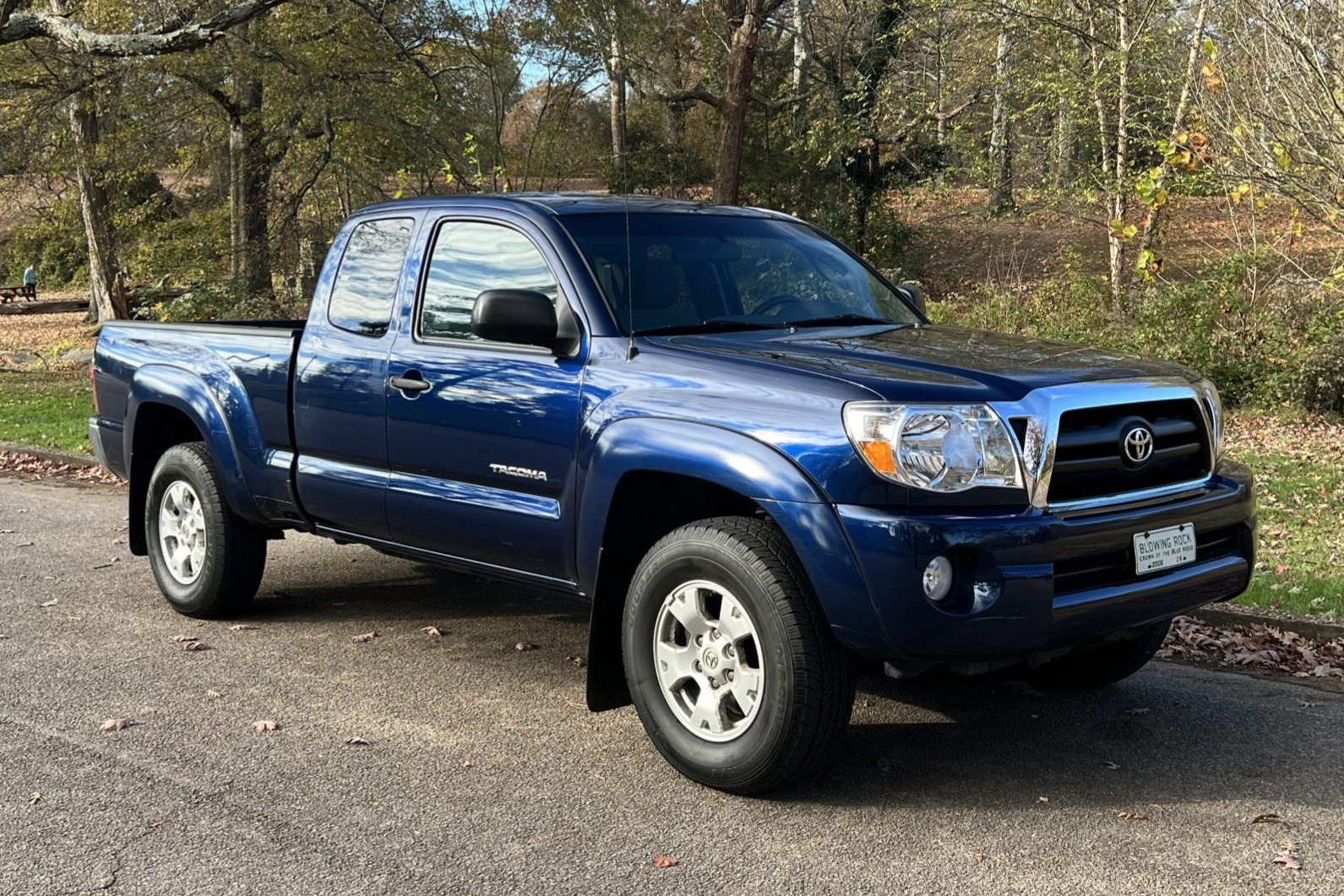
1. Toyota Tacoma
The Toyota Tacoma has built a solid reputation over decades, and much of that comes from its ability to stay on the road with little mechanical fuss. Owners often brag about hitting the 300,000-mile mark without major issues. The engine options, particularly the 2.7L four-cylinder and the 4.0L V6 in earlier generations, are known for their bulletproof nature.
These powerplants don’t often suffer from common failures that plague other trucks, and they have proven to be well-matched with the rest of the drivetrain. The transmission is also noted for its resilience, especially the manual versions, which tend to be simpler and longer-lasting.
Part of what makes the Tacoma so reliable is Toyota’s engineering philosophy. The company tends to refine rather than reinvent. This means fewer new parts being introduced that could fail unexpectedly. Many of the same components are carried forward through multiple generations.
When updates are made, they’re usually conservative and well-tested. As a result, Toyota avoids the early teething problems that other truck makers sometimes experience when rolling out new designs or technologies. This conservative approach often translates to fewer service visits and more consistent ownership experience.
Another reason the Tacoma performs well in the long run is its rugged construction. It was designed from the start to handle off-road abuse, heavy payloads, and rough environments. Frames on earlier models did face rust issues in certain climates, but Toyota addressed this through extended warranties and customer support.
Since then, improvements have helped the Tacoma maintain its reputation for toughness. For people who use their truck hard, this added layer of durability can reduce mechanical strain and prevent failures down the line.
Maintenance on the Tacoma is also relatively straightforward. Routine tasks like oil changes, brake service, and fluid flushes are easy to perform.
Replacement parts are widely available and reasonably priced. This combination of simple design, proven components, and widespread support makes the Tacoma a favorite among those who value reliability and don’t want to spend their weekends at the shop.
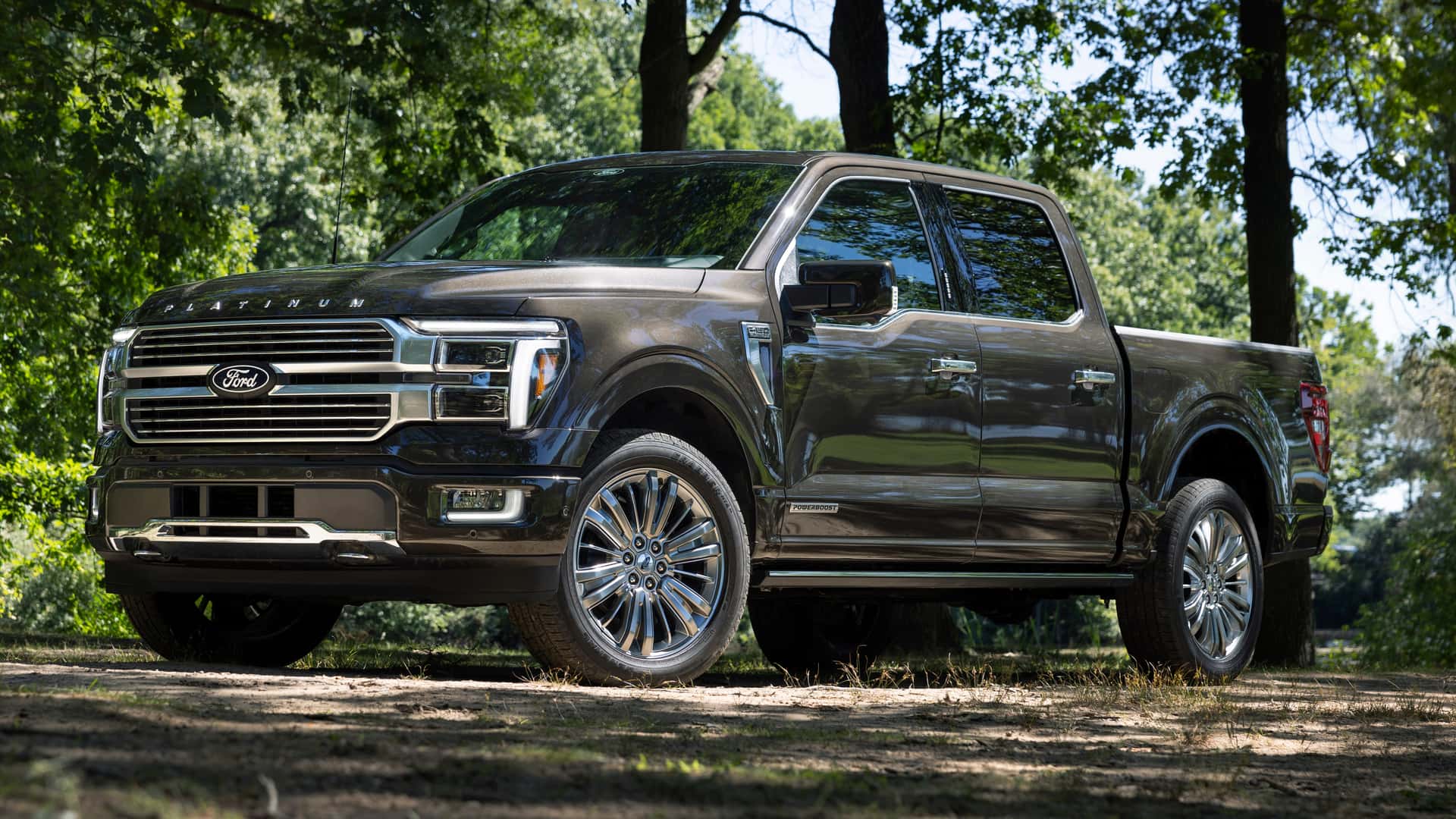
2. Ford F-150 (2009–2014 5.0L V8)
The Ford F-150 has long been the top-selling truck in North America, and while not every generation is equally reliable, the 2009–2014 models equipped with the 5.0L Coyote V8 stand out for their dependability. This engine is a naturally aspirated powerhouse that combines performance with simplicity.
It avoids the complications of turbocharging and high-strung electronics, which can often lead to mechanical problems in other engine types. Owners often report going well past 200,000 miles without experiencing major engine or transmission issues.
One of the main reasons this generation performs so well is the balance Ford struck between modern features and traditional engineering. The 5.0L V8 itself is derived from Ford’s Mustang performance platform, giving it both strength and reliability. It has a solid timing chain system and avoids many of the valve-train problems that earlier Triton engines were notorious for.
The six-speed automatic transmission paired with it is also generally well-behaved and doesn’t suffer from the erratic shifting or premature failures seen in some newer models with more complex gearboxes.
This generation of F-150 also benefited from a sturdy chassis and improved corrosion resistance. Ford used better materials and coatings to protect the undercarriage and body panels, making it more resistant to rust in northern climates. Suspension components are robust and rarely fail prematurely.
When maintained properly, the truck can handle both work and recreation without developing issues that require constant attention from a mechanic.
Ford also kept the electronics relatively straightforward during these years. While there are some tech features, they don’t overwhelm the truck’s core functions. Fewer sensors and simpler control modules reduce the chances of electrical gremlins. Owners looking for a solid full-size truck that doesn’t need constant repairs often gravitate toward this particular range of years, and the 5.0L V8 is a major part of that trust.
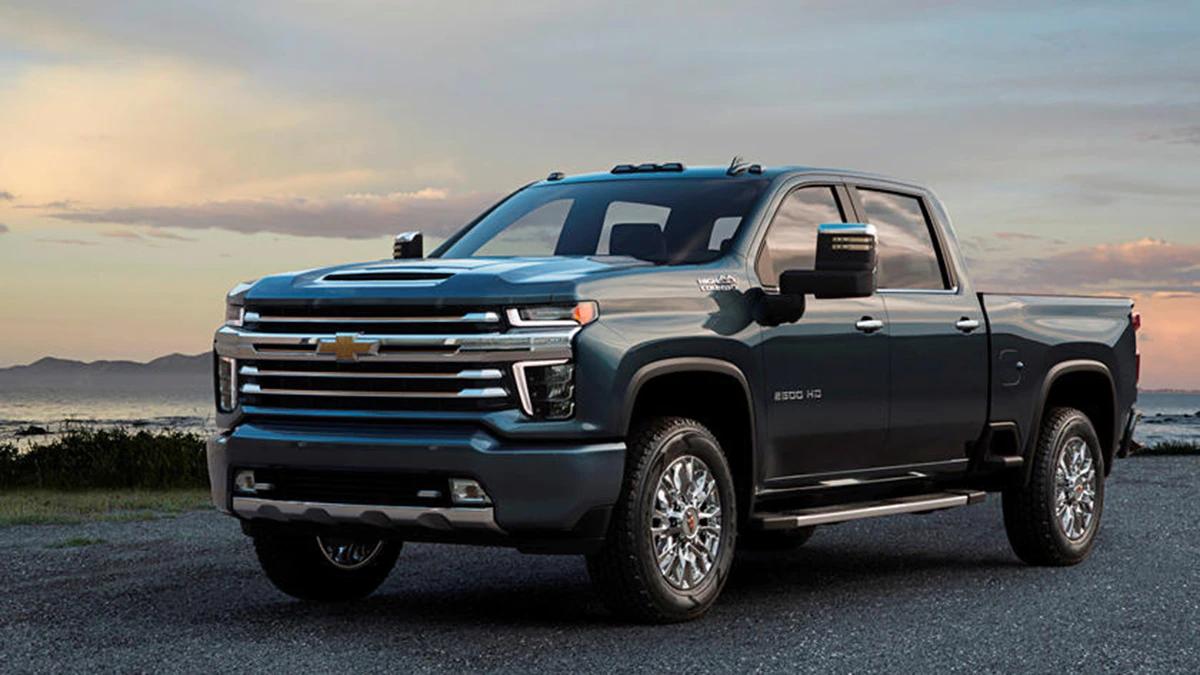
3. Chevrolet Silverado 2500HD (2011–2016 Duramax Diesel)
For those needing heavy-duty capability with low repair bills, the 2011–2016 Silverado 2500HD with the Duramax diesel engine is a top pick. The LML version of the Duramax engine introduced during these years is considered one of the most reliable diesel powerplants in its class. It delivers both power and longevity, and when paired with the Allison transmission, it becomes a combination that rarely causes trouble under normal usage.
The 6.6L Duramax has a reputation for holding up well under high-stress conditions. Towing heavy trailers, carrying full payloads, or idling for long hours, none of these activities seem to wear it down quickly.
Unlike some other diesel engines that require constant attention to sensors, emissions systems, or fuel delivery components, the LML manages to avoid many of these issues when maintained correctly. It does feature emissions equipment, but it’s better integrated and more durable than earlier attempts.
One of the standout features is the Allison 1000 transmission. It is often regarded as the best in the heavy-duty truck world, capable of handling the torque and load without slipping or failing.
Many truck owners report well over 300,000 miles on their Silverado 2500HDs without ever needing a rebuild or major work. Preventive maintenance like fluid changes and fuel filter replacements are usually enough to keep these trucks running strong.
This generation of Silverado 2500HD also benefits from a rugged suspension system and a relatively straightforward interior layout. There aren’t a lot of fragile or gimmicky features that tend to break down.
The frame is solid, the axles are well-sized for the job, and the brakes are strong enough to handle tough use. For people who want a truck that can work hard without visiting the mechanic often, this model has proven to be a reliable choice.
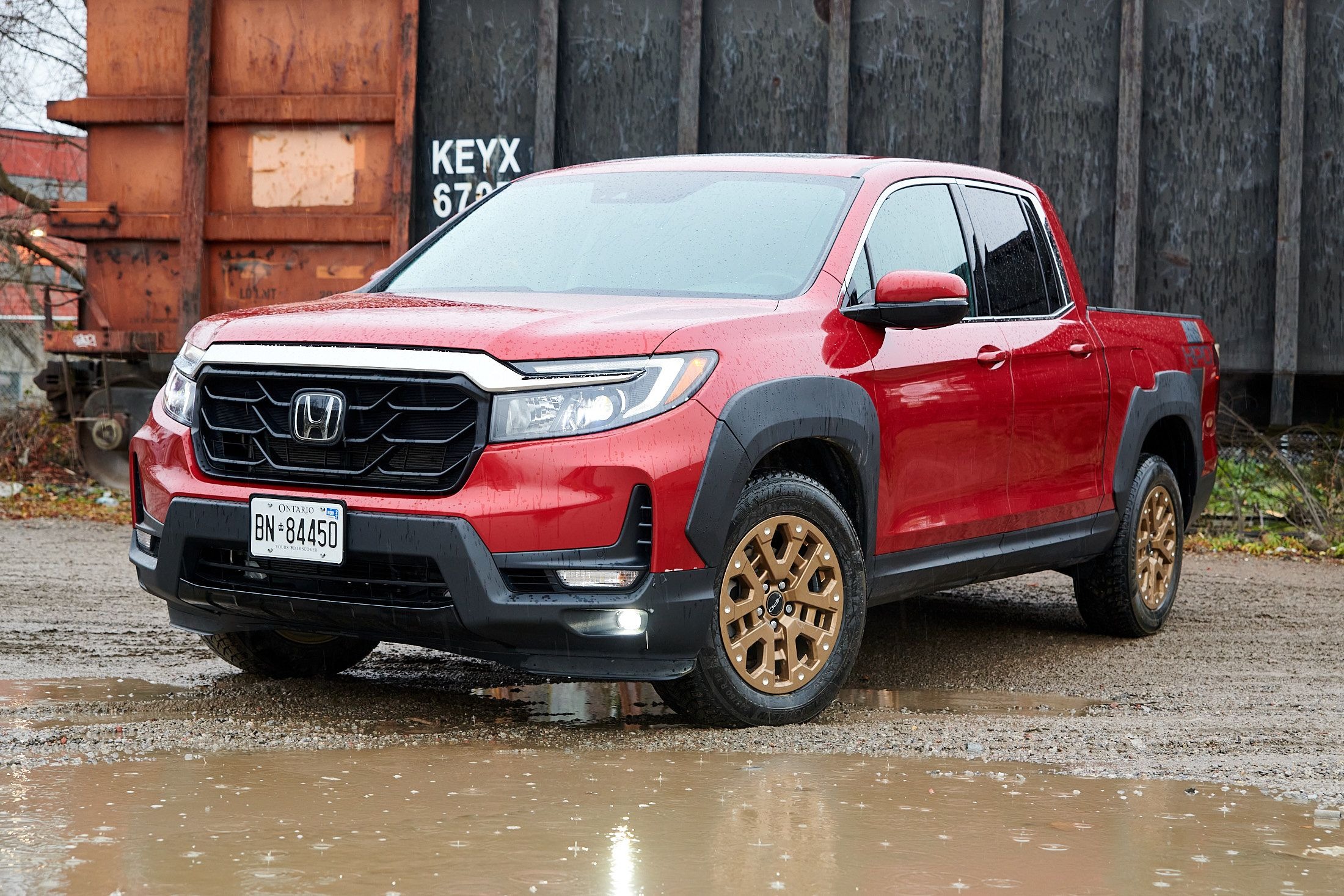
4. Honda Ridgeline (2006–2014)
The first-generation Honda Ridgeline might not look like a traditional pickup, but it’s earned a reputation for being one of the most mechanically reliable trucks available. Built on a unibody platform, the Ridgeline is more like an SUV with a bed.
While this limits its off-road and heavy-duty capabilities, it also means fewer components to break or wear out. Owners consistently praise the Ridgeline for requiring fewer repairs than traditional body-on-frame trucks.
Its 3.5L V6 engine is a proven Honda design that has been used in multiple vehicles across the brand’s lineup. It’s smooth, efficient, and dependable.
This engine doesn’t have many known weak points, and when coupled with a 5-speed automatic transmission, the powertrain is known to last a long time without major issues. Timing belt replacements and fluid changes are about the extent of necessary long-term maintenance if done on schedule.
The simplicity of the Ridgeline’s drivetrain contributes to its long lifespan. It doesn’t use turbochargers or complex four-wheel-drive systems with multiple differentials. Its all-wheel-drive system is less complex and has fewer moving parts, reducing the risk of mechanical failures. While not ideal for hardcore off-roading, this setup is more than enough for snow, gravel roads, or light work, and it does it all with minimal drama.
Comfort features are also built with reliability in mind. The electronics in this generation are straightforward and tend not to fail. The body structure, despite being unibody, holds up well over time, and rust is less of an issue compared to some body-on-frame trucks. For those who want a practical truck for light work, family hauling, and weekend tasks, the
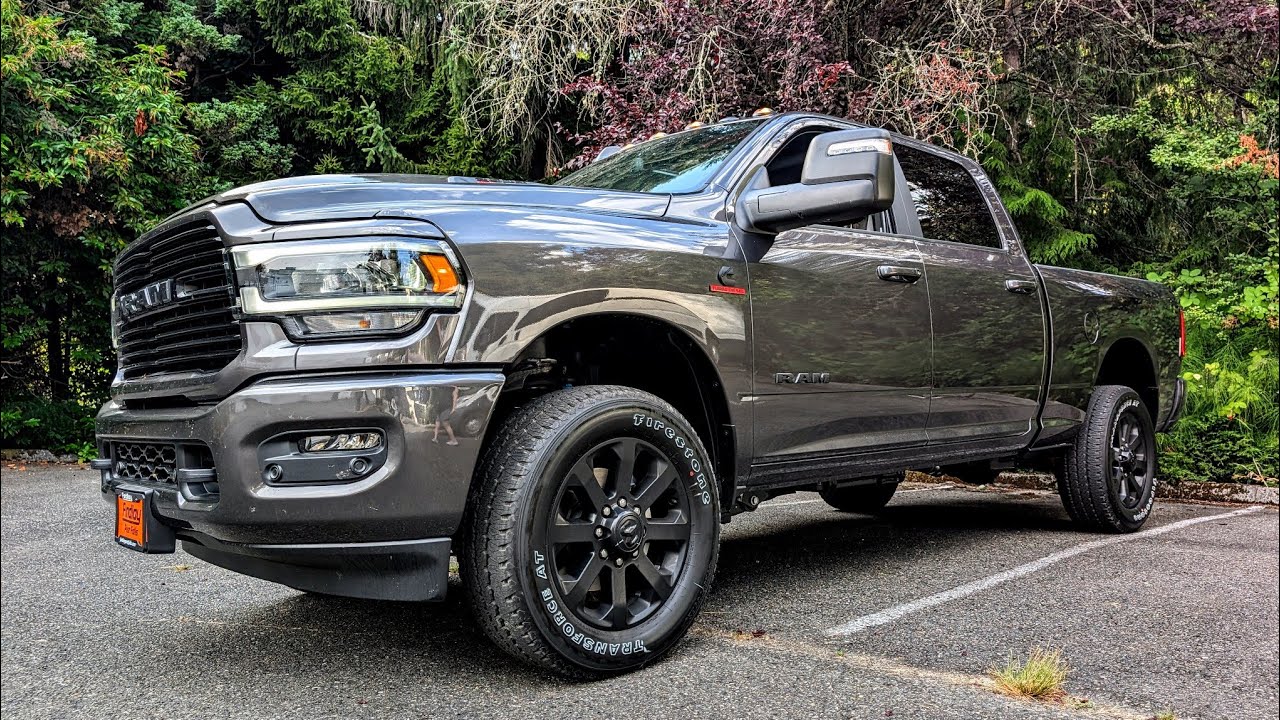
5. Ram 2500 (2010–2018 with 6.7L Cummins)
The Ram 2500 equipped with the 6.7L Cummins diesel engine has proven to be one of the most dependable heavy-duty trucks over the last couple of decades. This engine was developed with long-term durability in mind and is widely respected in the trucking world for its ability to run hundreds of thousands of miles with proper care.
Many owners have put these trucks through severe duty cycles, towing heavy trailers, hauling large loads, or operating in harsh environments, yet still report minimal breakdowns or trips to the repair shop. The inline-six design of the Cummins provides strength through simplicity, avoiding many of the weaknesses that come with more complex V8 diesel engines.
One of the reasons this particular Ram generation is so reliable is the pairing of a strong powertrain with straightforward mechanical systems. The 6.7L Cummins doesn’t rely heavily on complex electronics for its basic operation.
While later models did begin to incorporate more emissions control systems like DEF and EGR, these are generally more durable and better integrated than earlier diesel systems. When maintained correctly, they don’t pose serious reliability issues. Regular maintenance such as oil changes, fuel filter swaps, and attention to cooling system health, can prevent most problems before they arise.
The transmissions used in these models, particularly the 68RFE and the Aisin AS69RC in higher trims, are also generally dependable when not abused. While some owners have raised concerns about shift quality in the 68RFE, catastrophic failures are relatively rare.
The Aisin, used in high-output versions, is particularly well-regarded for its strength and smooth operation under load. These gearboxes don’t tend to suffer from the overheating or slippage issues that are common in less robust setups, which adds to the reliability of the truck.
Suspension components on the Ram 2500 are built to withstand tough working conditions. The solid front axle, coil spring suspension (introduced in 2014), and heavy-duty frame combine to deliver both ride comfort and toughness.
These systems don’t require frequent repairs, and with regular checks and lubrication, many of these trucks avoid the costly front-end rebuilds that plague other brands. For drivers who need a serious workhorse that also refuses to break down easily, the Ram 2500 with the 6.7L Cummins remains one of the most respected options.
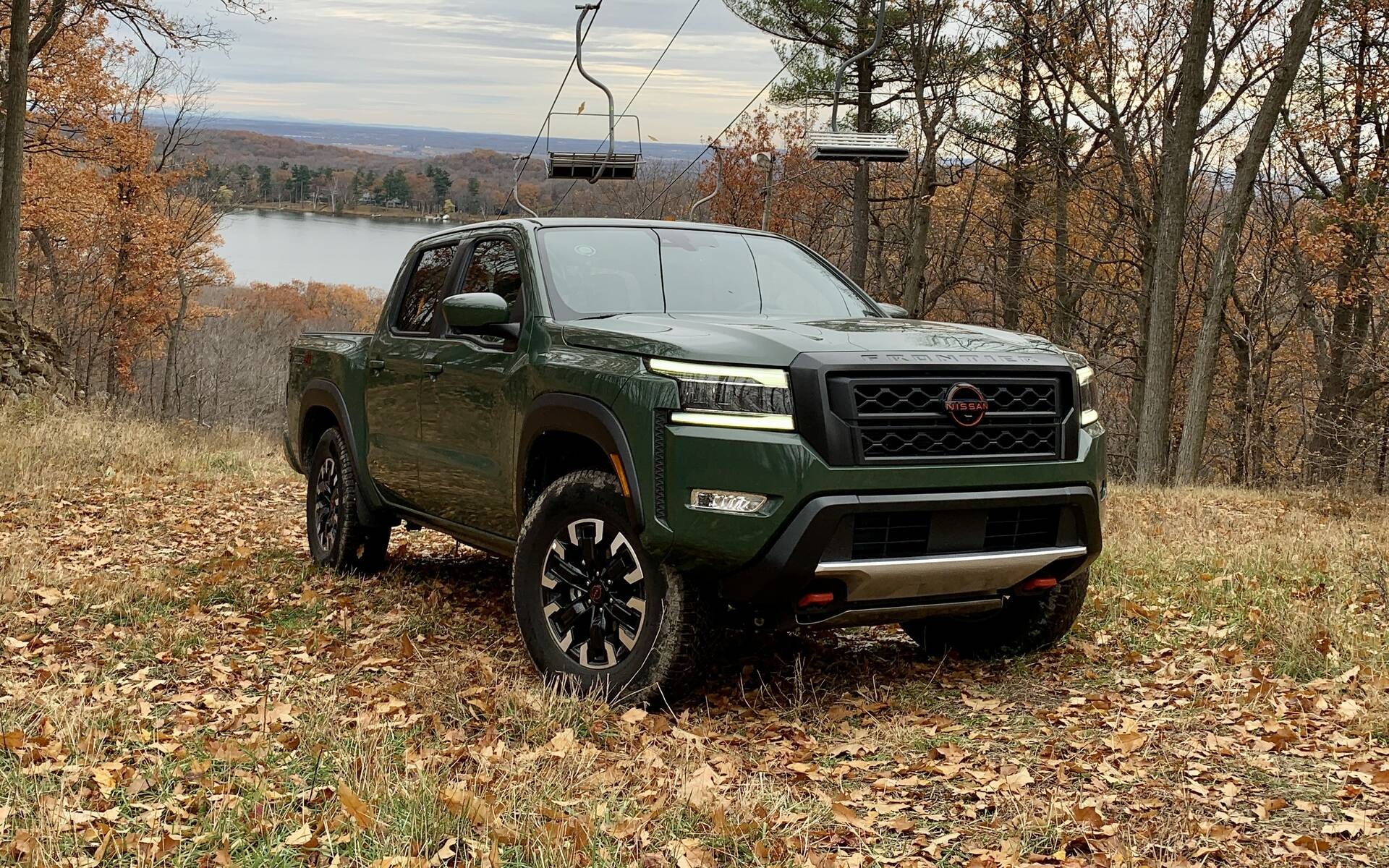
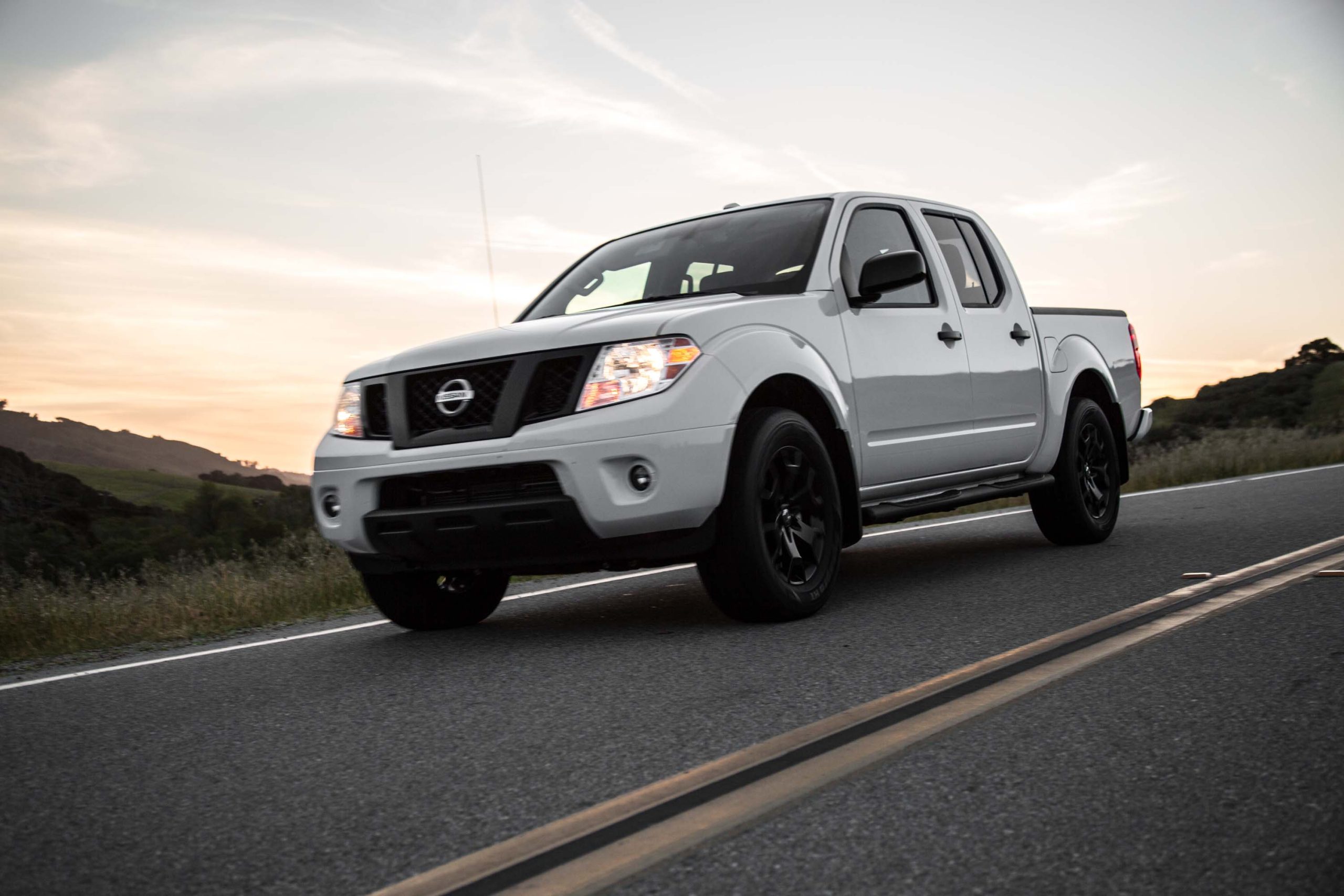
6. Nissan Frontier (2005–2021)
The Nissan Frontier may not be the flashiest or most powerful midsize truck, but it’s one of the most reliable pickups in its class. From 2005 until 2021, the Frontier remained largely unchanged, and this consistency turned out to be a major strength.
With the same basic platform and drivetrain across 16 model years, Nissan was able to refine and perfect its systems rather than take risks with new, unproven technologies. As a result, Frontier owners often report minimal maintenance needs and few surprise failures, even as mileage climbs past 200,000.
The heart of the Frontier’s reliability is the 4.0L VQ40 V6 engine. This powerplant is widely regarded as one of Nissan’s most solid and dependable engines. It delivers respectable power without relying on turbochargers or high-compression fuel systems, and it’s relatively easy to service.
Issues like timing chain stretch or oil leaks are rare when basic maintenance is kept up. The five-speed automatic transmission that was common in this truck is also known for holding up well under both everyday and hard use, especially when fluid changes are done regularly.
One reason the Frontier needs fewer trips to the shop is its basic, old-school design. There are no air suspension systems, complex infotainment controls, or advanced driver aids to break down. This simplicity appeals to those who want a truck that just works.
The suspension and chassis setup, while not luxurious, is durable and capable of handling moderate off-road use or consistent load carrying without frequent repairs. It’s a utilitarian design that prioritizes function over form, which often results in fewer weak points.
Interior materials and cabin electronics are also part of the reason the Frontier keeps going strong. While not upscale, the interior is rugged and straightforward, meaning switches, controls, and displays last longer than those in some more feature-laden competitors.
It’s not uncommon to see Frontiers from the early 2000s still on the road with original interiors and functioning components. For those who value long-term use over trendy tech, the Frontier is a dependable workhorse that won’t leave them stranded.
Also Read: 5 Cars With Quiet Cabins for Life vs 5 That Get Loud Early
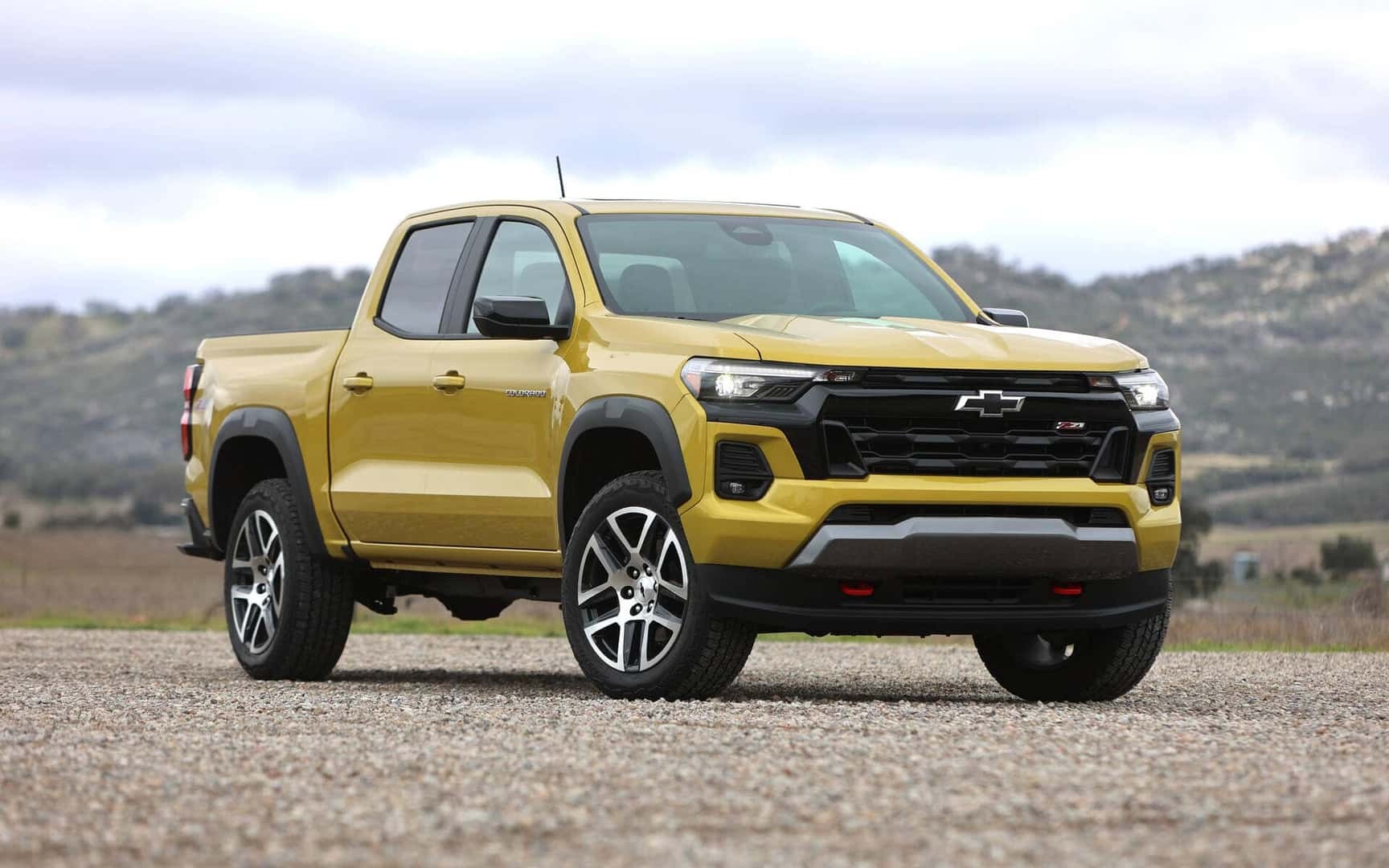
7. Chevrolet Colorado (2015–2020 with 3.6L V6)
The second-generation Chevrolet Colorado, particularly those equipped with the 3.6L V6 engine, has emerged as a surprisingly reliable midsize truck. After a less-than-stellar first generation, Chevrolet revised the Colorado from the ground up.
The result was a truck that not only offered improved performance and comfort but also benefited from years of engineering refinement, especially in the powertrain. The 3.6L LGZ V6 found in later model years is widely used across GM’s lineup and has a strong track record for longevity when maintained.
This V6 engine is known for its smooth power delivery and low failure rate. It uses timing chains instead of belts, which can last the life of the engine when oil changes are done regularly. Unlike some high-output turbocharged engines in competitors, this naturally aspirated V6 doesn’t place extra stress on internal components.
The eight-speed automatic transmission that came with later models had some early hiccups with shift quality, but GM issued service bulletins and revised fluid specifications that largely resolved the issue, improving long-term performance and durability.
Owners of this generation Colorado often point to its quiet cabin, solid build quality, and comfortable ride as additional strengths. But reliability plays a major role in its popularity.
Suspension components, steering systems, and braking setups are designed to last under normal use without frequent intervention. It’s not necessarily a heavy-duty hauler, but within its design limits, the Colorado holds up extremely well. Even the diesel option, while more complex, has shown strong reliability numbers over time.
Another factor that keeps these trucks away from the mechanic is their strong electrical systems. The infotainment units, power accessories, and electronic modules in this truck have far fewer reported issues than previous GM products.
This marks a turning point for Chevrolet, where attention to detail in software and electronics finally caught up with mechanical design. The 2015–2020 Colorado is a solid choice for anyone looking for a balanced, low-maintenance truck that can serve both work and family needs.
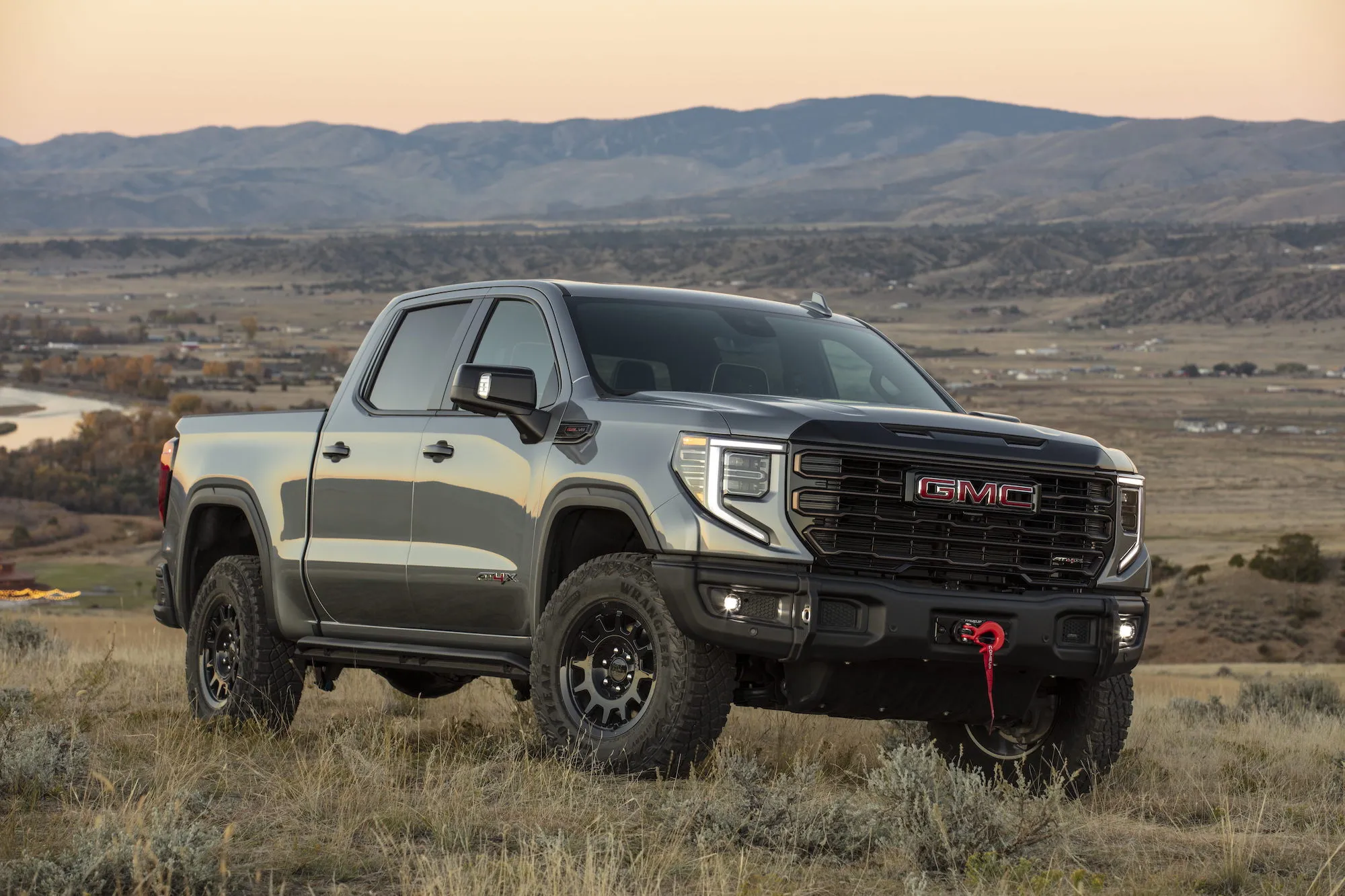
8. GMC Sierra 1500 (2014–2018 with 5.3L V8)
The GMC Sierra 1500, particularly in its 2014–2018 form with the 5.3L EcoTec3 V8, is another full-size pickup that avoids frequent mechanical problems. This generation benefited from GM’s long experience with V8 powertrains, and it shows in the performance and reliability of the truck.
The 5.3L V8 is a workhorse engine that balances fuel efficiency and power, and when not pushed to extremes, it tends to last well beyond 200,000 miles with few major issues.
What helps this engine stand out is its use of direct injection and cylinder deactivation, which were implemented more cleanly in this generation compared to earlier attempts. While cylinder deactivation systems can be problematic in some vehicles, GM refined this technology to be more stable and less prone to failure.
Regular oil changes and the use of high-quality lubricants can further reduce the chance of lifter or camshaft issues that sometimes show up when maintenance is neglected. Many Sierra owners report minimal engine trouble, even as the trucks age.
The six-speed automatic transmission that comes with most 5.3L models is also known for being relatively bulletproof. Unlike some newer transmissions with more gears and electronic controls, the six-speed offers a balance of performance and simplicity.
Shifting is smooth, consistent, and rarely leads to early failure. Fluid changes at recommended intervals keep it operating effectively. While not as fancy as the newer ten-speed units, the older six-speed setup contributes to the truck’s reputation for mechanical dependability.
Chassis and suspension components on this Sierra generation are also strong points. Control arms, tie rods, and bushings last longer than in some competing brands.
GM focused on improving the ride without compromising toughness, which helped avoid wear-and-tear problems that can lead to costly repairs. The result is a well-rounded, capable truck that rarely needs more than regular service. For buyers who want a full-size truck with proven performance and fewer surprises, the 2014–2018 Sierra 1500 fits the bill.
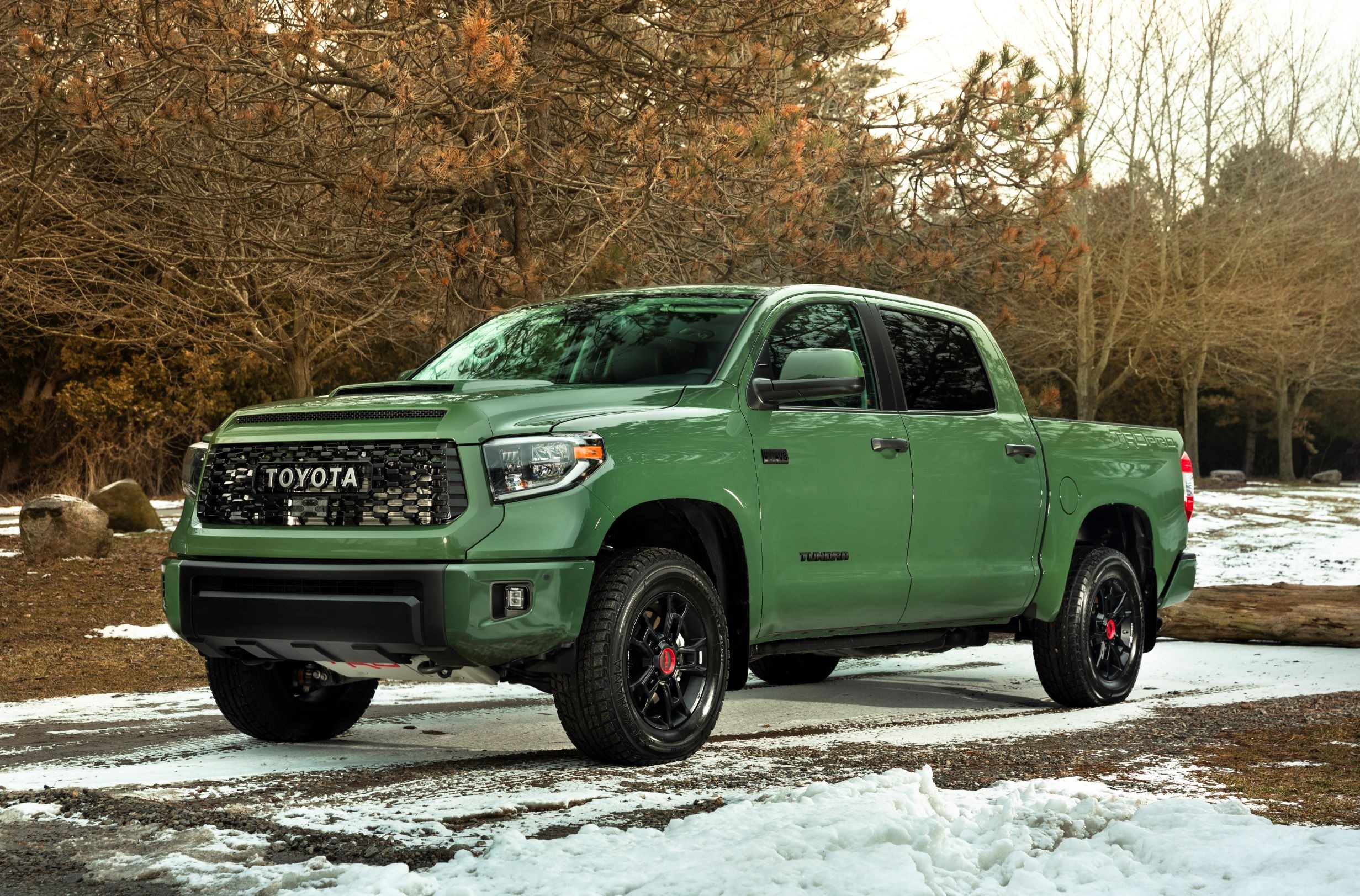
9. Toyota Tundra (2007–2021)
The Toyota Tundra from 2007 to 2021 stands out in the full-size truck segment for its consistently high reliability ratings and strong owner satisfaction. Built with longevity in mind, the Tundra features a no-nonsense design that avoids many of the experimental systems found in competing trucks.
Its standout powertrain, the 5.7L i-Force V8 paired with a 6-speed automatic transmission, is regarded as one of the most dependable engine and transmission combinations in the truck market. Many Tundra owners have crossed the 300,000-mile mark without needing major repairs, which speaks volumes about the durability baked into its engineering.
The 5.7L engine in the Tundra was designed for both performance and durability. It’s a naturally aspirated engine with a strong cast aluminum block, forged internals, and a well-designed timing chain system that avoids the timing belt replacements that some older engines require.
The V8 produces strong torque numbers, making it suitable for towing and hauling, but it does so without overstressing components. Its reliability is further enhanced by the simplicity of the engine’s systems, there’s no turbocharging, no exotic fuel systems, and no unnecessary electronics to fail. Owners who maintain basic service intervals usually report very few mechanical issues, even over long ownership periods.
Another key factor in the Tundra’s reputation is the durability of its transmission and drivetrain. The 6-speed automatic transmission is straightforward and not overloaded with software or shift-mapping complexity. It shifts predictably and withstands heavy use.
The 4WD system is also mechanical in nature and rarely suffers from actuator or transfer case problems that sometimes appear in other brands.
Whether it’s used for highway driving, hauling construction gear, or occasional off-roading, the Tundra’s underpinnings tend to hold up well over time. Suspension components are robust, and even steering and braking systems wear evenly when the truck is driven within its capabilities.
While the Tundra isn’t known for having the most modern interior or advanced tech features, this minimalism is part of what makes it dependable. There are fewer electronics to fail, and the ones that are present, such as the HVAC system, infotainment units, and power accessories, are usually long-lasting.
Toyota’s commitment to consistent quality across its platforms means that even the Tundra’s interior trim and switches hold up better than average. This truck may not be the most refined or fuel-efficient, but for reliability and avoidance of costly repairs, the 2007–2021 Tundra is hard to beat.
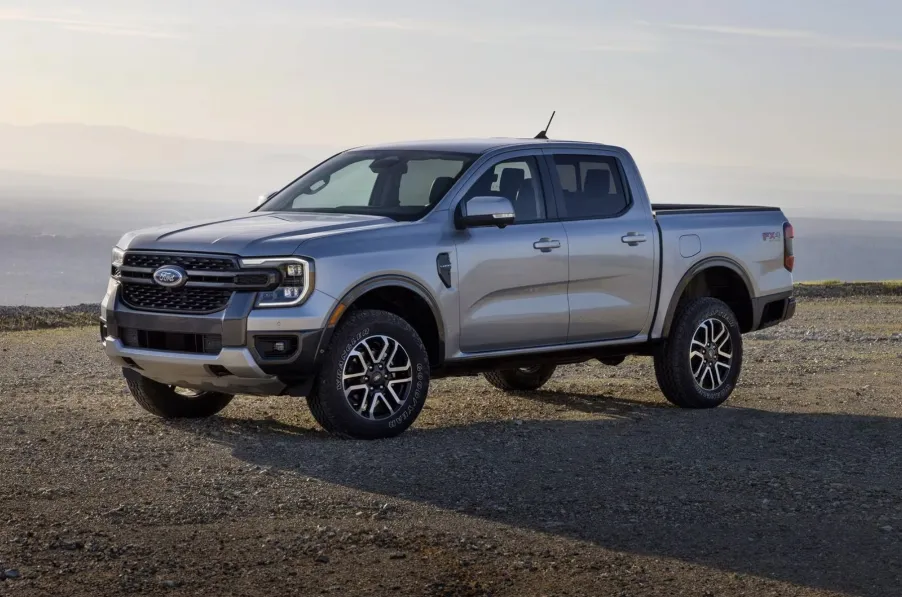
10. Ford Ranger (2011–2012, 2019–Present)
The Ford Ranger has gone through several transformations over the years, but both the final years of the older U.S. model (2011–2012) and the newer generation introduced in 2019 have gained reputations for being sturdy and reliable.
The earlier Ranger is beloved for its compact size, simple mechanical layout, and low ownership costs. The newer version, while more modern and equipped with a turbocharged engine, has also proven to be dependable when maintained properly. Both versions avoid many of the pitfalls that come from over-complicating drivetrain and suspension components, which keeps them out of the shop.
The 2011–2012 model years are part of the final run of the older platform, and these trucks feature either the 2.3L inline-four or the 4.0L V6. Both engines are regarded as reliable and straightforward to work on. The 4.0L V6, in particular, has been around for years in various Ford models, and mechanics are very familiar with its needs.
The lack of advanced electronics, turbocharging, or overly sensitive emissions systems contributes to this version’s longevity. The manual transmissions in these trucks are especially bulletproof, and even the automatics hold up well under standard use.
The 2019-and-newer Ranger brought back the nameplate with an all-new design for the U.S. market. Although it uses a more modern 2.3L EcoBoost engine and a 10-speed automatic transmission, the truck has shown solid reliability so far. The engine is a proven platform used across multiple Ford vehicles, and issues have been relatively minor.
The 10-speed transmission had early concerns about shift smoothness, but Ford issued software updates and service guidance that resolved most of those problems. Once those adjustments were made, the newer Ranger settled into being a dependable midsize truck for both work and family use.
What helps both generations of Rangers stay reliable is the practicality of their design. The suspension setups are conventional and proven, the chassis is built with longevity in mind, and the parts are widely available. Owners who stay on top of regular maintenance, especially fluid changes and simple inspections, rarely experience significant failures.
Whether it’s the older workhorse model or the more refined modern version, the Ford Ranger earns its place as a truck that doesn’t see the inside of the mechanic’s shop too often.
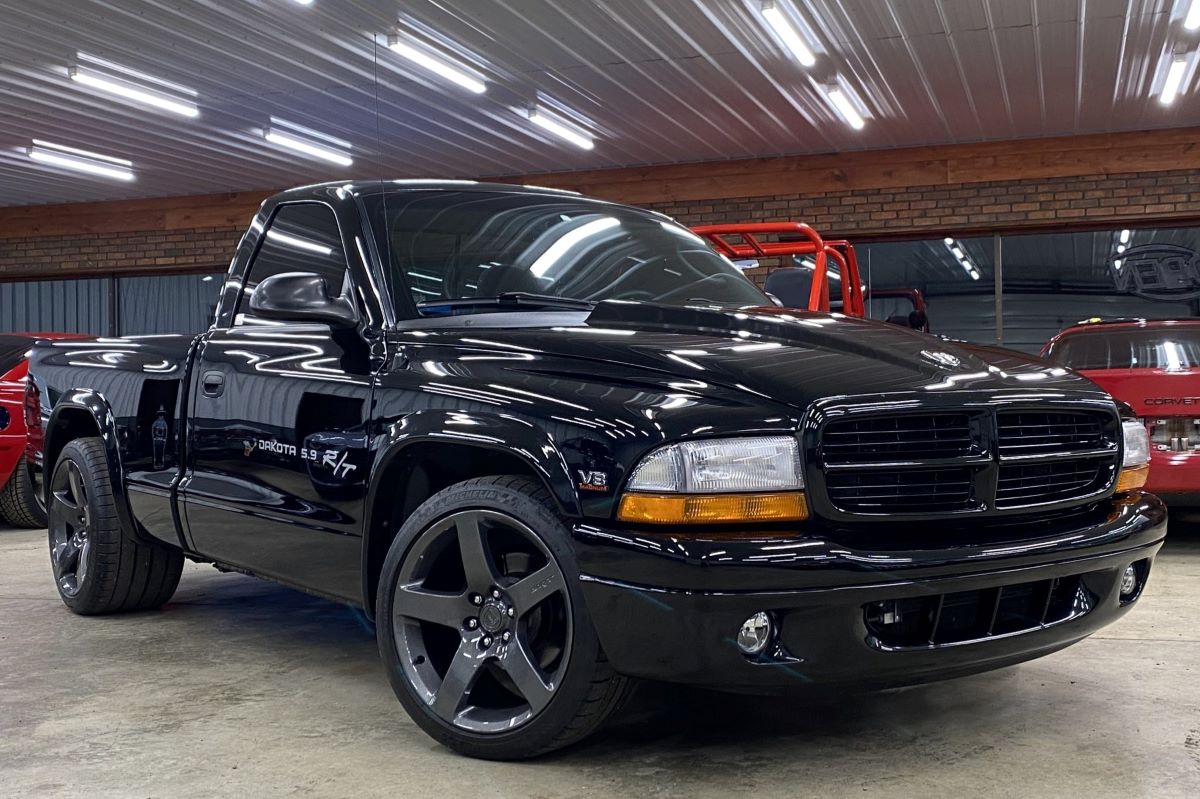
11. Dodge Dakota (2000–2004 with 4.7L V8)
The Dodge Dakota from 2000 to 2004, particularly when equipped with the 4.7L Magnum V8, remains one of the most underrated yet mechanically reliable mid-size trucks. While Dodge as a brand had its ups and downs in the early 2000s, this generation of the Dakota hit a sweet spot in design and function.
The 4.7L V8, in particular, was a standout engine, offering a strong balance between power, smoothness, and reliability. Many Dakota owners report crossing well over 200,000 miles with only standard maintenance and minimal repairs.
The 4.7L engine used in this Dakota generation was Chrysler’s first foray into modular V8 designs, and it turned out to be a success. It featured overhead cams, a simple but robust timing chain setup, and a cast iron block that could take abuse. When maintained properly, it avoided the oil sludge problems that affected some earlier Dodge engines.
The simplicity of the fuel injection system and lack of forced induction made it easy to service and resistant to heat-related wear. Unlike newer engines packed with sensors and electronics, the 4.7L V8 kept things mechanical and predictable.
Transmissions paired with this engine were also sturdy. The 45RFE automatic was a solid gearbox when maintained with proper fluid intervals. It had a reputation for handling moderate towing and heavy use without suffering the slipping or overheating that plagued some competitors.
While not as smooth-shifting as modern transmissions, its reliability more than made up for any lack of refinement. Combined with a durable rear axle and suspension setup, the Dakota could function reliably as both a work and personal-use truck without constant mechanical issues.
Another contributing factor to the Dakota’s mechanical reliability was its manageable size and weight. It was large enough to be capable, but not so heavy that components were under constant strain. Steering systems, brakes, and even HVAC components tended to last longer than average, thanks to the truck’s balanced engineering.
While the Dakota doesn’t get as much attention as other pickups from its era, those who’ve owned one know how rarely they needed to pull into a service bay. It remains a hidden gem in the used truck market for those who want a reliable V8-powered pickup without the full-size footprint.
