
Interior durability in SUVs is something many buyers take for granted until it becomes an issue. The way materials are selected, the precision of assembly, the design of trim pieces, and how well suppliers have engineered parts all combine to determine whether interior trim remains intact or begins to come loose, warp, squeak or degrade.
For people who spend a lot of time driving, who want resale value or who simply demand quality, trim reliability matters. It reflects the way a manufacturer treats small details as well as big design gestures.
When interior trim stays well attached, when seams stay tight, when panels do not drop, rattle or show signs of poor fit the driving experience remains satisfying. When trim begins to fail, it can degrade the sense of luxury, the perception of build quality, even safety in some cases.
SUVs occupy a special place in this kind of discussion since their design must balance ruggedness, utility, climate extremes, load, vibration and cost. As a result some models have a reputation for holding up very well over time, maintaining trim integrity even after many miles and years.
Others seem to almost guarantee that some interior piece will loosen, rub, or break. Perhaps a panel near the door handle is least likely to fit, perhaps switch surrounds become loose, perhaps grab handles pull away where adhesives weaken. What causes these differences?
Factors include material choice, the quality of attachment (clips, screws, adhesive), engineering for temperature changes and for vibration, how much assembly cost was budgeted, and sometimes how repeatedly designs are revised based on customer feedback.
This article compares ten popular SUVs. Five of them have reputations for rare interior trim problems. Their builds tend to remain quiet, solid, free of squeaks or rattles, even under abuse. The other five frequently draw complaints from owners about loose panels, misaligned trim, rattling, or chipping or peeling materials.
For each group the article will present five models, with details on what tends to stay excellent and what tends to fail. Also this article will consider what lessons other manufacturers might learn from the best and the worst, what prospective SUV buyers might take into account, and how maintenance, climate or driving style can make a difference.
Also Read: 5 Cars With Quiet Cabins for Life vs 5 That Get Loud Early
5 SUVs That Rarely Lose Interior Trim
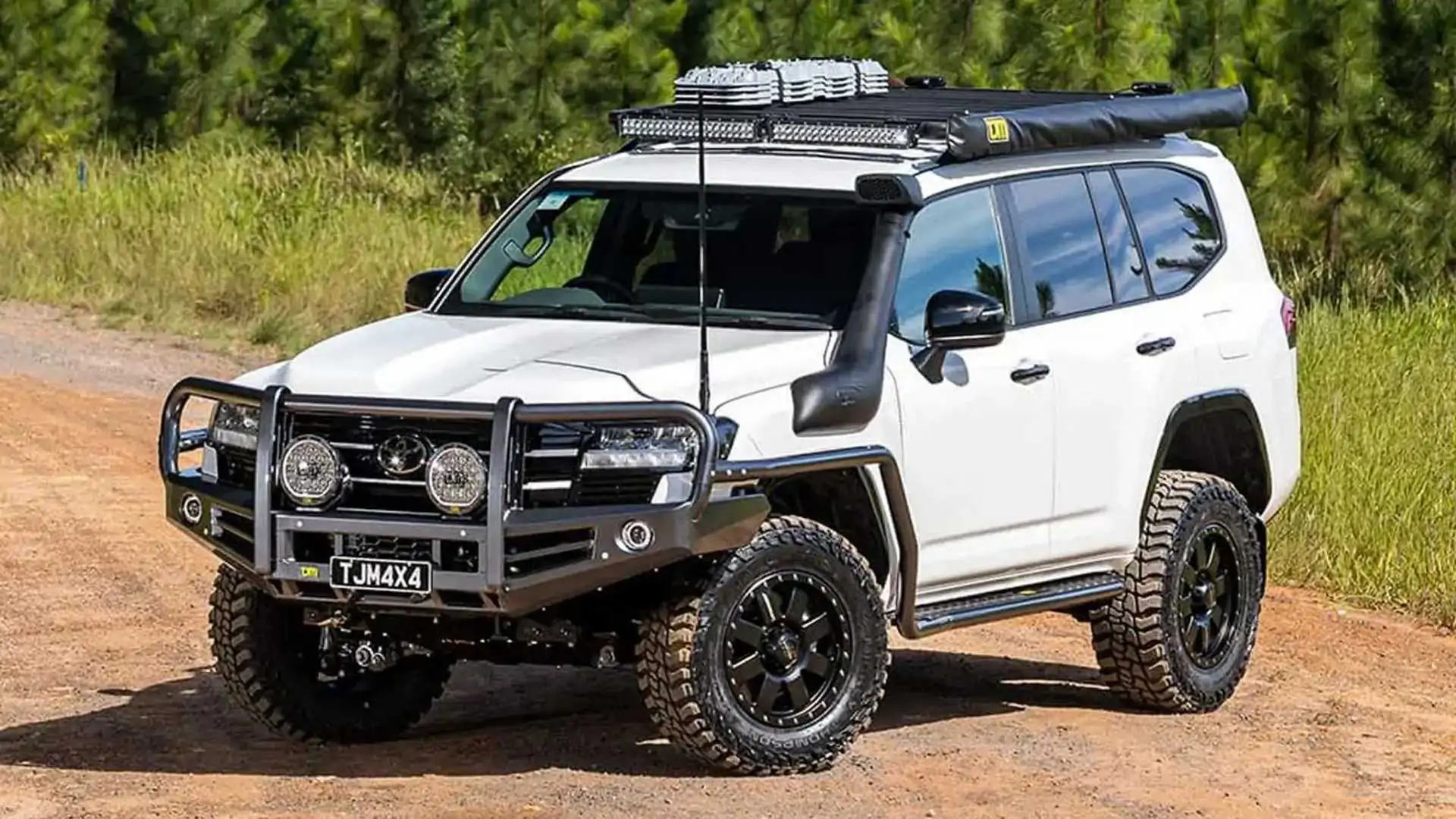
1. Toyota Land Cruiser / Toyota 4Runner
The Land Cruiser and its more offroad-oriented sibling the 4Runner share design philosophies that emphasize ruggedness. Their interior trim is thick, often uses more mechanical fasteners than plastic clips, and parts are engineered with overcapacity.
When doors are opened roughly, hinges are solid. Switchgear and plastic panels are less fragile. These SUVs are designed for long trips under harsh conditions. Since Toyota anticipates use in desert heat and cold mountain roads they build interior trim to resist expansion, contraction, warping, and loosening.
The materials used are chosen to withstand UV, abrasion and impact. Interiors are less concerned with ultra-luxury but more with lasting strength so trim panels are often more substantial.
Assembly practices for these vehicles include generous tolerances and more conservative design margins. Clips and screws are located where needed; adhesives are used but often supplemented by mechanical fasteners.
The interior architecture tends to maintain good support for panels rather than relying on large unsupported plastic sheets.
Because of that noise, vibration and harshness (NVH) tends to stay lower; panels do not rub or deform under vibration. Even after many kilometers some components such as door panels, dashboard seams, or roof liner retain alignment.
Maintenance and user behavior also contribute to trim longevity for these models. Owners tend to replace seals, avoid extreme temperature swings where possible, perform gentle cleaning, and do not force clips.
Parts are fairly accessible so loose pieces can be tightened before failure. Also parts that are likely to degrade are designed to be serviceable. For example plastic parts near pedals or door sills are replaceable cheaply, protecting the rest of trim from further damage.
Challenges still exist. Even these durable SUVs may suffer some fading, perhaps minor clips break under abuse, or trim near repeated contact areas like cargo threshold or step bars may show wear. But compared with many competitors these models hold up well over time.
Owner reports decades of strong performance. When battery replacements, interior mods or aftermarket additions are done with care the original trim survives long.
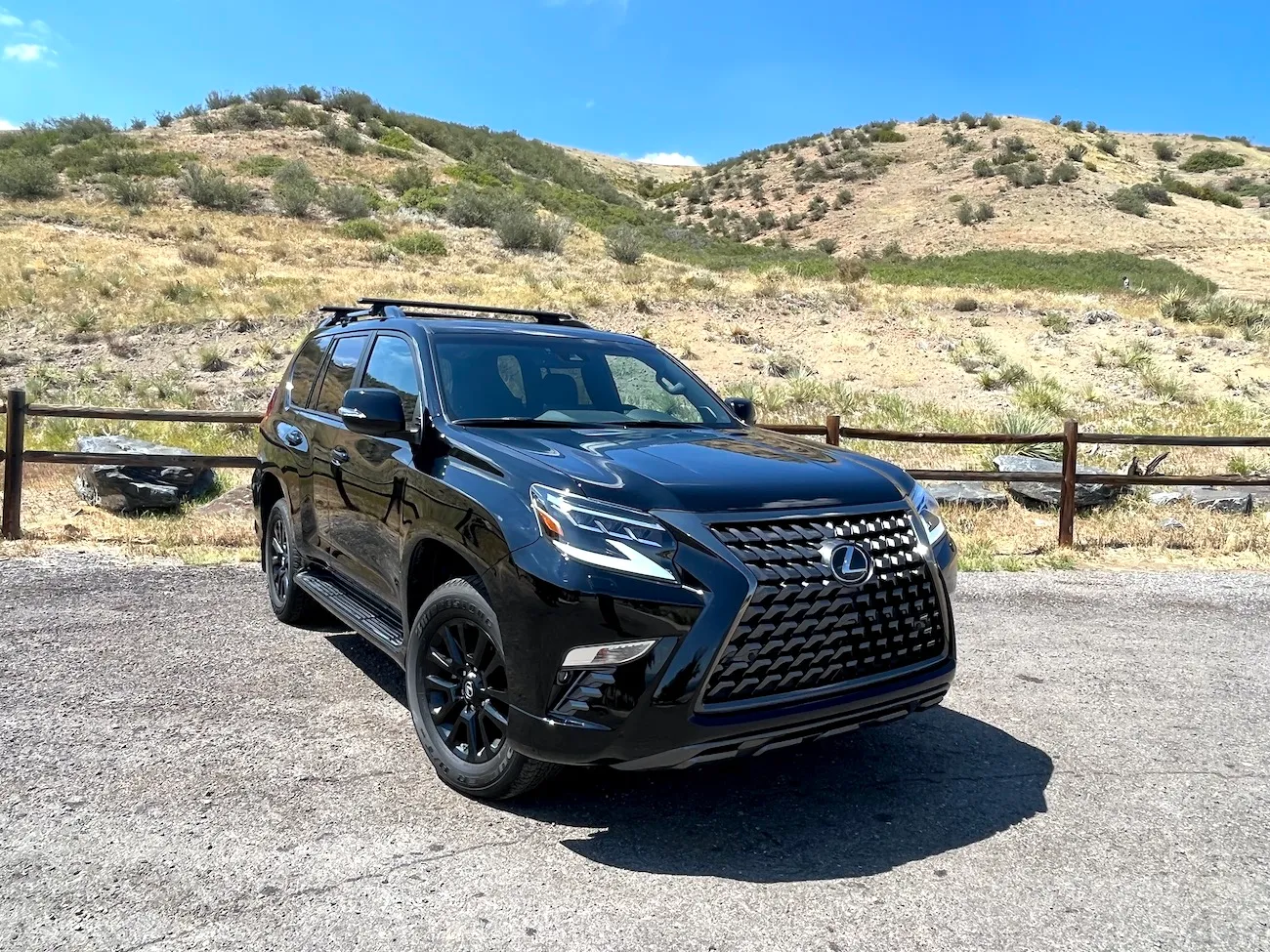
2. Lexus GX
The Lexus GX, sharing much with Toyota’s rugged underpinnings but adding luxury finishes, has a reputation for interiors that feel premium but still handle abuse without succumbing to loose trim. Inside materials are often higher grade, adhesives better formulated, plastic thickness more generous, and fit and finish subject to stricter QC processes.
Lexus tends to source higher quality knobs, panels, switches, with better finishing to reduce shrinkage or warping over time. Because of that trims on dashboard joints and door panels tend to hold tight, even after years.
Lexus assembly lines often require more inspection for squeaks, rattles. Parts that are prone to movement are given more support. Dash to pillar joints, glove compartment doors and roof headliner trims are better attached.
In addition Lexus tends to supply more robust insulation and padding under trim to buffer vibration, reducing stress on attachment points. The backup supports for door panels, say steel reinforcement or stronger backing, reduce flex that would otherwise lead to breakage or loud rattles.
Owners of GX models often report fewer common problems like loose trim near window switches, flaking of veneers, peeling of adhesives under high heat.
The wood or metallic trims Lexus uses are sealed more effectively, and joints are often glued or bonded with materials that handle humidity changes. Interiors tend to age well, retaining crisp joint lines even after many thousands of kilometers.
One area that tends to be marginal even in a good SUV is wear from repeated passenger contact. Handles, armrests, steering wheel surrounds may fade, rub surfaces may wear, but these are rarely problems of looseness or loss of trim. More often cosmetic. With proper care and occasional cleaning and tightening, the GX remains one of the SUVs that rarely presents interior trim failure.
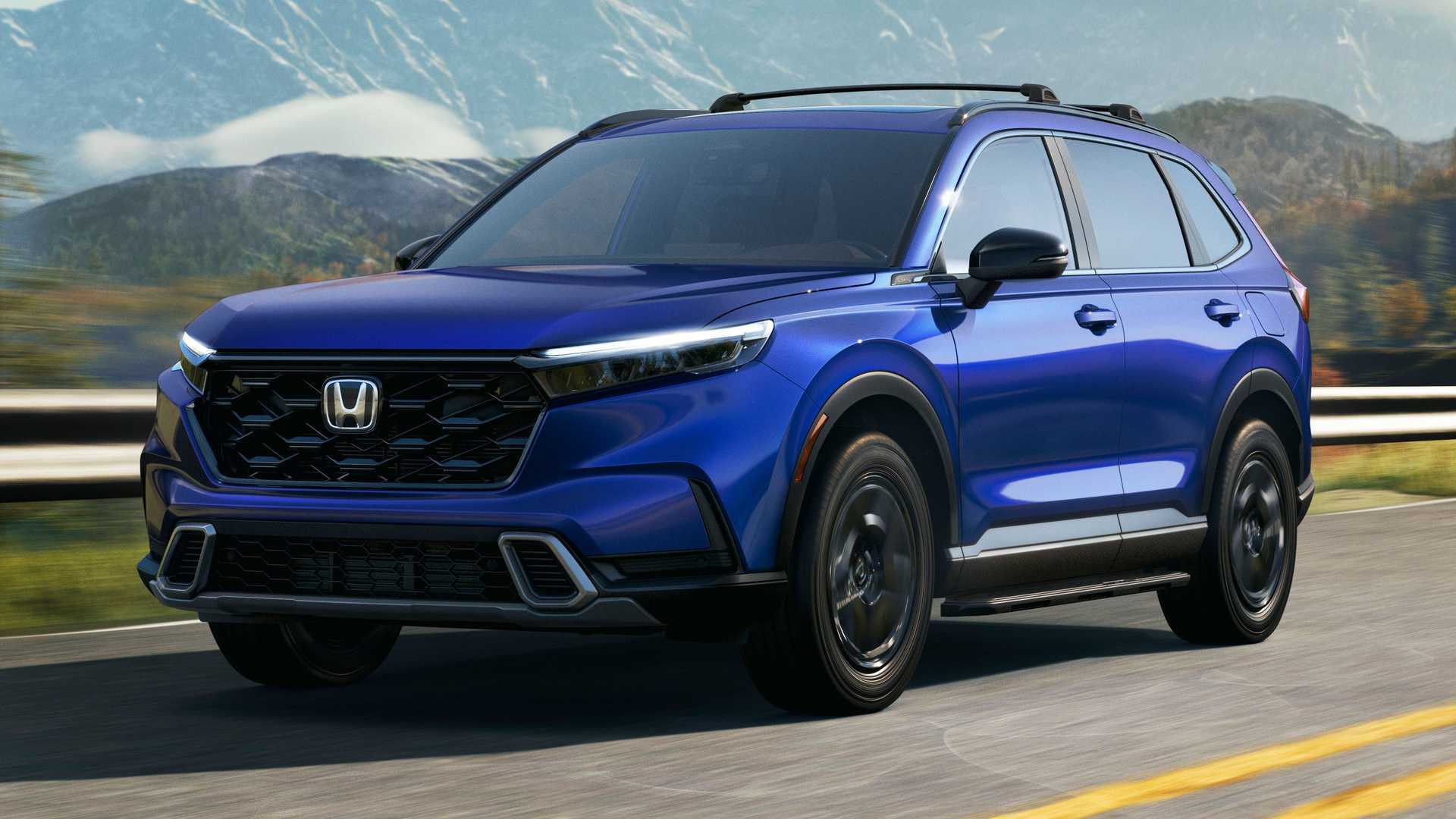
3. Honda CR‑V / Honda Pilot
Honda has a long history of interior engineering that avoids lightweight, brittle plastic in high-stress points. The CR‑V and Pilot benefit from Honda’s refined process of designing clip locations, joint interfaces, and material choice to resist warping.
In places where repeated flex occurs such as rear hatch, tailgate, or door sills, Honda tends to use thicker plastics and use mechanical fasteners. Interruptions in trim alignment are less common. Owners seldom complain of squeaks behind panels or fixtures loosening.
The fit of dashboard pieces, A‑pillar trims, sun visors and full interior moldings is precise. Joints are tight, adhesives are used where necessary but plastics are molded to good tolerance.
Because Honda tends to test prototypes for temperature cycling under hot and cold, these vehicles’ interiors have parts that expand and contract without popping out or loosening. Also under vibrations from road or offroad or towing power there are fewer instances of panel fatigue or fastener failure.
Another benefit is that Honda supplies relatively good parts support. If a clip breaks, replacement is usually readily available, often at low cost.
This encourages owners to maintain rather than allowing a small problem to worsen. Access to panels is decent so screws or clips can be tightened. Honda’s service literature often identifies trim clip torque points or screw locations so DIYers can correct things.
Despite those strengths some cosmetic issues may appear over time. Soft touch areas may discolor or matte, stitching might loosen, but these are not usually structural trim failures.
Especially for owners who avoid harsh cleaning chemicals, who park in shade, who avoid slamming doors, the interior of a well built CR‑V or Pilot will stay tight and intact through many years.
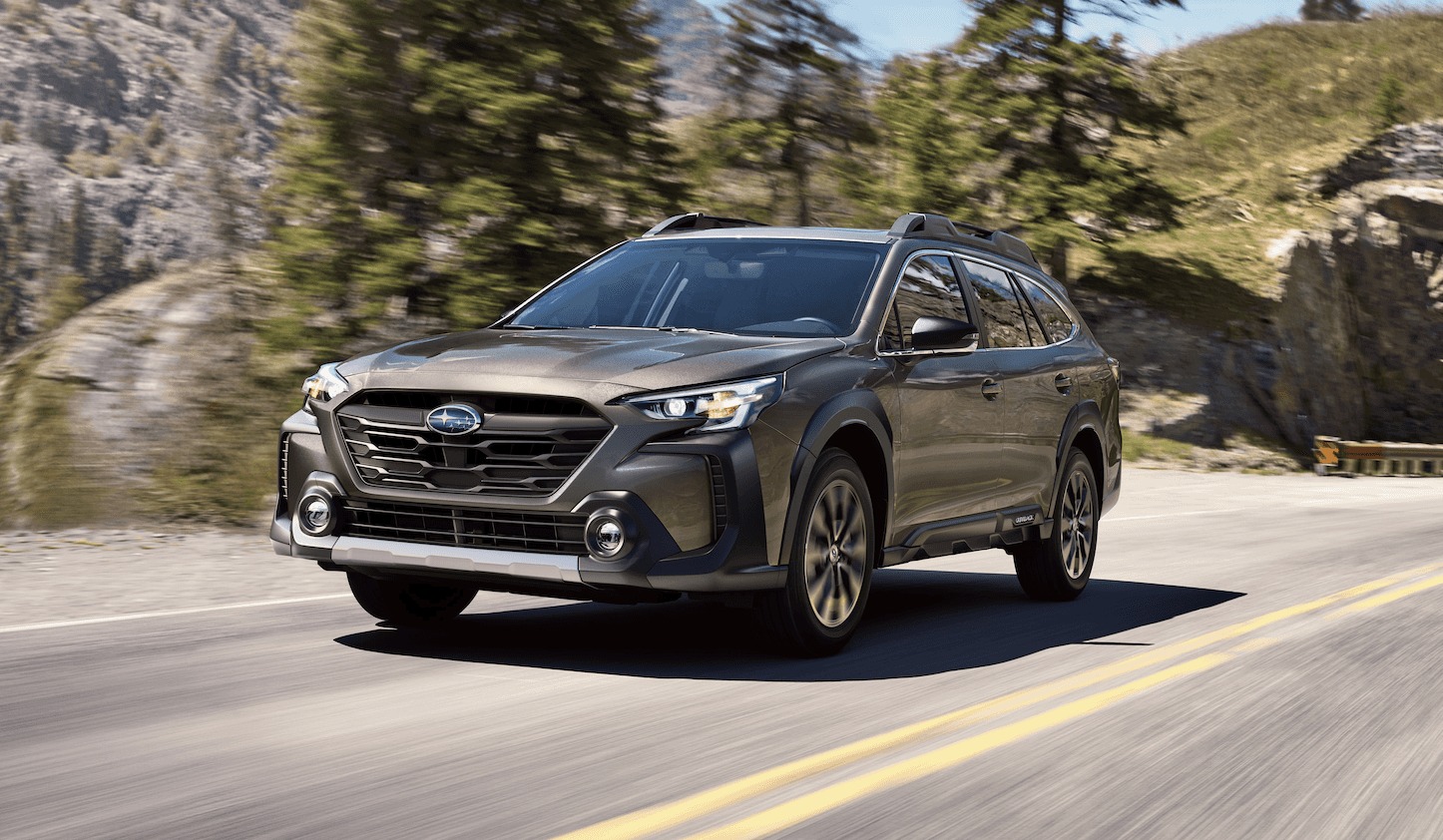
4. Subaru Outback / Forester
Subarus are often chosen by owners who expect mixed use: city, snow, mud, hills. For that reason their interior trim must perform under moisture, variation in temperature, vibration from rough roads, and sometimes abuse.
Models like the Outback and Forester tend to include moisture‑resistant materials, well‑sealed doors, and trim fasteners designed to tolerate flex. Headliner edges are better supported, door weather strips are robust, panels are secure. These reduce risk that trim works loose from repeated flex or moisture cycles.
Seals around windows and doors are effective so that water ingress is limited. Moisture weakens adhesives and can cause swelling of certain plastics or backing materials. Since manufacturers anticipate use in wet climates they select trim materials or vents that let moisture escape.
This reduces peeling or blistering that could lead to loosened trim. Also Subarus tend to use more bracket supports behind panels especially in roof or door; so those panels are less likely to warp or rattle later on.
The suspension and chassis of Forester and Outback are tuned to absorb many bumps. Because cabin vibration is mitigated there is less stress transferred to interior trim.
Less rattling helps fasteners maintain their grip. Also repeat stress from rocking motion or uneven terrain tends to fatigue cheap plastics; Subarus aim to limit panel flex. While some noises may appear, many owners report that panels stay secure even after heavy use in snow, mud or light offroad.
Minor cosmetic wear still appears. Scuffing, fading of plastic, some loosening of small items like sun visor clips or cup holder doors. But major failures like glove box dropping, dashboard warping, door panel separation are uncommon. For people who drive through varied climates or terrain Subarus often represent a balance of toughness and comfort.
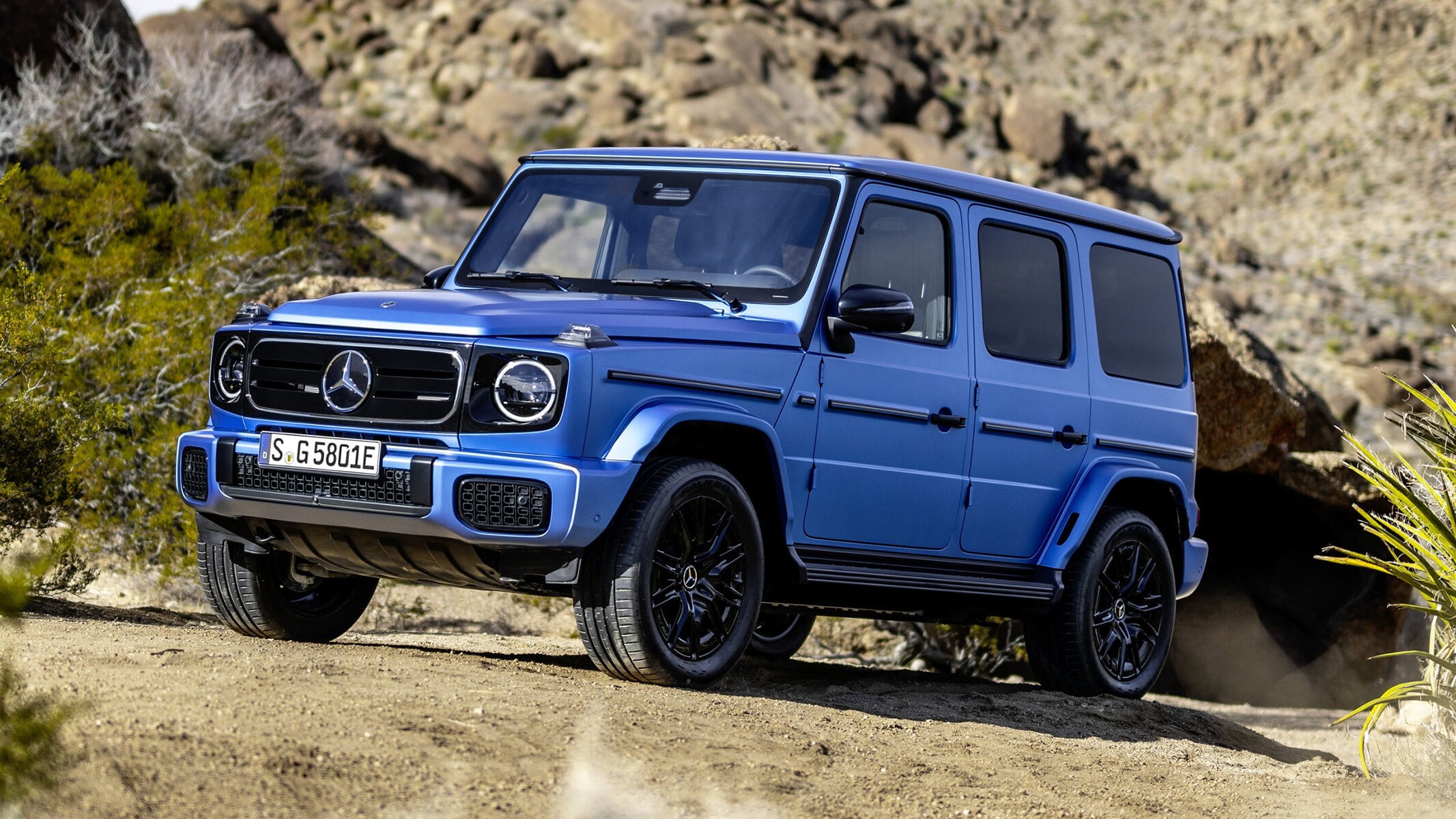
5. Mercedes‑Benz G‑Class
The G‑Class is expensive, heavy, built with luxury and ruggedness in mind. Its interior pieces are generally heavy, quality materials, abundant metal reinforcements, high level of fit and finish. Trim joints are tight, panels are thick, and attachments are made with stronger fasteners and higher quality adhesives.
Because the G‑Class is designed for offroad use as well as prestige it is overbuilt in many areas. Panels are seldom flimsy, trim doesn’t rattle easily, cosmetic wear is minimized by high quality material selection.
Stitching, leather, wood, metal or metal‑like trims are better bonded; veneers are properly sealed; plastic‑metal joints are engineered to avoid stress concentration.
This ensures trim does not warp or lift where heat or humidity might affect adhesives. Noise insulators behind doors, inside dash, under floors are plentiful. This padding reduces vibration so attachment points see less cyclic loading which helps prevent looseness over time.
Service, maintenance, careful use further help retain trim quality. Owners are more likely to store the vehicle, keep cabin climate controlled, protect from sun, maintain seals. The high cost of parts makes people less likely to operate rough or neglect maintenance.
Dealers tend to inspect trim alignment as part of maintenance so minor issues are addressed early before they grow worse. In addition the resale market expects high quality, so there is incentive for manufacturer to ensure durability.
Even so what quality cannot prevent sometimes shows. With time leather may shrink, wood veneer may shift slightly, metal parts may show corrosion in humid salt environments.
Trim near high user contact points such as seat bolsters, door sills, steering wheel edges will wear. Those are cosmetic more than structural. Overall the Mercedes G‑Class is among SUVs whose interiors retain trim integrity long after many years and usage.
5 SUVs That Always Lose Interior Trim
Here are five SUVs that are often reported to have interior trim problems. These tend to have weak materials, less rigid fastener design, cheaper adhesives, or cost‑cutting in assembly. For each one, the common types of issues, what owners report, and what causes tend to be behind these issues.
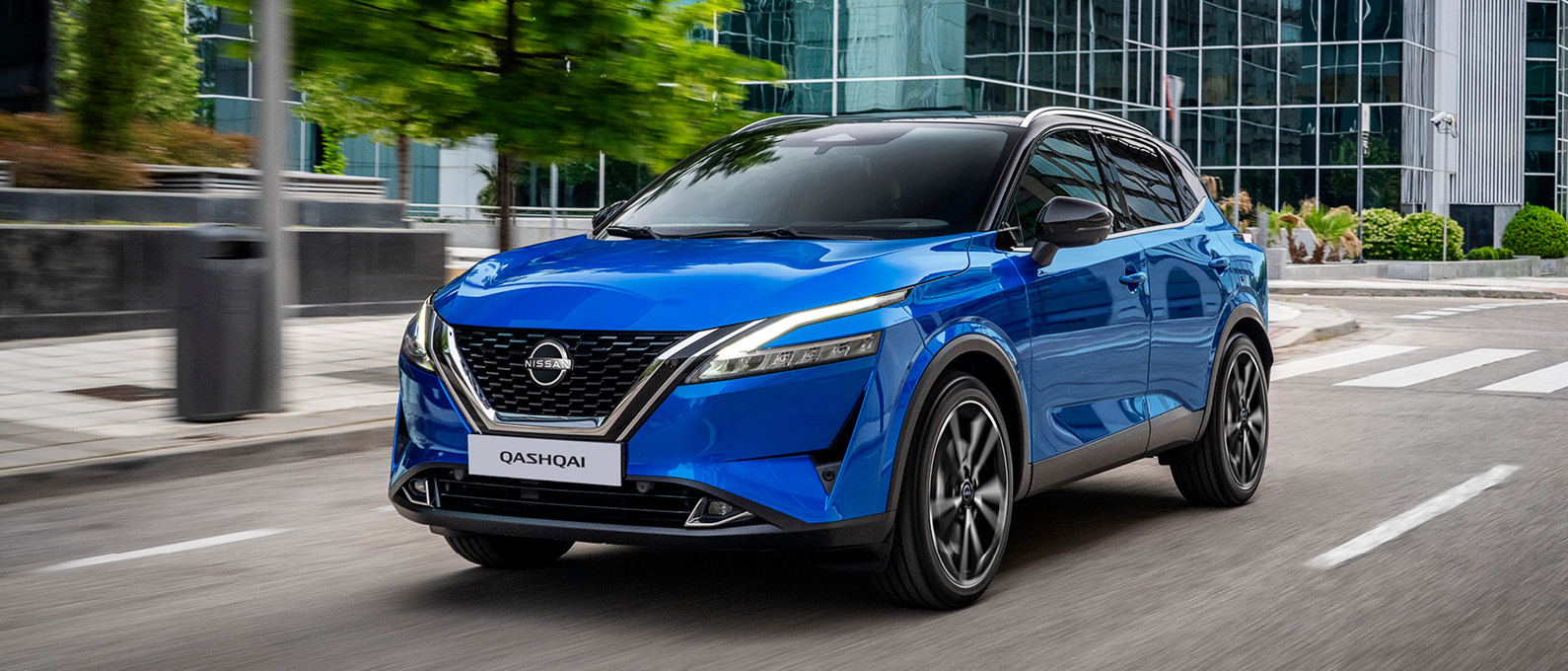
1. Nissan Rogue / Qashqai (recent model years)
Recent Nissan Rogue / Qashqai models are often criticized for interior components coming loose. Owners report loose door panels, rattles from behind the dashboard, misaligned trim around window switches or sunroof openings.
Material quality tends toward thin plastics especially in non‑premium trims; many trim parts are attached with cheap clips that do not hold well under vibration or repeated opening and closing.
Adhesives used in certain joints degrade under heat. In hot climates plastic around A‑pillar, roof liners or molded edges may warp or come loose. Also thin layering where plastics are backed by soft foam may lose their grip.
Clips that are not well supported from behind or that rely entirely on press fit may wiggle then break or pop out under stress. Owners often report that the plastic around the glovebox or center console becomes misaligned, leaving small gaps or creaks.
Insulation or reinforcement behind panels is often minimal or omitted. Where vibration is expected the design is not always robust. Dash to body joints may have flex, panels may rub, fasteners may loosen.
Door seals may be marginal, allowing water or moisture intrusion which weakens adhesives or causes swelling of foam backing materials, making panels fit loosely. Repeated heating and cooling cycles aggravate this.
Maintenance options are limited. Clips may be proprietary; replacements may be expensive. Repair often requires disassembly, sometimes removing multiple trims to gain access. Cosmetic damage from children, pets or packaging may lead to trim failure as stress gets transferred to clips.
Many owners live with rattles rather than fixing because fix is costly or difficult. So small loose trim issues progress into more serious problems.
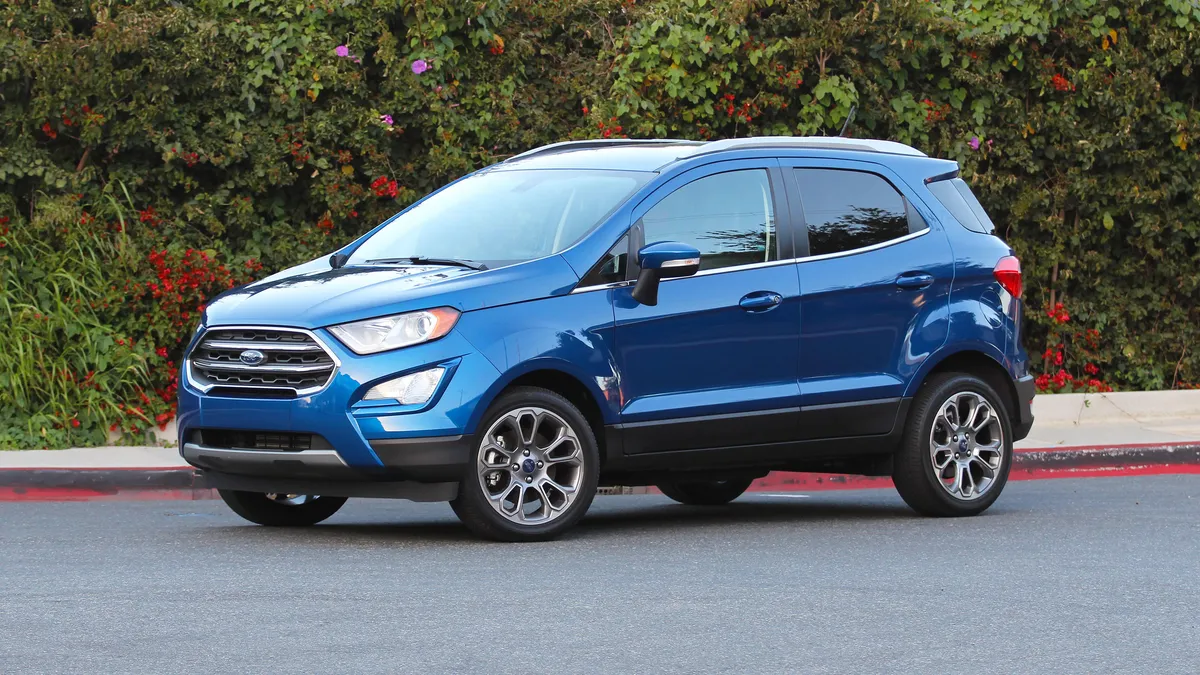
2. Ford EcoSport
The Ford EcoSport has long been criticized for cheap interior trim. Particularly in earlier and mid trim levels plastic parts around doors, windows and moldings are thin.
Clips are often minimal, fasteners little reinforced. Under vibration, from rough roads or potholes, panels tend to rattle. Door panels may stretch; handles or grab handles may feel loose. Trims around radio or infotainment often shift, creak when touch or when vehicle flexes.
Heat causes problems. Sunlight hitting dashboard or seams leads to warping or lifting of trim surfaces. Where adhesives are used without backup mechanical support there is risk of peeling or separation.
Roof liner trims, overhead handles may sag with time. Interior switch bezels may loosen, fascia panels may shift. Owners often complain of trim around A‑pillar or B‑pillar or near windows popping out or misaligned panels.
Design for cost savings often sacrifices durability. The number of clips used is lower, the quality of plastics may be more brittle, finishing tolerances laxer.
Supplier parts may have slight warpage; tolerances in assembly may be tighter in premium models but looser in mass market trims. Boundaries between rigid and soft parts are not well braced so stress ends up causing trim deformation or loosening.
Repair or maintenance is not straightforward. Some trim pieces are fragile; removal risks breakage. Replacement may require buying larger assemblies because small pieces are integrated. Many owners accept rattles or loose trim as normal for this SUV. Even with careful use some trim parts simply begin to fail after modest mileage or exposure to heat.
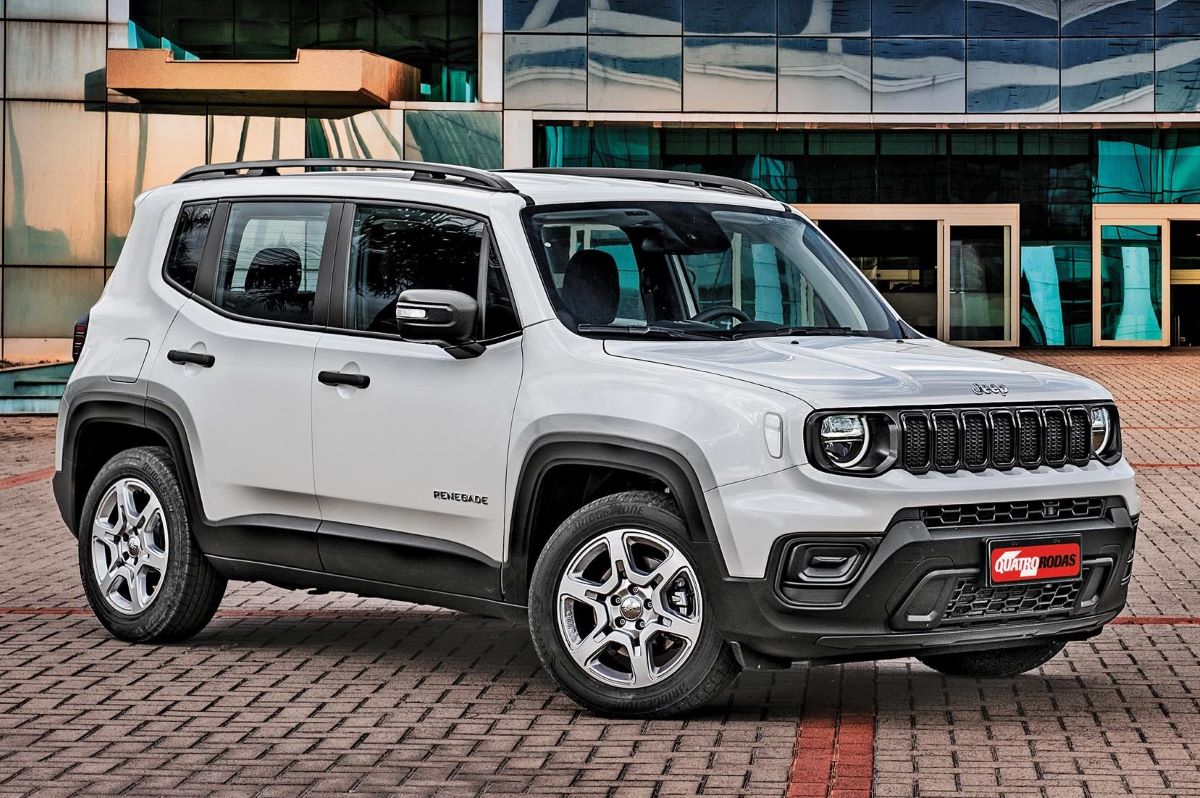
3. Jeep Renegade
Jeep Renegade is compact and stylistically interesting but interior trim problems are common. Because of its small size and weight, and design focus on style, cost cutting is evident in trim materials and attachment methods.
Many interior panels are thin plastic. Clips are plastic rather than metal or reinforced. Trim pieces that border the doors, windows or cargo opening often come loose or misaligned.
Vibration from road insults is transmitted directly to panels. The chassis is not always able to isolate high frequency vibration from interior.
Trim between body components tends to see stress. Swivels and joints especially at doors and windows may work loose. Also seams between panels may allow dust and dirt to accumulate which contributes to wear and discoloration which can lead to loose fit.
Weather extremes also contribute. In hot sun trim plastics expand, adhesives degrade. In cold, contraction may cause small cracks or separation at edges of panels.
Water leaks or moisture where window seals are imperfect may cause foam backing behind plastic to swell or degrade. Owners often report rattles after washings, after rain, after winter or snow or cold snaps.
Maintenance is often reactive. Owners may ignore small clips until they break. Replacements may be expensive.
Trim repair may require plastic welding or replacement of assemblies rather than simple clip replacement. Interior finish tends to degrade with heavy wear, and trim loosening is frequently among the early signs that a vehicle has begun to age poorly.
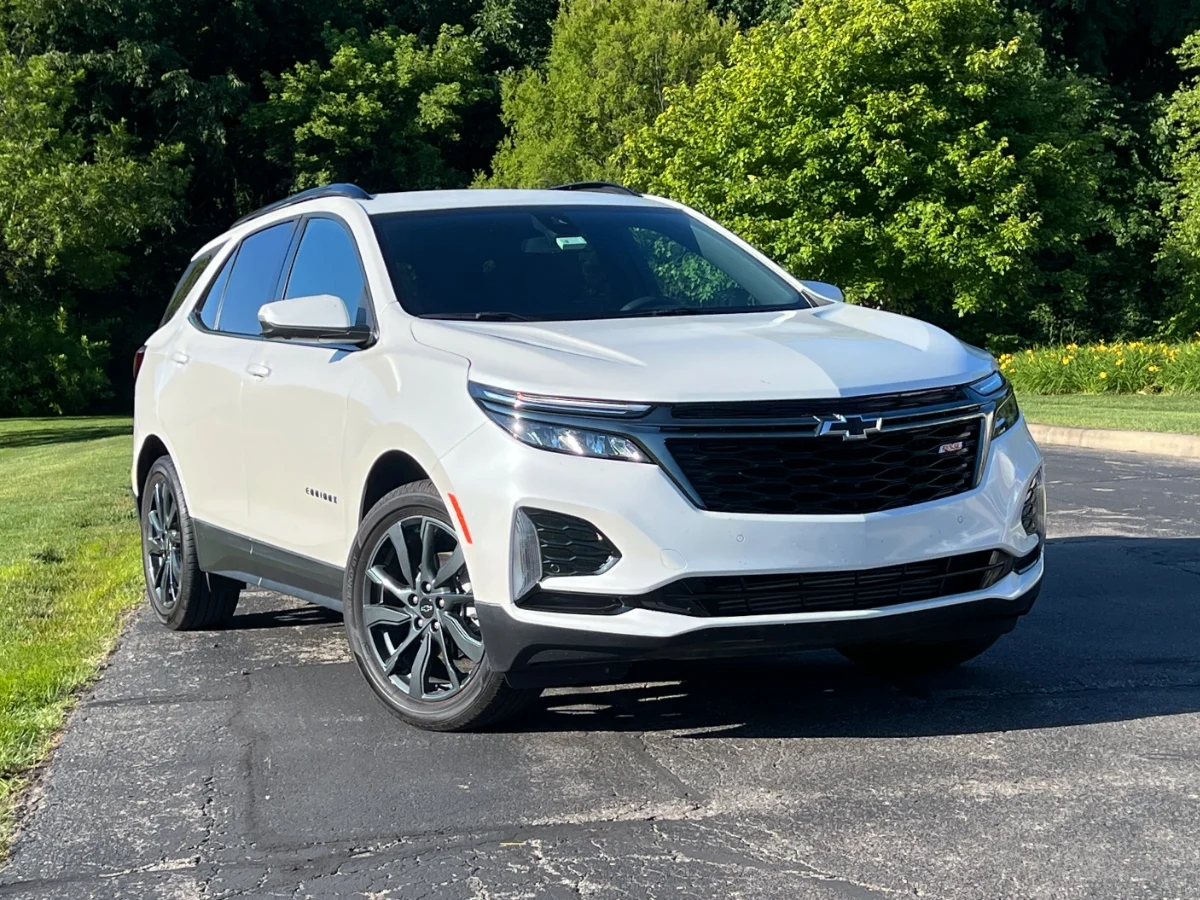
4. Chevrolet Equinox
The Chevrolet Equinox is mid‑size and tends to offer good value but often at cost of interior refinement. Owner feedback often notes loose trim around center stack, window controls, and door handles.
Thin plastic panels are used in many areas especially lower doors and under dash. Clip density is lower; adhesive seams around console or instrument panel may show gaps after moderate use.
Road vibration, especially on rough surfaces, tends to aggravate the weak attachment points. The Equinox floor, doors, dashboard are subject to flex; since trim pieces often are fixed only along edges or via minimal clips or screws, mid‑panel parts may deform or warp.
Owners frequently describe small pieces vibrating or creating noise when hitting bumps. Trim panels around the radio or vents may switch position slightly. Handle surrounds may loosen.
Heat and UV exposure affect some plastic surfaces. The dashboard seams may open slightly, glossy trims may peel, switch bezels may lift. Moisture intrusion around door seals or sunroof may weaken backing materials. In some climates repeated freeze‑thaw cycles cause plastic to become brittle, leading to breakage of small trim tabs or clips.
Fixing issues is possible but often patchwork. Some owners use adhesive, double sided tapes, or fiberglass reinforcement inside door panels. Still such fixes are stopgaps.
Replacement of full panels may cost more than expected. Hence many accept minor loose trim as part of ownership. Equinox does well in many respects but its trim reliability often lags behind similar vehicles.
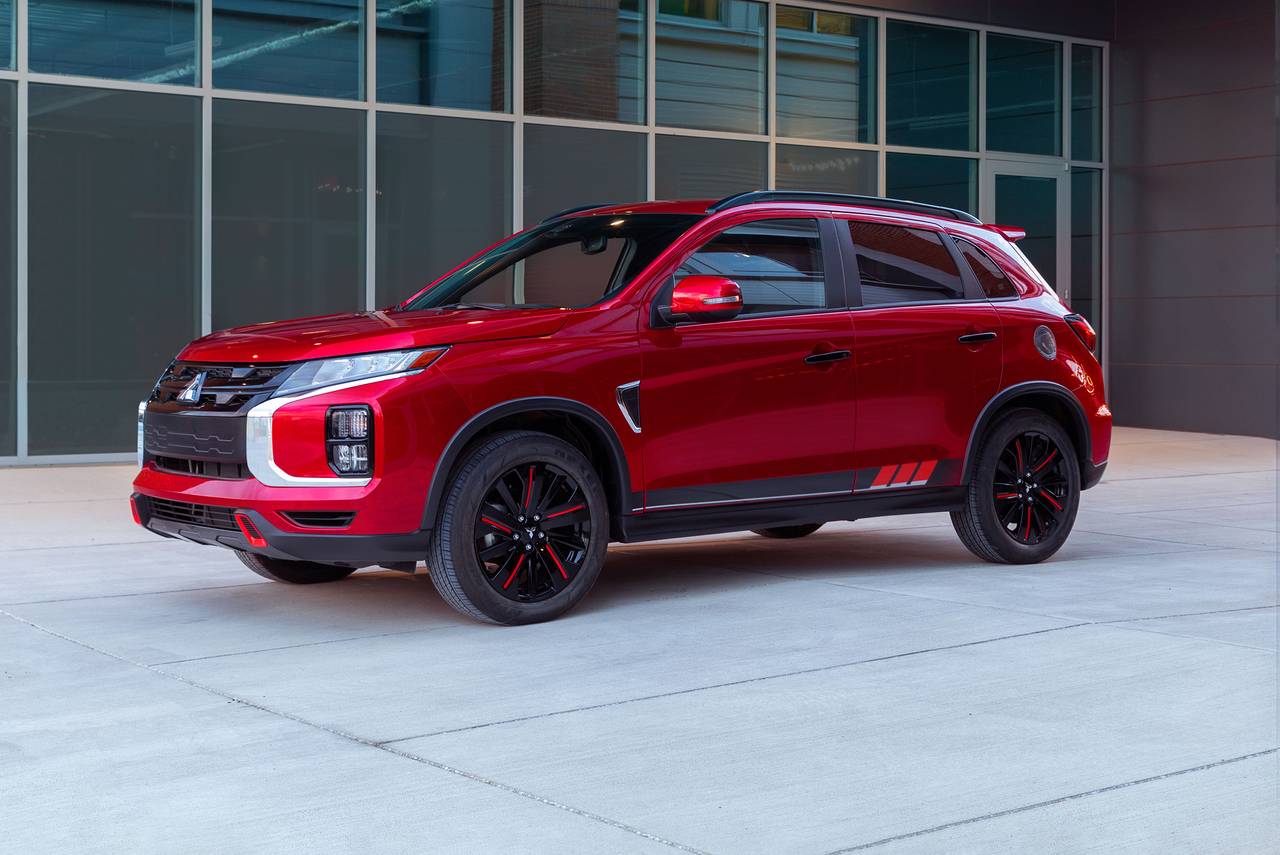
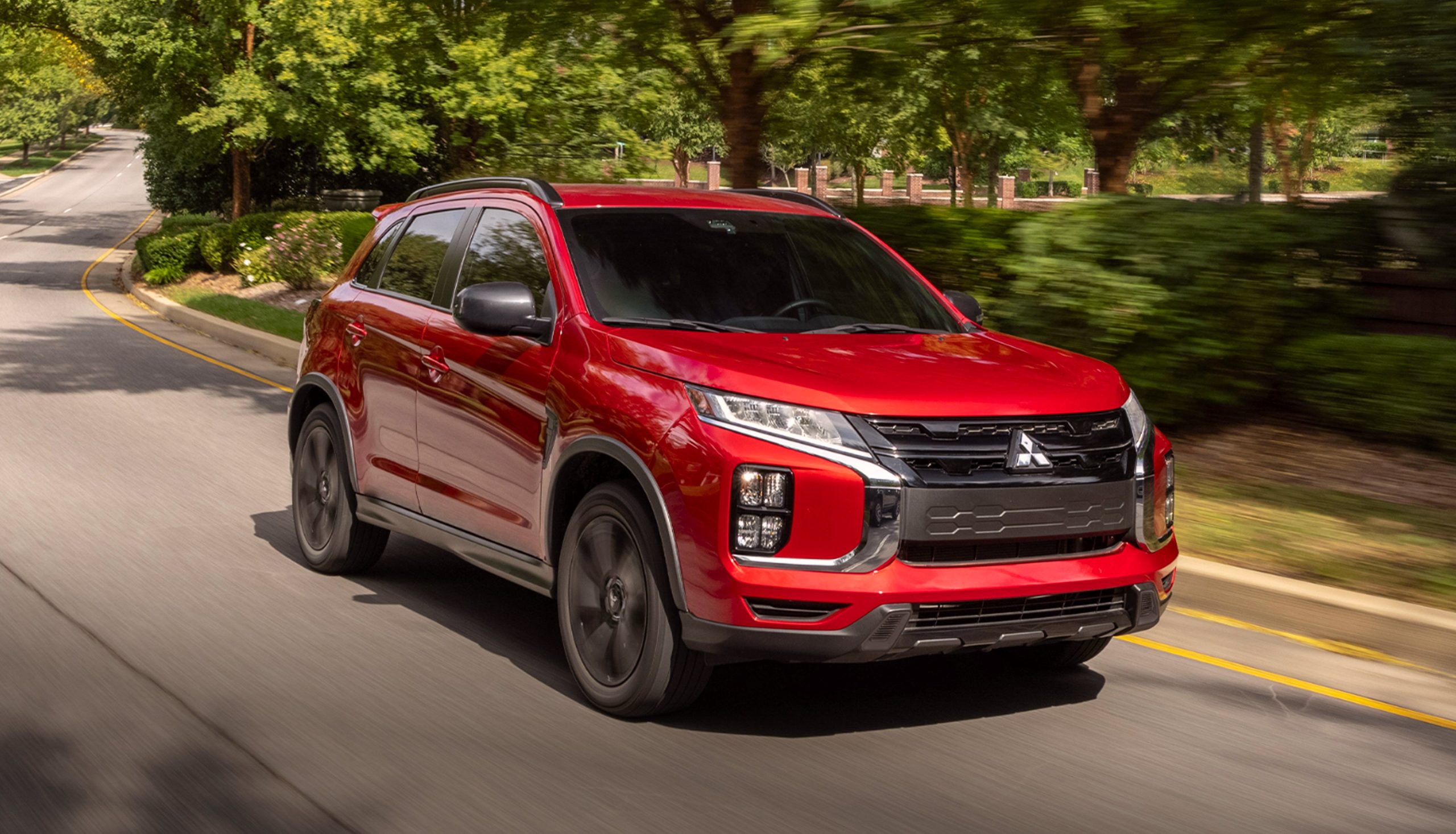
5. Mitsubishi Outlander / Outlander Sport
The Outlander and its smaller brother have long been criticized for trim looseness. Many interior parts are built light. Plastics tend to be thinner, backing foam thinner, fasteners sometimes fewer or weaker.
Door sills, glove box hinges, console trim often show signs of wear or loosening. Clips can come loose; some panels may vibrate or rattle.
Design tends to put cost first in lower tiers. Therefore trims that are subject to frequent stress or contact may not have reinforced mounting points.
Where doors slam or close hard the edges of panels may flex. Switch surrounds may lose alignment. Sunroof trims, overhead handle trim, or roof liner edges may separate after repeated exposure to sun or humidity.
Temperature extremes cause adhesives to fail. Trim parts around roof, near windshield, near doors are especially vulnerable. Moisture behind panels can further contribute to weakening.
Because replacement parts cost and availability are more limited, many owners cope with loose trim rather than repair thoroughly. Wear from luggage loading, pets, muddy boots often exacerbates initial defects.
This SUV tends to have more complaints relative to others in its class about interior noise, panel gaps, rattling. Some owners try aftermarket clip replacement, extra fasteners, or reinforcement.
But the frequency of trim issues is high enough that many expect it as part of ownership. For those who care about cabin quality this can be deciding factor against choosing it.
Also Read: 10 Cars That Still Sell Above MSRP in 2025
Trim durability reveals much about an SUV beyond what one sees in ads. It speaks to engineering discipline, material quality, assembly care, and respect for users who expect longevity.
Some SUVs manage to hold up impressively well under abuse heat vibration moisture and still maintain that new feel in interior joints, panels and fittings.
Others constantly struggle with rattles chipping peeling and loose panels often because corners were cut in materials, fastening or climate adaptation.
If one desires an SUV that will remain quiet solid and well finished for many years then selecting from those that rarely lose interior trim offers peace of mind.
Inspecting build quality, reading what owners say, choosing robust brands or higher trim levels can reduce the risk of ending up frustrated by interior creaks squeaks or bits that fall loose. At the same time one must still maintain the vehicle with common sense and mindful care.
If one must consider an SUV with more observed trim issues then being aware of its weak points, budgeting for occasional fixes or replacements, and avoiding conditions that accelerate failure can make a difference. The trade off might be lower cost, style, or features but the payoff in their own classes may be worth seeking higher durability.
After weighing what matters most for you, be it cost upfront or quality over time, prioritize interior trim as one of many factors. That choice often separates those vehicles that still feel good after many years from those that start to show their age early.
