

Interior quality matters enormously in an SUV. It does not only mean luxury or brand prestige. It determines how long your ride can feel fresh and well-kept, and how well it resists wear from kids, pets, groceries, or long road trips.
When plastic panels sag, when seats fray, when stitching loosens, or when rattles begin, even the most powerful engine or the most advanced infotainment system fails to compensate.
Solid interior build is about materials, design, craftsmanship, how parts fit together, and how well the vehicle is engineered to age gracefully.
Some manufacturers invest heavily in quality control and durable materials; others cut corners, leaving owners frustrated years down the road when trim panels pop loose or surfaces degrade under sunlight or repeated use.
In looking at SUVs, there are those models that stay tight, quiet, comfortable, even after many miles and years, and there are those that reveal their flaws fairly quickly.
This article will present five SUVs that hold up well inside, vehicles whose cabins remain snug, surfaces still pleasant to the touch, fasteners hold firm, plastics don’t fade or warp easily, and upholstery resists tears and stains.
Then, it will examine five SUVs that too often disappoint in their interiors, where rattles develop, cheap materials show through, leather or fabric deteriorates, stitching unravels, panels warp, and fit-and-finish issues become common complaints.
By comparing both sets, readers can see what to look for when choosing a used or new SUV if the longevity of the interior matters. You will read about what kinds of materials tend to last, soft-touch plastics, high-density foam padding, robust leather or well-treated cloth, tightly sewn seams, tight tolerances in panel gaps, good insulation, quality adhesives, and fasteners.
You will also see what things to avoid, thin plastics, exposed foam, weak clips, overly flashy trim that hides poor underpinnings, inadequate UV protection, cheap adhesives that degrade, and careless design elements that are more showpiece than substance. Let’s first look at five SUVs known to keep their interiors solid for years.
Also Read: 5 Cars With Quiet Cabins for Life vs 5 That Get Loud Early
5 SUVs That Keep Their Interiors Solid
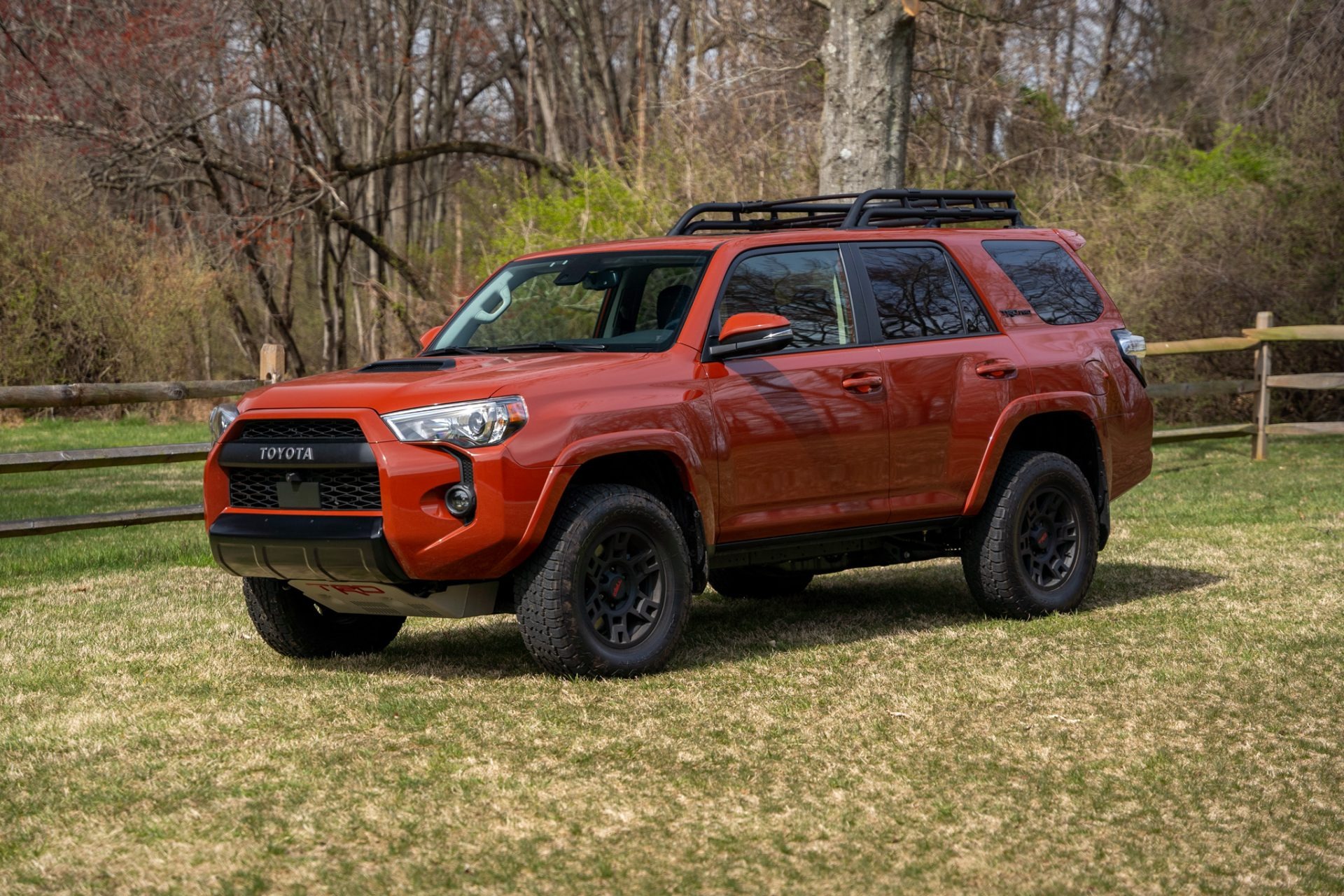
Toyota 4Runner
The Toyota 4Runner has built a long-standing reputation for durability and ruggedness, and that reputation extends beyond its drivetrain into the design and materials used in its interior.
One of the first things many owners notice is that the 4Runner’s cabin is built with a level of simplicity and function that feels intentional rather than outdated.
The dashboard, center console, and door panels are constructed using hard, thick plastics that resist scratching and warping. Unlike some competitors who aim for a soft-touch luxury feel at the cost of durability, Toyota designs the 4Runner’s cabin to withstand mud, sand, and heavy use, while still providing a clean, practical layout.
The seats, whether cloth in the base trims or leather in higher trims, are made from materials that resist tearing and sagging. The cloth used has a dense weave, which makes it harder for dirt and moisture to penetrate and lead to early wear.
The stitching, especially around the seat bolsters, tends to hold up very well even after repeated entries and exits.
In higher trims with leather upholstery, Toyota uses a thicker cut of leather that doesn’t peel or crack as quickly as the thinner variants found in some other vehicles. Even the driver’s seat, which bears the most usage, tends to maintain its firmness and support over long periods.
Another area where the 4Runner shines is its simple and robust switchgear. Knobs, buttons, and toggles are made large and tactile, not only for off-road usability with gloves but also because it makes the controls more durable.
These physical controls are less prone to breaking or becoming sticky compared to capacitive touchscreens and sliders.
Many owners report that even after 10 or more years, these controls still work as intended, without sticking, jamming, or fading. HVAC knobs, in particular, are mounted securely and designed to last thousands of rotations without looseness or failure.
The structural layout of the 4Runner also contributes to its interior’s longevity. Being a body-on-frame SUV, it inherently resists flexing in the chassis, which means fewer stress points are placed on interior panels. This helps reduce the chance of rattles, squeaks, and panel separations over time.
This also ensures better alignment between doors and body panels, which in turn helps maintain tight seals against dust and moisture. Interior insulation also tends to last well, with minimal sagging in the roof lining or under-floor padding, even in older models.
Lastly, Toyota’s focus on function over flash means that fewer decorative pieces fall off, peel, or discolor. There are no over-polished fake metallic trims or painted finishes that wear down after months of contact. Instead, materials are selected for how well they stand up to repeated use, sun exposure, and physical wear.
With proper care, or even light neglect, the 4Runner’s interior maintains its solid feel well into high mileage. It’s not flashy, but it’s extremely dependable, and it’s one of the few SUVs that you can expect to feel just as solid at 200,000 miles as it did when new.
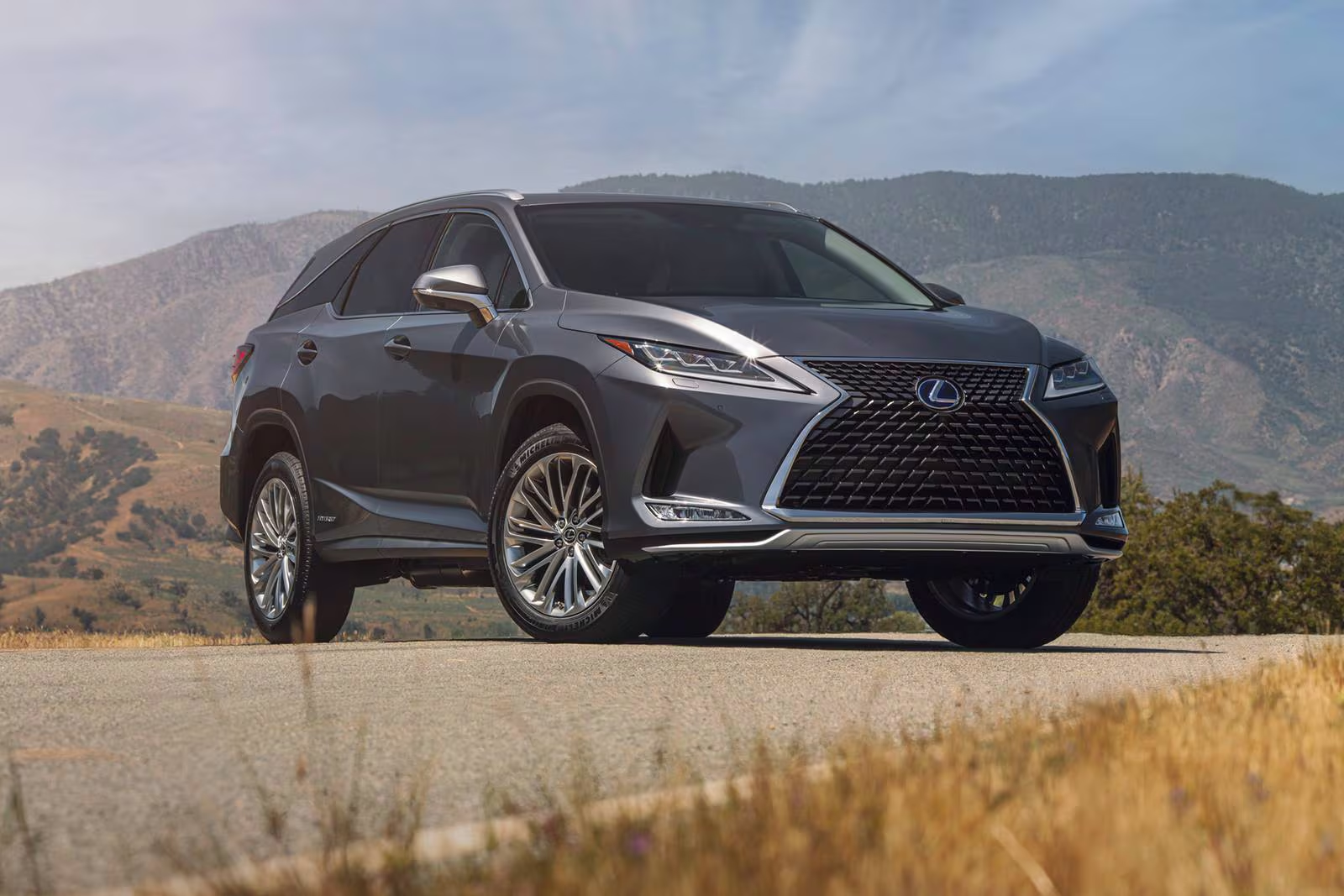
Lexus RX
The Lexus RX, although more luxury-oriented than the 4Runner, shares a key principle: longevity through quality materials and precise craftsmanship. Lexus interiors have long been praised for their attention to detail, and the RX is no exception.
It features soft-touch materials in all the right places, high-grade leather upholstery, padded armrests, and a dashboard that resists warping and cracking over time.
Lexus avoids over-designing its interiors. The layout is simple yet refined, with materials that have been chosen to age gracefully rather than impress at first glance and disappoint later.
One area where the RX excels is in the long-term durability of its leather. Lexus leather is more resistant to UV damage and cracking than what is commonly found in non-luxury SUVs. It also features reinforced stitching around high-contact areas, ensuring seams do not loosen or fray over years of daily use.
Additionally, the bolsters and cushions are designed to maintain their structure and support, avoiding the common flattening or dishing out that occurs in many rival models. This is particularly evident in the front seats, which maintain both comfort and appearance far beyond the typical 100,000-mile mark.
Another strong point is Lexus’ exceptional fit and finish. Panel gaps are tight, alignment between dashboard sections is laser-precise, and there’s virtually no flex in door panels, center consoles, or glove boxes even as the vehicle ages. This tight build quality prevents vibrations and rattles from developing.
It’s common for RX owners to report a quiet and rattle-free cabin even well into the vehicle’s second decade of use. The door seals and insulation are also effective, helping protect the interior from external moisture and keeping climate control systems efficient without overworking them.
The RX also benefits from high-quality switchgear and infotainment integration. Lexus uses buttons and knobs that are well-weighted, easy to operate, and built to endure years of use without the lettering rubbing off or the buttons jamming.
Even touch-sensitive controls are backed by physical resistance or feedback, ensuring that nothing feels flimsy or overly delicate. Compared to vehicles that rely on trend-based designs like haptic buttons or minimalistic layouts, Lexus strikes a balance between modern and user-friendly without sacrificing durability.
Perhaps the most telling sign of the RX’s long-term interior quality is its resale value. Pre-owned RX models often command higher prices, in part because buyers know they’re getting an SUV whose interior won’t feel tired or cheap.
Headliners rarely sag, door trims retain their finish, and the dashboard rarely develops stress cracks. These aren’t just signs of initial luxury, they’re signs of sustained quality. If you want a midsize SUV that not only feels upscale but stays that way, the Lexus RX continues to prove itself a smart and dependable choice.
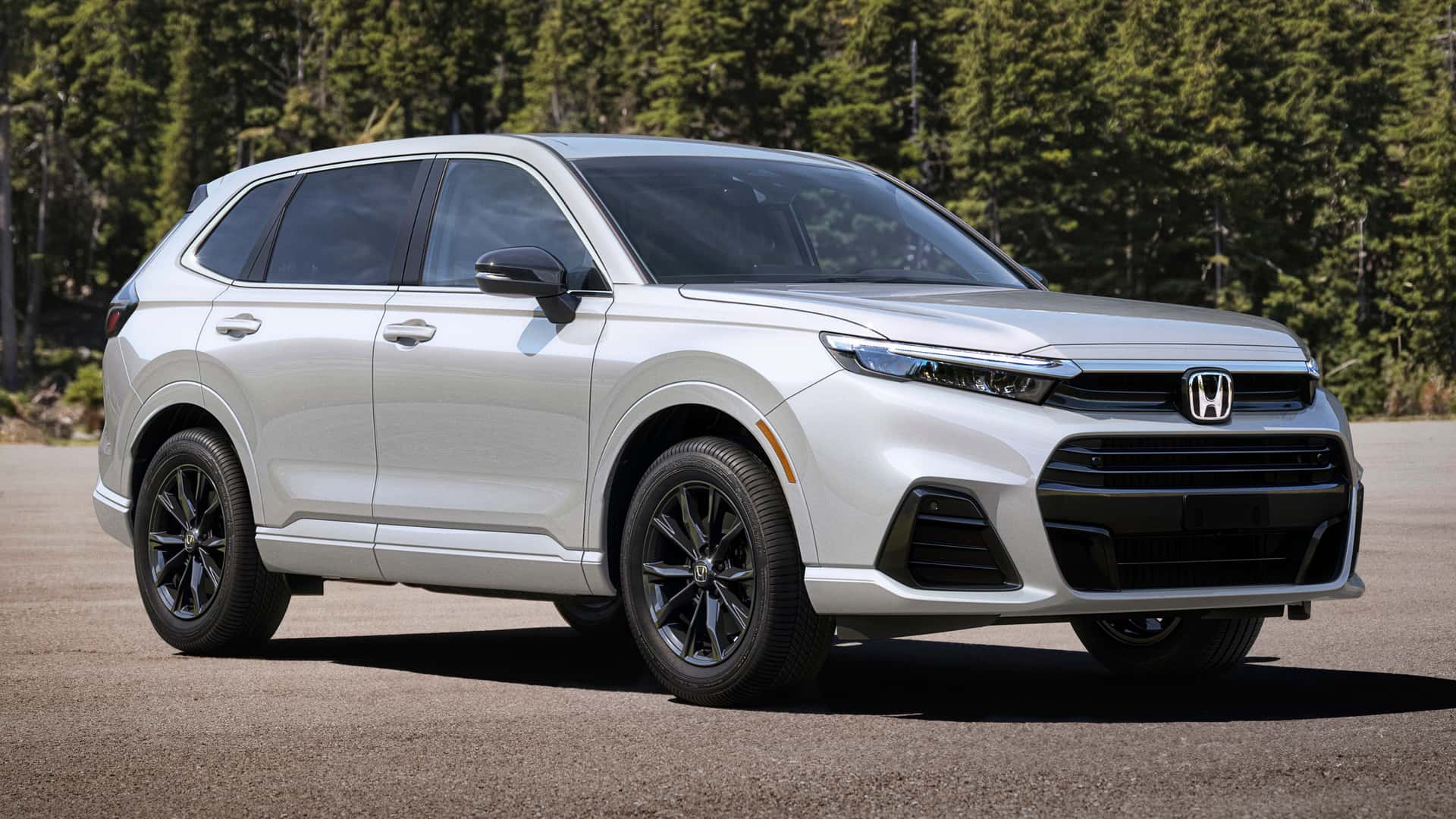
Honda CR-V
The Honda CR-V is often considered the gold standard for practical compact SUVs, and its interior quality is a key reason why. While it doesn’t aim to impress with flashy trims or ultra-premium materials, the CR-V is engineered with thoughtful choices that favor lasting quality.
The cabin has a simple, functional design that ages well, and Honda selects materials that resist wear and tear from everyday family use. High-touch areas such as door armrests, steering wheels, and console lids feature padding and finishes that stay presentable even after repeated contact.
Seat quality in the CR-V is surprisingly strong given its price point. The cloth seats in base trims are made with a tightly woven fabric that holds up well against spills, pets, and friction. Optional leather-trimmed seats in upper trims are stitched with attention to reinforcement, especially along the edges and bolsters.
Honda also uses high-density foam inside the seat cushions, which helps them maintain their shape and comfort over time. It’s rare to find a CR-V with collapsed seats or significant upholstery damage unless it has been severely neglected.
Interior plastics are another strong suit. While some rivals use brittle or hollow-feeling plastics, the CR-V uses thicker, more resilient material on the dash, console, and door trims. These surfaces resist fading, warping, and cracking even after years of sun exposure.
Textures are often matte or lightly grained, which helps disguise small scuffs or marks. Even climate control knobs and audio buttons feel durable rather than delicate. This attention to material quality is what helps many older CR-Vs feel surprisingly modern and intact when you sit in them years down the line.
Another key strength is noise insulation and structural tightness. Despite being a unibody compact SUV, the CR-V has few reported issues with panel rattles or squeaks. Door seals remain effective even in older models, and trim pieces stay securely fastened.
Headliners are rarely reported to sag, and dashboards don’t exhibit the same bubbling or cracking that plague many competitors over time. These small but important factors create a sense of long-lasting cohesion throughout the cabin.
Owners often report that even with minimal interior detailing or upkeep, the CR-V’s cabin stays comfortable and functional. Cupholders don’t loosen, vents continue to move smoothly, and cargo floors don’t bow or deform.
Gloveboxes and center storage compartments retain their alignment, and nothing feels flimsy or temporary. In many ways, the CR-V succeeds because Honda didn’t try to make the interior overly luxurious, they made it to last, and that’s what gives it a long-term edge in this segment.
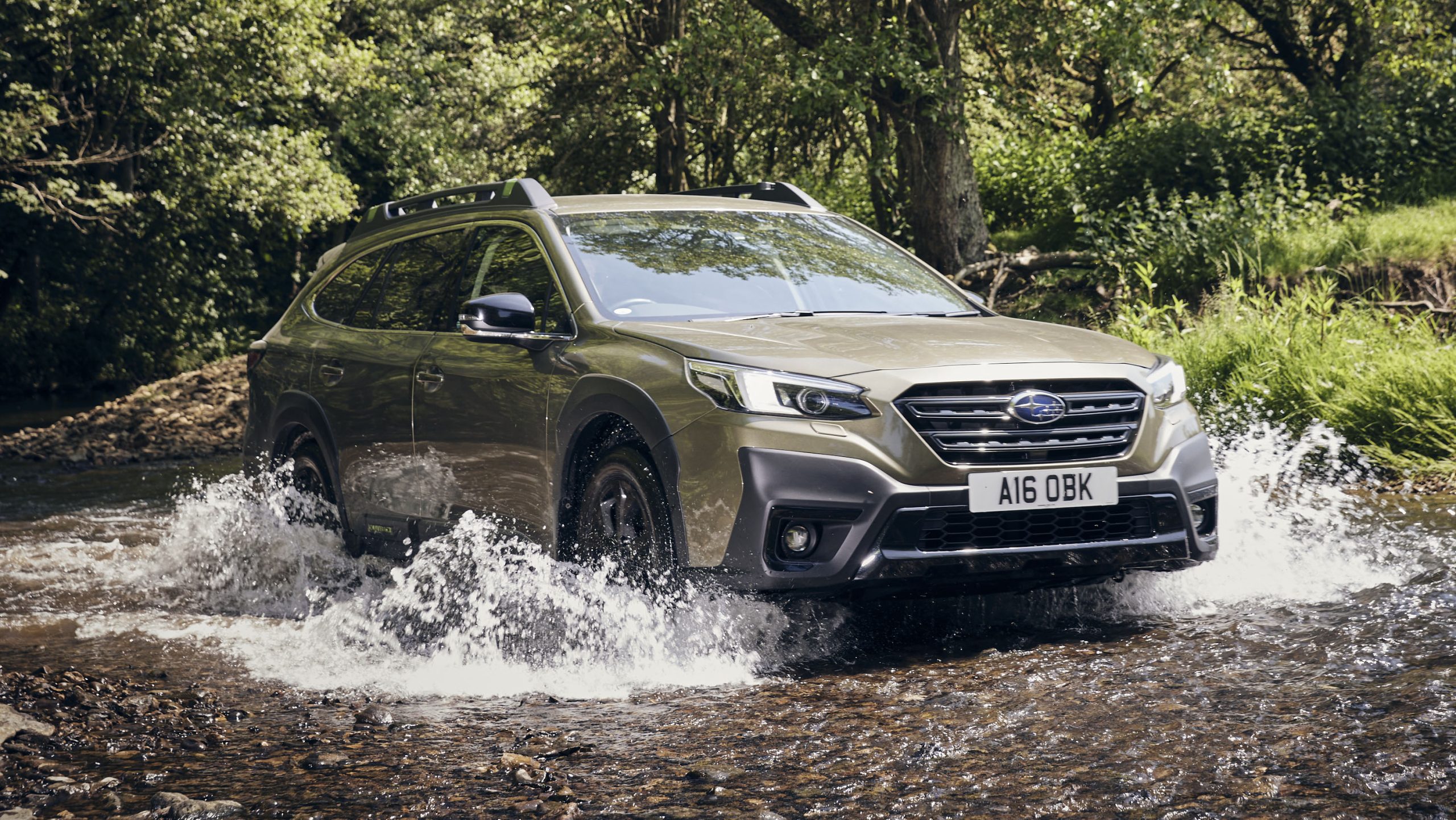
Subaru Outback
The Subaru Outback blends wagon-like comfort with SUV practicality, and its interior reflects the brand’s focus on durability and function. Built for people who lead active lifestyles, the Outback’s cabin is designed to resist mud, snow, pets, and everyday wear.
Even in older models, you’ll find that seat fabric holds up, switches continue to function, and trim pieces remain solid. Subaru’s commitment to practical materials and simple design creates an interior that doesn’t degrade as fast as many rivals.
The upholstery, whether cloth or leather, is one of the highlights. Subaru uses strong woven materials in lower trims and offers high-quality leather in upper trims that resist cracking and stretching. Seat seams are reinforced, and the foam inside cushions stays resilient for years.
One reason Outback interiors last is that the seat shape and structure are carefully engineered to reduce pressure points and distortion over time. This means less wear in key areas like bolsters, headrests, and lumbar zones.
Interior panels in the Outback tend to be free from the squeaks and rattles that plague other vehicles, particularly in cold climates. Subaru’s use of good insulation and vibration dampening contributes significantly to this. The door panels, dashboard, and center console stay quiet even over rough roads.
Roof liners rarely sag, and the sunroof mechanisms (when equipped) remain reliable with minimal water leakage issues, another common problem in many SUVs. Vents, latches, and handles are securely mounted and continue to operate smoothly over time.
Another area where the Outback excels is in weather resistance. The rubberized floor mats, optional all-weather packages, and weather-resistant materials make it an ideal vehicle for outdoor use.
Subaru also pays attention to sealing against water and snow, helping to protect interior materials from long-term moisture damage. Carpets and under-liners do not retain moisture easily, reducing the risk of mold, odor, and rust.
Even after a decade or more of use, many Outback owners find the interior to still be solid and functional. Switchgear works, dashboards don’t peel, and surfaces resist stains and UV fading. It’s an interior made for people who actually use their vehicles hard, and that commitment to substance over style means the Outback’s cabin holds up when others start to fall apart. It may not win awards for luxury, but it certainly earns respect for longevity.

Mazda CX-5
Mazda has built a reputation for delivering premium-like interiors in affordable vehicles, and the CX-5 might be the strongest example of this approach. From its carefully stitched seats to its driver-focused cockpit, the CX-5 feels more expensive than it is and, more importantly, it holds up better than many in its class.
Materials are chosen not just for appearance, but for how they feel and perform after years of use. The result is an SUV whose interior doesn’t just look good when new, but stays that way for the long run.
Seat construction is among the best in the segment. Mazda offers both cloth and leather options, and in either case, the seats are firm, supportive, and well-stitched. The bolsters retain their shape, the leather doesn’t crack under normal use, and seams stay intact.
One reason for this is the use of better internal foam padding and frame structure, which helps resist the sagging and flattening that plagues many small SUVs. Even after five or six years, most CX-5 interiors show minimal wear on the seat cushions and side bolsters.
Mazda also uses some of the best plastics in the segment. The dashboard features soft-touch materials across most surfaces, and even lower areas like the footwells and rear door trims use thick, textured plastics that resist scuffing.
The layout avoids complicated designs that might hide poor craftsmanship. Instead, everything fits tightly, with consistent panel gaps and secure mounting points. The knobs, dials, and buttons are solidly built, offering satisfying feedback and a reassuring sense of permanence.
Vibration and noise are also well managed in the CX-5. The cabin is quiet even at highway speeds, and more importantly, that quietness doesn’t deteriorate over time.
You don’t get the buildup of creaks and buzzes that often develop in lower-cost vehicles. Insulation behind the dash, inside the doors, and under the floor is thorough. That keeps temperature regulation effective and helps all the trim components stay snug and in place.
Perhaps most impressive is how well the CX-5’s interior maintains its upscale feel years into ownership. The infotainment screen doesn’t delaminate or fade, the climate controls remain tactile and responsive, and the interior lighting elements (like backlit buttons and door lights) rarely fail.
Many used CX-5s feel like newer cars simply because their interiors have resisted aging. It’s a strong example of what happens when a brand doesn’t cut corners and instead treats interior design with the same seriousness as performance or technology.
Also Read: 10 Cars That Still Sell Above MSRP in 2025
5 SUVs That Fall Apart Inside
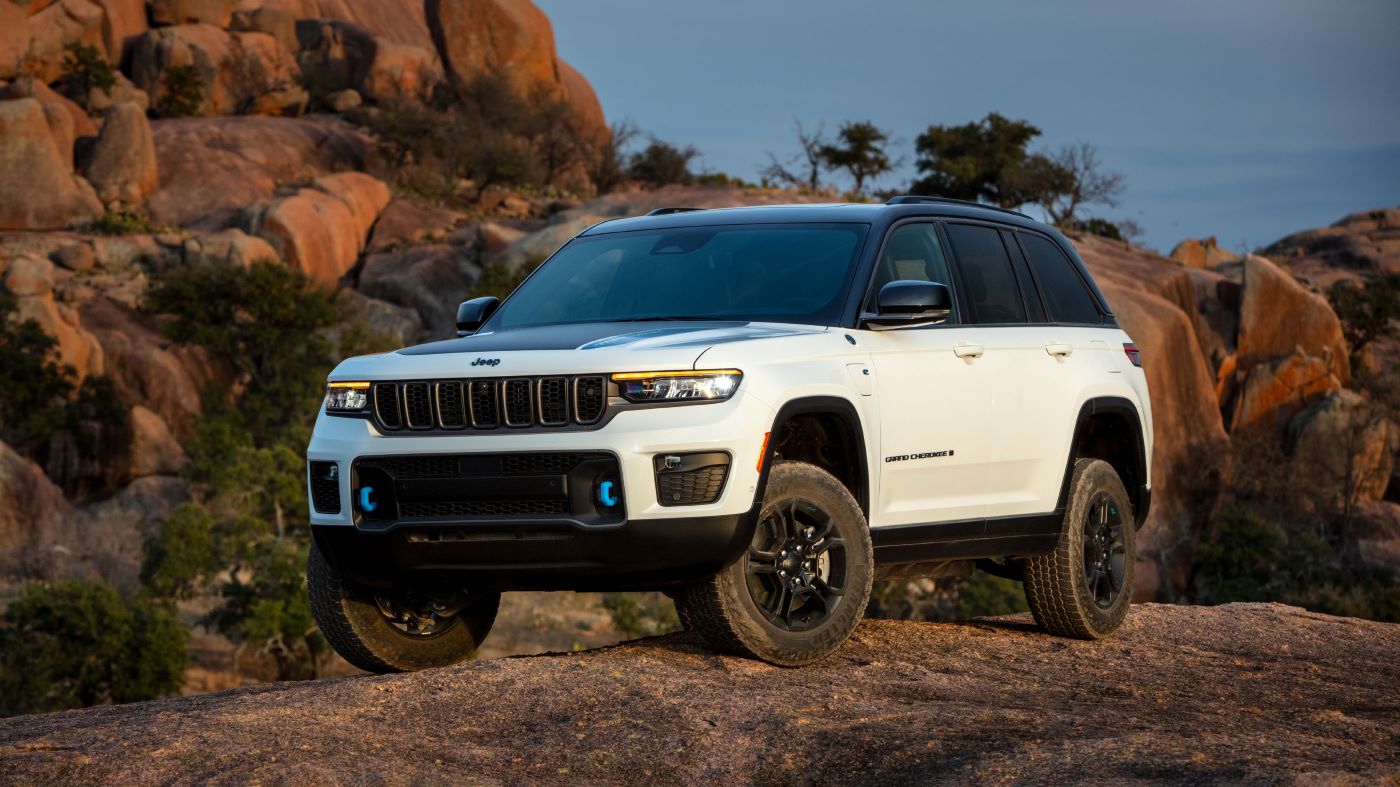
Jeep Grand Cherokee
The Jeep Grand Cherokee has long been a popular choice for those seeking off-road capability combined with a more premium feel, but unfortunately, its interior quality often leaves much to be desired. Many owners have reported that the materials inside feel cheap and flimsy, with plastics that scratch easily and fade quickly under sunlight.
Dashboards have been known to develop cracks after only a few years, especially in earlier models. The glossy plastic trims around the center console and infotainment system are particularly prone to peeling or chipping, creating an unsightly worn look that detracts from the vehicle’s otherwise rugged exterior appeal.
The seat upholstery also suffers from durability problems. Even leather seats in higher trims tend to show signs of wear much earlier than expected.
The leather often becomes stiff and starts cracking, especially along the edges and bolsters where there is the most contact. Stitching may unravel or come loose, causing further degradation.
Cloth seats are no better, frequently displaying pilling, fraying, or noticeable staining that is difficult to remove. Foam padding inside the seats loses its support quicker than average, resulting in uncomfortable sagging and a tired feel on longer drives.
Switchgear and controls in the Grand Cherokee are often reported as problematic as well. Buttons may become sticky or unresponsive, and knobs can develop looseness or rattle during use. The infotainment system, which relies heavily on touch controls and capacitive buttons, tends to malfunction or freeze over time.
This contributes to a frustrating user experience that undermines the vehicle’s otherwise sophisticated technological features. The dashboard layout itself can flex or creak under stress, producing annoying noises that many owners have cited as a source of ongoing irritation.
Another major complaint revolves around the interior’s build quality. Panels are prone to misalignment, resulting in uneven gaps between door trims and dashboard components. This can cause rattling noises, particularly when driving over rough roads.
Glove compartments and center consoles often feel flimsy and are known to break hinges or latches. The headliner material is also prone to sagging or separating from the roof after exposure to heat and moisture, which can make the cabin feel dated and neglected even if the exterior looks well-maintained.
Despite Jeep’s reputation for ruggedness, the Grand Cherokee’s interior longevity simply doesn’t match the promise of its off-road capabilities.
Many owners report needing frequent repairs or replacements for interior components, which diminishes the vehicle’s value and satisfaction. While some recent model years have improved in terms of materials, the legacy of poor interior durability has left a lasting mark on the Grand Cherokee’s reputation.
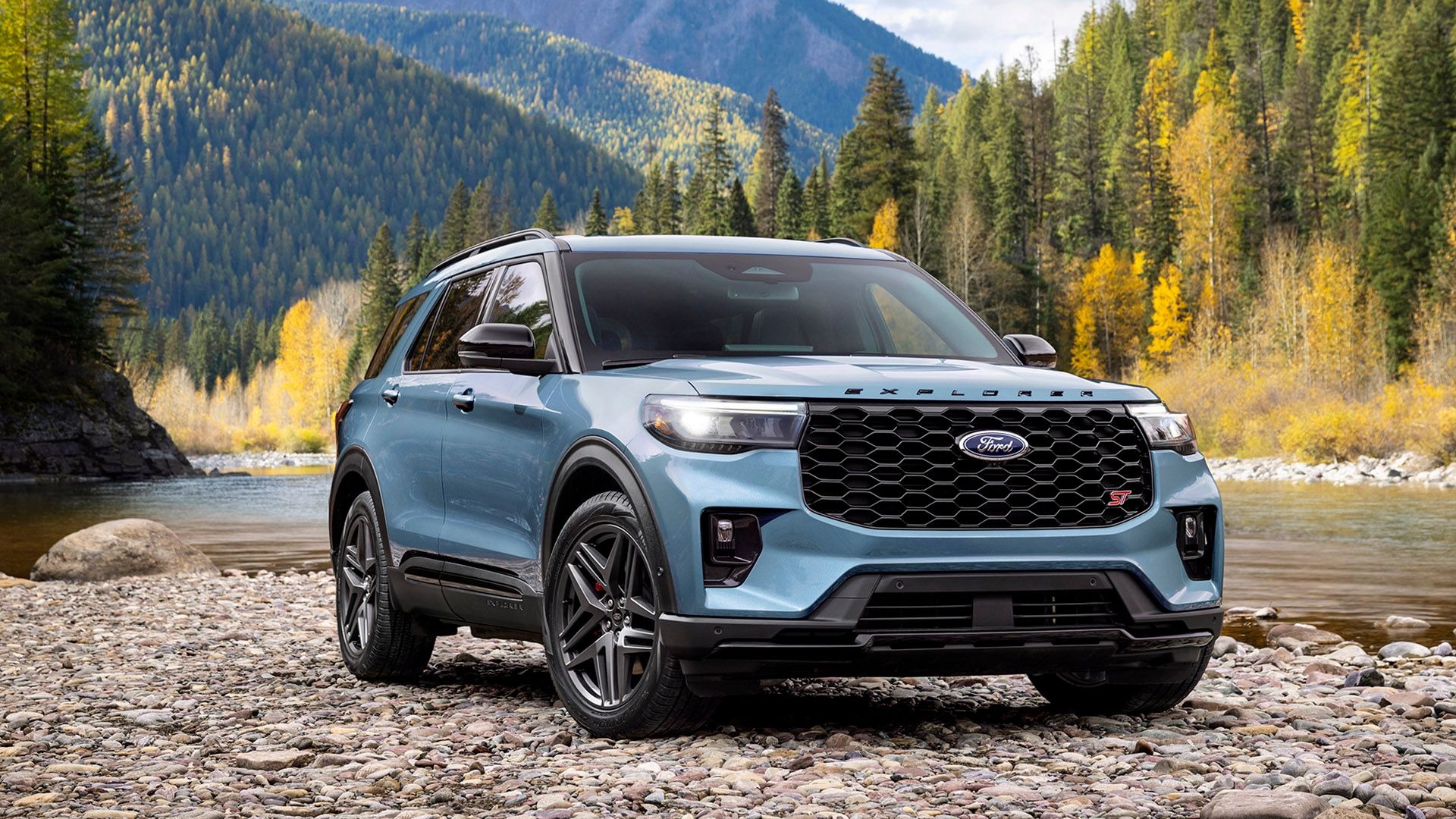
Ford Explorer
The Ford Explorer is a household name in the SUV segment, but its interior quality has often been criticized for failing to hold up over time. The materials selected for the cabin tend to feel budget-oriented and lacking in refinement.
Plastics on the dashboard and door panels are thin and prone to scratching or cracking, especially with prolonged exposure to sunlight.
Painted surfaces and glossy trim pieces often fade or peel off after just a few years. These cosmetic issues quickly make the cabin look worn and neglected, even if the vehicle hasn’t seen heavy use.
Seat durability is a frequent concern among Explorer owners. The cloth seats wear unevenly, developing thin spots and fabric tears along stress points such as bolsters and seat bottoms. Leather seats, offered on higher trims, are not immune either; many owners report premature cracking, peeling, and discoloration.
The foam cushioning beneath the upholstery tends to flatten faster than expected, leading to uncomfortable seats that no longer provide proper support during extended drives. In colder climates, the heating elements in seats are also known to fail prematurely, further adding to the frustration.
Ford’s attention to switchgear and control robustness has been inconsistent in the Explorer. While the vehicle features many modern buttons and touchscreens, the build quality of these components often falls short. Infotainment systems can suffer from lag, screen freezing, and touchscreen unresponsiveness.
Physical buttons and knobs may loosen, become sticky, or lose tactile feedback after repeated use. HVAC controls are particularly prone to issues, with some owners complaining that knobs loosen or detach entirely over time, making climate control inconvenient or impossible.
Build quality extends beyond materials to the assembly of interior components. Owners frequently report issues with door panels loosening, rattles from interior trim pieces, and glove boxes that feel fragile and break easily. The headliner is prone to sagging, and some models suffer from sunroof leaks that damage the surrounding trim and upholstery.
The cargo area flooring materials also show accelerated wear, with plastic liners cracking and carpet sections becoming threadbare. Collectively, these problems contribute to an impression that the Explorer’s interior was not designed with long-term ownership in mind.
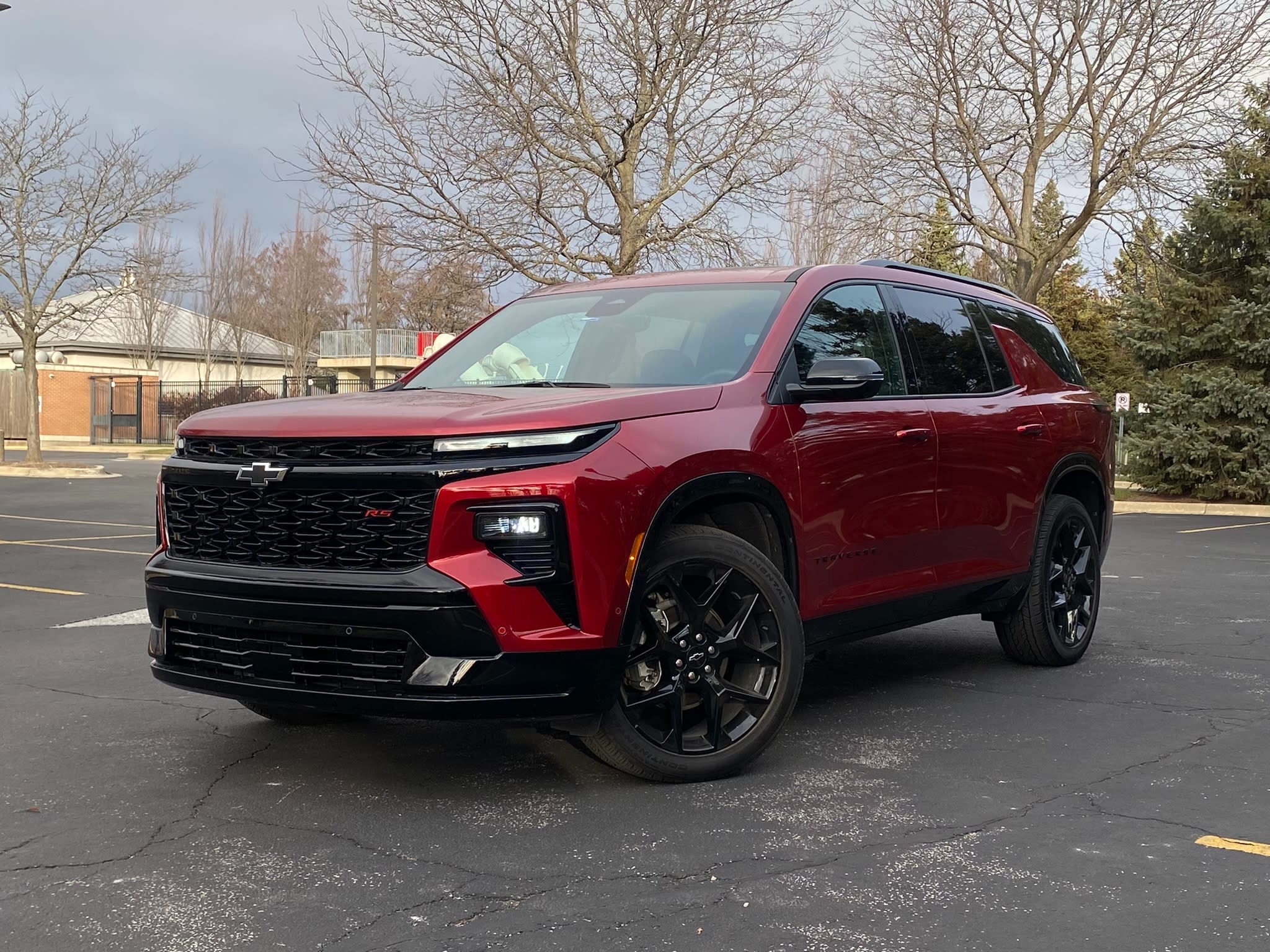
Chevrolet Traverse
The Chevrolet Traverse, while praised for its spaciousness and family-friendly features, suffers from interior quality issues that are hard to ignore. From the moment you step inside, the cabin feels less solid than competitors in its class.
Hard plastics dominate the dashboard and door panels, and these surfaces are prone to scuffing, scratching, and fading. The glossy black trim around the infotainment system and control panels is particularly vulnerable to fingerprints, scratches, and peeling, which makes the interior look worn down prematurely.
Seats in the Traverse also disappoint in terms of durability. Cloth upholstery wears thin and frays along edges after just a few years, and leather options show signs of cracking and stiffness much sooner than expected.
Foam padding tends to compress unevenly, causing sagging and discomfort during longer trips. Seat stitching can unravel or separate, especially in high-traffic areas such as driver and front passenger seats. Additionally, owners report that seat heaters and power adjustments sometimes malfunction, adding to the vehicle’s reliability concerns.
Chevrolet’s infotainment and control layout in the Traverse struggles with durability. Touchscreens may lose responsiveness or freeze intermittently, and the physical buttons often feel cheap and prone to sticking or failing altogether. The climate control knobs are known to become loose and may even detach with frequent use.
Additionally, the infotainment interface can be slow and frustrating, which detracts from the driving experience and causes owners to seek aftermarket replacements or repairs.
Panel fit and finish also present problems. Gaps between dashboard sections and door trims can widen over time, resulting in rattles and increased noise intrusion. Glove boxes and center consoles have a tendency to feel flimsy and are often reported to break or malfunction.
Headliners sag prematurely, and some Traverse models have issues with water leaks through door seals or sunroofs, which damages interior trim and upholstery. The cargo area floor and rear seats often show excessive wear, with plastics cracking and fabric wearing thin in these high-use zones.
While the Traverse offers a roomy and practical interior, its long-term durability leaves much to be desired. Many owners face recurring issues with materials and components that fail faster than expected, which affects satisfaction and resale value. Buyers looking for an SUV with a tough, long-lasting interior might find the Traverse falling short.
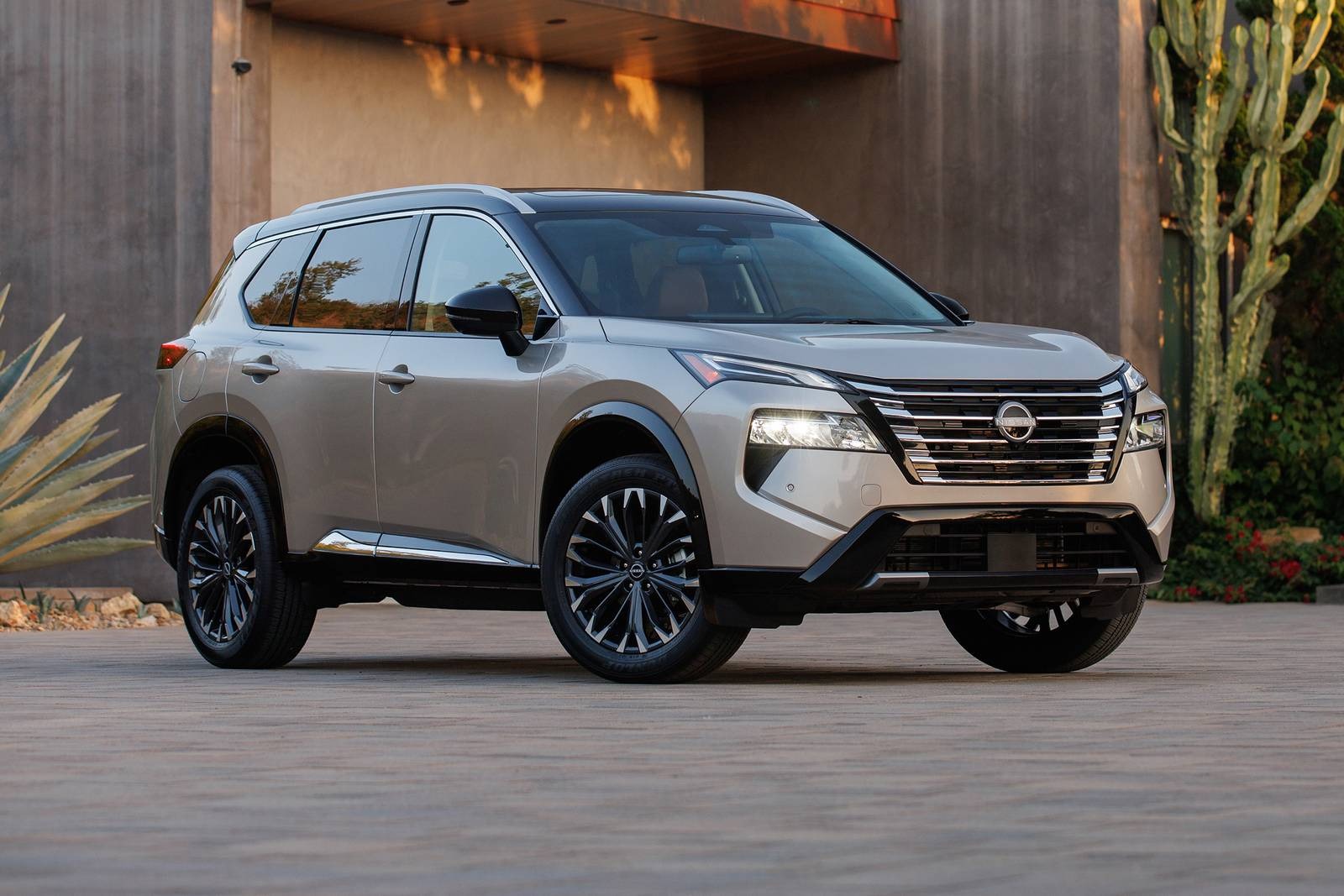
Nissan Rogue
The Nissan Rogue is a top-selling compact SUV, but unfortunately, its interior doesn’t hold up well over time. Materials feel cheap, especially on lower trims, where hard plastics cover most surfaces and show signs of wear quickly.
The dashboard is prone to warping and cracking, particularly after exposure to heat and sunlight. Faux metallic accents often peel or discolor, giving the cabin a tired and worn-out look even in relatively new vehicles.
Seat materials in the Rogue are another weak point. Cloth upholstery wears thin rapidly, and leather options tend to crack or peel within a few years.
The foam padding inside seats loses resilience, resulting in sagging and uncomfortable cushions. Stitching is often inconsistent and can unravel, especially around seat bolsters and seams. Many owners report the driver’s seat becoming particularly uncomfortable after moderate use, which is a significant issue for daily drivers.
The Rogue’s control interfaces also suffer from build quality problems. Buttons and knobs feel lightweight and cheap, with many owners experiencing looseness or failure over time.
Touchscreen infotainment systems are known for occasional glitches, screen freezing, and slow response. Climate control knobs often become stiff or difficult to turn, and some owners report that controls stop functioning altogether, requiring costly repairs.
Fit and finish issues are common. Panel gaps can grow, leading to annoying rattles and vibrations while driving. Door panels sometimes separate or loosen, causing a decrease in perceived quality and increased cabin noise. The headliner often sags or pulls away from the roof lining prematurely.
Additionally, cargo floor materials and rear seat upholstery show accelerated wear, with plastic trims cracking and fabric becoming threadbare. These factors contribute to a cabin environment that feels less solid and more fragile than competitors.
The Nissan Rogue’s interior durability struggles undermine its otherwise appealing design and practicality. For drivers seeking a compact SUV that retains its quality over years of ownership, the Rogue may prove disappointing due to its tendency to deteriorate faster than rivals in the segment.
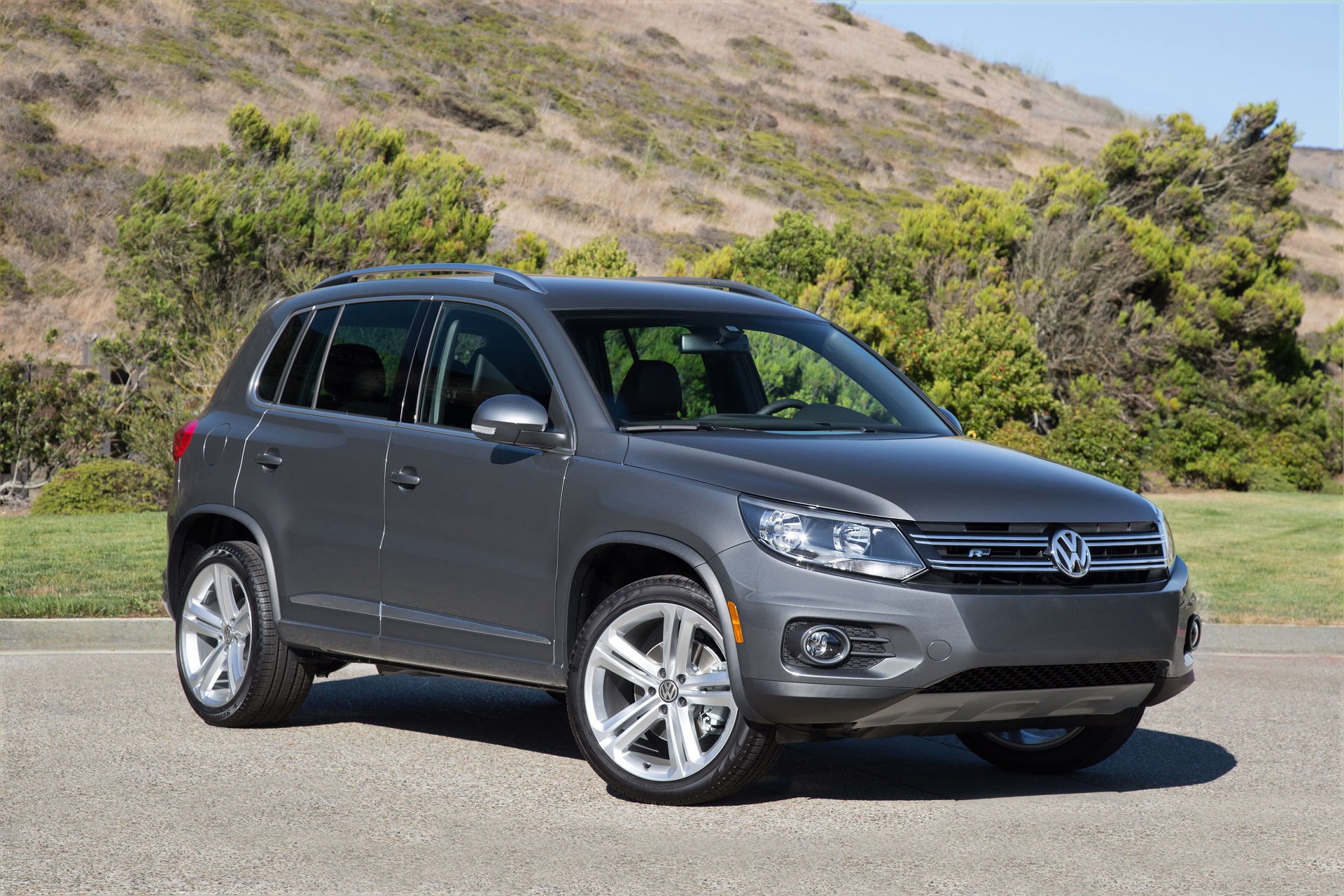
Volkswagen Tiguan
The Volkswagen Tiguan is known for European styling and driving dynamics, but its interior durability leaves much to be desired in several model years. Materials often feel thin and fragile, especially on base trims where hard plastics dominate.
Even in higher trims, some soft-touch surfaces start to wear or peel after only a few years of use. Glossy black and piano black trim pieces are magnets for scratches and fingerprints, and they are prone to chipping or discoloration with normal wear.
Seat upholstery in the Tiguan is another area of concern. Cloth seats show signs of wear and staining early, while leather seats are reported to develop cracking and stiffness within a short period.
The foam padding inside seats tends to break down faster than average, causing sagging and a decrease in comfort. Stitching may come loose on high-contact areas, reducing both the appearance and structural integrity of the seats.
Control buttons and infotainment components are often criticized for their fragile feel and susceptibility to failure. Physical buttons can become sticky or unresponsive, and touchscreens sometimes suffer from freezes or glitches.
Climate control dials are known to loosen or malfunction, requiring frequent repairs or replacements. This creates a frustrating ownership experience, especially for those who expected German build quality and precision.
Fit and finish issues are also prevalent. Panel gaps between dashboard and door trims widen over time, causing rattles and increased road noise. Door panels may loosen or detach, while glove compartments and center consoles often feel flimsy and prone to breakage.
The headliner is another weak spot, with many owners reporting sagging or water damage due to sunroof leaks. The cargo area materials show accelerated wear, with plastic trims cracking and fabric becoming worn.
While the Tiguan delivers a stylish and engaging driving experience, its interior durability issues detract from its appeal. Buyers looking for an SUV with a cabin that stands the test of time may find the Tiguan disappointing, especially when compared to rivals with more resilient materials and better build quality.
