
A blown head gasket is one of the most dreaded and costly engine problems a car owner can face. It often leads to significant engine damage, overheating, loss of power, and can quickly escalate repair bills.
The head gasket itself is a critical seal between the engine block and cylinder head, tasked with containing combustion pressure and keeping coolant and oil separate.
When it fails, it can cause coolant to leak into combustion chambers or oil passages, resulting in engine overheating and mechanical failure. However, not all cars are equally prone to this issue.
Some models have earned a reputation for durable, reliable engines that rarely suffer from head gasket failures, while others seem to struggle with this problem consistently.
This disparity usually stems from factors like engine design, manufacturing quality, cooling system effectiveness, and maintenance practices.
Understanding which cars tend to have fewer head gasket issues can help buyers make informed choices, especially when considering used cars or long-term ownership.
On the flip side, knowing which models frequently encounter head gasket troubles can guide owners in taking preventive maintenance seriously or deciding whether to avoid certain vehicles altogether.
In this article, we will look at five cars known for their strong, dependable engines with minimal head gasket failures. Then, we will compare them to five cars infamous for regularly blowing head gaskets, examining the reasons behind these reputations.
This knowledge will not only help you better appreciate engine reliability but also offer insights into how design, materials, and maintenance impact one of the engine’s most vulnerable components.
Also Read: 5 Cars With Quiet Cabins for Life vs 5 That Get Loud Early
5 Cars That Rarely Blow Head Gaskets
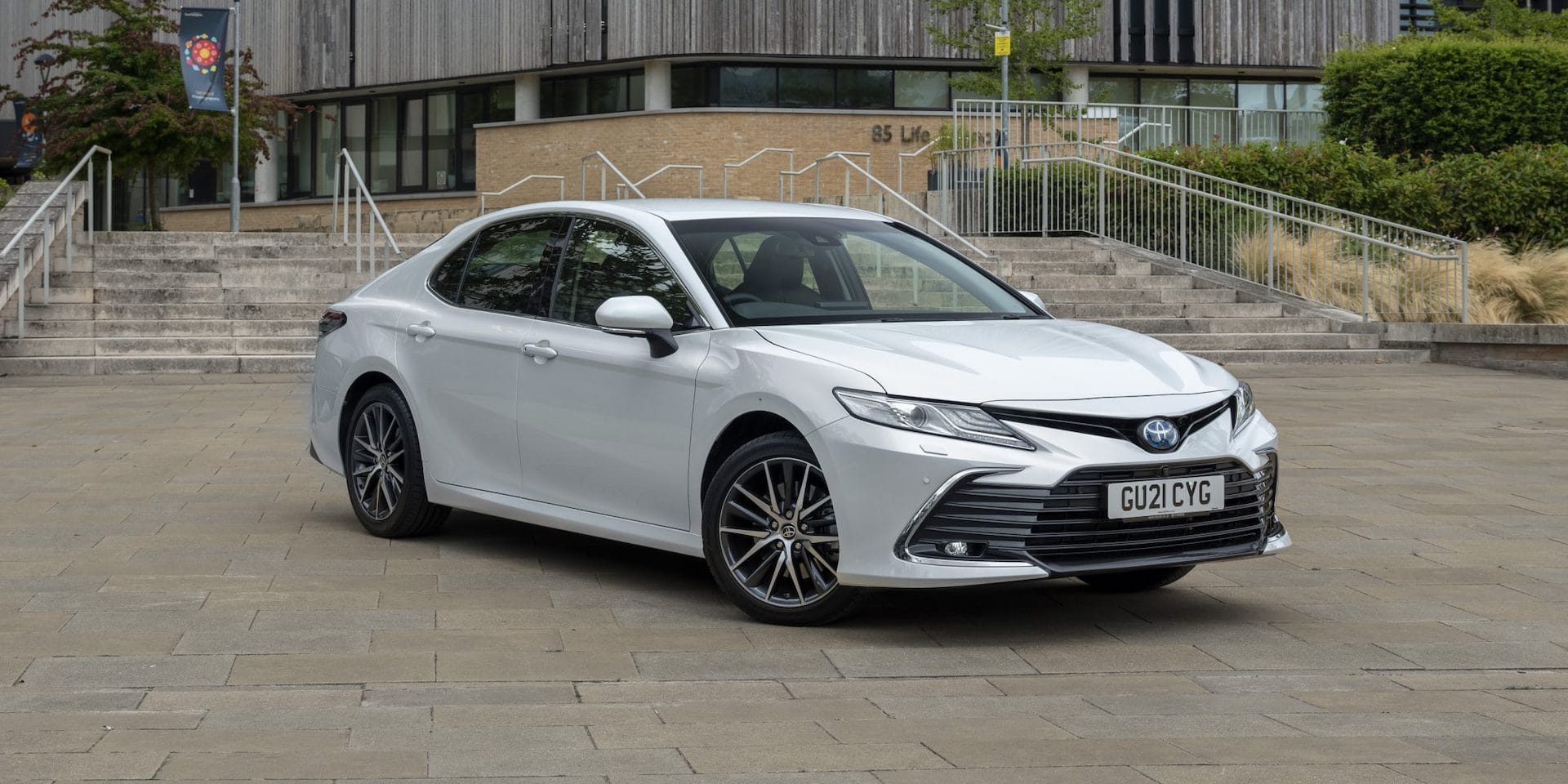
1. Toyota Camry (Various Generations)
The Toyota Camry is widely recognized as one of the most reliable midsize sedans ever produced, and this reputation extends strongly to its engine durability, particularly with regard to head gasket longevity.
Across multiple generations, the Camry has been equipped primarily with robust inline-4 and V6 engines designed with high-quality materials and proven engineering practices.
The head gaskets in these engines benefit from a combination of strong composite materials and careful thermal management, allowing them to withstand the stresses of daily driving without significant issues.
Toyota’s approach to engine design includes precision manufacturing tolerances and the use of durable multi-layer steel (MLS) head gaskets in more recent models, which offer superior sealing compared to older composite types.
Additionally, the cooling systems in Camrys are engineered to maintain consistent engine temperatures, reducing thermal cycling and preventing hotspots that typically cause gasket failure. This means the engine can operate in a stable environment, greatly extending the lifespan of the head gasket and associated components.
Regular maintenance is also more straightforward in the Camry, which encourages owners to keep up with oil changes, coolant flushes, and thermostat replacements as recommended.
These practices help avoid overheating and coolant leaks, common triggers for gasket damage in other vehicles. Because of this, the Camry’s engines often exceed 200,000 miles without any head gasket problems, making it a top choice for those seeking long-term reliability.
The Camry’s consistent performance and low incidence of gasket failures have helped Toyota build a strong brand loyalty. This legacy of durability also contributes to higher resale values and lower ownership costs over time.
Even under rigorous driving conditions, owners rarely report head gasket issues, underscoring the effectiveness of Toyota’s engineering philosophy that prioritizes longevity and reliability above all else.
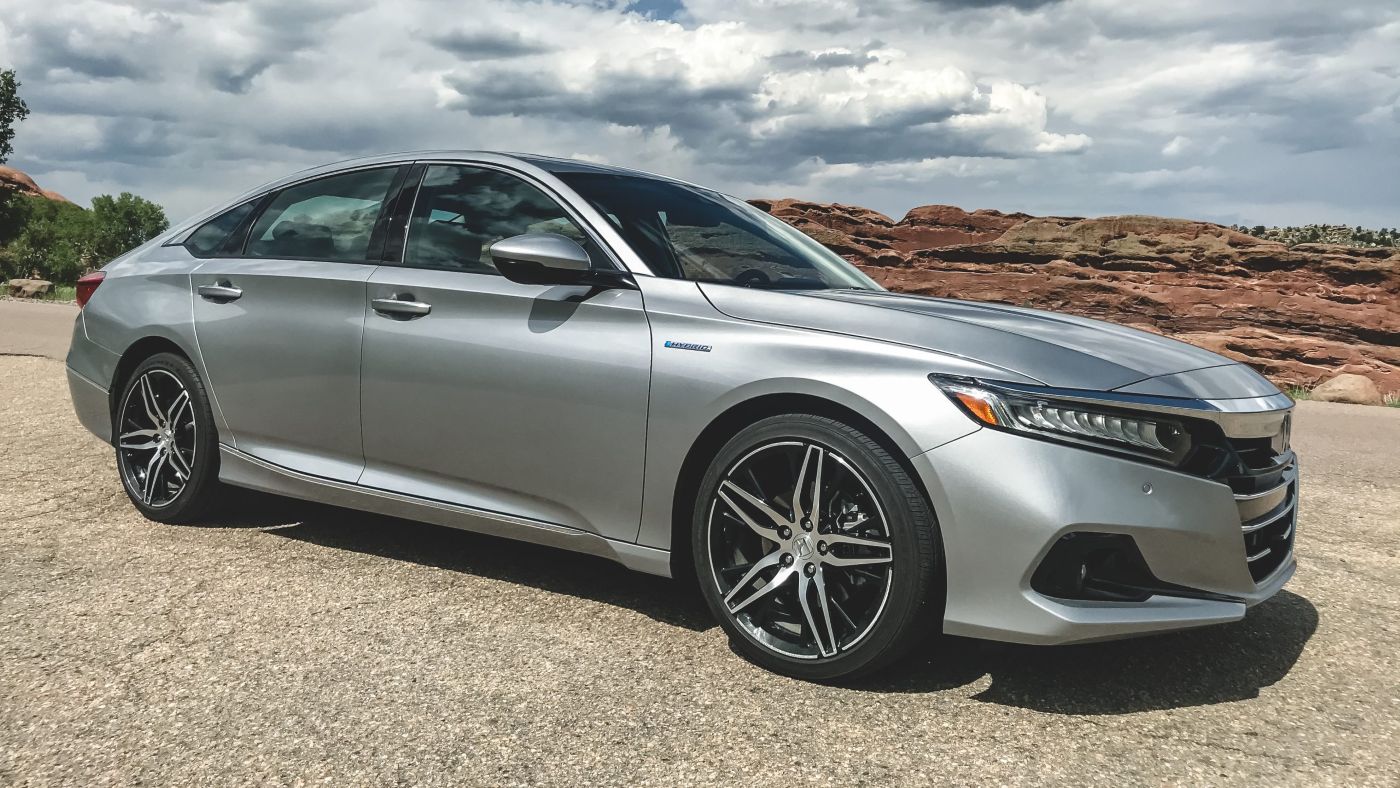
2. Honda Accord (2000s and Later Models)
The Honda Accord, especially models produced in the 2000s and beyond, is well known for its exceptional reliability and trouble-free engine performance, which includes very rare occurrences of head gasket failures. Honda’s commitment to engineering excellence is evident in the materials and design of its engines.
The Accord typically features aluminum cylinder heads paired with iron or aluminum blocks, sealed with high-quality multi-layer steel gaskets that provide excellent sealing properties under various operating conditions.
One of the reasons the Accord’s head gaskets rarely fail is the engine’s effective cooling system. Honda engineers designed the cooling circuits to minimize thermal stresses by ensuring uniform heat distribution and preventing localized overheating.
Thermostats, radiators, and water pumps are generally built to high standards, which helps maintain steady operating temperatures and reduce the likelihood of warping cylinder heads, one of the leading causes of gasket failure.
Routine maintenance is another strong point that contributes to the Accord’s longevity. The owner’s manual clearly outlines schedules for coolant replacement and engine inspections, which help detect any potential problems early on.
Many Honda owners are also proactive with their vehicle upkeep, following these schedules carefully, which results in engines running smoothly for well over 150,000 miles without head gasket concerns.
Furthermore, Honda’s design philosophy includes building engines that are forgiving to minor lapses in maintenance, as well as using components that age gracefully over time. This combination makes the Accord’s engines especially resistant to the types of wear and tear that cause head gasket problems in other cars.
For these reasons, the Honda Accord remains a reliable choice for drivers who want peace of mind and minimal mechanical headaches related to engine sealing.

3. Subaru Outback and Legacy (Post-2009 EJ25 Engines)
Subaru’s boxer engines historically had a mixed reputation when it came to head gasket durability, especially with pre-2009 EJ25 models.
However, starting around 2009, Subaru made significant improvements to both materials and engineering, drastically reducing the frequency of head gasket failures in vehicles like the Outback and Legacy. These changes included switching to improved multi-layer steel gaskets and refining the cylinder head design to reduce warping and leakage.
The post-2009 Subaru boxer engines incorporate better cooling system components that distribute coolant more efficiently, preventing hotspots that can compromise gasket integrity.
Additionally, Subaru introduced updated head bolts and sealing techniques that help maintain consistent clamping force across the cylinder head, reducing the risk of gasket compression loss over time. These engineering enhancements address many of the root causes of earlier gasket failures and have contributed to much better long-term reliability.
Owners of newer Outbacks and Legacies rarely experience the classic symptoms of blown head gaskets, such as coolant leaks or overheating, assuming regular maintenance is performed. Subaru’s community and dealerships frequently report that these engines can comfortably exceed 150,000 miles without major gasket-related repairs.
The improved durability makes the post-2009 models particularly appealing to buyers who want the benefits of a boxer engine without the reliability concerns of earlier generations.
While Subaru still advises routine coolant flushes and careful monitoring of engine temperature, the risk of catastrophic head gasket failure has diminished significantly. This evolution in Subaru’s engineering has restored confidence in their boxer engines and helped maintain the brand’s reputation for producing capable, long-lasting all-wheel-drive vehicles.
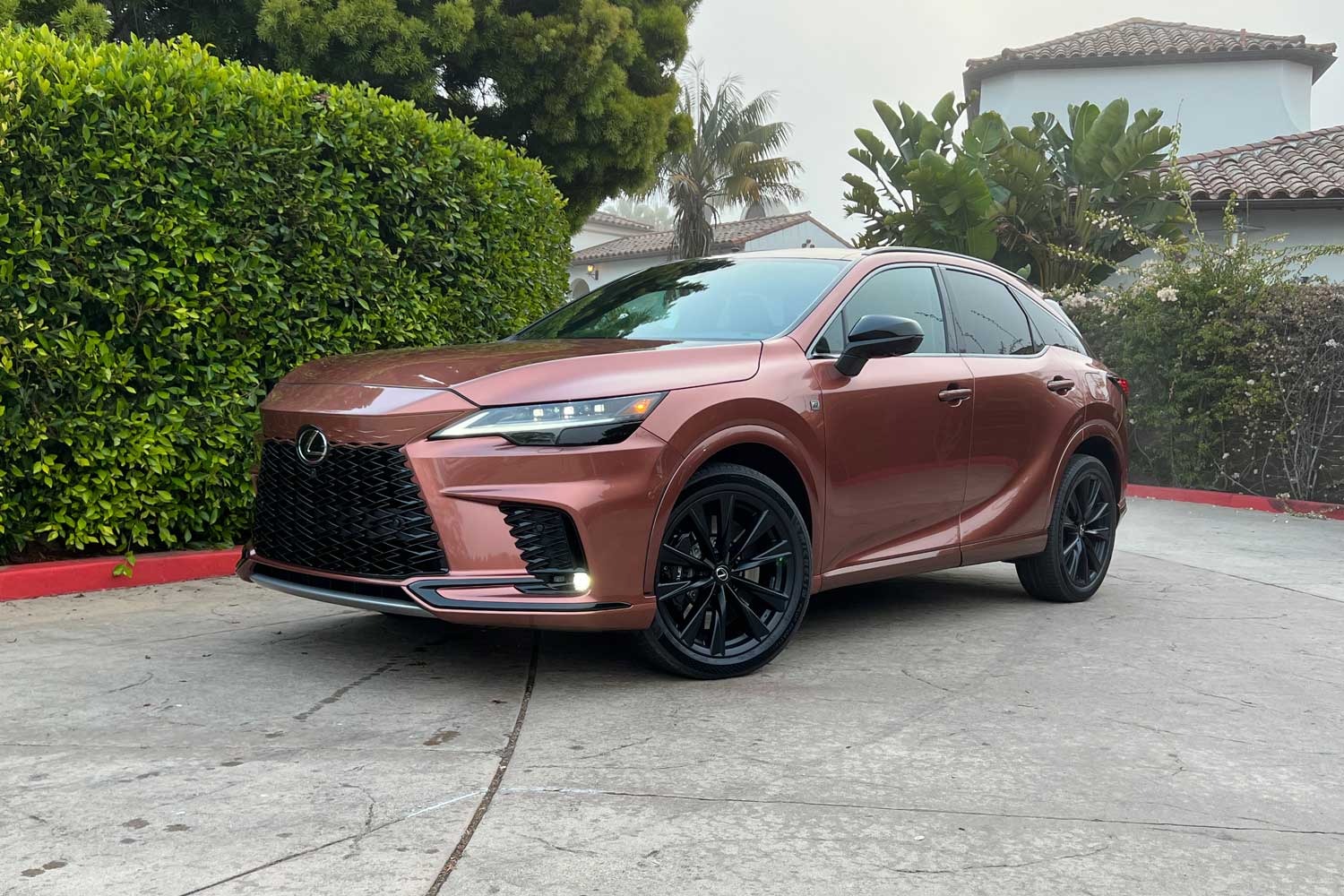
4. Lexus RX Series (RX 300 and RX 350)
The Lexus RX series, particularly the RX 300 and RX 350 models, has long been celebrated for its reliability and smooth, trouble-free engine operation.
Lexus, Toyota’s luxury division, often uses the same dependable engines found in Toyota vehicles but with additional refinements in materials and build quality. The result is an engine that is not only powerful and quiet but also highly resistant to common issues like head gasket failure.
Lexus engines feature robust cylinder head designs with multi-layer steel head gaskets that provide excellent sealing even under high thermal and mechanical loads.
The RX series also benefits from advanced cooling systems designed to regulate temperature precisely and prevent the kinds of thermal stresses that can lead to gasket deterioration. These engines also use precision head bolts with controlled torque specifications that maintain gasket clamping pressure over the vehicle’s lifespan.
Routine servicing of the RX series is straightforward, and Lexus’ recommended maintenance intervals emphasize regular coolant replacement and engine inspections.
This proactive approach, combined with the inherent durability of the engine components, ensures that head gasket failures are extremely rare in these vehicles.
It is not uncommon for Lexus RX models to reach well beyond 200,000 miles without any major engine repairs, further establishing their reputation as some of the most reliable luxury SUVs on the market.
Owners frequently praise the RX series for its longevity and trouble-free ownership experience, which includes minimal concerns about overheating or gasket leaks.
This reliability extends the vehicle’s value and reduces the total cost of ownership, making the Lexus RX a top choice for drivers seeking a luxury vehicle without the maintenance headaches often associated with high-end cars.
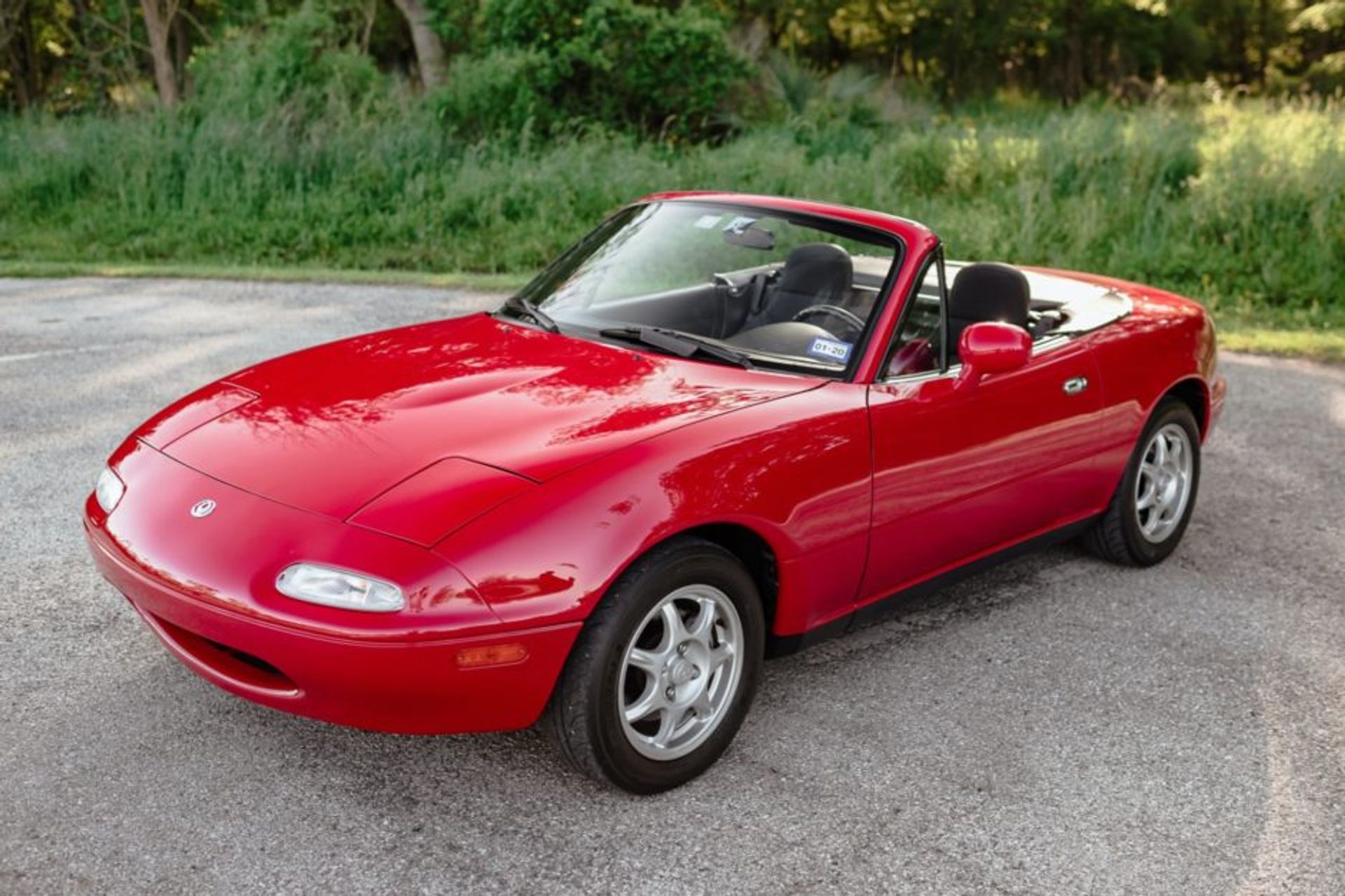
5. Mazda MX-5 Miata (NA and NB Generations)
The Mazda MX-5 Miata, especially the early NA and NB generations, is not only beloved for its lightweight handling and fun-to-drive nature but also for its mechanical reliability, including a strong track record of head gasket durability.
The Miata’s engines are typically small-displacement inline-4 units that use solid engineering principles, including reliable head gasket materials and well-designed cooling systems that keep operating temperatures stable.
Mazda employed multi-layer steel gaskets in later models, improving sealing effectiveness and reducing the risk of gasket failure even under spirited driving conditions. The Miata’s cooling system is straightforward but effective, consisting of well-sized radiators, thermostats, and water pumps that manage engine temperature efficiently. This balanced thermal control minimizes the risk of warping cylinder heads or overheating, both common precursors to head gasket issues.
Furthermore, Miata owners are often enthusiasts who maintain their vehicles meticulously, following routine maintenance schedules that include regular coolant changes and inspections.
This careful maintenance helps keep the engine in optimal condition and extends the lifespan of the head gasket and related components. Even under track-day conditions or aggressive driving, the Miata’s engine design has proven resilient against common sealing failures.
The Miata’s reputation for mechanical robustness adds to its appeal as a reliable sports car with minimal long-term repair concerns.
Many examples have logged well over 150,000 miles without head gasket problems, proving that a combination of good engineering, solid materials, and attentive care can produce engines that are both fun and dependable.
5 Cars That Constantly Do Blow Head Gaskets
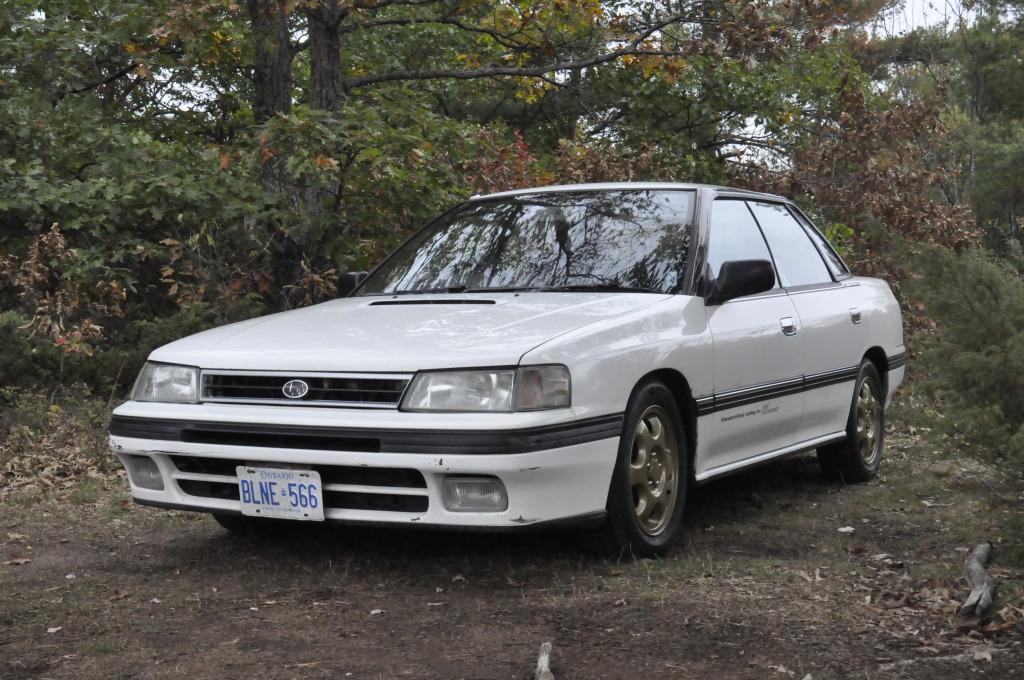
1. Subaru EJ25 Engines (Pre-2009 Models)
The Subaru EJ25 engine, particularly in models produced before 2009, is notorious for frequent head gasket failures. These engines powered popular Subaru vehicles such as the Impreza, Forester, and Legacy during that period.
The problems largely stem from the design of the original composite head gaskets, which were not robust enough to withstand the continuous thermal and mechanical stresses of the boxer engine layout.
This engine design inherently places uneven pressure on the gasket due to the horizontally opposed pistons, which can exacerbate wear and eventually cause leaks.
Owners of these early EJ25-equipped cars often faced premature head gasket failures, typically occurring between 80,000 and 100,000 miles. Symptoms included persistent coolant loss, engine overheating, white exhaust smoke, and in severe cases, milky oil caused by coolant mixing with the engine oil.
The aluminum cylinder heads on these engines were also prone to warping over time, further increasing the likelihood of a compromised seal. Despite Subaru’s attempts to address these issues through warranty extensions and recalls, the damage to their reputation was significant, and many owners remained wary.
Another factor contributing to these failures was the engine’s cooling system design. Some components, like the thermostat and coolant passages, were prone to clogging or inefficient flow, which heightened engine temperatures and stressed the gasket further.
This made the problem more common in hotter climates or with less rigorous maintenance schedules. While later Subaru models improved gasket materials and cooling designs, early EJ25 engines remain a classic example of how material choice and design can heavily impact reliability, leading to one of the most common head gasket problem cases in automotive history.
Lastly, these problems have made buying used Subaru vehicles with early EJ25 engines a riskier proposition. Prospective buyers should be aware of the potential need for costly head gasket repairs and consider thorough pre-purchase inspections.
However, with attentive maintenance and prompt repairs, some owners have managed to prolong engine life significantly, though the reputation for frequent gasket issues still lingers strongly around these pre-2009 EJ25 engines.
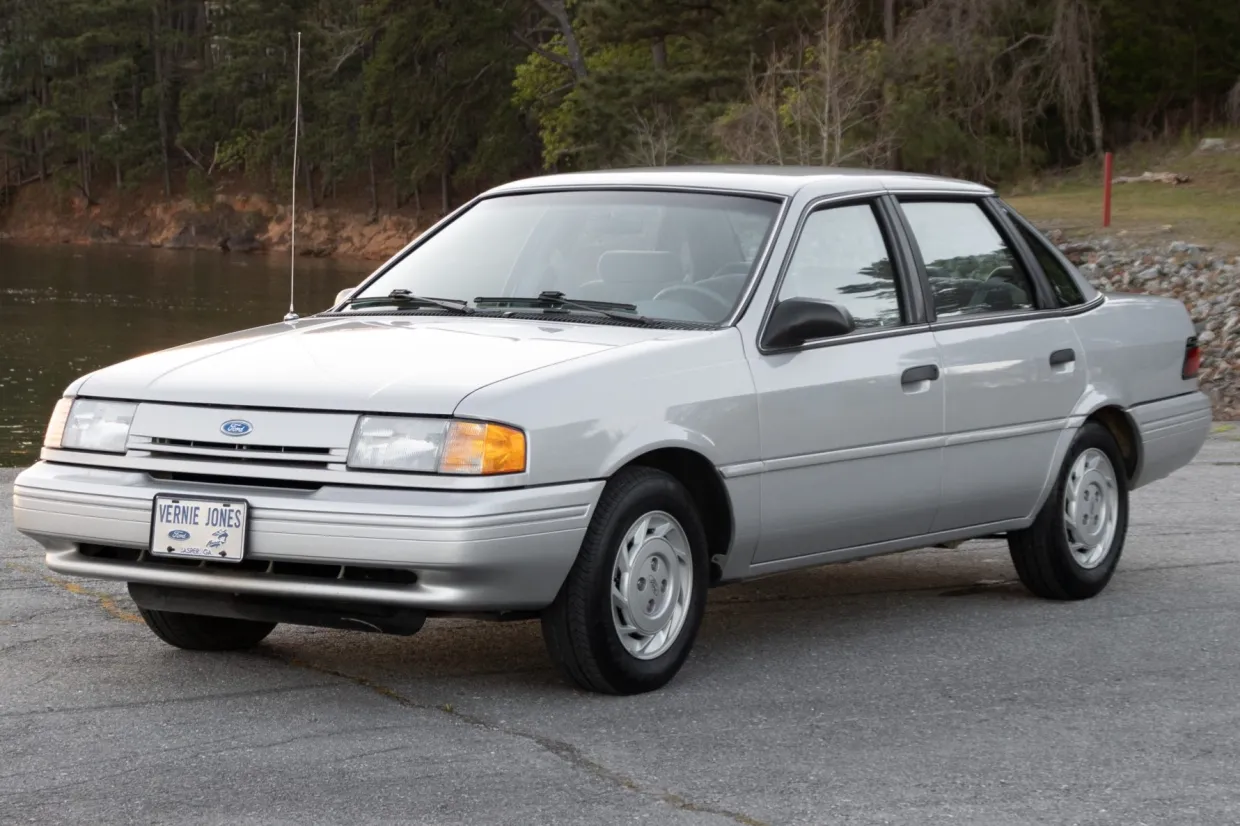
2. Ford 2.0L and 2.3L 4-Cylinder Engines (1990s and Early 2000s)
Certain Ford 4-cylinder engines, specifically the 2.0L and 2.3L variants found in vehicles like the Ford Tempo, Mercury Topaz, and early Ford Focus models, developed a frustrating history of head gasket failures.
These engines were designed with an iron block and aluminum head, a combination that creates different thermal expansion rates between the two metals.
This difference placed stress on the head gasket during normal engine heating and cooling cycles, eventually leading to seal failure. The original composite gaskets Ford used in many of these engines were not sufficiently durable for the stresses involved.
The head gasket failures in these Ford engines usually manifested between 80,000 and 120,000 miles, often presenting with symptoms such as coolant leaks, overheating, and poor engine performance.
Owners frequently had to deal with repairs that included removing the cylinder head to replace the gasket, a labor-intensive and expensive job.
The cooling system design in some of these vehicles also contributed to the problem. Radiators and water pumps were sometimes undersized or prone to wear, causing insufficient coolant flow and higher engine temperatures, which accelerated gasket degradation.
The design challenges were compounded by manufacturing tolerances and the quality of gasket materials, which lacked the advanced sealing technology seen in more modern engines. This resulted in a persistent issue for many Ford 4-cylinder owners during that era.
Despite Ford’s issuance of technical service bulletins and improved gasket designs later in production, many early models remain vulnerable to head gasket problems. This created a significant perception of unreliability for these engines, especially among used car buyers who often encountered recurring repairs.
These 2.0L and 2.3L Ford engines serve as a cautionary example of how the interaction between engine design choices and component quality can have lasting negative effects on reliability.
Owners of these vehicles should prioritize cooling system maintenance, including regular coolant changes and monitoring of engine temperature, to help delay or prevent catastrophic head gasket failure.
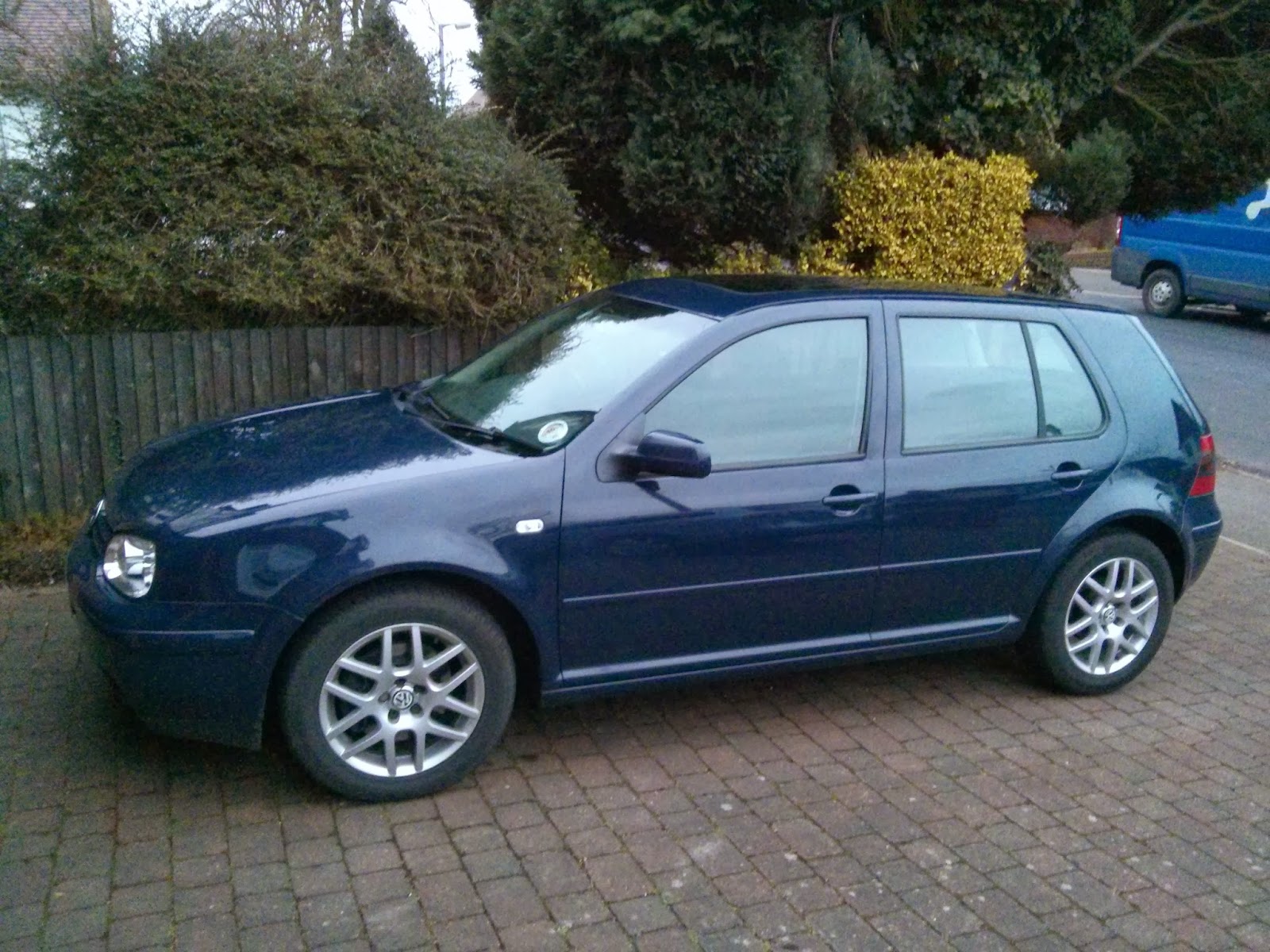
3. Volkswagen 2.0L Turbo (MK4 and Early MK5 Generations)
Volkswagen’s 2.0L turbocharged inline-four engines from the MK4 and early MK5 generations, commonly found in the Golf, Jetta, and Passat models produced from the late 1990s to mid-2000s, have earned a well-known reputation for head gasket troubles.
These engines were engineered for higher performance, running at elevated boost pressures and combustion temperatures, which place considerable stress on the head gasket. While turbocharging adds power and responsiveness, it also increases thermal cycling and pressure differentials that challenge the gasket’s ability to maintain a perfect seal.
The head gasket failure symptoms in these VW 2.0T engines typically appeared between 80,000 and 100,000 miles and included coolant leaks, overheating, white smoke from the exhaust, and rough running.
These engines used aluminum cylinder heads mated to iron blocks, which expanded at different rates during temperature changes, stressing the gasket. Early gasket materials were not always capable of handling the higher thermal loads generated by the turbocharged setup, leading to premature failure.
Moreover, the cooling system components, such as water pumps and thermostats, were sometimes prone to wear or clogging, reducing coolant flow and increasing engine temperatures.
Many owners also reported that failure of the head gasket often coincided with other issues like intake manifold gasket leaks, compounding repair costs. Volkswagen did make improvements to gasket design and engine management in later models, but the early 2.0T engines carry a lasting reputation for these problems.
Owners of these vehicles should be especially vigilant about maintaining the cooling system and regularly inspecting for early signs of gasket failure.
Preventive measures, such as coolant flushes and timely repairs, can help extend the engine’s lifespan, but the factory design limitations mean these engines will always be more prone to gasket issues compared to naturally aspirated engines with simpler configurations.
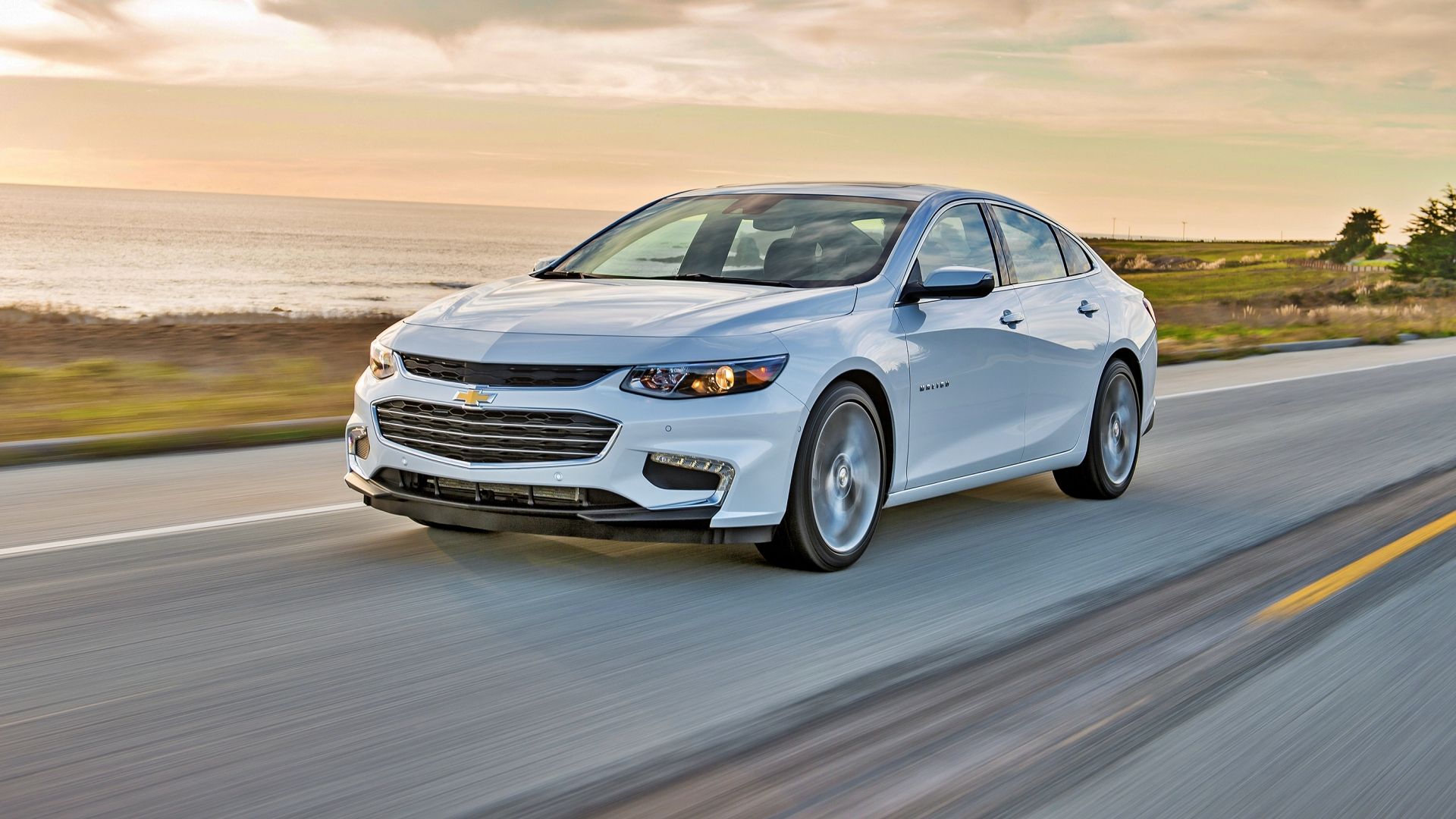
4. Chevrolet 3.1L and 3.4L V6 Engines (Late 1990s to Early 2000s)
The Chevrolet 3.1L and 3.4L V6 engines, which powered many GM vehicles like the Chevrolet Malibu, Pontiac Grand Am, and Oldsmobile Alero in the late 1990s and early 2000s, are well-documented for head gasket failures.
These engines, part of GM’s 60-degree V6 family, used composite head gaskets that were often unable to maintain a proper seal over time. The repeated heat cycles and differences in metal expansion between the aluminum heads and iron blocks created stress points that caused gasket material to deteriorate.
Owners commonly experienced head gasket failure between 90,000 and 130,000 miles, with the first signs usually being coolant leaks, engine overheating, and a drop in engine performance.
The head gasket’s failure often led to coolant mixing with oil or leaking externally, both of which can cause significant engine damage if not addressed quickly. The cooling system, while adequate in many respects, sometimes had weak points such as water pump failures or clogged coolant passages, which exacerbated the problem.
GM attempted to address these issues with revised gaskets and improved cooling system components in later models, but the legacy of early gasket failures remains. The repair process is often labor-intensive and costly, requiring head removal and resurfacing in some cases.
Despite these problems, many owners have managed to keep these engines running with diligent maintenance and prompt repairs, though the engines are still widely regarded as less reliable in terms of head gasket longevity compared to some competitors.
This example highlights how material choices and cooling system efficiency are critical factors in preventing gasket failure. The 3.1L and 3.4L engines serve as a reminder that even widely produced, popular engines can suffer from chronic reliability issues if critical components like the head gasket and cooling system are not up to par.

5. Mini Cooper (Early Models with the 1.6L Tritec Engine)
Early Mini Cooper models equipped with the 1.6L Tritec engine, produced in the early 2000s, have developed a reputation for frequent head gasket failures.
The Tritec engine was a joint development between BMW and Chrysler and was used in the first-generation Mini Cooper and some Chrysler vehicles. While the engine was praised for its sporty characteristics and responsiveness, it suffered from certain reliability issues, with the head gasket being a major weak point.
Many Mini Cooper owners reported head gasket failure symptoms between 60,000 and 100,000 miles. These symptoms included coolant leaks, engine overheating, white exhaust smoke, and sometimes engine misfires.
The compact and tight packaging of the engine, combined with its high-revving nature, meant that the gasket was exposed to substantial thermal and mechanical stresses. The materials used in the early gaskets were not always up to the task of handling these stresses over extended periods.
The cooling system design in these Minis was also less than ideal, with smaller radiators and water pumps that sometimes struggled to maintain optimal engine temperature.
This created localized hot spots in the cylinder head area, accelerating gasket degradation. Although Mini and BMW improved gasket materials and cooling systems in later models, the early Tritec-equipped Minis remain prone to these failures.
The result is that early Mini Cooper owners often faced expensive head gasket repairs, sometimes requiring engine disassembly and gasket replacement.
For potential buyers, this means a need for careful inspection and awareness of this common problem. For current owners, regular coolant maintenance and monitoring engine temperature are critical to minimizing the risk of head gasket failure.
Also Read: 10 Cars That Still Sell Above MSRP in 2025
When it comes to head gasket reliability, the differences between vehicles can be stark, often shaped by engineering choices, materials, and maintenance practices.
Cars that rarely blow head gaskets, such as the Toyota Camry, Honda Accord, Subaru’s post-2009 boxer engines, Lexus RX series, and Mazda MX-5 Miata, exemplify thoughtful design combined with durable components and effective cooling systems.
These vehicles benefit from high-quality head gasket materials like multi-layer steel, precise manufacturing tolerances, and well-managed engine temperatures.
Collectively, these factors work to reduce thermal stress and prevent the warping or degradation that typically leads to gasket failure. In addition, clear maintenance guidelines and the availability of reliable replacement parts further contribute to the long lifespan of their engines’ seals.
On the other hand, certain cars are known for a chronic tendency toward head gasket issues. The Subaru EJ25 engines before 2009, early Ford 2.0L and 2.3L 4-cylinder engines, Volkswagen 2.0L turbocharged units from MK4 and MK5 models, Chevrolet 3.1L and 3.4L V6 engines, and early Mini Cooper Tritec engines all share a history of gasket failure.
These engines often combined design compromises, such as differing expansion rates between aluminum heads and iron blocks, or the use of less advanced gasket materials, which failed to reliably handle prolonged heat and pressure.
Additionally, cooling system weaknesses in many of these vehicles exacerbated the problem by allowing uneven heat distribution and hotspots that accelerated gasket wear. For owners, this frequently resulted in costly repairs, lost time, and frustration.
What separates the “rarely fail” group from those prone to problems is a combination of superior engineering foresight, material selection, and often a manufacturer’s willingness to learn from early failures and improve designs.
These reliable cars showcase the importance of robust head gasket construction and effective heat management, both of which are critical in engines where the head gasket must withstand constant pressure changes and thermal cycling.
From an owner’s perspective, understanding these differences can make a significant impact on purchasing decisions and vehicle maintenance priorities. Choosing a car with a reputation for durable head gaskets can save thousands in repairs and prevent unexpected breakdowns.
Meanwhile, those who already own vehicles with known head gasket weaknesses can mitigate risk through vigilant maintenance and early detection of problems.
The issue of head gasket failure underscores a larger truth about vehicle longevity: quality engineering combined with proper care creates the foundation for dependable, long-lasting engines.
It is this balance that separates vehicles that remain trouble-free for years from those that repeatedly demand costly repairs. Recognizing and respecting these factors can lead to smarter choices and more satisfying ownership experiences.
